
Have you ever wondered, why do dogs have wet noses? This intriguing question sparks curiosity among pet lovers and animal enthusiasts alike. The fascinating truth behind this common canine characteristic goes beyond mere appearance. A dog’s nose plays a crucial role in their health and communication. But, what makes their noses so moist? Is it just for show, or does it serve a significant purpose? Studies show that a wet nose in dogs helps them sense their environment better, enhancing their ability to detect scents. Furthermore, the moisture can regulate their body temperature. Isn’t it amazing how something so simple can have profound implications on a dog’s life? In this article, we’ll dive deeper into the science of canine noses and explore the reasons behind their unique moisture levels. We’ll also touch on how a dog’s nose can indicate their health status. So, if you’re curious about your furry friend’s wet nose and what it means for their well-being, keep reading! Discover the secrets that lie behind those adorable, damp noses and find out why they are essential for your dog’s daily adventures.
The Science Behind Canine Moisture: Why Are Dog Noses Wet?
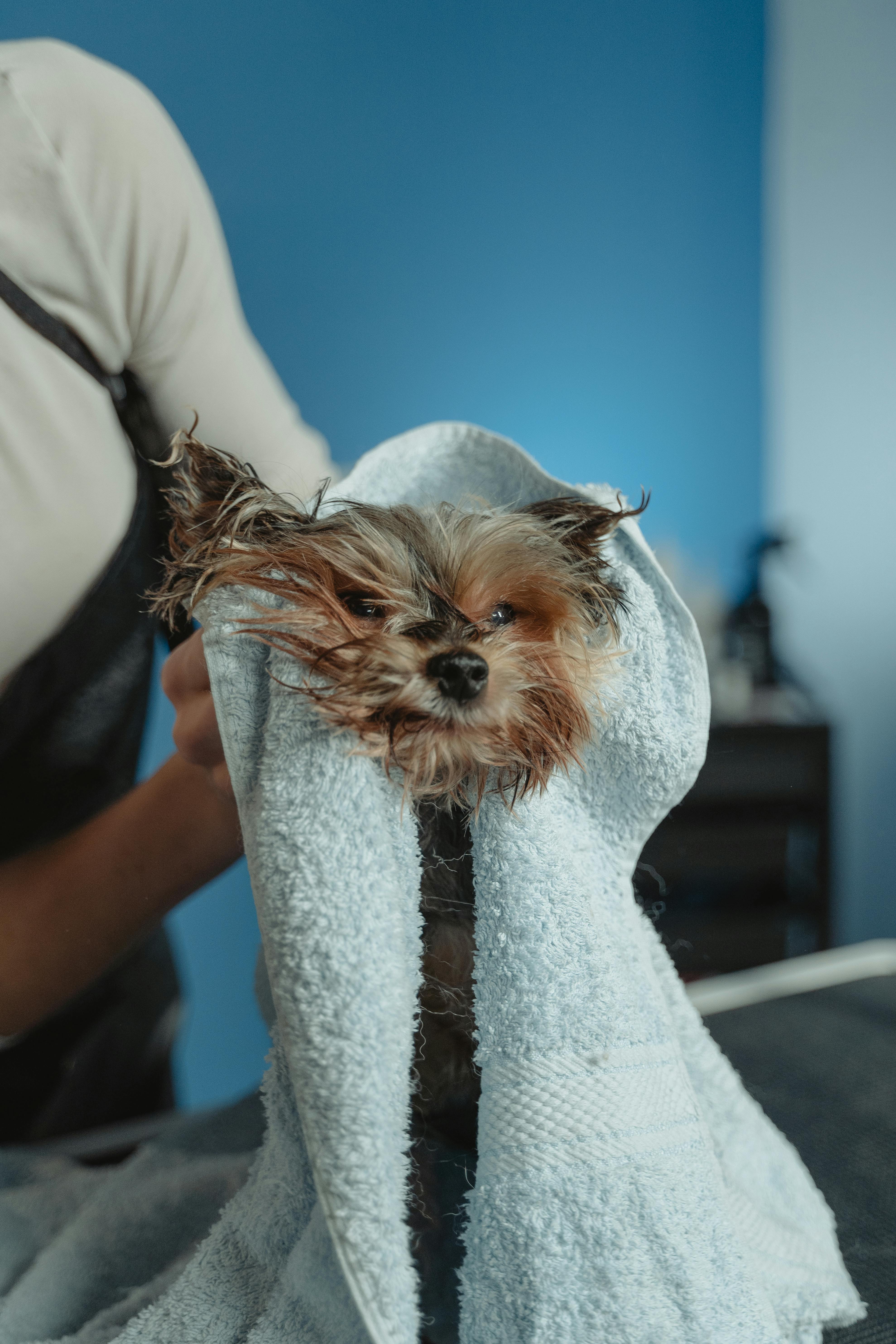
Have you ever wonder why dogs got wet noses? It’s a question that many dog owners ask, and the answer is pretty fascinating. Understanding the science behind canine moisture can not only help you appreciate your furry friend more but also provide insights into their health. So, why do dogs have wet noses? Let’s explore the truth behind those cool, damp snouts!
The Biology of Dog Noses
Dogs have a unique physiological structure that contributes to their wet noses. The moisture on a dog’s nose is primarily due to the secretion of mucus and sweat. Unlike humans, dogs don’t sweat as much through their skin. Instead, they have sweat glands primarily located in their paw pads. Here are some key points to consider:
- Mucous Membranes: Dog noses are covered with mucous membranes that help to keep the nose moist.
- Thermoregulation: The moisture helps regulate their body temperature, especially during hot days.
- Enhanced Sense of Smell: A wet nose can help trap scent particles, making it easier for dogs to detect smells.
Why Are Dog Noses Wet?
So, what’s the main reason behind the wetness? There’s several factors at play:
- Cooling Mechanism: When dogs are hot, their noses may become wetter as a way to cool down. Just like humans sweat to regulate body heat, dogs utilize their noses for similar reasons.
- Scent Detection: A moist nose is essential for a dog’s olfactory system. The moisture helps capture scent molecules, which enhances their ability to detect various smells.
- Health Indicator: A wet nose is generally a sign of a healthy dog. If your dog’s nose becomes dry, it could be a sign of dehydration or illness.
Historical Context of Dog Noses
Dogs have been companions to humans for thousands of years, and their wet noses have played a crucial role in hunting and companionship. Historically, dogs were bred for specific tasks, including tracking and hunting, where their sense of smell was vital.
- Early Breeding: Breeds like Bloodhounds and Beagles were specifically bred for their keen sense of smell.
- Cultural Significance: Many cultures have revered dogs for their ability to track scents, influencing their roles in societies.
The Myth of the Dry Nose
There’s a common belief that a dry nose indicates sickness. While this can sometimes be true, it’s not always the case. Here are some myths and facts:
- Myth: A dry nose means your dog is sick.
- Fact: Dog noses can be dry due to environmental factors like heat or low humidity.
- Myth: Wet noses are always a sign of good health.
- Fact: While a wet nose is often a good sign, other symptoms should be monitored, like behavior or appetite.
Factors Affecting Nose Moisture
Here’s a list of factors that can influence the moisture level of your dog’s nose:
- Weather Conditions: Hot, dry weather can lead to a drier nose.
- Hydration: If your dog isn’t drinking enough water, their nose may dry out.
- Health Conditions: Certain illnesses or skin conditions can affect nose moisture.
- Allergies: Allergies may lead to changes in the moisture of your dog’s nose.
Practical Tips for Dog Owners
To ensure your dog’s nose remains healthy and moist, consider the following:
- Hydration: Always provide fresh water for your dog.
- Humidity: If you live in a dry climate, consider using a humidifier.
- Veterinary Check-ups: Regular health check-ups can help catch any underlying issues.
- Monitor Behavior: Changes in your dog’s behavior can be indicators of health problems.
Comparison: Dogs vs. Other Animals
Let’s compare dogs to some other common pets regarding nose moisture:
| Animal | Nose Moisture | Reason |
|---|---|---|
| Dogs | Wet, moist | Enhances scent detection and cooling |
| Cats | Often dry | Less reliance on scent detection |
| Rabbits | Wet, but less noticeable | Not primarily used for scent |
Understanding why dogs have wet noses can deepen your appreciation for these amazing animals. Their noses not only play a role in their health but are also an essential tool for their survival and well-being. So next time you give your pup a pat, take a moment to consider the science behind that wet nose!
5 Surprising Benefits of Wet Noses in Dogs: What You Need to Know
If you’ve ever wondered about your dog’s wet nose, you ain’t alone. Many dog owners notice that their furry friends always got that moist snout, and it’s not just for looks. There’s actually a lot of fascinating stuff behind why do dogs have wet noses. Let’s dive into the surprising benefits of wet noses in dogs, and uncover what you need to know about these adorable little features.
The Science Behind Wet Noses
So, why do dogs have wet noses? The primary reason is, well, it helps them smell better! Dog’s sense of smell is already way stronger than humans. A wet nose helps to trap scent particles more effectively. When a dog’s nose is damp, it picks up scents from the air and ground better than a dry nose. This is why dogs can find missing items, track scents, and even detect things like drugs or diseases.
The Benefits of Wet Noses
Enhanced Smell Capability
- Dogs have around 220 million scent receptors compared to humans’ 5 million. A wet nose increases their ability to absorb scent particles.
- This heightened sense can be helpful in various situations, from hunting to search-and-rescue missions.
Temperature Regulation
- Believe it or not, a dog’s nose plays a role in regulating their body temperature. The moisture helps keep them cool especially on hot days.
- Dogs don’t sweat like humans do; they mainly rely on panting and their wet noses to maintain a healthy temperature.
Health Indicator
- A wet nose can be a sign of good health, while a dry nose might indicate dehydration or illness.
- Regularly checking your dog’s nose can help you catch potential health issues early.
Social Interaction
- Dogs use their noses to communicate with each other. When dogs greet one another, they often sniff each other’s noses.
- This behavior is a vital part of social bonding and understanding, which can enhance their relationships with both humans and other dogs.
It’s Just Adorable!
- Let’s face it, wet noses are cute! They can make your heart melt and add to the overall charm of your pet.
- Plus, that little nudge of a wet nose can be a great way for them to get your attention or show affection.
Historical Context
Dogs have been companions to humans for thousands of years, and their wet noses have been part of that relationship. Ancient civilizations recognized the benefits of dogs in hunting and protection, and their keen sense of smell was likely a factor in their domestication. Over time, our furry friends have adapted, and their wet noses have become a defining characteristic.
Fun Facts About Dog Noses
- Dogs’ noses can come in different shapes and sizes, depending on the breed.
- Some breeds, like Bloodhounds, are known for their incredible smelling ability, often being used in tracking and search operations.
- A dog’s nose print is unique, much like a human fingerprint. It can even be used to identify them!
Comparing Dogs’ Noses to Other Animals
| Animal | Nose Type | Smelling Ability |
|---|---|---|
| Dogs | Wet | Extremely high |
| Cats | Dry | Moderate |
| Elephants | Trunk | Very high |
| Mice | Wet | High |
Practical Tips for Dog Owners
- Regular Check-ups: Keep an eye on your dog’s nose condition. A sudden change from wet to dry can mean something isn’t right.
- Hydration: Ensure your dog stays hydrated, especially in hot weather. Water is crucial for keeping that nose moist.
- Healthy Diet: A balanced diet contributes to overall health, including a healthy nose. Talk to your vet about the best food for your dog.
- Socialization: Encourage your dog to interact with other dogs. This helps them develop social skills and can be quite beneficial for their mental well-being.
Letting your dog’s wet nose become a point of fascination can deepen your bond with them. It’s not just a physical trait; it’s a window into their health and behavior. Understanding why do dogs have wet noses can enhance your appreciation for these loyal companions. So next time your dog nudges you with that adorable snout, remember there’s more to it than meets the eye!
Exploring the Connection: Do Wet Noses Mean a Healthy Dog?

Have you ever noticed your dog’s wet nose and wondered if it’s a sign that they are healthy? Lots of dog owners frequently ask, “Why do dogs have wet noses?” This seemingly simple question leads to a fascinating exploration of canine biology, behavior, and even some historical aspects. In this article, we’ll delve into the reasons behind those moist noses, their connection to a dog’s health, and what it all means for your furry friend.
The Science Behind Wet Noses
Dogs have wet noses for a variety of reasons. One of the primary reasons is that moisture helps them to smell better. Dogs have an incredible sense of smell, estimated to be between 10,000 to 100,000 times more sensitive than humans. Their wet noses help trap scent particles, enhancing their olfactory capabilities. When the nose is moist, it can absorb more scent chemicals from the environment.
Here’s a quick breakdown of how a wet nose contributes to a dog’s sense of smell:
- Increased Surface Area: The moisture creates a larger surface area for scent absorption.
- Temperature Regulation: A wet nose helps in regulating temperature, which is also essential for their sense of smell.
- Health Indicator: A consistently wet nose can indicate that a dog is well-hydrated and healthy.
The Role of Mucus
The mucus on a dog’s nose also plays an important role. It is not just water; rather, it contains proteins that help to filter out harmful substances and pathogens. This mucus layer can be an essential part of their immune system. When dogs sniff, the moisture helps them to analyze the chemical compounds in the air.
Wet Nose vs. Dry Nose: What’s Normal?
It’s a common misconception that a wet nose always means a healthy dog. While many dogs do have wet noses, some dogs may naturally have drier noses. Here’s a quick chart to understand when a dry nose might be a concern:
- Normal Dryness: Occasional dryness, particularly after sleeping.
- Persistent Dryness: If a dry nose lasts for days, it could indicate dehydration.
- Cracked or Flaky Nose: This may signal dermatitis or other skin issues.
Factors Influencing Nose Moisture
There are several factors that can influence the moisture level of a dog’s nose. These include:
- Weather Conditions: Hot or dry weather can lead to drier noses.
- Health Issues: Conditions such as fever, allergies, or even certain medications can result in a change in nose moisture.
- Age: Older dogs may have less moisture in their noses due to reduced hydration levels.
Historical Context of Wet Noses
Historically, the wet nose has played a significant part in how dogs have been bred and trained. Ancient civilizations recognized the importance of a dog’s sense of smell for hunting and protection. Those with more pronounced wet noses were often preferred, as they could track scents more effectively. This preference has evolved into today’s understanding of canine health.
Fun Facts About Dog Noses
- Dogs have unique nose prints, much like human fingerprints.
- The average dog has about 220 million scent receptors in their noses.
- Some breeds, like Bloodhounds, are known for their extraordinary scent-tracking abilities.
Why Do Dogs Lick Their Noses?
Dogs often lick their noses, which helps keep them moist. Licking also serves other purposes:
- Cleaning: It removes dirt and debris.
- Scent Enhancement: It helps them analyze smells better.
- Comforting: Some dogs lick their noses when they are anxious or nervous.
Signs of a Healthy Dog Nose
Here are some indicators of a healthy dog nose:
- Moisture: A healthy nose is usually moist to the touch.
- Color: Should be a consistent color without any unusual discoloration.
- Temperature: The nose may feel cool but not overly cold.
- No Cracks: A healthy nose is smooth without any breaks or sores.
It’s important to remember that every dog is different, and what’s normal for one might not be for another. Regular check-ups with a veterinarian can help ensure that your dog’s overall health, including their nasal condition, is on track.
As you explore the connection between wet noses and canine health, understanding the science and biology can help you take better care of your furry companion. Whether your dog’s nose is wet, dry, or somewhere in between, the most important thing is that they are happy and healthy. So keep an eye on those noses, and enjoy the delightful quirks of your beloved pet!
Why Do Dogs Have Wet Noses? The Fascinating Biology Explained
Dogs are often considered man’s best friend, and their wet noses are one of their most endearing features. But have you ever wondered why do dogs have wet noses? This question might seem trivial, but the truth behind it is fascinating and deeply rooted in biology.
The Science Behind Wet Noses
The moisture found on a dog’s nose plays a crucial role in their health and senses. Dogs’ noses are covered with a thin layer of mucous, which helps in various ways:
- Temperature Regulation: A wet nose helps dogs stay cool. Like humans sweat, dogs release moisture through their noses to regulate body temperature.
- Enhanced Sense of Smell: The wet surface of a dog’s nose helps capture scent particles from the air. This enhances their ability to detect smells, which is essential for their survival and understanding of the world around them.
- Health Indicator: A wet nose can be a sign of good health. If a dog’s nose is dry, it could indicate dehydration or illness, although this isn’t always the case.
The Anatomy of a Dog’s Nose
The structure of a dog’s nose is quite unique. Unlike humans, who have a relatively simple olfactory system, dogs have a highly developed nasal cavity. Here’s some interesting facts about it:
- Olfactory Receptors: Dogs have up to 300 million olfactory receptors in their noses, compared to about 6 million in humans. This means they can smell things at far lower concentrations than people can.
- Jacobsen’s Organ: Also known as the vomeronasal organ, this is a special organ that allows dogs to detect pheromones, which are chemical signals that can convey information about other animals.
Historical Context
The relationship between dogs and humans goes back thousands of years. Dogs were domesticated from wolves, and their ability to smell has always been a critical trait for hunting and survival. As humans began to rely on dogs for various tasks, like herding and hunting, their sense of smell became invaluable.
- Domestication: It’s believed that dogs were domesticated around 15,000 years ago. The dogs that excelled in hunting were favored, leading to the evolution of their keen sense of smell.
- Working Dogs: Many breeds today have been developed specifically for their olfactory abilities, such as Bloodhounds, Beagles, and German Shepherds.
Practical Examples of Nose Function
Dogs use their noses for many daily tasks and activities. Here’s a list of some common examples:
- Tracking: Dogs are often used in search-and-rescue operations because they can track scents over long distances.
- Detection: Police and military dogs are trained to detect drugs, explosives, and even certain medical conditions in humans.
- Communication: Dogs also use their noses to communicate with each other, gathering information about other animals through scent.
Common Misconceptions
There are many myths surrounding dogs’ noses. Here are a few to debunk:
- A Cold Nose Means a Healthy Dog: While a wet nose can indicate good health, a warm or dry nose doesn’t always mean a dog is sick. Factors like temperature and activity level can affect nose moisture.
- Dogs Can’t Smell When It’s Raining: Rain actually helps enhance their sense of smell by carrying scent particles in the air.
Why Do Dogs Have Wet Noses? Discover The Fascinating Truth!
The truth about why dogs have wet noses is a blend of biology, evolution, and practical function. Their moist noses serve several purposes that are vital to their well-being and ability to interact with the world.
Fun Facts to Know
Here are some fun facts about dogs’ noses:
- Color Variations: Dogs can have black, brown, or even pink noses, and the color can affect their ability to absorb heat.
- Nose Prints: Just like human fingerprints, each dog has a unique nose print that can be used for identification.
- Nose Shape: Different breeds have different nose shapes, which can affect their ability to smell. Longer noses typically have more olfactory receptors.
In summary, the wet nose of a dog is far more than just an adorable feature. It plays a vital role in their health, sense of smell, and overall well-being. Understanding this simple yet fascinating aspect of canine biology not only helps us appreciate our furry friends more but also highlights the incredible intricacies of nature.
Understanding Your Dog’s Nose: 7 Reasons It’s Always Damp
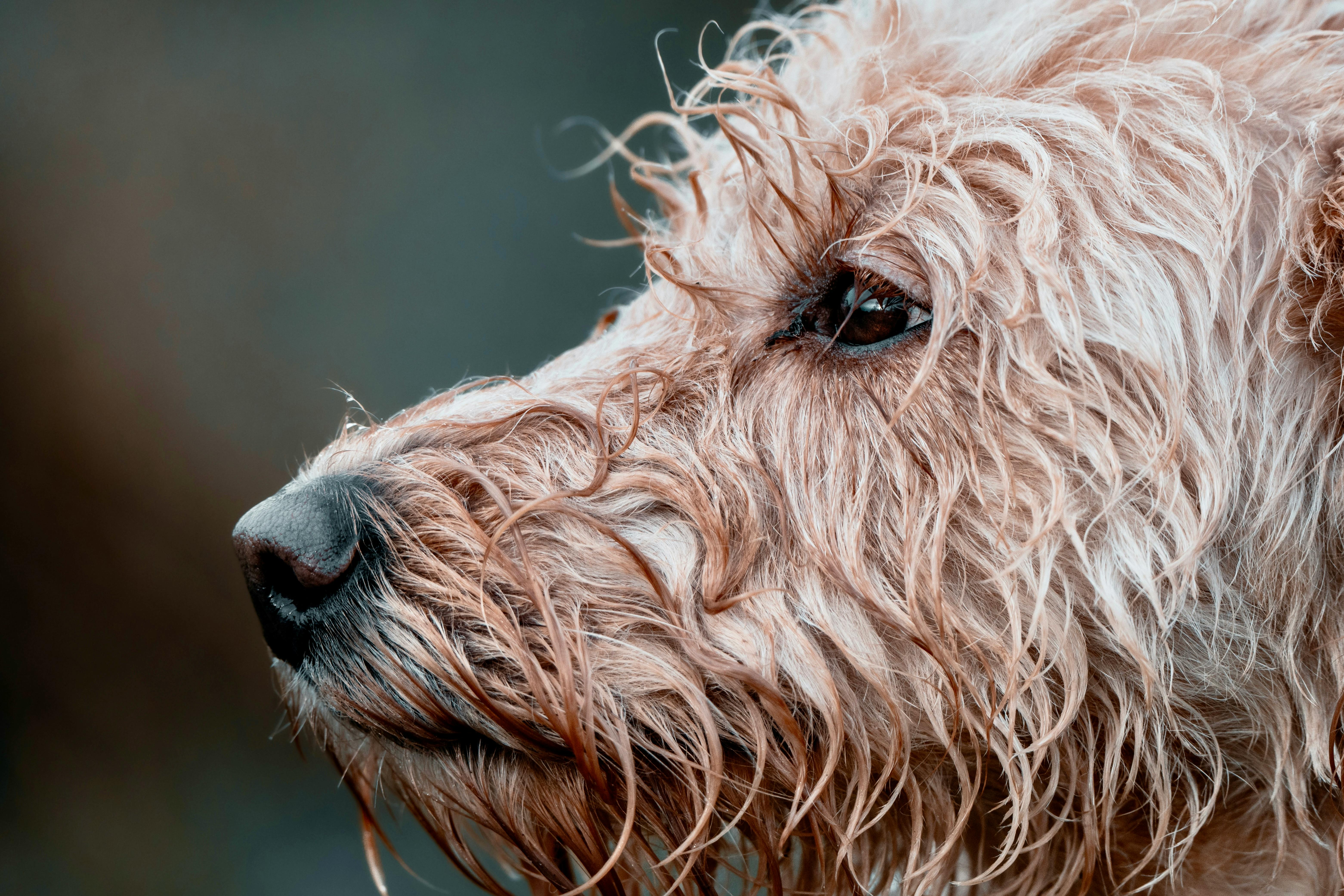
Dogs have always been our furry companions, but one thing that often draws our attention is their wet noses. If you’ve ever wondered, “Why do dogs have wet noses?” you’re not alone. Understanding your dog’s nose can reveal a lot about their health and behavior. So, let’s dive into the fascinating world of dog noses and uncover the reasons behind their perpetual dampness.
The Science Behind a Wet Nose
Dogs have wet noses for several reasons, and it all starts with their anatomy. The moisture on their noses comes from the mucous membranes and is primarily made up of water. But there’s more to it than just moisture.
Temperature Regulation: Just like humans sweat to cool down, dogs rely on their noses to regulate body temperature. When a dog is feeling hot, they might lick their nose, which helps to cool them off. This is essential for their overall health.
Sense of Smell: Dogs have an incredible sense of smell, and their wet noses play a crucial role. The moisture helps to capture scent particles from the air. More moisture means they can smell better. A wet nose is like a sponge for smells!
Health Indicator: A dog’s nose can tell you a lot about their health. If the nose is too dry or excessively wet, it could be a sign of an underlying issue. Keeping an eye on your dog’s nose can be a good way to monitor their health.
Behavioral Reasons: Dogs often lick their noses out of habit or to communicate. A wet nose can indicate that a dog is relaxed and happy, while a dry nose might suggest stress or anxiety.
Humidity and Environment: The environment can also affect how moist a dog’s nose is. High humidity can keep a dog’s nose wet, while dry air can lead to dryness. So, if you notice your dog’s nose changing with the seasons, it might just be the weather.
Breed Differences: Some dog breeds have naturally wetter noses than others. For example, breeds like the Bloodhound have particularly moist noses, while others, like the Bulldog, may have drier noses due to their facial structure.
Age Factors: Younger dogs tend to have wetter noses compared to older dogs. As dogs age, their skin can become drier, affecting the moisture of their noses. This is normal, but it’s always good to keep an eye on your senior pets.
Fun Facts About Dogs’ Noses
- Dogs have about 220 million scent receptors in their noses, compared to a human’s 5 million.
- The wetness of a dog’s nose helps to enhance their sense of smell by capturing scent particles.
- Dogs can even detect certain diseases, like cancer, through their sense of smell!
Common Misconceptions
Myth: A cold, wet nose means a dog is healthy.
Fact: While a wet nose can indicate good health, it’s not the only factor. Other signs like energy level, appetite, and behavior are also important.
Myth: Dogs only lick their noses for moisture.
Fact: Dogs lick their noses for various reasons, including to communicate, express anxiety, or simply out of habit.
Monitoring Your Dog’s Nose
It’s essential to regularly check your dog’s nose and not just for wetness. Look out for:
- Color Changes: A healthy nose should be pink or black, depending on the breed. If you notice unusual discoloration, it might be worth a vet visit.
- Cracks or sores: Any signs of injury or infection should be addressed immediately.
- Excessive dryness or wetness: As mentioned, these can indicate health issues.
When to Consult a Veterinarian
If your dog’s nose changes dramatically, or if you notice other symptoms like lethargy, loss of appetite, or unusual behavior, it’s best to consult a veterinarian. They can provide a thorough examination and help determine if any underlying health issues are present.
Understanding why dogs have wet noses is more than just a fun fact. It relates to their health, behavior, and even the environment they’re in. So next time you see your dog with that adorable damp nose, remember there’s a lot more going on beneath the surface! Keeping an eye on this small aspect of your dog’s health can lead to better overall care and a happier life for your furry friend.
The Role of a Dog’s Wet Nose in Their Sense of Smell: Uncovering the Truth
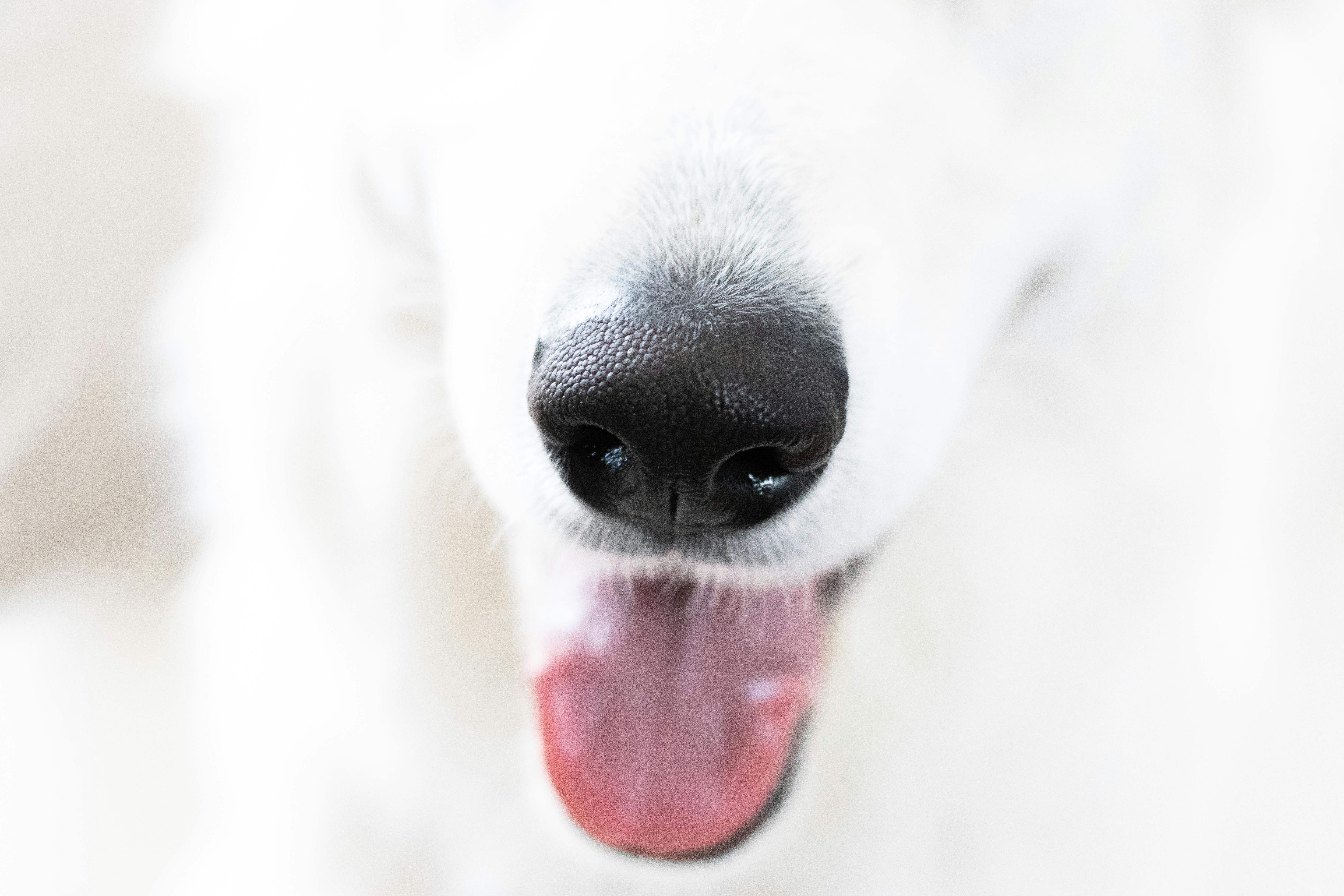
Dogs are more than just companions; they are complex creatures with fascinating biological traits. One of the most intriguing aspects of dogs is their sense of smell, which is far more powerful than that of humans. But have you ever wondered why do dogs have wet noses? This question leads us to uncover the truth behind the role of a dog’s wet nose in their olfactory capabilities.
The Importance of a Dog’s Nose
Dogs have an extraordinary sense of smell, estimated to be anywhere from 10,000 to 100,000 times more sensitive than ours. Their noses are equipped with up to 300 million smell receptors compared to our mere 6 million. This incredible olfactory prowess makes them exceptional at detecting scents, which is essential for their survival and communication.
Why Are Dog Noses Wet?
So, why do dogs have wet noses? The answer lies in the functionality of their olfactory systems. A wet nose serves several important purposes:
Improved Smell Detection: When a dog’s nose is moist, it can trap more scent particles, enhancing their ability to detect odors. This moisture helps in capturing scent molecules from the air, making it easier for dogs to identify smells.
Temperature Regulation: Dogs don’t sweat like humans do; instead, they regulate their body temperature through their noses. The moisture on their noses evaporates, which helps cool them down.
Health Indicator: A wet nose is often seen as a sign of a healthy dog. However, this isn’t always the case. Various factors can affect nose moisture levels, including environmental conditions and health issues.
The Science Behind the Wet Nose
The wetness of a dog’s nose comes from mucus that is naturally produced. This mucus serves various functions:
Absorption of Smells: The moisture on the nose dissolves scent particles, allowing dogs to absorb these smells better. This absorption process is crucial for their ability to interpret scents accurately.
Scent Identification: Dogs have a special organ called the Jacobsen’s organ located in the roof of their mouth. When dogs lick their noses, they help transfer scent particles to this organ, which enhances their ability to identify and differentiate between various smells.
Historical Context of Dogs’ Noses
Humans have utilized dogs’ incredible sense of smell for centuries. In ancient times, dogs were bred for specific tasks that relied heavily on their olfactory skills. Here’s a brief historical timeline:
Hunting: Early humans trained dogs to track and locate prey, recognizing their keen ability to smell.
Search and Rescue: Dogs have been used in search and rescue operations, finding lost individuals or detecting substances like explosives and drugs.
Medical Detection: In modern times, dogs are trained to detect diseases, including cancer and diabetes, showcasing their remarkable olfactory capabilities.
Comparison: Dog Noses vs. Human Noses
To really grasp the significance of a dog’s wet nose, it’s helpful to compare it with our human noses:
| Feature | Human Nose | Dog Nose |
|---|---|---|
| Smell Receptors | 6 million | Up to 300 million |
| Scent Detection | Limited | Exceptional |
| Nose Moisture | Dry | Always moist |
| Functionality | Basic smell detection | Advanced tracking abilities |
Practical Examples of Dogs’ Olfactory Skills
Dogs can perform amazing feats due to their sense of smell. Here are some practical examples of how dogs utilize their wet noses:
Tracking: Bloodhounds can follow a scent trail for miles, even days old, due to their incredible sense of smell.
Detection: Dogs are trained to sniff out drugs like cocaine and heroin, making them invaluable to law enforcement agencies.
Medical Alerts: Some dogs can sense changes in their owner’s body chemistry, alerting them to conditions like seizures or low blood sugar levels.
What Affects a Dog’s Nose Moisture?
Several factors can impact how wet a dog’s nose is, including:
Weather Conditions: Hot, dry weather can lead to a drier nose, while humid conditions may result in increased moisture.
Health Issues: Certain illnesses can cause a dog’s nose to become dry or cracked, signaling potential health concerns.
Age: Older dogs may experience changes in their nose’s moisture levels, which can indicate aging-related health issues.
In summary, the wet nose of a dog plays a crucial role in their ability to smell. This unique trait not only enhances their olfactory perception but also serves important functions such as temperature regulation and health indicators. Understanding why dogs have wet noses helps us appreciate the complexity of these amazing animals, making them even more fascinating companions.
Is a Wet Nose Always a Good Sign? Common Myths Debunked

When it comes to our furry friends, one common question arises: Is a wet nose always a good sign? While many dog owners might think that a wet nose indicates a healthy, happy pup, the truth is a bit more complicated. Let’s dive into why dogs have wet noses, explore some myths, and uncover the fascinating facts behind this common phenomenon.
The Science Behind Wet Noses
Dogs have wet noses for several reasons. One of the primary factors is that their noses are covered in mucus. This mucus helps to enhance their sense of smell by trapping scent particles in the air. The moisture on a dog’s nose can also help to cool them down, acting much like sweat does for humans.
Here are a few other reasons dogs might have wet noses:
- Temperature Regulation: Dogs do not sweat like humans. Instead, they rely on panting and their nose to help regulate their body temperature.
- Scent Enhancement: The moisture on their noses helps to absorb scent molecules, making it easier for dogs to identify and track scents.
- Health Indicator: A wet nose can be a sign of good hydration and health, but it is not an absolute measure.
Common Myths About Wet Noses
People often believe that if a dog has a dry nose, it means they are sick or dehydrated. However, this assumption is not entirely accurate. Here are some myths debunked regarding dog noses:
Myth: A wet nose means a dog is healthy.
- Truth: While it can be a sign of health, a wet nose does not guarantee a dog is free from illness. Dogs can have wet noses even when they are sick, and dry noses can sometimes indicate nothing more than a change in temperature or humidity.
Myth: All dogs have wet noses.
- Truth: Some breeds, like the Shar Pei, are known to have drier noses. The amount of moisture can vary significantly from one dog to another.
Myth: A cold nose means a dog is sick.
- Truth: Dogs can have cold noses for various reasons, including temperature changes in their environment or just their natural body temperature variations.
Myth: You can gauge a dog’s health solely by their nose.
- Truth: While the nose can provide some clues about health, it’s not the only indicator. Owners should watch for other signs like behavior, appetite, and energy levels.
Why Do Dogs Have Wet Noses? A Deeper Look
Dogs’ noses are incredibly sensitive, containing millions of scent receptors. This sensitivity is partly because of the moisture. When the nose is wet, it can absorb scent particles more effectively. That’s why dogs are often trained to follow scents during search and rescue missions or when hunting.
Another interesting fact is that dogs have a special organ called the Jacobsen’s organ, located on the roof of their mouths. This organ helps them analyze scents further, providing them with even more information about their environment.
Fun Facts About Dog Noses
- Unique Patterns: Just like human fingerprints, each dog’s nose print is unique. This means you could actually identify a dog by its nose print!
- Temperature Sensitivity: Dogs can feel slight temperature changes through their noses, which helps them detect food or potential threats.
- Nasal Temperature: A dog’s normal nose temperature can vary between 98.6°F (37°C) to 102.5°F (39.2°C).
Practical Tips for Dog Owners
If you’re worried about your dog’s nose, here are some practical tips:
- Regular Check-ups: Always keep your vet informed about any changes in your dog’s health, including their nose condition.
- Keep Hydrated: Ensure your dog has constant access to fresh water to help maintain a moist nose.
- Monitor Environment: Changes in temperature or humidity can affect your dog’s nose moisture, so be mindful of where your dog spends time.
Myths about our four-legged companions can cause unnecessary worry among pet owners. While a wet nose can be a sign of health, it’s only one piece of a much larger puzzle. Understanding the true nature of dog noses helps owners better care for their pets and appreciate the unique characteristics that make dogs such wonderful companions. So, the next time you check your dog’s nose, remember that it’s just one of the many fascinating aspects of their biology!
From Temperature Regulation to Communication: The Functions of a Wet Dog Nose
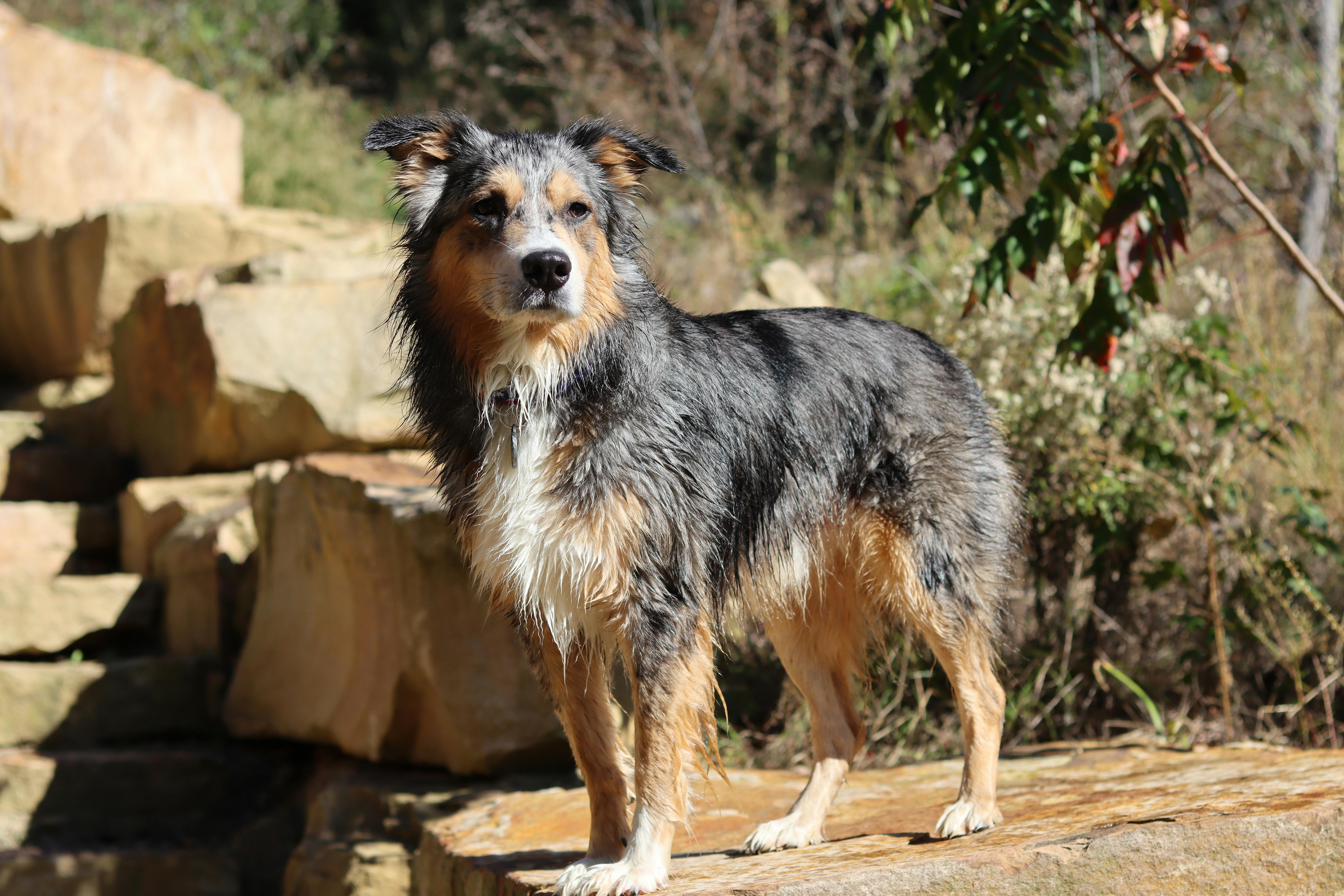
Ever wonder why dogs have wet noses? It’s a question that many dog owners have pondered over. The truth behind those moist noses is both fascinating and multi-faceted. Wet dog noses serve several important functions, from regulating temperature to enhancing communication with their human companions. Let’s dive into the extraordinary world of canine noses and discover the science behind this intriguing feature.
Temperature Regulation and Cooling
One of the primary reasons for a dog’s wet nose is to help regulate their body temperature. Unlike humans, who sweat to cool down, dogs have a different method. Their noses play a significant role in keeping them cool. When a dog licks its nose, it adds moisture. This moisture then evaporates, which helps lower their body temperature.
- How it works:
- Dogs lick their noses to keep them wet.
- The evaporation of moisture cools the blood vessels in the nose.
- This cooling effect can help regulate the dog’s overall body temperature.
Enhanced Sense of Smell
Another fascinating function of a wet dog nose is its contribution to their incredible sense of smell. Dogs have millions of scent receptors in their noses, and a wet nose enhances their ability to pick up scents. The moisture helps trap scent particles from the air, making it easier for dogs to detect a variety of smells.
- Scent receptor comparison:
- Humans: Approximately 5 million scent receptors.
- Dogs: Up to 300 million scent receptors.
This means that dogs can smell things we can’t even imagine. Their wet noses act like a sponge, soaking up scents and allowing them to understand their environment better.
Communication Tool
Dogs communicate in various ways, and their noses play a role in this too. When dogs greet each other, they often sniff each other’s noses and behinds. This behavior provides them with a wealth of information about their fellow canines, including their health, mood, and even their recent meals. The wetness of their noses helps them gather this information more effectively.
- Types of communication:
- Sniffing: Gathering information about another dog.
- Licking: Showing affection or submission.
- Nosing: Seeking attention or indicating a need.
The Evolutionary Perspective
From an evolutionary standpoint, wet noses have been beneficial for dogs throughout history. Ancestors of modern dogs relied heavily on their sense of smell for hunting and survival. A wet nose would have given them a significant advantage in detecting prey or avoiding danger. Over generations, this trait has persisted, making it a natural characteristic of dogs today.
Fun Facts about Dog Noses
- Nose prints are unique: Just like human fingerprints, every dog’s nose print is unique. This could potentially be used for identification.
- Temperature check: A wet nose is often associated with a healthy dog. However, a dry nose doesn’t always indicate illness. It can be influenced by various factors, including the environment.
- Color matters: The color of a dog’s nose can change, sometimes depending on the breed or age. For example, some breeds have black noses, while others have pink ones.
Why Do Dogs Have Dry Noses Sometimes?
It’s not uncommon for dog owners to notice their pet’s nose being dry at times. Several factors could contribute to this, including:
- Environmental Factors: Hot weather or dry air can cause a dog’s nose to dry out.
- Dehydration: If a dog isn’t drinking enough water, it may lead to a dry nose.
- Health Issues: Certain health problems can cause a dry nose, so it’s always best to consult a veterinarian if you notice persistent dryness.
Caring for Your Dog’s Nose
Keeping a dog’s nose healthy is fairly simple. Here are some tips:
- Ensure they stay hydrated by providing fresh water.
- Limit exposure to extreme weather conditions.
- Check for signs of irritation or injury.
- Consult with a vet if you notice changes in your dog’s nose that concern you.
Understanding why dogs have wet noses reveals a lot about canine biology and behavior. From temperature regulation to enhanced communication, these moist noses serve crucial functions that contribute to a dog’s health and well-being. Next time you give your furry friend a pat on the head, take a moment to appreciate their unique, wet nose and all it does for them. It’s a little marvel of nature that plays a big role in their everyday lives.
How to Keep Your Dog’s Nose Healthy and Moist: Essential Tips for Pet Owners

Keeping your dog’s nose healthy and moist is more important than you might think. A wet nose is often seen as a sign of a healthy pup, but why do dogs have wet noses in the first place? Let’s take a look at the fascinating truth behind this. Plus, we’ll provide essential tips for pet owners to ensure that their furry friend’s nose stays in tip-top shape.
Why Do Dogs Have Wet Noses?
Dogs’ noses are naturally moist, and there are some scientific reasons for this. The moisture helps to enhance their sense of smell, which is incredibly strong compared to ours. Wet noses absorb scent molecules from the air, making it easier for dogs to detect different smells. Here are some reasons why dog noses are wet:
- Scent Enhancement: A moist nose helps dogs smell better, as it traps scent particles.
- Temperature Regulation: Dogs sweat through their nose, helping to cool their body down.
- Health Indicator: A wet nose is often a sign of a healthy dog. However, it’s not the only indicator.
Interestingly, dogs can have different nose conditions, and sometimes you might notice your dog’s nose being dry or cracked. This can be due to various factors, including weather conditions, health issues, or dehydration.
How to Keep Your Dog’s Nose Healthy and Moist
Here are some essential tips for pet owners to help keep their dog’s nose healthy and moist:
- Hydration: Always make sure your dog has access to fresh water. Proper hydration is key to maintaining moisture in their nose.
- Humidity Levels: Dogs can get dry noses in dry weather or low humidity. Using a humidifier in your home can help.
- Sun Protection: Just like humans, dogs can get sunburned. If your dog spends a lot of time outdoors, consider using pet-safe sunscreen on their nose.
- Regular Vet Check-ups: Regular visits to the vet can help prevent or treat any potential issues with your dog’s nose. Conditions like nasal infections or autoimmune diseases can affect nose health.
- Healthy Diet: A well-balanced diet rich in omega fatty acids can help maintain skin and coat health, which in turn keeps the nose healthy.
- Avoid Allergens: If your dog is allergic to anything, it can cause dryness or irritation of the nose. Identify and minimize exposure to allergens.
Common Nose Problems in Dogs
Sometimes, despite your best efforts, your dog might experience nose issues. Here are some common problems to watch out for:
- Cracked Nose: This can occur due to dehydration or environmental factors.
- Nasal Discharge: If you see mucus or discharge, it might indicate an infection or illness.
- Dry Nose: A persistently dry nose can be a sign of a health issue, so it’s good to consult your vet.
Fun Facts About Dog Noses
Here are some interesting tidbits that you might not know about your dog’s snout:
- Unique Nose Prints: Just like human fingerprints, every dog’s nose print is unique. They can be used for identification.
- Heat Detection: Dogs can detect heat through their noses, particularly in hunting or rescue scenarios.
- Nosework Sports: Many dogs participate in nosework sports, which utilize their exceptional sense of smell for fun and competition.
Quick Comparison: Dog Noses vs. Human Noses
| Feature | Dog Nose | Human Nose |
|---|---|---|
| Moisture Level | Usually moist | Varies, often dry |
| Scent Detection | Highly developed | Less sensitive |
| Temperature Regulation | Helps cool body | Primarily for breathing |
| Unique Prints | Yes | No |
Practical Example
Imagine you just adopted a dog, and its nose is dry. First, make sure it’s drinking enough water. If the nose doesn’t improve after a few days, take it to the vet. They might recommend a special ointment or check for allergies.
Keeping your dog’s nose healthy involves a mix of good care practices and being observant. If you notice changes, don’t hesitate to seek veterinary advice. Remember, a healthy nose is often an indicator of a healthy dog. So, keep those tails wagging and noses moist!
Curious Canine Facts: The Unique Reasons Behind Your Dog’s Wet Nose
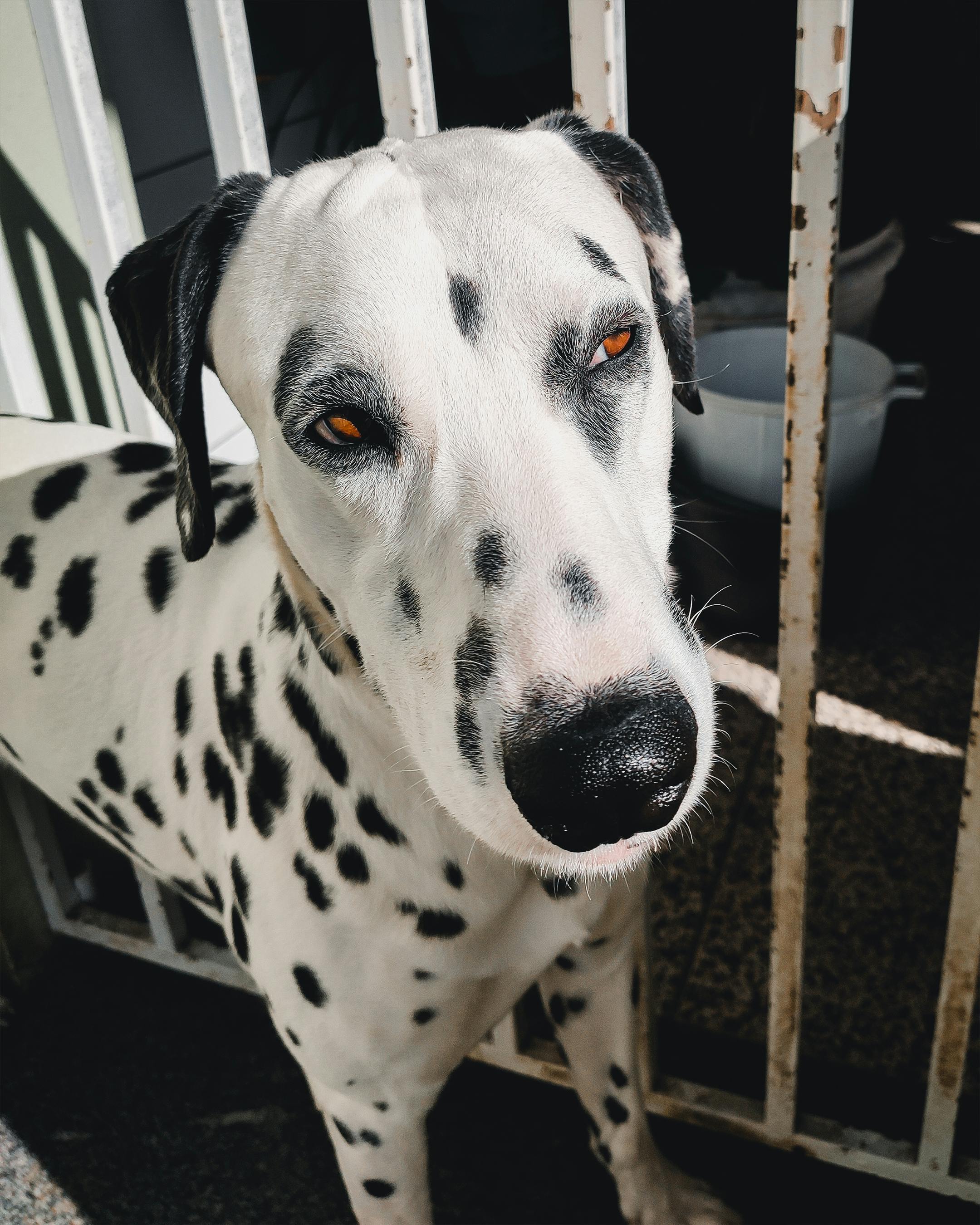
Dogs, often called man’s best friend, are full of quirks and curiosity-inducing traits. One of the most fascinating things about our furry companions is their wet noses. You might have wondered, why do dogs have wet noses? The truth behind this common feature isn’t just a random occurrence; it’s deeply rooted in biology and behavior. Let’s dive into the curious canine facts surrounding this unique aspect of dogs.
The Science Behind Wet Noses
A dog’s nose is typically wet due to a few reasons linked to their health and senses. The moisture helps dogs in several significant ways.
Enhanced Sense of Smell: A wet nose can trap scent particles better than a dry one. Dogs have an incredible sense of smell, estimated to be between 10,000 to 100,000 times more sensitive than humans. The wetness helps them absorb scents, allowing them to detect and differentiate various smells more effectively.
Temperature Regulation: Dogs don’t sweat like humans do. Instead, they primarily rely on panting to cool down. However, a wet nose can also aid in regulating their body temperature. The moisture evaporates, providing a cooling effect, which helps keep them comfortable, especially on warm days.
Health Indicator: A wet nose is often a sign of a healthy dog. While it’s not a definitive measure of health, a consistently dry nose could indicate dehydration or illness. Pet owners are encouraged to monitor the moisture level of their dog’s nose as part of their overall health check.
Historical Context
The prominence of wet noses in dogs isn’t just a modern-day curiosity. Historically, dogs with wet noses were often favored by breeders. They were believed to be healthier and more active. The perception that a wet nose signifies a happy, healthy dog has been passed down through generations, influencing how we view dog health today.
Comparison: Dogs vs. Cats
Did you know that not all animals have the same nose characteristics? Comparing dogs to cats can be quite enlightening. Here’s a quick breakdown:
| Feature | Dogs | Cats |
|---|---|---|
| Nose Moisture | Typically wet | Usually dry |
| Sense of Smell | Highly developed | Less sensitive than dogs |
| Temperature Regulation | Uses nose and panting | Primarily uses panting |
| Health Indicators | Wet nose often indicates health | A dry nose doesn’t necessarily indicate health |
Dogs have evolved to rely on their noses far more than cats, which explains some of these differences.
Fun Facts about Dog Noses
Here are some additional curious facts about dogs’ noses that might surprise you:
Unique Patterns: Just like human fingerprints, every dog’s nose print is unique. This can be used as a method of identification.
Color Variation: The color of a dog’s nose can vary widely from black to brown to even pink, and it can change due to age or health conditions.
Nose Work: Some dogs are trained for scent detection, such as in search and rescue operations, or even in detecting diseases like cancer. Their wet noses play a crucial role in these tasks.
Licking Habits: Dogs often lick their noses to keep them moist. This is a natural behavior that helps them maintain their sense of smell.
Practical Examples of Dog Nose Care
As a dog owner, it’s important to keep an eye on your furry friend’s nose. Here are some practical tips to ensure their nasal health:
Hydration: Ensure your dog is drinking enough water, especially during hot weather.
Regular Vet Check-ups: Routine veterinary visits can help catch any potential health issues early.
Watch for Changes: If your dog’s nose becomes excessively dry or cracked, or if there’s a sudden change in moisture level, consult your veterinarian.
Environmental Awareness: Be mindful of your dog’s environment; extreme heat or dry air can affect their nose’s moisture levels.
Understanding why dogs have wet noses can deepen your appreciation for these wonderful creatures. Their wet noses are not just a cute feature; they play a significant role in their health and behavior. Next time you give your dog a scratch behind the ears, take a moment to appreciate that little wet nose and all the fascinating science it represents. Remember, every detail about your canine companion contributes to the bond you share, making your relationship even more special.
Conclusion
In conclusion, the wet noses of dogs serve multiple important functions that contribute to their health and well-being. Primarily, a moist nose helps enhance their sense of smell, allowing them to detect scents more effectively, which is crucial for their survival and interaction with the environment. Additionally, the moisture plays a role in thermoregulation, helping dogs cool off and maintain a stable body temperature. While a wet nose is often seen as a sign of a healthy dog, it’s essential to monitor changes in moisture levels, as they could indicate health issues. Understanding these aspects of your furry friend can deepen your bond and enhance your care for them. So, the next time you greet your dog and feel that familiar wet nose, remember the vital role it plays in their life. Stay informed about your pet’s health and enjoy every moment with them!
