
Have you ever wondered, why do dogs have wet noses? This intriguing question has puzzled pet owners and animal lovers alike. A dog’s moist nose is not just a quirky trait; it serves several fascinating purposes that might surprise you! In this blog post, we will uncover the fascinating truth behind this common canine characteristic. Many people ask, “Is a wet nose a sign of health?” or “Do dogs have wet noses due to their sense of smell?” The answers are more complex than you might think! Not only does a wet nose help dogs to absorb scent molecules, enhancing their sense of smell, but it also plays a role in thermoregulation. Curious about how this impacts your furry friend’s well-being? Understanding the science behind why dogs have wet noses can deepen your bond with your pet and even improve their care. Join us as we delve into the remarkable world of dogs and explore why their noses are not just cute, but essential tools for survival. Get ready to discover the mysteries of your dog’s wet nose and what it truly means for their health and happiness!
The Science Behind Canine Noses: Why Are Dogs’ Noses Always Wet?
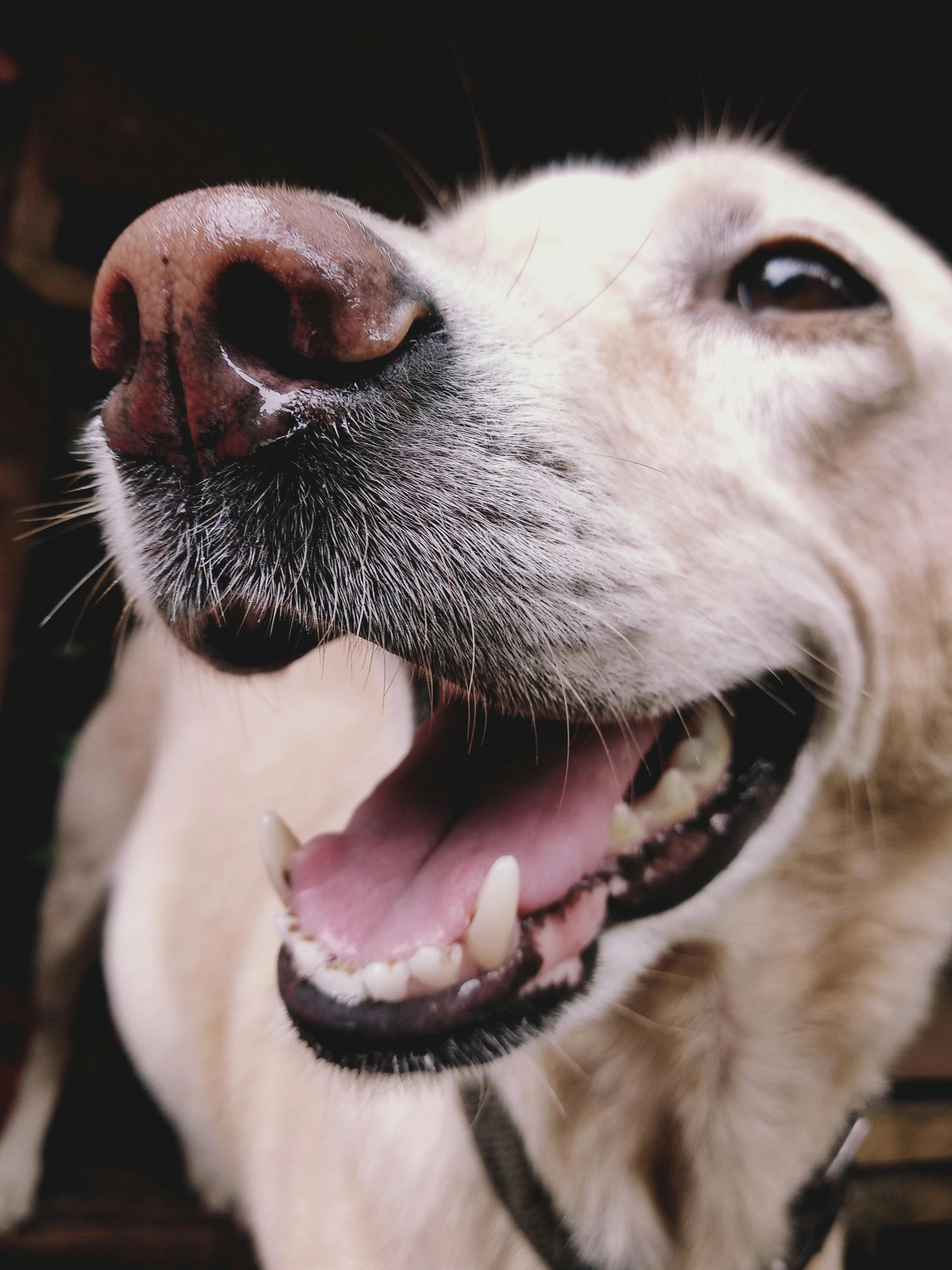
Dogs are often known for their incredible sense of smell which is rooted in their wet noses. But why do dogs have wet noses? It’s a question that many pet owners ask, and the answer is more fascinating than you might think. Wet noses are not just a cute feature; they play a significant role in a dog’s ability to interact with the world.
The Anatomy of a Dog’s Nose
First off, let’s talk about how a dog’s nose works. Their noses are made up of a complex structure of tissues, blood vessels, and nerve endings. Dogs have about 300 million smell receptors, compared to humans who have only around 5 million. This makes their sense of smell vastly superior to ours. A dog’s wet nose helps to enhance their olfactory capabilities.
- Moisture Creation: Dogs have special glands in their noses that secrete a thin layer of mucus. This moisture captures scent particles and helps them smell better.
- Temperature Regulation: Wet noses also help dogs cool down. When they pant, the moisture evaporates, which helps to regulate their body temperature.
- Sensory Feedback: The moisture on their noses can assist in gathering information from their environment.
Why Are Dog Noses Always Wet?
So, why do dogs have wet noses? Well, it’s not just for show. Wet noses serve multiple purposes. Here are some key reasons:
- Enhanced Smell: A wet nose can absorb scent particles more effectively. When the nose is moist, it can trap more odor molecules, allowing dogs to detect scents with greater accuracy.
- Health Indicator: A dog’s nose can also indicate health status. A consistently dry or cracked nose might signal dehydration or illness.
- Social Interaction: Dogs often use their noses to sniff each other when greeting, and a wet nose can be more inviting than a dry one.
Historical Context of Dog Noses
The evolution of a dog’s nose is deeply tied to their domestication process. Dogs were bred for different purposes, many of which relied on their sense of smell. For example, hunting dogs were selected for their ability to track scents, while herding dogs needed to navigate large expanses of land by scent.
- Hunting Breeds: Bloodhounds, Beagles, and other scent hounds have been specifically bred to excel in tracking.
- Working Breeds: Dogs like German Shepherds and Labrador Retrievers are known for their adeptness in search and rescue operations, where their noses are crucial.
Fun Facts About Dog Noses
Here are some fun and interesting facts about canine noses that you might not know:
- Unique Patterns: Just like human fingerprints, every dog has a unique nose print.
- Temperature Sensitivity: Dogs can sense certain temperatures through their noses, helping them identify food that’s too hot or cold.
- Sniffing Technique: Dogs often sniff in a specific pattern when they’re trying to gather information; they might take short, rapid sniffs followed by longer inhalations.
Comparison: Dog Noses vs. Human Noses
Let’s compare the olfactory abilities of dogs and humans. Here’s a simple breakdown:
| Feature | Dogs | Humans |
|---|---|---|
| Smell Receptors | About 300 million | About 5 million |
| Smell Detection | Can detect scents in parts per trillion | Limited sensitivity |
| Nose Function | Wet for trapping scents | Mostly dry, less efficient |
Practical Examples of Nose Use
Dogs use their noses in many different ways. Some practical examples include:
- Search and Rescue: Dogs can locate missing persons through scent trails.
- Medical Detection: Some dogs can detect diseases like cancer or diabetes through changes in a person’s scent.
- Tracking: Hunting dogs track animals by following scent trails left behind.
Wet noses are more than just a charming characteristic of dogs; they are a vital part of what makes dogs such excellent companions and workers. Understanding the science behind why do dogs have wet noses can enrich your appreciation for these beloved animals.
Next time you pet your dog and feel their cool, moist nose against your skin, remember that it’s not just a simple trait—it’s a window into their world of incredible senses!
7 Incredible Reasons Why Dogs Have Moist Noses You Need to Know!
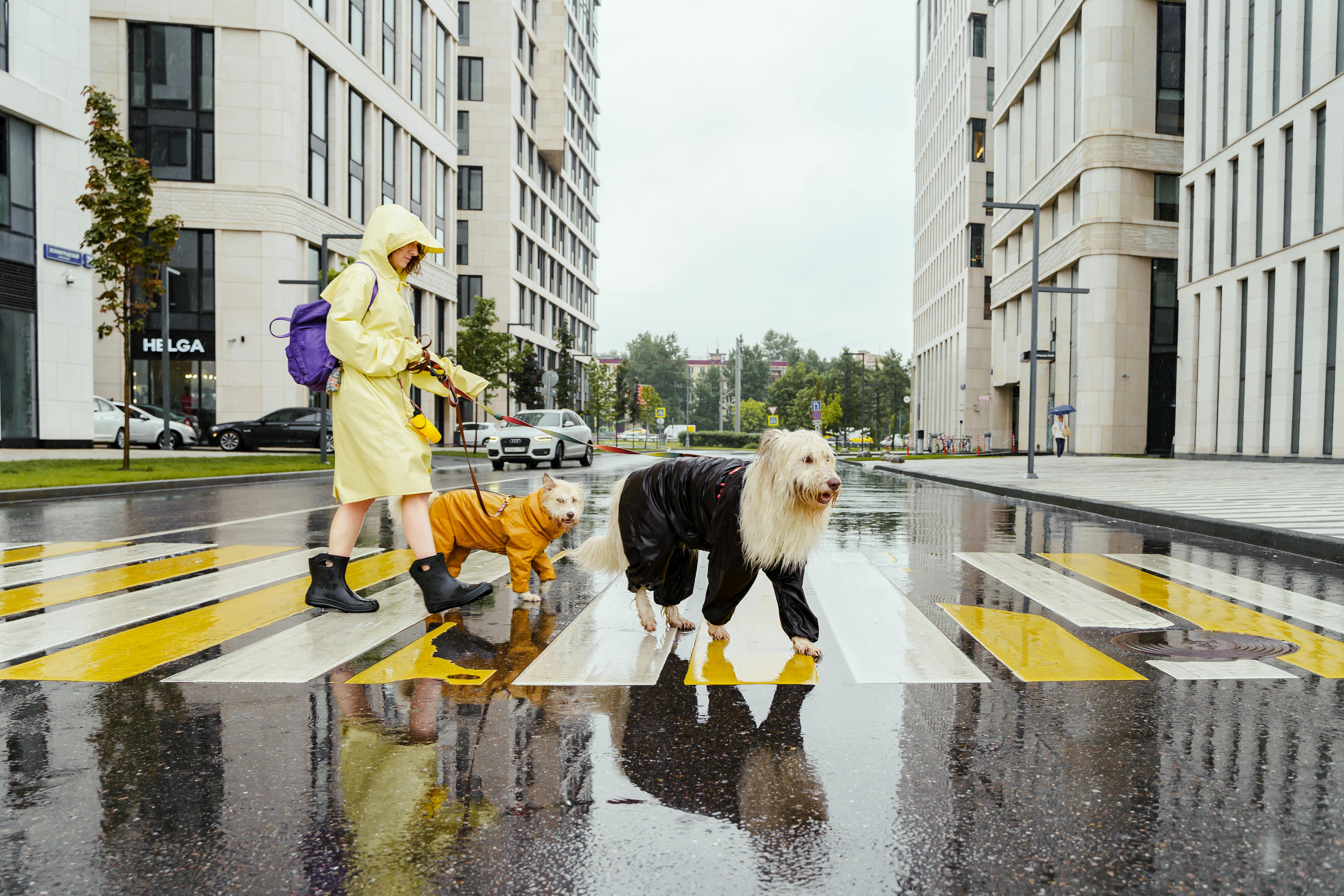
Have you ever been curious about why dogs have wet noses? It’s one of those quirky things we all notice, but how many of us actually know the reasons behind it? Dogs’ noses are not just adorable; they play a crucial role in their health and behavior. Let’s dig in and uncover the fascinating truth behind this common canine characteristic.
A Natural Thermoregulator
One of the most incredible reasons why dogs have moist noses is that it helps them regulate their body temperature. Dogs don’t sweat like humans do. Instead, they cool off through their noses. When they breathe, the moisture on their noses evaporates, which helps to lower their body temperature. This is especially important during hot weather when they need to stay cool.
Enhanced Sense of Smell
Another reason for the moistness of a dog’s nose is its vital role in their sense of smell. A wet nose can trap scent particles in the air better than a dry one. Dogs have an extraordinary sense of smell, estimated to be between 10,000 to 100,000 times more sensitive than that of humans. The moisture on their noses helps absorb these scent molecules, enhancing their ability to detect odors.
Health Indicator
Did you know that a dog’s nose can also be an indicator of its health? A moist nose usually indicates a healthy dog, while a dry or cracked nose might suggest dehydration or illness. However, it is not a foolproof method—some dogs naturally have drier noses without any health issues.
Communication Tool
Dogs also use their noses to communicate with each other and their environment. A moist nose helps them gather information about other animals or objects they encounter. It’s like they’re sending out tiny probes to collect data. They sniff and lick surfaces to learn about the world around them, which is crucial for their social interaction and understanding of their surroundings.
Historical Perspective
Historically, dogs are thought to have evolved from wolves, who also have moist noses. Early domesticated dogs developed traits that made them more suited to living alongside humans. The moist nose trait likely became common because it helped them hunt and survive in various environments. This evolutionary advantage helped dogs bond with humans, as their enhanced senses aided in herding, hunting, and guarding.
Comparison with Other Animals
Dogs aren’t the only animals with moist noses. Many mammals have moist noses to help enhance their sense of smell. Cats, for instance, have moist noses as well, but they rely on their sense of smell differently than dogs do. In contrast, humans have dry noses, which means we rely more on our other senses. Here’s a quick comparison:
| Animal | Nose Type | Purpose of Moisture |
|---|---|---|
| Dogs | Wet | Enhanced sense of smell, cooling |
| Cats | Wet | Enhanced sense of smell |
| Humans | Dry | Less reliance on smell |
Common Myths
There’s a lot of myths surrounding dog noses. One common belief is that a dog’s nose should always be cold and wet. While this is often true, it’s not a strict rule. A warm nose can sometimes indicate a fever, but other factors can influence the temperature too. Another myth is that a dry nose always means a dog is sick, which is misleading.
Practical Examples
Here are some practical examples of how you can care for your dog’s nose:
- Hydration: Ensure your dog has access to fresh water to keep their nose moist.
- Regular Checks: Monitor your dog’s nose regularly for signs of dryness or cracking.
- Weather Considerations: In extreme weather, consider using nose balms to protect their snout from becoming too dry.
Understanding why dogs have wet noses can enrich your relationship with your furry friend. The moisture on their noses is not just a random fact; it’s a significant aspect of their biology and behavior. So the next time you see your dog with that adorable, moist nose, remember it’s doing much more than just looking cute! It’s a tool for communication, a health indicator, and a testament to their evolution as our loyal companions. Embrace every quirky aspect of your dog’s nature and enjoy each moment you have together!
Wet Noses and Health: What Your Dog’s Nose Can Tell You About Their Well-Being

When we think about dogs, many of us picture their wagging tails and playful barks. But have you ever thought about their wet noses? It’s not just a cute feature; it actually holds clues about their health and well-being. So, why do dogs have wet noses anyway? Let’s dive into the fascinating truth behind those damp snouts and what they can tell us about our furry friends.
The Science Behind Wet Noses
Dogs noses are typically moist and cold. This is not just for show; there’s a scientific reason for it. A wet nose helps dogs to smell better. The moisture on their nose captures scent particles in the air, which enhances their sense of smell. Dogs have an extraordinary sense of smell that is 10,000 to 100,000 times more sensitive than humans. A wet nose is an adaptation that supports this impressive ability.
What Does Your Dog’s Nose Say About Their Health?
A dog’s nose can indeed reveal much about their health. Here are some indicators to look out for:
- Temperature: A cool, moist nose is generally a sign of a healthy dog. If the nose feels warm or dry, it could be a sign of fever or dehydration.
- Color Changes: A change in color can indicate health issues. A dry, cracked nose may mean allergies or skin problems. It’s essential to consult a vet if you notice significant changes.
- Nasal Discharge: Clear discharge might be normal, but if you see yellow or green discharge, it might suggest an infection or other health issues.
- Texture: A smooth, wet nose is healthy. If the surface feels rough or crusty, this might indicate a medical problem.
Why Do Dogs Have Wet Noses? The Evolutionary Perspective
Wet noses have evolutionary advantages. Since dogs are descendants of wolves, their noses have adapted over time to help them hunt and survive. The moisture on their noses helps them track scents over greater distances. This ability would have been crucial for hunting prey in the wild. Moreover, a wet nose helps to regulate their body temperature when panting, allowing them to stay cool.
Fun Facts About Dog Noses
- Dogs have about 300 million smell receptors, compared to humans’ 5 million.
- Their sense of smell can detect certain diseases in humans, like cancer or diabetes.
- The unique pattern of a dog’s nose is like a human fingerprint; no two are alike!
- Dogs can even smell stress in humans, which can help them provide emotional support.
Maintaining Your Dog’s Nose Health
Keeping your dog’s nose healthy is important. Here are some tips for ensuring their snout stays in tip-top shape:
- Regular Vet Check-Ups: Annual health check-ups can catch issues early.
- Hydration: Always make sure your dog has access to fresh water to prevent dehydration.
- Allergy Management: Be aware of allergens in your environment that may affect your dog’s nose.
- Observe Changes: Keep an eye on any changes in their nose’s color or texture. If something seems off, don’t hesitate to reach out to your vet.
Comparing Dog Noses to Other Pets
Dogs aren’t the only pets with notable noses. Here’s a quick comparison between dog noses and cat noses:
| Feature | Dog Noses | Cat Noses |
|---|---|---|
| Smell Sensitivity | Very High | High |
| Nose Temperature | Generally Cool | Cool |
| Moisture Levels | Wet | Mostly Dry |
| Unique Patterns | Yes | Yes |
As you can see, while both dogs and cats have noses that serve important functions, dogs are particularly known for their wet noses and incredible sense of smell.
The Bottom Line
Wet noses are more than just an adorable feature; they’re an essential part of your dog’s health and well-being. Understanding the significance of your dog’s nose can help you keep an eye on their health. When you notice something amiss, such as a dry nose or unusual discharge, it’s always best to consult with a veterinarian. The next time you give your furry friend a pat on the head, don’t forget to check that wet nose! It just might tell you everything you need to know about how they’re feeling.
Curious Canines: How a Wet Nose Enhances Your Dog’s Sense of Smell
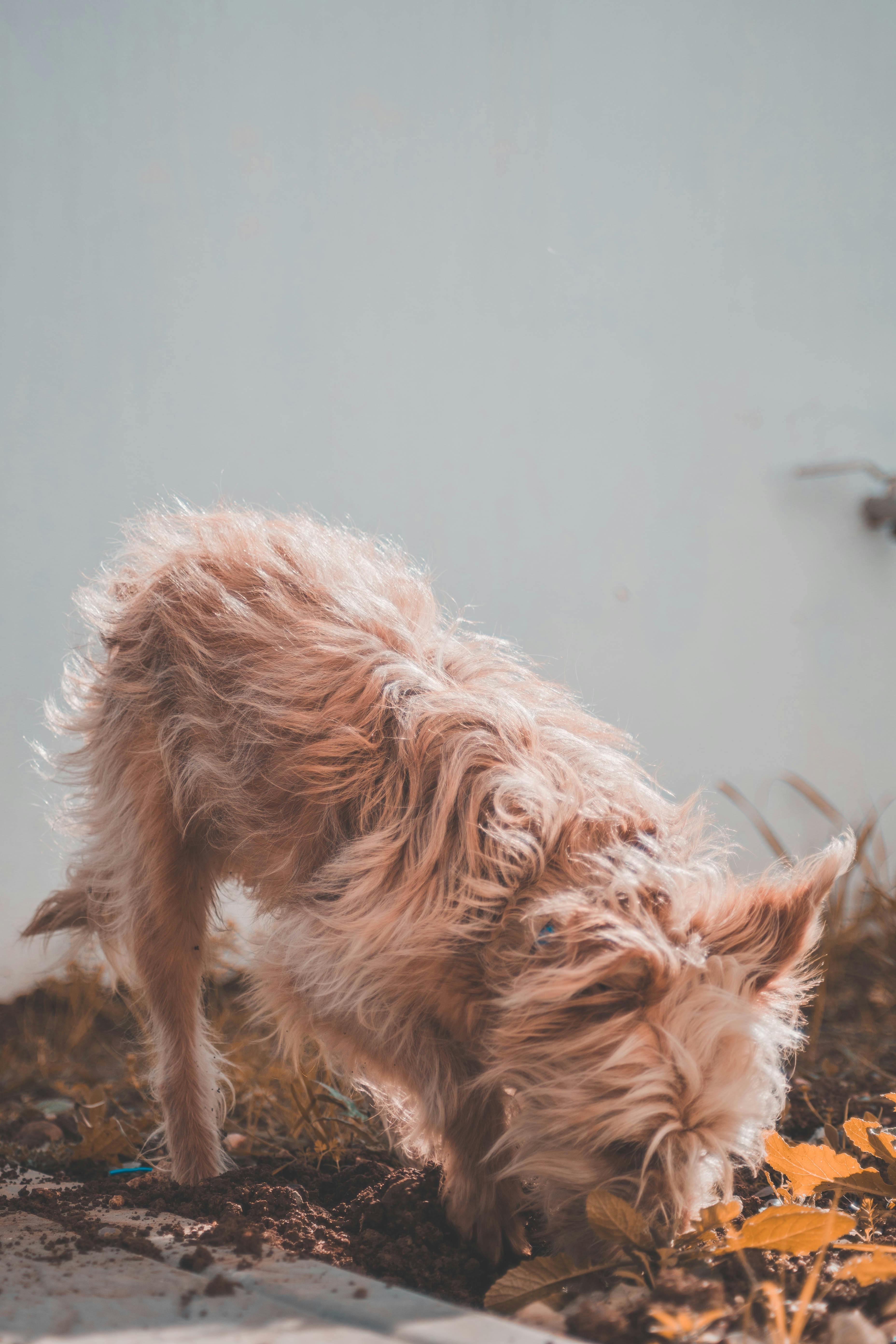
Curious Canines: How a Wet Nose Enhances Your Dog’s Sense of Smell, Why Do Dogs Have Wet Noses? Uncover The Fascinating Truth!
Have you ever noticed how your dog seems to know exactly where to find that hidden treat or how they can sniff out a friend from blocks away? A significant element of this incredible sense of smell is linked to their wet noses. But why do dogs have wet noses? It’s a question that many pet owners ponder, and the answer is both fascinating and scientific. Dogs are not just man’s best friend; they are also exceptional scent detectors, thanks in part to their unique physiology.
The Science Behind Wet Noses
Dogs noses are much more than just cute; they play a crucial role in how dogs interact with the world. Here are some key facts about why their noses are wet:
Moisture helps enhance smell: A wet nose helps to trap scent particles from the air, making it easier for dogs to detect different smells. The moisture on their nose works like a sponge, soaking up scent molecules.
Temperature regulation: Dogs do not sweat like humans do. Instead, they primarily regulate their body temperature through their noses. The moisture evaporating from a wet nose helps keep them cool.
Health indicator: A wet nose can sometimes indicate good health. If your dog’s nose is dry, it may be a sign of dehydration or illness, although context is important.
How Dogs Use Their Noses
Dogs have an extraordinary olfactory system, estimated to be between 10,000 to 100,000 times more sensitive than that of humans. Their noses contain up to 300 million olfactory receptors, compared to a human’s 5 million. This is why dogs are often used in various fields for their ability to detect scents, such as:
- Search and rescue: Dogs can find missing persons using scent trails.
- Detecting drugs: Many law enforcement agencies use dogs to sniff out illegal substances.
- Medical detection: Some dogs can even sense illnesses like cancer or diabetes through scent changes.
Historical Context of Dogs and Their Noses
Humans have been domesticated dogs for thousands of years. Early on, people recognized the potential of dogs’ sense of smell. Historically, they were used for hunting and tracking, relying on their incredible nasal abilities.
Ancient Egypt: Dogs were often depicted in art, highlighting their importance in hunting and protection.
Middle Ages: Through breeding, various dog breeds were developed specifically for scent work, like Bloodhounds and Beagles.
Fun Facts About Dogs’ Noses
Here are some intriguing tidbits about dogs and their noses:
Unique Nose Prints: Just like human fingerprints, every dog has a unique nose print. This can be used as identification!
Color Variation: A dog’s nose can be black, brown, or even pink, and this color can change with their health or age.
Cold Weather: Dogs’ noses tend to be colder in chilly weather, which is a normal reaction.
The Role of a Wet Nose in Dog Communication
Dogs also use their noses for communication. A wet nose can be a sign of excitement or friendliness. When dogs greet each other, they often sniff each other’s noses to gather information about each other.
Scent Marking: Dogs have scent glands in their noses, which helps them mark their territory and communicate with other dogs.
Social Interaction: A wet nose is often an invitation for petting or a sign of affection, as dogs nudge their owners with their noses.
Caring for Your Dog’s Nose
Keeping your dog’s nose healthy is important. Here are some tips for pet owners:
Hydration: Ensure your dog always has access to fresh water to keep their nose moist.
Check for Irritations: Be on the lookout for cracks or dryness, which can indicate health issues.
Avoid Temperature Extremes: Protect your dog’s nose from extreme heat or cold, as this can lead to dryness or irritation.
Conclusion
The wet nose of a dog is a remarkable feature that enhances their sense of smell and plays a vital role in their overall health and communication. Understanding why do dogs have wet noses not only helps in appreciating these furry companions but also encourages better care and stronger bonds between pets and their owners. Next time you see your dog sniffing around with that adorable wet nose, remember the fascinating science behind it!
The Evolutionary Advantage: Why Dogs Developed Wet Noses Over Time
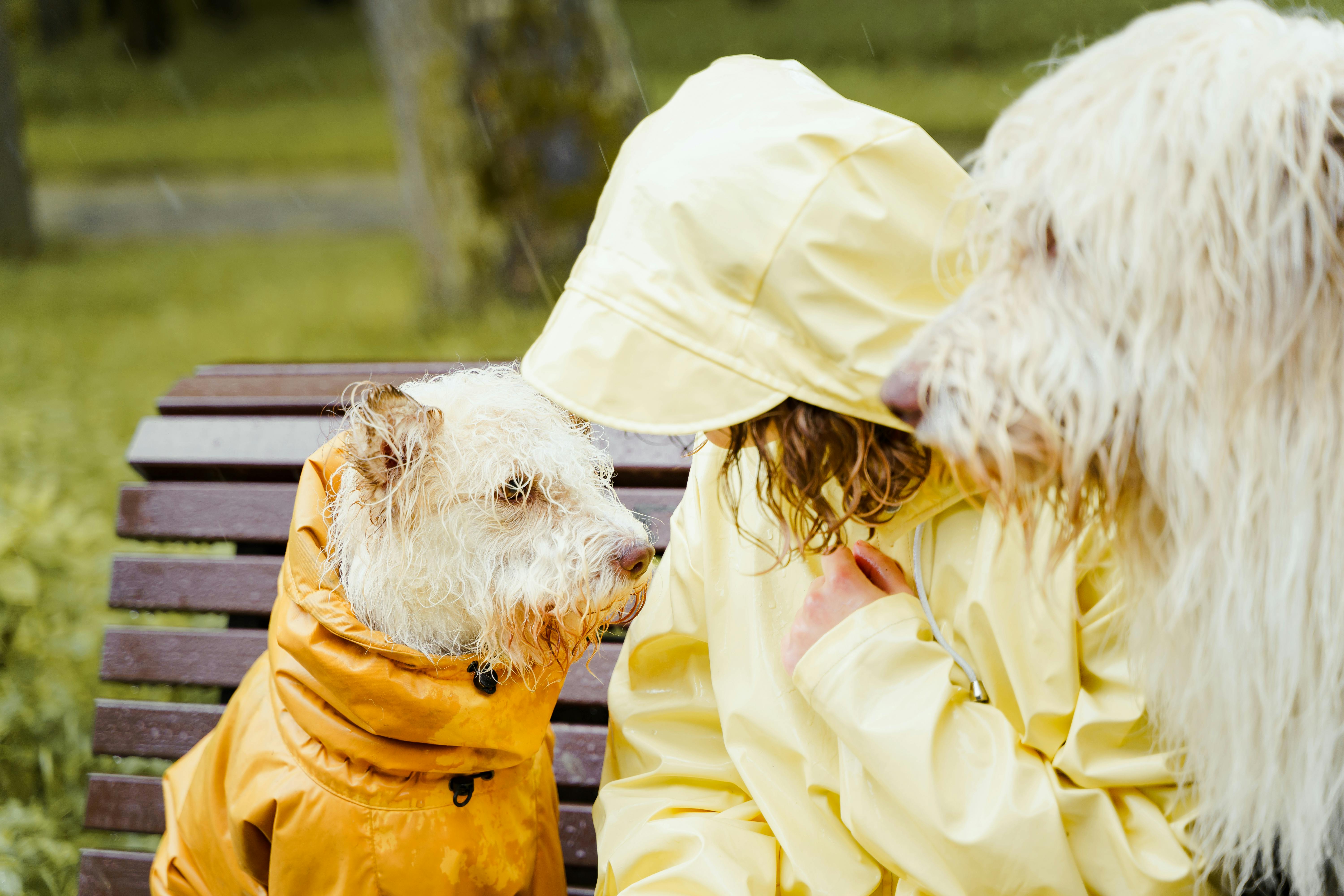
The fascinating world of dogs is filled with unique attributes, none more intriguing than their wet noses. Have you ever wonder why do dogs have wet noses? The answer is not just about cuteness or appearances; it is rooted deeply in evolution and biology. Understanding this feature reveals a lot about our furry friends and their connection to the environment. Let’s dive into the evolutionary advantage of wet noses and uncover the truth behind this remarkable trait!
The Biological Basis of Wet Noses
Dogs, or Canis lupus familiaris, have developed wet noses over thousands of years of evolution. A dog’s nose contains a specialized tissue, called the nasal mucosa, which helps in enhancing their sense of smell. Here’s how it works:
- Moisture: The moisture on a dog’s nose helps to trap scent particles better, making it easier for them to detect smells. Think about how a damp sponge absorbs more water than a dry one; this is kinda similar.
- Cooling Mechanism: Wet noses also help cool the dog’s body temperature. Dogs don’t sweat like humans do; instead, they pant and rely on their nose to regulate temperature.
- Health Indicator: A wet nose is often a sign of good health in dogs. If their nose is dry, it might indicate illness or dehydration.
Evolutionary Insights
Dogs evolved from wolves, which relied on keen senses for survival. The moisture of the nose may have given them a better hunting advantage in their early days. A few things to consider:
- Enhanced Hunting: Wet noses likely allowed early dogs to track prey more efficiently, which was crucial for survival.
- Pack Communication: Dogs use their sense of smell not just for hunting, but also for social interactions within their pack. A wet nose can help them pick up pheromones and other scents that convey information about their environment and companions.
- Survival Adaptations: Over time, those dogs with wet noses might have had a higher survival rate. Natural selection favored these traits, leading to the wet-nosed dogs we see today.
The Role of Genetics
Genetics plays a significant role in the moisture level of a dog’s nose. Some breeds have wetter noses than others, and this can be linked to their genetic makeup. Here’s a short list of breeds known for their particularly wet noses:
- Labrador Retrievers
- Beagles
- German Shepherds
- Poodles
It’s interesting to note that the shape and size of a dog’s nose can also affect moisture retention. Breeds with longer snouts often have more surface area for moisture absorption compared to flat-faced breeds.
Comparing Dog Noses to Other Animals
Dogs aren’t the only animals with wet noses. Other species, like cats and rabbits, also have similar adaptations. However, the reasons behind their wet noses can vary. Here’s a quick comparison:
| Animal | Nose Type | Purpose |
|---|---|---|
| Dogs | Wet nose | Enhanced smell, cooling, communication |
| Cats | Mostly dry nose | Scent detection, but less emphasis on moisture |
| Rabbits | Wet nose | Scent detection, similar to dogs |
Practical Examples of Dog Nose Use
Dog noses are incredibly versatile and can be employed in various ways. Here are a few examples of how dogs put their wet noses to use:
- Search and Rescue: Dogs are often trained to locate missing persons or detect substances like drugs. Their ability to smell is heightened by their wet noses.
- Therapy and Service: Many service dogs assist people with disabilities, using their noses to detect changes in behavior or health, such as an impending seizure.
- Tracking: Hunting dogs utilize their noses to track game, showcasing the evolutionary advantage that a wet nose provides.
The wet nose of a dog is more than just a cute feature; it’s a testament to their evolutionary journey and biological makeup. Understanding why do dogs have wet noses and the advantages it gives them enriches our appreciation for these beloved companions. As we learn more about them, it’s clear that their wet noses are key to their survival, communication, and connection with humans. So next time you give your pup a pat, take a moment to appreciate that little wet nose and all that it represents!
Is Your Dog’s Nose Too Wet? Understanding the Importance of Nose Moisture

Have you ever noticed your dog’s nose and wondered why its wet? Is it normal? Or does it mean something is wrong? Dogs are known for their wet noses, and many pet owners often think about this curious feature. Let’s dive into the world of canine noses and understand why they are usually moist, what that might mean for your furry friend, and how you can care for them better.
Why Do Dogs Have Wet Noses?
Dogs noses are not just cute; they serves important functions. A wet nose helps dogs to sense the world around them. Here’s how:
- Enhanced Olfactory Abilities: The moisture on a dog’s nose helps to capture scent particles in the air. This allows them to detect smells better than if their noses were dry.
- Temperature Regulation: Just like humans sweat, dogs can cool down through their noses. The moisture evaporates, which helps to keep them cool.
- Health Indicator: A wet nose is often a sign of a healthy dog. However, this isn’t a universal rule, as a dog’s nose can change due to various factors.
The Science Behind Nose Moisture
You might be curious about how this actually works. Dogs have special glands in their noses that produce mucus. This mucus keeps the nose moist and aids in smell detection. Here’s a basic breakdown of the process:
- Mucus Production: When a dog inhales, the moisture in their nose captures scent particles.
- Evaporation: When the moisture evaporates, it cools the blood vessels in the nose, helping to regulate temperature.
- Health Monitoring: Changes in moisture levels can indicate health issues. For example, a dry nose could signal dehydration or illness.
Common Misconceptions About Dog Nose Moisture
There are several myths surrounding dog noses that might confuse pet owners. Here are some of the most common ones:
- A Wet Nose Means a Healthy Dog: Not necessarily. While a wet nose is often a sign of health, there are exceptions. A dog can be sick and still have a wet nose.
- All Dogs Have Wet Noses: Some breeds, like Bulldogs or Boxers, may naturally have drier noses. It doesn’t mean they are unhealthy.
- Nose Temperature Is Key: Many people believe that a cold nose means a dog is healthy, but this isn’t always true. A warm nose could simply be a result of sun exposure or recent activity.
Factors Affecting Your Dog’s Nose Moisture
Several factors can influence how wet or dry your dog’s nose is. Here are some to keep in mind:
- Weather Conditions: Hot, dry weather can lead to a drier nose, while humidity can increase moisture levels.
- Health Conditions: Certain illnesses or allergies can cause dryness.
- Age: Older dogs might have drier noses due to reduced moisture production.
- Hydration: Dehydration can make a dog’s nose dry. Always ensure your dog has access to fresh water.
What to Do If Your Dog’s Nose Is Too Dry
If you notice that your dog’s nose is unusually dry, here are some steps you can take:
- Check Hydration: Make sure your dog is drinking enough water. Proper hydration is essential.
- Monitor Other Symptoms: Look for signs of illness, such as lethargy, coughing, or a decrease in appetite. If these appear, consult a vet.
- Moisturize: If it seems necessary, you can apply a pet-safe moisturizer to the nose. Avoid human products, as they can be harmful.
- Veterinary Check: If the dryness persists or is accompanied by other health issues, visit your veterinarian for a full check-up.
Keeping Your Dog Happy and Healthy
Maintaining your dog’s overall health contributes to the moisture of their nose. Here are some tips:
- Regular Vet Check-ups: Routine visits can help catch health issues early.
- Balanced Diet: Provide high-quality food that supports overall health.
- Exercise: Regular physical activity keeps your dog healthy and happy.
- Hydration: Always have fresh water available, especially in warm weather.
In summary, a dog’s wet nose serves vital functions, from enhancing their sense of smell to regulating temperature. While a wet nose is often a good sign, it’s important to keep an eye on your dog’s overall health and behavior. If you notice changes in your dog’s nose or overall condition, don’t hesitate to reach out to a veterinarian for advice. Your furry friend relies on you for care and attention, so stay informed and proactive!
How Climate Affects Your Dog’s Nose: Tips for Maintaining Optimal Moisture

Dogs are more than just pets; they’re part of our families. Many people often wonder about their furry companions, especially when it comes to with their noses. Have you ever asked yourself, “Why do dogs have wet noses?” Well, there’s actually a fascinating reason behind it, and climate plays a big role in maintaining that moisture. The following will delve into how climate affects your dog’s nose, plus tips to ensure it stays healthy and hydrated.
The Science Behind a Dog’s Wet Nose
First off, let’s get to the bottom of why dogs have wet noses. It’s not just a random quirk. A dog’s nose helps them to smell the world around them better. The moisture on their noses, which makes them feel wet, actually enhances their olfactory abilities. The wetness helps capture scent particles from the air, allowing them to detect smells better.
But there’s more to it! Here’s a quick breakdown of why a wet nose is important:
- Enhanced Sense of Smell: Moisture allows scent particles to stick better.
- Temperature Regulation: Dogs don’t sweat like humans, so a wet nose helps cool them down.
- Health Indicator: A well-hydrated nose often indicates good health, while a dry nose might be a sign of illness or dehydration.
Climate’s Role in Nose Moisture
Climate can really impact how moist your dog’s nose stays. Hot, dry weather can dry out their noses, while humidity can help keep them hydrated. Here’s how different climates can affect your dog’s nose:
- Dry Climates: These can lead to cracked or dry noses. Dogs might need extra hydration and moisture.
- Humid Climates: These generally help keep a dog’s nose moist but can also lead to other skin issues if not monitored.
- Cold Weather: Just like humans, dogs can suffer from chapped noses in the winter. It’s important to keep an eye on their nose during colder months.
Tips for Maintaining Optimal Moisture
So, how do you keep your dog’s nose looking its best? Here’s a list of some tips that can help:
- Hydration: Always provide fresh water. Hydrated dogs usually have moist noses.
- Nose Balm: Consider using a dog-safe nose balm to keep it moisturized, especially in winter.
- Avoid Overexposure: Limit time outside during extremely hot or cold weather.
- Diet: A balanced diet rich in omega-3 fatty acids can improve skin and nose health.
- Regular Vet Check-ups: Make sure to consult with your vet if you notice persistent dryness or cracks.
What to Watch For
It’s important to monitor your dog’s nose for any changes. If you notice excessive dryness, cracks, or bleeding, it could indicate health issues. Here’s what to keep an eye on:
- Cracking or Peeling: This can be a sign of dehydration or an allergic reaction.
- Discoloration: A change in color might indicate a health issue, so get it checked.
- Runny Nose: While a little runny nose can be normal, excessive discharge may require vet attention.
Fun Facts About Dog Noses
While we’re on the topic, here are some fun facts about dog noses that might surprise you:
- Unique Patterns: Just like human fingerprints, each dog’s nose print is unique.
- Scent Recognition: Dogs can smell up to 100,000 times better than humans.
- Nose Temperature: A dog’s nose is cooler than their body temperature, helping them regulate heat.
Understanding how climate impacts your dog’s nose is crucial for maintaining their health and happiness. Dogs rely on their noses not just for smelling but also for their overall well-being. Keeping their noses moist and healthy is a simple yet vital part of ensuring they lead a happy life. With the right care and attention, you can help your furry friend enjoy every sniff and wag.
From Cold to Warm: What Different Nose Temperatures Mean for Your Dog

Have you ever wondered why your dog’s nose is always wet? Or maybe you’ve noticed how it can feel cold or warm depending on the situation. Dogs, those lovable furry companions, hold a lot of mysteries, and their noses are no exception. Understanding these intriguing aspects of dog noses can enhance your knowledge of canine health and behavior. So, let’s dive into the fascinating world of dog noses and explore why they are wet, what the temperature variations mean, and what this all signifies for your furry friend.
The Basics of Dog Noses
Dogs have a unique physiological trait that sets them apart from humans: their noses are equipped with a complex system of olfactory receptors. This means they can smell things that are completely undetectable to us. The average dog has around 220 million scent receptors, while humans have only about 5 million. This incredible sense of smell is what makes their noses so important for their daily lives and interactions.
Why Do Dogs Have Wet Noses?
One of the most common questions is, “Why do dogs have wet noses?” The wetness of a dog’s nose serves several important purposes:
- Enhanced Smell: A wet nose helps trap scent particles, making it easier for dogs to pick up on different smells. Just like a sponge, a wet surface absorbs more scent, so a dog can sniff out what’s around them more effectively.
- Temperature Regulation: Dogs don’t sweat like humans do. Instead, they cool off through their noses and panting. A moist nose can help them regulate their body temperature.
- Health Indicator: The condition of a dog’s nose can give insights into their health. A healthy dog typically has a slightly moist and cool nose. If a dog’s nose becomes excessively dry or warm, it may indicate illness or dehydration.
Nose Temperature: From Cold to Warm
The temperature of a dog’s nose can change depending on various factors. Here’s a breakdown:
- Cold Nose: A cold nose is often thought to indicate a healthy dog. It can be a sign that your dog is in a relaxed state. Cold noses are typically more common during rest or sleep.
- Warm Nose: If your dog’s nose feels warm, it doesn’t always mean they are sick. Factors like exercise, hot weather, or even a good meal can elevate the temperature of their nose. However, if the warmth persists or is accompanied by other symptoms, it might be best to consult a vet.
What Temperature Variations Mean
Here’s a simple way to gauge what different nose temperatures might indicate:
| Nose Temperature | Possible Meaning |
|---|---|
| Cold | Relaxed, healthy state |
| Warm | Normal after activity or food |
| Hot | Possible fever or dehydration |
| Dry | Dehydration or health issues |
Fun Facts About Dog Noses
- Unique Patterns: Just like human fingerprints, every dog’s nose has a unique pattern. This can be used for identification purposes.
- Scent Discrimination: Dogs can differentiate between scents even if they are mixed together. This is why they are often used in search and rescue missions.
- Nose Work: Many dog breeds are trained in nose work, a sport that challenges dogs to use their sense of smell to find hidden objects or scents. It’s a great way to keep them mentally stimulated!
Keeping Your Dog’s Nose Healthy
To maintain the health of your dog’s nose, consider the following tips:
- Hydration: Ensure your dog always has access to fresh water to keep their nose moist.
- Regular Vet Check-ups: Regular check-ups can help catch any potential health issues early.
- Environmental Care: Protect their nose from harsh weather conditions. Use dog-friendly balms in winter to prevent cracking.
Signs of Trouble
Pay attention to these signs that may indicate your dog’s nose is not healthy:
- Cracking or peeling skin on the nose
- Persistent warmth, especially if accompanied by lethargy
- Excessive dryness or discharge
In summary, understanding why dogs have wet noses and what their temperature variations mean can provide invaluable insights into your pet’s health and well-being. A dog’s nose is not only essential for their extraordinary sense of smell but also serves as a window into their overall condition. By keeping an eye on your dog’s nose temperature and moisture level, you can help ensure your furry friend stays healthy and happy.
Wet Noses and Bonding: How Your Dog’s Sense of Smell Strengthens Your Relationship
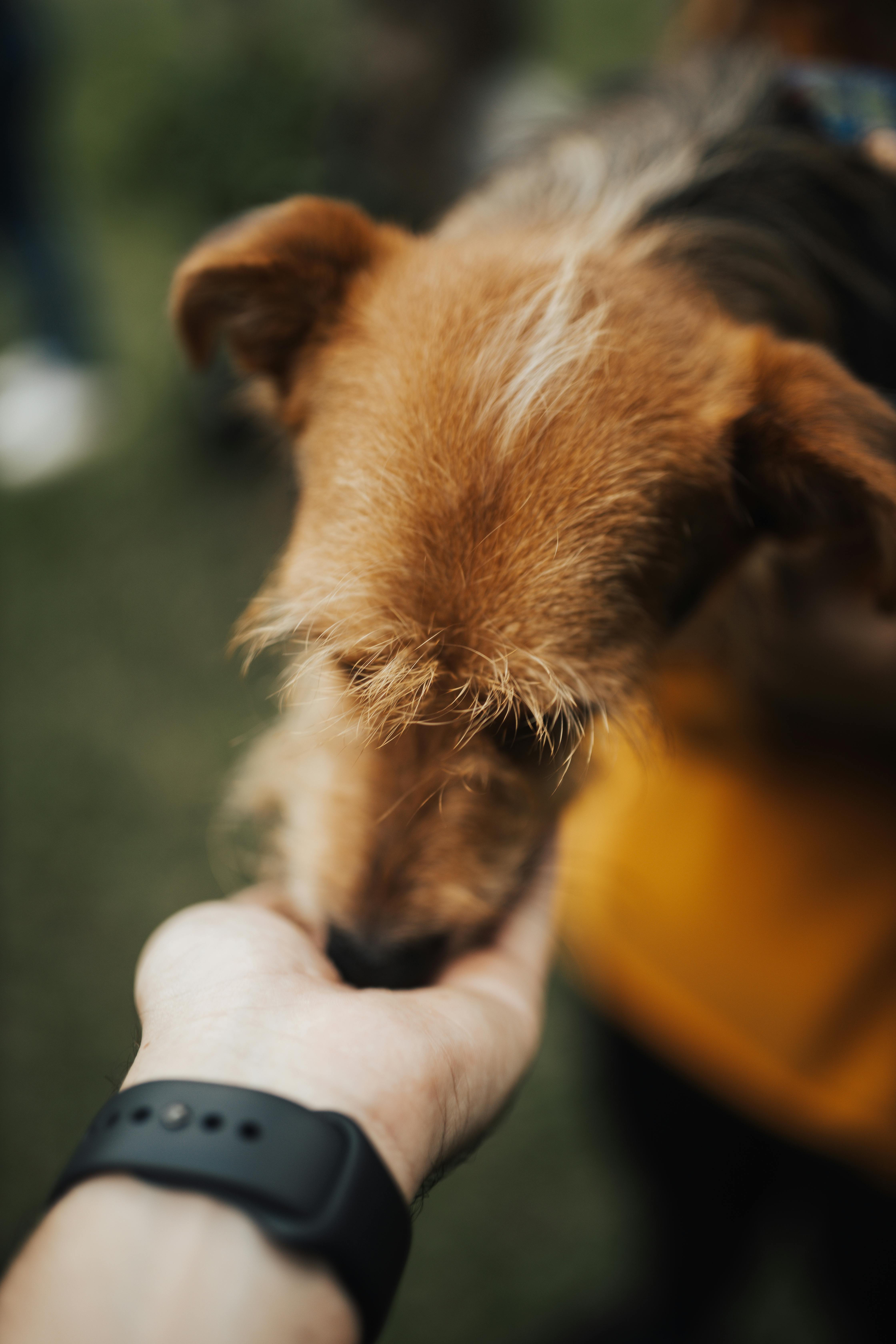
Dogs are more than just pets; they are companions, guardians, and even family members. One of the most charming aspects of our canine friends is their wet noses. Have you ever wondered why do dogs have wet noses? The answer is not just about their unique biology but also about how this trait strengthens our bond with them. Let’s dive into the fascinating truth behind wet noses and how your dog’s sense of smell could enhance your relationship.
The Science Behind Wet Noses
Dogs have wet noses for a couple of reasons, mainly related to their health and sensory perception. Firstly, the moisture helps to enhance their sense of smell, which is far more acute than humans. But why is this important? Here’s a breakdown:
- Enhanced Smell: A wet nose helps to capture scent particles from the air. When these particles stick to the mucous on their nose, it allows dogs to sniff out smells much better.
- Cooling Mechanism: Dogs can’t sweat like humans do. Their noses help regulate their body temperature, acting as a cooling mechanism.
- Health Indicator: A healthy dog usually has a slightly cool and moist nose. If it feels dry or warm, it could indicate health issues.
Historical Context of Canine Noses
The evolution of dogs has shaped their incredible olfactory abilities. Historically, dogs have been bred for various purposes, including hunting, herding, and companionship. These roles have all benefited from their impressive sense of smell. Here are some key points in dog history relevant to their noses:
- Hunting: Breeds like Bloodhounds and Beagles were developed for their keen sense of smell, aiding hunters in tracking down game.
- Herding: Herding dogs like Border Collies utilize their noses to smell and manage sheep or cattle.
- Service Dogs: In modern times, dogs are trained to detect drugs, explosives, and even diseases like cancer, thanks to their superior sense of smell.
Wet Noses and Bonding
Now, let’s talk about how your dog’s wet nose can strengthen your relationship. Here are some fascinating ways that this simple feature can deepen your bond:
- Affection Display: When dogs nuzzle or touch you with their noses, it’s a sign of affection and trust. This physical contact creates a sense of closeness.
- Communication: Dogs often use their noses to explore and communicate with their surroundings and with you. They can sniff you to gather information about your day or your mood.
- Playfulness: A wet nose can also mean your dog is ready to play. A playful nudge can lead to games, enhancing your mutual enjoyment and connection.
Fun Facts About Dog Noses
- Unique Patterns: Just like human fingerprints, every dog’s nose print is unique. This can even be used for identification purposes.
- Scent Discrimination: Dogs have up to 300 million scent glands in their noses, compared to around 5 million in humans. This allows them to detect certain scents at incredibly low concentrations.
- Nose Temperature: A dog’s nose can change temperature based on their activity. After a good run, you might notice it being warmer.
Practical Tips for Keeping Your Dog’s Nose Healthy
To ensure your dog’s nose stays healthy and functional, consider these simple tips:
- Hydration: Make sure your dog drinks plenty of water. A well-hydrated dog is more likely to have a moist nose.
- Humidity: If you live in a dry climate, consider using a humidifier to help maintain moisture in your home.
- Regular Vet Check-Ups: Regular visits to the veterinarian can help catch any potential health issues early on.
Comparison: Dog Noses vs. Human Noses
Here is a quick comparison between dog noses and human noses:
| Feature | Dog Nose | Human Nose |
|---|---|---|
| Scent Glands | Up to 300 million | About 5 million |
| Sensitivity | Extremely sensitive, detects scents in parts per trillion | Less sensitive, detects stronger scents |
| Purpose | Communication, hunting, and identification | Primarily for breathing and limited smell |
| Temperature Regulation | Helps cool the body | No role in temperature regulation |
Having a dog can be one of the most rewarding experiences. Their wet noses aren’t just cute; they play a significant role in how they interact with the world and with you. Understanding why do dogs have wet noses helps deepen our appreciation for our furry companions and allows us to see how their biology enhances the bonds we share. So next time you feel that cold, wet nudge against your hand, remember that it’s more than just a gesture. It’s a sign of love, trust, and an unbreakable bond.
Can Dogs Have Dry Noses? Discover the Myths and Facts About Canine Nose Health
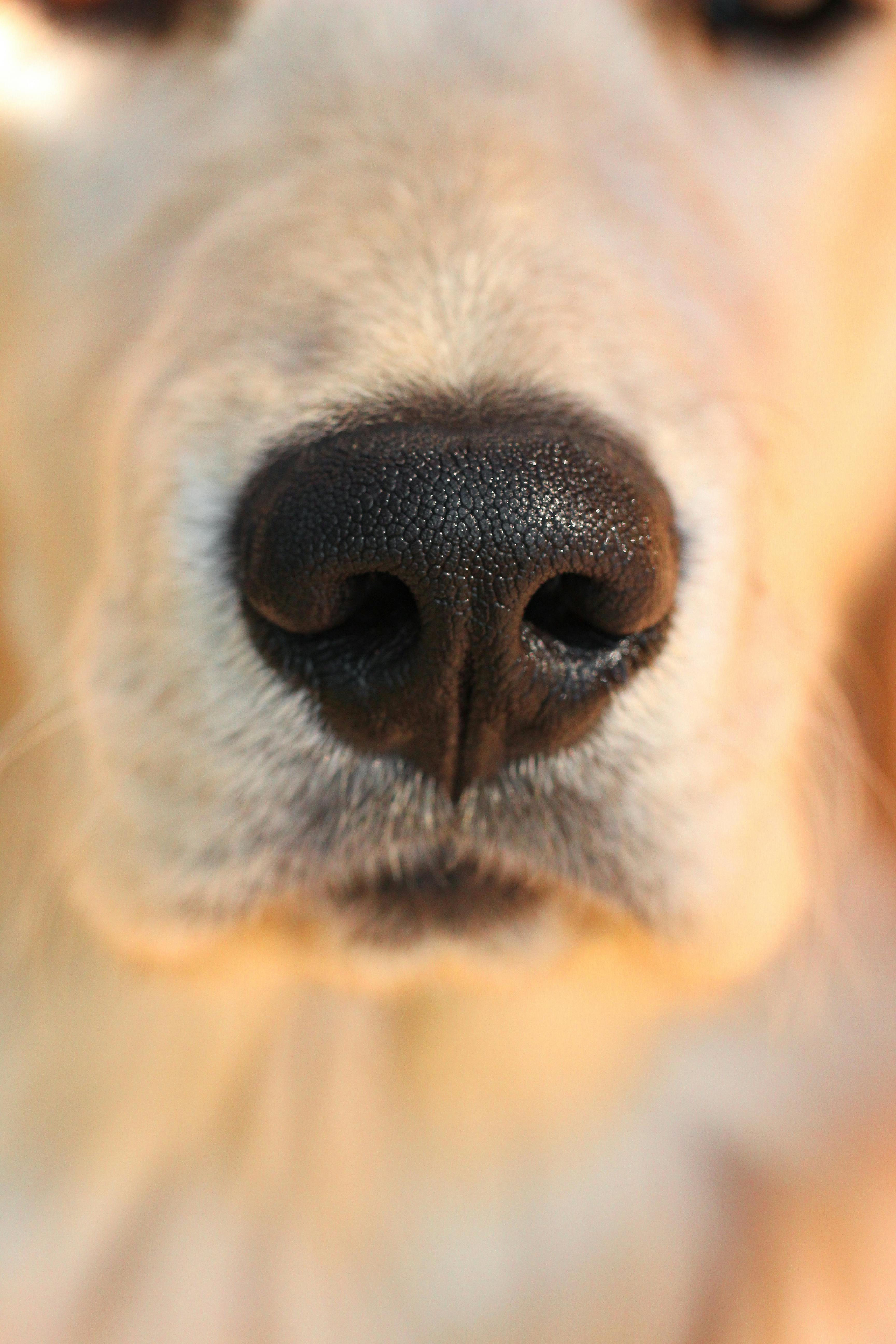
Can dogs have dry noses? This question often pops up among pet owners who are trying to decipher their furry friends’ health. Many people think a dog’s nose should always be wet, but is that really true? Let’s dive into the myths, facts, and fascinating truths surrounding canine nose health.
Why Do Dogs Have Wet Noses?
Dogs are known for their wet noses, and this characteristic is more than just a cute trait. Here’s why your dog’s nose is typically moist:
- Temperature Regulation: Dogs don’t sweat like humans do. Their noses help them cool down. The moisture on their noses evaporates, helping to regulate their body temperature.
- Enhanced Sense of Smell: A wet nose can help capture scent particles better, which is important since a dog’s sense of smell is much stronger than ours. The moisture helps to absorb scents, making it easier for them to identify various smells.
- Health Indicator: A moist nose can be a sign of good health. If your dog’s nose is wet and cool, it usually means they’re feeling fine.
Can Dogs Have Dry Noses?
Yes, dogs can have dry noses, and it’s not always a cause for concern. Here’s a list of reasons why a dog might have a dry nose:
- Dehydration: If your dog isn’t drinking enough water, their nose may become dry.
- Weather Conditions: Hot, dry, or windy weather can cause a dog’s nose to lose moisture.
- Illness: Sometimes, a dry nose can indicate an underlying health problem, such as fever or allergies.
- Age: Older dogs might naturally have drier noses due to changes in their skin.
It’s important to note that while a dry nose can be normal, changes in your dog’s nose, like cracking or excessive dryness, should be monitored.
Myths About Dog Nose Health
There are plenty of myths surrounding dog noses. Here are a few that need debunking:
- Myth 1: A dry nose means a dog is sick: While a dry nose can be a sign of illness, it is not definitive. Dogs can have varying nose moisture levels for many reasons.
- Myth 2: The temperature of a dog’s nose indicates their health: A warm nose doesn’t necessarily mean your dog is sick. Just like humans, dogs’ body temperatures can fluctuate.
- Myth 3: All dogs have the same nose: Just like humans have unique fingerprints, dogs have unique nose prints. Each dog’s nose has its own distinct pattern.
Comparing Wet and Dry Noses
To understand the difference better, here’s a quick comparison:
| Wet Nose | Dry Nose |
|---|---|
| Indicates hydration and health | Can be normal or a sign of dehydration |
| Helps in scent detection | May not absorb scents as effectively |
| Common in healthy dogs | Can occur due to various factors |
| Can change based on weather | Requires monitoring for changes |
Practical Tips for Nose Health
Caring for your dog’s nose is just as important as caring for their overall health. Here are some practical tips:
- Hydration: Always make sure your dog has plenty of fresh, clean water available. Dehydration can lead to a dry nose and other health issues.
- Moisturizing: If your dog has a persistently dry nose, you might consider using a pet-safe moisturizer. Consult your vet before applying anything.
- Regular Check-ups: Routine vet visits can help catch any health issues early. If you notice significant changes in your dog’s nose texture or moisture, bring it up with your vet.
- Observe Environment: If the weather is particularly dry or hot, keep an eye on your dog’s nose and overall hydration.
In summary, while a dog’s wet nose is a common and usually healthy feature, a dry nose can occur for various reasons, some of which are benign. Understanding the myths and facts about canine nose health can aid in ensuring your furry friend stays happy and healthy. So, next time you’re petting your dog, take a moment to check that nose!
Conclusion
In conclusion, the wet noses of dogs serve several important functions, ranging from enhancing their sense of smell to aiding in temperature regulation. The moisture on a dog’s nose helps to capture scent particles, making their already remarkable olfactory abilities even more acute. Additionally, the coolness of a wet nose can assist in dissipating heat, ensuring that dogs maintain a comfortable body temperature. This unique characteristic is not just an endearing trait; it plays a crucial role in their overall health and well-being. As dog owners, understanding the science behind these wet noses can deepen our appreciation for our furry companions. Next time you feel that familiar wet nose nudge against your hand, remember the vital functions it serves. Embrace the bond you share with your dog, and take a moment to cherish the little things that make them so special.
