
Have you ever wonder why do dogs have wet noses? This intriguing feature is not just adorable, but it serves several important purposes. In this article, we will explore the surprising truth behind your furry friend’s moist nose and what it means for their health and behavior. Many pet owners are curious about the significance of a wet dog nose. Is it a sign of their emotional state? Or perhaps an indicator of their overall well-being? Understanding why dogs have wet noses can unlock a new level of connection with your canine companion, and help you notice any changes that might indicate potential health issues. Additionally, we will discuss how the temperature and moisture of a dog’s nose can be a window into their health. So, if you’ve ever asked yourself, “Why does my dog’s nose feel cold and wet?” or “What does it mean if my dog’s nose is dry?” you’re in the right place! Keep reading to discover the fascinating science behind this common canine characteristic and enhance your knowledge about your beloved pet’s health and happiness.
The Science Behind Wet Noses: Why Dogs Have This Unique Trait

Dogs are often referred to as man’s best friend, but have you ever wondered about that wet nose of theirs? Why do dogs have wet noses? This is a fascinating question that many pet owners may not even think about. The truth is, a dog’s nose not just a cute feature; it serves important functions in their health and behavior. Let’s dive into the science behind wet noses and discover the surprising answers!
The Biology of a Dog’s Nose
A dog’s nose is covered in moist tissue, which is called the rhinarium. This tissue is designed to help dogs with their sense of smell. The moisture on their noses helps to capture scent particles from the air, making it easier for them to detect odors.
- Dogs have about 220 million scent receptors in their noses, compared to humans who only have about 5 million.
- The wetness of their noses can enhance their ability to smell, enabling them to pick up scents more efficiently.
- The moisture helps to cool down dogs when they pant, aiding in temperature regulation.
Why Are Dogs’ Noses Wet?
So, why do dogs have wet noses? Well, there are several reasons for this unique trait:
Scent Detection: As mentioned, a wet nose allows for better scent detection. The moisture helps to trap scent particles, increasing a dog’s ability to identify different smells. This is why dogs are often used in search and rescue operations, as well as in detecting drugs or explosives.
Thermoregulation: Dogs don’t sweat like humans do. They primarily regulate their body temperature through panting and the moisture on their noses. The wet nose can help cool them down, especially during hot weather.
Health Indicator: A dog’s nose can also be an indicator of its health. A healthy dog usually has a moist, cool nose. If a dog’s nose becomes dry or warm, it could be a sign of illness or dehydration. Of course, this isn’t a foolproof method, but it’s a good starting point for pet owners.
Historical Context of Dog Noses
The evolution of a dog’s nose can be traced back thousands of years. Dogs are descendants of wolves, who relied heavily on their sense of smell for hunting and survival. Over time, domesticated dogs have developed even more specialized noses.
- Breeds with Unique Nose Characteristics: Certain breeds have distinct nose features. For instance, Bloodhounds have exceptionally long and droopy noses, which help them track scents over great distances. Meanwhile, Greyhounds have sleek noses that are adapted for speed rather than scent tracking.
Fun Facts About Dog Noses
- Did you know that every dog’s nose print is unique? Just like human fingerprints, no two dogs have the same nose pattern. This makes them potentially useful for identification purposes.
- A dog’s nose can detect certain smells at incredibly low concentrations. For example, they can find a drop of blood in an Olympic-sized swimming pool!
- Dogs can also smell emotions. Research suggests that dogs can differentiate between human emotions based on scent.
Common Misconceptions
Many people have ideas about dog noses that are not entirely accurate. Here are some common misconceptions:
Myth: A cold, wet nose means a dog is healthy.
- Fact: While a cool, wet nose is often a sign of health, it’s not the only indicator. Always consider other signs like energy levels and appetite.
Myth: Dogs sweat through their noses.
- Fact: Dogs don’t sweat through their noses; they primarily sweat through their paw pads.
Dogs and Their Environment
A dog’s wet nose can also be influenced by their environment. For instance, when dogs are outside in humid conditions, their noses may stay wetter longer. Conversely, dry environments can lead to drier noses.
- Tips for Maintaining a Healthy Nose:
- Ensure your dog stays hydrated, especially in hot weather.
- Regular vet check-ups can help catch any potential health issues early.
- Keep an eye on any changes in your dog’s nose, like cracks or excessive dryness.
The Importance of Wet Noses
The wet nose of a dog isn’t just a quirky feature but plays a vital role in their overall well-being. Understanding why dogs have wet noses helps pet owners appreciate their furry companions even more.
In summary, the next time you see your dog with that adorable wet nose, remember it’s not just for show. It’s a complex biological feature that contributes to their health, behavior, and unique abilities. The science behind wet noses is a testament to how beautifully adapted dogs are to their environments and roles as companions to humans. Always keep an eye on that nose, because it can tell you a lot about your pup’s health and happiness!
5 Fascinating Reasons Dogs’ Noses Stay Wet and What It Means for Their Health

Why do dogs have wet noses? It’s a question many people ask, and the answer is more fascinating than what you might expect. Wet noses not only make dogs look adorable but also play a vital role in their health and sense of the world around them. Let’s dive into some intriguing reasons behind those wet noses and what they mean for your furry friend.
1. Cooling Mechanism
Dogs do not sweat like humans do. Instead, they rely on their noses to help regulate body temperature. The moisture on a dog’s nose helps to cool them down, especially during hot weather. When they pant, the air evaporates the water from their noses, which leads to a drop in body heat. This is crucial for breeds that might struggle with heat, like Bulldogs or Pugs, as they can easily overheat.
2. Enhanced Sense of Smell
A wet nose is crucial for a dog’s sense of smell. The moisture helps to trap scent particles from the air. When these particles stick to their nose, it enhances their ability to detect different smells. Dogs have around 220 million scent receptors, compared to humans who only have about 5 million. This incredible sense of smell is why dogs can detect certain diseases, find missing persons, or even sniff out drugs. So, next time your dog gives you a wet nuzzle, remember, they are just trying to take in all the scents around them!
3. Health Indicator
The condition of a dog’s nose can be an indicator of their overall health. A healthy dog usually has a moist and cool nose, but several factors can affect this. For instance, if a dog’s nose becomes dry or cracked, it might be a sign of dehydration, allergies, or even an infection. Many dog owners often check their pet’s nose as part of their daily routine, looking for any changes that might signal health issues. Keep an eye out for:
- Dryness or cracking
- Unusual discharge
- Changes in color
These changes can be worth mentioning to your veterinarian.
4. Social Interaction
Dogs use their noses not just for sniffing out interesting smells but also for social interaction. They often greet each other by sniffing noses. This behavior is a way for dogs to gather information about each other, including their age, health, and even mood. It’s like a handshake, but for dogs! When dogs meet, they engage in a sniffing ritual that allows them to learn about their potential friends or rivals.
5. Ancestral Trait
The wet nose is an evolutionary trait that dates back to when dogs were wild animals. In the wild, a wet nose helped them survive by allowing them to effectively hunt and forage for food. The moisture on their noses helped them track scents over long distances. This trait has been passed down through generations, and even domesticated dogs retain this characteristic.
Quick Facts About Dog Noses
- Dogs’ noses can vary in color, and this can be influenced by their breed.
- The average dog’s nose temperature is about 101 to 102.5 degrees Fahrenheit.
- Dogs can differentiate between thousands of scents, making them excellent working animals.
What to Do if Your Dog’s Nose is Too Dry
If you notice your dog’s nose isn’t as moist as it used to be, there are several steps you can take:
- Hydration: Ensure your dog has access to clean water. Sometimes, simply drinking more water can help.
- Humidifier: If the air in your home is dry, consider using a humidifier to add moisture to the air.
- Consult a Vet: If dryness persists, it’s best to consult a veterinarian to rule out any underlying health issues.
So, why do dogs have wet noses? It’s an intricate blend of biology, evolution, and necessity. Those adorable wet noses are not just for show; they play a key role in your dog’s well-being and interaction with the world. Next time you give your pup a scratch behind the ears, take a moment to appreciate that wet nose and all the fascinating reasons behind it. Your dog’s health and happiness might just depend on it!
Do Wet Noses Indicate a Healthy Dog? Unveiling the Truth Behind This Common Belief
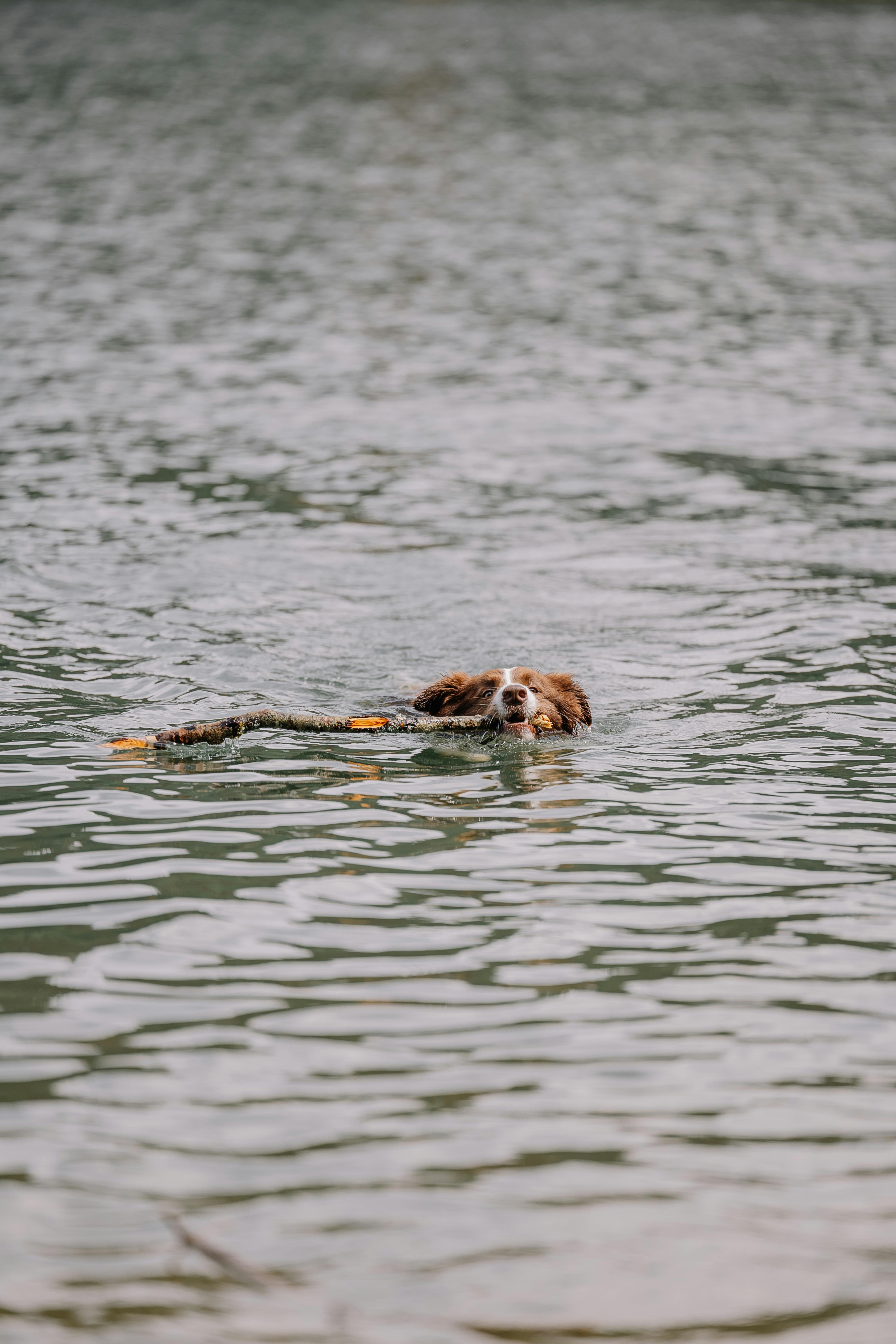
The belief that a dog’s wet nose means it’s healthy is pretty common, but is it true? Many dog owners often look at their pup’s nose for signs of health. Dogs have lots of ways to communicate, and their noses are just one of them. So, let’s dive into this topic and uncover the truth behind wet noses!
Why Do Dogs Have Wet Noses?
First off, dogs have wet noses for a few reasons. One of the main reasons is that it helps them smell better. A wet nose can trap scent particles in the air, which gives dogs the ability to pick up scents much better than we can. It’s like having a built-in superpower!
Additionally, a dog’s nose secretes a thin layer of mucus. This mucus helps enhance their sense of smell by keeping their nose damp. Here are some more reasons why dogs have wet noses:
- Cooling Mechanism: Dogs don’t sweat like we do. Instead, they cool down through their noses and panting. A wet nose helps with this process.
- Health Indicator: While a wet nose can be a sign of health, it’s not the only indicator. Changes in a dog’s nose can signal other health issues.
- Behavioral Sign: Dogs often lick their noses when they’re excited or nervous. This can indicate their emotional state.
Do Wet Noses Indicate a Healthy Dog?
So, does a wet nose really mean a healthy dog? The answer is a bit more complicated than a simple yes or no. While many healthy dogs have wet noses, it’s not a definitive health marker. Here’s what you should know:
- Normal Variation: Just like humans, dogs have a range of normal. Some dogs naturally have drier noses, and that can still be perfectly normal for them.
- Environmental Factors: A dog’s nose can dry out due to environmental conditions, like cold weather or heating indoors. This doesn’t automatically mean they are sick.
- Signs of Illness: If a dog’s nose suddenly becomes dry and cracked or if there are changes in color or texture, it may indicate health problems. This could include dehydration, fever, or other illnesses that require a vet’s attention.
The Role of a Dog’s Nose in Health
Let’s look at how a dog’s nose can reflect their health. Here are some signs to keep an eye on:
- Color Change: A healthy dog’s nose is usually black or brown. If it turns pink or loses pigmentation, that could be a sign of something wrong.
- Texture: Smooth and moist is generally good. If you feel crustiness or see sores, it’s time to consult a vet.
- Temperature: A wet nose is often cooler than a dry nose, but temperature alone doesn’t indicate illness. A dog can have a warm, wet nose and still be perfectly healthy.
Common Misconceptions about Wet Noses
There’s a lot of myths floating around about dog noses. Some common misconceptions include:
- Wet Nose = Happy Dog: While it’s true that many happy dogs have wet noses, it doesn’t mean that all wet-nosed dogs are happy. Their emotional state can vary greatly.
- Dry Nose = Sick Dog: This is a big myth. Dogs can have dry noses and still be perfectly fine. It’s essential to look at the bigger picture of their overall health.
- Only Certain Breeds Have Wet Noses: All dogs can have wet noses, regardless of breed. Some breeds may naturally have drier noses, but that’s not a health issue.
Tips for Dog Owners
As a dog owner, keeping an eye on your pup’s nose can be helpful. Here are some tips:
- Regular Checks: Make it a habit to check your dog’s nose regularly. Look for changes in color, texture, and moisture.
- Hydration Matters: Ensure your dog is drinking enough water, especially in hot weather. Dehydration can lead to a dry nose.
- Consult the Vet: If you notice any significant changes, don’t hesitate to consult with your veterinarian. Early detection of health issues can make all the difference.
In the end, while wet noses can indicate a healthy dog, it’s not a foolproof measure. Observing your dog’s overall behavior, appetite, and energy levels is crucial to assess their health. Understanding the role of a dog’s nose can help you become a more informed and attentive pet owner. Always remember that every dog is unique, and what’s normal for one may not be for another. So, keep loving and caring for your furry friend, and they’ll continue to be a joyful part of your life!
How Dogs Use Their Wet Noses: Exploring Their Sense of Smell and Communication
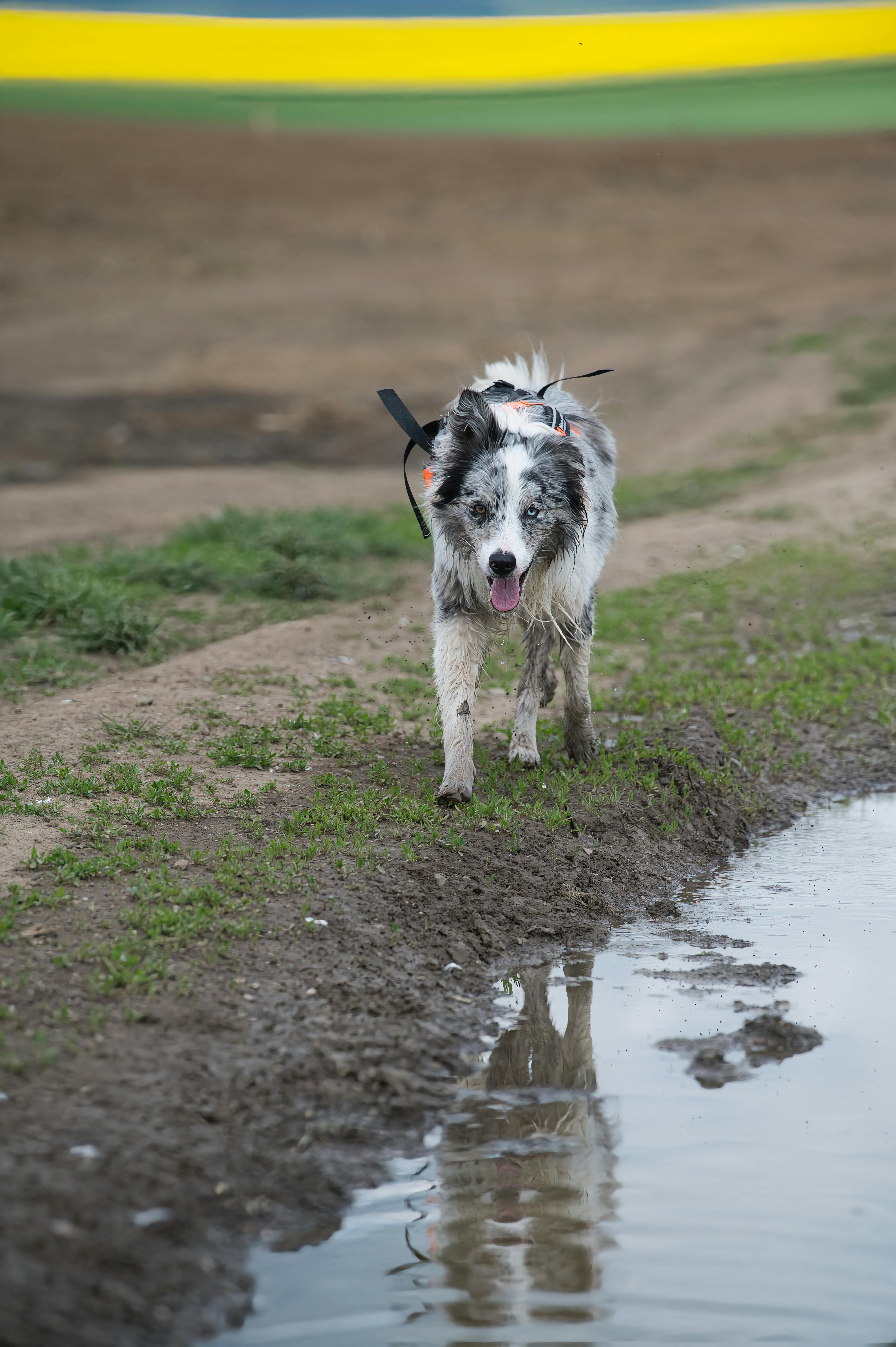
Dogs are more than just our furry friends; they are fascinating creatures with unique ways of interacting with the world. One of the most curious aspects of dogs is their wet noses. Many people wonder, why do dogs have wet noses? It’s not just a quirky trait; it plays an important role in their communication and sensory perception. Let’s explore how dogs use their wet noses, the science behind it, and what it means for our relationships with these loyal companions.
The Science Behind Wet Noses
Dogs’ noses are wet for several reasons, and understanding this can give us insight into their behavior. The moisture on a dog’s nose is primarily due to a thin layer of mucous. This mucous helps to absorb scent particles, enhancing their sense of smell. A wet nose is actually a sign of a healthy dog, as it aids in their ability to detect odors.
Scent Detection: Dogs have approximately 300 million scent receptors in their noses, compared to a human’s 5 million. A wet nose increases the surface area and allows more scent particles to stick, making them even more effective at sniffing things out.
Temperature Regulation: Dogs also use their noses to help regulate body temperature. The moisture evaporates and cools them down, similar to how sweating works for humans.
Health Indicator: A wet nose often indicates that a dog is healthy. If a dog’s nose is dry and cracked, it might be a sign of dehydration or illness — though it’s not always the case.
How Dogs Communicate with Their Noses
Dogs don’t just use their noses for smelling; they communicate with each other and with us through scents. They can convey messages about their feelings, territory, and even their health through the scents they leave behind.
Marking Territory: Dogs have scent glands in their noses and paws. When they sniff around, they can pick up information about other dogs that have been in the area, including their gender, age, and even mood.
Social Signals: Dogs greet each other by sniffing, which is a way of gathering information. A dog’s nose can tell them a lot about another dog’s recent activities or emotional state.
Bonding with Humans: When dogs nuzzle their noses against us, it can be a sign of affection. They may also use their noses to nudge us, encouraging interaction or signaling a need for attention.
Why Do Dogs Have Wet Noses? The Surprising Truth!
Now that we’ve touched on the science and communication aspects, let’s delve deeper into why exactly dogs have wet noses.
Enhanced Olfactory Function: As mentioned, a wet nose improves a dog’s sense of smell. They rely heavily on their noses to explore the world.
Cool Down Mechanism: Dogs don’t sweat like humans; their primary cooling mechanism is through panting and having a wet nose.
Health Monitoring: Dogs instinctively know when they are unwell, and their noses may become dry or warm as an early sign of illness.
Fun Facts about Dogs’ Noses
Dogs possess a unique print on their noses, much like human fingerprints. Each nose print is unique, and it can be used for identification.
The shape of a dog’s nose can influence its sense of smell. Breeds like Bloodhounds have long, droopy noses that enhance their olfactory capabilities.
Dogs can detect certain diseases in humans, such as cancer and diabetes, through scent. Their keen sense of smell allows them to sense changes in human bodies that might indicate illness.
Practical Examples of Dogs Using Their Noses
Tracking: In search and rescue, dogs are often used to find missing persons thanks to their exceptional smelling ability.
Detection Work: Many law enforcement agencies use dogs to sniff out drugs or explosives. Their wet noses play a crucial role in their effectiveness.
Therapy Work: Dogs trained for therapy often use their noses to sense when someone is anxious or distressed, offering comfort through their presence.
Dogs and their wet noses are not just an endearing trait but a vital part of their biology. Their ability to communicate and interact with the world through scent is remarkable. Next time you see your dog’s shiny, wet nose, remember that it tells you much more than just a simple greeting. It’s a gateway into their world, filled with emotions, scents, and interactions that we are only beginning to understand. So, why do dogs have wet noses? Because it’s the key to connecting with their environment and with us, their beloved humans.
Wet Nose vs. Dry Nose: What Your Dog’s Nose Says About Their Well-Being
When you’re a dog owner, you probably have noticed your furry friend’s nose often changes from wet to dry, and it raises many questions. Is a wet nose a sign of health? Or does a dry nose indicate something is wrong? Knowing what your dog’s nose says about their well-being is crucial for maintaining their health and happiness. So, let’s dive into the wet nose vs. dry nose debate and discover the surprising truth behind why do dogs have wet noses.
Why Do Dogs Have Wet Noses?
Dogs noses are wet for a few reasons. One of the primary reasons is that moisture helps enhance their sense of smell. A wet nose can trap scent particles, which makes it easier for dogs to pick up smells in their surroundings. Here’s a list of why their noses are often moist:
- Scent Detection: Wet noses help dogs absorb and process scents better.
- Temperature Regulation: Dogs don’t sweat like humans, so a moist nose can help them cool down.
- Health Indicator: A wet nose can generally indicate hydration and well-being.
The Science Behind a Wet Nose
Dogs have a special type of skin on their noses that secretes mucus. This mucus keeps their noses moist. The moisture, in turn, helps enhance their olfactory abilities, which are far superior than those of humans. Did you know that dogs can detect certain smells, like drugs or bombs, at concentrations as low as one part per trillion? That’s just mind-blowing!
Wet Nose vs. Dry Nose: What It Means for Your Dog
Understanding the condition of your dog’s nose can provide insights into their health. Here’s a quick comparison of wet and dry noses:
| Nose Condition | Possible Implications |
|---|---|
| Wet Nose | Generally healthy, hydrated, and active. |
| Dry Nose | Could be dehydrated, sick, or too hot. |
It’s important to remember that a dry nose is not always a cause for concern. Some dogs naturally have drier noses, and it can vary depending on the weather, their activities, or even the time of day.
Common Misconceptions About Dog Noses
There are many myths surrounding dog noses. Here’s a list of some common misconceptions:
Myth: A warm, dry nose always means your dog is sick.
- Fact: Dogs can have warm, dry noses and still be perfectly healthy.
Myth: A wet nose means your dog is happy.
- Fact: A wet nose doesn’t necessarily correlate with happiness; it might just be a part of their normal physiology.
Myth: You can tell a dog’s temperature by their nose.
- Fact: Nose temperature isn’t a reliable indicator of overall health.
Factors That Affect Nose Moisture
Several factors can contribute to the wetness or dryness of a dog’s nose. Here are some of them:
- Weather Conditions: Hot, dry weather can lead to a dry nose, while humid conditions may keep it moist.
- Hydration Levels: If your dog is dehydrated, their nose is likely to be dry.
- Health Issues: Certain conditions like allergies, infections, or autoimmune disorders may lead to a change in nose moisture.
- Age: Older dogs may naturally have drier noses compared to younger pups.
What to Do If Your Dog Has a Dry Nose
If you notice your dog has a dry nose, it may not be an immediate cause for alarm, but it’s essential to observe other symptoms. Here’s what you can do:
- Check Hydration: Make sure your dog has access to plenty of fresh water.
- Monitor Behavior: Look out for any signs of illness, like lethargy or loss of appetite.
- Consult a Veterinarian: If the dry nose persists or is accompanied by other symptoms, it’s best to consult a vet.
Fun Facts About Dog Noses
- Dogs have about 300 million smell receptors compared to humans’ 6 million.
- The pattern on a dog’s nose is as unique as a human fingerprint.
- Dogs can sniff out certain diseases, like cancer, due to their amazing sense of smell.
In summary, your dog’s nose can tell you a lot about their well-being. While a wet nose typically indicates a healthy and happy pup, a dry nose isn’t always a reason to panic. Paying attention to your dog’s nose, along with their overall behavior, can help you ensure they stay healthy and thriving. Always remember to consult with a vet if you have any concerns about your furry friend’s health.
The Role of Wet Noses in Dog Behavior: Understanding Canine Communication
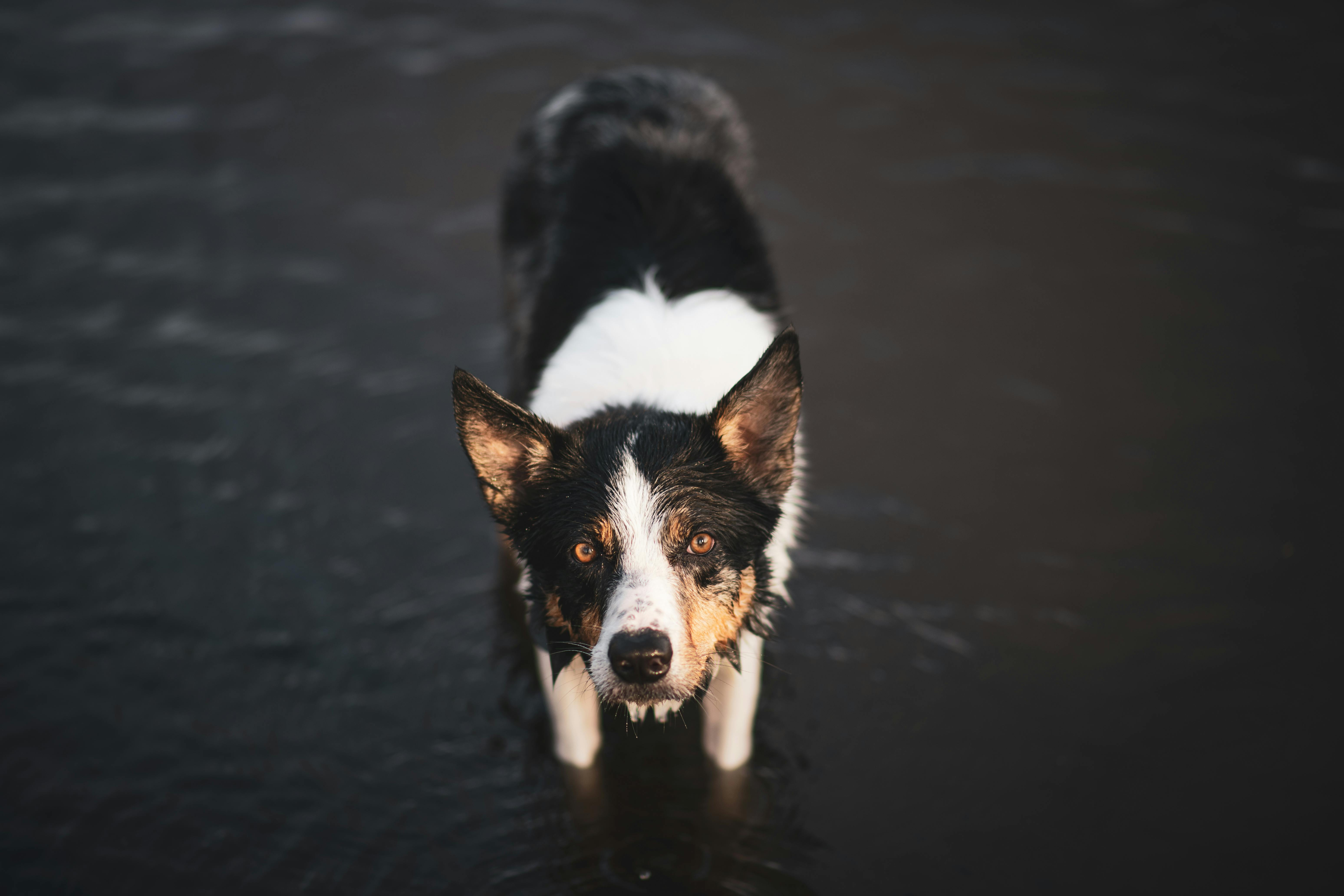
The role of wet noses in dog behavior is often overlooked, yet it plays a crucial part in how our furry friends communicate. Understanding why do dogs have wet noses can lead to insights into their emotional states and health. Many pet owners might wonder about the science behind this curious characteristic, and there’s actually a surprising truth lurking behind those damp snouts.
Why Do Dogs Have Wet Noses?
Dogs have wet noses for a few reasons, mainly linked to their health and senses. Here’s a list of reasons why those noses are often moist:
Enhanced Smell: A wet nose is better at capturing scent particles in the air. This helps dogs to detect smells more effectively, which is an important aspect of their survival instincts.
Temperature Regulation: Dogs sweat through their paws, but their noses also help in cooling them down. A wet nose can help regulate their body temperature, especially during hot weather.
Health Indicator: A moist nose is generally a sign of a healthy dog. If a dog’s nose becomes dry or cracked, it may indicate dehydration or illness.
The Science Behind It
The moisture on a dog’s nose comes from a thin layer of mucus and saliva. When a dog licks its nose, it allows them to interpret scents more accurately. This is because the moisture helps trap scent particles, which then interact with the olfactory receptors in their noses. This biological design is not only fascinating but also vital for a dog’s ability to interact with their environment.
Historical Context
Historically, dogs evolved as pack animals, and their senses have adapted to support their hunting and social behaviors. The wet nose is a trait that has been passed down through generations of dogs, aiding them in tracking prey and communicating within their packs.
Wet Noses and Canine Communication
Dogs, like humans, communicate through a variety of signals. Their noses play a role in how they interact with other dogs and humans. Wet noses can indicate different emotions or states of being, such as:
Excitement: A dog may greet you with a wet nose when they’re happy to see you. It’s a sign of affection and enthusiasm.
Curiosity: When exploring, a dog will often sniff with their wet noses. This behavior is part of how they learn about their surroundings.
Comfort-seeking: Dogs might nuzzle you with their wet noses as a way to seek comfort or attention. This can be especially common in anxious dogs.
Comparisons: Wet Noses vs. Dry Noses
It’s interesting to note how a dog’s nose can change throughout the day. Here’s a quick comparison:
| Condition | Wet Nose | Dry Nose |
|---|---|---|
| Health Status | Generally healthy | May indicate illness |
| Temperature | Cool and moist | Warm and dry |
| Behavior | Playful and curious | Possibly lethargic |
Practical Examples
To better understand the importance of wet noses, consider these scenarios:
Dog at Play: When dogs are playing and running around, their noses tend to be wetter. This is a sign they are active and engaged.
Dog at Rest: If a dog is sleeping or resting, their nose might dry out slightly. This is normal, but if it stays dry for too long, it could be worth a vet visit.
Dog in Stress: A dog experiencing stress or anxiety may have a dry nose. Observing these changes can help owners respond appropriately to their pet’s needs.
In summary, the wet nose of a dog is more than just an endearing feature. It serves essential functions in their daily lives, from improving their sense of smell to indicating their emotional states. Understanding why do dogs have wet noses can help pet owners better appreciate the unique communication methods of their canine companions. So next time you see your dog with a wet nose, remember that it’s not just cute; it’s a vital part of what makes them, well, a dog!
7 Surprising Facts About Dogs’ Wet Noses That Every Pet Owner Should Know
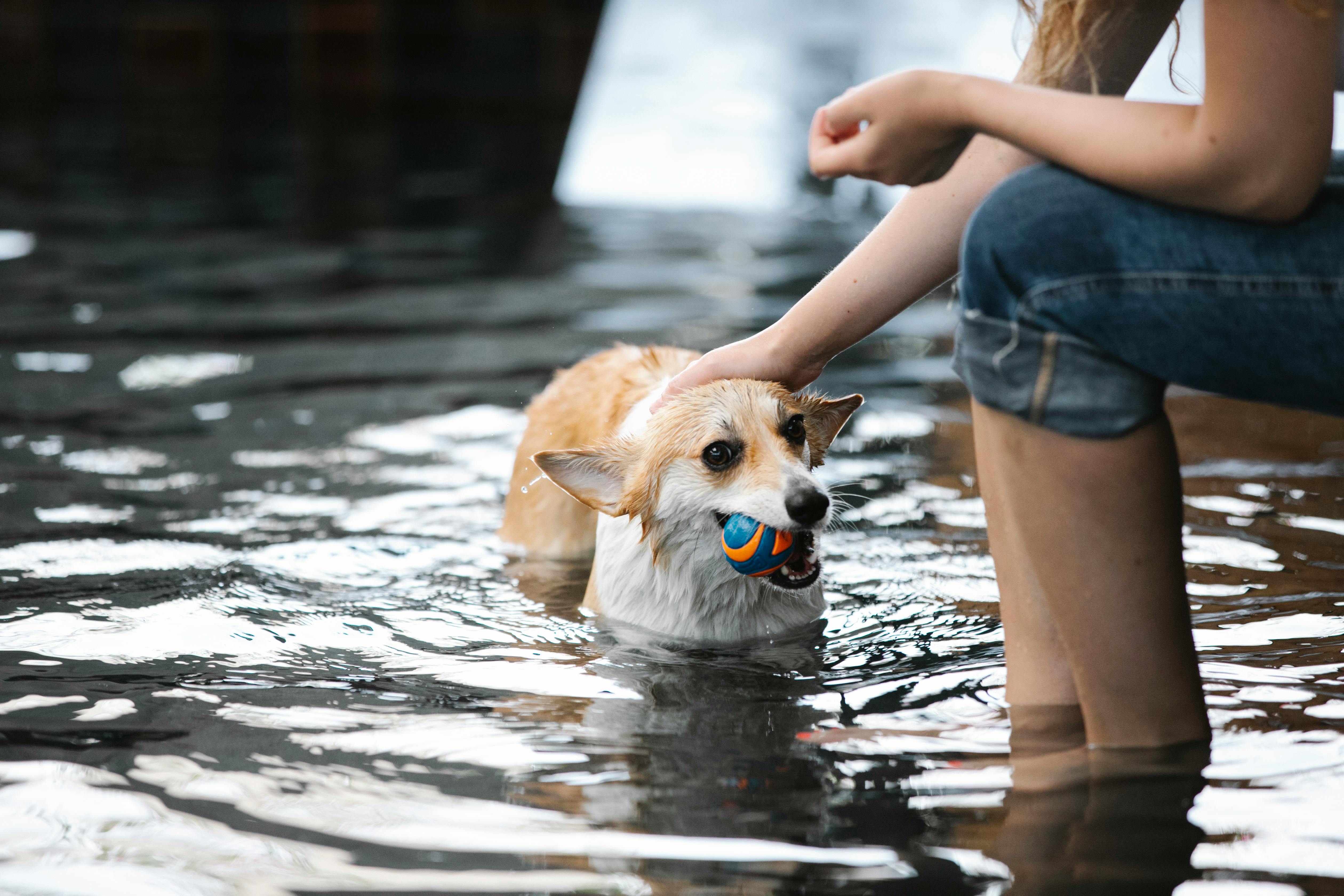
Dogs are often considered man’s best friend, but there’s one curious feature that has puzzled many pet owners: their wet noses. Why do dogs have wet noses? The answer is more fascinating than you might think. Here are 7 surprising facts about dogs’ wet noses that every pet owner should know.
1. Natural Thermoregulation
One of the primary reasons why dogs have wet noses is to help regulate their body temperature. Dogs don’t sweat like humans do. Instead, they rely on their nose’s moisture to cool themselves down. When a dog licks its nose, the moisture evaporates, and this process can help lower their body temperature. So, a wet nose isn’t just cute; it’s a vital part of their cooling system.
2. Enhanced Sense of Smell
Dogs have an incredible sense of smell, estimated to be 10,000 to 100,000 times more sensitive than humans. The wetness of their noses plays a large role in this. A moist nose helps to capture scent particles in the air, improving their ability to detect odors. With a wet nose, dogs can better analyze and identify smells, which is essential for their hunting instincts and social interactions.
3. Health Indicator
A dog’s nose can actually serve as an indicator of their health. While many people believe that a wet nose signifies a healthy dog, it’s not always the case. A dry or cracked nose can point to dehydration, fever, or other health issues. However, it’s important to remember that the state of a dog’s nose isn’t the sole indicator of health. Regular vet check-ups are essential for maintaining your pet’s well-being.
4. Unique Nose Prints
Just like human fingerprints, every dog has a unique nose print. This means that you can actually identify a dog by the pattern of ridges and creases on its nose. Some companies even offer nose print identification services, which could be useful for lost pets. It’s fascinating how something as simple as a dog’s nose can serve such a unique purpose!
5. Social Interaction and Communication
Dogs use their noses for more than just smelling. They also communicate with other dogs through scent. When dogs greet each other, they often sniff each other’s noses and behinds as a way to gather information about one another. This is their way of saying “hello” and understanding each other’s social status, health, and even emotional state. So, the next time your dog gets up close and personal with another pup, remember they’re just trying to learn more!
6. Different Nose Colors
Dog noses can come in a variety of colors, including black, brown, pink, and even spotted. The color of a dog’s nose is usually determined by its breed and genetics. For instance, breeds like Labrador Retrievers typically have darker noses, while breeds like the Dalmatian often have more varied pigmentation. A dog’s nose color can change over time, too, which can be influenced by factors such as age or exposure to sunlight.
7. The Role of Mucus
The mucus on a dog’s nose isn’t just for show; it serves a purpose. This slimy secretion helps to trap scent particles and enhances their sense of smell. It can also aid in protecting the nose from dirt and debris. Keeping a dog’s nose moist and clean is essential, but be careful not to overdo it. Excessive moisture can lead to infections or irritations.
Quick Facts Summary
- Thermoregulation: Dogs cool down through moisture on their noses.
- Enhanced Smell: Wet noses capture scent particles better.
- Health Indicator: A dry nose can signal health problems.
- Unique Prints: Each dog has a distinct nose print.
- Social Communication: Dogs greet each other by sniffing.
- Nose Colors: Genetic factors determine nose pigmentation.
- Mucus Role: Moisture helps trap scents and protect the nose.
Understanding why dogs have wet noses can deepen the bond between you and your furry friend. It’s not just about cuteness; it’s a complex feature that plays significant roles in their health, social interactions, and sensory perception. So, the next time you give your dog a pat on the head and feel that wet nose, remember all the incredible functions it serves. Embrace those quirks, and continue to cherish the unique relationship you have with your beloved pet.
Can a Wet Nose Help Dogs Detect Illness? The Link Between Nose Moisture and Health
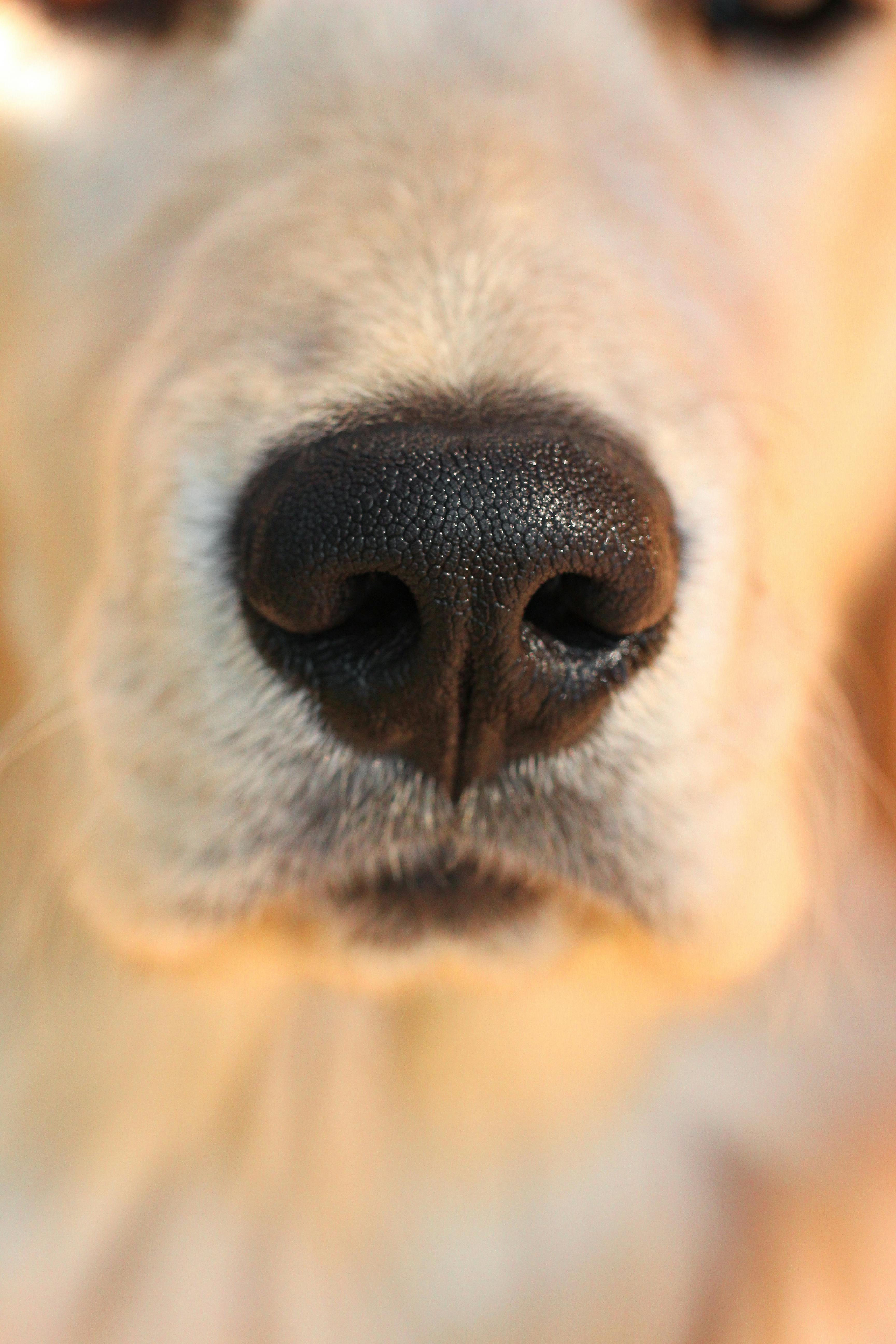
Dogs have long been known for their keen senses, with their noses being one of the most impressive features. But you might be wondering, can a wet nose help dogs detect illness? There’s a fascinating connection between a dog’s nose moisture and potentially their health. The truth behind why dog noses are wet is more surprising than you might think!
Why Do Dogs Have Wet Noses?
Wet noses in dogs serve multiple purposes but it mainly has to do with the way they interact with the world. The moisture helps them to pick up scents better. A wet nose can enhance a dog’s sense of smell, which is already far superior to that of humans. Here are some key points:
- Scent Detection: The moisture in a dog’s nose helps to trap scent particles, making it easier for them to smell things. This is why you often see dogs sniffing around; they are gathering information about their environment.
- Cooling Mechanism: Dogs do not sweat like humans do. Instead, they cool down through panting and the moisture on their nose. This helps regulate their body temperature.
- Health Indicator: A wet nose is often considered a sign of a healthy dog, while a dry nose might indicate dehydration or illness. However, this isn’t always the case, as nose moisture can vary throughout the day.
The Link Between Nose Moisture and Health
So, can a wet nose really help dogs detect illness? There’s some evidence that suggests it might. Dogs have an extraordinary ability to detect diseases like cancer, diabetes, and even infections. Here’s how their wet noses could play a role:
- Scent of Illness: Sick individuals often emit specific scents due to metabolic changes. A wet nose helps dogs to capture these scents more effectively.
- Behavioral Changes: Dogs may be able to sense when something is off with their owners or other animals. They might react differently to someone who is ill compared to a healthy person.
- Research Findings: Several studies have suggested that dogs can detect certain types of cancer by smelling breath or skin samples. Their wet noses play a role in this ability, as moisture helps in identifying atypical scents linked to illness.
How Dogs Use Their Noses
Dogs have more olfactory receptors than humans, which makes their sense of smell about 10,000 to 100,000 times more acute. Here’s a comparison of olfactory receptors:
- Humans: Approximately 5 million
- Dogs: Approximately 220 million
This vast difference contributes to a dog’s ability to sniff out diseases. They pick up on things that humans simply can’t sense. Here are some examples of how dogs use their noses:
- Search and Rescue: Dogs are trained to locate missing persons or detect disaster victims.
- Medical Detection: Some dogs are specifically trained to identify conditions like seizures or low blood sugar in their owners.
- Therapy and Comfort: Many therapy dogs use their noses to sense when someone is anxious or in distress, providing comfort.
Factors Affecting Nose Moisture
It’s important to note that a dog’s nose can change moisture levels throughout the day due to various factors, such as:
- Weather Conditions: Humidity and temperature can affect how wet or dry a dog’s nose is.
- Activity Level: During play or exercise, a dog’s nose may become drier as they breathe heavily.
- Health Status: Illness, dehydration, or fever can lead to changes in nose moisture.
Common Misconceptions
There are a few myths surrounding dog noses that are worth mentioning:
- All Wet Noses Mean Healthy Dogs: This is not always true. A dog can have a wet nose and still be sick. Context is key.
- Dogs Can Only Smell When Their Noses Are Wet: Dogs can still smell when their noses are dry, but their ability might not be as sharp.
The Surprising Truth!
In the end, while a wet nose does often indicate a healthy dog and enhances their sense of smell, it doesn’t tell the whole story. Can a wet nose help dogs detect illness? Yes, it might, but it’s only one of many factors that come into play. Dogs are amazing creatures with incredible abilities that go beyond just their nose.
Understanding your dog’s behavior and health indicators is crucial. So next time you see your furry friend with a wet nose, you might just be looking at one of nature’s best health detectives!
Why Is My Dog’s Nose Wet? Common Questions Answered for Concerned Owners
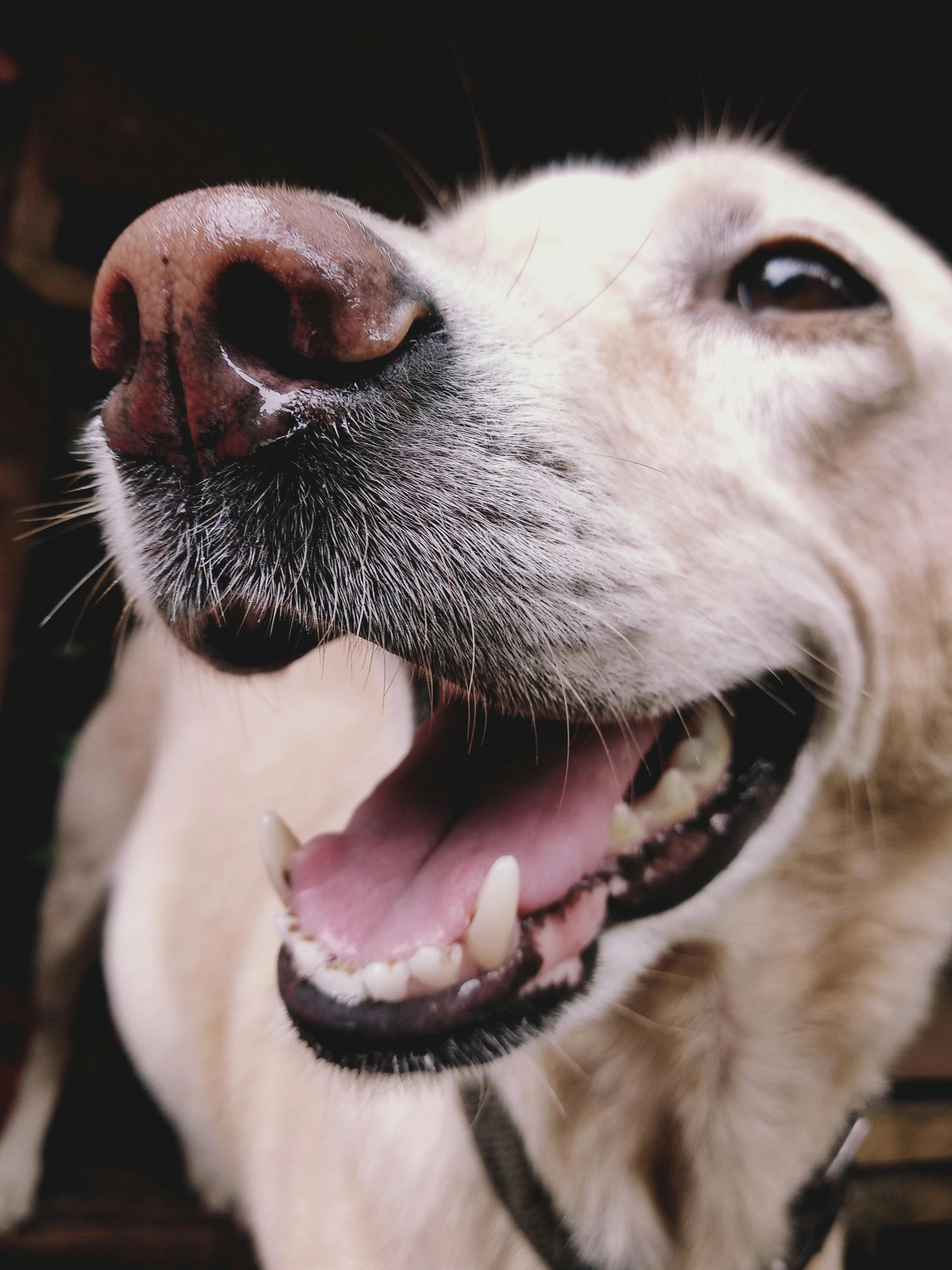
Have you ever wondered why your dog’s nose is wet? It can be a puzzling thing for many dog owners. The moistness of a dog’s nose is often a topic of curiosity and concern. So, let’s dive into the common questions about why dogs have wet noses and what it might mean for your furry friend.
Why Do Dogs Have Wet Noses?
Dogs’ noses are wet for several reasons, and it’s more than just a quirk. Here are some key reasons why dogs have wet noses:
- Cooling Mechanism: A wet nose helps dogs regulate their body temperature. Through evaporation of the moisture on their nose, dogs can cool down just like sweating in humans.
- Enhanced Sense of Smell: Dogs have an incredible sense of smell, and a wet nose can increase the scents they pick up. The moisture on their nose helps to capture scent particles.
- Health Indicator: A wet nose is often seen as a sign of good health. If your dog’s nose is dry, it can indicate dehydration or illness, though this is not always the case.
The Science Behind Wet Noses
Now, let’s talk about the science behind it. The moistness on a dog’s nose comes from mucus glands. These glands produce a thin layer of mucus that helps capture scent particles from the environment. When a dog sniffs something, the moisture helps to absorb the scent molecules, making it easier for them to process those smells. Isn’t that fascinating?
Common Concerns for Dog Owners
Many owners worry about their dog’s nose, mainly when it changes from wet to dry. Here’s a list of common concerns and what they might indicate:
- Dry Nose: A dry nose can be normal, especially if your dog has been sleeping or in a warm environment. But if it remains dry for long periods, it might be worth checking with a vet.
- Cracked Nose: Sometimes, you’ll notice cracks or sores on a dog’s nose. This can be caused by various factors like allergies, sunburn, or even a skin condition.
- Nose Discharge: A runny nose can be a sign of allergies or a respiratory infection. If the discharge is colored or persistent, it’s best to consult a veterinarian.
Historical Context of Dogs and Their Noses
Historically, dogs have been companions to humans for thousands of years. Their sense of smell has been utilized in hunting, tracking, and even in search and rescue operations. The wetness of their noses is a trait that has evolved over time, enhancing their ability to interact with the world around them.
Dogs’ Nose Types and Their Differences
Here’s a little overview comparing different types of noses in dogs and how they can vary:
| Type of Nose | Description | Common Breeds |
|---|---|---|
| Wet Nose | Standard for most dogs, helps with scent | Labrador Retriever, Beagle |
| Dry Nose | Can be normal, may indicate health issues | Bulldog, Pug |
| Cold Nose | Usually indicates a healthy dog | Siberian Husky, Alaskan Malamute |
| Warm Nose | Often indicates fever or illness | Any breed, especially if prolonged |
Practical Tips for Dog Owners
If you’re a concerned dog owner, here are some practical tips to keep in mind regarding your dog’s nose:
- Monitor Changes: Keep an eye on any changes in wetness or texture. If it seems off, consult your vet.
- Hydration: Always ensure your dog has access to clean water to prevent dehydration, which can lead to a dry nose.
- Sun Protection: If your dog spends a lot of time outdoors, consider applying sunscreen made for dogs to protect their nose from sunburn.
The Bottom Line
So, why is your dog’s nose wet? It’s a normal part of their biology, helping with cooling and enhancing their sense of smell. While a wet nose is generally a good sign, changes can indicate health issues. Keeping an eye on your dog’s overall health and behavior is vital. Always feel free to reach out to a veterinarian if you have concerns about your furry friend’s health. Dogs rely on us for their well-being, and a simple thing like a wet nose can tell us a lot about their health.
The Evolutionary Purpose of Wet Noses in Dogs: How It Helps Them Survive and Thrive
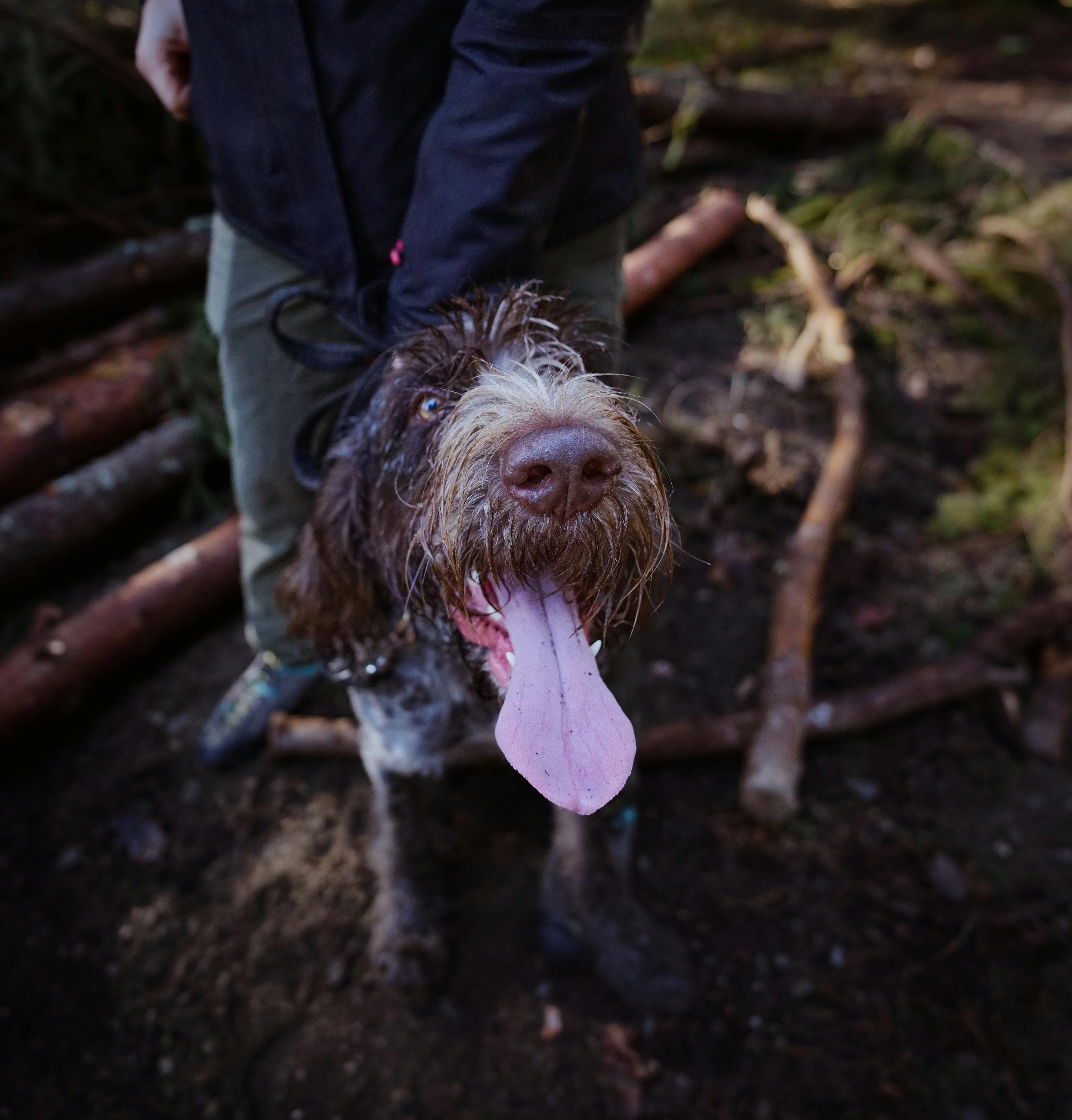
Have you ever wondered why do dogs have wet noses? This question often puzzles pet owners and animal lovers alike. Wet noses in dogs ain’t just a cute characteristic; it serves a significant evolutionary purpose that helps them survive and thrive in their environment. Dogs have been companions to humans for thousands of years, and their moist noses play a role in their interaction with the world. Let’s dive into the surprising truth behind this fascinating feature.
The Science Behind Wet Noses
A dog’s nose is moist and cool, which is crucial for several reasons. Firstly, a wet nose helps in the process of thermoregulation. Dogs don’t sweat like humans do; instead, they cool down through their noses. Here’s how it works:
- Evaporation: The moisture on a dog’s nose evaporates, which helps lower their body temperature.
- Scent Detection: A wet nose enhances a dog’s ability to detect scents. The moisture helps to trap odor particles, making it easier for them to analyze different smells.
Historical Context of Dog Noses
Dogs have evolved from wolves, who relied heavily on their sense of smell for hunting and survival. Over time, the adaptation of a wet nose has been crucial in this evolutionary journey. Wet noses allow dogs to interact with their environment more effectively.
- Early Domestication: When dogs were domesticated, their olfactory abilities became essential for humans. They helped in hunting, herding, and protection.
- Survival Skills: In the wild, a dog’s ability to smell can mean the difference between life and death. A wet nose allows them to find food and avoid dangers.
The Role of Nasal Mucus
One of the reasons why do dogs have wet noses relates to the nasal mucus. This mucus isn’t just there for show; it plays several key roles:
- Moisture Retention: The mucus keeps the nose moist, which is essential for olfactory receptors to work effectively.
- Barrier Function: It helps to protect the sensitive tissues inside the nose from dirt and pathogens.
Interesting Facts About Dog Noses
- Unique Patterns: Just like human fingerprints, every dog’s nose has a unique pattern. This could potentially be used for identification.
- Heat Sensors: Dogs can detect heat through their noses. This helps them locate warm-blooded animals, making them excellent hunters.
- Nasal Anatomy: A dog’s nose has up to 300 million olfactory receptors, while humans only have about 5 million. This is why dogs have a superior sense of smell.
Comparison: Wet Noses vs. Dry Noses
It’s also interesting to compare wet noses with dry noses. A wet nose is typically a sign of good health, while a dry nose can indicate several issues. Here are some points to consider:
| Feature | Wet Nose | Dry Nose |
|---|---|---|
| Health Status | Generally healthy | Could indicate dehydration or illness |
| Temperature | Cool to touch | Warm to touch |
| Smell Ability | Highly effective in detecting scents | Less effective |
Practical Examples of Wet Nose Benefits
Dogs utilize their wet noses in various situations. For example:
- Tracking: When tracking scents, dogs use their wet noses to pick up on trails left by animals.
- Herding: In herding breeds, a wet nose enables them to smell their flock and keep them together.
- Search and Rescue: Dogs trained for search and rescue missions rely heavily on their wet noses to locate missing persons.
Why Do Dogs Have Wet Noses? The Bottom Line
In summary, the evolutionary purpose of wet noses in dogs is multifaceted. From thermoregulation to enhancing their sense of smell, wet noses are vital for a dog’s survival and effectiveness as a companion to humans. So, the next time you lean down to pet your furry friend, remember that those wet noses are not just adorable but also a remarkable adaptation shaped by their history and biology.
Understanding why do dogs have wet noses can deepen your appreciation for these beloved pets. It’s a small but significant aspect of what makes dogs such incredible animals. Their wet noses are a testament to their evolutionary journey, serving both practical functions and enhancing their bond with humans.
Conclusion
In conclusion, the wetness of a dog’s nose serves several important purposes, from enhancing their sense of smell to regulating body temperature. The moisture on their noses helps to capture scent particles, making it easier for dogs to detect and identify various odors in their environment. Additionally, a wet nose can aid in thermoregulation, allowing dogs to cool down more effectively. While a wet nose is often considered a sign of good health, it’s essential to remember that individual variations exist, and a dry nose doesn’t always indicate a problem. As dog owners, it’s crucial to monitor our pets’ overall health and well-being. If you notice significant changes in your dog’s nose or behavior, consult your veterinarian. Understanding the reasons behind a dog’s wet nose not only deepens our appreciation for these beloved companions but also reinforces the importance of attentive pet care. Embrace the quirks of your furry friend and cherish the bond you share!
