
Have you ever wondered, why do dogs have wet noses? This intriguing question has captivated dog lovers and curious minds alike. The answer is not just a simple biological fact, but a fascinating insight into your furry friend’s health and behavior! A dog’s nose is not only their most sensitive organ, but it also plays a critical role in their everyday life. Wet noses helps dogs to sense their environment better, improving their ability to smell and interact with the world around them. Did you know that a dog’s nose can actually tell you a lot about their well-being? This post will delve into the science behind this unique characteristic, uncovering the truth about why those adorable, damp noses are so important. From temperature regulation to scent detection, there are many reasons that will leave you amazed. So, if you’re asking yourself, why does my dog’s nose feel wet, stay tuned! Get ready to explore the fascinating truth behind this adorable feature, and discover how it impacts your pet’s life and yours. Let’s embark on this journey into the remarkable world of our beloved canine companions!
The Science Behind a Dog’s Wet Nose: What Makes It So Special?

Dogs are one of the most beloved pets around the globe. Their charming personalities and loyal nature makes them great companions. But have you ever paused to consider why do dogs have wet noses? It might seem odd, yet there’s a scientific reasoning behind this curious characteristic. Understanding the science behind a dog’s wet nose can help us appreciate our furry friends even more.
The Anatomy of a Dog’s Nose
A dog’s nose is a complex structure, and it serves several important functions. The surface of a dog’s nose is covered in a special type of skin, which is distinct from the rest of their body. This skin contains many scent receptors, making dogs particularly good at smelling things.
Here are some key facts about a dog’s nose:
- Scent Receptors: Dogs have around 220 million scent receptors, compared to humans who have about 5 million. This makes their sense of smell incredible.
- Moisture Secretion: The wetness of a dog’s nose is due to a thin layer of mucus, which helps them absorb scent particles from the air.
- Temperature Regulation: Dogs do not sweat like humans do. Instead, they regulate their body temperature through their noses and panting.
Why Are Dog Noses Wet?
So, why do dogs have wet noses? The answer involve several factors. First off, moisture helps enhance their sense of smell. When a dog’s nose is wet, it can pick up more scent particles floating in the air. This is vital for their ability to track scents. Furthermore, wet noses can indicate a dog’s health. A healthy dog typically has a slightly moist nose, while a dry nose could be a sign of dehydration or illness.
Here’s a quick list of reasons why dogs have wet noses:
- Enhanced Olfactory Function: Wet noses help capture scent particles more effectively.
- Health Indicator: A wet nose often suggests a healthy dog, while a dry nose can signal health issues.
- Cooling Mechanism: Wetness aids in temperature regulation during hot weather.
The Role of Environment
The environment also plays a significant role in a dog’s nose moisture. For instance, if the air is dry or if the dog has been playing outside, their nose may become drier. Conversely, after drinking water or being in a humid environment, their noses may appear wetter.
Historical Perspectives
Historically, dogs have been domesticated for thousands of years. Their noses have evolved to help them survive and assist humans in various tasks like hunting or tracking. Ancient civilizations recognized the importance of a dog’s nose. In fact, during the Middle Ages, dogs with particularly moist noses were often seen as more trustworthy and capable.
Comparing Dog Noses to Other Animals
Dogs are not the only animals with wet noses. Cats, for example, also have wet noses, though not as moist as dogs. The differences lie in their ecological roles. Cats are more solitary hunters, so their sense of smell is not as crucial as a dog’s, which often needs to track scents in packs.
Here’s a simple comparison:
Dogs:
- Wet noses
- High number of scent receptors
- Pack hunters
Cats:
- Less wet noses
- Fewer scent receptors
- Solitary hunters
Practical Tips for Dog Owners
Understanding why do dogs have wet noses can help dog owners maintain their pet’s health. Here are some tips:
- Regular Vet Check-ups: Regular check-ups can help catch any underlying health issues if your dog’s nose becomes persistently dry.
- Hydration: Ensure your dog has access to fresh water, especially during hot weather to keep their noses moist.
- Observe Changes: A sudden change in nose moisture can indicate health problems like fever or dehydration.
Wet noses are just one of the many fascinating traits of dogs. Their ability to smell and interact with their environment is both astounding and essential for their well-being.
In summary, understanding the science behind a dog’s wet nose not only enlightens us about their biology but also strengthens the bond we share with them. As we continue to learn more about these amazing creatures, we can ensure they live happy, healthy lives. So, the next time you feel that cool, moist nose nudge against you, remember just how special it truly is!
7 Fascinating Facts About Why Dogs Have Wet Noses You Didn’t Know

Dogs are often called man’s best friend, and one of the most endearing traits they have is their wet noses. You may have often wondered, “Why do dogs have wet noses?” You’re not alone! Many people curious about this question, and it turns out that there are some fascinating facts about those adorable, moist snouts. Let’s dive into seven intriguing insights that explain this unique feature of our canine companions.
1. It’s All About Smell
One of the primary reasons dogs have wet noses is to enhance their sense of smell. A wet nose helps to capture scent molecules better than a dry one. When a dog’s nose is moist, it can absorb more of these scents, which allows them to detect odors more effectively. This is why they are such excellent trackers and can often find things and people that we can’t.
2. Temperature Regulation
Dogs don’t sweat like humans do. Instead, they rely on their noses to help regulate their body temperature. When a dog is hot, the moisture in their nose helps cool them down. They may also pant to release heat, but the wet nose plays an essential role in maintaining a comfortable body temperature.
3. Health Indicators
The condition of a dog’s nose can actually indicate their health. A wet and cool nose is usually a sign of a healthy dog, while a dry and warm nose can signal illness or dehydration. It’s not always a guarantee, but many dog owners learn to keep an eye on their furry friend’s nose as a health barometer.
4. Evolutionary Adaptation
Dogs evolved from wolves, and their wet noses are an adaptation that has been passed down through generations. Wolves also have wet noses, which serve similar purposes in tracking prey and navigating their environment. This evolutionary trait has allowed dogs to thrive as both hunters and companions.
5. Social Interaction
Dogs use their noses not just for smell but as a form of communication. When dogs greet each other, they often sniff each other’s noses and rear ends, which is their way of gathering information about one another. The moisture in their noses helps them to pick up pheromones, which are chemical signals that convey various messages, from reproductive status to health.
6. Variety Among Breeds
Not all dog breeds have the same type of noses, and this can affect how wet they are. For example, brachycephalic breeds (like Bulldogs and Pugs) have shorter snouts, which may affect the moisture levels on their noses. In contrast, breeds with longer snouts, like Greyhounds, often have wetter noses because of their anatomical structure.
7. The Nose Knows
Dogs have an extraordinary sense of smell that can be anywhere from 10,000 to 100,000 times more sensitive than humans. This incredible ability is tied to their wet noses, which not only aids in smelling but also in tasting. Dogs often lick their noses, which helps them to ‘taste’ the scents around them, providing even more information about their environment.
Fun Facts About Dog Noses
- Dogs have a special organ called the Jacobsen’s organ, located in the nasal cavity, that helps them process smells.
- The pattern on a dog’s nose is unique to each dog, much like human fingerprints.
- A dog’s nose can change color depending on the season, health, or age.
Comparing Dog Noses to Human Noses
Here’s a simple comparison between dog noses and human noses:
| Aspect | Dogs | Humans |
|---|---|---|
| Sense of Smell | 10,000 to 100,000 times more sensitive | Less sensitive |
| Nose Moisture | Wet, enhances smell | Generally dry |
| Health Indicator | Indicates hydration and illness | Less reliable indicator |
| Communication | Uses scent for social cues | Primarily verbal and visual |
These insights into why dogs have wet noses not only highlight their unique biology but also deepen our understanding of how these beloved pets interact with the world. Next time your dog nudges you with their damp nose, remember that it’s not just a sign of affection but also a window into their incredible sensory world. Embrace the wet-nosed wonder of your furry friend!
How a Wet Nose Affects Your Dog’s Sense of Smell: The Surprising Connection
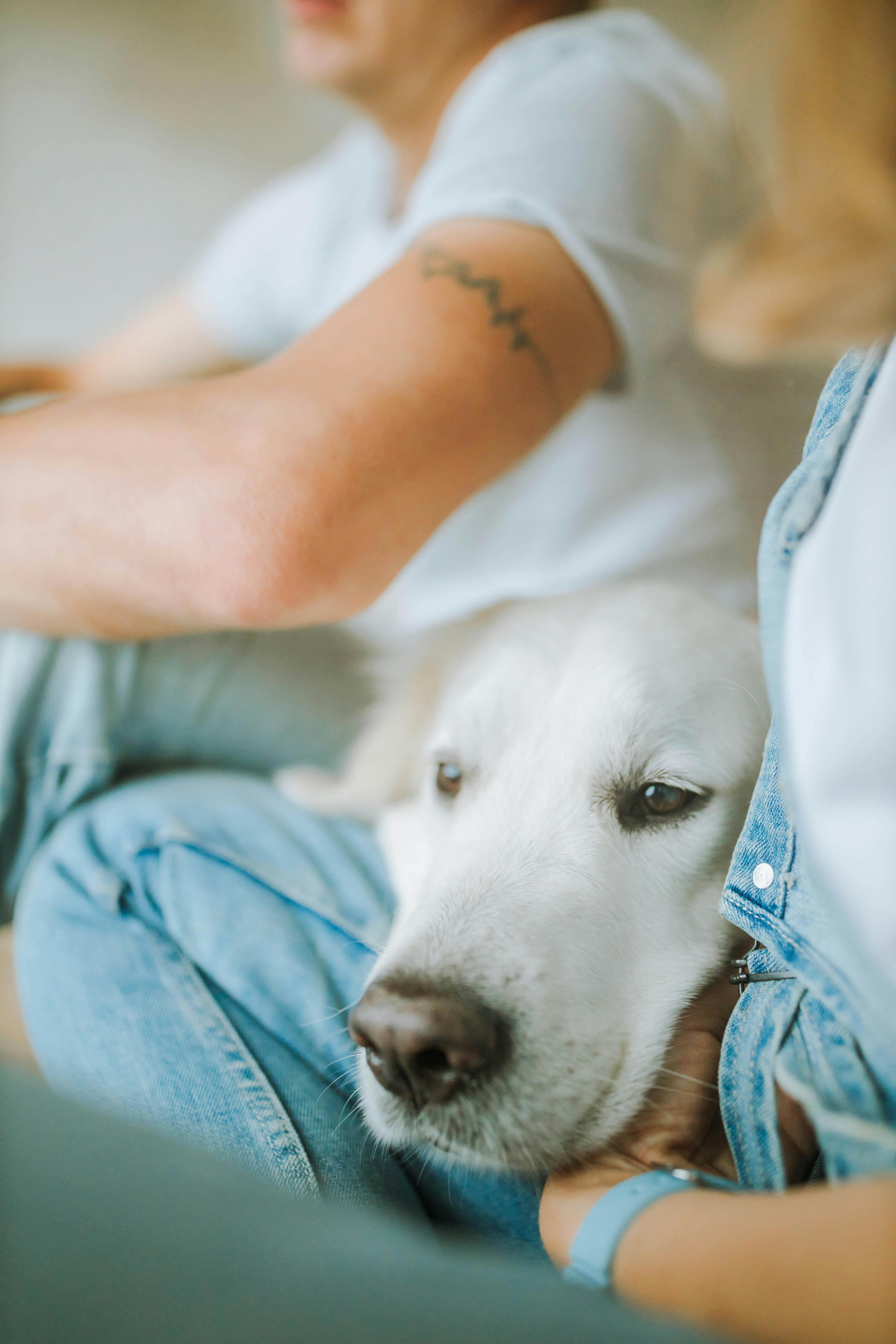
Ever wonder why dogs have wet noses? It’s one of those quirky traits that seems to puzzle many. But it actually serves a purpose, and it’s not just about being cute or funny. Wet noses play a significant role in how dogs perceive the world, especially when it comes to their sense of smell. Let’s dive into the fascinating connection between a dog’s wet nose and its olfactory abilities.
The Science Behind a Dog’s Nose
Dogs have an incredible sense of smell, far superior to humans. Their noses have a unique structure that allows them to detect scents at incredibly low concentrations. The wetness of a dog’s nose is critical to this process. Here’s how it works:
- Moisture Retention: A wet nose helps to trap scent particles in the air. When a dog inhales, the moisture on its nose captures these particles, enhancing the ability to smell.
- Cooling Mechanism: Wet noses also help in regulating temperature. Dogs lose heat through their noses, which might aid in keeping them cool while sniffing around.
- Electroreception: Some studies suggest that a wet nose may increase the ability to detect certain scents, acting almost like a radar for odors.
In terms of anatomy, the dog’s nose contains over 300 million olfactory receptors, compared to about 6 million in humans. This means dogs can detect smells at incredibly diluted levels, making them excellent at tracking scents.
Why Do Dogs Have Wet Noses?
So, why do dogs have wet noses? There are several reasons for this feature:
Health Indicator: A dog’s nose can indicate its health. A wet, cool nose usually suggests that your furry friend is healthy, while a dry or warm nose might raise a red flag.
Communication: Dogs use their noses to communicate with other dogs. A wet nose can signal submission or friendliness.
Environmental Interaction: Dogs explore the world primarily through their noses. A wet nose helps them gather more information about their environment, from other animals to food sources.
Historical Context of Dog Noses
Historically, dogs were bred for specific functions, many of which relied heavily on their sense of smell. For instance:
Hunting Dogs: Breeds like Bloodhounds were developed to track scents over long distances. Their wet noses help them excel in this task.
Working Dogs: Dogs used in search and rescue missions also benefit from their wet noses. The moisture helps them to sniff out trapped victims or substances like drugs and explosives.
Comparison: Dog Noses vs. Human Noses
Let’s compare dog noses to human noses in a simple table format:
| Characteristic | Dogs | Humans |
|---|---|---|
| Olfactory Receptors | 300 million | 6 million |
| Scent Detection | 10,000 to 100,000 times better | Limited |
| Nose Temperature | Wet for scent trapping | Generally dry |
| Communication | Uses scent to convey messages | Uses language primarily |
Practical Examples of Smell in Dogs
Dogs use their sense of smell in various practical ways:
- Search and Rescue: Dogs can locate missing persons or trapped individuals in disasters.
- Medical Detection: Some dogs can be trained to detect diseases like cancer or diabetes by smelling changes in a person’s scent.
- Detection Work: Police dogs, or K9s, are trained to find illegal substances or track down criminals using their extraordinary sense of smell.
Fun Facts About Dog Noses
- The shape and size of a dog’s nose can vary greatly depending on the breed, which often affects their smelling abilities.
- Dogs can smell emotions! They can detect stress hormones in sweat, allowing them to sense when a person is anxious or afraid.
- Each dog’s nose print is unique, similar to a human fingerprint. This means they could theoretically be used for identification!
Understanding the fascinating connection between a wet nose and a dog’s sense of smell can deepen our appreciation for our furry companions. It’s not just an adorable trait; it’s a crucial aspect of how dogs interact with the world around them. Next time you notice your dog’s moist snout, remember that it’s much more than just a cute feature — it’s an essential tool for navigating their environment.
The Role of a Dog’s Wet Nose in Their Health: What Every Pet Owner Should Know
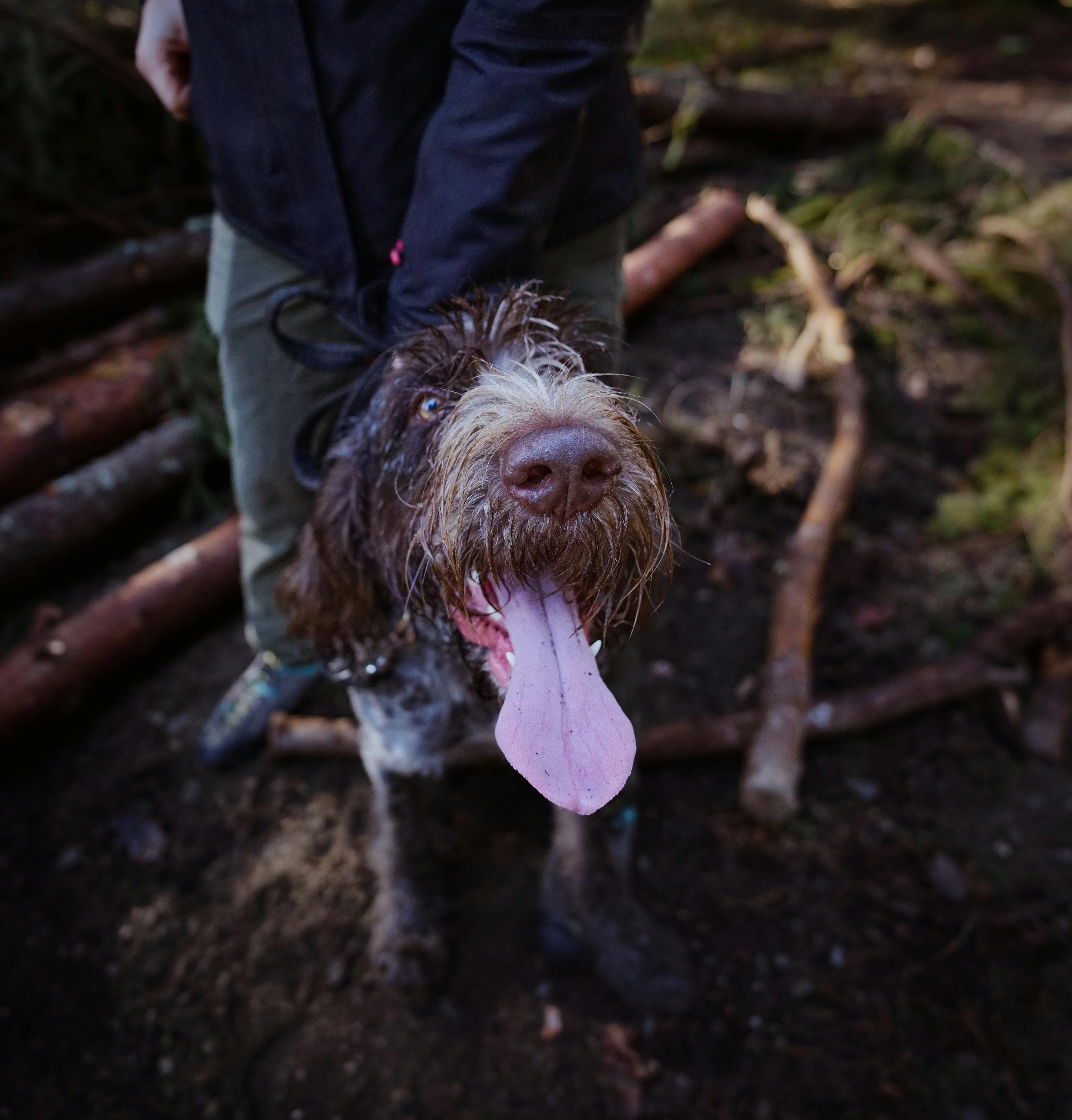
Dogs are often cherished members of our families, bringing joy, companionship, and unconditional love into our lives. One intriguing aspect of dog physiology is their wet noses. Many pet owners might wonder, why do dogs have wet noses? The answer to this question reveals much about their health and well-being. Understanding the role of a dog’s wet nose can help pet owners ensure that their furry friends are thriving.
The Science Behind Wet Noses
Dog noses are typically moist, and this moisture serves several important purposes. Firstly, a wet nose helps dogs to sense their environment better. The moisture captures scent particles, enhancing their sense of smell, which is already far superior to that of humans. In fact, dogs have up to 300 million olfactory receptors in their noses compared to about 6 million in humans. This incredible sense of smell is vital for their survival instincts and helps them communicate with other animals.
Why Are Dog Noses Wet?
There are a few reasons why dogs have wet noses:
Scent Detection: As mentioned, moisture helps in capturing scent particles. This is why dogs can often sniff out things that humans cannot even see or hear.
Temperature Regulation: Dogs don’t sweat like humans. Instead, they cool down through their noses and paw pads. The moisture on their noses evaporates, helping to regulate their body temperature.
Health Indicator: A dog’s nose can also be a good indicator of their health. Generally, a healthy dog will have a cool, moist nose, but this can vary.
Historical Context of Dog Noses
Throughout history, dogs have been bred for various purposes, from hunting to companionship. Ancient civilizations recognized the importance of a dog’s sense of smell. For example, in Ancient Egypt, dogs were revered for their ability to track and hunt. Today, they are still utilized as service animals, search and rescue dogs, and in law enforcement due to their remarkable olfactory abilities.
Health Implications of a Dog’s Nose
A wet nose is often taken as a sign of good health, but it’s not always the case. Here’s a quick rundown on what different nose conditions might indicate:
Dry Nose: Can indicate dehydration or illness. If a dog’s nose is persistently dry and warm, it might be a sign of fever.
Cracked or Bleeding Nose: This could suggest environmental factors like dry air or allergies, or it could indicate more severe health issues.
Discharge: A runny nose could signal an infection, allergies, or even a cold.
Comparing Dog Noses to Other Animals
Dogs aren’t the only animals with wet noses. Cats and some wild animals also possess this trait. Here’s a comparison:
| Animal | Wet Nose? | Purpose |
|---|---|---|
| Dogs | Yes | Scent detection, temperature regulation |
| Cats | Somewhat | Scent detection, less pronounced than dogs |
| Horses | No | Rely more on other senses |
| Pigs | Yes | Scent detection, foraging |
Practical Tips for Pet Owners
As a loving pet owner in New York, it’s important to keep an eye on your dog’s nose to ensure they are healthy. Here are some practical tips:
Hydration: Always ensure your dog has access to fresh water to keep their nose moist.
Regular Vet Check-ups: Regular visits to the vet can help identify any underlying health issues before they become serious.
Observe Changes: If you notice any significant changes in your dog’s nose condition, consult your veterinarian.
Seasonal Care: In winter, the cold air can dry out dogs’ noses. Consider using a nose balm to keep it moisturized.
Final Thoughts
Understanding the role of a dog’s wet nose in their health can help pet owners provide the best care for their beloved companions. By being attentive to changes and knowing what a wet nose signifies, pet owners can catch potential health issues early and ensure their dogs remain happy and healthy. So next time you give your furry friend a pat on the head, take a moment to appreciate that wet nose and all the fascinating science behind it. It’s just another way our pups remind us of their unique nature and the bond we share with them.
Wet Nose, Warm Heart: Understanding Your Dog’s Emotional State Through Their Nose

Dogs are often known for their wet noses and warm hearts, but what does that really means? Understanding your dog’s emotional state can be tricky, but their nose can give you some clues. So, why do dogs have wet noses? This is a fascinating question that dives into both biology and animal behavior. Let’s explore the truth behind those damp snouts and how it relates to your furry friend’s feelings.
The Science Behind Wet Noses
First off, let’s talk about why dog noses are wet. The moisture on a dog’s nose is primarily due to a combination of saliva and environmental factors. When dogs lick their noses, it keeps them moist, which helps them to smell better. Dogs have an incredible sense of smell, estimated to be anywhere from 10,000 to 100,000 times more sensitive than humans. This heightened sense of smell is crucial for their survival and communication.
Moisture on the nose also serves another important function: it helps cool them down. Dogs don’t sweat like we do, so they rely on their noses and panting to regulate their body temperature.
Emotional Indicators of a Dog’s Nose
Believe it or not, a dog’s nose can tell you a lot about how they’re feeling. When their nose is cold and moist, it often indicates that they are relaxed and in a comfortable environment. On the other hand, a dry and warm nose could be a sign of anxiety, stress, or even illness. Here some key points to consider:
- Wet, Cold Nose: Indicates comfort and relaxation.
- Warm, Dry Nose: May suggest stress or health issues.
- Excessive Moisture: Sometimes indicates excitement or nervousness.
Historical Context on Dog Noses
The fascinating truth about dog noses doesn’t just stop at biology. Historically, dogs have been man’s best friend for thousands of years. Ancient cultures revered dogs for their loyalty and hunting skills. In fact, the domestication of dogs can be traced back to around 15,000 years ago. Their keen sense of smell was crucial for early humans, helping them track down food and even detect danger.
In many cultures, dogs were also seen as protectors and companions. Their wet noses and warm hearts made them beloved pets in households worldwide. The bond between humans and dogs has been shaped by both emotional and physical characteristics over the centuries.
Understanding Your Dog’s Behavior
Dogs communicate in various ways, and their nose is just one aspect of their emotional language. You can observe their body language and vocalizations to gain more insight into how they feel.
Here’s a list of common behaviors and what they might mean:
- Tail Wagging: Usually indicates happiness, but the position matters. A high wagging tail may mean excitement, while a low wagging tail could suggest submission.
- Barking: Can mean many things. A high-pitched bark often indicates playfulness, while a deeper bark might signal caution or aggression.
- Licking: If your dog licks their nose frequently, it could be a sign of anxiety or excitement.
Practical Tips for Dog Owners
Understanding your dog’s emotional state through their nose can help you improve your bond with them. Here are some practical tips for dog owners:
- Observe Their Nose: Regularly check if your dog’s nose is moist and cool. If you notice a change, consider if they might be feeling unwell.
- Watch Body Language: Combine nose observations with body language for a fuller picture of your dog’s emotional state.
- Create a Comfortable Environment: Ensure your dog feels secure and happy. A relaxed dog often has a wet nose!
Fun Facts About Dog Noses
- Dogs have unique nose prints, similar to human fingerprints. Each dog’s nose pattern is different!
- The wetness of a dog’s nose can help them detect smells more efficiently, as moisture helps to capture scent particles.
- Dogs can also smell emotional changes in humans, detecting stress hormones like cortisol.
So, why do dogs have wet noses? The answer lies in a mix of biology and emotions. Their damp snouts are not just a charming feature; they serve important functions in smell and temperature regulation. Understanding these nuances can enhance your relationship with your canine companion. By paying attention to their nose and overall behavior, you can better gauge their feelings and respond appropriately. Recognizing the signals your dog sends can lead to a deeper bond and a happier pet.
Do All Dogs Have Wet Noses? Exploring Variations Across Breeds and Conditions
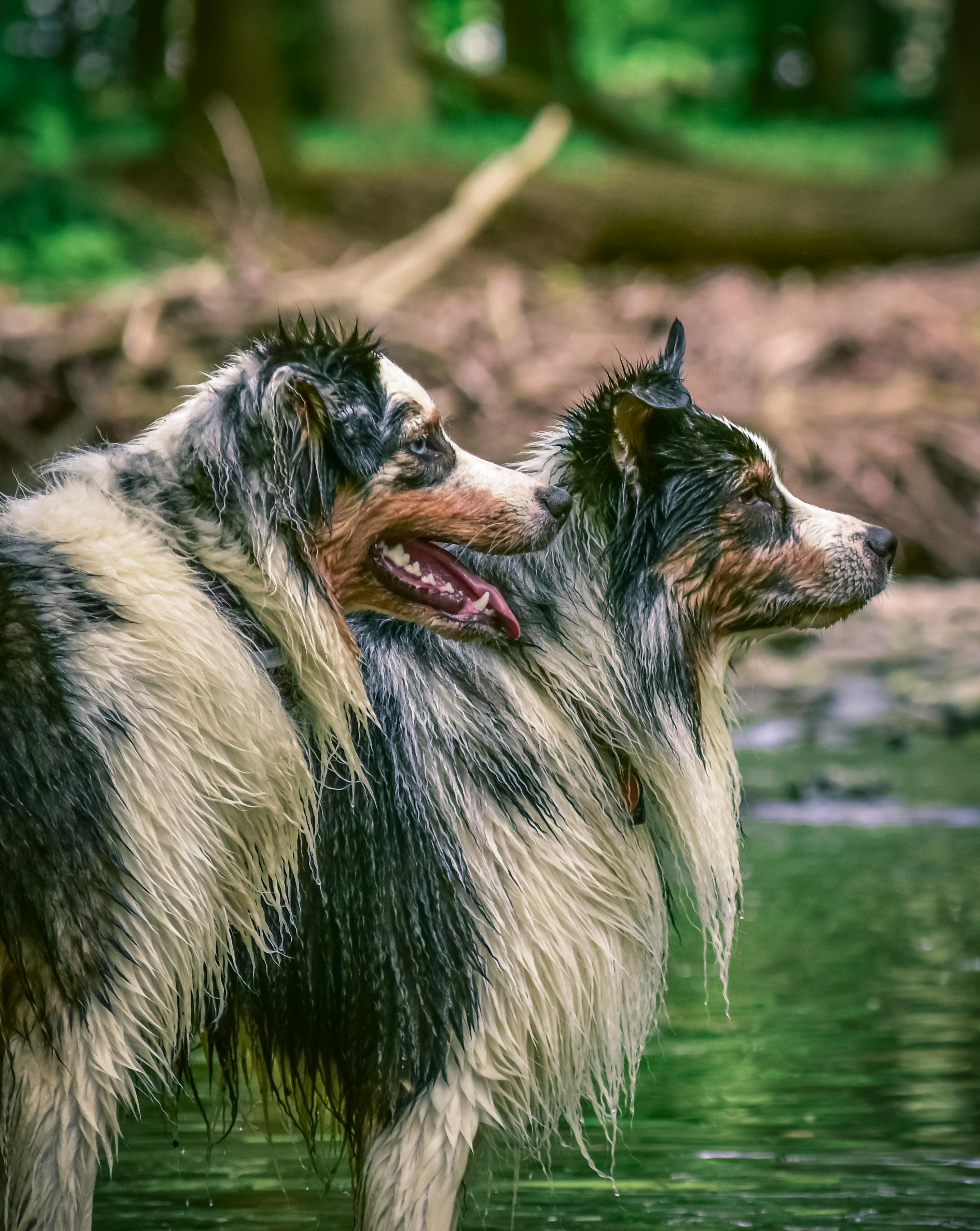
Dogs are known for many things, one of which is their wet noses. But do all dogs have wet noses? And why exactly do dogs have wet noses? These questions spark curiosity among pet owners and animal lovers alike. Let’s dive into the fascinating truth behind this characteristic and explore the variations across different dog breeds and conditions.
The Science Behind Wet Noses
Most people notice that dogs’ noses are often damp, and this isn’t just for show. The moisture on a dog’s nose, it helps them in a few ways. Dogs have a unique olfactory system. Their sense of smell is way more advanced than that of humans. The wetness of their noses helps to trap scent particles in the air, which makes it easier for them to sniff out things. Research says that dogs have around 220 million scent receptors, while humans have only about 5 million. It’s no wonder their noses play such a crucial role in how they perceive the world.
Do All Breeds Have Wet Noses?
Not all dogs have the same type of nose. Some breeds have drier noses than others. For instance:
- Bulldogs: Often have drier noses due to their facial structure.
- Poodles: Generally maintain a wet nose, but some individuals can have drier conditions.
- Bloodhounds: Known for their wet noses, which help them track scents over long distances.
Many factors influence the moisture of a dog’s nose, including breed, age, and health status. Puppies tend to have slightly wetter noses than older dogs, while certain health conditions can cause a drying effect.
Health Conditions Affecting Wetness
A dog’s wet nose can be an indicator of their overall health. Various conditions can lead to changes in nose moisture. Here are some common health issues:
- Dehydration: A dog that isn’t drinking enough water can develop a dry nose.
- Fever: An increase in body temperature may also dry out their nose.
- Allergies: Just like humans, dogs can suffer from allergies, which can affect the moisture of their noses.
- Infections: Certain infections can lead to increased dryness or unusual discharge.
Why Do Dogs Have Wet Noses? Discover This Fascinating Truth!
The wetness on a dog’s nose serves more than just a functional purpose. Here are some interesting points to consider:
- Thermoregulation: A wet nose can help with temperature regulation. Dogs do not sweat like humans do. Instead, they cool off through their noses and panting.
- Communication: Dogs can read each other’s scents. A wet nose can convey information about their emotions and health to other dogs.
- Social Interaction: Dogs often greet each other with a nose-to-nose touch, and the moisture can help them gather information about one another.
Fun Facts About Dogs’ Noses
Here are some fun and quirky facts about dogs’ noses that you might not have known:
- Unique Patterns: Just like human fingerprints, every dog has a unique nose print.
- Color Variations: Dogs’ noses can be black, brown, or even pink, and the color can change with breed and age.
- Nose Size: The size of a dog’s nose can correlate with its sense of smell. Larger noses typically mean a better sense of smell.
Comparing Wet and Dry Noses
Here’s a quick comparison of wet and dry noses in dogs:
Wet Noses Dry Noses
Better sense of smell Can indicate health issues
Cooler to the touch Warmer and often indicates fever
Common among healthy dogs May suggest dehydration or illness
Practical Tips for Dog Owners
To maintain your dog’s nose health, consider these tips:
- Hydration: Always provide fresh water to keep your dog hydrated.
- Regular Check-ups: Take your dog to the vet for regular health check-ups.
- Observe Changes: Pay attention to any significant changes in the moisture of their nose.
Understanding why dogs have wet noses and the variations across breeds can help you appreciate your furry friend even more. Whether it’s a wet nose, a dry nose, or something in between, the nose of a dog serves as a fascinating tool for communication and health. Keeping an eye on this aspect of your dog can provide insights into their well-being and behaviors. So next time you give your pup a gentle pat on the head, take a moment to appreciate that little wet nose and all that it represents.
Can a Dog’s Nose Predict Illness? The Amazing Diagnostic Power of Wet Noses
Dogs are often hailed as man’s best friend, but their extraordinary abilities go far beyond companionship. One question that many people ponder is, “Can a dog’s nose predict illness?” Recent studies and anecdotal evidence suggest that these furry friends might have some amazing diagnostic powers. Let’s dive into the fascinating truths about why dogs have wet noses and how that might relate to their health detection abilities.
Why Do Dogs Have Wet Noses?
First off, the wetness of a dog’s nose isn’t just an endearing trait. It serves several important functions. Here are a few reasons why dog noses are typically wet:
- Enhanced Smell: Dogs have a highly developed sense of smell, estimated to be between 10,000 to 100,000 times more sensitive than humans. A wet nose helps to capture scent particles more effectively.
- Temperature Regulation: Dogs don’t sweat like humans do. Instead, they rely on their noses to help cool down. The moisture evaporates, cooling the blood vessels in the nasal area.
- Health Indicator: A dog’s nose can indicate health. A dry, warm nose often suggests fever or dehydration, while a cool, moist nose is usually a sign of good health.
The Science Behind Dog Noses and Illness Detection
Recent research shows that dogs can indeed detect certain illnesses in humans. They can sniff out conditions like cancer, diabetes, and even some infectious diseases. Here’s how they do it:
- Scent Detection: Dogs have around 300 million olfactory receptors in their noses. When a person is ill, their body chemistry changes, producing unique scents that dogs can detect.
- Behavioral Training: Some organizations train dogs to recognize specific smells related to diseases. These dogs can alert their owners or medical professionals about potential health issues.
Examples of Illnesses Dogs Can Detect
Here are some specific illnesses that dogs have been trained to sniff out:
- Cancer: Dogs have been shown to detect various types of cancer, including breast, lung, and prostate cancers. They can identify these through breath samples or skin contact.
- Diabetes: Diabetic alert dogs can sense low blood sugar levels by detecting changes in their owner’s sweat and breath.
- Infections: Certain dogs can detect bacterial infections or even COVID-19 through scent.
How Are Dogs Trained for Medical Detection?
Training a dog to detect illnesses involves several steps. Here’s a simplified outline of the process:
- Scent Familiarization: Dogs are introduced to specific scents associated with certain illnesses.
- Positive Reinforcement: When a dog identifies the correct scent, they receive treats or praise, reinforcing the behavior.
- Testing: Dogs are tested in various scenarios to ensure they can consistently identify the target scent in real-life situations.
Practical Applications of Canine Scent Detection
Dogs have been successfully used in various settings to aid in early detection of diseases. Here are some practical applications:
- Hospitals: Some hospitals employ scent detection dogs to screen patients for certain illnesses.
- Research: Ongoing studies are exploring the potential for dogs to detect diseases in different populations, including high-risk groups.
- Personal Use: Individuals with chronic conditions sometimes use trained dogs to alert them of changes in their health status.
The Fascinating Truth About Dogs’ Noses
What’s even more interesting is how the dog’s nose can change over time. A pet owner might notice that their dog’s nose can be wet in the morning and dry by the evening. This can be normal and might just depend on the environment or activity level. Here’s a quick comparison of what different nose conditions might mean:
| Nose Condition | Possible Implications |
|---|---|
| Wet and Cool | Generally healthy |
| Dry and Warm | Possible illness or dehydration |
| Cracked or Rough | Potential skin issues |
| Excessively Wet | Allergic reactions or environmental factors |
While dogs have an amazing ability to sense illness, it’s essential that pet owners don’t rely solely on their noses for health diagnoses. Regular check-ups with a veterinarian are crucial for maintaining a pet’s health and well-being.
The incredible relationship between dogs and humans continues to evolve. As research progresses, we’re likely to discover even more about the diagnostic capabilities of our loyal companions. So next time you wonder why your dog’s nose is wet, remember it’s not just cute — it might be a key to understanding their health and even your own!
Why Do Puppies Have Wetter Noses? The Science of Canine Development

Do you ever wonder why dogs have wet noses? It’s a common question that many dog owners find themselves asking. More than just an endearing trait, the science of canine development reveals intriguing reasons behind this characteristic. In this article, we explore the reasons behind those moist noses and what they mean for your furry friend.
The Science Behind Wet Noses
Dogs have moist noses for a few reasons, and it’s not just for show. One of the primary reasons involves thermoregulation. Dogs doesn’t sweat like humans do; instead, they pant to cool down. However, their noses plays a crucial role in keeping them comfortable. The moisture on their noses helps to cool them down as the water evaporates.
Here are some key points to consider about wet noses:
- Scent Detection: Canines have a highly developed sense of smell, and a wet nose helps to capture scent particles in the air. This enhances their ability to detect and identify odors.
- Body Temperature Regulation: The moisture also assists in regulating a dog’s body temperature. As the moisture evaporates, it helps to cool the dog down.
- Health Indicator: A dog’s nose can also serve as an indicator of their health. For example, a dry or cracked nose could signal dehydration or illness, while a wet nose is often a sign of a healthy pup.
Evolutionary Context
The wet nose trait has evolved over thousands of years. Dogs, being descendants of wolves, have retained many characteristics that were beneficial for survival. In the wild, having a moist nose could have helped their ancestors track prey more effectively.
- Tracking Prey: Wolves with better scent detection abilities were more likely to succeed in hunting, thus passing on their genes. Wet noses helps them absorb more scent molecules.
- Pack Communication: Dogs are social animals, and their sense of smell plays an important role in communication. A wet nose could help them assess the health and emotional state of other pack members.
What About Different Breeds?
Not all dogs have the same level of nose wetness. Some breeds have drier noses than others. Factors that contribute to this are:
- Breed Characteristics: Breeds like Bulldogs or Pugs may have drier noses due to their flat faces and unique anatomy.
- Environmental Factors: Weather can impact a dog’s nose moisture. Hot, dry climates can lead to drier noses, while humid environments may keep them wetter.
- Health Issues: Certain health problems can affect nose moisture. If your dog’s nose suddenly becomes dry and stays that way, it’s important to consult a veterinarian.
Fun Facts About Dog Noses
Did you know that a dog’s nose print is as unique as a human fingerprint? Here are some fascinating facts about canine noses:
- Scent Receptors: Dogs have up to 300 million scent receptors in their noses, compared to about 6 million in humans.
- Nose Temperature: A dog’s nose is usually cooler than the rest of its body, and this helps with their overall body temperature regulation.
- Wetness Levels: The level of wetness can vary throughout the day, depending on activity levels, temperature, and even mood.
Practical Tips for Care
Maintaining your dog’s nose health is important. Here are some practical tips:
- Hydration: Always make sure your dog has access to fresh water. Proper hydration is key for maintaining a moist nose.
- Regular Check-ups: Regular vet visits can help catch any potential health issues that may affect your dog’s nose.
- Protect from Elements: In extreme weather, protect your dog’s nose from sunburn or cracking by using pet-safe sunscreen or balms.
Quick Comparison: Wet Nose vs. Dry Nose
Here’s a quick comparison to help you understand the differences between wet and dry noses:
Wet Nose:
- Typically indicates good health
- Aids in scent detection
- Helps regulate body temperature
Dry Nose:
- May indicate dehydration or illness
- Can result from environmental factors
- Should be monitored for changes
Understanding why do puppies have wetter noses can deepen your appreciation for these loyal companions. Their wet noses is more than just a cute feature; it’s a vital part of their physiology and survival. By recognizing its significance, you can better care for your furry friend and ensure they stay healthy and happy.
5 Reasons a Dry Nose Might Signal Trouble: When to Worry About Your Dog’s Health

Dogs are known for their affectionate nature and playful antics, but one of the most distinctive features of our canine companions is their noses. You might have noticed that dogs usually have wet noses, which is often a sign of good health. But what happens when that wet nose turns dry? This might raise some concerns for pet owners. In this article, we explore the five reasons a dry nose might signal trouble in your dog’s health, and also dive into why exactly dogs have wet noses.
Why Do Dogs Have Wet Noses?
Before we start worrying about a dry nose, let’s take a look at the fascinating reasons dogs’ noses are typically moist.
- Thermoregulation: Dogs don’t sweat like humans do. Instead, they rely on their noses to help regulate their body temperature. The moisture on their noses helps cool them down.
- Sense of Smell: A wet nose enhances a dog’s ability to smell. The moisture captures scent particles, making it easier for them to detect different smells. This is why your dog might sniff around so much during walks!
- Health Indicator: A moist nose is often seen as a sign of a healthy dog. However, it’s important to note that a dry nose doesn’t always mean something is wrong.
- Behavioral Reasons: Dogs might lick their noses frequently, which adds moisture and can also be a sign of excitement or anxiety.
- Environmental Factors: Weather can also play a role. In hot or dry climates, you might find your dog’s nose feeling drier than usual.
5 Reasons a Dry Nose Might Signal Trouble
Now, let’s look into the potential issues that could be indicated by a dry nose. Sometimes a dry nose can be just that—a dry nose—but other times it might indicate more significant health problems.
Dehydration
- Symptoms: Excessive thirst, lethargy, dry gums.
- Action: Make sure your dog is drinking enough water. If they seem unusually thirsty or their nose remains dry, consult your vet.
Allergies
- Symptoms: Itchy skin, sneezing, watery eyes.
- Action: Just like humans, dogs can have allergies to pollen, dust, or certain foods. Look for other signs of allergies and talk with a veterinarian about possible treatments.
Infections
- Symptoms: Swelling, redness, discharge.
- Action: If your dog’s nose is dry and cracked, it may have an infection. Keep an eye out for unusual symptoms and seek medical attention if necessary.
Autoimmune Disorders
- Symptoms: Changes in skin, weight loss, lethargy.
- Action: If dry nose is accompanied by other serious symptoms, it could be an autoimmune condition. Early diagnosis is crucial, so contacting your vet is important.
Fever
- Symptoms: Lethargy, loss of appetite, shivering.
- Action: A dry nose could indicate a fever, especially if your dog is displaying other symptomatic behaviors. Use a thermometer or see a vet to check their temperature.
Practical Examples and Observations
If you notice your dog’s nose is dry, it might help to keep a log of other symptoms. Here’s a quick chart that can help you observe changes:
| Symptom | Possible Cause | Action |
|---|---|---|
| Dry Nose | Dehydration | Increase water intake |
| Cracked Nose | Infection | Visit a vet |
| Swollen Nose | Allergies | Check for allergens |
| Lethargy | Autoimmune Disorder | Consult a vet |
| Loss of Appetite | Fever | Monitor temperature |
When to Seek Help
Most of the time, a dry dog nose might not cause for alarm. However, if it’s accompanied by any of the symptoms listed above, that’s when you should definitely consult a veterinarian. It’s better to be safe than sorry when it comes to your furry friend’s health.
Final Thoughts
Understanding the reasons behind a dog’s wet nose and what a dry one might mean is essential for any dog owner. While a dry nose can sometimes be an innocent sign of the environment or a simple case of dehydration, it can also indicate something more serious. Always keep an eye on your dog’s overall behavior and health. If in doubt, never hesitate to reach out to a veterinarian. Your dog’s happiness and health are worth it!
How to Keep Your Dog’s Nose Healthy and Hydrated: Essential Tips for Pet Owners

Dogs are often considered man’s best friend, and a healthy dog is a happy dog. One of the most interesting features of dogs is their noses. If you ever wondered why do dogs have wet noses, you ain’t alone. Most pet owners notice that their furry companions have moist noses, but not everyone knows why this is the case. It’s more than just a cute quirk; it plays a vital role in their overall health and well-being. Keeping your dog’s nose healthy and hydrated is key to ensuring they stay happy and active.
Why Do Dogs Have Wet Noses?
First off, let’s dive into the fascinating truth behind the wet nose. Dogs have wet noses primarily for a few reasons:
- Sense of Smell: A wet nose helps dogs to absorb scent chemicals better. The moisture on the surface captures more scent particles, enhancing their ability to smell. This is why dogs are such great trackers!
- Temperature Regulation: Dogs don’t sweat like humans do. Instead, they rely on their noses to help cool down. When they breathe, moisture evaporates from their noses, which can help regulate their body temperature.
- Health Indicator: A dog’s nose can tell you a lot about their health. A cold, wet nose is often a sign of a healthy dog, while a dry or excessively warm nose could indicate illness or dehydration.
Keeping Your Dog’s Nose Healthy
Just like any other part of a dog’s body, their noses need care. Here are essential tips for pet owners to keep their dog’s nose in top shape:
Hydration Is Key
- Ensure your dog has access to fresh water at all times. Dehydration can lead to a dry nose, which might not be good.
- Offer wet food or add water to kibble for extra hydration.
Regular Cleaning
- Wipe your dog’s nose with a damp cloth to remove dirt and debris. This can help prevent infections.
- Avoid using harsh chemicals or soaps. Just plain water works fine.
Protect from Extreme Weather
- In cold weather, consider using nose balms or creams to prevent chapping.
- In hot weather, make sure dogs can find shade and stay cool; overheating can lead to a dry nose.
Watch for Changes
- Keep an eye on any changes in your dog’s nose. If it becomes cracked, excessively dry, or if there’s discharge, consult your vet.
- Changes in color or texture can also be a sign of an underlying issue.
Balanced Diet
- Provide a nutritious diet that supports overall health. Foods rich in omega fatty acids can promote skin and coat health, which includes the nose.
Common Nose Issues to Look Out For
Here are some common problems that can affect your dog’s nose:
- Nasal Dermatitis: This might cause redness and irritation.
- Nasal Hyperkeratosis: This condition leads to crusty, dry noses.
- Infections: Bacterial or fungal infections can occur, especially if the nose is injured.
Fun Facts About Dog Noses
- Dog noses have unique patterns, much like human fingerprints. Each dog’s nose print is different!
- A dog’s sense of smell is estimated to be between 10,000 to 100,000 times more sensitive than humans.
- Some breeds, like Bloodhounds, have an exceptional ability to track scents; their wet noses help them do this incredibly well.
Dog Nose Care Checklist
Here’s a quick checklist to help you keep your dog’s nose healthy:
- [ ] Fresh water available
- [ ] Regular nose cleaning
- [ ] Monitor for changes
- [ ] Protect in extreme weather
- [ ] Provide a balanced diet
Conclusion
Understanding why do dogs have wet noses is only the first step. Taking the time to ensure your dog’s nose stays healthy and hydrated can make a significant difference in their overall health. Dogs communicate through their noses, so a healthy nose means a happier pup! By following these tips, pet owners can help maintain their furry friends’ health, ensuring they stay playful and full of life. Always consult your veterinarian if you notice any concerning changes, as early detection is vital in addressing potential health issues. Make sure to give your dog extra love and attention, and they will thank you with their wagging tails and wet noses!
Conclusion
In conclusion, the wet noses of dogs serve several important functions that contribute to their overall health and behavior. The moisture helps enhance their sense of smell, allowing them to better detect scents in their environment, which is vital for their communication and exploration. Additionally, a wet nose can indicate a dog’s hydration levels, providing valuable insights into their well-being. It’s also worth noting that a warm, dry nose may signal illness, making it an important aspect of monitoring your pet’s health. As a dog owner, understanding these characteristics can deepen your bond with your furry friend. Next time you greet your pup, take a moment to appreciate that cold, wet nose—it’s more than just an endearing trait; it’s a testament to their unique biology. Regular vet check-ups and attention to their overall health will ensure your dog remains happy and thriving.
