
Have you ever wondered, why do dogs have wet noses? This curious characteristic is not just for show; it serves several fascinating purposes! In this blog post, we will uncover the surprising benefits of a dog’s wet nose and why it plays a critical role in their health and behavior. Did you know that a wet nose can help dogs detect scents better? This is due to the unique structure of their nose, which is designed to capture and process scents more effectively. Moreover, a moist nose can indicate a dog’s overall well-being. But, what happens if your furry friend’s nose is dry? Are there hidden health implications you should know about? As we explore these intriguing questions, you’ll discover the science behind this canine trait and how it connects to their emotions and instincts. So, if you’re looking to deepen your understanding of your beloved pet, stick around! Unraveling the mystery of why do dogs have wet noses can be an eye-opening journey for every dog owner. Get ready to be amazed by the wonders of our four-legged companions!
7 Fascinating Reasons Why Dogs Have Wet Noses: Unraveling the Science

Dogs are often called man’s best friend, but have you ever wondered why their noses are constantly wet? You might think it’s just a quirky trait, but there’s a lot more to it than meets the eye. In this article, we will explore seven fascinating reasons why dogs have wet noses and uncover the science behind it. So, grab a treat for your furry friend as we delve into this snout-related mystery!
1. Enhanced Sense of Smell
One of the main reasons why dogs have wet noses is that it helps them smell better. A wet nose can trap scent particles more effectively, which improve their olfactory abilities. Dogs have about 220 million scent receptors, compared to humans’ mere 5 million. This moisture allows them to pick up on scents in their environment much easier. Wet noses are like little sponges for smells!
2. Temperature Regulation
Did you know that dogs don’t sweat like humans? They mainly cool themselves through panting and their noses. The moisture on a dog’s nose evaporates, helping to lower their body temperature. This is especially important during hot summer days, when overheating can become a serious risk. A cool nose can mean a cooler pup!
3. Health Indicator
A dog’s nose can actually reveal a lot about their health. A wet, cool nose usually indicates that a dog is healthy and hydrated. In contrast, a dry and warm nose could be a sign of illness or dehydration. Observing your dog’s nose can serve as a simple yet effective way to monitor their well-being. Just remember, it’s not a definitive diagnosis, but it does give you clues.
4. Communication Tool
Dogs use their noses not just for smelling, but also as a communication tool. When interacting with other dogs, they often sniff each other’s noses and other body parts. This behavior is part of their social interactions, helping them gather information about each other, like their mood, health, and even their diet. A dog’s nose serves as a social sensor, gathering all sorts of data!
5. Absorbing Scent Chemicals
The moisture on a dog’s nose isn’t just there for show. It helps absorb scent chemicals in the air. When a dog sniffs something, the wet surface of their nose captures these scent molecules, allowing them to analyze the smell more effectively. This is why dogs are often used in search and rescue operations, as their noses can detect even the faintest scents.
6. Evolutionary Advantage
From an evolutionary standpoint, having a wet nose has provided numerous advantages for dogs. It helps them hunt, find food, and stay safe in the wild. Historically, animals with better sensory abilities had higher survival rates. So, wet noses could be seen as a trait that has been favored over generations, making it an essential part of their biology.
7. Sensitivity to Airborne Particles
Dogs have a unique anatomical structure in their noses that allows them to be particularly sensitive to airborne particles. The moisture on their noses captures these particles, which helps them analyze their environment. This is why dogs are so great at detecting changes in their surroundings or even alerting us to danger. Their noses really are amazing tools!
Fun Facts About Dog Noses
- Nose Prints: Just like human fingerprints, each dog has a unique nose print.
- Color Variation: A dog’s nose can change color based on temperature and health.
- Scent Memory: Dogs can remember scents for years, which is why they can find their way home.
Quick Comparison: Dog Noses vs. Human Noses
| Feature | Dog Noses | Human Noses |
|---|---|---|
| Scent Receptors | ~220 million | ~5 million |
| Moisture Function | Enhances smell | Limited role |
| Cooling Mechanism | Evaporative cooling | Sweating |
| Unique Identifiers | Unique nose prints | Unique fingerprints |
Understanding why dogs have wet noses not only satisfies curiosity but also highlights the incredible biology of our four-legged companions. Next time you notice your pup’s cool, damp nose, remember all the fascinating functions it serves. Whether it’s improving their sense of smell, keeping them cool, or acting as a health indicator, a wet nose is truly a remarkable feature of these beloved pets. So, cherish those wet-nosed kisses, because they come with a whole world of science behind them!
The Surprising Benefits of a Wet Nose: What Your Dog is Telling You
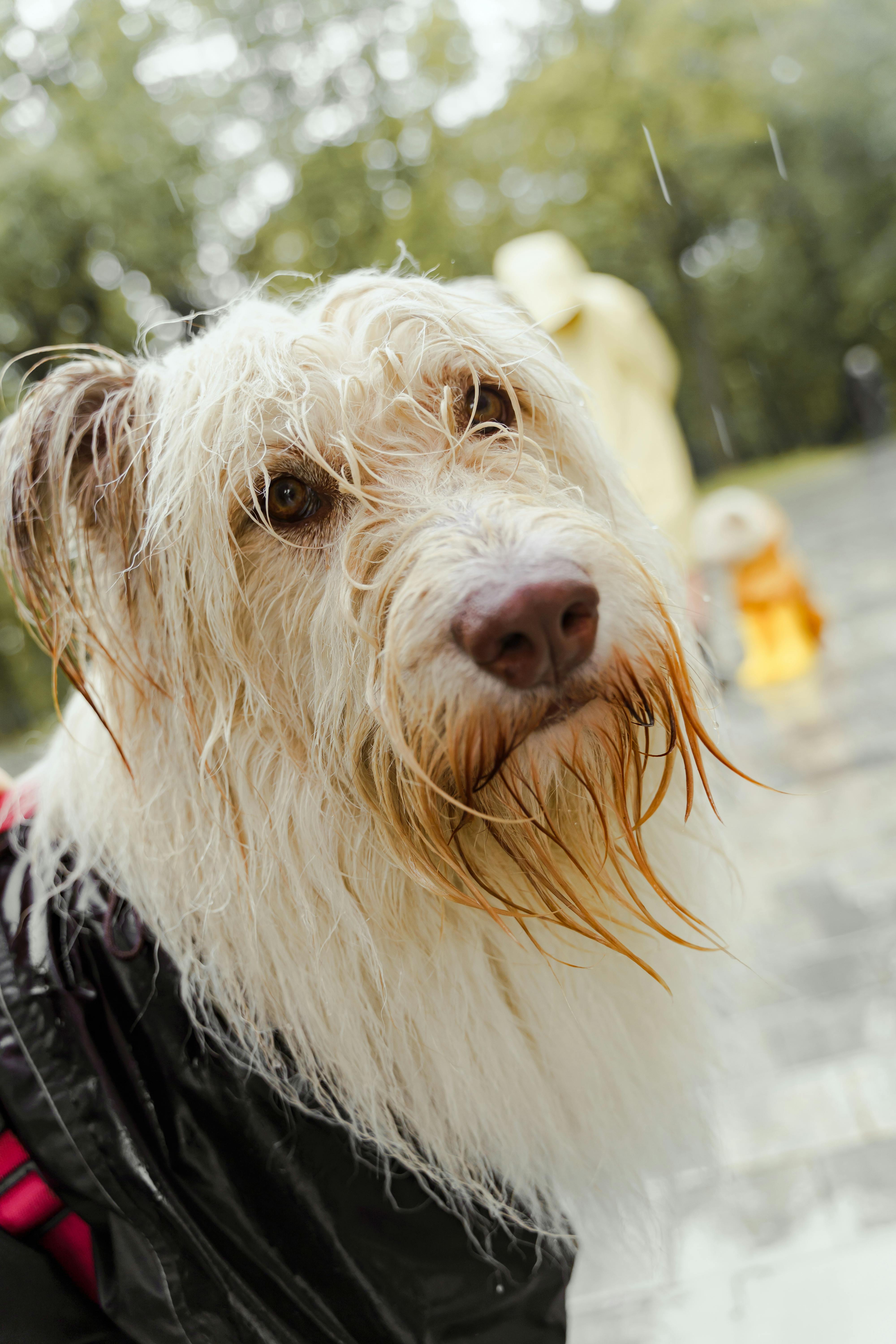
Every dog owner knows that one of the most endearing qualities of their furry friend is that wet nose. But have you ever wondered why do dogs have wet noses? It’s not just a random quirk of nature; there’s a science behind it. Some people think that wet noses are just cute, but they also serve important purposes. Let’s dive into the surprising benefits of a wet nose and what your dog is telling you with it.
The Science Behind Wet Noses
Dogs have wet noses for several reasons, and understanding these can help enhance your bond with your pet. The moisture on a dog’s nose is primarily due to the secretion of mucus from specialized glands. This moisture helps dogs in several ways:
- Enhanced Sense of Smell: A wet nose can trap scent particles from the air, allowing for a stronger sense of smell. Dogs have a sense of smell that is thousands of times more acute than humans, and a wet nose helps them pick up those scents better.
- Temperature Regulation: Dogs don’t sweat like humans do. Instead, they pant to cool down. The moisture on their noses helps regulate their body temperatures as well.
- Health Indicator: The state of a dog’s nose can often indicate its health. A consistently dry nose may suggest dehydration or illness, while a moist nose usually means the dog is healthy.
What Your Dog is Telling You
When you’re observing your dog, pay attention to its nose. Here’s a simple guide to what their wet nose might be saying:
- Excitement: If the nose is especially wet and cold, your dog may be excited or happy.
- Comfort: A relaxed, wet nose often indicates that your dog is comfortable in their environment.
- Health Issues: A dry or cracked nose can signal health concerns. If you notice this, it might be worth checking with your vet.
Historical Context of Wet Noses
The evolutionary history of dogs shows that their ancestors had wet noses too. This adaptation was likely beneficial for survival. Early dogs, much like their wild counterparts, depended on their sense of smell for hunting and survival. Wet noses helped them detect prey and avoid danger. Over time, this feature became a defining characteristic in domestic dogs, linking them to their wild ancestry.
Fun Facts About Dog Noses
Here are some quirky and fascinating tidbits about dog noses that might surprise you:
- Unique Patterns: Just like human fingerprints, each dog’s nose print is unique. It can be used for identification, surprisingly enough!
- Nose Temperature: The temperature of a dog’s nose can change with their emotions. A warm nose might indicate fever or stress, while a cool one often signals a calm state.
- Nasal Glands: The moisture on a dog’s nose comes from specialized nasal glands that are primarily responsible for scent detection.
Benefits of a Wet Nose
Here’s a quick look at the benefits of having a wet nose:
- Improved Scent Detection: Traps smells better.
- Thermal Regulation: Helps cool the body.
- Health Monitoring: Indicates health status.
- Bonding: Dogs often nuzzle up with their noses, showing affection.
Caring for Your Dog’s Nose
Maintaining your dog’s nose is important for their overall health. Here are some tips:
- Hydration: Ensure your dog stays well-hydrated to keep their nose moist.
- Regular Checks: Monitor for dryness, cracks, or unusual changes in color.
- Vet Visits: Regular check-ups can help catch any potential health issues early.
The Bottom Line
Why do dogs have wet noses? It’s a fascinating topic that ties into the biology, health, and even the emotional state of your furry friend. Dogs have evolved to have this characteristic for a good reason. Wet noses not only help them smell better but also play a role in regulating their body temperature and indicating their health. Next time you pet your dog, take a moment to appreciate that wet nose and what it signifies. It’s just one of the many things that make dogs truly amazing companions. And if you notice any changes in your dog’s nose, don’t hesitate to consult a veterinarian. After all, our furry friends deserve the best care possible!
How a Dog’s Wet Nose Enhances Their Sense of Smell: The Incredible Connection
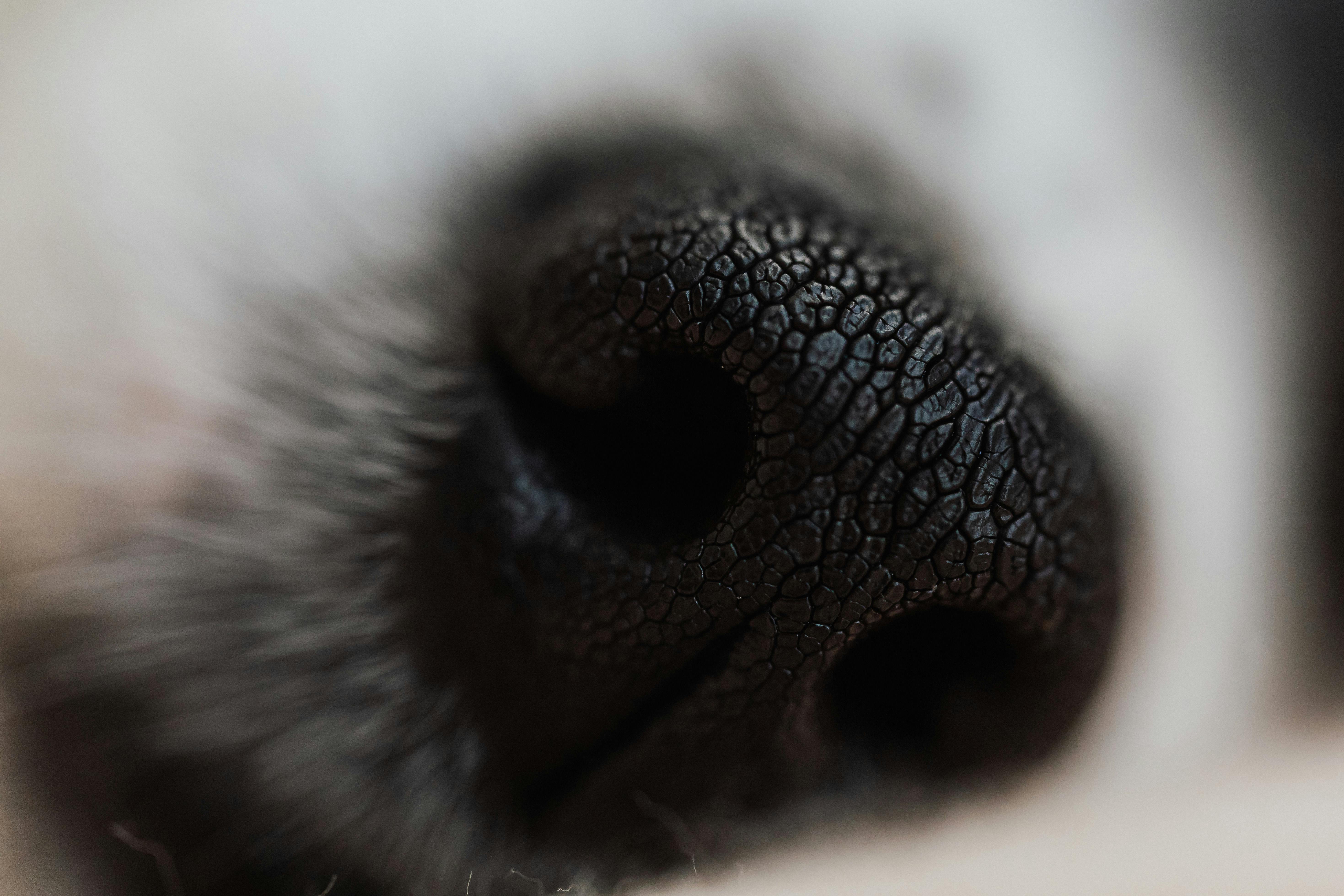
Dogs are often known for their amazing sense of smell, but have you ever wondered why do dogs have wet noses? It turns out, there’s a fascinating connection between a dog’s wet nose and its incredible olfactory abilities. This article will delve into the science behind it, the benefits of having a wet nose, and why it matters in the world of our furry friends.
The Science Behind a Dog’s Nose
A dog’s sense of smell is one of the most powerful in the animal kingdom. In fact, dogs have up to 300 million smell receptors in their noses, compared to about 6 million in humans. This is a huge factor that allows them to sniff out things we could never even imagine. But the wetness of a dog’s nose plays a crucial role in how effectively they can smell.
The moisture on a dog’s nose helps to capture scent particles. When the nose is wet, it can absorb these particles better, which makes it easier for the dog to identify and process different smells. The wetness comes from a thin layer of mucus which is produced by glands in the nose. This mucus also serves another purpose, as it helps to keep the nose cool, which is important for the dog’s overall body temperature regulation.
Why Do Dogs Have Wet Noses?
So, why do dogs have wet noses? Here are some interesting facts:
Scent Absorption: As mentioned, moisture helps in capturing scent particles. The wet surface allows scents to stick, enhancing their ability to detect smells.
Temperature Regulation: A dog’s nose also plays a role in thermoregulation. When the nose is wet, it can help dissipate heat, keeping the dog cool.
Health Indicator: A dog’s nose can indicate its health. A consistently dry or cracked nose may signal dehydration or illness.
Social Interaction: Dogs use their noses to communicate with each other. A wet nose can be a friendly gesture, as they often greet each other with sniffs.
The Surprising Benefits of a Wet Nose
Wet noses aren’t just for show; they come with some surprising benefits that enhance a dog’s quality of life.
Enhanced Smell: The primary benefit is, of course, an enhanced ability to smell. This is crucial for hunting dogs, service dogs, and even household pets who might be on the lookout for something interesting.
Cooling Mechanism: The wetness helps dogs cool down. In hot weather, they might pant, but having a wet nose also helps in maintaining an optimal body temperature.
Health Monitoring: Pet owners can monitor their dog’s health through their noses. A sudden change in wetness might indicate health issues, prompting a visit to the vet.
Better Communication: Dogs use their noses to explore the world and communicate with other dogs. A wet nose can signify friendliness, as opposed to a dry nose which might indicate stress or discomfort.
The Role of Dog Breeds
Different dog breeds can have varying degrees of wet nose. While almost all dogs have wet noses, some breeds may have more pronounced wetness due to their genetic makeup. For example:
Labrador Retrievers: Known for their friendly demeanor, they often have moist noses that enhance their social and hunting abilities.
Bloodhounds: With their incredible sense of smell, their wet noses are crucial for tracking scents over long distances.
Bulldogs: They might have less moisture due to their unique skin folds, which can affect their olfactory capabilities.
Fun Facts About Dog Noses
Here’s a quick list of fun facts that you might not know about dog noses:
- A dog’s nose print is as unique as a human fingerprint.
- Dogs can detect certain diseases, like cancer, just by smelling a person’s breath or skin.
- They can smell up to 100,000 times better than humans.
- Dogs have a special organ called the Jacobsen’s organ that helps them process smells even better.
Understanding why do dogs have wet noses helps us appreciate our furry companions even more. Their incredible sense of smell, paired with the benefits of a moist nose, makes them not just pets, but amazing helpers in various fields, including search and rescue, therapy, and beyond. Next time your dog greets you with a wet nose, remember that it’s not just a cute quirk—it’s a vital part of what makes them extraordinary creatures.
Is Your Dog’s Wet Nose Healthy? Discover the Signs of a Happy Pup
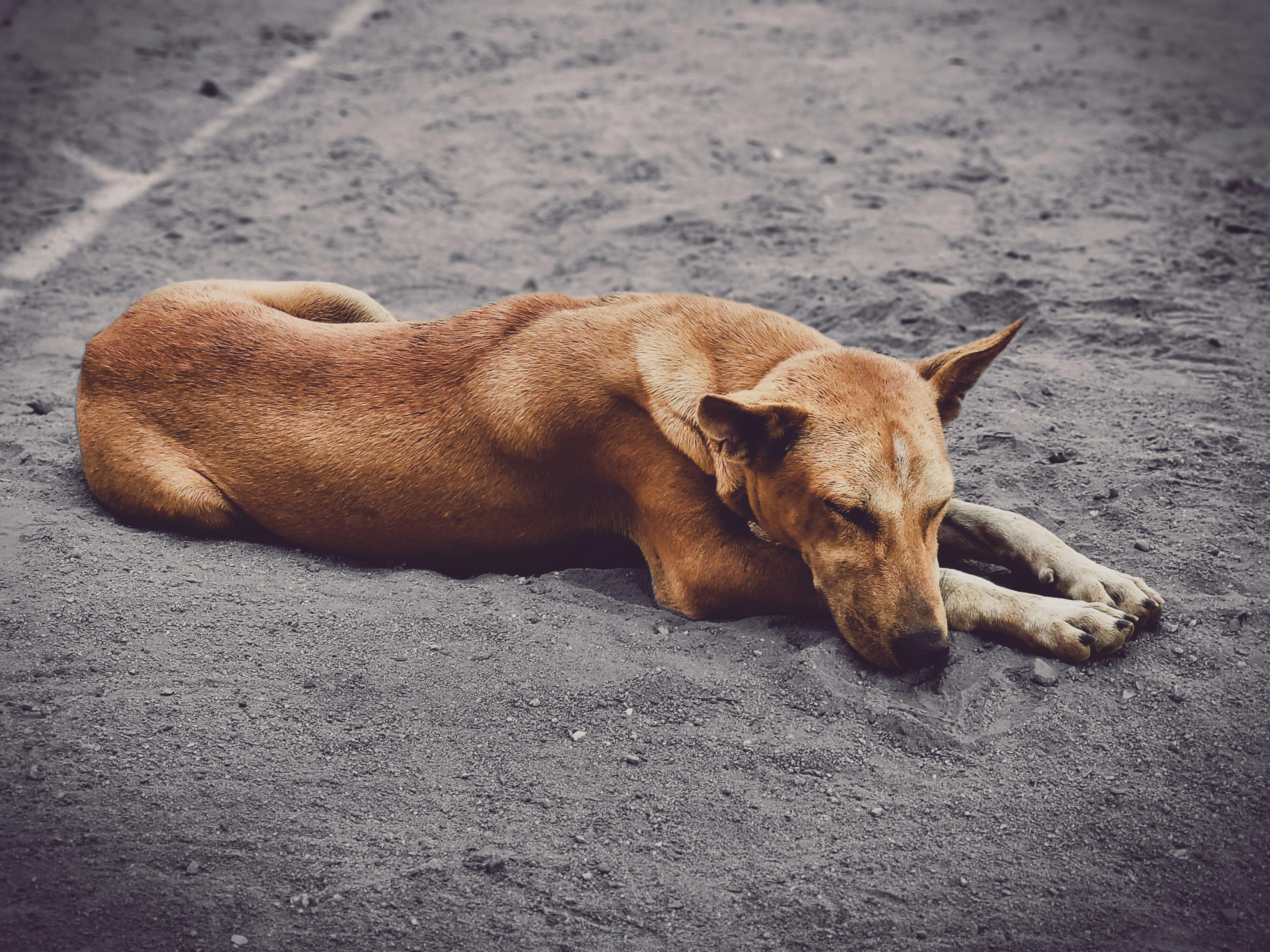
Is your dog’s wet nose healthy? It’s a question many dog owners might ask themselves when they see their furry friend. Wet noses has long been associated with a healthy pup, but what does it really mean? Understanding why dogs have wet noses and what these signs indicate can help you ensure your dog is not just happy but healthy too.
Why Do Dogs Have Wet Noses?
Dogs have wet noses for several reasons, and it’s not just because they’ve been drinking water. Here are a few explanations:
- Cooling Mechanism: Dogs don’t sweat like humans do. Their primary way of cooling down is through their noses. A wet nose helps regulate their body temperature.
- Scent Detection: A wet nose is more effective at picking up scents. The moisture helps capture scent particles, which allows dogs to smell better. It’s like having a super-powered nose!
- Health Indicator: Generally, a moist nose can indicate that a dog is healthy. However, it’s important to note that a dry nose doesn’t always mean your dog is sick.
Signs of a Happy Pup
So, how do you know if your dog is happy and healthy? Besides the telltale wet nose, here are some signs to look for:
- Playfulness: Happy dogs love to play. If your dog is eager to fetch or engage in tug-of-war, that’s a good sign!
- Appetite: A healthy appetite is often a sign of a happy pup. If your dog is excited about meal times, it usually means they are feeling good.
- Affection: Dogs that seek out your affection, like snuggling or licking your face, are showing their happiness. This behavior indicates trust and contentment.
- Active Behavior: Dogs that are energetic and enjoy walks or runs are typically happy. Look for enthusiasm in their movements.
The Surprising Benefits of a Wet Nose
Having a wet nose can provide several benefits for dogs. Here’s a list of some surprising advantages:
- Enhanced Smell: As mentioned before, the moisture on a dog’s nose helps it to smell better. This ability is essential for hunting and tracking.
- Temperature Regulation: A wet nose helps them cool down, which is especially important in warmer weather.
- Communication Tool: Dogs often use their noses to communicate with one another. A wet nose can be seen as a friendly gesture among dogs.
- Health Monitoring: A change in the moisture level of a dog’s nose can indicate health issues. A dog with a consistently dry nose may need veterinary attention.
What If Your Dog’s Nose Is Dry?
Sometimes, you might notice your dog’s nose is dry. Here are a few reasons that could explain this:
- Dehydration: If your dog isn’t drinking enough water, it may lead to a dry nose.
- Weather Conditions: Cold or hot weather can affect the moisture level in a dog’s nose.
- Health Issues: Certain illnesses can contribute to a dry nose. If you see other symptoms like lethargy or loss of appetite, it’s best to consult a vet.
When to Seek Veterinary Help
If you notice any of the following along with a change in your dog’s nose moisture, it might be time to visit a vet:
- Persistent dryness or cracks
- Excessive licking of the nose
- Changes in behavior (like lethargy or not eating)
- Any unusual discharge from the nose
Dogs are more than just pets; they are family. Keeping an eye on their health, including the state of their noses, can help you spot any potential problems early on.
To sum it all up, a wet nose is often a sign of a healthy and happy dog. Understanding the reasons behind this phenomenon not only enriches your knowledge but also fosters a deeper bond with your canine companion. So, the next time you give your dog a scratch behind the ears, take a moment to check that wet nose — it’s a little window into their wellbeing!
Why Do Dogs Have Wet Noses? The Myths and Facts You Need to Know
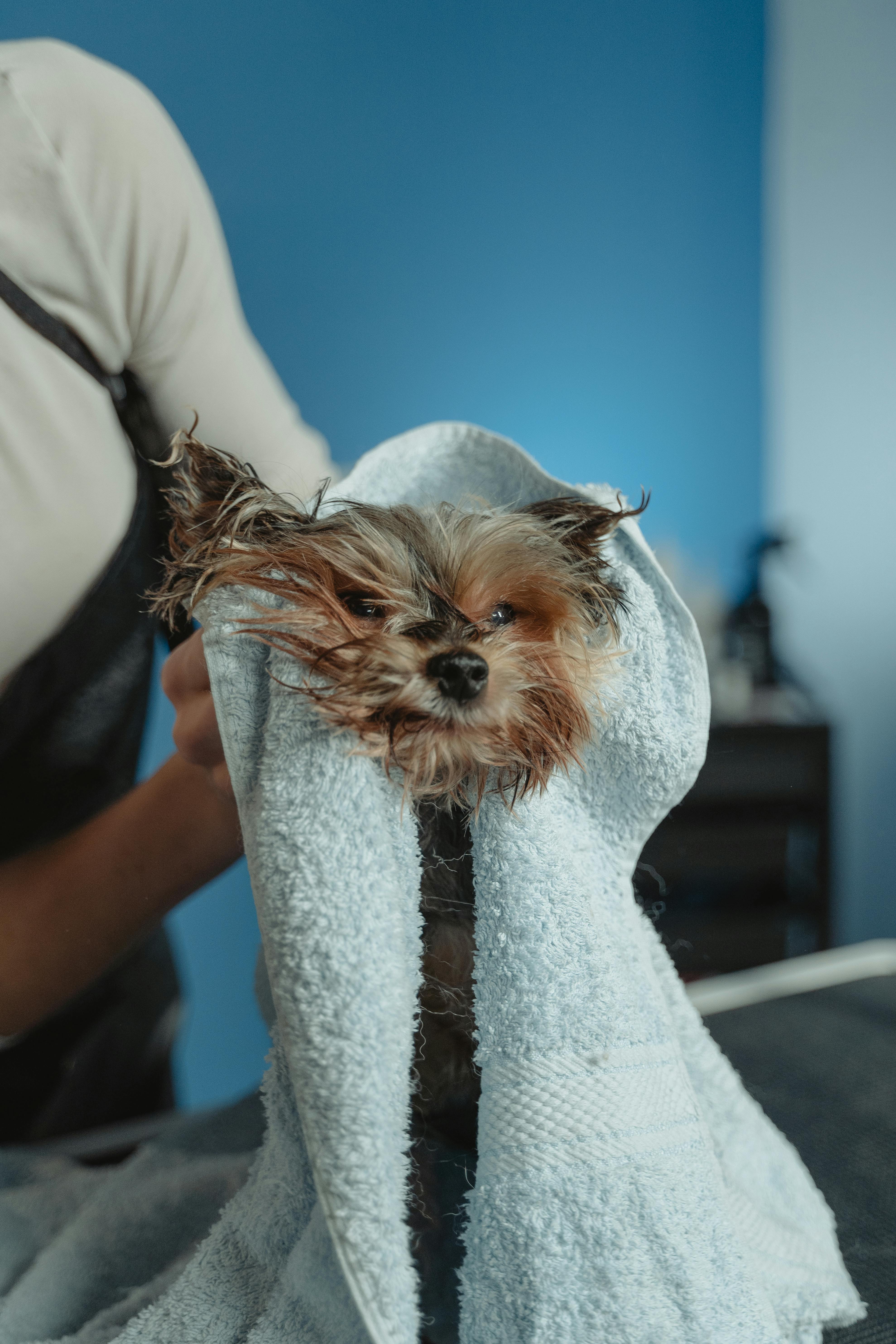
When you see a dog, one of the first things that catches your eye is often its nose. But why do dogs have wet noses? This question might seem trivial, but the answer is packed with interesting facts and some common myths that need debunking. In this article, we’ll explore why dogs’ noses are wet, the benefits of this unique feature, and some surprising truths that you might not know about your furry friends.
The Science Behind Wet Noses
Dogs’ noses are not just wet for aesthetics; there are scientific reasons. A wet nose helps in a few ways:
Scent Detection: Dogs have an incredible sense of smell. Their noses are covered in moisture, which helps absorb scent particles from the air. When these particles stick to the wet surface, it makes it easier for dogs to detect different smells. Did you know that a dog’s sense of smell is 10,000 to 100,000 times more sensitive than humans? That’s pretty amazing!
Temperature Regulation: Dogs can’t sweat like humans do. Instead, they rely on their noses to help cool down their bodies. The moisture on their noses evaporates, which in turn helps to regulate their body temperature. It’s like their own natural air conditioning system!
Health Indicator: A dog’s nose can tell you a lot about its health. A healthy dog usually has a cool, moist nose. However, if their nose is dry and warm, it could indicate illness. It’s always good to pay attention to changes in your dog’s nose as it could signal health issues.
Myths About Wet Noses
There are some myths that circulate about dogs’ noses that just aren’t true. Let’s clarify a few:
Myth: Dry Noses Mean Dogs Are Sick
Fact: While a dry nose can indicate illness, it’s not a definitive sign. Dogs can have a dry nose for many reasons, including weather changes or sleeping.Myth: Dogs’ Noses Are Wet Because They Lick Them
Fact: While dogs do lick their noses, the moisture is primarily due to the secretion of mucous from glands in their noses. Licking helps keep it moist but isn’t the main reason why it’s wet.Myth: All Dogs Have The Same Nose Temperature
Fact: The temperature can vary among different breeds and individual dogs, and it’s not a reliable health indicator.
Surprising Benefits of Wet Noses
You might be wondering, what are the benefits of having a wet nose? Here are some surprising perks:
Enhanced Smelling Abilities: The moisture allows for better scent absorption, making dogs excellent at tracking and hunting.
Cooling System: As mentioned, the wetness helps dogs to cool off. This is especially important on hot days to prevent overheating.
Social Interactions: Dogs use their noses to communicate and interact with other dogs. A wet nose is often associated with friendly and curious behavior.
Fun Facts About Dog Noses
Here are some fun facts that might surprise you about dog noses:
Unique Nose Prints: Just like human fingerprints, every dog has a unique nose print. This could theoretically be used to identify them!
Dogs Can Smell Fear: Research suggests dogs can sense when someone is afraid, and they use their noses to detect pheromones released by humans.
Nose Color Variation: A dog’s nose color can change with age, health, and even seasons. Some breeds have pink noses while others have black.
Conclusion
Understanding why do dogs have wet noses opens up a world of knowledge about our furry companions. It’s fascinating how something as simple as a wet nose can play a critical role in a dog’s health, behavior, and communication. Next time you pet your dog, take a moment to appreciate that moist little nose and all the incredible functions it serves. Whether for health, scent detection, or even just to cool down, those wet noses are truly remarkable!
The Role of a Dog’s Wet Nose in Temperature Regulation: Keeping Cool in Style

The fascinating world of dogs never fails to surprise us. One of the most intriguing features of our canine companions is, without a doubt, their wet noses. Many pet owners often wonder, why do dogs have wet noses? It’s not just for show—there’s science behind it. The role of a dog’s wet nose in temperature regulation is significant, and it plays an essential part in keeping our furry friends cool, all while looking stylish.
What Makes a Dog’s Nose Wet?
A dog’s nose is typically moist due to a combination of factors. The primary reason for this wetness is the secretion of mucus from glands located in the nasal passages. This mucus helps to capture scent particles, enhancing a dog’s sense of smell. But that’s not the only purpose a wet nose serves. Here’s a look at some interesting reasons behind the moisture:
- Scent Enhancement: Wet noses help dogs absorb scent better. When the nose is moist, it can capture scent particles more effectively.
- Temperature Regulation: Just like sweating in humans, a dog’s wet nose helps cool them down. As the moisture evaporates, it has a cooling effect.
- Health Indicator: A wet nose is often seen as a sign of a healthy dog. A dry nose can indicate dehydration, illness, or even stress.
The Science of Temperature Regulation
Dogs, unlike humans, do not sweat through their skin. They primarily regulate their temperature through panting and their wet noses. During hot weather, the moisture on a dog’s nose evaporates, which cools down the blood vessels close to the surface.
- Panting: Dogs breathe faster, allowing moisture to evaporate from their lungs and tongue, which is another cooling method.
- Wet Nose Benefits: The wetness on a dog’s nose can cool their body temperature, especially when they are feeling hot.
Here are some key facts about how a dog’s wet nose helps regulate temperature:
- The nasal mucus allows for better airflow and breathability.
- The evaporation of the moisture is similar to how sweat cools humans.
- Dogs can sense temperature changes better with a moist nose, helping them seek cooler areas.
Why Do Dogs Have Wet Noses? The Surprising Benefits
The benefits of having a wet nose extend beyond just temperature regulation. Here’s a deeper dive into the surprising advantages:
Enhanced Scent Detection: Dogs have a highly developed sense of smell, and a wet nose helps them pick up scents. They can detect certain smells at incredibly low concentrations, which is essential for hunting, tracking, and exploring their environment.
Communication Tool: Dogs use their noses to communicate with each other and their surroundings. A wet nose can indicate excitement or curiosity, while a dry nose may signal stress or discomfort.
Cooling Mechanism: As mentioned earlier, the moistness of the nose helps regulate body temperature, which is especially crucial during hot days or after vigorous activities.
Health Monitoring: A wet nose is often a good indicator of a dog’s overall health. Regularly checking your dog’s nose can help you spot potential health issues early.
Fun Facts About Dog Noses
- Dogs have about 300 million scent receptors in their noses, compared to about 6 million in humans.
- The unique pattern of a dog’s nose print is like a human fingerprint—it can be used to identify them.
- A dog’s sense of smell is so acute that they can detect certain diseases in humans, such as cancer or diabetes.
Comparing Dog Noses to Human Noses
| Feature | Dog Nose | Human Nose |
|---|---|---|
| Moisture Level | Typically wet | Generally dry |
| Scent Receptors | Approximately 300 million | About 6 million |
| Temperature Regulation | Evaporates moisture to cool | Sweats to cool |
| Unique Prints | Unique to each dog | Unique to each person |
The reality of a dog’s wet nose is not just a random characteristic. It’s a crucial element that plays multiple roles in a dog’s life. From helping them stay cool in the summer to enhancing their sense of smell, the wet nose is a vital part of what makes dogs so unique.
Next time you wonder, why do dogs have wet noses, remember that it’s not merely a cute feature. It’s an evolutionary trait that helps them thrive in their environment, making them the beloved companions we cherish. Embrace the quirks of your furry friend, and appreciate the science behind that wet nose!
Can a Wet Nose Indicate Illness? Understanding Your Dog’s Health Through Their Nose

When it comes to our furry friends, their health is something that every pet owner worry about. One of the first things that many people notice about dogs is their nose. It’s often wet, and some might think that a wet nose indicates a healthy dog. But, is it really that simple? Can a wet nose indicate illness? We’ll explore this question and more, including the reasons behind a dog’s wet nose and what it could mean for their health.
Why Do Dogs Have Wet Noses?
The wetness of a dog’s nose is not just for show. There are several reasons why dogs have wet noses, and they play important roles in their overall health and behavior. Here’s some key points to consider:
- Sense of Smell: A wet nose helps dogs smell better. The moisture on their nose captures scent particles from the air, which helps them detect different smells. Dogs have a much more developed sense of smell than humans, and the wetness makes it even more effective.
- Temperature Regulation: Just like humans sweat to cool down, dogs use their noses to help regulate body temperature. The moisture evaporates off their noses, which can provide a cooling effect when they are overheated.
- Communication: Dogs also use their noses to communicate with each other. A wet nose can signal playfulness or submission to other dogs, which is important for social interactions.
Can a Wet Nose Indicate Illness?
Now, let’s answer the burning question: can a wet nose indicate illness? The answer is a bit more complicated than a simple yes or no. A wet nose is typically a sign of a healthy dog. But, it can also be an indicator of some health issues, depending on the circumstances. Here’s how you can interpret a dog’s nose condition:
- Normal Wet Nose: A dog with a moist, cool nose is usually healthy. This indicates that they are hydrated and their body temperature is regulated.
- Dry Nose: If a dog’s nose is dry and cracked, it might suggest dehydration or a fever. However, there are many reasons for a dry nose that don’t necessarily indicate illness, such as being in a warm environment.
- Excessively Wet Nose: Sometimes, a nose can be too wet, which might be a sign of respiratory infection or other illnesses. If your dog’s nose is consistently dripping, it’s worth consulting a vet.
- Discoloration: Changes in color such as redness or dark patches might indicate an allergic reaction or skin infection.
Signs of Illness Beyond the Nose
While a dog’s nose can give you clues about its health, it’s not the only indicator. Here’s a list of additional signs to keep an eye on:
- Changes in appetite
- Lethargy or lack of energy
- Vomiting or diarrhea
- Coughing or sneezing
- Changes in behavior, like increased aggression or withdrawal
For a dog owner, knowing these signs can help in catching potential health issues early on.
Surprising Benefits of a Wet Nose
Did you know that a dog’s wet nose might have surprising benefits? Here’s some interesting facts:
- Cooling Effect: As mentioned earlier, a wet nose helps in keeping your dog cool. This is especially important during hot summer months. It might even prevent heatstroke.
- Enhanced Social Interaction: Dogs often greet each other with a sniff. A wet nose could make this interaction more pleasant for both dogs.
- Better Scent Tracking: For working dogs, like search and rescue or detection dogs, a wet nose enhances their ability to track scents, which is crucial for their jobs.
What to Do If You’re Concerned About Your Dog’s Nose
If you notice something unusual about your dog’s nose or overall health, it’s important to take action. Here are some steps you can follow:
- Monitor Symptoms: Keep an eye on your dog’s behavior, appetite, and other health indicators.
- Consult a Vet: If you see persistent signs of illness, contact your veterinarian. They can provide professional advice and treatment options.
- Maintain Hydration: Ensure your dog always has access to fresh water, as hydration is key to a healthy nose and overall health.
- Regular Check-Ups: Regular veterinary check-ups can help prevent health issues before they become serious.
Understanding your dog’s health through their nose is just one piece of the puzzle, but it can definitely help in recognizing potential health issues. Always remember, your furry friend relies on you to keep them healthy and happy. Paying attention to their nose, among other signs, can make a significant difference in their wellbeing. So next time you give your dog a pat, take a moment to check their nose too!
Wet Nose vs. Dry Nose: What Every Dog Owner Should Understand
When you’re a dog owner, understanding your furry friend can be a bit puzzling. One of the common questions that often pops up is, “Why do dogs have wet noses?” You might have noticed that some dogs have wet noses while others seem to be on the drier side, and this can lead to some confusion. Let’s dive into the differences between wet noses and dry noses in dogs, and explore why having a wet nose might actually be beneficial.
The Science Behind a Dog’s Nose
The dog’s nose is an incredible tool. It’s not just for sniffing out treats or exploring the world; it also serves numerous biological purposes. A dog’s nose is packed with olfactory receptors, which are crucial for their sense of smell. The moisture on the nose helps to enhance this sense of smell. But why do dogs have wet noses? Here are some reasons:
- Cooling Mechanism: Just like how we sweat, dogs use their noses to help regulate body temperature. The moisture evaporates, cooling down the blood vessels right below the surface.
- Scent Detection: A wet nose can trap scent particles more effectively. This means a dog with a damp nose will likely be better at sniffing out smells compared to a dog with a dry nose.
- Health Indicator: A wet nose can be a sign of good health. If a dog’s nose is dry, it might not always mean something is wrong, but it could signal dehydration or illness if it persists.
Wet Nose vs. Dry Nose: What’s the Difference?
Every dog owner should understand that a wet nose isn’t the only indicator of a dog’s health. Here’s a quick comparison:
Wet Nose:
- Often cool to the touch.
- Associated with hydration and good health.
- Better at detecting scents.
- Dogs tend to lick their noses, keeping them moist.
Dry Nose:
- Can feel warm or hot, depending on the environment.
- Might indicate dehydration or illness, but not always.
- Sometimes caused by environmental factors (like dry air).
- Some breeds naturally have drier noses.
Surprising Benefits of a Wet Nose
So, you might be wondering, what are the actual benefits of having a wet nose? Here’s a list of some surprising advantages that come with that wet snout:
- Enhanced Smell: A wet nose helps dogs pick up on scents better. This is why they can find lost items or sniff out hidden treats!
- Better Communication: Dogs often communicate through their noses. A damp nose can signal excitement or curiosity.
- Temperature Regulation: As mentioned, wet noses help with cooling. This is especially important for breeds that are prone to overheating.
- Health Monitoring: Regularly checking the moisture level of your dog’s nose can help you monitor their health. A sudden change can be an early indicator of illness.
When to Be Concerned About a Dry Nose
While a dry nose isn’t always a cause for alarm, there are times when it could indicate a health issue. Here are some signs to watch for:
- Persistent Dryness: If your dog’s nose stays dry for several days, it might require a vet check.
- Cracking or Bleeding: This can be painful for your dog and may need immediate attention.
- Other Symptoms: If the dry nose is accompanied by lethargy, loss of appetite, or vomiting, it is time to see a professional.
Fun Facts About Dog Noses
- Did you know that a dog’s sense of smell can be up to 100,000 times better than humans? Crazy, right?
- Every dog has a unique nose print, just like human fingerprints. They could be used for identification!
- Dogs sweat primarily through their paw pads, not through their noses.
Understanding the nuances between wet and dry noses can help dog owners take better care of their pets. Regular check-ups, observing changes in your dog’s behavior, and keeping an eye on their nose can all contribute to a healthier and happier dog. So next time you see your dog sniffing around, remember the importance of that wet nose!
The Science Behind Your Dog’s Wet Nose: Exploring the Evolutionary Benefits
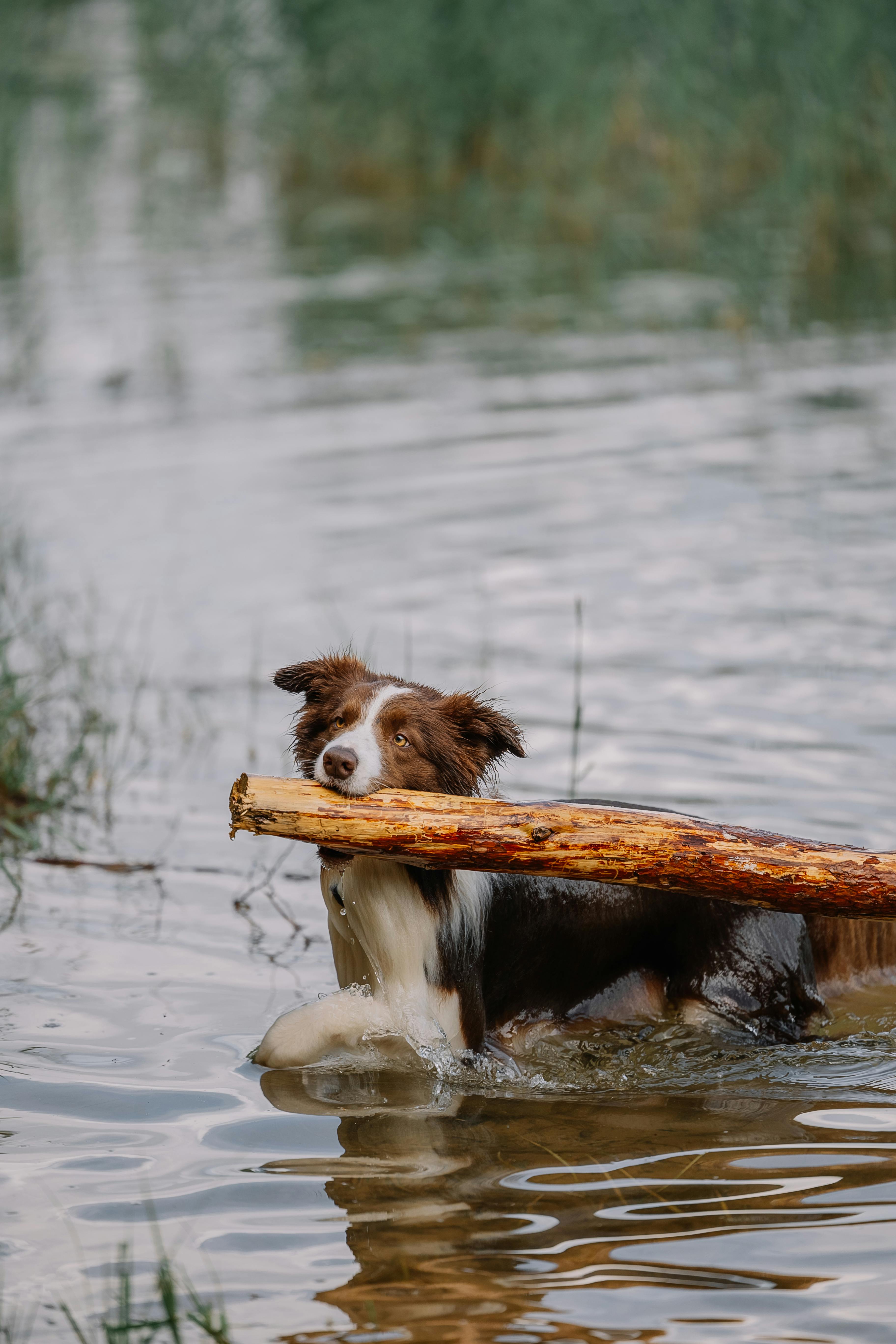
Have you ever wondered why do dogs have wet noses? It’s one of those quirky traits that dog owners often notice, but not always understand. The science behind your dog’s wet nose is more than just a cute feature; it’s tied to their evolutionary history and serves several practical purposes. This article explores the surprising benefits of wet noses and why they might just be nature’s perfect design for our furry friends.
The Evolution of Wet Noses
Dogs, descendants from wolves, have noses that are wet for several reasons, many of which go back to their ancestors. Wolves and other wild canines utilize wet noses for hunting and survival. A wet nose helps to trap scent particles better, enhancing their ability to smell. This is super important for hunting prey and avoiding danger.
- Enhanced Smell: A wet nose can absorb scent molecules more effectively.
- Temperature Regulation: Dogs can cool themselves down through their nose, much like humans sweat.
- Communication Tool: Dogs use their noses to greet each other and convey information.
Why Do Dogs Have Wet Noses? The Science Explained
The surface of a dog’s nose is covered with a thin layer of mucus. This layer does a couple of things. Firstly, it helps to keep their sense of smell sharp. When a dog sniffs a new scent, the dampness on their nose grabs the molecules in the air, making the smells more intense. Secondly, the moisture evaporating from their nose can provide a cooling effect, which is particularly beneficial during hot days.
- Thermoregulation: Evaporation of moisture cools down their body.
- Scent Detection: The wetness improves their olfactory capabilities.
The Benefits of a Wet Nose
You may be surprised to learn that a wet nose isn’t just a charming trait, it’s also quite beneficial. Here are some key advantages:
Improved Scent Tracking:
- Dogs can identify scents more accurately due to their wet noses.
- This is crucial for working dogs like search-and-rescue or tracker dogs.
Health Indicator:
- A wet nose is often seen as a sign of a healthy dog.
- If a dog’s nose suddenly becomes dry or cracked, it might indicate illness or dehydration.
Social Interactions:
- Dogs greet each other with their noses, and a wet nose is often more inviting.
- Wet noses can be a way to show affection to their human companions.
Environmental Awareness:
- Dogs use their noses to gather information about their surroundings.
- A wet nose helps them remain alert to other animals or potential threats.
Fun Facts About Dog Noses
- Unique Patterns: Much like human fingerprints, each dog has a uniquely patterned nose.
- Temperature Sensor: Dogs can sense changes in temperature through their noses.
- Nasal Structure: A dog’s nose has up to 300 million scent receptors, compared to about 6 million in humans.
Maintaining Your Dog’s Nose Health
Just as wet noses have benefits, they also require care. Here are some tips for maintaining your dog’s nose health:
- Hydration: Ensure your dog has access to clean water. Hydration is essential for keeping their nose moist.
- Regular Vet Check-ups: Regular visits to the vet can help catch any potential health issues early.
- Protect from Harsh Weather: Cold, dry air can crack a dog’s nose. Consider using pet-safe balms to protect it during harsh weather conditions.
The Bottom Line
Understanding why do dogs have wet noses can deepen your appreciation for these wonderful creatures. The evolutionary advantages linked to their wet noses go beyond just looks; they play a critical role in a dog’s survival, communication, and health. Next time you give your pup a scratch behind the ears, take a moment to appreciate that wet nose — it’s an amazing feature with fascinating benefits! It’s not just a cute quirk; it’s a vital part of what makes dogs such incredible companions.
How to Keep Your Dog’s Nose Healthy and Moist: Tips for Pet Owners

Keeping your dog’s nose healthy and moist is more important than you may think! Many pet owners wonder why their furry friends have wet noses. It’s not just a random trait; there’s actually a lot of science behind it. Let’s dive into some useful tips for maintaining that adorable, moist nose and uncover the fascinating reasons behind why dogs have wet noses.
Why Do Dogs Have Wet Noses?
Dogs’ noses are wet for several reasons, and understanding them can help pet owners appreciate this unique feature. Here are some key points:
Enhanced Smell: A wet nose allows for better scent detection. The moisture helps to capture scent particles, making it easier for dogs to sniff out smells. Some studies suggests that dogs can smell 10,000 to 100,000 times better than humans because of this phenomenon.
Temperature Regulation: Dogs don’t sweat in the same way humans do. A wet nose helps regulate their body temperature. The moisture evaporates off their noses, which can cool them down, especially on hot days.
Health Indicator: A healthy dog’s nose is usually moist and cool. If a dog’s nose feels dry or hot, it may indicate that something isn’t right. This could be as simple as dehydration or a sign of illness.
Communication: Dogs use their noses to communicate with other dogs. A moist nose can signal health and vitality to other dogs when they greet each other.
How to Keep Your Dog’s Nose Healthy and Moist
Now that we know why dogs have wet noses, let’s explore some practical tips to ensure that your dog’s nose stays in tip-top shape.
Stay Hydrated: Ensure your dog has access to fresh water at all times. Dehydration can lead to a dry nose! Here’s a helpful hydration checklist:
- Always refill water bowls daily
- Consider adding ice cubes on hot days
- Monitor water intake, especially in summer
Regular Vet Check-Ups: Regular veterinary visits can help catch any health issues early. A vet can assess your dog’s nose and overall health. Ask your vet about nose health during visits!
Avoid Allergens: Just like humans, dogs can suffer from allergies. Whether it’s pollen, dust, or certain foods, try to keep your dog away from known allergens. This can help keep the nose moist and healthy.
Use Natural Moisturizers: If your dog’s nose is dry, you can use natural products like coconut oil or specialized dog nose balms. These can help keep the nose hydrated. Here’s a simple way to apply:
- Take a small amount of oil or balm
- Gently rub on the nose
- Avoid getting it in the eyes
Protect from Extreme Weather: Cold weather can chap a dog’s nose. Use dog-friendly balms during winter months to protect them. In summer, avoid leaving your dog in hot cars as this can lead to dehydration.
Watch for Signs of Trouble: Be observant! If the nose becomes cracked, bleeding, or excessively dry, it’s time for a vet visit. Keep an eye out for:
- Excessive dryness
- Cracks or sores
- Changes in color or texture
Diet Matters: A balanced diet can impact your dog’s overall health, including their nose. Ensure they’re getting enough essential fatty acids, which can promote healthy skin and moisture retention.
The Surprising Benefits of a Wet Nose
There are numerous benefits to having a wet nose, which can enhance your dog’s quality of life. Here’s a quick list of some surprising advantages:
- Better Scent Tracking: A wet nose improves a dog’s ability to track scents, making walks and outdoor activities more enjoyable.
- Temperature Control: Helps keep dogs cool and comfortable, especially during warm weather.
- Health Monitoring: A moist nose can indicate good health, giving owners peace of mind.
- Enhanced Bonding: Dogs often greet you with their noses, a bonding gesture fostered by their unique physiology.
Remember, a dog’s nose is more than just a cute feature; it’s a vital part of their health and well-being. By keeping it healthy and moist, you’re contributing to your furry friend’s happiness and quality of life.
In summary, understanding the reasons behind why dogs have wet noses and learning how to care for them can lead to a healthier, happier pet. Keeping your dog hydrated, protected, and monitored is key, and with a little effort, you can ensure that their nose stays in great shape!
Conclusion
In conclusion, the wetness of a dog’s nose serves several important functions, from enhancing their sense of smell to regulating body temperature. The moisture on their noses helps to capture scent particles, making their olfactory capabilities even more effective. Additionally, a wet nose can indicate a healthy dog, as it reflects proper hydration and overall well-being. While it’s normal for a dog’s nose to vary in wetness throughout the day, any significant changes should prompt a visit to the veterinarian. Understanding why dogs have wet noses not only deepens our appreciation for these loyal companions but also encourages us to monitor their health closely. So, the next time you give your furry friend a scratch behind the ears, take a moment to appreciate that wet nose and all the fascinating biological functions it serves. Stay informed about your pet’s health and ensure they live a happy, healthy life!
