
Have you ever wonderd why dogs have wet noses? This fascinating mystery has captivated pet owners and animal lovers alike. A dog’s nose not only serves as a sensory powerhouse but also plays a crucial role in their overall health. Many people ask, “Is a wet nose a sign of good health?” or “What does it mean when a dog’s nose is dry?” These questions spark curiosity and lead to deeper explorations into the remarkable world of canine physiology.
In this blog post, we will uncover the science behind why dogs have moist noses and how it relates to their sense of smell. Did you know that a wet nose can help dogs track scents more effectively? This incredible ability is just one of the many reasons why understanding your furry friend is so important. By the end, you’ll not only know the answer to “Why do dogs have wet noses?” but also how to ensure your pup stays healthy and happy. So, if you’re curious about the mysteries of your dog’s nose and want to learn more about canine care, keep reading! Discover the secrets behind those adorable, wet noses today!
The Science Behind Dog Noses: Why Wetness Matters for Your Canine Companion
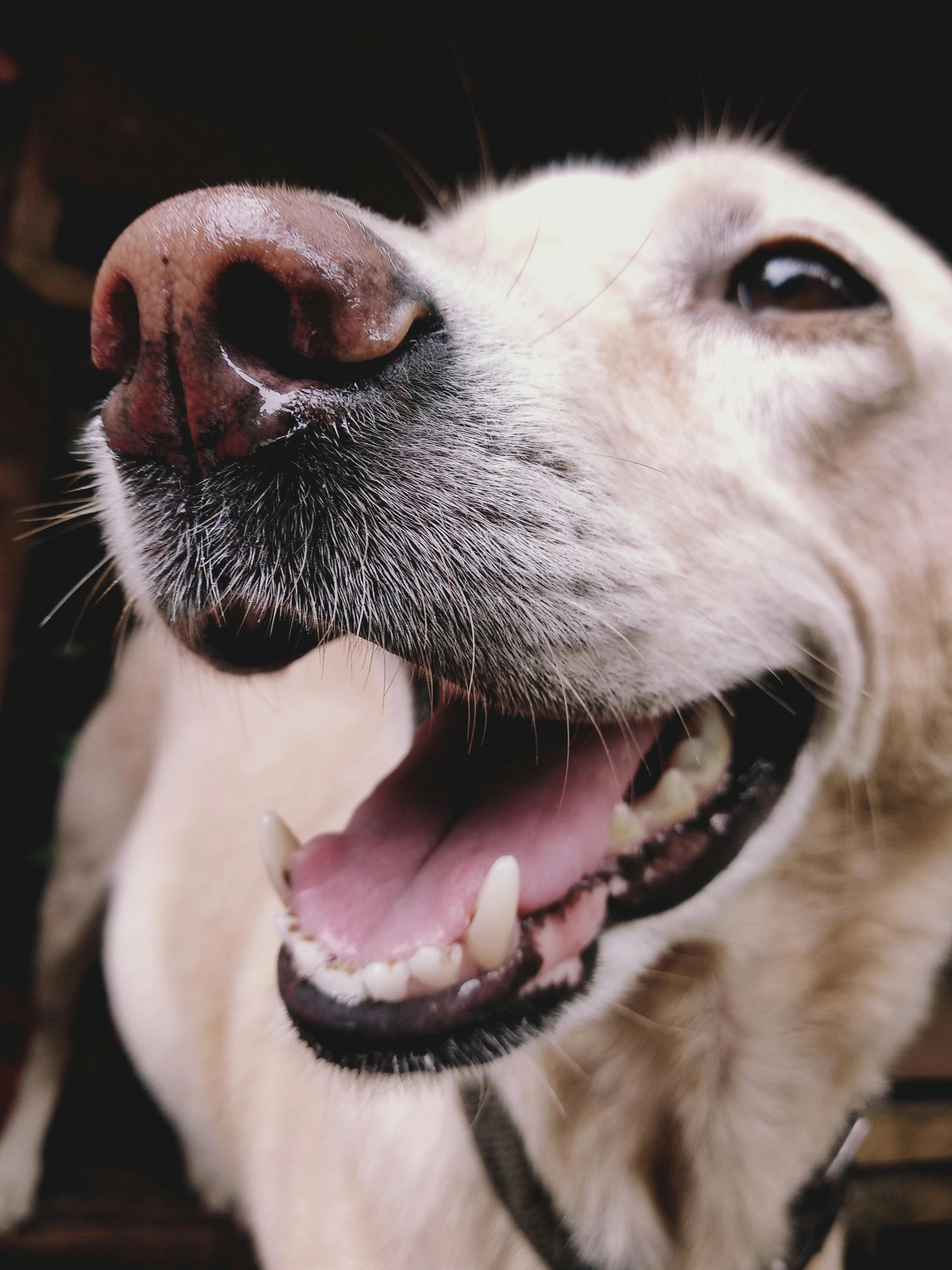
Ever wondered why dogs have wet noses? It’s a question that many pet owners ask, and the answer goes beyond just an interesting quirk of canine anatomy. Wet noses are a sign of health and play a crucial role in how dogs interact with their world. Let’s dive into the science behind dog noses and uncover why that wetness matters so much for your furry friend.
The Anatomy of a Dog’s Nose
A dog’s nose is an incredible organ. It’s not just for smelling; it also plays a role in regulating their body temperature. The structure of a dog’s nose is designed to maximize scent detection. Here are some fascinating facts:
Olfactory Receptors: Dogs have around 220 million olfactory receptors, compared to about 5 million in humans. This means dogs can smell things up to 100,000 times better than us!
Moisture and Scent: A wet nose helps to trap scent particles. When a dog sniffs the air, moisture on their nose picks up these odor molecules, enhancing their ability to detect smells.
Temperature Regulation: Dogs can’t sweat like humans do. Instead, they use their noses as a cooling mechanism. The moisture evaporates, which helps to keep their body temperature down.
Why Are Dog Noses Wet?
So, why do dogs have wet noses? Well, there are several reasons for this.
Scent Enhancement: The wetness of a dog’s nose helps to absorb scent particles, making it easier for them to identify smells. This is why you often see dogs sniffing around – they are gathering as much information as possible.
Hydration: A wet nose is usually a sign of a healthy dog. When a dog is hydrated, their nose tends to be moist. Conversely, a dry nose can sometimes indicate dehydration or illness.
Cooling Mechanism: Dogs don’t sweat through their skin. Their wet noses, along with panting, help them cool down. Moisture on the nose evaporates, removing heat from the body.
Historical Context of Dog Noses
Historically, dogs were bred for specific tasks, like hunting or herding. Their noses were key to these functions. For instance, bloodhounds were bred specifically for tracking due to their incredible sense of smell.
Tracking and Hunting: In ancient times, dogs with keen olfactory senses were used by hunters to track game. Their wet noses played a critical role in scent tracking.
Search and Rescue: Today, dogs are still used in search and rescue operations. Their ability to smell and detect scents has saved many lives, showcasing the importance of their noses.
Interesting Facts About Dog Noses
Here are some more intriguing facts about dog noses:
Unique Patterns: Just like human fingerprints, each dog has a unique nose print. This could potentially be used for identification.
Temperature Indicator: A dog’s nose can change temperature as an indication of health. A cool, wet nose is generally a good sign, while a warm, dry nose may suggest illness.
Different Breeds, Different Noses: The shape and size of a dog’s nose can vary greatly between breeds, affecting how they smell. Breeds like Bloodhounds and Beagles have longer noses, which enhances their scent detection abilities.
Practical Tips for Dog Owners
To ensure your dog’s nose remains healthy, here are some tips:
Hydration: Keep your dog hydrated, especially during hot weather, as a wet nose often signifies good hydration.
Regular Vet Check-ups: If you notice a persistent change in your dog’s nose, like excessive dryness or cracking, it might be time for a vet visit.
Nose Care: In colder climates, consider applying a dog-safe moisturizer to prevent dryness or cracking.
Observe Behavior: Pay attention to your dog’s sniffing behavior. If they seem less interested in smelling things, it could indicate a potential health issue.
Understanding the science behind dog noses and why wetness matters can deepen your bond with your canine companion. Their noses are more than just adorable features; they are vital tools for their survival and interaction with the world. So next time you see your pup with that wet nose, remember there’s a lot more beneath the surface.
Top 5 Reasons Your Dog’s Nose is Always Moist: Unveiling the Mystery

Ever wonder why your dog’s nose is always wet? It’s a common question among pet owners. Many people notice their furry friends have moist noses, and it can lead to curiosity about why this is the case. The reasons behind this phenomenon are fascinating and multi-faceted. Let’s dive into the top 5 reasons your dog’s nose is always moist, while also uncovering the mystery of why do dogs have wet noses.
1. Natural Cooling Mechanism
Dogs don’t sweat like humans do. Instead, they have a unique way of regulating their body temperature. A moist nose helps them cool down effectively. When dogs breathe, moisture from their nose evaporates, which helps to lower their body temperature.
- Dogs primarily cool off through:
- Panting
- Moistening their nose
- Drinking water
For instance, on a hot summer day, you might notice your dog’s nose feels especially wet. This is their way of coping with the heat, ensuring they stay comfortable and avoid overheating.
2. Enhanced Sense of Smell
Another reason for your dog’s wet nose relates to their incredible sense of smell. Dogs have an extraordinary olfactory system, and a moist nose helps to enhance this ability. The moisture on their nose helps to capture scent molecules from the air, allowing them to detect smells more efficiently.
- Facts about dogs’ sense of smell:
- Dogs have up to 300 million scent receptors.
- Humans only have about 6 million.
- A wet nose helps trap scents more effectively.
So, when your dog is sniffing around, that wet nose is doing heavy lifting. It’s like a sponge soaking in all the fascinating scents from the environment!
3. Sign of Good Health
A moist nose is often seen as a sign of good health in dogs. While not a definitive indicator, many pet owners believe that a wet nose suggests their dog is well-hydrated and happy. Conversely, a dry nose can sometimes indicate dehydration or illness.
- Here are some health indicators to watch for:
- Wet, cool nose: Generally healthy
- Dry, cracked nose: Possible dehydration or illness
- Excessively runny nose: May indicate allergies or infections
Keeping an eye on your dog’s nose can help you catch potential health issues early.
4. Environmental Factors
The environment plays a significant role in the moisture level of your dog’s nose. Factors like humidity, temperature, and even the time of day can affect how wet or dry a dog’s nose is. For example, in humid weather, your dog’s nose might remain moist longer because of the moisture in the air.
- Environmental factors include:
- Weather conditions (humidity vs. dryness)
- Indoor climate (heating or cooling systems)
- Recent activities (playing outside)
If you live in a dry climate or during winter months, you might notice your dog’s nose getting drier. This is completely normal, but ensuring they stay hydrated is crucial.
5. Behavior and Excitement
Dogs are social creatures, and their noses can become moist due to excitement or anxiety. When they are happy or nervous, they often lick their noses more frequently, thus keeping it wet. This can be observed during playtime, meeting new people, or even when hearing the sound of their favorite treats.
- Examples of behavioral triggers include:
- Meeting new pets or people
- Anticipation of a walk or playtime
- Response to loud noises
If you see your dog’s nose getting extra wet during certain situations, it might just be their way of expressing emotions.
In summary, a dog’s wet nose is not just a quirky characteristic but rather a complex interplay of biology and behavior. Understanding these reasons can help you appreciate your furry friend even more. So, next time you notice that moist nose, you’ll have a better grasp of the fascinating reasons behind it! Dogs are truly amazing creatures, and their wet noses are just one of the many wonders that add to their charm.
Is a Wet Nose a Sign of Good Health? Understanding Your Dog’s Unique Features

Dogs are often referred to as man’s best friend, and one of the most endearing features of these loyal companions is their wet noses. But have you ever wondered, is a wet nose a sign of good health? Or why do dogs have wet noses at all? Let’s dive into this fascinating mystery and uncover the science behind those moist, cold noses.
The Science Behind a Dog’s Wet Nose
A dog’s nose can be much more than just a cute feature. It serves important functions. Dogs have moist noses due to a combination of factors, including the natural oils produced by their skin and the mucous membranes that help keep their noses hydrated. This moisture is not only crucial for their sense of smell but also plays a role in thermoregulation – helping them cool down.
Enhanced Sense of Smell: Dogs have an incredible sense of smell, which is estimated to be between 10,000 to 100,000 times more sensitive than that of humans. The wetness of their noses helps to capture scent particles in the air, making it easier for them to detect different smells.
Temperature Regulation: Dogs don’t sweat like humans do. Instead, they cool off through panting and the moisture on their noses. A wet nose can help to lower their body temperature, especially during warmer months.
Health Indicator: Many pet owners often believe that a wet nose indicates a healthy dog. While it can be a sign of health, it is not the only indicator. A dog’s nose can be dry for various reasons, including dehydration or environmental factors.
Common Myths About Wet Noses
There are plenty of myths surrounding the wetness of a dog’s nose. Here are some of the most common ones:
A Wet Nose Means a Healthy Dog: While a wet nose can indicate good health, it isn’t a foolproof sign. Factors such as illness, heat, or even just a lazy day can result in a dry nose.
Dogs Only Have Wet Noses When They Are Happy: This is not true! Dogs can have wet noses regardless of their mood. A wet nose doesn’t necessarily correlate with a dog’s emotional state.
All Dogs Have Wet Noses: Some breeds may have drier noses due to genetic factors, environmental conditions, or health issues.
What Causes a Dog’s Nose to Be Dry?
If you notice your dog’s nose is dry, it may be helpful to consider the following:
Dehydration: Just like humans, dogs need water to stay hydrated. If they aren’t drinking enough, their noses can become dry.
Weather Conditions: Hot, windy, or dry weather can contribute to a dog’s nose drying out.
Allergies or Illness: Allergies, skin infections, or other health issues can lead to changes in nose moisture.
How to Keep Your Dog’s Nose Healthy
Taking care of your dog’s nose is an important part of their overall health. Here are some simple tips:
Ensure Proper Hydration: Always provide fresh, clean water for your dog. Monitor their drinking habits to make sure they are staying hydrated.
Regular Vet Check-ups: Regular visits to the veterinarian can help catch any potential problems early on.
Avoid Harsh Environments: If you live in a very dry or windy area, consider using a humidifier or taking shorter walks on particularly harsh days.
Fun Facts About Dog Noses
Unique Nose Prints: Just like human fingerprints, each dog has a unique nose print that can be used for identification.
Color Variations: The color of a dog’s nose can vary widely, ranging from black to pink, and even spotted patterns.
Breed Differences: Some breeds, like Bulldogs and Pugs, may have naturally drier noses due to their facial structure.
A Closer Look at Dog Nose Care
Here’s a quick list of things to keep in mind about your dog’s nose:
- Watch for Changes: If your dog’s nose suddenly becomes excessively dry or cracked, it might be time for a vet visit.
- Know Your Breed: Different breeds may have varying nose characteristics; knowing your dog’s breed can help you understand what to expect.
- Use Natural Remedies: If your dog has a persistent dry nose, consider natural moisturizers made specifically for pets to keep their noses healthy.
So, is a wet nose a sign of good health? In many cases, yes, but it’s important to remember it’s just one piece of the puzzle in assessing your dog’s overall well-being. Understanding why dogs have wet noses can help you become a more informed pet owner and promote a better life for your furry friend. Always stay observant and consult your veterinarian for any concerns regarding your dog’s health.
How Does a Dog’s Wet Nose Enhance Its Sense of Smell? Discover the Fascinating Facts
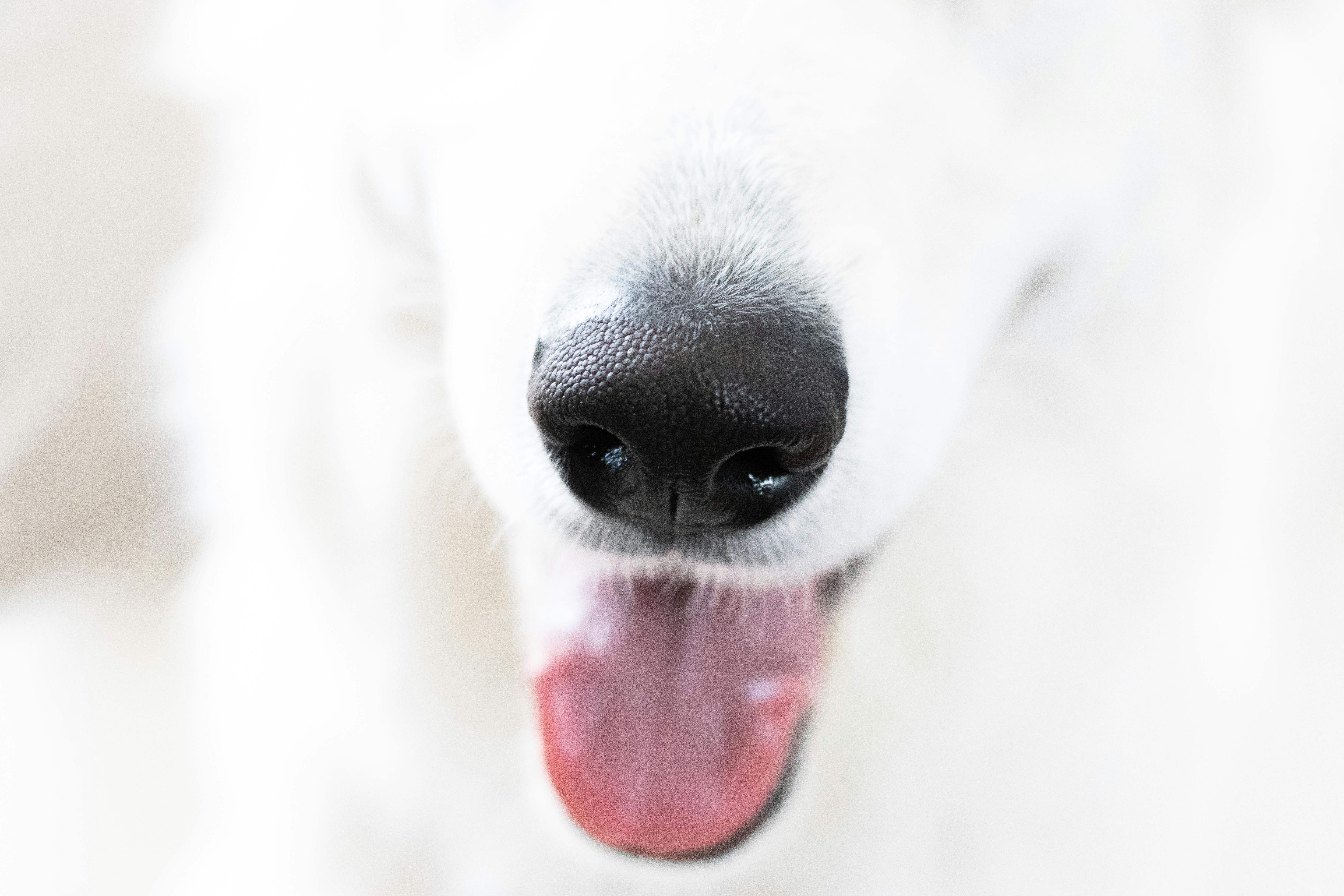
Dogs are truly fascinating creatures, and one of their most unique features is their wet noses. Have you ever wondered how does a dog’s wet nose enhance its sense of smell? The science behind this is both intriguing and essential for understanding how our furry friends perceive the world. Let’s dive into the reasons why dogs have wet noses and the amazing benefits this brings to their olfactory capabilities.
The Science Behind a Wet Nose
First off, a dog’s nose is not just wet for fun. The moisture serves several important functions. The wetness is primarily due to a thin layer of mucus that helps to trap scent particles. When a dog inhales, these particles stick to the mucus, intensifying their sense of smell. This mucus also helps to keep the nose cool, which is vital because dogs don’t sweat like humans do. They primarily regulate their body temperature through panting and their noses.
Unique Olfactory Anatomy
Dogs have a highly developed sense of smell that is estimated to be anywhere from 10,000 to 100,000 times more sensitive than humans. Here’s how their unique anatomy contributes to this:
- Nasal Structure: Dogs have a large, complex nasal cavity with more than 300 million scent receptors, compared to a human’s mere 5 million. This means they can detect odors at incredibly low concentrations.
- Jacobsen’s Organ: Also known as the vomeronasal organ, this special organ aids dogs in detecting pheromones, which are chemical signals that carry information about other animals.
- Nasal Turbinates: These are thin bony structures within the nasal cavity that increase the surface area for scent detection, allowing dogs to process smells more efficiently.
Why Do Dogs Have Wet Noses?
Here are some key reasons why dogs have wet noses:
- Enhanced Smell: The moisture on a dog’s nose captures scent particles better, augmenting their ability to detect various odors.
- Thermoregulation: A wet nose helps cool down a dog’s body, especially important during hot weather or after exercise.
- Health Indicator: A dog’s nose can indicate its health status. A dry nose might signal dehydration or illness, while a wet nose usually indicates a healthy dog.
Fascinating Facts About Dogs’ Noses
Now, let’s explore some fascinating facts about dogs’ noses that might surprise you:
- Scent Memory: Dogs can remember smells for years, which is why they can often recognize their owners or other animals even after a long time apart.
- Individual Nose Prints: Just like human fingerprints, each dog has a unique nose print that can be used for identification.
- Scent Discrimination: Dogs can differentiate between smells and can even detect specific drugs or diseases, including cancer, with their noses.
- Wet Noses and Emotions: Dogs often wet their noses when they are excited or anxious, which could be a way of expressing their feelings.
Historical Context of Dogs’ Noses
Historically, dogs have been bred for their keen sense of smell. From hunting to search-and-rescue operations, dogs have played crucial roles in various human activities. For example, Bloodhounds are known for their incredible tracking abilities, thanks to their superior olfactory senses. This history emphasizes how important a dog’s wet nose is not just for the dog, but for humans too.
Practical Examples of Dogs Using Their Noses
Dogs use their noses in various practical situations. Here are some examples:
- Search and Rescue: Dogs can locate missing persons in natural disasters or accidents due to their powerful sense of smell.
- Medical Detection: Some dogs are trained to detect diseases like diabetes or cancer by sensing changes in a person’s body odors.
- Law Enforcement: K9 units employ dogs to sniff out drugs, explosives, and even cash, proving invaluable in law enforcement operations.
The Bottom Line on Wet Noses
In conclusion, a dog’s wet nose is not just an endearing feature; it plays a crucial role in enhancing their sense of smell. The science behind moist noses reveals how dogs interact with their environment, making them incredible companions and helpers. Understanding why dogs have wet noses helps us appreciate these amazing animals even more. So, next time you see a dog with a shiny, wet nose, remember the incredible capabilities that come with it!
The Role of Temperature Regulation: Why Dogs Use Their Noses to Keep Cool
The fascinating world of dogs is full of mysteries, and one of the most intriguing aspects is the role of their noses in temperature regulation. Many dog owners often wonder, “Why do dogs have wet noses?” This question leads us to explore not only the physiological reasons behind this phenomenon but also how dogs use their noses to help keep cool.
The Unique Anatomy of a Dog’s Nose
Dogs have a very special and complex nose that is different from humans. Their olfactory system is highly developed, enabling them to smell things that humans can’t even imagine. The surface of a dog’s nose is covered in moist tissue, which helps enhance their sense of smell. Here are some key points about a dog’s nose:
- Moisture for Scent Detection: The wetness of a dog’s nose helps to capture scent particles in the air, making it easier for them to detect odors.
- Temperature Regulation: Dogs do not sweat in the same way humans do. Instead, they rely on their noses to help cool down when they are overheated.
- Health Indicator: A wet nose is often a sign of good health in dogs, while a dry nose might indicate dehydration or illness.
Why Do Dogs Use Their Noses to Keep Cool?
When it’s hot outside, dogs have different methods to regulate their body temperature. Unlike humans who sweat, dogs primarily breathe to cool down. Their noses play a crucial role in this process. Here’s how it works:
- Panting: Dogs pant to release heat. As air passes over their moist noses, it cools down.
- Evaporation: The moisture on a dog’s nose evaporates, which helps to lower their body temperature.
- Vasodilation: Blood vessels in the nose expand, allowing more blood to flow to the surface and release heat.
Historical Context: Dogs and Temperature Regulation
Historically, dogs have evolved alongside humans, adapting to various climates and environments. Ancient breeds, like the Siberian Husky or the Basenji, often developed unique physical traits to cope with extreme temperatures.
- Siberian Huskies: Thick fur and a smaller nose size help them retain heat in cold conditions.
- Basenjis: These dogs have a slender build and a prominent nose, aiding them in warmer climates.
The Science Behind Wet Noses
So, why do dogs have wet noses? The scientific explanation is pretty interesting. The moisture serves several purposes beyond just smelling better:
- Temperature Regulation: Like mentioned before, moisture evaporating from the nose helps cool the dog down.
- Sensory Enhancement: A wet surface can capture more scent particles, making it easier for dogs to pick up on scents from their environment.
- Communication: Dogs use their noses to communicate with each other, and the moisture can convey information about their emotional state.
Fun Facts About Dog Noses
- A dog’s sense of smell is estimated to be anywhere from 10,000 to 100,000 times stronger than that of humans.
- The average dog’s nose has about 300 million scent receptors, compared to a human’s 5 million.
- The unique pattern of a dog’s nose is like a human fingerprint; no two are alike.
Practical Examples of Keeping Dogs Cool
As a dog owner, understanding how to keep your furry friend cool is important, especially during hot months. Here are some practical tips:
- Provide Fresh Water: Always ensure they have access to clean, cool water.
- Shade and Shelter: Create shaded areas for them to relax in during the hottest part of the day.
- Limit Exercise: Schedule walks for cooler times of the day, like early morning or late evening.
- Cooling Mats: Consider investing in a cooling mat that dogs can lay on.
Conclusion
Understanding the role of temperature regulation and why dogs have wet noses is essential for any dog owner. It helps you take better care of your dog, ensuring they stay healthy and happy. The unique features of a dog’s nose not only contribute to their remarkable sense of smell but also play a key role in their ability to manage their body temperature. With this knowledge, you can keep your beloved pet comfortable and thriving in any weather.
Wet Noses and Canine Communication: What Your Dog is Trying to Tell You
Dogs are truly remarkable creatures, and one of their most intriguing features is their wet noses. Ever wonder why do dogs have wet noses? Or, more importantly, what do those wet noses say about their communication skills? Let’s dive into this fascinating subject and uncover the mysteries behind our furry companions.
The Science Behind Wet Noses
First off, a dog’s nose is not just a cute feature; it served multiple practical purposes. A dog’s nose is moist for several reasons. One of the main reasons is that it helps them smell better. Dogs have an incredible sense of smell, estimated to be between 10,000 to 100,000 times more sensitive than humans. When a dog’s nose is wet, it tends to trap scent particles more effectively. This is crucial for their ability to communicate and understand the world around them.
Here are some facts about why dogs have wet noses:
- Scent Detection: The moisture on their noses helps capture scent molecules, enhancing their olfactory abilities.
- Cooling Mechanism: Dogs don’t sweat like humans. Their wet noses help regulate body temperature, especially during warm weather.
- Health Indicator: A wet nose is generally a sign of a healthy dog. If a dog’s nose becomes excessively dry, it might indicate dehydration or illness.
The Role of Communication
Dogs use their noses not just for smelling but also for communicating. Their noses convey information about their emotions and intentions. A wet nose can indicate several feelings or conditions:
- Excitement: If your dog’s nose is particularly wet and they are bouncing around, they may be excited to see you.
- Curiosity: When they sniff around, they gather information about their environment. This is how dogs learn about other animals or places.
- Stress or Discomfort: A dry nose can be a sign that your dog is feeling unwell or stressed.
Historical Context of Canine Communication
Historically, dogs have shared a close bond with humans, dating back thousands of years. The domestication of dogs is believed to have started around 20,000 to 40,000 years ago. Early humans relied on dogs for hunting and protection. As such, the ability to communicate effectively became essential.
Canine communication relies heavily on body language, vocalizations, and of course, their noses. Dogs have evolved to express their needs and feelings through various ways. The wet nose is just one of those tools in their communication arsenal.
Understanding Your Dog’s Behavior
Understanding what your dog is trying to tell you can be tricky. It’s not just about the wet nose; it’s about the whole picture. Here’s a breakdown of common behaviors and what they might mean:
- Sniffing Everything: Dogs have a natural instinct to explore their environment through their noses. They are gathering information.
- Nudging You with Their Nose: This often means they want attention or are asking for something, like playtime or food.
- Licking: Dogs lick to show affection or to communicate submission.
Practical Examples of Nose Communication
Let’s consider a few scenarios to illustrate how your dog’s wet nose can signify different messages:
- Greeting: When you come home and your dog greets you with a wet nose and excited tail wagging, they’re expressing love and joy.
- Comforting: If your dog nudges you with their wet nose during a sad moment, they may be trying to comfort you.
- Exploration: When on a walk, your dog might stop to sniff at a tree or another dog. This is them gathering information about their surroundings.
The Importance of Bonding
Bonding with your dog is crucial. Understanding their communication style, including the significance of their wet nose, helps strengthen that bond. Spend time observing your dog, and learn their cues.
- Playtime: Engage in play to see how your dog expresses excitement.
- Training: Teach basic commands to enhance communication.
- Socialization: Allow your dog to interact with other dogs, observing how they communicate.
In summary, the mystery of why dogs have wet noses is more than just a quirk of nature. It plays a vital role in their communication abilities. Dogs use their noses to understand the world around them and to connect with humans. So next time you notice your dog’s wet nose, remember it’s not just cute—it’s a window into their feelings and thoughts. Understanding this can lead to a deeper, more fulfilling relationship with your beloved pet.
The Impact of Environment: Why Some Dogs Have Drier Noses Than Others

Dogs are often seen with their wet noses, and many people wonder why. The moisture on a dog’s nose can be fascinating, and it also raises questions like, “Why do dogs have drier noses than others?” or “What’s the impact of environment on their nose’s texture?” These questions are not just about cute dog facts; they can reveal a lot about canine health and behavior.
The Science Behind Wet Noses
Dogs have wet noses, mostly because of how they cool themselves down. Unlike humans, who sweat through their skin, dogs primarily rely on their noses and panting to regulate their body temperature. The moisture comes from their own saliva, which they lick onto their noses. This wetness helps to absorb scent particles, making their sense of smell even sharper, which is crucial for their survival and interaction with the environment.
Why Some Dogs Have Drier Noses
There is many factors that can contribute to a dog having a drier nose. Some of them include:
- Breed Differences: Certain breeds, like bulldogs or pugs, may have drier noses due to their facial structure.
- Age: Older dogs might have less moisture on their noses as they age, much like humans do.
- Health Conditions: Illnesses like fever or dehydration can lead to a drier nose, indicating that a visit to the vet may be needed.
- Environmental Factors: Dogs living in dry climates might have drier noses compared to those in humid areas.
Environmental Impact on Nose Moisture
The environment your dog lives in plays a big role in whether their nose stays wet or dry. For instance, in New York, where winters can be harsh and dry, dogs might show drier noses during the colder months. On the other hand, during the summer, when humidity is high, you might notice that their noses are wet more often. Here’s how different environments can affect your dog’s nose:
- Climate: Hot and dry climates can lead to a dry nose, while humid areas keep noses moist.
- Indoor Conditions: Air conditioning and heating can dry out the air, affecting nose moisture.
- Seasonal Changes: Dogs may have drier noses in winter due to cold temperatures and less humidity.
Common Misconceptions
It’s common to hear people say a dog’s nose should always be wet. However, that’s not entirely true. A wet nose is generally a sign of a healthy dog, but it is not the only indicator of health. Here are a few misconceptions about dog noses:
- Wet Nose = Healthy Dog: While a wet nose is often a good sign, a dry nose doesn’t automatically mean your dog is sick.
- Cold Nose = Sick Dog: Many believe that a cold nose indicates illness, but dogs can have cold noses even when they’re perfectly healthy.
- Deworming and Nose Moisture: Some think that deworming will make a dog’s nose wet again, but that’s not scientifically backed.
Practical Tips for Dog Owners
If you notice your dog has a persistently dry nose, there are things you can do to help:
- Hydration: Make sure your dog is drinking enough water, especially in hot weather.
- Humidity: Use a humidifier indoors during dry winter months to help maintain moisture in the air.
- Veterinary Check: If the dryness persists, consult with a veterinarian to rule out any underlying health issues.
- Natural Remedies: Some dog owners use natural oils or balms to keep their dog’s nose moisturized.
Comparison of Dog Nose Wetness
Here’s a simple comparison of factors influencing dog nose wetness:
| Factor | Wet Nose | Dry Nose |
|---|---|---|
| Health Status | Generally healthy | Possible illness |
| Environmental Impact | Humid climates | Dry or cold climates |
| Breed Influence | Breeds like retrievers | Breeds like bulldogs |
| Age | Can be any age | More common in older dogs |
The condition of a dog’s nose can tell you a lot about their health and environment. While a wet nose is often a sign of a happy and healthy dog, it’s important to understand that various factors can affect this. If you are a dog owner, being aware of these aspects can help you provide better care for your furry friend. Always keep an eye on changes in your dog’s nose and overall behavior, and don’t hesitate to reach out to a vet if you have concerns.
Tips for Maintaining Your Dog’s Nose Health: Essential Care Practices
When you think about dogs, their wet noses often comes to mind. But have you ever wondered why they have wet noses? It’s more than a cute feature, it actually serves important purposes. In this article, we’ll explore the fascinating reasons behind your dog’s nose moisture, plus share essential care practices for keeping that nose healthy.
Why Do Dogs Have Wet Noses?
There’s several reasons why dogs noses are wet. Here are the most notable ones:
Scent Detection: Dogs have a much better sense of smell than humans. Their wet noses helps to absorb scent molecules, making it easier for them to detect various smells. The moisture traps the scents and enhances their olfactory abilities.
Temperature Regulation: Just like humans sweat to cool down, dogs also rely on their noses to help regulate body temperature. A wet nose helps them stay cool, especially during hot weather.
Health Indicator: A dog’s nose can often indicate their health status. A healthy dog typically has a moist, cool nose. If it becomes dry or warm, it may signal a health issue.
Tips for Maintaining Your Dog’s Nose Health
Just like any other part of your dog’s body, their nose needs proper care. Here are some essential practices for keeping that nose in tip-top shape:
Regular Cleaning: Gently wipe your dog’s nose with a damp cloth to remove dirt and debris. This should be done regularly, especially if your dog is outdoors a lot.
Hydration is Key: Make sure your dog has access to fresh water at all times. Dehydration can lead to a dry nose.
Watch the Weather: Extremes in weather can affect your dog’s nose. In the winter, apply a pet-safe balm to protect against cracking. In the summer, ensure they’re not overheating.
Monitor for Changes: Keep an eye on your dog’s nose. If it becomes excessively dry, cracked, or changes color, it might be time for a vet visit.
Diet Matters: A balanced diet contributes to overall health, including nose health. Ensure your dog is eating high-quality dog food rich in omega fatty acids.
Limit Exposure to Irritants: Avoid exposing your dog to smoke, chemicals, or strong odors which can irritate their sensitive nose.
Common Nose Problems in Dogs
Sometimes, problems can arise. Here’s a list of common nose-related issues and their possible signs:
Nasal Hyperkeratosis: This condition causes the nose to become dry and cracked. It can make the dog uncomfortable.
Nasal Tumors: Though rare, tumors can develop on the nose and may cause unusual growths or discharges.
Allergies: Dogs can have allergies that affect their nose, leading to sneezing or discharge.
What to Do if You Notice a Problem
If you notice any of the following signs, consult your veterinarian:
- Persistent dryness or cracking
- Unusual discharge
- Bleeding
- Changes in color or texture
Fun Facts About Dog Noses
Dog noses have unique patterns, much like human fingerprints. This means each dog has its own “nose print” that can be used for identification!
Dogs can detect certain odors up to 100,000 times better than humans. That’s why they’re often used in search and rescue missions.
The moisture on a dog’s nose can evaporate quickly, so keeping it hydrated is crucial for their sense of smell.
Quick Dos and Don’ts for Nose Care
Dos:
- Do keep your dog hydrated.
- Do provide regular grooming.
- Do check for any unusual signs.
Don’ts:
- Don’t ignore changes in your dog’s nose.
- Don’t use human products on your dog’s nose.
- Don’t let your dog play in harmful substances.
In summary, your dog’s nose is more than just a cute feature; it plays critical roles in their health and well-being. Understanding why they have wet noses and how to maintain that moisture can greatly benefit your furry friend. Regular care and attention will not only enhance their overall health but also strengthen the bond you share with them. So next time you give your dog a good scratch behind the ears, don’t forget to check in on that wet little nose!
Exploring the Myths: Do Wet Noses Really Indicate Illness in Dogs?

Have you ever looked at your dog’s nose and wondered why it’s always wet? You might’ve heard various claims that a wet nose means your furry friend is sick or healthy. But is that really true? In this article, we will explore the myths surrounding wet noses in dogs, unraveling the truth behind why they have wet noses and whether that indicates anything about their health.
Why Do Dogs Have Wet Noses?
Dogs have wet noses for several reasons, and it’s not just a random characteristic. Their noses serve important functions, and the moisture on them is significant. Here’s a breakdown:
Scent Enhancement: A wet nose helps to trap scent particles. Dogs have an incredible sense of smell, and a moist nose can absorb scent better than a dry one. This is why you often see your dog sniffing around everywhere.
Cooling Mechanism: Dogs don’t sweat like humans do. Instead, they cool down by panting and through their noses. The moisture evaporating from their noses helps to regulate their body temperature.
Health Indicator: Some people believe that a dog’s nose can indicate its health. A wet nose is often associated with hydration and good health, while a dry nose might raise some concerns. But it’s not always that simple, as many factors affect a dog’s nose moisture.
The Myths About Wet Noses
There are many myths out there about wet noses in dogs. Let’s clear some of them up:
Myth 1: A wet nose means a dog is sick.
- Fact: While some illnesses can lead to a dry nose, a wet nose alone doesn’t mean illness. A dog can be perfectly healthy with a dry nose or sick with a wet one.
Myth 2: All dogs have wet noses all the time.
- Fact: Just like humans, dogs can have different nose conditions based on their environment and health. Some breeds might naturally have drier noses.
Myth 3: A cold nose means your dog is healthy.
- Fact: A dog’s nose temperature can vary based on activity, weather, and other factors. It isn’t a reliable health indicator.
The Science Behind Dog Noses
Dog noses are quite fascinating when you look at them scientifically. Did you know that dogs have up to 300 million olfactory receptors? In comparison, humans only have about 6 million. Here’s how that breaks down:
- Olfactory Receptors: More receptors mean a better sense of smell.
- Jacobsen’s Organ: This helps dogs detect pheromones, which are crucial for communication with other dogs.
Practical Examples of Nose Conditions
Here are some examples of how different conditions can affect a dog’s nose:
- Healthy Nose: Generally moist and cool; often changes with the weather.
- Dry Nose: Could be due to dehydration or environmental factors, not necessarily a sign of illness.
- Cracked Nose: This may indicate a need for hydration or a potential health issue and should be checked by a vet.
When to Worry About Your Dog’s Nose
While a wet nose is usually a sign of a happy and healthy dog, there are situations when you should take a closer look. Here’s a simple guideline:
- Persistent Dryness: If it remains dry for a long time, consider a vet visit.
- Changes in Color: If the nose changes color drastically, that could be a sign of an underlying issue.
- Excessive Moisture: If the nose is excessively wet and accompanied by other symptoms like coughing or lethargy, consult your veterinarian.
Fun Facts About Dog Noses
- Dogs can distinguish between different scents even if they are mixed together.
- The unique pattern of a dog’s nose print is similar to a human fingerprint.
- Dogs have a special gland in their noses that helps to create a unique scent for each dog.
Understanding the truth about wet noses in dogs can help pet owners better care for their furry friends. While the myths can be misleading, knowing the facts allows for a more informed approach to dog health. So next time you see your pup with a wet nose, remember that it’s just one of the many unique features that make them special. Whether it’s wet or dry, your dog’s nose is just a part of what makes them who they are.
Fun Facts About Dog Noses: What Makes Them Truly Unique and Special!
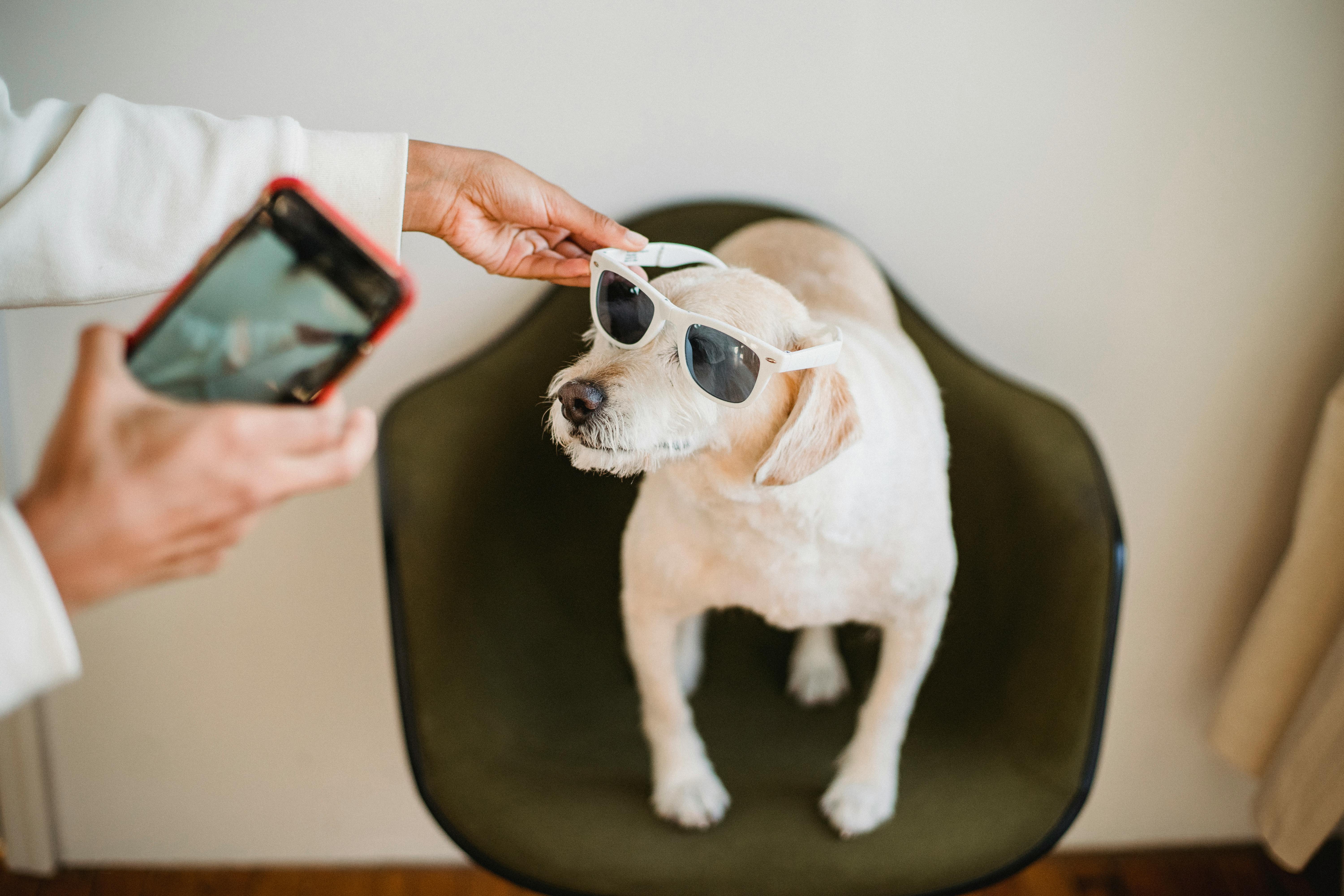
Dog noses are one of the most fascinating features of our furry friends. Many people wonder why dogs have wet noses and what makes them so special. There’s a lot more to these adorable snouts than meets the eye, and understanding their uniqueness can really deepen our appreciation for dogs. Let’s dive into some fun facts about dog noses and uncover the mystery behind their wetness!
The Science Behind Dog Noses
Did you know that a dog’s sense of smell is incredibly powerful? Dogs can have up to 300 million olfactory receptors in their noses, while humans only have about 5 million! This means dogs can detect scents at extremely low concentrations, allowing them to sense things that are undetectable to us.
- Dogs can smell:
- Food from miles away
- Changes in human emotions
- Diseases like cancer
The shape and structure of a dog’s nose are also vital for their smelling ability. The long snout helps to capture and analyze scents more efficiently. When a dog sniffs, they are pulling air into a special area in their nasal cavity, allowing them to separate and identify different odors.
Why Do Dogs Have Wet Noses?
Now, let’s address the question that many dog lovers ask: why do dogs have wet noses? The moisture on a dog’s nose serves several important purposes:
Enhanced Smelling Ability: A wet nose helps to trap scent particles. When the nose is moist, it can absorb more scent molecules, which improves the dog’s ability to smell.
Temperature Regulation: Dogs don’t sweat like humans do; they primarily regulate their body temperature through panting and the moisture on their noses. A wet nose can help cool them down.
Health Indicator: A dog’s nose can be a sign of their health. While a cold, wet nose is often a sign of a happy and healthy dog, a dry or cracked nose might indicate dehydration or illness.
Fun Facts About Dog Noses
Let’s look at some fun and interesting facts about dog noses that might surprise you!
Unique Patterns: Just like human fingerprints, every dog’s nose print is unique. Some organizations even register nose prints for identification purposes!
Color Matters: The color of a dog’s nose can vary from black to brown, and even pink. This color can be affected by breed, genetics, and age.
Dogs Can “See” with Their Noses: Dogs can detect certain scents that allow them to understand their environment in ways we can’t. For example, they can tell if another dog is in heat or if a person is sick just by sniffing.
Temperature Sensor: Dogs’ noses can also detect temperature changes in their environment. They may be able to sense the warmth of a human hand or the coolness of a surface.
Comparing Dog Noses to Human Noses
It’s interesting to compare our noses to those of our furry companions. Here’s a quick look:
| Feature | Dog Nose | Human Nose |
|---|---|---|
| Number of Receptors | Up to 300 million | About 5 million |
| Function | Primary sense of smell | Limited to smell and taste |
| Moisture | Typically wet for scent | Generally dry |
| Unique Patterns | Unique nose prints | No unique prints |
The Importance of Nose Health
As a dog owner, it’s crucial to keep an eye on your dog’s nose health. If you notice any changes, such as excessive dryness, cracking, or unusual discharge, it’s best to consult your veterinarian. Regular check-ups can help ensure your dog’s nose and overall health stay in tip-top shape.
Nose-Related Activities
If you want to engage your dog’s incredible sense of smell, consider these activities:
Scent Games: Hide treats around your house or yard and let your dog sniff them out. It’s a fun way to stimulate their mind!
Nose Work Classes: Many dog training facilities offer specialized classes where dogs can learn to identify specific scents.
Outdoor Adventures: Take your dog on hikes or walks in different environments. The variety of new smells is exciting for them!
Knowing why dogs have wet noses and understanding the incredible capabilities of their sense of smell can enrich your relationship with your furry friend. These amazing traits not only highlight the uniqueness of dogs but also their important roles in our lives. So next time your dog gives you a wet-nosed greeting, remember the fascinating science behind it!
Conclusion
In conclusion, the wet noses of dogs serve several important functions, primarily related to their health and sensory perception. The moisture on a dog’s nose enhances their sense of smell, allowing them to gather more scent particles from the environment, which is crucial for their communication and navigation. Additionally, a wet nose helps regulate body temperature and indicates hydration levels. While the common belief that a wet nose signifies a healthy dog holds some truth, it’s essential to remember that each dog is unique. Regular veterinary check-ups are vital for monitoring your pet’s overall health. So, next time you notice your furry friend’s damp nose, appreciate the remarkable biology behind it. Consider sharing this knowledge with fellow dog lovers or even on social media to spread the word about the fascinating reasons behind this adorable canine trait!
