
Have you ever wondered why do dogs have wet noses? This intriguing question sparks curiosity among pet owners and animal lovers alike. The mystery of wet noses in dogs is not just a quirky trait; it serves several important purposes. Many people often ask, “Is it normal for a dog to have a wet nose?” or “What does a wet nose mean for my pet’s health?” The answers may surprise you! Wet noses are not only a sign of a happy, healthy dog, but they also play a vital role in how dogs perceive the world around them. As you explore this fascinating topic, you’ll discover the reasons behind this unique characteristic and how it relates to a dog’s sense of smell. From regulating body temperature to enhancing their olfactory abilities, the science behind a dog’s wet nose is truly remarkable. So, if you’re curious about the benefits of a wet nose and what it reveals about your furry friend, keep reading! Uncover the secrets of why dogs have wet noses and learn how this seemingly simple feature can tell you so much more about your beloved pet’s health and well-being.
The Science Behind Dogs’ Wet Noses: What Makes Them So Special?

Every dog owner loves the feel of a wet nose pressed against their hand or face. But have you ever wonder why dogs have wet noses? The science behind dogs’ wet noses is both fascinating and a little mysterious. In this article, we dive into what makes those moist noses so special, revealing the secrets behind this characteristic that many of us take for granted.
The Biology of a Dog’s Nose
A dog’s nose serves several important functions. First, it’s crucial for their sense of smell, which is far superior to that of humans. Dogs have approximately 300 million olfactory receptors in their noses, compared to about 6 million in humans. This incredible sense of smell is enhanced by the moisture on their noses.
- Moisture helps trap scent particles: When a dog’s nose is wet, it can better absorb the scent particles in the air. This is why you might see your dog sniffing around with a shiny, wet nose.
- Temperature regulation: Dogs don’t sweat like people do. Their noses help them cool down. A wet nose can indicate that a dog is healthy and hydrated.
Why Do Dogs Have Wet Noses?
The question of why do dogs have wet noses leads us to some interesting facts. The moisture on a dog’s nose comes from a combination of their saliva and the mucus produced in their nasal passages. Here’s a breakdown of how this works:
- Saliva: Dogs often lick their noses, which keeps them moist. This is not just a habit but a way to enhance their sense of smell.
- Environmental Factors: Humidity and temperature can also affect how wet a dog’s nose is. For instance, a dog’s nose might feel drier on a hot day but get moist again when they cool down.
The Evolutionary Perspective
Dogs have evolved over thousands of years alongside humans. Wet noses might have provided certain advantages in the wild:
- Hunting and Tracking: Wet noses enhance a dog’s ability to track scents, which would have been essential for hunting and survival.
- Social Interactions: Dogs also use their noses to communicate with each other. A wet nose can signal friendliness and approachability, which is important in social packs.
The Health Factor
A dog’s nose can also be an indicator of their health. Generally, a wet and cool nose is a sign that your dog is feeling good. However, if you notice changes, it might be worth paying attention to:
- Dry Nose: Could indicate dehydration, fever, or illness.
- Cracked or Scabby Nose: Might be a sign of allergies or skin conditions.
- Consistently Warm Nose: Could indicate a fever or other health issues.
Fun Facts About Dogs’ Noses
- Unique Patterns: Just like human fingerprints, every dog has a unique nose print.
- Scent Discrimination: Dogs can differentiate between scents, which is why they are used in search and rescue missions.
- Nasal Turbinates: Dogs have complex nasal structures called turbinates that help filter and warm the air they breathe, enhancing their olfactory capabilities.
Comparing Dog Noses to Other Animals
- Cats: Cats have a good sense of smell, but not as strong as dogs. Their noses are usually dry and less moist.
- Humans: Humans rely more on vision than smell, which is why our noses are typically drier.
- Bears: Bears have an exceptional sense of smell, even better than dogs, but they don’t have the same moisture function.
Practical Tips for Dog Owners
To keep your dog’s nose healthy, here are some tips:
- Hydration: Always ensure your dog has access to fresh water.
- Check for Irritation: Regularly inspect your dog’s nose for signs of cracking or irritation.
- Vet Visits: Schedule regular check-ups with your veterinarian to monitor overall health.
The mystery of why do dogs have wet noses is closely tied to their biology, evolution, and health. Their wet noses are not just adorable but play essential roles in their lives.
So the next time you feel that cool, wet nose nudge against you, remember that it’s more than just a sign of affection; it’s a fascinating blend of biology and evolution at work. Understanding this unique characteristic can deepen your appreciation for your furry friend and strengthen the bond you share.
5 Compelling Reasons Why Your Dog’s Nose is Always Damp

Have you ever wondered why your furry friend’s nose is always damp? It’s a common sight, but many dog owners don’t give it much thought. However, this wet nose phenomenon is actually pretty fascinating, and there’s plenty to learn about it. So, why do dogs have wet noses? Let’s dive into this intriguing subject and uncover the mystery behind those moist snouts.
1. Moisture Regulation and Thermoregulation
Dogs, like humans, need to regulate their body temperature. Their noses play a crucial role in this process. A wet nose helps cool down their body. When dogs pant, they lose moisture, and their nose helps to replace some of that loss. The moisture on their nose evaporates, which can cool them down. It’s like nature’s own little air conditioner.
- Wet noses can be beneficial for:
- Cooling down
- Sensing environment
- Enhancing their sense of smell
2. Enhanced Sense of Smell
Another interesting reason dogs have wet noses is related to their incredible sense of smell. The dampness helps to absorb scent particles from the air. When a dog sniffs around, the moisture on the nose picks up these particles, which then get transferred to the olfactory receptors in their nose. It’s like their nose is a sponge for smells!
- Dogs have up to 300 million olfactory receptors compared to a human’s 5 million.
- A wet nose helps them:
- Detect pheromones
- Identify food and other scents
- Recognize other animals and humans
3. Natural Defense Mechanism
A wet nose serves as a natural defense mechanism too. The moisture can help trap dust and allergens, preventing them from entering the dog’s airway. It’s nature’s way of keeping them healthy and safe. When their nose is dry, it might indicate dehydration or illness. So, it’s not just a quirky trait; it can also be a signal to keep an eye on your pet’s health.
4. Temperature Regulation and Health Indicators
The temperature of your dog’s nose can also provide insights into their health. A cold, wet nose is often an indicator of a healthy dog. On the contrary, if your dog’s nose is dry and warm, it might be a sign they are not feeling well. However, not all changes in nose moisture indicate illness. Factors like weather, activity level, and even time of day can affect how damp or dry their nose is.
- Here are some common health indicators related to your dog’s nose:
- Cold, wet nose: Usually healthy and hydrated
- Warm, dry nose: Possible fever or dehydration
- Cracked or flaky nose: Could be a sign of allergies or other health issues
5. Evolutionary Adaptation
Throughout history, dogs have evolved alongside humans, and their physical traits have adapted to their environments. A wet nose may have developed as an evolutionary advantage. In the wild, dogs with wet noses could better track prey, navigate their surroundings, and interact socially with other canines. This adaptation has been passed down through generations, making the wet nose an enduring characteristic of dogs.
- Evolutionary benefits of wet noses include:
- Better hunting abilities
- Enhanced social interactions with pack members
- Improved environmental awareness
Fascinating Facts About Dog Noses
Here are some fun and interesting facts about dog noses that you might not know:
- Dogs have unique nose prints, much like human fingerprints.
- The shape and size of a dog’s nose can affect their sense of smell. Breeds like Bloodhounds have larger and more sensitive noses than others.
- Dogs can detect certain diseases through their sense of smell, including cancer and diabetes.
- A dog’s nose can change color based on factors like age, breed, and health.
So, next time you notice your dog’s wet nose, remember the many important roles it plays in their life. From regulating temperature and enhancing their sense of smell to acting as a health indicator, the wet nose is a remarkable feature of canine biology.
Understanding these reasons can help you appreciate your furry friend even more. Dogs are truly fascinating creatures, and their wet noses are just one of the many things that make them special. Remember to keep an eye on that nose; it’s more than just a cute feature—it can be a gateway to understanding your pet’s health and happiness.
Is a Wet Nose a Sign of a Healthy Dog? Discover the Truth!

When you see a dog with a wet nose, you may wonder if this is a sign of health or something else entirely. Many people think of a wet nose as a symbol of a happy, healthy dog. But is that really the case? Let’s dig into the science behind those adorable, moist noses and find out if a wet nose is indeed a sign of a healthy dog.
Why Do Dogs Have Wet Noses?
Dogs noses are wet for several reasons, and understanding this can help you appreciate your furry friend more. Here’s a list of some common reasons:
Temperature Regulation: Dogs don’t sweat like humans do. Instead, they cool themselves down through their noses. The moisture helps to cool the air that they inhale, which then helps to regulate their body temperature.
Enhanced Sense of Smell: A wet nose can absorb scent chemicals better than a dry one. Dogs rely heavily on their sense of smell, and having a wet nose helps to enhance this ability. Moisture helps to trap scent particles, making it easier for dogs to sniff out their surroundings.
Health Indicator: While a wet nose is often associated with good health, it’s not the only factor. Dogs can have varying nose moisture levels depending on their activity level, the weather, and their overall health.
Is a Wet Nose a Sign of a Healthy Dog?
It’s a common belief that a wet nose means a dog is healthy. But this isn’t always true. While wet noses can be an indication of a dog being well-hydrated and active, it doesn’t guarantee their health status. Here’s some insight into this notion:
Variability: Some breeds have naturally drier noses. For instance, Bulldogs might have a drier nose compared to a Labrador Retriever. It varies from dog to dog.
Health Issues: Dogs can have wet noses even when they’re sick. Conditions like kennel cough or allergies might lead to increased nasal secretions. So a wet nose alone isn’t enough to gauge a dog’s health.
Environment Influence: Weather and environment can play a big role in a dog’s nose moisture. Hot, humid weather might make a dog’s nose wetter, while dry or cold weather can leave it dry.
What Makes a Dog’s Nose Wet?
The moisture on a dog’s nose comes from a few sources. Here’s a breakdown:
Mucous Membranes: The inside of a dog’s nose is lined with mucous membranes that produce a thin layer of fluid, keeping the surface moist.
Saliva: Sometimes, dogs lick their noses, which adds to the moisture. It’s a common behavior, and it serves the purpose of keeping their sense of smell sharp.
Environmental Factors: Outdoor activities, like playing in the rain or even just being outside on a humid day, can also contribute to a wet nose.
What Should You Look For?
When observing your dog, it’s important to notice other signs of health besides the wetness of their nose. Here are some practical examples:
Energy Levels: A healthy dog is usually active and playful. If your dog seems lethargic, it might be a sign of health issues.
Eating Habits: Changes in appetite can be significant indicators. A sudden loss of interest in food might merit a vet visit.
Behavioral Changes: If your dog becomes unusually aggressive or withdrawn, it may signal a health problem.
Quick Comparison of Nose Conditions
Here’s a simple table comparing different nose conditions and their potential meanings:
| Condition | Potential Meaning |
|---|---|
| Wet Nose | Generally indicates hydration, but not always health. |
| Dry Nose | Can be normal for some breeds; may indicate dehydration or illness. |
| Cracked Nose | Could indicate health issues or dehydration; needs vet check. |
| Cold Nose | Often a sign of health; but if cold and dry, monitor for illness. |
Understanding your dog’s health involves looking beyond just their nose. Regular vet check-ups, a balanced diet, and plenty of exercise play crucial roles in ensuring your dog stays healthy and happy.
So, the next time you wonder if a wet nose means your dog is in tip-top shape, remember it’s just one piece of the puzzle. Keep an eye on overall behaviors, energy levels, and consult your vet for any concerns. Dogs, with their unique quirks and characteristics, are complex creatures, and keeping them healthy involves more than just checking their noses!
How Dogs Use Their Wet Noses to Understand the World Around Them

Dogs are often considered man’s best friend, but have you ever wondered how they experience the world around them? A big part of this is thanks to their wet noses, which seems like just a cute feature. But actually, it’s more than that! Dogs use their wet noses to gather information from their environment. So, why do dogs have wet noses? Let’s uncover this fascinating mystery!
The Science Behind Wet Noses
Dogs noses are not just cute; they are incredibly functional. The wetness of a dog’s nose plays a crucial role in how they interact with their surroundings. Here’s how it works:
Scent Detection: A dog’s sense of smell is about 10,000 to 100,000 times more sensitive than humans. The moisture on their noses helps to trap scent particles in the air, allowing dogs to analyze and understand their environment better.
Temperature Regulation: Dogs can’t sweat like humans do. Their noses help them cool down. When a dog pants, moisture evaporates from their nose, helping to lower their body temperature.
Communication: Dogs use their noses to communicate with each other. A wet nose can carry pheromones, which give other dogs a lot of information about health, emotions, and even reproductive status.
Why Is a Nose Wet?
Ever wondered why dog noses are wet? Here’s a breakdown of the reasons:
Mucus Production: Dogs have mucus membranes that keep their noses moist. This moisture is essential for scent detection.
Environmental Factors: A dog’s nose can become wetter in humid environments, helping them to gather more scents. Conversely, in dry conditions, their noses may dry out, affecting their ability to smell.
Health Indicators: A dog with a dry nose might be dehydrated or sick. However, it’s important to note that a wet nose doesn’t always mean a dog is healthy, and a dry nose doesn’t always mean illness.
Historical Context
The relationship between humans and dogs goes way back. Historically, dogs were bred for various purposes, including hunting, herding, and companionship. Their keen sense of smell was crucial for tasks like tracking game or finding lost livestock. Here’s a brief timeline highlighting key moments:
15,000 years ago: Evidence shows that humans and dogs began to form a partnership, with dogs helping in hunting.
Middle Ages: Dogs were commonly used as scent hounds for tracking, proving their noses were vital in many human activities.
20th Century: Dogs were trained for search and rescue missions, showcasing their incredible olfactory abilities.
Fun Facts About Dog Noses
Dogs have unique nose prints, just like human fingerprints. Each dog’s nose pattern is different and can be used for identification.
The color of a dog’s nose can vary with breed, but it doesn’t affect their sense of smell.
Puppies are often born with pink noses, which darken over time.
How Dogs Use Their Noses
Dogs interact with the world primarily through their sense of smell. Here are some ways they do this:
Exploration: When a dog walks into a new place, they immediately start sniffing everything. This helps them gather information about other animals, humans, and even the environment.
Tracking: Dogs can follow a scent trail, which is why they’re often used in search and rescue operations.
Socialization: Sniffing is a way dogs greet each other. It’s their version of a handshake!
Comparisons with Other Animals
Dogs aren’t the only animals with wet noses. Here’s a quick comparison with a few others:
Cats: Cats also have wet noses, but they rely more on their eyesight and hearing.
Bears: Bears have an excellent sense of smell, but their noses are larger and more powerful than dogs.
Humans: Humans have a sense of smell that is relatively weak compared to dogs, and our noses are dry.
Practical Tips for Dog Owners
To keep your dog’s nose healthy, consider these tips:
Hydration: Make sure your dog always has fresh water available. Dehydration can lead to a dry nose.
Regular Vet Visits: Keep up with vet check-ups to monitor any changes in your dog’s health, including their nose.
Environmental Awareness: Be mindful of weather conditions. If it’s very hot or dry, try to limit your dog’s time outside.
So, next time you see your furry friend with their wet nose, remember that it’s not just an adorable feature — it’s a key part of how they understand the world. From scent detection to communication, a dog’s nose offers them a unique way to experience life. Embrace the mystery of their wet noses
The Fascinating Role of Moisture: Why Dogs Have Wet Noses Explained
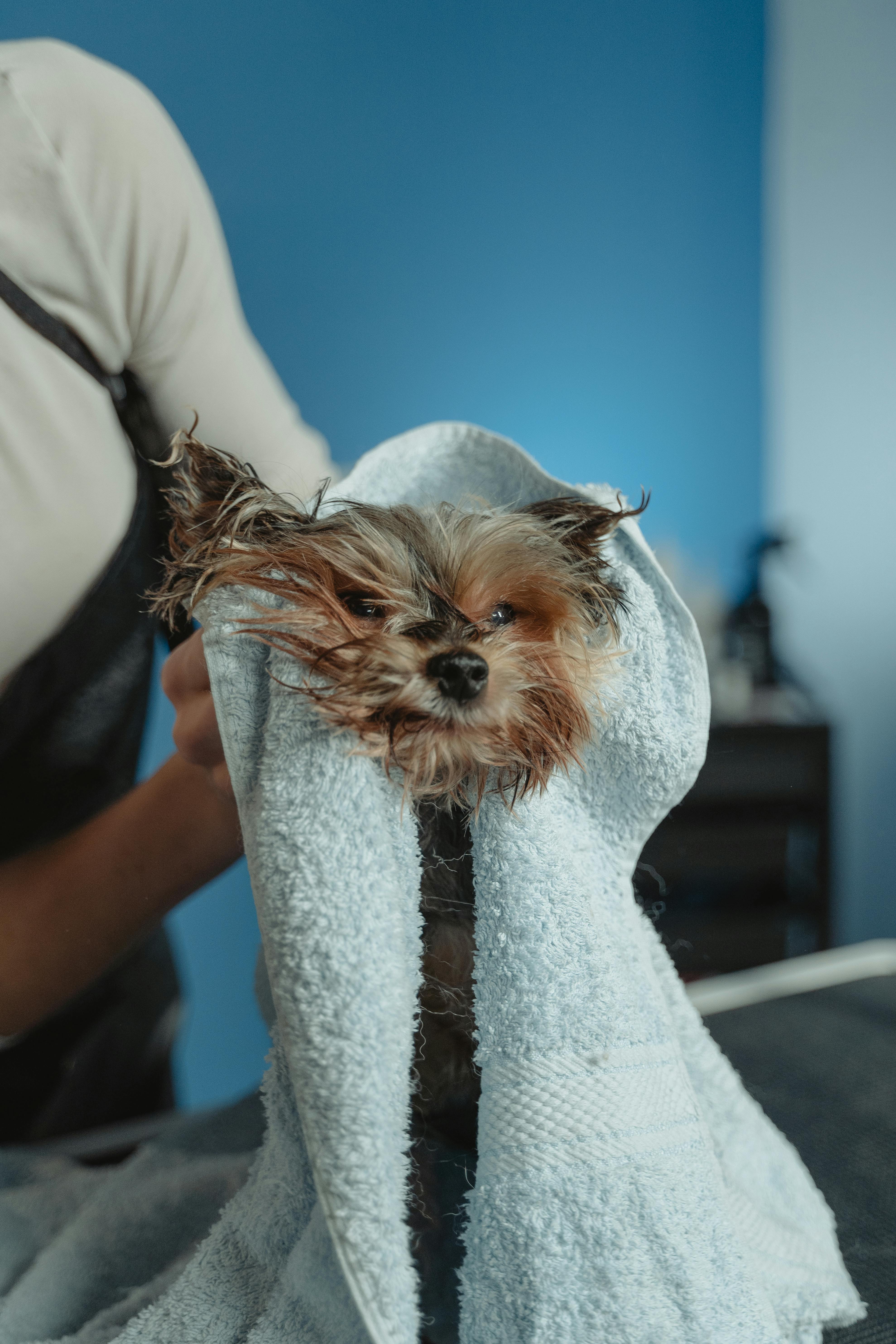
Dogs are often called man’s best friends, and if you ever wondered why they have those adorably wet noses, you’re not alone. The moistness of a dog’s nose is not just for show. It plays a crucial role in their health, perception of the world, and is rooted in their evolution. Let’s dive into this fascinating mystery of why do dogs have wet noses.
The Science Behind Wet Noses
A dog’s nose is covered with a thin layer of mucus, and it’s not just there to make them look cute. The moisture helps to enhance their sense of smell. Here’s how it works:
- Dogs have up to 300 million scent receptors in their noses, compared to humans, who only have about 6 million.
- The wetness helps to capture scent particles from the air, allowing dogs to detect smells more effectively.
- When the nose is moist, it can absorb more scent molecules, which is critical for their ability to track scents.
This ability is so important that dogs can identify and remember scents far better than humans. Imagine them sniffing out a trail left behind by a person or another animal, something that can be crucial for hunting or even search and rescue operations.
Evolutionary Perspective
Historically, the evolution of a dog’s wet nose has been linked to their ancestors, the wolves. Wolves, and other canines in the wild, rely on their sense of smell for survival. Here’s a few facts to consider:
- The moisture helps them regulate their body temperature. When they pant, the moisture evaporates, cooling them down.
- A wet nose can help them detect more scents in their environment, which is essential for finding food or avoiding predators.
- It is believed that dogs with better smelling abilities had an advantage in the wild, leading to the natural selection of this trait.
Why Do Dogs Lick Their Noses?
You might have noticed your dog frequently licking its nose. This behavior serves multiple purposes:
- Hydration: It keeps the nose moist and functioning well.
- Scent Detection: Licking helps to gather more scent molecules, enhancing their olfactory capabilities.
- Communication: Dogs also lick their noses as a calming signal when they’re feeling anxious or uncertain.
It’s fascinating how this simple action can have such a big impact on a dog’s ability to interact with its environment.
The Health Connection
A wet nose is generally a sign of a healthy dog, but there are exceptions. Here’s a table outlining what different nose conditions can mean:
| Condition | Possible Meaning |
|---|---|
| Wet & Cool | Normal, healthy dog |
| Dry & Warm | Potential fever or illness |
| Cracked or Chapped | Possible dehydration or allergies |
| Excessive Wetness | Could indicate a respiratory issue |
If you notice any significant changes in your dog’s nose, it may be worth consulting a veterinarian, as it could indicate underlying health problems.
Fun Facts About Dog Noses
- Did you know that a dog’s nose print is unique, just like a human fingerprint? This makes them potentially useful for identification!
- Dogs can smell some scents at a concentration as low as one part per trillion.
- The wetness of a dog’s nose can vary depending on the weather. For example, dogs may have drier noses in the winter than in the summer.
Summary
In summary, the wet nose of a dog is not just a cute trait but a vital aspect of their biology. It enhances their sense of smell, aids in temperature regulation, and can even indicate their health status. Understanding the reasons behind this fascinating feature can deepen the bond you have with your furry friend.
Next time you see your dog with that adorable, glistening nose, remember all the science and history behind it. It’s not just a quirk of nature; it’s a testament to the incredible evolution of dogs and their unique adaptations to the world around them. The mystery of why do dogs have wet noses is a beautiful blend of biology, behavior, and history that makes our companionship with them all the more special.
Can a Dog’s Wet Nose Indicate Illness? Unpacking the Myths
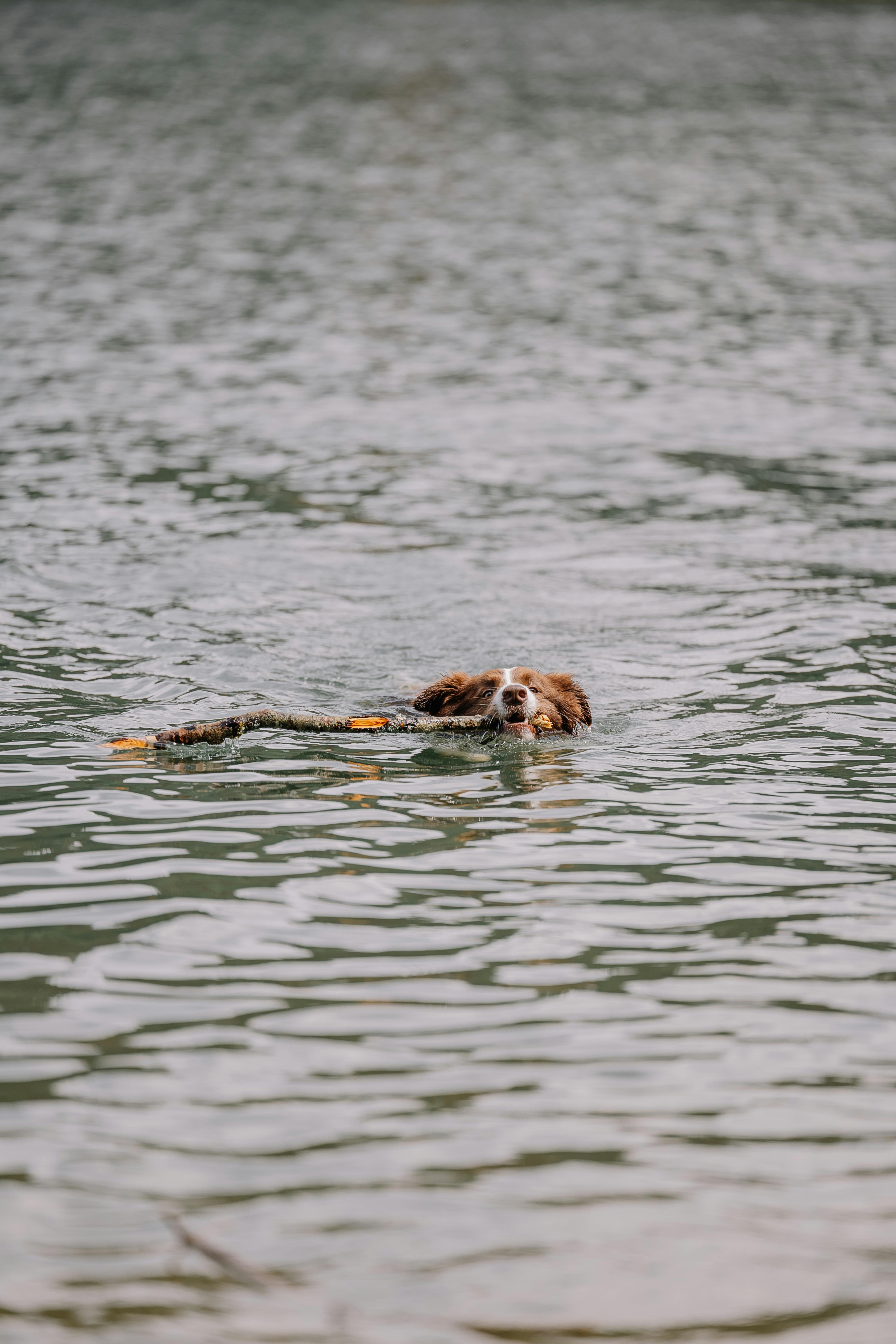
Dogs are known to be our loyal companions, and their health is often a top priority for pet owners. One common question many dog owners ask is, “Can a Dog’s Wet Nose Indicate Illness?” This question leads to a lot of myths and beliefs that often don’t hold up under scrutiny. In this article, we will unpack this notion, explore the reasons why dogs have wet noses, and clarify some misconceptions.
Can a Dog’s Wet Nose Indicate Illness?
First, let’s tackle the myth. Many people believe that a wet nose is a sign of a healthy dog, while a dry nose indicates illness. However, this isn’t always the case. The truth is that a dog’s nose can be wet or dry for various reasons, and it doesn’t necessarily mean something is wrong.
- Normal Variations: Just like humans, dogs can have different nose moisture levels depending on their environment and activity.
- Temperature and Humidity: Weather can affect how wet or dry a dog’s nose is. Hot, dry weather can lead to a drier nose, while humid conditions may cause it to be wetter.
- Health Factors: Sometimes, a dog’s nose may be dry due to dehydration or illness, but it can be wet for other reasons too, like after drinking water or after a long nap.
So, while a change in nose moisture could indicate a potential health issue, it is not a definitive sign by itself.
Why Do Dogs Have Wet Noses?
Now, you might be wondering, why do dogs have wet noses in the first place? There’s actually some fascinating science behind this phenomenon.
- Sense of Smell: A wet nose helps enhance a dog’s sense of smell. The moisture on their nose captures scent particles, making it easier for dogs to detect odors.
- Regulating Temperature: Dogs don’t sweat like humans do. Instead, they rely on their noses and panting to help regulate their body temperature. A wet nose may help cool them down.
- Communication: Dogs often use their noses to communicate with each other and with humans. A wet nose can signify excitement or a friendly demeanor.
Interesting Facts About Dog Noses
- Unique Patterns: Just like human fingerprints, every dog’s nose print is unique. This can be used for identification.
- Dogs Have More Olfactory Receptors: Dogs have about 220 million olfactory receptors, compared to humans who have around 5 million. This is one reason why their noses are so impressive.
- Nose Temperature: The temperature of a dog’s nose can vary. A cool, moist nose is often seen as a sign of good health, but it’s not the whole picture.
When to Be Concerned About Your Dog’s Nose
While a wet or dry nose isn’t a definitive indicator of health, there are certain conditions when you should definitely take a closer look.
Signs to watch for include:
- Persistent Dryness: If your dog’s nose stays dry for an extended period, it could indicate dehydration or illness.
- Cracking or Bleeding: A damaged nose may signal skin issues or infections.
- Change in Color: If your dog’s nose changes color significantly, it may require a vet check-up.
- Additional Symptoms: If your dog has a dry nose along with other symptoms like lethargy, loss of appetite, or vomiting, you should consult a veterinarian.
Dog Nose Care Tips
- Hydration: Always ensure your dog has access to fresh water to avoid dehydration.
- Regular Vet Check-Ups: Regular visits to the vet can help catch any issues before they become serious.
- Observe Behavior: Keep an eye on your dog’s overall behavior and health, not just their nose.
Comparing Wet and Dry Noses
Here’s a quick comparison to illustrate some key points:
Wet Nose:
- Often means the dog is healthy.
- Helps with smell detection.
- Can change with weather and activity levels.
Dry Nose:
- Can indicate dehydration or illness but not always.
- Might be due to environmental factors, like heat.
- Should be monitored for other symptoms if persistent.
Understanding your dog’s health goes beyond just looking at their noses. It’s important to observe their behavior, appetite, and overall health. So, while a wet nose can be fascinating, it’s just one piece of the puzzle.
Being a responsible pet owner means taking a holistic approach to your dog’s health. Always consult with a veterinarian if you have concerns about your furry friend. They can provide the best advice tailored to your dog’s specific needs, ensuring your companion stays happy and healthy for years to come.
7 Surprising Benefits of Your Dog’s Wet Nose You Never Knew About
Dogs are truly fascinating creatures and one of the most curious aspects about them is their wet noses. You might often wonder, why do dogs have wet noses? Well, it turns out there are reasons behind that wetness, and the benefits it brings are surprising! Let’s dive into this mystery and uncover 7 unexpected advantages of your dog’s wet nose.
1. Enhanced Sense of Smell
One of the primary reasons for a dog’s wet nose is to improve their sense of smell. A wet nose helps to trap scent molecules more effectively. This allows dogs to detect odors with greater accuracy. In fact, dogs have up to 300 million olfactory receptors in their noses, compared to humans who only have about 5 million.
- Dogs can identify different scents, which helps in tracking and hunting.
- Their wet noses allow them to distinguish between various smells more easily.
2. Temperature Regulation
Dogs can’t sweat like humans do. Instead, they rely on their noses to help regulate their body temperature. The moisture on a dog’s nose evaporates, which can have a cooling effect. This is especially important during hot summer days when overheating can be a concern.
- Wet noses can indicate a healthy dog temperature.
- If a dog’s nose is dry, it might be a sign of dehydration or illness.
3. Communication Tool
Believe it or not, a dog’s wet nose plays a role in communication! Dogs use their noses to express emotions and intent. A gentle nudge with a wet nose can mean affection, while a more assertive poke might signal curiosity or a desire for attention.
- Dogs greet each other by sniffing, which is part of their social behavior.
- A wet nose can also indicate excitement or happiness.
4. Health Indicator
The condition of a dog’s nose can often be an indicator of their overall health. Veterinarians frequently check a dog’s nose when assessing their well-being. A consistently wet and cool nose is a sign of a healthy pup, while a dry or cracked nose can signal potential health issues.
- Regular checks of your dog’s nose can help catch illnesses early.
- Changes in the moisture can indicate allergies or infections.
5. Hydration Indicator
Does your dog have a wet nose? It could be a sign they’re well-hydrated! A healthy dog’s nose should feel moist and cool, which indicates that they are properly hydrated. If you find that your dog’s nose is unusually dry, it might be time to encourage them to drink more water.
- Dogs should drink about 1 ounce of water per pound of body weight daily.
- Monitor your dog’s nose condition as part of their daily health check.
6. Natural Antibacterial Properties
Did you know that a dog’s nose has natural antibacterial properties? The mucus on their noses contains enzymes that help to fight off bacteria and keep their noses clean. This helps protect them from infections and diseases.
- Dogs are often less prone to nasal infections due to these natural defenses.
- Their noses can help prevent dirt and germs from entering their bodies.
7. Bonding Experience
When you pet your dog and feel their wet nose against your skin, it can create a special bonding moment. The sensation of a wet nose can be comforting and loving, promoting emotional connections between you and your furry friend.
- Dogs often nuzzle their noses as a way to show affection.
- Engaging with your dog through touch can strengthen your relationship.
Why Do Dogs Have Wet Noses?
The answer to this question is multifaceted. The wetness of a dog’s nose serves various purposes, from enhancing their sense of smell to acting as an indicator of their health. Historically, dogs have evolved to have moist noses as a survival mechanism, allowing them to better hunt and interact with their environment.
In summary, your dog’s wet nose is not just a cute feature but a crucial aspect of their health and well-being. It serves many essential functions, from improving their sense of smell to helping with temperature regulation. So, the next time you feel that cool, damp nose against your hand, remember all the surprising benefits that come with it! Embrace the mystery of your dog’s wet nose and appreciate the unique ways it contributes to their life and your shared bond.
From Temperature Regulation to Scent Detection: The Multifunctional Purpose of Wet Noses

Ever wonder why dogs have wet noses? It’s a question that has puzzled many, but the answer is more than just a quirky trait. Dogs’ noses are fascinating organs that serve multiple purposes, from temperature regulation to scent detection. Understanding the science behind these moist noses can deepen our appreciation for our furry friends.
The Science Behind Wet Noses
Dogs have wet noses due to the presence of mucous membranes that help to keep the nose moist. This moisture enhances their ability to detect scents. In fact, a dog’s sense of smell is estimated to be anywhere from 10,000 to 100,000 times more sensitive than that of humans. This incredible olfactory ability comes from the moist surface of their noses that capture scent particles more effectively.
- Moisture on the nose helps in trapping scent molecules.
- The wetness cools their body temperature, especially on hot days.
- Dogs have over 220 million scent receptors, compared to a human’s 5 million.
Temperature Regulation
One of the key functions of a wet nose is temperature regulation. Dogs don’t sweat like humans do. Instead, they primarily cool off by panting. However, their noses also play a role in this process. A wet nose can help lower a dog’s body temperature, especially when it’s hot outside.
- How it works:
- The moisture on the nose evaporates, which helps to cool the blood vessels located near the surface.
- This cooling effect can help a dog maintain a more stable body temperature.
Scent Detection
Dogs have evolved to be exceptional sniffers, and a wet nose is central to this ability. The moisture helps to capture scent particles from the air, which are then processed by the olfactory receptors. When a dog sniffs, they actually draw air into their nasal cavity, allowing the scent molecules to land on the moist surface and be absorbed.
- Scent Detection Facts:
- Different breeds have varying levels of scent detection abilities.
- Bloodhounds are particularly known for their remarkable tracking skills, thanks in part to their wet noses.
- Dogs can differentiate between different scents and even identify specific smells.
Dogs’ Noses and Health
Interestingly, a dog’s nose can also be an indicator of their health. A healthy dog often has a cool, wet nose, whereas a dry or warm nose could be a sign of illness. However, this isn’t always the case, and many factors can influence a dog’s nose condition, including:
- Environmental Factors: Hot weather, dry air, or prolonged exposure to the sun can dry out a dog’s nose.
- Hydration: Just like humans, dogs need to stay hydrated. A lack of water can lead to a dry nose.
- Health Issues: Certain conditions, such as fever or dehydration, can also result in a dry nose.
Fun Facts About Dog Noses
- Unique Patterns: Just like human fingerprints, every dog has a unique nose print. This can be used as a form of identification.
- Color Variation: Not all noses are the same color. Dog noses can be black, brown, pink, or spotted.
- Temperature Check: While not a reliable health indicator, many people believe that a warm nose means a dog has a fever, which isn’t always true.
Why Are Some Noses Dryer Than Others?
There are several reasons why some dogs have dryer noses. Some common factors include:
- Breed Characteristics: Certain breeds, like the Shar Pei, are more prone to having dry noses.
- Age: Older dogs may naturally have drier noses compared to their younger counterparts.
- Medical Conditions: Conditions like lupus or pemphigus can lead to chronic dryness.
Practical Tips for Dog Owners
To ensure your dog’s nose stays healthy and moist, consider these tips:
- Hydration is Key: Always provide fresh water to keep your dog hydrated.
- Moisturize: If your dog’s nose is persistently dry, consider a dog-safe moisturizer.
- Regular Vet Check-ups: Regular visits to the veterinarian can help catch any underlying health issues early.
Understanding why dogs have wet noses not only reveals a fascinating aspect of their biology but also highlights the unique bond we share with them. Their noses are not just cute; they are multifunctional tools that aid in survival and companionship. So next time you see your dog, take a moment to appreciate that wet nose and all the wonders it brings into your life.
Why Do Dogs Have Wet Noses? Exploring the Evolutionary Advantage

Have you ever wondered why do dogs have wet noses? This seemingly simple question hides a fascinating journey into the evolutionary advantages that wet noses provide for our canine companions. Wet noses are more than just an adorable feature; they play a crucial role in a dog’s ability to interact with the world around them. Let’s dive deeper into this intriguing mystery and explore the science behind it!
The Science of a Wet Nose
A dog’s nose is not just a cute feature; it’s a highly specialized organ. The moisture on a dog’s nose comes from a combination of saliva and mucus, which helps them in several ways:
- Enhanced Smell: Dogs have around 220 million smell receptors in their noses, while humans only have about 5 million. The wetness of their noses helps to trap scent particles, making it easier for them to detect smells.
- Thermoregulation: In dogs, wet noses help to regulate body temperature. The moisture evaporates, cooling them down, much like sweating in humans.
- Communication: A wet nose can also serve as a social tool; dogs often greet each other by sniffing. A moist nose may indicate a dog is healthy and well-hydrated.
Evolutionary Advantages
So, why do dogs have wet noses from an evolutionary perspective? The ancestors of modern dogs were highly dependent on their sense of smell for survival. Here are a few points that illustrate the evolutionary advantages of having a wet nose:
- Hunting and Foraging: Early canines used their keen sense of smell to hunt prey. A wet nose provided an advantage in detecting scents over long distances, ensuring they could find food.
- Social Interactions: Dogs have been domesticated for thousands of years, and social bonding is key to their survival. A wet nose can convey information about a dog’s emotional state and health, helping them communicate better with their pack—both human and canine.
- Environmental Adaptation: Wet noses help dogs adapt to various environments. For instance, in hot weather, moisture on the nose helps them cool down, making it easier for them to survive in hot climates.
Comparison with Other Animals
Interestingly, not all animals have wet noses. Let’s compare dogs to a few other species:
| Animal | Nose Type | Purpose |
|---|---|---|
| Dogs | Wet | Enhanced smell, thermoregulation |
| Cats | Dry | Less reliance on smell, more on sight |
| Elephants | Wet | Strong sense of smell, social interactions |
| Pigs | Wet | Foraging and rooting behavior |
This table shows that the wetness of a dog’s nose does confer certain advantages, especially when compared to other animals who might not rely as heavily on their sense of smell.
Fun Facts About Dog Noses
- Did you know that a dog’s nose print is unique, much like a human fingerprint? This means every dog has its own distinct nose pattern!
- The temperature of a dog’s nose can change depending on their health. A warm, dry nose may indicate a fever or illness.
- Dogs can actually “see” the world through their noses! The olfactory system processes smells and helps them interpret their environment.
Practical Implications for Dog Owners
Understanding why do dogs have wet noses can help dog owners provide better care for their pets. Here are a few practical tips:
- Health Check: Regularly check your dog’s nose. If it’s consistently dry or warm, consider consulting a veterinarian.
- Hydration: Keep your dog well-hydrated. A moist nose is often a sign of a healthy dog.
- Socialization: Encourage natural behaviors such as sniffing during walks. This is a way for dogs to explore their environment and engage with their surroundings.
Wrap-Up
The question of why do dogs have wet noses offers a glimpse into the complex biology and evolution of our furry friends. Their wet noses are not just cute; they are vital tools that enhance their ability to smell, communicate, and adapt to their environments. By understanding these fascinating aspects, dog owners can appreciate their pets even more and ensure they lead healthy, happy lives. So, next time you see your dog’s wet nose, remember it’s more than just a cute feature — it’s a window into their world!
How to Keep Your Dog’s Nose Healthy: Tips for Optimal Moisture Levels
Keeping your dog healthy is a priority for every pet owner, and maintaining optimal moisture levels in your dog’s nose is a key part of that. But why do dogs have wet noses? This fascinating question has intrigued pet lovers and veterinarians alike. Let’s dive into the details of why those adorable snouts are often damp and how you can ensure your furry friend’s nose stays healthy.
Why Do Dogs Have Wet Noses?
Dogs have wet noses for several reasons, and understanding these can help you appreciate your pet’s unique physiology. Here are a few main points:
Temperature Regulation: Dogs can’t sweat like humans do. Instead, they rely on their noses to help cool down. A wet nose is more effective at regulating body temperature. When a dog pants, the moisture from the nose helps to cool the air they breathe in.
Enhanced Sense of Smell: A wet nose can enhance a dog’s sense of smell. The moisture helps to trap scent particles, allowing dogs to detect various odors more effectively. This is why dogs are often trained for search and rescue or detection work.
Health Indicator: The condition of a dog’s nose can be an indicator of their overall health. A healthy dog usually has a moist and cool nose. However, if the nose becomes dry or cracked, it might signal a health issue.
How to Keep Your Dog’s Nose Healthy
Ensuring that your dog’s nose stays healthy is vital for their overall well-being. Here are some practical tips you can follow:
Hydration: Just like humans, dogs need water! Make sure your dog has access to fresh water at all times. Dehydration can lead to a dry nose, among other health issues.
Regular Vet Check-Ups: Regular visits to the veterinarian can help monitor your dog’s overall health, including their nose. If you notice any changes, like excessive dryness, bleeding, or unusual bumps, consult your vet.
Limit Sun Exposure: Dogs can get sunburned too! If your dog spends a lot of time outdoors, consider using pet-safe sunscreen on their nose, especially breeds with lighter fur.
Use a Humidifier: If you live in a dry climate or during winter months when the air is particularly dry, using a humidifier can help maintain moisture levels in your dog’s environment.
Diet: A balanced diet rich in Omega-3 and Omega-6 fatty acids can improve skin and coat health, which includes the nose. Foods like fish, flaxseed, and certain dog supplements can be beneficial.
Common Myths About Dog Noses
There are many myths that circulate about dog noses. Here are a few common ones:
A Dry Nose Means a Sick Dog: This isn’t always true. While a sudden change in the moisture level of your dog’s nose can indicate a problem, many dogs have dry noses without being sick.
Dogs Only Sweat Through Their Noses: Dogs primarily sweat through their paw pads, not their noses. The wetness helps in cooling them down, but it’s not their main cooling mechanism.
Nose Color Indicates Health: The color of a dog’s nose can vary widely by breed. A change in color can be a sign of health issues, but it’s not a definitive indicator on its own.
Maintaining Optimal Moisture Levels
To ensure your dog’s nose remains moist, consider these additional practices:
Regular Grooming: Keeping your dog well-groomed helps reduce skin issues. Regular brushing can distribute natural oils, which is good for the nose too.
Monitor for Allergies: Allergies can cause nasal dryness. If your dog frequently scratches or shows signs of discomfort, it might be worth checking for allergens in their environment.
Seasonal Care: Be extra cautious during extreme weather. Cold winter months can dry out your dog’s nose, while summer heat can cause burns.
Quick Tips at a Glance
- Keep fresh water available.
- Schedule routine vet visits.
- Apply sunscreen for outdoor dogs.
- Use a humidifier in dry conditions.
- Feed a balanced diet with healthy fats.
Understanding why dogs have wet noses and how to keep them healthy is essential for every dog owner. With these tips, you can help ensure that your furry friend maintains optimal moisture levels in their nose, enhancing their quality of life and well-being. Keeping an eye on these factors not only supports their health but also deepens the bond you share with your beloved pet.
Conclusion
In conclusion, the wet noses of dogs serve several important functions that contribute to their overall health and well-being. A moist nose plays a crucial role in enhancing their sense of smell, allowing dogs to detect scents more effectively by trapping odor molecules. Additionally, the wetness helps regulate their body temperature, functioning as a natural cooling mechanism. While the moisture is often a result of their natural physiology, it is also influenced by environmental factors and their activity levels. Understanding the significance of a dog’s wet nose not only enriches our appreciation for these beloved pets but also encourages us to monitor their health. If you notice any unusual changes in your dog’s nose or overall behavior, consult a veterinarian to ensure their well-being. Embrace the wonder of your furry friend’s unique features, and remember to give them an extra scratch behind the ears!
