
Have you ever wondered why do dogs have wet noses? It’s a question that sparks curiosity among pet lovers and dog owners alike! The fascinating reasons behind this unique canine trait are not just interesting but also vital for understanding your furry friend better. Dogs’ noses are often wet, but have you thought about what that means for their health and behavior? This intriguing phenomenon serves multiple purposes, from enhancing their sense of smell to regulating body temperature. Wet noses are a sign of a healthy dog, but why exactly is that? Could the moisture on their noses be a secret superpower that helps them interact with the world around them? Join us as we delve into the science and secrets of dog nose moisture. You’ll discover how these adorable companions use their wet noses to communicate and explore their environment like never before. Don’t miss out on understanding this remarkable aspect of your pet’s biology—read on to uncover the truth!
The Science Behind Dog Noses: Why Are They Always Wet and What It Means for Their Health

The wet nose of a dog is not just a cute feature; it’s an essential part of their biology and health. Many people wonder why do dogs have wet noses, and what does it mean for their overall well-being. This article will dive into the fascinating science behind dog noses, exploring why they are always moist and what implications it has for their health.
The Biology of a Dog’s Nose
Dogs have highly developed sense of smell, which is about 10,000 to 100,000 times more sensitive than humans. Their noses are equipped with millions of olfactory receptors—around 220 million compared to a human’s 5 million. But wet noses are not just for show; they serve crucial functions in the dog’s sensory system.
- Moisture Helps Trap Smells: The wetness of a dog’s nose helps to trap scent particles in the air. This moisture allows the olfactory receptors to detect smells more accurately and effectively.
- Regulating Temperature: Dogs do not sweat like humans do. Their noses help cool their body temperature. When a dog pants, moisture evaporates from the nose, which helps in regulating their body heat.
- Health Indicator: A dog’s nose can indicate their health status. A warm or dry nose can signal illness, while a wet and cool nose typically means they are healthy.
Why Are Dog Noses Wet?
There are several reasons why dog noses are always wet, and these reasons are rooted in their anatomy and evolutionary adaptations.
- Mucus Production: Dogs’ noses produce mucus to keep the surface moist. This mucus is important because it captures scent particles from the environment. The more moisture, the better the scent detection.
- Environmental Factors: A dog’s nose can become wetter in humid conditions or after they’ve been drinking water. This is normal and helps enhance their sense of smell.
- Behavioral Traits: Dogs often lick their noses. This behavior not only keeps their noses moist but also aids in cleaning off any debris or foreign particles that may obstruct their sense of smell.
The Role of a Wet Nose in Dog Health
Wet noses can be a sign of good health, but it’s important to know the signs of potential problems. Here are some things to look out for:
- Signs of Illness: If a dog’s nose is excessively dry, warm, or cracked, it may indicate dehydration or fever. Other signs of illness can include lethargy, loss of appetite, or vomiting.
- Nasal Discharge: If there’s a discharge that’s green or bloody, it could indicate a more serious health issue, like an infection. Always consult a veterinarian if you notice these symptoms.
- Changes in Moisture: If a dog’s nose suddenly becomes dry or excessively wet, it may be a clue that something is wrong with their health.
Fascinating Facts About Dog Noses
To appreciate the uniqueness of dog noses even more, here are some intriguing facts:
- Unique Patterns: Just like human fingerprints, every dog has a unique nose print. This uniqueness can be used for identification purposes.
- Temperature Regulation: Dogs’ noses are not just for smelling; they play a role in thermoregulation, helping to cool down their body when they become too hot.
- Scent Memory: Dogs can remember scents for years. This olfactory memory allows dogs to recognize familiar smells even after a long period.
- Nasal Turbinates: The complex structure of the nasal cavity contains turbinates that help increase the surface area for scent detection.
Practical Tips for Dog Owners
As a dog owner, understanding the importance of your dog’s nose can help you ensure their health. Here are a few practical tips:
- Regular Vet Check-ups: Ensure your dog has regular health check-ups. This can help catch any issues with their nose or overall health early.
- Hydration: Keep your dog hydrated. Ensure they have access to fresh water at all times to prevent dehydration.
- Observe Changes: Be vigilant about any changes in your dog’s nose. Note any differences in moisture, temperature, or texture and consult with a vet if needed.
Understanding why do dogs have wet noses and what it means for their health can equip dog owners with the knowledge needed to ensure their furry friends are healthy and happy. From aiding in their extraordinary sense of smell to indicating their health status, a dog’s wet nose is an incredibly fascinating aspect of canine biology. So the next time you see your dog’s wet nose, remember that it’s not just a cute feature—it’s a window into their health and well-being.
Top 5 Fascinating Reasons Dogs Have Wet Noses: More Than Just a Cute Feature
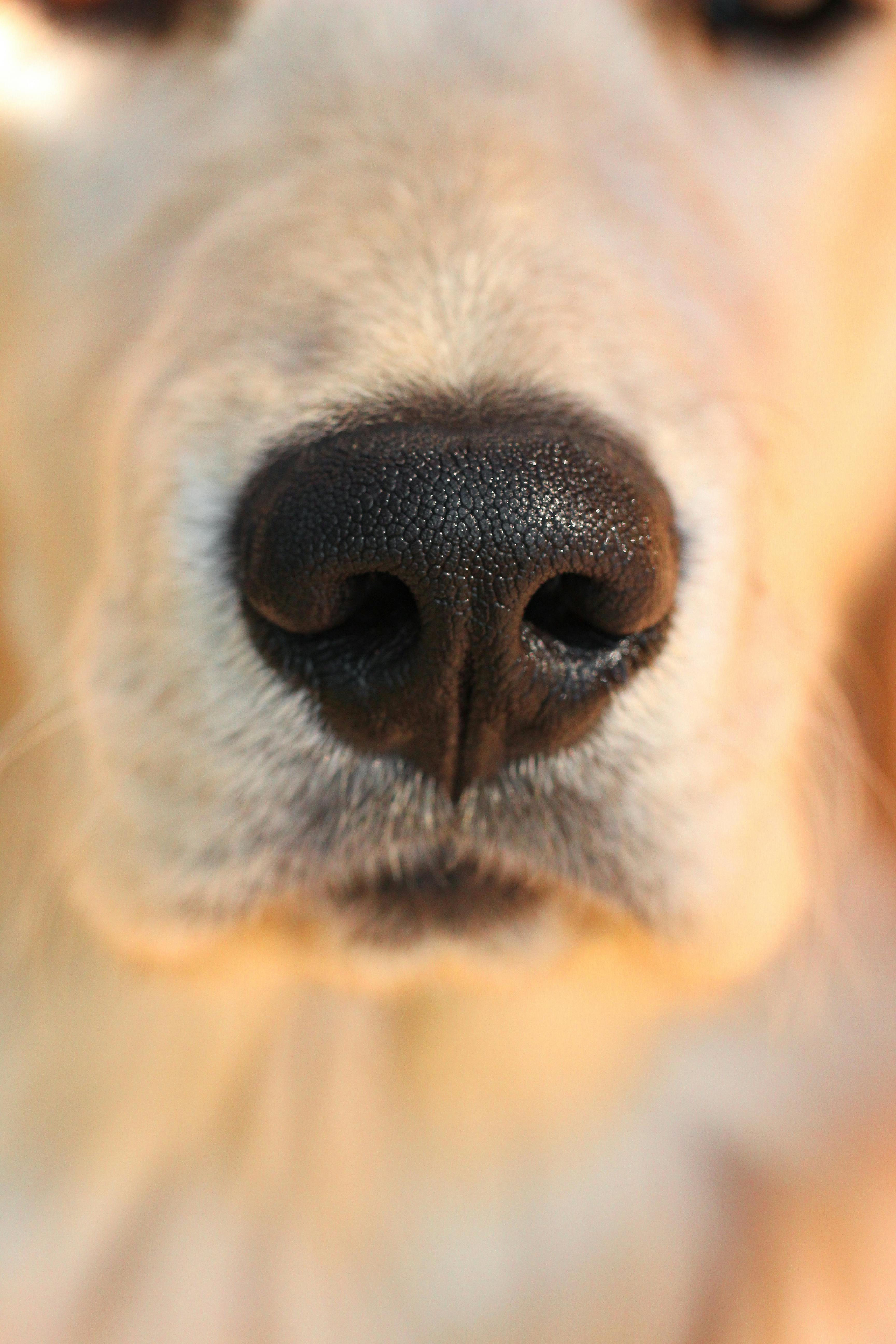
Dogs are often known as man’s best friend, but have you ever wondered about their wet noses? It’s not just a cute feature; there are real reasons behind this unusual characteristic. In this article, we gonna explore the top five fascinating reasons dogs have wet noses. You might be surprised to learn just how significant this trait is for our furry companions. So let’s dig in!
1. Enhanced Sense of Smell
One of the main reasons why dogs have wet noses is because it helps them to smell better. Dogs have an incredible sense of smell, which is about 10,000 to 100,000 times more sensitive than humans. The moisture on their noses helps to capture scent molecules from the air. When the nose is wet, it absorbs these chemicals, making it easier for dogs to analyze scents.
- Moisture accumulates scent particles
- Wet noses help detect pheromones
- Helps in communication with other dogs
2. Temperature Regulation
Dogs don’t sweat like humans do. They primarily rely on panting and their wet noses to regulate body temperature. The moisture on a dog’s nose can evaporate, which helps cool them down. This is especially important during hot weather or after exercise.
- Dogs sweat through their paw pads, but not effectively
- Wet noses can cool down faster than dry ones
- Helps maintain a stable body temperature
3. Health Indicator
A dog’s nose can actually tell you a lot about their health. A wet, cool nose is often a sign of a healthy dog, while a dry or warm nose might indicate something’s wrong. However, it’s not a foolproof method, but it can be a good general indicator.
- Wet and cool nose = healthy dog
- Dry and warm nose can signal illness
- Always consult a vet for accurate health assessments
4. Social Interaction
Dogs use their noses for social interactions, both with humans and other dogs. A wet nose can be a friendly gesture, a way of greeting or sniffing out each other’s scents. It’s how they communicate their emotions and intentions.
- Dogs greet each other with sniffs
- Wet noses can indicate curiosity or affection
- Helps establish social hierarchies among dogs
5. Evolutionary Trait
The wet nose is an evolutionary trait that has developed over thousands of years. It’s believed that having a wet nose was advantageous for early canines, helping them to hunt and survive. As dogs have evolved alongside humans, this trait has remained.
- Wet noses helped ancestors in hunting
- Evolution favored dogs with enhanced scent ability
- Still relevant for modern dogs in their hunting instincts
Fun Facts About Dogs’ Noses
- A dog’s nose print is unique, just like a human fingerprint!
- Dogs have more than 300 million scent receptors, while humans have about 5 million.
- The size and shape of a dog’s nose can affect its ability to smell.
- Puppies are born with a pink nose that usually darkens as they grow.
Comparison: Dog Noses vs. Human Noses
| Feature | Dog Noses | Human Noses |
|---|---|---|
| Scent Receptors | 300 million+ | 5 million |
| Temperature Control | Primary method | Secondary (via sweating) |
| Unique Prints | Yes | Yes |
| Wetness | Typically wet | Typically dry |
Practical Examples of Dog Nose Care
Taking care of your dog’s nose is important for their health and comfort. Here are some tips:
- Keep their environment clean to avoid infections.
- Use dog-safe moisturizers if their nose gets too dry.
- Regular vet check-ups can help monitor any changes in the nose condition.
Understanding why dogs have wet noses gives us greater insight into their health and behavior. It’s not just an adorable quirk; it serves multiple functional purposes that are vital to their well-being. Next time you see your dog, take a moment to appreciate that wet nose — it’s more than just a cute feature; it’s a remarkable tool that helps them navigate the world around them.
Do Wet Noses Indicate a Healthy Dog? Unveiling the Truth About Your Furry Friend
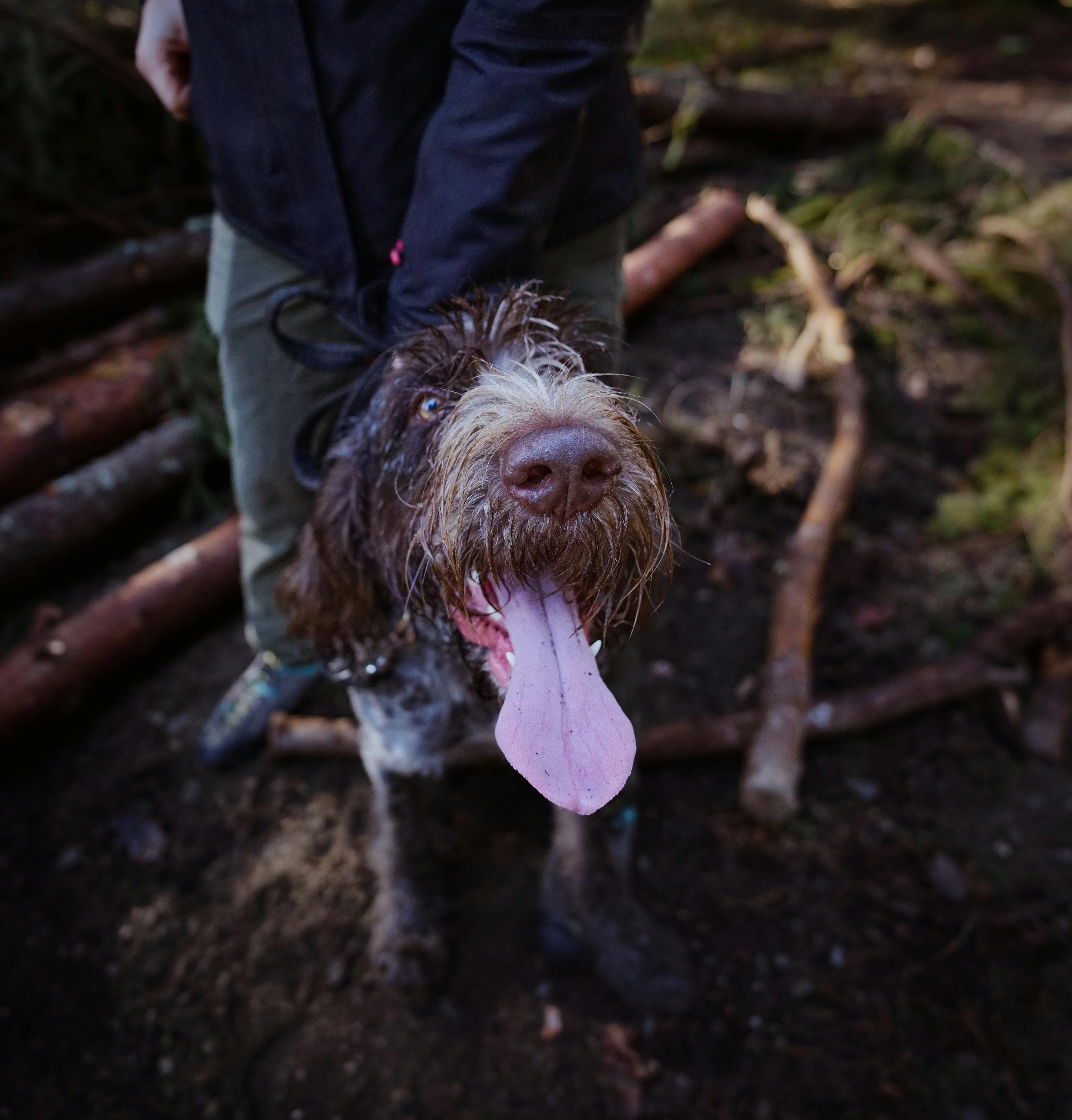
When you have a dog, you probably often wonder about their health and well-being. One of the most common signs pet owners look for is whether their dog’s nose is wet or dry. So, do wet noses indicate a healthy dog? Well, let’s dive into this wet-nosed mystery and explore the fascinating reasons behind why dogs have wet noses.
The Wet Nose Phenomenon
Dogs noses are often cool and moist, but why is that? There are several reasons for this curious trait:
- Temperature Regulation: Dogs don’t sweat like humans do. Instead, they rely on their noses and paw pads to help cool themselves down. A wet nose helps them regulate their body temperature effectively.
- Enhanced Scent Detection: Dogs have an incredible sense of smell, which is thousands of times more powerful than humans. A wet nose helps to capture scent particles more efficiently, allowing them to detect odors better. Wetness increases the surface area and helps to absorb more smells.
- Health Indicator: While a wet nose can be a sign of good health, it is not the only indicator. A dog can have a wet nose and still be sick, but it’s often associated with hydration and proper functioning of the body.
Why Do Dogs Have Wet Noses?
To understand the reasons behind a dog’s wet nose, let’s take a look at some interesting facts:
- Nature’s Design: Dogs noses are naturally designed to be moist. This moisture comes from the mucus that is secreted by glands in the nose. The moisture helps to trap particles and odors, making it easier for dogs to smell.
- Behavioral Aspects: Dogs often lick their noses. This behavior not only keeps their noses moist but also helps to clean off any dirt or debris they may have picked up.
- Environmental Factors: The weather can also affect a dog’s nose. For example, in dry weather, a dog’s nose may become drier. Conversely, after rainfall, noses tend to be wetter.
Common Myths About Wet Noses
There are many myths surrounding wet noses. Here are a few:
- Myth #1: A Wet Nose Equals Health: While a wet nose is often seen as a sign of a healthy dog, it isn’t the definitive measure. A dog with a dry nose can still be healthy, while a wet nose doesn’t guarantee good health.
- Myth #2: Temperature of the Nose: Many people believe that a cold nose indicates a sick dog. However, temperature can vary due to many factors, including activity level and environment.
- Myth #3: All Dogs Have Wet Noses: Not all dogs have the same nose moisture level. Some breeds, like Bulldogs, often have drier noses due to their physical structure.
What to Watch For
It’s crucial to pay attention to your dog’s overall health rather than just focusing on their nose. Here’s what to consider:
- Behavior Changes: Is your dog more lethargic than usual? Do they not want to eat? Changes in behavior can be a key sign of health issues.
- Nose Condition: Is the nose cracked or bleeding? A dry, cracked nose may indicate dehydration or other health issues.
- Other Symptoms: Look out for any vomiting, diarrhea, or coughing. These can be more telling than just a dry nose.
When to Seek Veterinary Advice
If you notice any significant changes in your dog’s nose, or if they exhibit other concerning symptoms, it may be wise to consult a veterinarian. Here are some signs that should prompt a vet visit:
- Persistent dry nose that doesn’t improve
- Crusty or bleeding noses
- Nasal discharge that is green or yellow
- Excessive licking or pawing at the nose
Final Thoughts
In conclusion, while a wet nose can often be associated with a healthy dog, it is not the only indicator of good health. Dogs have wet noses for several reasons including temperature regulation and enhanced scent detection. It’s crucial for pet owners to observe their furry friends holistically. Monitoring behavioral changes, overall condition, and any other symptoms is the best way to ensure your dog stays healthy. So next time you check your dog’s nose, remember—it’s just one piece of the entire health puzzle!
How a Dog’s Wet Nose Enhances Their Sense of Smell: The Surprising Connection
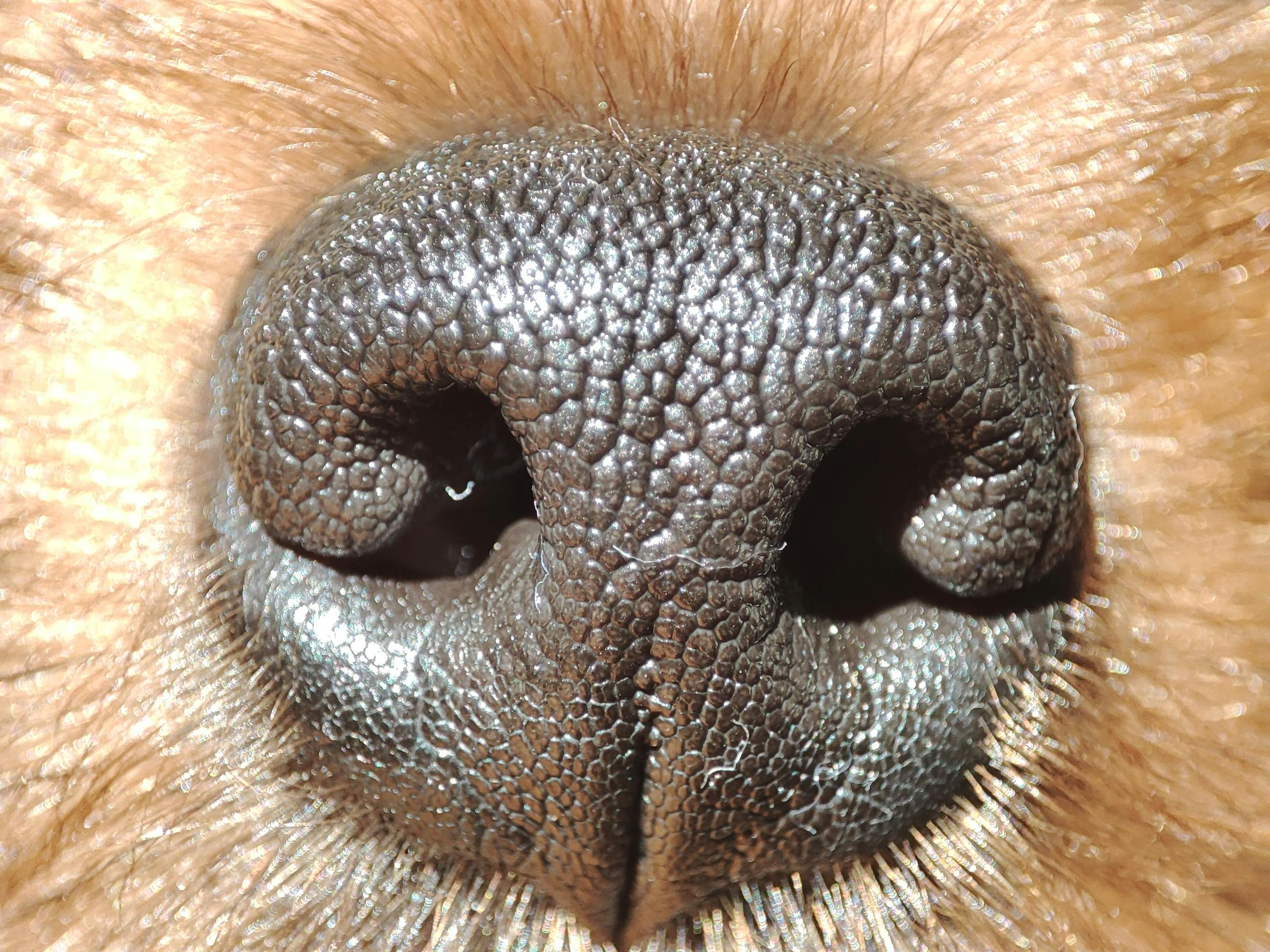
Dogs have long fascinated us with their incredible abilities and unique characteristics. One of the most intriguing features is their wet noses. You might wonder, why do dogs have wet noses? Well, there’s a surprising connection between a dog’s wet nose and their extraordinary sense of smell. Let’s dive into the fascinating reasons behind this phenomenon and explore how it enhances their olfactory powers.
The Science Behind a Wet Nose
First off, a dog’s nose is not just for show. It’s a complex organ packed with olfactory receptors. In fact, dogs have about 220 million olfactory receptors compared to humans, who only have about 5 million. This gives dogs a sense of smell that is up to 100,000 times more sensitive than ours. Isn’t that mind-blowing?
The wetness of a dog’s nose plays a crucial role in this heightened sense of smell. But how? Well, when a dog’s nose is moist, it helps to dissolve scent particles in the air. This means that they can detect smells much better. The moisture also helps to cool the dog’s body, as dogs don’t sweat like humans do. Instead, they rely on panting and their wet noses to regulate their temperature.
Why Are Dog Noses Wet?
Here’s a list of reasons why dogs have wet noses:
- Scent Detection: Wet noses capture scent particles more effectively.
- Temperature Regulation: Wetness helps cool down their body.
- Communication: Dogs use their noses to gather information about their surroundings and other animals.
- Health Indicator: A wet nose can indicate good health, while a dry nose might suggest dehydration or illness.
The Importance of Smell in Dogs
Dogs rely heavily on their sense of smell for various reasons. Here are some key points about how smell affects a dog’s life:
- Hunting and Tracking: Many dog breeds, like Bloodhounds, are trained to track scents over long distances, which is essential for hunting and search-and-rescue operations.
- Social Interaction: Dogs greet each other by sniffing, which allows them to gather information about each other, like age, health, and mood.
- Detection Work: Dogs are used in law enforcement and the military for sniffing out drugs, explosives, and even certain medical conditions like diabetes or cancer.
The Evolutionary Perspective
From an evolutionary standpoint, the wet nose of a dog is a trait that has developed over centuries. Ancestors of modern dogs needed strong olfactory senses for survival, whether that be for finding food or avoiding predators. This evolutionary trait has been passed down through generations, making the dog’s sense of smell a vital part of their existence.
Fun Facts About Dog Noses
- Did you know each dog’s nose print is unique? Just like human fingerprints, a dog’s nose has its own distinctive pattern that can be used for identification.
- The color of a dog’s nose can vary. Some dogs have black noses, while others have brown or even spotted noses. The color does not affect their sense of smell.
- Dogs can even detect certain diseases through smell. For example, some dogs have been trained to sniff out cancer in humans.
Keeping Your Dog’s Nose Healthy
To ensure your dog’s nose stays healthy and wet, consider the following tips:
- Hydration: Always provide fresh water for your dog. Dehydration can lead to a dry nose.
- Regular Vet Check-ups: Routine check-ups can help catch any potential health issues early.
- Proper Nutrition: A balanced diet is essential for overall health, including your dog’s nose.
The Mystique of Dog Noses
The connection between a dog’s wet nose and their sense of smell is truly remarkable. When you see your furry friend sniffing around curiously, remember that they are experiencing the world in a way we can only imagine. Their wet noses are not just a cute feature; they are an essential tool that enhances their ability to explore and understand their environment.
So next time you wonder why do dogs have wet noses, think about all the incredible ways this simple characteristic impacts their lives. The wetness is not just for keeping things cool; it’s a vital aspect of how our canine companions interact with the world around them. Embracing the uniqueness of dogs helps us appreciate them even more.
The Role of Wet Noses in Dog Communication: What Your Pup Is Trying to Tell You
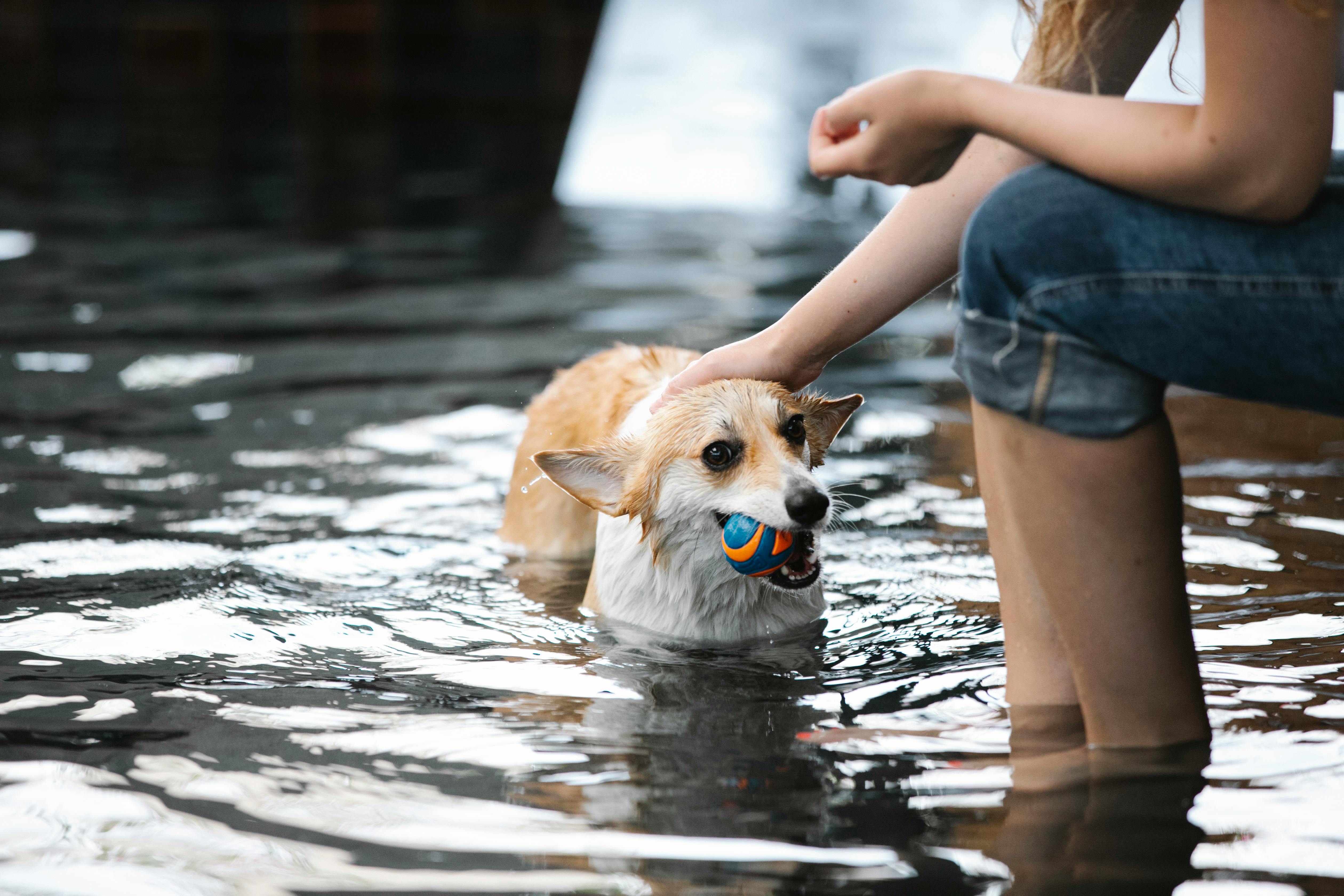
Dogs are often known for their playful natures and loyalty, but have you ever thought about what their wet noses really mean? You probably noticed it when your pup greets you with a wet snout, but there’s more to it than just a little moisture. In fact, understanding why dogs have wet noses can reveal fascinating insights into their communication and health. Let’s dive into the intriguing world of dog noses and what the wetness might be telling us!
Why Do Dogs Have Wet Noses?
The first thing you might want to know is that a dog’s nose is not just for sniffing. It plays a crucial role in how they experience the world. Here are some reasons why dog noses are typically wet:
- Enhanced Scent Detection: Dogs have an extraordinary sense of smell, and a wet nose helps to trap scent particles. The moisture on their noses captures smells from the environment, which enhances their ability to detect scents. It’s like having a sponge for smells!
- Cooling Mechanism: Just like humans sweat to cool down, dogs also use their noses to help regulate body temperature. When they lick their noses, the evaporation of moisture can help them cool off.
- Health Indicator: A dog’s nose can be an indicator of their health. A consistently dry or warm nose may signal an issue, while a wet nose is often a sign of a happy and healthy pup.
The Science Behind Wet Noses
So, ever wonder how a wet nose actually works? It’s all about the physiology. Dogs have special glands in their noses that produce mucus, which keeps the surface moist. This moisture not only helps with scent detection but also keeps the nose cool. The nasal structure itself is highly vascularized, meaning it has many blood vessels, which contributes to the overall wetness.
What Your Dog Is Trying to Tell You
Dogs communicate in many ways, and their wet noses are just one part of their expressive toolkit. Here are some signs your dog might be showing with their nose:
- Affection: When your dog nudges you with their wet nose, it often means they’re seeking attention or affection. It’s their way of saying, “Hey, notice me!”
- Curiosity: A dog’s nose is their primary sensory organ. When they sniff around with a wet nose, they’re gathering information about their surroundings. It’s like reading a book about the environment!
- Hunger or Wanting Play: Sometimes, a wet nose can signify that your dog is ready to eat or play. They might come up to you and boop your leg with their nose to signify it’s time for dinner or a game of fetch.
Wet Nose Myths and Facts
There are so many myths about dog noses floating around. Here’s a rundown of some common misconceptions and the truths behind them:
Myth: A warm nose means a dog is sick.
- Fact: A dog’s nose temperature can vary throughout the day. It’s not a reliable health indicator.
Myth: Dogs have wet noses because they lick them all the time.
- Fact: While licking helps maintain moisture, the wetness comes partly from the glands in their noses.
Practical Tips for Nose Health
Keeping your dog’s nose healthy is important as it can reflect their overall health. Here’s what you can do:
- Regular Vet Check-ups: Routine vet visits can help catch any health issues early.
- Hydration: Ensure your dog has access to fresh water. Hydration is key to keeping their nose moist.
- Watch for Changes: Keep an eye on your dog’s nose for any significant changes—dryness, cracking, or unusual discharge can be signs of health problems.
In Summary
Understanding why dogs have wet noses and what they might be communicating can enrich your relationship with your furry friend. It’s more than just a cute feature—it’s a window into their world, revealing their emotions, health, and needs. Next time your pup greets you with that familiar wet snout, remember all the fascinating reasons behind it! Embrace the quirks of dog communication, and you’ll find that every boop of a wet nose carries a message worth paying attention to.
From Temperature Regulation to Health Indicators: 7 Amazing Facts About Dog Noses
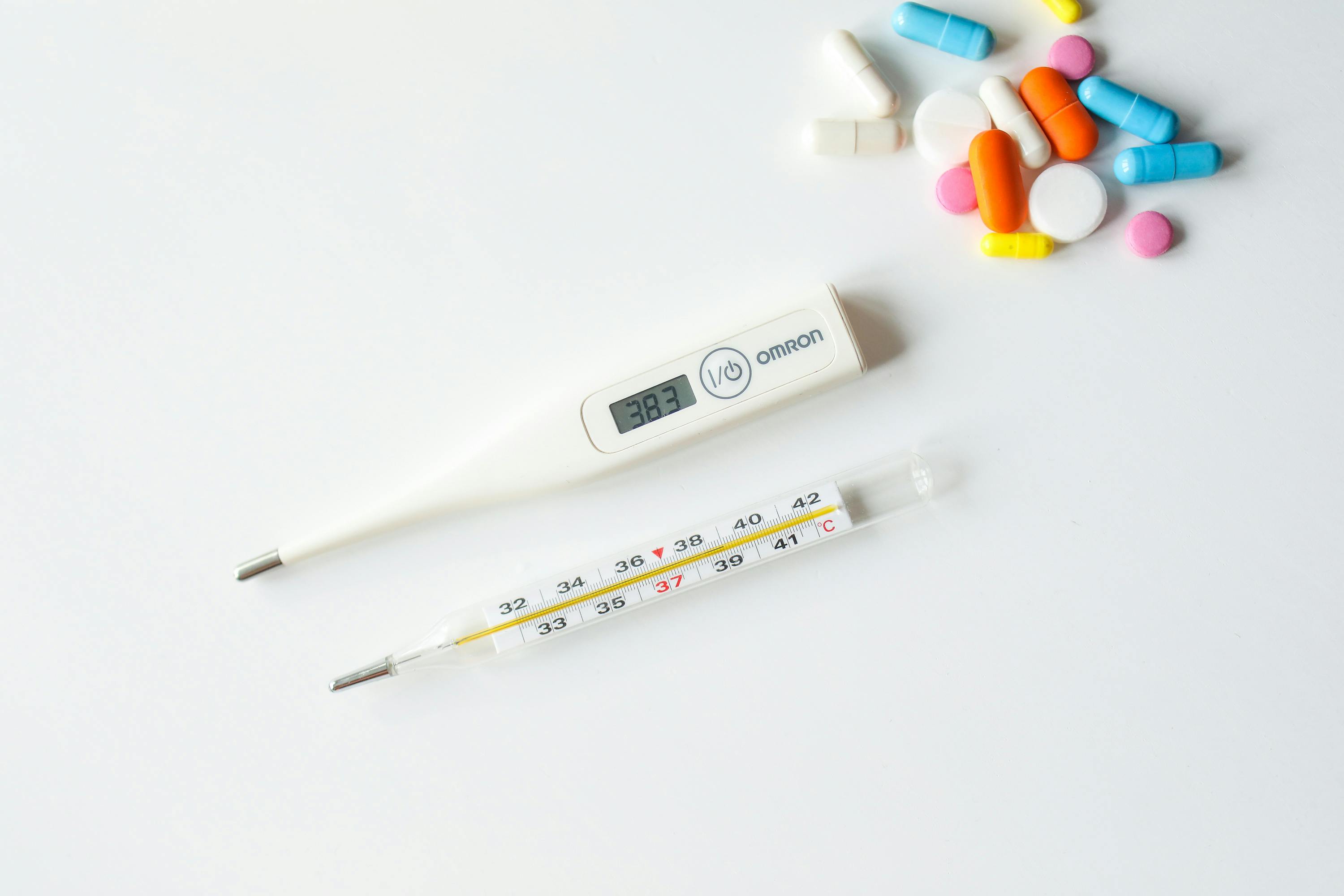
Dogs are one of the most beloved pets around the world, and their noses are one of the most fascinating aspects of their biology. Have you ever wonder why do dogs have wet noses? Well, there’s actually science behind it! Explore these seven amazing facts about dog noses that reveal why your furry friend has that signature wet snout.
1. Temperature Regulation
One of the primary reasons why dogs have wet noses is to help them regulate their body temperature. Just like humans sweat to cool down, dogs rely on their noses for some of that process. When a dog licks their nose, it creates moisture that helps to cool the blood vessels just beneath the skin. Now, this is not the only way they cool down, but it sure helps!
2. Enhanced Sense of Smell
Dog noses are super sensitive, and their wetness plays a role in this. The moisture on their noses helps to capture scent particles from the air. When a dog sniffs, the moisture mixes with these particles, making it easier for their olfactory receptors to pick up on different smells. Did you know that a dog’s sense of smell is 10,000 to 100,000 times more sensitive than a human’s? That’s pretty impressive!
3. Health Indicators
A wet nose can also be an indicator of a dog’s health. Typically, a healthy dog have a cool and moist nose. However, if a dog’s nose becomes dry or warm, it might be a sign of illness or dehydration. Though it’s not a definitive measurement, observing your dog’s nose can provide you with clues about their overall health.
4. Communication Tool
Dogs use their noses to communicate, too! They often sniff each other as a way of saying hello or gathering information about their surroundings. When a dog meets another dog, they’ll often engage in a lengthy sniffing session. This behavior is normal and helps dogs to learn about one another, their mood, and even what they’ve been eating!
5. Protective Function
A dog’s nose helps protect their airways, too. The wetness on their nose can trap dust, pollen, and other allergens, preventing them from being inhaled. This is particularly useful for dogs that may spend a lot of time outdoors or have allergies. So, a wet nose isn’t just cute; it’s functional, too!
6. Variability in Nose Texture
The texture of a dog’s nose can vary significantly from breed to breed. Some dogs have smooth noses while others have rough or bumpy textures. This is due to the presence of unique skin patterns and the amount of pigment in their noses. For instance, a Boxer typically has a smoother nose compared to a Bulldog, which has a more textured one.
Here’s a quick comparison:
| Breed | Nose Texture | Notes |
|---|---|---|
| Labrador | Smooth | Very common breed |
| Bulldog | Bumpy | Short snout, distinct look |
| Dachshund | Smooth | Long nose, playful breed |
7. Wet Nose Myths
Over time, various myths have developed around dogs’ noses. One common myth is that a dog with a dry nose is sick. While it can be a sign, it’s not a rule! Many healthy dogs have dry noses, and many sick dogs have wet noses. It’s important to consider other symptoms and consult a veterinarian if you’re worried about your dog’s health.
- Myth: A warm nose indicates a fever.
- Fact: Nose temperature doesn’t always correlate with health.
- Myth: Dogs can’t sweat, only pant.
- Fact: They sweat a little through their paw pads, but their nose is more crucial for cooling.
Dogs’ noses are not just cute features; they serve multiple essential functions. From helping with temperature regulation to acting as communication tools, the wetness of a dog’s nose is a key aspect of their health and behavior. So next time you cuddle with your furry friend and feel that wet nose against your skin, remember there’s a lot more going on than just a simple greeting. It’s a world of fascinating biology in that little snout!
Why Your Dog’s Nose Changes Throughout the Day: Understanding This Common Phenomenon
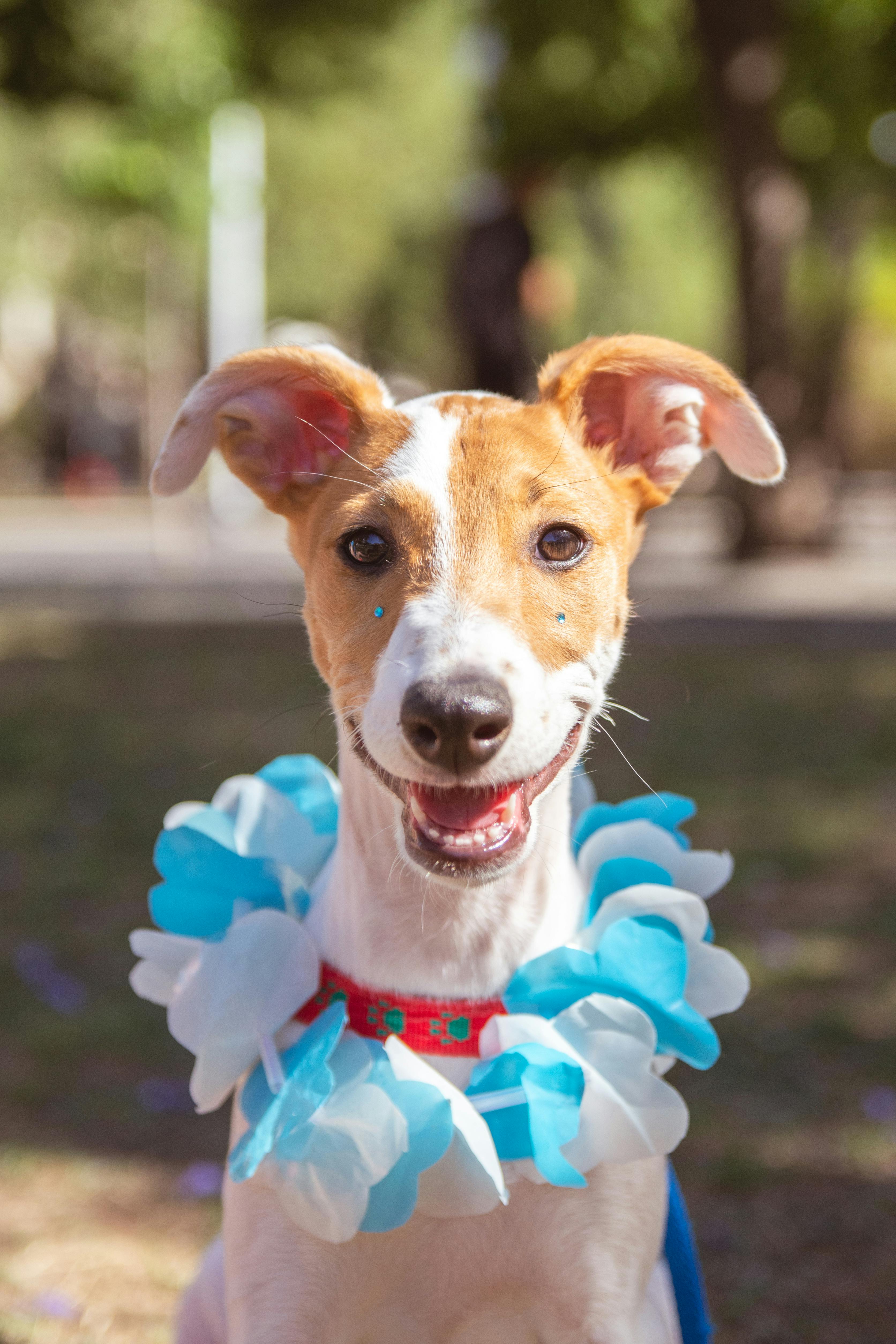
Have you ever noticed how your dog’s nose seems to change throughout the day? One minute it’s wet and cold, and then it’s dry and warm. This common phenomenon can leave many dog owners scratching their heads, wondering just what’s going on. Not only does this change in your dog’s nose perplex many pet parents, but it also leads to questions like, “Why do dogs have wet noses?” Let’s dive into this fascinating topic and unravel the mysteries behind those adorable snouts.
The Science Behind a Dog’s Nose
Dogs are known for their incredible sense of smell. Their noses are not just for show; they play a vital role in their ability to perceive the world. A dog’s nose has a very complex structure, with thousands of olfactory receptors that help them detect scents. The wetness of a dog’s nose actually helps enhance their sense of smell. Here’s how:
- Moisture Retention: A wet nose traps tiny scent particles, making it easier for dogs to sniff things out.
- Temperature Regulation: The moisture also helps cool down their bodies, similar to how sweating works in humans.
- Enhanced Sensitivity: The wet surface allows for better scent absorption, which amplifies their ability to detect different odors.
Why Do Dogs Have Wet Noses?
You might wonder, why are dog noses wet in the first place? There are several reasons why this is the case:
- Physiological Needs: Dogs have a special gland in their noses that produces mucus, which keeps their noses moist.
- Scent Detection: As mentioned earlier, a wet nose helps dogs to smell more effectively. It’s like a sponge for scents!
- Thermoregulation: Dogs can’t sweat like humans do, so their noses help to regulate body temperature.
- Health Indicator: A healthy dog usually has a moist nose. A dry nose, however, could indicate dehydration or illness.
The Daily Changes in Your Dog’s Nose
Now, let’s talk about why your dog’s nose changes throughout the day. Many factors influence its moisture level, including:
- Weather Conditions: On hot days, your dog might have a drier nose, while cooler weather keeps it moist.
- Activity Level: If your dog has been playing or exercising, their nose might be drier than usual.
- Hydration Status: If your dog isn’t drinking enough water, their nose can become dry.
- Time of Day: Just like humans, dogs can experience variations based on their daily routines.
What to Look For: Healthy vs. Unhealthy Nose
It’s important to know the signs of a healthy nose compared to an unhealthy one. Here’s a quick comparison:
| Healthy Nose | Unhealthy Nose |
|---|---|
| Moist and cool | Dry or excessively warm |
| Pink and smooth | Cracked or scabby |
| Normal color | Discoloration (brown spots) |
| Active sniffing | Lack of interest in smells |
Common Misconceptions
There are also several myths surrounding dog noses that deserve some attention:
Myth 1: A warm nose means your dog is sick.
Truth: A dog’s nose temperature can vary for many reasons, including the environment and their level of activity.Myth 2: All dogs have wet noses.
Truth: Some breeds have naturally drier noses, and that’s perfectly normal!Myth 3: A dry nose means a dog is dehydrated.
Truth: While it can be an indicator, it’s not the only sign of hydration. Always check their gums and overall behavior.
Practical Tips for Dog Owners
Here are some practical tips for keeping your dog’s nose healthy:
- Regular Hydration: Ensure your dog always has access to fresh water, especially during hot days.
- Observe Changes: Keep an eye on your dog’s nose. If you notice significant changes or discomfort, consult your vet.
- Grooming: Regular grooming can help keep your dog’s nose clean and healthy.
Your dog’s nose is a fascinating part of their anatomy, and understanding why it changes throughout the day can deepen your bond with your furry friend. The next time you notice your dog’s nose feeling different, you’ll know that it’s all part of their unique biology and daily experiences. Embrace the quirks of your canine companion, and enjoy every wet-nosed moment!
Wet Nose, Happy Dog? Exploring the Emotional Benefits of a Dog’s Moist Snout
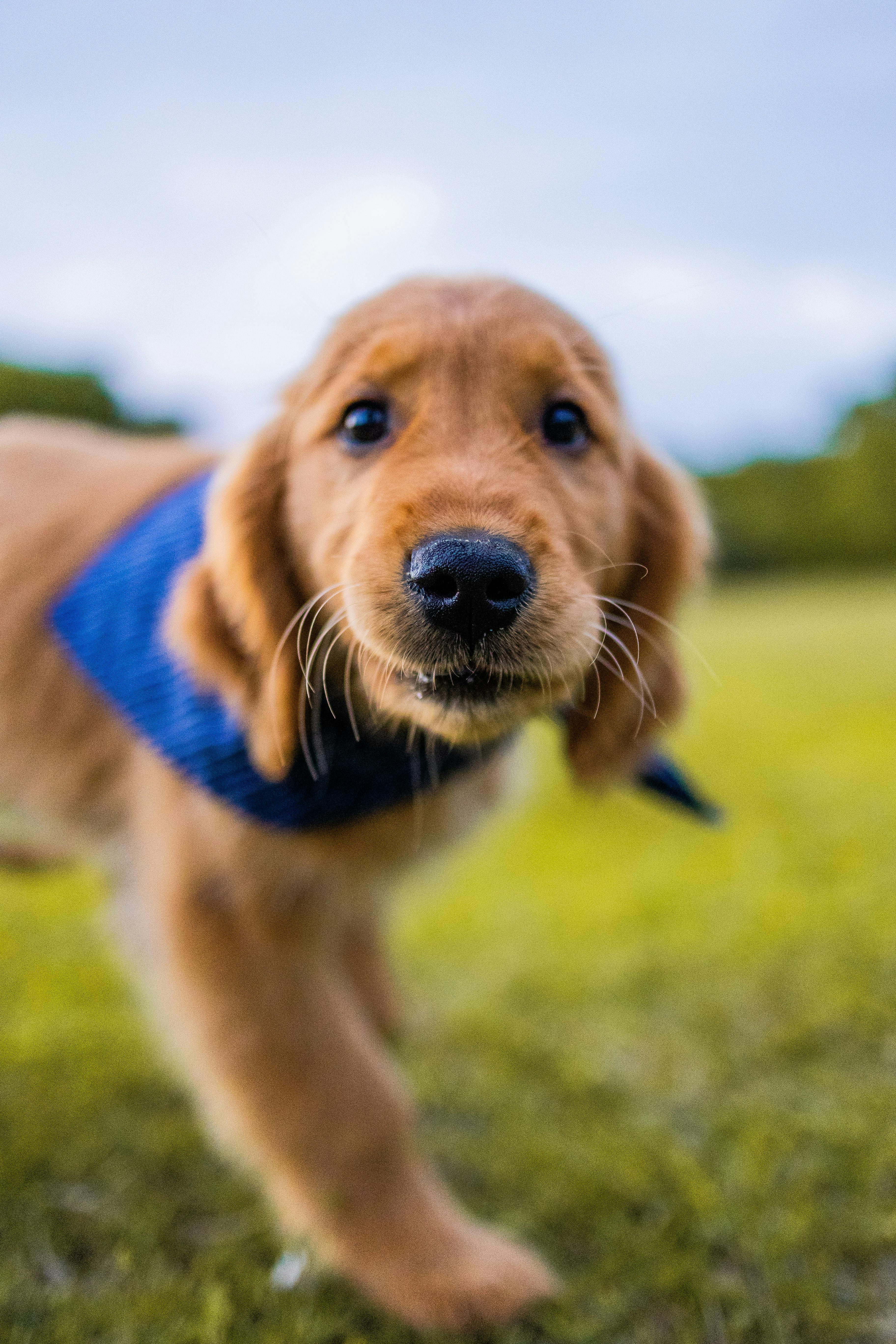
Have you ever noticed your pup’s moist little snout and thought, “why do dogs have wet noses?” It’s a question that many pet owners ask, and the answer is both fascinating and filled with emotional connections. Besides being an adorable feature, a dog’s wet nose plays a big role in their health and behavior. Let’s dive into the reasons behind this unique characteristic and explore the emotional benefits that come with it.
The Science Behind Wet Noses
Dogs, just like humans, have unique physiological traits. Their noses are often wet due to a combination of sweat glands and mucus. Here are some key points to consider:
- Cooling Mechanism: Dogs don’t sweat like humans do. Instead, they cool themselves through panting and their noses. The moisture on their snouts helps to regulate their body temperature.
- Enhanced Sense of Smell: A wet nose helps to absorb scent molecules. This allows dogs to detect smells better than we can, which is crucial for their survival and communication.
- Health Indicator: A dog’s nose can be an indicator of their health. A warm or dry nose might suggest illness, while a cold, wet nose usually indicates that a dog is healthy.
Why It Matters: Emotional Benefits of a Dog’s Moist Snout
The emotional connection between dogs and their owners is deep. A dog’s wet nose isn’t just a biological feature; it’s a bridge to understanding your furry friend better. Here’s how that moist snout can affect your emotions:
- Comforting Presence: When a dog nudges you with their wet nose, it often signifies affection. This simple act can lift your spirits, providing comfort during tough times.
- Bonding Experience: Interacting with your dog through gentle petting of their nose can create a bonding experience, fostering trust and loyalty.
- Stress Relief: Studies shows that petting a dog can lower stress levels. Their wet noses can remind us to slow down, take a breath, and enjoy the moment.
Fun Facts About Dog Noses
Did you know that dogs have unique nose prints, just like human fingerprints? Here’s a list of other interesting facts about dog noses:
- Scent Superiority: Dogs have up to 300 million olfactory receptors in their noses, compared to about 5 million in humans.
- Temperature Regulation: A dog’s nose is cooler than the rest of their body, which helps them regulate their temperature.
- Nose as a Communication Tool: Dogs use their noses to greet each other. A sniff here and there is like saying “hello” in dog language!
The Evolution of the Dog’s Nose
Dogs have evolved alongside humans for thousands of years. Their noses have adapted to help them in various environments:
- Hunting Companions: Early dogs were bred for hunting, and a keen sense of smell was essential for tracking prey.
- Working Dogs: Many working dogs today, like police or search-and-rescue dogs, rely on their noses to perform their duties effectively.
- Companionship: As dogs transitioned to become family pets, their ability to connect emotionally with humans has become just as important as their physical traits.
Comparison of Wet Noses vs. Dry Noses
Noses can vary from dog to dog. Here’s a simple comparison of wet and dry noses:
Wet Nose:
- Usually indicates good health
- Helps with scent detection
- Provides cooling for the dog
Dry Nose:
- May indicate dehydration or illness
- Can be common in certain breeds or during sleep
- Sometimes just a natural variation
Practical Examples of Caring for Your Dog’s Nose
Taking care of your dog’s health includes monitoring their nose. Here are some practical tips:
- Hydration is Key: Make sure your dog has access to fresh water at all times. Dehydration can lead to a dry nose.
- Regular Vet Check-ups: Routine visits can help catch any potential health issues early.
- Observe Changes: Keep an eye on your dog’s nose. If you notice any changes in moisture or temperature, consult your vet.
Understanding why dogs have wet noses and the emotional benefits they provide can deepen your bond with your furry companion. Their moist snouts not only serve a biological purpose but also create moments of joy and connection for pet owners. So, the next time your dog nudges you with their wet nose, remember that it’s more than just a cute gesture; it’s a heartfelt way of saying, “I’m here for you.”
Can a Dog’s Wet Nose Predict Illness? Debunking Myths and Misconceptions
Dogs are often considered man’s best friend, and their quirky behaviors can leave us wondering about many things, like can a dog’s wet nose predict illness? There’s a lot of myths and misconceptions surrounding this topic, and it’s time to set the record straight.
Why Do Dogs Have Wet Noses?
First off, let’s look at the science behind why our furry pals have wet noses. A dog’s nose is wet for several reasons:
Cooling Mechanism: Dogs don’t sweat like humans do. Instead, they rely on panting and the moisture on their noses to regulate body temperature.
Enhanced Sense of Smell: The wetness helps to capture scent particles from the air, making it easier for dogs to detect smells. This is crucial for their hunting and tracking instincts.
Health Indicator: A dog’s nose can show signs of health. While a wet nose is often seen as a sign of good health, it isn’t a definitive indicator.
Myths About Wet Noses and Illness
Now, let’s address the myth that a wet nose means a dog is healthy, while a dry nose suggests illness. This idea is widespread, but it is based on misconceptions. Here’s a breakdown:
Dry Nose Does Not Equal Illness: Just because a dog has a dry nose doesn’t mean they are sick. Factors like weather, activity level, and even sleeping can affect nose moisture.
Wet Noses Can Be Found in Sick Dogs: A dog can have a wet nose and still be unwell. Conditions like allergies, infections, or even certain cancers can present with a wet nose.
Variability Among Breeds: Different breeds have different nose characteristics. Some breeds naturally have drier noses, while others have consistently moist ones.
Fascinating Facts About Dog Noses
Understanding why dogs have wet noses isn’t just about health—it’s also about their unique biology. Consider these fascinating facts:
Unique Patterns: Just like human fingerprints, every dog’s nose has a unique pattern that can be used for identification.
Sensitive to Temperature: A dog’s nose can detect temperature changes, which can alert them to their environment.
Taste and Smell Connection: Dogs have a much more developed sense of smell than taste. The wetness on their nose enhances their ability to taste food by helping to absorb scent molecules.
The Role of Moisture in Dog Noses
Moisture plays an essential role in a dog’s overall health. Here’s how:
Hydration Indicator: A consistently dry nose could indicate dehydration or other health issues. It’s always best to monitor your dog’s overall behavior and health.
Environmental Effects: Changes in the weather can cause a dog’s nose to become drier. Cold air can dry out their noses just as heat can cause dehydration.
Age Factors: Older dogs might have drier noses as they age, which is normal. However, sudden changes in nose moisture should be examined by a vet.
Practical Tips for Dog Owners
If you’re a dog owner and worried about your pet’s wet or dry nose, here are some practical tips:
Regular Check-ups: Regular vet visits can help to monitor changes in your dog’s health, including nose moisture.
Hydration: Always ensure your dog has access to clean water. Hydration is key for maintaining a healthy nose.
Observe Behavior: Pay attention to other signs of health, like energy levels, appetite, and any unusual behaviors.
Environment Awareness: Be mindful of how different weather conditions affect your dog’s nose.
Consult a Vet: If you notice drastic changes in your dog’s nose or overall health, it’s best to consult a vet.
Comparing Wet and Dry Noses
Here’s a simple comparison to summarize what we’ve learned about wet and dry noses:
| Feature | Wet Nose | Dry Nose |
|---|---|---|
| Health Indicator | Often healthy, but not absolute | Could indicate issues but not always |
| Function | Better scent detection | May indicate dehydration or sleep |
| Environmental Response | More active in humid conditions | More common in dry, warm weather |
It’s clear that while a dog’s wet nose can tell us some things about their health, it doesn’t tell the whole story. Understanding these facts can help pet owners make informed decisions about their furry friends’ well-being. So, next time you wonder about your dog’s nose, remember the science and myths surrounding it. Always keep a watchful eye on your dog’s overall health, and don’t hesitate to seek professional advice when necessary.
The Importance of Keeping Your Dog’s Nose Healthy: Tips for Pet Owners You Need to Know
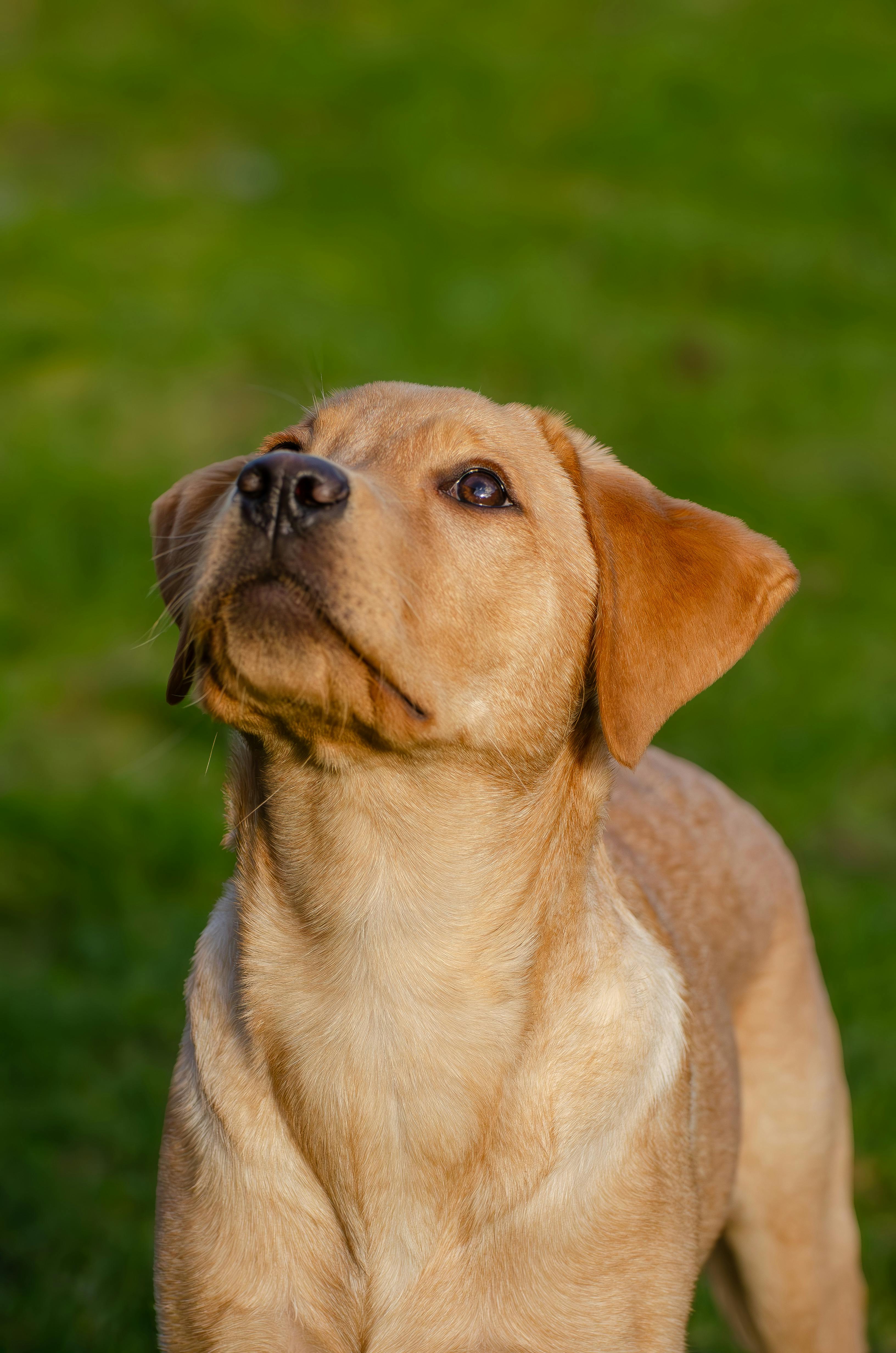
Dogs are often called man’s best friend, and for good reason. They provide companionship, loyalty, and joy to millions of households. One thing that pet owners might overlook is the health of their dog’s nose. Most of us notice when our dogs have wet noses, and it’s not just an endearing trait. Understanding why do dogs have wet noses and how to keep them healthy is crucial for every pet owner.
Why Do Dogs Have Wet Noses?
First off, let’s dive into the science of it. Dogs have wet noses for several reasons, and it plays a significant role in their health and well-being. Here are some fascinating reasons:
Enhanced Smell: A dog’s sense of smell is incredibly powerful—thousands of times more sensitive than humans. The moisture on a dog’s nose helps to capture scent particles from the air, which makes it easier for them to detect smells. This is why, when you see your furry friend sniffing around, their nose is often damp.
Temperature Regulation: Dogs don’t sweat like humans do. Instead, they regulate their body temperature through panting and the moisture on their nose. A wet nose can help cool them down.
Health Indicator: The condition of your dog’s nose can signal their overall health. A healthy dog usually has a moist, cool nose. If it’s dry or cracked, it might be a sign of dehydration or illness.
Communication Tool: Dogs use their noses to communicate with each other and their humans. A wet nose can also feel more comforting when they nuzzle against you.
Keeping Your Dog’s Nose Healthy
Now that we know why dog noses are wet, what can be done to keep them healthy? Here’s some tips:
Regular Moisturization: Just like human skin, a dog’s nose can get dry and cracked. Use pet-safe moisturizers or natural oils like coconut oil to maintain moisture.
Hydration is Key: Make sure your dog always has access to fresh water. Dehydration can lead to dry noses, and it’s important for their overall health.
Sun Protection: Dogs with light-colored fur or exposed skin are more susceptible to sunburn. Consider using pet-safe sunscreen on their noses when spending long periods outdoors.
Watch for Allergies: Environmental allergens can irritate your dog’s nose, leading to dryness or crustiness. If you notice changes, consult with a vet for possible treatments.
Regular Vet Check-ups: Routine check-ups can help catch any underlying health issues early. If your dog’s nose changes in color or texture, it’s best to have it examined.
Common Nose Conditions in Dogs
Just like humans, dogs can suffer from various conditions affecting their noses. Here’s a list of some common issues:
Nasal Dermatitis: This condition can cause inflammation and irritation of the nose. It might be due to allergies or infections.
Nasal Tumors: Though less common, tumors can develop in your dog’s nasal passages. Symptoms include persistent sneezing or nasal discharge.
Fungal Infections: Fungi can cause issues in a dog’s nose, leading to discomfort and a range of symptoms.
Autoimmune Disorders: Certain autoimmune conditions can affect a dog’s nose, leading to various complications.
Quick Tips to Remember
- Always check your dog’s nose for signs of dryness or cracking.
- Keep their drinking water fresh and accessible.
- Avoid letting them overheat, especially during hot weather.
- Schedule regular visits to the vet for health evaluations.
- If you notice any unusual changes, seek veterinary advice quickly.
Maintaining your dog’s nose health is an essential aspect of being a responsible pet owner. Not only does it ensure they are comfortable, but it can also prevent more severe health issues down the line. So, keep these tips in mind, and don’t hesitate to show some extra love to your furry friend. Keeping their nose wet and healthy is just one of the many ways you can ensure they stay happy and healthy for years to come!
Conclusion
In conclusion, the wet noses of dogs serve several vital functions that contribute to their health and well-being. As we’ve explored, a dog’s moist nose enhances its sense of smell, allowing for better detection of scents, which is crucial for communication and exploration. The moisture also aids in temperature regulation, helping dogs cool down through evaporation. Additionally, a wet nose can indicate a dog’s overall health, as significant changes in moisture levels may signal illness. Understanding these aspects not only deepens our appreciation for our canine companions but also emphasizes the importance of regular veterinary check-ups. So, the next time you give your furry friend a pat, take a moment to appreciate that wet nose—it’s more than just an adorable feature; it’s a vital part of what makes dogs such remarkable creatures. Consider sharing this information with fellow dog lovers, so they, too, can recognize the significance of their pets’ unique traits!
