
Have you ever wondered, why do dogs have wet noses? This intriguing question has sparked curiosity among dog lovers and pet owners alike. A dog’s nose is not just for sniffing; it serves many important purposes! In this blog post, we will explore the fascinating reasons behind this unique characteristic. Have you noticed how a dog’s wet nose feels cool to the touch? This is more than just an endearing quality; it plays a crucial role in their health and behavior. But, what makes their noses wet in the first place? Could it be a sign of emotional state, or is it simply a biological necessity? As we dive deeper into the science of canine noses, you will discover how these incredible sensory organs contribute to a dog’s ability to interact with the world. If you’re a pet parent seeking to understand your furry friend better, or simply curious about dog behavior, you’re in the right place! Let’s unveil the mysteries behind those wet noses and learn why they are essential to your dog’s well-being. So, keep reading to satisfy your curiosity and become a more informed dog owner!
The Science Behind Canine Noses: Why Are Dogs’ Noses Wet and What Does It Mean?
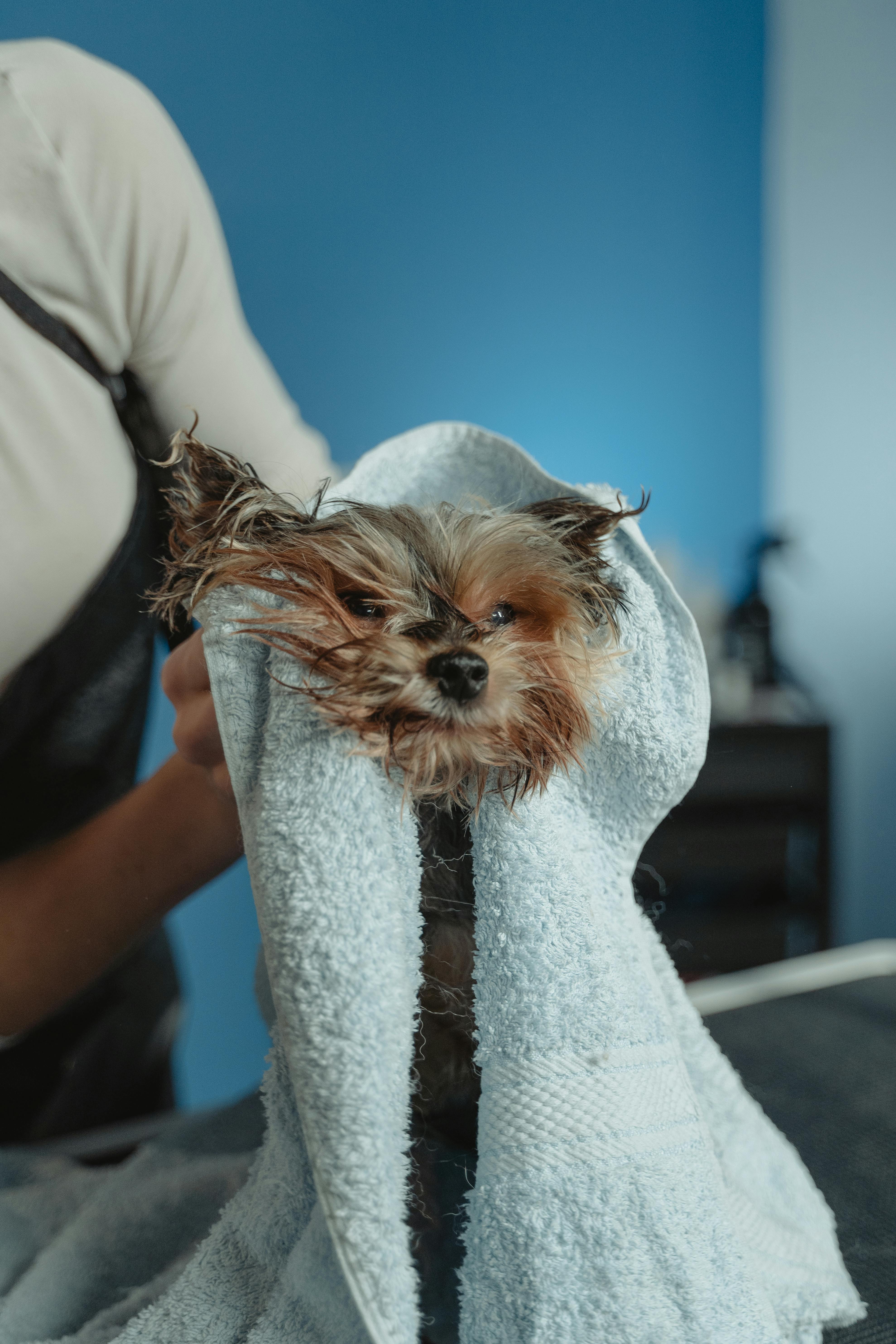
Can you imagine a world where dogs can smell things that we can’t even fathom? Dogs have this incredible ability, and a big part of it relates to their noses being wet. You might’ve wondered why do dogs have wet noses, right? It’s not just for show. The science behind canine noses is fascinating, and it reveals some interesting facts about our furry friends.
The Anatomy of a Dog’s Nose
First things first, let’s talk about the structure of a dog’s nose. It’s not just a cute face accessory; it is a sophisticated organ. Canine noses contains up to 300 million olfactory receptors, compared to a human’s mere 5 million. This difference allows dogs to detect scents at incredibly low concentrations, making them great at tracking and detecting smells.
- Olfactory receptors: Dogs have about 300 million, while humans have around 5 million.
- Vomeronasal organ: This special organ helps dogs detect pheromones, chemical signals that communicate hormonal and social information.
- Moisture: The wetness of a dog’s nose plays a crucial role in their ability to smell.
Why Are Dogs’ Noses Wet?
Now, let’s get to the heart of the matter: why do dogs have wet noses? The moisture on a dog’s nose is crucial for several reasons.
Enhances Smell: A wet nose can trap more scent particles, enhancing a dog’s ability to smell. When the nose is moist, it can absorb scent chemicals more effectively.
Temperature Regulation: Dogs don’t sweat like humans do. A wet nose helps cool them down, especially on hot days.
Health Indicator: A dog’s nose can indicate its health. A warm and dry nose might mean the dog is sick or dehydrated, while a cool and wet nose generally signifies good health.
Fun Facts About Canine Noses
- Unique Patterns: Just like human fingerprints, no two dog noses are alike. Each dog’s nose print is unique and can be used for identification purposes.
- Scent Discrimination: Dogs can distinguish between different scents, which is why they are often used in search and rescue operations.
- Nasal Turbinates: These are structures in the nasal cavity that help filter and warm the air dogs inhale.
What Does a Wet Nose Mean for Your Dog’s Health?
You might be surprised to learn that the state of your dog’s nose can provide insight into their overall health condition. Here are some key points:
- Normal Conditions: A wet, cool nose is usually a sign of a healthy dog.
- Signs of Illness: A dry, warm nose might indicate fever or dehydration.
- Allergies or Infections: If the nose is excessively dry or cracked, it could signal allergies or infections.
Comparison: Dogs vs. Humans Senses
To understand why dog noses are so special, let’s compare them to human senses:
| Feature | Dogs | Humans |
|---|---|---|
| Olfactory Receptors | 300 million | 5 million |
| Taste Buds | 1,700 | 9,000 |
| Temperature Control | Moist noses regulate | Sweat glands |
Practical Examples of Canine Nose Usage
Dogs’ noses are utilized in various practical applications. Here’s a list of how they help us:
- Search and Rescue: Dogs often locate missing persons or disaster survivors using their keen sense of smell.
- Detection Work: Police dogs are trained to sniff out drugs, explosives, and even certain diseases like cancer or diabetes.
- Therapy and Service: Dogs can detect emotional changes in humans, providing comfort and support to their owners.
The History Behind the Canine Nose
Historically, dogs have been companions to humans for thousands of years. Their ability to smell has made them invaluable in hunting and herding. Ancient civilizations recognized their skills, and they began using dogs for tracking and protection. Over time, these skills have been refined, leading to modern training methods that harness a dog’s natural abilities.
In summary, the wet nose of a dog is not just an interesting trait but a vital part of their biology that enhances their ability to interact with the world. Knowing why do dogs have wet noses can help us understand and appreciate these incredible animals even more. So, next time you pet your dog, take a moment to think about the science behind that wet nose and all the wonderful things it allows them to do!
5 Fascinating Facts About Why Dogs Have Wet Noses That Every Pet Owner Should Know

Every dog owner has probably noticed that their furry friends have wet noses. It’s one of those adorable traits that makes them even more lovable. But why do dogs have wet noses? There’s actually a lot more to this phenomenon than most pet parents realize. Here’s five fascinating facts that every pet owner should know about those moist snouts.
1. Moisture Helps with Scent Detection
Dogs have an incredible sense of smell, estimated to be between 10,000 to 100,000 times more sensitive than humans. Their wet noses play an important role in this. The moisture on a dog’s nose helps to absorb scent particles from the air. When the nose is wet, it can capture more of these particles, which enhances their ability to detect different odors. This is why dogs can sniff out things like drugs, explosives, and even certain medical conditions in humans.
2. Regulating Body Temperature
Just like humans sweat to cool down, dogs also use their noses to help regulate their body temperatures. While they primarily pant to cool off, having a wet nose can also help. When a dog’s nose is moist, it helps to cool the blood vessels that are close to the surface. This can aid in lowering their body temperature, especially during hot weather.
3. Signals Health Status
A dog’s nose can be an indicator of their overall health. While a wet nose is typically a sign of a healthy dog, it’s not the only thing to consider. Here’s a quick list of what different nose conditions might indicate:
- Wet and Cold: Usually indicates a healthy dog.
- Dry and Warm: Might suggest a fever or illness.
- Excessively Wet: Could indicate allergies or an infection.
- Cracked or Flaky: Might be a sign of dehydration or skin issues.
It’s essential to keep an eye on these changes, as they may require a visit to the veterinarian.
4. Historical Context and Evolution
Historically, dogs have evolved alongside humans, and their wet noses can be traced back to their ancestors. The need for a keen sense of smell was critical for survival. Dogs that could smell better were more successful at hunting or avoiding danger. Over time, those traits were passed down through generations, leading to the wet nose we see today.
Moreover, different breeds have variations in their nose moisture levels. For instance, hounds tend to have wetter noses due to their breeding for tracking scents, while some toy breeds might have drier noses because of their less intense scenting needs.
5. Communication Tool
Dogs also use their noses as a form of communication. When dogs greet each other, they often sniff each other’s noses and behinds. This behavior is part of how they gather information about each other. A dog’s scent can tell another dog about their health, diet, and even their emotional state. So, a dog’s wet nose isn’t just about biology; it’s also about social interactions within the canine world.
Quick Comparison: Dogs vs. Cats
When comparing dogs to cats in terms of nose moisture, there are some noticeable differences.
Dogs:
- Typically have wet noses.
- Use moisture for scent detection and temperature regulation.
Cats:
- Often have drier noses.
- Rely more on whiskers and their acute vision for hunting.
This shows how different species have adapted their physical traits based on their unique needs and lifestyles.
Practical Tips for Dog Owners
As a dog owner, it’s important to pay attention to your pet’s nose and overall health. Here are some simple tips to keep in mind:
- Hydration: Ensure your dog is drinking enough water. Dehydration can lead to a dry nose.
- Temperature Check: If your dog’s nose is warm and dry, check their temperature. A vet visit might be necessary.
- Regular Vet Visits: Regular check-ups can help catch any potential health issues early.
Keeping your furry friend healthy means also understanding their unique traits, like their wet noses. Next time you see your dog’s moist snout, remember these facts and appreciate the fascinating biology behind it. Understanding these aspects can enhance your bond with your pet and ensure they remain healthy and happy.
How a Dog’s Wet Nose Benefits Their Health: Unveiling the Hidden Advantages
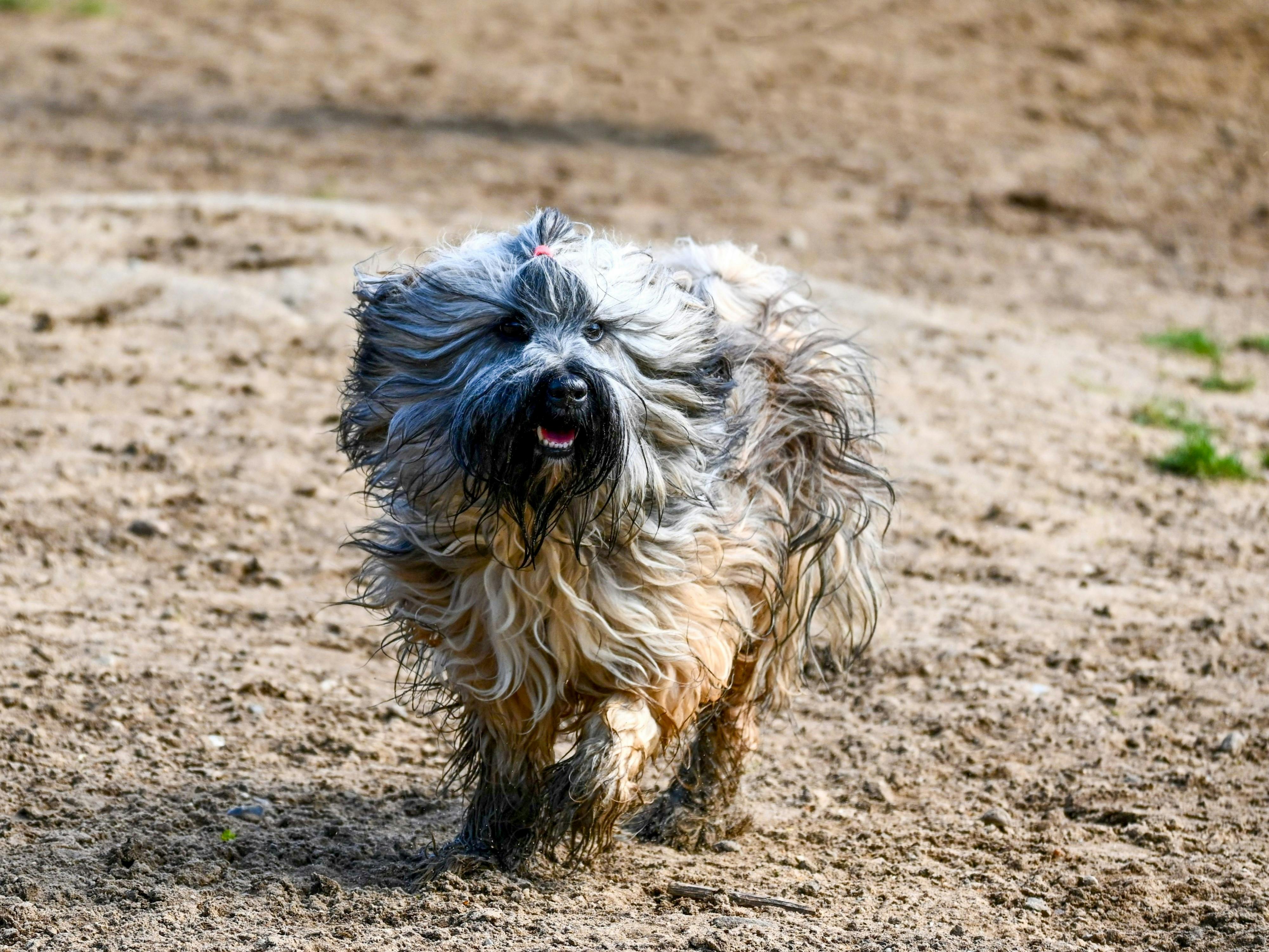
Ever wonder why dogs have wet noses? Many people thinks it’s just a quirky trait, but there’s actually more to it than meets the eye. The wetness of a dog’s nose isn’t just for show; it serves several important health-related purposes. Let’s dive deep into the fascinating reasons behind this characteristic, and how it benefits our furry friends.
Why Do Dogs Have Wet Noses?
Firstly, a dog’s nose is wet primarily due to secretions from the nasal glands. This moisture plays an important role in their overall health and well-being, and here are some key reasons why:
Temperature Regulation: Much like how humans sweat, a dog’s wet nose helps them to cool down. When the moisture evaporates from their nose, it helps reduces their body temperature. This is especially useful during hot summer days.
Enhanced Sense of Smell: Dogs have an incredible sense of smell, estimated to be 10,000 to 100,000 times more sensitive than humans. The moisture on their noses helps to capture scent particles from the air, enhancing their olfactory abilities. This is how they can sniff out drugs, detect diseases, or even find missing persons.
Hydration Indicator: A dog’s nose can also be an indicator of its hydration level. If a dog’s nose is dry and cracked, it might indicate dehydration or illness. Regularly monitoring your dog’s nose can help you detect potential health issues early on.
The Science Behind Wet Noses
The wetness of a dog’s nose isn’t just a random phenomenon; it’s driven by biology. Dogs have specialized mucus-producing glands that keep their noses moist. Here’s a more detailed look:
Glandular Secretions: The moisture comes from mucous glands located in the nasal cavity. These glands secrete mucus that not only keeps the nose wet but also helps to filter and warm the air entering the lungs.
Evaporation and Cooling: When a dog pants or breaths heavily, the moisture on their nose evaporates, which cools them down. This is especially crucial during physical activities or on hot days.
Health Monitoring: A healthy dog often has a cool, wet nose. Changes in this can suggest underlying health problems. For instance, a warm and dry nose might indicate fever or other sickness.
Fascinating Facts About Dog Noses
There’s a lot that we don’t know about dog noses, but here’s some interesting facts that you might find surprising:
Dogs have around 300 million olfactory receptors compared to about 5 million in humans.
The texture of a dog’s nose is unique, much like a human fingerprint. No two dogs have exactly the same nose print.
A dog’s nose can change color based on their health, age, or even the season.
Practical Tips for Dog Owners
To ensure your pup’s nose stays healthy and moist, here are some practical tips:
Hydration: Always provide fresh water to keep your dog hydrated. This can indirectly help maintain a wet nose.
Regular Vet Checkups: Keep up with regular veterinary visits to catch any potential health issues early.
Monitor Changes: Be observant of any changes in your dog’s nose. A sudden dry nose or change in color might warrant a trip to the vet.
Avoid Irritants: Limit exposure to smoke, strong odors, or chemicals that could irritate your dog’s sensitive nose.
Outdoor Care: On hot days, provide shade and fresh water when outside. Dogs can’t sweat like humans, so they rely on their nose for cooling.
The Historical Context
Historically, dogs have been companions to humans for thousands of years, and their wet noses have been recognized as a sign of health. Ancient cultures often believed that a moist nose indicated a well-cared-for animal. Today, not much has changed, as pet owners still watch their dog’s noses closely as a health indicator.
To wrap it up, the wet nose of a dog is not just an adorable quirk but a significant aspect of their health and behavior. Understanding this trait can help owners take better care of their beloved pets. Next time you give your dog a scratch, take a moment to appreciate that wet nose and all the benefits it brings!
Is a Wet Nose a Sign of a Healthy Dog? Discover the Truth Behind This Common Myth
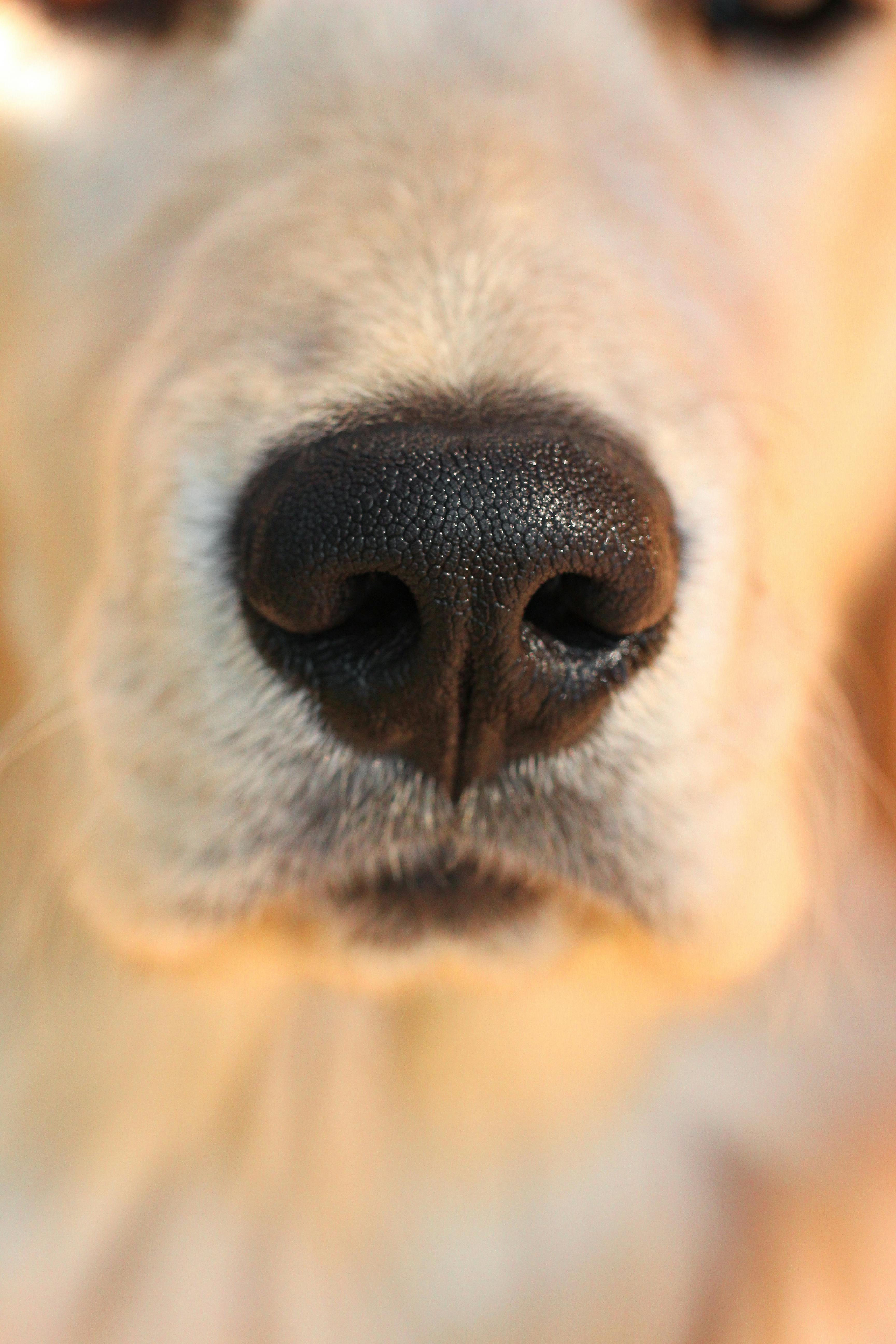
When we think about our furry friends, one of the most common questions that arise is whether a wet nose is a sign of a healthy dog. Many dog owners have heard this myth, and they often believe that if their dog’s nose is wet, it indicates good health. But is this really true? Let’s dive into this fascinating topic and discover the truth behind this common belief.
Why Do Dogs Have Wet Noses?
Dogs noses are unique in many ways. The wetness of a dog’s nose serves several purposes. Here are some reasons why dogs have wet noses:
- Scent Detection: A wet nose helps dogs to absorb scent molecules better. The moisture on their noses allows them to pick up scents more effectively, which is crucial for their survival and communication.
- Temperature Regulation: Just like humans sweat to cool down, dogs can regulate their body temperature through their noses. The moisture evaporates, helping to cool them off.
- Health Indicator: While a wet nose doesn’t always mean a dog is healthy, it can be one of the many indicators of their overall condition. It’s important to look at other signs too.
Is a Wet Nose a Sign of a Healthy Dog?
Now, let’s tackle the myth directly. Many people think that a wet nose indicates a healthy dog, but this is not entirely accurate. A dog’s nose can be wet for many reasons, and it doesn’t necessarily mean they are in perfect health. Here are a few points to consider:
- Variability: The moisture level can change throughout the day. For instance, after a dog drinks water or licks its nose, it will likely be wet. Meanwhile, during hot weather, a dog may have a drier nose.
- Health Issues: Some health problems can lead to a dry nose. For example, dogs with fever or certain skin conditions may have dry or cracked noses.
- Breed Differences: Some breeds naturally have wetter noses than others, so it’s not a one-size-fits-all indicator.
Common Myths About Dog Nose Wetness
There are various misconceptions surrounding dog noses. Here’s a list of some common myths:
- Myth 1: All healthy dogs have wet noses.
- Myth 2: A cold nose means a dog is sick.
- Myth 3: Dogs with dry noses are always unhealthy.
Signs of a Healthy Dog
While a wet nose can be a sign of health, it’s not the only factor. Here are some other signs that indicate your dog is healthy:
- Bright Eyes: Clear and bright eyes without discharge.
- Healthy Coat: A shiny coat without bald patches or excessive shedding.
- Good Appetite: Eating regularly and showing excitement for meals.
- Active Behavior: Playing, running, and engaging in activities.
- Regular Bathroom Habits: Normal urination and bowel movements.
Comparing Wet and Dry Noses
Here’s a simple comparison table to highlight the differences between wet and dry noses:
| Wet Nose: | Dry Nose: |
|---|---|
| Cool to touch | Warm to touch |
| Often moist | May be dry or cracked |
| Good scent absorption | Less effective at scent detection |
| Common in healthy dogs | Can indicate illness, but not always |
Other Factors Affecting Nose Moisture
Several factors can influence how wet a dog’s nose is. These include:
- Weather Conditions: Hot, dry weather can lead to a drier nose, while humidity can result in a wetter nose.
- Health Status: As mentioned before, certain illnesses can affect moisture levels.
- Hydration: A well-hydrated dog is more likely to have a moist nose, so it’s important to ensure they drink enough water.
Dogs are amazing creatures, and their noses play a vital role in their health and well-being. While a wet nose can be one of the signs of a healthy dog, it’s crucial to look at the bigger picture. Observing your dog’s overall behavior, appearance, and habits will provide a better understanding of their health. If you’re ever in doubt about your dog’s health, it’s always best to consult with a veterinarian.
The Role of Moisture: How Wet Noses Enhance a Dog’s Sense of Smell
The role of moisture in a dog’s life is a fascinating topic that goes beyond just their playful nature and wagging tails. If you’ve ever wondered why do dogs have wet noses, you’re not alone. Many pet owners are curious about what makes those adorable noses so damp. The truth is, a dog’s wet nose is more than just a cute feature. It actually serves some important functions that enhances their overall sense of smell and health. Let’s dive into this intriguing subject.
The Science Behind the Wet Nose
First off, the moisture on a dog’s nose isn’t just there for decoration. It plays a critical role in their olfactory capabilities. Dogs have approximately 220 million smell receptors in their noses, compared to a human’s mere 5 million. This incredible anatomical design allows dogs to detect scents at concentrations almost 100 million times lower than humans can.
- Dogs’ noses are moist because of a thin layer of mucus that helps absorb scent chemicals.
- This moisture helps dogs to detect odors more effectively.
- Wet noses also regulate temperature, keeping a dog’s body cool.
Why Does Moisture Matter?
You might be asking yourself, why is moisture so important? Well, the moisture helps to trap scent particles. This is similar to how a sponge absorbs water. When a dog sniffs, the moisture on their nose captures tiny scent molecules from the air. This is why when you see a dog sniffing around, their noses are often wet.
- Enhanced Smell: The wetter the nose, the better the smell. Moisture helps to absorb scent particles.
- Cooling Mechanism: Just like sweating for humans, a dog’s wet nose can help with thermoregulation.
- Health Indicators: A dry nose can sometimes indicate illness or dehydration.
Historical Context
Throughout history, the significance of a dog’s nose has been acknowledged. Ancient cultures recognized the dog’s ability to track scents, and they were utilized for various purposes, like hunting and search-and-rescue missions. In fact, some breeds were specifically developed for their exceptional sense of smell. Bloodhounds, for example, are known to track scents over great distances because of their unique nasal structures.
Here are some historical facts regarding dogs and their noses:
- Ancient Egyptians often depicted dogs with prominent noses in their art.
- In the Middle Ages, dogs were trained to track down lost people or items by scent.
- Today, dogs are still used in police work and search-and-rescue operations due to their incredible olfactory skills.
The Importance of Nose Health
Just like humans, dogs need to maintain their nose health. A wet nose is usually a sign of good health, but changes can indicate possible health concerns. Here are some things to look out for:
- Dry Nose: Could indicate dehydration or illness.
- Cracked Nose: May be a sign of allergies or skin conditions.
- Discharge: Unusual discharge can be a sign of infection or other health issues.
Fun Facts About Dogs’ Noses
Did you know that dogs are capable of distinguishing between a variety of smells? This has led to some astonishing uses of their sense of smell. Here’s a fun list of their capabilities:
- Dogs can detect bombs, drugs, and even diseases like cancer.
- They can differentiate between identical twins by smell.
- Some dogs are trained to locate missing persons by scent.
Comparing Dog Noses to Human Noses
Let’s take a look at a quick comparison between dog noses and human noses:
- Number of Olfactory Receptors:
- Dogs: 220 million
- Humans: 5 million
- Sense of Smell:
- Dogs: 10,000 to 100,000 times more acute than humans.
- Humans: Less sensitive, primarily used for taste and basic scent detection.
- Nose Moisture:
- Dogs: Naturally moist for scent absorption.
- Humans: Dry for the most part; sweat glands are far more prominent in other body areas.
In summary, the moisture on a dog’s nose plays a crucial role in their life and health. This unique feature not only helps them detect scents but also regulates their temperature and indicates their overall well-being. Understanding the fascinating reasons behind why do dogs have wet noses gives us a deeper appreciation for our furry companions. So next time you take a closer look at your dog’s nose, remember it’s not just wet for no reason; it’s a tiny but powerful tool they use every day!
Curious Canines: Why Do Dogs Lick Their Noses and What It Reveals About Their Emotions?
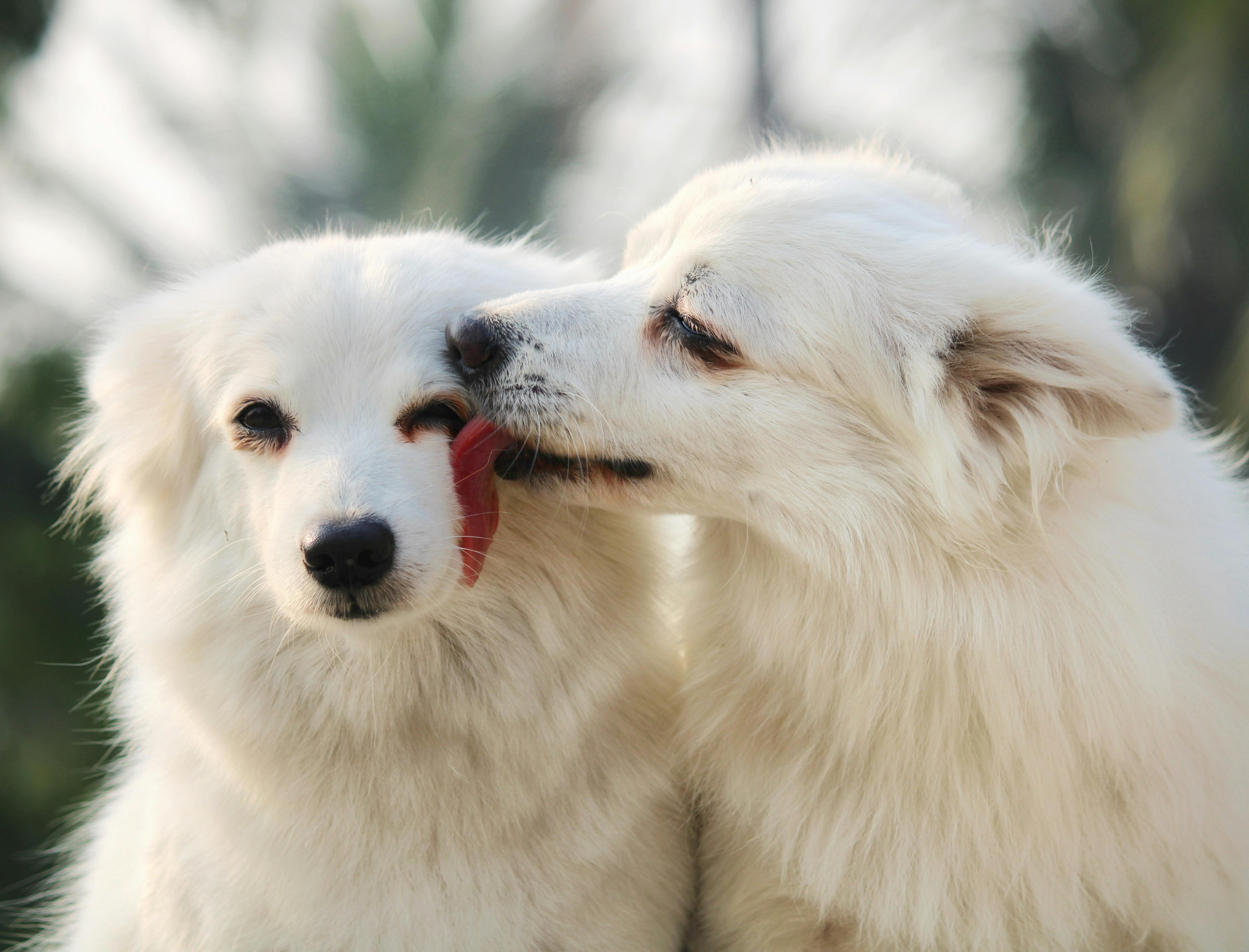
Curious Canines: Why Do Dogs Lick Their Noses and What It Reveals About Their Emotions?
Ever find yourself wondering why your furry friend is constantly licking their nose? It’s a common sight, yet many dog owners don’t understand the reasons behind it. Not only does a dog’s wet nose have practical purposes, it also reflects their emotional state. Let’s explore the fascinating world of canine behavior and uncover the mysteries behind why do dogs lick their noses and why do they have wet noses in the first place.
The Science Behind Wet Noses
A dog’s nose is often wet, and there are several reasons for this. Dogs are known for their keen sense of smell, which is approximately 10,000 to 100,000 times more sensitive than that of humans. The moisture on their noses helps to enhance their olfactory capabilities. Here are some key points about why dogs have wet noses:
- Enhances Smell: Moisture helps to capture scent particles. When a dog’s nose is wet, it can absorb more scents, making their sense of smell even more acute.
- Temperature Regulation: Dogs do not sweat like humans. Instead, they regulate their body temperature through panting and the moisture on their noses. A wet nose helps keep them cool.
- Health Indicator: A dog’s nose can be a good indicator of their health. If a dog has a dry or cracked nose, it might indicate dehydration or illness.
Why Do Dogs Lick Their Noses?
Now, let’s dive into the reasons why dogs lick their noses so often. It’s not just a quirky habit; there are several underlying reasons for this behavior. Here’s a list of some of the most common explanations:
- Grooming: Dogs lick their noses to keep them clean. Just like humans wash their face, dogs use their tongues to clean their noses.
- Taste Exploration: Dogs explore their environment using their senses, and licking is a way to gather information about their surroundings. They could just be tasting something interesting.
- Nervousness or Anxiety: Sometimes, dogs lick their noses when they feel anxious or nervous. It can be a self-soothing behavior during stressful situations, like meeting new people or being in loud environments.
- Communication: Licking can also be a form of communication. Dogs might lick their noses as a way to signal submission or as a calming gesture when interacting with other dogs or humans.
What Their Nose Says About Their Emotions
Understanding the emotional state of your dog is important. The way they interact with their noses can give you clues about how they’re feeling. Here are some examples of what different nose behaviors may indicate:
- Licking and Sniffing: If your dog is licking their nose while sniffing around, it usually means they are curious or interested in something.
- Frequent Nose Licking: If the licking is excessive, it might be a sign of anxiety or stress. Observing other body language cues can help determine the reason.
- Wet Nose with Wagging Tail: A wet nose combined with a wagging tail typically means a happy and relaxed dog. They are comfortable in their environment.
- Dry Nose and Licking: A dry nose coupled with frequent licking can indicate discomfort or health issues.
The Historical Perspective
Dogs, as companions to humans, have been around for thousands of years. Their behaviors have evolved alongside humans, often for practical reasons. In ancient times, dogs used their sense of smell, which is heavily reliant on the moisture in their noses, to hunt and protect their families. It’s fascinating how these evolutionary traits still play a significant role in their lives today.
Fun Facts About Dog Noses
- Dogs have up to 300 million scent receptors, compared to about 6 million in humans.
- The texture of a dog’s nose is unique, much like a human fingerprint.
- Dogs can smell certain diseases in humans, including cancer and diabetes, due to their heightened sense of smell.
Keeping Your Dog’s Nose Healthy
A healthy nose is crucial for your dog’s well-being. Here are some tips to ensure their noses stay in good shape:
- Regular Vet Check-ups: Regular health checks can help catch any potential issues early.
- Hydration: Make sure your dog is drinking enough water to keep their nose moist and healthy.
- Avoid Irritants: Keep your dog away from harsh chemicals or pollutants that can irritate their nose.
Understanding why dogs lick their noses and the reasons behind their wet noses gives us deeper insights into their emotions and needs. Observing these behaviors can help strengthen the bond between you and your canine companion. So the next time you see your dog licking their nose, remember, it’s not just a quirky habit; it’s a window into their world.
The Connection Between a Dog’s Wet Nose and Temperature Regulation: What You Need to Know
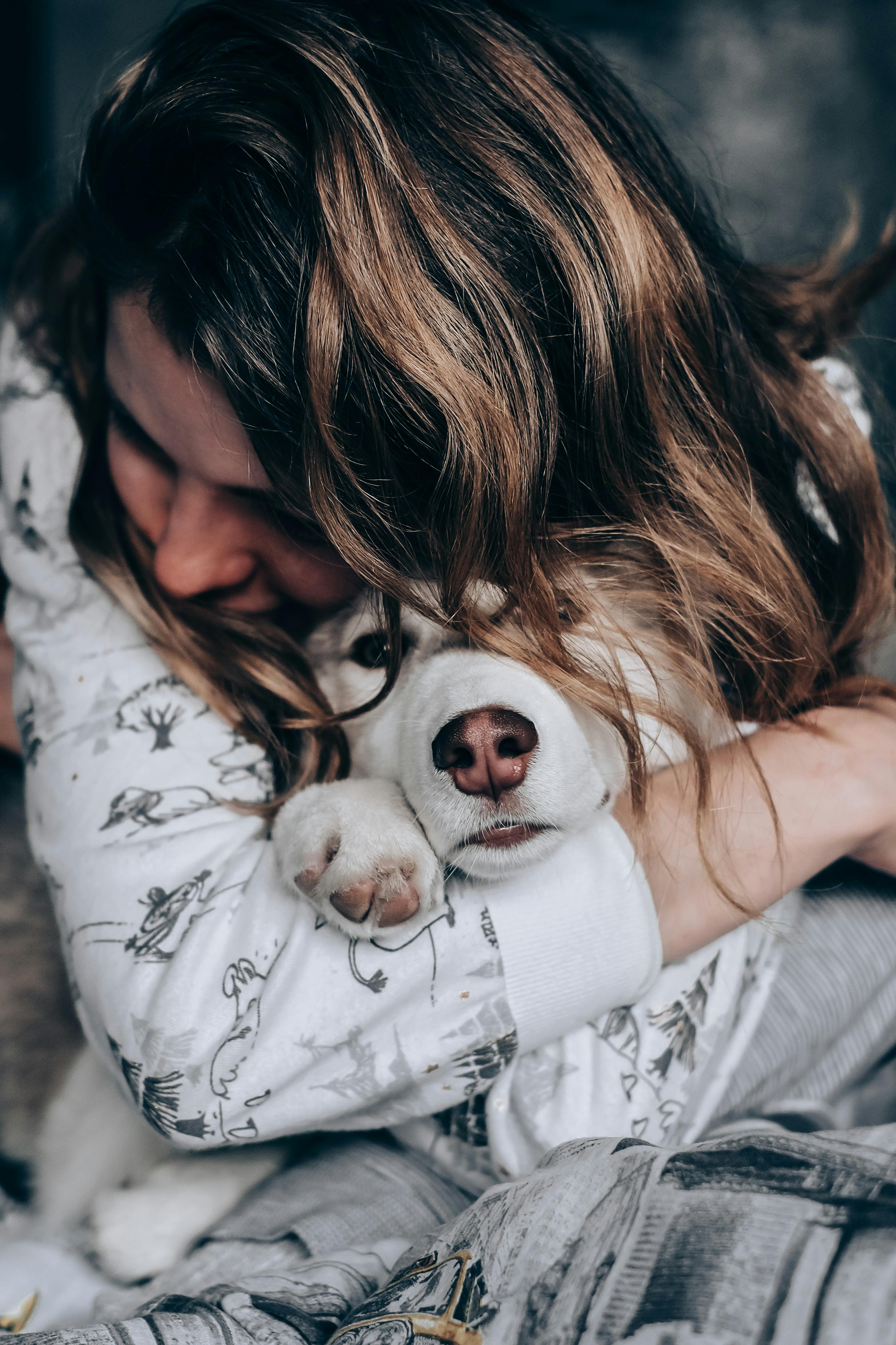
Dogs are often considered man’s best friend, and their wet noses are one of the many characteristics that make them so endearing. But have you ever wondered what causes a dog’s nose to be wet? And how does that relate to their temperature regulation? In this article, we gonna explore the fascinating reasons behind a dog’s wet nose and its significance in their overall health and behavior.
The Science Behind a Wet Nose
First, it’s important to understand that a dog’s nose is not just wet for no reason. The moisture on their noses comes from a combination of factors including saliva and environmental influences. When dogs lick their noses, the saliva evaporates and creates a cooling effect, which helps them to maintain their body temperature. This is particularly useful during hot days when overheating can be a serious concern for dogs.
Why Do Dogs Have Wet Noses?
There are several reasons why dogs have wet noses, which include:
- Temperature Regulation: As mentioned, a wet nose helps dogs cool down. It’s a natural mechanism that assists them in maintaining an optimal body temperature, especially in warm weather.
- Enhanced Sense of Smell: Dogs rely heavily on their sense of smell. A wet nose helps capture scent particles, enhancing their ability to detect different odors. The moisture in their noses makes it easier for scent molecules to stick, which is crucial for their hunting and tracking instincts.
- Health Indicator: A wet nose can also be an indicator of a dog’s health. Generally, a healthy dog has a moist, cool nose. If a dog’s nose appears dry and cracked, it might suggest dehydration or an underlying health issue.
Historical Context
Dogs have been companions to humans for thousands of years, and their noses have evolved to suit their needs. Historically, hunting breeds developed wet noses to help them track prey more effectively. This adaptation allowed them to work closely with humans in hunting and gathering, forming the strong bond we see today.
Temperature Regulation Explained
Dogs don’t sweat like humans do. Instead, they primarily regulate their body temperature through panting and the moisture on their noses. Here’s how it works:
- Panting: When a dog pants, moisture evaporates from their tongue and respiratory tract, cooling their body.
- Nasal Moisture: The wetness of the nose also contributes to cooling. As the moisture evaporates, it helps lower their body temperature.
It’s vital for dog owners to monitor their pets during hot weather and ensure they have plenty of water and shade.
What Affects a Dog’s Nose Moisture?
Several factors can influence how wet a dog’s nose is, including:
- Environmental Conditions: Humidity and temperature can affect nose moisture levels. A dry, hot climate may lead to a drier nose.
- Health Status: Illness can impact a dog’s nose moisture. For example, a dog with a fever may have a warmer, drier nose.
- Age: Older dogs might experience changes in their nose moisture due to various health conditions.
Common Misconceptions
There are plenty of myths surrounding dog noses that need clarifying. Here are a few:
- Myth: A dry nose means a dog is sick.
- Fact: While a persistently dry nose can indicate health issues, it’s not a definitive sign.
- Myth: Dogs sweat through their noses.
- Fact: Dogs primarily sweat through their paw pads, not their noses.
- Myth: All dogs have wet noses.
- Fact: Some breeds naturally have drier noses, and individual dogs can also vary.
Fun Facts About Dog Noses
Did you know that a dog’s nose print is unique, much like a human fingerprint? Here are some fun facts about dog noses:
- Dogs have about 300 million smell receptors compared to humans, who have around 5 million.
- The wetness of a dog’s nose can change throughout the day, influenced by activity and environmental conditions.
- Certain breeds, like the Bloodhound, have an exceptional sense of smell and can track scents over long distances.
Understanding why dogs have wet noses can help pet owners take better care of their furry friends. It’s more than just a quirky feature; it plays a crucial role in their health and well-being. So, next time you give your dog a pat on the head, take a moment to appreciate that wet nose and all the amazing things it does!
Why Do Puppies Have Wet Noses? Exploring the Unique Characteristics of Young Dogs
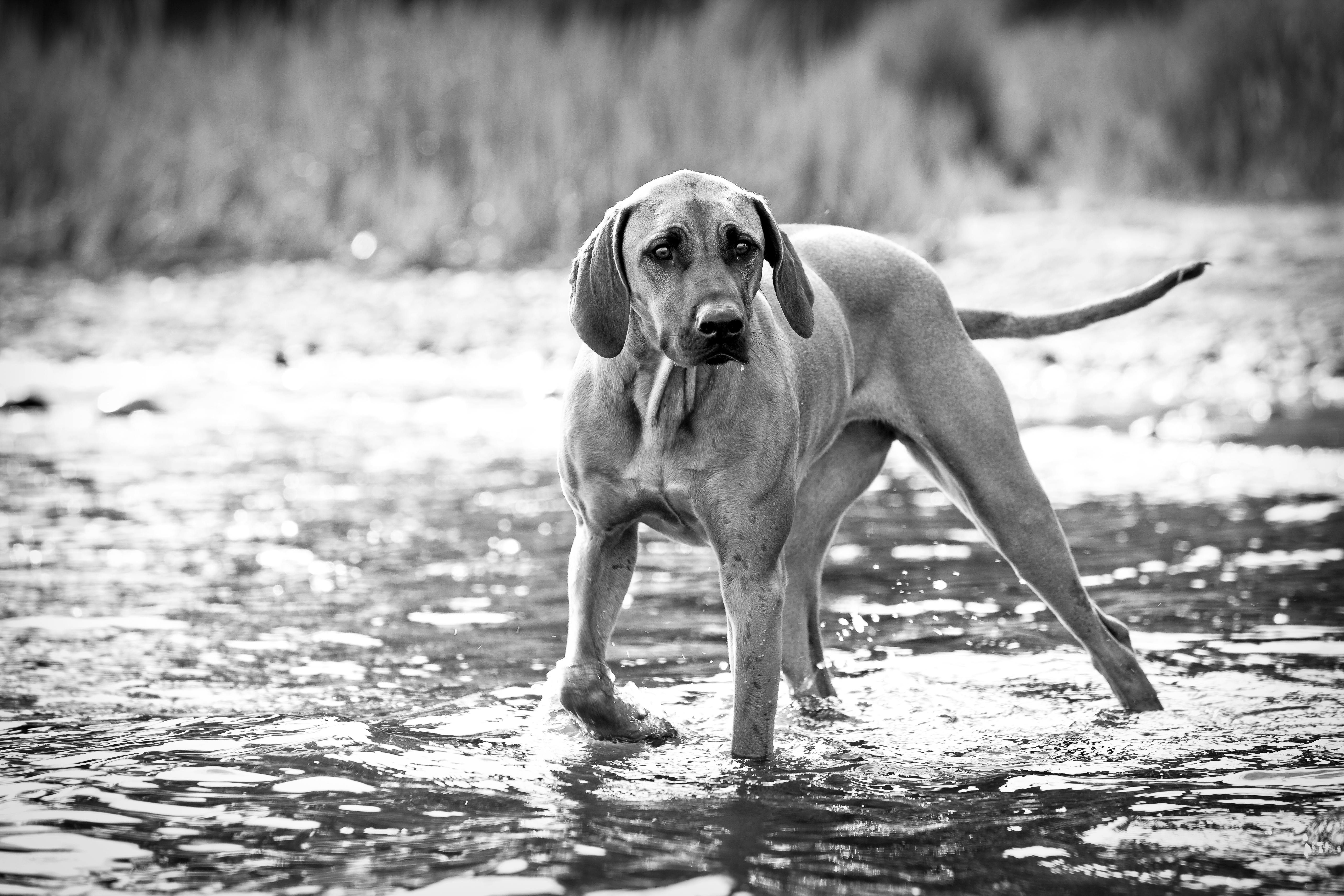
Have you ever noticed that puppies always seem to have wet noses? It’s not just because they’ve been playing in the water or snuggling up to their owners. There’s actually a lot more going on behind that wet little snout. In fact, it’s a characteristic feature that many dog owners have come to love and admire. So, why do dogs have wet noses? Let’s dive into this fascinating topic and explore the unique characteristics of young dogs.
Understanding the Basics of Puppy Noses
Dogs noses are often wet, but why is that? The primary reason is that a wet nose helps them smell better. When a dog’s nose is moist, it can capture scent particles more efficiently. The mucous membranes in their noses work to absorb these particles, which makes their sense of smell even more acute. For puppies, this is especially important as they are still learning about their environment.
Here are some key points:
- Enhanced Smell: A wet nose aids in scent absorption.
- Temperature Regulation: Dogs don’t sweat like humans, so a wet nose can help cool them down.
- Health Indicator: A wet nose is often a sign of health in dogs, while a dry nose might indicate illness or dehydration.
The Role of Moisture in Canine Health
Moisture plays a critical role in a dog’s overall health. Puppies, just like adult dogs, use their noses to gather information about the world around them. A wet nose can also indicate that a puppy is healthy and hydrated. But what happens if a dog’s nose becomes excessively dry?
Here’s what to watch for:
- Dryness: Can indicate dehydration or illness.
- Cracking or Bleeding: May suggest a skin condition or other health issues.
- Discharge: Unusual discharge can signal infections or allergies.
The Temperature Connection
You might be surprised to find out that a dog’s nose can regulate their body temperature. Unlike humans who sweat, dogs primarily rely on their noses to help keep cool. When a dog pants, moisture from their nose evaporates, which helps in cooling them down. This is why you often find puppies with wet noses after a good play session. They are not just excited; they are also managing their temperature!
Fascinating Facts About Dog Noses
Did you know that a dog’s sense of smell is estimated to be between 10,000 to 100,000 times more sensitive than that of humans? Here are some interesting facts about dog noses:
- Unique Patterns: Just like human fingerprints, each dog’s nose print is unique.
- Scent Discrimination: Dogs can distinguish between different scents, allowing them to detect drugs, bombs, and even diseases.
- Nasal Structure: Dogs have more olfactory receptors than humans—about 220 million compared to our 5 million.
Comparing Puppy Noses to Adult Dogs
Not all noses are created equal! Puppy noses can be softer and more pliable than those of adult dogs. As dogs age, their noses may become drier or develop certain textures. This is perfectly normal but can vary widely from breed to breed. Here’s a quick comparison:
| Feature | Puppy Noses | Adult Dog Noses |
|---|---|---|
| Texture | Soft and pliable | Firm and sometimes rough |
| Moisture Level | Typically wetter | Can vary, may be drier |
| Size | Smaller relative to body size | Generally larger relative to body size |
Why Do Puppies Have Wet Noses? The Bottom Line
In essence, wet noses are an intriguing feature of puppies and dogs alike. They serve numerous purposes, from enhancing their sense of smell to helping with temperature regulation. The moisture on their noses is vital for their health, indicating hydration and well-being. Also, when you see a puppy with a wet nose, it’s not just an adorable trait; it’s a sign of an inquisitive and healthy little friend.
Next time you cuddle with your furry companion, pay attention to that wet nose. It’s more than just a cute feature; it’s a complex part of what makes dogs, especially puppies, so unique. All in all, it’s a small but significant detail that enhances the bond between human and canine. Embrace the wet noses, they are part of what makes dogs, well, dogs!
Myths vs. Facts: Debunking Common Misconceptions About Dogs and Their Wet Noses
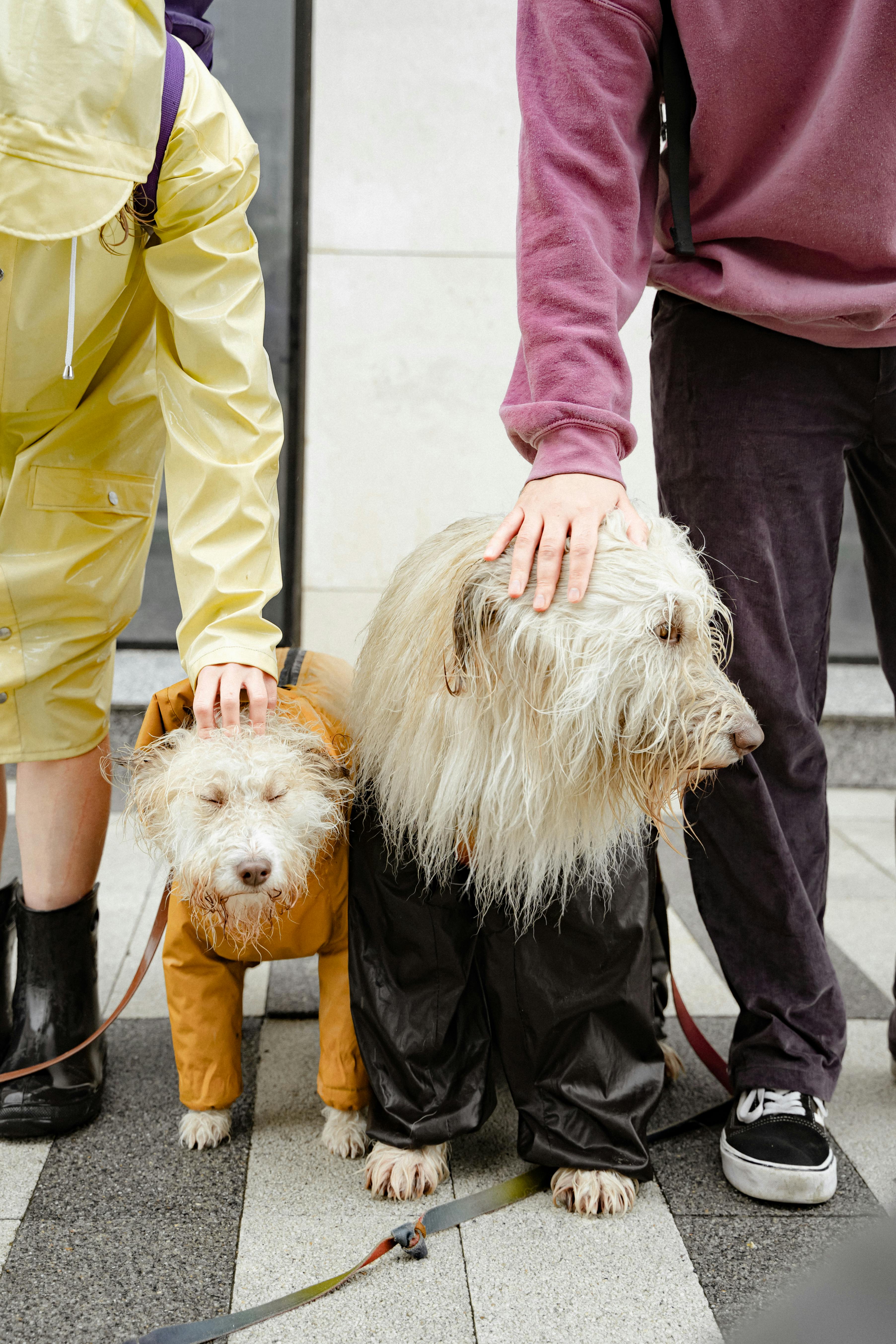
When you see a dog, one of the first things you might notice is its wet nose. Many people wonder, why do dogs have wet noses? It’s a common question, and there is a lot of myths surrounding it. So, let’s dive into some of those misconceptions and uncover the fascinating reasons behind this unique aspect of our furry friends.
Myths vs. Facts About Dog Noses
There’s plenty of hearsay about dogs and their noses. Here’s a look at some common myths and the facts that debunk them.
Myth 1: A Wet Nose Means a Dog is Healthy
- Fact: While a wet nose can be a sign of good hydration and overall health, it doesn’t always mean a dog is healthy. Dogs can have wet noses due to environmental factors or even sickness. A dry nose can also be normal.
Myth 2: Dogs’ Noses are Always Wet
- Fact: Not every dog has a perpetually wet nose. Some breeds, like bulldogs or pugs, may have drier noses due to their facial structure.
Myth 3: Dogs Use Their Noses to Determine Temperature
- Fact: It’s a common belief that dogs can tell temperature by touch. While they do have sensitive noses, they rely more on their sense of smell to interpret their environment rather than temperature.
Why Do Dogs Have Wet Noses?
Now that we’ve tackled some common myths, let’s explore the real reasons why dogs have wet noses.
Enhanced Smell: A wet nose helps dogs absorb scent molecules. When the nose is moist, it can trap more scents, which allows dogs to smell better. Their sense of smell is thousands of times more sensitive than humans!
Cooling Mechanism: A wet nose can also help regulate body temperature. Dogs sweat very little through their skin, so they often cool off through their noses.
Natural Lubrication: The moisture found on a dog’s nose comes from mucus. This mucus is produced to keep the nose moist, which is important for both smell and comfort.
Signs of Emotion: Sometimes, a dog’s nose will be wet due to excitement or anxiety. When dogs are happy, they may lick their noses more frequently, making them appear wet.
Interesting Facts About Dog Noses
Temperature Detection: Dogs have a unique ability to detect changes in temperature. Their noses can actually help them sense warmth or coolness in their surroundings, albeit not in the same way humans do.
Breed Variations: Different breeds have different nose shapes and moisture levels. For example, hounds typically have larger, wetter noses than smaller breeds like chihuahuas.
Health Indicators: A dog’s nose can indicate various health issues. If a dog’s nose becomes excessively dry or cracked, it might be time for a vet visit.
Practical Tips for Dog Owners
Knowing about your dog’s nose can help you take better care of your pet. Here’s some helpful advice:
Regular Checks: Keep an eye on your dog’s nose condition. If you notice any drastic changes, consult your vet.
Hydration is Key: Make sure your dog stays hydrated. A well-hydrated dog is more likely to have a healthy wet nose.
Grooming: Regular grooming can keep your dog’s face clean and reduce the chances of nose issues.
Environment Awareness: Be mindful of the weather. Hot or dry conditions can affect your dog’s nose, so provide plenty of shade and water.
Fun Comparisons: Dogs vs. Cats
Dogs are not the only pets with interesting noses. Here’s how dog noses compare to cat noses:
| Feature | Dogs | Cats |
|---|---|---|
| Smell Sensitivity | Up to 100,000 times better | About 10 times better |
| Nose Moisture | Typically wet | Usually dry |
| Cooling Mechanism | Uses nose to cool down | Primarily through panting |
| Mucus Production | Yes | Minimal |
Dogs are remarkable creatures, and their wet noses are just one of the many features that make them so special. Understanding why dogs have wet noses not only helps debunk myths but also fosters a deeper appreciation for our four-legged companions.
So, next time you see a dog with a wet nose, you can share these facts and educate others about the true nature of our furry friends. Dogs are wonderful, and their noses are just another reason why we love them so much.
The Fascinating Evolution of Dogs’ Noses: How Wetness Plays a Key Role in Survival
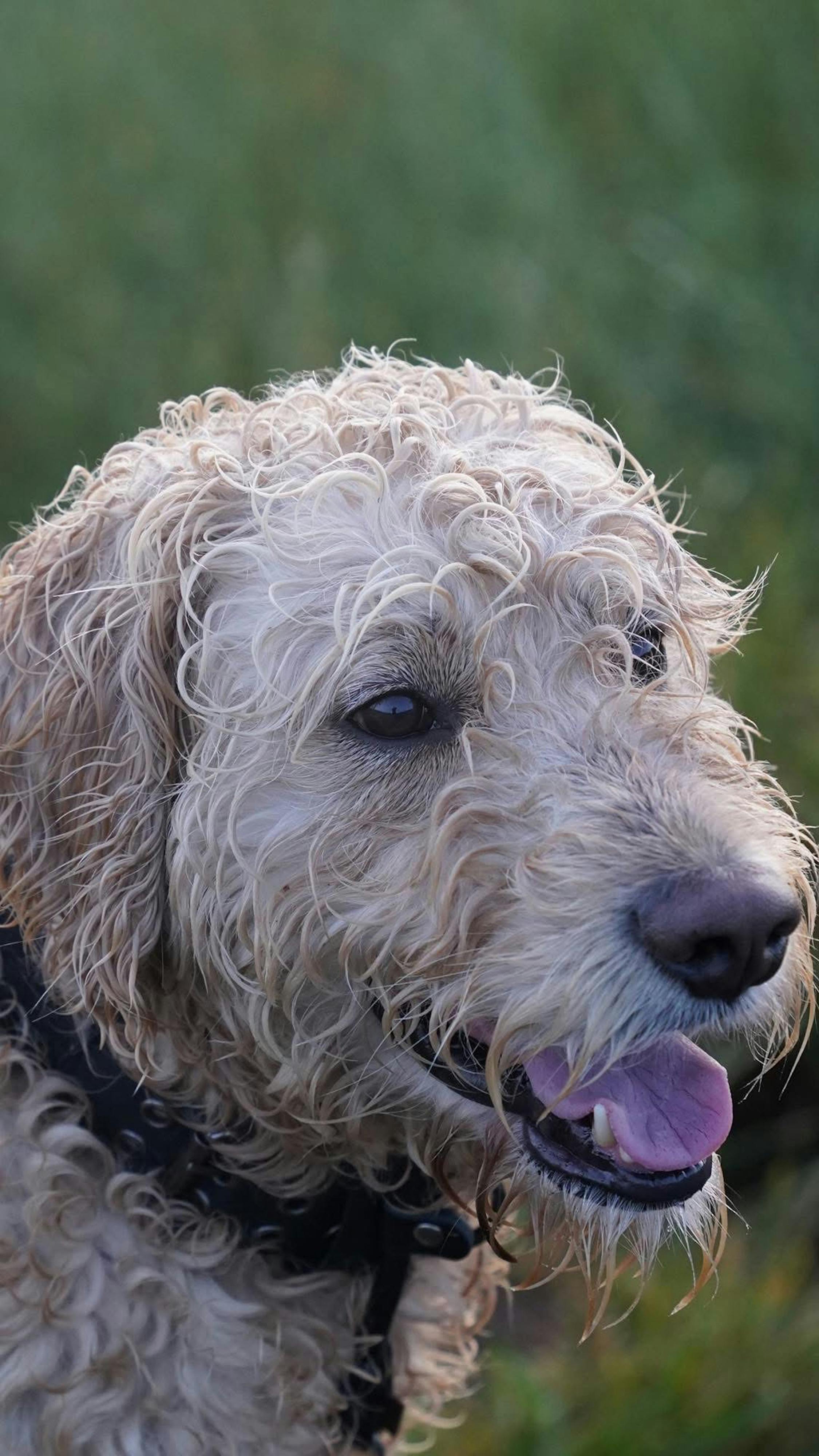
Dogs have been our loyal companions for thousands of years, and one of their most distinctive features is their wet noses. People often wonder, “Why do dogs have wet noses?” It’s a question that has puzzled many, but the answer reveals a fascinating blend of biology, evolution, and survival tactics that have stood the test of time.
The Science Behind Wet Noses
The moisture on a dog’s nose is not just for show. It plays a significant role in enhancing their sense of smell, which is one of the most developed senses in the animal kingdom. Here’s how it works:
- Scent Detection: When a dog sniffs something, the moisture on their nose helps to capture scent particles from the air. These particles stick to the wet surface, making it easier for the sensitive olfactory receptors in their noses to detect smells.
- Cooling Mechanism: Dogs don’t sweat like humans do. Instead, they regulate their body temperature through panting and by the moisture on their noses. A wet nose helps to cool their body down when it’s hot.
- Health Indicator: A dog’s nose can also indicate health. A consistently dry or cracked nose might signal a health issue, while a moist nose is generally a sign of a healthy dog.
Historical Context of Dogs’ Noses
Historically, dogs were bred for specific tasks, and their noses played a crucial role in their development. For example, hunting dogs were selected for their keen sense of smell, which helped them track and locate game. Over time, this trait became more pronounced due to selective breeding.
Evolutionary Advantages of Wet Noses
Wet noses have provided dogs with several evolutionary advantages. Here’s a breakdown:
- Enhanced Scent Tracking: Dogs’ noses contain more than 300 million scent receptors compared to humans, who only have about 5 million. The wetness on a dog’s nose allows them to detect scents more accurately, making them better hunters and protectors.
- Social Communication: Dogs use their noses to communicate with other dogs. They can gather information about other dogs’ health, mood, and even diet through scent. A wet nose helps with this detection process.
- Survival Skills: In the wild, a dog with a wet nose can hunt and navigate better, as they can pick up on scents that lead to food or signal danger. This adaptability is key for survival.
Interesting Facts About Dogs’ Noses
- Unique Patterns: Just like human fingerprints, each dog has a unique nose print that can be used for identification.
- Color Variations: A dog’s nose can vary in color based on breed and genetics. Some breeds have black noses, while others can have pink or liver-colored noses.
- Nasal Turbinates: Inside a dog’s nose, there are structures called turbinates, which help to filter and warm the air they breathe in, further enhancing their sense of smell.
Comparison of Dog Breeds and Their Noses
Different breeds have different types of noses. Here’s a quick comparison:
| Breed | Nose Type | Smell Sensitivity |
|---|---|---|
| Bloodhound | Long, droopy nose | Exceptional tracking abilities |
| German Shepherd | Strong, broad nose | Highly versatile in various tasks |
| Dachshund | Short, narrow nose | Good for tracking small animals |
| Beagle | Wide, floppy nose | Great for scent detection in hunting |
Practical Examples of Wet Nose Benefits
- Search and Rescue: Dogs trained for search and rescue missions utilize their wet noses to locate missing persons by following scent trails.
- Medical Detection: Certain dogs are trained to sniff out medical conditions such as cancer or diabetes, thanks to their enhanced olfactory abilities.
- Therapy Animals: Dogs in therapy roles can often sense human emotions, and their wet noses provide comfort to those in distress, enhancing their ability to provide emotional support.
The wetness of a dog’s nose is more than just a quirk of nature; it’s a vital aspect of their biology that has helped them adapt and thrive alongside humans. The next time you ask, “Why do dogs have wet noses?” remember that this unique feature has deep roots in survival, health, and communication. Understanding the reasons behind this fascinating trait can deepen your appreciation for these incredible animals and their place in our lives. Dogs truly are remarkable creatures, and their noses are just one part of what makes them so special.
Conclusion
In conclusion, the wet noses of dogs serve several important purposes that contribute to their overall health and well-being. We explored how moisture enhances their sense of smell, aids in temperature regulation, and helps in social interactions with other dogs and humans. The unique structure of a dog’s nose, combined with its ability to produce mucus, allows for the efficient absorption of scent molecules, making their sense of smell incredibly acute. Additionally, a wet nose can indicate a healthy dog, though changes in moisture can sometimes signal health issues. Understanding these fascinating aspects of canine biology not only deepens our appreciation for our furry friends but also highlights the importance of regular veterinary check-ups. So, the next time you give your dog a pat and feel that familiar wet nose, remember the science behind it and cherish the bond you share.
