
Have you ever wondered, why do dogs have wet noses? This curious characteristic of our furry friends has left many pet owners scratching their heads. The science behind it is not just fascinating but also reveals a lot about your dog’s health and behavior. A dog’s nose, often cold and moist, plays a crucial role in their sense of smell. But why exactly is it wet? Could it be a sign of something more? In this post, we’ll dive deep into the science of dog noses and uncover the secrets behind their physiology. Wet noses help dogs to absorb scent chemicals, making them exceptional sniffers, but there’s more to it than meets the eye! Not only do they aid in thermal regulation, but they can also indicate your dog’s well-being. Have you noticed any changes in your pup’s nose? Is it dry or excessively wet? Understanding these nuances can empower you to take better care of your canine companion. So, stick around as we explore the intriguing question: What makes a dog’s nose so special? Unleash the knowledge and discover the truth behind those adorable, wet noses!
The Fascinating Science of Canine Nasal Moisture: Why Do Dogs Have Wet Noses?
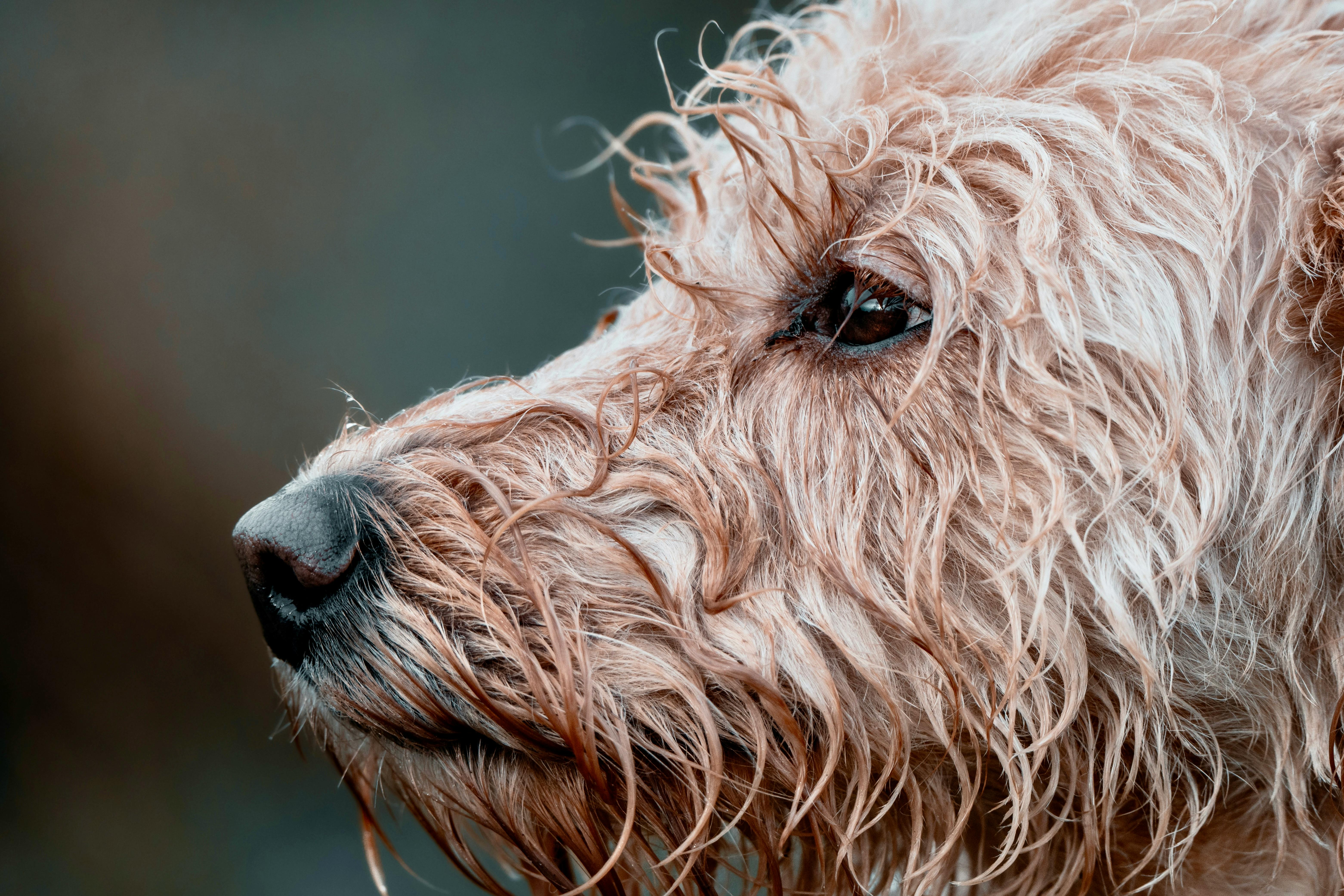
Have you ever wonder why dogs have wet noses? It’s one of those quirky things about our furry friends that make them unique. Many dog owners often notice their pet’s nose feels cool and moist, and this characteristic has sparked curiosity and led to many questions. The science behind canine nasal moisture is both fascinating and essential for understanding how dogs interact with the world around them.
Understanding the Wet Nose
Dogs, unlike humans, have a special mechanism that keeps their noses moist. The moisture on a dog’s nose actually comes from various sources. Here’s a breakdown:
- Mucous Membrane: Canine noses are lined with a mucous membrane that secretes a thin layer of moisture. This moisture helps to enhance their sense of smell.
- Saliva: Dogs often lick their noses. This not only keeps it wet but also helps them gather scent particles. When they lick their noses, they can better analyze smells.
- Environmental Factors: Weather conditions can also influence nose moisture. Humidity and temperature can make a dog’s nose wetter or drier.
The Science of Smell
Have you ever think about how a dog’s sense of smell is far superior than that of a human? Dogs have approximately 300 million smell receptors in their noses compared to around 5 million in humans. This incredible olfactory capacity is partly due to that wet surface.
- Scent Detection: A wet nose can trap more scent particles. When the nose is moist, it helps to absorb odor molecules from the air, allowing dogs to detect scents more effectively.
- Temperature Regulation: A wet nose also helps in thermoregulation. Dogs don’t sweat like humans; instead, they rely on their noses and paw pads to help cool down.
Historical Context of Canine Noses
Dogs have been companions to humans for thousands of years, and their noses have evolved alongside them. Ancient texts, dating back to 3000 B.C. in Egypt, mention the remarkable abilities of dogs to track scents.
- Hunting Partners: Early humans relied on dogs for hunting, and those with better olfactory senses were favored. This led to selective breeding for traits, including the wet nose, which aids in scent detection.
- Service Dogs: In modern times, dogs are trained for various services like search and rescue, detecting drugs or explosives, and even medical conditions. Their wet noses play a significant role in these tasks.
Fun Facts About Dog Noses
- Dogs have unique nose prints, much like human fingerprints. Each dog’s nose has a distinctive pattern that can be used for identification.
- The color of a dog’s nose can change with age. Puppies often have pink noses that darken as they grow.
- Some breeds, like Bloodhounds, have particularly wet noses, which is part of their specialized tracking abilities.
Why Do Dogs Have Wet Noses?
So, why do dogs have wet noses? Here’s a list of the key reasons:
- Enhanced Smell: Wetness increases the ability to pick up scents.
- Temperature Control: Helps in regulating body temperature.
- Health Indicator: A wet nose is often a sign of a healthy dog. However, a dry nose isn’t always a cause for concern, as it can vary based on activity level and environment.
Comparison: Dog Noses vs. Human Noses
| Feature | Dog Nose | Human Nose |
|---|---|---|
| Moisture | Typically wet | Generally dry |
| Smell Receptors | ~300 million | ~5 million |
| Scent Discrimination | Exceptional | Limited |
| Identification | Unique nose prints | Unique fingerprints |
Practical Examples of Nose Use
- Tracking: Bloodhounds can follow a scent trail that is days old, thanks to their wet noses.
- Service Roles: Dogs can detect diseases like cancer or diabetes through scent, utilizing their moist noses to absorb and analyze odor molecules.
- Emotional Response: Dogs can also sense human emotions by smelling pheromones, which can be heightened by the moisture on their noses.
Understanding why dogs have wet noses can deepen your appreciation for these loyal companions. Their noses are not only key to their survival but also play a significant role in their relationship with us. So next time you pet your dog and feel that cool, wet nose, remember the incredible science and history behind it. It’s not just an adorable quirk; it’s a vital part of what makes dogs such special animals.
Unveiling the Mystery: How Wet Noses Enhance Your Dog’s Sense of Smell
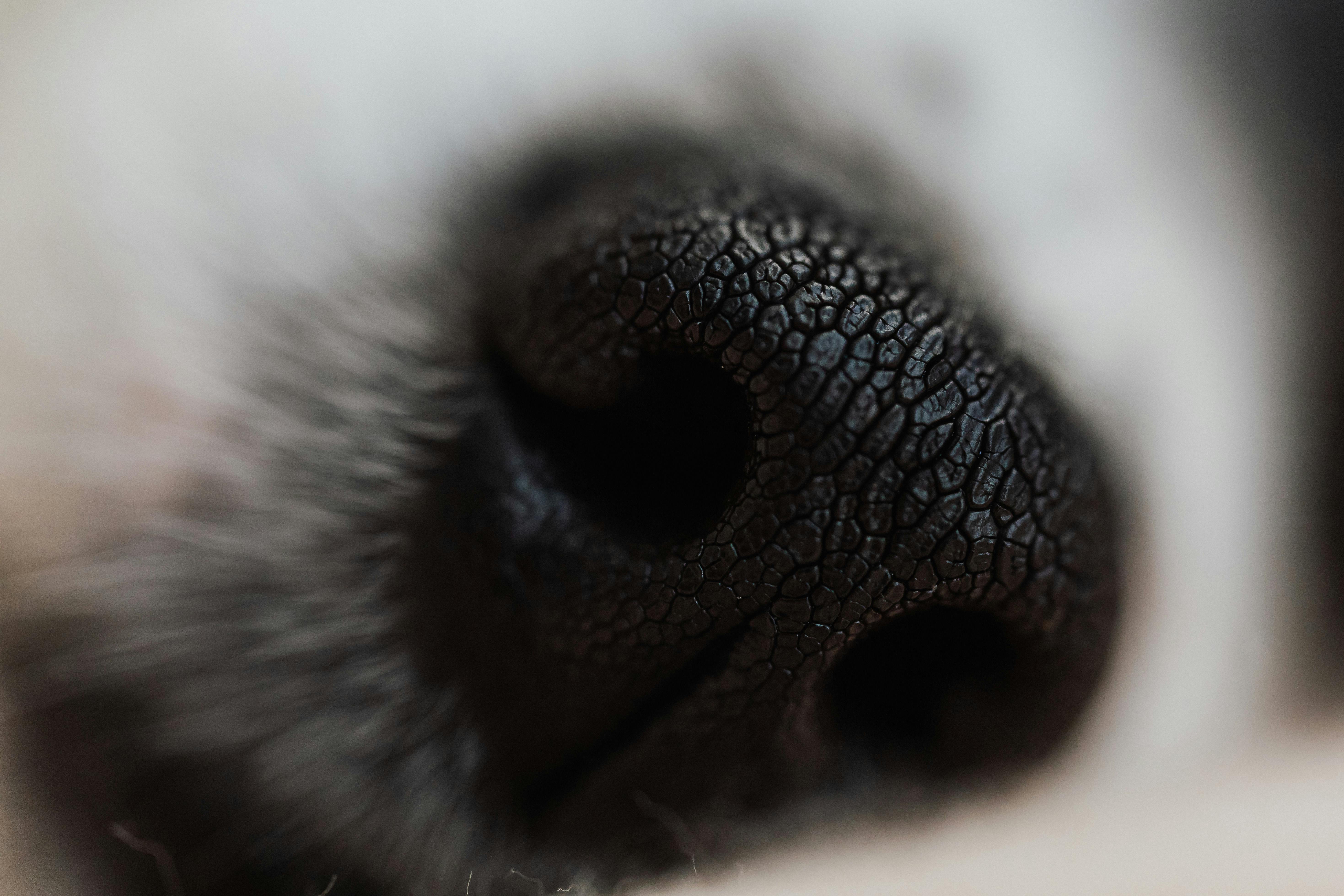
Ever wonder why dogs noses is always wet? It’s kinda strange but also fascinating! Dogs have these unique, moist noses that seems to be more than just a cute characteristic. In fact, there’s a whole science behind it that can help us understand how these furry friends perceive the world around them. Let’s dive into the reasons why do dogs have wet noses and how it enhances their sense of smell.
The Science of a Wet Nose
A dog’s sense of smell is incredibly powerful, they say it’s tens of thousands to even 100,000 times more sensitive than humans. But why is the nose wet? The answer lies in the composition of a dog’s nose. The moisture helps to trap scent particles, making it easier for their olfactory receptors to detect. When a dog inhales, the moisture on the nose captures these particles. This process improves their ability to identify different smells.
- Olfactory Receptors: Dogs have about 220 million olfactory receptors in their noses, while humans only have around 5 million. This is one reason why dogs can sniff out things we can’t even imagine.
- Moisture and Heat: A wet nose also helps to regulate temperature and maintain the moisture necessary for optimal smell detection.
Historical Context: Why Wet Noses?
Historically, dogs have been bred for various purposes including hunting, herding, and companionship. Their wet noses developed as a natural adaptation that made them better hunters. In fact, dogs with wet noses were often more successful in tracking scents, which helped them and their human companions during hunts. Over centuries, those traits passed down through generations.
- Hunting Dogs: Breeds like Bloodhounds or Beagles have particularly moist noses because they were bred to track scents over long distances.
- Companionship: Even in domestic settings, a wet nose enhances interaction and communication with humans and other animals.
What’s the Difference Between Wet and Dry Noses?
You might notice that sometimes your dog’s nose is dry. This can be normal, but it’s also important to understand the differences. Here’s a quick comparison:
| Wet Nose | Dry Nose |
|---|---|
| Traps scent particles | Less effective scent detection |
| Cool to the touch | Warmer and possibly a sign of illness |
| Indicates hydration | Could indicate dehydration or fever |
How Wet Noses Affect Canine Behavior
The wetness of a dog’s nose can also affect behavior. Dogs often seek out scents to understand their environment. Smelling is like reading a newspaper for them. Here’s how a wet nose contributes to their behavior:
- Social Interactions: Dogs greet each other by sniffing noses. A wet nose is often perceived as more inviting and friendly.
- Curiosity: Dogs with moist noses tend to be more curious because they can detect more smells. This leads to exploratory behavior.
- Emotional State: A dog’s nose can indicate its emotional state. A moist, cool nose typically reflects a relaxed dog, while a warm, dry nose might suggest stress or illness.
Fun Facts About Dog Noses
- Nose Print Identification: Just like human fingerprints, every dog has a unique nose print that can be used for identification.
- Temperature Regulation: Dogs also use their noses to help regulate their body temperature. When they pant, the moisture evaporates, cooling them down.
- Scent Memory: Dogs possess a remarkable scent memory. They can remember different smells for years, which helps them in various tasks, from search and rescue to sniffing out contraband.
Practical Examples of Nose Usage
- Search and Rescue: Dogs are trained to find missing persons using their incredible sense of smell.
- Detection Dogs: Many dogs are used in law enforcement to detect drugs, explosives, or even diseases like cancer.
- Assistance Animals: Some service dogs are trained to detect changes in a person’s body chemistry, like a drop in blood sugar.
Dogs’ wet noses offers more than just a cute appearance; it plays a vital role in their ability to engage with the world around them. Understanding this aspect of canine biology helps deepen the bond between humans and dogs. So next time you see a dog with a wet nose, remember that it’s not just moisture—it’s a tool for navigation, communication, and companionship. Embrace the magic behind those wet noses, and appreciate the science that makes our furry friends so unique.
5 Reasons Why Your Dog’s Wet Nose Is a Sign of Good Health
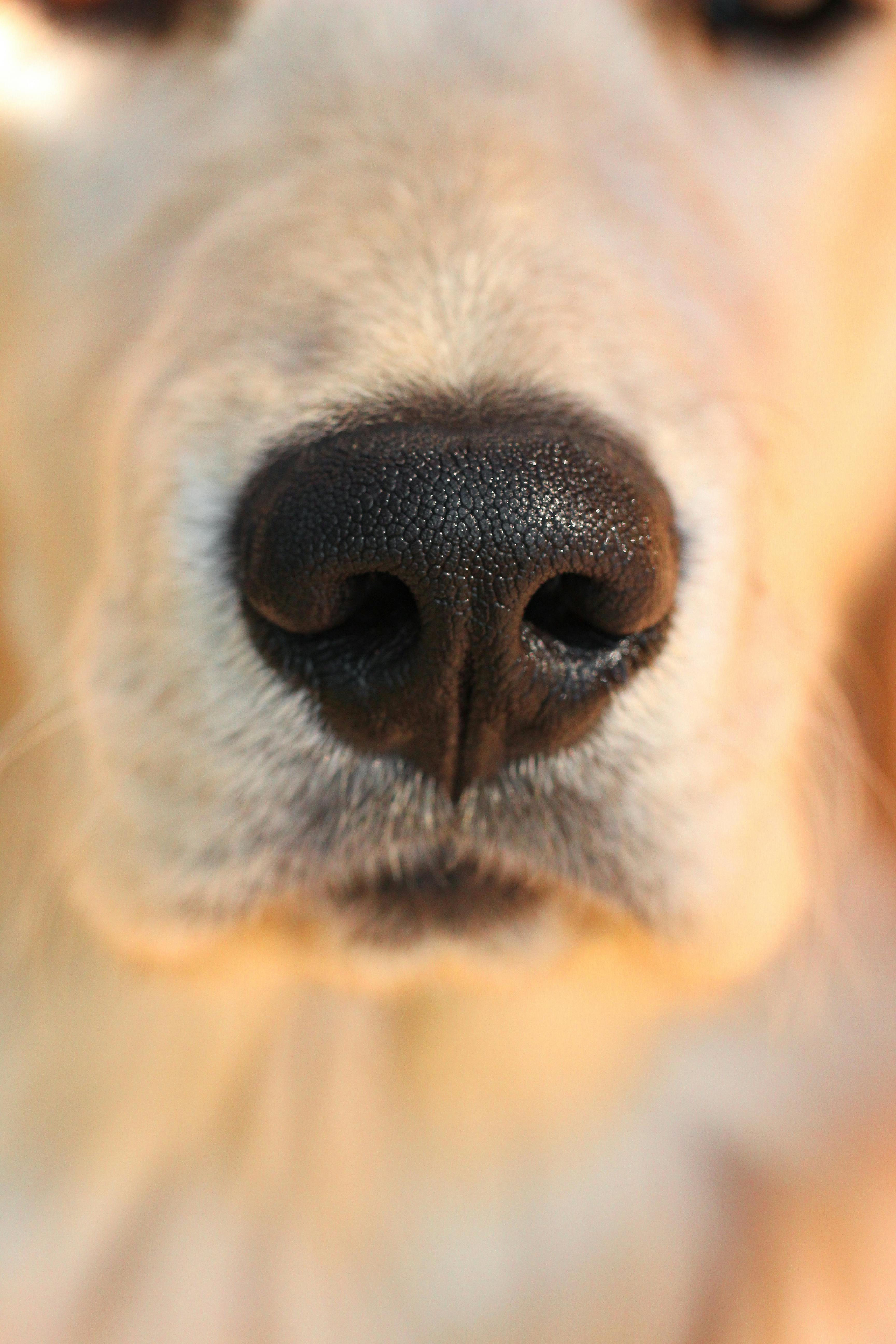
Dogs, they are often called man’s best friend, and for good reason. They bring joy, companionship, and a lot of love into our lives. One of the most endearing traits of dogs is their wet nose. Ever wonder why do dogs have wet noses? It’s not just for show, it actually indicates a number of health factors. In this article, we will explore 5 reasons why your dog’s wet nose is a sign of good health, and dive into the science behind it.
1. Natural Cooling Mechanism
Dogs don’t sweat like humans do. They have sweat glands mainly in their paw pads. So, how do they cool down? Their wet nose plays a big role in regulating their body temperature. The moisture on a dog’s nose evaporates, which helps to cool them down. If you notice your dog’s nose becoming dry, it might be a sign that they’re overheated.
- Dogs can’t sweat like us, so they rely on other means to cool down.
- A wet nose can help them maintain a lower body temperature.
- Dry noses can indicate overheating or dehydration.
2. Enhanced Sense of Smell
Dogs have an incredible sense of smell, and their wet noses are actually a part of why that is. A wet surface allows scent particles to stick better, which enhances their ability to detect smells. This is particularly important for hunting, tracking, and even just exploring their environment.
- A dog’s nose has up to 300 million smell receptors compared to a human’s 5 million.
- The moisture helps trap odor particles.
- This ability is vital for their communication and interaction with the world.
3. Health Indicator
A wet nose can also be an indicator of your dog’s overall health. Generally speaking, a healthy dog usually has a moist nose. On the other hand, if your dog’s nose is consistently dry or cracked, it may be a sign of underlying health issues such as fever, dehydration, or even a skin condition.
- Signs of a healthy nose: moist, cool to the touch.
- Signs of concern: dry, cracked, or excessively warm.
- Regular monitoring can help catch potential health issues early.
4. Play and Excitement
When dogs are excited or playing, their noses tend to get wetter. This is because they often lick their noses while panting, which adds moisture. So, if your dog’s nose is wet after a fun play session or when they are particularly enthusiastic, know that it’s a sign of good spirits and health.
- Dogs lick their noses when they’re excited or happy.
- A wet nose during playtime indicates a joyful and healthy pup.
- Observe their behavior during play to gauge their health.
5. Environment and Hydration
The environment can play a big role in the condition of your dog’s nose. For instance, a dog that is well-hydrated and living in a humid environment is likely to have a wetter nose. Conversely, dry or cold climates can lead to drier noses. Adequate hydration is crucial, so always ensure your dog has access to fresh water.
- Humidity can increase moisture on a dog’s nose.
- Dry climates can cause noses to become dry and cracked.
- Hydration is essential for a healthy nose.
The Science Behind Wet Noses
Now that we explored the reasons, let’s delve into the science. The wetness of a dog’s nose is primarily due to mucous secretions. These secretions help absorb scent molecules and improve the sense of smell. Furthermore, the nose’s skin is thinner than that of other body parts, which makes it more sensitive and capable of detecting changes in temperature and humidity.
Interesting Comparisons
To put things in perspective, let’s compare the wetness of dog noses to other animals:
| Animal | Nose Characteristics |
|---|---|
| Dogs | Wet, helps with smell and cooling |
| Cats | Mostly dry, but can also be moist |
| Humans | Dry, sweat through skin |
| Horses | Moist and sensitive, helps with smell |
Practical Tips for Dog Owners
- Regular Check-Ups: Keep an eye on your dog’s nose during vet visits.
- Hydration: Ensure your dog has constant access to clean water.
- Climate Awareness: Adjust your dog’s environment to ensure comfort.
- Observe Behavior: Note any changes in your dog’s playfulness or energy level.
Understanding why do dogs have wet noses is crucial for any dog owner. It’s more than just a cute feature; it’s a sign of their health, happiness, and well-being. By keeping an eye on their nose’s condition, you can gain valuable insights into your furry friend’s overall health. Remember, a wet nose is usually a sign of a happy and healthy pup!
Do All Dogs Have Wet Noses? Exploring Variations Across Breeds
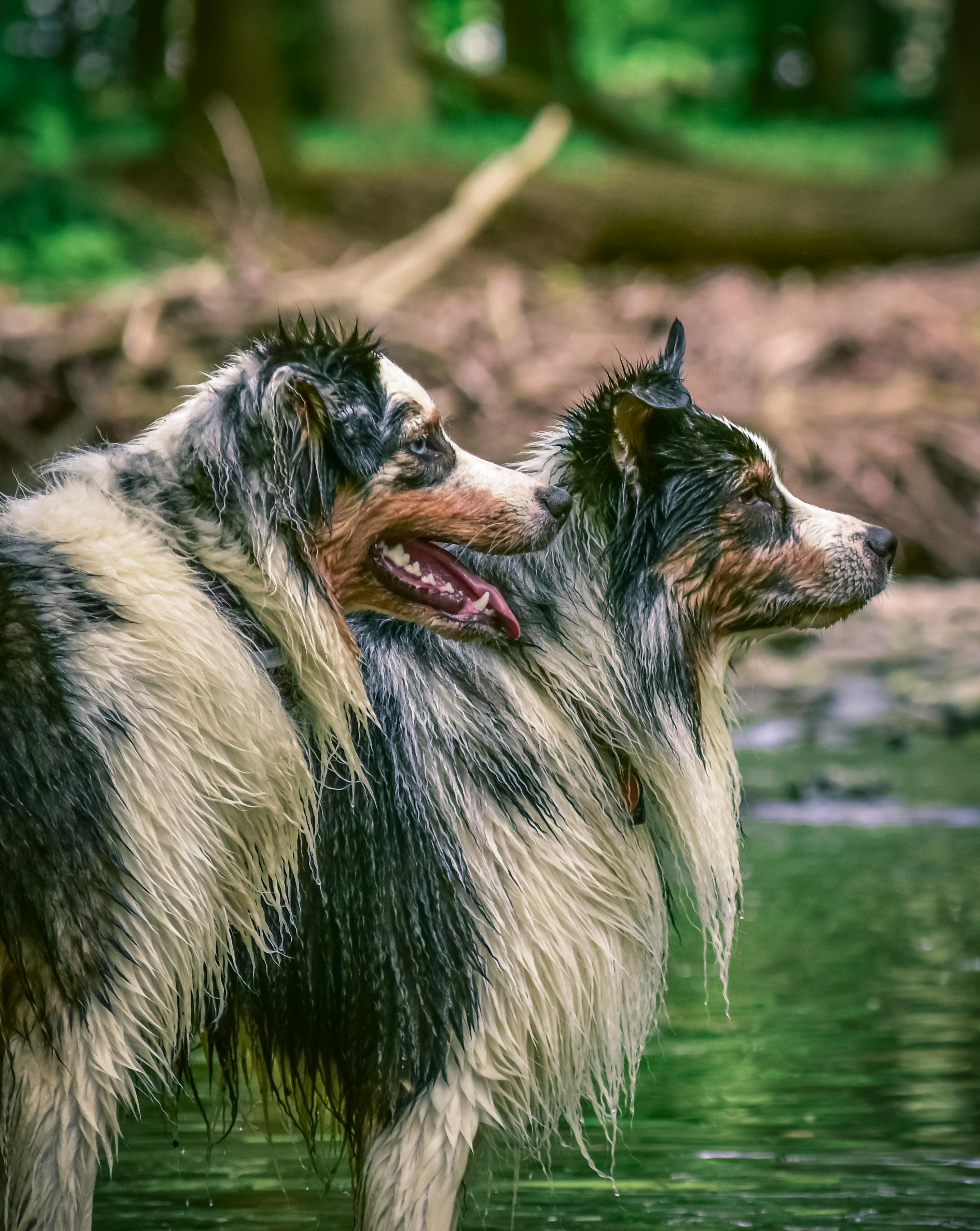
Do all dogs have wet noses? This is a question many dog lovers ask. Some people think that all dogs’ noses are moist, while others have their doubts based on what they seen or experienced. In this article, we gonna explore the variations across breeds, and dive into the science behind why do dogs have wet noses.
The Science Behind Wet Noses
Dogs’ noses are not just wet for no reason. There’s a scientific explanation for it, and it relates to their sense of smell. A dog’s nose is a highly sensitive organ, and moisture plays a key role in enhancing their olfactory capabilities. When a dog’s nose is wet, it helps to trap scent particles. This way, dogs can detect smells better than humans can.
- Nasal Mucus: Dogs’ noses secrete a thin layer of mucus, which keeps the nose moist and helps in capturing scents.
- Temperature Regulation: A wet nose also helps dogs cool down, similar to how we sweat. It can be a way for them to regulate their body temperature.
- Health Indicator: Generally, a wet nose is often associated with a healthy dog but not always.
Do All Breeds Have Wet Noses?
Now, not all dogs have the same type of nose. Some breeds may have drier noses than others. Here’s a quick look at several popular breeds and their nose moisture levels:
- Labrador Retrievers: Known for their friendly nature, they usually have wet noses.
- Bulldogs: Often have drier noses due to their facial structure.
- Greyhounds: These racing dogs typically feature wet noses, aiding their exceptional sense of smell.
- Chihuahuas: Their noses can vary; some are wet while others tend to be dry.
Factors Influencing Nose Moisture
Various factors can impact whether a dog’s nose is wet or dry. Understanding these can help dog owners better care for their pets.
- Weather Conditions: Hot or dry weather can lead to a drier nose.
- Health Issues: Conditions such as fever or dehydration can cause a dog’s nose to dry out.
- Age: Older dogs may have drier noses as they age.
Common Misconceptions
Many myths surround the wet nose of dogs. Here are some of the most common misconceptions:
- Wet Nose Means Healthy: While a wet nose often indicates a healthy dog, it’s not a definitive measure. Dogs can be sick and still have a wet nose.
- All Dogs Have Wet Noses: As discussed, not all breeds share the same level of moisture in their noses.
- Dry Nose is Always a Problem: A dry nose can be normal for some dogs, especially in certain breeds, or during specific times of the year.
Practical Tips for Dog Owners
If you notice your dog has a dry nose, it might be worth investigating. Here are some tips for keeping your dog’s nose moist and healthy:
- Hydration: Make sure your dog drinks enough water throughout the day.
- Humidifiers: Using a humidifier in your home during dry seasons can help keep your dog’s nose moist.
- Regular Vet Check-ups: Regular visits to the vet can help catch any potential health issues early.
Table: Dog Breeds and Nose Moisture
| Breed | Typical Nose Moisture Level | Notes |
|---|---|---|
| Labrador Retriever | Wet | Friendly and sociable |
| Bulldog | Dry | Facial structure affects moisture levels |
| Greyhound | Wet | Excellent sense of smell |
| Chihuahua | Variable | Can be either wet or dry depending on the individual |
| Beagle | Wet | Known for their keen sense of smell |
Understanding why dogs have wet noses is important for any dog owner. Whether you have a Labrador or a Bulldog, knowing the differences and what to look out for can help you ensure your furry friend stays healthy. It’s a fascinating topic that connects science, breed characteristics, and pet care. So, next time you see a dog, you can appreciate the moisture on their nose and its purpose!
Is a Dry Nose a Cause for Concern? Understanding Your Dog’s Nasal Health

Is a dry nose a cause for concern? This is a question many dog owners may ask themselves when they notice changes in their furry friend’s nasal health. Dogs are known for their wet noses, and this characteristic has intrigued pet lovers and scientists alike. So, why do dogs have wet noses? Let’s dive into the science behind it and explore the implications of a dry nose in dogs.
The Science Behind Wet Noses
Dogs typically have moist noses, and this is due to several reasons. The wetness of a dog’s nose serves multiple functions, including:
- Enhanced sense of smell: A damp nose helps to capture scent particles more effectively, which is crucial for a dog’s ability to detect odors.
- Temperature regulation: The moisture on a dog’s nose can help cool them down, as dogs primarily sweat through their paw pads.
- Health indicator: The condition of a dog’s nose can reflect their overall health and hydration levels.
Dogs’ noses are covered in a thin layer of mucus, which helps in trapping scent molecules. This is why you might notice your dog sniffing around so intently during walks or playtime. A wet nose is often seen as a sign of a healthy dog, but it can vary by breed and environment.
What Does a Dry Nose Mean?
While a wet nose is generally a good sign, a dry nose doesn’t automatically signal a problem. However, it can be an indicator of various conditions. Here are some possible reasons for a dry nose in dogs:
- Dehydration: If your dog is not drinking enough water, their nose might dry out.
- Weather conditions: Hot or windy weather can lead to a dry nose.
- Illness: Sometimes, a dry nose can be a sign of an underlying health issue, such as a fever or skin conditions.
- Age: Older dogs may naturally have drier noses due to changes in skin elasticity and moisture retention.
It’s important to observe other symptoms along with a dry nose. For example, if your dog is lethargic, not eating, or showing signs of discomfort, it could warrant a visit to the veterinarian.
Signs That Indicate a Problem
When assessing your dog’s nasal health, keep an eye out for these signs:
- Crusting or peeling: If the nose is cracked or has crusty areas, it could indicate a more serious issue.
- Discharge: Any unusual discharge, especially if it is colored or has a strong odor, should be examined by a vet.
- Behavior changes: If your dog is acting differently, like showing signs of pain or refusing to eat, this could indicate a health problem.
When to Seek Veterinary Help
If your dog has a dry nose along with any of the following symptoms, it’s best to consult a veterinarian:
- Persistent dry nose that doesn’t improve
- Swelling or redness around the nose
- Loss of appetite or weight loss
- Trouble breathing or coughing
Your vet can perform a thorough examination and may suggest tests to determine the underlying cause of the dry nose.
Preventative Care for Your Dog’s Nose
Keeping your dog’s nose healthy might be easier than you think. Here are some tips to maintain optimal nasal health:
- Stay hydrated: Always ensure your dog has access to fresh water, especially in hot weather.
- Limit sun exposure: Just like humans, dogs can get sunburned, which can dry out their noses. Consider using dog-safe sunscreen if your dog spends time outdoors.
- Regular vet check-ups: Routine visits can help catch any potential health issues early.
- Watch the environment: If your dog spends time in dry, windy places, try to provide a more sheltered area.
Summary of Key Points
- Dogs usually have wet noses for enhanced smell, temperature regulation, and health monitoring.
- A dry nose may not always be a cause for concern but should be monitored.
- Watch for additional symptoms like discharge or behavioral changes.
- Regular care and vet visits can help maintain a dog’s nasal health.
Understanding why dogs have wet noses and what a dry nose may indicate is crucial for any dog owner. It’s important to pay attention to changes in your pet’s health and seek veterinary advice when necessary. Taking care of your dog’s nose is just one part of ensuring they live a happy and healthy life.
The Role of a Wet Nose in Dog Communication: What You Need to Know
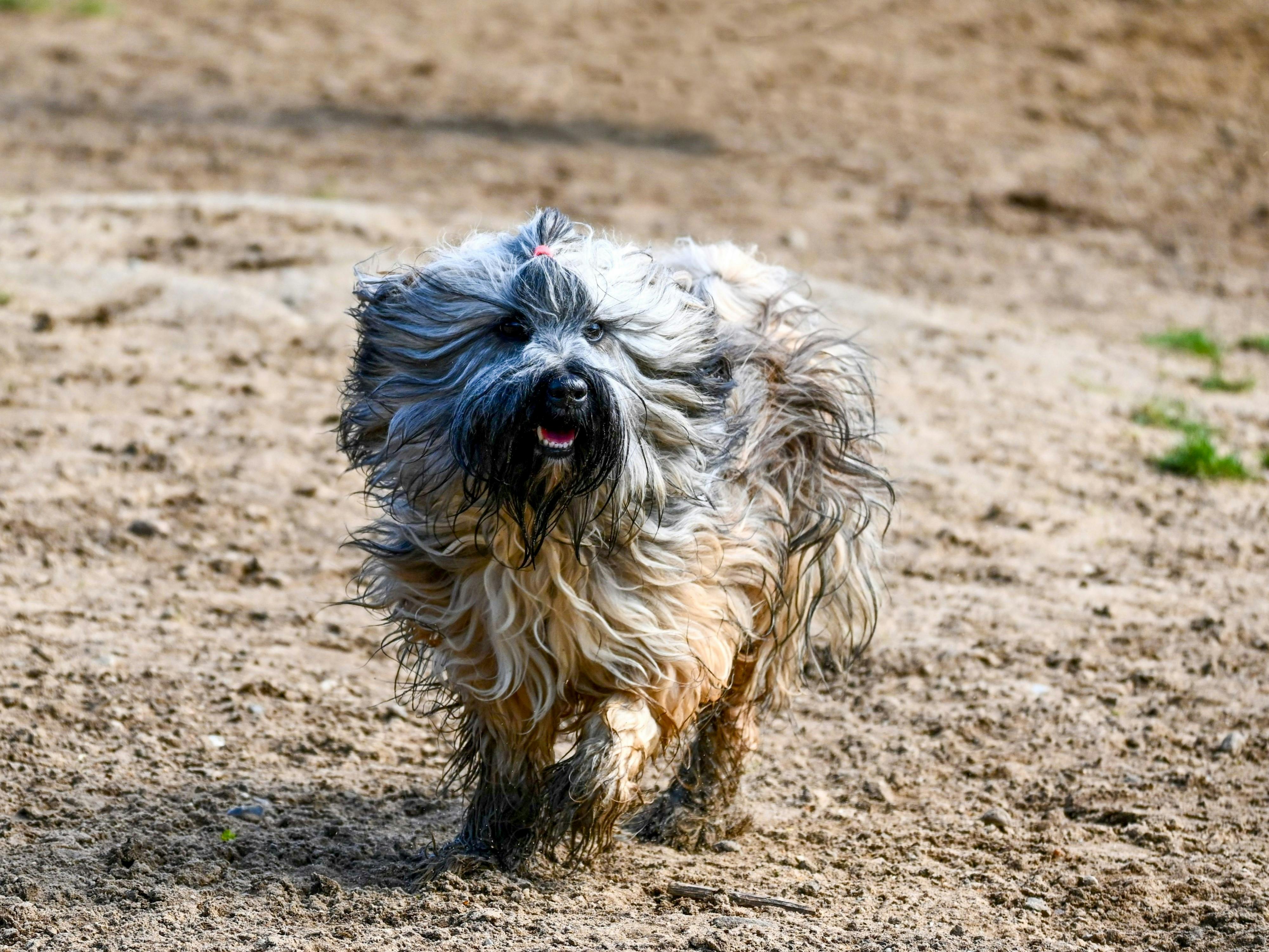
The wet nose of a dog often fascinate many pet owners and animal lovers. You might have notice when your furry friend comes up to you, their nose is cool and damp. But why do dogs have wet noses? What’s the science behind it? Understanding this can help you better connect with your four-legged companions and their unique ways of communicating.
The Science Behind a Dog’s Wet Nose
The moisture on a dog’s nose is not just for show. In fact, it serves several important functions. The wetness helps to enhance the dog’s sense of smell, which is crucial for how they interact with the world. Here’s how it works:
Scent Absorption: A wet nose can absorb scent molecules more effectively. When the nose is moist, it can trap these molecules, allowing dogs to detect smells more easily.
Thermoregulation: Dogs do not sweat like humans do. Instead, their noses help to cool them down. The moisture evaporating from their noses can help regulate their body temperature.
Health Indicator: The state of a dog’s nose can sometimes indicate their health. A healthy dog usually has a moist nose, while a dry or cracked nose might signal dehydration or illness.
Historical Context of Dog Noses
Historically, dogs have been our companions for thousands of years. Their noses have evolved to be sensitive tools for hunting and tracking. Breeds like Bloodhounds and German Shepherds are often used in search and rescue operations due to their exceptional olfactory abilities.
Evolutionary Benefits: An enhanced sense of smell helped early dogs to hunt more effectively, find food, and communicate with each other through scent marking.
Role in Human Society: Dogs were bred for specific tasks, and a keen sense of smell has been a desirable trait in many breeds.
How Dogs Communicate with Their Noses
Dogs are social animals, and they communicate in many ways including through their noses. Here are some ways they use their noses to express themselves:
Smelling Other Dogs: When dogs meet, they often sniff each other’s noses and behinds. This behavior helps them gather information about each other’s health, mood, and even diet.
Scent Marking: Dogs have scent glands located in their noses and when they mark their territory, they leave a scent that can be detected by other dogs.
Emotional Barometer: A dog’s nose can also indicate their emotional state. A wet, cold nose might indicate a relaxed and happy dog, while a warm or dry nose could suggest stress or anxiety.
The Importance of Nose Care
While it might seem trivial, taking care of your dog’s nose is important. Here are some tips for ensuring their nose stays healthy:
Hydration: Make sure your dog always has access to clean, fresh water. Dehydration can lead to a dry nose.
Check for Cracks: Regularly examine your dog’s nose for any signs of cracks or sores. If you spot anything unusual, it’s best to consult with a veterinarian.
Avoid Sunburn: If you have a dog with a light-colored or thin coat, their nose may be susceptible to sunburn. Consider using pet-safe sunscreen in these cases.
Fun Facts About Dog Noses
Dogs have approximately 220 million scent receptors in their noses, compared to about 5 million in humans.
Every dog has a unique nose print, much like human fingerprints.
A dog’s sense of smell can detect certain diseases, including cancer and diabetes.
Dogs can detect odors at incredibly low concentrations, sometimes as little as one part per trillion.
Understanding the role of a wet nose in dog communication can deepen your bond with your pet. It’s fascinating to think about how much information they gather through that tiny, wet surface. The next time you feel your dog’s cool nose against your hand, remember that it’s not just a sign of affection; it’s a complex tool of communication, health indicator, and a glimpse into their world. So, why do dogs have wet noses? The answer is layered with science, history, and an innate ability that makes our furry friends so special.
Dogs and Their Wet Noses: How Temperature Regulation Plays a Vital Role
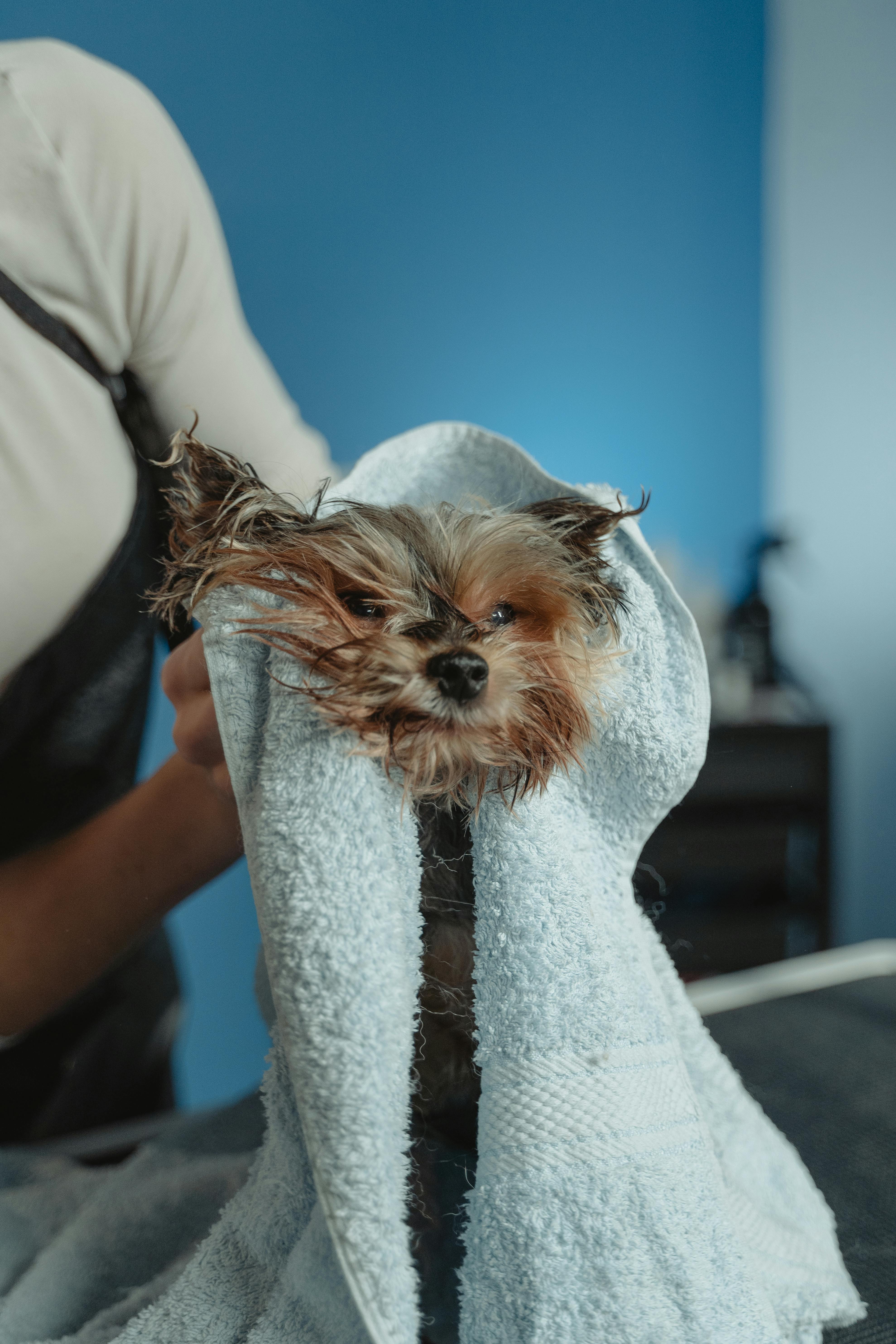
Dogs are known for their many unique traits, but one of the most noticeable is their wet noses. Have you ever wonder why dog’s noses are always moist? This wetness is not just a quirky characteristic; it’s actually plays an important role in their health and wellbeing. Here’s a deeper dive into the science behind why do dogs have wet noses, and how temperature regulation is at the heart of it all.
The Science Behind Wet Noses
Dog’s noses are covered in a thin layer of mucus. This moisture serves several purposes. For one, it helps with their sense of smell, which is way more powerful than ours. The moisture captures scent particles, allowing dogs to detect odors more effectively. This is why your pup can sniff out treats that are hidden way better than you can!
- Dogs have about 220 million smell receptors compared to human’s mere 5 million.
- The wetness can also help regulate their body temperature.
- A dog’s nose is cool to the touch, which is often a sign of good health.
Temperature Regulation
Ever notice how dogs pant when they get hot? Well, their wet noses actually play a role in cooling them down too. Unlike humans, who sweat to regulate body temperature, dogs depend on panting and having a moist nose.
The moisture on their noses evaporates, which cools down their body. This is especially important during hot weather or after exercise. The wetness helps dissipate heat, making it easier for dogs to maintain a comfortable body temperature.
Why Do Dogs Have Wet Noses?
So, why do dogs have wet noses in the first place? Here are a few key reasons:
- Enhanced Smell: As mentioned, moisture on the nose helps capture scent particles. This is vital for a dog’s survival instincts and social interactions.
- Health Indicator: A wet nose can sometimes indicate good health. Veterinarians often use the condition of a dog’s nose as a quick health check. A dry or cracked nose might suggest dehydration or illness.
- Behavioral Communication: Dogs use their noses not just for smelling but also for social interactions. A wet nose can signal a friendly and approachable demeanor.
Historical Context
Historically, wet noses have been a characteristic of canines for ages. Dogs evolved from wolves, who also had wet noses. This trait has been maintained throughout domestication, as it provides significant survival advantages. The ability to smell better helped early dogs hunt and thrive with human companions.
Fun Facts About Dog Noses
- A dog’s nose print is unique, similar to a human fingerprint.
- Certain breeds have more moisture than others; for instance, Bulldogs tend to have drier noses compared to Retrievers.
- The color of a dog’s nose can change with temperature; it may darken when it’s cold and lighten during hot weather.
Comparing Dog Noses to Human Noses
Let’s look at a quick comparison between dog noses and human noses:
| Feature | Dog Nose | Human Nose |
|---|---|---|
| Smell Receptors | 220 million | 5 million |
| Moisture Function | Aids in smell and cooling | Minimal cooling function |
| Unique Identification | Unique nose print | No unique print |
| Temperature Regulation | Evaporative cooling | Sweat-based cooling |
Practical Examples
When you see your dog with a wet nose, it’s not just a cute feature. It’s a sign they are in good health and ready to sniff out whatever adventure awaits! If you find your dog’s nose becoming excessively dry or cracked, it might be time to check in with your vet. This could indicate dehydration or other health issues.
Also, during hot summer days, keep an eye on your pup. If their nose feels unusually dry or hot, it might be a sign they’re overheating. Offer them plenty of fresh water and a cool place to rest.
The reasons behind why do dogs have wet noses are fascinating and deeply tied to their health and functionality. From enhancing their keen sense of smell to regulating their body temperature, these wet noses are much more than just a quirky characteristic. They are essential for canine survival and communication, enriching the bond we share with our furry friends. By understanding the science behind this feature, pet owners can better care for their dogs and appreciate the incredible ways in which they interact with the world.
Wet Noses vs. Dry Noses: What Your Dog’s Nose Says About Their Well-being
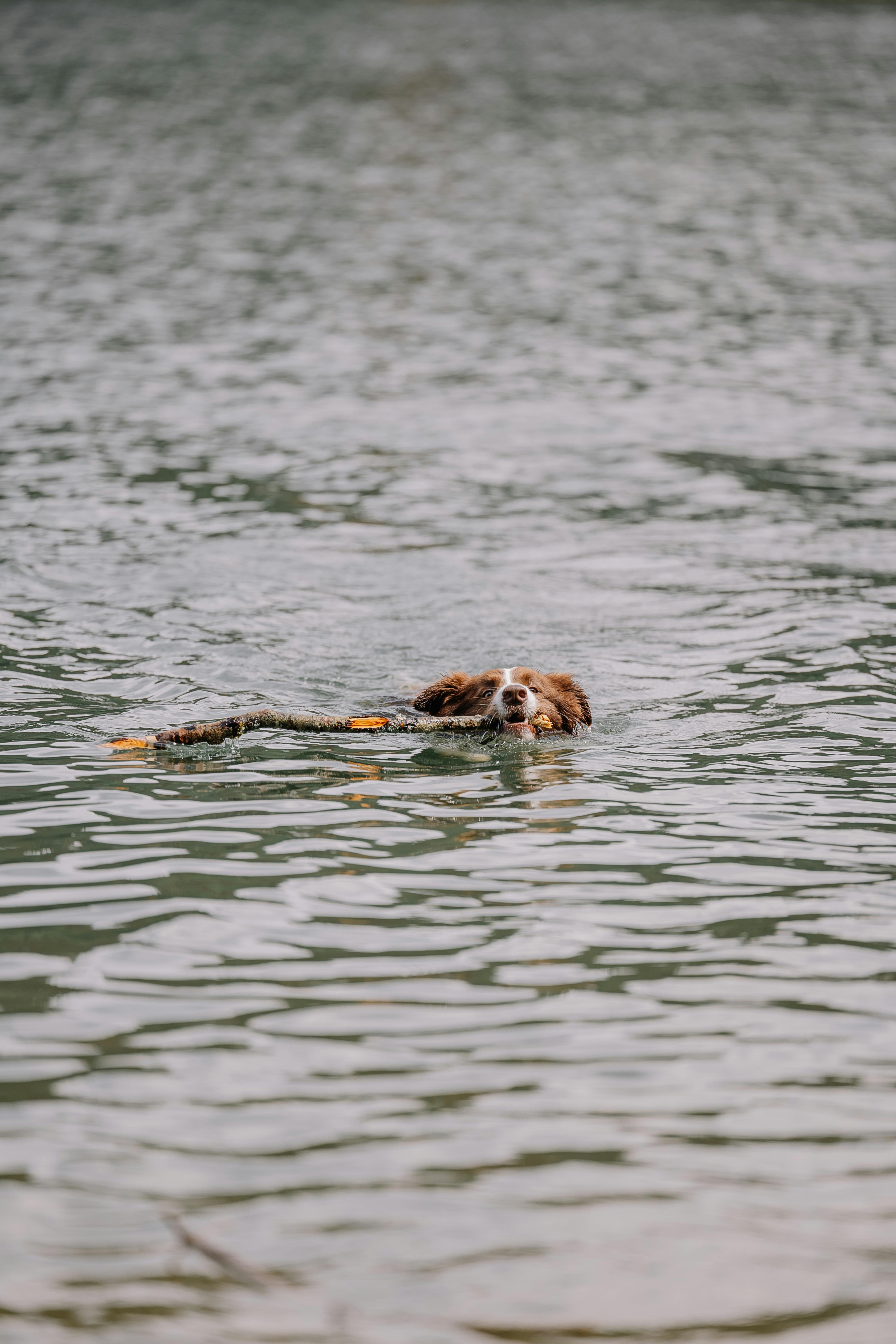
Dogs are often considered man’s best friend, and their well-being is a priority for many pet owners. One of the most noticeable features of dogs is their noses. Have you ever wondered why some dogs have wet noses while others have dry ones? Wet Noses vs. Dry Noses: What Your Dog’s Nose Says About Their Well-being is an important topic to explore. The condition of a dog’s nose can tell you a lot about their health and how they feel. Let’s dive into the science behind it and discover why do dogs have wet noses.
The Science Behind Wet Noses
Dogs have wet noses for several reasons. One of the main reasons is to help them cool down and regulate their body temperature. Dogs don’t sweat like humans do. Instead, they primarily rely on panting and the moisture on their noses to keep themselves cool. This moisture evaporates, which helps to lower their body temperature.
Also, a wet nose helps dogs enhance their sense of smell. Here’s how:
- Moisture helps to trap scent particles, making it easier for dogs to detect different smells.
- The wetness on their noses increases the surface area for olfactory receptors, which are responsible for their extraordinary sense of smell.
- Dogs can discern smells better when their noses are wet, allowing them to gather more information about their environment.
Why Do Dogs Have Dry Noses?
A dry nose can indicate different things. Sometimes, a dry nose is completely normal, especially if your dog has been sleeping or resting. But in some cases, it can be a sign of health issues. Here are some common causes for a dry nose:
- Dehydration: If a dog is not drinking enough water, their nose may dry out.
- Illness: Certain illnesses can lead to changes in a dog’s nose moisture.
- Allergies: Just like humans, dogs can have allergies that cause a dry, irritated nose.
- Environmental Factors: Hot, dry weather or low humidity can lead to a dry nose.
Wet Noses vs. Dry Noses: What Does It Mean?
To help you better understand the implications of a wet or dry nose, here’s a quick comparison:
Wet Nose:
- Indicates hydration and health.
- Enhances sense of smell.
- Often cooler to the touch.
Dry Nose:
- May indicate dehydration or illness.
- Can be warm or hot, potentially signaling a fever.
- May require attention if it persists.
Factors Influencing Nose Condition
The condition of a dog’s nose can be influenced by various factors, including:
- Breed: Some breeds naturally have drier noses due to genetics.
- Age: Older dogs may experience changes in moisture levels.
- Season: Weather changes can affect moisture levels.
- Health Status: Ongoing health issues can lead to fluctuations in nose moisture.
When to Worry About Your Dog’s Nose
While a wet nose is typically a sign of a healthy dog, it’s important to pay attention to other symptoms. Here are some red flags:
- If the nose is consistently dry and cracked.
- If your dog seems lethargic or is not eating or drinking well.
- If there are any changes in their behavior or energy levels.
- If you notice any unusual discharge from the nose.
Tips for Maintaining Your Dog’s Nose Health
Keeping your dog’s nose healthy doesn’t have to be hard. Here are some practical tips:
- Ensure your dog has access to fresh water at all times.
- Take your dog for regular vet check-ups to monitor their health.
- Use a humidifier during dry months to help maintain moisture in the air.
- Keep an eye on your dog’s environment and avoid exposing them to extreme temperatures.
In summary, understanding why do dogs have wet noses can give you insight into their overall well-being. A wet nose is generally a good sign, while a dry nose can warrant closer attention. Observing changes in your dog’s nose condition, alongside other health indicators, can help ensure they stay happy and healthy. Remember, if you’re ever in doubt about your dog’s health, consulting with a veterinarian is always the best course of action. Your furry friend relies on you for their health, so stay informed and proactive!
Curious Canines: The Connection Between Wet Noses and Dog Behavior
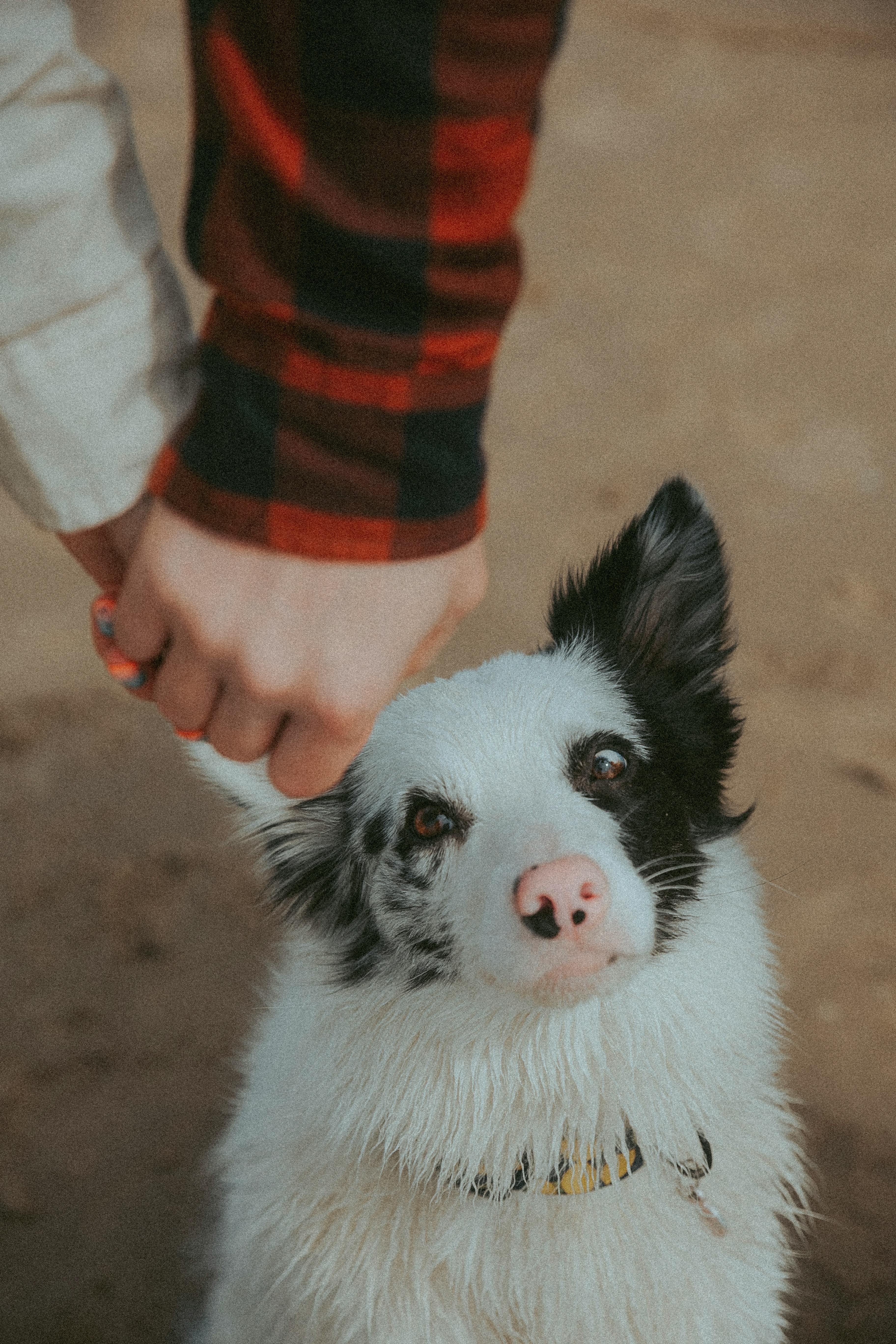
Curious Canines: The Connection Between Wet Noses and Dog Behavior, Why Do Dogs Have Wet Noses? Discover The Science Behind It!
Ever wonder why dogs have wet noses? It’s one of them quirky traits that set them apart from other pets. Their noses are not just adorable; they serve a purpose, and understanding this can help you appreciate your canine companion even more. Wet noses are more than just cute; they play a crucial role in a dog’s overall health and behavior. Let’s dive into the science and history behind this fascinating aspect of our furry friends.
The Function of a Wet Nose
Have you ever seen a dog sniffing things, and you thought they was just being nosy? Well, they actually use their noses for a lot more than that. A dog’s nose is a powerful tool for gathering information. Here are some of the main functions of a wet nose:
- Enhanced Sense of Smell: Dogs’ noses have up to 300 million scent receptors, compared to a human’s mere 5 million. The moisture helps capture scent particles, making it easier for them to detect odors.
- Temperature Regulation: A wet nose can help cool a dog down, much like sweating does for humans. When a dog is panting, the moisture on their nose can evaporate, helping to lower body temperature.
- Health Indicator: The state of a dog’s nose can indicate their health status. A dry or cracked nose might suggest dehydration or illness, while a moist nose is generally a sign of a healthy pup.
Why Are Dog Noses Wet?
So, why do dogs have wet noses? It’s a question many pet owners ask. The answer lies in their biology. Here’s a breakdown of some scientific reasons:
- Mucus Production: Dogs produce mucus on their noses which keeps it moist. This mucus is not just for show; it helps to trap scents.
- Cooling Mechanism: Dogs do not sweat like humans. Instead, they rely on their noses to help with thermoregulation. A wet nose means the dog can better manage its body temperature.
- Enhanced Scent Detection: The wetness on a dog’s nose allows it to absorb more scent molecules. This makes them better at tracking scents for hunting or finding food.
Historical Context of Dog Noses
Throughout history, dogs have been revered for their keen sense of smell. In ancient times, they was often used for hunting and tracking. The wet nose was likely an evolutionary adaptation that helped dogs survive. Here are some interesting historical tidbits:
- Ancient Hunters: Early humans trained dogs for hunting due to their incredible olfactory abilities. Wet noses were essential for tracking prey.
- Working Dogs: In more recent history, many breeds were developed specifically for their scent abilities, such as Bloodhounds and Beagles.
- Modern Applications: Today, dogs are used in various fields like search and rescue, drug detection, and even medical diagnostics thanks to their powerful noses.
The Science Behind Dog Behavior
Dogs’ wet noses also influence their behavior. Many pet owners notice that their dogs are more curious and playful when their noses are moist. Here are some behavioral insights:
- Sniffing as Communication: Dogs often interact with each other through sniffing. A wet nose can signal interest or curiosity.
- Playfulness: Dogs with wet noses tend to engage more in play and social interactions. Moist noses can indicate excitement and happiness.
- Anxiety and Stress: A dry nose can sometimes indicate stress or anxiety in dogs. Monitoring the moisture level on the nose can provide clues about their emotional state.
Fun Facts About Dog Noses
Here are some additional fun facts that will amaze you about dog noses:
- Dogs can differentiate between similar scents, such as two types of cheese, much better than humans can.
- The moisture on a dog’s nose can evaporate quickly, so it’s essential to keep an eye on their hydration, especially in hot weather.
- Different breeds may have varying nose shapes and moisture levels, which can affect their scenting abilities.
Quick Tips for Dog Owners
Taking care of your dog’s nose is important for their overall health. Here are some tips:
- Stay Hydrated: Ensure your dog has access to fresh water at all times. A hydrated dog is more likely to have a healthy nose.
- Regular Vet Visits: Keep up with regular check-ups to monitor their health, including their nose.
- Watch for Changes: If you notice a significant change in your dog’s nose moisture, such as becoming persistently dry, consult your veterinarian.
Understanding why dogs have wet noses and the role it plays in their behavior can deepen the bond you have with your furry friend. Their wet noses aren’t just an endearing quirk; it’s a crucial part of their biology that enhances their ability to connect
How to Keep Your Dog’s Nose Healthy: Tips for Maintaining Optimal Moisture Levels

As a dog owner, you might often wonder about the reason behind your furry friend’s wet nose. It’s a common sight, and many people assume it’s just a part of being a dog. But why do dogs have wet noses? The science behind it is actually pretty interesting, and keeping that nose healthy is vital for maintaining your pet’s overall well-being.
Why Do Dogs Have Wet Noses?
Dogs’ noses are typically moist, and there’s a good reason for this. The moisture helps to enhance their sense of smell. A wet nose can trap scent particles more effectively, which is crucial since dogs rely heavily on their sense of smell to interact with their environment. Here are some key facts to consider:
- Scent Detection: Dogs have around 220 million scent receptors, compared to humans’ 5 million. The moisture on their noses helps to absorb scent particles from the air, allowing for better detection.
- Temperature Regulation: A wet nose can help cool down a dog’s body temperature. When they pant, the moisture evaporates, aiding in thermoregulation.
- Health Indicator: While a wet nose is normal, sudden changes in moisture levels can indicate health issues. A dry nose might suggest dehydration or illness, so monitoring your dog’s nose can be important.
Tips for Maintaining Optimal Moisture Levels
Just like your skin needs care, your dog’s nose needs attention too. Here are some practical tips for keeping your dog’s nose healthy:
Hydration: Make sure your dog always has access to fresh, clean water. Dehydration can lead to a dry nose and other health issues.
Humid Environment: If you live in a dry area, consider using a humidifier in your home. This can help maintain moisture in the air, which benefits your dog’s nose.
Regular Vet Check-Ups: Regular check-ups with your vet can help catch any underlying health issues early. They can provide insights on what’s normal for your specific dog breed.
Nose Balm: If you notice your dog’s nose becoming dry or cracked, consider using a pet-safe nose balm. These products can help restore moisture and protect the nose from the elements.
Avoid Harsh Chemicals: Be cautious about the cleaning products you use around your dog. Some chemicals can irritate their skin and nose.
Monitor Allergies: Just like humans, dogs can have allergies that may affect their noses. Watch for signs of irritation or dryness after exposure to certain plants, foods, or products.
Signs of a Healthy vs. Unhealthy Nose
It’s crucial to know what a healthy dog nose looks like. Here’s a quick comparison:
Healthy Dog Nose:
- Moist and cool to the touch
- Slightly wet but not dripping
- Consistent color (usually dark, but can vary by breed)
Unhealthy Dog Nose:
- Dry and cracked
- Excessively warm
- Changes in color (like a red or inflamed appearance)
- Discharge (clear, yellow, or green)
Fun Facts About Dog Noses
Did you know that dogs’ noses are just as unique as human fingerprints? No two dogs have the same nose print! Here are some more fun facts:
- Nasal Folds: Dogs have distinct nasal folds that can help them retain moisture.
- Smell Memory: Dogs can remember scents for years. They can even recognize their owners by smell, even after long periods apart.
- Scent Discrimination: Dogs can distinguish between different scents, even if they are mixed together. This is why they excel in search and rescue missions.
The Bottom Line
Understanding why dogs have wet noses and how to keep them healthy can help promote a happier, healthier life for your furry friend. By maintaining optimal moisture levels through hydration, environment, and care, you can make sure your dog’s nose remains in top shape. Regular check-ups and being aware of changes can catch potential issues early. With these tips, you can ensure that your dog’s nose stays as wet and happy as they are! Keeping an eye on those little details makes a big difference in your pet’s quality of life.
Conclusion
In conclusion, the wet noses of dogs serve several important functions that contribute to their overall health and well-being. From enhancing their sense of smell to regulating body temperature, a moist nose is a vital aspect of a dog’s physiology. The moisture helps to trap scent particles, allowing dogs to gather more information about their environment, while also providing a cooling mechanism during warm weather. Additionally, a wet nose can indicate hydration and overall health, although it’s essential to monitor changes that may signal health issues. Understanding these factors not only deepens our appreciation for our furry companions but also encourages us to pay attention to their needs. So, the next time you give your dog a loving pat on the head and feel that familiar wet nose, remember the important roles it plays. Stay informed about your pet’s health, and don’t hesitate to consult your veterinarian with any concerns.
