
Have you ever wondered, why do dogs have wet noses? This fascinating questions has intrigued pet owners and animal lovers alike for ages. A dog’s nose is more than just an adorable feature; it serves essential purposes that are both biological and behavioral. Ever notice how your furry friend’s nose is often cold and damp? This unique trait is not just for show—it’s crucial for their sense of smell and overall health. In this article, we will dive into the remarkable world of canine anatomy to uncover the truth behind wet noses. Could it be that their wet noses help regulate body temperature? Or maybe it enhances their ability to detect scents from far and wide? As we explore these questions, prepare to be amazed by the incredible ways in which a dog’s nose functions. If you’re a curious pet owner eager to learn more about your canine companion, stick around! Unraveling the science behind why dogs have wet noses can deepen your bond with your pet and enhance your understanding of their extraordinary abilities. Discover the answers now and satisfy your curiosity about our beloved four-legged friends!
The Science Behind Dog Noses: Why Are They Wet and What Does It Mean for Your Pup?
Have you ever noticed your dog’s nose is wet? It’s one of those things that many pet owners wonder about. You might think it’s just because they slobber a lot, but there’s actually some science and fascinating reasons behind it. Dogs have wet noses for a variety of reasons, and understanding this can help you appreciate your furry friend more.
The Science Behind Wet Noses
First off, why do dogs have wet noses? One of the main reasons is that a wet nose helps them to smell better. Dogs have a highly developed sense of smell, which is about 40 times better than humans. The moisture on their noses helps to trap scent particles from the air. When the nose is wet, it can absorb more of these particles, making it easier for your pup to detect smells. So, when you see your dog sniffing around, remember that it’s not just because they’re curious, but they’re also gathering a lot of information.
Thermoregulation
Another reason dogs have wet noses relates to thermoregulation. Dogs don’t sweat like humans do. Instead, they cool themselves primarily through panting and the moisture on their noses. A wet nose can help them to regulate their body temperature more effectively. If your dog’s nose seems dry, it might be a sign they are overheated or dehydrated, so keep an eye on that!
Historical Context
Historically, wet noses have been a topic of interest among pet owners and scientists alike. In ancient times, people believed that a dog’s nose could indicate its health. A cold, wet nose was often seen as a sign of good health, while a dry nose could be a cause for concern. Today, while we know that nose wetness isn’t the only indicator of a dog’s health, it’s still a notable characteristic.
Common Myths About Dog Noses
There’s a lot of myths surrounding dog noses. Here are some of the most common ones:
- Myth 1: A dry nose means a dog is sick. While a dry nose can indicate some health issues, it’s not always the case.
- Myth 2: Dogs sweat through their noses. Dogs primarily sweat through their paw pads and rely on panting to cool down.
- Myth 3: Dogs’ noses can tell their mood. While a wet nose doesn’t indicate mood, other body language can give clues about how they feel.
What Does a Wet Nose Mean?
A wet nose can mean different things depending on the situation. Here are some scenarios:
- Healthy Dog: The classic sign of a healthy dog is a moist, cool nose. This typically indicates proper hydration and overall well-being.
- Sick Dog: If the nose is persistently dry, cracked, or warm, it might be a sign to check in with your vet.
- Weather Changes: Sometimes, changes in weather can affect nose moisture. Cold weather might lead to a dry nose, while humidity can promote wetness.
Factors That Affect Nose Wetness
Several factors can influence whether your dog’s nose is wet or dry. These include:
- Humidity Levels: High humidity can keep a dog’s nose wet, while dry climates can lead to dryness.
- Health Conditions: Certain health issues, such as fever or dehydration, can lead to a drier nose.
- Activity Level: After vigorous play or exercise, a dog’s nose might become drier due to increased panting and heat.
Practical Tips for Dog Owners
If you want to keep your dog’s nose healthy, here are some practical tips:
- Stay Hydrated: Ensure your dog has access to fresh water at all times.
- Regular Vet Check-ups: Schedule regular veterinary visits to monitor your dog’s health.
- Watch for Changes: Keep an eye on any changes in your dog’s nose condition or behavior and consult your vet if needed.
Fun Fact About Dog Noses
Did you know that a dog’s sense of smell is so powerful that they can detect certain diseases in humans, like cancer or diabetes? This remarkable ability is why some dogs are trained as service animals to help in medical situations. Their noses are not only wet but also incredibly efficient!
Understanding why do dogs have wet noses can help you appreciate the unique biology of your pup. It’s a reminder of how much dogs rely on their senses, especially their sense of smell. Whether it’s for cooling down or enhancing their ability to smell, those wet noses are more than just a cute feature; they’re a crucial part of what makes dogs such amazing companions.
5 Surprising Health Benefits of a Dog’s Moist Nose You Didn’t Know About
Dogs are often known for their loving nature and loyalty, but did you ever think about their moist noses? Most people just think it’s normal, but there’s actually some surprising health benefits to that wetness. Believe it or not, the state of your dog’s nose can tell you a lot about their health. So, let’s dive into the 5 surprising health benefits of a dog’s moist nose you didn’t know about and explore why do dogs have wet noses.
1. Natural Thermoregulation
One of the most fascinating reasons for a dog’s wet nose is its role in thermoregulation, which is simply how the body regulates its temperature. The moisture on a dog’s nose helps cool them down. When a dog pants, the moisture evaporates from their nose and tongue, helping to lower their body temperature. This is especially important during hot weather, when dogs can easily overheat.
- Dogs can’t sweat like humans do, so they rely on their noses and panting.
- A moist nose aids in cooling down quicker than a dry one.
- Keeping a dog hydrated is also important for this process.
2. Enhanced Sense of Smell
Did you know a dog’s nose is more than just cute? It’s actually a powerful tool for detecting scents. The wetness of their noses helps to trap scent particles from the air, making it easier for dogs to smell. This wet surface allows them to absorb more odors, making their sense of smell much more acute.
- Dogs have about 220 million scent receptors, compared to humans’ 5 million.
- The moisture on their noses helps enhance this ability significantly.
- This is why dogs can be trained to detect drugs, explosives, and even certain medical conditions.
3. Indicator of Health
A dog’s nose can often be a good indicator of their overall health. While a warm, dry nose doesn’t automatically mean a dog is sick, it can signal potential health issues. A moist, cool nose is usually a sign of a healthy pooch. Changes in the moisture level, color, or texture of your dog’s nose can indicate various health problems.
- A dry nose can signal dehydration or fever.
- A runny or excessively wet nose might indicate allergies or infections.
- Monitoring your dog’s nose regularly can help catch health issues early.
4. Social Communication
Dogs are social animals, and their noses play a role in communication. A moist nose can also be a way for dogs to express themselves. When dogs greet each other, they often sniff each other’s noses. This exchange of scents is a form of social interaction and helps them gather information about each other.
- Dogs can learn about each other’s diet, health, and even emotional state through scent.
- A wet nose can indicate a dog is excited or happy to meet another dog.
- This social behavior is part of their instinctive nature.
5. Reflects Hydration Levels
The moisture level of a dog’s nose can also reflect their hydration status. A well-hydrated dog usually has a moist, cool nose, while a dry, cracked nose can be a sign that your furry friend needs more water. Keeping your dog hydrated is essential for their overall health and helps maintain that healthy, moist nose.
- Monitor your dog’s water intake, especially in hot weather.
- Provide fresh water regularly to encourage hydration.
- Dehydration can lead to serious health issues, so it’s important to act quickly.
Why Do Dogs Have Wet Noses?
The question of why dogs have wet noses often leads to a deeper understanding of their biology and behavior. A dog’s nose is naturally moist due to the secretion of mucus and the moisture they pick up from the environment. This is not just a physical trait; it serves several important functions that help dogs thrive.
- Dogs lick their noses, which keeps them moist and aids in scent detection.
- The moisture helps regulate body temperature and maintain hydration.
- Evolutionarily, dogs have adapted to have wet noses as a survival mechanism.
In summary, the wetness of a dog’s nose is more than just an endearing trait; it plays a vital role in their health and well-being. From helping them regulate temperature to enhancing their sense of smell, a moist nose is a fascinating aspect of canine biology. So next time you give your furry friend a pat, take a moment to appreciate that wet nose and all the surprising benefits it brings!
Wet Nose, Happy Dog: Understanding the Connection Between Canine Emotions and Nose Moisture
Wet noses on dogs, they is something almost every dog lover notice. But have you ever stop to wonder why dogs have wet noses? It’s more than just a quirky trait; it’s a fascinating connection to their emotions, health, and behavior. Let’s dive into the intriguing world of canine noses and what they can tell us about our furry friends.
The Importance of a Wet Nose
Dogs’ noses are not just for sniffing; they serve several purposes. A wet nose helps in regulating a dog’s body temperature and improving their sense of smell. Research indicate that a dog’s sense of smell is over 40 times better than humans, and moisture on the nose assist this process. Here are some reasons why a wet nose is important:
- Temperature Regulation: Dogs sweat through their noses and paw pads, which helps cool them down.
- Enhanced Smell: Moisture traps scent particles, making it easier for dogs to pick up on smells.
- Health Indicator: The condition of a dog’s nose can often signal health problems. A dry, cracked nose might suggest dehydration or illness.
Canine Emotions and Nose Moisture
There is a common belief that a dog’s nose moisture can reflect their emotional state. Wet noses are often associated with a happy and relaxed dog. But how does this work? When dogs are feeling content, they are more likely to have a moist nose. In contrast, stress or illness may result in a dryer nose. Here’s a quick look at the emotional connection:
- Happy and Relaxed: Dogs that are at ease often have cooler, moist noses.
- Stressed or Anxious: When anxious, a dog may show signs of dryness or excessive licking.
- Illness: A persistently dry and warm nose could indicate a possible health issue and may warrant a visit to the vet.
Why Do Dogs Have Wet Noses? The Science Behind It
The moisture on a dog’s nose is primarily due to a thin layer of mucous that helps with scent detection. But that’s not all! Other factors play a role in how wet or dry a dog’s nose can be.
- Humidity and Weather: The environment impacts nose moisture. Humid days can make noses wetter, while dry, cold weather can cause a nose to dry out.
- Hydration Levels: Just like humans, if dogs aren’t drinking enough water, it can affect their nose moisture.
- Breed Differences: Some dog breeds have naturally wetter noses than others. For instance, Basset Hounds typically have very moist noses compared to Bulldogs.
Fun Facts About Dog Noses
Did you know that a dog’s nose print is unique, similar to a human fingerprint? Here are some more fun and interesting facts about dog noses:
- Dogs have about 300 million smell receptors in their noses, compared to a human’s 5 million.
- The texture of a dog’s nose varies by breed, some are smooth, while others are bumpy.
- A dog’s sense of smell is so advanced that they can detect certain diseases, like diabetes and cancer, just by smelling a person’s breath.
Tips for Keeping Your Dog’s Nose Healthy
Maintaining a healthy nose is essential for your pup’s overall health. Here’s a list of tips to ensure your dog’s nose stays moist and healthy:
- Stay Hydrated: Always provide fresh water to your dog.
- Regular Vet Check-ups: Regular visits can help catch any illnesses early.
- Watch for Changes: Keep an eye on your dog’s nose. If it becomes excessively dry or cracked, consult a veterinarian.
- Avoid Irritants: Be cautious of chemicals and allergens that might irritate your dog’s nose.
The Bottom Line
So, why do dogs have wet noses? It’s a combination of biology, behavior, and environment. Understanding the connection between a dog’s emotions and their nose moisture adds another layer to the bond we share with our pets. Next time you see your dog with their wet nose, remember it’s not just a cute feature; it reflects their health and feelings too. Keeping your furry friend hydrated and monitored can help maintain their happy disposition and moist nose. Embrace the quirks of your dog, and you might just find that those little details make all the difference in your relationship with them.
Curious Canines: What Your Dog’s Wet Nose Reveals About Their Well-Being
Dogs are often called man’s best friend, but did you ever wonder why their noses are wet? It’s one of those things many dog owners just accept without thinking, but the truth is pretty fascinating. So, let’s dive into the curious canines and explore what your dog’s wet nose reveals about their well-being and why do dogs have wet noses in the first place.
The Science Behind the Wet Nose
There are multiple reasons why dogs have wet noses. One of the most significant reasons is that a wet nose helps dogs to better smell their surroundings. Dogs have an incredible sense of smell, and moisture on their nose enhances their olfactory capabilities. The wet surface captures scent particles more effectively, which is why you might notice your dog sniffing around a lot.
Here are some facts about why dogs have wet noses:
- Enhanced Smell: A wet nose helps absorb scent molecules.
- Thermoregulation: Dogs don’t sweat like humans do. Instead, they cool off through their noses.
- Health Indicator: A dog’s nose can be a good gauge of their health.
The Importance of Nose Temperature
You might be wondering, what does the temperature of a dog’s nose mean? A cool and moist nose is generally considered a sign of a healthy dog, whereas a dry or excessively warm nose could indicate possible health issues. However, it is important to remember that nose temperature alone isn’t a definitive health indicator.
Common Misconceptions
There are several myths about dog noses that many people believe. Let’s clear some of them up:
- Myth: A warm nose means a dog is sick. While a warm nose can indicate illness, it’s not a rule. Dogs can have warm noses for many reasons, like being in a warm environment.
- Myth: Dogs only have wet noses when they feel unwell. A dog’s nose can be wet for various reasons, including licking it, being outside, or just being a dog!
- Myth: All dogs have the same nose wetness. Different breeds can have different nose wetness levels, depending on their environment and activity.
The Role of Licking
Dogs often lick their noses, and this behavior serves multiple purposes. When a dog licks its nose, it helps to keep it moist, which is important for their sense of smell. Additionally, licking can be a way for dogs to express comfort or relieve anxiety.
Did you know that dogs also lick their noses after they’ve eaten or had a drink? This is their way of cleaning up and keeping their nose ready for their next sniffing adventure.
Health Indicators of a Dog’s Nose
Now, let’s break down what different nose conditions could mean:
- Wet and Cool: Generally a sign of health.
- Dry and Warm: Could indicate fever or dehydration.
- Cracked or Chapped: Might be a sign of allergies or other health issues.
- Excessive Nasal Discharge: Could indicate a respiratory issue or infection.
Monitoring Your Dog’s Nose
As a dog owner, it’s essential to keep an eye on your four-legged friend’s nose. Regular checks can help you catch any potential health issues early. Here’s what you can do:
- Daily Checks: Take a glance at your dog’s nose every day.
- Observe Behavior: Note any changes in behavior or eating habits along with nose conditions.
- Consult the Vet: If you notice any significant changes, don’t hesitate to reach out to the vet.
Fun Facts About Dog Noses
Here are some interesting tidbits about dog noses to impress your friends:
- Dogs have about 300 million smell receptors, compared to humans, who have approximately 5 million.
- The texture of a dog’s nose is unique, much like a human fingerprint.
- Dogs can even detect certain diseases, including cancer, through their sense of smell.
The mystery of why dogs have wet noses is not just a quirky trait; it’s deeply connected to their health and well-being. Understanding this can help you take better care of your beloved pet. So, the next time you give your furry friend a pat, take a moment to appreciate the fascinating truth behind their wet noses and what it reveals about their overall health.
The Role of a Wet Nose in a Dog’s Sense of Smell: Unlocking Nature’s Superpower
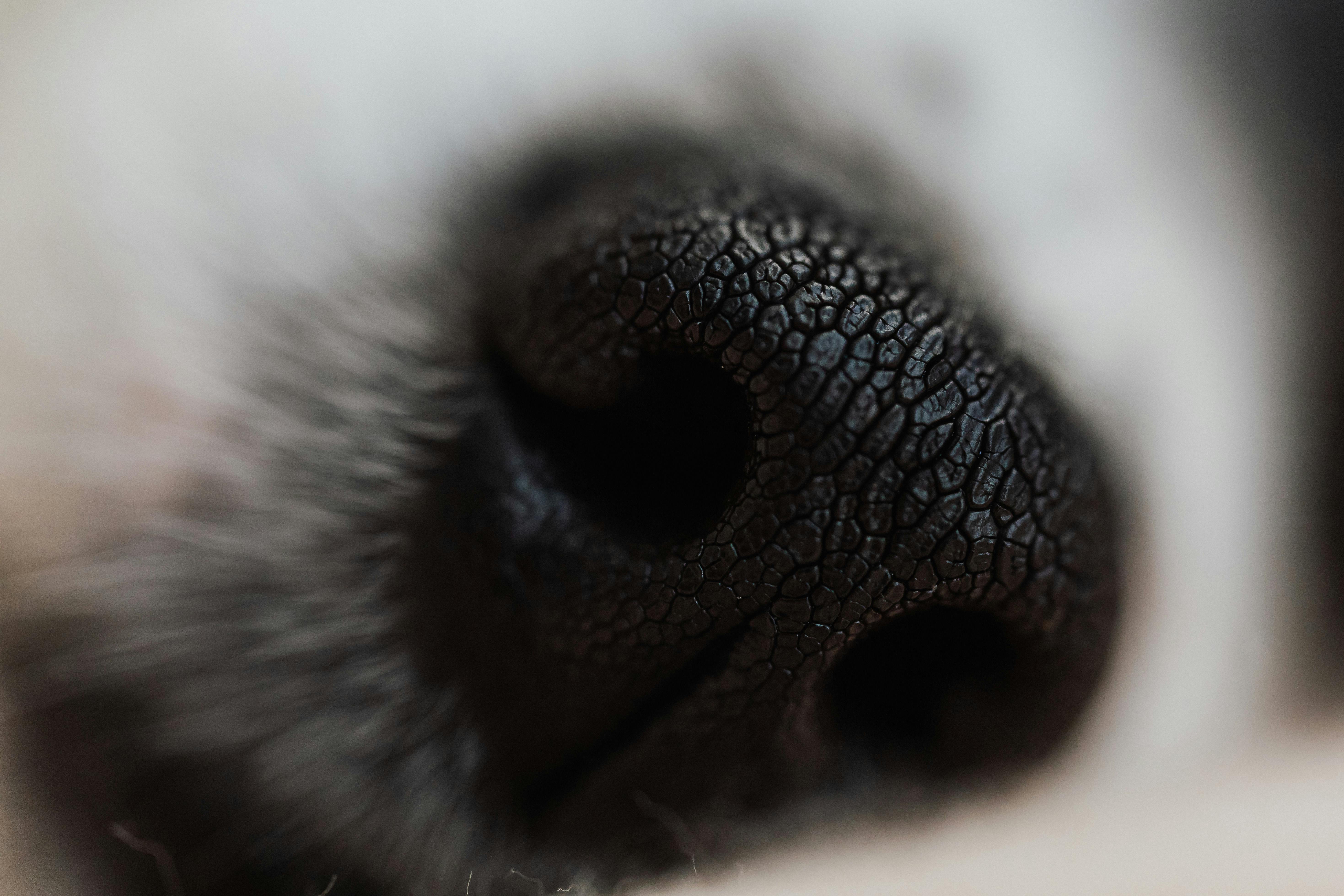
Dogs are often seen with wet noses, and many wonder why this is the case. It turns out, the role of a wet nose in a dog’s sense of smell is not just a quirky feature; it’s a vital part of their sensory system. So, why do dogs have wet noses? Let’s explore the fascinating truth behind this natural phenomenon and discover how it contributes to their incredible olfactory abilities.
The Anatomy of a Dog’s Nose
The structure of a dog’s nose is specially designed to enhance their sense of smell. Unlike humans, dogs have a much larger olfactory bulb in their brains, which allows them to process scents more effectively. Here are some key anatomical features:
- Olfactory Receptors: Dogs possess up to 300 million olfactory receptors, compared to about 5 million in humans.
- Nasal Turbinates: These are bony structures in the nasal cavity that increase the surface area for scent detection.
- Moisture-Secreting Glands: The wetness in a dog’s nose comes from mucus-producing glands.
This unique anatomy allows dogs to detect odors at incredibly low concentrations. In fact, they can smell things that are undetectable to humans, which is why they are often used in search and rescue operations, as well as in detecting drugs or explosives.
Why is a Wet Nose Important?
A wet nose serves several essential functions that enhance a dog’s ability to smell. Here’s a breakdown of why moisture is so important:
- Enhanced Olfactory Function: The moisture on a dog’s nose helps to capture scent particles from the air. This is crucial for picking up smells more accurately.
- Temperature Regulation: A wet nose can help regulate a dog’s body temperature, particularly in hot weather. The evaporation of moisture cools them down.
- Health Indicator: A dog’s nose can indicate its health status. For instance, a dry nose may suggest dehydration or illness, while a wet nose is typically a sign of good health.
Historical Perspective on Dog Noses
Dogs have been companions to humans for thousands of years, and their keen sense of smell has been celebrated in various cultures. Historically, they were bred for specific tasks, many of which relied heavily on their ability to smell. Here are some examples:
- Hunting: Early humans used dogs to track and hunt animals, taking advantage of their superior sense of smell.
- Herding: Shepherd dogs were bred to manage livestock, using their noses to detect animals’ movements and scents.
- Search and Rescue: In more modern times, dogs have been trained to locate missing persons due to their ability to smell human scents, even under rubble or in vast areas.
Fun Facts About Dog Noses
- Unique Nose Prints: Just like human fingerprints, every dog has a unique nose print. This can even be used for identification.
- Color Variations: The color of a dog’s nose can vary based on breed and genetics, ranging from black to liver or pink.
- Dogs and Their Sense of Smell: On average, dogs can smell about 100,000 times better than humans, making them remarkable creatures in terms of olfactory prowess.
Practical Examples of a Dog’s Sense of Smell
- Detection Dogs: Many police and military forces employ dogs trained to sniff out drugs or explosives. Their wet noses play a crucial role in detecting these scents.
- Medical Detection: Some dogs are trained to detect diseases like cancer or diabetes by smelling changes in a person’s body odor.
- Therapy and Assistance: Dogs can also be trained to assist people with disabilities by detecting specific odors related to medical conditions.
Dog Nose Care Tips
To keep your dog’s nose healthy, consider the following tips:
- Hydration: Ensure your dog is well-hydrated, as this will promote a wet nose.
- Cleaning: Occasionally wipe your dog’s nose with a damp cloth to remove dirt and debris.
- Check for Abnormalities: Keep an eye on your dog’s nose; if it’s persistently dry or cracked, consult a veterinarian.
Overall, the wet nose of a dog is more than just a charming feature; it’s an essential part of their biology that enhances their sense of smell and helps them interact with the world. Understanding this aspect of your furry friend can deepen your appreciation for their unique abilities. So next time you pet your dog, take a moment to admire that wet nose – it’s nature’s superpower at work!
Why Do Dogs Have Wet Noses? The Fascinating Evolutionary Reasons Explained
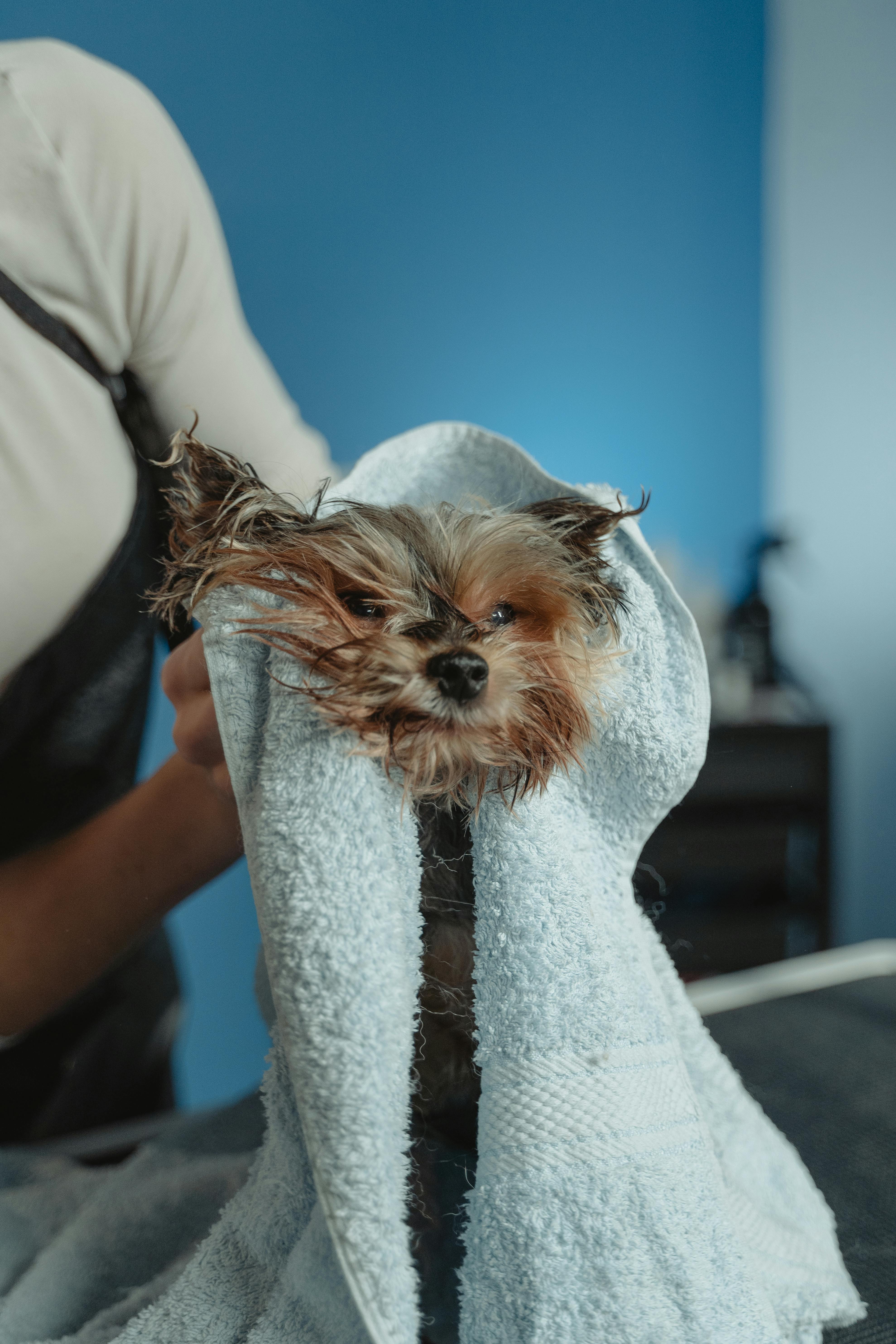
Have you ever wondered why dogs have wet noses? It’s a question that might seem simple, but there’s a lot of fascinating science and history behind it. First of all, let’s just say, dogs noses are like their own personal air fresheners! The moisture on a dog’s nose isn’t just there for fun — it serves essential functions that have evolved over thousands of years.
The Evolutionary Background of Wet Noses
Dogs are descendants of wolves, and they evolved many traits to help them survive in the wild. One major trait is their sense of smell. Dogs have an extraordinary olfactory system that allows them to detect scents far better than humans. Wet noses play a big role in this ability. But why is that?
Here’s how it works:
- Enhanced Smell: The moisture on a dog’s nose helps to capture scent particles. When their nose is wet, it can absorb these particles more efficiently, allowing dogs to get a clearer picture of their environment.
- Temperature Regulation: Just like we might sweat to cool down, dogs cool themselves through their noses. The evaporation of moisture helps regulate their body temperature.
- Health Indicator: A wet nose can be a good sign of a dog’s health. Generally, a healthy dog has a moist nose, while a dry nose might indicate dehydration or illness.
Why Do Dogs Have Wet Noses? The Science Behind It
The anatomy of a dog’s nose is quite fascinating. The surface of their nose is covered with a thin layer of mucous, which is key in detecting scents. When a dog sniffs, the moisture helps to bind with the scent molecules, making them easier to interpret by the olfactory receptors.
Some interesting facts about dog noses:
- Dogs have up to 300 million smell receptors, compared to a human’s 5 million.
- The part of the dog’s brain that processes smells is 40 times larger than that of humans!
- Dogs can even detect certain diseases through smell, like cancer and diabetes.
The Different Types of Dog Noses
Not all dog noses are created equal. Dogs can have different types of noses based on their breed and genetics. Here’s a quick rundown:
- Cold and Wet: Typically a healthy nose, indicating that the dog is well-hydrated.
- Warm and Dry: Might suggest a fever or dehydration. If this persists, it could indicate a health issue.
- Cracked or Peeling: This might be a sign of allergies or other skin conditions.
Fun Facts About Dog Noses
- Dogs can recognize their owners by scent alone, even in a crowded place.
- They can even track scents that are days old.
- A dog’s nose print is unique, much like a human fingerprint.
How to Care for Your Dog’s Nose
Taking care of your dog’s nose is important for their overall health. Here’s how you can help:
- Hydration: Always provide fresh water to keep them hydrated.
- Moisturize: If your dog’s nose is dry, you can apply a dog-safe moisturizer.
- Regular Check-ups: Routine veterinary care can help catch any potential issues early.
Summary of Key Points
- Dogs have wet noses for several reasons: enhanced smell, temperature regulation, and health indicators.
- Their noses are anatomically designed to absorb scent particles efficiently.
- Different types of dog noses can indicate various health conditions.
- Taking care of your dog’s nose can help prevent health issues.
So, why do dogs have wet noses? It’s a combination of evolutionary traits designed to enhance their survival and communication. The moisture helps them smell better, stay cool, and even indicates their health. Next time you pet your furry friend, take a moment to appreciate that wet nose — it’s a small feature with a big impact! Understanding these details not only helps you care for your dog better but also deepens the bond you share with them. After all, in the world of dogs, every sniff counts!
Is Your Dog’s Nose Too Wet? 7 Signs You Shouldn’t Ignore for Their Health
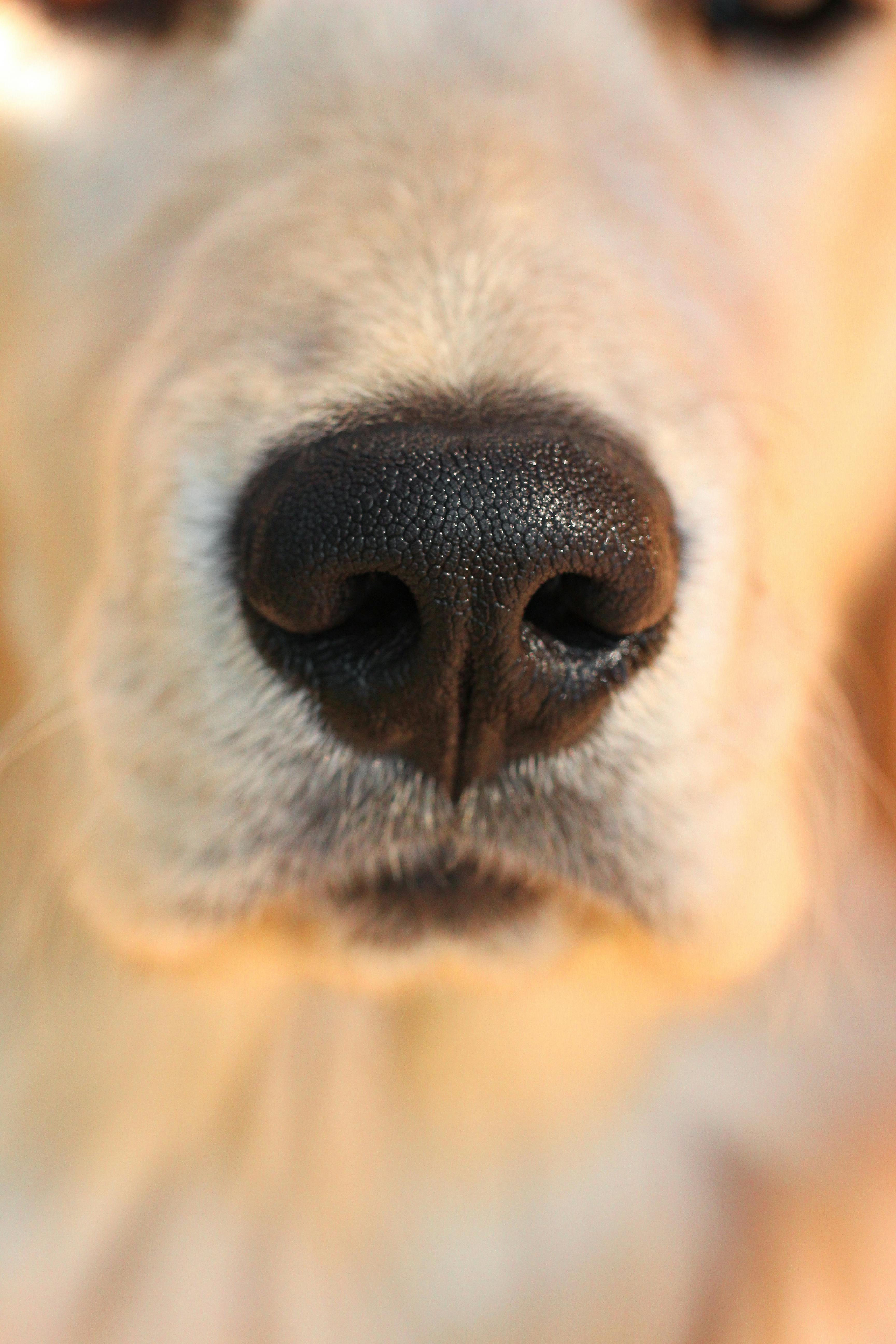
Is your dog’s nose too wet? This question might pop into your head when you notice your beloved pet sniffing around or when you’re cuddling and feel that cold, damp nose against your skin. We often hear that a wet nose means a healthy dog, but is it really that simple? In this article, we will explore seven signs you shouldn’t ignore regarding your dog’s health, and dive into the fascinating reasons why dogs have wet noses.
Why Do Dogs Have Wet Noses?
First things first, let’s tackle the big question: why do dogs have wet noses? There’s actually quite a few reasons behind this phenomenon.
Cooling Mechanism: Dogs don’t sweat like humans do. Instead, they rely on their noses to help regulate their body temperature. The moisture on their nose evaporates, which cools them down.
Enhanced Smell: A wet nose helps to capture scent molecules in the air, which improves their sense of smell. That’s why you see your dog sniffing around whenever they’re outside; their nose is working overtime.
Health Indicator: The moisture can indicate health. When a dog is sick, their nose may become dry or lose its usual wetness. It’s not a definitive sign of illness, but it can be a clue.
Natural Secretion: Dogs have glands in their noses that produce moisture. This is a natural process and helps keep their sense of smell sharp.
So, while a wet nose can be a sign of health, it isn’t the only thing to consider. Here’s where it gets serious.
7 Signs You Shouldn’t Ignore About Your Dog’s Health
If you’re worried about your dog, it’s important to pay attention to other signs that could indicate health issues. Here’s a list of seven key signs that you should never ignore:
Change in Nose Temperature: If your dog’s nose suddenly becomes very warm or dry, this might indicate a fever or dehydration.
Excessive Sneezing or Coughing: A wet nose could be a sign of allergies or respiratory infections if it’s accompanied with sneezing or coughing.
Nasal Discharge: If you notice any unusual discharge from your dog’s nose, especially if it’s green or yellow, this could indicate an infection or sinus issue.
Change in Appetite: If your dog stops eating or drinking, it could be a sign of something more serious.
Behavioral Changes: If your dog is more lethargic than usual, or if they seem to be in pain, it’s a good idea to consult your vet.
Frequent Pawing at the Nose: If your dog is constantly pawing at their nose, it could indicate irritation or an underlying health problem.
Nose Crustiness or Sores: If you see any cracks, sores, or crustiness on your dog’s nose, you should get them checked out.
Practical Examples and Historical Context
Historically, the condition of a dog’s nose has been used as a simple gauge of their health. Farmers and dog breeders would often check for a wet nose as a sign of vigor. However, just because a dog has a dry nose doesn’t mean they’re sick.
Comparison of Nose Conditions
Here’s a simple comparison to help you understand the different conditions of your dog’s nose:
| Condition | Wet Nose | Dry Nose |
|---|---|---|
| Health Indicator | Typically healthy | Could indicate illness |
| Temperature | Cool | Warm |
| Moisture Level | High | Low |
| Associated Symptoms | None usually | Possible dehydration or fever |
Understanding these signs and symptoms can help you take proactive steps in caring for your furry friend.
Conclusion
Remember, while a wet nose is often thought to be a sign of a healthy dog, it’s important to consider the whole picture. If you notice any of the signs mentioned above, don’t hesitate to reach out to a veterinarian. They can provide a proper diagnosis and treatment if needed. Your dog’s health is paramount, so keep an eye on those little details. A happy, healthy dog makes for a happy home!
How Weather Affects Your Dog’s Nose: Wet Noses in Different Climates

Have you ever wondered why your dog’s nose is often wet? And how does the weather play a role in this? Well, dogs noses are not just for show, they serve important purpose. In fact, a dog’s sense of smell is much stronger than ours, and a wet nose helps them detect scents better, especially in different climates. Let’s dive into the fascinating truth about why dogs have wet noses and how weather affects them.
Why Do Dogs Have Wet Noses?
The reason behind a dog’s wet nose is more than just an adorable characteristic. Here are some key factors that contribute to this phenomenon:
- Enhanced Smell: A wet surface helps capture scent particles better. This means that when a dog sniffs something, their nose absorbs more of the odors floating in the air.
- Temperature Regulation: Dogs don’t sweat like humans do. Instead, they cool themselves down through their paws and by panting. A wet nose can help to regulate their body temperature as well.
- Health Indicator: A wet nose is often an indicator of a healthy dog. However, a dry or cracked nose could signal dehydration or illness. It’s important to monitor your dog’s nose condition, especially during extreme weather.
How Weather Impacts Your Dog’s Nose
Different weather conditions can have various effects on your dog’s nose. Here’s how seasonal shifts can alter the moisture level of their noses:
Hot Weather
- Increased Dryness: Hot and dry climates can lead to a dry nose for dogs. This can be uncomfortable for them and may require extra hydration.
- Dehydration Risks: If your dog is not drinking enough water, their nose might not be as moist. Always ensure your furry friend has access to fresh water, especially in the summer.
Cold Weather
- Chapping and Cracking: Cold weather can cause a dog’s nose to become chapped and cracked. This can be painful for your pup, and dog owners should consider using a moisturizer made specifically for dogs.
- Lower Activity Levels: In colder months, dogs might be less active, which can lead to less stimulation of their nose. This could result in less moisture production.
Humidity Levels
- Higher Humidity: In humid conditions, you might notice that your dog’s nose stays wetter for longer. This can enhance their sense of smell and make them more eager to explore.
- Mold and Allergens: However, high humidity can also bring about mold and other allergens that might irritate your dog’s nose or cause allergies.
Interesting Facts About Dog Noses
- Unique Patterns: Just like human fingerprints, dog noses have unique patterns. This means no two dog noses are alike!
- Third Eyelid: Dogs have a third eyelid that helps keep their noses moist. This is why you might see a bit of discharge sometimes, especially if they’ve been sniffing all day.
- Nose Temperature: A dog’s nose can indicate their health. A warm, dry nose might suggest a fever, while a cool, moist nose typically suggests they’re feeling well.
Tips for Keeping Your Dog’s Nose Healthy
Maintaining your dog’s nose health is important, especially when the weather changes. Here are some practical tips for dog owners:
- Hydration: Always provide fresh water. Make sure your dog is drinking enough, especially in hot weather.
- Moisturizers: Consider using a dog-safe nose balm or moisturizer in winter to prevent cracking.
- Regular Vet Check-Ups: Regular visits to the vet can help catch any health issues early related to nose dryness or other symptoms.
The Fascinating Truth About Dog Noses
Dogs have an incredible sensory system, and their noses are a crucial part of it. The moisture in a dog’s nose plays a big role in their ability to smell, interact with their environment, and stay comfortable throughout the seasons.
In conclusion, understanding how weather affects your dog’s nose can help you take better care of your furry friend. With the right precautions and knowledge, you can ensure their nose stays healthy and wet, no matter the climate. Remember, a wet nose is not just cute, it’s a sign of a happy and healthy dog!
Dogs and Their Wet Noses: What Every Pet Owner Should Know About Hydration and Health
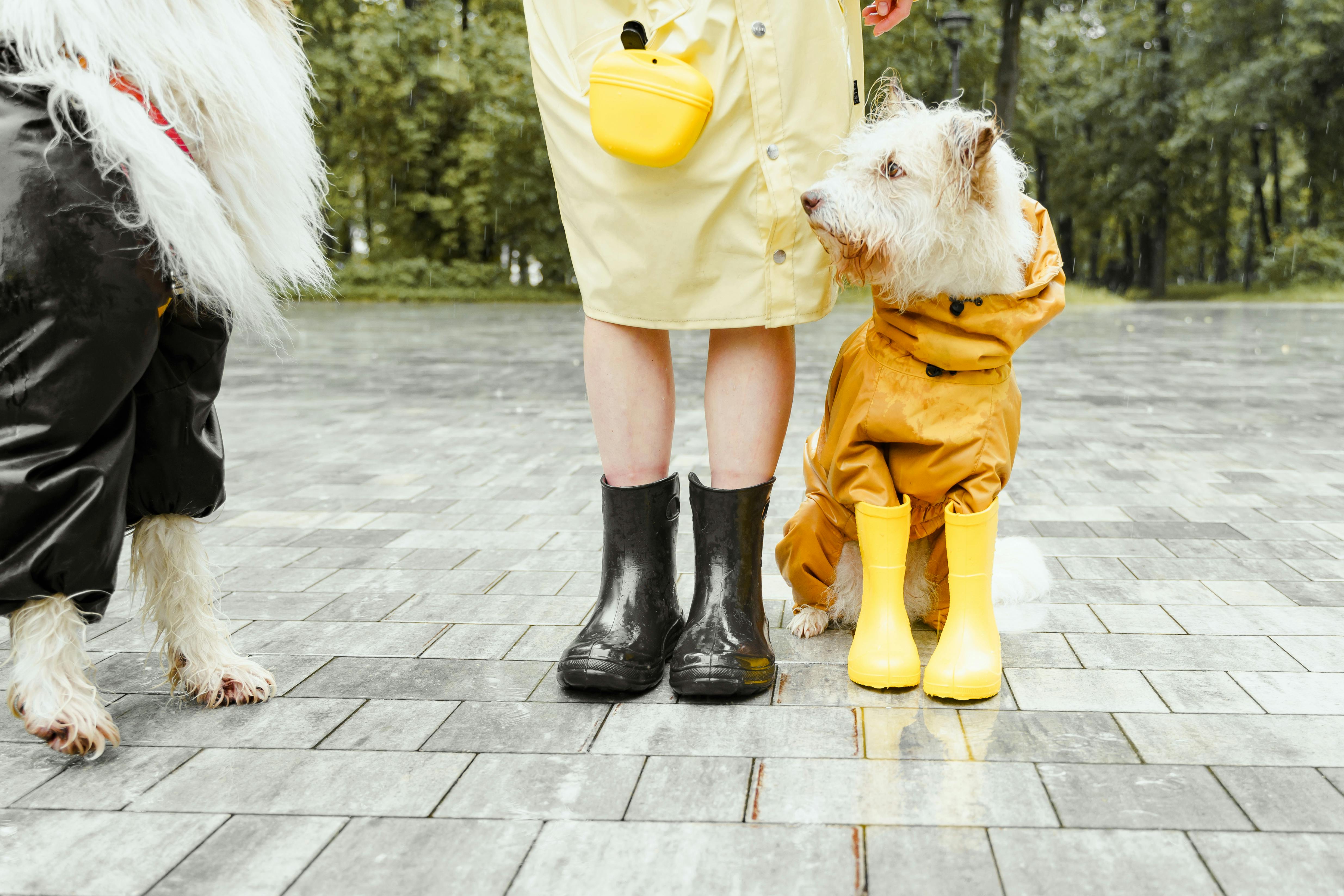
Dogs are truly fascinating creatures, and one of their most peculiar features is their wet noses. As a pet owner, you might have wondered, why do dogs have wet noses? Understanding this unique characteristic is important not just for your dog’s health, but also for how they interact with their environment. In this article, we dive into the science behind those wet noses, the role of hydration, and what every dog lover should keep in mind about their furry friends.
The Science Behind Wet Noses
First of all, let’s break it down. A dog’s nose is wet for several reasons. One major reason is that it helps them smell better. Dogs have an incredible sense of smell, estimated to be anywhere from 10,000 to 100,000 times better than humans. A moist nose helps to trap scent particles in the air, enhancing their olfactory abilities.
- Increased Smell Sensitivity: Wet noses help dogs pick up on scents more effectively.
- Temperature Regulation: Just like humans sweat, dogs can regulate their body temperature through their noses.
- Health Indicator: A wet nose can indicate a healthy dog, while a dry nose might suggest dehydration or illness.
Historical Context of Dog Noses
Did you know that the shape and wetness of a dog’s nose have evolved over thousands of years? Historically, dogs were bred for specific purposes, such as hunting, herding, or companionship. The moisture on their noses has always played a crucial role in their ability to perform these tasks. For instance, hounds with wet noses are better at tracking scents in the field.
- Ancient Breeds: Breeds like Bloodhounds and Beagles have wet noses specifically to aid in scent detection.
- Modern Breeds: Even toy breeds with less hunting background retain this feature, showcasing its evolutionary importance.
Importance of Hydration for Canine Health
Hydration is critical for dogs, just like it is for us. The moisture in their noses is just one indicator of how well-hydrated they are. But how much water does your dog really need? Here are some guidelines:
- General Rule: Dogs should drink about 1 ounce of water per pound of body weight per day.
- Factors Affecting Hydration:
- Activity Level: More active dogs will need more water.
- Weather Conditions: Hot weather can increase their need for hydration.
- Diet: Dogs eating dry kibble need more water than those on wet food.
Signs of Dehydration in Dogs
It’s important for pet owners to recognize the signs of dehydration. A dry nose is just one of many indicators. Here’s a quick list:
- Dry, Sticky Gums: If you check your dog’s mouth and their gums feel sticky, that’s a bad sign.
- Loss of Skin Elasticity: Gently pinch the skin on the back of your dog’s neck. If it doesn’t spring back quickly, they may be dehydrated.
- Lethargy: If your dog seems unusually tired or sluggish, it could be due to dehydration.
Fun Facts About Dogs’ Noses
Let’s lighten things up with some fun facts! These might surprise you:
- Unique Nose Prints: Just like human fingerprints, every dog has a unique nose print that can be used for identification.
- Nose Color Changes: A dog’s nose may change color with the seasons or due to health issues, so keep an eye on it.
- Nose as a Thermometer: Some believe that a wet nose indicates a dog is healthy, while a dry nose can be a warning sign, but this isn’t always true.
How to Ensure Your Dog Stays Hydrated
Keeping your dog well-hydrated is essential for their overall health. Here are some practical tips:
- Fresh Water: Make sure your dog has access to clean, fresh water at all times.
- Hydration During Exercise: Bring water along during walks or playtime.
- Monitor Their Intake: Pay attention to how much your dog is drinking, and adjust accordingly based on activity and weather.
Understanding why dogs have wet noses—and how this relates to their overall health—is crucial for every pet owner. Staying informed about hydration and health can lead to happier, healthier dogs. So the next time your pup greets you with that cold, wet nose, you can appreciate it not just as a sign of affection but also as a fascinating aspect of their biology!
From Cool to Warm: What Changes in Your Dog’s Nose Moisture Say About Their Condition

Dogs, those lovable companions, have fascinated humans for centuries. One of the many things that intrigue us is their wet noses. You might have wondered, “Why do dogs have wet noses?” Well, there’s actually a lot more to this than just an adorable feature. The moisture level of a dog’s nose can say quite a bit about their health and overall condition. From Cool to Warm: What Changes in Your Dog’s Nose Moisture Say About Their Condition is a topic worth diving into.
The Science Behind Wet Noses
Dogs have wet noses for several reasons, and it’s tied to their biology. A wet nose help them stay cool, but also improve their sense of smell. Here’s how it works:
- Cooling Mechanism: Dogs don’t sweat like humans do. Instead, they rely on their noses to help regulate body temperature. When a dog’s nose is moist, it can evaporate moisture, which cools them down.
- Enhanced Sense of Smell: The moisture on a dog’s nose captures scent particles from the air. This helps dogs detect different odors more effectively. Their sense of smell is far superior to ours, and a wet nose plays a critical role in that.
- Health Indicator: The moisture level can indicate a dog’s health. A dry nose could suggest dehydration or illness, while a wet nose can mean they are well-hydrated and healthy.
What Does a Change in Moisture Mean?
Just like humans can get sick, dogs can too. The moisture level on a dog’s nose can change based on various factors. Here’s a list of what these changes might indicate:
- Cool and Wet Nose: Typically, this is a good sign. It often means that your dog is healthy and well-hydrated.
- Warm and Dry Nose: This could indicate several things. Your dog might be overheated, dehydrated, or even ill. It’s worth taking note of any other symptoms.
- Normal Temperature, but Dry: Sometimes, a dog’s nose will be dry but they are not sick. Environmental factors, like dry air, can contribute to this.
When to Worry
Not every change in your dog’s nose moisture means something serious. However, here are a few signs you should pay attention to:
- Persistent Dryness: If your dog’s nose remains dry for long periods, it’s best to consult your vet.
- Temperature Changes: If the nose feels warm and other symptoms, like lethargy or loss of appetite, arise, it might be time for a check-up.
- Discharge or Crustiness: Any unusual discharge or crusty areas on the nose might be a sign of infection or allergy.
Historical Context of Dogs’ Noses
Dogs have been our companions for thousands of years, and their noses have been a topic of interest throughout history. Ancient cultures believed that a dog’s nose had mystical properties. For instance:
- Egyptians: They revered dogs, associating them with protection and loyalty.
- Greeks: Philosophers noted the importance of a dog’s scent abilities in hunting and tracking.
- Modern Views: Today, scientists study dogs’ olfactory systems to improve search and rescue operations, as well as in medical detection.
Practical Care for Your Dog’s Nose
Keeping your dog’s nose in good shape is important. Here are some practical tips:
- Hydration: Always ensure your dog has access to fresh water. Dehydration can lead to a dry nose.
- Humidity: If you live in a dry climate, consider using a humidifier to maintain moisture in the air.
- Regular Health Check-ups: Regular vet visits can help catch any underlying issues early on.
Fun Facts About Dog Noses
- Unique Prints: Just like human fingerprints, each dog has a unique nose print.
- Scent Sensitivity: Dogs have up to 300 million olfactory receptors in their noses, compared to about 6 million in humans.
- Temperature Regulation: Dogs can have a wet nose to help regulate their body temperature, but they also pant to cool off.
Understanding your dog’s nose can be more than just a fun fact. It can provide insight into their health and well-being. So next time you pet your furry friend and notice their wet nose, think about all that it signifies. It’s a small detail, but it holds a wealth of information about your beloved companion’s condition. Whether cool or warm, your dog’s nose is a window into their health, and being aware can help you take better care of them.
Conclusion
In conclusion, the fascinating reason why dogs have wet noses stems from their evolutionary biology and sensory needs. A wet nose helps enhance their sense of smell, allowing them to detect scents more effectively, which is crucial for their hunting instincts. Additionally, the moisture on their noses assists in thermoregulation, helping them stay cool and comfortable. The wetness also plays a role in social interactions with other dogs and humans, as it can convey health and emotional states. Understanding this unique feature not only deepens our appreciation for our canine companions but also highlights the importance of regular veterinary check-ups to ensure their overall health. So, the next time you give your furry friend a pat, take a moment to appreciate their wet nose and what it signifies about their amazing abilities. Share this knowledge with fellow dog lovers to promote awareness about our beloved pets!
