
Have you ever wondered why do dogs have wet noses? This intriguing question often leaves many dog owners scratching their heads. A wet nose isn’t just an adorable characteristic; it serves as a vital function in a dog’s life. But what’s the surprising truth behind this phenomenon? In this post, we will explore the science of wet noses in dogs and uncover the reasons that make them essential for your furry friend’s health and well-being.
Did you know a dog’s nose helps them smell better? That’s right! Their moist noses trap scent particles, enhancing their incredible sense of smell. But there’s more—dogs’ wet noses also play a role in temperature regulation. Curious to learn how? If you’ve ever asked yourself, “Is a dog’s nose always wet?” or “What does it mean if a dog’s nose is dry?” you’re not alone! Join us as we dive into the fascinating world of canine anatomy and discover the benefits of wet noses for dogs. Get ready to be amazed by how something so simple can reveal so much about your beloved pet’s health!
The Science Behind Wet Noses: Why Are Dogs’ Noses Moist?
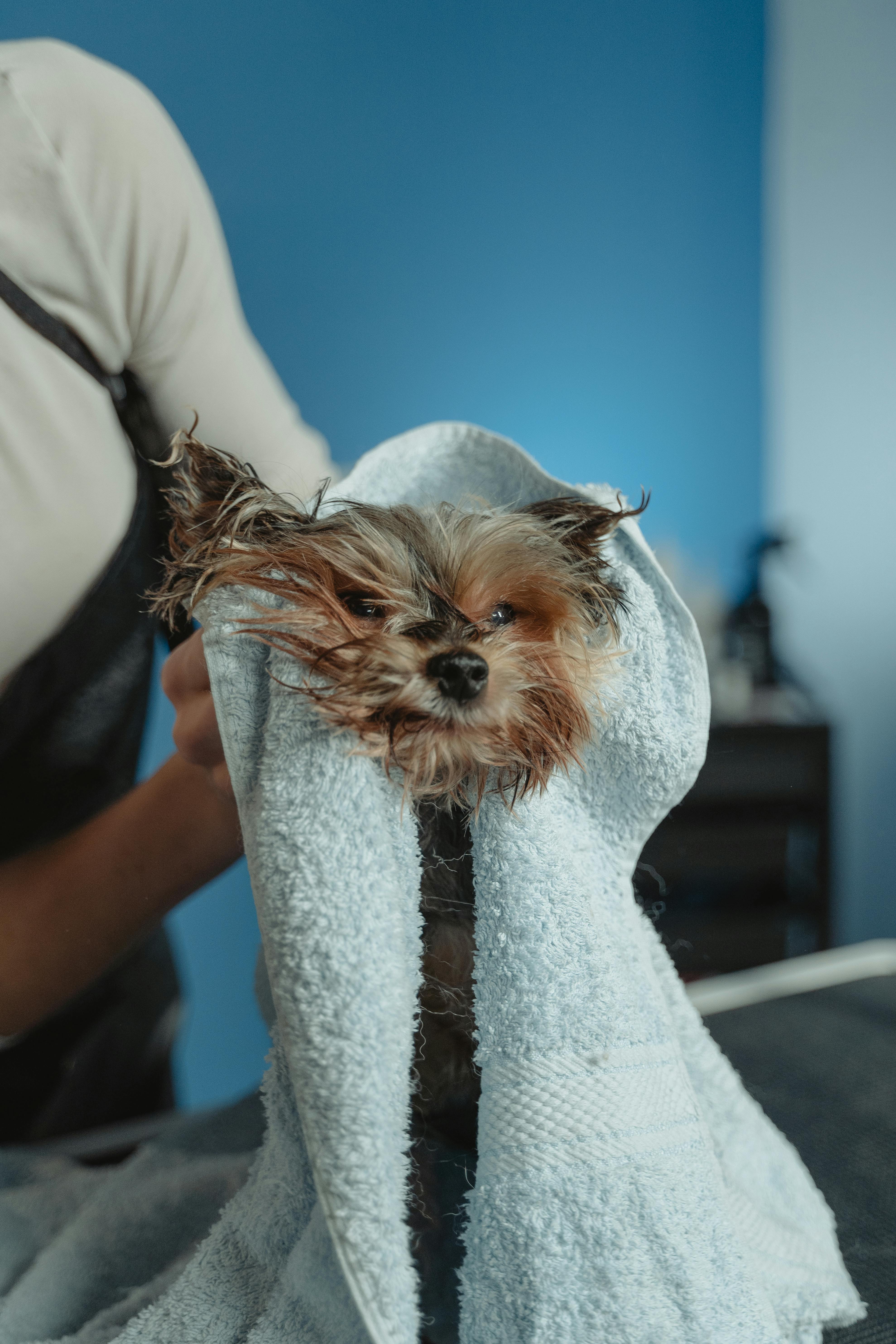
Have you ever wondered why dogs have wet noses? It’s a question that many dog owners and animal lovers ponder. The moistness of a dog’s nose isn’t just an adorable quirk; it has a scientific explanation that offers insight into canine health and behavior. Let’s unpack the fascinating science behind those wet noses!
The Anatomy of a Dog’s Nose
A dog’s nose is not just for smelling – although they do have an incredible sense of smell! The outer layer of their nose is made of a specialized skin that is sensitive and full of nerve endings. Here’s some key points about the anatomy of a dog’s nose:
- Moisture Glands: Dogs possess sebaceous glands that produce oils. The moisture on a dog’s nose comes from these glands working to keep it hydrated.
- Surface Area: The surface of a dog’s nose is large and has many folds, allowing for an increase in the area that can absorb scents.
- Cooler Temperature: The moisture helps in regulating the temperature of the nose, which is important for their sense of smell.
Why Do Dogs Have Wet Noses?
Now, let’s get into the science behind why dogs’ noses are often wet. Here’s some reasons why:
- Enhanced Smell: A wet nose can help capture scent particles. When the moisture evaporates, it allows for better olfactory reception. This is why dogs are able to smell things we can’t even imagine!
- Temperature Regulation: Dogs don’t sweat like humans do. They mainly rely on their noses and panting to cool down. A wet nose helps them maintain their body temperature.
- Health Indicator: A dog’s nose can be an indicator of their health. A dry or cracked nose can signify dehydration or illness, while a moist nose generally indicates a healthy pup.
Historical Context of Dogs’ Noses
Historically, dogs have been companions to humans for thousands of years, and their noses have played a crucial role in their development. Here’s a bit of history:
- Hunting Companions: Early humans relied on dogs for hunting. Their keen sense of smell aided in tracking prey, which was essential for survival.
- Working Dogs: Over the years, dogs have been bred for specific tasks, from herding to search and rescue, all requiring an excellent sense of smell.
- Cultural Significance: In many cultures, the wet nose has been seen as a sign of vitality and alertness in dogs.
The Science of Canine Olfaction
Understanding why dogs have wet noses leads us into the fascinating world of canine olfaction. Dogs have about 220 million scent receptors, compared to humans’ roughly 5 million. This astounding difference means dogs can detect scents at incredibly low concentrations.
A few interesting facts about dogs’ sense of smell:
- Scent Discrimination: Dogs can differentiate between thousands of different smells. They can even identify specific scents in a mixture, like finding a single peanut in a pile of mixed nuts!
- Tracking and Detection: Dogs are trained for various tasks including search and rescue, narcotics detection, and even identifying certain medical conditions in humans.
- Emotional Detection: Dogs can also pick up on human emotions through scent, detecting changes in body chemistry related to stress or anxiety.
Practical Examples of Dogs’ Wet Noses in Action
If you’re curious about how a dog’s wet nose can affect its interactions with the world, here are some examples:
- Greeting Behavior: When dogs greet each other, they often touch noses. This is more than a friendly gesture; it’s a way to gather information about each other through scent.
- Finding Food: A dog’s ability to smell food is enhanced by their wet noses, which helps them locate treats or meals even when they are hidden.
- Therapeutic Work: Dogs are increasingly used in therapy roles, including hospitals and nursing homes, where their wet noses can bring comfort to patients.
So, the next time you pet your pup and feel that moist nose against your hand, remember that it’s not just a cute feature. It’s a key part of their health and well-being. The wetness of a dog’s nose plays an essential role in their ability to smell, their temperature regulation, and even their social interactions. Understanding this can deepen your appreciation for your furry friend and the science that makes them so special.
5 Fascinating Facts About Dog Noses You Didn’t Know!
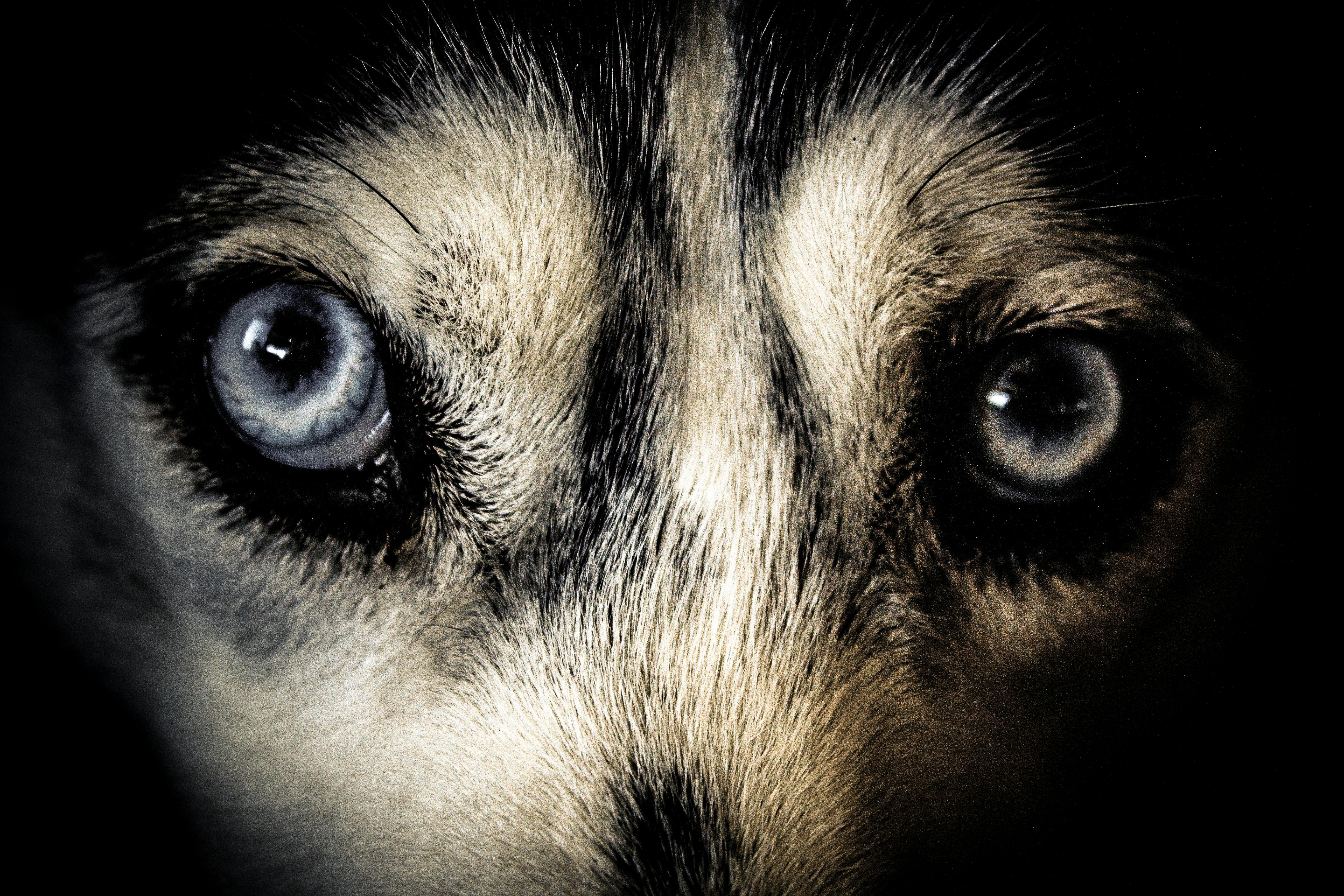
Did you ever wonder why dogs have wet noses? It’s one of those things that many dog owners notice, but few really think about. Dogs’ noses are often cold and damp, and this unique feature plays an important role in their health and behavior. Let’s dive into some fascinating facts about dog noses and uncover the surprising truth behind their wetness!
1. The Science Behind Wet Noses
Dogs’ noses are moist for a reason. The wetness actually helps them to smell better. When a dog’s nose is damp, it captures scent particles from the air more effectively. This is because moisture helps those scent molecules stick to the nose, allowing for greater absorption. According to experts, dogs can smell about 10,000 to 100,000 times better than humans! Isn’t that incredible?
2. A Thermoregulation Tool
Another interesting fact is that damp noses help with thermoregulation. Unlike humans who sweat, dogs primarily cool off through their noses and paw pads. When the moisture evaporates from the surface of the nose, it helps regulate their body temperature. This is especially important during hot weather when dogs can struggle to keep cool. So the next time you see your pup panting and enjoying the sun, remember their nose is working hard too!
3. Noses Are Unique Like Fingerprints
Just like human fingerprints, every dog’s nose has a unique pattern of ridges and creases. Those patterns can be used to identify individual dogs! Some organizations have even begun to register dog nose prints as a form of identification. It’s kinda like a doggy fingerprint, providing a reliable way to prove ownership and identity. So if you ever thought your dog was one of a kind, you were right!
4. Dogs Can Sense Emotions Through Smell
Dogs don’t just smell food or other animals; they can also detect human emotions through scent. When a person feels stressed or scared, their body releases certain pheromones which dogs can pick up. Research has shown that dogs can recognize human emotions by smelling the chemical changes in our bodies. This is why your furry friend may come to comfort you when you feel down or anxious. They can sense it through their amazing noses!
5. Health Indicators
The state of a dog’s nose can also indicate their health. A wet, cool nose is usually a sign of a healthy dog, while a dry or hot nose may suggest illness or dehydration. However, it’s important to note that a dry nose doesn’t always mean something’s wrong. Dogs can have dry noses for many reasons, including the weather or after sleeping. It’s best to look at other health indicators like energy levels, appetite, and behavior.
Quick Facts About Dog Noses
- Dogs have up to 300 million scent receptors in their noses, compared to about 5 million in humans.
- The average dog’s sense of smell is 40 times better than that of a human.
- Dogs’ noses can detect certain diseases, including cancer and diabetes, through smell.
- The moisture on a dog’s nose is partly due to the secretion of mucus from specialized glands.
Common Misconceptions
Now, there are some myths floating around about dog noses that need to be cleared up:
Myth: A dry nose always means a dog is sick.
Truth: Dogs can have dry noses for many reasons, including environmental factors.Myth: Dogs only use their noses for smelling.
Truth: Their noses also help them explore their environment and communicate with other dogs.Myth: All dogs have wet noses.
Truth: Some dogs may have naturally drier noses due to their breed or health conditions.
Why Do Dogs Have Wet Noses?
So, why do dogs have wet noses? The answer is multi-faceted. Wet noses help enhance their sense of smell, regulate temperature, and even indicate a dog’s health. The moisture is essential for capturing and processing a variety of scents, making it one of the coolest adaptations of our furry friends.
Dogs are truly remarkable creatures, and their noses are just one of the many ways they connect with the world. Next time you give your dog a scratch behind the ears, take a moment to appreciate that wet little nose and all the fascinating things it does!
Is a Wet Nose a Sign of a Healthy Dog? Debunking Common Myths

When it comes to our furry friends, many people often wonder about their health based on simple observations. One of the most common questions is, “Is a wet nose a sign of a healthy dog?” This question has sparked many myths and misunderstandings over the years. In this post, we’ll explore the science behind a dog’s wet nose, why it’s often seen as a health indicator, and debunk some common myths surrounding this topic.
The Science Behind Wet Noses
Dogs noses are naturally moist, and this is actually pretty normal. The moisture comes from a combination of mucus and sweat. Dogs have special glands in their noses that produce this mucus. This moisture serves a few important purposes:
- Enhanced Smell: A wet nose helps to trap scent particles in the air, making it easier for dogs to detect smells. Their sense of smell is more powerful than humans, and a wet nose plays an important role in this.
- Temperature Regulation: Dogs can’t sweat like humans do. Instead, they use their noses to help regulate body temperature. When their noses are wet, it helps cool them down.
- Health Indicator: While a wet nose is often associated with good health, it’s not the only indicator. A dog’s overall behavior, energy levels, and appetite are often better signs of health.
Debunking Common Myths
There’s a lot of misinformation surrounding the idea that a wet nose means a dog is healthy. Here are some myths worth debunking:
- Myth 1: All Healthy Dogs Have Wet Noses: This is not true! Some healthy dogs may have dry noses, especially in certain weather conditions or if they just woke up.
- Myth 2: A Wet Nose Means No Illness: Just because a dog has a wet nose doesn’t mean they are free of illness. Dogs can still be sick even if their nose is moist.
- Myth 3: Only Healthy Dogs Have Wet Noses: Dogs that are dehydrated or have skin conditions could have dry noses but still be in good health otherwise.
Why Do Dogs Have Wet Noses?
So, why exactly do dogs have wet noses? The reasons are multifaceted and include:
- Natural Adaptation: Evolutionarily, dogs with moist noses were more adept at hunting and foraging due to their enhanced sense of smell.
- Communication: Dogs communicate with each other through scent. A moist nose can help them pick up on pheromones and other scents that are important for social interactions.
- Behavioral Aspects: Sometimes, dogs will wet their noses through play or when they are drinking water. This can lead to variations in how wet their noses are throughout the day.
How to Check Your Dog’s Health
While a wet nose can be a sign of a healthy dog, it’s essential to look at the bigger picture. Here are some signs to monitor your dog’s overall health:
- Appetite: Is your dog eating normally? A sudden loss of appetite can indicate health issues.
- Energy Level: Is your dog playful and active? Lethargy can be a warning sign.
- Behavior Changes: Any sudden changes in behavior should be taken seriously.
- Physical Symptoms: Check for other symptoms like vomiting, diarrhea, or unusual coughing.
The Role of Weather
It’s also important to remember that weather can affect a dog’s nose. Here’s a quick look at how different conditions impact moisture levels:
- Hot Weather: Dogs may have drier noses when it’s hot outside because they can lose moisture quickly.
- Cold Weather: Cold air can cause a dog’s nose to become dry and cracked, especially if they are not properly hydrated.
- Humidity Levels: High humidity can keep a dog’s nose moist, while low humidity often leads to dryness.
Final Thoughts
In conclusion, while a wet nose can be an indicator of a healthy dog, it’s just one piece of the puzzle. Observing your dog’s overall behavior, health, and environment is crucial for understanding their well-being. Don’t rely solely on the moisture of their noses to gauge their health. Instead, consider a more holistic view that includes diet, exercise, and regular veterinary check-ups. Remember, every dog is different, and what’s normal for one may not be for another. Keeping an eye on these factors will help ensure your furry friend stays happy and healthy.
How a Dog’s Wet Nose Enhances Their Sense of Smell
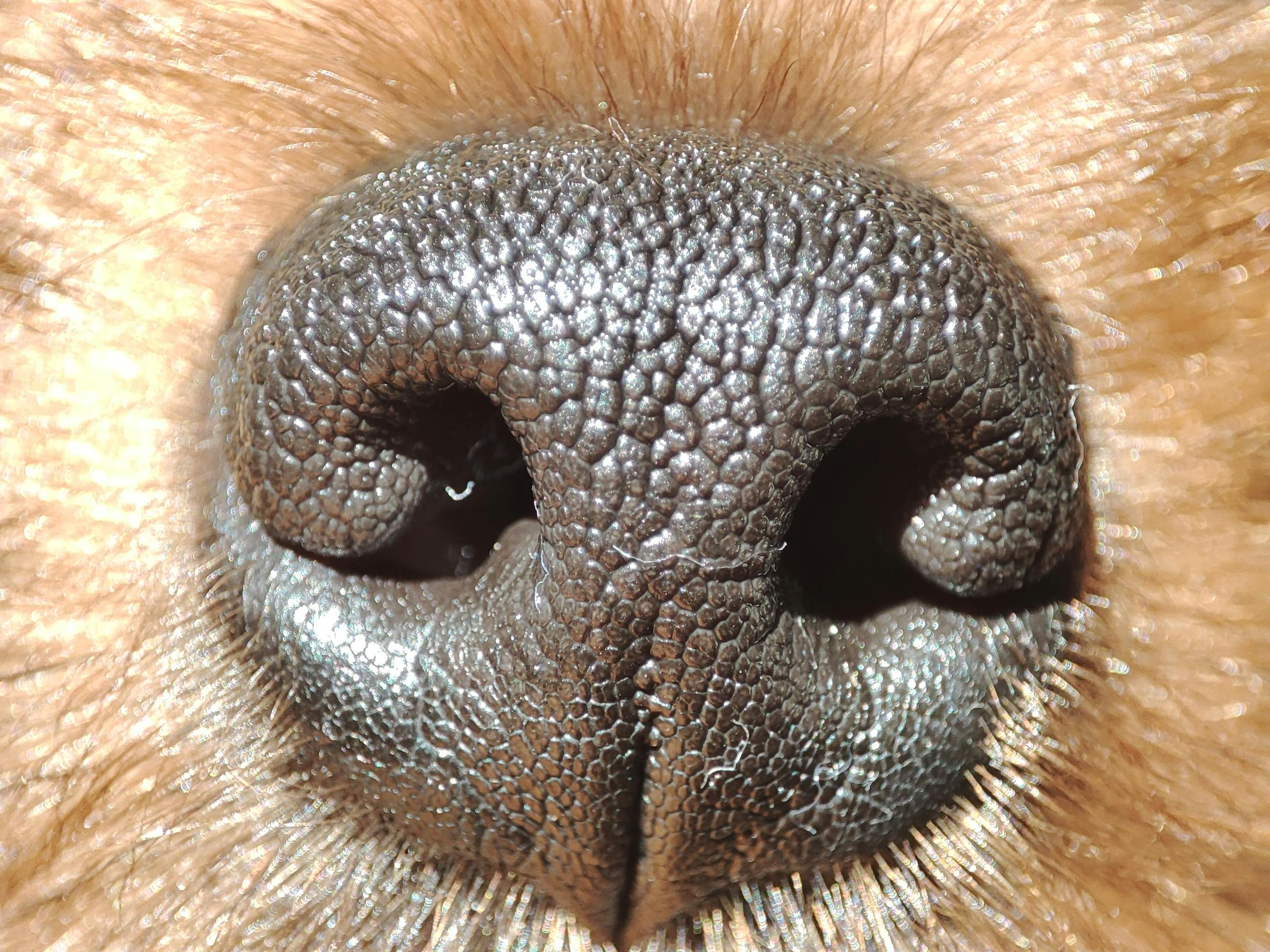
Have you ever wondered why dogs have wet noses? It’s one of those curious traits that many pet owners might overlook. But, there’s a fascinating reason behind it, especially when it comes to how a dog’s nose enhances their sense of smell. Dogs are known for their incredible olfactory abilities, and their wet noses play a major role in this. Let’s dive into the surprising truth behind why dogs have wet noses and how it helps them sniff out the world!
The Science Behind a Dog’s Wet Nose
A dog’s wet nose is not just for show. It’s crucial for their sense of smell. The moisture on a dog’s nose comes from a variety of sources, including saliva and environmental factors. But there’s more to it. Here’s how it works:
- Moisture Increases Olfactory Reception: The wet surface allows scent particles to adhere better, which means dogs can detect scents more effectively.
- Cooling Mechanism: Like humans sweat to cool down, dogs use their noses to regulate body temperature. This moisture evaporates, helping to cool them.
- Health Indicator: A wet nose can sometimes indicate a dog’s health. A dry nose could signal dehydration or illness, though it’s not always the case.
Historical Context of Dogs’ Noses
Dogs have evolved over thousands of years, and their noses have adapted to their lifestyle. Ancient breeds were often used for hunting, where keen smell was essential. The need for a more effective hunting tool led to the evolution of a wet, sensitive nose. Here’s a brief history:
- Ancient Hunters: Early domesticated dogs were valued for their ability to track scents during hunts.
- Breeding for Smell: Over generations, selective breeding enhanced the olfactory capabilities of certain breeds.
- Cultural Significance: In many cultures, dogs have been revered for their tracking abilities, making them crucial companions in various societies.
How Dogs Use Their Noses
Dogs do more than just sniff around for fun. Their noses are powerful tools for communication, identification, and survival. Here are some fascinating ways dogs utilize their noses:
- Identifying Scents: Dogs can distinguish between different scents, identifying individuals and even emotions based on a person’s unique smell.
- Tracking: Dogs are employed in search and rescue operations, finding missing persons or detecting drugs and explosives.
- Social Interactions: Dogs use their noses to gather information about other dogs and animals, sniffing to learn about their health and reproductive status.
- Hunting: Many breeds are still used for hunting, relying on their acute sense of smell to track and locate game.
The Anatomy of a Dog’s Nose
Understanding the anatomy of a dog’s nose can provide insight into its incredible capabilities. Here’s a simple breakdown:
- Nasal Cavities: Dogs have large nasal cavities with intricate structures that increase surface area for scent detection.
- Olfactory Receptors: Dogs have around 300 million olfactory receptors compared to about 5 million in humans. This difference greatly enhances their smelling power.
- Jacobsen’s Organ: Also known as the vomeronasal organ, this structure helps dogs detect pheromones, which are chemical signals important in social interactions.
Fun Facts About Dogs’ Noses
- Diverse Nose Prints: Just like human fingerprints, every dog’s nose print is unique, which can be used for identification.
- Color Variations: The color of a dog’s nose can vary based on breed and can change with the seasons.
- Temperature Regulation: Dogs can sense temperature changes in their environment more acutely through their noses.
Tips for Keeping Your Dog’s Nose Healthy
Maintaining your dog’s nose is important for their overall well-being. Here are some tips:
- Hydration: Ensure your dog drinks enough water. A well-hydrated dog is more likely to have a healthy, moist nose.
- Avoid Irritants: Be mindful of chemicals and allergens that might irritate your dog’s nose, especially during walks.
- Regular Vet Check-ups: A veterinarian can help identify any potential nose issues before they become serious problems.
Dogs have wet noses for a reason, and it’s more than just an adorable trait. Their wet noses enhance their sense of smell, helping them navigate the world in ways we can only admire. This remarkable feature also highlights the deep bond between humans and dogs, as we continue to learn and appreciate the incredible capabilities of our canine companions. So next time you pet your furry friend, take a moment to appreciate that wet nose and all the wonders it holds!
The Role of Environment: Why Do Some Dogs Have Wetter Noses Than Others?
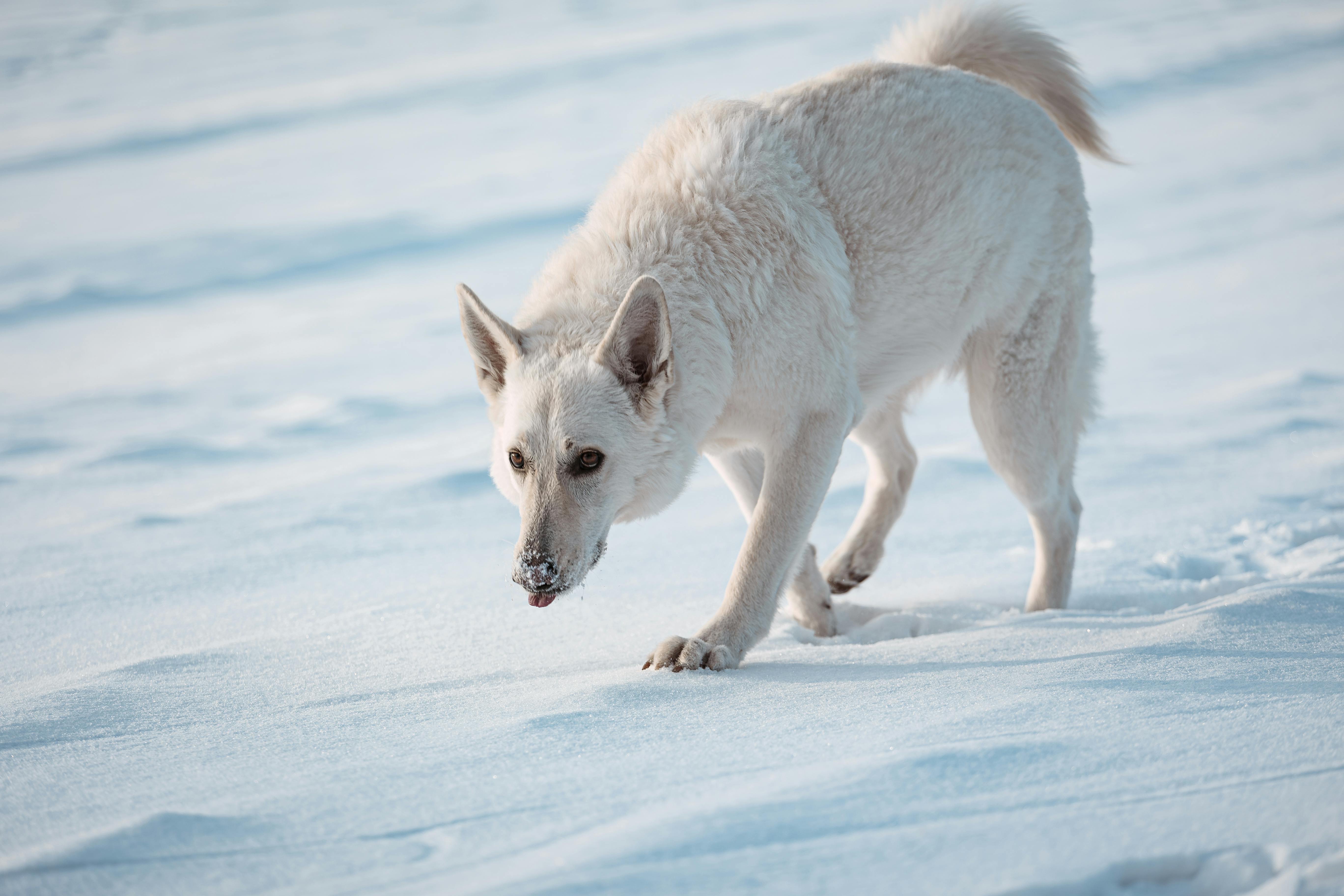
Have you ever noticed how some dogs noses are wetter than others? It’s curious, right? Many dog owners often wonder why their furry friends have wet noses, and if it even means something about their health or mood. Well, let’s dive into the fascinating world of canine noses and explore the role of environment along with some surprising truths about why do dogs have wet noses.
The Science Behind Wet Noses
A dog’s nose is a remarkable organ. It’s not just for sniffing out treats or tracking scents — it serves several important functions. The moisture on a dog’s nose comes from a combination of factors including sweat, mucus, and environmental influences. Here’s how it works:
Temperature Regulation: Dogs don’t sweat like humans. Instead, they cool themselves through panting and by having a moist nose. The wetness on the nose helps regulate the dog’s body temperature.
Enhanced Olfactory Function: The moisture on a dog’s nose helps to capture scent particles from the air. This makes their sense of smell more effective. A wet nose means a better ability to detect scents.
Health Indicator: While not always a definitive sign, a wet nose can sometimes indicate that a dog is healthy and well-hydrated. Conversely, a dry nose might suggest dehydration or illness, but not always.
Why Do Dogs Have Wet Noses?
Several factors can influence why some dogs have wetter noses than others.
Breed Differences: Some breeds naturally have wetter noses than others. For instance, hounds and retrievers tend to have moist noses, while bulldogs or pugs might have drier noses due to their unique facial structure.
Environmental Conditions: The environment plays a huge role. A dog living in a humid climate will likely have a wetter nose compared to a dog in a dry area. Factors like temperature and humidity can affect nose moisture levels.
Activity Level: Dogs that are more active tend to have wetter noses. When dogs run around and are excited, they tend to pant more, which can lead to increased moisture on their noses.
Health Status: As mentioned, a dog’s health can influence nose moisture. If a dog is sick or dehydrated, the nose may become dry. Regular vet check-ups can help monitor this aspect.
Fun Facts About Dog Noses
Dogs Have 220 Million Olfactory Receptors: In comparison, humans only have about 5 million. This is why their noses are so important!
The Color of the Nose: The color of a dog’s nose can also vary and isn’t always related to wetness. Some dogs have black noses, while others may have pink or spotted noses.
Nose Prints Are Unique: Just like human fingerprints, a dog’s nose print is unique. This means it can be used for identification!
Dogs Can Smell Emotions: Studies have shown that dogs can detect human emotions through scent. Their noses are not just tools for smelling but are also deeply connected to their social interactions.
Comparison: Wet vs. Dry Noses
Here’s a quick comparison of wet and dry noses in dogs:
| Feature | Wet Nose | Dry Nose |
|---|---|---|
| Temperature Regulation | Helps cool the dog | Less effective in cooling |
| Health Indicator | Often a sign of health | May indicate dehydration |
| Scent Detection | More effective | Less effective |
| Environmental Adaptation | Adapts well to humidity | Struggles in dry climates |
Practical Tips for Dog Owners
Hydration: Make sure your dog is drinking enough water. A well-hydrated dog will generally have a moist nose.
Climate Considerations: If you live in a dry climate, consider using a humidifier in your home to help keep your dog comfortable.
Regular Check-ups: Take your dog for regular veterinary visits. Keeping an eye on their overall health will help you notice any changes in their nose moisture.
Observe Behavior: Pay attention to your dog’s behavior. If you notice a sudden change in the moisture level of their nose, consult with a vet.
Understanding why dogs have wet noses can deepen your bond with your furry friend. Whether it’s due to environmental factors or breed characteristics, their unique noses play a vital role in their health and well-being. So next time you give your dog a pat, take a moment to appreciate that wet nose and everything it signifies about your pet!
What Your Dog’s Wet Nose Tells You About Their Emotions

Have you ever noticed how your dog’s nose feels cold and wet? It’s not just a quirky feature; it can actually tell you a lot about what your furry friend is feeling. Many dog owners wonder why do dogs have wet noses and what this might mean for their emotions. Let’s dive in to discover the surprising truth behind your pup’s wet nose, and what it might just be trying to communicate.
Why Do Dogs Have Wet Noses?
First off, let’s look at the science behind those wet noses. A dog’s nose is moist because it helps them to smell better. Yes, you heard that right! Dogs have a sense of smell that is thousands times better than humans, and moisture helps to capture scent particles. When a dog sniffs something, the moisture on their nose traps these particles, enhancing their ability to identify different scents. It’s like their own little built-in perfume collector!
Here are some key reasons why dogs have wet noses:
- Enhanced Smell: Moisture helps scent detection.
- Temperature Regulation: Dogs sweat through their noses, helping them cool down.
- Health Indicator: A change in moisture can indicate health issues.
What Does a Wet Nose Mean Emotionally?
You might be asking what your dog’s wet nose can tell you about their feelings. Well, it’s a mix of science and emotion. A wet nose can signal various things, from excitement to anxiety. Here’s a breakdown:
Excitement & Happiness: When dogs are happy, they tend to have wetter noses. This is because they are actively exploring their environment, sniffing around and soaking up scents. If your dog’s nose is cold and damp when you come home, it probably means they are thrilled to see you!
Nervousness: On the flip side, a nervous dog might also have a wet nose. When dogs feel anxious, their bodies can go into overdrive, producing more moisture. If you notice your pup’s nose is wet but their body language suggests they are scared, it might be best to comfort them.
Illness: A persistently dry or excessively wet nose can also indicate health problems. For example, if your dog’s nose is dry and cracked, it could be dehydrated or ill. Keeping an eye on these changes can aid in detecting health issues early.
The History of Dog Noses
Dogs have been companions to humans for thousands of years. In ancient times, they were primarily working animals, often herding or hunting alongside their human counterparts. Over time, dogs were domesticated and bred for various traits, including their senses. The wet nose became an evolutionary advantage, making them better hunters and companions.
Comparing Dog Noses to Human Noses
It’s intriguing to compare a dog’s nose with a human’s. Here are some key differences:
| Feature | Dog’s Nose | Human Nose |
|---|---|---|
| Moisture Level | Generally wet | Typically dry |
| Sense of Smell | Highly developed | Less sensitive |
| Temperature Regulation | Sweats through nose | Sweats through skin |
| Functionality | Scent detection | Breathing & smelling |
Practical Ways to Care for Your Dog’s Nose
Keeping your dog’s nose healthy is essential for their overall well-being. Here are some easy tips:
- Hydration: Make sure your dog drinks plenty of water, especially in hot weather.
- Protection: Use a nose balm if your dog is exposed to harsh weather conditions.
- Routine Checks: Regularly check for any signs of dryness, cracking, or unusual discharge.
Fun Facts About Dogs’ Noses
- Dogs have unique nose prints, just like human fingerprints, making them as individual as we are!
- The size of a dog’s nose can actually correlate with its sense of smell. Larger breeds often have more scent receptors.
- Some breeds, like Bloodhounds, have an extraordinary sense of smell that can track scents even days old.
In conclusion, your dog’s wet nose is more than just a cute feature; it plays a vital role in their emotional expression and health. By understanding these nuances, you can better connect with your furry friend and respond to their needs. So, next time you get a wet nose nuzzle, remember it could be a sign of love, excitement, or even a little bit of anxiety. Understanding your dog’s emotions through their wet nose is just another way to strengthen the bond you share.
Can a Dry Nose Indicate Illness in Dogs? Expert Insights Revealed

When you notice your dog’s nose is dry, it can raise a lot of questions. Is my dog sick? Should I be worried? These are common concerns among pet owners, and they’re valid too! The truth is, a dry nose in dogs can indicate various health issues, but it’s not always a sign of illness. In this article, we’ll dive into expert insights about why dogs have dry noses, and also explore the reasons behind those famously wet noses.
Can a Dry Nose Indicate Illness in Dogs?
First off, it’s important too understand that a dog’s nose changes throughout the day. It can be wet in the morning, dry by evening, and vice-versa. A dry nose can indicate illness, but not in all cases. Here are some key points to consider:
- Dehydration: When dogs are not drinking enough water, their noses can become dry. If your pet seem lethargic and is not drinking, it’s a good idea to consult a vet.
- Fever: A high temperature can cause a dog’s nose to dry out. If your dog is acting unusually, like sleeping more than normal or not eating, check for other signs of fever.
- Allergies: Allergies can lead to inflammation and dryness. If you notice your dog scratching a lot or having watery eyes, this might be the cause.
- Infections: Certain infections can cause a change in the moisture level of a dog’s nose. Look for additional signs like coughing or discharge.
Why Do Dogs Have Wet Noses? Discover the Surprising Truth!
Now, let’s flip the script and talk about why dog noses are often wet. It’s pretty fascinating! Dogs have wet noses for several reasons:
- Temperature Regulation: A wet nose helps dogs regulate their body temperature. When the moisture on their nose evaporates, it cools them down.
- Enhanced Sense of Smell: A wet surface can trap more scent particles, which helps dogs to detect smells better. Dogs have an incredible sense of smell, and their wet noses help them do their job even better!
- Health Indicator: A wet nose is often seen as a sign of good health. But, just like dry noses, it’s not the only indicator to rely on. Other symptoms should also be checked.
When to See a Vet
Knowing when to seek professional advice is crucial. If you observe any of the following symptoms alongside a dry nose, it’s time to schedule an appointment with your vet:
- Persistent dry nose that lasts more than a day
- Changes in appetite or water intake
- Unusual lethargy or behavior changes
- Vomiting or diarrhea
- Coughing or nasal discharge
Common Myths about Dog Noses
There are plenty of myths floating around about dog noses. Here are some of the most common ones:
Myth 1: A warm nose means a sick dog.
- Fact: This is not necessarily true. A dog can have a warm nose and be perfectly healthy.
Myth 2: A dog’s nose should always be wet.
- Fact: While many dogs have wet noses, it varies. Dryness can be normal sometimes.
Myth 3: You should always be worried about a dry nose.
- Fact: A dry nose doesn’t always mean illness. It could simply be a change in the environment or activity level.
Fun Facts About Dog Noses
- Dogs have up to 300 million smell receptors in their noses, compared to about 5 million in humans.
- The color of a dog’s nose can vary based on breed, age, and even the season.
- Dogs sweat through their paws, not their noses, which is another reason why a wet nose is so important for them.
Summary of Key Takeaways
- A dry nose can be a sign of many things, from dehydration to infections.
- Dogs have wet noses mainly for temperature regulation and improved sense of smell.
- Myths surrounding dog noses can lead to unnecessary worry.
So next time you find your dog’s nose dry or wet, remember that it’s just one piece of the puzzle. Always observe their overall behavior and health. If you’re ever in doubt, it’s best to consult with a veterinarian. Understanding your dog’s health is a vital part of being a responsible pet owner, and knowing the facts can help you make the best decisions for your furry friend. After all, a dog’s happiness and health should always be the top priority!
Wet Nose Wonders: How Dogs Use Their Noses to Communicate
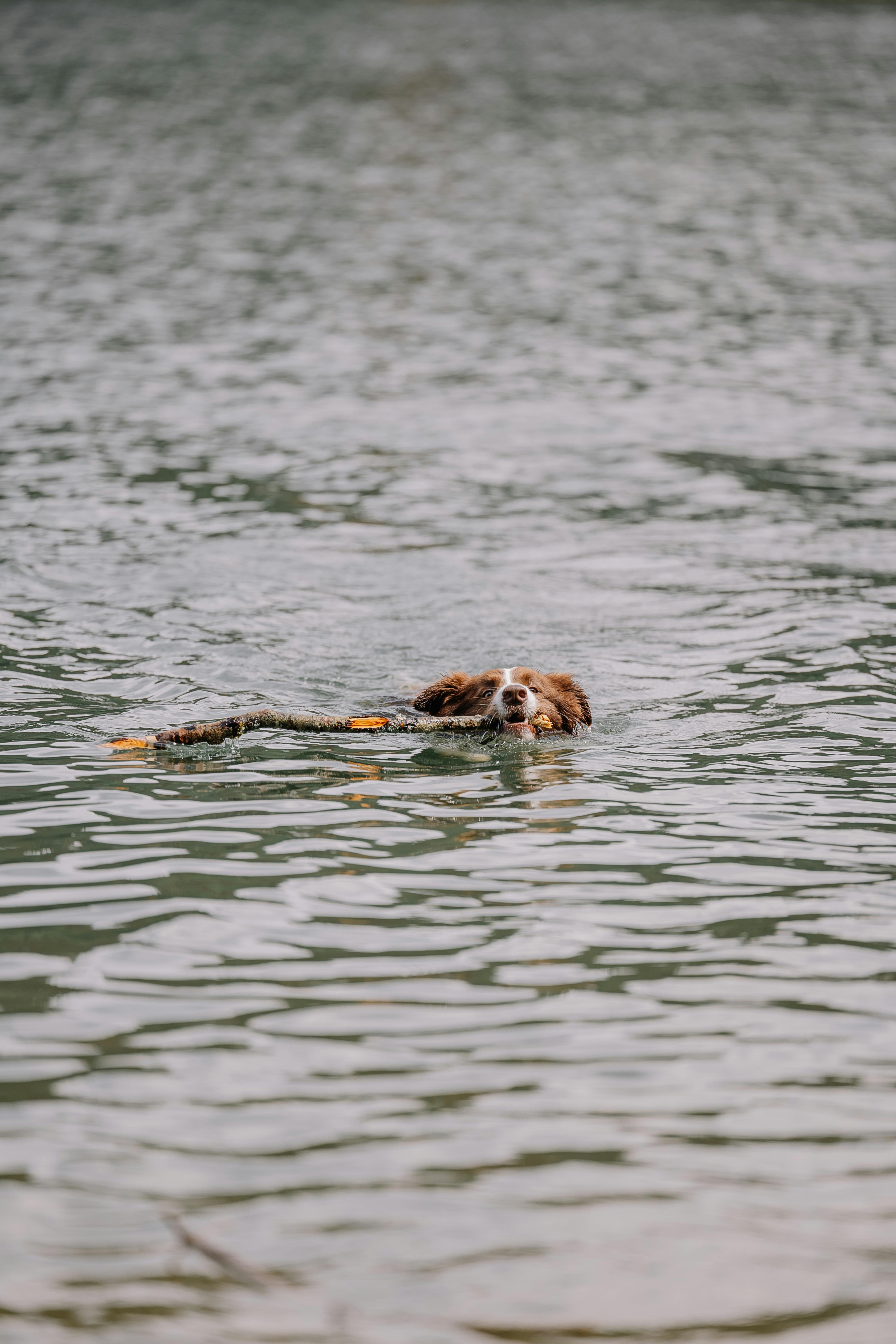
Dogs, often called man’s best friend, have a unique way of communicating with each other and with us humans. One of the most fascinating things about dogs is their noses — specifically, why do dogs have wet noses? Wet noses are more than just an adorable feature; they play a crucial role in how dogs interact with the world around them. Let’s explore the surprising truth behind these wet wonders.
The Science Behind Wet Noses
Dogs have a special anatomy that makes their noses not just for sniffing but also for communicating. The wetness of a dog’s nose is primarily due to a thin layer of mucus. This mucus helps to enhance their sense of smell, which is already incredibly advanced. Here’s some interesting facts:
- Dogs have up to 300 million smell receptors in their noses, compared to a human’s 5 million.
- The wetness of the nose helps to capture scent particles from the air, making it easier for dogs to detect different smells.
- A dog’s nose can even differentiate between various scents, allowing them to identify individual smells among a sea of odors.
But why do dogs have wet noses? The simple answer is that this feature aids them in their natural behaviors and survival instincts.
Communicating with Scent
Dogs communicate much through scent, and their wet noses are their primary tools for this communication. When dogs greet each other, they often sniff each other’s noses and bodies. This behavior is not just a friendly gesture but serves as a way for them to gather information. Here are some ways dogs use their noses to communicate:
- Identifying Other Dogs: A dog can learn a lot about another dog’s age, health, and even mood through scent.
- Marking Territory: Dogs have scent glands in their noses, and they use their wet noses to mark their territory.
- Social Interactions: Dogs often use their noses to initiate play or show submission to another dog.
The Role of Temperature
Ever wondered why a dog’s nose feels cool and wet? This is not just a random occurrence. The wetness and temperature of a dog’s nose can be indicators of their health. A cool, wet nose usually indicates a healthy dog. However, there are exceptions.
Here are some points to consider:
- Healthy Dogs: Typically, a dog’s nose is moist and cool.
- Illness Indicators: If a dog has a dry or warm nose, it could signal dehydration or illness.
- Temperature Regulation: Dogs also use their noses to help regulate body temperature, as they sweat through their paw pads and noses.
Historical Context: Dogs and Their Noses
Dogs have been companions to humans for thousands of years, and their noses have played a significant role in their domestication. Historically, dogs have been bred for various purposes, including hunting, herding, and companionship. The development of their incredible sense of smell has made them invaluable to humans.
- Hunting and Tracking: Early humans relied on dogs with excellent noses to track game.
- Search and Rescue: Today, dogs are trained to find missing persons or detect drugs and explosives because of their superior olfactory abilities.
- Therapy and Service Dogs: Dogs also support humans emotionally and physically, using their noses to sense changes in their owner’s moods or medical conditions.
Fun Facts About Dog Noses
Let’s sprinkle in some fun facts about dog noses that might surprise you:
- Dogs can smell certain diseases, like cancer or diabetes, through scent detection.
- Each dog’s nose print is unique, similar to human fingerprints.
- Dogs can differentiate between smells even when they are mixed together.
How to Care for Your Dog’s Nose
If you want to ensure your dog’s nose stays healthy, here are some easy tips:
- Hydration: Make sure your dog is drinking enough water to keep their nose moist.
- Regular Vet Check-ups: Regular visits to the vet can help catch any health issues early.
- Avoid Irritants: Keep your dog away from harsh chemicals or irritants that could dry out their nose.
The wet noses of our canine friends are not just a cute trait; they serve critical functions in how dogs understand the world. Whether they are communicating with other dogs or picking up on our emotions, their noses are vital to their existence. The next time you pet your dog, take a moment to appreciate that wet, cool nose and all the wonders it brings to your life. Dogs truly are amazing creatures, and their wet noses are just one of the many reasons why we love them so much!
The Evolution of Dog Noses: From Wild Ancestors to Modern Companions

Dogs have been our companions for thousands of years, their evolution intertwined with our own history. One of the most distinct features of dogs is their noses, often wet and cold. But why do dogs have wet noses? The answer to this question is as fascinating as the journey dogs took from their wild ancestors to the cherished pets they are today.
The Evolution of Dog Noses
The ancestors of modern dogs were wolves, and they had dry noses, just like most other animals. But as humans began to domesticate dogs, their noses started to change. The process of domestication brought about many physical and behavioral changes, and the nose was no exception.
- Key Changes During Domestication:
- Increased reliance on scent for communication and hunting.
- Development of more sensitive olfactory receptors.
- Adaptation to varied environments and climates, which influence nose moisture.
The wetness of a dog’s nose is not just a random trait; it serves a purpose. Dogs can smell things that humans cannot, thanks to their highly developed olfactory system. Their noses contain an astonishing number of scent receptors—about 220 million, compared to a human’s mere 5 million. This evolutionary advantage helps dogs identify scents more accurately.
Why Do Dogs Have Wet Noses?
So, why do dogs have wet noses? There are several reasons that explain this intriguing phenomenon.
Cooling Mechanism:
- Dogs do not sweat like humans do. They primarily cool themselves through panting, but a wet nose also helps regulate their body temperature.
- The moisture on their noses evaporates, which cools the blood vessels just beneath the surface.
Enhanced Scent Detection:
- A wet nose helps to trap scent particles more effectively. When moisture is present, it attracts and holds scent molecules, making it easier for dogs to pick up on different smells.
- This ability is crucial for dogs when they are tracking, hunting, or simply exploring their environment.
Health Indicator:
- A dog’s nose can also provide insights into its health. A healthy nose is typically cool and moist, while a dry or excessively warm nose can indicate illness or dehydration.
Fun Facts About Dog Noses
- Dogs have unique nose prints, much like human fingerprints. Each one is different and can be used to identify them.
- The size and shape of a dog’s nose can vary greatly among breeds, from the broad snouts of Bulldogs to the sleek, long noses of Greyhounds.
- Some dogs can detect certain medical conditions, like cancer or diabetes, simply by sniffing their owners.
Common Misconceptions
Many people think that a dog’s nose is always wet. That’s not true! The moisture level can vary based on several factors such as:
- Weather Conditions:
- Hot weather can dry out a nose, while humidity may keep it moist.
- Activity Level:
- After play or exercise, a dog may have a drier nose due to increased panting.
Caring for Your Dog’s Nose
Taking care of your dog’s nose is important. Here are some tips to keep it healthy:
- Hydration: Ensure your dog has constant access to fresh water.
- Environment: Protect your dog’s nose from extreme weather conditions. Use dog-safe balms in winter to prevent chapping.
- Regular Check-ups: During vet visits, ask about your dog’s nose health, especially if you notice any changes in moisture or color.
The Relationship Between Dogs and Humans
The bond between dogs and humans is deep-rooted. As dogs evolved to live alongside humans, they adapted in ways that enhanced their ability to communicate and connect. Their wet noses became a symbol of their affectionate nature, often nudging their owners for attention or affection.
This evolutionary journey from wild wolves to loving companions is reflected in various behaviors, including their reliance on scent.
In a world where we often overlook the small details, the wet nose of a dog serves as a reminder of the intricate relationship between species and the adaptability of life. Understanding why dogs have wet noses not only satisfies our curiosity but also deepens our appreciation for these remarkable creatures we call pets.
Dogs are more than just pets; they are part of our families, and their evolution speaks volumes about the bond we share.
Top 7 Breeds with the Wettest Noses: Which Dogs are Most Likely to Have Moist Noses?
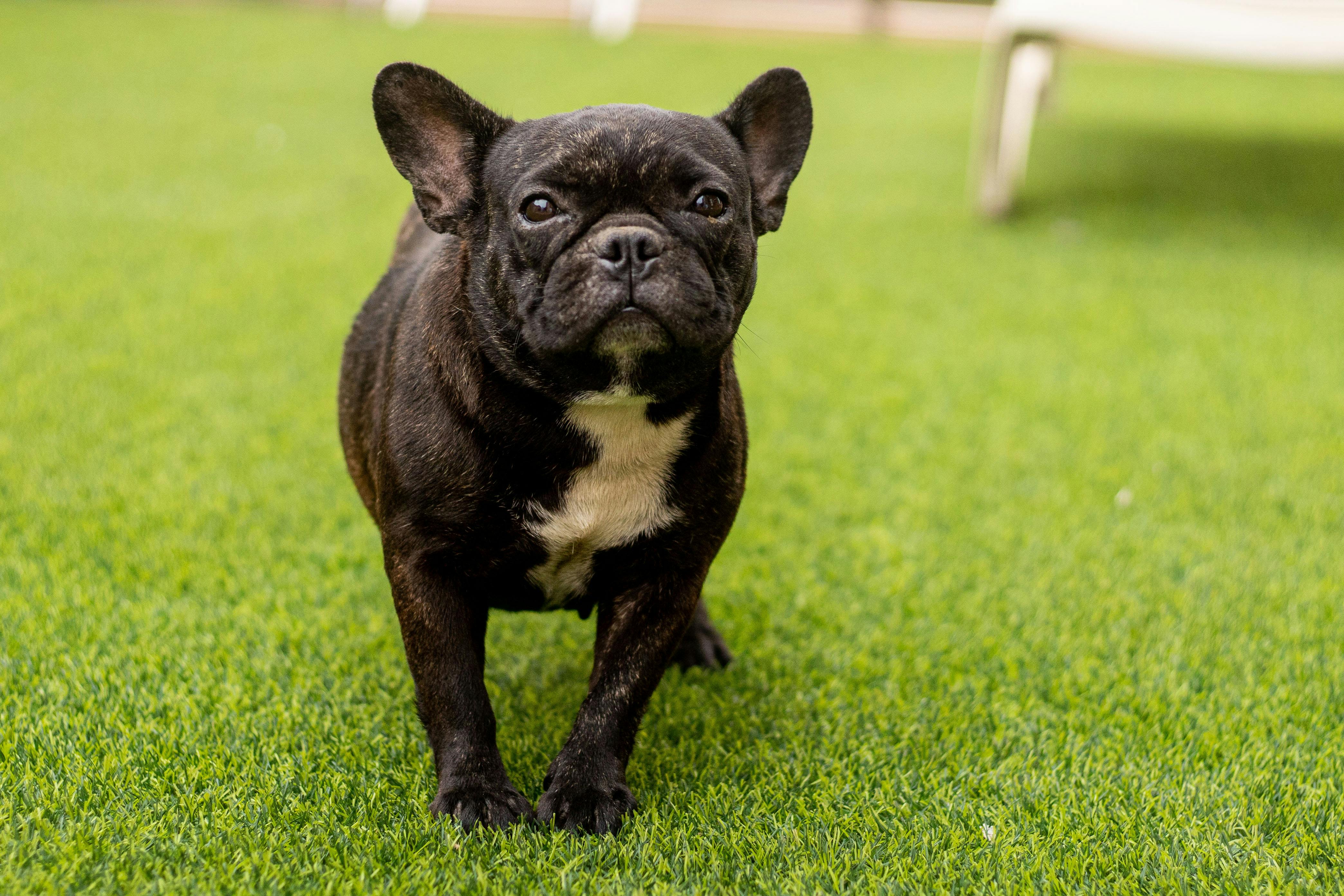
Every dog owner has probably noticed that their furry friends have wet noses. But why is that? And are there certain breeds that are more likely to have moist noses than others? Let’s dive into the world of dog noses and discover the top 7 breeds that are known for their wetness, along with the surprising reasons behind this unique trait.
Why Do Dogs Have Wet Noses? Discover the Surprising Truth!
Dogs have wet noses primarily for a few important reasons. One major reason is that a wet nose helps them to sense their environment better. When the nose is moist, it can capture scent particles more effectively, enhancing their sense of smell, which is much stronger than humans. Wet noses also help to cool dogs down. Unlike humans, dogs don’t sweat like us. Instead, they rely on panting and the moisture on their noses to help regulate body temperature.
Moreover, the moisture on a dog’s nose comes from a mix of mucus and secretions from glands. It acts like a natural way to keep their noses moist and helps in scent detection. Additionally, a wet nose can indicate a healthy dog, as dehydration or illness can lead to a dry nose.
Top 7 Breeds with the Wettest Noses
It’s interesting how different breeds can have various nose characteristics. Below is a list of the top 7 breeds that are known to have particularly wet noses.
Labrador Retriever
- These friendly and energetic dogs often have very moist noses. They’re known for their playful nature and love for water.
Bloodhound
- Known for their exceptional sense of smell, Bloodhounds’ noses are always wet. Their droopy skin and ears also help in trapping scents.
Beagle
- Beagles are adorable and curious dogs with moist noses. Their noses are always busy sniffing out interesting smells.
German Shepherd
- This intelligent breed has a wet nose that helps them in their work, whether in police, military, or service roles.
Golden Retriever
- Known for their friendly disposition, Golden Retrievers also have wet noses that match their playful personalities.
Dachshund
- These small but spunky dogs sport moist noses that are great for tracking scents, despite their size.
Boxer
- Boxers are energetic and playful, and they often have moist noses, which is part of their charm.
Comparison of Nose Moisture by Breed
Here’s a quick comparison of some dog breeds and their nose moisture levels:
| Breed | Nose Moisture Level | Characteristics |
|---|---|---|
| Labrador Retriever | High | Friendly, energetic, great with families |
| Bloodhound | Very High | Excellent sense of smell, droopy features |
| Beagle | High | Curious, small, great companions |
| German Shepherd | Moderate to High | Intelligent, versatile, loyal |
| Golden Retriever | High | Friendly, playful, great with kids |
| Dachshund | Moderate | Spunky, small, good scent trackers |
| Boxer | High | Energetic, playful, strong |
Importance of Nose Moisture in Dogs
Moist noses aren’t just a cute feature; they serve significant purposes. Here are some additional facts:
- Scent Detection: A dog’s ability to smell is crucial for their communication and interaction with the world. A wet nose enhances this ability.
- Temperature Regulation: Dogs can’t sweat like humans, so their noses help to cool them down.
- Health Indicator: While a wet nose is usually a sign of good health, sudden changes can indicate health issues. A dry nose, for instance, could signal dehydration or illness, warranting a vet visit.
Keeping Your Dog’s Nose Healthy
Here are some tips to ensure your dog’s nose stays moist and healthy:
- Hydration: Always provide fresh water for your dog.
- Monitor Changes: Keep an eye on changes in your dog’s nose. If it changes from wet to dry suddenly, consult your veterinarian.
- Protect from Harsh Weather: In extreme weather, protect your dog’s nose from sunburn or frostbite.
Awareness of these factors can help you maintain your dog’s overall health. Each breed has its unique traits, and wet noses are just one of the many wonderful qualities that make dogs so special. Whether you’re a proud owner of a Labrador or a Beagle, appreciating these small but remarkable details can strengthen the bond between you and your pet.
Conclusion
In conclusion, the wet noses of dogs serve multiple essential functions that contribute to their overall health and sensory capabilities. From enhancing their sense of smell and helping with temperature regulation to acting as a natural barrier against pathogens, a dog’s moist snout is a remarkable adaptation. Additionally, the moisture collected on their noses can provide valuable information about their surroundings, further enriching their experiences. Understanding this unique aspect of canine biology not only deepens our appreciation for these loyal companions but also emphasizes the importance of regular veterinary care to ensure their health. As dog owners, we should pay attention to changes in our pets’ noses, as they can indicate health issues. So next time you notice your dog’s wet nose, remember the vital role it plays and cherish the bond you share with your furry friend. Embrace the joy of dog ownership, and keep your canine companion happy and healthy!
