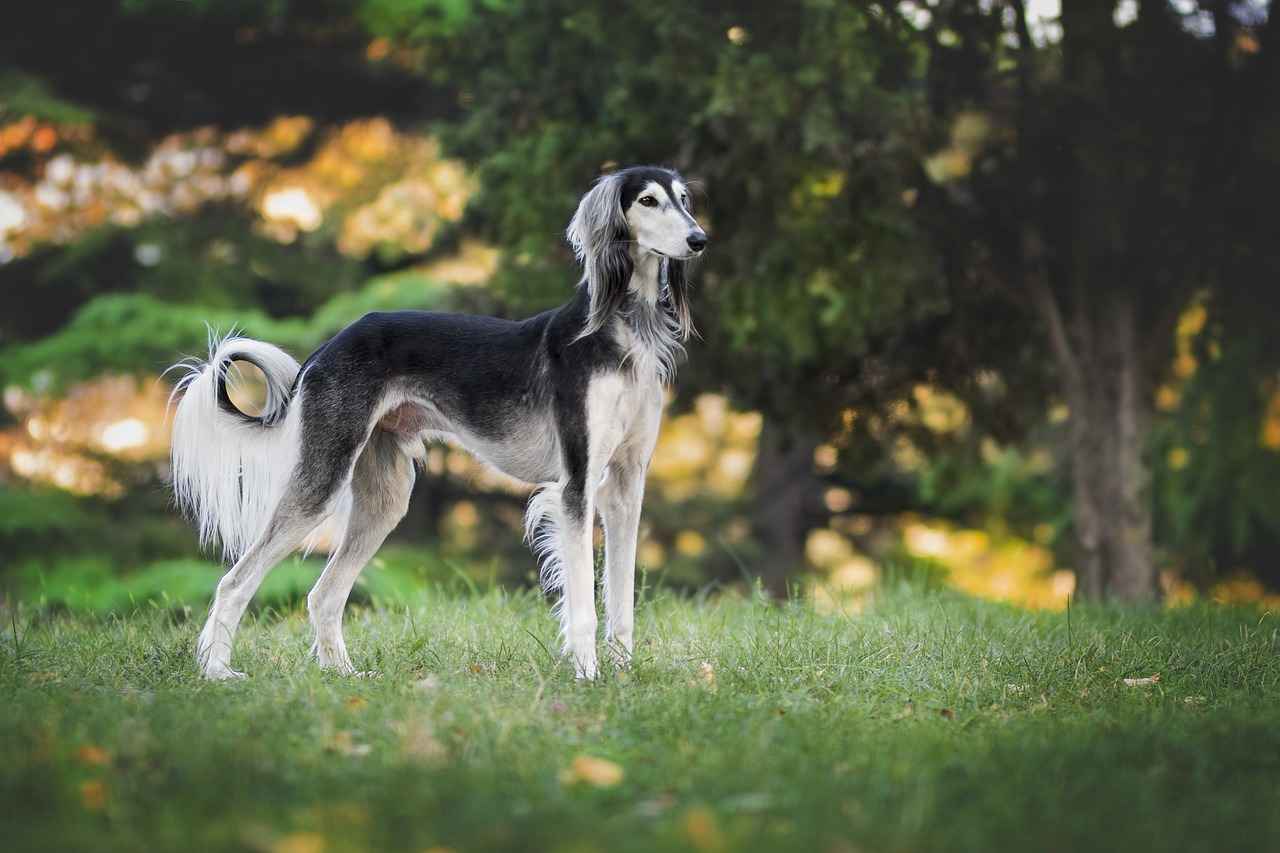
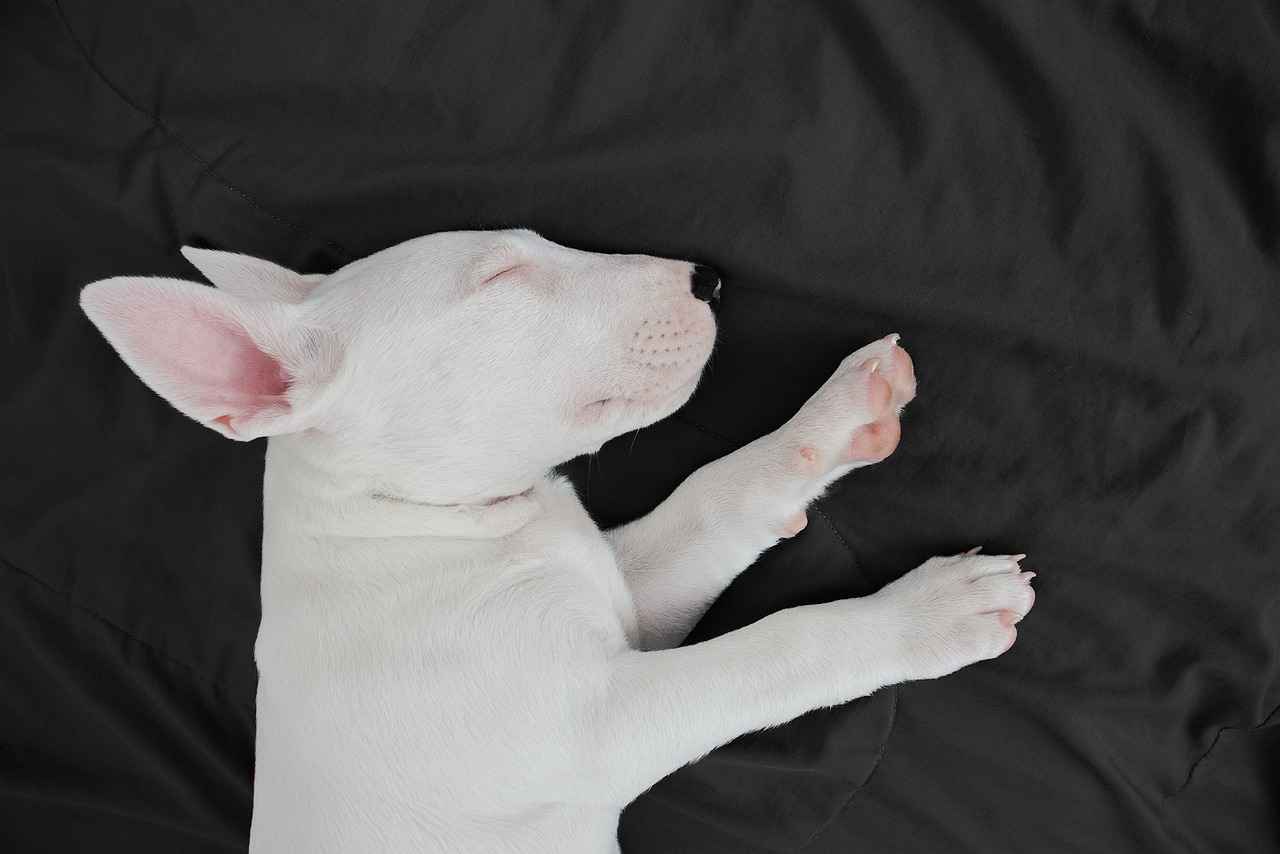
Have you ever wondered, why do dogs have wet noses? This intriguing question not only sparks curiosity but also leads us to discover the fascinating reasons behind this unique characteristic of our canine companions. A dog's nose is not just cute; it's packed with purpose! Wet noses help dogs to enhance their sense of smell, making them exceptional at detecting scents. But that's not all—did you know that a wet nose also plays a role in temperature regulation? Curious about how this simple feature contributes to your furry friend's overall health? In this article, we will dive deep into the science behind why dogs have wet noses and how it relates to their behavior and well-being. Get ready to uncover the mysteries of your pet’s anatomy and learn how a wet nose can be an indicator of their health, mood, and even their environment. So, why do dogs have wet noses? Let’s explore these fascinating facts that every dog owner should know! Don't miss out on understanding the incredible world of your four-legged friend!
\n\nThe Science Behind Canine Noses: Why Are They Always Wet?
\n\n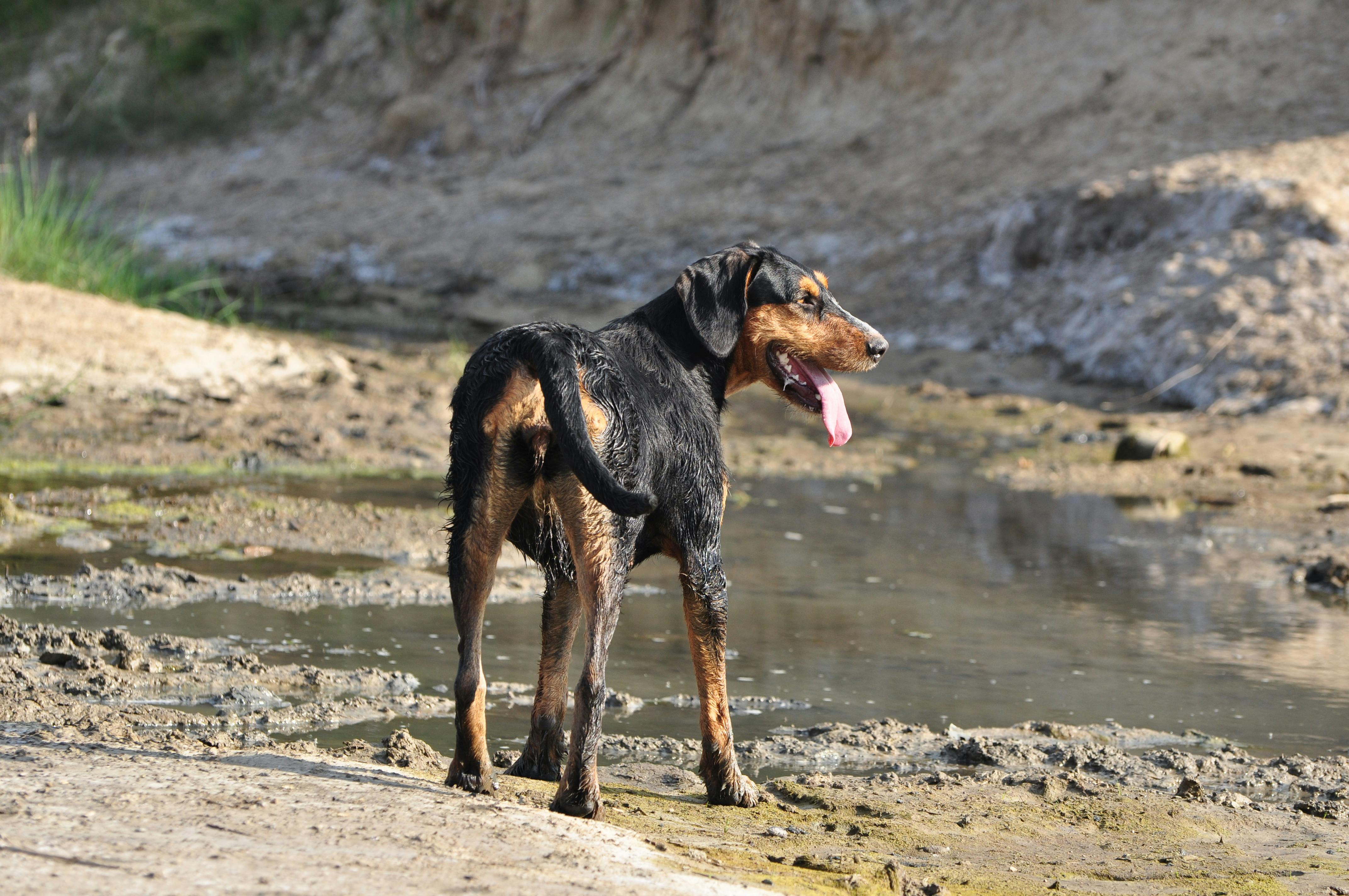 \n\n
\n\nDogs are truly fascinating creatures, and one of the many things that makes them so unique is their wet noses. You might wonder why do dogs have wet noses? The answer isn’t just a matter of hygiene or health; it involves a complex interplay of biology and evolution. In this article, we will explore the science behind canine noses, why they are always wet, and some fascinating reasons that explain this intriguing feature.
\nThe Biology of a Dog's Nose
\nA dog's nose is an extraordinary piece of anatomy. It's not just for sniffing; it's packed with sensory receptors, making it one of the most powerful olfactory systems in the animal kingdom. Dogs have roughly 220 million scent receptors, compared to humans who only have about 5 million. This difference is astonishing!
\n- \n
- Scent Receptors: Dogs have more than 200 million scent receptors. \n
- Moisture: The wetness of a dog’s nose helps capture scent particles. \n
- Temperature Regulation: A wet nose can help cool a dog’s body. \n
Why Are Canine Noses Wet?
\nSo, why do dogs have wet noses? There are several reasons that scientists and veterinarians agree upon. The moisture plays a critical role in how dogs detect smells. When a dog sniffs, the moisture on their nose helps to trap odor molecules, enhancing their ability to smell.
\nHere are some reasons dogs have wet noses:
\n- \n
- Enhanced Smell: The wetness helps to absorb scent particles, making it easier for dogs to pick up on smells. \n
- Thermoregulation: A wet nose can help with temperature control. Dogs don’t sweat like humans do; instead, they rely on their noses to help cool down. \n
- Communication: Dogs use their noses to communicate. A wet nose can indicate excitement or affection, especially when they greet their owners. \n
The Evolutionary Perspective
\nDogs have evolved over thousands of years, and their wet noses are a product of that evolution. The ancestors of modern dogs relied heavily on their sense of smell for hunting and survival. Wet noses likely provided an advantage that allowed these animals to be more effective hunters.
\n- \n
- Ancient Dogs: Early canines relied on their sense of smell for food and safety. \n
- Survival Mechanism: Wet noses improved their chances of finding prey and avoiding danger. \n
- Natural Selection: Over time, dogs with more effective noses were more likely to survive and reproduce. \n
The Role of Temperature and Environment
\nIt’s also interesting to note how environmental factors affect the wetness of a dog’s nose. For instance, a dog’s nose may be drier in hot, dry climates compared to humid environments.
\n- \n
- Humidity Levels: In humid climates, a dog’s nose may stay wetter longer. \n
- Heat: In hotter weather, dogs may lick their noses more often to maintain moisture. \n
- Health Indicators: A dry nose can sometimes indicate a health issue, so it's important for pet owners to monitor their dog's nose condition. \n
Fun Facts About Dog Noses
\nHere are some fun and quirky facts about dog noses that you might not know:
\n- \n
- Dogs can smell certain substances, such as drugs or explosives, with incredible accuracy. \n
- The pattern of a dog's nose print is as unique as a human fingerprint. \n
- Some breeds, like Bloodhounds, have an exceptional sense of smell thanks to their genetics. \n
Comparing Dog Noses to Human Noses
\nIt’s quite interesting to compare how dog noses function compared to human noses. While humans primarily rely on their sense of smell for taste, dogs use it for communication and navigation.
\n| Feature | \nDog Nose | \nHuman Nose | \n
|---|---|---|
| Scent Receptors | \n~220 million | \n~5 million | \n
| Moisture Level | \nUsually wet | \nTypically dry | \n
| Functionality | \nHunting, communication | \nTaste, breathing | \n
Practical Examples of Dog Nose Use
\nDogs use their noses for various tasks, which showcase their amazing abilities. Here are some examples:
\n- \n
- Search and Rescue: Dogs are trained to find missing persons by scent. \n
- Detection: Many dogs are used in law enforcement to detect drugs or explosives. \n
- Therapy: Some therapy dogs use their noses to help reduce stress in humans. \n
Every time you see a dog with a wet nose, remember that it’s not just a cute feature; it's a sophisticated adaptation that allows dogs to thrive in their environment. Understanding the reasons behind this characteristic can deepen the bond you have with your furry friend and give you insights into their amazing capabilities.
\nIn summary, the wet nose of a dog is not just a quirk of their anatomy; it plays a crucial role in their health, behavior, and survival. Next time you pet your pup, consider all the science and evolution behind that little wet nose and appreciate just how special these companions are.
\n\n5 Fascinating Benefits of Wet Noses in Dogs You Never Knew About
\n\n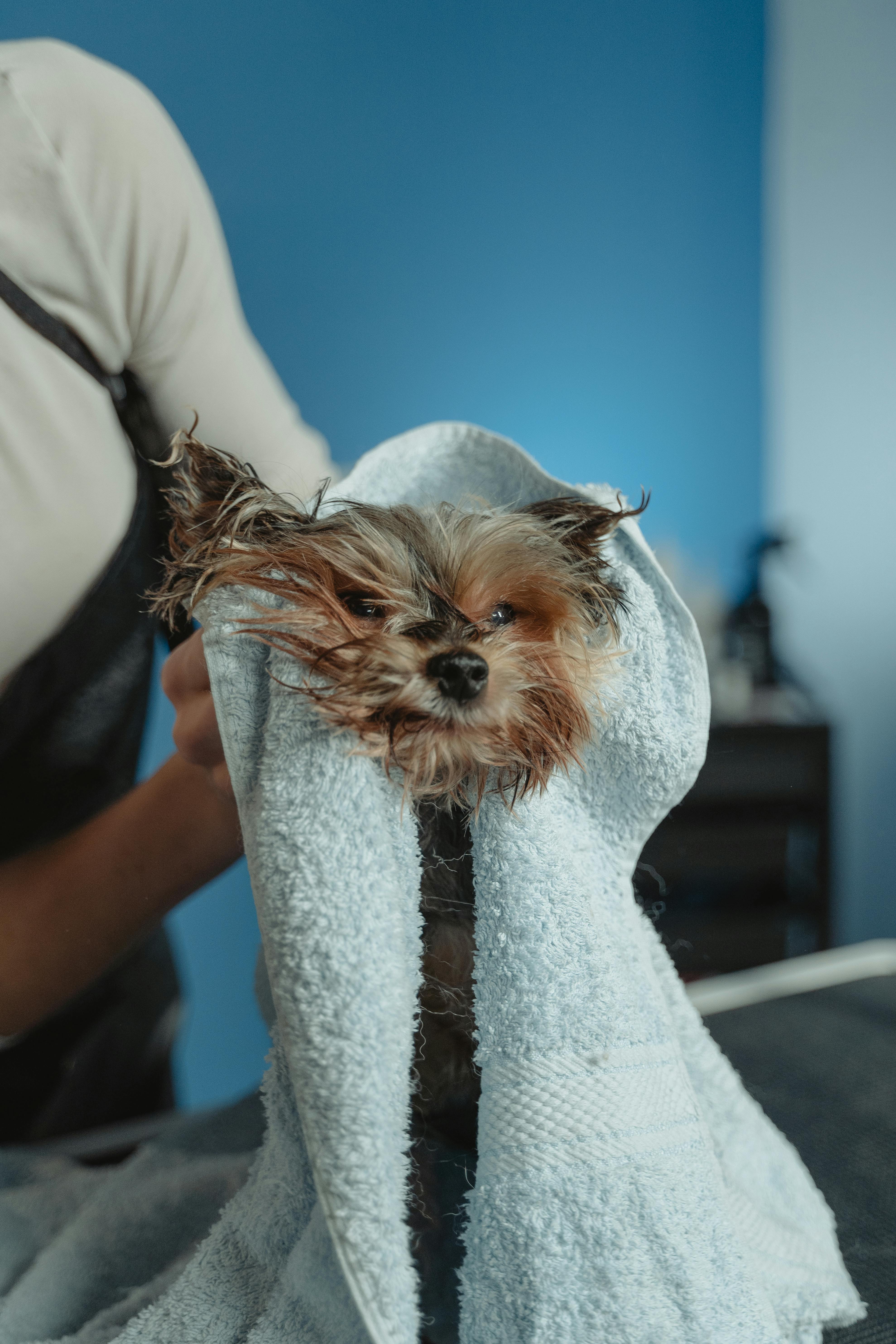 \n\n
\n\nDogs are truly amazing creatures, and one of their most distinctive features is their wet noses. Have you ever wondered why do dogs have wet noses? This question leads to some fascinating insights about our furry friends. Here, we explore 5 benefits of wet noses in dogs that you might not have known about, and why these little features are important for their health and wellbeing.
\n1. Enhanced Sense of Smell
\nDid you know that a dog's sense of smell is up to 100,000 times better than a human's? One of the reasons for this is their wet noses. The moisture on a dog's nose helps to capture scent particles in the air, allowing them to detect smells more effectively.
\n- \n
- Wet noses are like sponges that soak up scents. \n
- The moisture aids in transferring these scents to the olfactory receptors in their nasal cavity. \n
- This is why dogs can sniff out everything from drugs to missing persons! \n
2. Cooling Mechanism
\nAnother fascinating benefit of wet noses in dogs is that they help regulate their body temperature. Dogs do not sweat like humans do; instead, they rely on panting and their wet noses to cool off.
\n- \n
- The moisture on their noses evaporates, which helps to lower their body temperature. \n
- This is especially important during hot weather or after vigorous exercise. \n
- When you see a dog with a dry nose, it could indicate they’re dehydrated or overheated. \n
3. Communication Tool
\nDogs communicate through a variety of body language signals, and their wet noses play a role in that too. A wet nose can convey different messages depending on the context.
\n- \n
- When a dog nudges you with their wet nose, it’s often a sign of affection or a request for attention. \n
- Dogs may also use their noses to greet other dogs, allowing them to gather information about one another. \n
- A wet nose can indicate that a dog is feeling relaxed and secure. \n
4. Health Indicator
\nThe condition of a dog's nose can often tell you a lot about their overall health. A wet, cool nose is typically associated with a healthy dog, while changes in its texture or temperature could signal a problem.
\n- \n
- A dry or cracked nose might indicate dehydration or illness. \n
- If a dog’s nose becomes excessively runny or has a strange color, it may need a vet check. \n
- Regularly monitoring your dog’s nose can be a simple way to keep an eye on their health. \n
5. Natural Lubrication
\nThe mucus that keeps a dog’s nose wet serves another important purpose — it acts as a natural lubricant. This is essential for a variety of reasons.
\n- \n
- The moisture helps to keep the surface of the nose healthy and prevents cracking. \n
- It also protects against harmful particles that might enter the nasal passages. \n
- Dogs can also use their noses to pick up scents more effectively when they are lubricated. \n
Summary of Benefits
\nHere’s a quick overview of the benefits we've discussed regarding why do dogs have wet noses:
\n- \n
- Enhanced Sense of Smell: Helps capture scent particles. \n
- Cooling Mechanism: Aids in body temperature regulation. \n
- Communication Tool: Conveys affection and social interaction. \n
- Health Indicator: Reflects overall health condition. \n
- Natural Lubrication: Protects the nasal passages and keeps the nose healthy. \n
Fun Fact: Historical Context
\nWet noses have been a characteristic feature of dogs for thousands of years. In ancient civilizations, dogs were often used for hunting and protection. Their acute sense of smell, aided by those wet noses, made them invaluable companions.
\nDogs have been bred for specific traits, and their noses have adapted accordingly. For instance, bloodhounds have particularly wet noses to aid in tracking scents over long distances.
\nSo, the next time you see your dog with that adorable, wet nose, remember all the fascinating benefits that come along with it. It’s not just a cute feature; it plays essential roles in their health, communication, and more. Embrace the quirks of your canine companion and enjoy the little things that make them unique!
\n\nDo Wet Noses Mean a Healthy Dog? Uncovering the Truth!
\n\n \n\n
\n\nDogs, those wonderful furry companions, have a lot of quirks that make them special. One thing that many dog owners often wonder about is whether a wet nose equals a healthy dog. Well, let’s uncover this mystery! Wet noses are common in dogs, but does it really mean they’re in tip-top shape?
\nWhat’s Up with That Wet Nose?
\nFirst off, the wetness of a dog's nose is not just for show. There are several reasons behind this fascinating feature. Here’s a list of some of the main reasons why dogs have wet noses:
\n- \n
- Temperature Regulation: Like humans sweat, dogs use their noses to help cool down. A wet nose can evaporate moisture, which helps to keep their body temperature in check. \n
- Scent Detection: A moist nose helps to trap scent particles. This means dogs can smell better. The wetness enhances their ability to detect different smells, which is why they have such a strong sense of smell. \n
- Health Indicator: Some folks believe that a wet nose indicates good health. While it can be a sign of hydration and overall well-being, it’s not the only indicator to consider. \n
Debunking the Myth: Wet Noses and Health
\nNow, let’s get to the nitty-gritty. Just because a dog has a wet nose doesn’t mean they’re healthy. There are a lot of factors that come into play. For example:
\n- \n
- Environmental Factors: A dog’s nose can get wet from the weather. If it’s humid or raining, their noses might be wet even if they’re not feeling well. \n
- Health Issues: Conversely, a dry nose doesn’t always mean bad news. Dogs can have dry noses due to allergies, dehydration, or even after a good nap! \n
- Normal Variation: Every dog is different. Some breeds naturally have wetter noses than others. For instance, Bulldogs might have drier noses compared to Retrievers. \n
The Science Behind a Dog’s Nose
\nDogs have an incredible sense of smell, and their noses play a huge role in that. Here’s a quick breakdown of how their noses work:
\n- \n
- \n
Anatomy of a Dog's Nose:
\n- \n
- The surface of a dog's nose is covered in mucous membranes. This helps keep it moist. \n
- The inside of the nose has olfactory receptors that are highly sensitive to odors. \n
\n - \n
Scent Reception:
\n- \n
- When a dog sniffs something, the moisture on their nose captures scent particles. \n
- This helps to send signals to their brain, where they process the smells. \n
\n
The Role of Nose Temperature
\nBelieve it or not, the temperature of a dog’s nose can also be an indicator of health. Here’s how it generally goes:
\n- \n
- Cool and Wet: Often a sign of a healthy dog. \n
- Warm and Dry: Might indicate fever or dehydration, but not always. It could just be a normal variation. \n
Common Misconceptions
\nThere are a few misconceptions floating around regarding dog noses. Here’s a quick look:
\n- \n
- Myth: All Wet Noses Mean Healthy Dogs: As mentioned above, this isn’t true. A wet nose is just one aspect of a dog’s overall health. \n
- Myth: Dogs Only Get Sick When Their Nose is Dry: This is false. Dogs can still be healthy with dry noses, and they can also be sick with wet noses. \n
Practical Tips for Dog Owners
\nKeeping an eye on your dog's nose is just one part of being a responsible pet owner. Here are some practical tips to ensure your furry friend stays healthy:
\n- \n
- Regular Vet Check-ups: Always keep up with vet visits to monitor your dog’s health. \n
- Hydration: Ensure your dog has access to clean water at all times. Hydration is key! \n
- Observe Behavior: Look for changes in behavior, appetite, or energy levels. These can be more telling than just a wet or dry nose. \n
In Summary
\nSo, do wet noses mean a healthy dog? Not necessarily! While a wet nose often signals hydration and can aid in scent detection, it isn’t the be-all and end-all of canine health. Every dog is unique, and factors like breed, environment, and general health play significant roles. Keep an eye on your pup’s overall behavior and well-being, and don’t hesitate to consult your veterinarian if you notice any changes. Your dog’s happiness and health depend on your attention to detail!
\n\nHow Your Dog’s Wet Nose Affects Their Sense of Smell: The Surprising Connection
\n\n \n\n
\n\nWhen you think about dogs, one of the first things that probably comes to mind is their adorable, wet noses. But have you ever wonder why do dogs have wet noses? Or how does it really affect their sense of smell? It might seem like a simple question, but the answer is actually pretty fascinating.
\nWhy Do Dogs Have Wet Noses?
\nDog's noses are wet for a few important reasons. First and foremost, they help dogs to smell better. Their noses are covered in a special mucus that helps to trap scent particles. This mucus makes their noses wet, which facilitates the absorption of smells. Here’s a breakdown of why those wet noses are so crucial:
\n- \n
- Enhanced Scent Detection: A wet nose can capture scent particles more effectively than a dry one. \n
- Temperature Regulation: Dogs also use their noses to help regulate body temperature, especially on hot days. \n
- Health Indicator: A dog's nose can give clues about their health. A dry or cracked nose might indicate dehydration or illness. \n
The Science Behind it
\nDogs have an incredible sense of smell, estimated to be 10,000 to 100,000 times more sensitive than humans. This extraordinary ability is largely due to their wet noses. The structure of a dog's nose is specially designed for scent detection.
\nHow Wet Noses Work
\nHere’s how it works: when a dog inhales, the wet surface of their nose captures scent molecules. These molecules are then sent to a special part of the dog’s brain that processes smells. The more moisture on the nose, the more scent molecules can be captured. This is one of the reasons why dogs tend to lick their noses often.
\nThe Anatomy of a Dog's Nose
\n- \n
- Nasal Cavity: The nasal cavity is lined with olfactory receptors that interpret smells. \n
- Moisture Glands: Dogs have glands that secrete moisture, keeping their noses wet. \n
- Turbinate Bones: These bones increase the surface area of the nasal cavity, enhancing the ability to detect scents. \n
Dogs vs. Humans: A Comparison
\nTo better understand how a dog’s wet nose improves their sense of smell, let’s compare it with humans:
\n| Feature | \nDogs | \nHumans | \n
|---|---|---|
| Olfactory Receptors | \nApprox. 220 million | \nAbout 5 million | \n
| Scent Detection | \n10,000 - 100,000 times better | \nLimited | \n
| Nose Moisture | \nAlways moist | \nUsually dry | \n
Historical Context
\nThe history of dogs and their noses goes back thousands of years. Humans have relied on dogs for hunting, tracking, and even in search and rescue missions. Their wet noses have been critical in these roles, leading to thousands of years of evolutionary adaptation that enhance their sniffing abilities. Ancient societies recognized the value of dogs' incredible sense of smell, leading to their domestication and various roles in human life.
\nPractical Examples
\nIf you have a dog, you might notice them sniffing everything when you take them for a walk. This behavior is not just for fun; they are collecting information about their environment. Here are some practical examples of how dogs use their wet noses daily:
\n- \n
- Tracking Scents: Dogs can follow trails of scents left by other animals or humans. \n
- Detecting Health Issues: Some dogs are trained to sniff out diseases like cancer or diabetes. \n
- Finding Missing Persons: Search and rescue dogs rely on their noses to locate people in difficult situations. \n
Fascinating Facts About Dog Noses
\n- \n
- Dogs' noses come in different colors and patterns, which do not affect their ability to smell. \n
- The temperature of a dog's nose can fluctuate depending on their health and activity level. \n
- Licking their noses helps dogs keep them moist and enhances their sense of smell. \n
Understanding how your dog's wet nose affects their ability to smell is a wonderful insight into the unique biology of dogs. Their noses are not just cute features; they are complex tools that help them navigate their world in ways we can hardly comprehend. So next time you pet your dog and feel that wet nose, remember just how powerful it really is!
\n\nWet Nose vs. Dry Nose: What Your Dog's Nose Says About Their Health
\n\n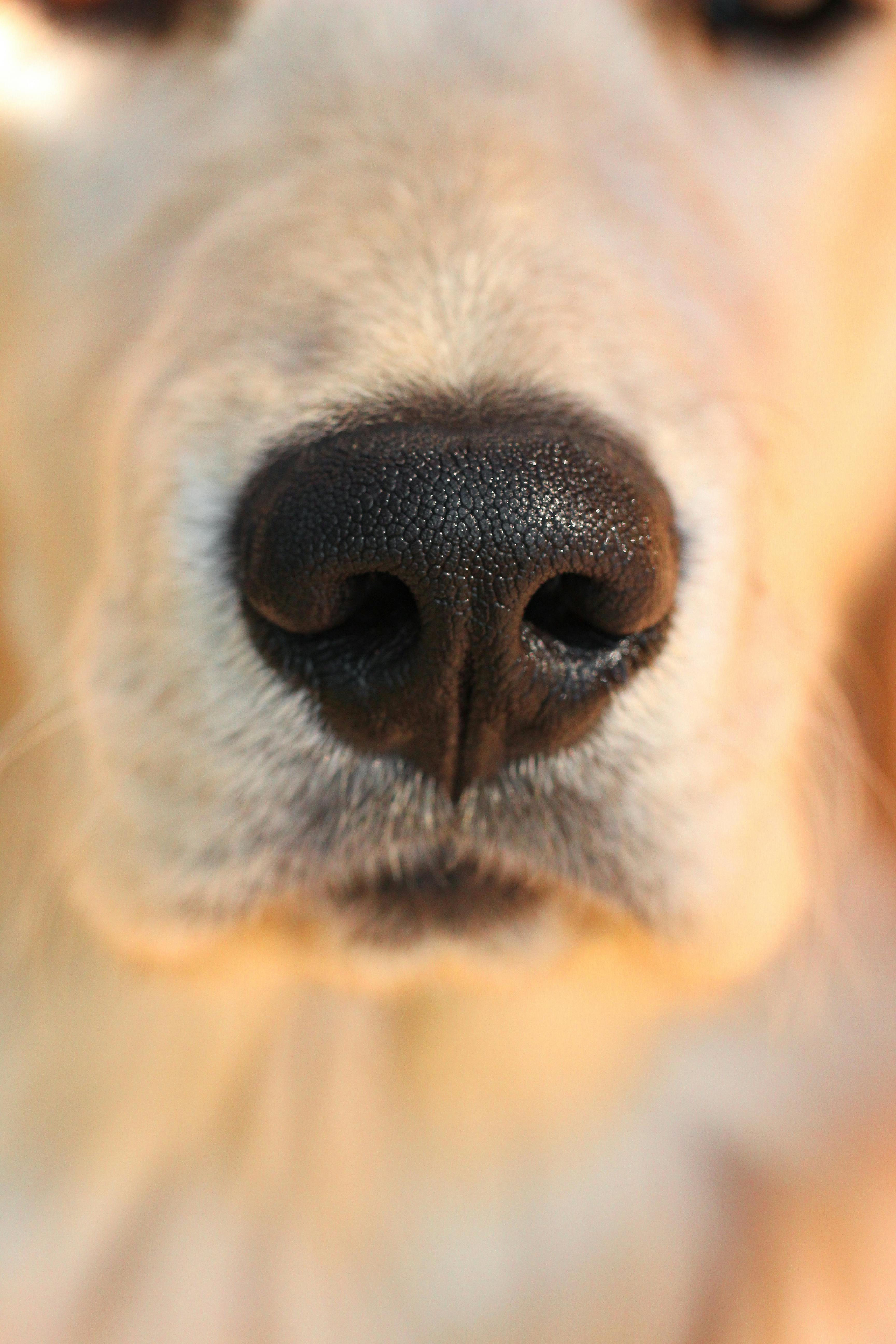 \n\n
\n\nWhen you got a dog, you probably noticed their nose, right? Some dogs have wet noses, while others have dry ones. Ever wonder what that means? Wet Nose vs. Dry Nose: What Your Dog's Nose Says About Their Health is an interesting topic. Let’s dive deep into this subject, exploring why dogs have wet noses and what it can tell us about their health.
\nWhy Do Dogs Have Wet Noses?
\nDogs have wet noses for several reasons. One of the most notable reasons is that it helps them to smell better. A moist nose can trap scent particles more efficiently, allowing dogs to pick up on various smells in their environment. This is because the moisture on their nose works like a sponge, capturing scents and making them easier to analyze.
\n- \n
- Enhanced Sense of Smell: The wetness helps in scent detection. \n
- Temperature Regulation: Dogs may use their noses to cool down. \n
- Communication Tool: Other dogs can gather important information through scent. \n
The Science Behind Dog Noses
\nThe anatomy of a dog’s nose is fascinating. A dog's nose is filled with olfactory receptors—estimates suggest there are around 300 million of these receptors, compared to a human’s mere 6 million. That’s why dogs are often used in search and rescue missions or sniffing out drugs.
\nHere’s a simple breakdown of how a dog’s nose works:
\n- \n
- Moisture Secretion: The wetness is often caused by mucous membranes that secrete a thin layer of fluid. \n
- Olfactory Receptors: These receptors detect different scents and send signals to the brain. \n
- Brain Analysis: A dog’s brain processes these signals, allowing them to identify and distinguish various smells. \n
Wet Nose vs. Dry Nose: What’s the Difference?
\nNot all noses are created equal. A wet nose can be a sign of good health, but a dry nose can indicate a variety of issues. Here’s a quick look at what each might mean:
\n- \n
- \n
Wet Nose:
\n- \n
- Typically a sign of hydration. \n
- Indicates a healthy dog. \n
- Helps in temperature regulation. \n
\n - \n
Dry Nose:
\n- \n
- Might indicate dehydration. \n
- Can be a sign of illness (like fever). \n
- Sometimes it’s just normal for a dog. \n
\n
Common Health Concerns Linked to Nose Condition
\nWhile a wet nose is generally a good sign, there are times when a dry nose should raise a red flag. Here are some health issues to look out for:
\n- \n
- Dehydration: If your dog’s nose is dry and cracked, they might not be drinking enough water. \n
- Fever: A warm, dry nose can sometimes signal that your dog is running a fever. \n
- Allergies or Infections: A sudden change in the moisture of your dog’s nose might indicate an underlying issue. \n
When to See a Vet
\nIf you notice your dog's nose changing from wet to dry or vice versa, it may not be a cause for alarm, but it’s best to monitor other symptoms. Here are some signs to watch for:
\n- \n
- Excessive thirst or urination \n
- Changes in appetite or energy levels \n
- Vomiting or diarrhea \n
- Swelling or redness around the nose \n
If multiple symptoms are present, it could be time for a vet visit.
\nFun Facts About Dog Noses
\n- \n
- The texture of a dog’s nose is unique, much like a human fingerprint. \n
- Dogs can smell certain scents up to 100,000 times better than humans. \n
- Some breeds, like Bloodhounds, have exceptional smelling abilities and can track scents over long distances. \n
Conclusion
\nUnderstanding your dog's nose can give you valuable insights into their health. A wet nose is usually a sign of a well-hydrated and healthy pup, while a dry nose could indicate trouble. Always pay attention to the overall behavior and health of your dog, and consult a veterinarian if you have any concerns. Whether you’re cuddling with a wet-nosed friend or assessing the health of a dry-nosed companion, knowing what to look for can keep your furry family member happy and healthy!
\n\nThe Role of Moisture in Dog Noses: Why It Matters for Their Well-being
\n\n\n\nUnderstanding the role of moisture in dog noses is pretty interesting and it’s important for their overall well-being. Ever wonder why do dogs have wet noses? Well, it turns out that there’s a lot more going on than just simple biology. Dogs, like many animals, evolved with certain traits that help them adapt to their environment. One of these traits is their moist noses. Let’s dive into this fascinating topic to discover the reasons behind it.
\nThe Science Behind Wet Noses
\nMoisture in a dog’s nose plays several critical roles. Firstly, it helps dogs to smell better. The wetness allows odors to be captured more effectively. When a dog sniffs, the moisture in their nose picks up scent particles. This enhances their sense of smell, which is far better than humans. In fact, dogs have up to 300 million smell receptors, compared to a human’s five million. This incredible difference is one reason why dogs are often used in search and rescue missions or for detecting drugs.
\nWhy Do Dogs Have Wet Noses?
\nHere’s a list of reasons why dogs noses are wet:
\n- \n
- Enhanced Olfactory Function: The moisture helps trap scent particles. \n
- Temperature Regulation: Dogs don’t sweat like humans, so moisture helps them cool down. \n
- Health Indicator: A wet nose is often a sign of a healthy dog, while a dry nose can sometimes indicate illness. \n
- Communication: Dogs use their noses to communicate with other dogs, and a wet nose can signal friendliness or interest. \n
These points highlight how important moisture is in a dog’s nose and its impact on their daily lives.
\nHistorical Context
\nHistorically, dog noses have been studied for centuries. Ancient civilizations recognized that dogs had exceptional abilities to track scents. Romans, for example, used dogs in hunting and as guard animals because of their keen sense of smell. Over time, these traits have been bred into many dog breeds, making their noses even more effective at detecting scents.
\nComparison with Other Animals
\nWhen comparing dog noses to other animals, it’s clear that dogs have some of the best olfactory abilities. Here’s how they stack up:
\n| Animal | \nNumber of Olfactory Receptors | \nNotes | \n
|---|---|---|
| Dogs | \n300 million | \nExcellent at detecting scents, used in various working roles. | \n
| Cats | \n50-80 million | \nGood sense of smell, but not as strong as dogs. | \n
| Humans | \n5 million | \nRelatively poor sense of smell compared to dogs and cats. | \n
| Elephants | \n2,000 to 3,000 million | \nExceptional sense of smell, can detect water sources from miles away. | \n
This table illustrates just how remarkable dogs are in terms of their olfactory capabilities.
\nPractical Examples of Nose Moisture in Dogs
\nDog owners often notice their pet's wet noses, but it’s not just an adorable feature. Here’s how different moisture levels can indicate a dog’s health:
\n- \n
- Normal Moisture: Healthy, happy dog; ready to play or go for a walk. \n
- Excessively Wet: Could indicate excitement, or even health issues like allergies or infections. \n
- Dry Nose: Might suggest dehydration or illness, but not always. Sometimes it’s just normal for the dog! \n
What Can Affect a Dog’s Nose Moisture?
\nSeveral factors can influence the moisture of a dog’s nose. Here’s a quick list:
\n- \n
- Weather Conditions: Hot or dry weather can lead to a drier nose. \n
- Health Issues: Conditions like fever or allergies can cause changes in moisture. \n
- Age: Older dogs may have drier noses due to decreased moisture production. \n
- Diet: Proper hydration and nutrition are important for maintaining moisture levels. \n
Every dog is different, and what is normal for one might not be for another. Thus, always keep an eye on your dog’s nose and overall health.
\nConclusion
\nThe moisture in dog noses is more than just a curious fact; it’s essential for their well-being. Dogs rely on their noses for various functions, from communication to health indicators. Understanding why do dogs have wet noses can help pet owners provide better care for their furry friends. By recognizing the importance of nose moisture, you can ensure your dog stays healthy and happy. Always consult with a veterinarian if you notice any significant changes in your dog’s nose or behavior.
\n\n7 Reasons Your Dog’s Nose is Wet—And What It Means for Their Mood
\n\n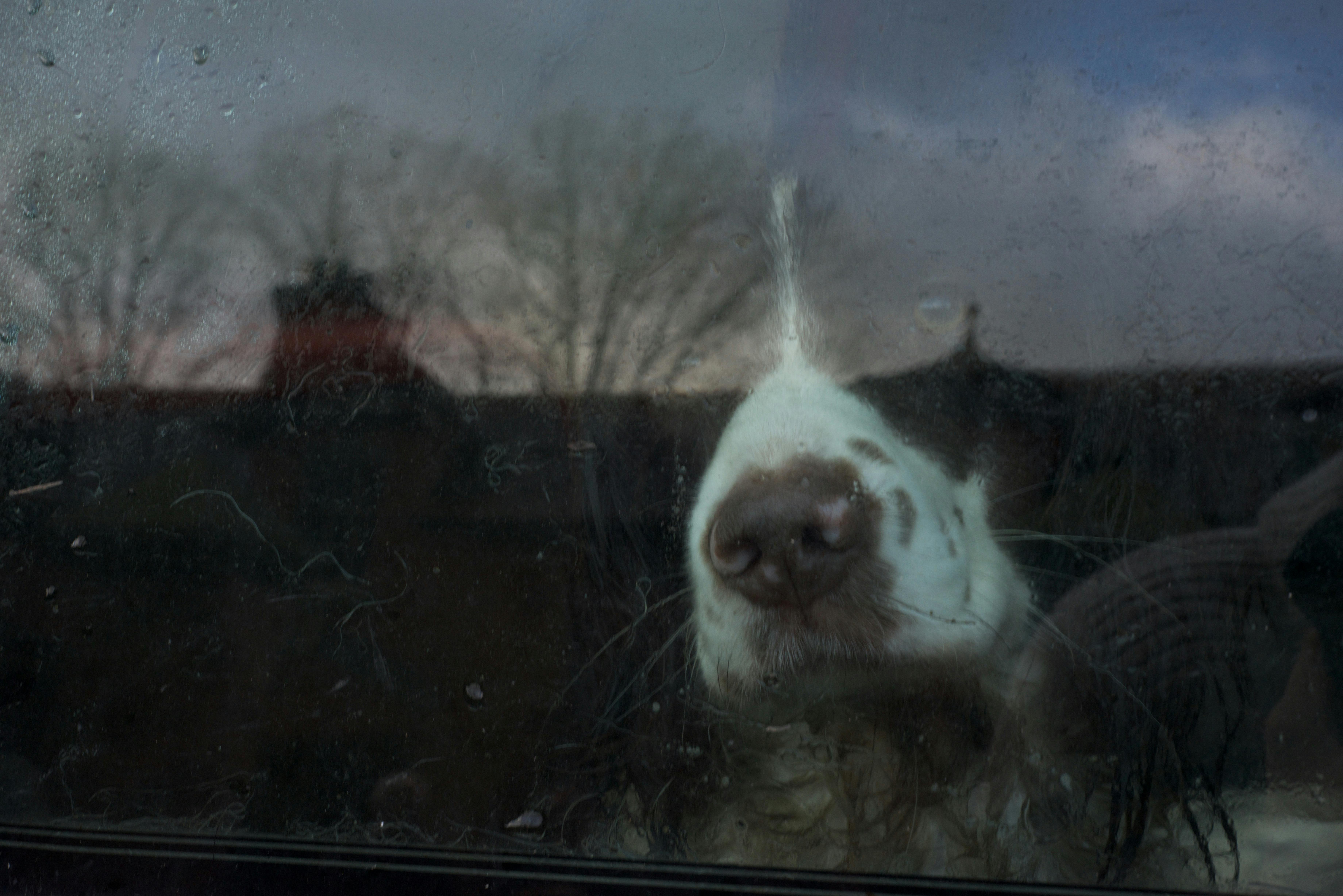 \n\n
\n\nWhen you see your dog with a wet nose, it can be a bit puzzling, right? Many pet owners wonder why dogs have wet noses in the first place. It’s one of those quirks that add to their charm, but it also serves several important purposes. Let’s dive into this fascinating topic and discover 7 reasons why your dog’s nose is wet and what that might mean for their mood.
\n1. Natural Moisture Regulation
\nDogs have wet noses because their body naturally produces moisture. This helps to keep their sense of smell sharp, which is vital for their survival instincts. The moisture on their nose helps to capture scent particles in the air, allowing them to detect smells much better than humans.
\n2. Temperature Control
\nAnother reason why your dog’s nose is often wet is that it helps them regulate body temperature. Dogs don’t sweat like humans do. Instead, they primarily cool themselves through panting and the moisture on their noses. When a dog’s nose is wet, it’s a sign they are effectively managing their body heat.
\n3. Health Indicator
\nA wet nose can also be an indicator of your dog’s health. If the nose is dry, it might suggest your dog is dehydrated or possibly sick. However, it's not a precise measure. A wet nose doesn’t guarantee health, and a dry one doesn’t always mean illness. It’s important to consider other signs and consult a vet if you notice worrying symptoms.
\n4. Emotional Reflection
\nDid you know that a dog’s nose can reflect their mood? When dogs are happy or excited, their noses are often wetter. This can be linked to increased activity and excitement levels which cause their bodies to produce more moisture. Conversely, if your dog seems down and their nose is dry, it may indicate they’re feeling unwell or stressed.
\n5. Environmental Factors
\nThe environment plays a big role in how wet your dog’s nose can be. Humidity, temperature, and even the time of day can affect moisture levels. For instance, in summer, a dog’s nose may dry out quicker, while in cooler, more humid weather, it might stay wetter.
\n6. Breed Differences
\nDifferent dog breeds can have varying nose moisture levels. For example, brachycephalic breeds like Bulldogs and Pugs might have different moisture levels compared to longer-snouted breeds like Greyhounds. This is due to the structure of their noses and how they process scents.
\n7. Licking Behavior
\nOne of the most straightforward reasons for a wet nose is that dogs like to lick! They often lick their noses after sniffing around or exploring. This not only keeps their noses wet but also helps them gather more scent particles, sharpening their sense of smell.
\nQuick Recap of Dog Nose Facts
\nHere’s a quick summary of what we just covered:
\n- \n
- Moisture Regulation: Keeps their sense of smell sharp. \n
- Temperature Control: Helps cool their bodies. \n
- Health Indicator: A dry nose can signal dehydration or illness. \n
- Emotional Reflection: Wet when happy, dry when down. \n
- Environmental Factors: Humidity and temperature affect moisture. \n
- Breed Differences: Some breeds have differing nose moisture levels. \n
- Licking Behavior: Dogs lick their noses to keep them wet. \n
What It Means for Their Mood
\nSo, what does this all mean for understanding your dog's mood? A wet nose often correlates with a happy and healthy dog. If you notice changes in the moisture level, it’s worth paying attention to other behaviors. For example, if your pup usually has a wet nose and suddenly it becomes dry, try to observe any behavioral shifts. Are they less active? Do they seem disinterested in play?
\nPractical Example
\nImagine you come home after a long day, and your dog greets you with a wet nose and wagging tail. This is a good sign they’re happy to see you! On the flip side, if they greet you with a dry nose and seem indifferent, it might be time to check in on their wellbeing.
\nUnderstanding why dogs have wet noses helps you bond with your furry friend better. Not only does it make you aware of their health and mood, but it also deepens your appreciation for their unique biology.
\nSo next time you notice your dog’s wet nose, remember these fascinating reasons behind it. Whether it’s a sign of excitement, health, or just a little licking, it’s all part of what makes our canine companions so special.
\n\nCan a Wet Nose Indicate Illness in Dogs? Experts Weigh In
\n\n \n\n
\n\nWhen you see a dog, one of the first things you might notice is its wet nose. But have you ever wondered, can a wet nose indicate illness in dogs? Experts weigh in on this topic providing some insight on the health implications of your furry friend’s snout moisture. Also, why do dogs have wet noses at all? Let's explore the fascinating reasons behind this characteristic.
\nThe Science Behind a Dog's Wet Nose
\nDogs typically have wet noses, and it’s not just for show. The moisture on a dog’s nose comes from several sources. It could be saliva, water from drinking, or mucus produced by the nasal passages. This moisture plays a crucial role in their sense of smell. The wet surface helps to trap scent particles in the air, enhancing their ability to detect odors. In fact, a dog's nose is estimated to be between 10,000 to 100,000 times more sensitive than a human's!
\n- \n
- Scent Detection: The wetness helps in trapping scent particles. \n
- Temperature Regulation: A wet nose can also help dogs cool down. \n
- Health Indicator: Changes in the moisture level can be a sign of health issues. \n
Can a Wet Nose Indicate Illness in Dogs?
\nNow, let’s dive into the question of whether a wet nose could indicate illness. Experts say that while a wet nose is generally a sign of a healthy dog, there are exceptions. If you notice a sudden change in your dog’s nose, such as excessive dryness or crustiness, it might be a cause for concern. Here are some potential health issues associated with changes in nasal moisture:
\n- \n
- Dehydration: If a dog doesn’t drink enough water, their nose can become dry. \n
- Fever: A dog with a fever may have a warm, dry nose. \n
- Infections: Nasal infections can lead to abnormal discharge and changes in moisture. \n
- Allergies: Allergies can cause nasal irritation and affect moisture levels. \n
What Experts Say
\nVeterinarians often emphasize the importance of observing your dog’s overall behavior and health, rather than focusing solely on the wetness of their nose. A wet nose doesn't guarantee that your dog is perfectly healthy, and a dry nose doesn’t always mean something is wrong. It is essential to consider other symptoms such as:
\n- \n
- Changes in appetite \n
- Lethargy or decreased energy \n
- Coughing or sneezing \n
- Vomiting or diarrhea \n
Why Do Dogs Have Wet Noses? Discover The Fascinating Reasons!
\nThe wet nose phenomenon in dogs is actually a result of evolution. Historically, the ancestors of modern dogs, which were wolves, relied heavily on their sense of smell for hunting and survival. A moist nose enhances this capability. Here’s a brief look at the reasons:
\n- \n
- Enhanced Smell: As mentioned before, the nose traps scent particles, making them easier to detect. \n
- Communication: Dogs also use their noses to communicate with each other. A wet nose can signal curiosity or friendliness. \n
- Temperature Sensing: Dogs can also detect changes in temperature through their noses, which helps them stay alert to their environment. \n
Fun Facts About Dog Noses
\n- \n
- Dogs have unique nose prints – much like a human fingerprint, each dog’s nose print is different. \n
- The color of a dog’s nose can change with temperature; it may become darker when it’s warm and lighter when it’s cold. \n
- Dogs have around 300 million scent receptors, compared to humans who have about 5 million. \n
Signs of a Healthy Nose
\nTo help you monitor your dog’s health, here are some signs of a healthy nose:
\n- \n
- Moist and cool to the touch \n
- Free of discharge or crusting \n
- Consistent temperature with the rest of the body \n
A Quick Reference Table of Nose Conditions
\n| Condition | \nSymptoms | \n
|---|---|
| Healthy Nose | \nMoist, cool, no discharge | \n
| Dry Nose | \nWarm, dry, potential dehydration | \n
| Crusty Nose | \nDischarge, possible infection | \n
| Abnormal Discharge | \nColor change, possible illness | \n
Being aware of these signs can help you understand your dog's health better. If you do notice any concerning symptoms, it is always best to consult your veterinarian for expert advice.
\nDogs and their wet noses are indeed fascinating! They not only serve a function of enhancing smell but also reflect the dog's overall health. Understanding the role of a nose can help you become a better pet owner, ensuring that your furry friend stays happy and healthy. So, the next time you give your dog a scratch behind the ears, take a moment to appreciate that wet nose and what it signifies!
\n\nUnderstanding the Unique Physiology of Dog Noses: Why Wetness is Key
\n\n \n\n
\n\nHave you ever wondered why dogs have wet noses? It's one of those quirky things about our furry friends that most people don't really think about until you notice it. Wetness in a dog's nose is not just a random feature; it serves several important functions that are deeply connected to their unique physiology. Understanding the reasons behind this can help us appreciate our canine companions even more.
\nThe Anatomy of a Dog's Nose
\nDog noses are fascinating. They're not just cute; they're incredibly complex and designed for specific purposes. Here’s some quick facts about their anatomy:
\n- \n
- Olfactory Receptors: Dogs have about 220 million olfactory receptors compared to humans' 5 million. This makes their sense of smell far superior. \n
- Nasal Turbinates: These are bony structures inside the nose that help filter and warm the air before it reaches the lungs. \n
- Moisture Glands: Dogs have special glands that keep their noses moist. \n
The moisture plays a huge role in how dogs perceive the world around them. It helps absorb scent particles, enhancing their already impressive smelling abilities.
\nWhy Wetness is Key
\nSo, why do dogs have wet noses? The wetness is crucial for several reasons:
\n- \n
- \n
Enhanced Smell: A wet nose can capture more scent particles. When the nose is moist, it can absorb these particles more effectively, which helps dogs identify scents better than dry noses.
\n \n - \n
Temperature Regulation: Dogs do not sweat like humans. Instead, they cool themselves down through their noses. The moisture evaporates, helping to regulate their body temperature.
\n \n - \n
Health Indicator: A wet nose is often seen as a sign of a healthy dog. If a dog’s nose is dry or cracked, it might indicate dehydration or illness. However, this is not a hard and fast rule; there are exceptions based on breed and environment.
\n \n - \n
Communication Tool: Dogs often use their noses to communicate with each other. A wet nose might signal excitement or curiosity.
\n \n
Historical Context
\nIn ancient times, dogs were domesticated from wolves. Over thousands of years, they have evolved alongside humans. Their noses became the focal point of their survival, enabling them to hunt, track, and communicate. Different breeds developed unique traits, but the wet nose remained a constant across the species. This evolutionary trait has been crucial for their role as hunters and companions.
\nInteresting Comparisons
\nWhen we compare dogs with other animals, their noses stand out. For example:
\n- \n
- Cats: They have moist noses too, but their sense of smell isn’t as strong as dogs. Cats have about 50-80 million olfactory receptors. \n
- Humans: Our noses are dry, and we only have around 5 million olfactory receptors. This is why dogs can sniff out things we can't even begin to comprehend. \n
Practical Examples
\nA dog’s wet nose is not just a cute feature; it’s functional. Here are a few everyday scenarios that illustrate its importance:
\n- \n
- Tracking: Hunting dogs rely on their noses to track scents. The wetness helps them gather and retain scent particles, making them more effective hunters. \n
- Search and Rescue: Dogs trained for search and rescue missions can find missing persons by scent. Wet noses enhance their ability to track scents over long distances. \n
- Medical Detection: Some dogs can even detect diseases through scent, such as cancer or diabetes. Their wet noses help them pick up the unique odors associated with these conditions. \n
Fun Facts about Dog Noses
\n- \n
- Some dogs can smell up to 100,000 times better than humans. \n
- The color of a dog's nose can vary by breed, with some purebreds having distinct nose colors. \n
- Dogs can "see" scents in layers, separating different smells in the air. \n
In conclusion, the wetness of a dog's nose is a key part of their biology and behavior. It enhances their sense of smell, helps in temperature regulation, and serves as an indicator of health. Understanding these unique features not only deepens our knowledge of dogs but also strengthens the bond we share with them. Next time you give your dog a scratch behind the ears, take a moment to appreciate that wet little nose and all the incredible things it does!
\n\nHow to Keep Your Dog’s Nose Healthy and Moist: Essential Tips for Pet Owners
\n\n \n\n
\n\nWhen you think about dogs, one of the first things that probably comes to mind is their wet, cold noses. But why do dogs have wet noses, and what does it mean for their health? As a pet owner, you might find yourself wondering how to keep your dog’s nose healthy and moist. Here’s a closer look at the science behind that adorable snout, along with essential tips for ensuring your furry friend stays happy and healthy.
\nWhy Do Dogs Have Wet Noses?
\nDogs noses are not just cute; they serve a crucial purpose. Here’s some fascinating reasons why dogs have wet noses:
\n- \n
- \n
Enhanced Sense of Smell: The moisture on a dog's nose helps to absorb scent particles from the air. This moisture allows them to smell better. A wet nose can capture more scents, which is why dogs rely on their noses to explore the world.
\n \n - \n
Temperature Regulation: Just like humans sweat to cool down, dogs can use their noses to help regulate their body temperature. A moist nose releases heat, helping to keep them cool, especially on hot days.
\n \n - \n
Health Indicator: A dog’s nose can be a health barometer. A dog’s nose that is consistently dry or warm could indicate dehydration or illness. Keeping an eye on your dog's nose can help you catch potential health issues early.
\n \n - \n
Communication Tool: Dogs use their noses to communicate with each other and other animals. The scent on their noses can tell a lot about their emotional state and their environment.
\n \n
How to Keep Your Dog’s Nose Healthy and Moist
\nMaintaining your dog's nose is important, and here are some essential tips to keep it healthy and hydrated:
\n- \n
- \n
Hydration is Key: Make sure your dog has access to fresh, clean water at all times. Dehydration can lead to a dry nose. Encourage your dog to drink water, especially on warm days.
\n \n - \n
Nose Balm: Consider using a special nose balm designed for dogs. These products can help to moisturize and protect your dog’s nose from cracking or drying out. Look for natural ingredients to avoid chemicals that might irritate their sensitive skin.
\n \n - \n
Humidity Matters: If you live in a dry climate or during winter months when indoor heating is on, consider using a humidifier. This can help add moisture to the air, which can prevent your dog’s nose from becoming too dry.
\n \n - \n
Regular Vet Checkups: Regular veterinary visits are crucial for your dog’s overall health. Your vet can check for signs of potential problems with your dog's nose and provide advice tailored to your dog's specific needs.
\n \n - \n
Watch for Allergies: Dogs can have allergies just like humans. If you notice your dog frequently rubbing their nose or showing signs of irritation, consult with your vet. They can help identify potential allergens in your dog’s environment.
\n \n - \n
Avoid Harsh Chemicals: Be cautious about using household cleaners or chemicals around your dog. Many of these substances can cause irritation and dryness to their nose. Always opt for pet-safe products when cleaning.
\n \n - \n
Limit Sun Exposure: Just like human skin, a dog's nose can get sunburned. If your dog spends a lot of time outdoors, consider applying pet-safe sunscreen to their nose.
\n \n - \n
Nutrition Matters: A balanced diet rich in Omega-3 fatty acids can improve skin and coat health, including the nose. Foods like fish oil or certain dog food brands can help keep your dog’s skin hydrated.
\n \n
Signs of a Problematic Nose
\nIt’s important to know when your dog’s nose might be signaling a problem. Here are some signs to look out for:
\n- \n
- \n
Cracking or Bleeding: If you see cracks or bleeding on your dog's nose, it could be a sign of dryness or more serious health issues.
\n \n - \n
Discoloration: A change in color, such as a bright red or pale nose, should be evaluated by a vet.
\n \n - \n
Persistent Dryness: If your dog’s nose stays dry for an extended period, it’s time to consult with your veterinarian.
\n \n - \n
Swelling or Lesions: Any unusual swelling or growths on the nose need immediate attention.
\n \n
Keeping your dog’s nose healthy and moist is a vital part of their overall well-being. By understanding the importance of their noses and taking proactive steps to maintain their health, you can ensure your furry friend stays happy and playful. Remember, a wet nose is often a sign of a happy dog!
\n\nConclusion
\n\nIn summary, the wet noses of dogs serve several important functions that contribute to their overall health and well-being. The moisture helps enhance their sense of smell, allowing them to detect scents more effectively, which is crucial for their communication and interaction with the world around them. Additionally, a wet nose helps regulate their body temperature, acting as a natural cooling mechanism. While some may wonder if a wet nose is always a sign of good health, it's essential to remember that variations can occur due to factors like hydration and environmental conditions. As a dog owner or enthusiast, understanding the significance of your furry friend's wet nose can deepen your appreciation for their unique biology. So, the next time you feel that cool, damp nose against your hand, take a moment to consider the remarkable ways it supports their life and well-being. Embrace the joy of your dog's companionship and stay curious about their fascinating traits!
\n\n