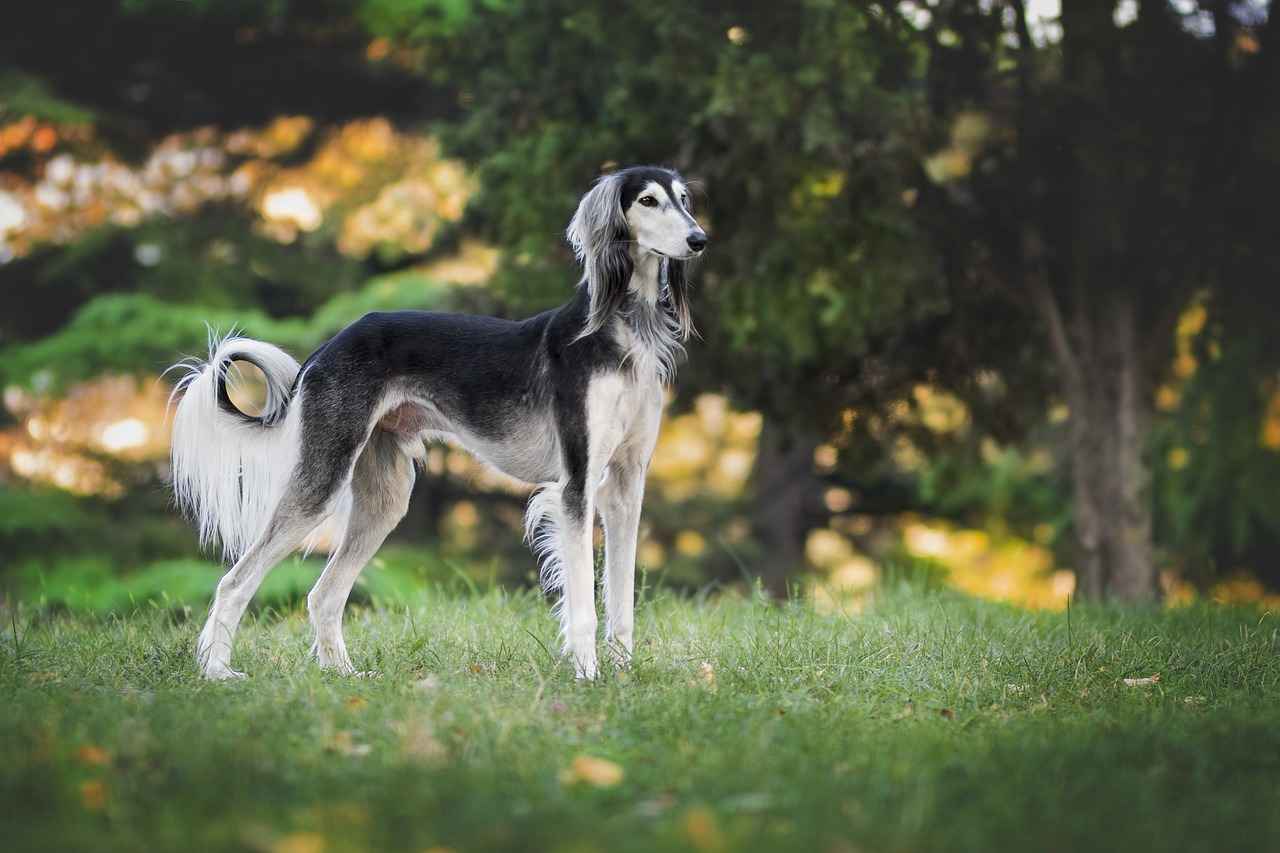
Have you ever wonder why do dogs have wet noses? It's a question that sparks curiosity among dog owners and animal lovers alike! The fascinating reasons behind this unique trait are more than just a cute quirk. A dog’s wet nose serves several important purposes, from enhancing their sense of smell to regulating their body temperature. Did you know that a wet nose can actually help dogs detect scents more effectively? This is because moisture on their nose helps trap scent particles! Moreover, the temperature of a dog’s nose can be an indicator of their health, making it an important sign for pet parents to observe. But what other intriguing facts about dogs' noses await discovery? Whether you’re looking to understand your furry friend better or simply want to impress your friends with fun dog trivia, learning about why do dogs have wet noses is essential. Dive into this captivating exploration of the science behind those adorable wet noses and unlock the secrets that make our canine companions so special. So, are you ready to uncover the truth and join the ranks of informed dog enthusiasts? Let's get started!
\n\nThe Science Behind Wet Noses: Why Do Dogs Have This Unique Trait?
\n\n \n\n
\n\nHave you ever wondered why dogs have wet noses? This unique trait isn’t just for show; it actually serves several important functions for our furry friends. Wet noses are a common and endearing feature of dogs, but many people don’t realize the fascinating science behind this characteristic. Let's explore the reasons why dogs have wet noses and what it means for their health and behavior.
\nThe Role of a Dog's Nose
\nA dog's nose is much more than a mere sensory organ. It's a complex structure that plays a crucial role in how dogs interact with the world. Unlike humans, who primarily rely on sight, dogs understand their surroundings largely through their sense of smell. In fact, dogs have up to 300 million olfactory receptors in their noses, compared to a human’s 5 million. This incredible sense of smell means that dogs can detect scents at incredibly low concentrations, which is vital for their survival and communication.
\nWhy Are Dog Noses Wet?
\n- \n
- \n
Enhanced Smelling Capabilities: A wet nose helps to capture scent particles in the air. When the surface of a dog’s nose is moist, it can trap these particles better, allowing the dog to sniff out scents more effectively. This is why you might notice your dog sniffing around with great determination!
\n \n - \n
Temperature Regulation: Dogs do not sweat like humans do. Instead, they cool down primarily through panting and their wet noses. The moisture on their noses evaporates, helping to regulate their body temperature. This is particularly important on hot days or after exercise.
\n \n - \n
Health Indicator: A dog's nose can be an indicator of their health. While a wet nose is generally a sign of a healthy dog, a dry or cracked nose can sometimes suggest dehydration or illness. However, it’s important to note that nose moisture can vary with the environment and activity levels.
\n \n - \n
Social Interactions: Dogs use their noses to communicate with each other. A wet nose can signal to another dog that they are friendly and approachable. They often engage in sniffing each other as a way of gathering information about the other dog’s health, mood, and even diet.
\n \n
Historical Context of Wet Noses
\nThe evolutionary journey of dogs has shaped their unique characteristics, including their wet noses. Dogs are descendants of wolves, which also have wet noses. Over thousands of years of domestication, these traits have been preserved because they aid in survival and social interaction. Early humans likely valued dogs with strong olfactory senses, leading to a preference for breeding these traits.
\nFascinating Facts About Dog Noses
\n- \n
- Dogs can detect certain diseases, including cancer, by smelling breath or skin samples. \n
- The wetness of a dog’s nose can change throughout the day; it might be drier in the morning and wetter after a walk. \n
- Some breeds have more pronounced wet noses than others; for example, Bloodhounds are renowned for their incredible sense of smell. \n
Practical Tips for Maintaining Your Dog’s Nose Health
\n- \n
- Hydration is Key: Ensure your dog has access to fresh water at all times. A well-hydrated dog will have a healthier, wetter nose. \n
- Regular Vet Check-ups: Regular visits to the veterinarian can help catch any potential health issues early, including those that might affect the nose. \n
- Protect Their Nose in Extreme Weather: If it’s very hot or cold outside, consider using pet-safe balms to protect your dog's nose from cracking or drying out. \n
Wet Noses vs. Dry Noses: What’s Normal?
\nIt’s normal for a dog’s nose to be sometimes wet, sometimes dry. Here’s a quick comparison of what these conditions might indicate:
\n| Condition | \nPossible Reasons | \n
|---|---|
| Wet Nose | \nHealthy, hydrated, happy dog | \n
| Dry Nose | \nDehydration, sickness, or just a different climate | \n
In Summary
\nThe science behind wet noses in dogs reveals their important role in health, communication, and survival. Understanding why dogs have wet noses can enhance our appreciation for these amazing animals, and aid in ensuring their well-being. Next time you see your dog with that adorable, wet nose, you can think about all the fascinating reasons behind it!
\n\nTop 5 Fascinating Reasons Your Dog’s Nose is Always Wet
\n\n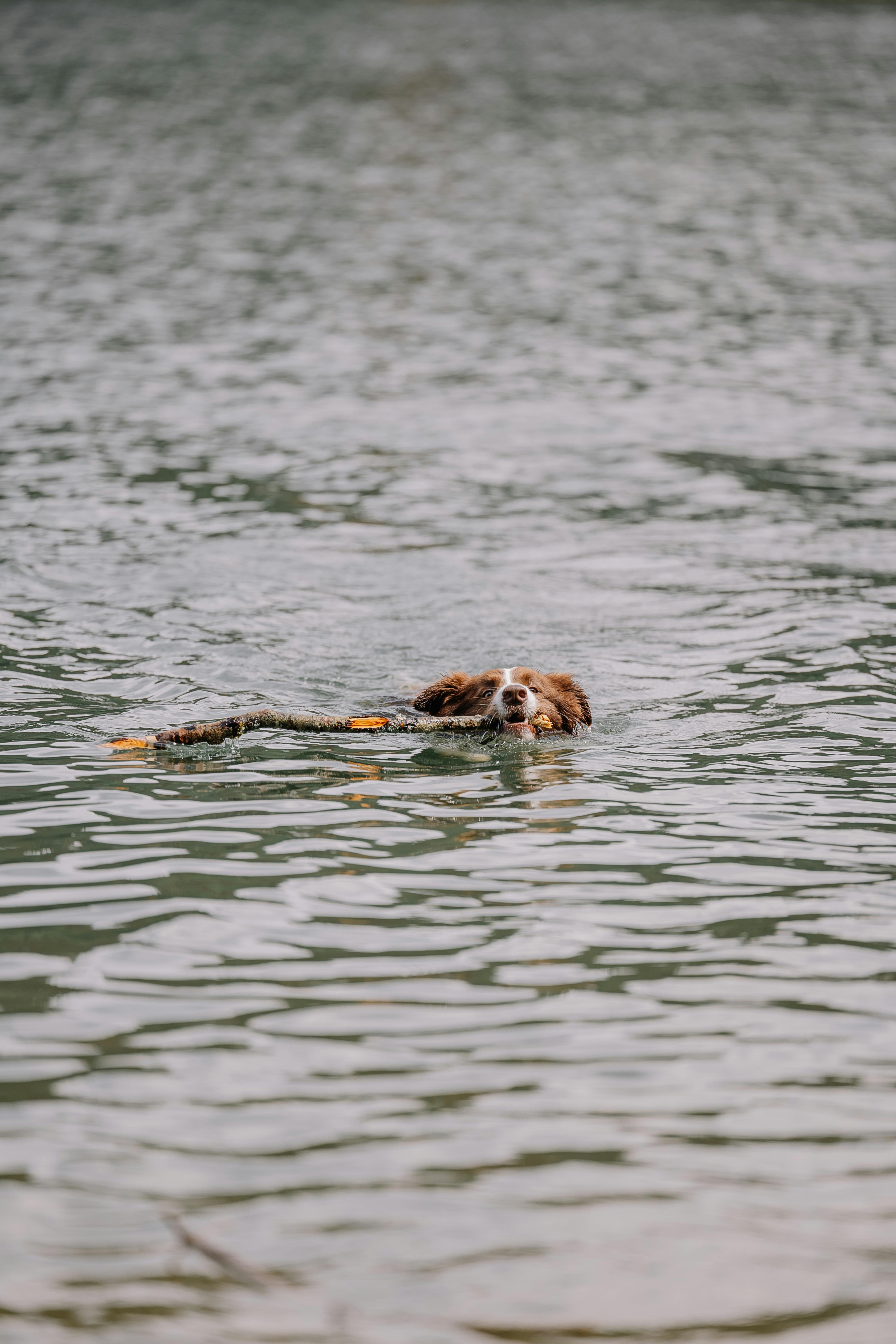 \n\n
\n\nWhen you see a dog, one of the first things you might notice is their wet nose. But have you ever wondered why do dogs have wet noses? It’s not just a quirky feature; it serves several fascinating purposes that relate to their health and instincts. Let's dive into the top five reasons why your dog’s nose is always wet, and explore the science behind this unique characteristic.
\n1. Enhances Sense of Smell
\nDog's noses are like super-sensors. They have an incredible sense of smell, estimated to be around 10,000 to 100,000 times better than humans. The moisture on their noses helps capture scent particles from the air, making it easier for them to detect smells.
\n- \n
- Wet noses also help the olfactory receptors work better. \n
- They absorb scent chemicals, which are then processed by a specialized part of the dog's brain. \n
- Dogs can identify different scents even when they are mixed together. \n
2. Thermoregulatory Function
\nYou might not know this, but a dog’s nose plays a role in regulating their body temperature. Dogs don’t sweat like humans do; instead, they cool off primarily through panting. However, the moisture on their noses also aids in temperature control.
\n- \n
- When the nose is wet, it can help dissipate heat. \n
- Helps keep the dog cool in hot weather. \n
- Dry noses can signal overheating or dehydration. \n
3. Communication Tool
\nDogs communicate in various ways, and their noses are no exception. A wet nose can be a sign of a happy and healthy dog. When they nuzzle up to you, it’s their way of showing affection and seeking attention.
\n- \n
- A wet nose can indicate a relaxed and comfortable dog. \n
- Dogs use their noses to greet each other, gathering information from each other’s scents. \n
- The moisture can enhance the sense of social bonding among dogs. \n
4. Health Indicator
\nThe state of a dog’s nose can actually indicate their health. A healthy dog's nose is typically moist and cool, while a dry or cracked nose may suggest underlying health issues.
\n- \n
- Changes in moisture can indicate fever or illness. \n
- Frequent licking helps keep the nose moist, but excessive dryness might be a concern. \n
- If a dog's nose appears crusty or sore, it could be time for a vet visit. \n
5. Evolutionary Advantage
\nFrom an evolutionary perspective, wet noses provide dogs with an advantage. Their ancestors relied on their sense of smell for hunting and survival.
\n- \n
- The wetness on the nose has been a trait passed down through generations. \n
- Helps with tracking prey and finding food. \n
- An essential survival tool in the wild. \n
Summary of Reasons Dogs Have Wet Noses
\n- \n
- Enhances sense of smell \n
- Aids in thermoregulation \n
- Acts as a communication tool \n
- Serves as a health indicator \n
- Provides evolutionary advantages \n
Fun Facts About Dog Noses
\n- \n
- Each dog's nose print is unique, similar to human fingerprints. \n
- Dogs have around 300 million olfactory receptors in their noses, compared to about 6 million in humans. \n
- The color of a dog's nose can change with age, health, and environment. \n
Dogs are not just pets; they are companions that communicate and express themselves in many ways. Their wet noses are an integral part of who they are and how they interact with the world. Understanding why do dogs have wet noses not only helps us appreciate them more but can also assist in monitoring their health.
\nSo next time you give your furry friend a pat, take a moment to check their nose. Is it wet and cool? That’s usually a good sign! Embracing the quirks of our canine companions helps us bond with them even more.
\n\nIs a Wet Nose a Sign of a Healthy Dog? Discover the Truth!
\n\n\n\nIs a Wet Nose a Sign of a Healthy Dog? Discover the Truth!
\nDog owners often ask themselves if a wet nose means their furry friend is healthy. The common belief is that a wet nose is a good sign, but what does science say about it? In this article, we gonna dive into the fascinating world of why dogs have wet noses and what it really means for their health.
\nWhy Do Dogs Have Wet Noses?
\nDogs have wet noses not just for show. There’s a few reasons behind this interesting trait.
\n- \n
- \n
Cooling Mechanism: Dogs can't sweat like humans do. Instead, they cool themselves through their noses and paw pads. A wet nose helps to evaporate moisture, which cools them down.
\n \n - \n
Enhanced Smell: A dog's sense of smell is far superior to humans. The moisture on their noses helps capture scent particles, which enhances their ability to smell. This is why dogs often sniff around—they’re gathering all sorts of information from their environment.
\n \n - \n
Communication: Dogs use their noses to communicate with one another. A wet nose can signify excitement or curiosity, which is a common behavior when dogs meet each other.
\n \n - \n
Health Indicator: While not a definitive measure of health, a wet nose can sometimes indicate that a dog is healthy. However, it’s important to look at other signs too.
\n \n
The Common Myths About Wet Noses
\nThere’s many misconceptions that surround the idea of a wet nose in dogs. Here’s a quick list of some popular myths:
\n- \n
- Myth 1: A wet nose always means a dog is healthy. \n
- Myth 2: If a dog’s nose is dry, they must be sick. \n
- Myth 3: Only certain breeds have wet noses. \n
These myths can lead to misunderstandings about a dog’s health. It’s important to understand that while a wet nose can be normal, it’s not the only indicator of a dog’s well-being.
\nUnderstanding Nose Conditions
\nSometimes, dog’s noses can change from wet to dry. Here’s some conditions that might affect a dog’s nose:
\n- \n
- Allergies: Environmental factors like pollen or dust can cause a dog’s nose to dry out. \n
- Dehydration: If a dog isn’t drinking enough water, their nose can become dry. \n
- Infections: Some infections can cause a change in the texture or moisture of a dog’s nose. \n
When to Be Concerned
\nA wet nose is generally a good sign, but there are times when it’s important to pay attention. Here’s a quick checklist of signs that may indicate your dog needs a vet visit:
\n- \n
- Persistent dryness or cracking of the nose \n
- Discharge or bleeding from the nose \n
- Changes in appetite or behavior \n
- Excessive licking of the nose \n
If you notice any of these symptoms, it’s best to consult with a veterinarian to ensure your dog’s health.
\nHow to Keep Your Dog’s Nose Healthy
\nKeeping your dog’s nose healthy is important. Here’s some tips to help maintain that wet, healthy nose:
\n- \n
- Hydration: Make sure your dog has access to fresh water at all times. \n
- Limit Exposure to Allergens: If your dog is allergic, try to limit their exposure to known allergens. \n
- Regular Vet Check-ups: Regular visits to the vet can help catch any potential issues early. \n
Conclusion
\nSo, is a wet nose a sign of a healthy dog? Well, it can be, but it’s not the only indicator. A wet nose often signifies that a dog is hydrated and alert, but many other factors play a role in their overall health. Understanding why dogs have wet noses and the myths surrounding them can help you become a better pet owner. Remember to keep an eye on your dog's behavior and consult with a veterinarian if you have any concerns. Your furry friend will thank you for it!
\n\nHow Does a Dog’s Wet Nose Benefit Their Sense of Smell?
\n\n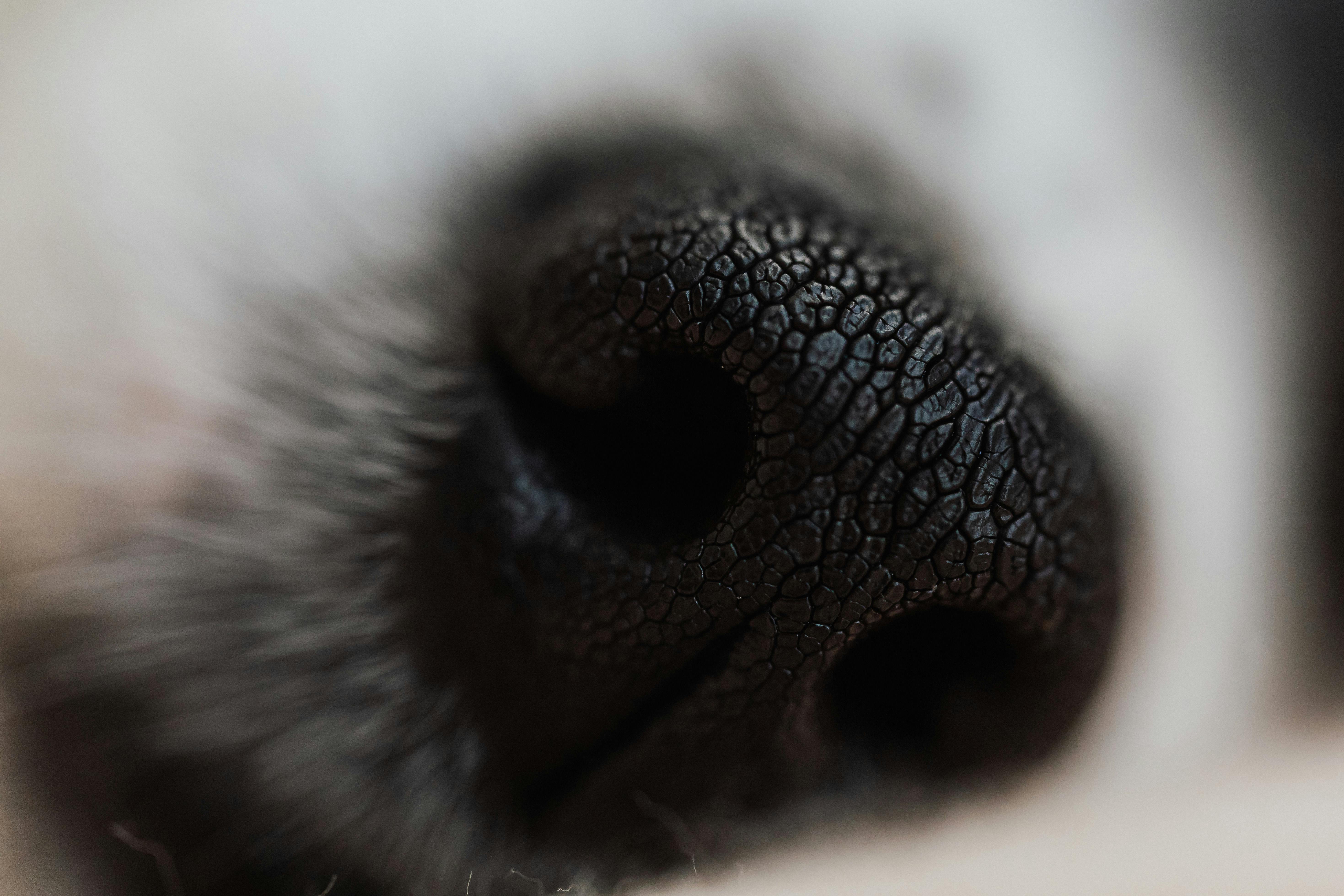 \n\n
\n\nDogs, they are often known for their incredible sense of smell, which is way better than ours. But did you ever wonder why do dogs have wet noses? There are some fascinating reasons behind this, and how a dog’s wet nose benefits their sense of smell in some amazing ways. Let’s dive into the science of canine noses and discover how these remarkable features help dogs navigate their world.
\nWhy Do Dogs Have Wet Noses?
\nFirst off, a dog’s nose is a marvel of evolution. It's not just for show! Here’s a rundown of some reasons why dogs have wet noses:
\n- \n
- Enhanced Olfactory Function: The moisture on a dog’s nose actually helps to capture scent particles in the air. When the nose is wet, it can absorb these particles more effectively, which improves their ability to smell. \n
- Temperature Regulation: A dog’s nose plays a role in helping them cool down. Dogs don’t sweat like humans do, so they rely on their noses to help regulate their body temperature. \n
- Health Indicator: A wet nose is often considered a sign of a healthy dog. If a dog’s nose is dry, it may indicate dehydration or illness, although this isn't a strict rule. \n
- Communication Tool: Dogs use their noses to communicate with each other. A wet nose can signal to other dogs that they are friendly and approachable. \n
How Does a Dog’s Wet Nose Benefit Their Sense of Smell?
\nDogs have a sense of smell that is estimated to be anywhere from 10,000 to 100,000 times more sensitive than that of humans. The wetness of their noses plays a crucial role in this heightened sense. Here’s how:
\n- \n
- Scent Particle Attraction: The moisture on a dog’s nose, aids in capturing scent particles. When they sniff, the wetness helps to trap these particles, allowing the olfactory receptors to pick them up more efficiently. \n
- Cooling Effect: The evaporation of moisture from a dog's nose can also help cool their olfactory membranes, which might enhance their smelling capacity. \n
- Scent Discrimination: Wet noses allow dogs to distinguish between different scents more effectively. This is crucial for tasks like hunting, search and rescue, or even just finding their favorite treats. \n
The Science Behind Dog Noses
\nTo fully appreciate why dogs have wet noses, let’s take a look at some scientific facts about their anatomy:
\n- \n
- Olfactory Receptors: Dogs have approximately 300 million olfactory receptors in their noses, compared to about 5 million in humans. \n
- Vomeronasal Organ: This organ, also known as Jacobson’s organ, helps dogs detect pheromones and other chemical signals, further enhancing their sense of smell. \n
- Breathing Mechanism: Dogs have a unique breathing mechanism. When they sniff, air goes into their nostrils and passes over the olfactory receptors. The wetness helps this process by allowing more scent particles to bond with the receptors. \n
Fascinating Facts About Dog Noses
\n- \n
- Unique Patterns: Just like human fingerprints, each dog’s nose print is unique. \n
- Color Changes: A dog’s nose can change color due to various factors, like season changes or health issues. \n
- Dogs and Scenting: Certain breeds, like Bloodhounds, have been known to follow a scent trail that’s days old! \n
Practical Examples of Dogs Using Their Noses
\n- \n
- Search and Rescue: Dogs are trained to find missing persons by using their incredible sense of smell. \n
- Detection Work: From finding drugs to detecting diseases like cancer, dogs’ noses are invaluable in many professional fields. \n
- Everyday Life: Even at home, dogs can smell when their owners are feeling sad or happy, allowing them to offer comfort or companionship. \n
Wrapping Up
\nUnderstanding why do dogs have wet noses and how it benefits their sense of smell really opens up a new perspective on our furry friends. Their noses are not just cute; they are vital tools for survival, communication, and companionship. So, next time you see your dog with their wet nose, remember all the incredible functions it serves. From catching those elusive scent particles to helping them stay cool and healthy, a dog’s wet nose is truly one of nature's little miracles. Whether you’re a dog owner or just a dog lover, knowing this can enrich your bond with these wonderful animals.
\n\nWet Noses vs. Dry Noses: What Your Dog’s Nose Says About Their Health
\n\n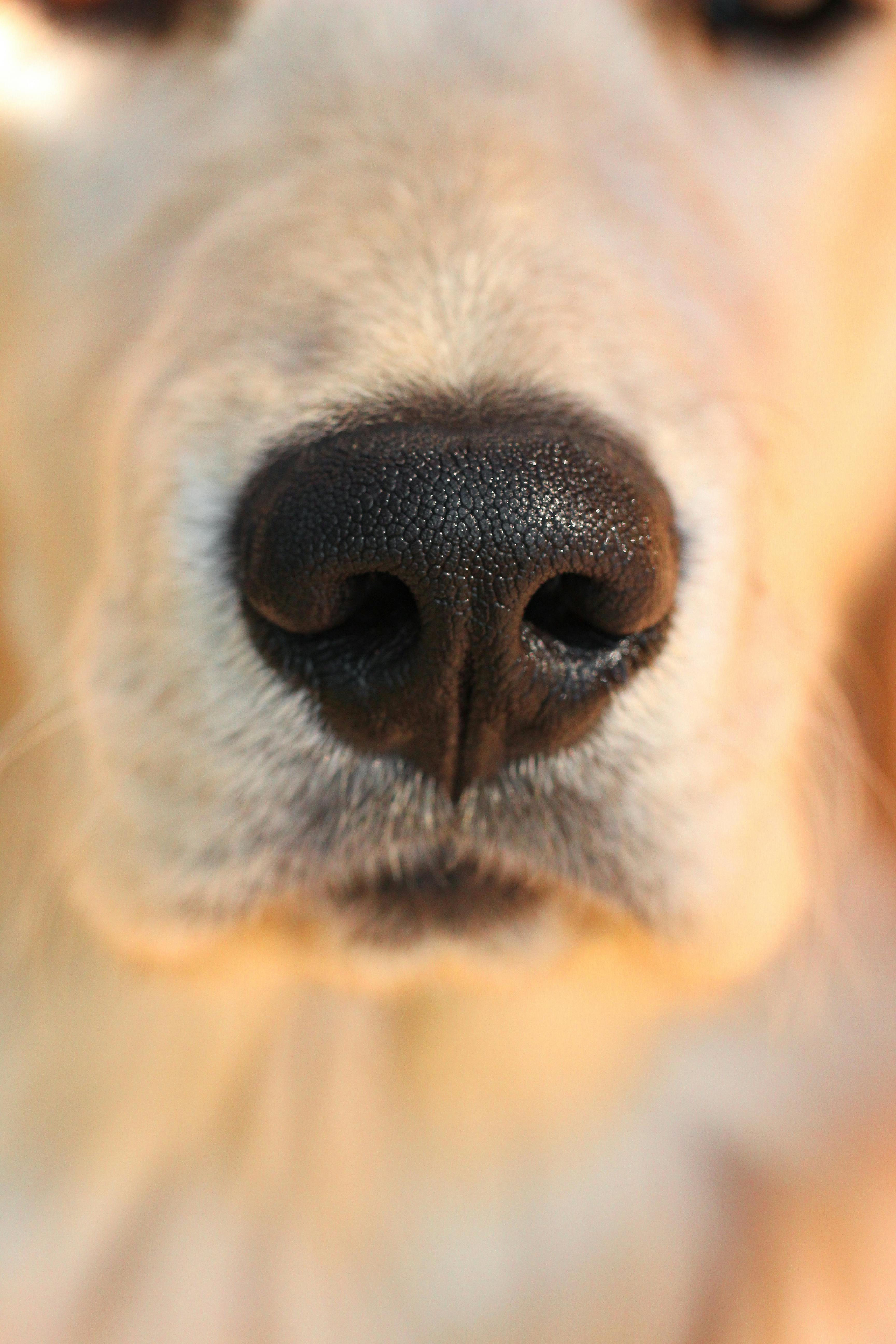 \n\n
\n\nWhen you look at your dog, one of the first things you may notice is their nose. It's often wet and cool to the touch, but have you ever wondered why do dogs have wet noses? And what does it mean for their health? Knowing the difference between wet noses and dry noses can give you insight into your furry friend's well-being and behaviors.
\nWet Noses vs. Dry Noses: What’s the Difference?
\nUnderstanding the condition of a dog’s nose can be more significant than just a quirky trait. Here are some key differences:
\n- \n
- Wet Nose: Typically indicates a healthy dog. A wet nose is often a sign of hydration and normal bodily function. Dogs' noses have a natural moisture that helps them sense smell better, which is very important for their survival and interaction with the world. \n
- Dry Nose: This can be a cause for concern. A dry nose might suggest dehydration, fever, or even illness. However, it’s important to note that a dry nose does not always mean something is wrong. Sometimes, environmental factors can cause a dog’s nose to dry out, like hot weather or indoor heating. \n
Why Do Dogs Have Wet Noses?
\nDogs have wet noses for a variety of fascinating reasons. Here’s some of the main ones:
\n- \n
- Temperature Regulation: A wet nose helps to cool a dog down. Just like humans sweat, dogs also release moisture from their noses which then evaporates, helping to regulate their body temperature. \n
- Enhanced Smell: The moisture on a dog’s nose captures scent particles from the environment, making it easier for them to smell. This is why dogs have a significantly better sense of smell than humans. Their wet nose acts like a sponge, soaking up smells. \n
- Health Indicator: A wet nose often indicates your dog is healthy and hydrated. If your dog’s nose is dry or cracked, it may be an early sign of dehydration or an underlying health issue. \n
The Science Behind Wet Noses
\nDid you know that dogs have special glands located in their noses? These glands produce moisture that keeps the nose wet, and they are also responsible for the unique scent that each dog has. Here’s a bit more on the science behind it:
\n- \n
- Mucous Membranes: The nose is covered by mucous membranes that help to keep it moist. This moisture is essential for smell. \n
- Scent Detection: The olfactory receptors in dogs are highly developed, and the moisture helps in trapping scent particles, enhancing their ability to detect odors. \n
Factors Affecting Your Dog’s Nose
\nSeveral factors can influence the moisture level of your dog's nose. Consider these:
\n- \n
- Weather Conditions: Hot weather can dry out a dog’s nose quickly. If it’s too cold, it might also become dry and cracked. \n
- Health Issues: If your dog’s nose suddenly becomes dry, it could indicate a health issue. Conditions like allergies, infections, or autoimmune diseases can affect nose moisture. \n
- Age: Older dogs might experience more dry noses as they generally have drier skin. \n
What to Do If Your Dog Has a Dry Nose
\nIf you notice that your dog’s nose is dry, there are a few steps you might consider:
\n- \n
- Hydration: Make sure your dog has access to fresh water at all times. Proper hydration is crucial for their overall health. \n
- Vet Check: If the dry nose persists, or if you notice other symptoms like lethargy or loss of appetite, it’s best to consult a veterinarian. \n
- Moisturizing: Some pet owners choose to use dog-safe moisturizers to help keep their dog's nose hydrated. \n
Quick Facts About Dog Noses
\n- \n
- Temperature: The temperature of a dog’s nose can fluctuate. It can be warm and dry when they are sleeping or after playing, but should return to being cool and wet. \n
- Color: A dog’s nose can change color based on various factors, including temperature and emotional state. \n
- Nasal Patterns: Just like fingerprints in humans, each dog has a unique pattern on their nose. \n
Understanding your dog’s nose can really help you take better care of them. Always keep an eye on the changes in their nose condition, and remember, a wet nose is usually a good sign of a happy and healthy pup. If you have any concerns about your dog's health, consulting with a veterinarian is always a good idea. Your furry friend relies on you, so keeping them healthy and happy is always a priority.
\n\nAre Wet Noses a Sign of Affection? Understanding Canine Behavior
\n\n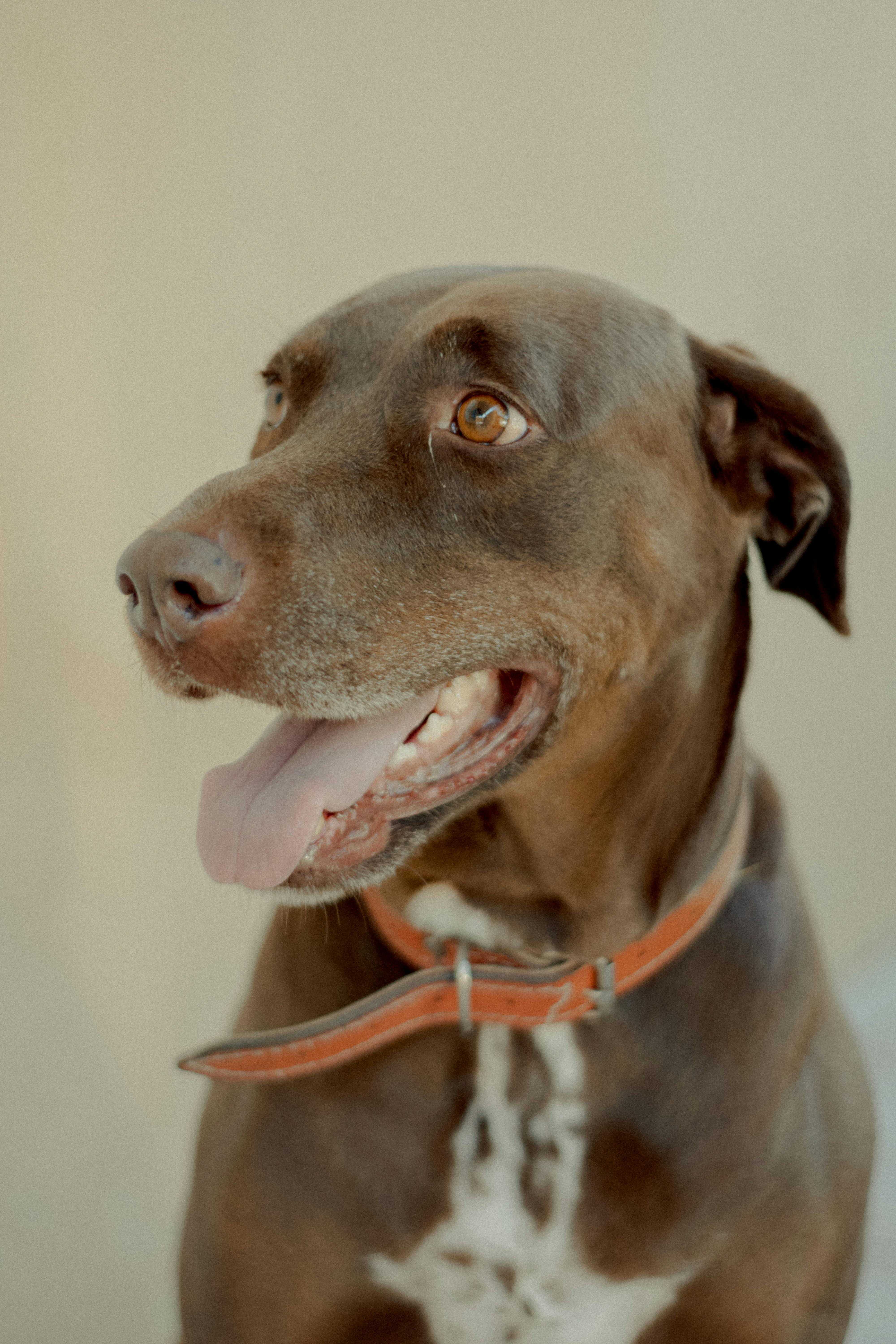 \n\n
\n\nAre wet noses a sign of affection? This is a question that many dog lovers ask when their furry friends nuzzle up to them with those cool, damp noses. If you’ve ever stroked your dog and felt that moist touch, you might wonder if it means they love you or just need something. So, let's dive into the fascinating world of canine behavior and explore why dogs have wet noses.
\nThe Science Behind Wet Noses
\nDogs' noses are moist for a reason. The primary function of a wet nose is to enhance their sense of smell. A wet surface can help capture scent particles more effectively, making it easier for them to identify their surroundings. Some key points about why dogs have wet noses include:
\n- \n
- Scent Detection: Wet noses absorb scent chemicals better, which is crucial for a dog’s hunting and social behaviors. \n
- Thermoregulation: Dogs can’t sweat like humans do, so their noses help them cool down. The moisture on their snouts evaporates, helping to lower their body temperature. \n
- Health Indicator: A wet nose can sometimes indicate a healthy dog. Conversely, a dry or cracked nose might signal dehydration or illness. \n
Are Wet Noses a Sign of Affection?
\nMany dog owners interpret their pet's wet nose as a sign of affection, but it might not be that straightforward. Dogs communicate in various ways, and a wet nose can serve multiple purposes. Here’s what you can consider:
\n- \n
- Exploration: Dogs use their noses to explore the world. When they nuzzle you, they might be checking you out rather than expressing love. \n
- Attention-Seeking: If your dog nudges you with their nose, they could be trying to get your attention. This can be for play, food, or just a good scratch behind the ears. \n
- Comfort and Security: Sometimes, a wet nose against your skin can be a comforting gesture for the dog. They might feel safe and secure when they are close to you. \n
The Historical Context of Dog Behavior
\nUnderstanding canine behavior also requires a historical perspective. Dogs have been companions to humans for thousands of years. Initially bred for hunting, herding, and guarding, they developed behaviors that helped them bond with humans. Over time, certain traits became more pronounced, including those associated with affection.
\n- \n
- Domestication: As dogs became more domestic, their behaviors adapted. Traits like seeking closeness and companionship evolved, which could explain why a dog’s wet nose feels endearing. \n
- Pack Mentality: Dogs are pack animals, and they thrive on social interactions. Their behaviors, including wet-nosed nudges, stem from their instinct to bond with the pack, which, in this case, is you. \n
Fun Facts About Dogs' Noses
\nHere are some interesting tidbits about dogs and their noses:
\n- \n
- Unique Patterns: Just like human fingerprints, each dog's nose has a unique pattern. This can be used for identification purposes. \n
- Temperature Regulation: A dog’s nose can help regulate their body temperature, but it also reflects their general health. A cold, wet nose is often a sign of a happy, healthy dog! \n
- Scent Superiority: Dogs have an extraordinary sense of smell—estimated to be between 10,000 to 100,000 times more powerful than humans! \n
Practical Implications for Dog Owners
\nAs a dog owner, understanding your pet’s behavior can lead to a more fulfilling relationship. Here are some practical tips:
\n- \n
- Observe Behavior: Pay attention to your dog’s overall behavior. If they are playful and engaging, their wet nose could be a sign of affection. \n
- Check Health Regularly: Monitor your dog's nose. If it suddenly becomes dry or cracked, it might be worth consulting a vet. \n
- Engage in Activities: Spend quality time with your dog. Activities like walks, playtime, and training can strengthen your bond, making those wet-nosed touches feel even more affectionate. \n
In the end, while a wet nose can be a delightful experience, it’s important to remember that dogs communicate through a complex mix of behaviors. Whether they are nudging you with their nose out of love, curiosity, or a need for attention, it's all a part of their unique way of connecting with the world around them. Embrace the wet nose moments—they might just be one of the many ways your canine companion shows they care!
\n\nThe Role of Moisture: How Nature Designed Dogs for Better Scent Detection
\n\n \n\n
\n\nDogs have long been known for their incredible sense of smell. But have you ever wondered why do dogs have wet noses? It’s a question that seems simple, yet it opens up a fascinating world of biology and evolution. Moisture plays a crucial role in how dogs detect scents, and nature has equipped these furry friends in ways that are truly remarkable.
\nThe Science Behind Wet Noses
\nA dog’s nose is a complex organ. It’s made up of millions of scent receptors—estimates range from 100 million to over 300 million, depending on the breed! But the wetness of their noses isn’t just a random trait. It serves several important purposes.
\n- \n
- Scent Detection: The moisture on a dog’s nose helps to trap scent particles from the air, making it easier for them to sniff out smells. When the nose is wet, it can absorb more scent molecules, enhancing their ability to detect various scents. \n
- Temperature Regulation: Just like humans sweat to cool down, dogs use their noses as a way to regulate body temperature. The evaporation of moisture helps to cool them off, especially during hot summer days. \n
- Health Indicator: A dog’s nose can often indicate their health status. A wet, cool nose is generally a sign of a healthy dog. Conversely, a dry or excessively warm nose might signal illness or dehydration. \n
Historical Context: How Did This Trait Evolve?
\nDogs, descendants of wolves, have evolved alongside humans for thousands of years. Their keen sense of smell was likely a crucial trait for survival, helping them to hunt, find food, and avoid predators. Over time, those breeds that had better scent detection abilities thrived and reproduced, leading to the dogs we know today.
\n- \n
- Hunting and Working Dogs: Many breeds were specifically developed for their scenting abilities. Bloodhounds, for example, are renowned for their tracking skills due to their incredible olfactory senses. \n
- Companionship: As dogs became companions to humans, their ability to smell also adapted. They could detect human emotions, illnesses, and even changes in behavior through scent. \n
Why Do Dogs Have Wet Noses? The Fascinating Reasons
\n- \n
- \n
Enhanced Smell: As mentioned earlier, moisture enhances a dog’s ability to detect scents. The wetness allows scent particles to stick better, which is crucial for tracking and hunting.
\n \n - \n
Cooling Mechanism: Dogs don’t sweat like humans do. Their primary means of cooling off is through their noses and panting. A wet nose helps to keep them cool when they’re active.
\n \n - \n
Social Interaction: Dogs communicate with one another largely through scent. A wet nose can help them explore their environment and gather scents that convey information about other animals or humans.
\n \n
Practical Examples of Dogs Using Their Noses
\n- \n
- Search and Rescue: Dogs are trained to locate missing persons using their scent detection abilities. They can follow a trail even days old. \n
- Medical Detection: Some dogs are trained to detect diseases like cancer or diabetes through their owner’s scent changes. Their noses can even identify specific chemical markers in the body. \n
- Law Enforcement: Police dogs are often used to sniff out drugs, explosives, and other contraband due to their exceptional sense of smell. \n
Comparing Dog Noses with Other Animals
\n| Animal | \nNumber of Scent Receptors | \nUnique Features | \n
|---|---|---|
| Dogs | \n100-300 million | \nWet nose helps absorb scent | \n
| Cats | \n50-80 million | \nLess reliance on scent, more on sight | \n
| Elephants | \n2,000 genes for scent | \nExtremely sensitive to pheromones | \n
| Rats | \n1,200 genes for scent | \nExceptional at detecting changes in environment | \n
The Care for Your Dog's Nose
\nA wet nose is a sign of a healthy dog, but it’s important to monitor it. Here are some tips to keep your dog’s nose in good shape:
\n- \n
- Hydration: Ensure your dog drinks plenty of water to keep their nose moist. \n
- Humid Environment: In dry climates, consider using a humidifier to help your dog’s nose stay moist. \n
- Regular Checkups: Keep an eye on any changes in texture or temperature, as these can indicate health issues. \n
Dogs are truly remarkable creatures, and their wet noses are just one of the many features that make them special. Understanding why do dogs have wet noses not only helps us appreciate them more, but also highlights the incredible ways that nature has tailored them for various roles in our lives. Whether as companions, helpers, or protectors, dogs continue to amaze us with their abilities, thanks in part to that simple yet fascinating trait—their moist noses.
\n\nWet Noses and Temperature Regulation: How Dogs Stay Cool
\n\n \n\n
\n\nWhen you think about dogs, one of the first things that come to mind is their adorable, wet noses. But have you ever wondered why do dogs have wet noses? It not only gives them a cute appearance but also serves a practical purpose, especially when it comes to temperature regulation. Understanding this fascinating feature of our canine friends could deepen your appreciation for them. So, let’s explore the science behind wet noses and how they help dogs stay cool!
\nThe Science Behind Wet Noses
\nDogs have moist noses due to a combination of factors. The primary reason is that their noses contain a lot of sweat glands. Unlike humans who sweat all over, dogs sweat mainly through their paw pads and, to a lesser extent, through their noses. The wetness helps to cool them down when temperatures rise.
\nAdditionally, when a dog’s nose is wet, it is better equipped to detect smells. A wet surface can trap scent particles more efficiently, enhancing a dog's sense of smell. Dogs have an extraordinary sense of smell, estimated to be anywhere from 10,000 to 100,000 times more sensitive than humans. This means that a wet nose is not just for cooling; it’s also crucial for hunting and exploring.
\nTemperature Regulation in Dogs
\nDogs have a unique way of regulating their body temperature, and their wet noses play a part in that process. Here’s how it works:
\n- \n
- \n
Evaporative Cooling: Just like humans sweat to cool off, dogs rely on the moisture on their noses to evaporate and cool down their body temperature. When the moisture evaporates, it takes heat away from the body.
\n \n - \n
Panting: Dogs also cool down by panting. This process allows moisture to evaporate from their tongues and the lining of their lungs, helping to lower their body heat.
\n \n - \n
Body Positioning: Dogs may also adjust their body position to minimize sun exposure or find cooler areas, like shade or tile floors.
\n \n - \n
Hydration: Staying hydrated is essential for dogs to maintain their moisture levels. A well-hydrated dog will have a wetter nose, which aids in both cooling and scent detection.
\n \n
Why Wet Noses Are Important
\nWet noses serve multiple purposes for dogs. Here’s a breakdown of some key benefits:
\n- \n
- \n
Enhanced Smell: As mentioned, a wet nose can better trap scent particles, making it crucial for a dog’s survival instincts.
\n \n - \n
Health Indicator: A dog’s nose can give you clues about their health. A dry, warm nose may indicate a fever or illness, while a cool, moist nose is often a sign of a healthy pup.
\n \n - \n
Comfort and Interaction: Dogs often use their noses to explore their environment and interact with other animals and people. A wet nose can make these interactions more pleasant.
\n \n - \n
Thermal Regulation: As discussed, a moist nose contributes to a dog's ability to regulate its temperature, especially during hot weather.
\n \n
Fun Facts About Dogs and Their Noses
\n- \n
- \n
Nose Prints: Just like human fingerprints, each dog has a unique nose print that can be used for identification.
\n \n - \n
Color Variations: The color of a dog’s nose can vary and may change with age or health conditions.
\n \n - \n
Temperature Sensitivity: Dogs can sense temperature changes in their environment better than humans, making their wet noses crucial for survival.
\n \n
Comparison of Dog Breeds
\nDifferent dog breeds have unique characteristics that influence how they use their noses. Here’s a simple comparison:
\n| Breed | \nNose Moisture | \nScent Detection Skills | \nCooling Ability | \n
|---|---|---|---|
| Labrador | \nHigh | \nExcellent | \nGood | \n
| Bulldog | \nModerate | \nGood | \nAverage | \n
| German Shepherd | \nHigh | \nExcellent | \nGood | \n
| Shih Tzu | \nLow | \nModerate | \nAverage | \n
Practical Tips for Dog Owners
\n- \n
- \n
Keep Them Hydrated: Always ensure your dog has access to fresh water, especially during hot weather. It helps keep their nose moist and aids in temperature regulation.
\n \n - \n
Avoid Hot Surfaces: Walk your dog on grass instead of hot pavement to prevent overheating.
\n \n - \n
Monitor Health: Regularly check your dog’s nose. A significant change in moisture or temperature can signal health issues.
\n \n - \n
Provide Shade: If your dog spends time outdoors, make sure they have a shaded area to rest in.
\n \n
In short, the wet noses of dogs are not just cute; they play a vital role in their health and daily functioning. Understanding why do dogs have wet noses can enhance your bond with your furry friend and help you take better care of them. So, the next time you give your dog a scratch behind the ears, don’t forget to appreciate that adorable, wet nose!
\n\nExploring the Myths: Why Wet Noses Aren't Always a Cause for Concern
\n\n \n\n
\n\nDogs have been man’s best friend for centuries, right? But have you ever wondered why do dogs have wet noses? It's a question that many pet owners ask, and it’s surrounded by a lot of myths and misconceptions. Some people think that a wet nose is always a sign of good health, while others worry that it could mean something’s wrong. In this article, we will explore the reasons behind those wet noses, and clear up some of the confusion surrounding them.
\nThe Science Behind Wet Noses
\nSo why do dogs have wet noses you may ask? The answer is quite fascinating! A dog’s nose is naturally moist due to a combination of factors:
\n- \n
- Nasal mucus: Dogs have mucus glands in their noses that produce moisture. This helps to trap scents, making their sense of smell even sharper. \n
- Cooling mechanism: Dogs can’t sweat like humans do. Their noses play a role in regulating body temperature, helping them cool down. \n
- Licking: Dogs often lick their noses, which adds moisture and enhances their sense of smell. It’s a natural habit that serves multiple purposes. \n
Myths About Wet Noses
\nThere are a lot of myths surrounding the wet noses of dogs. Here are some of the most common ones:
\n- \n
- Wet noses always mean good health: While a moist nose can indicate a healthy dog, it’s not a definitive sign. Dogs can have dry noses and still be perfectly fine. \n
- A warm nose means a dog is sick: This isn’t entirely accurate. A dog’s nose temperature can vary for many reasons, including environmental factors. \n
- Noses dry out only when a dog is unwell: Dogs can have dry noses due to allergies, dehydration, or even weather conditions. It doesn’t necessarily mean they are sick. \n
Reasons for Nose Moisture Variation
\nA dog’s nose may change from wet to dry due to various factors that are not always related to health. Here are some reasons why this might happen:
\n- \n
- Weather: Hot or dry weather can lead to a dry nose. Conversely, humidity can keep a dog’s nose moist. \n
- Age: Older dogs may have drier noses compared to puppies. \n
- Breed Differences: Some breeds naturally have wetter noses than others. For example, Labrador Retrievers often have wetter noses than Boxers. \n
Fun Facts About Dog Noses
\nDid you know that dog noses are unique, just like human fingerprints? Here are some interesting facts:
\n- \n
- Scent Detection: Dogs have up to 300 million smell receptors in their noses, compared to humans’ 5 million. This makes their sense of smell incredibly powerful. \n
- Temperature Regulation: Dogs pant to cool down, but their noses also play a part in this process. \n
- Health Indicators: While not definitive, changes in nose temperature and moisture can sometimes indicate health issues, so it’s worth monitoring. \n
What to Do If Your Dog's Nose Is Dry
\nIf you notice your dog's nose is drying out, there are a few easy steps you can take:
\n- \n
- Hydration: Ensure your dog has constant access to fresh water. Dehydration can lead to a dry nose. \n
- Humidifier: If you live in a dry climate, consider using a humidifier in your home. It can help keep your dog’s nose moist. \n
- Veterinary Consultation: If dry noses persist or are accompanied by other symptoms, it’s a good idea to consult a veterinarian. They can provide insights and necessary check-ups. \n
Common Questions About Dog Noses
\nHere are a few frequently asked questions regarding dogs' noses:
\n- \n
- \n
Q: Should I worry if my dog's nose is sometimes dry?\nA: Not necessarily. It can be normal for noses to vary in moisture. Keep an eye on other symptoms.
\n \n - \n
Q: Can I apply lotion to my dog's nose?\nA: It’s best to consult a vet before applying any products. Some ingredients could be harmful to dogs.
\n \n - \n
Q: How often should a dog's nose be moist?\nA: There’s no set rule. Variations happen, but regular checks are good practice.
\n \n
Understanding why do dogs have wet noses helps pet owners be more informed about their furry friend's health. It’s essential to remember that while a wet nose can be a sign of a happy pup, it’s not the only indicator. Monitoring your dog's overall health and behavior is key. With this knowledge, you can appreciate the unique characteristics of your companion even more.
\n\nCan Your Dog’s Wet Nose Predict Their Mood? Unraveling Emotional Signals
\n\n \n\n
\n\nDogs are often seen as man's best friend, but have you ever wondered if their wet noses could tell us something about their feelings? The idea that a dog’s wet nose might predict their mood is intriguing and well worth exploring. Turns out, there’s more than just cuteness behind those wet noses. Let’s dive into the emotional signals dogs send and why their noses stay moist.
\nWhy Do Dogs Have Wet Noses?
\nA dog’s nose is naturally wet for several reasons. First off, moisture helps enhance their sense of smell. Dogs have an incredible olfactory system, which allows them to detect scents much better than humans. Here’s a deeper look into why their noses are wet:
\n- \n
- Enhanced Smell: A wet nose helps to capture scent particles from the air. When a dog breathes in, these particles stick to the moisture, making it easier for them to identify various smells. \n
- Cooling Mechanism: Dogs don’t sweat like humans do. Instead, they regulate their body temperature through panting and have moist noses that can help cool them down. \n
- Health Indicator: The condition of a dog’s nose can reflect their health. A dry, cracked nose might indicate dehydration or illness, while a wet nose is usually a sign of a healthy pup. \n
Can Your Dog’s Wet Nose Predict Their Mood?
\nNow, let’s get into the fascinating idea of whether a dog’s wet nose can predict their mood. While it’s not an exact science, many dog owners and trainers believe that the state of a dog’s nose can provide some insights into how they’re feeling.
\n- \n
- Excitement: When dogs get excited, their noses often become wetter. This could be due to them panting or just being more active, which increases moisture. \n
- Calmness: A dog that is relaxed may have a slightly cooler and less moist nose. They might lay around, soaking up the sun, which can dry out their noses a bit. \n
- Anxiety or Stress: An anxious dog might have a moist nose, but their body language will usually show signs of stress, like lowered ears or a tucked tail. The wetness may be due to increased panting. \n
Emotional Signals Dogs Send
\nDogs are masters at communicating through body language. Their noses, eyes, and tails all play a role in how they express emotions. Here are some common signals:
\n- \n
- Tail Wagging: A wagging tail usually means a happy dog, but the position matters. High and fast wags often indicate excitement, while low wags might signal submission. \n
- Ears Position: Erect ears show alertness, while ears that are back against their head may indicate fear or submission. \n
- Facial Expressions: Dogs can show a range of emotions through their faces. A relaxed mouth and soft eyes signal comfort, while tight lips and wide eyes may show stress. \n
Fun Facts About Dog Noses
\nTo add to your dog knowledge, here are some fun and lesser-known facts about dog noses:
\n- \n
- Unique Prints: Just like human fingerprints, every dog has a unique nose print. It can be used for identification. \n
- Nasal Turbinates: Inside a dog’s nose, there are structures called turbinates that help filter and warm the air they inhale. \n
- Scent Memory: Dogs can remember scents for a long time. They can recognize the smell of their owners even after years apart. \n
Practical Tips for Dog Owners
\nIf you're a dog owner, understanding your furry friend’s emotional signals can strengthen your bond. Here are some practical tips:
\n- \n
- Observe Behavior: Pay attention to how your dog’s nose feels and watch their body language. You’ll learn a lot about their mood. \n
- Stay Active: Regular exercise can help keep your dog happy and healthy, which often reflects in their nose’s moisture level. \n
- Hydration is Key: Always ensure your dog has access to fresh water. A well-hydrated dog is a happy dog. \n
In summary, while a dog’s wet nose might not serve as a definitive mood meter, it certainly plays a role in their emotional expression. The moisture level combined with other signs can give you a better idea of how your dog is feeling. So, the next time you notice your dog’s wet nose, take a moment to observe their overall behavior and enjoy the fascinating connection you share.
\n\nConclusion
\n\nIn conclusion, the wet noses of dogs serve several important purposes that contribute to their overall health and well-being. The moisture aids in enhancing their sense of smell, which is crucial for communication and environmental awareness. Additionally, a wet nose helps to regulate their body temperature and can provide a glimpse into their health status, as changes in moisture levels may indicate underlying issues. Understanding the science behind this unique characteristic enriches our appreciation for our furry companions and underscores the importance of regular veterinary check-ups to ensure their optimal health. As pet owners, we can embrace these fascinating facts and pay attention to our dogs’ noses as indicators of their well-being. So, the next time you notice your pup’s moist nose, remember the vital roles it plays and cherish the bond you share with your canine friend.
\n\n