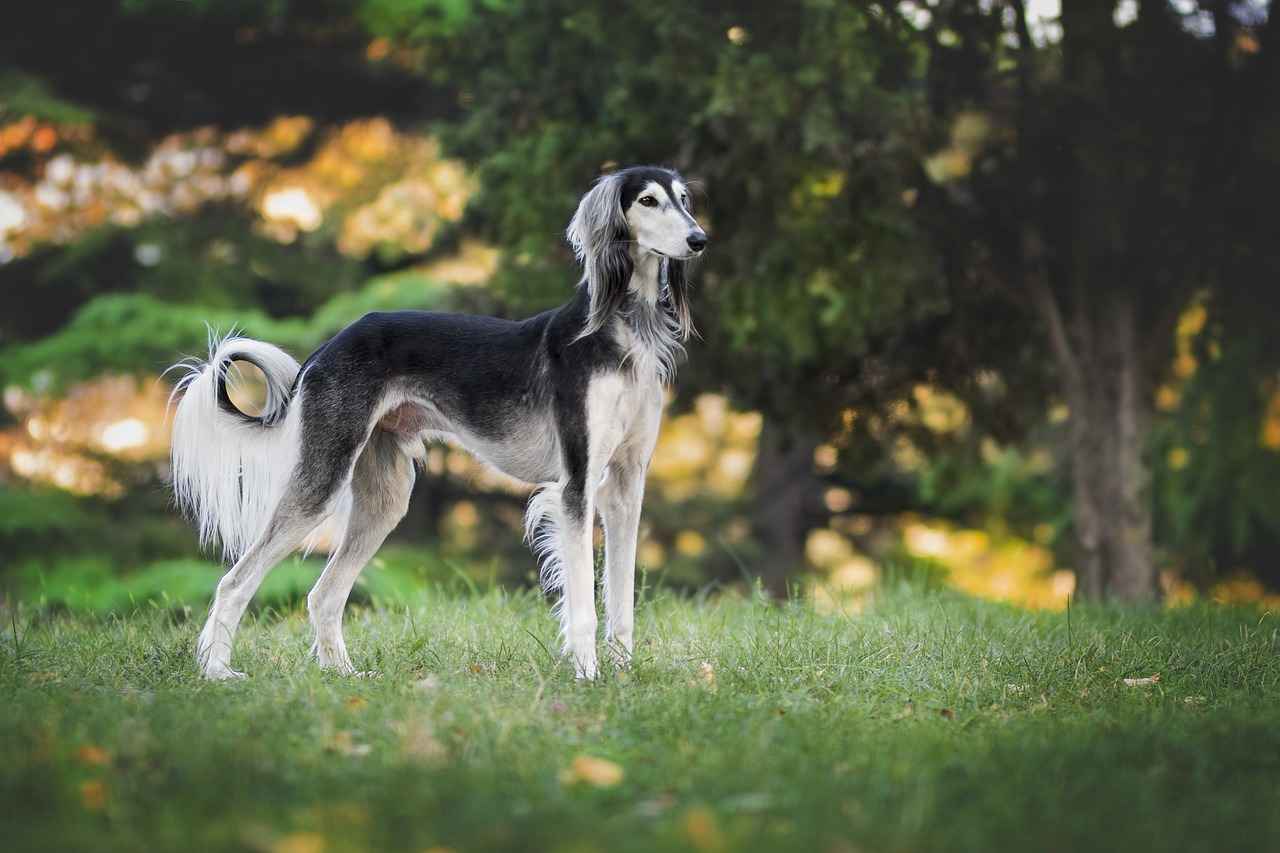
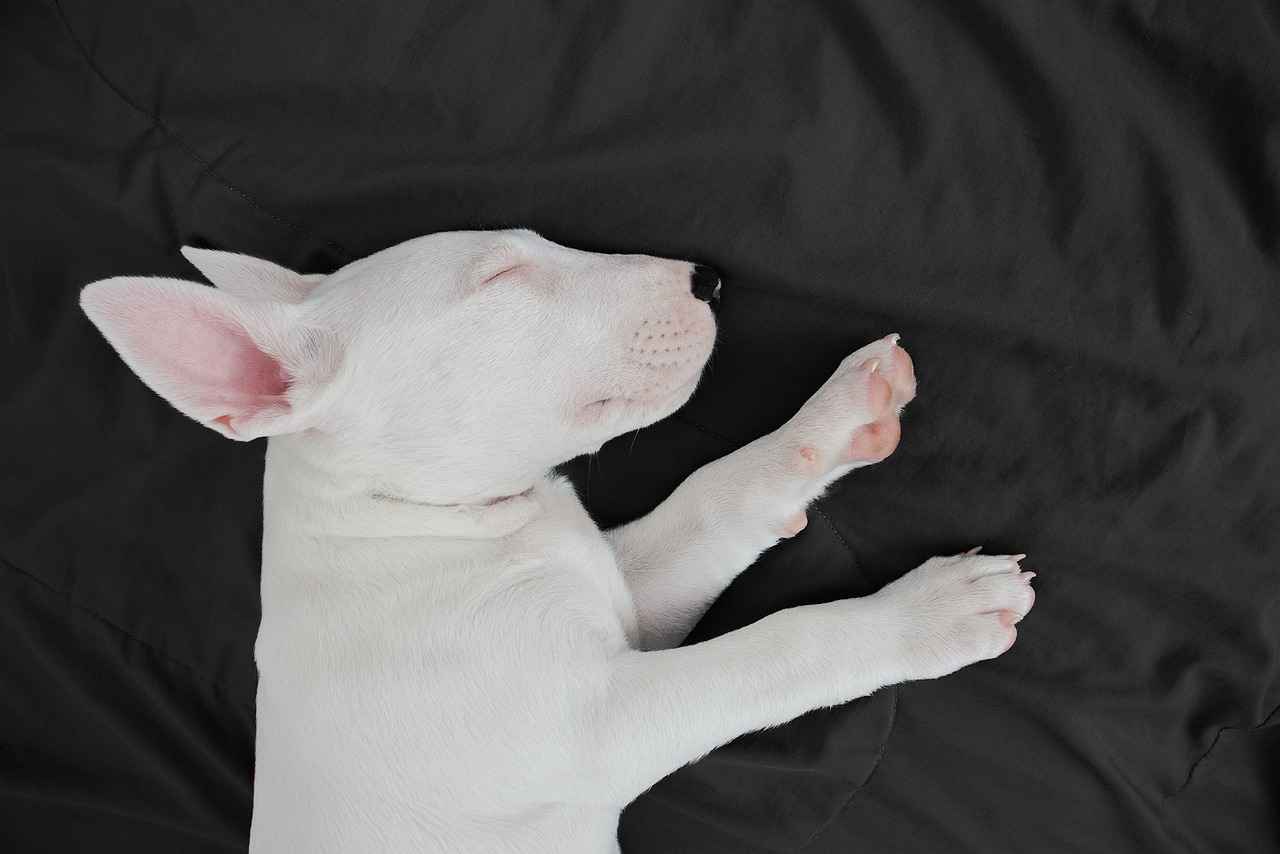
Have you ever wondered, "Why do dogs have wet noses?" It’s a question that sparks curiosity among dog lovers and pet owners alike! The truth behind those moist dog noses is more fascinating than you might think. Not only do wet noses serve a practical purpose, but they also play a vital role in a dog's overall health. When you see your furry friend with that shiny, damp nose, it is not just a cute feature—there’s science behind it! In this article, we will explore the fascinating reasons behind this unique characteristic, uncovering how a dog’s sense of smell is enhanced by its wet nose. Did you know that a wet nose can help dogs cool down and even sense the world around them better? Curious to learn more? Join us as we dive into the world of canine anatomy and discover the mysteries of dog noses. From the reasons they are wet to how it affects their behavior, we’ll answer all your burning questions about our furry companions. So, stick around! You might be surprised by what you find out about why do dogs have wet noses!
\n\nThe Science Behind Dog Noses: Why Are They Always Wet?
\n\n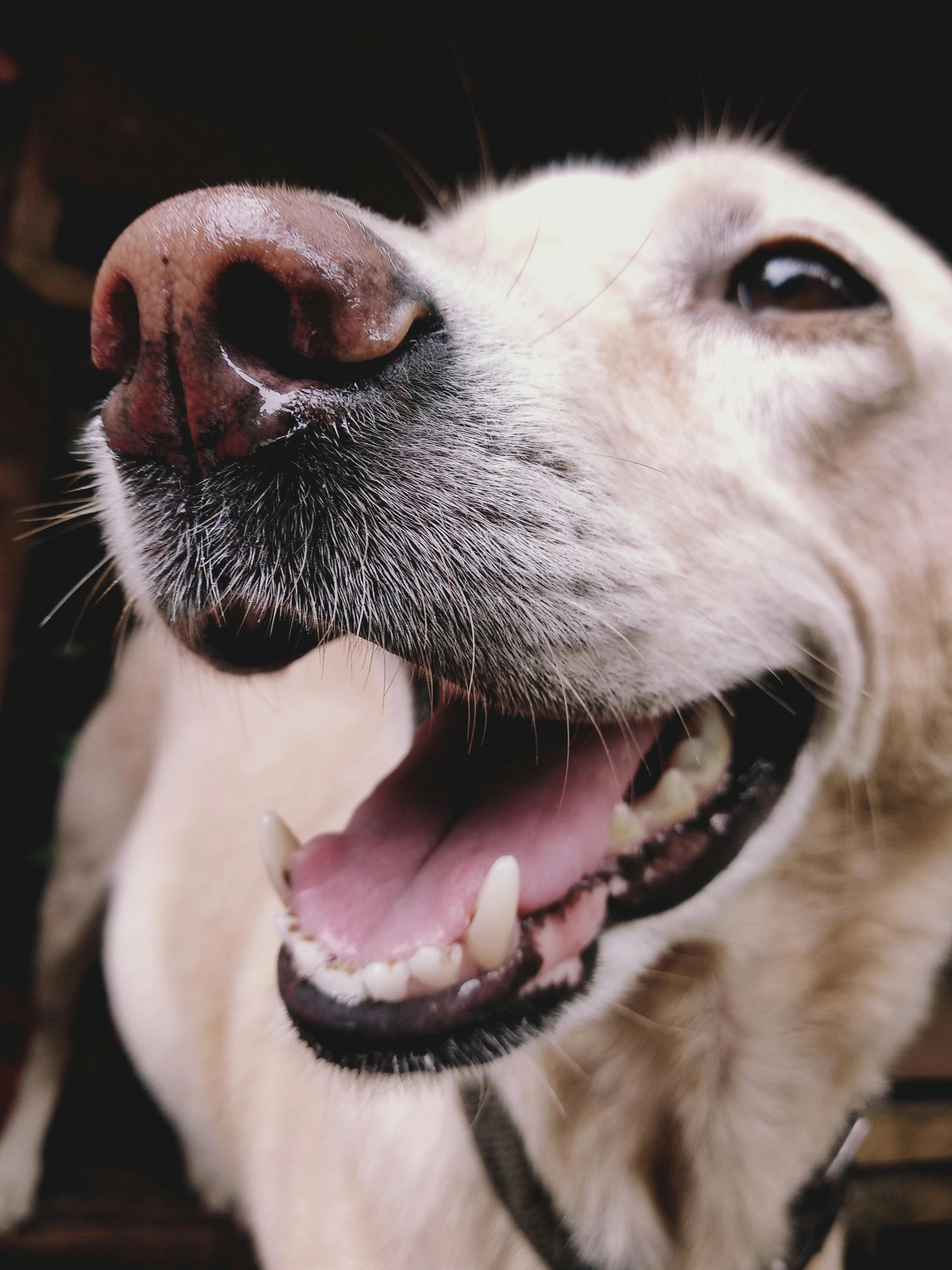 \n\n
\n\nDogs are truly amazing creatures, and their noses are some of the most interesting parts of their anatomy. Have you ever wonder why they always seem to have wet noses? This common question is not just a quirky observation; it dives deep into the science behind how dogs perceive the world around them. So let’s explore some fascinating reasons behind why do dogs have wet noses, and what it means for their health and behavior.
\nThe Anatomy of a Dog's Nose
\nFirst off, dog noses are not just for show. They are packed with specialized cells that help them smell things far better than humans can. A dog's sense of smell is estimated to be between 10,000 to 100,000 times more sensitive than ours. This powerful olfactory system is partly due to the structure of their noses. Here are some key points about a dog’s nose anatomy:
\n- \n
- Olfactory Receptors: Dogs have about 300 million olfactory receptors, compared to humans’ 5 million. \n
- Vomeronasal Organ: Also known as Jacobson's organ, it's responsible for detecting pheromones, which are chemical signals that can indicate everything from food sources to potential mates. \n
- Moisture: The wetness of a dog’s nose plays a crucial role in their ability to smell. The moisture helps to dissolve scent particles, making them easier to pick up by the olfactory receptors. \n
Why Are Dog Noses Wet?
\nSo, why exactly are dog noses wet? The science is pretty straightforward yet fascinating. Here’s a breakdown:
\n- \n
- Cooling Mechanism: Dogs don’t sweat like humans do. Instead, they cool off through their noses. The moisture helps to regulate their body temperature, particularly during hot weather. \n
- Enhanced Smelling Ability: The wetness helps to trap scent particles, enabling dogs to gather more information about their surroundings. Without that moisture, their ability to detect scents would be significantly reduced. \n
- Health Indicator: A wet nose is often associated with a healthy dog. While not an absolute rule, a dry nose can indicate dehydration or illness. However, it’s important to note that not all dry noses are a sign of a problem. \n
The Role of Environment and Behavior
\nEnvironmental factors also contribute to why dog noses are often wet. For instance, when dogs are outside, they might be exposed to moisture from grass or rain. This can lead to a wet nose, which is normal and healthy. Additionally, dogs often lick their noses after sniffing something, which adds to the moisture.
\nFun Facts About Dog Noses
\nDid you know that dog noses are as unique as human fingerprints? Here are some fun facts that might surprise you:
\n- \n
- Individual Patterns: Just like humans have unique fingerprints, every dog has a unique nose print. This has led to attempts in using nose prints for identification, similar to how fingerprints are used for humans. \n
- Color Variation: A dog’s nose can be black, brown, or even pink, and the color can change with age. This color change can be due to genetic factors or health conditions. \n
- The Nose Knows: Dogs can detect certain diseases, including cancer and diabetes, through their sense of smell. This ability is being researched for potential medical applications. \n
Practical Insights on Dog Nose Care
\nUnderstanding your dog’s nose is important for their overall health. Here are some practical tips for dog owners:
\n- \n
- Regular Checks: Make it a habit to check your dog’s nose regularly for any changes in color or texture. A sudden change could indicate a health issue. \n
- Hydration: Ensure your dog is well-hydrated, especially during hot weather. Lack of moisture can lead to a dry nose. \n
- Veterinary Visits: If your dog has a persistently dry or cracked nose, it’s wise to consult a veterinarian. They can provide insights into any underlying health issues. \n
The Connection Between Wet Noses and Health
\nIt's fascinating to note how much a dog's nose can tell us about their health. A wet nose is commonly seen as a sign of good health, while unusual dryness might hint at problems. However, it’s not an absolute indicator, and other symptoms should also be monitored.
\nIn summary, the science behind dog noses reveals a lot more than just wetness; it’s a blend of biology, behavior, and health indicators that make our canine companions unique. Their noses play a crucial role in their daily lives, allowing them to explore and interact with the world in ways we can only begin to comprehend. So next time you see a dog with a wet nose, remember that there’s a lot more going on than meets the eye!
\n\nTop 5 Fascinating Reasons Your Dog’s Nose Is Moist and What It Means
\n\n \n\n
\n\nHave you ever wonder why your furry friend’s nose is wet? It’s one of those quirky things about dogs that sparks curiosity. While many dog owners accept this trait as normal, there’s actually more to the story than meets the eye. Moist noses in dogs have fascinating reasons behind them. Let’s dive into the top five reasons why dogs have wet noses and what it means for their health and behavior.
\n1. Natural Cooling Mechanism
\nDogs don’t sweat like humans do. Instead of sweating to regulate their body temperature, they rely on panting and their noses. A moist nose helps in cooling down their body. When the air hits the wet surface of their noses, it evaporate and cools the blood vessels just beneath the skin. This is especially important during hot summer days.
\n- \n
- Dogs can’t sweat through their skin. \n
- Panting is their primary method of cooling. \n
- A wet nose can help in temperature regulation. \n
2. Enhanced Scent Detection
\nDogs have an incredible sense of smell; it’s one of their superpowers. The moisture on their noses aids in scent detection. Just like a sponge absorbs water, a wet nose absorbs scent particles from the air. This makes it easier for dogs to track scents, identify smells, and interact with their environment.
\n- \n
- A dog’s nose has up to 300 million olfactory receptors. \n
- Moisture helps in trapping scent particles. \n
- It enhances their ability to detect food, other animals, and more. \n
3. Sign of Good Health
\nA moist nose can be a sign of a healthy dog. Generally, a wet nose indicates that your dog is hydrated and not suffering from illness. However, it’s essential to note that a dog’s nose can be dry for various reasons, including environmental factors or simply sleeping.
\n- \n
- A healthy dog typically has a moist nose. \n
- Changes in nose moisture could signal health issues. \n
- Always monitor other signs of illness like appetite and energy level. \n
4. Communication Tool
\nDogs communicate in many ways, and their noses play a role in that too. A dog might nuzzle or rub their wet nose against you to express affection, seek attention, or even comfort you. Moist noses can also signal that your pet is excited or anxious. Understanding this can improve your bond with your furry companion.
\n- \n
- Nuzzling can indicate affection. \n
- A wet nose can show excitement. \n
- Pay attention to body language for better communication. \n
5. Environmental Factors
\nThe environment plays a significant role in keeping a dog’s nose moist. Factors like humidity, temperature, and even the dog’s activity level can affect how wet their nose is. For instance, after a good play session outside, you might notice your dog’s nose is particularly moist.
\n- \n
- Humidity can help keep a dog’s nose wet. \n
- Activity levels influence nose moisture. \n
- Always consider the weather when assessing your dog’s health. \n
Quick Facts About Dog Noses
\n- \n
- Dogs’ noses come in various shapes and sizes, just like their breeds. \n
- The color of their nose can also vary from pink to black. \n
- Dogs can even have unique patterns on their noses, similar to human fingerprints! \n
Common Misconceptions About Dog Noses
\n- \n
- Many people believe a warm nose means a dog is sick. This isn’t always true. \n
- A dry nose can be normal depending on the weather or time of day. \n
- Not all dogs have naturally moist noses; some breeds may have drier noses. \n
Understanding why dogs have wet noses is not just a matter of curiosity; it can also help in caring for them better. It's fascinating how something as simple as a moist nose can tell us so much about a dog's health, behavior, and communication.
\nNext time you pet your dog, pay attention to their nose! Is it wet? Is it dry? You might be surprised at what you discover! Keeping an eye on your dog’s nose along with their other behaviors can help you become a better pet parent. So, the next time someone asks you, “Why do dogs have wet noses?” you’ll be equipped with fascinating facts to share!
\n\nHow a Wet Nose Benefits Your Dog: Uncovering the Hidden Advantages
\n\n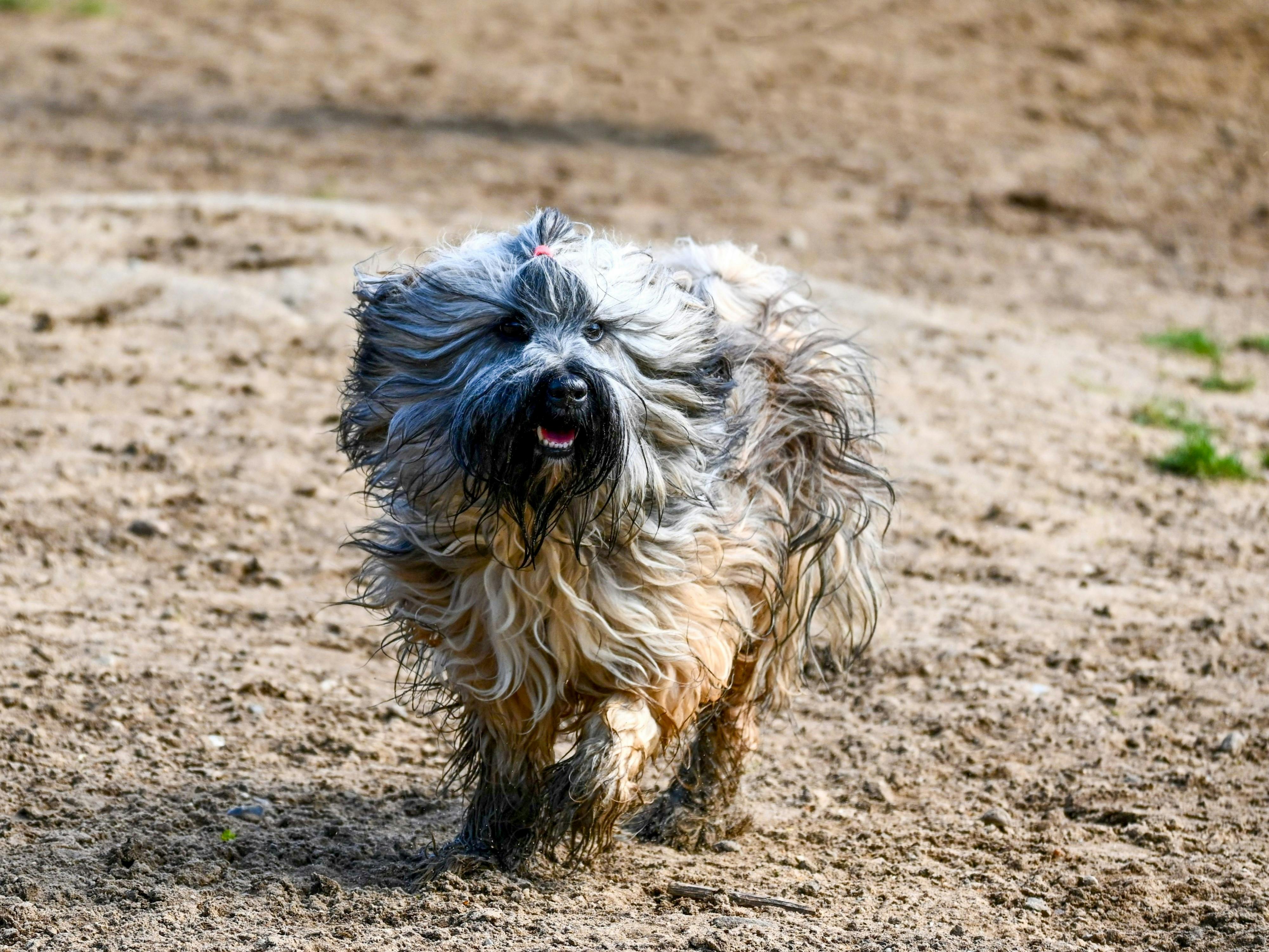 \n\n
\n\nDogs are often called man's best friend, and there's a lot more to them than just their loyalty and companionship. If you ever wondered why do dogs have wet noses, the answer might surprise you. Their wet noses are not just part of their adorable appearance; they serve some fascinating purposes that impact your dog's health and behavior. Let’s dig into the hidden advantages of a wet nose and uncover why it’s essential for our furry companions.
\nThe Science Behind Wet Noses
\nDogs have moist noses because of a unique physiological trait. Their noses are covered in a thin layer of mucus which helps to enhance their sense of smell. A wet nose can absorb scent chemicals from the environment much better than a dry one. This is why dogs are able to sniff out things that we as humans often miss.
\n- \n
- Dogs have about 220 million scent receptors, compared to a human's 5 million. \n
- The moisture from their noses helps capture scent particles, allowing for a more accurate assessment of their environment. \n
- A wet nose also helps cool down dogs during hot weather, as they don't sweat like humans do. \n
Historical Context of Dogs' Noses
\nDogs have been domesticated for thousands of years, and their wet noses have been a part of their evolution. In the wild, dogs with better olfactory abilities had an advantage in hunting and survival. Over time, those dogs with wet noses were more likely to survive and reproduce, passing this trait down to their offspring.
\n- \n
- Ancient Egyptians revered dogs, even depicting them in art, showcasing their importance in society. \n
- In various cultures, a dog’s nose was believed to have mystical properties, often associated with health and intuition. \n
The Health Benefits of a Wet Nose
\nA wet nose is often seen as a sign of a healthy dog; however, it’s not always a definitive indicator. Here are some health-related aspects of wet noses:
\n- \n
- Hydration Indicator: A wet nose usually means your dog is well-hydrated. If it becomes dry, it might indicate dehydration or illness. \n
- Temperature Regulation: The moisture on a dog’s nose helps to cool their body down, especially during hot days. This is important as dogs can overheat quickly. \n
- Health Alerts: Changes in a dog’s nose texture or moisture level can be an early sign of health issues. If you notice your dog’s nose becoming excessively dry or cracked, it might be time for a vet visit. \n
How a Wet Nose Affects Behavior
\nDogs use their noses not just for smelling but also for communicating. A wet nose can play a role in their interactions with humans and other animals.
\n- \n
- Greeting Ritual: When a dog greets you, it often nudges you with its wet nose. This is their way of saying hello and showing affection. \n
- Scent Marking: Dogs use their noses to explore and leave their scent on objects, marking their territory in a subtle way. \n
- Social Signals: A wet nose may indicate that a dog is feeling relaxed and safe. Conversely, a dry nose can sometimes signal stress or discomfort. \n
Fun Facts About Dog Noses
\n- \n
- The shape and size of a dog’s nose can vary significantly across breeds. For example, brachycephalic breeds like Bulldogs have flat noses, while Greyhounds have long, narrow snouts. \n
- Dogs have been known to identify illnesses in humans, like detecting certain cancers or blood sugar levels, using only their sense of smell. \n
- The distinct patterns on a dog’s nose are similar to human fingerprints; no two dogs have the same nose print. \n
The Role of a Wet Nose in Training
\nUnderstanding the importance of a dog’s wet nose can also be beneficial in training. A dog that is attentive and engaged will often have a moist nose, showing they are relaxed and focused. Using techniques that involve their olfactory senses can enhance training sessions.
\n- \n
- Scent Games: Incorporating scent-related games can stimulate your dog mentally. Hide treats around the house and let them use their noses to find them. \n
- Clicker Training: Using a clicker when your dog sniffs out a scent can reinforce positive behavior and keep them engaged. \n
A dog’s wet nose is more than just an adorable feature; it’s a complex biological tool that helps them interact with the world around them. From health indicators to behavioral cues, understanding the significance of a wet nose can deepen your bond with your furry friend. So next time you give your dog a pat, remember, their wet nose is doing more than just looking cute—it’s working hard to keep them healthy and happy.
\n\nIs Your Dog’s Wet Nose Normal? 7 Signs to Watch Out For
\n\n \n\n
\n\nIs your dog’s wet nose normal? This question is probably more common than you think. A dog's nose is often the first thing we notice about them, and its texture can tell us a lot about their health. Just as we humans can sometimes worry about our own health signs, the same goes for our furry friends. So, what’s the deal with those wet noses? Let's uncover the fascinating reasons behind why do dogs have wet noses and what signs to watch out for.
\nWhy Do Dogs Have Wet Noses?
\nDogs have wet noses for several reasons, and it’s not just for show. A wet nose can be quite beneficial for dogs, and here are some interesting facts:
\n- \n
- \n
Scent Detection: A dog's nose is a highly developed organ. The moisture on their nose helps to capture scent particles in the air. This moisture enhances their ability to smell, which is vital for their survival and interaction with the world.
\n \n - \n
Temperature Regulation: Dogs do not sweat like humans. Instead, they rely on their noses and paw pads to cool down. A wet nose can help them regulate their body temperature, especially when they get too hot after exercise or on a warm day.
\n \n - \n
Health Indicator: A dog's nose can also indicate their health status. A healthy dog typically has a moist and cool nose. If the nose becomes dry or excessively warm, it could be a sign of underlying health issues.
\n \n - \n
Emotional State: Dogs express their emotions in various ways, and the condition of their nose can reflect how they feel. A wet nose may indicate excitement or curiosity, while a dry nose could suggest stress or illness.
\n \n
7 Signs to Watch Out For
\nWhile a wet nose is often a sign of a healthy dog, there are certain signs you should watch for. If you notice any of these, it might be time to consult a veterinarian:
\n- \n
- \n
Dry Nose: A consistently dry nose can be an indicator of dehydration or illness. If your dog’s nose is frequently dry, it could mean they need more water or medical attention.
\n \n - \n
Cracked or Chapped Nose: This can be painful for your dog and might indicate allergies, sunburn, or a skin condition. It's crucial to address this to prevent further discomfort.
\n \n - \n
Discoloration: A change in color, such as from black to red or brown, can be a sign of an infection or other health issues.
\n \n - \n
Excessive Nasal Discharge: If your dog has a runny nose or unusual discharge, it may be a sign of allergies, infections, or other health problems.
\n \n - \n
Warm Nose: A warm nose might not always indicate a fever, but if it’s consistently warm or hot, it’s a good idea to check your dog’s temperature or visit a vet.
\n \n - \n
Behavioral Changes: If your dog seems lethargic or less interested in activities they usually enjoy, it could be linked to their overall health, including their nose condition.
\n \n - \n
Frequent Sneezing or Coughing: These symptoms can indicate respiratory infections or allergies, which could also affect the moisture of your dog’s nose.
\n \n
The Historical Context of Dog Noses
\nHistorically, dogs have been bred for various purposes, many of which rely on their incredible sense of smell. For example, bloodhounds are renowned for their tracking abilities, thanks to their wet noses. The evolution of dogs from wolves has also played a significant role in the development of their olfactory systems. It’s believed that dogs can detect odors at concentrations nearly 100 million times lower than humans. That’s pretty impressive!
\nPractical Tips for Nose Care
\nKeeping your dog's nose healthy is essential, and here are some practical tips:
\n- \n
- \n
Hydration: Ensure your dog has access to clean, fresh water at all times. This helps maintain moisture on their nose.
\n \n - \n
Avoid Irritants: Be mindful of the products you use around your home, as some might irritate your dog’s nose.
\n \n - \n
Regular Vet Check-ups: Routine visits to the vet can help catch any potential issues early on.
\n \n - \n
Protect from Sun: If your dog spends a lot of time outdoors, consider using pet-safe sunscreen on their nose to prevent sunburn.
\n \n - \n
Monitor Behavior: Keep an eye on your dog’s behavior and any changes in their nose condition. Early detection is key.
\n \n
Understanding why do dogs have wet noses and what those signs mean can help you ensure your furry companion stays happy and healthy. Remember, a wet nose is usually a good sign, but staying observant and proactive about your dog’s health is always the best approach. If you ever have concerns, don’t hesitate to reach out to a veterinarian for advice. Your dog’s well-being is worth it!
\n\nThe Role of Temperature and Environment in Keeping Your Dog’s Nose Damp
\n\n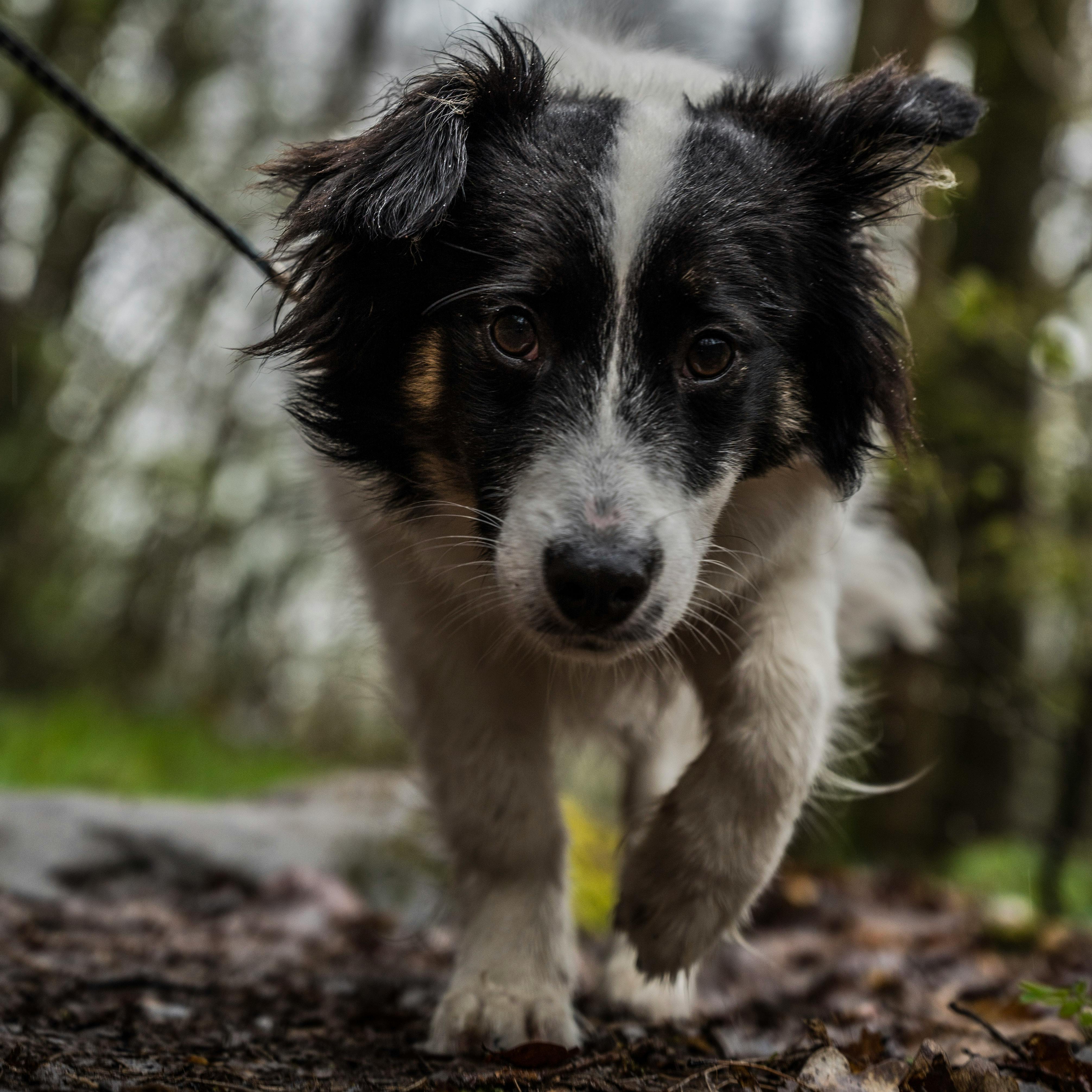 \n\n
\n\nHave you ever wondered why your dog’s nose is always damp? You’re not alone! Many dog owners notice this curious trait, and it has sparked interest in exploring the roles temperature and environment play in maintaining that wetness. Let’s dive into the fascinating reasons behind why do dogs have wet noses and how external factors influence this unique aspect of our furry friends.
\nThe Science Behind a Dog's Wet Nose
\nA dog’s nose is not just adorable; it serves important functions! The moisture on a dog’s nose helps enhance their sense of smell, which is significantly better than ours. Dogs have a keen ability to detect scents, and their wet noses help capture scent particles in the air. Here's how it works:
\n- \n
- Moisture Capture: The wetness on the nose allows scent molecules to dissolve, making it easier for dogs to detect different smells. \n
- Temperature Regulation: A damp nose can also help dogs maintain their body temperature in hot weather. By evaporating the moisture, it cools them down. \n
Environmental Factors Influencing Nose Moisture
\nThe temperature and the environment can greatly impact how moist your dog’s nose remains. Here are some of those factors:
\n- \n
- Humidity: In humid conditions, noses tend to stay wetter. Moist air helps keep the nasal surface hydrated. \n
- Heat: During warm weather, a dog’s body tends to lose moisture more quickly, leading to a drier nose. However, panting also helps them cool down. \n
- Cold Weather: Cold and dry air can lead to a dry nose. Just like humans can get chapped lips in winter, dogs can experience similar dryness on their noses. \n
Why Do Dogs Have Wet Noses? A Closer Look
\nSo, why do dogs have wet noses specifically? The reasons are both fascinating and practical. Here are a few key points:
\n- \n
- Enhanced Smell: Dogs have approximately 220 million scent receptors, compared to our 5 million. A wet nose helps optimize their incredible olfactory abilities. \n
- Health Indicator: A dog’s nose can also be an indicator of health. A wet, cool nose usually means a healthy pup, while a dry, warm nose might suggest illness or dehydration. \n
- Behavioral Cues: Dogs often lick their noses, which can be a sign of relaxation or a way of gathering more information about their environment. \n
Temperature’s Role in Nose Moisture
\nTemperature does not just affect the dog’s overall well-being; it directly impacts the moisture of their nose. Here’s how:
\n- \n
- Warm Temperatures: Warmer weather can lead to evaporation, drying out that delightful nose. Dogs might also pant more, which can influence moisture levels. \n
- Cold Temperatures: On the flip side, colder temperatures can bring about a less active lifestyle. During winter, dogs might spend more time indoors, leading to less exposure to moisture-rich environments. \n
Practical Tips for Dog Owners
\nAs a dog owner, it’s important to monitor your dog’s nose condition. Here are some practical tips to ensure your furry friend stays happy and healthy:
\n- \n
- Hydration: Always make sure your dog has access to fresh water. Proper hydration helps maintain moisture levels in their nose. \n
- Humidity: Use a humidifier during dry seasons, especially in winter. This can help keep the air moist, which is beneficial for your dog. \n
- Regular Vet Check-ups: If you notice persistent dryness or cracking, it’s best to consult with a veterinarian to rule out any health issues. \n
Fun Facts About Dogs’ Noses
\n- \n
- Texture Difference: The texture of a dog’s nose can vary widely. They might have rough, bumpy, or smooth noses depending on their breed. \n
- Nose Prints: Just like human fingerprints, every dog’s nose print is unique! This can even be used for identification purposes. \n
- Temperature Sensitivity: Dogs can sense changes in temperature much better than humans. Their wet noses help them detect slight variations in their surroundings. \n
Taking care of your dog’s nose and understanding the reasons behind its moisture can contribute to their overall health and happiness. By keeping an eye on temperature and environmental conditions, you can ensure that your furry friend remains content and well-cared for. So next time you give your pup a scratch behind the ears, take a moment to appreciate that damp little nose and all the fascinating reasons behind it!
\n\nDogs’ Wet Noses Explained: Exploring the Connection to Their Sense of Smell
\n\n \n\n
\n\nDogs are known for many things, but one of the most fascinating features is their wet noses. Have you ever wondered why do dogs have wet noses? It’s not just a quirky characteristic; there’s a whole lot of science behind it. Let’s dive into the connection between dogs’ wet noses and their remarkable sense of smell, exploring the reasons that make this feature not only interesting but crucial for their survival.
\nThe Science Behind Wet Noses
\nDogs have moist noses, and this is because of a thin layer of mucus that helps enhance their ability to smell. Their olfactory system is incredibly sensitive, with some breeds having up to 300 million scent receptors. In comparison, humans only have about 5 million! This difference is significant and shows why dogs are often used in search and rescue missions, as well as detecting drugs and even diseases.
\nWhen a dog’s nose is wet, it helps dissolve scent particles in the air. This makes it easier for the receptors to pick up different smells. The moisture on their noses also helps to cool them down, which is important since dogs don’t sweat like humans do. Instead, they regulate their body temperature through panting and the moisture on their noses.
\nNatural Behavior and Instincts
\nDogs’ wet noses serve several important purposes that relate to their instincts. Here are some points that highlight this natural behavior:
\n- \n
- Scent Detection: A wet nose can capture scents better, enhancing a dog’s ability to detect food, other animals, or even humans. \n
- Communication: Dogs often use their noses to greet each other. A wet nose can be more inviting and friendly compared to a dry one. \n
- Temperature Regulation: Moisture helps keep them cool, especially on hot days when they might be active outside. \n
Historical Context
\nUnderstanding why dogs have wet noses also involves looking at their evolutionary history. Dogs are descendants of wolves, which had strong survival instincts. Wolves depend heavily on their sense of smell for hunting and communication. As dogs became domesticated, they retained many of these traits, including the wet nose. This feature not just helped them hunt but also allowed them to bond with humans, as scent plays a significant role in social interactions.
\nInteresting Facts About Dogs’ Noses
\n- \n
- Dogs have individual nose prints, just like humans have finger prints. This means each dog’s nose has a unique pattern! \n
- The reason why dogs sniff each other’s behinds is because they can gather information about the other dog, such as their health, diet, and mood. \n
- Some breeds have drier noses than others. For example, Bulldogs and Pugs may have drier noses compared to Retrievers or Beagles. \n
Wet Nose vs. Dry Nose: What’s Normal?
\nWhile a wet nose is typical for dogs, a dry nose doesn’t always mean something is wrong. Factors like the weather, activity level, or even the time of day can affect the moisture level. Here’s a simple comparison:
\nWet Nose:
\n- \n
- Usually signifies good health \n
- Enhances smell perception \n
- Common during cooler weather or after drinking water \n
Dry Nose:
\n- \n
- Can be normal depending on the situation \n
- May indicate dehydration or illness if persistently dry \n
- Can occur in hot weather or after a lot of physical activity \n
Caring for Your Dog’s Nose
\nMaintaining your dog’s nose health is important. Here are some tips:
\n- \n
- Hydration: Ensure your dog drinks enough water, as it’s crucial for keeping their nose moist. \n
- Regular Vet Check-ups: Routine visits can help identify any potential health issues related to their nose or overall wellbeing. \n
- Watch for Changes: If your dog’s nose becomes excessively dry, cracked, or changes color, it’s best to consult a veterinarian. \n
Final Thoughts
\nDogs’ wet noses are more than just cute features; they are essential for their sense of smell and overall health. This unique characteristic has deep evolutionary roots and plays a key role in their communication and survival. So, the next time you pet your furry friend and notice that cool, wet nose, remember the fascinating science and history that backs it up! Whether your dog is out sniffing the ground or just enjoying a cuddle, their wet nose tells a story of their incredible abilities and instincts.
\n\nCan a Dog’s Wet Nose Indicate Health Issues? 6 Things You Should Know
\n\n \n\n
\n\nIn the world of canine companions, the wetness of a dog's nose often raises eyebrows. Did you ever wonder, “Can a dog’s wet nose indicate health issues?” or “Why do dogs have wet noses?” It’s a fascinating topic that mixes biology with a bit of dog behavior. Many dog owners might not realize that the state of a dog’s nose can tell you more than just how friendly they are. Let’s dive into six important things you should know about your furry friend’s snout.
\nWhy Do Dogs Have Wet Noses?
\nDogs noses are moist for a few reasons. Firstly, it helps them with their sense of smell. A wet nose can trap scent particles better than a dry one, allowing dogs to pick up more scents. It’s like having a sponge that soaks up all the wonderful smells around them!
\nMoreover, the moisture on a dog’s nose can be due to sweat. Dogs don’t sweat like humans; they primarily cool themselves through panting. But their noses also produce some moisture. This helps regulate their body temperature. Isn’t that interesting?
\nCan a Dog’s Wet Nose Indicate Health Issues?
\nWhile a wet nose is usually a sign of a healthy dog, it’s not always that simple. Here are some points to think about:
\n- \n
- \n
Normal Variations: Some breeds naturally have wetter noses than others. For instance, breeds like the Labrador Retriever often have very moist noses, while others may have drier noses.
\n \n - \n
Temperature Check: A warm and dry nose could indicate a fever, but it’s not a definitive sign. Some dogs just have dry noses sometimes, just like humans can experience fluctuating body temperatures.
\n \n - \n
Dehydration: If a dog’s nose is excessively dry and cracked, it might signify dehydration. This could be a result of not drinking enough water or health problems that require veterinary attention.
\n \n - \n
Allergies or Infections: A runny nose can indicate allergies or even an infection. If your dog’s nose is dripping or has unusual discharge, it’s best to consult your vet.
\n \n - \n
Skin Conditions: Conditions like lupus or dermatitis can also affect the moisture of a dog’s nose. If you notice any patches or sores, make sure to get them checked.
\n \n - \n
Environmental Factors: Sometimes, climates can cause noses to dry out. Hot weather or low humidity can affect a dog’s nose moisture levels.
\n \n
Fascinating Facts About Dog Noses
\n- \n
- \n
Scent Detection: Dogs have up to 300 million scent receptors in their noses, compared to humans who have about 5 million. That’s incredible!
\n \n - \n
Unique Patterns: Just like human fingerprints, every dog has a unique nose print that can be used for identification.
\n \n - \n
Temperature Regulation: Dogs’ noses are cooler than their body temperature, which helps them with thermoregulation.
\n \n - \n
Licking Behavior: Dogs often lick their noses to keep them moist. This is a normal behavior and not usually a cause for concern.
\n \n - \n
Communication Tool: Dogs can communicate their emotions through their noses. A dog may keep their nose wet when relaxed and happy, and dry when anxious.
\n \n
What to Do If You Notice Changes?
\nIt's important to monitor your dog's nose and overall health. If you see changes, consider these steps:
\n- \n
- \n
Observe Behavior: Keep an eye on your dog’s behavior. Are they eating and drinking normally? Any changes in energy levels?
\n \n - \n
Check for Other Symptoms: Look out for coughing, sneezing, or any unusual discharge from the nose.
\n \n - \n
Hydration: Make sure your dog is drinking plenty of water. Dehydration can affect their overall health.
\n \n - \n
Visit the Vet: If you’re concerned about the state of your dog’s nose or health, a vet visit is always a wise choice. They can provide a thorough examination and advice.
\n \n
Summary of Key Points
\n- \n
- Dogs have wet noses primarily because it helps with their sense of smell and regulates body temperature. \n
- A wet nose is generally a good sign, but changes can indicate health issues. \n
- Monitor your dog closely and consult a vet for any concerns about their nose or health. \n
Understanding your dog's nose can provide insights into their overall health. A wet nose is a sign of many things, mostly good, but it's always best to stay vigilant. Your furry friend relies on you for their well-being, so keep an eye on those adorable snouts!
\n\nThe Myth vs. Reality: Do Wet Noses Mean Dogs Are Healthy?
\n\n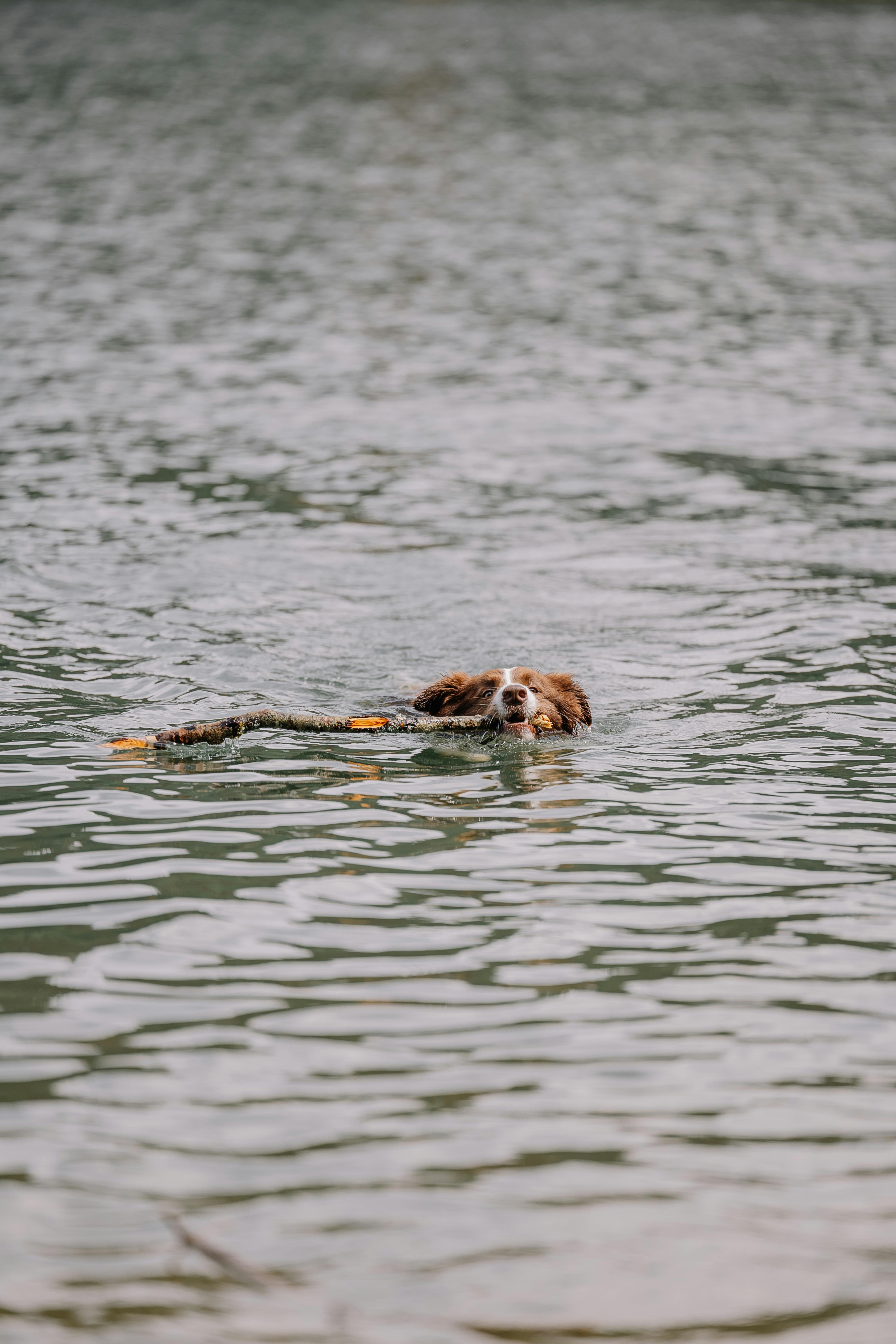 \n\n
\n\nWhen it come to dogs, we often hear that wet noses mean they are healthy, but is that really true? There is this big, long-standing belief that a dog’s wet nose is a clear indicator of their wellness. Many dog owners take this as gospel, but let’s take a closer look at the facts and separate myth from reality. Why do dogs have wet noses, anyway? The answer is both fascinating and complex, and it dives into the biology of our furry companions.
\nThe Science Behind Wet Noses
\nFirst off, a dog’s nose is not just for sniffing, although they do that real good! The moisture on their noses plays a crucial role in their sense of smell. Dogs have an incredible sense of smell, estimated to be between 10,000 to 100,000 times more acute than humans. When their noses are wet, it helps trap scent particles in the air, making it easier for them to identify different smells. So, a wet nose could mean your dog is ready for some serious sniffing!
\nWhy Are Dogs’ Noses Wet, Anyway?
\nThere are a few reasons why a dog’s nose may be wet:
\n- \n
- \n
Nasal Secretions: Dogs produce mucus to help keep their noses moist. This moisture aids in their olfactory abilities.
\n \n - \n
Panting: When dogs pant, moisture from their mouth and throat can contribute to a wet nose. This happens often after exercise or during hot weather.
\n \n - \n
Humidity and Temperature: Environmental factors, such as humidity and temperature, can also affect how wet a dog’s nose is. Hot weather can make the nose dry, while cooler, more humid conditions can promote moisture.
\n \n
Common Myths Debunked
\nLet’s set the record straight. Here’s a breakdown of some common myths about wet noses:
\n- \n
- \n
Myth: A Wet Nose Equals a Healthy Dog
\n
\nReality: While a wet nose can indicate hydration, it doesn’t automatically mean a dog is healthy. Some dogs may have dry noses and be perfectly well. \n - \n
Myth: You Should Worry If Your Dog’s Nose Is Dry
\n
\nReality: A dry nose can occur for many reasons, including sleeping, weather conditions, or just genetic factors. It doesn’t always mean there’s a health issue. \n - \n
Myth: Dogs Only Get Wet Noses When They’re Happy
\n
\nReality: Dogs can have wet noses when they’re nervous, excited, or even relaxed. It’s not a direct reflection of their emotional state. \n
Signs of a Healthy Dog
\nInstead of solely relying on the wetness of a dog’s nose, there are other signs you should monitor to assess your dog’s health. Here are a few key indicators:
\n- \n
- \n
Energy Levels: Is your dog active and alert? A healthy dog typically has a good amount of energy.
\n \n - \n
Appetite: A consistent appetite is a good sign. If your dog suddenly stops eating, that could be a cause for concern.
\n \n - \n
Coat Condition: A shiny, well-groomed coat often indicates good health.
\n \n - \n
Behavioral Changes: Any sudden changes in behavior can signal health problems. Look for signs of lethargy, aggression, or withdrawal.
\n \n
Practical Tips for Dog Owners
\nHere are some practical tips for dog owners who want to keep their furry friends healthy:
\n- \n
- \n
Regular Vet Check-Ups: Make sure to schedule regular visits to the vet. They can catch any health issues before they become serious.
\n \n - \n
Hydration: Keep fresh water available at all times to ensure your dog stays hydrated.
\n \n - \n
Balanced Diet: Feed your dog a well-balanced diet that meets their nutritional needs.
\n \n - \n
Exercise: Regular exercise is crucial for your dog’s physical and mental health.
\n \n - \n
Observe: Pay attention to changes in your dog’s behavior, appetite, and energy levels.
\n \n
Conclusion
\nSo, while the saying that "wet noses mean healthy dogs" is more of a myth than a reality, understanding why dogs have wet noses is essential for all dog owners. It’s not just about their health; it’s about appreciating the biology of these amazing creatures. The next time you feel your dog's nose, remember that it does not tell the whole story. Instead, pay attention to their overall behavior, energy, and health indicators. Dogs are complex beings, and a wet nose is just one small part of the fascinating puzzle that makes up our beloved pets.
\n\nWhy Do Puppies Have Wetter Noses? Understanding Developmental Stages
\n\n \n\n
\n\nPuppies are adorable little creatures, and one of the things many people notice about them is their wet noses. Have you ever wondered why do puppies have wetter noses? Understanding developmental stages and the fascinating reasons behind this can provide us insights into our furry friends. Wet noses are not just a cute feature; they serve important functions. Let’s dive into this topic and explore why do dogs have wet noses in detail.
\nThe Science Behind Wet Noses
\nDogs, including puppies, have wet noses for several reasons. Firstly, the moisture on a dog's nose helps them smell better. Dogs have an incredibly advanced sense of smell, and having a wet nose enhances their olfactory abilities. When the nose is moist, it helps to capture scent particles more effectively. This is why you might notice your puppy sniffing around with a very active and wet nose.
\nDevelopmental Stages of Puppies
\nWhen puppies are born, their noses might be dry or only slightly moist. As they grow, their noses will become wetter. Here’s a quick look at how a puppy's nose changes during its early development stages:
\n- \n
- Newborn Stage (0-2 weeks): Puppies are born with little to no moisture on their noses. Their senses are still developing. \n
- Transition Stage (2-6 weeks): As they start to explore their surroundings, their noses begin to get more moisture, helping them navigate and learn about their world. \n
- Socialization Stage (6 weeks and beyond): By this stage, puppies become more curious and are often seen with wetter noses as they engage with their environment and other dogs. \n
Why Do Dogs Have Wet Noses? Fascinating Reasons
\nThere are multiple reasons why dogs, puppies included, have wet noses. Here are some of the most important ones:
\n- \n
- Enhanced Smell: As mentioned, moisture on the nose helps capture scent particles, improving their ability to detect smells. \n
- Temperature Regulation: Dogs do not sweat like humans do. A wet nose can help cool them down, especially during warm weather. \n
- Health Indicator: A wet nose can also indicate good health in dogs. A dry nose might signal dehydration or illness, although not always. \n
- Communication Tool: Dogs use their noses to communicate with each other and their environment. A wet nose is a sign of alertness and awareness. \n
Comparison of Nose Types in Dogs
\nNot all dog breeds have the same nose wetness. Some breeds have naturally drier noses than others, depending on their genetics and environment. Here is a comparison of some popular breeds:
\n| Breed | \nTypical Nose Moisture | \nNotes | \n
|---|---|---|
| Labrador Retriever | \nWet | \nKnown for their friendly and active nature. | \n
| Bulldog | \nModerately Wet | \nOften have wrinkled skin which can affect moisture retention. | \n
| Chihuahua | \nDry | \nSmaller breeds may have drier noses but that’s normal too. | \n
| Beagle | \nWet | \nExcellent scent hounds with very moist noses. | \n
Practical Tips for Nose Care
\nTaking care of your puppy’s nose is important for their overall health. Here are some useful tips:
\n- \n
- Hydration: Make sure your puppy is well-hydrated. A dry nose can indicate dehydration. \n
- Regular Checks: Keep an eye on your puppy's nose. If it becomes excessively dry or cracked, consult a veterinarian. \n
- Avoid Irritants: Keep your puppy away from harsh chemicals or allergens that may cause nose irritation. \n
Fun Facts About Dog Noses
\n- \n
- Dogs have about 300 million smell receptors in their noses, compared to humans who only have about 5 million. \n
- The wetness of a dog’s nose can vary throughout the day, often becoming drier in the afternoon and wetter in the morning. \n
- Dogs can actually sweat through their noses, although it’s not their primary means of regulating temperature. \n
Understanding why do puppies have wetter noses and why do dogs have wet noses can help you appreciate your furry companion even more. Their wet noses are essential for their sense of smell, temperature regulation, and communication. So next time you see your puppy with a wet nose, remember that there’s a fascinating science behind that adorable feature!
\n\nHow to Care for Your Dog’s Nose: Tips for Maintaining Optimal Moisture Levels
\n\n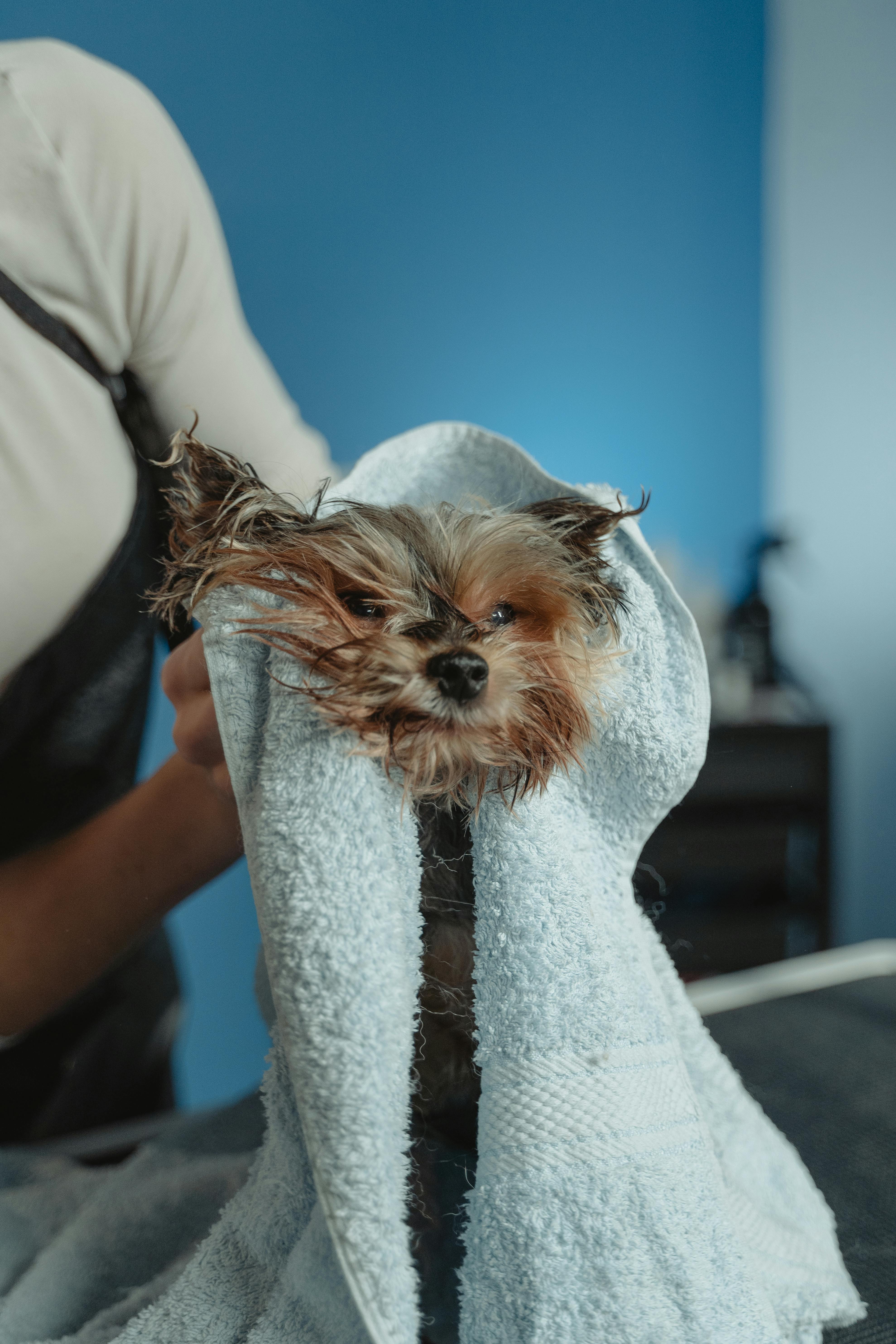 \n\n
\n\nDogs are known for their playful antics and wagging tails, but have you ever noticed their wet noses? It’s a common sight, but many people wonder why do dogs have wet noses and how to care for them properly. Understanding your furry friend’s nose is important, not just for their health, but also for maintaining that adorable moisture levels. So, let’s dive into some tips for caring for your dog’s nose and explore the reasons behind that delightful dampness.
\nWhy Do Dogs Have Wet Noses?
\nFirstly, the moisture on a dog’s nose serves several fascinating purposes. Here are some key reasons why dogs have wet noses:
\n- \n
- \n
Enhanced Smell: A wet nose helps to trap scent particles, which is why a dog’s sense of smell is so sharp. The moisture aids in absorbing odors and sending them to the olfactory receptors in their nose. So, when your dog is sniffing around, they are gathering more information than you could imagine.
\n \n - \n
Thermoregulation: Dogs don’t sweat like humans do. Instead, they cool down through their noses. The evaporation of moisture from their nose helps to regulate body temperature, which is essential, especially on warm days.
\n \n - \n
Health Indicator: The condition of a dog’s nose can indicate their overall health. A healthy nose should be moist and cool. If it becomes dry, cracked, or excessively warm, it could be a sign of dehydration or illness.
\n \n
Tips for Maintaining Optimal Moisture Levels
\nKeeping your dog’s nose in tip-top shape is easier than you might think. Here are some practical tips to ensure their nose stays moist and healthy:
\n- \n
- \n
Hydration is Key: Always provide fresh water for your dog. Dehydration can lead to a dry nose, so make sure they have access to clean water throughout the day.
\n \n - \n
Limit Sun Exposure: Just like humans, dogs can get sunburned. If your dog spends a lot of time outside, especially in direct sunlight, consider using pet-safe sunscreen on their nose to prevent drying and cracking.
\n \n - \n
Moisturizing Products: There are products specifically designed for dog noses. Look for natural balms or oils that can help maintain moisture. Apply them as directed, especially during dry or cold weather.
\n \n - \n
Diet Matters: A balanced diet rich in Omega-3 fatty acids can improve your dog’s skin and coat health, which in turn affects their nose. Consider adding fish oil or flaxseed oil to their meals after consulting your vet.
\n \n - \n
Regular Vet Check-ups: Annual visits to the vet can help catch any potential issues with your dog’s health, including their nose. If you notice changes in moisture levels or appearance, don’t hesitate to seek professional advice.
\n \n
Common Nose Issues to Watch For
\nWhile most dog noses are healthy, there are some common issues that pet owners should be aware of:
\n- \n
- \n
Dry Nose: This could be due to dehydration, allergies, or environmental factors.
\n \n - \n
Cracked Nose: Cracks can develop from extreme weather conditions or lack of moisture.
\n \n - \n
Discoloration: If your dog’s nose changes color, it might indicate a medical condition.
\n \n - \n
Nasal Discharge: Excessive discharge may suggest a cold or infection.
\n \n
If you observe any of these signs, it’s best to consult with a veterinarian.
\nFun Facts About Dog Noses
\n- \n
- \n
Unique Patterns: Just like human fingerprints, every dog has a unique nose print that can be used for identification.
\n \n - \n
Sense of Smell: Dogs have up to 300 million olfactory receptors in their noses, compared to about 5 million in humans. This is why they can sniff out things like drugs or even diseases!
\n \n - \n
Nose Temperature: The temperature of a dog's nose can fluctuate based on their activity level and environment.
\n \n - \n
Nasal Folds: Some breeds have more pronounced nasal folds, which can sometimes lead to moisture accumulation and require extra care.
\n \n
So, next time you notice your dog’s wet nose, remember that it’s not just cute; it’s a vital part of their health and sensory experience. Caring for that nose can lead to a happier and healthier pup. Make it a part of your routine to check on their nose, keep it moisturized, and ensure they're hydrated. Your furry friend will thank you with endless love and wagging tails!
\n\nConclusion
\n\nIn conclusion, the wet noses of dogs serve several essential purposes that contribute to their overall health and well-being. Primarily, a moist nose enhances a dog's sense of smell, allowing them to detect scents more effectively, as the moisture helps to capture odor particles. Additionally, a wet nose aids in thermoregulation, helping dogs cool down in warm weather. It’s also a common indicator of a dog’s health; while a wet nose is generally a sign of a happy and healthy dog, changes in moisture levels can signal underlying health issues. Understanding these fascinating aspects of canine physiology not only deepens our appreciation for our furry companions but also encourages us to monitor their health closely. So, the next time you greet your pup, take a moment to marvel at that wet nose and consider all the wonderful functions it serves in their daily lives.
\n\n