Have you ever wondered, why do dogs have wet noses? This intriguing question has captivated dog lovers and pet owners alike, sparking curiosity about our furry friends’ unique features. The answer goes beyond mere appearance and touches on fascinating aspects of canine biology and behavior. A dog’s nose is not just a cute feature; it is also a vital tool for their survival. But, what makes their noses so wet? Is it just for cooling down, or is there more to it? In this article, we will explore the fascinating reasons behind the moisture on your dog's snout, including how it helps them smell better and communicate more effectively. Did you know that a wet nose can also indicate your dog’s health status? Uncover the secrets of this delightful canine characteristic and learn why it matters! From the science of dog noses to interesting facts about their sense of smell, we’ll dive deep into the world of our four-legged companions. So, are you ready to discover the hidden wonders of your dog’s wet nose? Let’s embark on this exciting journey together!
The Science Behind Canine Nasal Moisture: Why Are Dog Noses Wet?
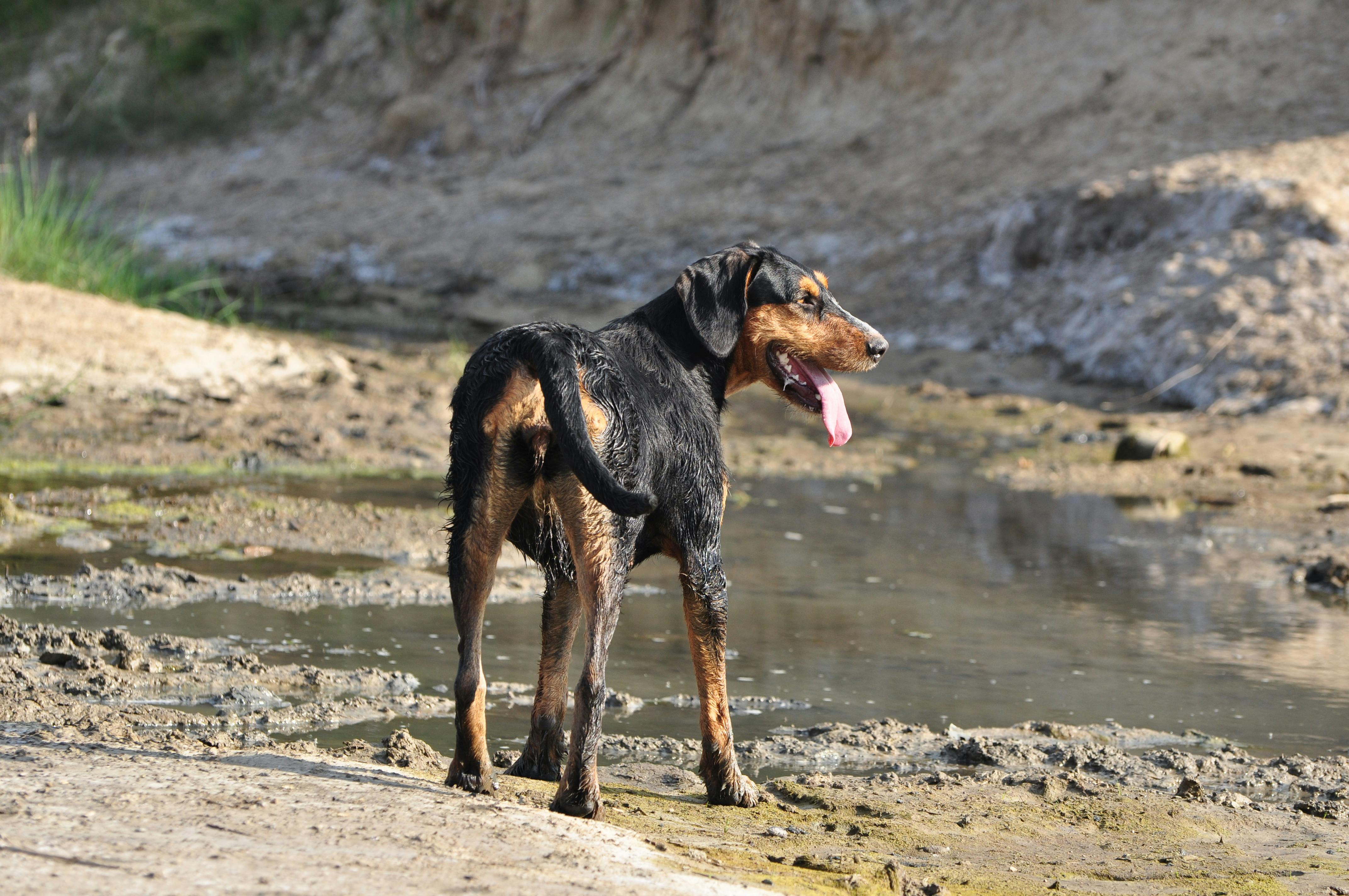
Have you ever wondered why your dog’s nose is often wet? It’s like a little sponge that seems to defy logic, and there’s actually a science behind this phenomenon. Understanding why dogs have wet noses can shed light on not just their health but also their behavior and interactions with the world. Let’s dive into the fascinating reasons why canine nasal moisture exists, and how it plays a vital role in their lives.
The Anatomy of a Dog’s Nose
Dogs’ noses are uniquely designed, which makes them perfect for their environment. Their noses contain a complex network of cells and receptors that allow them to smell things that humans can’t even begin to imagine. Here’s what’s going on:
- Moisture Production: Dogs produce moisture through their nasal tissues. This moisture helps in capturing scent particles from the air. A wet nose can actually enhance their sense of smell.
- Cooling Mechanism: Just like humans sweat to cool down, dogs release moisture through their noses. This helps them regulate their body temperature, which is especially important in warm weather.
- Unique Structure: Unlike humans, dogs have a larger olfactory bulb in their brains relative to their body size. This means they rely heavily on their sense of smell, and a wet nose aids in that.
Why Are Dog Noses Wet?
So, why do dogs have wet noses? The reasons might surprise you. Here are some of the main factors contributing to this phenomenon:
- Scent Enhancement: A wet nose can absorb more scent molecules. The moisture helps in binding these molecules, making it easier for dogs to recognize various scents.
- Health Indicator: A dog’s wet nose can be an indicator of its health. Generally, a moist nose can signify that your dog is hydrated and healthy. However, if it becomes excessively dry, it might suggest dehydration or illness.
- Behavioral Traits: Dogs often lick their noses, which keeps the moisture levels up. This behavior is instinctive, and it helps them gather more information about their environment.
The Role of Temperature and Environment
Interestingly, the environment plays a significant role in how wet a dog’s nose can be. Here’s a breakdown of environmental factors:
- Humidity: In humid conditions, dog noses tend to remain wetter longer. The moisture in the air helps to keep their noses hydrated.
- Temperature: Higher temperatures can lead to increased nose moisture as dogs try to cool themselves down.
- Activity Level: After running or playing, you might notice your dog’s nose being particularly wet. This is their body’s way of managing heat and staying cool.
Health Considerations for Dog Noses
It’s important to pay attention to your dog’s nose for health reasons. Here are some signs to look out for:
- Dry Nose: A consistently dry nose might indicate dehydration. If your dog’s nose is dry and cracked, it’s worth checking in with a vet.
- Discoloration: A change in color may signal an underlying issue. If your dog’s nose turns red, pale, or has spots, it could be a sign of health problems.
- Excessive Wetness: While a wet nose is normal, an excessively wet nose can sometimes indicate a respiratory issue or infection.
Fun Facts About Dog Noses
- Dogs have about 300 million smell receptors in their noses, compared to humans who only have about 5 million.
- The wetness of a dog's nose can help them detect changes in the environment, such as approaching rain or storms.
- Some breeds have drier noses than others. For instance, brachycephalic breeds (like Bulldogs) often have drier noses than longer-nosed breeds.
The Bottom Line
Understanding why dogs have wet noses provides insight into their health, behavior, and unique adaptations in the animal kingdom. It’s a fascinating interplay of biology and environment that showcases how dogs interact with their world. Whether you’re a dog owner or just a dog lover, being aware of your furry friend’s nasal condition can lead to better care and a deeper bond between you and your pet. Next time you see your dog with that shiny, moist nose, you can appreciate the science and significance behind it!
5 Fascinating Reasons Your Dog's Nose Is Always Damp
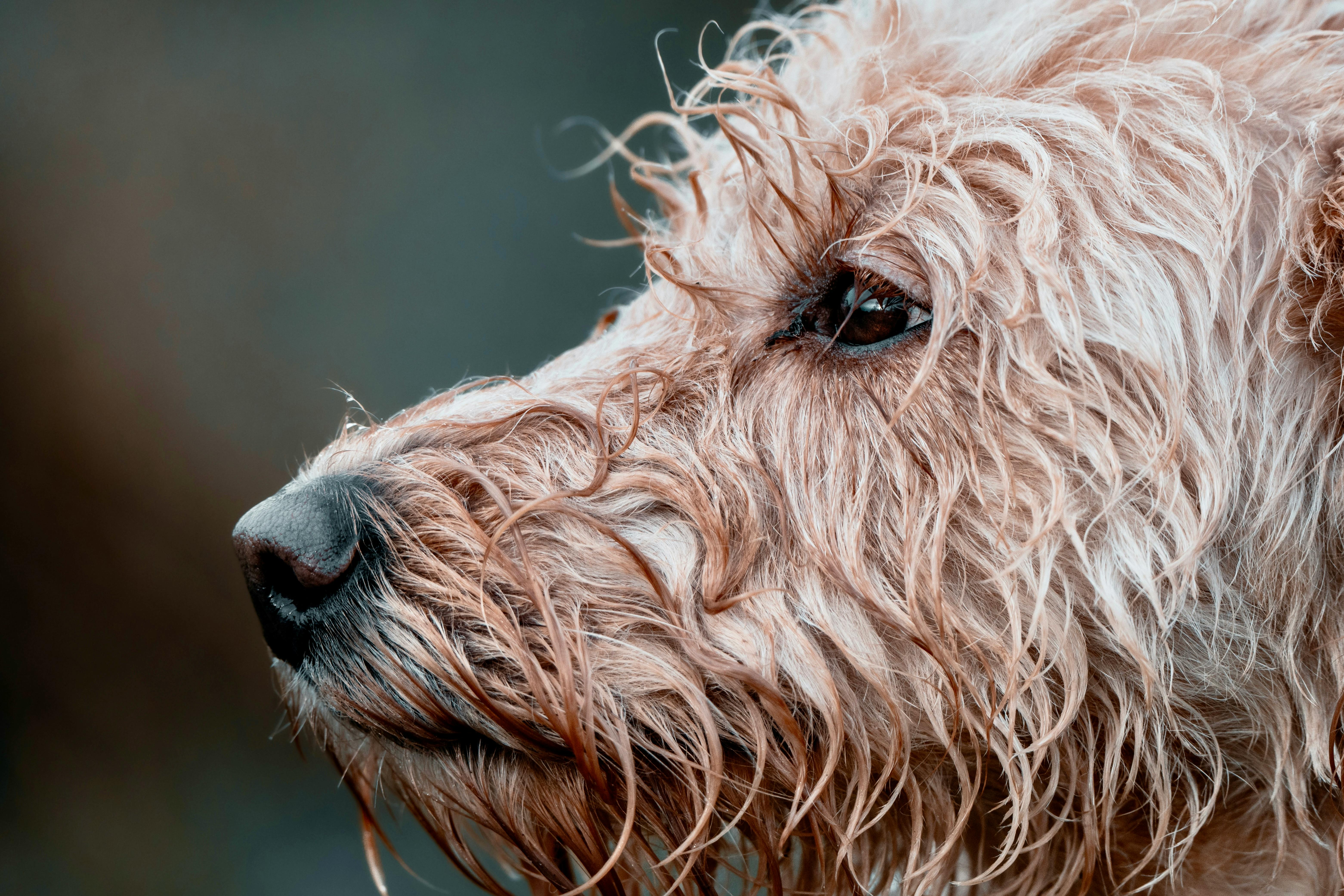
Have you ever noticed how your dog’s nose always seems to be damp? It’s one of those quirky things about our furry friends that makes us wonder. Many people ask, “Why do dogs have wet noses?” It's not just an adorable feature; there are actually several fascinating reasons behind this phenomenon. Let’s dive into the wet-nosed world of dogs and discover what makes their noses so unique!
Dogs Use Their Noses To Detect Smells
The primary reason for a dog's wet nose is its extraordinary sense of smell. Dogs have up to 300 million scent receptors in their noses, compared to a human’s mere 5 million. A wet nose helps to capture scent particles more effectively. When moisture is present, it allows for better absorption of these particles, enhancing their sense of smell. This is why your pup can sniff out treats hidden in the house or even track scents from far away!
- Dogs can detect certain scents at incredibly low concentrations.
- Their noses are also sensitive to changes in temperature and humidity.
Temperature Regulation
Did you know that a wet nose helps in regulating a dog’s body temperature? Dogs don’t sweat like humans do. Instead, they rely on panting and the moisture on their noses to cool down. When a dog’s nose is damp, it can help to maintain a comfortable body temperature. This moisture evaporates, which cools the blood vessels in the nose and thus helps to cool the whole body.
- A damp nose is often a sign of a healthy dog.
- If a dog’s nose is dry and warm, it might indicate illness or dehydration.
Communication Tool
Dogs also use their noses as a form of communication. A wet nose can indicate to other dogs that they are friendly and approachable. When dogs greet each other, they often sniff each other’s noses and behinds. This behavior is not just for fun; it’s a way for dogs to gather information about each other. The moisture on their noses can convey a sense of excitement or calmness, depending on the situation.
- Dogs might also use their wet noses to nudge or push at their owners as a way to get attention.
- This behavior shows affection and can be a call for playtime or cuddles.
Health Monitoring
A dog’s nose can also serve as a health monitor, at least in some cases. A healthy dog typically has a cool, moist nose. If you notice a sudden change, like a dry or cracked nose, it could signal health issues such as allergies, infections, or even more serious conditions. Regularly checking your dog's nose can therefore give you insight into their overall well-being.
- Keep an eye out for changes in color, texture, or temperature.
- Consult a veterinarian if you see something unusual to ensure your furry friend is in good health.
Hydration and Environment
Lastly, the environment and hydration levels can greatly affect the moisture of a dog’s nose. If a dog is dehydrated or if the air is particularly dry, their nose may appear dry too. In contrast, after a good romp in the grass or a rainy day walk, you might find their noses are extra damp.
To help maintain your dog's hydration:
- Always provide fresh water.
- Consider using a humidifier if you live in a dry climate.
Fun Facts About Dog Noses
Here are some fun tidbits about dog noses that you might not know:
- Each dog’s nose print is unique, just like a human fingerprint!
- Dogs can smell up to 100,000 times better than humans, making their noses incredibly important.
- A dog’s sense of smell can even detect certain types of cancer in humans.
So, the next time you notice your dog’s wet nose, remember it’s not just an endearing trait, but a reflection of their amazing abilities and health. Whether it’s for detecting smells, regulating their body temperature, or even communicating with you and other dogs, a damp nose plays a significant role in your dog’s life. Embrace the quirks of your furry friend, and keep an eye on that wet nose — it’s a fascinating little feature that tells you a lot!
Does a Wet Nose Mean a Healthy Dog? Uncovering the Myths
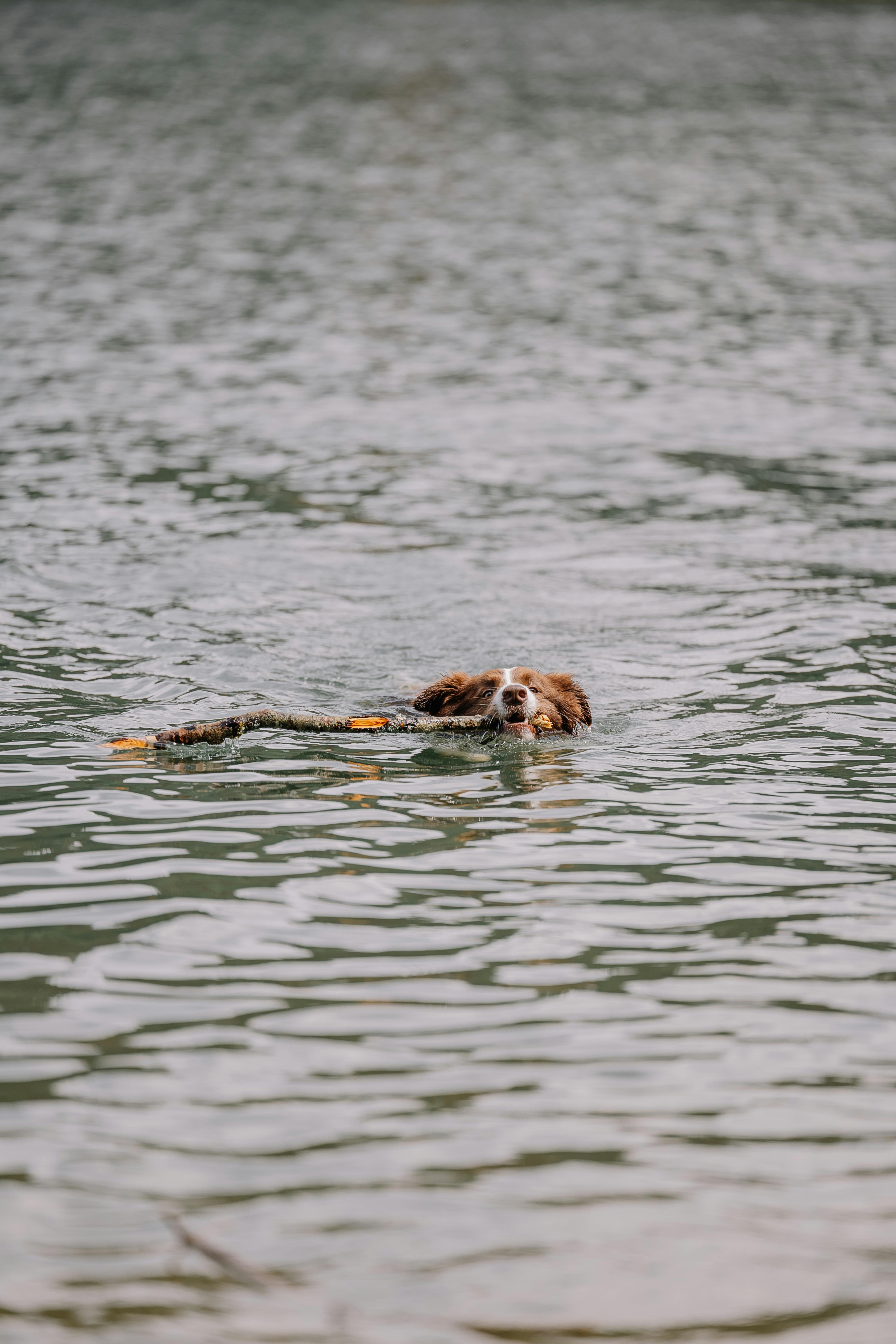
Dogs have long been considered man's best friend, and their wet noses have fascinated many. But does a wet nose mean a healthy dog? This is a question that many dog owners ponder. It's time to dive into the science and myths about why do dogs have wet noses, and discover the fascinating reasons behind it!
The Myths Behind Wet Noses
It's commonly believed that a wet nose indicates a healthy dog. But, this isn't entirely true. While a wet nose can be a sign of good health, it is not the only indicator. Here are some myths and facts:
Myth 1: A wet nose always means the dog is healthy.
- Fact: Dogs can have wet noses for several reasons, including environmental factors or even their activities.
Myth 2: All dogs have wet noses.
- Fact: Some breeds may not have as moist a nose as others, and that can be perfectly normal.
Myth 3: A dry nose means illness.
- Fact: A dry nose can happen for many reasons, including the weather, hydration levels, or sleeping.
Why Do Dogs Have Wet Noses?
So, why exactly do dogs have those famously wet noses? It turns out there are several scientific and evolutionary reasons for this.
Cooling Mechanism: Dogs don’t sweat the same way humans do. Their noses help regulate body temperature. When a dog pants, moisture from their nose evaporates, helping to cool them down.
Enhanced Sense of Smell: Dogs have an incredible sense of smell. A wet nose helps trap scent particles in the air, making it easier for dogs to detect smells. This is also why dogs often lick their noses; it helps them gather more information about their environment.
Hydration Indicator: The moisture level on a dog's nose can indicate their hydration status. If their nose is excessively dry, it could be a sign they need more water.
Behavioral Aspect: Dogs often greet other dogs or humans by sniffing noses. A wet nose is often perceived as friendly and inviting, making it a social tool.
Factors Affecting Nose Moisture
Several factors can affect how wet or dry a dog's nose is. Here are some common ones:
- Weather Conditions: Hot, dry weather can lead to a drier nose, while humid conditions may result in a wetter nose.
- Activity Level: After vigorous play or exercise, a dog's nose may become drier as they focus on panting.
- Health Status: Illness, fever, or dehydration can change a dog's nose moisture.
- Age: Older dogs may have drier noses due to various factors, including changes in skin elasticity.
Practical Examples of Nose Conditions
Understanding the typical range of nose conditions can help dog owners monitor their pets’ health. Here’s a breakdown:
| Condition | Description | When to Consult a Vet |
|---|---|---|
| Normal Wet Nose | Moist and cool to the touch | No need, typical for healthy dogs |
| Dry Nose | Can vary, may not indicate illness | If persistent or accompanied by other symptoms |
| Cracked Nose | May indicate dehydration or other issues | Definitely consult a vet |
| Nasal Discharge | Mucus or abnormal discharge can indicate illness | Consult a vet immediately |
Caring for Your Dog's Nose
To ensure your dog’s nose stays healthy, consider these tips:
- Keep your dog hydrated, especially in hot weather.
- Regular veterinary check-ups can help detect any underlying health issues.
- If you notice significant changes in your dog’s nose, consult with a vet.
- Pay attention to any changes in behavior, appetite, or energy levels that could indicate health problems.
Dogs are more than just companions; they have unique traits that make them special. Their wet noses, while often seen as a sign of health, are just one part of a complex picture. It’s essential to consider the many factors that contribute to a dog’s overall well-being.
Understanding the science behind why do dogs have wet noses can help you become a more informed pet owner. While a wet nose can be a good sign, don’t rely solely on that to gauge your dog's health. Always keep an eye on their behavior and overall condition. With a little knowledge and care, you can keep your furry friend happy and healthy for many years to come!
How a Dog’s Wet Nose Enhances Their Sense of Smell: The Surprising Facts
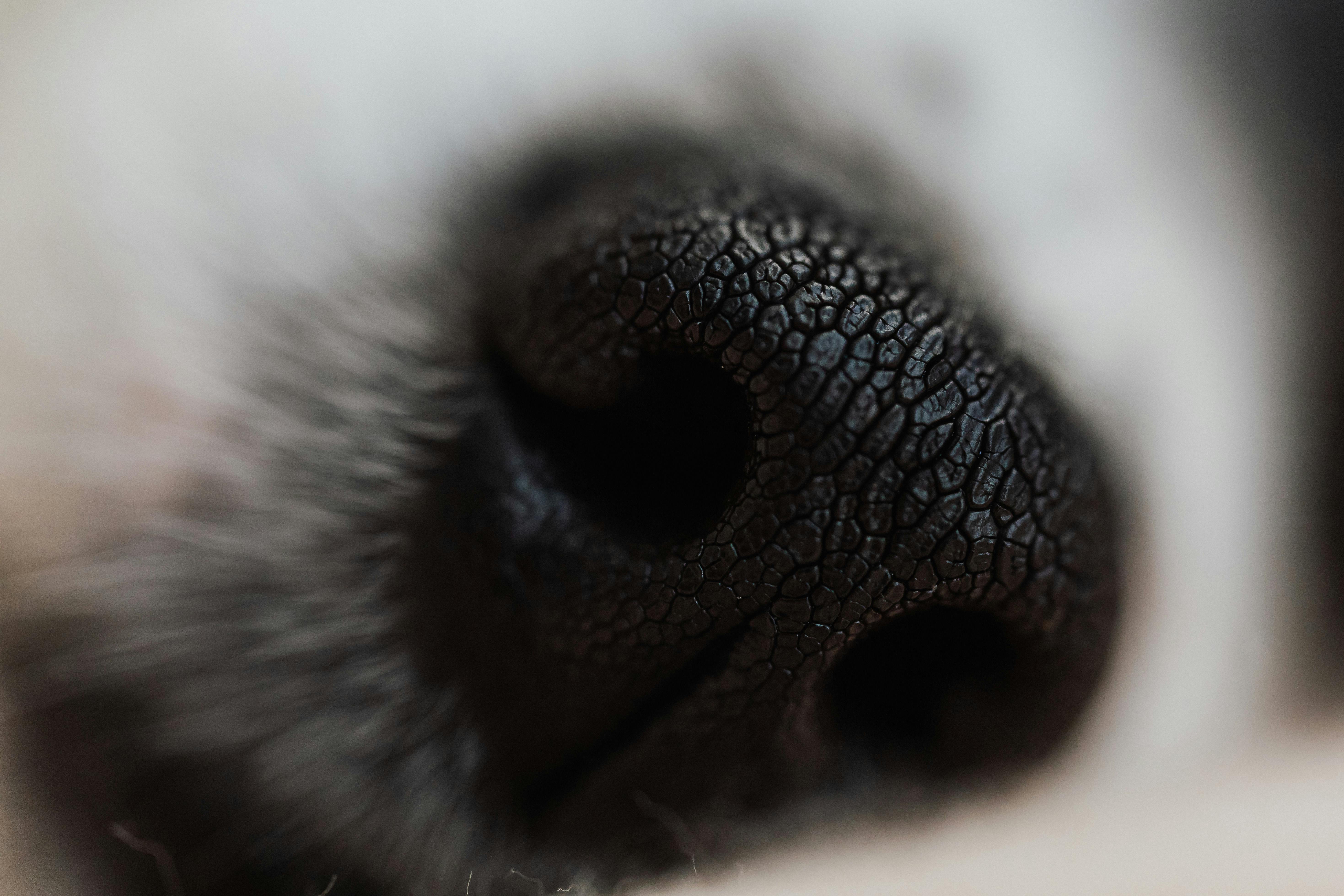
Dogs are fascinating creatures, and one of their most interesting features is that wet nose. You may have wondered why do dogs have wet noses? It’s not just for show, but there's actually a scientific reason behind it. Let's dive into how a dog’s wet nose enhances their sense of smell, explore some surprising facts, and discover the fascinating reasons that make our furry friends so special.
The Science Behind a Dog's Wet Nose
First off, the wetness of a dog’s nose is no accident. It serves several important functions. The moisture on their noses is like a natural tool that helps them gather scent particles from the air. When a dog sniffs, the odor molecules stick to the moisture, which then gets absorbed by special scent receptors in their noses.
- Scent receptors: Dogs have up to 300 million scent receptors, while humans only have about 5 million. This makes dogs' smelling abilities incredibly powerful.
- Olfactory bulb: The part of a dog’s brain that processes smells is 40 times larger than that of a human, allowing them to detect smells at extremely low concentrations.
Why Do Dogs Have Wet Noses?
Now, let’s look closely at why dog noses are wet. It isn't merely because they just licked it. Here’s a rundown of some key reasons:
Cooling Mechanism: Dogs don’t sweat like humans. Instead, they regulate their body temperature through panting and the evaporation of moisture from their noses. A wet nose helps cool them down.
Enhanced Smelling: As mentioned before, the wetness helps capture scent particles. It increases the effectiveness of their sense of smell, which is crucial for hunting, tracking, and social interactions.
Health Indicator: A dog’s nose can give you clues about their health. A nose that’s too dry or hot might indicate a fever or illness.
Communication Tool: Dogs often use their noses to communicate with each other and with humans. A wet nose can indicate friendliness and curiosity.
Fascinating Facts About Dog Noses
There are some surprising facts about dog noses that many people might not know. Here are some interesting points:
- Unique Nose Prints: Just like human fingerprints, every dog has a unique nose print. This can actually be used for identification.
- Sensitivity to Smells: Dogs can smell certain substances at concentrations as low as 1 part per trillion. That’s like detecting a teaspoon of sugar in a million gallons of water!
- Nasal Turbinates: Dogs have complex nasal turbinates (folds in the nasal cavity) that increase the surface area for scent detection, enhancing their olfactory capabilities.
Comparing Dog Noses to Human Noses
Let's look at how dog noses stack up against human noses in terms of smell:
Number of Receptors:
- Dogs: 300 million
- Humans: 5 million
Olfactory Bulb Size:
- Dogs: 40 times larger
- Humans: Smaller in proportion
Scent Detection:
- Dogs: Can identify scents in very low concentrations
- Humans: Less sensitive to odors
Practical Examples of a Dog's Nose in Action
Dogs use their noses in various practical scenarios, showing just how valuable their sniffing abilities are. Here’s how:
- Search and Rescue: Dogs are utilized in rescue missions to find missing persons, thanks to their incredible ability to track scents over long distances.
- Medical Detection: Some dogs can even detect diseases such as cancer or diabetes by smelling changes in a person’s body odor.
- Service Animals: Many service dogs are trained to detect specific scents to assist individuals with disabilities or medical conditions.
Keeping Your Dog’s Nose Healthy
It’s essential to maintain your dog’s nose health. Here are some tips:
- Regular Checks: Monitor your dog’s nose for dryness or cracks. If you notice anything unusual, consult a vet.
- Hydration: Ensure your dog is well-hydrated, as it helps keep their nose moist.
- Avoid Irritants: Keep your dog away from strong chemicals or cleaners that could irritate their sensitive noses.
The wet nose of a dog is more than just an adorable feature; it plays a crucial role in their survival and interaction with the world. Dogs have evolved to use their noses to their advantage, making them one of the most adept sniffers in the animal kingdom. Understanding the reasons behind their wet noses can deepen our appreciation for these loyal companions. So, next time you see your dog with that wet nose, remember all the incredible functions it serves!
The Role of Nasal Moisture in Dog Health: What Every Pet Owner Should Know
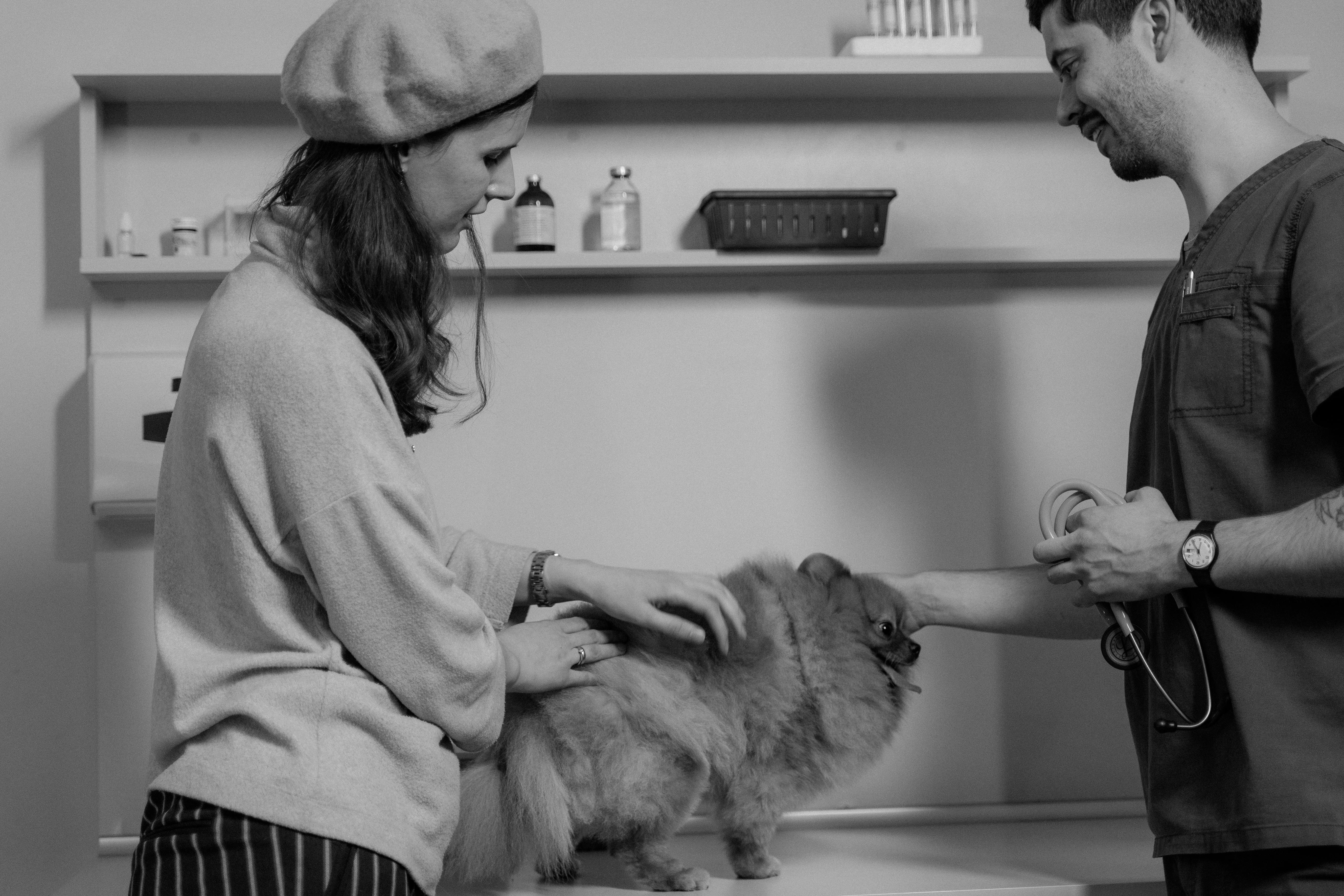
Dogs, those furry companions who fill our lives with joy, have many unique traits that make them special. One of the most fascinating aspects of canine physiology is their wet noses. Why do dogs have wet noses? This question has intrigued pet owners for generations. While some may just think it’s cute, there are actually scientific reasons behind this feature, which also relates to their health and well-being.
The Science Behind Wet Noses
A dog's nose is not just a cute feature; it plays a crucial role in their overall health. A wet nose helps to enhance a dog's sense of smell, which is significantly more acute than that of humans. Here are some reasons why a wet nose is so important:
- Enhanced Olfactory Function: The moisture on a dog’s nose helps to capture scent particles in the air, making it easier for them to identify various smells.
- Temperature Regulation: Dogs don’t sweat like humans do. Their wet noses help to cool them down, especially during hot weather.
- Health Indicator: A dog's nose can serve as a health barometer. Changes in moisture levels, temperature, or color may signal health issues.
Why Do Dogs Have Wet Noses? The Evolutionary Perspective
Historically, dogs evolved from wolves, who also had wet noses. This characteristic likely provided an evolutionary advantage. Moist noses helped wolves hunt and navigate their environment more effectively. Over time, this trait was naturally selected, leading to the dogs we have today.
The Role of Nasal Moisture in Dog Health
Nasal moisture has a significant role in maintaining a dog’s health. It serves multiple functions that directly affect their well-being. Here’s a breakdown:
Scent Detection: As mentioned earlier, moisture increases scent sensitivity. Dogs can detect smells at incredibly low concentrations, which is why they are used in search and rescue operations.
Cooling Mechanism: When dogs are too hot, the moisture on their noses evaporates, helping to cool their body temperature down. This is especially important during summer months when overheating is a concern.
Protection Against Infection: The mucous membranes in a dog’s nose act as a barrier against dust, pollen, and other allergens, reducing the risk of respiratory infections.
Behavioral Indicators: A wet nose generally indicates a healthy dog. Conversely, a dry or cracked nose can be a sign of dehydration, disease, or exposure to extreme weather.
Common Misconceptions
There are several myths surrounding wet noses in dogs. Let’s debunk some of them:
Myth: A wet nose always means a dog is healthy.
Fact: While it’s a good sign, other factors like behavior and appetite need to be considered.
Myth: All dogs have wet noses at all times.
Fact: Various factors, including weather and health, can cause a dog’s nose to be dry.
Myth: Dogs sweat through their noses.
Fact: Dogs primarily regulate body temperature through panting, not through their noses.
What Pet Owners Should Monitor
As a responsible pet owner, you should keep an eye on your dog’s nasal moisture. Here’s a short checklist:
- Regularly check the moisture levels: A nose that is consistently dry may need veterinary attention.
- Observe for other symptoms: Look for changes in appetite, energy levels, or behavior.
- Maintain hydration: Always ensure your dog has access to fresh water.
Practical Tips for Pet Owners
Here are some practical tips to help maintain your dog's nose health:
- Hydration is Key: Make sure your dog drinks plenty of water, especially in hot weather.
- Limit Sun Exposure: Dogs can get sunburned; use pet-friendly sunscreen on exposed areas.
- Visit the Vet: Regular check-ups can help catch any potential health issues early.
Fun Facts About Dog Noses
- Dogs have approximately 300 million smell receptors, compared to a human’s 5 million.
- The texture of a dog’s nose is unique, similar to a human fingerprint.
- A dog’s sense of smell is so strong that they can detect certain diseases, including cancer.
Understanding the role of nasal moisture in your dog's health can help you be a better pet owner. Your dog’s wet nose is not just a cute feature; it’s a vital aspect of their well-being. By keeping an eye on this small but important detail, you can contribute to your furry friend’s happiness and health. Always remember that a little knowledge goes a long way in ensuring your pet leads a healthy and happy life.
Curious Canines: Why Do Dogs Lick Their Noses?
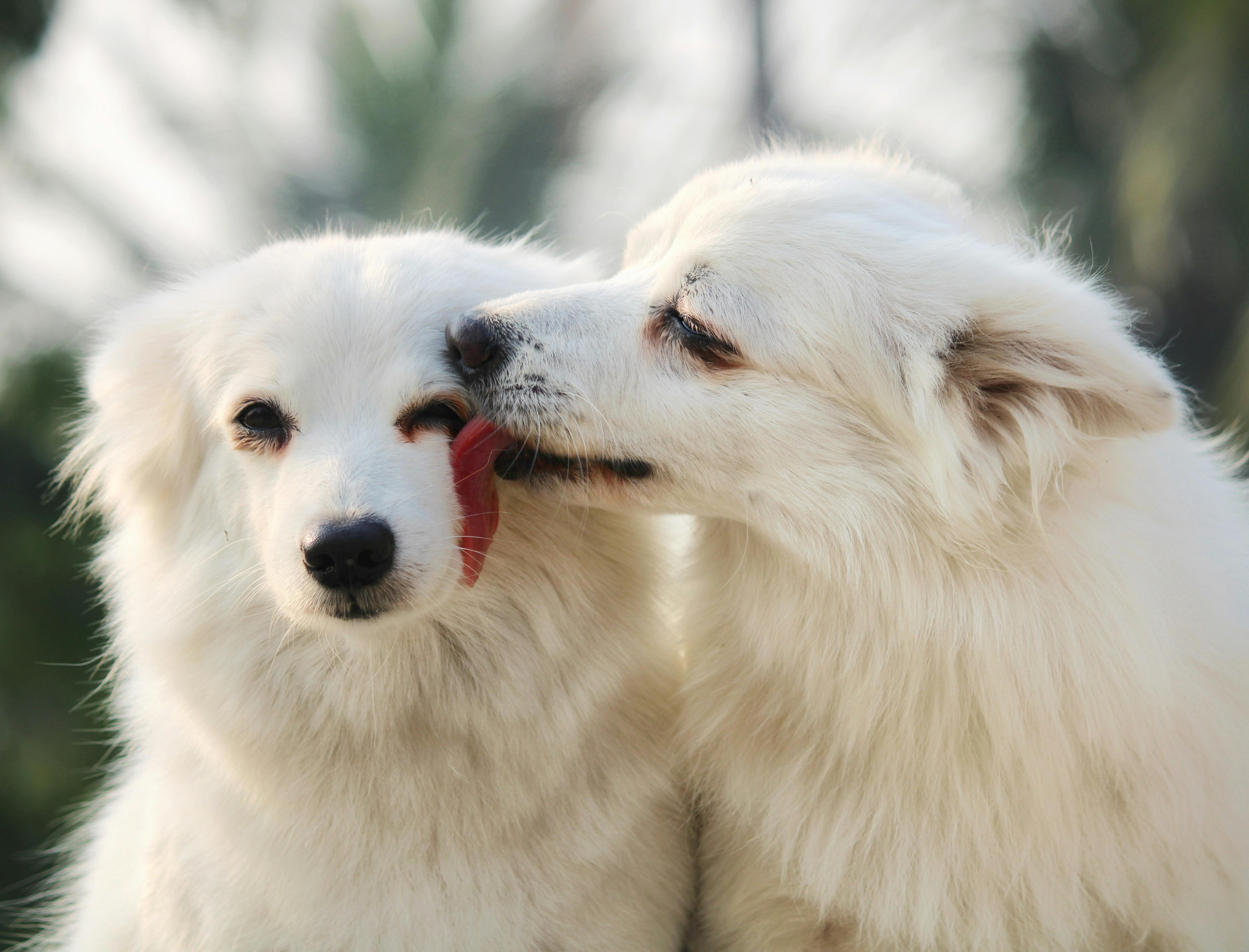
Curious Canines: Why Do Dogs Lick Their Noses? Why Do Dogs Have Wet Noses? Discover The Fascinating Reasons!
Have you ever watched your furry friend licking their nose and wondered, “What’s going on in that cute little head?” Dogs are known for their odd behaviors, and nose licking is one of the most common. But why do dogs have wet noses, anyway? Let’s dive into these questions and explore the reasons behind this curious canine behavior.
The Science of Wet Noses
First, let's talk about why dogs have wet noses. A dog's nose is not just for sniffing; it plays a crucial role in their health. The moisture on a dog’s nose helps to enhance their sense of smell. When the nose is wet, it can trap scent particles, which helps your pup to detect different smells better.
Here’s a quick breakdown of how it works:
- Moisture retention: A wet nose retains scent particles better than a dry one.
- Temperature regulation: Dogs can regulate their body temperature through their noses. Wetness helps keep them cool.
- Health indicator: A wet nose is often a sign of a healthy dog, while a dry, cracked nose could indicate dehydration or illness.
Why Do Dogs Lick Their Noses?
You might see your dog licking its nose after eating or when they’re relaxing. But why do they do this? Here’s a few reasons:
- Taste and Smell: Dogs use their tongues to taste and smell. Licking their nose helps them collect scents and flavors, which is particularly useful after a meal.
- Nervous Habit: Just like humans might bite their nails, dogs can lick their noses when they’re anxious or stressed.
- Cleaning: Dogs are naturally inclined to clean themselves. Licking their nose can help remove dirt or food particles.
- Sign of Communication: Sometimes, dogs lick their noses when they are trying to communicate with other dogs or humans. It's a way of showing submission or appeasing behavior.
Fun Facts About Dog Noses
Did you know that a dog's nose is unique, just like human fingerprints? Each dog has a distinct nose print. Here are some other fascinating facts:
- Temperature Sensitivity: Dogs can detect certain temperature changes with their noses and can sense heat from objects up to 100 degrees away.
- Scent Power: Dogs can detect certain scents at a concentration as low as one part per trillion.
- Nasal Structure: A dog’s nose contains up to 300 million smell receptors, compared to about 6 million in humans.
Comparison: Dogs vs. Other Animals
While we’re on the topic of noses, let’s see how dogs compare to a few other animals:
| Animal | Number of Smell Receptors | Unique Nose Feature |
|---|---|---|
| Dogs | 300 million | Distinct nose prints |
| Cats | 50-80 million | Less sensitive than dogs |
| Elephants | 2,000-3,000 million | Highly developed sense of smell |
| Bears | 2,000,000,000 | Excellent tracking ability |
The Importance of Nose Care
Keeping your dog's nose healthy is important. Here’s some tips:
- Stay Hydrated: Make sure your dog has access to fresh water to keep their nose moist.
- Watch for Cracks: If you notice your dog's nose is dry and cracked, consult with a vet. It could be a sign of a health issue.
- Avoid Irritants: Keep your dog away from harsh chemicals and allergens that can cause nasal irritation.
The Nose Knows: Understanding Canine Communication
Dogs are not only using their noses for smelling; they are communicating too. Sniffing and licking their noses can indicate various emotions:
- Excitement: A dog might lick its nose when excited, especially during playtime.
- Curiosity: When meeting new people or pets, they may lick as a way to gather information.
- Fear or Anxiety: A nervous dog may lick their nose as a self-soothing behavior.
By understanding these behaviors, dog owners can better respond to their furry friends’ needs.
Dogs’ wet noses are more than just an adorable feature; they serve essential functions in their lives. From enhancing their sense of smell to communicating their emotions, wet noses and nose licking are integral parts of a dog's behavior. Next time you see your dog licking its nose, you’ll know there’s a fascinating world of reasons behind it!
Wet Noses and Temperature Regulation: How Dogs Stay Cool
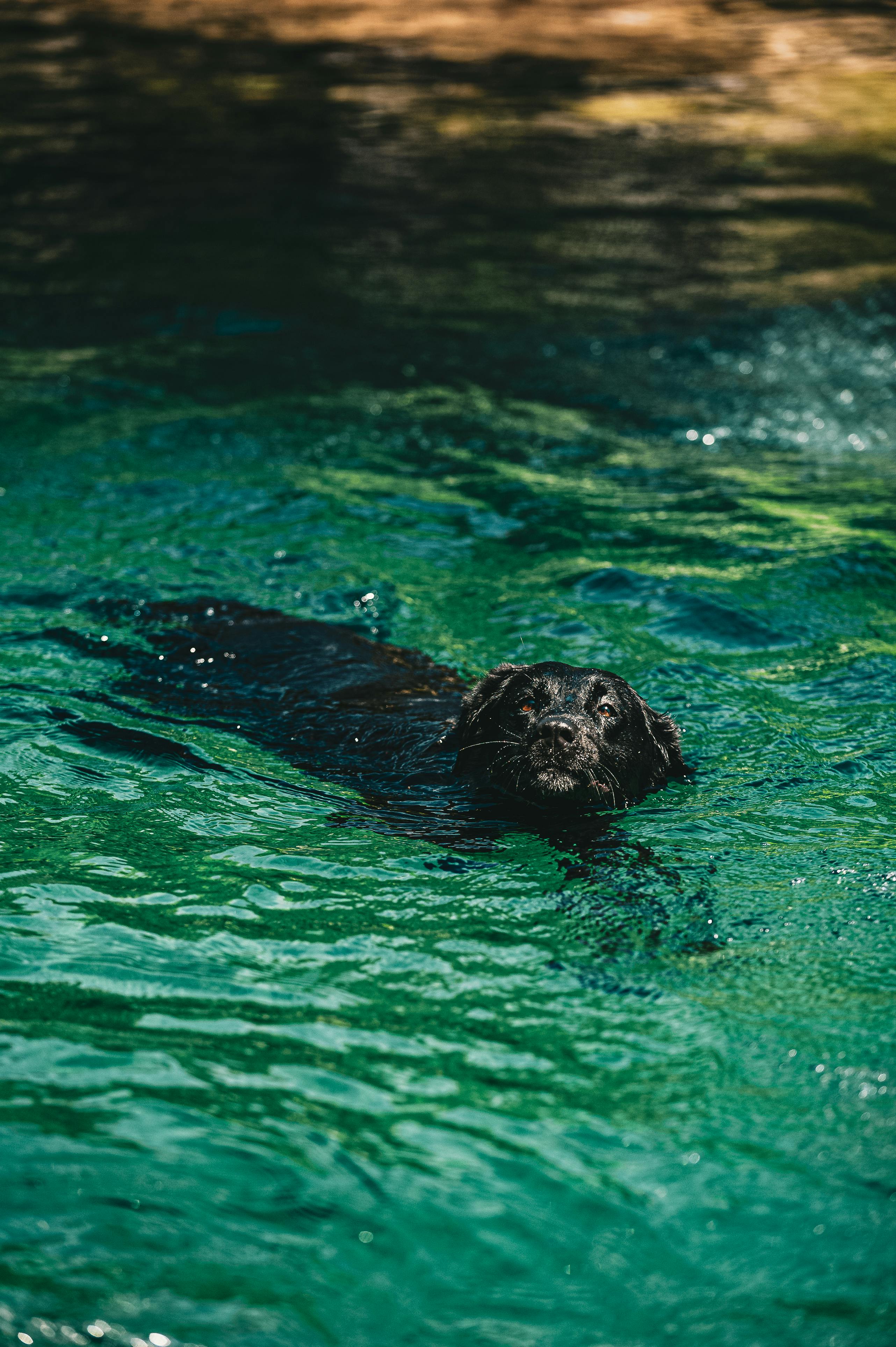
Dogs are more than just our best friends; they have some fascinating biological traits that help them navigate the world. One such feature that stands out is their wet noses. You might have wondered, why do dogs have wet noses? It's not just a quirky trait; it plays a significant role in how they regulate their body temperature and interact with the world around them. Let’s dive into the reasons behind this unique characteristic and how it relates to their overall health and behavior.
The Science Behind Wet Noses
Dog noses are always moist, and there's a reason for that. The moisture on a dog’s nose helps them in several ways, particularly in temperature regulation and scent detection. Here's how it works:
Cooling Mechanism: Dogs don’t sweat like humans do. Instead, they primarily regulate their body temperature through panting and the moisture on their noses. The evaporation of this moisture helps cool them down.
Enhanced Smell: The wet surface of a dog’s nose captures scent particles from the air, making their sense of smell even more acute. Dogs have up to 300 million scent receptors, compared to a human's 5 million. The wetness aids in better olfactory function.
Health Indicator: A dog's nose can also indicate their health. A dry and hot nose may suggest illness or dehydration, while a cool and moist nose is often a sign of a healthy dog.
Dogs noses are not just for show; they serve critical purposes that help dogs thrive in their environment.
Dogs and Temperature Regulation
Dogs have a unique way of keeping cool, and their wet noses plays a crucial part in it. Here’s a breakdown of how they manage their body temperature:
Panting: This is the primary way dogs cool themselves down. When dogs pant, they exchange hot air for cooler air, and the evaporation of saliva on their tongues assists in lowering their body temperature.
Wet Noses: As mentioned, the moisture on their noses evaporates and helps cool the blood vessels underneath. This cooling effect travels throughout their body, helping them stay at a healthy temperature.
Avoiding Heat Stroke: Dogs are susceptible to heat stroke, especially breeds with thick fur. Keeping their noses wet is one way they combat overheating, making it essential to ensure they have access to fresh water and shade in hot weather.
Amazing Facts About Dog Noses
The wetness of a dog's nose is just the tip of the iceberg. Here are some fascinating facts about dog noses that might surprise you:
Nose Prints: Just like human fingerprints, every dog has a unique nose print. Some canine organizations even use nose prints for identification!
Temperature Sensitivity: Dogs can detect temperature changes in their environment through their noses. They often use this ability to find cooler places to lie down when they are too hot.
Nasal Diversity: The shape and size of a dog’s nose can vary greatly across breeds. Breeds like Bloodhounds have long, droopy noses, while breeds like Bulldogs have short, flat noses. Each has its own way of regulating temperature and scent detection.
How to Keep Your Dog’s Nose Healthy
A wet nose is often indicative of good health, but it’s essential to monitor your dog’s overall wellbeing. Here are some tips:
Hydration: Always ensure your dog has access to plenty of fresh water. Dehydration can lead to a dry nose and other health issues.
Regular Vet Checkups: Routine visits to the veterinarian can help catch any potential health issues early, including those that may affect your dog's nose.
Environmental Considerations: Protect your dog from extreme temperatures. In hot weather, provide plenty of shade and limit outdoor activity during peak heat hours.
Final Thoughts
Understanding why dogs have wet noses and how they help with temperature regulation can deepen your appreciation for these incredible animals. Their unique physiology not only allows them to thrive in their environments but also enhances the bond we share with them. By keeping your dog hydrated and aware of their needs, you can help ensure their nose—and their overall health—stays in tip-top shape. The next time you see your furry friend with a wet nose, you can smile knowing just how fascinating and functional that wetness truly is.
The Importance of a Wet Nose in Dog Communication: Signals You Didn't Know About
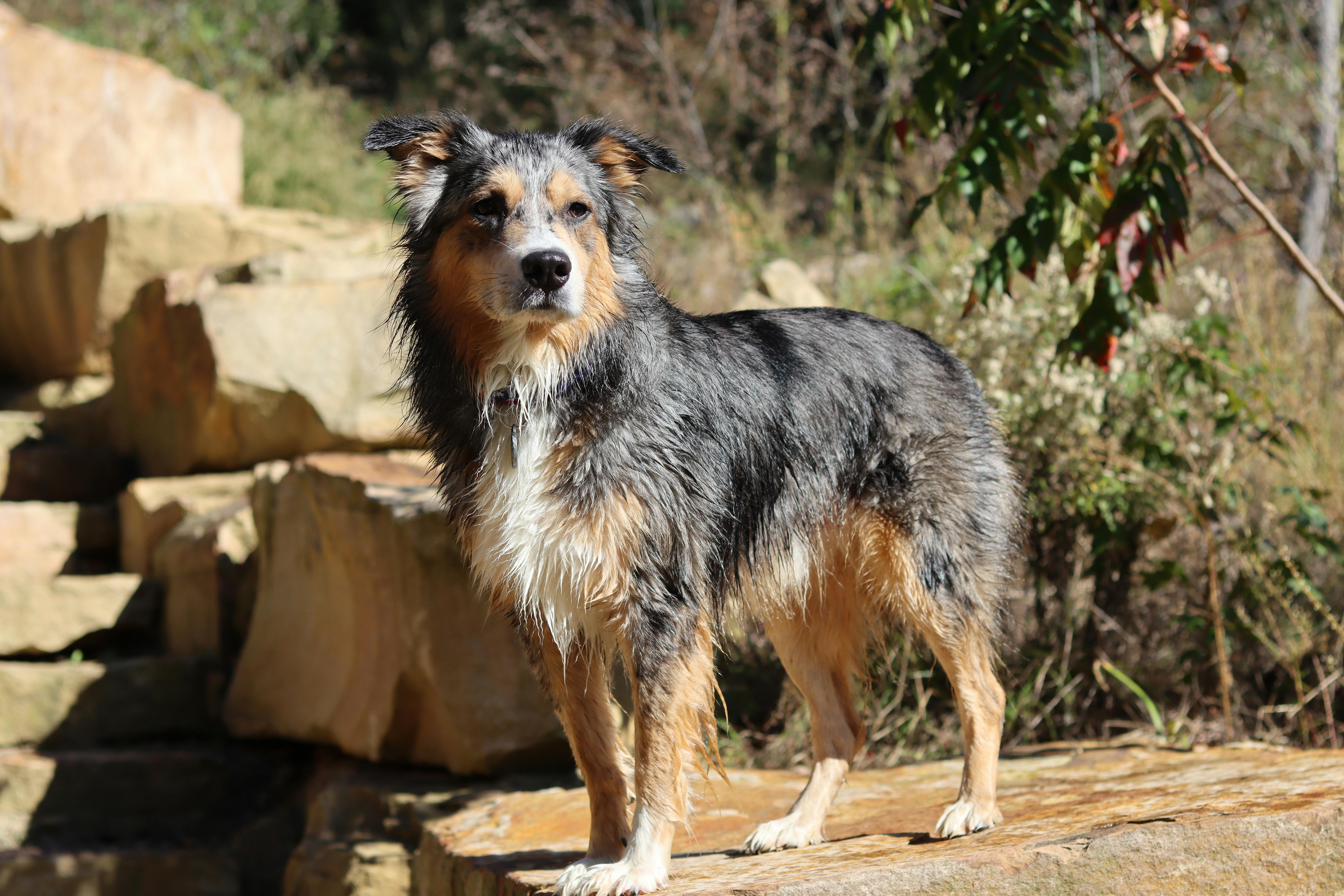
When you think about dogs, many people might picture their wagging tails or floppy ears. But did you know that a dog's nose, especially when it's wet, can tell you a lot about how they're feeling? The importance of a wet nose in dog communication is something many dog owners overlook. Understanding these signals can strengthen the bond between you and your furry friend and improve your knowledge about their health. So, why do dogs have wet noses? Let's explore this fascinating topic together!
Why Do Dogs Have Wet Noses?
Dogs have wet noses for several reasons, some of which are quite surprising. Here’s a list of main reasons:
Temperature Regulation: Dogs can’t cool down like humans do by sweating. They rely on their noses to help regulate their body temperature. The moisture on the nose helps evaporate heat, which is an important part of keeping them cool.
Enhanced Sense of Smell: A wet nose is essential for a dog’s sense of smell. The moisture helps trap scent particles, making it easier for dogs to pick up different odors. This is one reason why dogs are often employed in search and rescue missions or by law enforcement.
Health Indicator: The condition of a dog’s nose can actually indicate their health. A healthy dog often has a cool, moist nose, while a dry or cracked nose could signal dehydration or illness. However, it’s not a foolproof rule, as some dogs naturally have drier noses.
Communication Tool: Dogs use their noses to communicate with each other and with humans. A wet nose can indicate excitement, curiosity, or affection, while a dry nose might suggest that the dog is feeling unwell or anxious.
Signals You Didn't Know About
Dogs communicate in many ways, and their wet noses provide several subtle signals that can indicate how they feel. Here are some you might not be aware of:
Excitement: When a dog is excited, they often approach with a wet nose. This is usually paired with a wagging tail and playful body language.
Affection: A gentle nuzzle with a wet nose can be a way for dogs to show love. It’s their version of a hug!
Curiosity: If your dog nudges you with their nose, it could mean they are curious about what you’re doing or want your attention.
Stress or Discomfort: A dog may lick their nose more often when they are feeling anxious or uncomfortable. This is their way of self-soothing.
Historical Context of Dog Noses
Historically, dogs have been companions to humans for thousands of years. The domestication of dogs began around 15,000 years ago, and as they evolved, their noses became more specialized. Certain breeds, like Bloodhounds and German Shepherds, have developed even more sensitive noses due to selective breeding.
Tracking and Hunting: In the past, dogs were primarily used for hunting and tracking. Their wet noses played a significant role in their ability to follow scents over long distances.
Cultural Significance: Many cultures view a dog’s nose as a sign of loyalty and companionship, often associating a wet nose with good health.
Practical Examples and Comparisons
To better understand the importance of a wet nose, let’s compare dogs with other animals. For instance, cats typically have dry noses, and while they also use their sense of smell, it doesn't seem as critical for their behavior. Dogs, however, rely heavily on their noses to navigate their world.
Here’s a quick comparison:
- Dogs: Wet noses, enhanced smell, communication through scent.
- Cats: Dry noses, good smell but less reliance on it for social interaction.
Quick Tips for Dog Owners
Understanding your dog’s wet nose can help you care for them better. Here are some quick tips:
Monitor Health: Keep an eye on your dog’s nose. If it changes from wet to dry frequently, it might be time to consult a vet.
Hydration: Ensure your dog is well-hydrated. A wet nose is often a sign of good hydration.
Observe Behavior: Pay attention to how your dog communicates with their nose. It can tell you a lot about their current state of mind.
In summary, the wet nose of a dog is not just a cute feature; it plays a crucial role in their health and communication. By understanding why dogs have wet noses and what those signals mean, you can enhance your relationship with your pet. Being aware of these signals allows you to be a better dog owner and improve your furry friend’s quality of life. So, next time you see that wet nose, remember there's more to the story than meets the eye!
Seasonal Changes and Your Dog's Nose: Why It Might Be Wetter in Winter
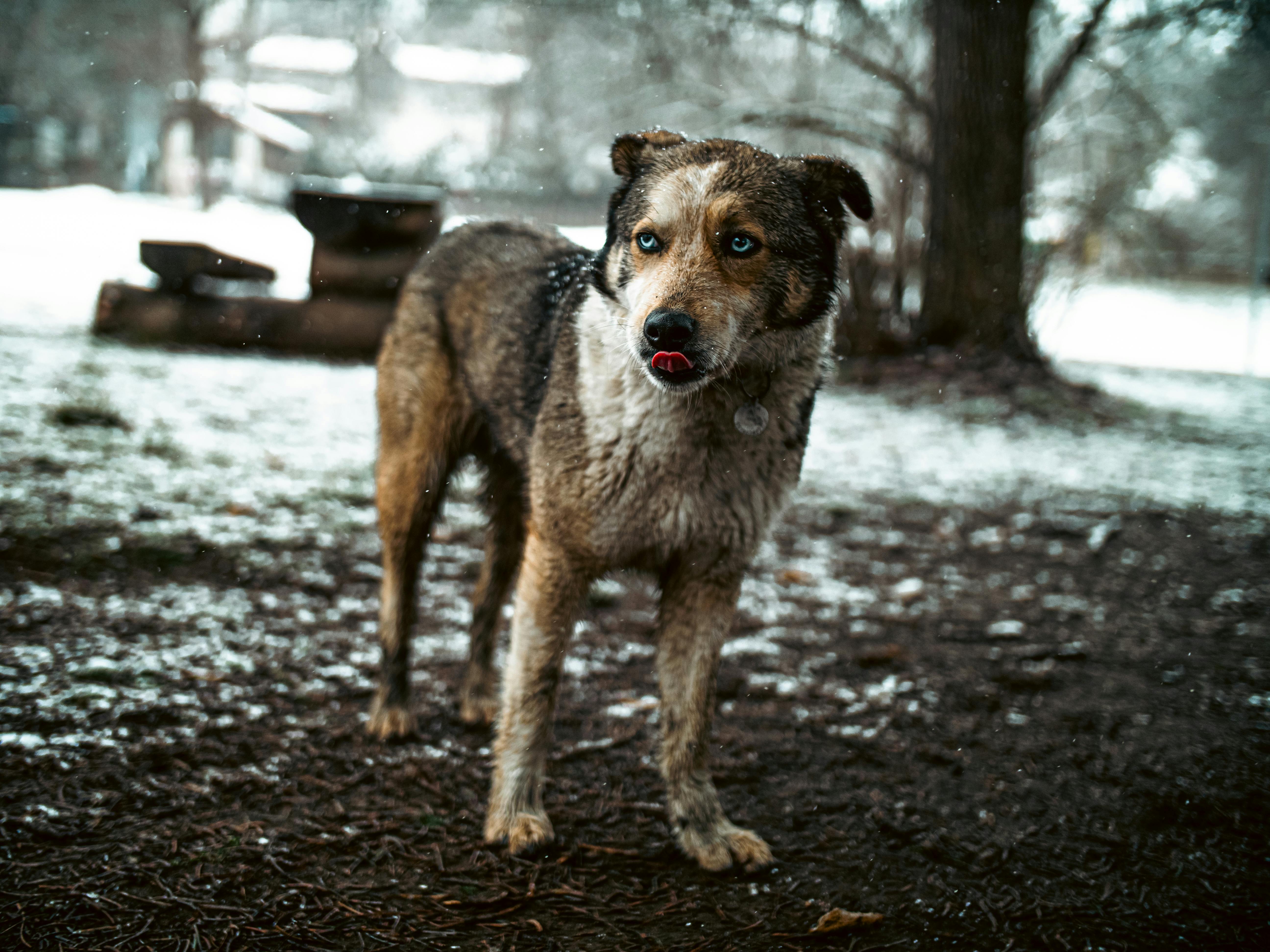
The changing seasons bring many surprises, especially when it comes to our beloved canine companions. One of the most interesting observations dog owners make is how their pets' noses seem to change along with the weather. You may have wondered, why do dogs have wet noses anyway? And why might your dog's nose feel wetter in winter? Let's dive into these fascinating questions and explore the science behind it.
The Science Behind Wet Noses
Dogs have wet noses for several reasons. One of the primary reasons is that a wet nose helps them smell better. The moisture on their noses helps to dissolve scent particles, making it easier for dogs to pick up smells. In fact, dogs have an extraordinary sense of smell, estimated to be anywhere from 10,000 to 100,000 times more acute than that of humans.
- Moisture and Smell: The wetness of a dog's nose enhances their olfactory abilities.
- Temperature Regulation: Dogs also use their noses to help cool down their body temperature. A wet nose can help in this process, especially during hot weather.
- Health Indicator: A dog's nose can sometimes indicate their health. A consistently dry nose might signal dehydration or illness, although this is not always the case.
Seasonal Changes and Wet Noses
So, why might dogs' noses be wetter in winter? There are a couple of factors at play. First, colder weather can result in increased moisture in the air, especially if there's snow or ice around. This environmental change can lead to dogs having a slightly wetter nose.
- Increased Humidity: Winter air, depending on location, can hold more moisture.
- Sniffing Snow: Dogs love to explore, and during winter, they might spend more time sniffing around in the snow, which can keep their noses moist.
The Role of Dog Behavior
It's also important to consider how dogs behave differently in various seasons. In winter, they might be more likely to stick their noses into the ground or snow while exploring, leading to increased moisture on their noses. This behavior can be attributed to their natural instincts. For example, many dogs are bred for hunting or herding, and they often use their noses to track scents.
- Increased Exploration: Dogs may spend more time outdoors in winter, where they encounter snow and wet ground.
- Playtime: Many dogs enjoy playing in the snow, which leads to wet noses from touching the snow.
Health and Care Tips for Dog Owners
Understanding the reasons behind your dog's wet nose can help you ensure they are healthy and happy. Here are some tips on how to care for your dog's nose throughout the year:
Regular Check-ups: Always consult your vet if you notice any sudden changes in the moisture of your dog's nose. This can be important for their overall health.
Stay Hydrated: Make sure your dog has access to clean water at all times, especially in winter when they might be less inclined to drink.
Watch for Dryness: If your dog's nose becomes excessively dry or cracked, consider applying a vet-recommended nose balm.
Clean Regularly: Wipe your dog's nose gently with a damp cloth to remove debris and keep it clean.
Be Observant: Keep an eye on other signs of health, such as energy levels, appetite, and behavior, along with the condition of their nose.
Fun Facts About Dog Noses
- Dogs have about 220 million scent receptors in their noses, while humans only have about 5 million.
- The texture of a dog's nose can vary—some have smooth noses, while others have bumpy textures.
- Each dog's nose print is unique, much like a human fingerprint.
In conclusion, the seasonal changes certainly impact your dog's nose, making it feel wetter in winter. Understanding the science of why dogs have wet noses not only fascinates but also helps pet owners take better care of their furry friends. It’s amazing how something so simple can reflect so much about a dog’s health and behavior. So next time you give your dog a scratch behind the ears, take a moment to appreciate that wet nose and all the wonders it represents!
Can Your Dog’s Nose Predict Illness? Understanding the Connection Between Moisture and Health

Dogs are amazing creatures, and their noses are particularly fascinating. Many people often ask, "Can your dog’s nose predict illness?" It turns out, there’s more to a dog's wet nose than just a cute feature. Moisture levels in a dog's nose can actually relate to their overall health, and understanding this connection can help pet owners keep their furry friends happy and healthy.
Why Do Dogs Have Wet Noses?
First of all, let’s look at why do dogs have wet noses in the first place. A wet nose isn't just there for show; it's essential for dogs' survival and health. Here’s a list of reasons why their noses are moist:
- Enhanced Smell: The moisture on a dog's nose helps to capture scent particles from the air. This helps them smell better than us humans.
- Cooling Mechanism: Just like humans sweat, dogs use their noses to release heat. A wet nose helps them regulate their body temperature.
- Health Indicator: A wet nose is often a sign of a healthy dog. If your dog's nose suddenly becomes dry, it might indicate dehydration or illness.
The Connection Between Moisture and Health
Now, let’s dive deeper into the connection between your dog’s nose moisture and their health. Veterinarians have long studied how changes in a dog's nose can signal health issues. Here are some common health conditions that can affect a dog's nose:
- Dehydration: If a dog’s nose is dry and cracked, it could mean they need more water. Dogs can become dehydrated due to heat, exercise, or illness.
- Fever: A sudden change in the wetness of a dog's nose could indicate they are running a fever.
- Allergies or Infections: A dog with increased moisture or discharge from the nose might be suffering from allergies or even an infection.
How Dogs Sense Illness
Dogs have a unique ability to sense changes in human health. Their keen sense of smell can detect certain diseases. Here’s how they do it:
- Cancer Detection: Some studies show dogs can smell cancer. They can detect volatile organic compounds that are emitted by cancerous cells.
- Low Blood Sugar: Dogs trained as service animals can alert people with diabetes when their blood sugar is low. They do this by recognizing the specific scent changes.
- Seizure Prediction: Certain dogs can sense impending seizures in their owners. They often do this by recognizing subtle changes in body chemistry.
Practical Tips for Dog Owners
If you're a dog owner, it is important to monitor your pet's nose and overall health. Here are some practical tips:
- Regular Check-ups: Take your dog for regular vet check-ups to catch any potential health issues early.
- Hydrate: Make sure your dog has access to clean water at all times, especially in hot weather.
- Observe Changes: Keep an eye on any changes in the moisture level of your dog's nose. If it becomes persistently dry or excessively wet, consult a vet.
Fascinating Facts About Dogs’ Noses
- Dogs have about 300 million smell receptors in their noses, compared to about 5 million for humans.
- A dog's sense of smell is about 40 times better than ours!
- The texture of a dog’s nose is unique, much like a human fingerprint.
Conclusion
In conclusion, the wetness of your dog’s nose is more than just a charming trait. It plays a vital role in their health and can even help in predicting certain illnesses both in dogs and humans. By understanding the connection between moisture and health, dog owners can be better equipped to care for their beloved pets. Always remember that a wet nose is generally a sign of a healthy dog, but changes in its moisture can be a crucial indicator of health issues. Keeping an eye on your dog's nose and overall behavior can help ensure they live a happy and healthy life. So next time you pet your dog, take a moment to appreciate that wet nose—it might just be your furry friend’s way of communicating how they feel!
Conclusion
In conclusion, the wet noses of dogs serve several important functions, from enhancing their sense of smell to regulating their body temperature. The moist surface of a dog's nose helps to capture scent particles more effectively, allowing them to explore and interpret their environment in ways that humans can only imagine. Additionally, the cooling effect of a wet nose plays a crucial role in thermoregulation, particularly during warmer months. While the common belief that a wet nose indicates good health holds some truth, it's essential to consider other factors in a dog's overall well-being. Understanding these aspects can deepen our bond with our canine companions. Next time you pet your dog, take a moment to appreciate the science behind their wet nose and how it contributes to their unique abilities. Share your thoughts or experiences with your furry friend in the comments below!