Have you ever wondered why do dogs have wet noses? This intriguing question has fascinated pet owners and animal lovers alike. A dog's wet nose is not just a cute feature; it serves several important purposes that can deepen our understanding of canine health and behavior. In fact, the moisture on a dog's nose helps them to better smell their surroundings, as the wetness traps scent particles, making it easier for our furry friends to sniff out everything from treats to potential dangers. But why is it that some dogs have drier noses than others? Is it a sign of illness, or simply a personality quirk? In this article, we will dive into the fascinating truth behind this common canine characteristic and explore how a dog's nose can reveal important clues about their overall well-being. So, are you ready to discover the secrets behind that adorable, wet nose? Let's embark on this exciting journey to uncover the science and fun facts that make our dogs so special!
\n\nThe Science Behind Wet Noses: Why Do Dogs Have This Unique Feature?
\n\n \n\n
\n\nDogs have this unique feature that makes them stand out, and that's their wet noses. You might have wondered, why do dogs have wet noses? The truth behind it is fascinating and goes beyond just being a quirky trait of our furry friends. This article will explore the science behind wet noses and reveal why this characteristic is not just cute but also plays a significant role in their lives.
\nThe Anatomy of a Dog's Nose
\nDogs noses are not just moist for no reason. There's a whole science behind why their noses are wet. The surface of a dog's nose is covered with a thin layer of mucus. This moisture comes from the glands in the nose, which produce a secretion that helps them with their sense of smell. It’s a fact that dogs have an incredible sense of smell, estimated to be between 10,000 to 100,000 times more sensitive than humans.
\nWhen a dog’s nose is wet, it helps to capture scent particles in the air. The moisture enhances the olfactory receptors, allowing dogs to better detect and identify various smells. This is why you often see dogs sniffing around—it's how they explore their world.
\nBiological Benefits of Wet Noses
\nThe wetness of a dog's nose is not just for show. It serves several important biological purposes:
\n- \n
- Enhanced Smell: As mentioned before, wet noses help to absorb scent particles. When the nose is moist, it increases the ability to smell. \n
- Cooling Mechanism: Dogs don’t sweat like humans do. Instead, their noses can help regulate body temperature. When a dog is hot, the evaporation of moisture from their nose can help cool them down. \n
- Health Indicator: A dog’s nose can indicate their health status. A warm, dry nose might suggest illness, while a cool, wet nose is often a sign of a healthy dog. \n
Historical Context of Dog Noses
\nHistorically, dogs have been bred for various tasks, many of which relied on their incredible sense of smell. Hunting dogs, for example, were bred to track scents in the field. Working dogs, such as search and rescue dogs, depend on their noses to locate missing persons or detect substances, like drugs or explosives.
\nIn ancient times, people began to notice how important a dog’s sense of smell was. The wet nose was probably one of the first features that people recognized as essential for a dog’s ability to perform tasks. This understanding led to the selective breeding of dogs with enhanced olfactory abilities.
\nFun Facts About Dog Noses
\n- \n
- Unique Patterns: Just like human fingerprints, a dog's nose has a unique pattern of ridges and creases. No two dog noses are alike! \n
- Temperature Regulation: Dogs have a very small number of sweat glands located in their paw pads. Their noses play a bigger role in cooling down. \n
- Scent Memory: Dogs can remember scents for a long time. A study showed that dogs could recognize their owner's scent even after being separated for years. \n
Comparisons to Other Animals
\nThe wet nose of a dog can be compared to other animals in the animal kingdom. For instance:
\n- \n
- Cats: Cats have dry noses most of the time, and their sense of smell is also strong but not as developed as dogs. \n
- Rats: Rats have wet noses, but they rely more on their sense of touch and taste than smell. \n
- Pigs: Pigs also have a keen sense of smell and wet noses, which they use while foraging. \n
Practical Examples of Dog Nose Usage
\nHere are some everyday scenarios where a dog’s wet nose plays a crucial role:
\n- \n
- Search and Rescue: Dogs are trained to find missing persons using their noses. Their ability to smell is key in disaster situations. \n
- Medical Detection: Some dogs can detect diseases like cancer or diabetes through scent, thanks to their highly developed olfactory senses. \n
- Service Animals: Many service dogs are trained to alert their owners to various conditions or dangers, relying heavily on their sense of smell. \n
The science behind a dog's wet nose reveals much more than just a cute feature. It highlights the unique adaptations that make dogs incredible companions, workers, and helpers. Understanding this can deepen our appreciation for dogs and their roles in our lives. After all, next time you give your dog a pat, take a moment to consider the wonders behind that wet nose!
\n\nIs a Dog’s Wet Nose a Sign of Health? Discover the Truth!
\n\n \n\n
\n\nWhen it comes to our furry friends, one of the most noticeable features is their wet noses. Many pet owners often wonder if a dog’s wet nose is a sign of health. In reality, this question has been asked for many years, and there are some fascinating truths behind it. So, let’s dive into the reasons why dogs have wet noses and what it might mean for their overall health.
\nWhy Do Dogs Have Wet Noses? Discover The Fascinating Truth!
\nDogs noses are typically wet, and this is not just for show. The moisture serves several purposes that are crucial for a dog’s well-being. Here’s a closer look at the reasons behind their wet noses:
\n- \n
- \n
Temperature Regulation: Dogs do not sweat like humans do. Instead, they rely on their noses to help regulate body temperature. A wet nose helps cool them down as the moisture evaporates.
\n \n - \n
Sense of Smell: A wet nose helps enhance a dog’s sense of smell. The moisture traps scent particles, allowing dogs to better detect odors. This is why dogs are often used in search and rescue missions or as service animals.
\n \n - \n
Health Indicator: While a wet nose can indicate health, it is not the only factor. Dogs can have various nose characteristics based on breed, age, and environment.
\n \n
Common Misconceptions About Wet Noses
\nMany people believe that a wet nose is always a sign of good health. However, that's too simplistic. Here are some common misconceptions:
\n- \n
- A Dry Nose Means Sickness: Not necessarily. Dogs can have dry noses for a variety of reasons, including weather changes or just waking up from a nap. \n
- A Wet Nose Always Signals Happiness: While a wet nose can indicate a relaxed and happy dog, stress or excitement can also lead to increased moisture. \n
Factors That Influence Nose Moisture
\nSeveral factors can affect how wet or dry a dog’s nose is. Here’s a look at some of them:
\n- \n
- \n
Climate and Weather: Humidity and temperature play a big role. Hot, dry weather can lead to a drier nose, while cooler, humid days may produce a wetter one.
\n \n - \n
Age: Puppies often have wetter noses than older dogs. As dogs age, their skin may become drier, affecting nose moisture.
\n \n - \n
Health Conditions: Certain health issues can lead to changes in nose moisture. Allergies, infections, or autoimmune diseases can cause a dog’s nose to dry out or crack.
\n \n
Signs of Health Problems
\nWhile a wet nose can indicate a dog is healthy, it's important to look for other signs. Here are some other indicators of health concerns to be aware of:
\n- \n
- \n
Changes in Appetite: A sudden change in eating habits can indicate a problem.
\n \n - \n
Lethargy or Unusual Behavior: If your dog is less active than usual, that could be a red flag.
\n \n - \n
Nose Color Change: If a dog’s nose changes color or texture, it could be a sign of a health issue.
\n \n
Practical Tips for Dog Owners
\nAs responsible pet owners, it’s important to monitor your dog’s health regularly. Here are some tips to keep in mind:
\n- \n
- \n
Regular Vet Check-ups: Routine veterinary visits can help catch any potential health issues early on.
\n \n - \n
Watch for Symptoms: Keep an eye on changes in your dog’s behavior, appetite, and nose condition.
\n \n - \n
Hydration is Key: Make sure your dog stays hydrated, as proper hydration can help maintain a healthy nose.
\n \n
Conclusion
\nIn summary, the moisture of a dog’s nose can provide some insights into their health, but it shouldn't be the only factor to consider. Various environmental and health factors contribute to whether a dog's nose is wet or dry. So, while a wet nose might be a good sign, it’s essential to take a holistic approach and stay vigilant about your pet's overall health. Regular vet visits and attention to behavioral changes can help ensure your furry friend stays happy and healthy.
\n\nTop 5 Reasons Dogs Have Wet Noses: More Than Just a Quirky Trait
\n\n \n\n
\n\nDogs are known for many things, but one of their most endearing traits is their wet noses. Have you ever wondered why do dogs have wet noses? It's often just seen as a quirky characteristic, but the truth is there's more than meets the eye. Here, we will explore the top 5 reasons dogs have wet noses and uncover some fascinating facts about this unique aspect of canine biology.
\n1. Enhanced Sense of Smell
\nOne of the main reasons for a dog’s wet nose is that it helps them to smell better. Dogs have an incredible sense of smell, which is estimated to be anywhere from 10,000 to 100,000 times more sensitive than humans. The moisture on their noses helps to capture scent particles in the air, making it easier for them to detect odors.
\n- \n
- The wetness acts like a sponge, soaking up scent molecules. \n
- A wet nose also cools the air they inhale, which helps enhance their olfactory receptors. \n
2. Temperature Regulation
\nYou might think dogs regulate their body temperature through panting, but their wet noses play a role too. Dogs do not sweat like humans do; instead, they rely on other methods to cool off. A wet nose can help with thermoregulation.
\n- \n
- When a dog’s nose is moist, it can evaporate the moisture, which cools the blood vessels close to the surface. \n
- This is particularly important on hot days or after exercise, as it helps maintain a comfortable body temperature. \n
3. Health Indicator
\nA dog’s nose can be a vital sign of their overall health. While many people believe a cold, wet nose is a sign of a healthy dog, that's not always the case.
\n- \n
- A wet nose can indicate hydration and good health, but it can also be a sign of illness if it becomes excessively dry or crusty. \n
- Changes in the nose’s texture or temperature may signal underlying health issues, so it's essential for pet owners to keep an eye on their furry friends. \n
4. Communication Tool
\nDogs use their noses not just for smelling, but also for communication. A wet nose can convey a range of emotions and intentions.
\n- \n
- Dogs often nudge or touch their noses against humans and other dogs as a way of saying “hello” or signaling their presence. \n
- The moisture of their noses can also express excitement or curiosity when exploring their environment. \n
5. Evolutionary Trait
\nThe wet nose of a dog is not just a random trait, but an evolutionary adaptation. It’s believed that ancestors of modern dogs evolved to have wet noses for several reasons that enhanced their survival.
\n- \n
- Wet noses help them track prey more effectively by picking up scents. \n
- This adaptability contributed to their success as hunters and companions, allowing them to bond closely with humans over generations. \n
Fascinating Facts about Dog Noses
\n- \n
- Dogs have anywhere from 300 million to over 1 billion olfactory receptors, compared to humans, who have about 5 million. \n
- The unique pattern of a dog’s nose is similar to a human fingerprint, making it identifiable. \n
- Dogs can even detect certain medical conditions in humans, like low blood sugar or cancer, thanks to their extraordinary sense of smell. \n
Quick Comparison: Dog Noses vs. Human Noses
\n| Characteristic | \nDog Nose | \nHuman Nose | \n
|---|---|---|
| Number of Receptors | \n300 million to 1 billion | \n5 million | \n
| Purpose | \nSmelling, communication | \nSmelling, breathing | \n
| Moisture Level | \nTypically wet | \nTypically dry | \n
| Health Indicator | \nYes | \nLimited | \n
Understanding why dogs have wet noses gives us insight into their behavior and health. It’s more than just a quirky trait; it's a crucial element of their biology. For dog owners, taking note of changes in their dog's nose can be important for monitoring their health.
\nDogs are remarkable creatures, and their wet noses are just one of the many features that make them so special. So, the next time you give your furry friend a pat on the head and feel that moist nose against your hand, remember there's a lot more going on than just a cute quirk!
\n\nHow a Wet Nose Enhances Your Dog’s Sense of Smell: The Fascinating Connection
\n\n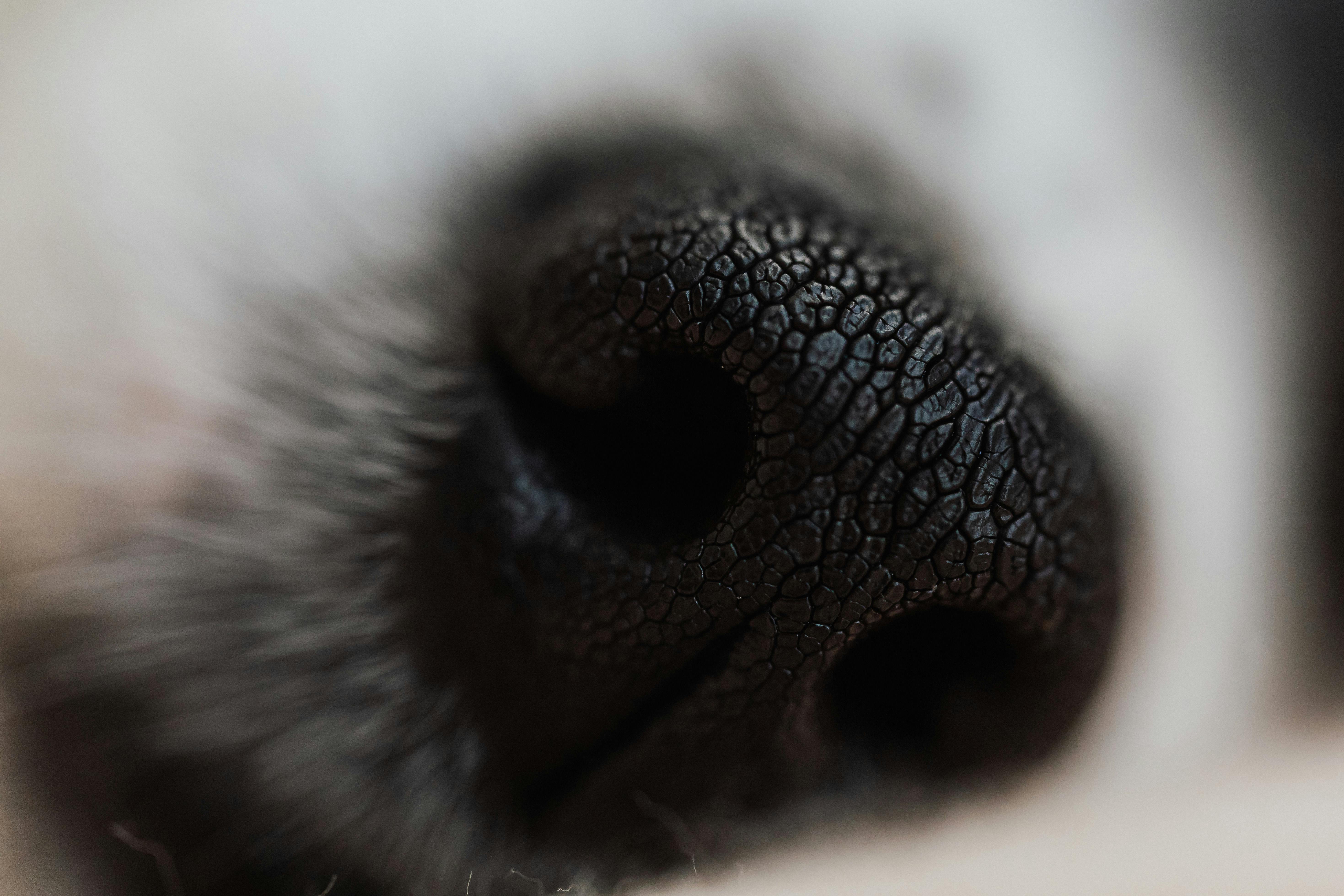 \n\n
\n\nDogs are amazing creatures, and one of their most fascinating features is their wet nose. This unique physical trait goes beyond just being cute; it actually plays a crucial role in how dogs experience the world around them. So, why do dogs have wet noses? It turns out, it’s all about enhancing their sense of smell, which is way more powerful than ours. Let's dive into the fascinating connection between a dog’s wet nose and its incredible olfactory abilities.
\nThe Science Behind Wet Noses
\nThe wetness of a dog’s nose is not just for show; it serves several important functions. Firstly, a wet nose helps to capture scent particles better. When moisture is present, it can trap these particles, making it easier for dogs to detect and identify different smells. Here’s a breakdown of how this works:
\n- \n
- Moisture Attracts Scents: Just like how a sponge absorbs liquid, a wet nose can absorb and hold onto scent molecules. \n
- Temperature Regulation: A dog's nose helps to cool down their body, which can be especially useful during hot weather. \n
- Sensitivity Increase: The moisture on a dog's nose enhances the sensitivity of their olfactory receptors, enabling them to detect even faint smells. \n
Why Do Dogs Have Wet Noses? A Closer Look
\nIf you ever wondered about the evolutionary aspect, it’s pretty interesting. Dogs, or canines in general, have wet noses as a result of their evolution. Wild ancestors relied heavily on their sense of smell for hunting and survival. Here are some key points about the evolutionary context:
\n- \n
- Hunting and Survival: Canines used their noses for tracking prey and avoiding predators, thus wet noses became beneficial for survival. \n
- Communication: Dogs also use their sense of smell to communicate with each other. A wet nose can pick up pheromones, which are chemical signals that convey information about other dogs. \n
- Health Indicator: A wet nose can indicate a dog’s health. If a dog has a dry nose, it might be a sign of dehydration or illness. \n
How Dogs Smell: The Mechanics
\nDogs have an extraordinary ability to smell that’s estimated to be anywhere from 10,000 to 100,000 times more acute than humans. Here's how their nose works in detail:
\n- \n
- Olfactory Receptors: Dogs have about 220 million olfactory receptors compared to humans' 5 million. This means they can detect a wider range of scents. \n
- Vomeronasal Organ: This is an additional sensory organ that helps dogs detect pheromones, which are crucial for social interaction. \n
- Brain Processing: A significant portion of a dog’s brain is dedicated to processing smells, allowing them to identify and remember different scents effectively. \n
Fascinating Comparisons
\nLet’s take a moment to compare human and dog olfactory capabilities. This might help you appreciate just how incredible a dog’s sense of smell truly is.
\n| Feature | \nHumans | \nDogs | \n
|---|---|---|
| Olfactory Receptors | \n5 million | \n220 million | \n
| Scent Detection | \nBasic, limited | \nAdvanced, detailed | \n
| Brain Area for Smell | \nSmall | \nLarge | \n
| Ability to Discriminate | \nModerate | \nHighly developed | \n
Practical Examples of Dog Smell Abilities
\nDogs are often used in various fields due to their exceptional sense of smell. Here are a few examples:
\n- \n
- Search and Rescue: Dogs can locate missing persons in disaster scenarios, thanks to their ability to sniff out human scent. \n
- Medical Detection: Some dogs are trained to detect diseases like cancer or diabetes by smelling changes in a person's body chemistry. \n
- Detection of Substances: Dogs are frequently used by law enforcement to sniff out drugs or explosives. Their noses can detect minute quantities that humans cannot. \n
The Role of Grooming
\nYou might also notice that a dog’s wetness can change throughout the day. Factors like weather, activity level, and grooming play a role. Dogs tend to lick their noses, which keeps them moist. This is part of their grooming routine and helps maintain their olfactory function.
\n- \n
- Active Dogs: More active dogs will naturally have wetter noses due to increased panting and licking. \n
- Environmental Factors: Humidity and temperature can affect a dog’s nose. Hot and dry weather can lead to a drier nose. \n
In summary, a dog's wet nose is not just an adorable feature; it's a vital part of their sensory equipment. From capturing scents to enhancing their olfactory sensitivity, the wetness contributes significantly to how dogs interact with the world. Understanding this connection not only deepens our appreciation of dogs but also highlights their unique capabilities. Next time you see a dog with a shiny, wet nose, remember that it's more than just a charming trait;
\n\nCan Your Dog’s Wet Nose Indicate Their Mood? Unraveling the Mystery
\n\n \n\n
\n\nCan your dog's wet nose indicate their mood? This is a question many dog owners ponder, and while the answer is not entirely straightforward, it sure is interesting. Dogs are known for their unique behaviors, and their wet noses are no exception. So, what’s the deal with those moist snouts? Let’s explore the fascinating truth behind why dogs have wet noses and how they might relate to their emotions.
\nWhy Do Dogs Have Wet Noses?
\nDogs have wet noses for several reasons, and understanding these can give us insights into our furry friends. Here’s a rundown of the main reasons:
\n- \n
- Moisture Regulation: Dogs’ noses helps to regulate their body temperature. Just like sweating in humans, a dog's wet nose helps them cool off. \n
- Enhanced Smell: A wet nose can capture more scent particles in the air. The moisture creates a better environment for detecting scents, which is essential for a dog’s sense of smell. \n
- Health Indicator: A dog's nose can be an indicator of their health. Generally, a healthy dog has a cool, moist nose. If it’s dry or excessively warm, it might signal an issue. \n
The Connection Between Mood and Nose Moisture
\nNow, back to the question of whether a wet nose can indicate a dog's mood. It’s not like dogs have a mood chart that goes along with their nose condition, but there can be some correlations. Here are some things to consider:
\n- \n
- Excitement: When dogs are excited or happy, they tend to lick their noses more often, which can lead to a wetter nose. You might notice this when you come home after a long day or when it’s time for a walk. \n
- Anxiety or Stress: Stress might lead to a dry nose. If your dog is nervous, you might find their nose isn't as moist. This can happen during thunderstorms or when they are around unfamiliar situations. \n
- Relaxation: A dog that is calm and content usually has a wet nose. When they’re resting or feeling secure, it’s common for their noses to remain moist. \n
Factors Affecting Nose Moisture
\nThere are several factors that can affect the moisture level of a dog's nose. Here are some key points:
\n- \n
- Weather: Hot and dry weather can lead to a dry nose, while cooler, humid conditions may promote a wet nose. \n
- Hydration: If a dog is well-hydrated, their nose is likely to be moist. Dehydration can cause their nose to dry out. \n
- Health Conditions: Certain health issues, like fever or illness, can lead to a dry nose. Always monitor your dog’s behavior and nose condition for any concerning changes. \n
Fun Facts About Dog Noses
\nHere are some interesting tidbits about dog noses that you might not know:
\n- \n
- Dogs have about 220 million scent receptors in their noses, compared to humans who have about 5 million. This is why they are so good at sniffing out things. \n
- The texture of a dog’s nose is unique, much like a fingerprint in humans. No two dog noses are exactly the same! \n
- Dogs can detect certain diseases like cancer and diabetes through their sense of smell. \n
Table: Dog Nose Conditions and What They Might Indicate
\n| Condition | \nPossible Interpretation | \n
|---|---|
| Wet and Cool | \nHappy or relaxed dog | \n
| Dry and Warm | \nPossible fever or health issue | \n
| Consistently Dry | \nDehydration or stress | \n
| Moist but Crusty | \nPossible allergy or skin issue | \n
How to Care for Your Dog's Nose
\nMaintaining your dog’s nose is important. Here’s how you can help:
\n- \n
- Hydration: Ensure your dog has access to fresh water at all times. \n
- Humid Environment: If you live in a dry area, consider using a humidifier in your home. \n
- Regular Vet Check-ups: Regular vet visits are essential to catch any underlying health issues early on. \n
Understanding how your dog's wet nose relates to their mood can really help strengthen your bond with them. While it may not be the definitive guide to their feelings, it sure can give you clues about their well-being. So next time you notice that cool, damp nose, remember it might just be a sign that your furry friend is feeling good!
\n\nThe Evolutionary Purpose of Wet Noses: What Every Dog Owner Should Know
\n\n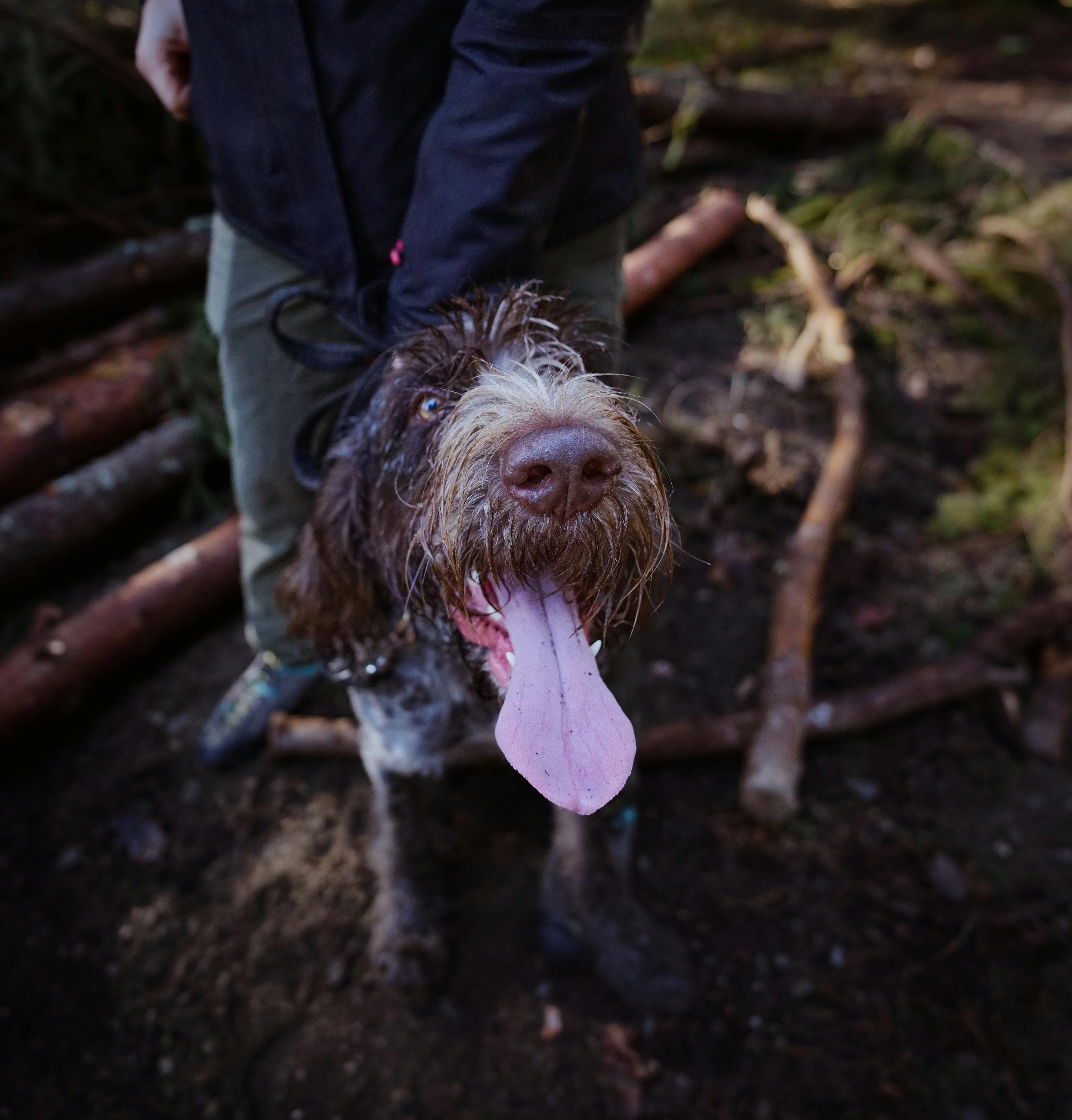 \n\n
\n\nDogs are often called man's best friend, but have you ever stop to wonder why their noses are wet? There is actually a fascinating evolutionary purpose behind it that every dog owner should know. This unique feature not only plays a crucial role in their health but also contributes to their ability to interact with the world around them. So, let’s dive into the question: why do dogs have wet noses?
\nThe Biological Purpose of Wet Noses
\nMost people might think that a wet nose is just an adorable trait of dogs, but it serves several important biological functions. Here’s what you should know:
\n- \n
- Enhanced Smell: A wet nose helps dogs absorb scent molecules better. The moisture on their noses can trap these scent particles, allowing them to gather more information about their environment. \n
- Thermoregulation: Dogs don’t sweat like humans do. Instead, they cool down through their noses. The wetness on their noses helps them regulate their body temperature, especially in warmer conditions. \n
- Health Indicator: A dog’s nose can serve as a health barometer. A normal, wet nose usually indicates good health, while a dry or cracked nose may signal dehydration or illness. \n
Historical Context of Dog Noses
\nIf we look back in history, dogs have evolved from wolves. The wet nose trait is thought to be an adaptation that facilitated their survival. Ancient hunters relied on their keen sense of smell, which was crucial for tracking prey. This evolutionary trait was passed down through generations, becoming a fundamental characteristic of domestic dogs.
\n- \n
- Wolves vs. Dogs: Wolves have wet noses too, which helps them hunt and communicate. Dogs, being descendants of wolves, inherited this trait. \n
- Domestication: As dogs became domestic, their noses continued to play critical roles in social interactions, allowing them to bond with humans. \n
The Science Behind Wet Noses
\nSeveral scientific studies have explored the reasons for wet noses in dogs. Here are some key findings:
\n- \n
- Mucus Gland Functions: The moisture on a dog’s nose comes from mucous glands. This secretion is not just water; it contains proteins that enhance their ability to smell. \n
- Environmental Factors: Dogs also wet their noses by licking them. This behavior can be influenced by their environment; for instance, a dog may lick its nose after sniffing various scents. \n
Fun Facts About Dog Noses
\nHere are some interesting facts that you might not know about dog noses:
\n- \n
- Unique Patterns: Just like human fingerprints, each dog has a unique nose print that can be used for identification. \n
- Nose Temperature: The temperature of a dog’s nose can change. Sometimes, a cool nose is a sign of good health, while a warm nose may suggest a fever. \n
- Scent Discrimination: Dogs can detect certain scents at concentrations as low as 1 part per trillion. \n
Practical Tips for Dog Owners
\nAs a dog owner, it’s essential to pay attention to your furry friend’s nose. Here are some practical tips:
\n- \n
- Regular Checks: Regularly check your dog’s nose for dryness or cracks, as these could indicate health issues. \n
- Hydration: Ensure your dog is well-hydrated, as a dry nose could signal dehydration. \n
- Vet Visits: If you notice any sudden changes in the moisture level of your dog’s nose, it’s best to consult a veterinarian. \n
Comparison: Dog Noses vs. Human Noses
\nLet’s take a quick look at how dog noses compare with human noses:
\n| Feature | \nDog Noses | \nHuman Noses | \n
|---|---|---|
| Moisture Level | \nAlways wet | \nTypically dry | \n
| Sense of Smell | \n10,000 to 100,000 times better than humans | \nLimited to about 5 million scent receptors | \n
| Functionality | \nCooling, scent absorption | \nLimited to breathing and smelling | \n
In conclusion, the evolutionary purpose of wet noses in dogs is a fascinating topic that underscores the uniqueness of our canine companions. Their wet noses not only enhance their sense of smell but also help them regulate body temperature and serve as health indicators. For dog owners, understanding this trait can lead to better care and a stronger bond with their pets, ensuring that they are happy and healthy. So the next time you see your dog’s wet nose, remember it’s not just cute—it’s a vital part of who they are!
\n\nDo Wet Noses Mean a Dog is Happy? Insights from Veterinary Experts
\n\n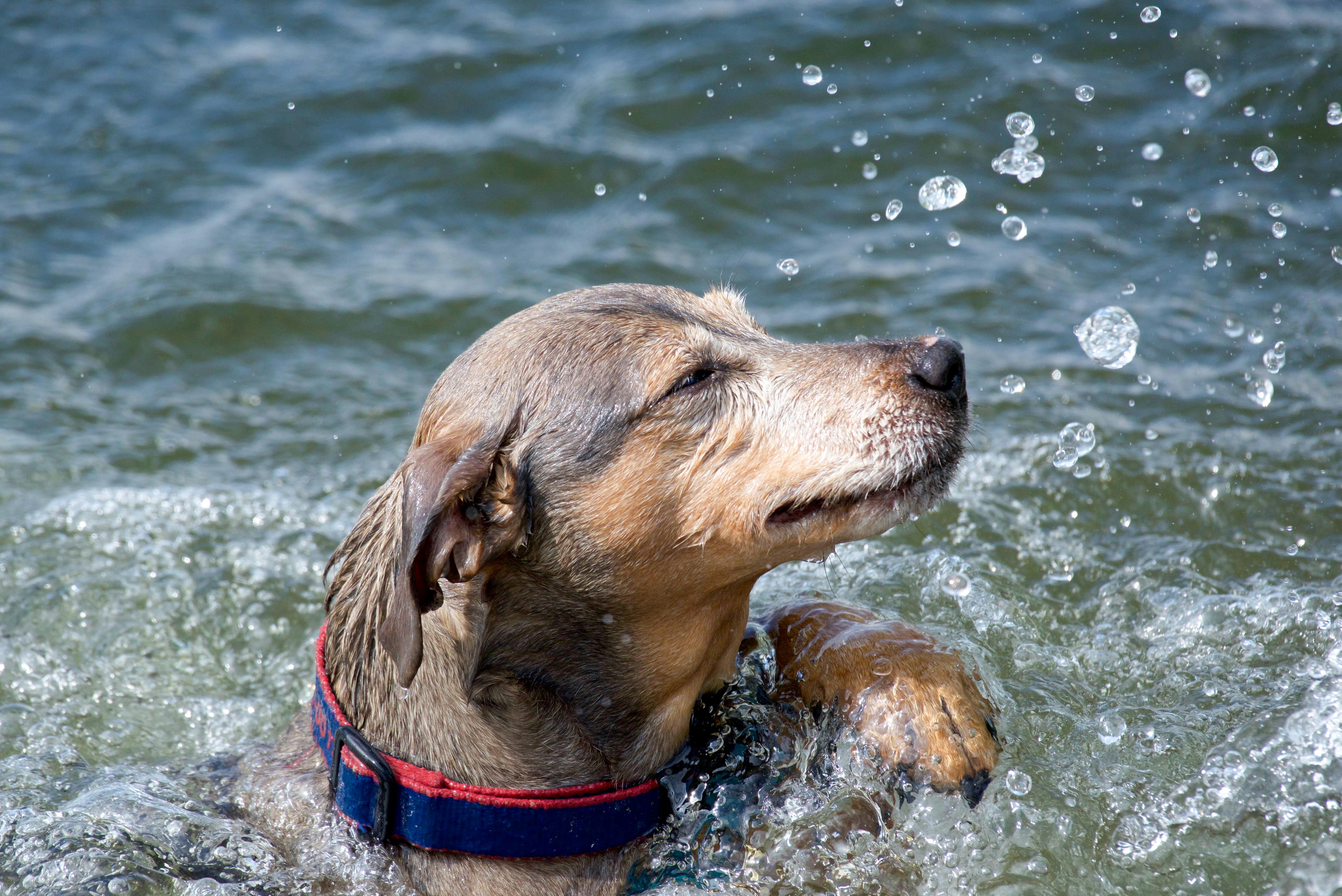 \n\n
\n\nDogs are often considered man’s best friend, and one of their most endearing qualities is their wet noses. Many pet owners, and even those who are not dog owners, often wonder, "Do wet noses mean a dog is happy?" Well, veterinary experts have some insights that can help us understand this fascinating phenomenon.
\nWhy Do Dogs Have Wet Noses?
\nDogs have wet noses for several reasons. Firstly, it helps them to cool down. Dogs don’t sweat like humans do; they primarily rely on panting and their noses to regulate body temperature. A wet nose can help in evaporative cooling.
\nSecondly, a dog's sense of smell is incredibly strong, and a moist nose enhances this ability. The wetness helps to capture scent particles, making it easier for dogs to detect and identify smells. This is why you may notice your furry friend sniffing around a lot. Here are some additional reasons for a dog’s wet nose:
\n- \n
- Thermoregulation: Helps to cool down the body. \n
- Scent Detection: Improves their ability to pick up scents. \n
- Health Indicator: Can reflect a dog's health status. \n
The Connection Between Wet Noses and Happiness
\nNow, let's address the burning question: Does a wet nose indicate that a dog is happy? While a wet nose can be a sign of a healthy and well-hydrated dog, it isn’t always a straightforward indicator of happiness.
\nHere’s a breakdown of what a wet nose could mean:
\n- \n
- Healthy Condition: Generally, a wet nose is a sign of good health; it indicates that the dog is hydrated and not sick. \n
- Excitement: When dogs are excited, they may pant and their noses may become wetter due to increased saliva production. \n
- Behavioral Signals: Dogs express their emotions in various ways, and while a wet nose can be part of their excitement, other behaviors like wagging tails, playful barks, and jumping around are often clearer indicators of happiness. \n
Interesting Facts About Dog Noses
\nDogs' noses are quite remarkable. Here’s some cool trivia:
\n- \n
- Unique Prints: Just like human fingerprints, each dog's nose print is unique. \n
- Temperature Sensitivity: Dogs can detect changes in temperature through their noses. \n
- Scent Discrimination: A dog's sense of smell is estimated to be between 10,000 to 100,000 times more sensitive than that of humans. \n
What Can Affect a Dog's Nose Wetness?
\nSeveral factors can affect whether a dog's nose is wet or dry. Here’s a list of potential influences:
\n- \n
- Weather Conditions: Cold or dry weather can lead to a drier nose. \n
- Health Issues: Conditions like dehydration, fever, or allergies can lead to a dry nose. \n
- Age: Older dogs may naturally have drier noses due to decreased moisture production. \n
Comparing Wet and Dry Noses: What’s Normal?
\nDogs have a range of normal when it comes to nose wetness. Here’s a quick comparison:
\n| Nose Condition | \nPossible Implications | \n
|---|---|
| Wet Nose | \nGenerally healthy; potentially excited | \n
| Dry Nose | \nCould be normal or indicate health issues | \n
| Warm Nose | \nMay suggest fever or dehydration | \n
Practical Tips for Dog Owners
\nIf you’re a dog owner, it’s important to regularly check your pet’s nose along with overall health. Here’s how you can ensure your furry friend stays happy and healthy:
\n- \n
- Hydration: Always provide fresh water, especially during hot days. \n
- Regular Vet Check-ups: Keep up with veterinary appointments to catch any potential health issues early. \n
- Observe Behavior: Pay attention to your dog's behavior and how their nose changes; it can indicate their emotional and physical state. \n
When it comes down to it, a wet nose can be a sign of various things from hydration to excitement. However, it’s just one piece of the puzzle when assessing your dog’s well-being. The real indicators of a happy dog can often be found in their playfulness, energy levels, and how they interact with you and other dogs. So next time you ask, “Do wet noses mean a dog is happy?” remember that while it can be part of the picture, it's not the whole story. Keep an eye on your furry friend and enjoy the wonderful companionship they offer!
\n\nUnderstanding the Benefits of a Wet Nose in Dogs: What Science Reveals
\n\n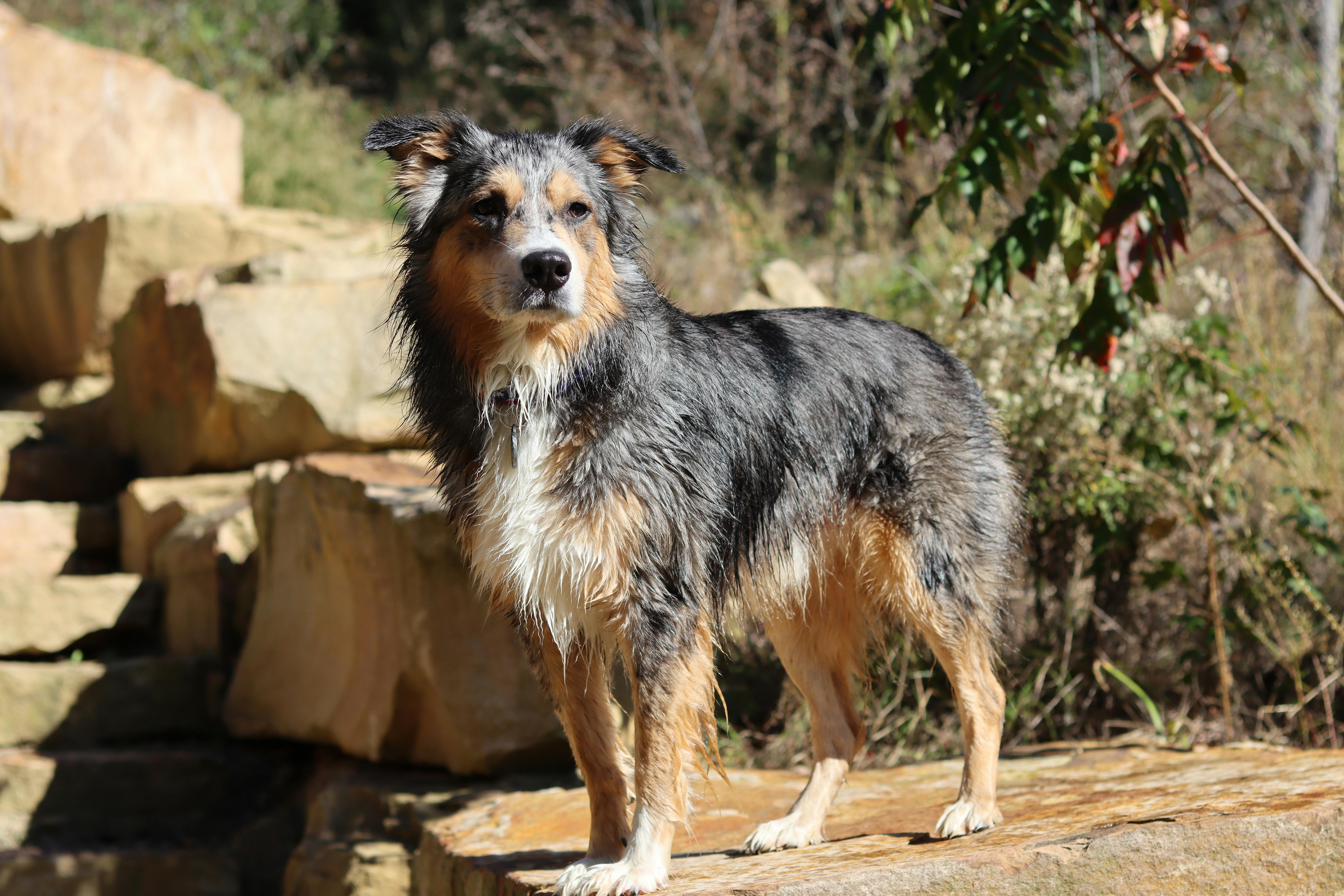 \n\n
\n\nDogs are often seen with their tongues lolling out and noses moist, but have you ever wondered why do dogs have wet noses? This question might seem simple, but the truth behind those adorable wet noses is quite interesting and rooted in science. Understanding the benefits of a wet nose in dogs can provide insight into their health and behaviors that many dog owners might overlook.
\nThe Science Behind Wet Noses
\nDogs noses are wet because of a few reasons. First, it helps them to smell better. Yes, it’s true! The moisture on their noses helps to capture scent particles in the air. When a dog sniffs, the wet surface absorbs these particles, allowing their incredible olfactory system to work its magic. This is why dogs are often seen sniffing around; their wet noses are crucial in their ability to explore and understand their environment.
\n- \n
- The Role of Mucus: The mucus on a dog’s nose serves as a sticky surface that traps odors. This is similar to how certain animals use their tongues to collect scents. \n
- Cooling Mechanism: Wet noses can also help regulate a dog’s body temperature. When they pant, the moisture evaporates and cools the blood vessels in their noses, helping to keep them cool. \n
Evolutionary Perspective
\nFrom an evolutionary standpoint, wet noses are not just a quirky trait but an adaptation that offers survival advantages. Early ancestors of dogs, which includes wolves, had wet noses that helped them hunt and navigate through their surroundings. The ability to detect scents from a distance provided a competitive edge in finding food and avoiding predators.
\n- \n
- Instinctual Behavior: Dogs have inherited this trait from their ancestors. If you think about it, a wet nose not only aids in hunting but also plays a role in social interactions among dogs. A wet nose is often seen as a sign of a friendly and healthy dog. \n
Benefits of a Wet Nose
\nHaving a wet nose does not just make a dog look cute; it also comes with numerous benefits that are crucial for their overall well-being. Here’s a rundown of some key benefits:
\n- \n
- Enhanced Sense of Smell: The moisture traps scent particles, improving the dog’s ability to detect smells. \n
- Temperature Regulation: A wet nose helps in cooling down the body, especially during hot weather. \n
- Health Indicator: A dog’s nose can tell you a lot about their health. A consistently dry or cracked nose might indicate dehydration or illness. \n
- Social Interaction: Dogs often greet each other with nose-to-nose contact. A wet nose is usually a sign of friendly intentions. \n
What Does a Wet Nose Mean for Your Dog’s Health?
\nPet owners might wonder if changes in their dog’s nose moisture could indicate health issues. Here’s what to look out for:
\n- \n
- Normal Conditions: A wet nose is typically a sign of a healthy dog. \n
- Dry Nose Alerts: If your dog’s nose is dry and cracked for an extended period, it might be worth checking in with a vet. \n
- Other Symptoms: Watch for additional signs like lethargy, loss of appetite, or unusual behavior alongside a dry nose. \n
Interesting Facts About Dog Noses
\nDid you know that dog noses have unique patterns, just like human fingerprints? Here’s some fun information about dog noses:
\n- \n
- Nose Prints: Each dog has a unique nose print, which can be used for identification. \n
- Temperature Sensitivity: Dogs can detect temperature changes with their noses, which is why they often nuzzle you for warmth. \n
- Nasal Turbinates: Dogs have complex structures in their noses known as nasal turbinates, which increase their sense of smell. \n
Comparison: Dogs vs. Cats
\nWhile dogs are known for their wet noses, cats have different nose characteristics. Here’s a quick comparison:
\n- \n
- Dogs: Generally have wet noses, which help in smelling and thermoregulation. \n
- Cats: Their noses can be dry or wet, but they rely less on smell compared to dogs. \n
Practical Tips for Dog Owners
\nTo maintain your dog’s nose health, consider these tips:
\n- \n
- Hydration: Ensure your dog drinks enough water, which helps keep their nose moist. \n
- Regular Vet Visits: Regular check-ups can help catch any potential health issues early. \n
- Observe Changes: Always monitor your dog's nose condition and overall behavior for any sudden changes. \n
Understanding the benefits of a wet nose in dogs goes beyond mere curiosity. It’s a fascinating aspect of their biology that connects to their behavior, health, and evolution. So, next time you see your furry friend with that adorable wet nose, you can appreciate the science and history behind it! Remember, a wet nose isn’t just cute; it’s a vital part of your dog’s life and health.
\n\nCommon Myths About Dog Noses: Debunking Misconceptions About Wetness
\n\n\n\nWhen it comes to our furry friends, there are many things people think they know, but often they are wrong. One common topic of discussion is why do dogs have wet noses. Most of us have seen a dog with a nose that’s moist and assumed it’s always a sign of health. But is that true? Let's dive into some common myths about dog noses and uncover the fascinating truth behind their wetness.
\nThe Myth of Wetness Equals Health
\nA popular belief is that a wet nose means a dog is healthy. While it’s true that a dog's nose can be an indicator of their health, it is not always a clear-cut measurement. Here are a few points to consider:
\n- \n
- Normal Variations: Dog noses can be wet due to a variety of reasons, including environmental factors like humidity or moisture from drinking water. \n
- Temperature Fluctuations: A dog’s nose can also change in wetness depending on their activity level or temperature. After a good run, their nose might be drier than usual. \n
So, while a wet nose can be a good sign, it shouldn’t be the only thing you look at to gauge your pet's health.
\nThe Origin of Wet Noses
\nSo why do dogs have wet noses? It’s a question that goes back into history. Traditionally, it was believed that the wetness of a dog's nose helped them smell better. This is because moisture can enhance the olfactory receptors in a dog's nose.
\n- \n
- Improved Smell: The moisture captures scent particles from the air, allowing dogs to detect smells more effectively. \n
- Cooling Mechanism: Dogs do not sweat like humans. Their noses can help cool their body down, which is another reason for that dampness. \n
Dogs and Their Sense of Smell
\nDogs have an incredible sense of smell, which is largely due to the structure of their nose. Here’s a quick comparison to illustrate:
\n| Feature | \nHumans | \nDogs | \n
|---|---|---|
| Number of Olfactory Receptors | \nAbout 5 million | \nUp to 300 million | \n
| Sense of Smell Power | \n1% of a dog's | \n40 times better | \n
| Nose Wetness Function | \nNone | \nEnhances scent detection | \n
This comparison highlights just how remarkable a dog's olfactory capabilities are, which is essential for their survival and interaction with the world.
\nMisconceptions About Nose Colors
\nAnother common myth involves the color of a dog's nose. Some people think a black nose is always better than a pink one. However, this isn't true.
\n- \n
- Breed Differences: Different breeds have different nose colors, and it doesn’t necessarily mean one is healthier than the other. For example, some breeds like the Dalmatian have spotted noses. \n
- Health Indicators: A change in nose color can indicate health issues, but color alone isn’t a definitive measure. \n
The Role of Nose in Dog Behavior
\nMany dog owners notice their dogs sniffing at things constantly. This behavior is more than just curiosity, it’s instinctual. Their wet noses play a big role in:
\n- \n
- Social Interactions: Dogs often greet each other by sniffing noses, a way of gathering information about other dogs. \n
- Tracking and Hunting: Wet noses help them pick up scents much more efficiently, which is why they excel in tracking roles like search-and-rescue. \n
Debunking the Myth of Constant Wetness
\nSome people believe that a dog’s nose should always be wet. This isn’t the case, and here’s why:
\n- \n
- Environmental Factors: Dogs may have drier noses in colder or dryer weather. \n
- Health Changes: A consistently dry nose can indicate dehydration or illness, but it's not an absolute rule. \n
What to Watch For
\nAs a dog owner, it’s important to know when a change in your dog's nose might signal a health issue. Watch for these signs:
\n- \n
- Persistent Dryness: If your dog’s nose is dry for an extended period, it may warrant a vet visit. \n
- Discoloration: If the color changes or if there are cracks, seek professional advice. \n
- Behavior Changes: If your dog seems lethargic or changes eating habits, these can be more telling than the wetness of their nose. \n
Understanding the science behind why do dogs have wet noses can help pet owners make informed decisions about their furry friends. Wet noses are just one piece of the puzzle in understanding dog health and behavior. So next time someone mentions their dog's nose, you can share these insights and debunk some of those common myths!
\n\nHow to Keep Your Dog’s Nose Healthy and Hydrated: Expert Tips and Tricks
\n\n \n\n
\n\nDogs are often known for their wet noses, but have you ever wonder why? It’s a common characteristic that many pet owners notice, yet not everyone knows the reasons behind it. Keeping your dog’s nose healthy and hydrated is essential for their overall wellbeing. So, let’s dive into some expert tips and tricks for maintaining your furry friend’s nose, while also uncovering the fascinating truth behind those wet noses.
\nWhy Do Dogs Have Wet Noses?
\nDogs noses are moist for a number of reasons. First off, the moisture helps to enhance their sense of smell. Dogs have an incredible olfactory system, and a wet nose can capture scent particles more effectively. The surface of the nose has special cells that absorb odors, and that moisture is crucial for this process. Here’s some more insight into the reasons:
\n- \n
- Temperature Regulation: Dogs don’t sweat the same way humans do. A wet nose can help cool them down on hot days. \n
- Scent Detection: The wetness helps to trap smells, making it easier for dogs to detect scents in their environment. \n
- Health Indicator: A dog’s nose can indicate its health. Changes in moisture or texture can signal potential health issues. \n
How to Keep Your Dog’s Nose Healthy
\nMaintaining a healthy and hydrated nose for your dog can be easier than you think. Here are some practical tips to help you ensure that your canine companion stays in tip-top shape:
\n- \n
- \n
Hydration is Key: Always make sure your dog has access to fresh water. Dehydration can lead to a dry and cracked nose.
\n \n - \n
Diet Matters: Feeding your dog a well-balanced diet full of vitamins and minerals can promote overall skin and nose health. Foods rich in omega fatty acids are especially beneficial.
\n \n - \n
Protect from the Elements: Extreme weather can take a toll on your dog’s nose. In cold weather, consider using a dog-safe nose balm to protect it from cracking. On hot days, keep your dog in the shade and avoid excessive sun exposure.
\n \n - \n
Regular Vet Check-ups: Routine check-ups with a veterinarian can help catch any issues early. If you notice changes in your dog's nose texture or moisture, it’s best to consult a professional.
\n \n - \n
Grooming: Regular grooming can help prevent irritants that might affect your dog’s nose. Keep the area around the nose clean and free from debris.
\n \n - \n
Watch for Allergies: Dogs can suffer from allergies just like humans. If your dog’s nose becomes excessively dry or irritated, consider whether they might be reacting to something in their environment.
\n \n
Common Nose Issues in Dogs
\nEven with the best care, dogs can experience nose problems. Here’s a quick rundown of some common issues to watch for:
\n- \n
- Dry Nose: Can indicate dehydration or health issues. \n
- Cracked Nose: Often a result of dry air or lack of moisture. \n
- Nose Discoloration: Changes in color can be a sign of potential health issues. \n
- Nasal Discharge: Mucus or discharge could indicate an infection or another underlying condition. \n
Fun Facts About Dogs' Noses
\nDid you know that a dog’s nose print is unique, much like a human fingerprint? Each dog has a distinct pattern of ridges and creases. Here are some more interesting facts:
\n- \n
- Sense of Smell: Dogs have between 220 million to 300 million scent receptors in their noses, compared to about 5 million in humans. \n
- Nose Temperature: A dog’s nose can change temperature due to various factors, including activity level and environmental conditions. \n
- Sniffing Behavior: Dogs will often sniff to gather information about their environment, and they can even detect emotional changes in humans through scent. \n
Keeping Your Dog’s Nose Hydrated
\nTo keep your dog’s nose hydrated, consider incorporating these strategies:
\n- \n
- Use a Humidifier: Adding moisture to the air can help if you live in a dry climate. \n
- Dog-safe Moisturizers: There are products specifically designed for dogs to keep their noses moisturized. Look for ones that are safe if ingested. \n
- Frequent Water Breaks: Ensure your dog drinks regularly, especially during play or exercise. \n
Nurturing your dog’s nose health is important for their wellbeing. As a pet owner, you can make simple adjustments to promote hydration and prevent common issues. Understanding why dogs have wet noses can enhance your appreciation for these wonderful creatures. Remember, a healthy nose is often a sign of a happy, healthy dog!
\n\nConclusion
\n\nIn conclusion, the wet noses of dogs serve multiple important functions that contribute to their health and well-being. The moisture on a dog's nose helps enhance their sense of smell, allowing them to absorb scent molecules more effectively. Additionally, a wet nose plays a crucial role in thermoregulation and maintaining optimal body temperature, serving as a natural cooling mechanism. Moreover, the presence of mucus on a dog's nose can indicate overall health, as it helps in trapping dust and allergens, providing a protective barrier. Understanding these fascinating aspects of canine anatomy not only deepens our appreciation for our furry friends but also reminds us of the importance of regular veterinary check-ups to ensure their health. So the next time you notice your dog's wet nose, remember it’s more than just a cute feature; it’s a vital part of what makes them unique. Share your insights about your dog's nose and how it reflects their health and personality!
\n\n