Have you ever wondered, why do dogs have wet noses? This intriguing question sparks curiosity among dog lovers and pet owners alike. A dog's nose isn’t just an adorable feature; it plays a vital role in their health and behavior. Many people ask, "Is a wet nose a sign of a healthy dog?" or "What does a dry nose mean?" The truth behind the moisture on your furry friend's snout is more fascinating than you might think! Dogs have wet noses because the moisture helps them to smell better. Their sense of smell is incredibly powerful, and a damp surface enhances their ability to detect scents. Additionally, a dog's nose can give you insights into their well-being. Have you notice how your pup's nose changes with the weather? This can lead to questions about their health and overall condition. In this post, we will explore the science behind wet noses and uncover the secrets that make our canine companions so unique. So, let’s dive into this captivating topic and discover the fascinating truth about why do dogs have wet noses!
\n\nThe Science Behind Wet Noses: Why Do Dogs’ Noses Stay Moist?
\n\n \n\n
\n\nHave you ever wondered why dogs have wet noses? It's one of those things that we all notice but might not think much about. Wet noses are not just cute features of our furry friends; they serve various important purposes. Delving into the science behind this phenomenon reveals fascinating facts about canine biology and behavior.
\nThe Anatomy of a Dog's Nose
\nFirst things first, dog's noses are moist for several reasons. The primary reason is that moisture helps enhance their sense of smell. Dogs got an incredible olfactory system, estimated to be anywhere from 10,000 to 100,000 times more sensitive than humans. Wet noses aid in trapping scent particles, allowing dogs to detect smells more accurately. The moistness helps the olfactory receptors in their noses to work better, making them more effective hunters, trackers, and companions.
\nHow Do Dogs Keep Their Noses Moist?
\nDogs have a few methods to keep their noses moist. Their bodies naturally produce mucus, which keeps the surface of the nose damp. This mucus is often secreted from the nasal passages and can also come from the skin around the nose. Additionally, dogs frequently lick their noses. This behavior not only keeps their noses wet but also helps to clean them.
\nWhy Moisture Matters
\nThe moisture on a dog's nose serves several purposes. Here are a few key points to consider:
\n- \n
- Enhanced Smell: As mentioned, a wet nose traps odor molecules better, which helps dogs identify scents more effectively. \n
- Temperature Regulation: Dogs do not sweat like humans do. Instead, they cool off through their noses and pads on their feet. A moist nose can help regulate their body temperature. \n
- Health Indicator: A dog's nose can indicate its health. A dry or cracked nose may suggest dehydration or illness, while a moist, cool nose is often a sign of a healthy dog. \n
Historical Perspective
\nThe relationship between humans and dogs go back thousands of years. Historically, dogs were bred for specific tasks, including hunting and herding. Their wet noses became an evolutionary advantage, providing them with superior tracking abilities. Ancient civilizations recognized this trait and valued dogs for their hunting prowess.
\nComparisons with Other Animals
\nDogs aren't the only animals with wet noses. Other species, like cats and some mammals, also exhibit similar wetness. However, each animal's nose serves different purposes:
\n- \n
- Cats: Generally have moist noses too, but they rely more on their eyesight and hearing than on smell. \n
- Pigs: Their snouts are moist as well, which aids in rooting around for food. \n
- Rabbits: They have moist noses for scent detection, just like dogs, but they also depend heavily on their hearing. \n
Fun Facts About Dogs' Noses
\n- \n
- Dogs can smell certain diseases in humans, including cancer and diabetes, due to their acute sense of smell. \n
- The pattern and shape of each dog’s nose print is as unique as a human fingerprint. \n
- Puppies are born with dry noses, and they usually become moist as they grow older. \n
Practical Tips for Dog Owners
\nAs a dog owner, it’s important to monitor your dog’s nose for signs of health issues. Here are some practical tips:
\n- \n
- Check Regularly: Look for changes in moisture levels. If your dog’s nose is unusually dry, it could be a sign of illness or dehydration. \n
- Hydration is Key: Ensure your dog has access to fresh water at all times. Dehydration can lead to a dry nose. \n
- Temperature Awareness: Be aware of your dog’s body temperature. If your dog is panting excessively or has a very warm nose, it might be overheated. \n
Understanding why dogs have wet noses not only deepens our appreciation for these beloved animals but also helps us care for them better. From evolutionary advantages to day-to-day health indicators, the moisture on a dog’s nose plays an essential role in their overall well-being. So, next time you pet your dog, take a moment to appreciate that adorable wet nose – it’s more than just cute; it’s a window into their health and happiness.
\n\n5 Fascinating Reasons Why Dogs Have Wet Noses That Will Surprise You
\n\n \n\n
\n\nDogs, our loyal companions, have many quirks that make them unique. One of the most interesting things about them is their wet noses. Many people wonder, "Why do dogs have wet noses?" The answer to this question is not so simple, but there are at least five fascinating reasons that will surprise you. Let’s dive into the science and trivia behind your furry friend's moisture-rich snout.
\n1. Enhanced Smell
\nDid you know that a dog's sense of smell is way better than humans? It's true! Their noses are not just cute but also serve an important purpose. A wet nose helps to enhance olfactory abilities. When a dog's nose is moist, it helps to capture scent particles more effectively. This is because the moisture in the nose helps to dissolve the scents, allowing the receptors in the nasal cavity to pick them up more efficiently. It's like having a super-powered sniffing tool!
\n- \n
- Dogs have around 300 million scent receptors. \n
- Humans only have about 5 million. \n
- The moisture allows scent particles to stick better. \n
2. Thermoregulation
\nAnother fascinating reason why dogs have wet noses is thermoregulation. Dogs don’t sweat like humans do. Instead, they regulate their body temperature through panting and the moisture on their noses. When the air evaporates from their wet noses, it cools them down. This is especially important during hot weather or after energetic play. So, the next time you see your dog with a wet nose, know that it could be helping them stay cool!
\n3. Communication Tool
\nDogs are social animals, and their noses play a vital role in communication. Wet noses can be a sign of excitement, curiosity, or even stress. When dogs greet each other, they often sniff each other’s noses and behinds. This is their way of gathering information about the other dog, like their health, mood, and even what they ate recently. A wet nose can indicate that a dog is more open and friendly, ready for interaction.
\n- \n
- Sniffing is a primary way dogs learn about their environment. \n
- A wet nose might indicate a dog is feeling playful or interested. \n
- Dry noses can sometimes indicate stress or illness. \n
4. Health Indicator
\nThe condition of a dog’s nose can actually tell you something about their health. Generally, a healthy dog will have a moist, cool nose. However, a dry, hot nose might be a sign of dehydration or illness. It’s essential to keep an eye on your dog's nose and overall behavior. If their nose becomes persistently dry, it could be worth a visit to the vet. This is why many dog owners are so attentive to their pups' noses!
\n- \n
- Healthy Nose: Moist, cool \n
- Warning Signs: Dry, hot, or cracked \n
- Regular Checks: Important for overall health monitoring \n
5. Evolutionary Trait
\nLastly, the wet nose is an evolutionary trait that has been passed down through generations. Dogs descended from wolves, who also have wet noses. Over time, this characteristic remained, as it provided survival advantages. The ability to smell better, regulate temperature, and communicate effectively helped these animals thrive in the wild. So the next time you marvel at your pet’s wet nose, remember that it connects them to their wild ancestors.
\n- \n
- Evolution: From wolves to domestic dogs. \n
- Survival: Improved senses and thermoregulation. \n
- Natural Selection: Traits that enhance survival continue. \n
Fun Facts About Dogs' Noses
\n- \n
- Breed Variations: Different breeds may have different nose types, some may be wetter than others. \n
- Color Changes: A dog's nose can change color due to health issues, sun exposure, or seasonal changes. \n
- Unique Patterns: Just like human fingerprints, each dog’s nose has a unique pattern. \n
Understanding why dogs have wet noses not only quenches curiosity but also deepens the bond between humans and their canine friends. It’s amazing how something so simple can hold so much significance in a dog’s life. Next time you give your furry companion a pat, take a moment to appreciate that wet nose — it’s more than just an adorable feature; it’s a complex tool that helps them navigate the world. Dogs are truly remarkable creatures, and their wet noses are just one of the many things that make them special.
\n\nIs a Wet Nose Really a Sign of a Healthy Dog? Uncovering the Myths
\n\n \n\n
\n\nIs a wet nose really a sign of a healthy dog? This question often pops up among dog owners and animal lovers alike. The notion that a wet nose indicates good health is widely accepted but not entirely accurate. Let’s dive into the myths and facts surrounding wet noses in dogs, and uncover the fascinating truth behind why dogs have wet noses!
\nThe Myth of the Wet Nose
\nMany people think that if a dog has a cold and wet nose, it means they are healthy. But that’s not always the case! While a wet nose can be a good sign, it isn't definitive proof of a dog's overall health. Here are some common myths:
\n- \n
- Myth 1: A wet nose means the dog is sick if it's dry. \n
- Myth 2: All healthy dogs have wet noses. \n
- Myth 3: A wet nose is an indicator of hydration. \n
Why Do Dogs Have Wet Noses?
\nNow, let’s talk about why dogs have wet noses. It turns out, there are several scientific reasons for this phenomenon:
\n- \n
- \n
Temperature Regulation: Dogs don't sweat like humans do. Instead, they regulate their body temperature through their nose and panting. A wet nose helps in cooling them down.
\n \n - \n
Enhanced Smell: Dogs have an incredible sense of smell, and a moist nose is essential for this. The moisture on the nose helps capture scent particles, making it easier for dogs to detect odors.
\n \n - \n
Natural Cleaning: The wetness helps keep the nose clean! A moist surface can trap dirt, dust, and other allergens, which can then be wiped away.
\n \n
The Role of Breed and Environment
\nIt's important to note that the moisture level of a dog's nose can vary greatly based on breed, environment, and even time of day. Some dogs naturally have drier noses than others. Here’s a breakdown of how these factors play a role:
\n- \n
- Breed Differences: Some breeds, like Bulldogs, may have drier noses than breeds like Retrievers. \n
- Weather Conditions: In hot weather, a dog’s nose might dry out more, while in humid conditions, it may stay wetter. \n
- Time of Day: A dog’s nose might be drier in the morning after sleeping and become wetter throughout the day. \n
Signs of Potential Health Issues
\nWhile a wet nose isn’t a guaranteed sign of health, a persistent dry nose or unusual changes in nose texture can indicate health issues. Here are some signs to watch for:
\n- \n
- Persistent Dryness: If a dog's nose stays dry for an extended period, it could signal dehydration or other health problems. \n
- Cracking or Bleeding: These symptoms can indicate skin infections or allergies. \n
- Nasal Discharge: If there's unusual discharge or a color change, it could be a sign of an infection. \n
Taking Care of Your Dog’s Nose
\nTo ensure your dog’s nose stays healthy, consider the following tips:
\n- \n
- Hydration: Always provide fresh water to keep them hydrated. \n
- Regular Vet Check-ups: Regular examinations can help catch any health issues early. \n
- Environmental Awareness: Protect your dog’s nose from extreme weather conditions, which can cause dryness or irritation. \n
Fun Facts About Dog Noses
\nHere’s some interesting trivia about dog noses that you might not know:
\n- \n
- A dog’s sense of smell is 10,000 to 100,000 times more acute than humans. \n
- Each dog has a unique nose print, much like human fingerprints! \n
- Dogs have up to 300 million smell receptors in their noses, compared to a human's 5 million. \n
Comparing Wet and Dry Noses
\nHere’s a quick comparison of wet and dry noses in dogs:
\nWet Nose:
\n- \n
- Indicates good scent detection \n
- Helps in temperature regulation \n
- Can trap allergens and dirt \n
Dry Nose:
\n- \n
- May indicate dehydration \n
- Can be a sign of health issues if persistent \n
- Varies by breed and environment \n
In summary, a wet nose can be a good sign, but it shouldn’t be the only measure of your dog's health. Understanding the reasons behind a dog's wet nose and recognizing the signs of health issues can help you be a more attentive pet owner. Remember, regular vet visits and monitoring your dog's overall well-being are key to ensuring their health. So next time you check your pup’s nose, keep these facts in mind!
\n\nHow Your Dog's Wet Nose Helps Them Experience the World: The Amazing Role of Scent
\n\n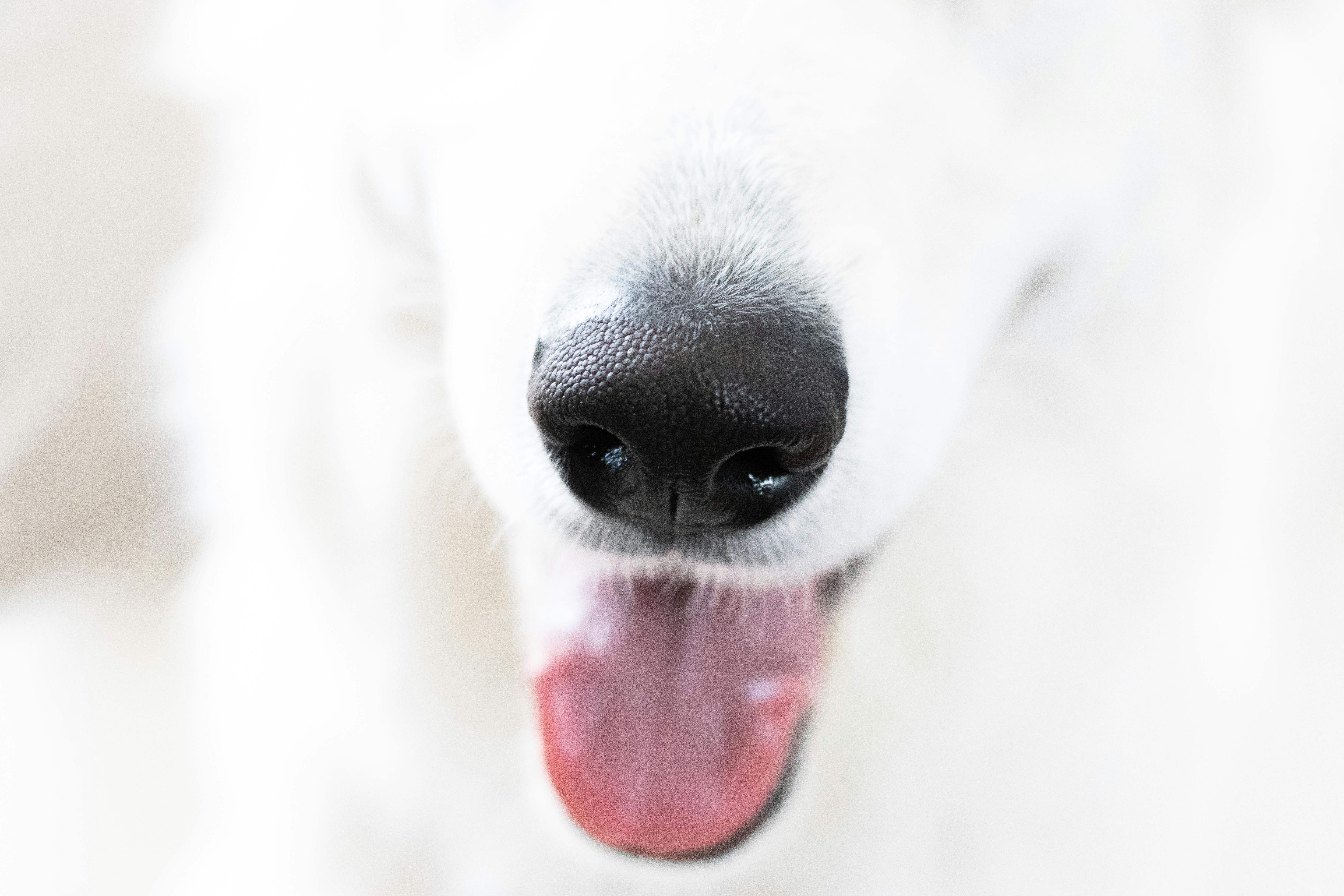 \n\n
\n\nDogs are truly amazing creatures, aren't they? One of the most fascinating aspects of our furry companions is their noses. Have you ever wondered why do dogs have wet noses? The answer to this question goes beyond just an interesting fact; it reveals how dogs interact with the world around them. Their wet noses are not just cute features, they play a vital role in their sense of smell, which is incredibly powerful compared to humans.
\nThe Science Behind a Dog's Wet Nose
\nDogs have a unique ability to smell that surpasses what humans can do. While humans have about 5 million scent receptors in their noses, dogs boast around 300 million. This remarkable difference allows them to detect scents at incredibly low concentrations. But why do dogs noses need to be wet? Well, moisture on the nose helps to capture scent particles in the air. When a dog sniffs, the wet surface traps these particles, enhancing their smelling abilities.
\n- \n
- Moisture Helps in Scent Detection: The wetness on a dog’s nose allows scent molecules to adhere better, which means they can identify smells more accurately. \n
- Temperature Regulation: A wet nose also aids in thermoregulation. Dogs release heat through their noses, helping to cool down their bodies. \n
- Health Indicator: A change in the moisture level of a dog's nose can indicate health issues. For instance, if it’s excessively dry, it may be a sign of dehydration or illness. \n
Historical Context of Dog Noses
\nHistorically, dogs were bred for various purposes, including hunting and herding. Their exceptional sense of smell was a crucial trait that humans relied on. Different breeds have been developed for specific tasks, which often emphasized their olfactory capabilities. For example, Bloodhounds are renowned for their tracking ability, while Beagles are often used in detection roles due to their keen sense of smell.
\n- \n
- Breeds Known for Their Noses:
- \n
- Bloodhound: Famous for tracking scents over long distances. \n
- Beagle: Excellent for detecting drugs and other substances. \n
- German Shepherd: Used in police and military roles, thanks to their strong olfactory senses. \n
\n
The Role of Scent in a Dog's Life
\nScent is a dog's primary means of understanding their environment. They explore the world through smell, which is why you might see your dog sniffing everything during a walk. Their noses can pick up on a variety of scents, and each smell conveys a different message.
\n- \n
- Communication: Dogs communicate with each other through scents. They can tell if another dog is friendly, aggressive, or in heat just by sniffing. \n
- Hunting and Foraging: Dogs use their sense of smell to locate food. Whether they are wild or domestic, this skill remains critical for survival. \n
- Emotional Recognition: Dogs can even detect human emotions through scent. They can sense fear, happiness, or stress based on the pheromones humans release. \n
Why Do Dogs Have Wet Noses? The Fascinating Truth!
\nSo, let’s answer the big question: why do dogs have wet noses? The wetness serves multiple purposes. Aside from enhancing their olfactory capabilities, it also plays a role in their health and well-being.
\n- \n
- Enhanced Smell: Wet noses trap scent molecules more effectively. \n
- Cooling Mechanism: Dogs sweat via their noses, which helps regulate their body temperature. \n
- Health Monitoring: A dry nose can indicate health issues. \n
Fun Facts About Dog Noses
\nHere are some fun and interesting facts about dog noses that you might not know:
\n- \n
- Unique Nose Prints: Just like human fingerprints, every dog has a unique nose print that can be used to identify them. \n
- Temperature Sensitivity: A dog's nose can detect temperature changes, making them excellent for detecting heat sources. \n
- Nasal Turbinates: Dogs have more complex structures in their noses called turbinates, which help filter and humidify the air they breathe, enhancing their ability to smell. \n
Dogs' wet noses are not only adorable but also serve essential functions that enrich their lives and ours. From understanding their world through scent to communicating with other animals, these wet noses are a vital part of what makes dogs so special.
\nIn summary, the next time you see your furry friend with that shiny, wet nose, remember the incredible role it plays in helping them experience the world around them. Whether they are sniffing a new friend or tracking a scent, their unique olfactory abilities are nothing short of amazing.
\n\nWet Noses vs. Dry Noses: What Your Dog’s Nose Temperature Reveals About Their Health
\n\n \n\n
\n\nEver wondered why your dog's nose feel cold and wet? Or why it sometimes seems dry and warm? There's actually a lot more going on with your furry friend's nose than you might think. This article will explore the intriguing differences between wet noses and dry noses, what the temperature of your dog’s nose can reveal about their health, and the question that's probably been on your mind: why do dogs have wet noses anyway?
\nWet Noses vs. Dry Noses: What Do They Mean?
\nDogs noses are like little health indicators! A wet nose is generally seen as a sign of good health. When a dog's nose is cool and moist, it often means they are well hydrated and feeling great. On the other hand, a dry and warm nose could be a sign of dehydration or illness. But, it's not always that straightforward. Here’s a breakdown of what different nose conditions might indicate:
\n- \n
- \n
Wet Nose:
\n- \n
- Typically cool to the touch \n
- Associated with healthy hydration levels \n
- Often seen when dogs are feeling happy or excited \n
\n - \n
Dry Nose:
\n- \n
- Can be warm or hot \n
- Might indicate possible dehydration \n
- Could also be a sign of stress or illness \n
\n
Why Do Dogs Have Wet Noses?
\nSo, why exactly do our canine companions have those famously wet noses? Well, it turns out that there’s more than just one reason. Here are some of the main factors that contribute to a dog's nose being moist:
\n- \n
- \n
Cooling Mechanism: Dogs don’t sweat like humans do. Instead, they regulate their body temperature through panting and their noses. A wet nose helps to cool them down.
\n \n - \n
Sense of Smell: The moisture on a dog's nose helps to capture scent particles from the air. This means that a wet nose can actually improve their sense of smell, which is crucial for their survival instincts.
\n \n - \n
Health Indicator: A wet nose may also demonstrate that your pup is healthy and active. The mucus on a dog's nose is composed of various proteins and is part of their immune system, helping to trap dirt and germs.
\n \n
Factors Affecting Nose Temperature
\nThe temperature of a dog's nose can fluctuate due to several factors. Here’s a quick list:
\n- \n
- Environment: Extreme temperatures, both hot and cold, can affect your dog's nose temperature. \n
- Activity Level: After a walk or playtime, a dog’s nose might warm up due to increased circulation. \n
- Time of Day: Dogs' noses can be cooler in the morning and warmer during the day as they engage in activities. \n
What to Watch For: Health Signs in Your Dog’s Nose
\nIt's important to be observant of changes in your dog's nose temperature and moisture levels. Here are some signs that may indicate an underlying health issue:
\n- \n
- Nose is persistently dry and cracked \n
- Nose becomes excessively warm \n
- Changes in appetite or energy levels \n
- Excessive sneezing or coughing \n
If you notice any of these symptoms, consider consulting your veterinarian for proper evaluation.
\nFun Facts About Dog Noses
\n- \n
- The average dog has about 220 million scent receptors in their noses, compared to only about 5 million in humans. This is why their sense of smell is so much stronger than ours! \n
- Dog noses come in all sorts of shapes and sizes, and each dog's nose print is unique, similar to human fingerprints. \n
- Some breeds, like Bloodhounds, have a particularly keen sense of smell and can track scents that are days old! \n
Comparison: Wet Nose vs. Dry Nose in Dogs
\nHere’s a quick comparison table to summarize:
\n| Feature | \nWet Nose | \nDry Nose | \n
|---|---|---|
| Temperature | \nTypically cool | \nOften warm or hot | \n
| Health Indicator | \nSign of good health | \nPossible dehydration or illness | \n
| Scent Detection | \nEnhanced ability | \nReduced efficiency | \n
| Hydration Level | \nUsually well-hydrated | \nMay indicate dehydration | \n
Understanding your dog's nose is just one piece of the puzzle when it comes to their overall health. But it's a fascinating aspect that showcases the incredible nature of our furry friends. Pay attention to your dog's nose, and you might just learn a lot about their needs and well-being. Remember, while a wet nose is usually a good sign, it's always best to keep an eye on other health indicators. If in doubt, don’t hesitate to reach out to your vet. Your dog deserves the best care possible!
\n\nCurious Canine Facts: Why Do Dogs Have Wet Noses and What It Means for Their Behavior
\n\n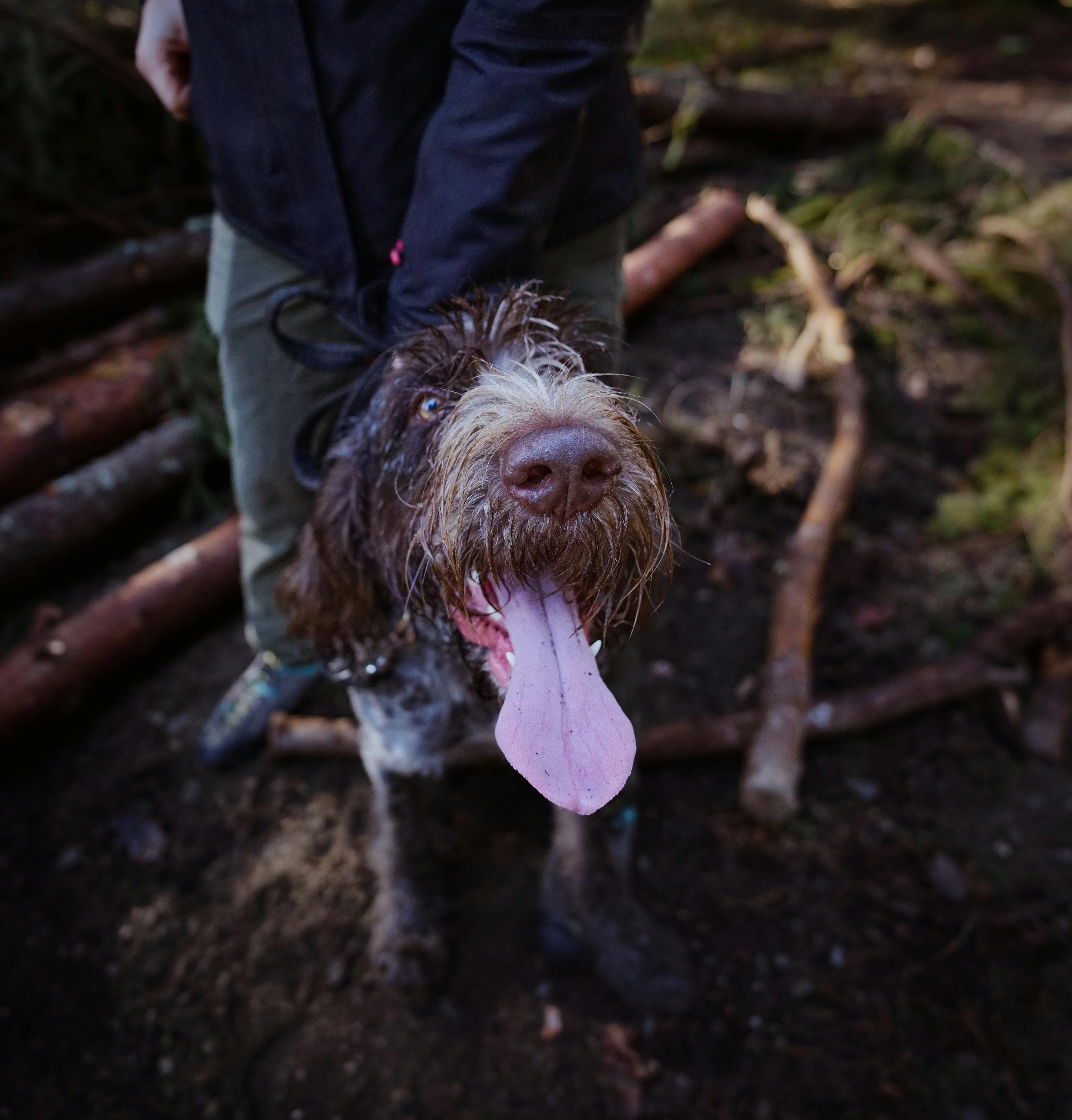 \n\n
\n\nDogs are often described as man's best friend, and they sure have lots of fascinating traits that make them unique. One of the most curious characteristics of our canine companions is their wet noses. Ever wondered why do dogs have wet noses? Well, you're not alone! Many pet owners and animal lovers ponder this question, and the answer is more captivating than you might expect.
\nThe Science Behind Wet Noses
\nDogs have wet noses primarily because of a physiological adaptation. Their noses are covered in a thin layer of mucus, which helps them to smell better. When a dog sniffs around, the moisture on their noses captures scent particles from the air. This enhances their olfactory capabilities, which are already incredibly advanced—about 10,000 to 100,000 times more sensitive than humans!
\n- \n
- Moisture Retention: The wetness also helps to keep their noses cool, which is vital because dogs do not sweat like humans do. Instead, they primarily regulate their body temperature through panting and the moisture on their noses. \n
- Health Indicator: A dog's nose can indicate their health status. Generally, a healthy dog has a moist, cool nose. A dry or warm nose could indicate dehydration or illness, though not always. \n
Historical Context
\nThis wet-nosed trait is not just a random quirk; it has historical significance, too. Early domesticated dogs were bred for specific tasks like hunting or herding. Dogs with wet noses were likely more successful in their roles since they could detect scents better. In fact, breeds like Bloodhounds and Beagles are known for their incredible sense of smell, thanks largely to their moist noses.
\nBehavioral Insights
\nSo, why do dogs have wet noses when it comes to behavior? The moisture on their noses doesn’t just help with scent detection—it also plays a role in communication. Dogs are social animals, and their behavior is often influenced by how they interact with humans and other animals.
\n- \n
- Social Signals: When a dog approaches another dog or a person, a wet nose is often a friendly gesture. It's their way of saying, "Hey, I'm here, and I'm friendly!" \n
- Curiosity and Exploration: Dogs use their noses to explore their environment. A wet nose is often a sign of a curious dog, eager to learn more about the world around them. \n
Fascinating Facts About Dog Noses
\nHere are some interesting tidbits about dog noses that you might not know:
\n- \n
- Unique Nose Prints: Just like human fingerprints, no two dog noses are alike. Each dog has a unique pattern of ridges and creases. \n
- Temperature Sensitivity: Dogs have specialized receptors in their noses that allow them to detect temperature changes, which helps them find food, other animals, or even humans. \n
- Nasal Turbinates: Inside a dog's nose, there are structures called turbinate bones, which increase the surface area for scent detection. This is another reason why their noses are so effective! \n
Comparison: Dog Noses vs. Human Noses
\nLet’s break down some of the key differences between dog noses and human noses:
\n| Feature | \nDog Nose | \nHuman Nose | \n
|---|---|---|
| Scent Detection Capability | \n10,000 to 100,000 times more sensitive | \nRelatively less sensitive | \n
| Moisture Level | \nAlways moist | \nUsually dry | \n
| Unique Prints | \nYes, unique for each dog | \nNo unique prints | \n
| Temperature Regulation | \nHelps cool body | \nSweating for cooling | \n
Practical Examples of Dog Nose Behavior
\nYou might notice your dog’s behavior changing based on the wetness of their nose. For example:
\n- \n
- Excitement: When your dog is excited, their nose may become even wetter. This can signal happiness and eagerness to engage. \n
- Stress or Illness: If your dog’s nose suddenly becomes dry and warm, it might be a sign of stress or even illness. It’s always good to keep an eye on changes in your dog's nose condition. \n
- Temperature Changes: After a walk on a hot day, you might notice your dog’s nose drying out. Make sure to provide plenty of water to keep them hydrated and healthy. \n
Dogs are endlessly fascinating, and their wet noses are just one of the many reasons why they capture our hearts. Understanding why do dogs have wet noses not only enriches your knowledge but also helps you connect better with your furry friend. Next time you see your dog’s wet nose, remember that it’s not just a quirky trait—it’s a vital part of their biology and behavior.
\n\nThe Evolutionary Advantage of Wet Noses: How it Benefits Dogs in Nature
\n\n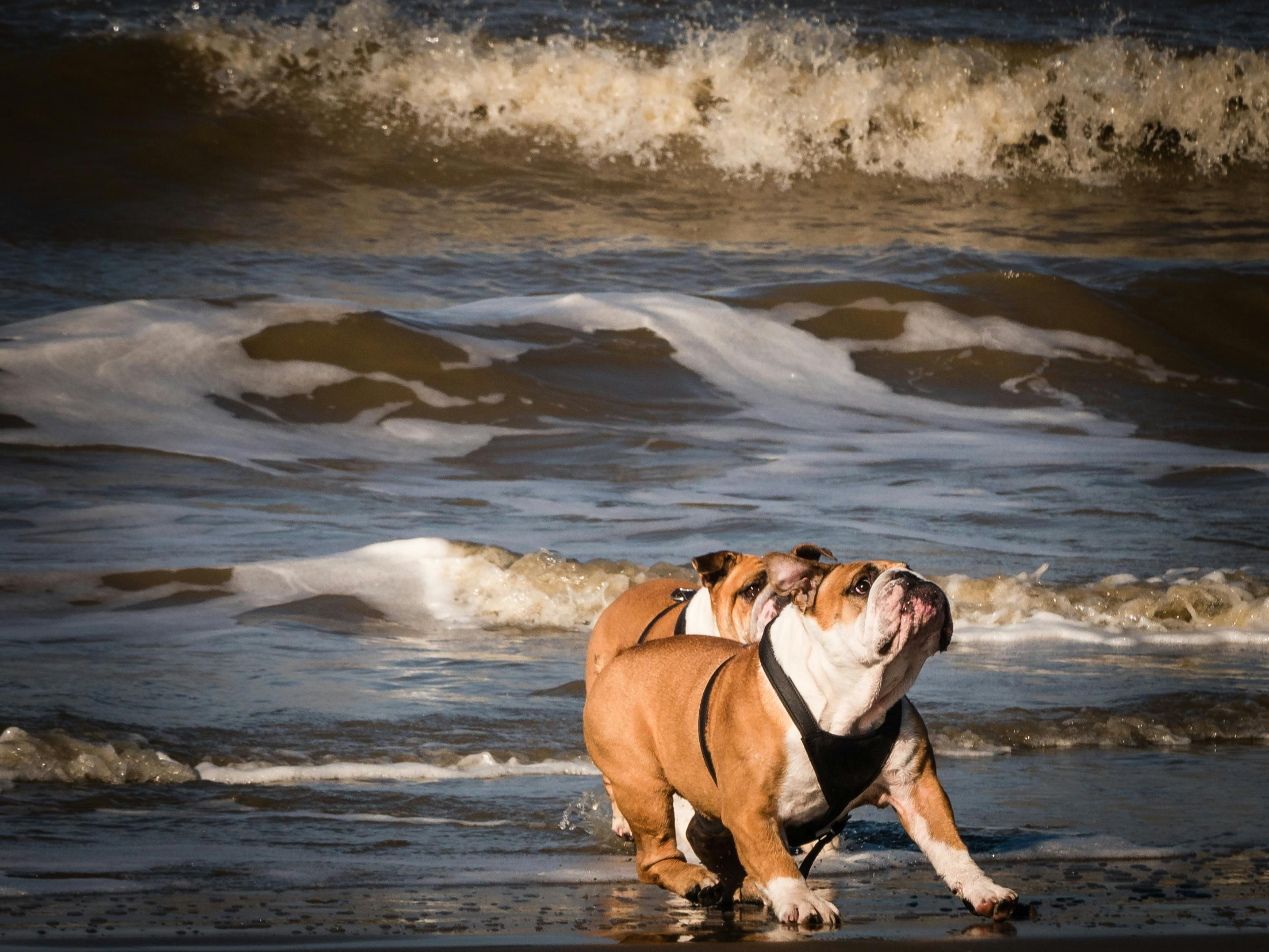 \n\n
\n\nDogs have been by our side for thousands of years, and their unique features often spark curiosity. One of these intriguing characteristics is their wet noses. So, why do dogs have wet noses? What evolutionary advantages do those damp, cool noses provide to man's best friend? Let's dive into the fascinating truth behind this canine feature and explore its natural benefits.
\nThe Science Behind Wet Noses
\nA dog’s nose is not just for sniffing; it's a complex sensory organ. The moisture on a dog's nose plays a crucial role in how they interact with their environment. Here's how it works:
\n- \n
- Enhanced Sense of Smell: Dog noses are powerful — they can detect scents at incredibly low concentrations. The moisture helps trap scent particles, making it easier for them to analyze and identify different smells. \n
- Temperature Regulation: Dogs cannot sweat like humans do. Their wet noses help cool them down, especially during hot days. The evaporation of moisture from their noses can have a cooling effect, similar to sweating. \n
- Health Indicator: A wet nose can also be an indicator of a dog's health. Generally, a healthy dog has a moist nose, while a dry nose can sometimes mean they are sick or dehydrated. \n
Evolutionary Perspective
\nThe wet nose isn't just a random feature. It has evolved over time to benefit dogs in their natural habitats. Some key points about this evolutionary advantage are:
\n- \n
- Hunting and Survival: For ancestral dogs, being able to smell better was critical for hunting and finding food. The wetness of the nose improved their ability to track scents, which increased their chances of survival. \n
- Social Interactions: Dogs communicate with each other through scent. A wet nose can help them better interpret social signals from other dogs, improving their ability to form packs and socialize effectively. \n
- Adaptation to Environments: Different breeds have adapted their noses to suit their environments. For example, hounds have longer noses to enhance their scent-tracking ability, while smaller breeds may have compact noses that serve their needs well. \n
Why Do Dogs Have Wet Noses? The Facts
\nHere are some interesting facts about why dogs have wet noses:
\n- \n
- Sensory Function: Dogs have approximately 220 million scent receptors in their noses, compared to about 5 million in humans. This difference makes their sense of smell about 40 times better. \n
- Chemical Detection: Wet noses can detect pheromones and other chemical signals in the environment, which assists in communication among dogs. \n
- Different Breeds, Different Noses: Not all dogs have the same type of nose. For instance, bulldogs have shorter snouts, which may affect their sense of smell compared to breeds like bloodhounds. \n
The Role of Nose Moisture in Health
\nMaintaining a healthy, wet nose is part of a dog’s overall well-being. Here’s what to look out for regarding your dog's nose:
\n- \n
- Normal Moisture Levels: A healthy dog typically has a moist, cool nose. The moisture can vary throughout the day, depending on activity levels and environmental factors. \n
- Signs of Illness: If your dog's nose becomes excessively dry or cracked, it may indicate dehydration or illness. It's a good idea to consult a vet if you notice significant changes. \n
- Environmental Factors: Factors like dry heat, low humidity, or certain health conditions can affect the moisture level of a dog's nose. \n
Fun Facts About Dog Noses
\n- \n
- Unique Patterns: Just like human fingerprints, each dog’s nose print is unique. \n
- Color Changes: The color of a dog's nose can change based on temperature or emotional state. A dog may have a darker nose when relaxed and a lighter one when agitated. \n
- Scent Memory: Dogs can remember scents for a long time, helping them recognize familiar people and places. \n
The wet nose of a dog is more than just a cute feature. It serves multiple functions that are essential for their survival and overall health. From enhancing their sense of smell to helping them regulate their body temperature, wet noses play a pivotal role in a dog’s life. So next time you see your furry friend, take a moment to appreciate the evolutionary marvel that is their wet nose. It’s a small feature with a huge impact on their existence in nature and their relationship with us.
\n\n7 Signs of a Healthy Dog Nose: Understanding Your Pet’s Unique Moisture Levels
\n\n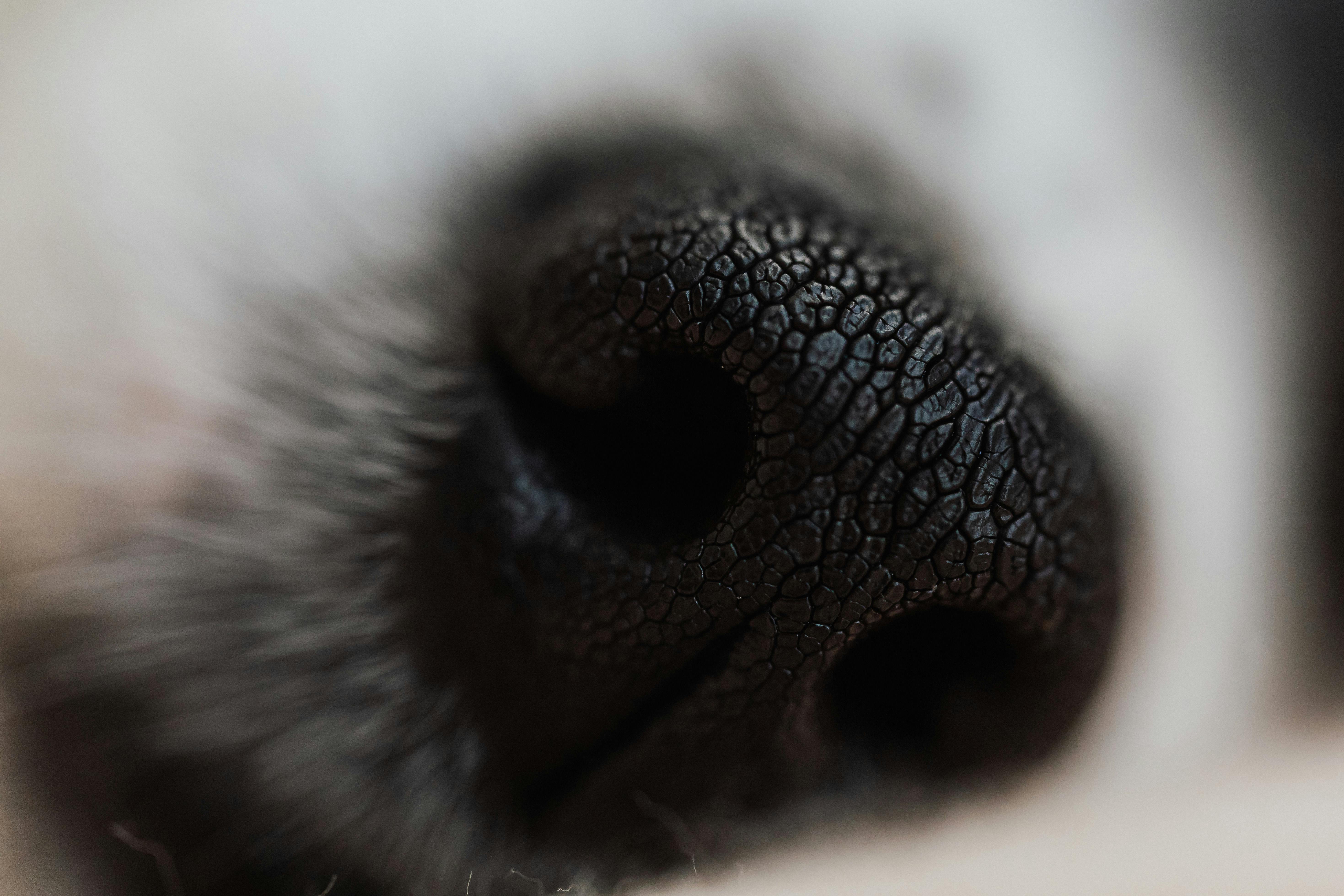 \n\n
\n\nEvery dog owner knows that a dog’s nose can tell a lot about their health. That’s right! The moisture levels of your furry friend’s nose can signal various aspects of their wellbeing. But what exactly should you look for? Here are 7 signs of a healthy dog nose, and we also dive into the question, “Why do dogs have wet noses?” Let’s explore the fascinating truth behind this common canine characteristic!
\n1. Temperature Regulation
\nA dog’s nose is often cooler to touch than the rest of their body. This is because it helps regulate their temperature. When it’s hot outside, your pet's nose can help them cool down. If you find that your dog’s nose feels unusually warm, this might indicate fever or illness.
\n2. Moisture Levels
\nOne of the most well-known signs of a healthy dog nose is its moisture level. A moist nose is usually a good sign. The moisture helps to enhance their sense of smell, which is essential for dogs. They are known to have an incredible olfactory ability, and a wet nose aids this process. If the nose feels dry and cracked, it could mean dehydration or other health issues.
\n3. Color Changes
\nThe color of your dog’s nose can change throughout their life. Generally, a healthy dog nose should be a consistent color, whether it's black, brown, or pink. If you notice sudden changes in color, like turning bright red or showing patches, it could indicate allergies or skin conditions. It’s wise to consult a veterinarian if you see these changes.
\n4. Discharge or Crustiness
\nA healthy dog nose should be free of any discharge. A small amount of clear fluid is normal, but if you see a thick, yellow, or green discharge, that’s usually not a good sign. Crusty build-up can also indicate a problem, such as a bacterial infection or other health concerns. Keeping an eye on these signs helps you catch potential issues early.
\n5. Texture
\nThe texture of your dog’s nose can reveal a lot too. A healthy nose is typically smooth and slightly moist. If the nose feels rough, scaly, or has noticeable bumps, it could indicate skin conditions like dermatitis or other irritations. Regular nose checks can help you stay informed about your pet’s skin health.
\n6. Behavior Changes
\nSometimes, the state of your dog’s nose can be linked to their behavior. If your usually playful pup suddenly becomes lethargic and their nose appears dry, it could be a sign of illness. Monitor your dog’s energy levels and behaviors alongside nose condition to get a fuller picture of their health.
\n7. Seasonal Changes
\nBelieve it or not, the weather can impact your dog’s nose too. In cold weather, you may notice your dog's nose becoming drier or even cracking. This is often due to the dry air. In contrast, during hot, humid weather, you may find their nose staying nice and moist. Keeping your dog hydrated and protecting their nose during extreme weather can help maintain its health.
\nWhy Do Dogs Have Wet Noses?
\nWet noses serve a few important functions. One primary reason is that moisture enhances their sense of smell. Dogs have a unique anatomy in their noses that allows them to detect scents much better than humans. The wetness helps trap scent particles, making them more pronounced.
\nAdditionally, a wet nose can help regulate body temperature, as mentioned earlier. It’s an effective way for dogs to cool off when they get too warm. Interestingly, many people assume that a wet nose means a dog is healthy, but that’s not always the case. Individual dogs have different moisture levels based on their breed, age, and environment.
\nQuick Facts about Dog Noses
\n- \n
- Dogs have an estimated 220 million scent receptors, compared to a human’s 5 million. \n
- A dog’s nose print is as unique as a human fingerprint! \n
- The average dog’s sense of smell is 40 times better than ours. \n
What Can You Do?
\n- \n
- Make regular checks of your dog’s nose part of your routine. \n
- Keep your dog well-hydrated, especially in hot weather. \n
- Consult your vet if there are any concerning changes in their nose's condition. \n
Understanding your dog’s nose can help you catch health issues early and ensure your furry friend stays happy and healthy. Regular monitoring and being aware of these signs can make a significant difference in your pet's life. After all, a healthy nose is often a reflection of an overall healthy dog!
\n\nWhy Do Puppies Have Wet Noses? Exploring the Connection to Their Development
\n\n \n\n
\n\nWhen you see a puppy with a wet nose, you might wonder, “Why do puppies have wet noses?” It’s one of those cute quirks that many dog lovers notice. But there’s more to it than just an adorable feature. It turns out, wet noses in dogs serves a purpose that ties into their health and development. So, let’s dive into the fascinating truth behind this common canine characteristic!
\nThe Science Behind Wet Noses
\nDogs’ noses are wet for several reasons, and it’s not just because they love to explore their world. The moisture on a dog's nose helps them to smell better. The wet surface allows scent molecules to stick, enhancing their sense of smell which is already much better than humans. In fact, dogs can smell between 10,000 to 100,000 times better than we can! Here are some key points about the wetness of their noses:
\n- \n
- Scent Detection: A wet nose helps capture scent particles more effectively. \n
- Temperature Regulation: Dogs also use their noses to help cool down, much like how humans sweat. \n
- Health Indicator: The wetness can reflect a dog’s health status; a dry nose might sometimes indicate illness. \n
Why Do Dogs Have Wet Noses?
\nSo, why do dogs have wet noses, anyway? A lot of it comes down to evolution. Canines evolved from wolves, who depended on their sense of smell for hunting and survival. The moisture on their noses is a trait that has been passed down through generations. Here’s a breakdown of why this feature is so vital:
\n- \n
- Hunting and Tracking: Wet noses help them track scents from prey. \n
- Social Interaction: Dogs often greet each other with nose touches; having a wet nose makes this interaction more effective. \n
- Environmental Awareness: A wet nose helps dogs learn about their surroundings, from other animals to food sources. \n
Developmental Stages and Nose Wetness
\nFrom birth, puppies are born with their eyes and ears closed, and they rely heavily on their sense of smell. As they grow and develop, their noses also play a significant role in their learning process. The wetness of a puppy's nose can change during different stages:
\n- \n
- Newborn Stage: Puppies are born with a moist nose, helping them find their mother for nursing. \n
- Weaning Stage: As they begin to explore, their noses remain wet to help them identify food and other scents. \n
- Adulthood: In adult dogs, the nose stays wet through continual licking and environmental factors. \n
Factors Affecting Nose Wetness
\nNot all dogs will have the same nose wetness at all times. Several factors can influence how wet a dog's nose is:
\n- \n
- Weather Conditions: Humidity and temperature can affect moisture levels. \n
- Health Status: If a dog is sick or dehydrated, their nose may become dry. \n
- Hydration: A well-hydrated dog usually has a wetter nose than one that’s not drinking enough water. \n
Comparing Wet and Dry Noses
\nIt’s helpful to understand the differences between wet and dry noses in dogs:
\n| Feature | \nWet Nose | \nDry Nose | \n
|---|---|---|
| Scent Detection | \nBetter at detecting scents | \nLess efficient in scent detection | \n
| Health Indicator | \nTypically healthy | \nCould indicate illness or dehydration | \n
| Temperature | \nHelps cool the dog | \nMay indicate overheating | \n
Practical Implications for Dog Owners
\nAs a dog owner, knowing about your pet’s nose can help you monitor their health. If you notice changes, it could be a sign of health issues. Here are some things to keep in mind:
\n- \n
- Regular Check-ups: Make sure to have your vet check your dog’s nose during routine visits. \n
- Hydration: Always provide fresh water, especially on hot days. \n
- Observe Behavior: If your dog is acting lethargic or shows a lack of interest in food, check their nose too. \n
Knowing why dogs have wet noses is not just a fun fact; it’s part of understanding your dog’s health and wellbeing. Their wet noses are more than just cute; they play a key role in their lives and development. So the next time you give your puppy a pat and notice that adorable wet nose, remember, it’s doing a lot more than just looking cute!
\n\nThe Importance of a Wet Nose: How It Affects Your Dog’s Communication and Bonding
\n\n \n\n
\n\nDogs are often seen as man's best friend, but have you ever wondered why their noses are wet? It’s a question that many dog owners asks, and the answer is not just simple biology. The wetness of a dog's nose plays a crucial role in how they communicate and bond with us and other animals. Understanding why dogs have wet noses can enhance your relationship with your furry friend.
\nWhy Do Dogs Have Wet Noses?
\nDogs noses are typically wet for a few reasons. First, their wet noses helps them to sense the world around them better. But it’s also a natural part of their physiology. Here are some key points to consider:
\n- \n
- Scent Detection: Dogs have an extraordinary sense of smell, and a wet nose helps to capture scent particles from the air more effectively. \n
- Cooling Mechanism: Dogs don't sweat like humans do. Their noses wetness helps to cool them down, especially on hot days. \n
- Health Indicator: A wet nose can be a sign of a healthy dog. However, changes in wetness can indicate certain health issues. \n
The Science Behind a Dog's Wet Nose
\nThe moisture on a dog's nose comes from a combination of mucus and secretions from the nasal glands. This moisture not only helps in scent detection but also aids in thermoregulation. When a dog licks their nose, they are essentially sampling the scents around them. This behavior is instinctual and shows how dogs interact with their environment.
\nHistorical Perspective
\nHistorically, dogs were bred for specific traits, including their ability to smell. Breeds like Bloodhounds and Beagles have wet noses that allow them to follow scents effectively, which was especially useful for hunting. This characteristic has been passed down through generations, making it an essential aspect of their survival and communication.
\nHow Wet Noses Affect Communication
\nDogs use their noses to communicate. A wet nose can indicate a friendly greeting or curiosity. When a dog approaches another dog with its nose wet and sniffing, it’s a way of saying "Hello, I wanna get to know you!" Here’s how it works:
\n- \n
- Sniffing: Dogs greet each other by sniffing noses, a behavior that allows them to gather information about each other's health, mood, and even diet. \n
- Body Language: A dog with a wet nose is often more relaxed and open to interaction. On the contrary, if a dog’s nose is dry or warm, it might be feeling stressed or unwell. \n
The Bonding Aspect
\nThe bond between humans and dogs is strengthened through various forms of communication, and the wet nose plays a role in that. When a dog nudges you with its wet nose, it can be seen as a sign of affection. Here’s how to interpret those wet nose interactions:
\n- \n
- Affectionate Nudges: When your dog nudges you, it’s often a way of seeking attention or affection. They may be asking for a scratch behind the ears or a play session. \n
- Playful Behavior: Wet noses during play can indicate excitement. Dogs often use their noses to push toys or paw at you to engage in fun activities. \n
Practical Examples of Nose Communication
\nHere are some scenarios where a dog’s wet nose plays a vital role in communication:
\n- \n
- Greeting You: Your dog runs to the door, tail wagging and nose wet, indicating it's happy to see you. \n
- Expressing Need: A wet nose against your leg could mean your dog needs something, like food or a walk. \n
- Calming Signals: If your dog approaches another animal with a wet nose, they are often trying to express peace and friendship. \n
Conclusion
\nUnderstanding why dogs have wet noses goes beyond simple biology; it’s about enhancing communication and bonding with your beloved pet. By recognizing the signs and behaviors associated with a wet nose, dog owners can foster a deeper connection with their furry companions. Just remember, next time your dog greets you with a nose nudge, it’s not just a gesture—it’s a way of expressing love and a desire for interaction. So pay attention to that wet nose and all the meanings it carries—it’s truly a fascinating aspect of your dog's communication!
\n\nConclusion
\n\nIn conclusion, the wet noses of dogs serve several important purposes that contribute to their overall health and communication. The moisture on their noses enhances their sense of smell, allowing them to pick up a wider range of scents in their environment, which is essential for their survival and interaction with the world around them. Additionally, a wet nose helps regulate their body temperature and can indicate their emotional state, making it a vital aspect of canine communication. Understanding these functions not only deepens our appreciation for our furry friends but also highlights the importance of regular veterinary check-ups to ensure their noses—and overall health—remain in optimal condition. As dog owners, paying attention to our pets' noses can offer insights into their well-being. So, next time you greet your pup, take a moment to marvel at that wet nose and all the fascinating biology behind it.
\n\n