Have you ever wondered, why do dogs have wet noses? This intriguing question has baffled many dog owners and enthusiasts alike. A dog's nose isn't just a cute feature—it's a fascinating part of their anatomy that serves important functions. The wetness of a dog's nose plays a crucial role in how they perceive the world around them. But what makes it so special? Is it just for cooling down, or is there more to the story? In this article, we will uncover the fascinating truth behind this common canine characteristic. You'll learn about the science behind a dog's nose moisture, how it affects their sense of smell, and why it might be a sign of their overall health. If you've ever thought, "Why is my dog's nose wet?" or "Is a wet nose a sign of a happy dog?" you're in the right place! Curious to find out why your furry friend’s nose is often damp? Join us as we explore the wonderful world of dog noses and reveal the secrets that lie beneath that adorable snout. Don't miss out on the chance to understand your pet better!
\n\nThe Science Behind Dogs' Wet Noses: What Makes Them So Unique?
\n\n \n\n
\n\nHave you ever wondered why dogs have wet noses? It’s one of those little quirks that make our furry friends even more special. Their moist snouts are not just for show – there’s actual science behind it! In this article, we will explore the reasons why dogs' noses are wet, the evolutionary context, and even some fun facts that will make you appreciate your pet even more.
\nThe Unique Composition of a Dog's Nose
\nDogs have noses that are uniquely designed for a reason. Their wet noses are made up of special glands that help to keep them cool and to enhance their sense of smell. Here are some interesting points about dog noses:
\n- \n
- Moisture: A dog’s nose secretes a thin layer of mucus, which helps to capture scent particles. This is crucial for their incredible sense of smell. \n
- Temperature Regulation: Dogs don’t sweat like humans do. Instead, they often cool off through their noses. The moisture evaporates, helping to regulate their body temperature. \n
- Scent Detection: Dogs have up to 300 million smell receptors in their noses, compared to a human’s 5 million. The wetness of their noses helps in trapping scents, making it easier for them to analyze their surroundings. \n
Why Do Dogs Have Wet Noses?
\nThe question of why do dogs have wet noses can be answered by looking at their biology and behavior. Here’s what makes them so unique:
\n- \n
- Enhanced Olfactory Function: The wetness on their noses helps to absorb scent molecules, increasing their ability to detect and interpret smells. This is why dogs can sniff out drugs, explosives, and even diseases. \n
- Communication: A wet nose can also be a form of communication. When dogs greet each other, they often sniff each other's noses as a way to gather information about one another. \n
- Health Indicator: A dog’s nose temperature and moisture can indicate their health. A warm, dry nose may suggest a fever or illness, while a cool, wet nose is typically a sign of a healthy pup. \n
The Evolutionary Perspective
\nDogs evolved from wolves, and their wet noses are a trait that has been passed down through generations. The benefits of having a moist nose likely gave them an advantage in hunting and foraging. Here’s how it evolved over time:
\n- \n
- Scent-Based Hunting: Early domesticated dogs relied on their sense of smell to hunt and find food. A wet nose would have helped them track scents over long distances. \n
- Adaptation: Over thousands of years, dogs adapted to different environments, but the wet nose remained a consistent feature. This characteristic became essential for survival in various habitats. \n
Fun Facts About Dogs' Wet Noses
\nDid you know there are some fascinating facts about dogs’ noses? Here’s a list of things that might surprise you:
\n- \n
- Nasal Patterns: Just like human fingerprints, each dog has a unique nose print that can be used for identification. \n
- Nose Shape: Different breeds have different nose shapes and sizes, which can affect their ability to smell. For instance, Bloodhounds have longer noses that help them pick up scents better than short-nosed breeds. \n
- Temperature Checks: A dog's nose can actually change in temperature depending on their environment. A cold wet nose in summer could indicate overheating, while a warm one in winter might mean they are unwell. \n
Practical Tips for Dog Owners
\nAs a dog owner, it’s important to understand nose health. Here are some tips to keep in mind:
\n- \n
- Regular Checks: Inspect your dog’s nose regularly. Look for any cracks or dryness which can indicate health issues. \n
- Hydration: Make sure your dog stays hydrated. A well-hydrated dog tends to have a healthier, wetter nose. \n
- Vet Visits: If you notice any sudden changes in your dog’s nose, such as a persistent dryness or unusual discharge, consult your veterinarian. \n
Understanding why do dogs have wet noses gives us insight into their health and behavior. It’s one of those small but important aspects of their biology that enhances our relationship with them. Every time you see that wet nose, you can appreciate the fascinating science behind it, and remember that it’s just one of the many things that makes dogs special companions in our lives.
\n\n5 Surprising Benefits of a Dog's Wet Nose You Never Knew!
\n\n \n\n
\n\nDogs are known for their quirky behaviors and unique characteristics, but one of the most fascinating aspects about our furry friends is their wet noses. You might have wondered, why do dogs have wet noses anyway? The answer is not just about cuteness; it involves a range of surprising benefits that contribute to their health and behavior. Here’s a look at 5 surprising benefits of a dog's wet nose you never knew!
\n1. Thermoregulation: Keeping It Cool
\nDid you know that a dog’s wet nose actually helps them regulate their body temperature? Yes, it’s true! Dogs don’t sweat like humans do. Instead, they have sweat glands mainly in their paw pads. Their noses stay moist to help cool off their body. When a dog pants, moisture on their nose evaporates, which cools the blood flow to their brain. This helps them stay comfortable, especially on hot days.
\n2. Enhanced Sense of Smell
\nA dog’s sense of smell is already remarkable, but the moisture on their noses plays a crucial role in that. The wetness helps capture scent particles from the air, making it easier for dogs to detect different smells. This is why you see dogs sniffing around — it’s not just curiosity, it’s science! The moisture keeps the scent molecules close and enhances their olfactory abilities.
\nWhy Is This Important?
\n- \n
- Tracking Ability: Dogs can follow scents that are days old. \n
- Detection: They can be trained to detect drugs, explosives, and even certain medical conditions like diabetes. \n
3. Communication Tool
\nBelieve it or not, a dog’s wet nose can also serve as a communication tool. When dogs greet each other or humans, they often touch noses. This behavior not only shows affection, but it also helps them gather information about each other. A wet nose can indicate a friendly disposition and openness to interaction, while a dry nose might suggest something is off or that the dog is feeling unwell.
\n4. Health Indicator
\nThe state of a dog’s nose can give clues about their overall health. A healthy dog usually has a cool, wet nose. Conversely, a dry or warm nose might indicate dehydration or illness. While not a definitive diagnostic tool, many pet owners notice changes in their dog’s nose and can use that as a prompt to seek veterinary care. Here are some common conditions linked with a dog’s nose:
\n- \n
- Dry Nose: Could indicate dehydration, fever, or allergies. \n
- Crusty Nose: Might suggest a skin condition or infection. \n
- Excessively Wet Nose: Could be a sign of anxiety or excitement. \n
5. Social Bonding and Affection
\nDogs are social creatures, and they use their noses to bond with humans and other animals. A wet nose can provide comfort and reassurance, akin to a warm hug. When a dog nudges you with their nose, it’s often a way of saying “I love you” or “Let’s play.” This tactile interaction helps strengthen the bond between dogs and their owners.
\nFascinating Truth About Dog Noses
\nTo dive a little deeper into why dogs have wet noses, it’s helpful to explore some interesting facts:
\n- \n
- Nasal Structure: Dogs have a complex nasal structure that allows them to differentiate between various scents. The wetness enhances this ability. \n
- Species Variation: Not all dogs have the same nose moisture levels, as breeds vary in their physical characteristics. \n
- Breed-Specific Traits: Some breeds, like Bloodhounds, have particularly wet noses which aid them in tracking scents more effectively. \n
Summary of the Benefits
\n- \n
- Thermoregulation: Helps keep dogs cool. \n
- Enhanced Smell: Improves their ability to detect scents. \n
- Communication: A tool for social interaction. \n
- Health Indicator: Gives clues about overall well-being. \n
- Bonding: Strengthens relationships with humans and other dogs. \n
With all these benefits, it’s clear that a dog’s wet nose is much more than just a cute feature. It plays a significant role in their health, behavior, and interactions. So, the next time you give your dog a pat on the head and feel that wet nose against your hand, remember that it’s not just a sign of affection, but a fascinating feature with various benefits that enhance their lives and ours. Dogs truly are remarkable creatures with amazing biology!
\n\nDo Wet Noses Mean a Dog is Healthy? Understanding the Connection
\n\n \n\n
\n\nDogs are often seen as man's best friend, and part of the charm of these furry companions is their wet noses. But what does it really means when your dog’s nose is moist? Is it an indicator of health? Many dog owners wonder if a wet nose signifies that their pup is healthy, or if it’s just a normal part of being a dog. Let’s dive into the fascinating truth behind why do dogs have wet noses and what it means for their health.
\nThe Science Behind Wet Noses
\nA dog’s nose is wet for a few reasons. One of the main reasons is that it helps them to smell better. Wet noses increase the surface area and help in capturing scent particles in the air, making it easier for dogs to explore their surroundings. This is super important for them because they rely heavily on their sense of smell to understand the world around them.
\nAnother reason why dogs have wet noses is related to temperature regulation. Dogs do not sweat like humans do. Instead, they cool off by panting and through their noses. A moist nose can help in regulating their body temperature, especially on hot days.
\nDo Wet Noses Mean a Dog is Healthy?
\nThe short answer is, not always. While a wet nose can be a sign of good health, it is not the only factor to consider. Some dogs may have a dry nose and still be perfectly healthy. Here are some common factors that can affect a dog’s nose:
\n- \n
- Hydration: A well-hydrated dog usually has a moist nose. If your dog is dehydrated, the nose may appear dry. Make sure they have access to clean water at all times. \n
- Weather: Hot, dry weather can lead to a dry nose. Conversely, cold and humid conditions can cause a nose to be more moist. \n
- Health Issues: Certain medical conditions can lead to a change in nose moisture. For example, allergies or infections could lead to a dry or crusty nose. \n
- Age: As dogs get older, their noses can change in moisture levels. Older dogs might have drier noses than younger pups. \n
Why Do Dogs Have Wet Noses? A Closer Look
\nHere are some fascinating facts about why dogs have wet noses:
\n- \n
- \n
Enhanced Sense of Smell: Dogs have an incredible sense of smell, estimated to be 10,000 to 100,000 times more sensitive than humans. The moisture on their noses helps absorb scent molecules, allowing them to detect smells better.
\n \n - \n
Communication: A dog’s nose can also play a role in social interactions. When dogs greet each other, they often sniff each other's noses, which can relay important information about health and mood.
\n \n - \n
Health Indicators: While a wet nose can be an indicator of health, changes in texture, color, or temperature can also signal potential health issues. It’s important to monitor any significant changes and consult with a veterinarian if necessary.
\n \n
Common Myths About Dog Noses
\nThere are several myths surrounding the moisture of a dog’s nose. Here are some of the most common ones:
\n- \n
- \n
Myth 1: A Wet Nose Means a Dog is Sick: Not true! A dog can have a wet nose and still be unwell, just as a dry nose doesn’t necessarily mean illness.
\n \n - \n
Myth 2: All Dogs Have Wet Noses: Some breeds naturally have drier noses. For example, breeds like Bulldogs may have a less moist nose due to their unique anatomy.
\n \n - \n
Myth 3: You Can Tell a Dog's Temperature by Their Nose: This is misleading. A dog’s nose temperature does not accurately reflect their overall body temperature.
\n \n
Practical Tips for Dog Owners
\nTo ensure that your dog has a healthy nose, consider the following tips:
\n- \n
- \n
Regular Vet Check-Ups: Make sure to schedule regular veterinary appointments for your dog. A vet can help identify any issues with your dog’s nose or overall health.
\n \n - \n
Hydration: Keep your dog well-hydrated, especially during warm weather. This helps in maintaining a moist nose.
\n \n - \n
Watch for Changes: Keep an eye out for any sudden changes in your dog’s nose, such as cracks, bleeding, or excessive dryness. If you notice anything unusual, consult a veterinarian.
\n \n - \n
Provide Proper Nutrition: A balanced diet plays a role in your dog's overall health, including the condition of their nose.
\n \n
While a wet nose can often be an indicator of a healthy dog, it’s not the only measure of well-being. Understanding why do dogs have wet noses can deepen our appreciation for our furry friends and their unique biology. Keep an eye on their overall health, and remember that every dog is different!
\n\nWhy Are Some Dogs' Noses Wetter than Others? The Factors Explained
\n\n \n\n
\n\nWhen you watch dogs, you might notice their noses are often wet. But have you ever wondered, why do dogs have wet noses? And why are some dogs' noses wetter than others? If you think about it, this is a fascinating topic that goes beyond just looking cute. Let’s dive into the reasons behind this common canine characteristic.
\nThe Science Behind Wet Noses
\nDogs have wet noses because of several biological and physiological factors. The moisture on a dog's nose is actually a mix of water, mucus, and even some scents that help them smell better. Here’s a list of reasons why dogs have wet noses:
\n- \n
- Cooling Mechanism: Dogs primarily sweat through their paw pads. But their noses also play a role in regulating body temperature. A wet nose helps them cool down, which is important especially in hot weather. \n
- Enhanced Smell: A wet nose can help dogs pick up scents better. The moisture traps scent particles, making it easier for dogs to smell things. This is why dogs are often used in search and rescue operations; their sense of smell is significantly more powerful than ours. \n
- Health Indicator: A dog's nose can be a good indicator of their health. A wet, cool nose is often seen as a sign of a healthy dog. Conversely, a dry or warm nose might suggest that something is wrong, although it’s not a foolproof method. \n
Factors That Influence Nose Wetness
\nNot all dogs have the same level of nose wetness. There are several factors that can influence this. Here’s a breakdown:
\n- \n
- Breed Differences: Certain breeds naturally have wetter noses than others. Breeds like Labrador Retrievers and Beagles usually have very moist noses, while others might not. \n
- Environment: The climate can affect how wet a dog’s nose is. In dry climates, some dogs might have drier noses. Conversely, in humid areas, noses tend to be wetter. \n
- Health Conditions: Some health issues can cause a dog’s nose to be unusually dry or wet. For example, a dog with allergies or a respiratory infection may have a drier nose. If you notice drastic changes, it might be wise to consult a veterinarian. \n
Interesting Historical Context
\nThe fascination with dog noses isn't just a modern phenomenon. Throughout history, people have noted the importance of a dog's nose. Ancient cultures often viewed dogs as companions, and their ability to smell was highly valued. For example, in ancient Egypt, dogs were often depicted in art, showcasing their role in hunting and protection.
\nComparison of Wet vs. Dry Noses
\nIt might be helpful to look at the differences between wet and dry noses in dogs. Here’s a simple table to clarify:
\n| Feature | \nWet Nose | \nDry Nose | \n
|---|---|---|
| Temperature | \nCooler | \nWarmer | \n
| Moisture Level | \nHigh | \nLow | \n
| Scent Detection | \nBetter | \nWeaker | \n
| Health Indicator | \nUsually Healthy | \nCould indicate issues | \n
Practical Examples of Nose Wetness
\nConsider a scenario with two dogs, Max and Bella. Max is a Golden Retriever with a wet nose, while Bella, a Shih Tzu, has a drier one. When they go for a walk, Max might be better at picking up scents from the environment, thanks to his moist nose. Bella might not sniff out as many interesting things, but she can still enjoy the walk!
\nFun Facts About Dog Noses
\n- \n
- Dogs have around 300 million scent receptors in their noses, compared to about 5 million in humans. \n
- The texture of a dog's nose is unique, almost like a fingerprint, which is why they can be used for identification. \n
- Puppies are born with pink noses that usually darken as they grow. \n
So, next time you pet a dog and feel that wet nose against your hand, remember it’s more than just an adorable feature. It plays a vital role in their health, behavior, and the way they interact with the world around them.
\nUnderstanding why do dogs have wet noses can deepen your appreciation for these furry friends. Whether they’re cooling down, sniffing out a treat, or just being their lovable selves, dog noses are indeed fascinating. Keep an eye on your own dog’s nose; it can tell you a lot about their well-being and add to the joy of pet ownership!
\n\nThe Fascinating Role of Wet Noses in Canine Communication
\n\n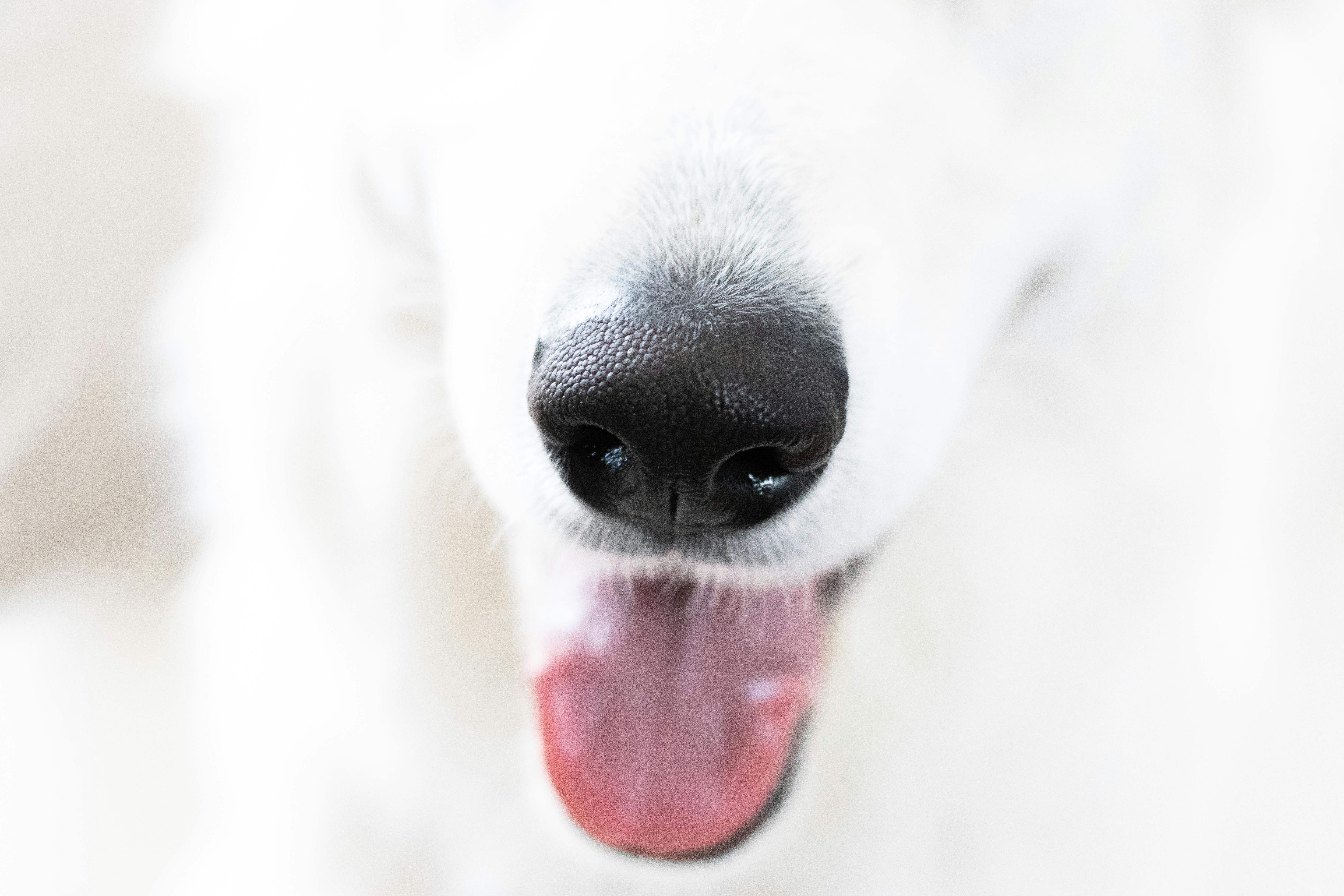 \n\n
\n\nThe world of canine communication is full of surprises, and one of the most intriguing aspects is the role of wet noses. Ever wondered why dogs have wet noses? This characteristic feature is not just cute but serves several important purposes in their lives. Let's dive into this fascinating topic and uncover the science behind those moist little noses!
\nThe Science Behind Wet Noses
\nDogs noses are wet for a reason, and it’s not just because they love to explore. The moisture on their noses plays a crucial role in their sense of smell. In fact, dogs have a sense of smell that is estimated to be anywhere from 10,000 to 100,000 times more sensitive than humans. This incredible ability is partly due to the wetness of their noses.
\n- \n
- Moisture Enhances Smell: A wet nose helps capture scent particles from the air. When the nose is moist, it can absorb these particles better, making it easier for dogs to identify what’s around them. \n
- Cooling Mechanism: Just like humans sweat to cool down, dogs also use their noses. The moisture evaporates, which helps regulate their body temperature. \n
- Health Indicator: The condition of a dog's nose can actually indicate their health. A dry, cracked nose might suggest dehydration or illness, while a wet nose often indicates a healthy pup. \n
A Bit of History
\nThe evolution of dogs and their noses is fascinating. Dogs are descendants of wolves, and over thousands of years, they have adapted to live alongside humans. The wet nose is a trait that has been preserved because of its functional benefits.
\n- \n
- Hunting Skills: Early dogs relied on their keen sense of smell for hunting. A wet nose allowed them to track scents more effectively in various environments. \n
- Social Interaction: Dogs also use their noses to communicate with each other. A wet nose can signal excitement or curiosity, helping them connect with other dogs and humans. \n
How Wet Noses Help Dogs Communicate
\nDogs communicate in many ways, and their noses play a significant role in their social interactions. They use their noses to gather information about their surroundings and other creatures. Here are some ways wet noses aid in canine communication:
\n- \n
- Scent Marking: Dogs have glands in their noses that produce pheromones. When they sniff each other, they gather information about age, health, and even mood. \n
- Greeting Rituals: When dogs meet, they often engage in a sniffing ritual. This behavior helps them learn about each other and establish social bonds. \n
- Emotional States: A wet nose can also indicate a dog’s emotional state. For example, an excited dog may have a particularly moist nose, while a stressed dog might have a drier one. \n
The Role of Environment
\nThe environment can affect the wetness of a dog's nose. Factors such as weather, humidity, and even the dog's activity level can play a part. Here’s a breakdown:
\n- \n
- Weather: Warm, dry conditions may lead to a drier nose, while humid environments can keep it moist. \n
- Activity Level: After playtime or exercise, a dog’s nose may become wetter due to the increased breathing and panting. \n
- Hydration: Just like humans, dogs need to stay hydrated. A well-hydrated dog tends to have a healthier, wetter nose. \n
Fun Facts About Dog Noses
\n- \n
- Unique Patterns: Just like human fingerprints, every dog has a unique nose print which can be used for identification. \n
- Color: The color of a dog’s nose can vary widely, from black to pink, and it can change with age or health conditions. \n
- Temperature Regulation: Dogs can lose heat through their noses, which is why you might notice them panting on a hot day. \n
Practical Tips for Dog Owners
\nAs a dog owner, it’s essential to monitor your dog’s nose health. Here are some tips:
\n- \n
- Regular Check-ups: Visit a vet for regular check-ups to ensure your dog’s nose is healthy. \n
- Hydration: Always provide fresh water to keep your dog hydrated, especially in hot weather. \n
- Observe Changes: If you notice significant changes in your dog's nose, such as excessive dryness or cracking, consult a veterinarian for advice. \n
Understanding why dogs have wet noses can enhance our appreciation for these furry companions. Their noses not only serve a functional purpose, but they also play a vital role in their communication and social interactions. The next time you see a dog with a wet nose, remember, it's more than just an adorable feature; it's a window into their world of smell and communication.
\n\n7 Reasons Your Dog's Nose is Wet: Insights from Veterinary Experts
\n\n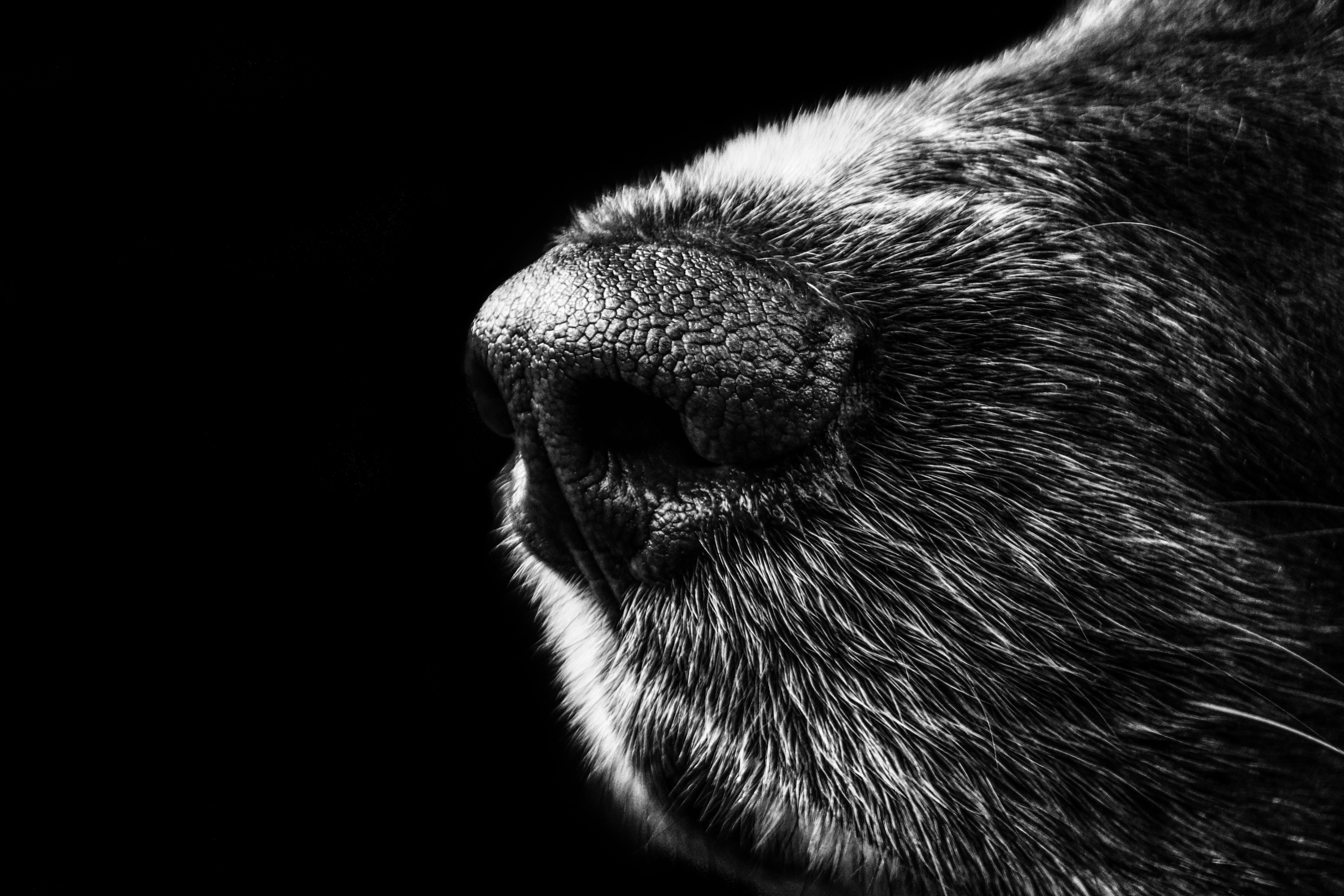 \n\n
\n\nHave you ever wondered why your dog's nose is always wet? It's a curious characteristic that many pet owners notice, but few actually understand. There’s a lot more to it than just moisture! Veterinary experts have some fascinating insights into this common canine feature. Here are seven reasons why your dog's nose is wet, and what it means for their health and behavior.
\n1. Natural Moisture Regulation
\nDogs have wet noses because it helps them regulate their body temperature. Just like humans sweat, dogs release moisture through their noses. This cooling mechanism is essential, especially in warmer weather. The moisture evaporates, which helps to cool down their bodies. It’s like nature’s air conditioning!
\n2. Enhanced Smell
\nAnother interesting fact is that a wet nose improves a dog’s sense of smell. The moisture helps to capture scent molecules in the air, making it easier for dogs to detect odors. This is why dogs can sniff out things we can’t even imagine! Their sense of smell is thousands of times more sensitive than ours, and a wet nose plays a pivotal role in this remarkable ability.
\n3. Health Indicator
\nA wet nose can also indicate a dog’s overall health. Generally, a moist nose is a sign of a healthy pup. However, it’s not the only indicator. Dogs can have varying nose conditions depending on their activity level, the weather, and even their mood. If your dog’s nose suddenly becomes dry or cracked, it might be worth checking in with your vet.
\n4. Behavior and Emotion
\nDogs communicates through their noses too. When a dog’s nose is wet, it might mean they are relaxed and happy. Conversely, if it’s dry, your dog could be feeling anxious or stressed. You might notice that your dog’s nose changes with their emotional state, so paying attention to this can help you understand your furry friend better.
\n5. Seasonal Changes
\nThe weather can greatly affect your dog’s nose. During the summer months, dogs are more likely to have moist noses as they spend more time outside and become more active. In the winter, their noses might dry out due to cold air and heating indoors. This fluctuation is completely normal, but if you notice persistent dryness or cracking, it could indicate a need for more hydration or a visit to the vet.
\n6. Breed Differences
\nNot all dogs have the same type of nose. Some breeds are known to have wetter noses than others. For example, breeds like Labrador Retrievers and Beagles are often seen with moist noses, while others, like Bulldogs, might have drier noses. This could be due to their unique genetic makeup and environmental factors. If you’re curious about your specific breed, it might be fun to do a little research!
\n7. Licking Behavior
\nDogs often lick their noses to keep them moist. This is a natural behavior that helps maintain the wetness of their noses. It’s also a way for them to comfort themselves or to express excitement. If you see your dog frequently licking their nose, it's usually nothing to worry about. They are just being their adorable selves!
\nQuick Summary of Reasons Dogs Have Wet Noses:
\n- \n
- Natural Moisture Regulation: Helps cool down their body. \n
- Enhanced Smell: Captures scent molecules for better detection. \n
- Health Indicator: Generally indicates good health, but monitor for changes. \n
- Behavior and Emotion: Reflects their emotional state. \n
- Seasonal Changes: Moisture levels can fluctuate with the weather. \n
- Breed Differences: Certain breeds have wetter noses than others. \n
- Licking Behavior: Dogs lick their noses to keep them moist. \n
Each dog is unique, and it’s essential to notice variations in their behavior and health. If you ever feel concerned about your dog’s nose or overall health, consulting with a veterinary professional is always a good idea. Understanding why dogs have wet noses can provide valuable insights into their well-being and enhance the bond you share with your furry companion. So next time you give your pup a scratch behind the ears, remember that their wet nose is more than just an endearing quirk—it’s a fascinating aspect of their biology and behavior!
\n\nHow a Dog's Wet Nose Affects Their Sense of Smell: The Incredible Facts
\n\n\n\nHave you ever wondered why dogs have wet noses? This curious feature is not just an adorable trait; it actually plays a significant role in their incredible sense of smell. The fascinating truth behind a dog’s wet nose reveals a lot about how they interact with the world around them. Let’s dive into the science and facts that explain why a dog’s wet nose is more than just a cute characteristic.
\nThe Science of a Dog's Nose
\nA dog's nose is a complex sensory organ. Unlike humans, who have around 5 million scent receptors, dogs have approximately 300 million! This makes their sense of smell 40 times more powerful than ours. But what does a wet nose have to do with this extraordinary ability? The moisture on a dog’s nose helps in various ways:
\n- \n
- \n
Enhances Scent Detection: When a dog's nose is wet, it can better absorb scent particles from the air. This moisture traps odors, allowing dogs to detect them more efficiently.
\n \n - \n
Temperature Regulation: A wet nose also helps regulate a dog’s body temperature. Dogs don’t sweat like humans do; instead, they cool themselves through panting and the evaporation of moisture from their noses.
\n \n - \n
Health Indicator: The state of a dog's nose can indicate their health. A warm, dry nose might suggest illness, whereas a cool, wet nose is often a sign of a healthy pup.
\n \n
Why Are Dog Noses Wet?
\nSo, why do dogs have wet noses? The reasons are quite interesting and involve both biology and behavior. Here’s a breakdown of the key factors:
\n- \n
- \n
Glandular Activity: Dogs have specialized glands in their noses that secrete mucus. This mucus keeps the nose moist and helps with the absorption of scents.
\n \n - \n
Licking Behavior: Dogs often lick their noses. This behavior not only keeps their noses wet but also helps to collect smells from their surroundings.
\n \n - \n
Environmental Factors: Weather can affect how wet a dog's nose is. For example, humid conditions can lead to a wetter nose, while dry climates can cause it to dry out.
\n \n
Fascinating Facts About Dog Noses
\nHere are some incredible facts about those wet noses:
\n- \n
- \n
Dogs can identify certain smells and differentiate between them even if they are present in very small concentrations.
\n \n - \n
A dog’s sense of smell can detect certain diseases, such as cancer or diabetes, in humans.
\n \n - \n
The wetness of a dog’s nose can change depending on the time of day or their activity level.
\n \n - \n
Dogs have a unique scent print, much like a human fingerprint. No two dogs have the same nose print!
\n \n
Comparison: Dog Noses vs. Human Noses
\nTo understand just how remarkable dog noses are, let’s compare them to human noses:
\n| Feature | \nDogs | \nHumans | \n
|---|---|---|
| Scent Receptors | \n~300 million | \n~5 million | \n
| Smell Sensitivity | \n40 times stronger | \nStandard human sensitivity | \n
| Nose Moisture | \nTypically wet, enhances smell | \nUsually dry, less sensitive | \n
| Purpose of Smell | \nHunting, identification, communication | \nBasic identification, food | \n
Practical Examples of Dog's Sense of Smell
\nDogs use their remarkable noses for various tasks that humans have trained them to do, such as:
\n- \n
- \n
Search and Rescue: Dogs are often used in search and rescue operations because of their ability to locate missing persons through scent.
\n \n - \n
Detection Work: Law enforcement agencies use dogs to sniff out drugs, explosives, and even missing persons.
\n \n - \n
Therapeutic Uses: Some dogs are trained to detect medical conditions, such as seizures or low blood sugar in diabetic patients.
\n \n
The Bottom Line
\nUnderstanding how a dog's wet nose affects their sense of smell reveals just how extraordinary these animals are. Their ability to detect scents is unmatched, and the moisture on their noses is vital for this incredible gift. So next time you see your furry friend with that adorable, wet nose, remember that it’s not just cute—it's a critical tool that helps them navigate their world. Embracing the quirks of our canine companions not only deepens our bond with them but also enriches our understanding of these remarkable creatures.
\n\nCan a Dog's Wet Nose Predict Illness? Exploring the Myths and Truths
\n\n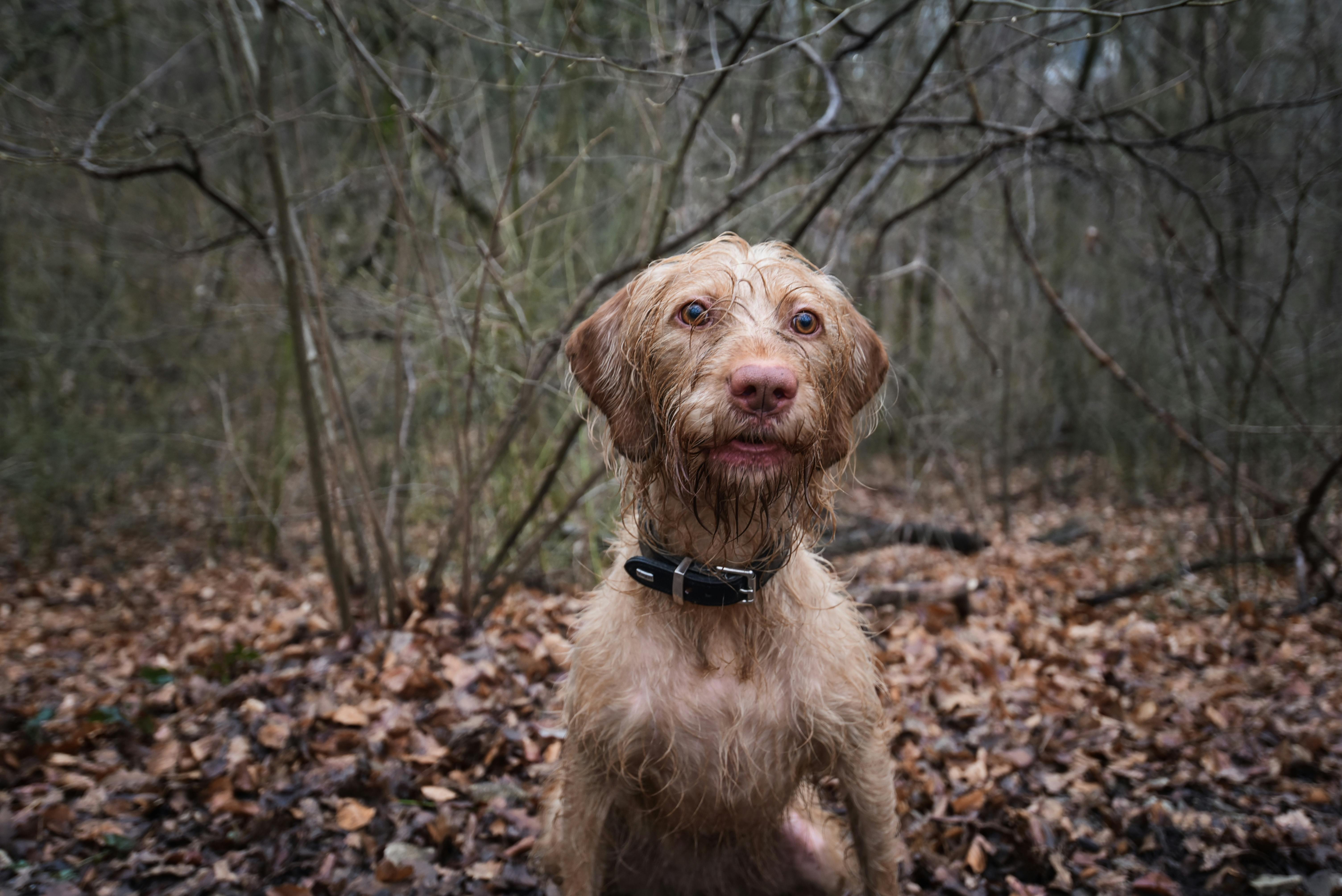 \n\n
\n\nDogs have long been our faithful companions, but their wet noses often spark curiosity and even myths in the realm of pet care. Many people wonder, can a dog's wet nose predict illness? And while some may claim to have experienced predictive abilities from their furry friends, the truth can be a little less mystical and more scientific. So, let's explore the fascinating truth behind our canine companions' wet noses and their supposed connection to health.
\nWhy Do Dogs Have Wet Noses?
\nFirst things first, why do dogs have wet noses? The answer lies in a combination of biology and behavior. Here are some of the core reasons:
\n- \n
- \n
Thermoregulation: Dogs don’t sweat like humans do. Instead, they rely on their noses and panting to help cool down. The moisture from their noses evaporates, which cools down their body temperature.
\n \n - \n
Scent Detection: A wet nose can enhance a dog’s ability to smell. The moisture helps to capture scent particles, making it easier for them to detect odors. This is particularly important considering dogs have up to 300 million olfactory receptors in their noses, compared to about 6 million in humans.
\n \n - \n
Natural Lubrication: The mucous membranes in a dog’s nose produce a wetness that helps to keep the nose healthy. This moisture can also help to ward off bacteria and infections.
\n \n - \n
Communication: Dogs use their noses to gather information about their environment and other animals. A wet nose can be a sign of a happy and healthy dog, ready to explore and interact.
\n \n
Can a Dog's Wet Nose Predict Illness?
\nNow, onto the intriguing question: Can a dog’s wet nose predict illness? While many pet owners may have noticed changes in their dog's nose, like becoming dry or warm, this doesn't necessarily mean illness is lurking.
\nHere’s what you should know:
\n- \n
- \n
Normal Variations: A dog's nose can change throughout the day. Weather conditions, physical activity, and even time of day can affect the moisture level of a dog’s nose.
\n \n - \n
Signs of Illness: While a dry or warm nose can sometimes indicate illness, it’s not a definitive sign. Common illnesses might present other symptoms like lethargy, loss of appetite, or vomiting. It’s important to look for a combination of signs rather than relying solely on the state of the nose.
\n \n - \n
Veterinary Insights: Veterinarians often say that while a wet nose is a good indicator of hydration and health, it should not be the sole measure of a dog's wellbeing. Regular check-ups and being aware of behavioral changes are far more important.
\n \n
The Myths Behind Wet Noses
\nThere are numerous myths regarding dogs and their noses. Let’s break down some of the more popular ones:
\n- \n
- \n
Myth 1: A warm, dry nose always means the dog is sick.
\n- \n
- Truth: A dog's nose can vary in temperature and moisture due to many factors. \n
\n - \n
Myth 2: A dog's nose can predict the weather.
\n- \n
- Truth: While dogs may react to atmospheric changes, the idea that noses can forecast weather is more folklore than fact. \n
\n - \n
Myth 3: All dogs have wet noses.
\n- \n
- Truth: Some breeds naturally have drier noses, and environmental conditions can also affect this. \n
\n
Practical Tips for Dog Owners
\nIf you're a dog owner, it's essential to be aware of your pup's health beyond just their nose. Here are some practical tips:
\n- \n
- \n
Monitor Behavior: Keep an eye on changes in behavior, eating habits, and energy levels.
\n \n - \n
Regular Vet Visits: Schedule routine check-ups with a veterinarian to ensure your dog stays healthy.
\n \n - \n
Hydration is Key: Make sure your dog has access to fresh water at all times to maintain a healthy nose and body.
\n \n - \n
Know Your Dog: Understanding your dog's normal state helps you spot any worrying changes more easily.
\n \n
Final Thoughts
\nDogs are fascinating creatures, and their wet noses can tell us a lot about their health, but it's essential to look beyond just that. While many myths exist, the key to understanding a dog’s health lies in observing their overall behavior and well-being. A dog's nose may be wet, but the real indicators of health are often found in their actions and interactions. By staying informed and proactive, you can help ensure your furry friend remains happy and healthy for years to come.
\n\nThe Evolutionary Purpose of Wet Noses in Dogs: Nature's Design
\n\n \n\n
\n\nHave you ever wonder why dogs have wet noses? It’s something that a lot of people might not even think about, but there’s actually some fascinating science behind it. The evolutionary purpose of wet noses in dogs is a great example of nature’s design at work. Let’s dive into the reasons why your furry friend’s nose is always damp and what it means for their health and wellbeing.
\nThe Science Behind Wet Noses
\nWhen you touch a dog's nose, it feels cool and wet. This moisture isn't just for show! Dogs have wet noses for several important reasons. Here are some key points:
\n- \n
- \n
Cooling Mechanism: Dogs don’t sweat like humans do. Instead, they rely on their noses to help regulate body temperature. The moisture in their nose helps to cool them down through evaporation.
\n \n - \n
Enhanced Sense of Smell: A wet nose can help dogs smell better. The moisture traps scent particles, making it easier for dogs to detect a wider range of smells. Dogs have an extraordinary sense of smell, and wet noses enhance that ability even more.
\n \n - \n
Health Indicator: A wet nose can also be a sign of health. Generally, a healthy dog has a moist nose, while a dry nose can indicate dehydration or illness.
\n \n
Historical Context of Dogs' Noses
\nTo understand why dogs have wet noses, we should take a look at their ancestors. Dogs evolved from wolves, who needed keen senses to hunt and survive. The wet nose is an adaptation that has been passed down through generations. Here’s how it worked:
\n- \n
- \n
Survival Skills: Wolves relied heavily on their sense of smell to find food and detect danger. A wet nose increases the ability to pick up scents in the environment, crucial for survival.
\n \n - \n
Domestication: As dogs became domesticated, their noses still retained this important function, which is why it’s still relevant today.
\n \n - \n
Breeding: Different dog breeds have varying nose shapes and sizes, but the wetness remains a common feature across breeds.
\n \n
What Happens When a Dog’s Nose is Dry?
\nSometimes, dog owners might notice their pet’s nose is dry. This can be concerning, but it’s important to understand that not every dry nose indicates a problem. Here are some reasons why a dog might have a dry nose:
\n- \n
- \n
Dehydration: If a dog isn't drinking enough water, their nose might dry out.
\n \n - \n
Illness: Certain health issues can lead to a dry nose, including fever or allergies.
\n \n - \n
Environmental Factors: Hot weather or low humidity can dry out a dog’s nose.
\n \n
Wet Nose vs. Dry Nose: What’s Normal?
\nIt’s good to know the difference between a healthy wet nose and a dry one. Here’s a simple guide:
\n| Condition | \nWet Nose | \nDry Nose | \n
|---|---|---|
| Temperature | \nCool to the touch | \nWarmer than usual | \n
| Moisture | \nMoist and slippery | \nCracked or flaky | \n
| Health Indication | \nTypically healthy | \nMay indicate health issues | \n
Practical Tips for Dog Owners
\nAs a dog owner, you may want to ensure your pet’s nose stays healthy. Here’s a few practical tips:
\n- \n
- \n
Hydration: Always provide fresh water for your dog. Dehydration can lead to a dry nose, so keep them hydrated.
\n \n - \n
Check for Changes: If you notice a sudden change in your dog’s nose, it might be worth consulting a vet. Changes can sometimes signal health issues.
\n \n - \n
Environmental Care: If it’s hot or dry outside, consider keeping your dog indoors or providing them with a cool place to rest.
\n \n
Fun Facts About Dogs' Noses
\n- \n
- A dog’s sense of smell is estimated to be between 10,000 to 100,000 times more sensitive than humans. \n
- Dogs have a special organ, called the Jacobsen's organ, that helps them process smells even better. \n
- The moisture on a dog's nose can change throughout the day based on their activities. \n
Understanding why dogs have wet noses not only deepens our appreciation for their unique biology but also helps us care for them better. Those wet noses are not just cute; they serve vital purposes that enhance their lives and ours! So next time you get a wet kiss from your dog, you might just think about all the science behind that little, damp nose.
\n\nHow to Keep Your Dog's Nose Healthy: Tips for Pet Owners
\n\n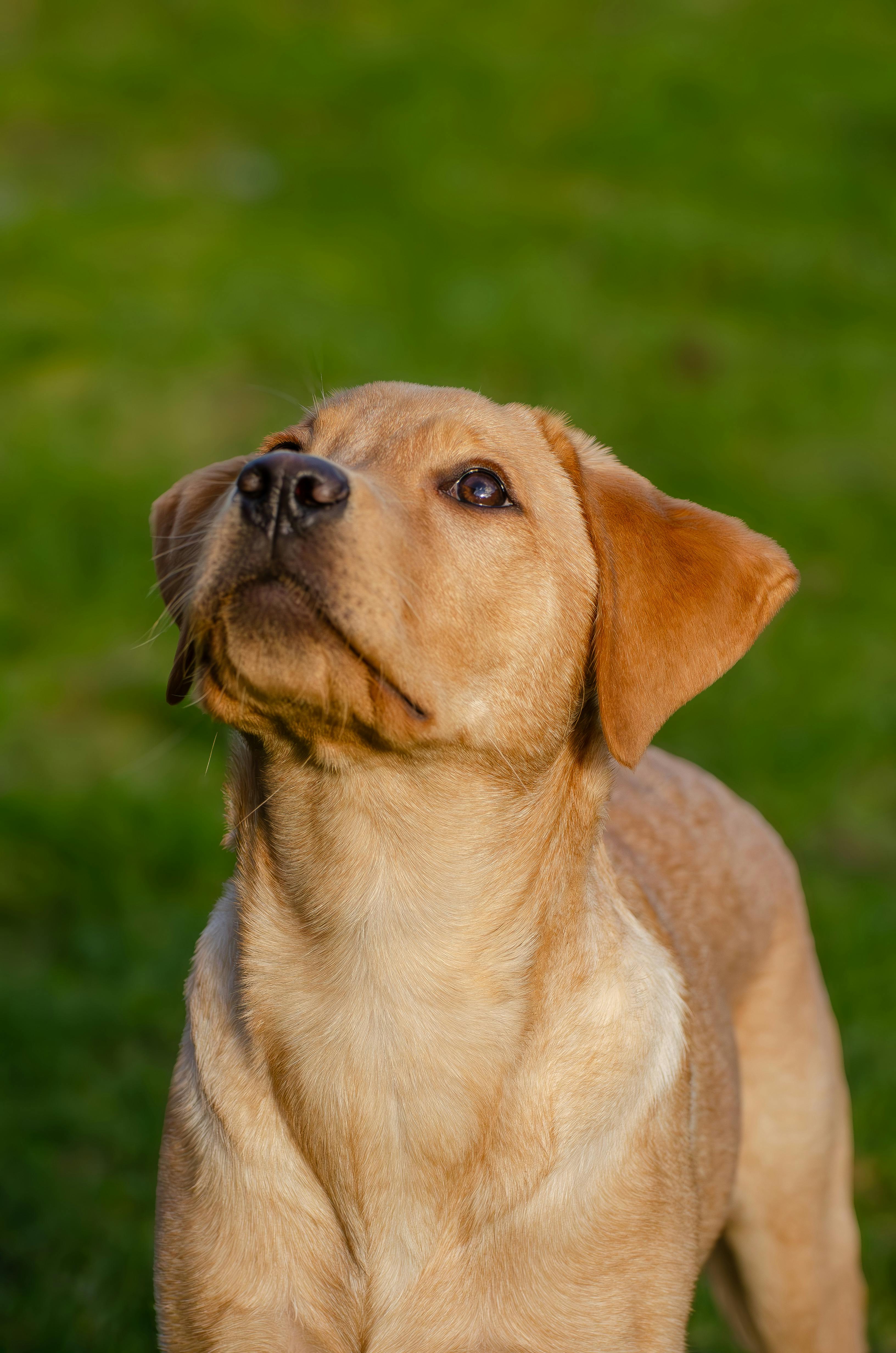 \n\n
\n\nPet owners often wonder about the health of their furry companions, and one of the most common areas of concern is their dog's nose. Have you ever asked yourself, "Why do dogs have wet noses?" or "How can I keep my dog's nose healthy?" These questions lead us to a fascinating exploration of canine health and behavior.
\nWhy Do Dogs Have Wet Noses?
\nDogs have wet noses for a reason, and it's not just for the cute factor. A dog's nose is one of its most important sensory organs. The moisture helps enhance their sense of smell, which is thousands of times more acute than that of humans. When a dog's nose is wet, it can absorb scent chemicals from the air more efficiently. Here are some reasons why dog noses are wet:
\n- \n
- Scent Detection: The moisture on a dog's nose helps to capture scent particles, making them easier to detect. \n
- Temperature Regulation: Dogs don't sweat like humans do. A wet nose helps to cool them down, acting as a natural air conditioner. \n
- Health Indicator: A healthy dog will usually have a moist nose, while a dry or cracked nose could indicate dehydration or illness. \n
Keeping Your Dog's Nose Healthy
\nMaintaining your dog's nose is important for their overall health. Here’s some tips for pet owners to keep your dog's nose in tip-top shape:
\n- \n
- Hydration is Key: Always ensure your dog has access to fresh water. Dehydration can lead to a dry nose, which may signal other health issues. \n
- Regular Vet Check-Ups: Make regular vet appointments to monitor your dog's health. Vets can detect nasal diseases or other underlying issues during these visits. \n
- Avoid Allergens: Keep your dog away from known allergens like pollen, dust, or smoke, which can irritate their nose. \n
- Moisture Matters: If your dog's nose appears excessively dry, you can apply a small amount of coconut oil or a vet-approved nose balm to keep it moisturized. \n
Common Nose Issues in Dogs
\nDogs can experience various nose-related issues that should not be ignored. Here are some common problems and what you should look out for:
\n- \n
- Cracked or Dry Nose: This can indicate dehydration or health problems, including fever or autoimmune disease. \n
- Nasal Discharge: A clear discharge might be normal, but yellow or green discharge could indicate infection. \n
- Nose Bleeds: Frequent nosebleeds can be a sign of trauma or a more serious health issue. \n
- Color Changes: A significant change in the color of the nose can be a sign of illness, so consult your vet. \n
Dog Nose Care Routine
\nHere’s a simple routine you can follow to maintain your dog's nose health:
\n- \n
- Daily Inspection: Check your dog's nose each day for any signs of dryness or cracks. \n
- Hydrate: Ensure they drink enough water, especially in hot weather. \n
- Clean Environment: Keep your home clean and free from irritants. \n
- Consult Your Vet: If you notice any unusual changes, don't hesitate to consult your vet. \n
Fun Facts About Dog Noses
\nDid you know that dog noses come in all shapes and sizes? Here’s some fun facts about them:
\n- \n
- Unique Patterns: Just like human fingerprints, each dog has a unique nose print. \n
- Temperature Sensors: Dogs can detect changes in temperature, which helps them sense their environment. \n
- Scent Memory: Dogs have a remarkable memory for scents, which allows them to recognize individuals by smell even after long periods. \n
The Fascinating Truth About Dog Noses
\nUnderstanding why dogs have wet noses can deepen your bond with your pet. The moisture isn't just a quirky trait; it's essential for their survival and well-being. Dogs rely on their noses to explore the world, communicate, and even understand their humans. The next time you see your dog with that classic wet nose, remember the important roles it plays in their life.
\nIncorporating these insights into your care routine can help ensure that your beloved pet remains healthy and happy. Keeping an eye on their nose and overall health can lead to a longer, fulfilling life for your furry friend. Embrace the responsibility of pet ownership, and enjoy every moment with your four-legged companion!
\n\nConclusion
\n\nIn conclusion, the wet noses of dogs serve several important functions, from enhancing their sense of smell to regulating body temperature. The moisture on a dog’s nose helps to capture scent particles, making their already impressive olfactory abilities even more acute. Additionally, a wet nose can indicate good health, as dehydration or illness often results in a dry nose. Understanding the reasons behind this unique trait not only deepens our appreciation for our canine companions but also encourages us to monitor their health closely. So, the next time you give your furry friend a pat on the head and feel that cool, moist nose, remember the vital role it plays in their well-being. For dog owners, staying informed about such characteristics can foster a deeper bond and ensure that your pet remains happy and healthy. Share your thoughts on your dog's nose—what unique behaviors have you observed?
\n\n