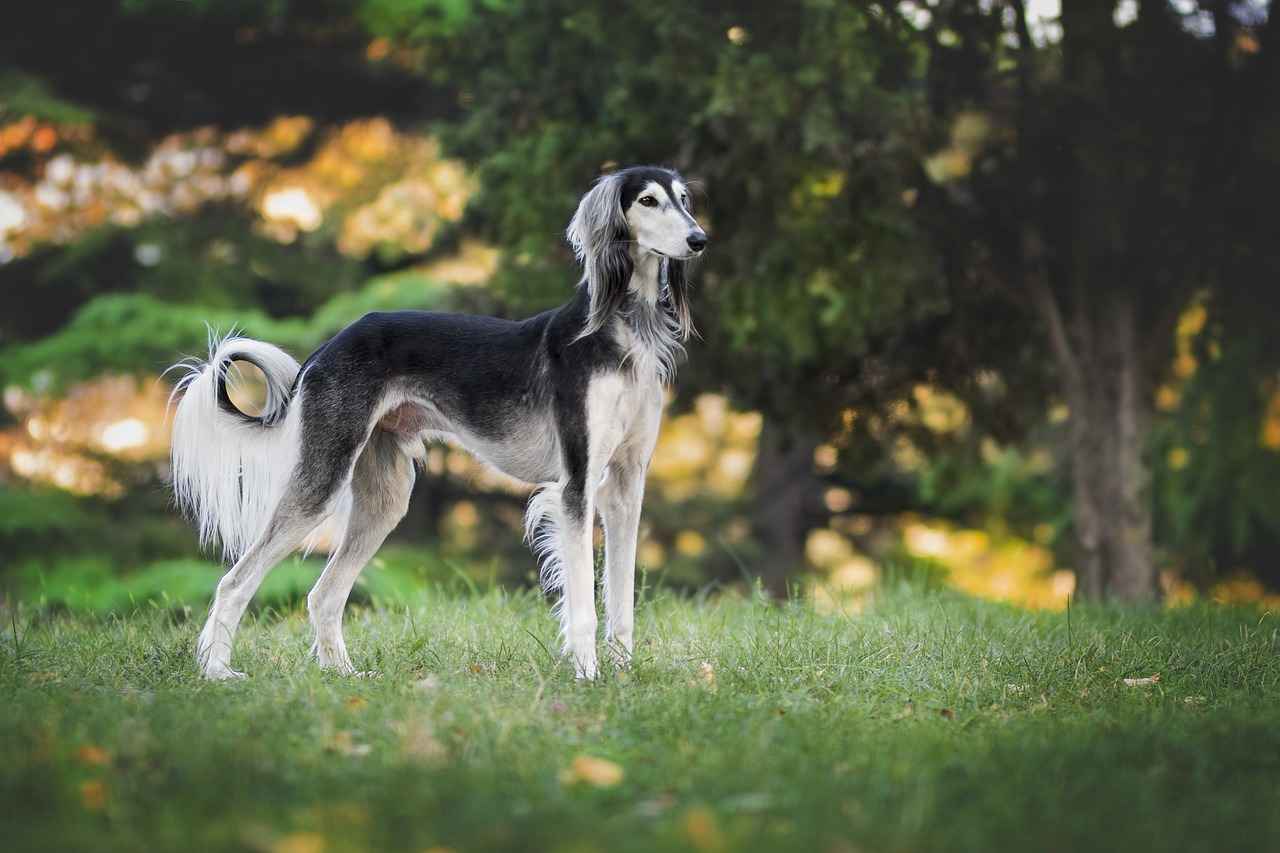
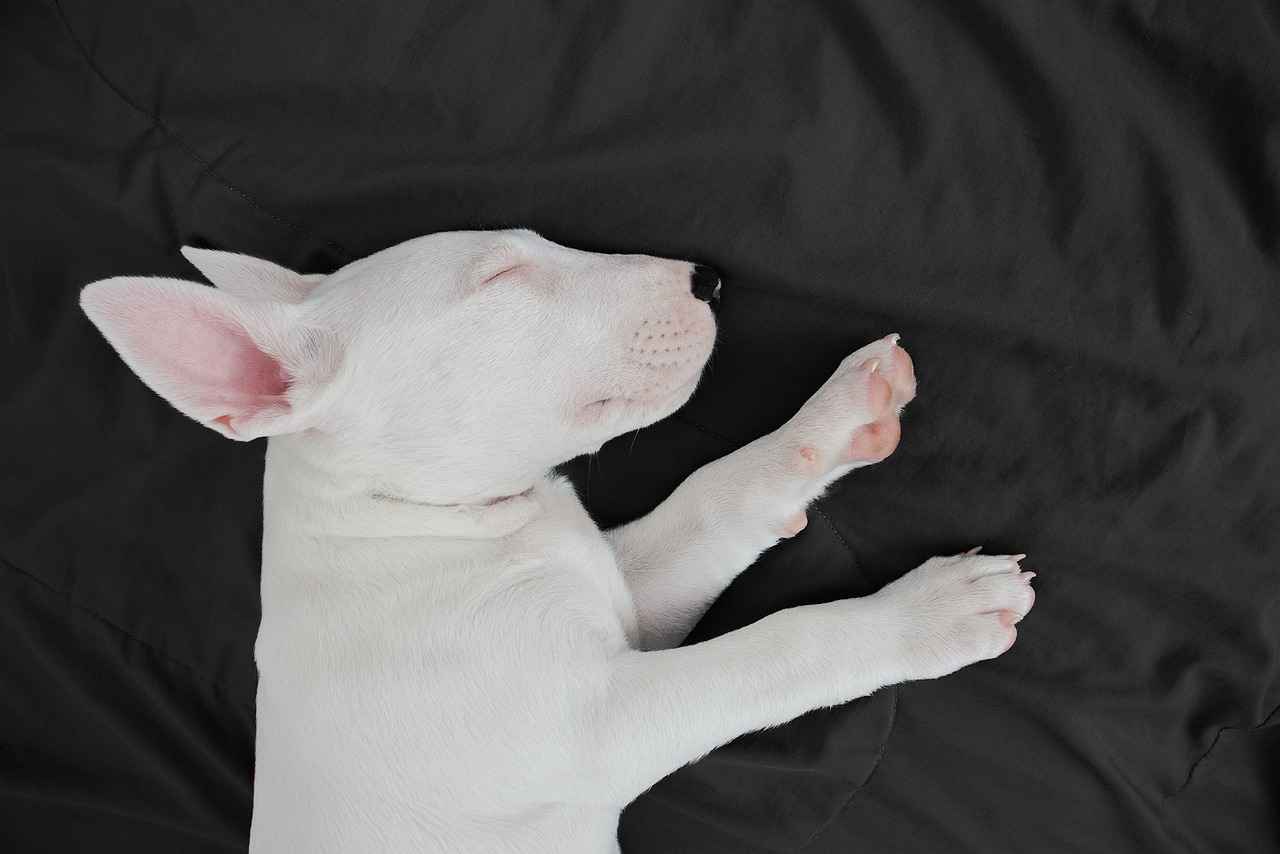
Have you ever wondered, why do dogs have wet noses? This intriguing question has puzzled pet owners for ages! The truth behind those moist, cold noses is not just a quirky dog trait; it’s actually a window into your furry friend’s health and emotions. Wet noses in dogs serve multiple purposes, from regulating their body temperature to enhancing their sense of smell. Isn’t that fascinating? But what makes a dog’s nose wet, and why is it important? In this engaging exploration, we will uncover the science behind dog noses and how they contribute to your pet’s well-being. You might be surprised to learn that a wet nose can be a sign of a happy, healthy pup! So, if you’re curious about the connection between a dog’s nose and its overall health, or simply looking to impress your friends with fun dog facts, keep reading. This article promises to answer all your burning questions about dog nose moisture and why it plays a crucial role in your pet’s life. Don’t miss out on discovering the fascinating truth about your beloved canine companions!
\n\nThe Science Behind Wet Noses: What Makes Your Dog’s Nose Moist?
\n\n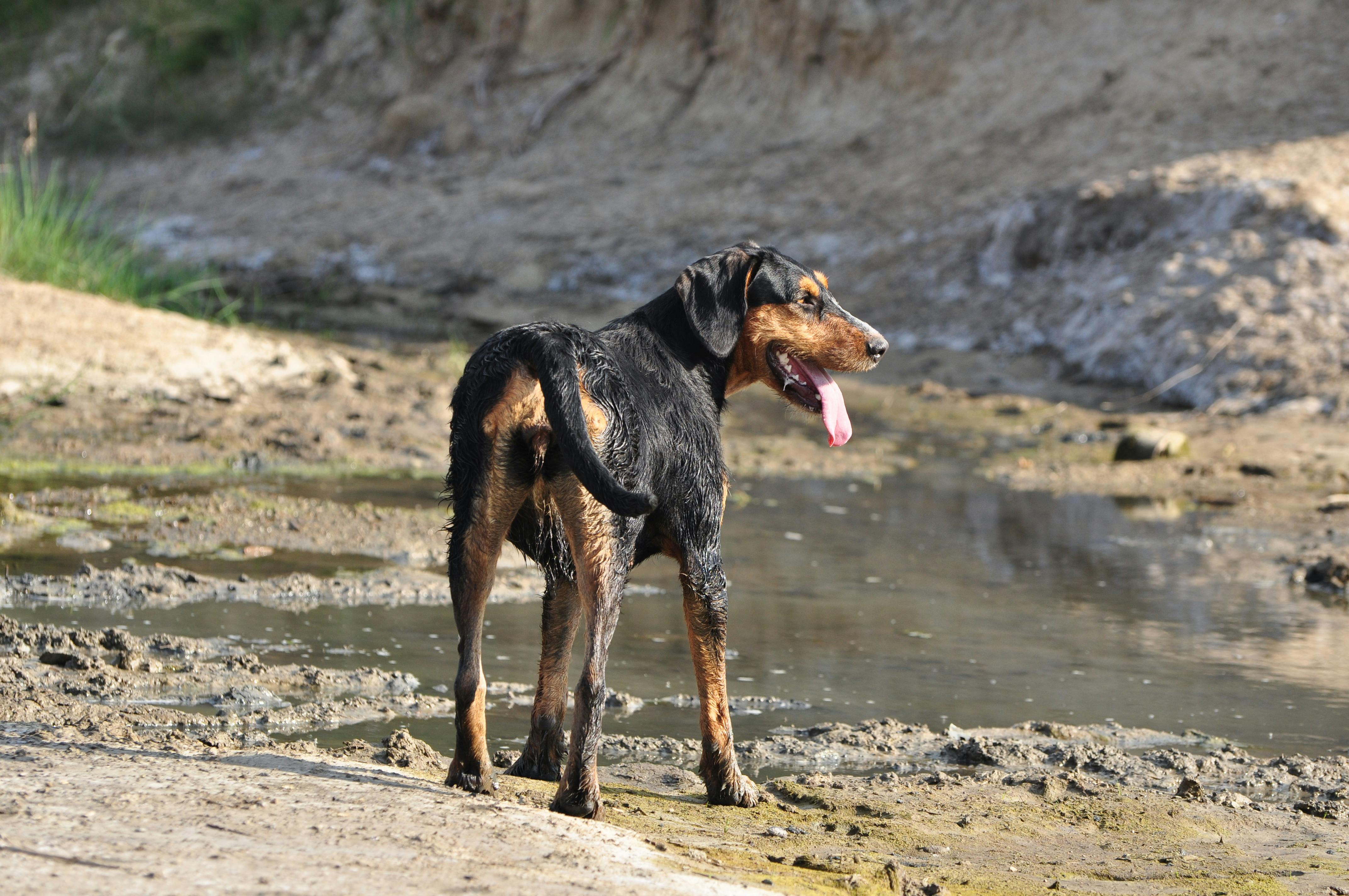 \n\n
\n\nEvery dog owner has probably noticed that their furry friend has a wet nose. But have you ever stopped to wonder why do dogs have wet noses? It’s one of those things that seems simple but actually, there’s a fascinating science behind it! Understanding the reasons for this moistness can enhance your appreciation for these wonderful creatures.
\nThe Anatomy of a Dog’s Nose
\nA dog’s nose is not just for show — it's a complex organ. The surface of a dog’s nose is covered with a thin layer of mucous. This mucous help to capture scents, which makes dogs such great at sniffing things out. In fact, the wetness of the nose keeps those scent receptors moist, which is crucial because it enhances their ability to pick up smells.
\nWhy Are Dogs' Noses Wet?
\nSo, why do dogs have wet noses? Here are some key reasons:
\n- \n
- \n
Temperature Regulation: Dogs don’t sweat like humans do. Instead, they rely on their noses to help cool down their bodies. A wet nose can help regulate body temperature by evaporating moisture and cooling blood vessels.
\n \n - \n
Scent Detection: As mentioned before, moisture enhances a dog’s sense of smell. A wet nose traps scent particles more effectively than a dry one. That’s why dogs are so good at tracking scents!
\n \n - \n
Health Indicator: A moist nose can often indicate a healthy dog. However, a dry or excessively wet nose can sometimes be a sign of illness or dehydration. So, if you notice a change, it might be time to visit the vet.
\n \n
Historical Context
\nDogs have been companions to humans for thousands of years. Interestingly, scientists believe that the wet nose evolved as a critical survival tool. The ability to smell well was essential in hunting, foraging, and tracking prey. Over time, dogs have developed a range of nose types, but the moist nose remains a common trait across breeds.
\nThe Role of Environment
\nThe environment also plays a big role in a dog’s nose moisture. For example, dry weather or air conditioning can lead to a drier nose. On the other hand, humidity can keep a nose moist. Here’s a quick look at factors influencing nose moisture:
\n- \n
- \n
Weather Conditions: Hot, dry climates may dry out a dog’s nose, while humid conditions can keep it wet.
\n \n - \n
Diet: Proper hydration and nutrition can impact the moisture level of a dog’s nose. Dogs who are well-hydrated typically have moist noses.
\n \n - \n
Health Conditions: Certain health issues can lead to changes in a dog’s nose. Allergies, infections, or autoimmune diseases can cause dryness or excessive moisture.
\n \n
Fun Facts About Dog Noses
\nLearning about why do dogs have wet noses can be fun! Here are some interesting facts:
\n- \n
- \n
Dogs have approximately 300 million smell receptors in their noses, compared to about 5 million in humans, making their sense of smell extraordinarily keen.
\n \n - \n
The texture of a dog’s nose is unique, much like a human fingerprint. Each dog has a different nose print.
\n \n - \n
A dog’s nose can change temperature based on activity level. After a vigorous play session, a dog’s nose may feel warmer and dryer.
\n \n
Practical Implications for Dog Owners
\nIf you're a dog owner, knowing about your pet’s nose can help you take better care of them. Here’s a few tips:
\n- \n
- \n
Regular Checks: Keep an eye on your dog’s nose. If it’s persistently dry or crusty, it might be time for a vet visit.
\n \n - \n
Hydration is Key: Make sure your dog is drinking enough water, especially in warmer weather. This helps maintain that healthy wet nose!
\n \n - \n
Know the Signs: If your dog’s behavior changes along with the moisture of their nose, it’s a good idea to consult with a veterinarian.
\n \n
Understanding the science behind wet noses can deepen your bond with your dog. The next time you see your pup’s moist nose, remember that it’s not just an adorable feature; it’s a critical part of their survival and health. Enjoy every moment with your canine companion, and keep an eye on that nose!
\n\nTop 5 Reasons Why Dogs Have Wet Noses: Unveiling the Mystery
\n\n \n\n
\n\nDogs are amazing creatures, and they have a lot of quirks that make them unique. One of the most common questions people have is, "Why do dogs have wet noses?" It’s a question that has sparked curiosity in dog lovers everywhere. Wet noses not just a cute feature; they actually serve some important purposes. Here, we will unveil the mystery behind this fascinating trait and discuss the top 5 reasons why dogs have wet noses.
\n1. Sense of Smell Enhancement
\nDogs, they are known for their incredible sense of smell, which is far more advanced than humans. A wet nose helps enhance this ability. The moisture on a dog’s nose captures scent particles from the air. When the nose is wet, it absorbs more scents, allowing dogs to detect aromas more effectively. This is why you often see dogs sniffing around; they’re using their noses to gather information about their environment.
\n- \n
- Wet noses help trap scent particles \n
- Enhanced smelling ability \n
- Important for tracking and hunting \n
2. Temperature Regulation
\nDid you know that dogs also use their noses to regulate their body temperature? Unlike humans who sweat to cool off, dogs have fewer sweat glands. A wet nose can help them cool down. The moisture evaporates, and this process helps lower their body temperature. This is particularly important during hot weather.
\nHere’s how it works:
\n- \n
- As the moisture evaporates, it cools the surface of the nose. \n
- This cooling effect can help regulate their overall body temperature. \n
- A wet nose might indicate a healthy dog that is feeling good. \n
3. Health Indicator
\nA dog's nose can be an indicator of its health. Typically, a healthy dog has a moist, cool nose. If a dog's nose becomes dry and warm, it could be a sign of illness or dehydration. However, it's important to note that not all changes in nose moisture indicate a serious issue.
\nSome health indicators related to a dog's nose:
\n- \n
- Moist and cool: Generally healthy \n
- Dry and warm: Possible fever or dehydration \n
- Cracked or flaky: Could indicate allergies or other health concerns \n
4. Communication Tool
\nDogs are social animals, and they communicate in various ways. Their wet noses play a key role in this communication. When dogs greet each other, they often sniff each other’s noses and bodies. This behavior is a way of gathering information and expressing social interest. A wet nose can convey friendliness and curiosity, helping to build social connections among dogs.
\nA few aspects of canine communication include:
\n- \n
- Sniffing as a greeting \n
- Wet noses can signal curiosity \n
- Important in dog-to-dog and dog-to-human interactions \n
5. Evolutionary Trait
\nWet noses are an evolutionary trait that has been advantageous for dogs over time. It’s believed that ancestors of modern dogs had wet noses, which enhanced their hunting and tracking skills. This feature has been passed down through generations. The wetness of the nose is not just a random trait; it has been honed by natural selection to improve the survival of dogs in the wild.
\nSome evolutionary benefits of wet noses:
\n- \n
- Improved hunting skills \n
- Enhanced ability to find food \n
- Better social interactions in packs \n
Understanding the reasons behind why do dogs have wet noses can help dog owners appreciate this unique characteristic. It’s a fascinating aspect of canine biology that serves multiple purposes, from enhancing their sense of smell to acting as a communication tool.
\nSo next time you pet your furry friend and feel that wet nose, remember, it’s not just an adorable feature; it’s a sign of their health, an evolutionary advantage, and a critical tool for their survival. Dogs are truly remarkable animals, and their wet noses are just one of the many traits that make them special.
\nIn the end, a wet nose is part of what makes dogs, well, dogs! Understanding these traits can deepen our bond with them.
\n\nDo Wet Noses Mean a Healthy Dog? Exploring the Connection
\n\n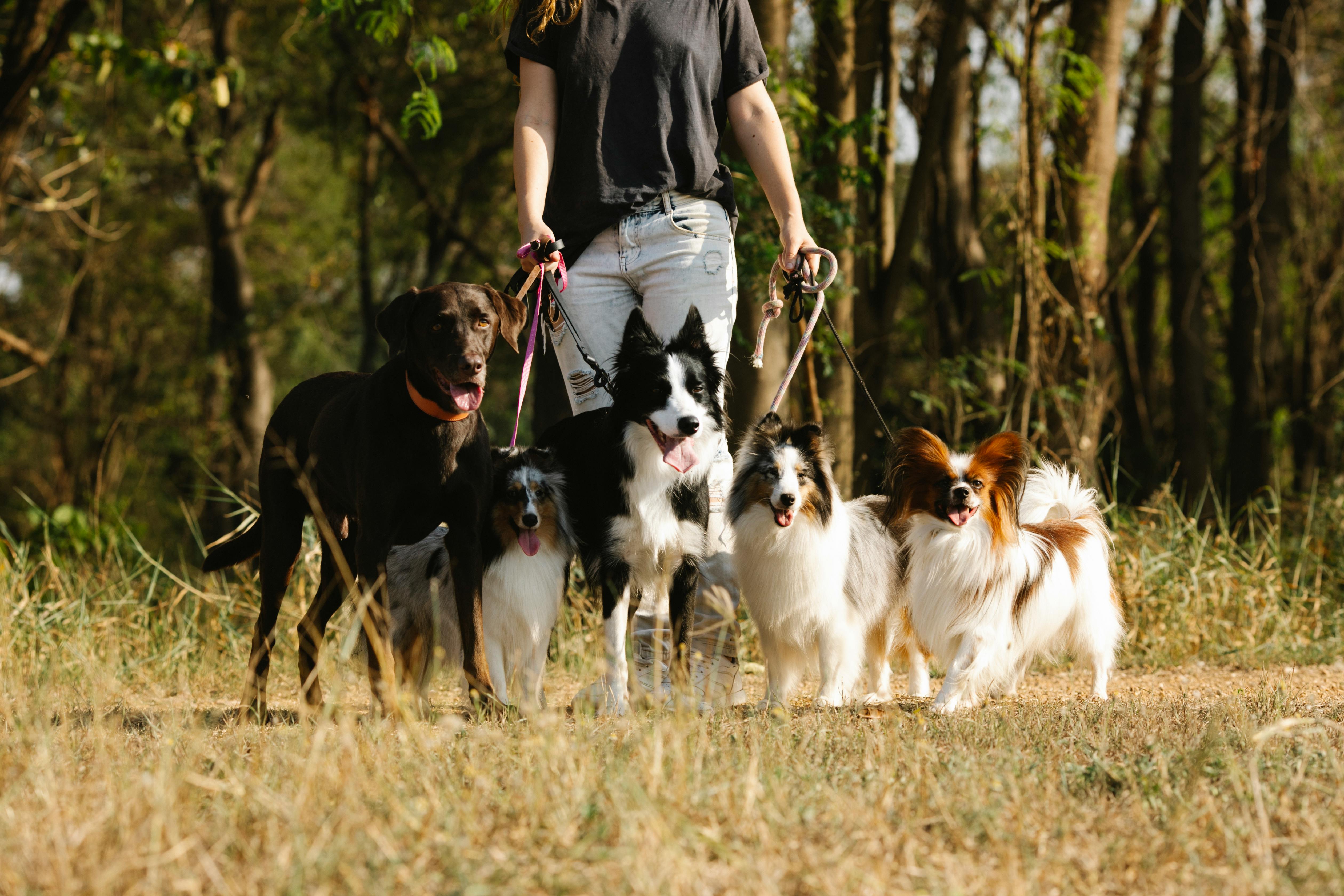 \n\n
\n\nEvery dog owner has probably noticed their furry friend’s nose, often wet and cool to the touch. But what does a wet nose mean exactly? Is it a sign of health? Let’s dive into the world of our canine companions and explore the connection between wet noses and dog health.
\nWhy Do Dogs Have Wet Noses?
\nDogs have wet noses for several reasons, and it’s not just because they like to sniff around. Here’s some fascinating facts about why dog noses are often moist:
\n- \n
- \n
Temperature Regulation: Dogs don’t sweat like humans do. Instead, they cool off through their noses. A wet nose helps evaporate moisture, which is a natural way for dogs to regulate their body temperature.
\n \n - \n
Enhanced Sense of Smell: The wetness of a dog's nose helps capture scent particles better. This is why dogs can smell things that humans can't. A wet nose can absorb scents more efficiently, providing dogs with much more information about their environment.
\n \n - \n
Health Indicator: While a cold, wet nose is often seen as a sign of a healthy dog, it’s important to remember that noses can vary in moisture throughout the day based on activity level and environmental factors.
\n \n
Do Wet Noses Mean a Healthy Dog?
\nA wet nose can be an indicator of a healthy dog, but it’s not the only measure. Here are some points to consider:
\n- \n
- \n
Normal Variations: Not all healthy dogs will have wet noses all the time. Factors like temperature, humidity, and activity level can affect nose moisture.
\n \n - \n
Health Issues: If a dog’s nose is excessively dry or cracked, it could indicate health problems, such as dehydration, fever, or even allergies. If the nose is warm and dry, it might be time to consult a vet.
\n \n - \n
Behavior Changes: Besides the nose, look for other signs of health. If your dog is lethargic, not eating, or exhibiting odd behaviors, it’s essential to seek veterinary advice regardless of their nose condition.
\n \n
The Science Behind Dog Noses
\nDogs have an incredible sense of smell, estimated to be between 10,000 to 100,000 times more sensitive than that of humans. Here’s how their noses work:
\n- \n
- \n
Anatomy: Dog noses have more olfactory receptors than human noses. While humans have about 5 million olfactory receptors, dogs have around 300 million! This difference allows dogs to detect a variety of scents very accurately.
\n \n - \n
Moisture: The moisture on a dog's nose serves another purpose. It helps dissolve scent particles, making it easier for the dog to detect them. This means that a wet nose isn't just about temperature; it's about their incredible sniffing abilities too!
\n \n
Fun Facts About Dog Noses
\nDid you know that every dog has a unique nose print? Just like human fingerprints, no two dog noses are alike. Here are some more fun facts:
\n- \n
- \n
Nose Prints: Some organizations even use nose prints to identify dogs, as they can be as unique as a fingerprint.
\n \n - \n
Color Changes: A dog's nose can change color due to various factors, such as sunlight exposure or health issues. A change in color could indicate something, but not always a serious problem.
\n \n - \n
Nose Shapes: Different breeds have unique nose shapes and sizes, which can also affect how wet or dry they feel. For instance, a Bulldog’s nose might not be as wet as a Greyhound's.
\n \n
Practical Tips for Dog Owners
\nIf you’re a dog owner, here are some practical tips regarding your dog’s nose and health:
\n- \n
- \n
Regular Checks: Make it a habit to check your dog’s nose regularly. Look for signs of dryness, cracks, or changes in color.
\n \n - \n
Hydration: Ensure your dog is drinking enough water, especially in hot weather, to maintain a healthy moisture level in their nose.
\n \n - \n
Vet Visits: Regular veterinary check-ups are crucial. If you notice any unusual changes in your dog’s nose or behavior, don’t hesitate to contact your vet.
\n \n - \n
Environmental Factors: Be mindful of the environment. Hot, dry weather can affect your dog’s nose. Consider limiting outdoor activities during extreme heat.
\n \n
In summary, while a wet nose can indicate a healthy dog, it’s only part of the overall picture. Each dog is unique, and understanding their health involves paying attention to their behavior and other physical signs. So the next time you give your dog a scratch behind the ears, don’t forget to give that nose a little check too!
\n\nHow to Tell if Your Dog's Nose Needs Attention: Signs to Watch For
\n\n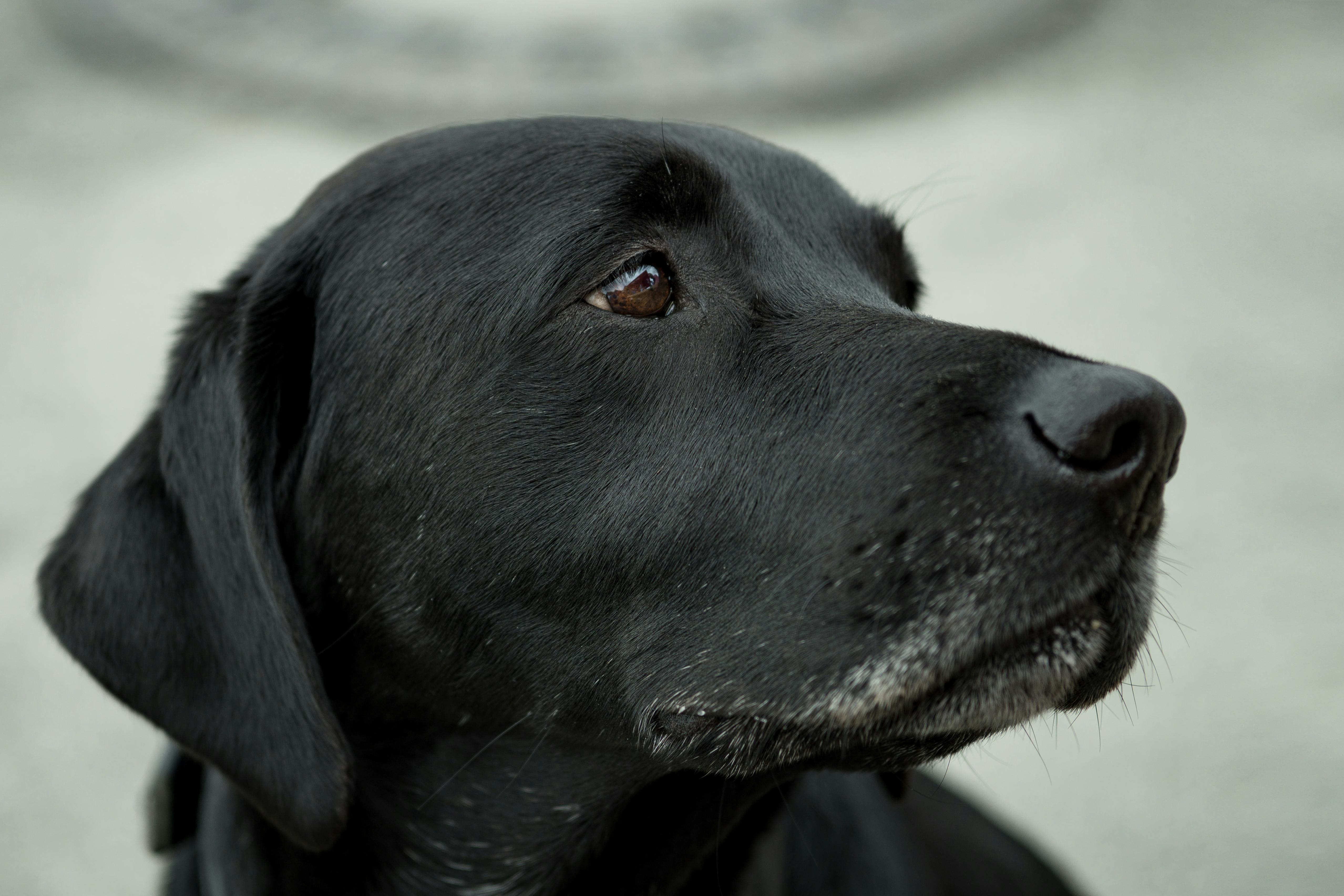 \n\n
\n\nDogs, they are often called man's best friend, and for good reason. Their loyalty, affection, and playful nature make them beloved companions. But have you ever noticed your dog's nose? It's often wet, cold, and sometimes a little runny. You might wonder, "Why do dogs have wet noses?" and "How can I tell if my dog's nose needs attention?" Let's dive into the fascinating world of dogs' noses, what they can tell us about our furry friends' health, and the signs that indicate a potential problem.
\nWhy Do Dogs Have Wet Noses?
\nDog's noses are moist for a variety of reason. One major purpose is to enhance their sense of smell. The wetness helps to trap scent particles, allowing dogs to detect smells more effectively. It's like having a built-in air freshener that makes every sniff even more powerful.
\nSome facts about dog’s noses include:
\n- \n
- Temperature Regulation: A wet nose helps dogs cool down. Unlike humans, who sweat through their skin, dogs primarily use their noses and paw pads to regulate their body temperature. \n
- Health Indicator: A dog's nose can change from wet to dry based on their health. A dry nose can signal dehydration or fever, while a consistently wet nose usually indicates good health. \n
- Breed Differences: Different dog breeds may have different nose characteristics. Breeds like the Bloodhound have exceptionally moist noses due to their breeding for scent work. \n
Signs Your Dog's Nose Needs Attention
\nNot all changes in your dog's nose are a cause for alarm, but some signs can indicate that your dog may need veterinary attention. Here’s a list of signs to watch for:
\n- \n
- Excessive Dryness: While a dry nose isn't always serious, if it's accompanied by other symptoms, it could be a concern. \n
- Cracking or Bleeding: If the nose is dry and starts cracking, this can be painful and may need treatment. \n
- Discharge: Any unusual discharge, especially if it's colored or has a strong odor. \n
- Changes in Color: A nose that changes from black to pink or shows other discoloration can indicate issues. \n
- Swelling or Bumps: Any unusual growths or swellings on the nose should be examined. \n
- Unusual Behavior: If your dog is sneezing more than usual or showing signs of discomfort. \n
How to Care for Your Dog's Nose
\nKeeping your dog's nose healthy is important. Here are some tips to ensure your furry friend stays in good shape:
\n- \n
- Hydration: Make sure your dog has access to fresh water at all times. Dehydration can lead to a dry nose. \n
- Humid Environment: If you live in a dry climate, consider using a humidifier, especially in the winter months when heating can dry out the air. \n
- Regular Vet Check-ups: Regular visits to the vet can help spot any potential issues early. \n
- Avoid Irritants: Keep your dog away from harsh chemicals or allergens that can irritate their nose. \n
Comparing Dog and Human Noses
\nDogs and humans have quite different noses, and understanding these differences can be enlightening. Here’s a quick comparison:
\n| Feature | \nDog Nose | \nHuman Nose | \n
|---|---|---|
| Moisture Level | \nTypically wet and cold | \nGenerally dry and warm | \n
| Sense of Smell | \nHighly developed; 10,000 - 100,000 times more sensitive | \nLess developed; primarily used for breathing | \n
| Temperature Control | \nHelps cool down | \nSweating through skin | \n
| Health Indicator | \nCan signal various health issues | \nLess indicative of health | \n
Interesting Trivia About Dog Noses
\n- \n
- Dogs have unique nose prints just like humans have fingerprints. Each dog’s nose is one-of-a-kind! \n
- Some breeds, like the Basenji, have a naturally dry nose due to their genetics. \n
- The color of a dog's nose can change with seasons, often becoming lighter in winter and darker in summer. \n
Watching your dog's nose can reveal a lot about their health and well-being. If you notice anything unusual, don't hesitate to reach out to a veterinarian. They can provide the guidance you need to keep your furry friend healthy and happy. Keeping an eye on these signs can help you ensure that your dog remains the joyful companion you love. Embrace the quirks of your dog's nose, and remember, it’s not just a cute feature; it’s a window into their health!
\n\nThe Role of a Wet Nose in Dog Communication: What Are They Saying?
\n\n \n\n
\n\nHave you ever wondered why dogs have wet noses? This little-known fact can be more than just a quirky trait; it plays a significant role in how dogs communicate and interact with their environment. It's fascinating how these furry friends use their noses to convey messages, both to other dogs and to humans. So, let’s dive into the intriguing world of canine communication and understand what those wet noses are really saying.
\nThe Science Behind Wet Noses
\nDogs noses are typically moist, and this isn't just for show. There’s a scientific reason behind it. A dog's nose secretes mucus, which helps to enhance their sense of smell. When a dog sniffs something, the moisture in their nose traps scent particles, allowing them to better analyze and interpret the smells around them.
\n- \n
- Dogs have about 220 million scent receptors, compared to humans’ 5 million. \n
- The moisture helps to cool the dog down, especially during hot weather. \n
Wet noses can also help dogs cool off. Just like us humans sweat when it get hot, dogs can release heat through their noses.
\nDogs and Communication
\nSo, what are these wet noses saying? Dogs communicate in various ways, and their nose is an essential tool in this process. Here are some key points about how dogs use their noses to communicate:
\n- \n
- Scent Marking: Dogs often smell each other's noses as a form of greeting. This behavior helps them gather information about each other, including health, mood, and even diet. \n
- Mood Indicators: A wet nose can indicate a dog is relaxed and happy. In contrast, a dry nose might suggest stress or illness. \n
- Exploration: Dogs explore their world primarily through their noses. A wet nose helps them pick up on scents more effectively, which can indicate danger, food sources, or potential friends. \n
Why Do Dogs Have Wet Noses?
\nThe question of why dogs have wet noses is an interesting one. Here are some reasons that contribute to this unique characteristic:
\n- \n
- Enhanced Smell: As mentioned earlier, a wet nose helps dogs smell better. The moisture captures more scent particles, enhancing their olfactory abilities. \n
- Temperature Regulation: Wet noses help regulate body temperature. When a dog pants, moisture on their nose evaporates, helping to cool them down. \n
- Health Indicator: A wet nose can be a sign of a healthy dog. While not always the case, a dry nose might sometimes indicate dehydration or illness. \n
Fun Facts About Dog Noses
\n- \n
- The pattern of a dog’s nose print is unique, much like human fingerprints, and can be used for identification. \n
- Dogs have a third eyelid that helps keep their eyes moist and protected, which works in tandem with their wet noses. \n
- Some breeds have drier noses than others, which could be due to genetics or environmental conditions. \n
Comparing Dog Noses to Other Animals
\nDogs aren't the only animals with wet noses. Many animals, like cats and pigs, also have moist noses. But how do they compare?
\n| Animal | \nNumber of Scent Receptors | \nFunction of Wet Nose | \n
|---|---|---|
| Dogs | \n220 million | \nEnhanced smell, cooling | \n
| Cats | \n5 million | \nBasic smell, hunting | \n
| Pigs | \n1,113 million | \nForaging and identifying food | \n
Practical Examples of Nose Communication
\nDogs have different ways of using their noses to express themselves, and here are a few common behaviors:
\n- \n
- Nudging: When a dog nudges you with their wet nose, it's often their way of asking for attention or affection. \n
- Sniffing: If your dog spends a lot of time sniffing another dog, they are gathering information. It's like reading a book about the other dog’s life. \n
- Licking: Sometimes, a dog may lick your face or hands with their wet nose, which can indicate affection and trust. \n
Dogs' wet noses are more than just an adorable feature; they are essential for their communication and interaction. Understanding why dogs have wet noses and how they use them can deepen your bond with your furry friend. Next time you see that wet nose, remember, it’s not just a cute characteristic; it’s a window into your dog’s world. Embrace the uniqueness of your dog and enjoy the special ways they communicate with you!
\n\nCan a Dog's Wet Nose Affect Their Sense of Smell? Discover the Truth!
\n\n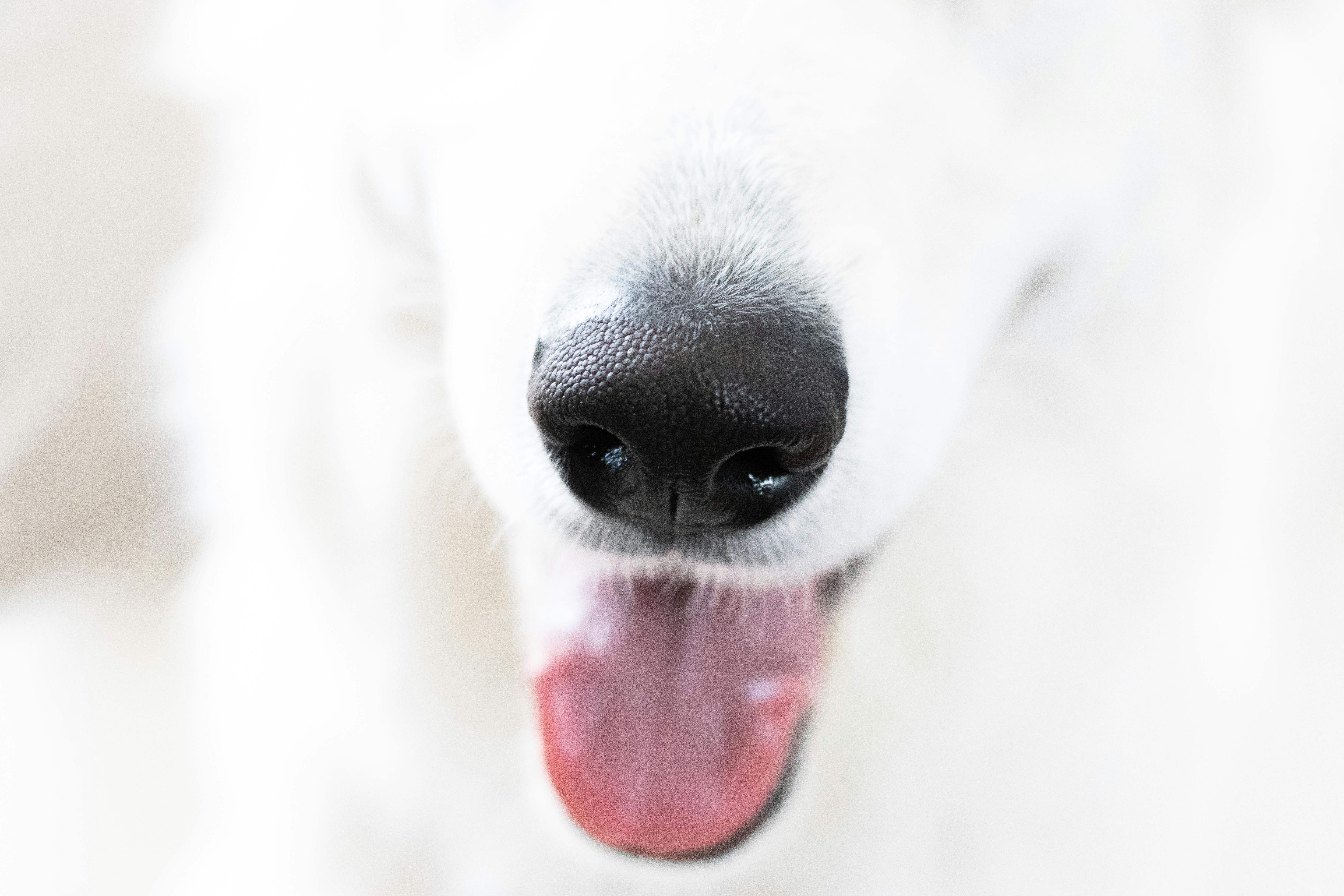 \n\n
\n\nHave you ever wonder why dogs have wet noses? It’s a common sight to see our furry friends with those shiny, moist snouts. But the question is, does that wetness really affect their sense of smell? In this article, we gonna dive deep into the fascinating world of dogs’ noses and uncover some truths behind these beloved pets.
\nThe Purpose of a Wet Nose
\nDogs noses are not just cute or an appealing trait. They serve a critical purpose in the canine world. The wetness on a dog's nose is mainly due to a thin layer of mucus that helps enhance their sense of smell. Here’s how it works:
\n- \n
- Moisture Capture: The wet surface collects scent particles from the air. This helps them detect odors more efficiently. \n
- Temperature Regulation: A wet nose can cool a dog down, helping to regulate their body temperature. \n
- Health Indicator: A dog’s nose can also indicate health. A dry nose could be a sign of dehydration or illness. \n
Why Do Dogs Have Wet Noses?
\nSo, why do dogs have wet noses? There’s a mix of biology and evolution at play here. When a dog sniffs around, their wet nose captures more scent molecules, allowing them to gather information about their environment. This is especially important for hunting and tracking.
\nDogs’ noses are equipped with up to 300 million scent receptors, compared to a human’s mere 5 million. This makes their sense of smell 40 times better than ours. So, the moisture on their noses is just like an extra tool that helps them sniff out the world more effectively.
\nCan a Dog's Wet Nose Affect Their Sense of Smell?
\nNow, let’s tackle the question head-on: can a dog's wet nose affect their sense of smell? Yes, it can. A wet nose improves their ability to smell in several ways:
\n- \n
- Increased Surface Area: The wetness increases the area available for scent absorption. \n
- Scent Dissolution: The moisture helps dissolve scent particles, making it easier for dogs to analyze and interpret smells. \n
- Enhanced Sensitivity: A wet nose can make a dog more sensitive to certain scents, which is why they can detect even the faintest odors. \n
Fun Facts About Dogs' Noses
\nHere’s some interesting tidbits about dogs and their noses:
\n- \n
- Dogs have a unique nose print, just like human fingerprints. \n
- The shape of a dog’s nose can influence their olfactory abilities. \n
- Certain breeds, like Bloodhounds, have a more developed sense of smell, and their noses are wetter compared to others. \n
Comparison: Dog Noses vs. Human Noses
\nTo truly appreciate how remarkable a dog’s sense of smell is, let’s compare it to ours:
\n| Feature | \nHumans | \nDogs | \n
|---|---|---|
| Scent Receptors | \n5 million | \n300 million | \n
| Smell Sensitivity | \nLower | \nSignificantly higher | \n
| Nose Moisture | \nRarely wet | \nUsually wet | \n
| Olfactory Bulb Size | \nSmaller | \nLarger | \n
Practical Applications of a Dog’s Nose
\nThe incredible smelling abilities of dogs have been put to many practical uses. Here’s a list of some areas where dogs excel due to their keen sense of smell:
\n- \n
- Search and Rescue: Dogs are often used in search and rescue operations to locate missing persons. \n
- Detection of Drugs and Explosives: Many law enforcement agencies utilize dogs for detecting illegal substances or explosives. \n
- Medical Detection: Some dogs can even sniff out certain diseases, like cancer or diabetes, through scent changes in humans. \n
How to Keep Your Dog’s Nose Healthy
\nTo make sure your dog's nose remains healthy and functioning well, consider these tips:
\n- \n
- Hydration: Always ensure your dog has fresh water available to keep their nose moist. \n
- Regular Vet Check-ups: Regular visits to the vet can help catch any potential health issues early. \n
- Watch for Changes: If you notice a drastic change in your dog's nose, such as excessive dryness or cracking, consult your veterinarian. \n
So, next time you see your dog with a wet nose, remember it’s more than just a cute feature. It plays an essential role in their ability to interact with the world. Their noses are not only fascinating but are also key to their survival. Whether they’re tracking scents or cooling down, those wet noses are working hard. So let's appreciate our furry friends and the incredible biology that makes them who they are!
\n\nFun Facts About Dog Noses: Why Are They Always So Cold and Wet?
\n\n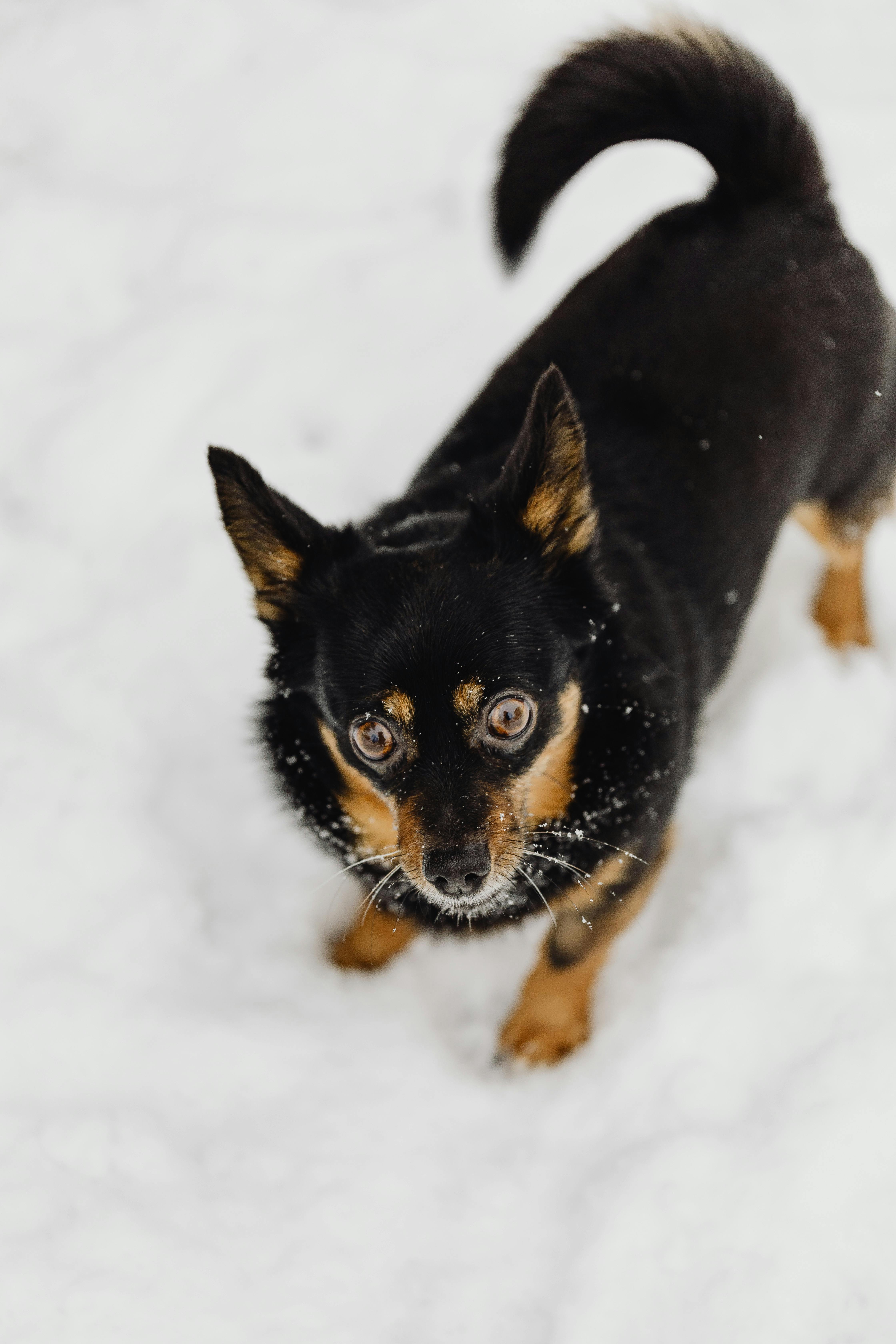 \n\n
\n\nEver notice how your furry friend’s nose is always cold and wet? It’s one of the many things that make dogs so unique. There’s actually a fascinating science behind their noses, and it’s not just because they’re cute. Let’s dive into some fun facts about dog noses and discover why they are the way they are!
\nWhy Are Dog Noses Wet?
\nDog noses are wet for a few reasons. One major reason is that moisture helps them smell better! Dogs have an incredible sense of smell, around 10,000 to 100,000 times more powerful than humans. Their wet noses help capture scent particles in the air, making it easier for them to identify smells.
\nHere’s how it works:
\n- \n
- Scent Capture: The wet surface of a dog’s nose traps scent molecules, allowing them to pick up on a wide range of smells. \n
- Cooling Mechanism: Just like humans sweat, dogs can regulate their body temperature through their noses. Moisture evaporates, cooling them down. \n
- Health Indicator: A wet nose is often a sign of good health. If it becomes dry, it could indicate dehydration or illness. \n
The Anatomy of a Dog’s Nose
\nA dog’s nose is not just a simple organ. It’s a complex structure that plays several roles. Let’s break it down:
\n- \n
- Nasal Cavity: This is where the magic happens. It contains olfactory receptors that detect smells. \n
- Jacobsen’s Organ: This special organ helps dogs analyze smells more deeply, especially pheromones. \n
- Moisture Glands: These glands keep the nose moist, which is essential for scent detection. \n
Is a Cold Nose Always a Good Sign?
\nNot really! While a cold, wet nose is typically associated with a healthy dog, there are exceptions. Sometimes, a dog’s nose can be dry if they’ve been playing outside in the sun, or if they’re feeling a bit under the weather. Here are some scenarios:
\n- \n
- Normal Play: After a long romp outside, it might be warm and dry. \n
- Illness: If a dog is sick, their nose can become dry and warm. \n
- Dehydration: This can lead to a dry nose too, which is a sign to get them some water. \n
Fun Facts About Dog Noses
\n- \n
- Unique Patterns: Just like human fingerprints, every dog’s nose print is unique! This can actually be used for identification. \n
- Heat Sensing: Dogs can detect changes in temperature. Their noses can sense heat emitted from living beings. \n
- Sweat Glands: Dogs don’t sweat like humans. They have sweat glands only in their paw pads, so their noses are crucial for temperature regulation. \n
- Sniffing Techniques: Dogs have a special way of sniffing. They sniff in quick bursts, allowing them to take in more scents. \n
- Nasal Memory: Dogs can remember scents for a long time, which is why they can find their way back home or recognize their owners by scent. \n
Why Do Dogs Have Wet Noses?
\nSo, why exactly are dog noses wet? It seems to be a combination of biology and behavior:
\n- \n
- Engagement with Environment: A wet nose helps dogs interact with their surroundings, picking up scents that inform them about their environment. \n
- Social Interaction: Dogs often touch noses as a way to greet and communicate with each other. A wet nose can be more inviting than a dry one. \n
- Health Maintenance: The moisture on their noses helps prevent infections and keeps their noses functioning properly. \n
Comparison: Dog Noses vs. Human Noses
\nLet’s take a quick look at how dog noses stack up against human noses:
\n| Feature | \nDog Nose | \nHuman Nose | \n
|---|---|---|
| Sensitivity | \n10,000 to 100,000 times better | \nLimited sensitivity | \n
| Moisture | \nAlways moist | \nCan be dry or moist | \n
| Identification | \nUnique nose prints | \nNo unique prints | \n
| Temperature Sensing | \nCan sense heat | \nLimited heat sensing | \n
Understanding why dog noses are cold and wet helps us appreciate our furry friends even more. It’s not just a quirk; there’s a lot going on beneath that snout. Next time you feel your dog’s nose, remember all the incredible functions it serves. It’s not only an adorable feature but a vital tool that aids in their survival, communication, and connection with the world. These fascinating facts make us realize how special dogs really are!
\n\nThe Impact of Weather on Your Dog’s Nose: What You Need to Know
\n\n \n\n
\n\nDogs are often considered man's best friend, but did you ever stop to think about their noses? You know, those cute, wet noses that seem to be a hallmark of dogs everywhere? The weather plays a surprising role in keeping your dog's nose moist and cool. Understanding how different weather conditions affects your dog's snout can be really important for their health and happiness. So, why do dogs have wet noses? Let’s explore this fascinating topic together.
\nWhy Do Dogs Have Wet Noses?
\nThe answer to this question goes beyond just cuteness. Wet noses serve multiple purposes for dogs. Here’s a list of some reasons why your dog's nose is typically wet:
\n- \n
- \n
Enhanced Smell: A wet nose helps to absorb scent molecules, improving their sense of smell. Dogs have an incredible olfactory system, and a moist surface captures more smells. It's like having a superpower!
\n \n - \n
Thermoregulation: Dogs don’t sweat like humans do. Instead, they cool down through their noses. When a dog’s nose is wet, it helps regulate their body temperature, especially on hot days.
\n \n - \n
Health Indicator: A dog’s nose can often indicate their health. Generally, a healthy dog has a cool, moist nose while a dry or cracked nose might signal a health issue, but this isn’t always the case.
\n \n
How Weather Affects Your Dog’s Nose
\nWeather conditions can have a significant impact on the moisture level of your dog’s nose. Here’s how different types of weather can affect it:
\nHot Weather
\nIn hot weather, dogs may experience a drier nose. This can happen due to dehydration or excessive heat. It’s crucial to ensure that your dog has plenty of water and shade during hot days. A dry nose can also lead to cracking, so watch for signs of discomfort.
\nCold Weather
\nOn the flip side, cold weather can also affect your dog’s nose. A wet nose may become dry and flaky in freezing temperatures. Additionally, the dry air can lead to nasal irritation. It's important to protect your dog from extreme cold, and moisturizing their nose can help.
\nHumid Weather
\nIn humid conditions, dogs often have wet noses. The moisture in the air helps keep their noses hydrated. However, the humidity can also lead to other problems like skin infections or fungal growth, especially in breeds with wrinkles.
\nFascinating Facts About Dog Noses
\nHere are some interesting facts about dog noses that you might not know:
\n- \n
- \n
Dogs have up to 300 million smell receptors, compared to about 6 million in humans.
\n \n - \n
The unique pattern of a dog’s nose is like a human fingerprint; no two are alike!
\n \n - \n
Dogs can even detect certain diseases like cancer or diabetes through their sense of smell.
\n \n - \n
A dog's sense of smell is so powerful that they can sniff out lost items, find missing persons, and even detect drugs or explosives.
\n \n
Tips for Maintaining Your Dog’s Nose Health
\nKeeping your dog's nose healthy is essential. Here are some practical steps you can take:
\n- \n
- \n
Hydration: Always ensure your dog has access to fresh water. Dehydration can lead to a dry nose.
\n \n - \n
Regular Vet Checkups: Regular visits to the vet can help monitor your dog's overall health, including their nose.
\n \n - \n
Moisturize: If you notice your dog's nose is dry, consider applying a vet-approved nose balm to keep it moisturized.
\n \n - \n
Observe Behavior: Be aware of any changes in your dog's behavior or health that might indicate an issue with their nose.
\n \n
Common Myths About Dog Noses
\nThere are a lot of myths surrounding dog noses. Let's debunk a few:
\n- \n
- \n
Myth: A warm, dry nose means your dog is sick.\nTruth: While a dry nose can indicate health issues, it’s not a foolproof sign. Other factors like temperature and activity level play a role.
\n \n - \n
Myth: Dogs can’t smell when it’s raining.\nTruth: Rain can actually enhance a dog’s ability to smell as it releases scent molecules into the air.
\n \n
Understanding the impact of weather on your dog's nose can help you care for them better. From maintaining hydration to keeping an eye on environmental conditions, knowing what to do can make a significant difference. Whether it’s a sunny day or a snowy one, being mindful of your dog’s nose health is crucial. So, next time you see your dog’s cute, wet nose, remember, it’s more than just adorable; it’s a vital part of their health and wellbeing!
\n\nIs a Dry Nose a Concern? Understanding the Health Implications for Dogs
\n\n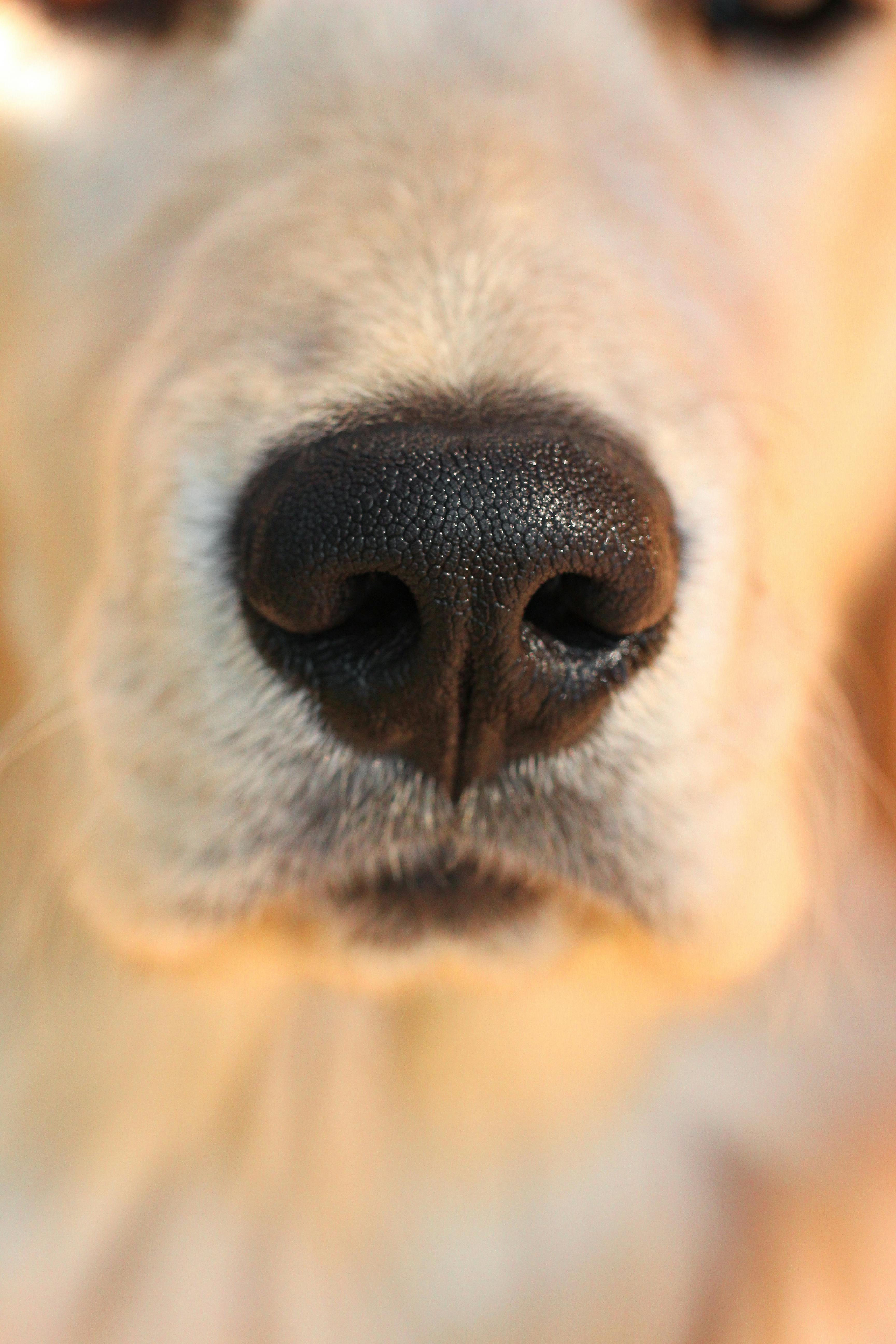 \n\n
\n\nWhen you are a dog owner, you often worried about many things, like their food, exercise, and health. One common concern that pops up is a dog's nose. You might’ve asked yourself: is a dry nose a concern? The answer isn't as straightforward as you might think. Understanding the health implications for dogs’ noses, and learning why do dogs have wet noses, can give you a better insight into your furry friend's well-being.
\nThe Science Behind a Dog's Nose
\nDogs have wet noses for several reasons, and it’s not just for show. The moisture on a dog's nose serves a few important functions. When a dog licks its nose, it helps them to smell better. The moisture captures scent particles, allowing dogs to detect odors more effectively. This is essential for their survival and communication.
\nHere are some key points about why dogs have wet noses:
\n- \n
- Enhanced Smell: Wet noses help capture scent particles better. \n
- Temperature Regulation: The moisture on the nose can help cool down the dog’s body temperature. \n
- Health Indicator: A wet nose can indicate hydration and good health, while a dry nose might signal something else. \n
Is a Dry Nose a Concern?
\nNow, let’s dive into whether a dry nose is a cause for concern. A dog's nose can fluctuate between being wet and dry throughout the day, and doesn’t always indicate a health issue. Many factors can cause a dry nose, like weather, activity level, and even sleeping. However, persistent dryness combined with other symptoms might require attention.
\nPossible Causes of a Dry Nose
\nA dry nose in dogs can happen for various reasons. Here’s a list of common causes:
\n- \n
- Dehydration: Just like humans, dogs need water, and a lack of it can lead to a dry nose. \n
- Allergies: Environmental factors, like pollen or dust, can irritate a dog's nose, leading to dryness. \n
- Illness: Certain diseases, like canine distemper, can cause a dry nose as a symptom. \n
- Sunburn: Dogs with lighter fur or skin may get sunburned, leading to a dry nose. \n
- Medications: Some medications can cause dryness as a side effect. \n
When to Visit the Vet
\nSo, when should you be worried about your dog’s nose? It’s important to observe other signs along with a dry nose. If you see any of these symptoms, it might be time to consult a veterinarian:
\n- \n
- Lethargy: If your dog is unusually tired or inactive. \n
- Loss of Appetite: Not eating or drinking can be serious. \n
- Coughing or Sneezing: This could indicate a respiratory issue. \n
- Vomiting or Diarrhea: These symptoms can signal more serious health problems. \n
- Discharge from the Nose: Any unusual discharge should be checked. \n
Fun Facts About Dog Noses
\nDid you know that a dog’s nose print is unique, much like human fingerprints? It can actually be used to identify dogs! Here are some more fascinating facts about dog noses:
\n- \n
- Sensitive to Smells: Dogs have up to 300 million smell receptors compared to humans' 5 million. \n
- Temperature Detection: Dogs can detect slight changes in temperature, which helps them sense their environment. \n
- Nose Color: A dog’s nose color can vary based on breed and genetics. \n
Practical Tips for Dog Nose Care
\nTo ensure your dog’s nose stays healthy, consider these practical tips:
\n- \n
- Hydration: Always provide fresh water to keep your dog hydrated. \n
- Regular Vet Check-ups: Regular veterinary visits will help catch any potential health issues early. \n
- Protect from the Sun: If your dog has a light-colored nose, consider using pet-safe sunscreen during sunny days. \n
- Monitor Changes: Keep an eye on any changes in your dog’s nose and overall behavior. \n
Understanding the health implications of a dog's nose is crucial for every dog owner. Knowing that a wet nose is often a sign of good health can help set your mind at ease. However, being aware of the signs of illness is equally important. If you notice any concerning symptoms, don’t hesitate to seek veterinary advice. Your dog’s health is worth every effort, and being informed will help you provide the best care possible.
\n\nFrom Breeds to Behaviors: How Dog Noses Vary Across Different Species
\n\n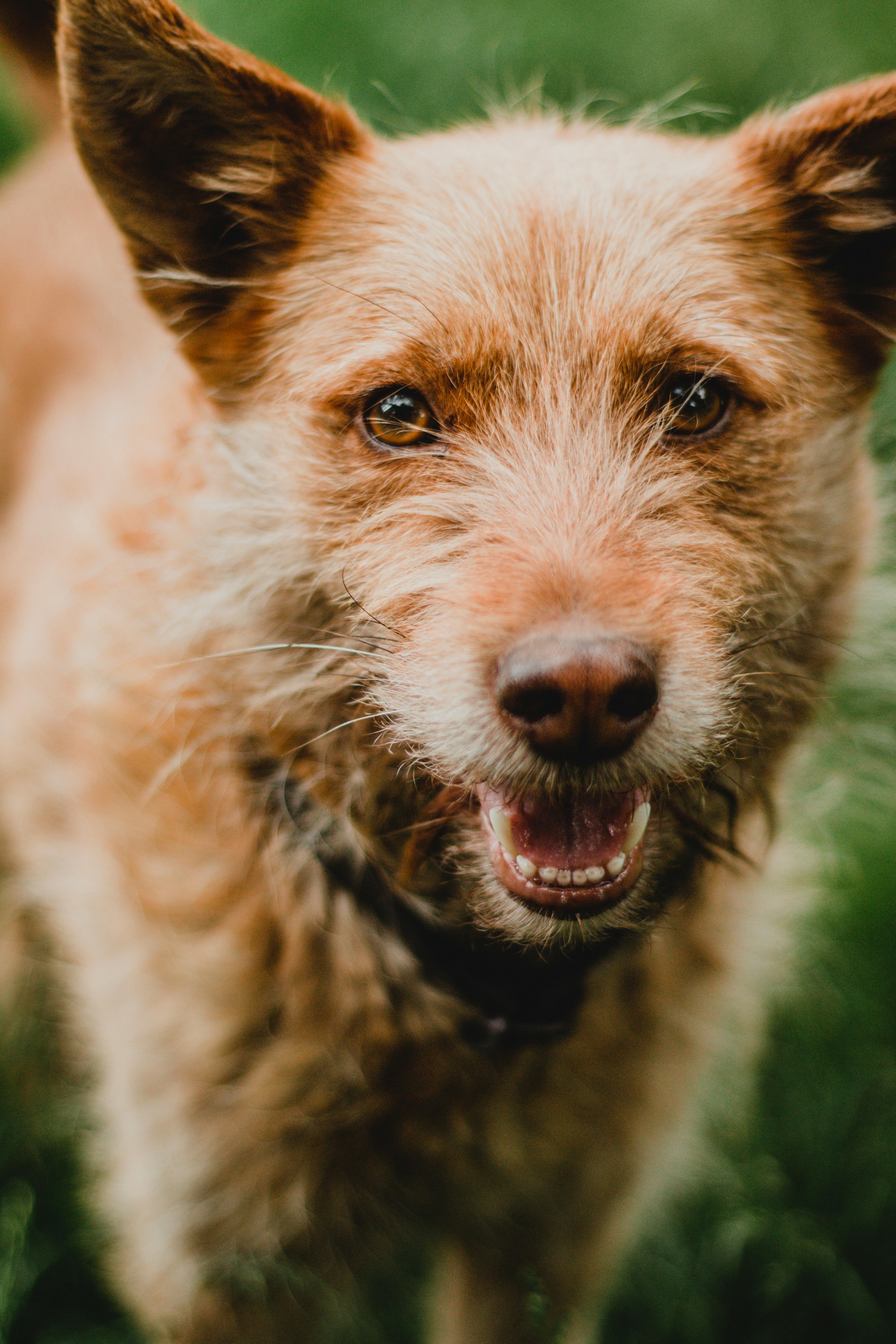 \n\n
\n\nDogs are known for their curious nature and their noses play a huge role in how they interact with the world. If you've ever wondered "why do dogs have wet noses?", you're not alone! This question opens up a fascinating topic that intertwines biology, behavior, and even a little history. Dogs noses are not just wet for no reason; they serve crucial purposes that aid in their survival and communication. So, let's explore how dog noses vary across different breeds, why they tend to be wet, and the incredible role they play in a dog's life.
\nThe Anatomy of a Dog's Nose
\nA dog's nose is one of the most fascinating organs in the animal kingdom. Not only is it moist, but it also has a unique structure that aids in scent detection. Here are some key anatomical features:
\n- \n
- Nasal Turbinates: These are tiny bones inside the nasal cavity that increase surface area, allowing dogs to detect scents more effectively. \n
- Olfactory Receptors: Dogs have about 300 million olfactory receptors compared to a human's 5 million, making their sense of smell incredibly powerful. \n
- Moisture: The moisture on a dog's nose helps to capture scent particles from the air, enhancing their ability to smell. \n
Why Are Dog Noses Wet?
\nNow, let’s dive into the question: why do dogs have wet noses? There are a few reasons for this interesting phenomenon:
\n- \n
- \n
Enhanced Smell: The moisture on a dog’s nose helps to absorb scent molecules. When the nose is wet, it can capture more scents, which is essential for dogs as they rely heavily on their sense of smell for communication and navigation.
\n \n - \n
Cooling Mechanism: Just like humans sweat to cool off, dogs can use their wet noses as a way to regulate their body temperature. A wet nose can help keep them cool on hot days.
\n \n - \n
Health Indicator: A wet nose is often a sign of good health in dogs. If a dog’s nose is dry or cracked, it could indicate dehydration or illness, prompting owners to pay closer attention to their furry friends.
\n \n
Variations Across Breeds
\nNot all dog noses are created equal. Different breeds have unique nose shapes and sizes, which can affect their sense of smell and how wet their noses get. Here are some examples:
\n- \n
- Bloodhounds: Known for their incredible sense of smell, their long, droopy noses are perfect for trapping scents. \n
- Pugs: With their flat faces, pugs may not have the same olfactory capabilities as other breeds, and their noses may dry out more quickly. \n
- Scent Hounds: Breeds like Beagles and Basset Hounds are known for their excellent tracking abilities, thanks to their moist and elongated noses. \n
The Science Behind Dog Behavior
\nDogs use their noses not just to smell but also to communicate. When dogs greet each other, they often sniff each other’s noses and behinds, which is a way of gathering information about the other dog. This behavior is rooted in their evolutionary history and is a fundamental aspect of canine social interaction.
\nFun Facts About Dog Noses
\n- \n
- Dogs can smell certain odors at a concentration of one part per trillion! This is why they are used in search and rescue missions. \n
- The texture and pattern of a dog's nose are as unique as a human fingerprint. No two dog noses are alike! \n
- Dogs can even detect diseases like cancer and diabetes due to their extraordinary sense of smell. \n
Practical Tips for Dog Owners
\n- \n
- Keep it Moist: Ensure your dog’s nose stays hydrated. If it appears dry, you can use a little bit of coconut oil to moisturize it. \n
- Watch for Changes: Regularly check your dog’s nose for any changes in texture or color, as these can be signs of health issues. \n
- Consult a Vet: If you notice persistent dryness or cracks, it might be time to consult your veterinarian for advice. \n
The moistness of a dog's nose is not just a quirky characteristic; it serves vital functions in their daily lives. From enhancing their powerful sense of smell to aiding in temperature regulation, dog noses are a crucial aspect of their biology. As you see, understanding why dogs have wet noses can deepen your appreciation for these remarkable companions. So, the next time you give your dog a pat, take a moment to admire that wet nose and all the incredible things it does!
\n\nConclusion
\n\nIn conclusion, the wet noses of dogs serve multiple essential purposes that enhance their health and sensory capabilities. The moisture helps to amplify their sense of smell, allowing them to pick up on scents that are undetectable to humans. Additionally, a wet nose aids in thermoregulation by dissipating heat, ensuring that they maintain a comfortable body temperature. While a wet nose is often a sign of a healthy dog, it’s important to remember that variations exist, and a dry or cracked nose could indicate underlying health issues. By understanding the science behind this unique trait, dog owners can foster a deeper connection with their furry companions. So the next time you greet your pup, appreciate that wet nose—it’s not just adorable, but a remarkable feature of their biology. Stay informed about your dog’s health, and consult your veterinarian if you notice any significant changes in their nose or overall well-being.
\n\n