Have you ever wondered why do dogs have wet noses? This intriguing question has baffled many dog lovers and pet owners alike. A dog’s nose is not just a cute feature; it plays a crucial role in their health and behavior. But what makes these adorable pets’ noses so consistently moist? In this article, we are going to uncover the fascinating truth behind this phenomenon and explore the reasons why a wet nose is so important for your furry friend. Is it just a random trait, or does it have deeper significance? Dogs have an incredible sense of smell, and their wet noses help them detect scents more effectively. But there’s more to it than that! Curious about how this affects their health? Or maybe you are wondering if a dry nose means your dog is sick? Don’t fret! Join us on this exciting journey as we delve into the science behind dog noses and discover the amazing facts that every pet owner should know. You'll never look at your dog's nose the same way again!
\n\nThe Science Behind Canine Wet Noses: Why Your Dog's Nose is Always Damp
\n\n \n\n
\n\nHave you ever wondered why your furry friend’s nose is always a bit damp? Many dog lovers often question, "Why do dogs have wet noses?" The answer to this question goes beyond just an odd quirk of nature. It’s actually rooted in science, biology, and even some historical context. Let’s dive into the fascinating truth behind canine wet noses and what they signify in the life of your dog.
\nThe Biology of a Dog’s Nose
\nDogs have highly developed olfactory senses. In fact, they have up to 300 million smell receptors in their noses, compared to a human's mere 5 million. This incredible sense of smell means that dogs rely on their noses to gather information about their environment. So, why is it always wet?
\n- \n
- \n
Moisture Helps with Smelling: A wet nose helps to capture scent particles in the air, which can improve a dog's ability to smell. The moisture allows these particles to dissolve, making it easier for dogs to detect various scents. This is especially important for hunting and tracking.
\n \n - \n
Cooling Mechanism: Dogs don’t sweat like humans do, so their noses can help regulate their body temperature. The moisture on a dog’s nose evaporates, which can help cool them down.
\n \n - \n
Health Indicator: A wet nose is often a sign of a healthy dog. If your dog’s nose is dry or cracked, it could be a sign of dehydration or illness. However, it's important to note that a wet nose alone isn't a definitive indicator of health.
\n \n
Historical Context
\nDogs, originally domesticated from wolves, have evolved alongside humans for thousands of years. Early humans relied on dogs for hunting, herding, and protection. The wet nose may have been an evolutionary trait that enhanced their ability to assist in these tasks. This adaptability is one of the key reasons dogs have been such loyal companions to humans.
\nFun Facts About Dog Noses
\n- \n
- Unique Patterns: Just like human fingerprints, every dog has a unique nose print. This can be used for identification purposes. \n
- Temperature Sensitivity: A dog’s nose can be more sensitive to temperature changes, which can help them sense their surroundings better. \n
- Nasal Turbinates: Dogs have complex structures in their noses called turbinates, which increase the surface area for scent detection. This is one reason why their noses are always moist. \n
Why Do Dogs Lick Their Noses?
\nDogs lick their noses frequently, and this behavior serves multiple purposes:
\n- \n
- Keeping it Moist: Licking helps to keep their noses damp, which aids in their sense of smell. \n
- Taste Sensation: Dogs also use their tongues to explore their environment. Licking can help them taste and understand more about the things they encounter. \n
- Communication: Sometimes, dogs lick their noses when they are feeling anxious or unsure, as a way to self-soothe. \n
Differences Between Breeds
\nNot all dog breeds have the same nose characteristics. Some breeds, such as the Bloodhound and Basset Hound, have larger and more moist noses compared to others. Here’s a quick overview:
\n| Breed | \nNose Size | \nMoisture Level | \nScent Detection Ability | \n
|---|---|---|---|
| Bloodhound | \nLarge | \nVery Moist | \nExceptional | \n
| Beagle | \nMedium | \nModerate | \nHigh | \n
| Dachshund | \nSmall | \nLess Moist | \nModerate | \n
| Chihuahua | \nVery Small | \nLess Moist | \nLow | \n
Myths About Dog Noses
\nThere are many myths surrounding the wet noses of dogs. Here are a few common ones:
\n- \n
- \n
Myth: A warm nose means a sick dog.
\n
\nFact: A dog’s nose temperature can vary for many reasons, including the environment and activity level. \n - \n
Myth: All dogs have wet noses.
\n
\nFact: Some dogs may have drier noses due to breed characteristics, health issues, or environmental factors. \n - \n
Myth: You can tell if a dog is sick just by touching their nose.
\n
\nFact: Health should not be judged solely on nose moisture; it's best to consult a vet for accurate assessments. \n
Practical Tips for Dog Owners
\nIf you are a dog owner, here are a few tips to ensure your dog’s nose stays healthy:
\n- \n
- Hydration: Always have fresh water available to keep your dog hydrated. \n
- Regular Check-ups: Keep up with vet visits to monitor your dog’s health. \n
- Observe Behavior: Pay attention to changes in your dog’s nose moisture and overall behavior, as these can be indicators of health issues. \n
Understanding why dogs have wet noses can deepen your appreciation for these amazing animals. Their noses are not just cute features; they are essential tools that play a vital role in their lives. Next time you give your dog a friendly scratch behind the ears, take
\n\nTop 5 Reasons Dogs Have Wet Noses: Unveiling the Mysteries of Canine Anatomy
\n\n \n\n
\n\nDogs are amazing creatures, and their wet noses are one of the most intriguing features. Have you ever wondered, why do dogs have wet noses? The answer to this question goes beyond mere curiosity; it delves into the fascinating world of canine anatomy and behavior. Here, we reveal the top 5 reasons why dogs have wet noses, shedding light on this unique aspect of our furry friends.
\n1. Enhanced Sense of Smell
\nOne of the primary reasons dogs have wet noses is because it helps them smell better. A wet nose can capture scent particles more effectively. When moisture is present, it helps to dissolve the scent molecules, making it easier for the dog’s olfactory receptors to detect them. This is critical for dogs, as their sense of smell is thousands of times more sensitive than humans.
\n- \n
- Dogs have up to 300 million smell receptors. \n
- Humans only have about 5 million. \n
This remarkable ability allows them to identify different scents, track scents over long distances, and even recognize individual humans or other animals by their unique smells.
\n2. Temperature Regulation
\nDogs can't sweat like humans do. Instead, they rely on their noses to help regulate their body temperature. By keeping their noses moist, they can cool themselves down more effectively. The evaporation of moisture from a dog's nose can help release heat from their body.
\n- \n
- Dogs will often lick their noses to keep them wet. \n
- This behavior can also be seen when they feel hot or after exercising. \n
In addition to their noses, dogs also pant to maintain their body temperature. Both methods are essential for their overall health and comfort, especially during warm weather.
\n3. Communication Tool
\nA dog's wet nose also serves as a form of communication. Dogs often greet each other by sniffing each other's noses, and the presence of moisture can indicate health and vitality. A wet nose can signal that a dog is happy, relaxed, or excited. Conversely, a dry nose can sometimes indicate that a dog is feeling unwell or stressed.
\n- \n
- Wet noses can indicate:
- \n
- Happiness \n
- Playfulness \n
- Curiosity \n
\n
This behavior is instinctual, and it helps dogs understand how to interact with one another in their social structures. The moisture on their noses can provide information about their environment and the emotional state of other animals.
\n4. Health Indicator
\nThe condition of a dog's nose can be a quick indicator of their health. While a wet nose is generally a sign of a healthy dog, a dry, cracked, or overly warm nose might suggest that something is wrong. It's important for dog owners to be aware of these changes.
\nSome possible health issues indicated by a dry nose include:
\n- \n
- Dehydration \n
- Fever \n
- Allergies \n
Regularly checking your dog's nose can help catch health issues early. If you notice significant changes in your dog's nose, it’s always best to consult a veterinarian.
\n5. Evolutionary Advantage
\nFrom an evolutionary standpoint, a wet nose provides dogs with a survival advantage. In the wild, a keen sense of smell is crucial for hunting and avoiding predators. Dogs likely evolved with wet noses as a trait that enhanced their ability to interact with their environment and locate food or mates.
\n- \n
- Wet noses may have helped early dogs in:
- \n
- Tracking prey \n
- Scouting territory \n
- Communicating with pack members \n
\n
This evolutionary trait has carried on through generations, and it remains an essential part of a dog's anatomy today.
\nComparisons with Other Animals
\nWhen comparing dogs with other animals, the function of a wet nose varies:
\n- \n
- Cats: Cats have dry noses, but they still have a strong sense of smell. Their whiskers and other sensory tools help them navigate. \n
- Ferrets: Ferrets also have wet noses, similar to dogs, which aids in their hunting instincts. \n
- Rabbits: Unlike dogs, rabbits have a different method of scent detection, relying more on their ears and whiskers. \n
Practical Examples
\nHere are some practical ways to take care of your dog's nose:
\n- \n
- Ensure your dog stays hydrated, especially in hot weather. \n
- Monitor your dog's nose for any changes in moisture or temperature. \n
- If your dog is showing signs of discomfort or illness, check their nose alongside other symptoms. \n
Understanding why do dogs have wet noses can enhance our bond with these wonderful companions. By knowing the reasons behind this fascinating anatomical feature, we can better appreciate our furry friends and help take care of them in the best way possible. So next time you see your dog with that adorable wet nose, remember all the important reasons behind it!
\n\nIs a Wet Nose a Sign of a Healthy Dog? Discover What It Means for Your Pet
\n\n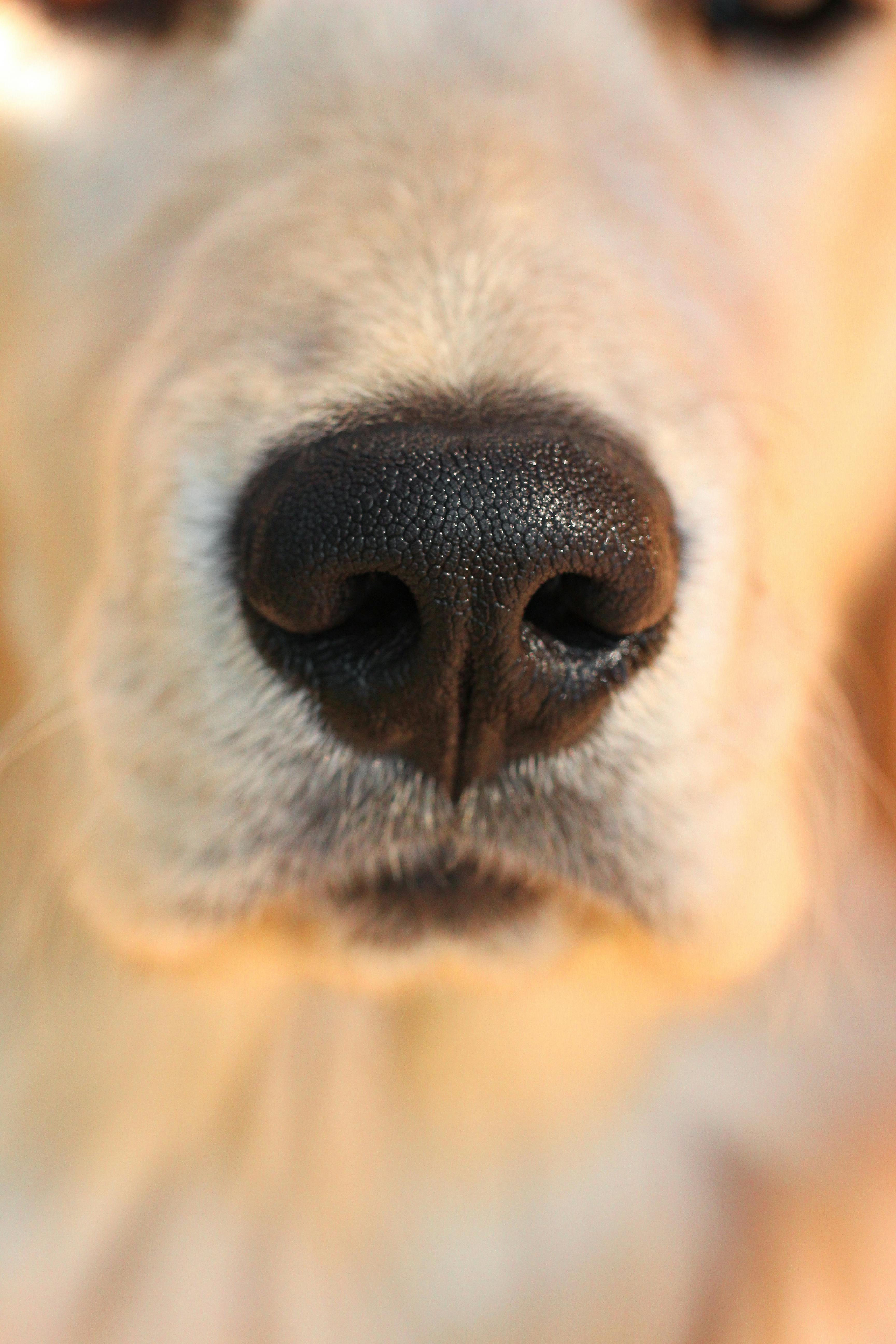 \n\n
\n\nIs a Wet Nose a Sign of a Healthy Dog? Discover What It Means for Your Pet, Why Do Dogs Have Wet Noses? Discover The Fascinating Truth!
\nMany dog owners often wonder if a wet nose in their furry friend is a sign of good health. It's true that dogs noses tend to be moist, but does that really means something about their overall well-being? In this article, we explore the reasons why dogs have wet noses, what it indicates about their health, and what you should know as a responsible pet owner.
\nWhy Do Dogs Have Wet Noses?
\nDogs have wet noses primarily for a few key reasons. Understanding these reasons can help pet owners feel more confident about their dog's health.
\n- \n
- \n
Temperature Regulation:
\n- \n
- Dogs sweat very little. They primarily cool themselves through panting and the moisture on their nose helps with temperature regulation. \n
- When a dog is active, their nose may become even wetter, which is a sign of their body working hard to cool down. \n
\n - \n
Enhanced Sense of Smell:
\n- \n
- A wet nose helps to capture scent particles better. The moisture on the surface of the nose allows the dog to smell things more effectively. \n
- Dogs have an incredible sense of smell, and a wet nose assists in this process. It traps scents in the air, making it easier for them to detect. \n
\n - \n
Natural Lubrication:
\n- \n
- The wetness on a dog's nose is produced by mucous membranes. This moisture keeps the nose from drying out and cracking, which could cause discomfort. \n
- A healthy dog will have a nose that feels cool and moist, providing a protective layer against environmental irritants. \n
\n
What Does a Wet Nose Mean for Your Pet's Health?
\nWhile a wet nose is often associated with health, it’s not the only indicator of a dog’s well-being. Here’s a list of what you should consider:
\n- \n
- \n
Normal Behavior:
\n- \n
- A wet nose is generally a sign of a healthy, happy dog. However, it’s important to look for other signs too. \n
\n - \n
Other Symptoms to Monitor:
\n- \n
- Changes in appetite \n
- Excessive lethargy \n
- Persistent coughing or sneezing \n
- Vomiting or diarrhea \n
\n - \n
Dry Nose vs. Wet Nose:
\n- \n
- A dry nose is not always a cause for concern. Dogs can have dry noses when they wake up or after being in a warm environment. But if it stays dry for too long, it could indicate dehydration or illness. \n
\n
Fun Facts About Dogs’ Noses
\nDogs noses are not just wet for nothing! Here are some interesting facts:
\n- \n
- \n
Unique Patterns:
\n- \n
- Just like human fingerprints, each dog's nose has a unique pattern. This can be used for identification similar to how we use fingerprints. \n
\n - \n
Color Variations:
\n- \n
- A dog's nose can change color due to various factors such as exposure to sunlight or temperature changes. For instance, a dark nose could become lighter in winter. \n
\n - \n
Health Indicators:
\n- \n
- Besides wetness, the color of a dog’s nose can indicate health. A sudden change in color may signal health issues. \n
\n
When to Consult a Vet
\nIf you notice that your dog’s nose is consistently dry, cracked, or excessively warm, it may be time to consult a veterinarian. Here are some signs that require professional attention:
\n- \n
- Cracks or sores on the nose \n
- Excessive sneezing or discharge \n
- Loss of appetite or unusual behavior \n
Maintaining Your Dog’s Nose Health
\nIt’s important to keep your dog’s nose healthy. Here are some tips:
\n- \n
- Stay Hydrated: Ensure your dog has access to fresh water at all times. \n
- Temperature Control: Avoid leaving your dog in hot areas for long periods. \n
- Regular Check-ups: Regular vet visits can help catch any issues early. \n
Final Thoughts
\nA wet nose can indeed be a sign of a healthy dog, but it's not the only factor to consider. Keeping an eye on other health indicators is essential for ensuring your furry companion stays happy and healthy. Understanding why dogs have wet noses and what it means for their well-being can empower you as a pet owner. Always be attentive and proactive about your dog's health, because they rely on you to keep them safe and sound. Remember, a happy dog often shows in many ways, not just through a wet nose!
\n\n7 Fascinating Facts About Dog Noses: Why Wetness Matters More Than You Think
\n\n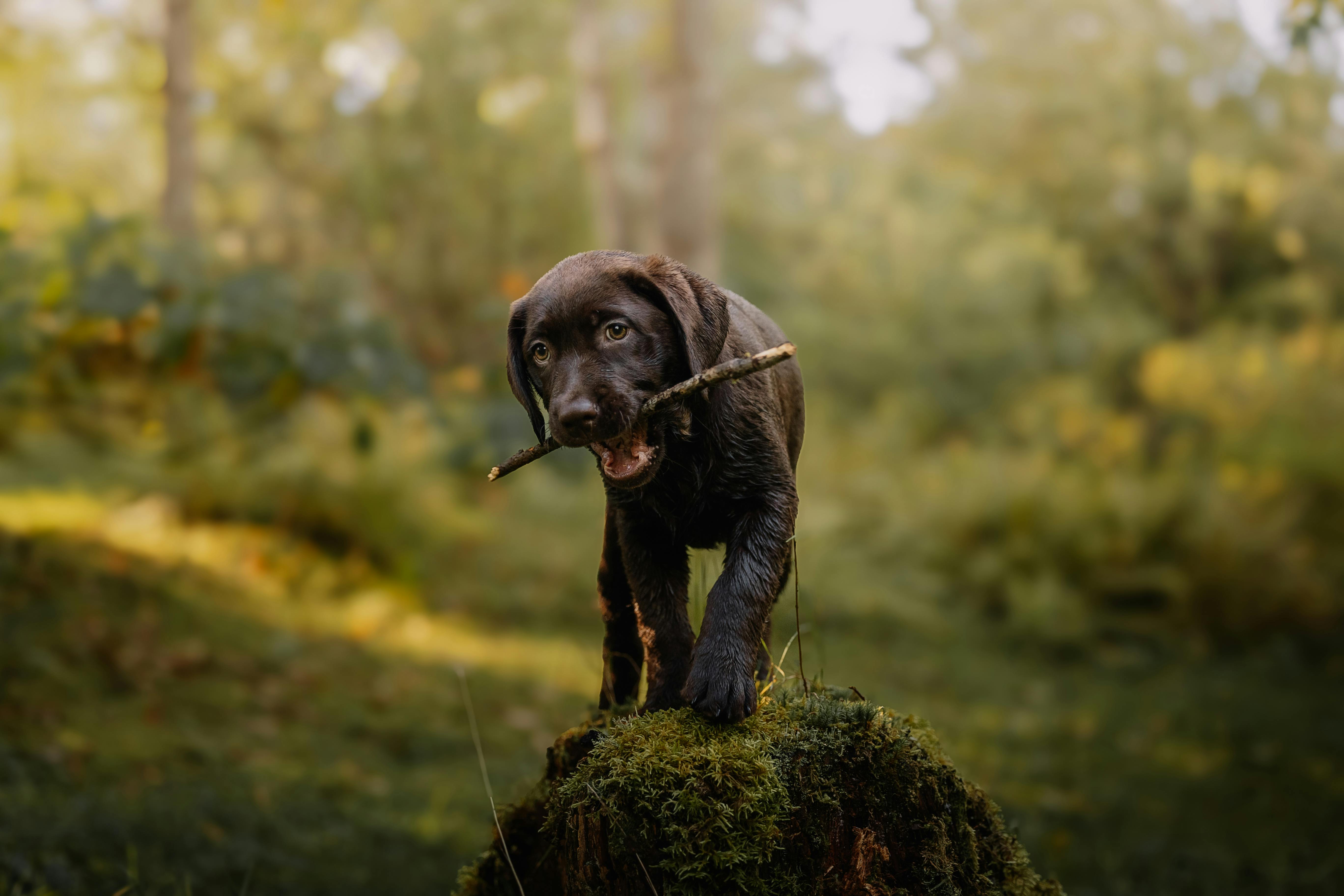 \n\n
\n\nDog noses are one of the most intriguing parts of our furry friends. Have you ever wondered why do dogs have wet noses? The answer may be more fascinating than you think. Wet noses are not just cute, they play a critical role in a dog's health and sensory perception. Let's dive into 7 fascinating facts about dog noses that reveal why wetness matters more than you think.
\n1. The Nature of Wetness
\nWet noses are a characteristic feature of dogs. But why are they wet? The moisture comes from a combination of saliva and mucous secretion. This wetness helps dogs to absorb scent molecules from the air, enhancing their sense of smell. It's like how we might take a deep breath to appreciate a lovely aroma; dogs do that with their noses!
\n2. Enhancing Smell
\nDogs have an incredible sense of smell, estimated to be between 10,000 to 100,000 times more sensitive than humans. This extraordinary ability is partly due to their wet noses. The moisture on a dog's nose helps trap scent particles, which allows their olfactory receptors to pick up on smells more effectively. So, next time your dog is sniffing around, remember that their wet nose is working hard!
\n3. Temperature Regulation
\nWet noses also help regulate a dog’s body temperature. It’s similar to how sweating cools us down. Dogs don’t sweat like humans do, so they use their noses as a cooling mechanism. When a dog pants, moisture evaporates from their nasal passages, helping to cool their body. This is especially important during warm weather or after exercise.
\n4. Communication Tool
\nDogs communicate in many ways, and their noses play a role in that too. A wet nose can be an indication of a dog’s mood or health. For example, a dry nose can sometimes mean that a dog is sick or dehydrated. Conversely, a moist nose usually indicates a healthy and happy pup!
\n5. Historical Context of Dog Noses
\nHistorically, dogs were bred for specific functions. Many breeds were developed to have exceptional sense of smell for hunting, herding, and even rescue. The wetness of their noses has always been a critical aspect of their ability to perform these tasks. Ancient civilizations recognized the value of dogs' olfactory skills, which is why they were often used for tracking and locating prey.
\n6. The Science Behind the Sniff
\nDogs have around 300 million olfactory receptors in their noses compared to a human's 5 million. This vast difference explains why dogs are used in various fields like search-and-rescue missions or detecting drugs and explosives. The wetness of their noses not only aids in scent detection, but it also contributes to their remarkable ability to differentiate between various smells.
\n7. Variations Among Breeds
\nNot all dog breeds have the same type of nose. Some breeds have drier noses than others. For instance, Bulldogs tend to have more moisture than others because of their structure. Here is a quick comparison of nose types across various breeds:
\n- \n
- Bulldogs: Usually have very wet noses. \n
- Sighthounds: Often have drier noses due to their speed and hunting style. \n
- Retrievers: Wet noses due to their water-loving nature. \n
Quick Facts Summary
\n- \n
- Moisture Source: Saliva and mucus. \n
- Scent Absorption: Wet noses trap scent particles. \n
- Temperature Control: Helps in cooling. \n
- Health Indicator: Dryness can indicate health issues. \n
- Historical Use: Bred for scent tracking. \n
When you think about why do dogs have wet noses, you realize it’s not just a cute feature. It’s a multifunctional tool that supports their health, communication, and survival. The next time you give your canine companion a pat and feel that familiar wet nose, remember there's a lot more going on than meets the eye.
\nUnderstanding these fascinating truths about dog noses can deepen your appreciation of your furry friend. So, whether your dog is a playful puppy or a wise old companion, their wet nose is a small but significant part of their ability to connect with the world around them. It’s a reminder of the extraordinary nature of dogs and their unique adaptations.
\n\nHow Do Dogs Use Their Wet Noses? Exploring the Sensory Superpowers of Canines
\n\n \n\n
\n\nHave you ever wonder why dogs have wet noses? The answer is not just a cute quirk of their appearance; it’s actually tied to how they experience the world around them. Canines have developed some of the most fascinating sensory abilities, and their wet noses play a big role in that. Let’s dive into the world of dogs and explore how their wet noses work, what they tell us about a dog's health, and the incredible sensory superpowers that these furry friends possess.
\nThe Science Behind the Wet Nose
\nDogs noses are moist for many reasons. One of the main reasons is that it helps them to enhance their sense of smell. Their noses are covered with a thin layer of mucus which assist in trapping scent particles. When a dog sniffs, these particles stick to the mucous membrane and then the olfactory receptors in their nose can analyze the scents.
\n- \n
- Dogs have up to 300 million olfactory receptors. \n
- Humans only have about 5 million. \n
- This huge difference allows dogs to detect scents at incredibly low concentrations. \n
Why Do Dogs Have Wet Noses?
\nThe moisture on a dog’s nose is not just for show. It serve several important functions:
\n- \n
- Enhanced Smell: As mentioned earlier, a wet nose can catch more scent particles. \n
- Temperature Regulation: Dogs don’t sweat like humans do. Instead, they cool down through their noses. A wet nose can help them regulate their body temperature. \n
- Health Indicator: The condition of a dog’s nose can indicate its health. A dry nose might mean dehydration or illness, while a moist nose is often associated with a healthy pup. \n
The Role of Dogs' Noses in Communication
\nDogs also use their noses to communicate with each other and with humans. Have you ever seen your dog sniffing another dog? This is how they gather information. It’s like reading a detailed biography. They learn about another dog’s age, diet, and even mood through scent.
\n- \n
- Social Interactions: Sniffing is a part of how dogs greet each other. \n
- Stress Indicators: A dog might sniff more when they are anxious or scared. \n
- Exploration: Dogs are naturally curious creatures, and sniffing helps them explore their environment. \n
Fun Facts About Dog Noses
\n- \n
- Each dog’s nose print is unique, much like human fingerprints. \n
- Some breeds, like Bloodhounds, have a particularly strong sense of smell, making them excellent tracking dogs. \n
- Dogs can identify certain scents that indicate diseases, such as cancer or diabetes. \n
Comparing Dog Noses to Human Noses
\nLet’s take a closer look at how dog noses stack up against human noses. Here’s a simple comparison:
\n| Feature | \nDog Noses | \nHuman Noses | \n
|---|---|---|
| Olfactory Receptors | \n~300 million | \n~5 million | \n
| Sensitivity | \nCan detect parts per trillion | \nLimited sensitivity | \n
| Function | \nPrimary sense for identifying and exploring | \nSecondary to sight | \n
Practical Examples of Dogs' Sensorial Skills
\nDogs have been used in various fields because of their incredible olfactory abilities. Here are a few examples:
\n- \n
- Search and Rescue: Dogs can find missing persons by tracking their scent. \n
- Detection Work: Canines are trained to sniff out drugs, explosives, and even certain medical conditions. \n
- Service Animals: Some assist people with health issues by alerting them to impending medical episodes. \n
Caring for Your Dog's Nose
\nKeeping your dog's nose healthy is important. Here are some tips to ensure their noses stay in good shape:
\n- \n
- Hydration: Make sure your dog drinks enough water to keep their nose moist. \n
- Check for Cracks: If your dog's nose is dry and cracked, it could be a sign of dehydration or other health issues. \n
- Avoid Irritants: Keep your dog away from strong chemicals or fumes that can irritate their sensitive noses. \n
Dogs’ wet noses are more than just a cute feature; they are essential tools for survival and communication. Understanding the science behind them can help you appreciate your furry friend even more. Remember, a wet nose is often a sign of a happy and healthy dog! So, next time you give your pup a pat on the head, take a moment to admire that incredible wet nose and all the sensory superpowers it brings into their life.
\n\nWet Nose vs. Dry Nose: What Your Dog's Nose Says About Their Health
\n\n \n\n
\n\nEvery dog owner has wondered at some point: why do dogs have wet noses? It’s a question that leads to the fascinating world of canine health and behavior. If you've ever petted a furry friend and felt their cool, moist nose, you might of thought about what it means. Wet nose vs. dry nose can actually say a lot about your dog's health.
\nThe Science Behind Wet Noses
\nDogs’ noses are wet for several reasons. First off, it helps them with their sense of smell. A wet nose can help capture scent particles in the air, allowing dogs to detect and identify smells better. This is due to a special layer of cells called olfactory receptors. These cells are incredibly sensitive and can detect even the faintest whiff of something interesting, like food or other animals.
\n- \n
- Wet noses help enhance smell \n
- Moisture captures scent particles \n
- Dogs have up to 300 million olfactory receptors \n
Why Do Dogs Have Wet Noses?
\nThe moisture on a dog’s nose comes from a few different sources. Dogs lick their noses frequently, which keeps them damp and helps with their sniffing ability. Some breeds are more prone to having wetter noses than others. For instance, hounds and retrievers usually have more moisture, while short-nosed breeds like bulldogs may have drier noses.
\nHere are some interesting facts about why dogs have wet noses:
\n- \n
- \n
Temperature Regulation: Dogs have sweat glands, but they mainly sweat through their paw pads. A wet nose may help in regulating their body temperature, acting somewhat like a radiator.
\n \n - \n
Health Indicator: A change in the wetness of a dog’s nose can indicate health problems. For example, a dry nose could signal dehydration or illness, while a very wet nose might indicate fever or an infection.
\n \n - \n
Communication: Dogs also use their noses to communicate. A wet nose can be a sign of a happy and excited dog, while a dry nose might indicate stress or discomfort.
\n \n
Wet Nose vs. Dry Nose: What’s the Difference?
\nWhen it comes to a dog's nose, the wetness or dryness can mean different things. Here’s a simple comparison:
\nWet Nose:
\n- \n
- Associated with healthy, hydrated dogs \n
- Indicative of good smelling ability \n
- Often seen in active dogs \n
Dry Nose:
\n- \n
- Can be normal, especially during sleep or hot weather \n
- May indicate health issues if persistent \n
- Can be a sign of dehydration or illness \n
A Nose is Not Just a Nose
\nThe condition of your dog’s nose can tell you much about its health. It’s not always the best indicator, however. Some dogs naturally have drier noses, especially if they are older or have less active lifestyles.
\nHere’s a list of potential health issues signaled by a dry nose:
\n- \n
- Dehydration \n
- Fever \n
- Allergies \n
- Skin conditions \n
If your dog has a dry nose accompanied by other symptoms, like lethargy or loss of appetite, it’s a good idea to consult a veterinarian.
\nKeeping Your Dog’s Nose Healthy
\nMaintaining a healthy nose for your dog isn’t just about keeping it wet. Here are some tips to consider:
\n- \n
- \n
Hydration: Make sure your dog always has access to fresh water. Dehydration can cause a nose to dry out quickly.
\n \n - \n
Regular Vet Check-Ups: Routine visits can catch potential health issues before they become serious.
\n \n - \n
Watch for Changes: Keep an eye on your dog’s nose. If it changes from wet to dry suddenly, or if it appears cracked or sore, contact your vet.
\n \n - \n
Healthy Diet: A balanced diet contributes to the overall health of your dog, which includes the condition of their nose.
\n \n
The Bottom Line
\nSo, when you’re wondering why do dogs have wet noses, remember it’s more than just a quirky feature. It plays a significant role in their health and well-being. A dog's nose can provide insight into their hydration levels, mood, and even their overall health. Understanding these signals can help you be a better pet owner. Keep an eye on your furry friend’s nose, and you might just learn a lot about their health and happiness.
\n\nThe Role of a Wet Nose in Dog Communication: Understanding Canine Signals
\n\n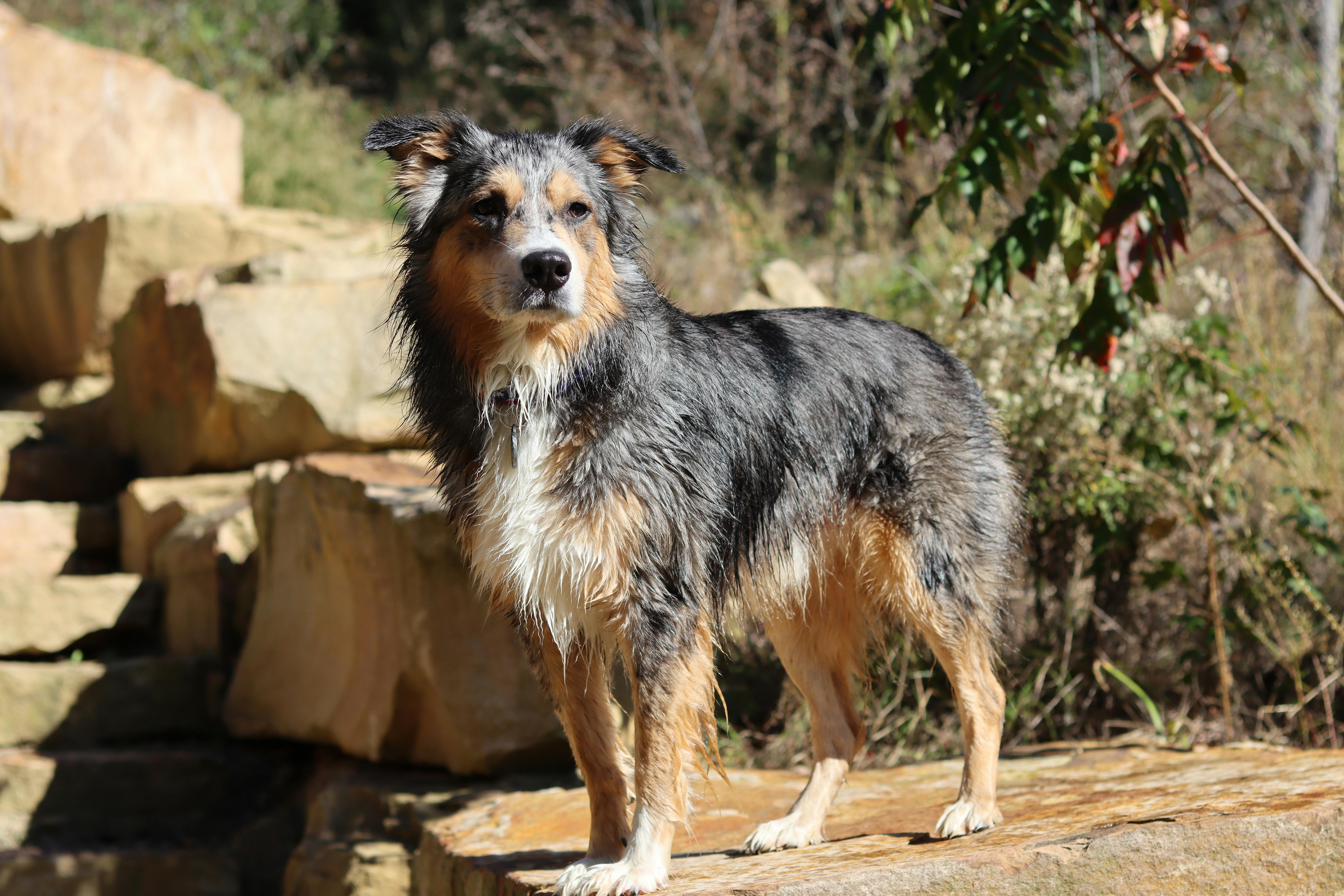 \n\n
\n\nDogs are often called "man's best friend," and for good reason. They serve as loyal companions, protectors, and even therapeutic partners. But have you ever noticed that your furry friend has a wet nose? This feature of dogs isn’t just cute; it's actually essential for their communication and health. In this article, we will explore the role of a wet nose in dog communication, why do dogs have wet noses, and some fascinating facts about these lovable creatures.
\nThe Importance of a Wet Nose
\nA wet nose serves multiple purposes in the life of your dog. Most importantly, it helps in collecting scent particles in the air. Dogs have an extraordinary sense of smell, and their wet noses enhance this ability. When a dog sniffs, the moisture on their nose traps odors, allowing them to analyze scents more effectively. Here’s how it works:
\n- \n
- Enhanced Olfactory Functions: The wetness helps scent particles stick to the nose, making it easier for dogs to detect and identify smells. \n
- Thermoregulation: Dogs don’t sweat like humans do, so their wet noses help to cool them down. When a dog pants, moisture evaporates from the nose, which helps with body temperature regulation. \n
- Health Indicators: A dog’s nose can sometimes indicate their health status. A wet, cool nose may signify good health, while a dry or cracked one might indicate dehydration or illness. \n
Why Do Dogs Have Wet Noses?
\nThe question "why do dogs have wet noses" has intrigued many pet owners. The answer lies in both biology and behavior.
\n- \n
- Evolutionary Advantage: Over time, the wet nose has provided dogs with better survival chances. With the ability to detect scents more acutely, they could locate food, avoid predators, and navigate their environment more effectively. \n
- Communication Tool: Dogs also use their noses to communicate with each other and with humans. The wetness of their noses can signal excitement or anxiety when they greet people or other dogs. A dog might nuzzle you with a wet nose to show affection or seek attention. \n
Fascinating Facts About Dog Noses
\nHere are some interesting facts about dog noses that might surprise you:
\n- \n
- Unique Nose Prints: Just like human fingerprints, each dog has a unique nose print. This can be used for identification. \n
- Scent Detection: Dogs can detect certain diseases, such as cancer or diabetes, through scent. Their noses are that powerful! \n
- Temperature Sensors: The wetness of a dog’s nose also may help them sense temperature changes, which aids in their survival. \n
Understanding Canine Signals
\nTo communicate effectively with your dog, it's crucial to understand their signals. A wet nose is just one aspect of their communication toolkit. Here are some common signals and what they mean:
\n- \n
- Nudging with Nose: Your dog may nudge you with their wet nose to get your attention or to ask for something. \n
- Sniffing Excessively: If your dog is sniffing excessively, it could mean they’re excited, anxious, or trying to gather information about their environment. \n
- Licking: When dogs lick their noses, it can indicate they are relaxed or attempting to self-soothe. \n
Behavioral Comparison: Dogs vs. Cats
\nDogs and cats have different ways of communicating, and their noses play distinct roles. Here’s a quick comparison:
\n| Feature | \nDogs | \nCats | \n
|---|---|---|
| Nose Function | \nEnhanced scent detection | \nLess reliance on scent | \n
| Communication | \nWet nose nudging | \nSlow blinking for affection | \n
| Grooming | \nLick their noses | \nLick their bodies | \n
Practical Examples of Dog Communication
\nUnderstanding your dog’s behavior can strengthen your bond. Here are some practical examples:
\n- \n
- Playfulness: If your dog approaches you with a wagging tail and a wet nose, it's a clear sign they want to play. \n
- Comfort Seeking: A wet nose against your hand could mean your dog is seeking comfort or reassurance. \n
- Curiosity: When your dog sniffs around with a wet nose, they are exploring their surroundings and may have found something interesting. \n
In conclusion, the wet nose of a dog is more than just a cute feature; it plays a vital role in their communication, health, and survival. By understanding the significance of a wet nose and the various signals your dog sends, you can enhance your relationship and provide better care for your furry friend. So, next time you see that wet nose, remember the fascinating truth behind it!
\n\nCurious Canines: Why Do Dogs Lick Their Noses and What It Reveals
\n\n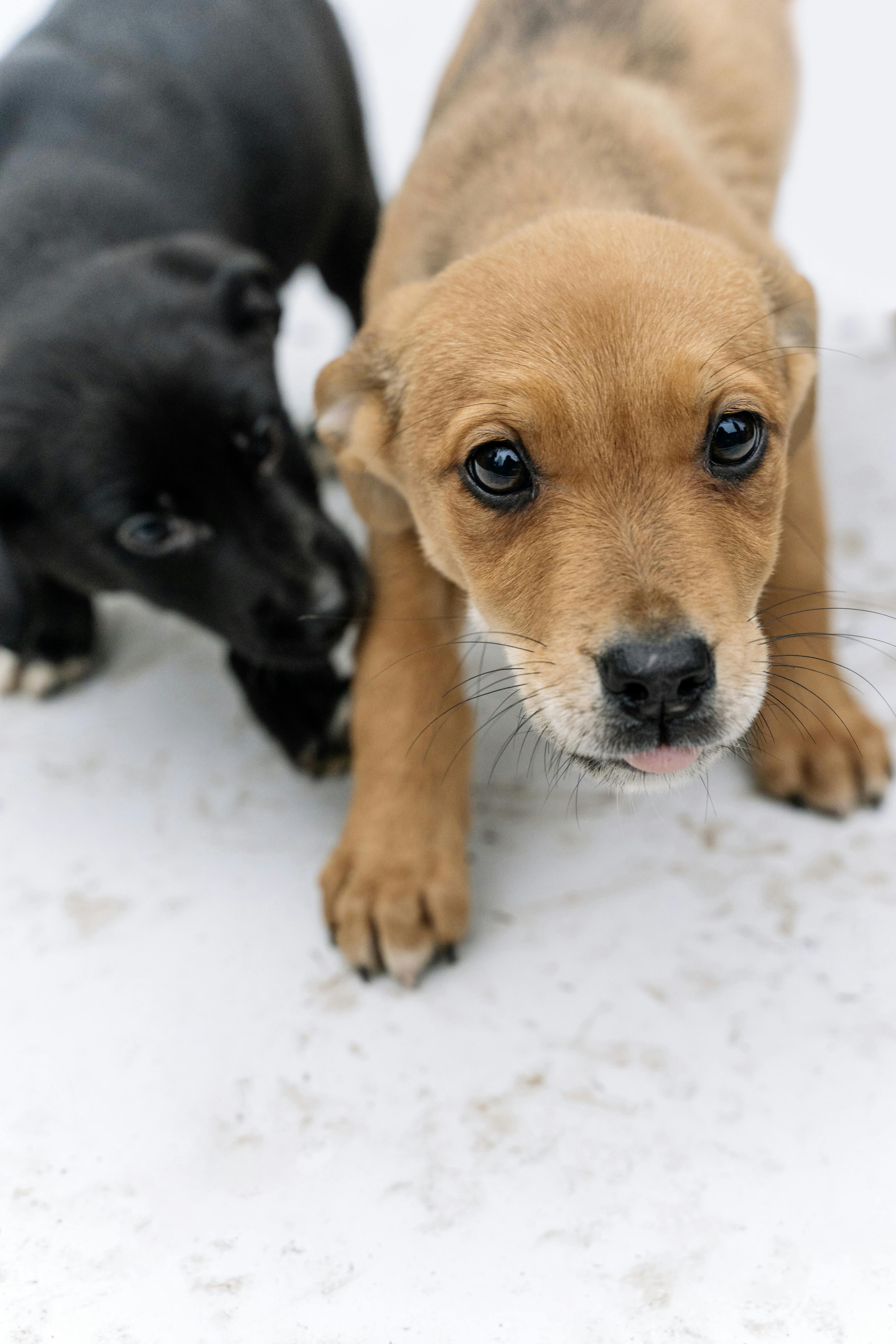 \n\n
\n\nDogs are truly some of the most fascinating creatures we share our lives with. Among the many quirks that dogs display, one of the most curious behaviors is their tendency to lick their noses frequently. You might’ve wondered, why do dogs lick their noses, and why do dogs have wet noses, anyway? Let's dive into this intriguing topic to uncover the secrets behind these canine habits.
\nThe Science of a Wet Nose
\nFirstly, the moisture on a dog's nose is not just for looks. Dogs have wet noses mainly because of a few reasons:
\n- \n
- Temperature Regulation: A wet nose helps dogs cool down. Just like humans sweat, dogs release moisture through their noses. This cooling process is important, especially during warm weather. \n
- Enhanced Sense of Smell: The wetness helps to capture scent particles from the air. This is why dogs have such incredible olfactory capabilities. A nose that’s damp can pick up more scents than a dry one. \n
- Healthy Sign: A wet nose is generally a sign of a healthy dog. If your dog’s nose is dry or cracked, it might be a sign they’re not feeling well. \n
Why Do Dogs Lick Their Noses?
\nNow, dogs lick their noses for a variety of reasons, and each can tell us something about their state of mind or health. Here are some common reasons:
\n- \n
- Curiosity: Dogs are naturally curious animals. They lick their noses to explore their environment, especially after eating or drinking. \n
- Nervousness or Anxiety: Sometimes, a dog might lick their nose when they’re feeling anxious or threatened. It’s a way for them to self-soothe. \n
- Communication: Dogs often lick their noses as a submissive gesture. It can signal to another dog or human that they pose no threat. \n
- Hygiene: Just like humans wash their hands, dogs lick their noses to keep them clean. This can be particularly true after they’ve been eating or playing. \n
The Historical Context of Dog Noses
\nThe evolutionary history of dogs is quite fascinating. Dogs descended from wolves, and it is believed that their keen sense of smell was crucial for hunting and survival in the wild. Over time, domestication has enhanced certain traits, including their sense of smell and the moisture of their noses.
\n- \n
- Wolves vs. Dogs: Wolves have slightly drier noses than most domestic dogs. This is partially because they’re often in environments that don’t require as much moisture for scent detection. \n
- Adaptation: Domestic dogs have adapted to living alongside humans, which means they’ve developed behaviors that help them communicate and interact effectively with us. \n
Fun Facts About Dogs and Their Noses
\n- \n
- Dogs have about 220 million scent receptors in their noses, compared to about 5 million in humans. \n
- The wetness of a dog’s nose can vary depending on the breed, with some breeds having naturally drier noses than others. \n
- A dog’s sense of smell is so powerful that they can detect certain diseases in humans, such as diabetes or cancer. \n
- Dogs have a special organ called the Jacobsen's organ that helps them process smells, enhancing their ability to sniff out scents. \n
Practical Examples of Nose Behavior
\nYou might notice your dog licking their nose in specific situations. Here are a few scenarios:
\n- \n
- After Eating: If your dog licks their nose after a meal, it’s likely they’re cleaning up any leftovers or just enjoying the taste. \n
- Meeting New People: When a dog meets someone new, they may lick their nose as a way to calm themselves and show they’re friendly. \n
- When They’re Sick: If your dog suddenly stops licking their nose, it could be a sign they’re not feeling well. A dry nose, along with lethargy, may be a reason to visit the vet. \n
Understanding Your Dog’s Nose
\nTo understand your dog better, pay attention to their nose behavior. Here’s a quick reference guide:
\n- \n
- Wet and Cool: Generally healthy and happy. \n
- Warm and Dry: Possible sign of illness or dehydration. \n
- Excessive Licking: Could indicate anxiety or discomfort. \n
Dogs are incredible companions, and their quirks can often reveal important information about their well-being. Understanding why dogs lick their noses and the significance of their wet noses can help you nurture better relationships with your furry friends. So, the next time you see your dog’s nose glistening, remember the fascinating reasons behind it!
\n\nThe Evolution of Dog Noses: Why Wetness is Key for Survival and Hunting
\n\n \n\n
\n\nDogs, man's best friend, are well-known for their incredible sense of smell. But one of the most distinctive features of a dog is its nose, particularly how it feels wet and cool to the touch. Have you ever wondered why do dogs have wet noses? This intriguing question leads us into the fascinating evolution of dog noses, revealing why wetness is crucial for their survival and hunting abilities.
\nThe Science Behind Dog Noses
\nA dog's nose is packed with olfactory receptors. In fact, dogs have about 220 million scent receptors, compared to humans who only have roughly 5 million. This incredible olfactory capability means dogs can detect scents at concentrations nearly 100 million times lower than humans. But what role does wetness play in this?
\nThe moisture on a dog’s nose actually helps to capture scent particles from the air. When the nose is wet, it is better able to absorb odor molecules, enhancing a dog’s sense of smell. The wetness also helps to cool the dog down, acting as a natural air conditioning system.
\nEvolutionary Context
\nDogs descend from wolves, and their noses have evolved to suit various hunting and survival strategies. In the wild, a wet nose may have provided early canines with an edge in locating prey.
\n- \n
- Hunting: A wet nose aids in tracking down scents left by potential prey or other animals. \n
- Survival: Being able to smell food, water, and potential dangers is crucial for survival in the wild. \n
Over the centuries, as dogs became domesticated, their noses remained a vital tool. They’ve been selectively bred for specific tasks, such as hunting, herding, and tracking, which emphasized the importance of their olfactory abilities.
\nWhy Do Dogs Have Wet Noses?
\nHere are some of the reasons:
\n- \n
- Enhanced Smelling Ability: A wet nose is better at picking up scents. \n
- Thermoregulation: Helps to regulate body temperature. \n
- Health Indicator: The moisture level can indicate a dog's health; a dry nose might be a sign of illness. \n
- Communication Tool: Dogs also use their noses to communicate with other dogs and animals, sniffing to gather information about their environment. \n
Wet vs. Dry Noses: What’s the Difference?
\nNot all dogs have equally moist noses. Here’s a quick comparison:
\n| Aspect | \nWet Nose | \nDry Nose | \n
|---|---|---|
| Smell Ability | \nEnhanced scent detection | \nWeaker scent detection | \n
| Health Indicator | \nGenerally healthy | \nMay indicate dehydration or illness | \n
| Temperature Control | \nAids in thermoregulation | \nLess effective in cooling | \n
| Dog Behavior | \nMore playful and active | \nMay be lethargic or less engaged | \n
Historical Perspectives
\nThroughout history, dogs have played vital roles in human society, from hunting partners to loyal companions. The wet nose has been seen in many cultures as a symbol of health and vitality.
\n- \n
- Ancient Egyptians: Dogs were revered and often depicted with wet noses in hieroglyphics, signifying their importance. \n
- Medieval Times: The presence of a dog with a wet nose was thought to bring good luck and fortune to hunters. \n
Practical Implications for Dog Owners
\nUnderstanding why do dogs have wet noses can help owners take better care of their furry friends. Here are some tips:
\n- \n
- Observe the Nose: Regularly check if your dog's nose is moist and healthy. A sudden change could signal health issues. \n
- Stay Hydrated: Ensure your dog has access to fresh water to keep their nose moist and healthy. \n
- Temperature Awareness: Be aware of how temperature affects your dog's nose. On hot days, they may need more hydration. \n
Fun Facts About Dog Noses
\n- \n
- Dogs can even sniff out certain diseases, including some types of cancer! \n
- The unique patterns of a dog’s nose are as distinct as human fingerprints. \n
- The wetness of a dog's nose can change with the weather; they may have dryer noses during cold, dry days. \n
The evolution of dog noses illustrates the remarkable adaptability of these animals. Their wet noses are not just cute features but are essential tools that aid in survival, communication, and companionship. By understanding the importance of wet noses, dog owners can better appreciate their pets and ensure their well-being. So the next time you pet your dog and feel that cool, damp nose, remember the incredible history and biology behind it.
\n\nHow Weather Affects Your Dog's Nose: Can Rain and Humidity Change Nose Moisture?
\n\n \n\n
\n\nThe weather plays a big role in many parts of our lives, including how our furry friends feel and their health. One of the most interesting things lots of dog owners notice is their pet's nose. So, how does rain and humidity affects your dog's nose? And why do dogs have wet noses in the first place? Let’s dive into this fascinating topic and uncover some truths.
\nHow Weather Affects Your Dog's Nose: Can Rain and Humidity Change Nose Moisture?
\nDog noses are usually wet, and this moisture levels can change based on the weather. When it rains or the humidity increases, it can impact how moist your dog's nose gets. Wet weather can cause noses to become even wetter. This is because the moisture in the air can be absorbed by the nose, making it feel cooler and wetter to the touch.
\nSome factors to consider are:
\n- \n
- Humidity Levels: High humidity can lead to more moisture on your dog’s nose. This is because the air is filled with water vapor. \n
- Rain: When it rains, dogs often get droplets on their noses. This can contribute to the wetness. \n
- Temperature: Warmer temperatures can cause the moisture on a dog's nose to evaporate quicker than it would in cooler weather. \n
Why Do Dogs Have Wet Noses? Discover The Fascinating Truth!
\nNow, let’s address the question: why do dogs have wet noses? There are several reasons for this, and they go beyond just being cute. Wet noses serve multiple purposes for dogs.
\n- \n
- \n
Enhanced Sense of Smell: Dogs have an incredible sense of smell, which is much stronger than humans. The moisture on their noses helps capture scent particles from the air, making it easier for them to detect smells. This is vital for hunting, tracking, and just exploring their environment.
\n \n - \n
Cooling Mechanism: Dogs don’t sweat like humans do. Instead, they regulate their body temperature mainly through their noses and paw pads. The moisture on their noses can help cool them down, especially during hot weather.
\n \n - \n
Health Indicator: A dog's nose can also be a sign of their health. A wet, cool nose is generally a good indicator of a healthy dog. Conversely, a dry, warm nose might indicate that something isn't right. However, it’s important to note that noses can vary throughout the day and can be influenced by other factors.
\n \n - \n
Communication: Dogs use their noses to interact with their world, and wetness can play a role in how they communicate with other dogs. A moist nose can signal friendliness and openness.
\n \n
How Weather Changes Nose Moisture
\nWhen we discuss how different weather can affect a dog’s nose, it's helpful to understand the science behind it. The moisture levels in the air and the temperature can create different conditions for your dog.
\nHere’s a quick comparison of how different weather conditions affects your dog’s nose:
\n| Weather Condition | \nNose Moisture Level | \nExplanation | \n
|---|---|---|
| Sunny and Dry | \nLow | \nEvaporation occurs, drying the nose quickly. | \n
| Rainy | \nHigh | \nDirect moisture from rain increases wetness. | \n
| Humid | \nModerate to High | \nAirborne moisture adds to the nose's wetness. | \n
| Cold and Dry | \nLow | \nCold air can be dry, leading to less moisture. | \n
| Warm and Humid | \nHigh | \nWarm, humid air keeps the nose moist. | \n
Practical Tips for Dog Owners
\nUnderstanding how weather affects your dog's nose is useful, but what can you do to ensure your dog remains healthy no matter the weather? Here are some practical tips:
\n- \n
- Regular Check-Ups: Make sure to regularly check your dog’s nose. If it’s constantly dry or cracked, it might be time for a vet visit. \n
- Hydration: Always provide fresh water, especially during hot, dry days. Hydration helps maintain nose moisture. \n
- Monitor Weather Changes: Pay attention to sudden changes in weather and how they might affect your dog's outdoor activities. \n
Dogs and Their Fascinating Noses
\nDogs’ noses are more than just cute features; they are vital to their health and well-being. The wetness of a dog's nose can change with the weather, making it an interesting topic for pet owners. Understanding this can help you take better care of your furry friend.
\nSo next time it rains or the humidity rises, pay attention to your dog's nose. It’s not just a quirky trait; it’s part of what makes them so special. Whether it's a sunny day or a rainy afternoon, your dog’s nose is always working hard to help them experience the world in their unique way.
\n\nConclusion
\n\nIn conclusion, the wet noses of dogs serve multiple vital functions that contribute to their overall health and well-being. The moisture on their noses aids in enhancing their sense of smell, allowing them to detect scents more effectively, which is crucial for their communication and interaction with the world around them. Additionally, a wet nose plays a role in thermoregulation, helping dogs regulate their body temperature. It’s also indicative of a dog’s health; a consistently dry nose may warrant a visit to the veterinarian. Ultimately, understanding the significance of a dog's wet nose deepens our appreciation for these beloved companions. Next time you give your furry friend a pat, take a moment to marvel at this fascinating feature. Consider sharing this knowledge with fellow dog lovers, as awareness can lead to better care and a deeper bond with our canine companions.
\n\n