Have you ever wondered, why do dogs have wet noses? This intriguing question not only sparks curiosity but also reveals fascinating insights into our furry friends. Dogs, known for their loyal companionship, often greet us with a cold, wet nose that can leave us pondering its purpose. It’s not just an odd quirk; there’s a scientific explanation behind it! A dog’s nose secretes moisture, which helps them to sense the world around them better. But why is this important? Wet noses enhance a dog’s sense of smell, making them exceptional hunters and loyal protectors. Also, the moisture helps to cool them down, as dogs don’t sweat like humans do. If you’ve ever asked, what does a wet nose mean, you’re not alone! This common question is rooted in a deeper understanding of canine biology and behavior. Join us as we delve deeper into the fascinating truth behind why dogs have wet noses and explore how this unique feature contributes to their wellbeing and communication. Are you ready to discover more about your dog’s amazing physiology? Let’s uncover the secrets of those adorable, wet noses together!
\n\nThe Science Behind Wet Noses: What Makes Your Dog’s Nose So Moist?
\n\n \n\n
\n\nHave you ever noticed how your dog’s nose feels like cold, wet sponge? It’s kinda strange, right? That moistness is not just an odd quirk; there’s actually some science behind why dogs have wet noses. Understanding why this characteristic is important not just for dog owners, but also for anyone who loves these furry companions. So, let’s dive into the fascinating truth about why do dogs have wet noses.
\nThe Biology of Dog Noses
\nTo get to the bottom of this wet nose phenomenon, we need to first understand the biology of a dog’s nose. Dogs have a highly developed olfactory system; their sense of smell is around 10,000 to 100,000 times more sensitive than humans. The moistness of their noses plays a critical role in this.
\n- \n
- Moisture and Scent: The wetness helps to trap scent particles more effectively. When a dog sniffs, the moisture on their nose absorbs these particles, making it easier for them to detect different smells. \n
- Cooling Mechanism: Just like how we sweat to cool off, dogs also use their noses to regulate body temperature. The moisture evaporates, helping to keep them cool when they get hot. \n
The Purpose Behind the Moisture
\nNow that we know the biology, let’s look at the purposes of that wetness. Dogs are fascinating creatures, and their noses are even more so. Here are a few reasons why dogs have wet noses:
\n- \n
- Enhanced Smell: Wet noses can absorb scent particles, which makes them even more sensitive to odors. This is why dogs can track scents so well. \n
- Communication Tool: Dogs communicate with each other through scents. Wet noses help them interact with other dogs by picking up pheromones and other chemical signals. \n
- Health Indicator: A dog's nose can indicate their health. A wet nose is often a sign of a healthy dog, while a dry nose may indicate dehydration or illness. \n
Historical Context
\nDogs have been domesticated for thousands of years. Ancient civilizations recognized the importance of a dog’s sense of smell and used them for hunting, herding, and even in warfare. The wet nose is a trait that’s been naturally selected over generations.
\n- \n
- Evolutionary Advantage: Dogs with better smelling abilities (thanks to their wet noses) were more successful in finding food and avoiding predators. Hence, this trait became more prevalent over time. \n
- Cultural Significance: Different cultures have revered the dog for their skills and loyalty. For instance, ancient Egyptians considered dogs sacred because of their keen senses. \n
Fun Facts About Dog Noses
\nThere are so many interesting things to know about dog noses that it’s hard to list them all. But here’s a few fun facts:
\n- \n
- Unique Nose Prints: Just like human fingerprints, every dog has a unique nose print. It can actually be used for identification. \n
- Temperature Regulation: Dogs can perspire through their paw pads, but their wet noses also help cool them down. \n
- Health Checks: While a wet nose is a good sign, not every dry nose means a dog is sick. Environmental factors can also cause dryness. \n
Practical Examples
\nWhen you see a dog with a wet nose, it might not just be a sign of their health. It can also mean they are excited or happy. Here are a few scenarios:
\n- \n
- Greeting You: When your dog greets you with a wet nose, it’s a sign of affection. \n
- When they’re Curious: If they stick their nose into everything, they’re just being their curious selves. \n
- During Playtime: A wet nose during play can mean they’re having fun and feeling good. \n
Comparison with Other Animals
\nDogs aren’t the only animals with wet noses. Let’s compare them with other common pets:
\n| Animal | \nNose Type | \nPurpose of Moisture | \n
|---|---|---|
| Dogs | \nWet | \nEnhanced smell, cooling | \n
| Cats | \nDry | \nLess reliance on smell, more on sight | \n
| Pigs | \nWet | \nFor rooting around and finding food | \n
As you can see, each animal uses its nose differently based on its evolutionary needs and environment.
\nUnderstanding why do dogs have wet noses sheds light on their biology and behavior. It’s more than just a cute feature; it’s essential for their survival and interaction with the world. So, the next time you pet your dog and feel that cold, damp nose, remember the science behind it and all the fascinating roles it plays in their lives. Keep exploring the amazing world of dogs and cherish every moment with your furry friend!
\n\n5 Surprising Benefits of a Wet Nose in Dogs: More Than Just a Cute Feature!
\n\n \n\n
\n\nDogs are wonderful companions and one of their most charming features is their wet noses. But have you ever wondered why do dogs have wet noses? It's not just an adorable aspect of their appearance; it’s linked to several fascinating benefits and functions. Let's dive into the five surprising benefits of a wet nose in dogs, and explore the truth behind this intriguing characteristic.
\n1. Enhanced Sense of Smell
\nDogs have an extraordinary sense of smell, which is much better than humans. Did you know that a dog's sense of smell can be up to 100,000 times more acute than ours? The wetness of their noses plays a role in this. When a dog's nose is wet, it helps to trap scent particles. This moisture helps to absorb odors, allowing dogs to detect and analyze smells more effectively.
\n- \n
- Wet noses help in:
- \n
- Trapping scent particles. \n
- Enhancing olfactory receptors. \n
- Making it easier for dogs to identify scents in their environment. \n
\n
2. Temperature Regulation
\nBelieve it or not, a wet nose also helps dogs regulate their body temperature. Dogs sweat very little, primarily through their paw pads. Their noses, being moist, can help cool them down. When a dog is hot, the moisture evaporates from their nose, which helps to decrease their body temperature. This is especially important for breeds that have thick fur or live in warmer climates.
\nHere's some quick facts about dog temperature regulation:
\n- \n
- Dogs cool off by:
- \n
- Panting. \n
- Sweating from paws. \n
- Moisture evaporation from the nose. \n
\n
3. Communication and Social Interactions
\nDog noses are also important for communication. A wet nose can indicate a dog's emotional state. For instance, if a dog approaches with a wet nose, it often indicates curiosity or affection. Dogs use their noses to greet each other and gather information about their surroundings and other animals.
\nSome ways dogs use their noses to communicate include:
\n- \n
- Sniffing each other to gather information. \n
- Rubbing their noses on people or objects as a sign of affection. \n
- Detecting pheromones and other scents that convey messages. \n
4. Health Indicators
\nA wet nose can be a good indicator of a dog’s health. Generally, a healthy dog has a moist, cool nose. However, if a dog has a dry or warm nose, it could be a sign of illness or dehydration. Regularly checking your dog's nose can help you notice changes that may require a vet’s attention.
\nHere are some health indicators based on a dog's nose condition:
\n- \n
- Healthy Nose:
- \n
- Cool and moist. \n
\n - Dry Nose:
- \n
- Possible dehydration or illness. \n
\n - Warm Nose:
- \n
- May indicate fever or health issues. \n
\n
5. Bonding and Trust
\nInterestingly, dogs use their noses to build bonds with their human companions. When a dog nudges you with its wet nose, it is often a sign of affection and trust. This is a way for dogs to interact and connect with their owners, fostering a deeper bond.
\nSome bonding behaviors include:
\n- \n
- Nosing or nudging to get your attention. \n
- Licking your hand or face, often with a wet nose. \n
- Seeking proximity and closeness to you. \n
In fact, many dog owners notice that their pets are more inclined to approach with a wet nose when they are feeling affectionate or wanting to play.
\nConclusion
\nSo, the next time you see your dog’s wet nose, remember it’s more than just a cute feature. It’s a multifunctional tool that aids in smelling, cooling, communicating, and even indicating health. Wet noses are vital for a dog's well-being and social interactions! Now you can appreciate this fascinating truth about why do dogs have wet noses as you enjoy your time with your furry friend. Whether it’s for sniffing out something interesting or simply expressing love, a dog’s wet nose is a valuable part of their charm and functionality.
\n\nDo All Dogs Have Wet Noses? Exploring Variations Across Breeds and Conditions
\n\n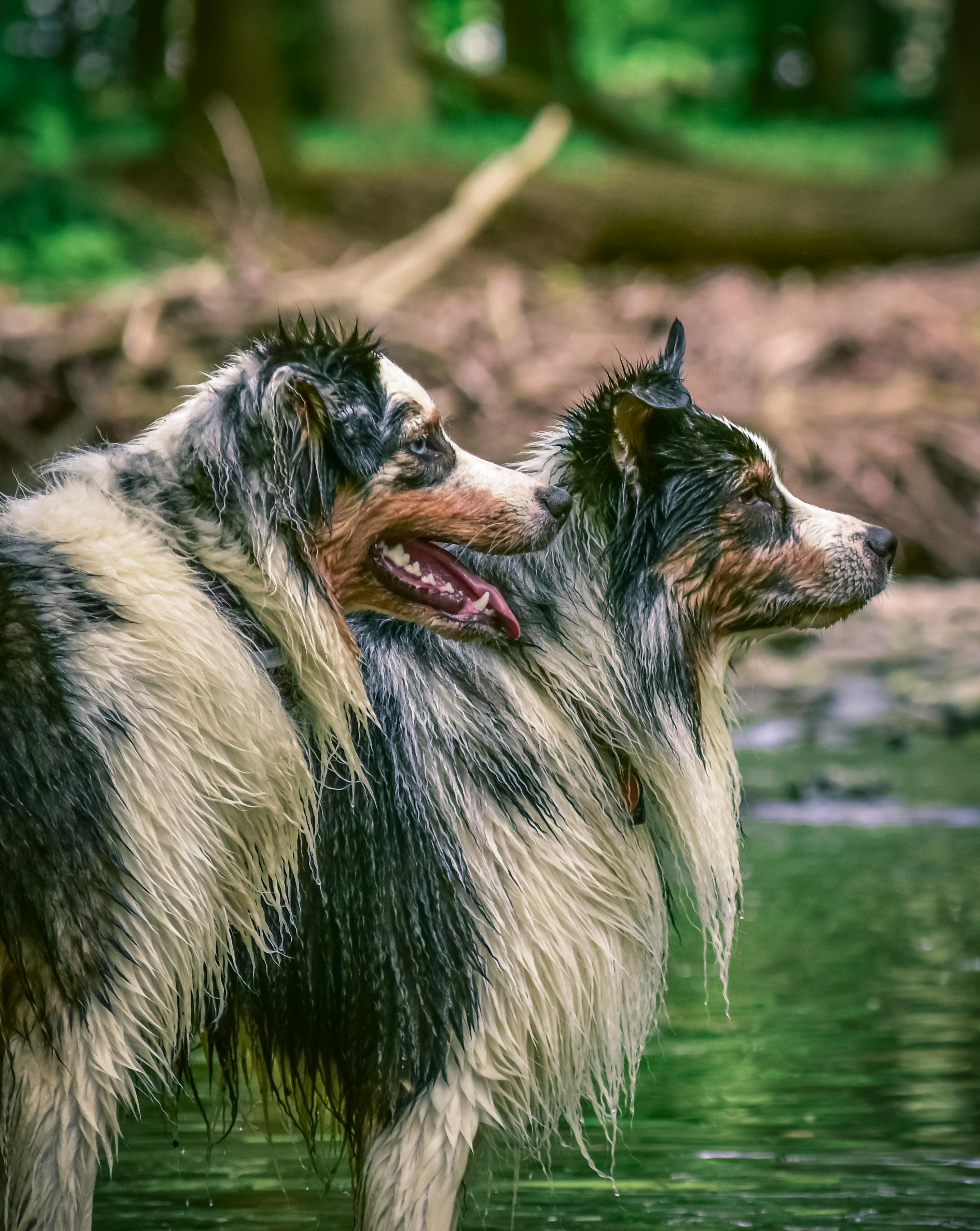 \n\n
\n\nDo all dogs have wet noses? This question might seem simple, but the answer is more complex than you might think. The moisture level of a dog's nose can vary greatly depending on various factors, including breed, health, and environmental conditions. Let’s dive into the fascinating world of canine noses and discover why they tend to be wet.
\nWhy Do Dogs Have Wet Noses?
\nDogs have wet noses for several reasons. One of the most important is that moisture helps enhance their sense of smell. A wet nose allows scent particles to stick better, making it easier for dogs to pick up on different odors. This is particularly important since dogs have an incredible sense of smell, estimated to be anywhere from 10,000 to 100,000 times more sensitive than humans.
\n- \n
- Cooling Mechanism: Dogs don’t sweat like humans do. Instead, they cool down through panting and the moisture on their noses. A wet nose can help regulate their body temperature. \n
- Health Indicator: The condition of a dog's nose can sometimes indicate their health. A healthy dog usually has a moist nose, while a dry nose may suggest dehydration, illness, or fever. \n
- Communication Tool: Dogs use their noses to explore their environment and communicate with other dogs. A wet nose can also signal excitement or anxiety. \n
Do All Dogs Have Wet Noses?
\nNot all dogs have wet noses all the time. Certain breeds may have drier noses, and several factors can affect the moisture level. Here’s a breakdown:
\n- \n
- Breeds with Drier Noses: Some dogs like the Shar Pei or the Bulldog may naturally have drier noses. Their skin texture and structure can lead to less moisture retention. \n
- Environmental Factors: Hot, dry weather can lead to drier noses. If a dog is spending time outdoors in the sun, they may lose moisture more quickly. \n
- Health Conditions: Certain medical issues can cause a dog's nose to become dry. Conditions like allergies, infections, or autoimmune diseases might be at play. \n
Variations Across Breeds
\nIt’s interesting to note that different breeds show varying nose moisture levels. Here’s a quick look at a few breeds and their typical nose conditions:
\n- \n
- Labrador Retrievers: Often have moist noses due to their active lifestyles and healthy hydration habits. \n
- Dachshunds: Typically possess wet noses, but can also have variations based on health. \n
- Beagles: They generally have moist noses, which aids their hunting abilities. \n
Factors Affecting Nose Moisture
\nUnderstanding what affects a dog's nose moisture can help owners keep an eye on their furry friends. Here’s a list of factors:
\n- \n
- Hydration: Dogs need to drink enough water. Dehydrated dogs often have dry noses. \n
- Health Status: Regular veterinary check-ups can help catch health issues early. A sudden change in nose moisture can be a sign of something wrong. \n
- Age: Older dogs may experience changes in their nose moisture due to decreased activity levels or health issues. \n
Common Myths About Dog Noses
\nThere are several myths surrounding dog noses that can be misleading:
\n- \n
- \n
Myth: A cold, wet nose means a dog is healthy.
\n- \n
- Reality: While a wet nose can be a sign of health, it’s not always definitive. Dogs can be sick with moist noses. \n
\n - \n
Myth: Dogs only have wet noses because they lick them.
\n- \n
- Reality: While licking can keep a nose moist, it’s natural for dogs to have wet noses due to other factors. \n
\n
Practical Tips for Dog Owners
\nKeeping an eye on your dog’s nose can be an important part of responsible pet ownership. Here are some tips:
\n- \n
- Hydrate Regularly: Make sure your dog has constant access to fresh water. \n
- Observe Changes: Monitor any changes in your dog’s nose condition and consult a vet if needed. \n
- Provide Shade: If your dog spends a lot of time outside, ensure they have access to shade to prevent overheating and dryness. \n
In the end, the wetness of a dog’s nose serves multiple purposes, from enhancing their sense of smell to regulating their body temperature. While not every dog may have a perpetually moist nose, understanding what contributes to this condition can help you keep your canine companion healthy and happy. So next time you wonder, "Do all dogs have wet noses?" remember it’s a fascinating mix of biology, breed, and individual health that shapes this characteristic.
\n\nWhy Is My Dog's Nose Dry? Common Causes and What They Mean for Your Pet's Health
\n\n \n\n
\n\nWhen you notice your dog's nose feeling dry, it can be concerning. You might wonder, “Why is my dog's nose dry?” or “Is something wrong with my pet’s health?” Dogs’ noses are often wet, so a dry nose can feel like a red flag. Understanding the common causes of a dry nose can help you determine if it’s a sign of a serious issue or just a normal variation.
\nCommon Causes of a Dry Dog Nose
\nThere are many reasons a dog's nose might be dry, ranging from environmental factors to health-related issues. Here’s a breakdown of some frequent causes:
\n- \n
- \n
Environmental Conditions: Just like humans, dogs can experience dry skin due to weather changes. Hot, dry air or prolonged exposure to the sun could lead to a dry nose.
\n \n - \n
Dehydration: If your dog isn’t drinking enough water, their nose may dry out. Always ensure they have access to fresh water.
\n \n - \n
Allergies: Dogs can be allergic to various substances, including food, pollen, or dust. Allergies can cause skin irritations, leading to dryness on the nose.
\n \n - \n
Infections: Bacterial or fungal infections can cause changes in your dog’s nasal moisture. If your dog has a persistent dry nose along with other symptoms, an infection might be a cause.
\n \n - \n
Autoimmune Diseases: Certain autoimmune conditions can affect your dog’s skin, including the nose. Lupus is an example where you might see a dry, cracked nose.
\n \n - \n
Age-Related Changes: Older dogs might experience changes in their skin and nose moisture levels just as humans do.
\n \n
Why Do Dogs Have Wet Noses? Discover The Fascinating Truth!
\nNow, reversing the question, why do dogs have wet noses in the first place? The moisture on a dog’s nose serves several purposes. Here are some fascinating facts about wet noses:
\n- \n
- \n
Enhanced Sense of Smell: Dogs possess an extraordinary sense of smell, and moisture on the nose helps to capture scent particles from the air. This enhances their ability to detect odors.
\n \n - \n
Temperature Regulation: A dog’s nose can help regulate body temperature. The wetness allows for some cooling, especially on hot days.
\n \n - \n
Tactile Sensitivity: Dogs have a higher concentration of nerve endings in their noses. The moisture can help them to sense their environment better.
\n \n - \n
Health Indicator: A wet nose is often considered a sign of a healthy dog. However, it’s essential to remember that a dry nose doesn't necessarily mean something is wrong.
\n \n
What Can You Do About a Dry Nose?
\nIf your dog has a dry nose, there are several steps you can take. Here are some practical tips:
\n- \n
- \n
Hydration Check: Make sure your dog stays hydrated. Increase their water intake if needed.
\n \n - \n
Humidity Considerations: If you live in a dry climate, consider using a humidifier in your home, especially during winter.
\n \n - \n
Regular Vet Check-Ups: Regular visits to the veterinarian can help catch any underlying health issues early.
\n \n - \n
Observe for Other Symptoms: If your dog has a dry nose along with other signs, such as lethargy, loss of appetite, or unusual behavior, consult a vet.
\n \n - \n
Natural Remedies: Some dog owners use natural oils or balms to help moisturize their dog’s nose. However, always consult with a vet before applying anything to your pet.
\n \n
When Should You Be Concerned?
\nThere are times when a dry nose might indicate a more significant health issue. Here’s a quick list of red flags to look out for:
\n- \n
- Cracks or sores: If the dry nose is cracking or bleeding, it needs immediate attention. \n
- Change in behavior: If your dog is not acting like themselves, it’s time to check in with a vet. \n
- Persistent dryness: If the nose remains dry for an extended period, especially with other symptoms, don’t wait to get professional advice. \n
The Bottom Line
\nA dog’s nose can tell you a lot about their health. While a dry nose sometimes raises alarms, it’s not always a reason for panic. Observing your dog’s overall behavior and health is crucial. If you’re ever in doubt, reaching out to a veterinarian is the best course of action. Understanding why dogs have wet noses and recognizing the signs of potential issues can help you keep your furry friend happy and healthy.
\n\nWet Nose vs. Dry Nose: Understanding Your Dog's Health Through Their Snout Condition
\n\n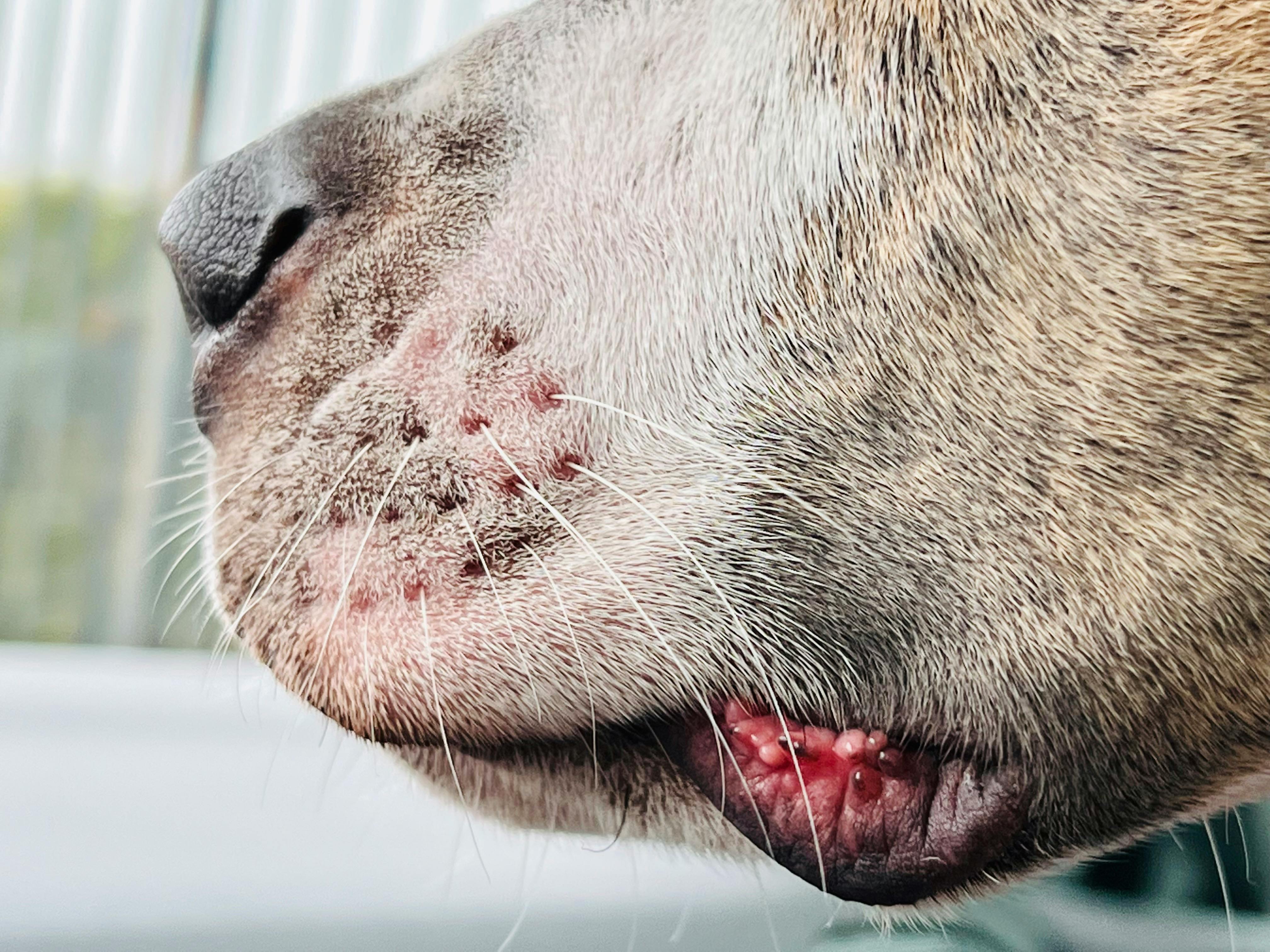 \n\n
\n\nWhen it comes to our furry friends, their health can be quite the mystery. One of the most curious aspects of dogs is their noses. Ever wonder why some dogs have wet noses while others have dry ones? This can actually tell you a lot about your dog's health. Wet Nose vs. Dry Nose: Understanding Your Dog's Health Through Their Snout Condition is not just a catchy phrase; it’s a key to understanding your pet.
\nWhy Do Dogs Have Wet Noses?
\nThe first thing you should know is dogs have wet noses for a reason. It's not just a quirky trait; there's science behind it. A wet nose helps dogs in several ways:
\n- \n
- Sensory Enhancement: Dogs have an incredible sense of smell, and a wet nose helps to trap scent particles. This make’s it easier for them to analyze the world around them. \n
- Temperature Regulation: Dogs don’t sweat like humans do. Instead, they rely on their noses to help regulate body temperature. A wet nose can help cool them down, especially on hot days. \n
- Health Indicator: The condition of a dog’s nose can be an indicator of their health. A healthy dog usually has a moist and cool nose, while a dry nose could signal dehydration or illness. \n
The Science Behind Wet Noses
\nA dog’s nose is covered in a thin layer of mucous, which is what keeps it moist. This mucous is produced by glands in the nose, and it plays a critical role in their ability to smell. When a dog smells something, the mucous captures the scent molecules. Then, the dog can process these scents through special receptors in their noses.
\nDid you know that dogs have up to 300 million smell receptors? Comparatively, humans only have about 6 million. This means dogs are about 40 times better at smelling than we are!
\nWhat About Dry Noses?
\nA dry nose isn’t always a cause for concern, but it can indicate some issues. Here are a few reasons why your dog might have a dry nose:
\n- \n
- Dehydration: Just like us, dogs need water. If they are not drinking enough, their noses can dry out. \n
- Illness: A persistently dry nose can indicate a health problem, such as a fever or other infections. \n
- Environmental Factors: Hot weather, low humidity, or excessive sun exposure can dry out a dog’s nose. \n
- Age: Older dogs may naturally have drier noses due to changes in their skin and body. \n
Comparing Wet and Dry Noses
\nHere’s a simple comparison of wet and dry noses to help you understand better:
\n| Feature | \nWet Nose | \nDry Nose | \n
|---|---|---|
| Sensory Ability | \nEnhanced smell | \nMay be normal, but less effective | \n
| Temperature | \nHelps cool the dog | \nMay indicate overheating | \n
| Health Indicator | \nGenerally healthy | \nPossible dehydration or illness | \n
| Environmental Impact | \nLess affected by weather | \nCan be dried out by heat or sun | \n
What Should You Do?
\nIf you notice your dog's nose is dry, here are some actions you can take:
\n- \n
- Check Hydration: Make sure your dog is drinking enough water. \n
- Monitor Behavior: If your dog is behaving normally, it might not be a concern. But watch for other symptoms like lethargy or loss of appetite. \n
- Consult Your Vet: If a dry nose persists, it might be a good idea to speak with a veterinarian. They can determine if your dog's dry nose is a symptom of a larger issue. \n
Fun Facts About Dog Noses
\n- \n
- Dogs’ noses have unique patterns, just like human fingerprints! \n
- A dog's sense of smell can detect certain diseases, such as cancer and diabetes. \n
- The color of a dog’s nose can vary widely, from black to pink, and can even change with seasons or health! \n
Understanding your dog’s health through their nose condition may seem trivial, but it can actually be quite revealing. The next time you’re petting your dog, take a moment to feel their nose. It might just give you a window into their health and well-being.
\nRemember, dogs communicate in ways we often overlook, and their noses are just one part of that fascinating conversation. So, keep an eye on that wet nose and ensure your beloved companion remains healthy and happy.
\n\nThe Role of a Wet Nose in Canine Senses: How It Enhances Your Dog's Ability to Smell
\n\n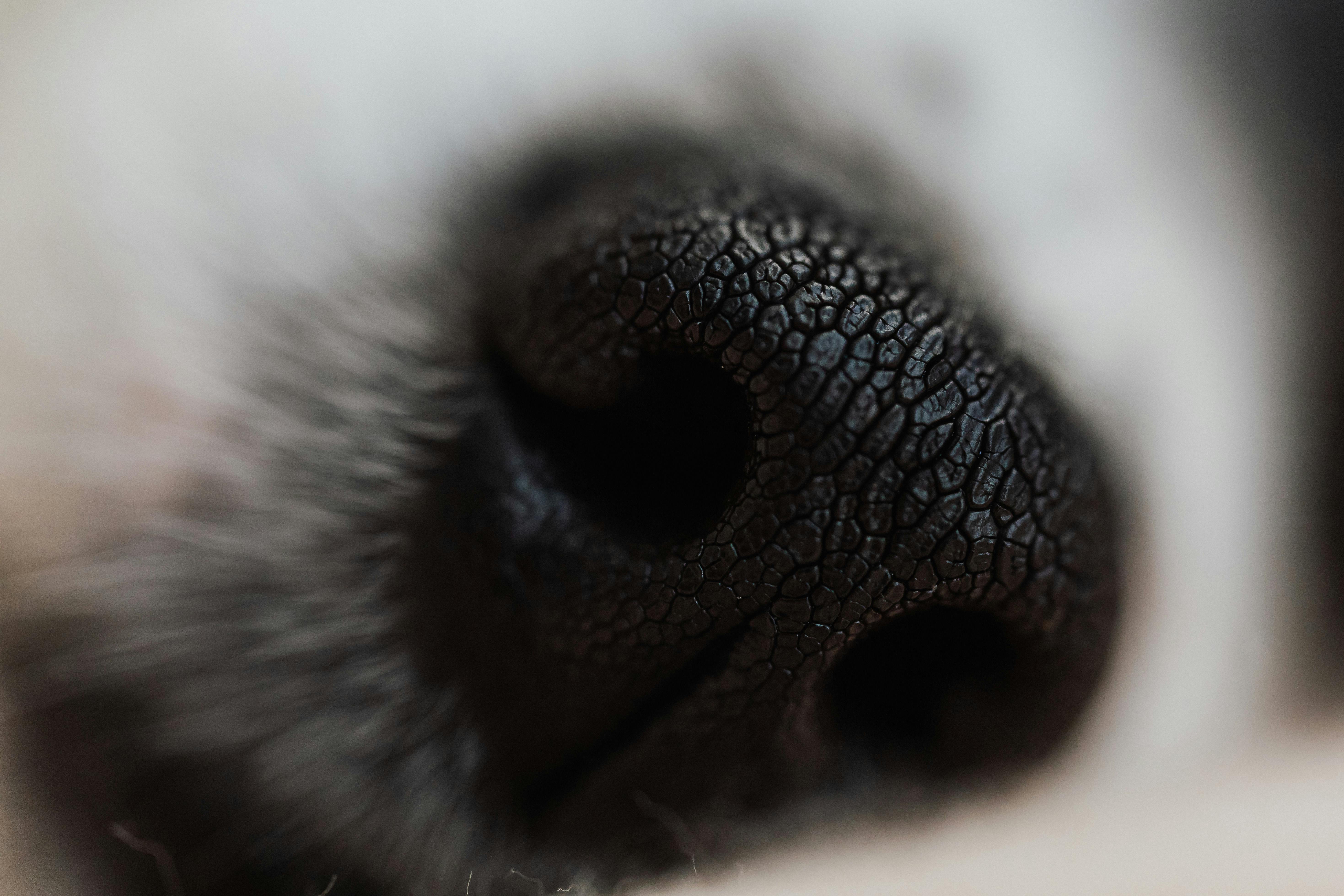 \n\n
\n\nDogs are truly fascinating creatures, and one of the most interesting things about them is their sense of smell. You ever notice how your dog’s nose is often wet? Well, it turns out that this wetness plays a significant role in enhancing their ability to smell. In this article, we will dive into the reasons behind why dogs have wet noses, how it helps them, and some intriguing facts about canine senses.
\nThe Science Behind Wet Noses
\nA dog’s nose is unique in many ways. The wetness of a dog’s nose comes from a thin layer of mucus that helps to capture scent particles in the air. When the nose is moist, it can absorb these particles more effectively, making it easier for dogs to detect different smells. This is especially important because dogs have approximately 220 million scent receptors, compared to humans who have about 5 million. This difference contributes to their incredible olfactory capabilities.
\nSome reasons why a dog’s nose is wet include:
\n- \n
- Enhanced scent detection: A wet nose can better trap scent particles. \n
- Temperature regulation: Dogs also cool themselves down through their noses, which is essential for their overall health. \n
- Hydration: The moisture on the nose helps keep it hydrated, which is important for its function. \n
Why Do Dogs Have Wet Noses?
\nSo, why exactly do dogs have wet noses? Aside from the reasons mentioned, there are a few more interesting factors that contribute to this phenomenon.
\n- \n
- \n
Evolutionary Adaptation: Historically, dogs evolved as hunters and scavengers. A wet nose would have been beneficial in detecting scents from food sources. This adaptation has persisted, making their noses not just a physical trait, but a practical tool for survival.
\n \n - \n
Behavioral Indicator: A dog’s nose can also tell you a lot about their health. A healthy dog typically has a moist and cool nose. If a dog’s nose becomes dry or cracked, it might indicate dehydration or illness.
\n \n - \n
Communication: Dogs often greet each other with nose-to-nose contact. The wetness of their noses may also play a role in social interactions among dogs.
\n \n
Comparison of Dog and Human Senses
\nWhen comparing the senses of dogs and humans, it’s clear that dogs have superior olfactory capabilities. Here’s a brief comparison:
\n| Feature | \nDogs | \nHumans | \n
|---|---|---|
| Scent Receptors | \n~220 million | \n~5 million | \n
| Sense of Smell | \n10,000 to 100,000 times better than humans | \nMuch less developed | \n
| Ability to Detect Scents | \nCan distinguish between complex scents | \nLimited to basic scents | \n
Fascinating Facts About Dog Noses
\nDogs noses are not only wet; they are also unique. Here are some fun facts that might surprise you:
\n- \n
- Individual Patterns: Just like human fingerprints, every dog has a unique nose print. This can actually be used for identification. \n
- Nasal Turbinates: Dogs have complex structures in their noses called nasal turbinates, which increase the surface area for scent detection. \n
- Scent Memory: Dogs can remember scents for years. This is why they can recognize their owner even after a long time apart. \n
- Scent Discrimination: A dog can distinguish between different scents and even identify specific substances, such as drugs or explosives, which is why they are often used in law enforcement. \n
Practical Examples of Dogs' Olfactory Skills
\nDogs have been trained to use their incredible sense of smell in various fields. Here are some examples:
\n- \n
- Search and Rescue: Dogs can locate missing persons in disaster situations using their superior sense of smell. \n
- Medical Detection: Some dogs are trained to detect diseases like cancer by smelling changes in body odor. \n
- Tracking: Hunting dogs can track game over long distances by following scent trails. \n
As you can see, the wet nose of a dog is not just for looks; it plays a crucial part in how they interact with the world. The moisture enhances their ability to smell and gives them an edge in various activities, from hunting to helping humans in need. Next time you see your furry friend with their wet nose, you'll appreciate the fascinating truth behind it!
\n\nCurious Canines: Why Do Dogs Lick Their Noses and What It Reveals About Their Behavior?
\n\n \n\n
\n\nCurious Canines: Why Do Dogs Lick Their Noses and What It Reveals About Their Behavior?
\nDogs are more than just pets; they are companions that often exhibit some fascinating behaviors. One such behavior that often gets attention is the act of licking their noses. If you've been a dog owner, you might have caught your furry friend licking their nose and wondered, why do dogs have wet noses? This article dives into the intriguing reasons behind this behavior, along with what their wet noses tell us about their overall health and emotions.
\nThe Science Behind Wet Noses
\nFirstly, many people probably wonder why dogs have wet noses in the first place. A dog's nose is moist due to a combination of saliva, mucus, and the environmental conditions. This wetness plays a crucial role in their sensory perception. Dogs have a highly developed sense of smell, and a wet nose actually helps to enhance their olfactory abilities. When the nose is damp, it can capture more scent particles from the air.
\nImportance of a Wet Nose
\nHere are some reasons why a dog's wet nose is important:
\n- \n
- Enhanced Smell: Wet noses absorb scent molecules, making it easier for dogs to detect smells. \n
- Temperature Regulation: Dogs do not sweat like humans; instead, they cool off through their noses. A wet nose can help in regulating their body temperature. \n
- Health Indicator: A dog's nose can be an indicator of their health. For instance, a dry or cracked nose could suggest dehydration or illness. \n
- Communication Tool: Dogs use their sense of smell to communicate with each other and their environment, and a wet nose can enhance this interaction. \n
Why Do Dogs Lick Their Noses?
\nYou may have observed your dog licking their nose frequently. It can mean several different things:
\n- \n
- Exploration: Dogs often lick their noses to explore their environment. They pick up scents from food, other animals, and various surfaces. \n
- Nervousness or Anxiety: If your dog is licking their nose more than usual, it might be a sign of discomfort or anxiety. This behavior is similar to humans fidgeting when nervous. \n
- Taste Buds Activation: Dogs may lick their noses to taste the scents they detect. This helps them analyze their surroundings better. \n
- Hygiene: Dogs lick their noses as a way of keeping them clean. Just like how we wash our hands, they maintain their noses to ensure they are free from dirt or particles. \n
Common Misconceptions
\nThere are several misconceptions about why dogs lick their noses that are worth addressing:
\n- \n
- All Licking Is Bad: Many dog owners panic when they see their pets licking their noses. However, this behavior can be normal as long as it isn't excessive. \n
- Dry Noses Always Indicate Illness: While a dry nose can be a sign of health issues, many dogs can have dry noses and still be perfectly healthy. \n
- Licking Is Always a Sign of Anxiety: Though it can indicate anxiety, licking can also simply be a normal part of a dog’s behavior. \n
Observing Your Dog's Behavior
\nTo better understand your dog's behavior, pay attention to the context in which they lick their noses. Here are some scenarios to consider:
\n- \n
- After Eating: Dogs might lick their noses after finishing their meals, indicating satisfaction or the need to clean themselves. \n
- When Meeting New People or Pets: If your dog licks their nose when faced with new situations or individuals, it could be a sign of nervousness or curiosity. \n
- During Playtime: A playful dog might lick their nose out of excitement or to express joy. \n
Conclusion
\nUnderstanding why dogs lick their noses and the significance of their wet noses can help you connect better with your canine companion. By observing their behaviors, you can learn to interpret their moods and needs. Always remember that a wet nose is typically a sign of a healthy dog, while changes in this pattern could indicate underlying health issues. So the next time you see your dog licking their nose, you’ll know there’s often more than meets the eye!
\n\nThe Connection Between a Wet Nose and Dog Emotions: Can Your Pet’s Nose Tell You How They Feel?
\n\n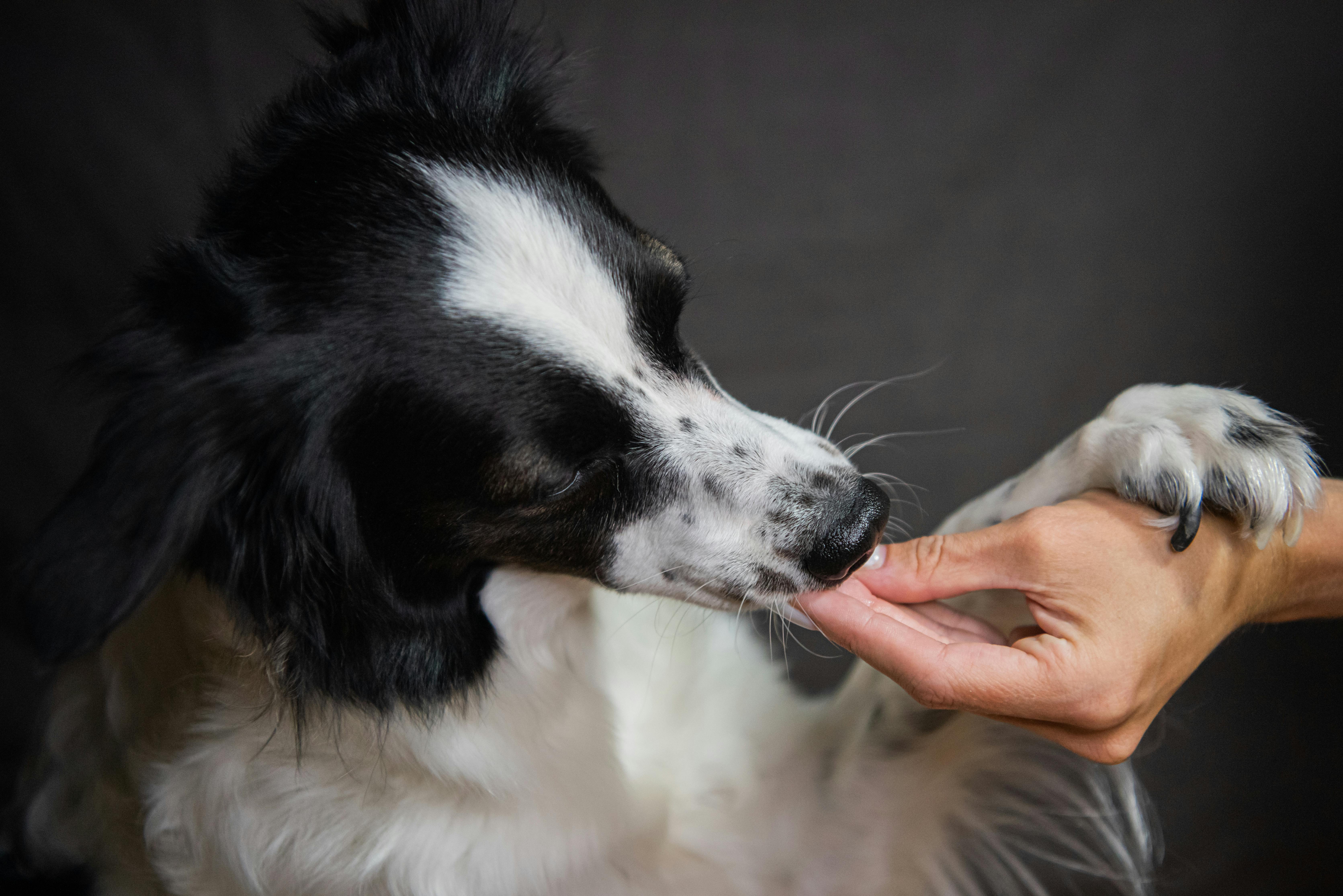 \n\n
\n\nDogs are often considered man's best friend, and if you’ve ever looked into those big, soulful eyes or felt the warmth of their presence, you know how true this is. But have you ever noticed your dog's wet nose? You might be curious about what it means. The connection between a wet nose and dog emotions isn’t just a whimsical notion; there's some fascinating science behind it. So, why do dogs have wet noses? Let's dive into the intriguing world of canine physiology and emotions.
\nThe Science Behind a Wet Nose
\nA dog's nose is not just a cute feature; it's a highly functional organ. The moistness of a dog's nose serves several purposes:
\n- \n
- \n
Enhanced Smell: Dogs have a much more developed sense of smell than humans. A wet nose helps to absorb scent chemicals from the air, which improves their olfactory capabilities. This is why they can track scents so effectively.
\n \n - \n
Cooling Mechanism: Dogs don't sweat like humans do. Instead, they rely on their nose and paw pads to help regulate their body temperature. A wet nose can help cool them down on hot days.
\n \n - \n
Health Indicator: While a wet nose often indicates a healthy dog, it’s not the only sign to consider. A sudden change in moisture can sometimes signal health issues. If a dog's nose is excessively dry or cracked, it could be a sign of dehydration or illness.
\n \n
Emotional Indicators of a Wet Nose
\nSo, can your pet’s nose tell you how they feel? In a way, yes! The wetness of a dog's nose can sometimes reflect their emotional state. Here’s how:
\n- \n
- \n
Excitement: When dogs are happy or excited, their noses may become wetter. Increased panting and rapid breathing contribute to this moisture. If your dog is bouncing around with a wet nose, they're probably in a good mood.
\n \n - \n
Calmness: A dog that is relaxed may also have a wet nose. They might be lying down, resting, or even snuggling with you. The moisture indicates that they are comfortable and at ease.
\n \n - \n
Stress or Anxiety: Conversely, if a dog is stressed, their nose might feel dry or warm. This is because stress can lead to dehydration. Watch for other signs of stress, like pacing or excessive barking, in conjunction with the state of their nose.
\n \n
Fun Facts About Dog Noses
\n- \n
- \n
Dogs have about 300 million scent receptors in their noses, compared to a human's 5 million. This difference makes their sense of smell 40 times better than ours!
\n \n - \n
The pattern on a dog's nose is unique, much like a human fingerprint. No two dogs have the same nose print.
\n \n - \n
The wetness of a dog’s nose can vary based on the weather. In humid conditions, their noses tend to be wetter, while in dry weather, it might be drier.
\n \n
Common Myths About Dog Noses
\nThere are several myths surrounding the wetness of a dog’s nose. Here are some common ones debunked:
\n- \n
- \n
Myth: A wet nose always means a healthy dog.
\n
\nFact: While a wet nose is a good sign, it’s not an absolute indicator of health. Always consider other signs and consult a vet if you have concerns. \n - \n
Myth: Dogs can’t feel pain in their noses.
\n
\nFact: Dogs have nerve endings in their noses just like any other part of their body. They can feel pain or discomfort in their nose. \n
How to Care for Your Dog’s Nose
\nCaring for your dog’s nose is important, especially in extreme weather. Here’s how:
\n- \n
- \n
Hydration: Make sure your dog has access to clean, fresh water at all times. Dehydration can lead to a dry nose.
\n \n - \n
Moisturizing: If you notice your dog’s nose is too dry, consider using a veterinarian-approved moisturizer. Avoid human products, as they can be harmful.
\n \n - \n
Regular Check-Ups: Keep regular vet appointments to monitor your dog's overall health, including their nose condition.
\n \n
The Bottom Line
\nThe wetness of a dog's nose is more than just an endearing trait; it plays a significant role in their health and emotional state. While it can be a fun topic to explore, understanding the science behind it helps strengthen the bond between you and your furry friend. Always pay attention to your dog's nose and overall behavior. If you notice any significant changes, it’s wise to consult with a veterinarian. After all, your dog’s nose is just one of the many ways they communicate their feelings and health to you.
\n\nHow to Keep Your Dog’s Nose Healthy and Moist: Tips for Pet Owners
\n\n \n\n
\n\nWhen you think about dogs, one of the first things that come to mind is their cute little noses. But have you ever wonder why do dogs have wet noses? There is actually a fascinating truth behind it! A dog’s nose serves important functions, and keeping it healthy and moist is crucial for their overall well-being. In New York, where pet owners are many, knowing how to care for your dog's nose becomes an essential part of responsible pet ownership.
\nWhy Do Dogs Have Wet Noses?
\nA dog's nose is naturally wet for some good reasons. Here are some interesting facts:
\n- \n
- Enhanced Smell: Dogs have an amazing sense of smell, and their wet noses help in trapping scent particles. This moisture increases the surface area of the nose, which allows them to pick up more smells. \n
- Temperature Regulation: Dogs can’t sweat like humans do, so they rely on their noses to help cool down. The moisture evaporates from their noses, which helps them to manage their body temperature. \n
- Health Indicator: A wet nose often indicates a healthy dog. If the nose is dry or cracked, it might be a sign of dehydration, illness, or other health issues. \n
But not all dogs will have the same type of nose. Some breeds have different nose shapes and moisture levels, which can affect their health as well.
\nHow to Keep Your Dog’s Nose Healthy and Moist
\nAs a pet owner, you should always be aware of your dog’s health, including their nose. Here are some tips to keep it moist and healthy:
\n- \n
- Hydration is Key: Always ensure your dog has access to fresh water. Hydration is essential for keeping their nose moist. \n
- Limit Sun Exposure: Just like humans, dogs can get sunburned. If your dog likes to lounge in the sun, consider putting a dog-safe sunscreen on their nose. \n
- Humidifier Use: In dry climates or during winter, using a humidifier can add moisture to the air, helping to keep your dog’s nose from drying out. \n
- Regular Vet Check-ups: Routine vet visits can help catch any potential issues early, including problems related to nose health. \n
- Diet Matters: Feed your dog a balanced diet rich in essential fatty acids, which can help keep their skin and nose healthy. \n
Signs of an Unhealthy Nose
\nIt’s important to know when your dog’s nose isn’t looking good. Here are some signs to look for:
\n- \n
- Dryness or Cracking: A dry nose can indicate dehydration or other health problems. \n
- Discoloration: If the color of your dog’s nose changes from its normal shade, this could be a cause for concern. \n
- Discharge: Any unusual discharge from the nose could indicate an infection or illness. \n
- Excessive Licking: If your dog is constantly licking their nose, it may be a sign of irritation or discomfort. \n
What To Do If Your Dog’s Nose Is Dry
\nIf you notice your dog’s nose is dry, there are several steps you can take:
\n- \n
- Increase Water Intake: Make sure they drink enough water daily. \n
- Use Nose Balm: There are dog-safe balms and ointments available that can help moisturize a dry nose. \n
- Consult Your Vet: If the dryness persists or is accompanied by other symptoms, consult your vet immediately. \n
Fun Facts About Dog Noses
\n- \n
- Unique Patterns: Just like human fingerprints, no two dog noses are the same. Each dog has a unique nose print. \n
- Nose Temperature: A dog’s nose can change temperature based on their environment. It’s not a reliable indicator of fever, contrary to popular belief. \n
- Nasal Slits: Dogs have nasal slits that help them breathe while they sniff, which is pretty cool! \n
Understanding these aspects of your dog's nose can improve the bond you have with your furry friend. It’s not just about keeping their noses moist but also about ensuring they lead a healthy life.
\nDog ownership is a wonderful journey filled with love, joy, and responsibility. By staying informed about your pet's health, including the state of their noses, you can provide them the best care possible. So keep those noses wet and healthy, and enjoy the many playful moments with your canine companion!
\n\nFascinating Facts About Dog Noses: Why They’re Wet and What It Means for Your Furry Friend!
\n\n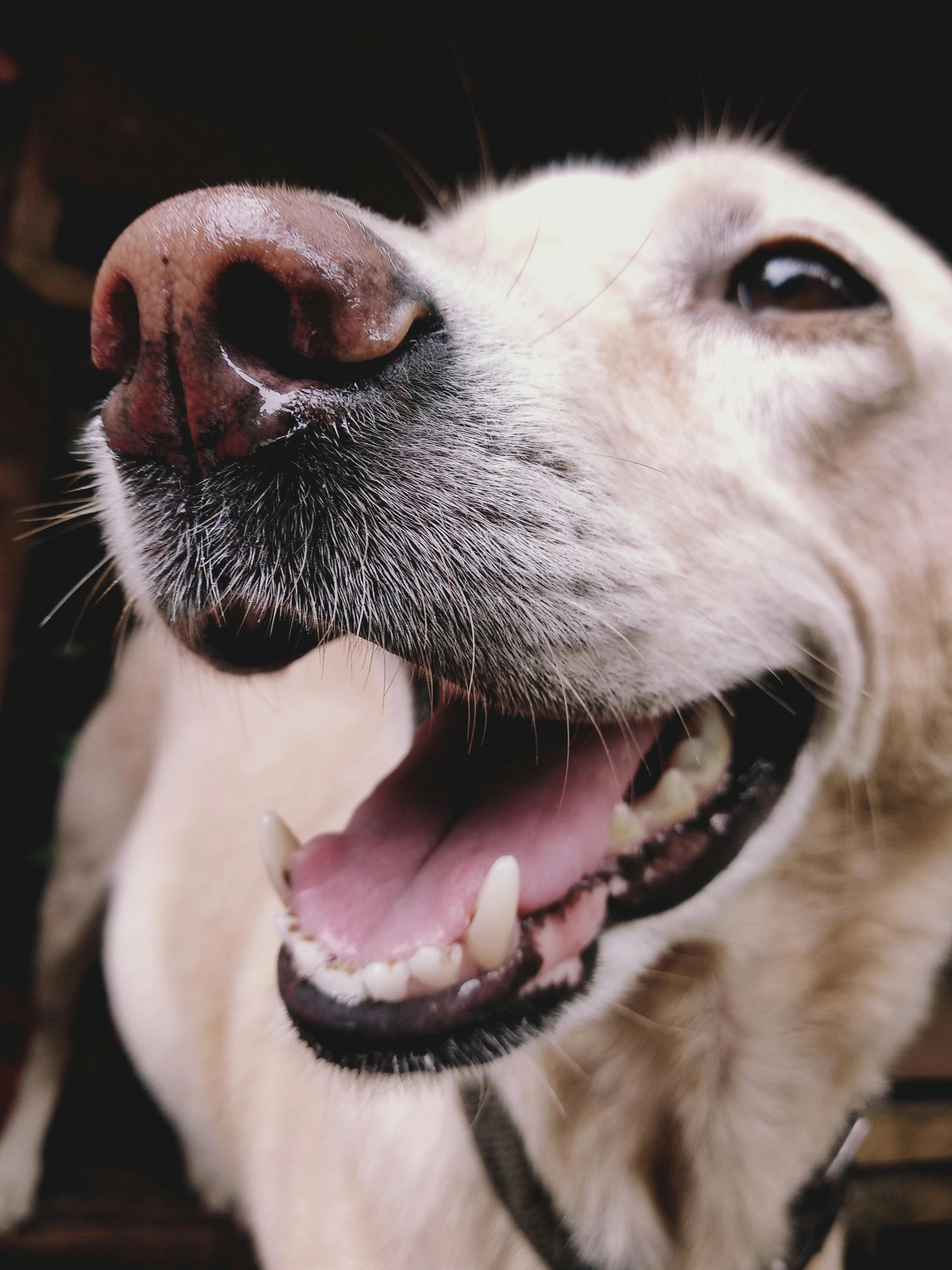 \n\n
\n\nHave you ever noticed how when you pet your dog, they always seems to have a wet nose? It's one of those little things that make dogs so special, but have you ever actually thought about why? There’s more to it than just a cute quirk. Wet noses are not just a sign of a happy pup; they also serve vital functions for their health and well-being. Let’s dive into the fascinating world of dog noses and discover the truth behind their wetness!
\nWhy Do Dogs Have Wet Noses?
\nThe primary reason for a dog’s wet nose is that it helps them to smell better. Dogs have an incredible sense of smell, estimated to be 10,000 to 100,000 times more sensitive than humans. A wet nose helps to capture scent molecules in the air, making it easier for dogs to detect smells. Here are some facts about how it works:
\n- \n
- Moisture Traps Scent Molecules: The moisture on a dog’s nose helps to absorb scent particles, enhancing their ability to smell. \n
- Temperature Regulation: A wet nose can help dogs to cool down. Just like sweating for humans, dogs can lose heat through their noses. \n
- Health Indicator: A dog’s nose can also be an indicator of their health. A warm, dry nose might suggest a fever or illness, while a wet, cool nose is typically a sign of a healthy dog. \n
The Science Behind the Wetness
\nDogs noses are covered in a thin layer of mucus. This mucus, along with the moisture from the nasal passages, keeps the nose moist. Here’s some interesting information about the science:
\n- \n
- Nasal Glands: Dogs have special glands in their noses that produce moisture. This is why they often feels damp. \n
- Nerve Endings: The nose contains a high concentration of nerve endings, making it very sensitive to touch and temperature. This helps them detect changes in their environment. \n
- Unique Patterns: Just like human fingerprints, every dog’s nose has a unique pattern of ridges and bumps, which can even be used to identify them. \n
Historical Context of Dog Noses
\nThe relationship between humans and dogs goes back thousands of years. Early on, dogs were bred for specific traits, and their noses played an important role. For example:
\n- \n
- Hunting Companions: Dogs were bred to track scents for hunting, and those with more sensitive noses were favored. \n
- Working Dogs: Many breeds were developed to have enhanced olfactory senses for roles such as search and rescue, detection of drugs, or even detecting medical conditions in humans. \n
Fun Facts About Dog Noses
\nThere are many fascinating facts about dog noses that might surprise you:
\n- \n
- Dogs Sweat Through Their Noses: Unlike humans, dogs don’t sweat to cool off. Instead, they rely on their noses and panting to regulate body temperature. \n
- Dogs Can Smell Emotions: They can detect changes in human emotions through scent. For instance, they can smell stress hormones. \n
- Nose Prints are Unique: Just like fingerprints for humans, every dog’s nose print is unique and can be used as a form of identification. \n
Practical Tips for Nose Care
\nTaking care of your dog’s nose is important for their overall health. Here are a few practical tips:
\n- \n
- Monitor Changes: Keep an eye on your dog’s nose. If it becomes dry, cracked, or shows any unusual color, consult your vet. \n
- Use Natural Remedies: If your dog has a dry nose, consider using a natural balm specifically made for dogs to keep it moisturized. \n
- Hydration is Key: Make sure your dog has plenty of fresh water to drink, as dehydration can lead to a dry nose. \n
Comparisons with Other Animals
\nDogs aren’t the only animals with wet noses, but their noses are unique. Here’s how they compare with some other pets:
\n- \n
- Cats: Cats also have moist noses, but their sense of smell is not as strong as dogs. They rely more on sight and hearing. \n
- Rabbits: Rabbits have wet noses, but they use their sense of smell primarily for detecting food and danger. \n
- Humans: Humans have dry noses, and our sense of smell is significantly less developed compared to dogs. \n
In the world of pets, dog noses are truly remarkable. They are so much more than just a cute feature. The functions they serve are essential for a dog’s health and communication. So next time you give your furry friend a pat, take a moment to appreciate that wet nose and all the incredible things it does! Understanding these fascinating facts can deepen your bond with your pup and help you care for them better.
\n\nConclusion
\n\nIn conclusion, the wet noses of dogs serve multiple essential functions that contribute to their health and communication. The moisture helps enhance their sense of smell, as a wet surface captures scent particles more effectively, allowing them to explore their environment with precision. Additionally, a dog's nose is a vital tool for thermoregulation, helping to cool their bodies and maintain optimal temperatures. While a wet nose is often seen as a sign of a healthy dog, it's important to remember that variations in moisture levels can occur due to various factors, such as hydration and activity levels. As responsible pet owners, we should pay attention to our furry friends' noses and overall health. So the next time you greet your dog with a nuzzle, appreciate the science behind that delightful wet nose and ensure you provide them with a loving, healthy environment.
\n\n