Have you ever wondered why do dogs have wet noses? It’s a question that sparks curiosity and fascination among dog lovers everywhere. Those moist noses are more than just an adorable feature; they play a crucial role in your furry friend's health and behavior. Did you know that a dog’s wet nose can help them smell better? It’s true! The moisture increases their olfactory abilities, allowing them to pick up scents that humans can’t even imagine. But there's even more to the story! You might be surprised to learn that a wet nose can also be an indicator of your dog's overall well-being. So, what does it really mean if your pup’s nose is dry? In this article, we will dive deep into the fascinating truth behind why dogs have wet noses and explore the science, benefits, and even some common myths. Whether you’re a seasoned dog owner or considering bringing a furry friend into your home, understanding this quirky feature is essential. Get ready to uncover the secrets behind those adorable snouts and learn how they connect to your dog's health and happiness!
The Science Behind Wet Noses: Why Do Dogs Have This Unique Feature?

Dogs are often seen with their noses wet, and for many pet owners, this is just another quirky trait of their beloved companions. But have you ever stopped to wonder why do dogs have wet noses? The science behind wet noses reveals fascinating truths that go beyond mere appearance. This article dives into the reasons why our furry friends sport this unique feature, exploring the biology, functionality, and even some historical perspectives.
The Biology of a Dog's Nose
First off, dog noses are not just for show. They play a crucial role in a dog's overall health and behavior. A dog's nose contains a complex system of scent receptors that allows them to detect a wider range of smells than humans. In fact, dogs have up to 300 million scent receptors compared to humans who only have about 5 million.
- The wetness of a dog’s nose is due to mucous and moisture that help them pick up scent particles more effectively.
- The nose also cools down the dog’s body as they pant, which is important for their overall temperature regulation.
- A wet nose can help dogs to better absorb scent molecules from the air, allowing them to identify smells faster.
Why Are Dog Noses Wet?
Now, let’s get into the big question: why do dogs have wet noses? There are several reasons behind this fascinating feature.
- Enhanced Smell: The moisture on a dog’s nose helps to dissolve scent particles, making it easier for their olfactory receptors to detect smells.
- Temperature Regulation: Dogs don't sweat like humans do. Instead, they rely on their noses to help cool down their body temperature. The wetness aids in thermoregulation.
- Health Indicator: A wet nose is often considered a sign of a healthy dog. However, it’s not the only indicator, and owners should pay attention to other symptoms.
- Communication: Dogs use their noses to gather information about their environment, including the scents of other animals, humans, and even food.
Historical Context of Dog Noses
Dogs have been our companions for thousands of years. In ancient times, their keen sense of smell was invaluable for hunting and tracking. As humans domesticated dogs, we began to recognize the importance of their noses not just for practical purposes, but also for companionship.
- Tracking and Hunting: Early humans relied on dogs for their ability to track scents. This fundamental skill was crucial for survival.
- Rescue Work: In modern times, dogs are utilized in search and rescue operations, showcasing the power of their sense of smell.
- Detection Roles: Dogs are now trained to detect drugs, explosives, and even medical conditions like low blood sugar or seizures.
Fun Facts About Dog Noses
Here are some fun, little-known facts that highlight the uniqueness of dog noses:
- Every dog’s nose print is unique, much like a human fingerprint.
- Dogs can detect certain diseases, like cancer, simply through smell.
- The reason dogs often sniff each other’s behinds is to gather information about each other’s health and mood through scent.
Comparison of Dog Noses to Other Animals
Dogs aren’t the only animals with wet noses. Here’s a quick comparison with other animals that also have wet nasal features:
| Animal | Nose Type | Purpose |
|---|---|---|
| Dogs | Wet Nose | Enhanced smell and cooling |
| Cats | Slightly Wet | Similar purposes but less effective |
| Pigs | Moist Snout | For rooting and foraging |
| Cows | Moist Nose | Helps with scent and cooling |
As you can see, while many animals have moist noses, each serves a specific purpose suited to their needs and environment.
Practical Tips for Dog Owners
If you’re a dog owner, it’s important to keep your dog’s nose healthy. Here are some practical tips:
- Hydration: Ensure your dog has access to clean water, as hydration can affect the moisture of their nose.
- Regular Vet Check-ups: Keep an eye on any changes in your dog's nose wetness. A dry nose could indicate health problems.
- Be Aware of Temperature: Monitor your dog’s activity in extreme temperatures, as their noses can be sensitive.
Understanding why do dogs have wet noses not only helps us appreciate our furry friends even more but also educates us on how to care for them properly. The wetness serves multiple purposes, from enhancing their sense of smell to regulating their temperature, and it has deep roots in their evolutionary history. With just a little bit of knowledge, pet owners can ensure their dogs stay happy and healthy, nose and all.
7 Surprising Health Benefits of a Dog’s Wet Nose You Never Knew

Have you ever wondered why dogs have wet noses? It’s a question that many dog lovers ask, yet few really know the answer to. The truth is, there’s more to a dog’s nose than just a cute feature. Those wet noses are not only endearing, but they also serve several surprising health benefits. Let’s dive into seven of those benefits and uncover the fascinating reasons behind those damp doggy noses.
1. Temperature Regulation
One of the primary functions of a dog's wet nose is to help regulate their body temperature. Dogs don’t sweat like humans do, instead, they rely on panting and their noses to cool off. The moisture on their noses evaporates, which helps to lower their body temperature. This is especially important during hot weather or after vigorous exercise. So if your pup’s nose feels cool and wet, it’s likely a sign they’re keeping their temperature in check.
2. Enhanced Sense of Smell
Dogs have an extraordinary sense of smell. In fact, research shows that a dog’s nose has up to 300 million olfactory receptors, compared to a human’s mere 6 million. The wetness of a dog’s nose helps to capture scent molecules from the air, making it easier for them to detect different smells. This means that a wet nose isn’t just cute; it’s a crucial tool for a dog’s navigation of the world around them.
3. Natural Antibacterial Properties
Another surprising benefit of a dog’s wet nose is that it has natural antibacterial and antiviral properties. The moisture that coats the nose helps to trap dirt and bacteria, preventing them from entering the body. This is particularly important for dogs that often explore the great outdoors, as it keeps their noses clean and reduces the risk of infections.
4. Communication Tool
Dogs are known for their ability to communicate with humans and other animals, and their noses play a big role in this. A wet nose can be a sign of excitement, curiosity, or even affection. When a dog nudges you with their damp snout, they’re often seeking attention or trying to convey a message. Additionally, dogs use their noses to gather information about their environment, which is essential for their social interactions.
5. Indicator of Health
A wet nose can also be an indicator of a dog’s health status. Generally, a healthy dog will have a moist and cool nose. Conversely, if a dog’s nose is dry, warm, or cracked, it might signal a health issue, such as dehydration, fever, or illness. However, it’s important to remember that every dog is different, and nose moisture can vary based on the individual and environmental conditions.
6. Bonding and Affection
Dogs often use their noses to bond with their owners. When they nuzzle against you or give you a gentle poke with their wet nose, it’s their way of showing love and affection. This behavior strengthens the bond between humans and dogs, making it crucial for their emotional well-being. Dogs are social animals, and those wet, cold noses are a reminder of their need for companionship.
7. Helping with Scent Discrimination
Have you heard of scent discrimination? Dogs have an incredible ability to distinguish between different smells, and their wet noses play a significant role in this process. The moisture on their noses helps to amplify scent particles, allowing them to differentiate between various odors. This skill is why dogs are often used in search and rescue missions, as well as in detection work for drugs or explosives.
Quick Facts About Dog Nose Moisture:
- A dog's nose is typically wet due to mucus produced by specialized glands.
- The moisture helps them better absorb scent particles.
- Dogs may also lick their noses to keep them moist and clean.
- Nose temperature can vary with the environment and activity level.
So, the next time you wonder why do dogs have wet noses, remember that it’s not just for show. Those damp little noses are vital for temperature regulation, health, and communication. They also play a significant role in a dog’s ability to smell and interact with the world around them.
Those surprising health benefits of a dog’s wet nose are just one more reason to love our furry friends. Whether your dog’s nose is cold, warm, or somewhere in between, it’s a fascinating part of their anatomy that contributes to their overall health and happiness. Embrace the wet nose, and celebrate the joy it brings to your life!
Wet Nose Wonders: How Your Dog's Nose Affects Their Sense of Smell
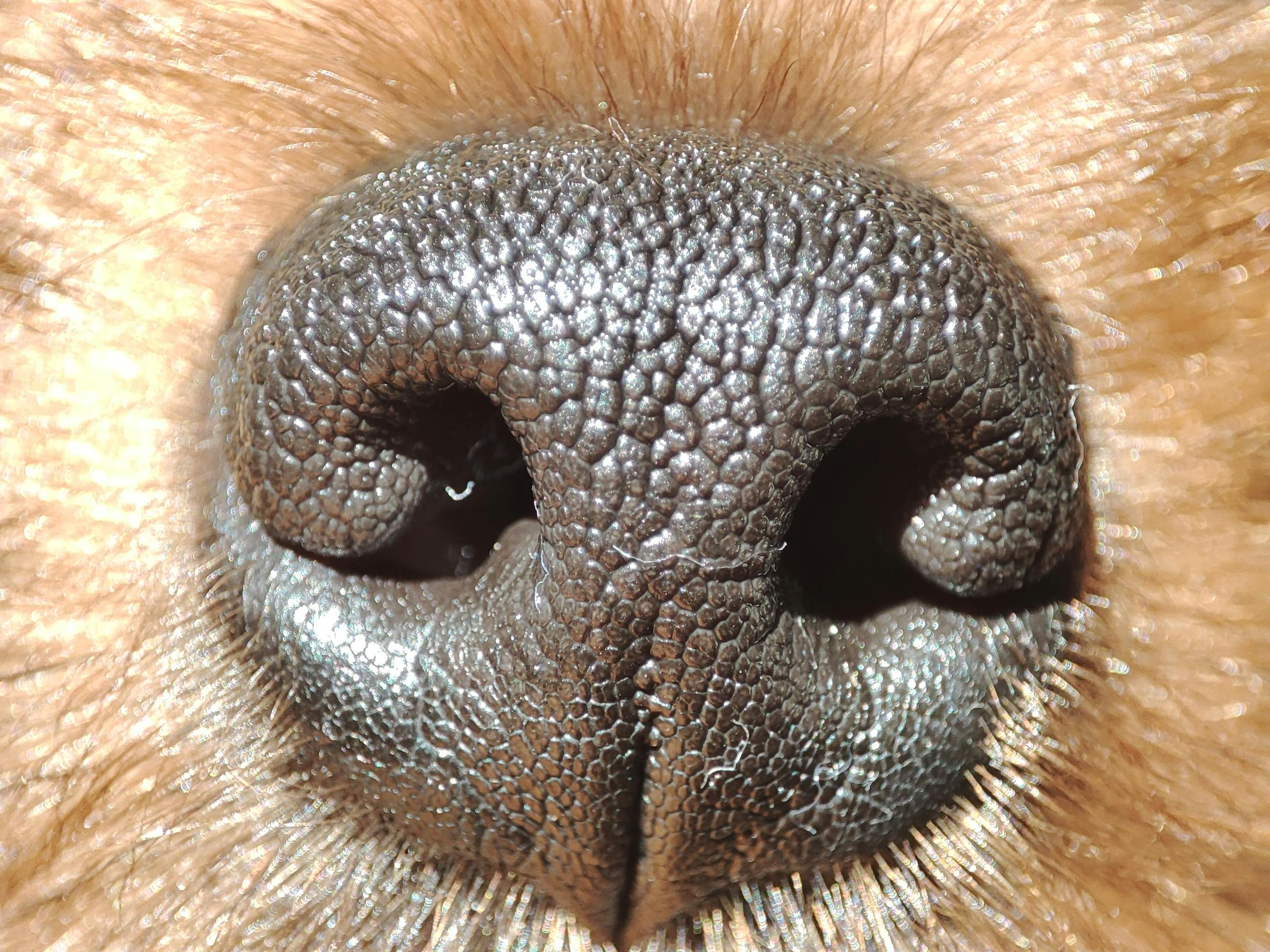
Dogs, those loyal companions we all love, have a unique feature that often leaves us puzzled: their wet noses. Have you ever wondered why do dogs have wet noses? Well, it turns out that there’s more to this fascinating trait than just a cute appearance. The wetness of a dog’s nose is closely linked to their extraordinary sense of smell, which is one of the most powerful tools they have. Let's dive in and explore how your dog's nose affects their sense of smell, and uncover the truth behind those wet noses.
The Science Behind a Dog’s Nose
First off, dogs noses are not just for show. They plays a crucial role in how dogs perceive the world. Their sense of smell is estimated to be anywhere from 10,000 to 100,000 times more sensitive than humans. This remarkable ability is due to the structure and composition of their noses.
- Nasal Structure: A dog’s nose contains up to 300 million scent receptors, compared to about 5 million in humans. This means they can detect even the faintest odors.
- Vomeronasal Organ: Also known as Jacobsen’s organ, this helps dogs pick up pheromones—chemicals that can convey information about other animals.
- Moisture: The wetness of their noses helps them absorb scent molecules better. When the nose is moist, it can trap these molecules more effectively, enhancing their ability to smell.
Why Are Dog Noses Wet?
So, why do dogs have wet noses? Here’s a look at some key reasons:
- Cooling Mechanism: Dogs don’t sweat like humans. Their wet noses help cool them down. When moisture evaporates, it helps regulate their body temperature.
- Enhanced Smell: A wet nose can capture more scent particles. The moisture helps to dissolve odors, allowing dogs to process them more easily.
- Health Indicator: The condition of a dog’s nose can indicate their health. A healthy dog usually has a moist nose, while a dry nose can signal dehydration or illness.
Fun Facts About Dog Noses
Did you know that dog noses have unique patterns, much like human fingerprints? Here are some fascinating facts:
- Individual Patterns: Each dog has a unique nose print that can be used for identification.
- Color Variations: The color of a dog’s nose can vary based on breed, age, and health.
- Nose Sensitivity: Dogs can detect specific scents even in small concentrations, such as a single drop of blood in an Olympic-sized swimming pool.
Comparison: Dog Noses vs. Human Noses
To understand the significance of a dog's wet nose, let’s compare it with our own noses:
| Feature | Dog Nose | Human Nose |
|---|---|---|
| Scent Receptors | 300 million | 5 million |
| Sensitivity | 10,000 to 100,000 times stronger | Standard sensitivity |
| Ability to Detect | Specific scents, pheromones | General odors |
| Temperature Regulation | Efficient through moisture | Limited ability |
Practical Applications of Dogs' Sense of Smell
The amazing sense of smell that dogs possess isn't just for show; it has real-world applications. Here are some ways dogs are utilized due to their olfactory capabilities:
- Search and Rescue: Dogs are often used in rescue operations to locate missing persons, thanks to their ability to pick up human scents.
- Detection Work: Many law enforcement agencies use dogs to sniff out drugs, explosives, and even certain diseases.
- Service Animals: Some dogs are trained to detect medical conditions, such as low blood sugar or seizures, alerting their owners in time.
The Importance of Nose Care
Despite their incredible capabilities, dog noses can be susceptible to various issues. Here are some tips to ensure your dog’s nose stays healthy:
- Hydration: Make sure your dog has access to fresh water at all times.
- Moisturizing Balms: In colder weather, consider using dog-safe balms to prevent drying.
- Regular Check-ups: Keep an eye on changes in the texture or color of your dog’s nose, and consult a vet if you notice abnormalities.
Understanding why do dogs have wet noses and how this affects their sense of smell provides deeper insight into their behavior and health. Our furry friends rely on their noses more than we might realize, making it essential to appreciate and care for this unique feature. So the next time you see your dog’s wet nose, remember that it’s not just adorable—it’s a key component of their extraordinary ability to connect with the world around them.
5 Myths Debunked: What Your Dog's Wet Nose Really Means
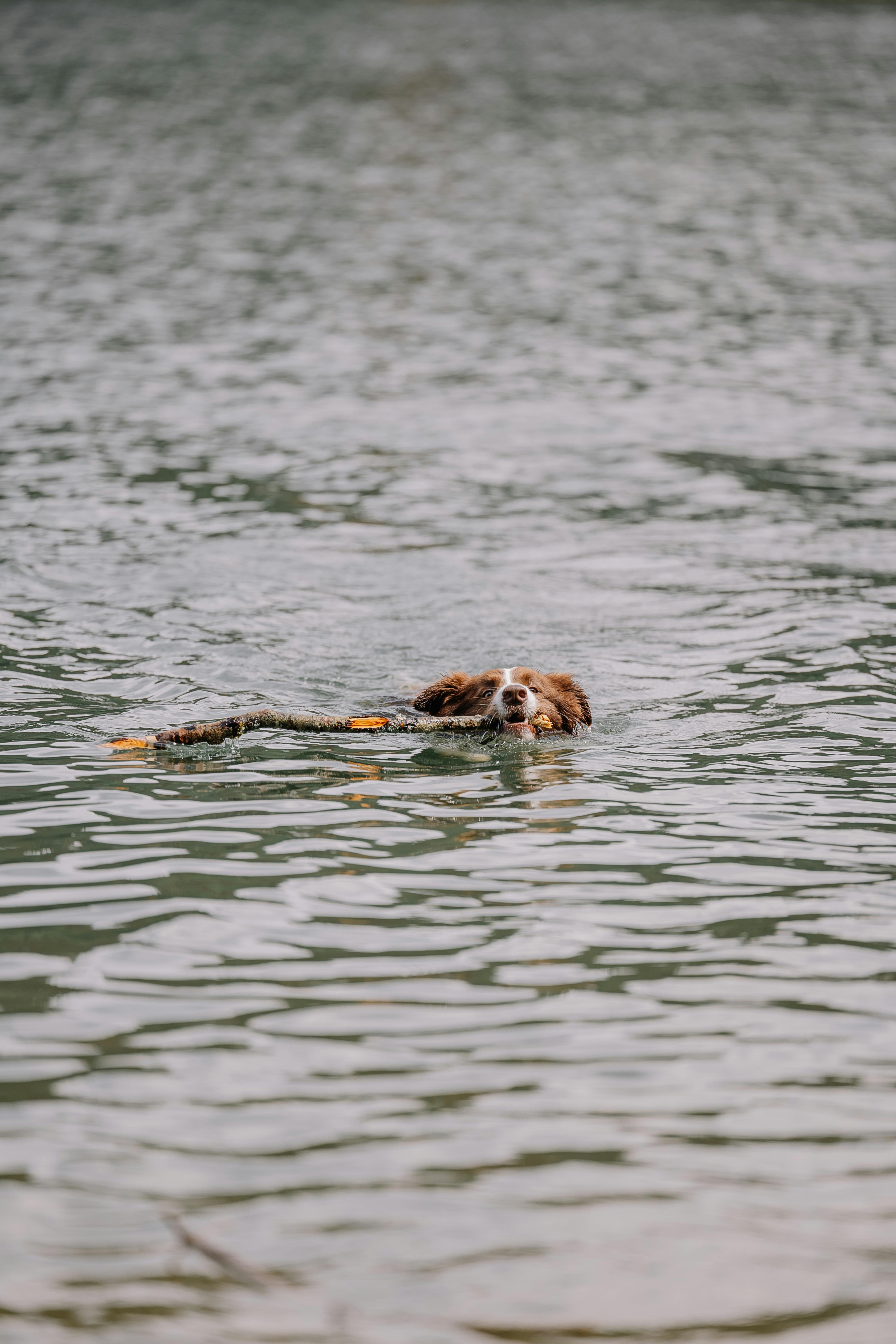
When you think about dogs, many things come to mind: loyalty, companionship, and yes, those adorable wet noses. But what does it really mean when your furry friend has a wet nose? You might have heard some common myths floating around, but let’s bust those misconceptions and explore the fascinating truth behind why do dogs have wet noses.
Myth 1: A Wet Nose Means Your Dog is Healthy
Many people believe that a wet nose is a sign of good health. While it's true that many healthy dogs have moist noses, it’s not a definitive indicator of overall health. Dogs can have wet noses for a variety of reasons, including:
- Temperature regulation
- Emotional state (excited or nervous)
- Environmental factors (humidity or rain)
Sometimes, dogs may have dry noses and still be perfectly fine. So, it's important to not rely solely on this one indicator.
Myth 2: Dogs Only Have Wet Noses When They’re Sick
On the flip side of the first myth, some people think if a dog's nose is dry, that means they are sick. This is not true either. A dog's nose can dry out due to:
- Hot weather
- Dehydration
- Allergies
In fact, dogs are like humans when it comes to health: they can have a variety of symptoms that are unrelated to the moisture of their noses. So, always observe other signs and consult your vet when you’re worried.
Myth 3: Wet Noses are a Sign of Love
People often say that dogs give you wet-nosed kisses to show affection. While dogs do lick to express emotions, their wet noses serve a bigger purpose. Dogs have scent glands in their noses that help them smell better. When they lick their noses, they’re actually enhancing their ability to detect scents. So, while a wet nose may feel loving, it’s more about their amazing sense of smell than just affection.
Myth 4: All Dogs Have Wet Noses
You might think all dogs have wet noses, but that’s not correct. Some breeds naturally have drier noses. For example:
- Bulldogs often have drier noses due to their facial structure.
- Boxers can also experience dryness because of their short snouts.
If you have a breed that is known for having a drier nose, don’t be alarmed. It’s just part of their unique physiology.
Myth 5: Nose Color Doesn’t Matter
Many people assume that a dog’s nose color is irrelevant to its health or behavior, but that's not totally true. The color of a dog’s nose can indicate certain breed traits or health conditions. For instance, a black nose is common in many breeds, while a pink nose can signal the possibility of sunburn or skin issues in certain dogs. Changes in color can also be a sign of illness, so it's important to keep an eye on your pup's nose.
The Science Behind Wet Noses
So why do dogs have wet noses? The moisture on a dog's nose plays crucial roles in their health and behavior. Here are some scientific explanations:
- Scent Detection: A wet nose helps capture scent particles in the air, making them more effective at identifying smells.
- Cooling Mechanism: Dogs lack sweat glands, so they rely on their noses to help regulate body temperature. The moisture evaporates, which cools them down.
- Communication: Dogs communicate with each other and humans through scents. A wet nose can pick up scent trails left by other animals or people.
Fun Facts About Dog Noses
- Unique Patterns: Just like human fingerprints, every dog’s nose print is unique and can be used for identification.
- Nose Temperature: A dog’s nose can change temperature; a cooler nose often indicates a relaxed state while a warmer nose may indicate excitement or curiosity.
- Licking Behavior: Dogs lick their noses to keep them clean and moist, which helps them smell better.
What to Do if Your Dog’s Nose is Dry
If your dog has a dry nose, here are some steps you might consider:
- Hydration: Ensure your dog is drinking enough water.
- Check for Allergies: Look for other signs of allergies, like itching or redness.
- Consult Your Vet: If dryness persists or you notice changes in behavior, contact your veterinarian.
Understanding the truth about your dog's wet nose can help you provide better care for your furry friend. By debunking these myths, pet owners can make informed decisions about their dogs' health and well-being. Remember, while a wet nose can be a charming trait, it’s just one piece of the puzzle in understanding what your dog is really trying to communicate.
From Cooling Mechanism to Communication: The Multifaceted Role of Dog Noses
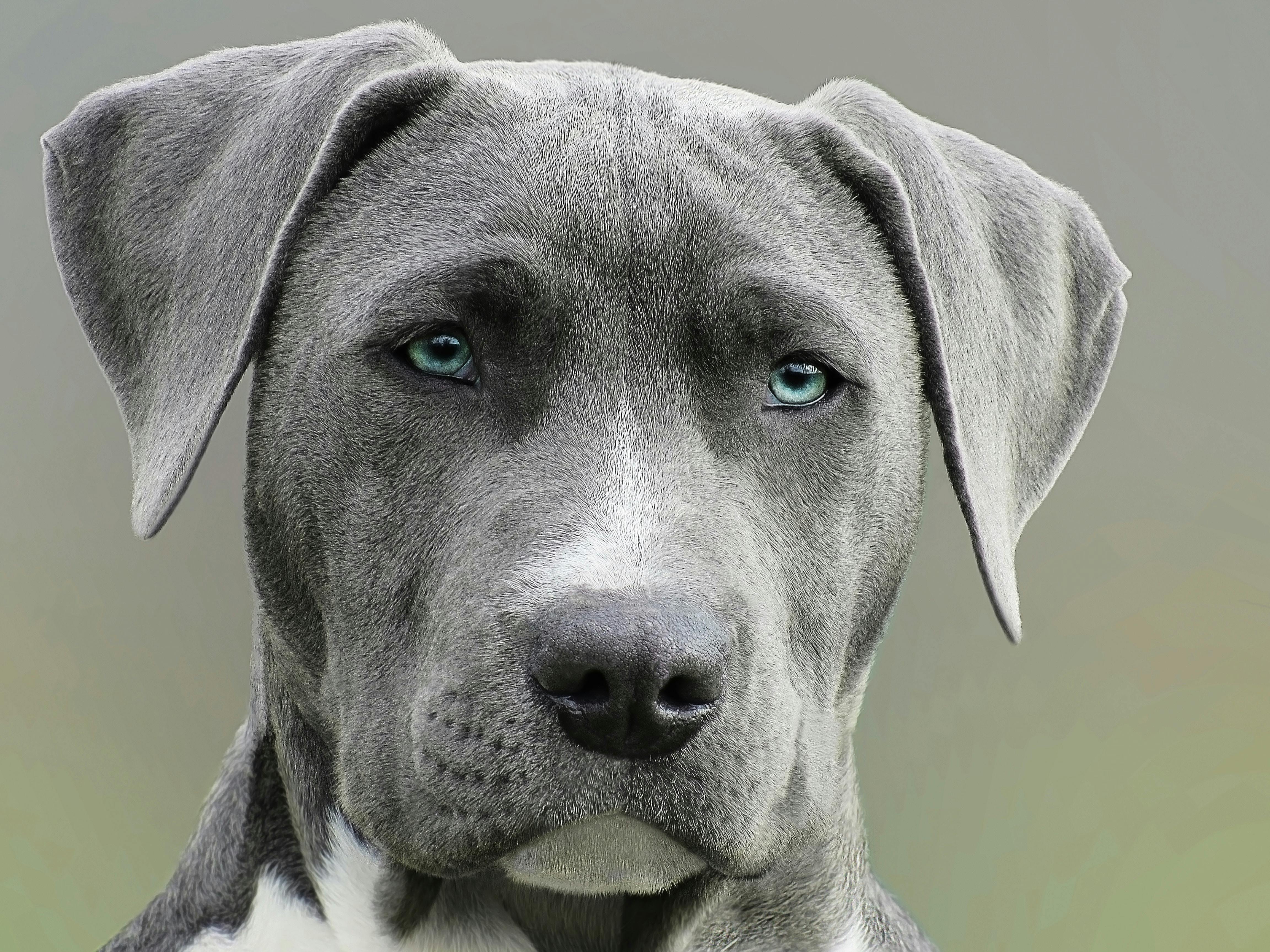
When you see a dog, one of the first things you might notice is their wet nose. Many people wonder, why do dogs have wet noses? Well, there’s more to it than just a curious fact about our furry friends. The truth is, their wet noses serve multiple purposes that are essential for their well-being and communication. Let’s dig deeper into the fascinating world of dog noses and uncover the science behind why they're always a bit damp.
The Anatomy of a Dog's Nose
First, let’s have a look at what makes a dog’s nose special. A dog’s nose is not just for smelling; it has an intricate structure that plays a role in various important functions.
- Nasal Passages: Dogs have complex nasal cavities lined with millions of olfactory receptors. This allows them to detect scents that are undetectable to humans.
- Moisture and Mucus: The moisture on a dog’s nose comes from a combination of mucus and saliva, which helps trap scent particles, enhancing their sense of smell.
- Temperature Regulation: Dogs don’t sweat like humans. Instead, their noses help them regulate body temperature. A cooler nose can indicate a cooler body temperature, which is important on hot days.
Why Are Dog Noses Wet?
It’s a common belief that a wet nose is a sign of a healthy dog, but why is that? Here are some reasons:
- Enhanced Smell: The moisture on the nose helps absorb scent particles. This makes it easier for dogs to detect smells, which is crucial for their survival.
- Communication: Dogs also use their noses to communicate with other dogs. A wet nose can indicate excitement or curiosity, signaling to other dogs that they are friendly and approachable.
- Cooling Mechanism: As mentioned earlier, a dog’s nose can help in regulating body temperature. In hot weather, the moisture evaporates, helping cool them down.
Evolutionary Perspective
Dogs have been companions to humans for thousands of years, and their noses have evolved to suit their needs. Historically, dogs were bred for various purposes like hunting, herding, or guarding. Their noses played a critical role in these activities.
- Hunting: Dogs that could smell better were more successful hunters, leading to the breeding of dogs with enhanced olfactory abilities.
- Herding and Guarding: In herding, a dog’s ability to detect scents allows them to locate lost animals, while in guarding, they can sense intruders from afar.
Fun Facts About Dog Noses
Here are some interesting tidbits about dog noses that you might not know:
- Unique Patterns: Just like human fingerprints, every dog has a unique nose print. This can be used for identification.
- Color Variation: The color of a dog’s nose can vary due to breed characteristics, but it has no bearing on their health or sense of smell.
- Temperature Checks: While many people believe that a cold nose indicates a healthy dog, it’s not always true. A warm nose doesn’t necessarily mean illness. Monitoring other symptoms is more important.
Comparing Wet vs. Dry Noses
Wet noses are often seen as a sign of health, but it’s important to understand the differences between wet and dry noses. Here’s a quick comparison:
| Wet Nose | Dry Nose |
|---|---|
| Indicates hydration and health | Can be normal; check for other symptoms |
| Enhances smell | May indicate dehydration or illness |
| Common in active dogs | Can be common in sleeping or relaxed dogs |
Practical Examples and Care Tips
Maintaining a dog’s nose health is essential. Here are some tips for pet owners:
- Hydration: Ensure your dog is drinking enough water, especially in hot weather.
- Regular Vet Check-ups: Regular check-ups can help catch any potential issues early.
- Nose Balm: If a dog’s nose seems excessively dry, consider using a pet-safe nose balm to hydrate it.
In conclusion, the wet nose of a dog is a multifaceted tool that enhances their sense of smell, aids in communication, and helps regulate their body temperature. Understanding the significance of this unique feature can deepen your bond with your furry friend. So next time you see a dog with a damp nose, you’ll know there’s a lot more happening than meets the eye!
Why a Wet Nose Indicates a Happy Dog: Understanding Fido’s Emotions
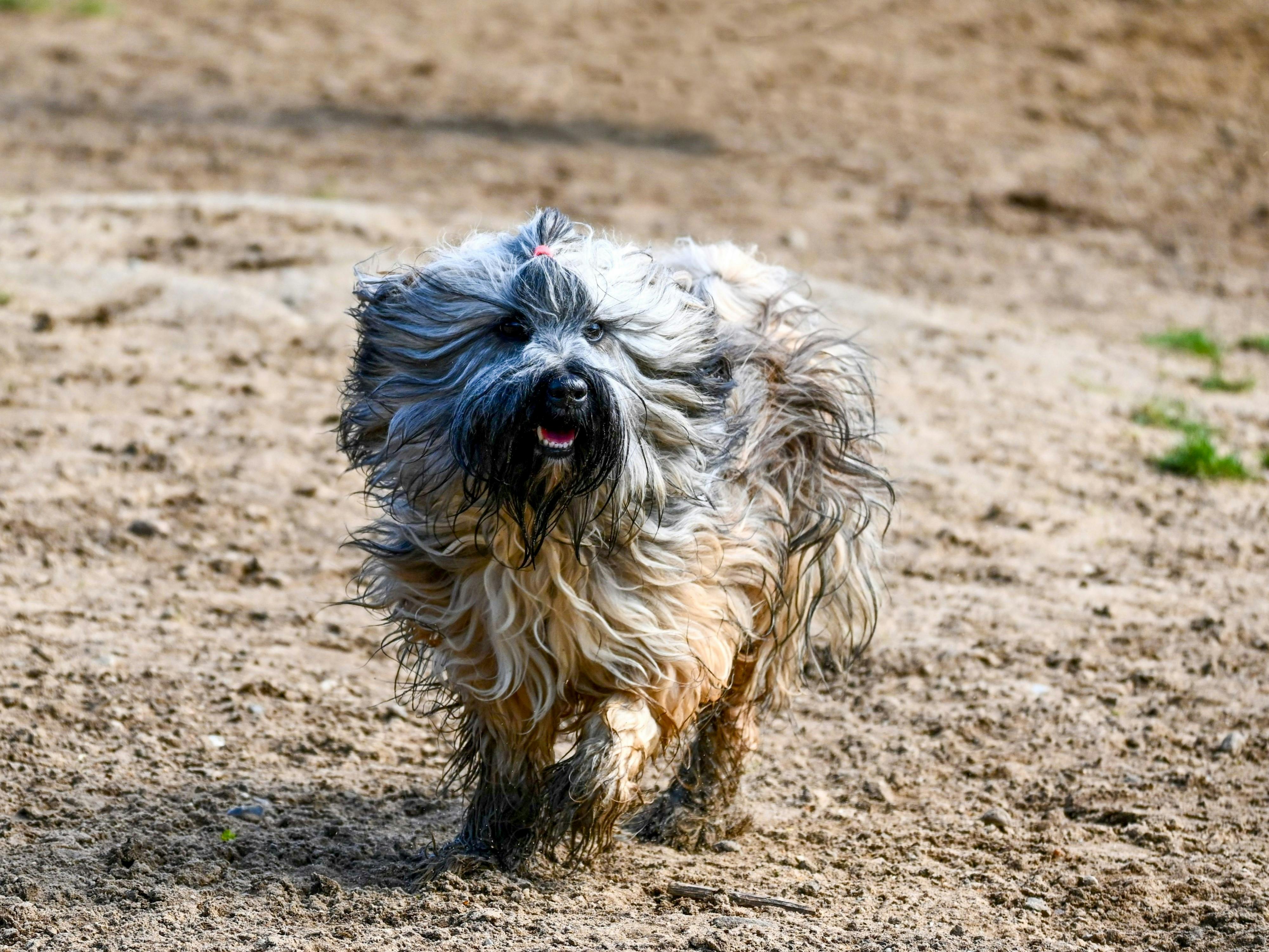
Dogs are often seen as man's best friend, and for good reason. They bring joy, companionship, and a lot of love into our lives. One of the most common things we notice about dogs is their wet noses. But why do dogs have wet noses? And what does it mean for their emotions? Let's dive into this fascinating subject and explore the connection between a wet nose and a happy dog.
Why Do Dogs Have Wet Noses?
A dog's nose is more than just a cute feature; it's an important part of their sensory system. The wetness of a dog's nose serves several purposes, which can help us understand their emotional state:
Cooling Mechanism: Dogs don't sweat like humans. Their primary way of cooling down is through panting, but a wet nose also helps regulate body temperature. The moisture on their noses evaporates, which can help keep them cool.
Enhanced Sense of Smell: A wet nose actually helps dogs smell better! The moisture captures scent particles in the air, allowing dogs to pick up on smells more effectively. This is why dogs are often seen sniffing around, exploring their environment.
Health Indicator: A wet nose can sometimes indicate good health. If a dog's nose is dry, it might be a sign of dehydration or illness, although this isn't always the case.
The Emotional Connection
So, why does a wet nose indicate a happy dog? Well, dogs express their emotions in various ways, and their noses can be a significant indicator. Here’s a look at how a wet nose relates to a dog’s emotional state:
Happy Dogs Have Wet Noses: When dogs are happy, they often pant and their noses tend to stay moist. This moisture is a sign that they are relaxed and enjoying their time with you.
Excitement and Playfulness: When dogs are excited, whether it's time for a walk or playtime, they will often have a wet nose. This can be due to the additional panting and their overall energy levels.
Affectionate Behavior: Dogs that are feeling affectionate may nuzzle or lick you with their wet noses. It’s their way of showing love and seeking attention.
Historical Context of Dogs' Wet Noses
Historically, dogs have been companions to humans for thousands of years. Early domestication likely highlighted their unique nose characteristics. Different breeds evolved, and with them, various nose shapes and wetness levels emerged.
Working Dogs: Breeds like Bloodhounds and Beagles, known for their incredible sense of smell, have particularly wet noses. This helps them track scents over long distances.
Companion Dogs: Smaller breeds, like Pugs and Chihuahuas, often have wet noses too. Their moist noses can be just as important for signaling their moods.
Fun Facts About Wet Noses
Did you know that a dog’s nose print is unique, similar to a human fingerprint? This can be used as a form of identification!
The average dog’s nose temperature is around 33 degrees Celsius (92 degrees Fahrenheit), which is cooler than their body temperature.
A dog’s sense of smell is estimated to be 10,000 to 100,000 times more sensitive than that of a human.
How to Keep Your Dog's Nose Healthy
Taking care of your dog's nose is important. Here are some tips to ensure it stays moist and healthy:
Stay Hydrated: Ensure your dog has access to fresh water at all times to prevent dehydration.
Avoid Irritants: Keep them away from smoke, chemicals, and other irritants that can dry out their noses.
Regular Vet Check-ups: These can help identify any underlying health issues that may affect your dog’s nose.
Comparing Wet Noses: Healthy vs. Unhealthy
Here’s a simple comparison of what to look for in your dog's nose:
| Nose Condition | Characteristics | Possible Causes |
|---|---|---|
| Healthy | Cool, moist, and slightly shiny | Normal behavior, hydration |
| Dry | Cracked, rough, or warm | Dehydration, illness, heat |
| Excessively Wet | Constant dripping or very wet | Possible allergies or infections |
Remember to observe your dog's behavior alongside their nose condition. If they are playful and happy, chances are their wet nose is a sign of good health.
Understanding why dogs have wet noses and what it means for their emotions can help you connect with your furry friend on a deeper level. Next time you see Fido with a wet nose, know that it could be a sign of happiness, health, or a lot of excitement! Embrace those moments and cherish the bond you share with your beloved pet.
Is Your Dog’s Nose Too Dry? 6 Signs of Potential Health Issues to Watch For

Having a dog is one of life’s greatest joys, but it also comes with its own set of responsibilities. One of the things pet owners often wonder about is their dog's nose. "Is your dog’s nose too dry?" is a common question, and it can point to some potential health issues if their nose isn’t moist enough. Let’s dig into this and explore the reasons behind why dogs have wet noses, and what those dry noses might mean for your furry friend.
Why Do Dogs Have Wet Noses?
Ever wonder why your dog’s nose is constantly wet? It's not just because they’ve been drinking water. Here’s the scoop on it:
- Cooling Mechanism: Dogs don’t sweat like humans do. Instead, they regulate their body temperature through their noses. A wet nose helps them cool down.
- Sense of Smell: The moisture on a dog’s nose helps capture scent particles from the air, enhancing their sense of smell. This is why dogs are such great trackers!
- Health Indicator: A wet nose can indicate good health. It’s usually a sign that your dog is hydrated and happy.
6 Signs of Potential Health Issues to Watch For
While a wet nose is generally a sign of health, a dry nose can be a red flag. Here are six signs you should keep an eye on:
- Excessively Dry Nose: If your dog’s nose feels like sandpaper, it could be an indication of dehydration or fever.
- Cracking: A dry, cracking nose might indicate that your dog needs more hydration or it could signal skin issues.
- Discoloration: If the color of the nose changes significantly, it could be a symptom of health problems like autoimmune disease.
- Nosebleeds: Regular nosebleeds shouldn't be ignored—these could indicate a serious underlying condition.
- Nasal Discharge: If there's a noticeable discharge that’s not normal for your pooch, then it might be time to consult a vet.
- Behavioral Changes: If your dog is lethargic, not eating, or showing signs of pain, it’s crucial to get them checked out.
The Importance of Hydration
Hydration plays a critical role in keeping your dog’s nose moist. Just like humans, dogs can suffer from dehydration. Here are a few tips to keep your furry friend hydrated:
- Fresh Water: Always provide clean and fresh water. Change it daily.
- Wet Food: Consider incorporating wet food into their diet, as it contains more moisture than dry kibble.
- Ice Treats: On hot days, you can make ice treats with low-sodium broth to keep them cool and hydrated.
Common Myths About Dog Noses
There are several myths about dog noses that can lead to confusion. Here are some of the most prevalent ones:
- A Cold Nose Means a Healthy Dog: While a cool, moist nose is often a sign of health, it’s not the only indicator. Dogs can have fevers and still have moist noses.
- Dry Nose Always Means Illness: A dog’s nose can change based on the environment. For instance, if it’s very hot or dry outside, a dog’s nose may dry out temporarily without indicating illness.
- Dogs Only Sweat Through Their Noses: Dogs primarily sweat through their paw pads, not their noses. The wetness is more about smell and temperature regulation.
When to See a Veterinarian
So, when should you worry about your dog’s dry nose? If you notice any of the signs mentioned above, it’s better to be safe than sorry. Here’s when to visit your vet:
- Persistent Dryness: If your dog’s nose remains dry for an extended period.
- Other Symptoms: If your dog shows other symptoms like vomiting, diarrhea, or lethargy, you should seek professional advice.
- Unusual Behavior: Any noticeable change in behavior, especially if it seems out of character for your dog.
Understanding Your Dog's Health
Monitoring your dog's nose can provide valuable insight into their overall health. A wet nose typically indicates that your dog is well-hydrated and healthy, while a dry one can be a signal for concern. By being observant and knowing the signs of potential health issues, you can ensure your furry companion stays happy and healthy.
Your dog’s nose is more than just a cute feature; it's a window into their health. So the next time you touch your dog’s nose, remember the fascinating reasons behind its wetness and the signs that might indicate it's time for a vet visit. Taking good care of your pup means staying informed and proactive!
The Fascinating Evolution of Dog Noses: Why Wetness Is Essential
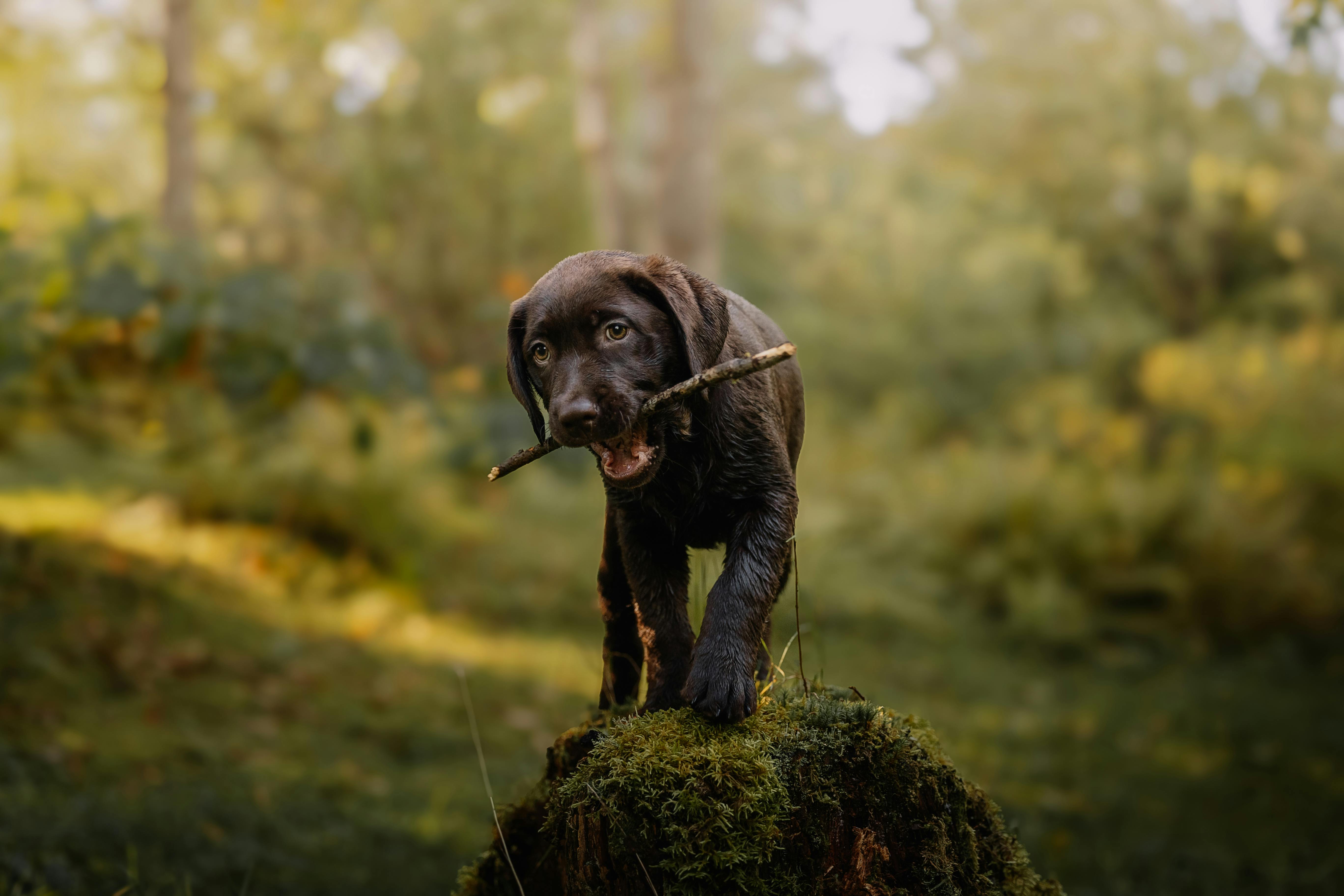
The fascinating evolution of dog noses is a topic that many people don’t think about, but it actually reveals a lot about why our furry friends have wet noses and how they work. You know, when you see a dog approach you with that cold, damp nose, it kinda makes you wonder: why do dogs have wet noses? This article will explore the reasons behind this unique feature and the evolutionary journey that led to it, shedding light on the importance of nose moisture in the canine world.
The Basics of Dog Noses
Dogs noses are complex organs, more than just a cute little feature on their snouts. They are packed with olfactory receptors—up to 300 million of them, compared to a human's mere 5 million! This amazing development allows dogs to detect smells at incredibly low concentrations. Here’s some key facts about dog noses:
- Olfactory Receptors: Up to 300 million in dogs.
- Sense of Smell: Dogs can smell about 40 times better than humans.
- Nasal Structure: The dog’s nose contains turbinates, which help warm and filter the air they breathe.
Why Wetness Is Essential
So, why do dogs have wet noses? The moisture on a dog’s nose serves multiple important purposes.
Enhanced Smell: A wet nose helps to capture scent particles from the air. The moisture makes it easier for scent molecules to stick, which amplifies their sense of smell.
Temperature Regulation: Just like humans sweat, dogs cool themselves down through their noses. A wet nose can help regulate their body temperature, especially on hot days.
Health Indicator: The wetness of a dog’s nose can also be an indicator of their health. A healthy nose is typically moist, while a dry nose might suggest dehydration or illness.
Evolutionary Journey of the Dog Nose
The evolution of dog noses is tied to their ancestors. The domestication of dogs began thousands of years ago, and over time, their noses adapted for various purposes. Here are some evolutionary milestones:
Sense of Smell: Early dogs relied on their noses for hunting and foraging. Those with better-smelling abilities were more likely to survive and reproduce.
Breeding Practices: As humans began to breed dogs for specific traits, the importance of a keen sense of smell remained. Breeds like Bloodhounds and Beagles were specifically developed for their exceptional olfactory capabilities.
Anatomical Changes: Over generations, certain breeds have developed unique nasal structures to enhance their smelling abilities even further, such as the long, narrow snouts of certain hunting breeds.
Fun Facts About Dog Noses
Dogs have unique nose prints, much like human fingerprints! Each pattern is distinct to the individual dog.
The color of a dog’s nose can vary by breed and even by the individual dog. Some breeds, like the Dalmatian, are known for their spotted noses.
Dogs don’t just use their sense of smell to identify people or food; they can also detect emotions through scent.
Comparison with Other Animals
When you think about it, dog noses are not the only examples of specialized snouts in the animal kingdom. Here’s a comparison:
| Animal | Olfactory Receptors | Unique Features |
|---|---|---|
| Dogs | Up to 300 million | Moisture helps capture scents, unique scent detection abilities |
| Cats | About 50-80 million | Less moisture, but still excellent at detecting scents |
| Mice | 1,000+ million | Highly developed for finding food and identifying predators |
| Elephants | Estimated 2,000+ million | Can detect water sources from miles away |
Practical Examples of Nose Functionality
Dogs use their noses for various practical purposes, which highlight their evolutionary advantages:
Search and Rescue: Dogs are trained to find missing persons or detect natural disasters using their incredible sense of smell.
Medical Detection: Some dogs can detect diseases like cancer or diabetes by smelling changes in a person’s body odor.
Tracking: Hunting dogs often track scents left by animals, which is crucial for successfully hunting or retrieving game.
Understanding why dogs have wet noses and the evolutionary context behind it is not just an interesting fact; it highlights the incredible abilities of our canine companions. Their wet noses are essential tools that serve multiple purposes, from enhancing their sense of smell to regulating their body temperature. The next time you feel that familiar cold, damp nose against your skin, remember there’s a fascinating history and biology at play!
How to Care for Your Dog's Nose: Tips for Maintaining Optimal Moisture

Dogs are often called man's best friend, and for good reason. They bring joy, companionship, and sometimes a little bit of chaos to our lives. One of the most distinctive features of dogs is their noses. If you've ever wondered how to care for your dog's nose, or why do dogs have wet noses in the first place, then you are in the right place!
Why Do Dogs Have Wet Noses?
It’s a question that many pet owners ask. The truth is, there’s more to your dog's nose than meets the eye. Wet noses serve several important functions. Here’s a breakdown of why they’re wet:
Temperature Regulation: Just like humans sweat to cool off, dogs can use their noses to help regulate their body temperature. The moisture on their noses evaporates and helps keep them cool.
Enhanced Sense of Smell: Dogs' noses are incredibly sensitive. The moisture helps to capture scent particles, making it easier for them to detect various smells. This is why they can sniff out treats or track scents so well.
Health Indicator: A dog's nose can tell you a lot about their health. A healthy nose is usually moist and cool. If it becomes dry or hot, it could indicate a health issue.
Social Interaction: Dogs use their noses to communicate with each other. When they greet one another, they often sniff each other's noses and bodies as a form of acknowledgment and social interaction.
Tips for Maintaining Optimal Moisture in Your Dog's Nose
Caring for your dog's nose is important, and it doesn’t take much effort! Here are some helpful tips:
Hydration: Make sure your dog drink enough water. Proper hydration can help maintain moisture levels in their nose.
Humid Environment: If you live in a dry climate, consider using a humidifier in your home. This can help prevent your dog's nose from becoming overly dry.
Nose Balms: There are specially formulated nose balms available that can help keep your dog's nose moist. Look for natural ingredients like coconut oil or shea butter.
Regular Vet Check-ups: Sometimes, a dry nose can be a sign of underlying health problems. Regular check-ups can help catch any potential issues early.
Protect from the Elements: During extreme weather conditions, either hot or cold, consider using a nose protector or balm to prevent cracking and dryness.
Common Myths About Dog Noses
There are a lot of myths surrounding dog noses that are just not true. Here are some of them:
Myth 1: A dry nose always means a dog is sick.
Reality: Dogs can have dry noses for many reasons, including weather changes or sleeping conditions.Myth 2: Dogs' noses are always wet.
Reality: Some breeds naturally have drier noses than others.Myth 3: A warm nose indicates fever.
Reality: Dogs' noses can vary in temperature throughout the day, and a warm nose isn't a definitive sign of illness.
Dog Nose Care Checklist
To make it easy, here’s a quick checklist to help you maintain your dog's nose health:
- [ ] Ensure your dog has constant access to fresh water
- [ ] Consider a humidifier if your home is dry
- [ ] Apply nose balms during dry seasons
- [ ] Schedule regular vet visits
- [ ] Protect your dog's nose during extreme weather
When to Consult a Veterinarian
While most of the time, a dog's wet nose is a good sign, there are instances when you should definitely seek veterinary advice. Here’s when to be concerned:
- If your dog's nose becomes cracked or sore
- Notice excessive dryness that lasts more than a few days
- If your dog shows other signs of illness, like lethargy or loss of appetite
- There's a sudden change in the temperature of their nose
Caring for your dog's nose is just one of the many responsibilities that come with being a pet owner. By understanding why do dogs have wet noses and how to keep them healthy, you can contribute to your furry friend's overall well-being. Remember, a healthy dog is a happy dog! So keep those noses moist and enjoy all the joy that your canine companion brings into your life.
Curious Canines: What Different Nose Textures Reveal About Your Dog’s Health
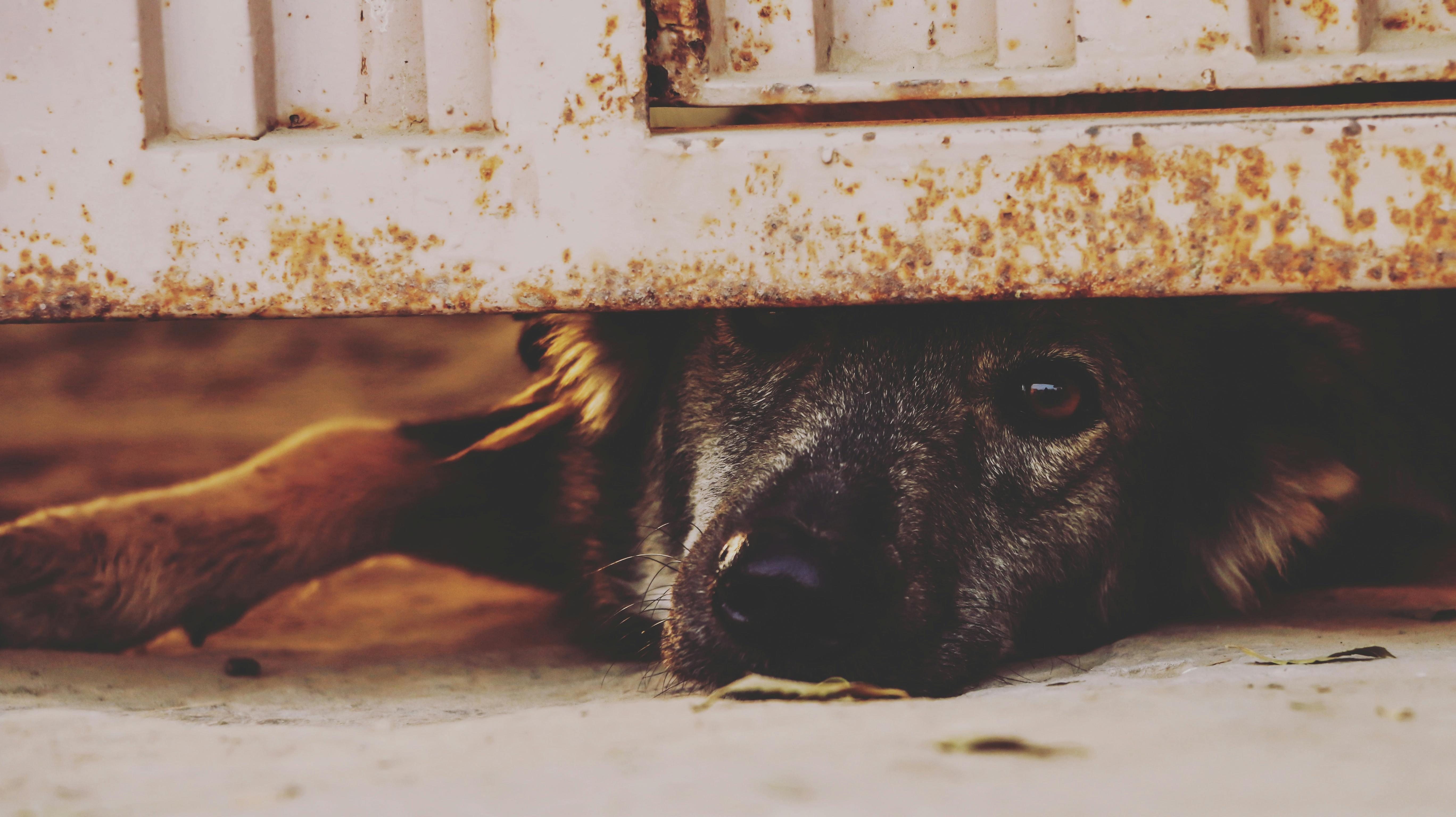
Curious Canines: What Different Nose Textures Reveal About Your Dog’s Health, Why Do Dogs Have Wet Noses? Discover the Fascinating Truth!
Have you ever noticed your dog's nose? Its texture, temperature, and moisture level can tell you a lot about your furry friend’s health. Many dog owners wonder, why do dogs have wet noses anyway? Is it normal for them to feel cold and damp? Understanding the significance of your dog's nose can help you monitor their well-being and spot potential health issues early.
The Science Behind Wet Noses
Dogs have wet noses for a reason, it's not just for show. The moisture on their noses is crucial for a couple of reasons:
Enhanced Smell: A wet nose can help capture scent molecules better. Dogs rely heavily on their sense of smell, which is way more sensitive than humans. Having moisture allows them to absorb more scents in the air, which makes them better hunters and trackers.
Temperature Regulation: Just like humans sweat to cool down, dogs can regulate their body temperature through their noses. The moisture evaporates, helping to cool their body down. It’s a natural air conditioner!
Health Indicator: The texture and temperature of a dog's nose can reveal a lot about their health. If your dog’s nose is excessively dry or hot, it might signal an issue that needs attention.
What Different Nose Textures Mean
The texture of your dog's nose can change for various reasons. Here's a quick breakdown of what those textures can indicate:
Smooth and Wet: This is generally a sign of a healthy dog. If your dog’s nose is smooth and wet, it’s probably feeling good and hydrated.
Dry and Cracked: A dry and cracked nose might indicate dehydration or a skin condition. If it lasts for more than a day or two, you should consult a veterinarian.
Rough or Bumpy: Sometimes, dogs can have bumpy textures on their noses. This can be due to allergies or even infections. If you notice anything unusual, a vet visit is a good idea.
Hot and Dry: If your dog's nose feels hot and dry, it could be a sign of fever or illness. It's often best to take your dog to the vet for a checkup.
Historical Context of Dog Noses
Dogs have had wet noses for thousands of years. Historically, various breeds developed unique nose textures and moisture levels based on their environments and roles. For example, hunting dogs often have wetter noses to track scents more effectively. The science of canine olfaction is fascinating and has even led to the use of dogs in search and rescue missions, detection work, and more.
Common Misconceptions About Dog Noses
There are many myths surrounding dog noses that can mislead pet owners. Here are some common misconceptions:
Myth: A warm nose means a sick dog.
Fact: A dog's nose temperature can vary for many reasons. While a warm, dry nose might signal illness, it’s not a definitive indicator.Myth: Dogs' noses should always be wet.
Fact: While it’s common for noses to be moist, there can be natural variations. It depends on the breed and individual dog.
Practical Tips for Monitoring Your Dog’s Nose Health
Keeping an eye on your dog's nose can be quite simple. Here’s how you can monitor it:
Daily Check: Make it a habit to check your dog's nose daily. Note the texture, moisture level, and temperature.
Look for Changes: If you notice any drastic changes, such as excessive dryness or unusual bumps, reach out to your vet.
Hydration is Key: Ensure your dog stays hydrated. Water helps maintain moisture levels in their noses.
Watch for Other Symptoms: Sometimes, a nose issue can come with other signs like lethargy or loss of appetite. Don’t ignore these.
Healthy Diet: A balanced diet can contribute to overall skin health, including the nose.
Summary
Understanding your dog’s nose can give you insight into their health. The wetness and texture are more than just cute traits; they play an essential role in a dog's life. Pay attention to what your dog’s nose is telling you. If you ever have concerns about their health, don't hesitate to consult a veterinarian. After all, a happy dog with a healthy nose is a true treasure!
Conclusion
In conclusion, the wet noses of dogs serve several important purposes that contribute to their health and sensory abilities. The moisture on their noses helps enhance their sense of smell, allowing them to detect scents more effectively. Additionally, a wet nose is often a sign of a healthy dog, as it indicates proper hydration and temperature regulation. It's also worth noting that environmental factors, such as humidity and temperature, can influence the moisture level of a dog's nose. As a dog owner, paying attention to your pet's nose can provide valuable insights into their well-being. If you notice any significant changes in its texture or moisture, it might be a good idea to consult your veterinarian. Ultimately, understanding these unique traits can deepen your bond with your furry friend, so take a moment to appreciate the little things that make your dog special.