Have you ever wondered, why do dogs have wet noses? This fascinating trait is more than just a cute quirk; it holds important clues to a dog's health and behavior! Dogs' noses are often wet, and this unique feature plays a crucial role in their incredible sense of smell. But what exactly causes this moisture? Could it be that a wet nose is a sign of health, or maybe even a way to help dogs cool down? In this post, we will dive deep into the scientific reasons why dogs have wet noses, exploring everything from canine anatomy to the implications of a dry nose. You’ll discover how a dog’s sense of smell is enhanced by that wet surface and what it means for their interaction with the world. Have you noticed your furry friend’s nose changing throughout the day? What does that mean? Join us as we uncover the truth behind why dogs have wet noses and why understanding this can improve your dog’s well-being. Get ready to be amazed by the wonders of canine biology and learn how you can keep your four-legged companion happy and healthy!
\n\nThe Science Behind Canine Noses: Why Are Dogs' Noses Always Wet?
\n\n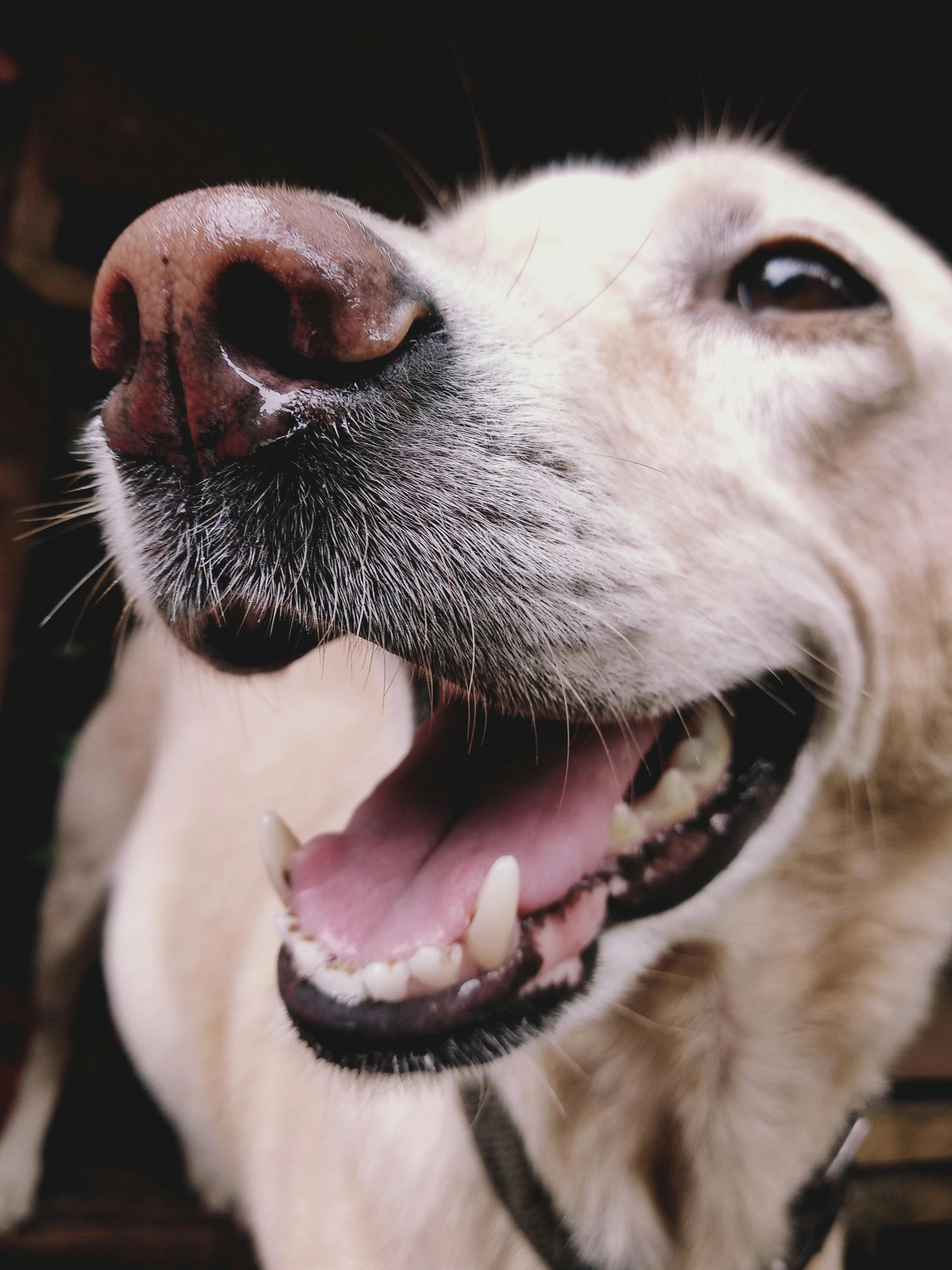 \n\n
\n\nDogs are known for their incredible sense of smell. But have you ever wonder why dogs have wet noses? The truth behind canine noses is not just fascinating; it also reveals a lot about how dogs interact with their environment. In this article, we'll dive into the science behind why dogs' noses are typically wet, exploring the biological and functional reasons that contribute to this unique characteristic.
\nThe Biology of a Dog's Nose
\nDogs have a remarkable olfactory system, which is what enables them to detect scents significantly better than humans. Their noses contain up to 300 million olfactory receptors, compared to a human's 5 million. This difference allows dogs to smell with an incredible sensitivity, even detecting substances at parts per trillion.
\n- \n
- Olfactory Receptors: The primary components that allow dogs to smell so well. \n
- Jacobsen's Organ: A special organ located in the nasal cavity that helps dogs detect pheromones. \n
- Nasal Turbinates: Structures within the nose that help to warm and humidify the air, making scents easier to detect. \n
Now, let’s talk about the wetness of dog noses. A wet nose is not just an adorable trait; it serves several practical purposes.
\nWhy Are Dogs' Noses Wet?
\n- \n
- \n
Temperature Regulation: Dogs don’t sweat like humans do. Instead, they release heat through their noses. A wet nose helps to cool them down when they’re feeling warm.
\n \n - \n
Enhanced Smelling Ability: The moisture on a dog’s nose helps to trap scent particles, making it easier for them to absorb and recognize smells. It’s like a sponge, soaking up the aromas around them.
\n \n - \n
Health Indicator: A wet nose is often a sign of a healthy dog. When dogs are sick, their noses may become dry and warm, which can signal to owners that something might be wrong.
\n \n - \n
Behavioral Communication: Dogs use their noses to explore the world. A wet nose can also indicate excitement or curiosity in a dog, as they sniff and investigate their surroundings.
\n \n
The Historical Context of Dog Noses
\nHistorically, dogs have been bred for various purposes, many of which have relied heavily on their sense of smell. From hunting dogs that track game to service dogs that detect medical conditions, the need for a keen sense of smell has shaped the way dogs have evolved.
\n- \n
- Hunting and Tracking: Certain breeds, like Bloodhounds, have been specifically bred for their superior sense of smell, which is often used in search-and-rescue missions. \n
- Detection Work: Dogs are used by law enforcement agencies to detect drugs, explosives, and even contraband. Their wet noses play a crucial role in their ability to perform these tasks. \n
Common Misconceptions About Dog Noses
\nThere are a few myths surrounding the wetness of dog noses that are worth addressing.
\n- \n
- Myth: All dogs have wet noses: Not all dogs have wet noses all the time. Factors such as environmental conditions, health, and breed can influence the moisture level of a dog's nose. \n
- Myth: A dry nose means a sick dog: While a dry nose can indicate illness, it is not a definitive sign. Other symptoms should also be considered, like appetite, behavior, and energy levels. \n
Fun Facts About Dog Noses
\n- \n
- A dog's sense of smell is so sensitive that they can detect certain diseases, like cancer, through the smell of a person’s breath or skin. \n
- Dogs can differentiate between similar scents. For example, they can tell the difference between a human scent and a cat scent. \n
- The pattern on a dog's nose is as unique as a human fingerprint, which can be used for identification purposes. \n
It's clear that the wetness of a dog’s nose is essential for their ability to smell and interact with the world. This remarkable trait not only aids in their survival but also strengthens their bond with humans. Next time you see a dog with a wet nose, you can appreciate the science and evolution that has led to this fascinating feature. Understanding why dogs have wet noses can deepen our appreciation for these loyal companions and the unique biological adaptations that they possess.
\n\n5 Surprising Reasons Your Dog's Nose Is Wet and What It Means for Their Health
\n\n \n\n
\n\nHave you ever wondered why your dog’s nose is often wet? Is it just a random quirk, or does it actually mean something about their health? Many dog owners find themselves asking questions like "Why do dogs have wet noses?" and "What does it mean for their wellbeing?" Let’s dive into the fascinating truth behind those moist noses and uncover some surprising reasons for their wetness.
\nThe Biology Behind a Wet Nose
\nFirst off, it’s important to know that a dog’s nose is not just wet for fun. The moisture on their nose serves a real purpose. Dogs have specialized glands that produce mucus, which helps to keep their noses moist. This moisture enhances their sense of smell, which is already thousands of times more sensitive than a human's. So, when you see your pup with a wet nose, you can be sure it's not just a cute feature; it’s a crucial part of how they interact with the world.
\n5 Surprising Reasons Your Dog's Nose Is Wet
\n- \n
- \n
Scent Detection
\n
\nDogs are natural hunters, and their noses are designed to detect scents. The wetness helps to trap scent particles, which makes it easier for them to identify smells. A wet nose can be crucial when they’re tracking something interesting, like a squirrel or even a new treat hidden in the backyard. \n - \n
Temperature Regulation
\n
\nDid you know dogs sweat very little? Unlike humans, they don’t have sweat glands all over their body. Instead, they mainly rely on their noses and paw pads to cool down. A moist nose can help regulate their body temperature, especially on hot days. If you notice your dog’s nose is extra wet after a romp in the park, that could be why! \n - \n
Health Indicator
\n
\nA wet nose can be a sign of good health, but it’s not a strict rule. Healthy dogs typically have a moist, cool nose. If a dog’s nose becomes dry or excessively warm, it might indicate dehydration or illness. So, keeping an eye on your dog’s nose can actually provide some hints about their overall health. \n - \n
Emotional Response
\n
\nBelieve it or not, your dog’s nose moisture can change based on their emotions too. When dogs are excited or anxious, they may produce more mucus, leading to a wetter nose. So, if you come home after a long day and your pup’s nose is particularly damp, it might just be their way of showing how happy they are to see you! \n - \n
Environmental Factors
\n
\nHumidity and temperature can affect the moisture level of your dog’s nose. If you live in a dry climate, you might notice your dog’s nose getting drier. Conversely, during rainy days or in humid conditions, their nose might be much wetter than usual. Weather plays a bigger role than you might think! \n
The Historical Context of Dog Noses
\nDogs have been companions to humans for thousands of years. Their wet noses have played a role in their domestication and utility. Historically, dogs were bred for specific traits, including scent detection. Breeds like Bloodhounds and Beagles have been specifically developed for their incredible olfactory abilities, which rely heavily on that wet, moist nose.
\nFun Facts About Dog Noses
\n- \n
- The texture of a dog’s nose is unique, much like a human fingerprint! \n
- Dogs can identify scents at concentrations as low as one part per trillion. \n
- Certain breeds, like the Shar Pei, may have drier noses due to their unique skin folds. \n
Quick Tips for Dog Owners
\n- \n
- Monitor Nose Condition: Regularly check your dog's nose for any changes. If it’s persistently dry or cracking, consult a vet. \n
- Stay Hydrated: Make sure your dog has access to fresh water, especially during hot weather. \n
- Watch for Other Symptoms: If a wet nose is accompanied by other symptoms like lethargy or loss of appetite, it might be time for a vet visit. \n
Understanding why dogs have wet noses can be a fun and enlightening experience for any pet owner. It’s not just a quirky trait; it has practical implications for health and well-being. So, next time you lean down to give your furry friend a pat and feel that wet nose against your skin, remember all the fascinating reasons behind it! Your dog is not only communicating with you but also navigating the world in their unique, olfactory-driven way.
\n\nIs a Wet Nose a Sign of a Healthy Dog? Uncover the Truth Here!
\n\n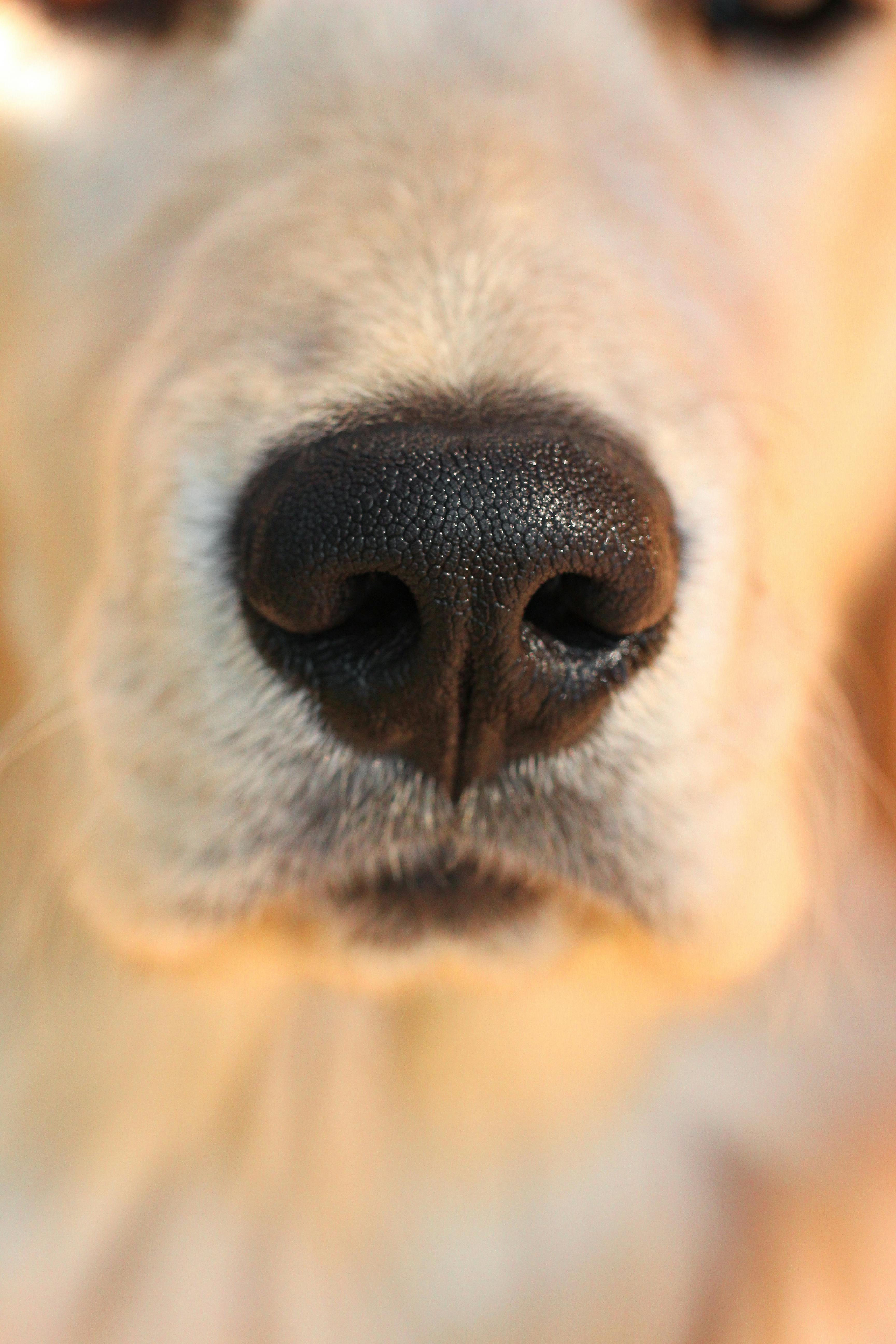 \n\n
\n\nIs a Wet Nose a Sign of a Healthy Dog? Uncover the Truth Here!
\nWhen it comes to our furry friends, one of the most common beliefs is that a wet nose indicates a healthy dog. Many dog owners often worriedly check their pet’s nose, hoping to see that shiny, moist surface. But is this really a sign of good health, or is it just a myth? In this article, we’re gonna explore the truth behind why do dogs have wet noses and what it really means for their well-being.
\nWhy Do Dogs Have Wet Noses?
\nDogs noses are wet for a bunch of reasons, and it ain't just for show. Understanding the science behind it can help you better care for your pup. Here’s a list of reasons why dogs have wet noses:
\n- \n
- \n
Cooling Mechanism: Dogs don’t sweat like humans. Instead, they cool themselves through panting and the moisture on their noses. A wet nose helps regulate their body temperature.
\n \n - \n
Enhanced Sense of Smell: The moisture on a dog's nose helps to capture scent particles in the air, enhancing their ability to smell. This makes sense since dogs have an incredible sense of smell, estimated to be 10,000 to 100,000 times more sensitive than humans.
\n \n - \n
Health Indicator: A healthy dog’s nose can fluctuate between wet and dry, depending on environmental factors. A wet nose is often associated with being playful and active, but a dry nose doesn’t necessarily mean your dog is sick.
\n \n - \n
Behavioral Aspects: Dogs often lick their noses, which keeps them moist and helps them gather scent information from their surroundings.
\n \n
The Myth of the Wet Nose
\nNow, while a wet nose is often seen as a sign of a healthy dog, it’s not the only indicator. Here’s a few things to consider:
\n- \n
- \n
Temperature: A dog’s nose can be warm and dry for various reasons, like resting in the sun or just waking up from a nap. This doesn’t always mean they are unwell.
\n \n - \n
Nasal Discharge: If your dog's nose is excessively wet or has discharge, that could indicate a health problem, like allergies or infections.
\n \n - \n
Behavior Changes: Always pay attention to your dog’s overall behavior. If they are eating, playing, and acting normally, a dry nose might not be a cause for concern.
\n \n
Common Misconceptions
\nThere are several misconceptions about dog noses that people often believe. Here’s a comparison of some common myths versus reality:
\n- \n
- \n
Myth: A cold, wet nose means the dog is healthy.
\nReality: While a wet nose can be a sign of good health, it’s not definitive.
\n \n - \n
Myth: Dogs with dry noses are sick.
\nReality: A dry nose can be normal at times.
\n \n - \n
Myth: All dogs have the same nose texture.
\nReality: Different breeds have different nose types, and some may naturally be drier than others.
\n \n
When to Call the Vet
\nKnowing when to seek professional help is crucial. Here’s a simple checklist of symptoms that should prompt a visit to the vet:
\n- \n
- Persistent dry nose accompanied by lethargy \n
- Unusual discharge, either clear, yellow, or green \n
- Changes in appetite or drinking habits \n
- Signs of pain when touching the nose area \n
Fun Facts About Dog Noses
\nDid you know that dog noses are unique, much like human fingerprints? Here are some fun facts about these fascinating features:
\n- \n
- \n
Unique Patterns: Each dog’s nose print is different and can be used to identify them, similar to how humans use fingerprints.
\n \n - \n
Scent Detection: Dogs can detect certain diseases in humans, like cancer, just by smelling. Their noses are that powerful!
\n \n - \n
Temperature Regulation: A dog's sense of smell is so important that they can even detect changes in temperature of their environment.
\n \n
Final Thoughts
\nWhile a wet nose might be a comforting sign for many dog owners, it’s important to remember that it’s not a definitive health indicator. Instead, focus on your dog's overall behaviors and physical condition. Regular veterinary check-ups, a balanced diet, and plenty of exercise are what truly keep your pup healthy. So, the next time you see that glistening nose, remember it’s just one piece of the puzzle in understanding your dog’s health!
\n\nHow a Dog's Wet Nose Enhances Their Sense of Smell: The Fascinating Connection
\n\n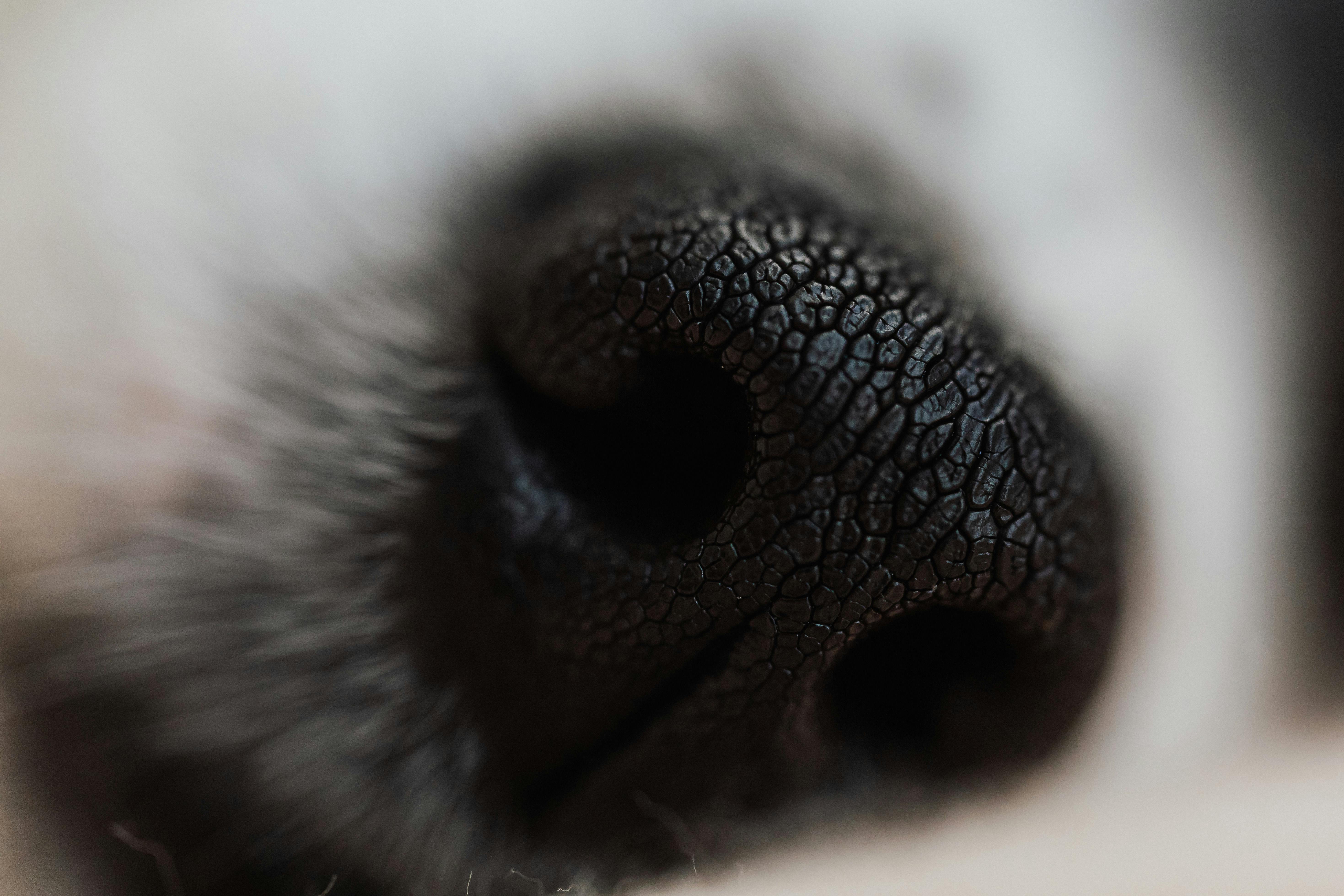 \n\n
\n\nDogs are one of the most beloved pets around the world, and many people often wonder about their unique characteristics. One of the most intriguing traits of dogs is their wet noses. You might think, "Why do dogs have wet noses?" or "How does this enhance their sense of smell?" Turns out, there's a fascinating connection between a dog's wet nose and their incredible olfactory abilities, which can leave you surprised.
\nThe Science Behind a Dog's Wet Nose
\nA dog’s nose is not just a cute feature; it plays a crucial role in their ability to smell. The surface of their nose is covered with a thin layer of mucus. This mucus help to trap scent particles, allowing dogs to pick up a wider range of smells. When they inhale, the moisture on their nose captures odor molecules, making it easier for them to identify different scents.
\n- \n
- Moisture: The wetness increases the contact area with scent particles. \n
- Temperature Regulation: A wet nose also helps dogs regulate their body temperature. \n
- Enhanced Sensitivity: The wetness works with the specialized olfactory receptors in their noses, which are significantly more abundant than those in humans. \n
How Dogs Smell Differently Than Humans
\nDid you know that dogs have approximately 220 million scent receptors in their noses compared to a human’s mere 5 million? This vast difference in olfactory receptors makes dogs smell things that we can’t even imagine.
\nHere's a quick comparison of human vs. dog sense of smell:
\nHuman Sense of Smell:
\n- \n
- 5 million olfactory receptors \n
- Can detect some odors but not as effectively \n
- Limited ability to distinguish between scents \n
Dog Sense of Smell:
\n- \n
- 220 million olfactory receptors \n
- Can detect scents in parts per trillion \n
- Able to differentiate a wide range of odors, even complex ones \n
The Evolutionary Advantage of a Wet Nose
\nSo, why did dogs evolve to have wet noses? Well, it’s all about survival. In the wild, a keen sense of smell can be the difference between life and death. Whether it’s tracking prey or avoiding predators, a dog’s ability to smell can determine their fate. The wet nose helps facilitate this skill.
\n- \n
- Tracking Prey: Dogs can pick up on scents from long distances. \n
- Detecting Danger: Their noses can sense changes in the environment, warning them of threats. \n
- Finding Food: A wet nose helps in locating food sources by picking up on the scent trails. \n
Why is a Dog's Nose Sometimes Dry?
\nYou may have noticed that sometimes a dog's nose is dry. This can happen for several reasons, including:
\n- \n
- Environment: Dry weather conditions can lead to a dry nose. \n
- Health Issues: Dehydration or illness can also affect the moisture level. \n
- Sleep: A dog’s nose may dry out after sleeping, which is completely normal. \n
Fun Facts About Dog Noses
\n- \n
- Dogs can even smell emotions! They can detect stress hormones in humans. \n
- Some breeds, like Bloodhounds, have an exceptional sense of smell and can track scents for days. \n
- The unique pattern of a dog’s nose is like a human fingerprint – no two noses are alike! \n
Practical Implications for Dog Owners
\nIf you own a dog, understanding the significance of their wet nose can help you take better care of them. Here’s what you can do:
\n- \n
- Keep Them Hydrated: Ensure your dog always has access to fresh water, which can help maintain a moist nose. \n
- Watch for Changes: If your dog's nose stays dry for an extended period, it might be worth consulting a vet. \n
- Regular Vet Check-Ups: Regular check-ups can help ensure that your dog stays healthy, and their sense of smell stays sharp. \n
In summary, the wet nose of a dog is more than just a cute feature; it’s an essential part of their biology that enhances their ability to smell. Their noses are intricately designed to capture and process scents in ways that humans can’t even fully comprehend. So the next time you give your pup a scratch behind the ears, take a moment to appreciate the fascinating connection between their wet nose and their extraordinary olfactory prowess!
\n\n7 Fun Facts About Dog Noses: Why Wetness Matters More Than You Think
\n\n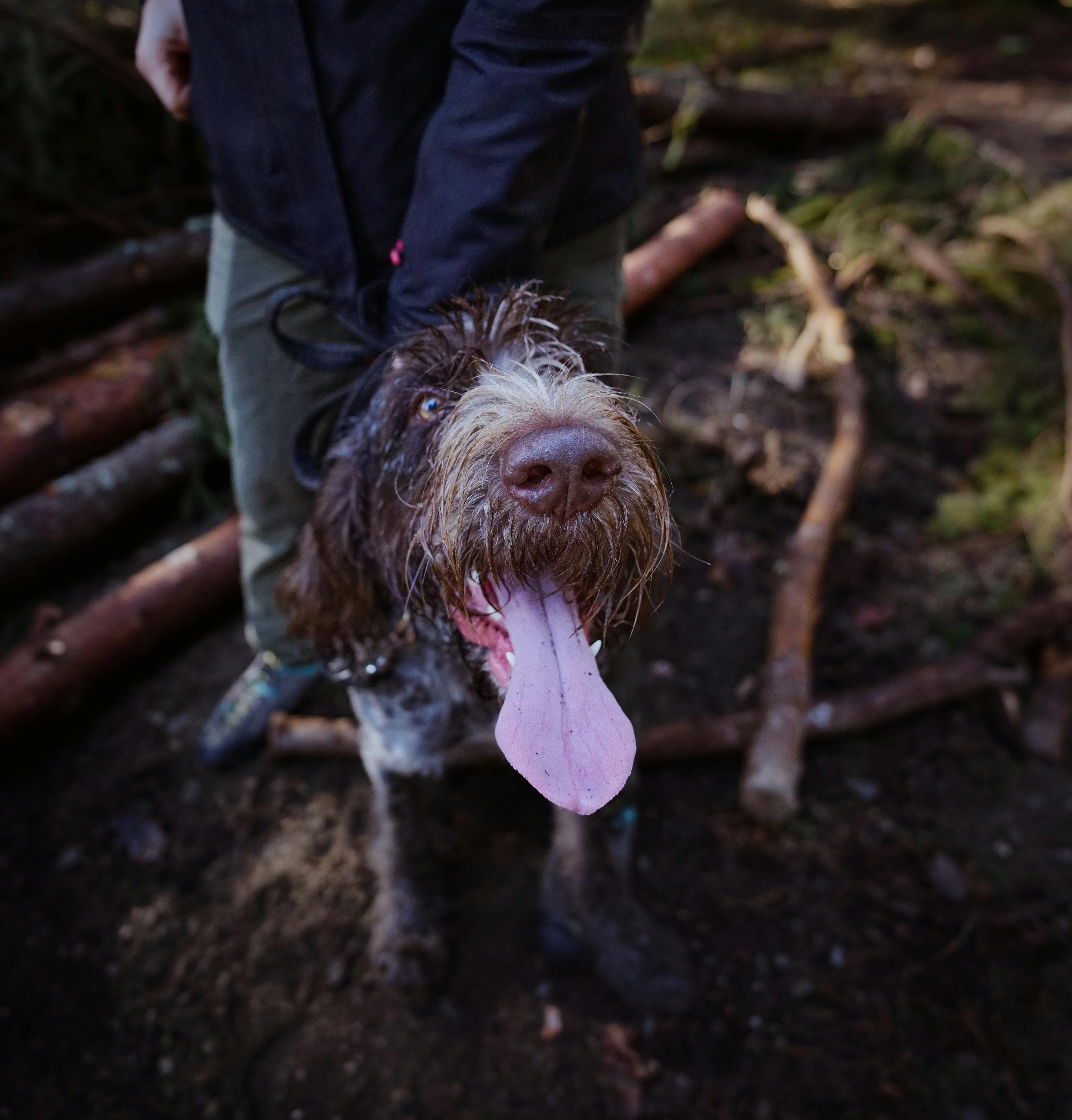 \n\n
\n\nDogs are often called man's best friend, and there's plenty of reasons for that. One of the most interesting, yet often overlooked, traits of our canine companions is their wet noses. You may be wondering, why do dogs have wet noses? This question leads us to explore some fascinating facts about dog noses that not only highlight why wetness matters more than you think but also reveal some cool insights about our furry pals.
\n1. Wet Noses Help with Smell
\nFirst off, the wetness of a dog's nose plays a major role in their sense of smell. When a dog's nose is wet, it can better trap scent particles in the air. This means that their ability to detect smells is enhanced. It's like having a superpower! Wet noses allow dogs to absorb more scent molecules, which helps them identify everything from food to potential dangers.
\n2. Temperature Regulation
\nDid you know dogs also use their noses to help regulate their body temperature? When it’s hot outside, dogs will often lick their noses, which helps to cool them down. Dogs don't sweat like humans do, so they rely on their noses and panting to maintain their body temperature. The wetness of the nose allows for quick evaporation, which cools their blood vessels just beneath the surface.
\n3. Communication Tool
\nDogs communicate in ways that humans might not fully understand. Their noses are a vital part of this communication. A dog’s wet nose can convey different emotions. For instance, a dog that nudges you with its wet nose may be seeking attention or affection. Conversely, a dry nose might indicate that your dog is feeling unwell or stressed. Paying attention to your dog's nose can give you clues about their health and mood.
\n4. Historical Significance
\nThe history of dog noses is pretty interesting too! Ancient cultures recognized the importance of a dog's sense of smell. In ancient Egypt, dogs were revered for their ability to track and hunt. This led to selective breeding for dogs with superior olfactory capabilities. The wet nose became a symbol of health and vitality in dogs, influencing the way people viewed and treated their canine companions throughout history.
\n5. Health Indicator
\nA dog's nose can be a great indicator of their health. While a wet nose is often seen as a sign of a healthy dog, it’s not the only factor to consider. Here’s a quick list of conditions that might affect a dog’s nose:
\n- \n
- Dry Nose: Can indicate dehydration, fever, or illness. \n
- Crusty Nose: May suggest allergies or skin infections. \n
- Excessively Wet Nose: Could be a sign of excitement or anxiety. \n
So, always observe changes in your dog's nose condition, as it can signal health issues that may need vet attention.
\n6. Unique Nose Print
\nEvery dog has a unique nose print, just like humans have unique fingerprints! This fact is really cool because it means you can identify a dog by their nose. Some dog lovers have even suggested using nose prints for identification purposes. It’s a fun idea, but also practical in cases of lost pets.
\n7. Dogs and Human Interactions
\nLastly, wet noses can have a social aspect too. When a dog licks your hand or nudges you with their nose, it's often a sign of affection. This behavior has been observed in various dog breeds, showing that no matter the size or type, dogs enjoy interacting with their human companions. It strengthens the bond between pets and their owners.
\nFun Facts Summary
\n- \n
- A dog's wet nose enhances their sense of smell. \n
- Wet noses help in regulating body temperature. \n
- Dogs use their noses for communication. \n
- Historically, wet noses have been a sign of health. \n
- Changes in nose condition can indicate health issues. \n
- Each dog's nose print is unique. \n
- Dogs show affection through their wet noses. \n
As you can see, the reason why do dogs have wet noses goes beyond mere appearances. Their wet noses serve multiple functions that are essential for their health, communication, and interaction with humans. Understanding these aspects can improve the bond you have with your furry friend. Next time you give your dog a scratch behind the ears, take a moment to appreciate that wet nose, because it holds a world of fascinating truths and capabilities!
\n\nWhy Does My Dog's Nose Change? Understanding the Fluctuations in Wetness
\n\n \n\n
\n\nHave you ever noticed that your dog's nose looks different from day to day? One day it might be dripping wet, and the next it could be dry or even cracked. This fluctuation can leave many dog owners scratching their heads, wondering “Why does my dog's nose change?” Well, there’s a fascinating truth behind those wet noses, and understanding this can help you take better care of your furry friend.
\nWhy Do Dogs Have Wet Noses?
\nFirst off, why do dogs even have wet noses? This is not just a quirky feature. A dog's nose is wet for several important reasons:
\n- \n
- Temperature Regulation: Dogs don’t sweat like humans do. Their primary way of regulating body temperature is through panting and the moisture on their nose. \n
- Enhanced Smell: A wet nose can help capture scent particles more effectively. This is crucial since dogs have a sense of smell that is far superior to ours. \n
- Health Indicator: The condition of a dog’s nose can often indicate health. A wet, cool nose is typically a sign of a healthy dog, while a dry or warm nose could suggest something is off. \n
What Causes Nose Fluctuations?
\nNow let’s dive into why your dog's nose might change from wet to dry or even feel hot one day and cold the next. There are a few factors that come into play:
\n- \n
- Environmental Conditions: Just like us, dogs can be affected by the weather. Hot, dry air can cause a dog’s nose to dry out, while humidity can keep their noses moist. \n
- Health Issues: Sometimes, a change in nose moisture can be linked to health problems. Conditions like fever, dehydration, or even allergies can alter a dog's nose state. \n
- Activity Level: After a long walk or play session, your dog might have a wetter nose due to increased panting and excitement. \n
- Hydration: If your dog isn’t drinking enough water, it may reflect in the dryness of their nose. \n
Common Misconceptions
\nIt’s easy to fall for myths surrounding dog noses. Here’s a quick rundown of some common misconceptions:
\n- \n
- A Wet Nose Means a Healthy Dog: While a wet nose can be a sign of health, it’s not always the case. Some dogs with dry noses can be perfectly healthy. \n
- All Dogs Have Wet Noses: Not all dogs have the same moisture levels. Breeds like Bulldogs or Shar Peis may naturally have drier noses. \n
- Temperature is the Only Indicator: While temperature can indicate health, it should not be the only factor. Always consider other symptoms. \n
Signs to Watch For
\nIf you notice a change in your dog’s nose, it’s important to observe other symptoms. Here’s a quick checklist of signs that may indicate a need for a vet visit:
\n- \n
- Persistent dryness or cracking \n
- Discoloration or unusual spots \n
- Excessive licking or rubbing of the nose \n
- Changes in behavior (lethargy, decreased appetite) \n
- Nasal discharge that is colored or has a foul smell \n
Understanding Dog Nose Care
\nTaking care of your dog's nose is also important. Here are some tips for maintaining that moist, healthy nose:
\n- \n
- Hydration: Always ensure your dog has access to fresh water. \n
- Humidifiers: If you live in a dry area, consider using a humidifier during the winter months. \n
- Moisturizing Products: There are products designed specifically for dog noses that can help if you notice excessive dryness. Always consult your vet before using. \n
- Regular Checks: Make it a habit to check your dog’s nose regularly. This can help you spot any changes early. \n
Fun Facts About Dog Noses
\n- \n
- Dogs have about 300 million smell receptors in their noses, compared to about 5 million in humans. \n
- A dog’s sense of smell is so powerful that they can detect certain medical conditions, like cancer or diabetes, through their owner's scent. \n
- The texture and pattern of a dog’s nose are as unique as a human fingerprint, making it a fascinating characteristic. \n
Understanding your dog's nose can lead to better health care and a stronger bond with your pet. While fluctuations in your dog's nose wetness can be normal, staying observant of any changes paired with other signs will help you ensure your furry friend stays happy and healthy. So next time you ask yourself, “Why does my dog's nose change?” remember: it’s more than just a cute feature; it’s a window into their health and well-being.
\n\nThe Evolutionary Advantage of Wet Noses in Dogs: Nature's Design Explained
\n\n \n\n
\n\nUnderstanding why dogs have wet noses is kinda fascinating, right? It's like a little mystery of nature that’s been evolving for ages. If you ever wonder why your furry friend’s nose is always damp, you’re not alone! There's a whole lot of science behind it that speaks volumes about how dogs are designed in nature. So, let’s dive into this incredible topic and explore the evolutionary advantage of wet noses in dogs.
\nThe Science Behind Wet Noses
\nDogs have wet noses for a variety of reasons, but one of the most important is the role of moisture in their sense of smell. A wet nose helps to enhance their olfactory abilities. Here’s how this works:
\n- \n
- Moisture Capture: When a dog’s nose is wet, it can capture scent particles more effectively. The moisture helps to dissolve these particles, making it easier for the dog’s olfactory receptors to detect them. \n
- Temperature Regulation: Wet noses also help dogs to regulate their body temperature. When they pant, moisture on their noses evaporates, which can help cool them down. \n
- Health Indicator: A wet nose is often a sign of a healthy dog. If a dog’s nose is dry, it may indicate dehydration or illness. \n
Evolutionary Perspective
\nDogs, descended from wolves, have adapted over thousands of years to be excellent hunters and companions. Their wet noses have evolved as a significant advantage in their survival. Here’s how:
\n- \n
- Enhanced Hunting Skills: Dogs with wet noses can track scents over long distances, which was crucial for their ancestors who relied on their sense of smell to hunt. \n
- Social Interaction: Wet noses play a role in communication too. Dogs often sniff each other’s noses as a way to gather information about each other. It’s like their version of a handshake. \n
- Environmental Awareness: A wet nose helps dogs detect changes in their environment, such as the presence of other animals or even changes in weather conditions. \n
Fun Facts About Dog Noses
\n- \n
- Dogs have anywhere from 220 million to 300 million olfactory receptors in their noses, compared to humans who have about 5 million. Wow! \n
- The part of a dog’s brain responsible for analyzing smells is about 40 times larger than that of a human. That's why dogs can smell things we can't even begin to fathom! \n
- Every dog’s nose print is unique, similar to a human fingerprint. This means that each dog has its own distinct pattern of ridges and creases. \n
Comparing Dry and Wet Noses
\nTo better understand the significance of wet noses, let’s compare the characteristics of dry and wet noses in dogs:
\n| Characteristic | \nWet Nose | \nDry Nose | \n
|---|---|---|
| Scent Detection | \nEnhanced | \nReduced | \n
| Temperature Control | \nEffective | \nLess effective | \n
| Health Indicator | \nGenerally healthy | \nMay indicate illness | \n
| Social Interaction | \nEncourages sniffing | \nLess inviting | \n
Practical Examples
\nIf you’ve ever noticed your dog’s nose changing from wet to dry, it might be helpful to understand what that could mean. Here are some examples of situations:
\n- \n
- After Playtime: If your dog has been outside playing, their nose may be wet due to the environment or the dog’s own saliva. \n
- During Illness: If a dog’s nose is persistently dry and warm, it may be time to consult a vet. This could signal dehydration or other health issues. \n
- Seasonal Changes: In winter, you might observe your dog’s nose drying out due to cold weather. It’s essential to keep them hydrated. \n
The Fascinating Truth
\nSo, why do dogs have wet noses? It’s not just for looks! Their wet noses serve vital purposes that enhance their survival and wellbeing. From improving their sense of smell to aiding in social interactions, these features are part of nature’s design that has evolved over time.
\nUnderstanding the evolutionary advantage of wet noses in dogs can deepen our appreciation for our canine companions. Next time you pet your dog and feel that cool, moist nose, remember there’s a whole world of science behind it. Nature truly knows what it's doing! So, embrace the wet nose of your dog and appreciate all the incredible things it signifies.
\n\nCan a Wet Nose Indicate Illness in Dogs? Key Signs Every Pet Owner Should Know
\n\n\n\nA dog’s wet nose is one of those adorable characteristics that many pet owners cherish. But have you ever wondered why do dogs have wet noses? Or can a wet nose indicate illness in dogs? It's essential to understand these things, especially when it comes to keeping our furry friends healthy. In this article, we will dive into the fascinating facts about dog noses, including the signs of possible illness every pet owner should be aware of.
\nWhy Do Dogs Have Wet Noses?
\nDogs have wet noses for several reasons, and it's not just for show. Here some of the main reasons:
\n- \n
- Cooling Mechanism: Dogs do not sweat like humans. Instead, they cool down through their noses. A wet nose helps to regulate their body temperature. \n
- Enhanced Smell: The moisture on their nose helps to capture scent particles from the air, making their sense of smell even more powerful. This is why dogs are often so good at tracking scents. \n
- Health Indicator: A wet nose can indicate a healthy dog. But it’s important to note that a dry nose doesn’t always mean that a dog is sick. \n
Can a Wet Nose Indicate Illness in Dogs?
\nA wet nose is generally a sign of a healthy dog, but there are exceptions. It’s crucial for pet owners to be vigilant about any changes. Here some key signs that could indicate that your dog may be unwell:
\n- \n
- Excessive Dryness: If your dog’s nose becomes excessively dry and cracked, it might indicate dehydration or a fever. \n
- Change in Temperature: A warm nose, especially when combined with other symptoms like lethargy or loss of appetite, could indicate fever. \n
- Nasal Discharge: If there’s a discharge from the nose that’s bloody or has an unusual color, it could be a sign of infection. \n
- Behavioral Changes: If your dog is acting differently, such as being less playful or more withdrawn, it could be linked to health issues. \n
Key Signs Every Pet Owner Should Know
\nUnderstanding your dog’s normal behavior and physical state is important. Here’s a checklist of signs that may indicate illness:
\n- \n
- Appetite Changes: Eating less or not at all. \n
- Vomiting or Diarrhea: Frequent episodes can indicate upset stomach or other health problems. \n
- Lethargy: Unusual tiredness or reluctance to engage in normal activities. \n
- Coughing or Sneezing: Persistent cough or sneezing can signal respiratory issues. \n
- Weight Loss: Noticeable changes in weight, especially if rapid. \n
When to Consult a Veterinarian
\nIf you notice any of these signs along with a change in your dog’s nose condition, it’s best to consult a veterinarian. They can provide a thorough examination and determine if there’s any underlying illness. Here’s when to seek help:
\n- \n
- Persistent Symptoms: If the symptoms last more than a couple of days. \n
- Severe Symptoms: Such as continuous vomiting, bloody diarrhea, or extreme lethargy. \n
- Concerns About Nose Condition: If the nose remains dry for an extended period. \n
Fun Facts About Dog Noses
\n- \n
- Unique Patterns: Just like human fingerprints, each dog’s nose print is unique. This can even be used for identification! \n
- Nose Temperature: A dog’s nose temperature can vary throughout the day. \n
Comparing Wet and Dry Noses
\n| Wet Nose | \nDry Nose | \n
|---|---|
| Usually indicates good hydration and health | \nMay indicate illness or dehydration | \n
| Helps enhance smell perception | \nNot a definitive sign of illness | \n
| Can vary based on activity levels and environment | \nCan be normal but should be monitored | \n
By understanding these facts, you can help ensure your dog remains healthy. Their noses, while adorable, also provide important insights into their overall well-being.
\nSo next time you pet your dog, pay attention not just to their wet and cold nose, but also to any changes in their behavior or health. Keeping an eye on these details can help you catch potential problems early, allowing for timely intervention and care.
\nTaking care of a dog is a big responsibility, but with knowledge comes power. Understanding the significance of a dog's wet nose and recognizing the signs of illness are crucial steps every pet owner should take. Your furry friend deserves the best, and being informed is the first step toward that goal.
\n\nHow to Keep Your Dog’s Nose Healthy and Moist: Essential Care Tips
\n\n \n\n
\n\nEvery dog owner surely has noticed that their furry friend has a wet nose. Maybe you've wondered, why do dogs have wet noses? This question not only sparks curiosity but also leads to an understanding of how to keep your dog’s nose healthy and moist. Keeping that little snout in tip-top shape is essential for your canine companion’s overall wellbeing. Here we’ll explore some essential care tips and the fascinating reasons behind those wet noses.
\nWhy Do Dogs Have Wet Noses?
\nDogs, like many animals, have moist noses for several reasons. Here’s a breakdown of the purpose and importance of this unique characteristic:
\n- \n
- Enhanced Smell: Wet noses help dogs pick up scents better. The moisture on their nose captures scent particles in the air, making it easier for them to smell things. \n
- Temperature Regulation: Dogs can’t sweat like humans do. Their noses help them cool down. When the moisture evaporates, it provides a cooling effect. \n
- Health Indicator: A dog’s nose can be an indicator of health. A healthy dog usually has a cool, moist nose. If it becomes dry or warm, it may signal illness or dehydration. \n
The Anatomy of a Dog’s Nose
\nUnderstanding the structure of your dog’s nose can also help when caring for it. Here’s a simple overview:
\n- \n
- Nasal Passages: These are lined with special cells that detect scents and stimulate the brain. \n
- Sebaceous Glands: They produce oils that keep the nose moist. \n
- Surface Texture: The unique texture of a dog’s nose also aids in trapping scent particles. \n
Essential Care Tips for Keeping Your Dog's Nose Healthy and Moist
\nTaking care of your dog’s nose is super important, and it’s not as hard as it might sound. Here are some easy tips to keep that nose moist and healthy:
\n- \n
- Hydration is Key: Always make sure your dog has access to fresh water. Dehydration can lead to a dry nose. \n
- Humid Environment: In dry weather or winter months, consider using a humidifier in your home. This can help maintain moisture in the air. \n
- Regular Vet Checkups: Regular visits to the vet can help catch any potential issues early. Your vet can provide guidance tailored to your dog's specific needs. \n
- Healthy Diet: A balanced diet rich in omega-3 fatty acids can promote skin and nose health. Foods like salmon or fish oil supplements can be beneficial. \n
- Nose Balm: If your dog has a particularly dry nose, you might want to use a vet-recommended nose balm. This can help soothe and moisturize the area. \n
Common Nose Problems to Watch Out For
\nEven with the best care, you may notice something wrong with your dog's nose. Here are some common issues:
\n- \n
- Cracking or Peeling: This can indicate dryness or irritation. It may also be due to environmental factors. \n
- Discoloration: A change in color can sometimes signal a health issue. If your dog’s nose changes significantly, consult your vet. \n
- Excessive Moisture: While moisture is usually good, excessive wetness can indicate an underlying issue like an infection. \n
Quick Reference Table: Signs of a Healthy vs. Unhealthy Nose
\n| Feature | \nHealthy Nose | \nUnhealthy Nose | \n
|---|---|---|
| Temperature | \nCool | \nWarm | \n
| Moisture Level | \nSlightly moist | \nDry or excessively wet | \n
| Color | \nDarker pink or black | \nPale, crusty, or red | \n
| Texture | \nSmooth | \nCracked or scaly | \n
Fun Fact: Dogs and Their Noses
\nDid you know that dogs have up to 300 million smell receptors in their noses? In comparison, humans have about 5 million. This incredible sense of smell is why dogs are often used in search and rescue, detection, and even therapeutic settings.
\nMaintaining your dog’s nose health is not just about appearance. It's a vital part of their overall health and wellbeing. By understanding why do dogs have wet noses and implementing simple care tips, you can ensure that your furry friend's snout stays in perfect condition. Remember, a happy dog often has a healthy nose – so give it the attention it deserves!
\n\nThe Role of a Dog's Wet Nose in Communication: What Your Pup Is Trying to Tell You
\n\n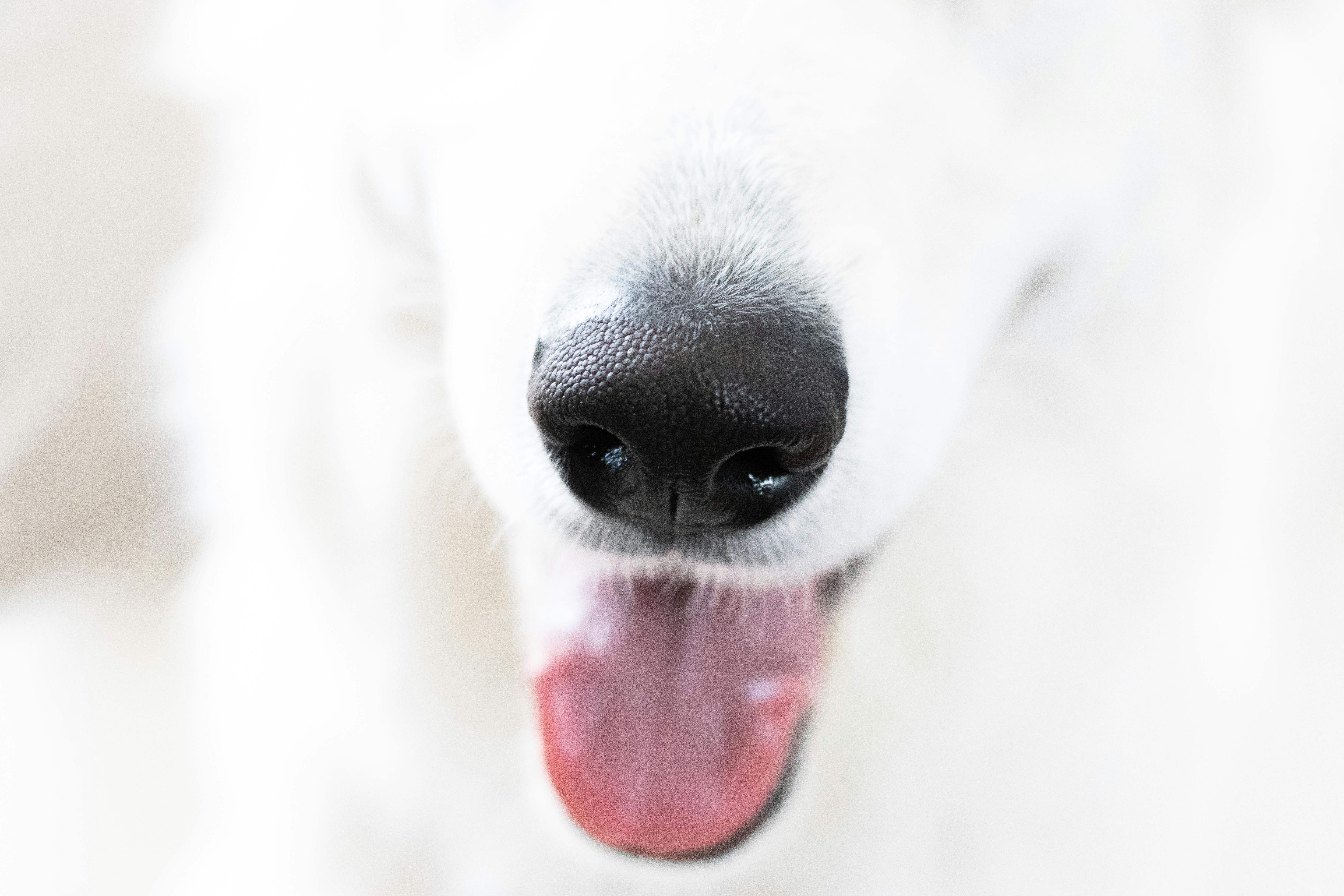 \n\n
\n\nDogs are often known for their playful antics and loyal companionship, but have you ever noticed their wet noses? It’s a curious feature that many dog owners wonder about. The moisture on a dog's nose isn’t just there for decoration; it serves several important roles in communication and health. In fact, understanding why dogs have wet noses can give you insight into what your furry friend is trying to tell you.
\nWhy Do Dogs Have Wet Noses?
\nDogs' noses are typically wet for a number of reasons. Here’s a list of some major reasons:
\n- \n
- Sense of Smell: A wet nose helps enhance a dog's sense of smell. The moisture captures scent particles, allowing dogs to smell better. \n
- Temperature Regulation: Like humans sweat, dogs cool themselves by having a wet nose. It helps them to regulate their body temperature. \n
- Communication Tool: Dogs use their noses to communicate with other dogs and humans. A wet nose can indicate excitement, eagerness, or a greeting. \n
- Health Indicator: The condition of a dog's nose can indicate health. A healthy dog usually has a moist, cool nose, while a dry or cracked nose could mean dehydration or illness. \n
The Science Behind the Wet Nose
\nThe wetness of a dog’s nose comes from a combination of secretions from the mucous glands and saliva. This moisture serves more than just a physical purpose; it plays a vital role in how dogs interact with their environment. When a dog sniffs something, the moisture helps trap scent particles, which then help them to interpret what they are smelling.
\nCommunication Cues from Your Dog
\nDogs communicate in various ways, and their noses play a significant part. Here’s how to understand what your pup might be trying to say through their wet nose:
\n- \n
- Greeting: When your dog nudges you with their wet nose, it could be a way to say hello. \n
- Curiosity: If your dog is sniffing extensively, they are probably exploring their surroundings. \n
- Stress or Anxiety: A sudden change in the moisture level of their nose could indicate they are feeling stressed or anxious. \n
- Affection: Licking or gently nudging you with a wet nose can indicate love and affection. \n
Historical Context of Dogs and Their Noses
\nHistorically, dogs have been bred for various purposes, from hunting to companionship. Their wet noses have always been a part of their anatomy, which evolved to help them in the wild. For instance, scent hounds rely heavily on their sense of smell, making a wet nose essential for their survival.
\nFun Facts About Dogs’ Noses
\n- \n
- Dogs have around 300 million smell receptors in their noses, while humans have about 6 million. \n
- Some breeds, like Bloodhounds, have an exceptional sense of smell that can even be used in police work. \n
- The texture of a dog’s nose can vary greatly among breeds; some are smooth while others are rough or wrinkled. \n
Comparisons: Dog Noses vs. Human Noses
\nHere’s a quick comparison of how dog noses and human noses differ:
\n| Feature | \nDog Nose | \nHuman Nose | \n
|---|---|---|
| Sensory Receptors | \n300 million | \n6 million | \n
| Purpose | \nSmell, communication, temperature regulation | \nSmell, breathing, taste | \n
| Moisture | \nUsually moist, helps in scent detection | \nVaries, but generally drier | \n
Practical Examples of Nose Communication
\nYou might notice your dog engaging in specific behaviors that involve their wet nose. Here are a few examples:
\n- \n
- Sniffing Other Dogs: When dogs meet, they often sniff each other's noses and behinds as a form of greeting and information gathering. \n
- Nudging with Nose: If your dog nudges you with their nose, they might want your attention or need something, like food or playtime. \n
- Licking: A gentle lick on your hand or face can be a sign of affection or an invitation for interaction. \n
Understanding the role of a dog’s wet nose can significantly enhance your relationship with your furry friend. By recognizing these cues, you can better respond to their needs and feelings. Always remember, a dog’s communication is rich and varied, and their wet nose is just one of many ways they express themselves. So next time you get a nudge from your pup, take a moment to consider what they might be trying to tell you.
\n\nConclusion
\n\nIn conclusion, the wet noses of dogs serve several important functions that contribute to their overall health and well-being. The moisture on their noses enhances their sense of smell, allowing them to gather more scent particles and better understand their environment. Additionally, a wet nose helps regulate their body temperature through evaporation, acting as a natural cooling mechanism. The presence of moisture also plays a role in their social interactions, as dogs often use their noses to communicate with each other and humans. Understanding these fascinating aspects of canine biology not only deepens our appreciation for our furry companions but also highlights the importance of ensuring their health. So, the next time you greet your dog, take a moment to marvel at their wet nose and consider how important it is to their life. If you’re curious to learn more about your dog's unique traits, keep exploring and engaging with their world!
\n\n