Have you ever wondered why do dogs have wet noses? This intriguing question not only sparks curiosity but also opens the door to understanding our furry friends better. Dogs' noses are more than just cute features; they play a crucial role in their health and behavior. Many pet owners often ask themselves, "Is a wet nose a sign of a healthy dog?" or "What does it mean when a dog's nose is dry?" In this blog post, we will uncover the fascinating truth behind these moist marvels and explore the amazing science of canine olfaction. Did you know that a dog's nose is packed with millions of scent receptors, making them experts at sniffing out things we can't even imagine? As we dive deeper, you'll discover how the moisture on their noses helps enhance their sense of smell and regulate their body temperature. So, if you’re curious about the importance of a dog’s wet nose and what it signifies about your pet's health, you’re in the right place. Join us on this exploration as we reveal the secrets behind those adorable, wet noses that make dogs so special!
The Science Behind the Wet Nose: Why Does Your Dog's Snout Feel Damp?
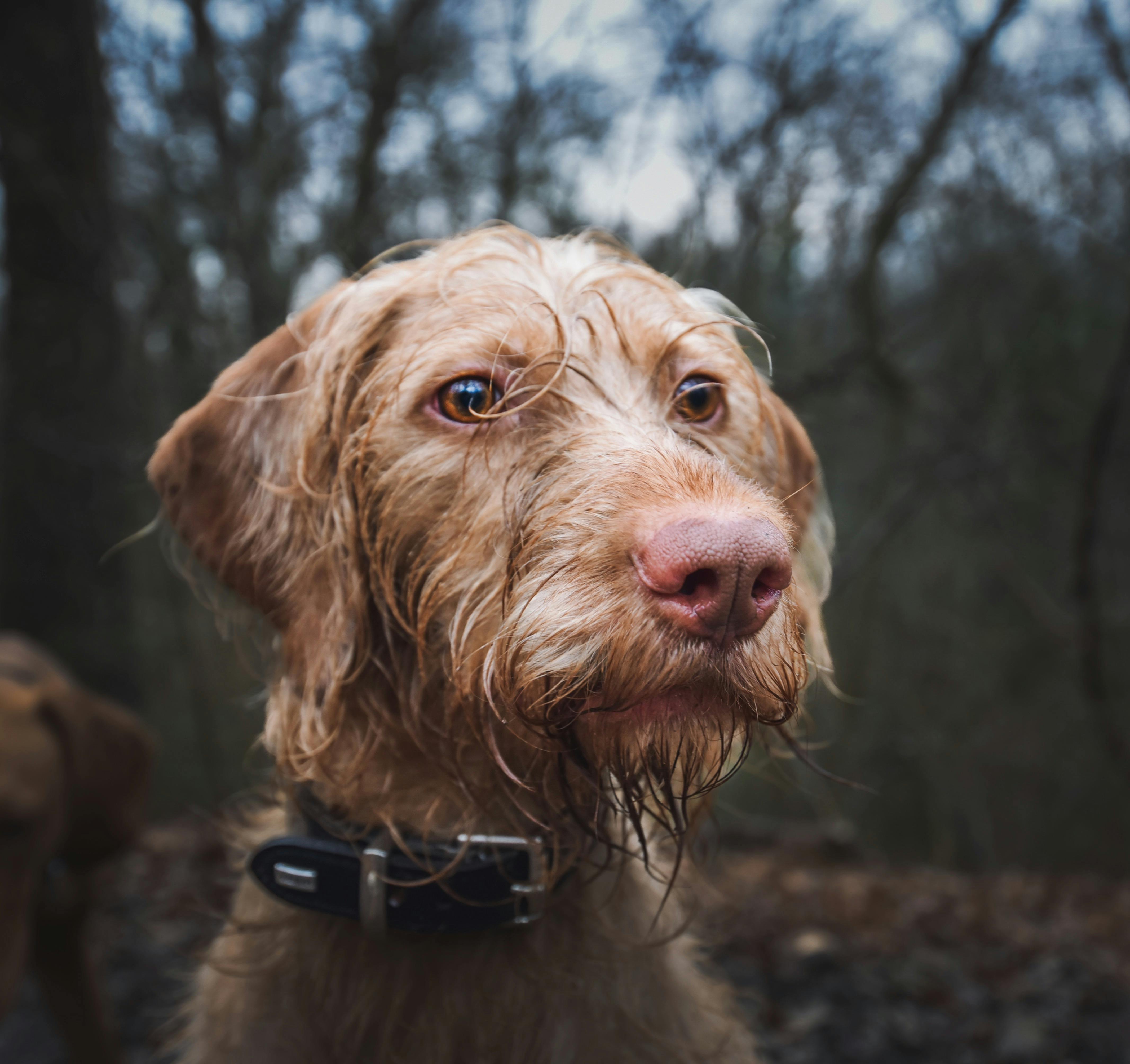
Have you ever wondered why your dog’s nose is always wet? You’re not alone! Many dog owners, and even those who are just fascinated by these furry creatures, ask the same question: why do dogs have wet noses? It turns out, there’s a bunch of science behind it! Let’s dive into the fascinating truth about our canine companions and their damp snouts.
The Anatomy of a Dog’s Nose
Dogs have a unique nose structure. Their noses are made up of an intricate network of cells that help them to detect smells. The wetness of a dog's nose is primarily due to mucous membranes, which keeps the nose healthy and helps to enhance their sense of smell. Here’s what makes up a dog’s nose:
- Mucous Membranes: These produce moisture, helping to trap scent particles.
- Olfactory Receptors: Dogs have around 300 million olfactory receptors, whereas humans only have about 5 million.
- Sensitive Skin: The skin on a dog’s nose is very sensitive and contains a lot of nerve endings.
The Purpose of a Wet Nose
So, why do dogs have wet noses? Well, it’s all about function! A wet nose helps dogs in several significant ways:
- Scent Detection: When a dog’s nose is moist, it can capture more scent particles. This makes their sniffing ability incredibly powerful, allowing them to detect scents that are days or even weeks old.
- Temperature Regulation: Dogs can’t sweat like humans do. Instead, they cool down through their noses. A wet nose can help regulate their body temperature.
- Health Indicator: A dog’s nose can indicate their health status. A warm or dry nose might suggest a fever or illness. However, it’s not a foolproof method, so always consult a vet for health concerns.
Historical Context of Dogs' Noses
Historically, humans have relied on dogs for thousands of years. They were bred not only for companionship but also for their keen senses. Ancient civilizations often used dogs for hunting due to their exceptional olfactory abilities. Over time, these traits have been selected and enhanced, leading to the strong sense of smell we see today.
Fun Facts About Dogs' Noses
- Variety of Shapes: Different dog breeds have different nose shapes and structures, which can affect their sense of smell.
- Nose Prints: Just like human fingerprints, every dog’s nose print is unique! Scientists can use these prints for identification.
- The Color of the Nose: The color of a dog’s nose can change based on the season or even their mood. A dog’s nose may darken in the winter and lighten in the summer.
Why Your Dog's Nose Might Be Dry
Sometimes, you might notice your dog’s nose is dry. This can be due to several reasons, including:
- Dehydration: If your dog hasn’t been drinking enough water, their nose may dry out.
- Weather Conditions: Hot or windy weather can cause a dog’s nose to become dry.
- Health Issues: Certain health problems, like allergies or infections, could lead to dryness.
Keeping Your Dog's Nose Healthy
Just like any other part of your dog’s body, their nose needs care. Here’s a quick list to keep in mind:
- Hydration: Ensure your dog drinks plenty of water.
- Moisturizing: If your dog’s nose seems excessively dry, consider using a pet-safe moisturizer.
- Regular Check-ups: Regular vet visits can help catch any underlying health issues early on.
Comparisons with Other Animals
Dogs aren’t the only animals with wet noses. Cats, for example, also have moist noses, but their sense of smell isn’t as powerful. Here’s a quick comparison:
| Feature | Dogs | Cats |
|---|---|---|
| Olfactory Receptors | 300 million | 50 to 80 million |
| Nose Temperature Regulation | Yes | Limited |
| Unique Nose Prints | Yes | No |
Dogs are truly fascinating creatures, and their wet noses are just one of the many wonderful features that make them unique. Understanding the science behind it can help us appreciate our furry friends even more. Next time you give your pup a pat and feel that damp nose, remember it’s not just cute—it's a vital part of what makes them such amazing companions!
Top 5 Surprising Reasons Dogs Have Wet Noses You Never Knew About

Dogs are one of the most beloved pets around the world, and their wet noses are often a topic of conversation among dog owners. You might ask yourself, "Why do dogs have wet noses?" Well, you probably think it’s just because they’re always sniffing around, but there’s more to it than that. Here are the top five surprising reasons dogs have wet noses that you might never knew about.
1. Sense of Smell Enhancement
Dogs have an incredible sense of smell—it's way better than humans. Wet noses help enhance their olfactory abilities. The moisture on their noses helps capture scent particles better. When a dog sniffs, the wet surface allows them to absorb more of those tiny scent molecules, making it easier to detect smells in the environment.
- Dogs have about 220 million smell receptors compared to a human's 5 million.
- A wet nose can increase scent detection by 20%.
2. Temperature Regulation
You might think dogs cool off by panting, but their wet noses also play a role in temperature regulation. When a dog’s nose is wet, it helps them to maintain a lower body temperature. This is because the moisture evaporates, similar to how sweating works for humans.
- Dogs do not sweat like people; they mainly cool off through their noses and paws.
- A wet nose can indicate a dog is at a comfortable temperature.
3. Social Communication
Another surprising reason for a dog’s wet nose is its role in social communication. Dogs often greet each other by sniffing one another's noses. A wet nose is an indication of a healthy, social dog. It shows they’re friendly and ready to interact.
- Dogs often lick their noses as a way to show submission or friendliness.
- Nose wetness can signal excitement, curiosity, or anxiety.
4. Health Indicator
Surprisingly, the moisture level of a dog's nose can indicate their health status. A healthy dog usually has a moist nose, while a dry or cracked nose can be a sign of dehydration or illness. However, it’s worth noting that a dog's nose can fluctuate between wet and dry depending on various factors, including weather and activity level.
Some health indicators related to a dog’s nose include:
- Wet and Cool: Typically a sign of good health.
- Dry and Warm: Can indicate fever or dehydration.
- Cracked or Bleeding: May need veterinary attention.
5. Hydration Level
Lastly, a dog’s wet nose can also reflect its hydration levels. When a dog is well-hydrated, their nose tends to be moist. In contrast, if a dog is dehydrated, their nose may feel dry and warm. Keeping your dog hydrated is essential for overall health, and monitoring their nose can be a quick way to check their hydration status.
- Dogs should drink plenty of water, especially during hot weather.
- A well-hydrated dog usually has a shiny and moist nose.
Fun Facts About Dog Noses
- Dogs have unique nose prints, just like human fingerprints.
- The average dog’s nose is about 1,000 to 10,000 times more sensitive than that of a human.
- Dogs can even detect certain diseases like cancer due to their powerful sense of smell.
Comparing Dog Noses to Human Noses
| Feature | Dog Nose | Human Nose |
|---|---|---|
| Number of Receptors | 220 million | 5 million |
| Sensitivity | 10,000 to 100,000 times more | Less sensitive |
| Moisture Level | Indicates health | Commonly dry |
| Function | Smell, cooling, communication | Smell, breathing |
You see, there’s a lot more going on with your dog’s wet nose than you may have previously thought. It serves multiple functions, from enhancing their sense of smell to indicating their health status. So next time your dog gives you that adorable nudge with their wet nose, remember it’s not just a cute gesture—it's a fascinating display of nature’s design.
Always keep an eye on your furry friend’s health by monitoring their nose condition, and ensure they stay hydrated. Knowing these surprising facts might just make you appreciate your dog's unique features even more!
How a Dog's Wet Nose Enhances Their Sense of Smell: The Fascinating Connection

Have you ever wondered why dogs have wet noses? It’s one of those quirky things about our furry friends that just makes you scratch your head. But there’s more to it than just being cute. A dog's wet nose plays a vital role in enhancing their sense of smell, which is already impressive. Let's explore this fascinating connection and uncover the truth behind why dogs have wet noses.
The Science Behind the Wet Nose
Firstly, a dog's nose is not just for show. It's actually a complex organ designed for smelling. Dogs have up to 300 million scent receptors in their noses, compared to about 6 million in humans. The wetness of their noses helps in trapping scent particles from the environment. This is crucial because scent molecules need to adhere to a surface to be detected. A moist nose can catch more of these molecules, which leads to better scent detection.
- Scent receptors: 300 million in dogs vs. 6 million in humans
- Mucus layer: Helps trap scent particles
- Temperature regulation: A wet nose can help cool the dog down, contributing to their overall health
Why Do Dogs Have Wet Noses?
So why exactly is a dog’s nose wet? It’s not just because they play in water or drool all the time. The moisture on a dog’s nose comes from various sources. For one, they often lick their noses which adds to the wetness. Additionally, there’s a gland in their noses that produces mucus. This mucus not only keeps their nose wet but also serves to enhance their olfactory capabilities.
Here are some reasons why a dog's nose is often wet:
- Licking: Dogs frequently lick their noses, keeping them moist.
- Glandular secretions: Specialized glands produce mucus that keeps the nose wet.
- Environmental factors: Humidity and temperature can also influence nose wetness.
The Fascinating Benefits of a Wet Nose
A wet nose isn’t just a fun fact. It comes with several benefits for dogs. Here’s a list of some fascinating advantages:
- Enhanced smell: Wet noses can pick up scents better, making dogs excellent trackers.
- Cooling mechanism: Helps regulate body temperature, especially in hot weather.
- Health indicator: Changes in nose moisture can indicate health issues. For instance, a dry nose might signal dehydration or illness.
Historical Context of Dogs' Noses
Dogs have been our companions for thousands of years, and their noses have always played a crucial role in their survival. Historically, dogs were bred for specific tasks like hunting or herding, where a strong sense of smell was vital.
- Hunting dogs: Bred for tracking animals.
- Herding dogs: Used their noses to guide livestock.
- Service dogs: Trained to detect medical conditions through scent, like diabetes or seizures.
The evolution of dogs has honed their sense of smell, making it a powerful tool in many aspects of their lives.
Fun Facts About Dogs' Noses
Let’s add some quirky tidbits about dogs' noses that you might not know:
- Unique Patterns: Just like human fingerprints, every dog's nose print is unique.
- Temperature Check: A dog’s nose can change temperature based on their health and activity level.
- Nose Work: Many dogs participate in scent detection sports, showcasing their incredible olfactory abilities.
How to Keep Your Dog’s Nose Healthy
Since a wet nose is so important for a dog’s health, it’s essential to take care of it. Here’s how you can ensure your dog’s nose stays in top condition:
- Hydration: Make sure your dog has access to fresh water.
- Avoid irritants: Keep your dog away from strong chemicals or allergens.
- Regular vet checks: Annual check-ups can catch any nose-related issues early.
Compare: Wet Noses vs. Dry Noses
Let’s quickly compare the differences between a wet nose and a dry nose in dogs:
Wet Nose:
- Increased smell: Better at picking up scents
- Healthier indicator: Usually signifies a well-hydrated dog
- Cool to touch: Often feels cool and moist
Dry Nose:
- Decreased smell: May struggle with scent detection
- Possible health issue: Could indicate dehydration or illness
- Warm to touch: Often feels warm and dry
Understanding why dogs have wet noses not just satisfies curiosity but also helps pet owners keep their furry friends healthy. It is truly fascinating how something so simple can have such an essential role in a dog's life. So, the next time you pat your pup on the head and feel that cool, wet nose, remember all the incredible functions it serves!
Is a Wet Nose a Sign of a Healthy Dog? Discover the Truth Behind This Common Belief
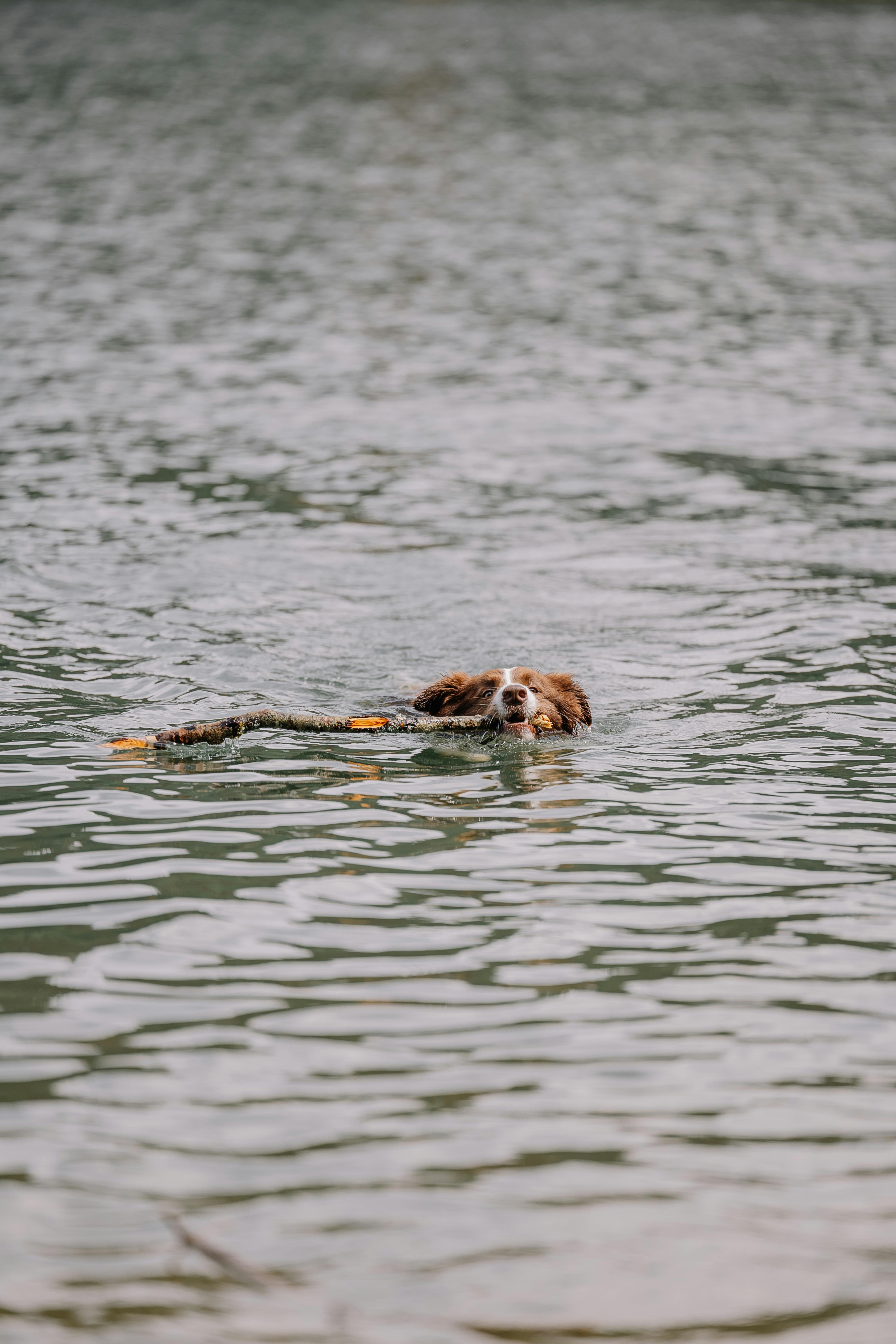
When you think about dogs, their wet noses probably pops into your mind. Many people believes that a wet nose means a dog is healthy. But is it really true? Let's explore this common belief and uncover the truth behind why dogs have wet noses in the first place.
The Myth Behind Wet Noses
A lot of dog owners have been told that a wet nose indicates good health. While that's a nice thought, it isn’t the whole story. Here’s some points to consider:
- Humidity: A dog's nose can be wet due to humidity in the air. If it's a hot day, you might find your dog’s nose wet just because of the climate.
- Licking: Dogs often lick their noses. This is a natural behavior that helps them keep their sense of smell sharp. So, a wet nose could just be a result of a good grooming session!
- Health Indicators: While a wet nose can be a sign of hydration, it’s not the only indicator of a dog's health. Other factors like energy levels, appetite, and behavior are more important.
Why Do Dogs Have Wet Noses?
So, why do dogs have wet noses in the first place? There are several reasons that contribute to this fascinating aspect of their biology:
Sense of Smell: A wet nose helps dogs smell better. The moisture captures scent particles, which makes it easier for dogs to detect smells. This is why they can sniff out things we can’t even imagine!
Cooling Mechanism: Dogs don't sweat like humans do. Instead, they have sweat glands in their noses and paw pads. When a dog’s nose is wet, it helps regulate their body temperature. They might lick their noses to cool off, especially after playing or running.
Communication: Dogs often use their noses to communicate with other dogs. A wet nose can convey emotions like excitement or curiosity.
Health Monitoring: A dog’s nose can change based on their health. A dry nose might indicate dehydration or illness, but not always. It's best to look at the overall picture.
The Science Behind It
Research has shown that dogs’ noses have a complex structure that enhances their olfactory capabilities. Here are some interesting facts about dog noses:
- Surface Area: A dog's nose has a larger surface area compared to a human’s. This means they can capture more scent particles.
- Moisture Production: Dogs produce mucus in their noses which helps in the absorption of scents. This mucus keeps the nose moist and improves their ability to smell.
- Vibrissae: These are the whiskers on a dog’s face. They help them navigate their environment and complement their sense of smell.
Signs of a Healthy Dog
While a wet nose might be one aspect, it should not be the only thing you look at when determining if your dog is healthy. Here’s a checklist of signs that indicate a healthy dog:
- Energized: A healthy dog is usually active and playful.
- Eating Well: A good appetite is often a sign that your dog is feeling well.
- Normal Behavior: Changes in behavior, like being withdrawn or lethargic, can indicate health issues.
- Clear Eyes and Ears: Healthy dogs have bright eyes and clean ears.
What About Dry Noses?
A dry nose doesn’t instantly mean something is wrong. Dogs can have dry noses for various reasons, including:
- Weather: Hot, dry weather can lead to a dry nose.
- Dehydration: If your dog isn’t drinking enough water, their nose may be dry.
- Health Issues: Certain health conditions can lead to a dry nose, and it's best to consult a vet if you’re concerned.
Additional Considerations
If you’re worried about your dog’s health, consulting a veterinarian is always the best course of action. They can provide a thorough check-up and give you peace of mind.
Also, remember that every dog is unique. Factors such as breed, age, and individual health conditions can all play a role in what’s considered "normal" for your pet.
In the end, while wet noses can be a sign of a healthy dog, they are just one small piece of the puzzle. Pay attention to your dog's overall behavior and health. Being a responsible dog owner means knowing what to look for and when to seek help. Keeping your dog happy and healthy is what it's all about!
The Role of Moisture: How Wet Noses Help Dogs Stay Cool and Comfortable

Ever wonder why dogs have wet noses? It’s a question that many people ask, and the answer is more fascinating than you might think. Dogs, with their adorable wet noses, are not just cute; those moist little appendages play a crucial role in their overall health and comfort. Let’s dive into the science behind this and see how it all works.
The Science Behind Wet Noses
When you touch a dog’s nose, you might notice it feels cool and moist. This is because dog noses are covered in a thin layer of mucus, which helps maintain moisture. But there’s more to it! Here’s a breakdown of why moisture is so important for dogs:
Temperature Regulation: Just like humans sweat, dogs rely on their noses to help them cool down. When the mucus on their nose evaporates, it helps lower their body temperature. This is especially useful in hot weather.
Sense of Smell: Dogs are known for their incredible sense of smell, and moisture plays a role here too. The wetness enhances their olfactory receptors, allowing them to pick up scents more effectively. A wet surface can trap scent particles, making it easier for dogs to detect smells.
Health Indicator: A dog’s nose can also be an indicator of their health. A dry or cracked nose might signal dehydration or illness, while a moist nose is generally a sign of a healthy pooch.
Why Do Dogs Have Wet Noses? The Fascinating Truth!
Now, let’s explore the reasons behind that wet nose in more detail.
Cooling Mechanism: Dogs don’t sweat like humans do. Their primary cooling mechanism is through panting and the evaporation of moisture on their noses. In hot environments, you might see your dog frequently licking their nose to keep it wet, which is their way of managing body temperature.
Enhanced Smell: Dogs have about 220 million scent receptors in their noses. The moisture helps to dissolve odor molecules, making it easier for them to sniff out interesting smells. It’s like having a natural air freshener that enhances their hunting and tracking abilities.
Natural Behavior: Dogs often lick their noses as part of their grooming routine. This behavior ensures that their noses stay moist and clean, which helps them function better.
Interesting Facts About Dog Noses
Here are some fun facts that you may not know about dog noses:
Unique Patterns: Just like human fingerprints, each dog has a unique nose print. This can be used for identification purposes.
Color Variation: A dog’s nose can be various colors, and this can be influenced by genetics, breed, and even the weather.
Nasal Turbinates: Dogs have complex nasal structures called turbinates that help them warm and humidify the air they breathe in.
Differences Between Dog Breeds
Not all dog noses are the same! The breed can impact the moisture level and shape of a dog’s nose:
Short-Nosed Breeds: Breeds like bulldogs and pugs have shorter noses and may struggle more with temperature regulation. They can overheat quicker than longer-nosed breeds.
Long-Nosed Breeds: Greyhounds and bloodhounds have long noses, which can help them in both cooling down and smelling better.
Quick Comparison: Dog Nose vs. Human Nose
Here’s a quick comparison that illustrates the differences and similarities between dog noses and human noses:
| Aspect | Dog Nose | Human Nose |
|---|---|---|
| Moisture Level | Always moist | Can be dry or moist |
| Temperature Control | Evaporates moisture | Sweats to cool down |
| Sense of Smell | Exceptionally keen | Limited compared to dogs |
| Unique Prints | Yes, each is unique | No unique fingerprints |
Practical Tips for Dog Owners
Keep Hydrated: Always ensure your dog has access to fresh water. A well-hydrated dog will have a healthier nose.
Monitor Changes: Keep an eye on your dog’s nose. If it becomes excessively dry or shows signs of cracking, consult with a vet.
Groom Regularly: Regular grooming can help keep your dog’s nose clean and moist.
Understanding why dogs have wet noses can enhance your appreciation for these beloved pets. Those moist noses not only serve a functional purpose but also play a vital role in a dog’s health and well-being. Whether it's regulating their temperature or enhancing their sense of smell, wet noses are just one of the many wonders of nature that make dogs such remarkable companions. So next time you give your furry friend a pat, take a moment to appreciate that wet nose!
Can Dogs Sense Emotions Through Their Wet Noses? Explore This Intriguing Theory

Can dogs sense emotions through their wet noses? This question has intrigued dog lovers and scientists alike for years. As humans, we may think our pets are just sniffing around, but there might be a lot more going on than meets the eye. The wetness of a dog's nose plays a significant role in their ability to detect various scents, which may include the emotions of the people around them. This article delves into this fascinating theory and explores the reasons behind why dogs have wet noses in the first place.
The Science Behind Dogs’ Wet Noses
Dogs have wet noses because their bodies are designed to enhance their sense of smell. The moisture on a dog's nose helps to capture scent particles from the air, which then gets sent to their olfactory receptors. This is how they can smell things that are undetectable to humans. Some interesting facts about dog noses include:
- Olfactory Receptors: Dogs have approximately 220 million olfactory receptors in their noses, compared to humans who have about 5 million.
- Nose Structure: The surface of a dog’s nose is covered with a thin layer of mucus, which helps to absorb scent.
- Temperature Regulation: Wet noses also help to cool down dogs, as they regulate body temperature through evaporation.
Can Dogs Really Sense Emotions?
There’s evidence suggesting that dogs can indeed sense human emotions through their sense of smell. Research shows that dogs are capable of detecting changes in human body language, facial expressions, and even pheromones. Pheromones are chemicals released by the body that can convey emotional states. Here’s how it works:
- Fear: When humans feel fear, their bodies release certain chemicals that dogs can detect.
- Happiness: A happy person may emit different pheromones than someone who is sad or angry.
- Stress: Stressful situations lead to a unique scent that dogs seem to pick up on quickly.
Historical Context of Dogs and Their Noses
Historically, dogs have been companions to humans for thousands of years. Their incredible sense of smell has made them useful in many roles, from hunting and tracking to therapy and emotional support. Here are some key points in history that highlight the importance of dogs’ noses:
- Ancient Egypt: Dogs were revered in ancient cultures, often depicted in art and literature. Their keen sense of smell was recognized as a valuable trait.
- World Wars: Dogs were used in both World Wars for scouting and detecting explosives, showcasing their olfactory abilities.
- Modern Day: Today, dogs assist in search and rescue missions, therapy services, and even in detecting illnesses like cancer.
Why Do Dogs Have Wet Noses?
The wetness of a dog’s nose isn’t just for show; it serves multiple purposes. Here’s a breakdown of why dogs have wet noses:
- Enhanced Smell: As mentioned, moisture helps capture odor particles.
- Cooling Mechanism: Dogs don’t sweat like humans do, so their wet noses provide a means of cooling down.
- Health Indicator: A healthy dog generally has a moist nose. If it becomes dry or cracked, it might indicate a health issue.
Fun Facts About Dog Noses
Here’s a list of fun and fascinating facts about dog noses that every dog owner should know:
- Unique Prints: Just like human fingerprints, each dog has a unique nose print.
- Detecting Diseases: Dogs have been trained to detect various medical conditions, such as low blood sugar or impending seizures.
- Nose Shapes: Different breeds have different nose shapes, affecting their sensing capabilities. For instance, bloodhounds have a more elongated nose which enhances their tracking ability.
Comparisons: Dog Noses vs. Human Noses
Here's a quick comparison to illustrate the differences between dog and human noses:
| Feature | Dogs | Humans |
|---|---|---|
| Olfactory Receptors | ~220 million | ~5 million |
| Scent Detection | Can detect minute amounts | Limited scent detection |
| Temperature Regulation | Yes, through evaporation | Primarily through sweating |
| Unique Prints | Yes, each is different | No unique identifier |
In the realm of canine capabilities, the wet nose is a crucial aspect that facilitates their interaction with the world around them. It allows them to connect with their human companions on a deeper emotional level. The fascinating theory that dogs can sense emotions through their wet noses opens up a world of understanding about our furry friends and how they perceive us. So next time you see your dog sniffing you closely, remember that they might just be picking up on your feelings!
Wet Nose vs. Dry Nose: What Your Dog's Nose Tells You About Their Health
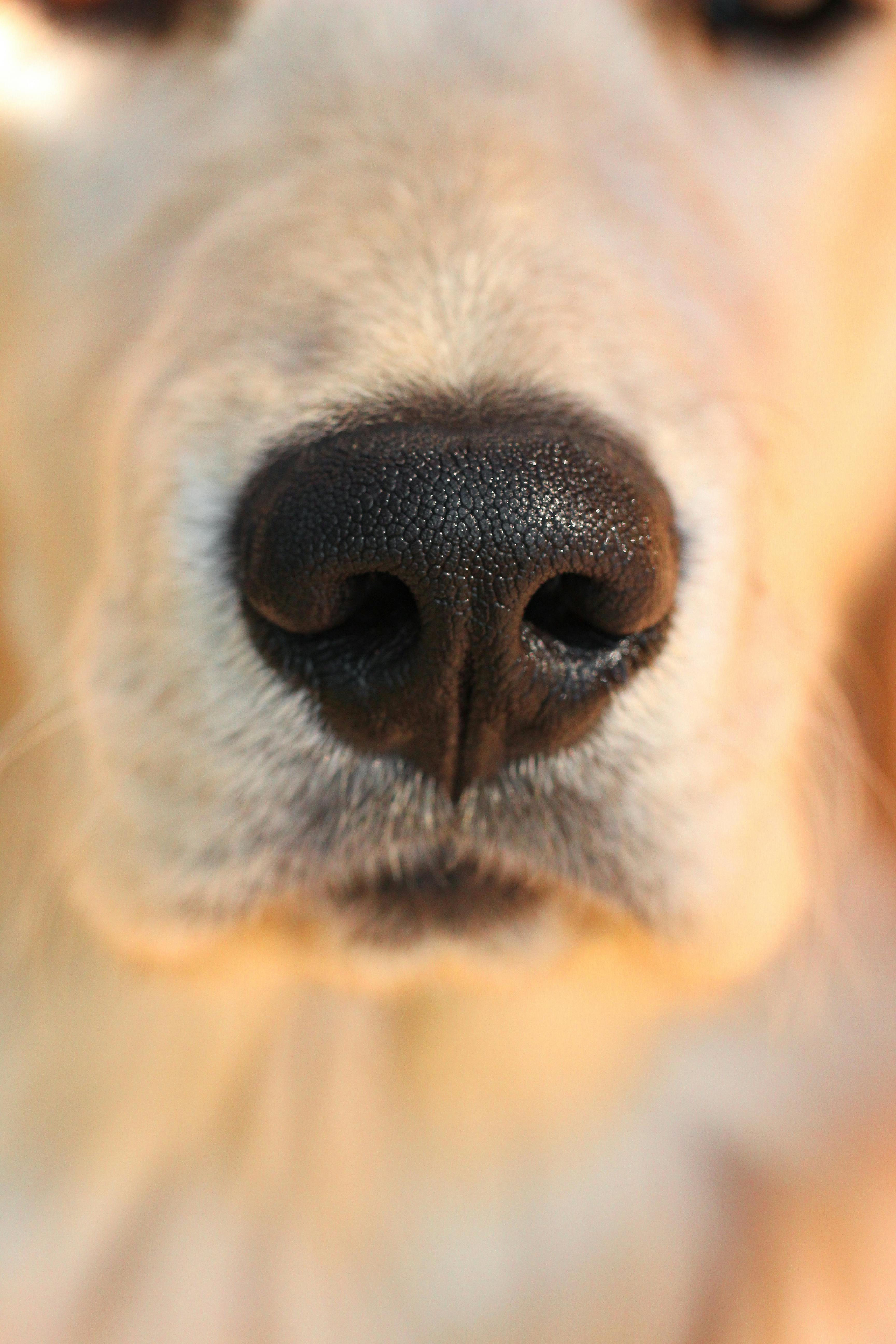
Have you ever looked at your dog and wondered what their nose is trying to tell you? Like, why is it wet sometimes and dry other times? It's actually a pretty fascinating topic that goes beyond just appearances. A dog's nose can give you hints about their health and well-being. In this article, we gonna dive into the mystery of wet vs. dry noses, exploring why dogs have wet noses and what those little snouts can reveal about your furry friend.
Why Do Dogs Have Wet Noses?
So, why do dogs have wet noses in the first place? Well, it’s not just for looks or comfort. A wet nose helps dogs in several ways:
Scent Detection: Dogs have an extraordinary sense of smell, and moisture helps enhance their olfactory abilities. When their nose is wet, it can trap scent particles better, helping them detect smells more effectively.
Cooling Mechanism: Dogs don’t sweat like humans do. Instead, they cool off primarily through panting. A wet nose also aids in regulating their body temperature.
Health Indicator: The moisture level of a dog’s nose can provide clues about their health. A wet nose is often a sign of a well-hydrated and healthy pup, while a dry nose might indicate some issues.
Wet Nose vs. Dry Nose: What’s the Difference?
Understanding the differences between a wet and dry nose requires some context. Here’s a simple comparison:
| Condition | Wet Nose | Dry Nose |
|---|---|---|
| Indication | Generally healthy and hydrated | May indicate dehydration or illness |
| Temperature | Cool to the touch | Warm or hot |
| Scent | Enhanced ability to smell | May have diminished scent sensitivity |
| Behavior | Active and playful | Lethargic or less active |
What Can A Dry Nose Mean?
A dry nose doesn’t always mean something is wrong, but it can be a sign to be aware of. Here are a few reasons why your dog might have a dry nose:
Dehydration: If your dog isn’t drinking enough water, their nose may dry out. Make sure they have access to fresh water at all times.
Health Issues: Certain illnesses can cause a dog’s nose to dry out. Conditions like fever, allergies, or even autoimmune diseases could be factors.
Environmental Factors: Hot weather or dry air can contribute to a dry nose.
Age: Older dogs sometimes have drier noses as a normal part of aging.
When Should You Be Concerned?
Most of the time, a dry nose isn’t a cause for alarm, but there are certain signs that indicate a visit to the vet might be in order. Keep an eye out for:
Cracking or Bleeding: If your dog’s nose is not just dry but also cracked or bleeding, this is definitely a reason to consult a veterinarian.
Changes in Behavior: If your dog seems lethargic, has lost appetite, or shows any unusual behavior, it’s best to get them checked out.
Other Symptoms: If the dry nose is accompanied by other symptoms like vomiting, diarrhea, or coughing, it’s time to see a professional.
Practical Tips for Maintaining Your Dog’s Nose Health
Here are some simple tips to keep your dog’s nose in tip-top shape:
Hydration: Ensure your dog is drinking enough water daily.
Environmental Control: Use humidifiers in your home during dry seasons, especially if you live in a dry climate.
Nose Balms: Consider using pet-safe nose balms or ointments if you notice excessive dryness.
Routine Vet Check-ups: Regular visits to the vet can help you catch any potential health issues early.
Fun Facts About Dog Noses
Dogs have about 220 million scent receptors, compared to humans' 5 million.
The shape and size of a dog’s nose can affect its sense of smell.
Dog noses are unique, much like human fingerprints. Each dog has a distinct nose print.
Understanding your dog’s nose can be a window into their health and well-being. Whether wet or dry, pay attention to those little cues. A wet nose usually means your pup is happy and healthy, but a dry nose calls for a bit more investigation. Always keep an eye on their behavior and consult with a veterinarian when in doubt. Your dog relies on you, and being informed helps you take the best care of your furry companion.
The Evolutionary Advantage of Wet Noses in Dogs: A Deep Dive into Canine Biology

Dogs are fascinating creatures with many unique features, but one of the most interesting is their wet noses. Ever wondered why do dogs have wet noses? This question leads us to explore the evolutionary advantage of wet noses in dogs, revealing a lot about their biology and behavior.
The Biology of a Dog's Nose
The noses of dogs are not just cute; they serve important functions. A dog’s nose is packed with scent receptors, which can be up to 300 million, compared to a human's mere 5 million. This makes dogs incredibly sensitive to smell. But, wet noses play a crucial role in enhancing this sense.
- Moisture helps scent particles stick: When a dog's nose is wet, it can capture more scent molecules. The moisture allows these particles to adhere better, making it easier for dogs to detect and analyze scents around them.
- Cooling mechanism: Dogs do not sweat like humans. Their primary method of regulating body temperature is through panting and the moisture on their noses. A wet nose can cool them down, helping to maintain a healthy body temperature.
Evolutionary Perspective
The evolution of dogs' wet noses can be traced back to their ancestors. Early canines likely developed moist noses as a survival advantage. The ability to track scents was crucial for hunting and foraging.
- Hunting and foraging: Wet noses increased their olfactory capabilities, which helped them find food.
- Social interactions: Dogs also use their sense of smell to communicate with other dogs. A wet nose helps them pick up pheromones and other chemical signals, which are vital for social bonding and establishing territory.
Why Are Wet Noses Important?
Wet noses do more than just help dogs smell better; they play a significant role in their overall health and behavior. Here are some key points to consider:
- Health Indicator: A wet nose is often a sign of a healthy dog. If a dog’s nose becomes dry or unusually warm, it could indicate illness or dehydration.
- Thermoregulation: As mentioned before, wet noses help dogs regulate their body temperature. This is especially important during hot weather.
- Emotional State: A dog's nose can change its moisture level based on emotional states. Excitement or anxiety can cause an increase in moisture, while stress may lead to a drier nose.
Interesting Facts About Dog Noses
- Dogs’ noses come in various colors, not just black or brown. The color of a dog’s nose can be influenced by genetics, breed, and even environment.
- The texture of a dog’s nose can also vary. Some have smooth noses, while others have a more textured surface.
- Dogs can distinguish between different scents, even those that are present in very low concentrations. This ability allows them to detect things like drugs, explosives, and even certain diseases in humans.
Comparison with Other Animals
When we look at other animals, we can see how unique dogs really are. Cats, for example, also have wet noses, but their sense of smell is not as powerful as that of dogs.
Olfactory Receptors Comparison:
| Animal | Number of Olfactory Receptors |
|---|---|
| Dogs | 300 million |
| Cats | 50-80 million |
| Humans | 5 million |
Practical Examples of Dogs Using Their Noses
- Search and Rescue: Dogs are often used in search and rescue missions because of their ability to locate people or substances by scent.
- Medical Detection: Some dogs are trained to detect diseases such as cancer or diabetes through scent, showcasing the incredible capabilities of their noses.
The Role of Breed Differences
Different breeds of dogs have varying abilities when it comes to their noses. For example:
- Bloodhounds: Known for their exceptional sense of smell, these dogs have been used in tracking and locating missing persons for centuries.
- Terriers: While they may not have the same scent-tracking abilities as Bloodhounds, terriers have a keen sense of smell that aids them in hunting small game.
The evolutionary advantage of wet noses in dogs not only highlights their unique biology but also their role as companions and helpers to humans. Understanding why do dogs have wet noses gives us a deeper appreciation for these remarkable animals. Whether they are tracking scents or simply cooling down, their wet noses are a vital part of who they are. Dogs truly are amazing creatures, and their wet noses are just one of the many features that make them special.
7 Fun Facts About Dogs' Wet Noses That Will Leave You Amazed
Have you ever noticed how your dog’s nose is always wet? It's kinda fascinating and maybe a little strange, right? Many dog owners often wonder why do dogs have wet noses. Well, there’s a lot more to it than just a cute feature. Let’s delve into seven fun facts about dogs' wet noses that will surely leave you amazed!
1. Noses Help with Scent Detection
Dogs have an incredible sense of smell, and their wet noses actually play a major role in this. The moisture on a dog's nose helps to capture scent particles. When these particles stick to the wet surface, it enhances the dog's ability to smell. Research says dogs have around 300 million smell receptors compared to humans’ mere 6 million. That’s why you might see your pup sniffing around everywhere!
2. Temperature Regulation
You might not know this, but dogs can actually regulate their body temperature through their noses. They don’t sweat like humans do, so their wet noses help to cool them down. When a dog pants or their nose gets wet, it’s a sign they are cooling down. It’s like their own little air conditioning system! Pretty clever, huh?
3. Different Shapes and Sizes Matter
Did you know that the size and shape of a dog's nose can influence how wet it gets? Breeds with longer noses, like Greyhounds, tend to have wetter noses compared to flat-faced breeds like Bulldogs. This is because the longer snouts provide more surface area for moisture to accumulate. So, if you’ve got a Bulldog, don’t worry if their nose isn’t always drippy; it’s just how they’re built!
4. Dogs Can Sense Emotions
A dog's wet nose isn’t just for show. It’s also a powerful tool for sensing emotions. Dogs can detect subtle changes in human body language and pheromones, which can be amplified by their wet noses. So, when your pup cuddles up to you after a long day, their nose might be helping them read your emotional state. It’s like they are little furry therapists!
5. Health Indicator
A wet nose is often seen as a sign of a healthy dog. However, it’s not the only indicator. While a dry nose can mean that your dog is sick or dehydrated, it’s not always the case. Dogs, just like people, can have variations in nose moisture due to factors like temperature, exercise, or even the time of day. Here’s a quick guide to understanding your dog’s nose:
- Wet and cold: Typically healthy
- Wet and warm: May indicate a fever or illness
- Dry and cracked: Might require vet attention
6. Nose Print Identification
Did you know that a dog’s nose is unique? Just like human fingerprints, each dog has a distinct nose print! This unique pattern can actually be used for identification purposes. Some people even joke that if dogs ever need to be identified at the dog park, their noses would be the key to unlocking their identities. It’s an interesting fact that could make for a fun trivia night!
7. Cultural Significance
Throughout history, dogs have been celebrated for their wet noses in different cultures. In some folklore, a wet nose is seen as a good omen, while in others, it’s believed that a dog with a wet nose is endowed with special powers. Ancient Egyptians even revered dogs for their keen senses, including their remarkable noses. These little guys have been companions to humans for thousands of years!
Why Do Dogs Have Wet Noses? The Fascinating Truth
So, why do dogs have wet noses? It’s a combination of biology, evolution, and an array of fascinating facts. Their wet noses serve multiple purposes, making them not just an adorable feature but also a crucial aspect of canine health and communication. Understanding the reasons behind this quirk can help dog owners appreciate their furry friends even more.
If you ever found yourself wondering about the many quirks of your beloved pet, hopefully, these fun facts have shed some light on the mystery of dogs' wet noses. Next time you get a nose boop from your pup, remember that there’s a whole world of science and history behind that little wet nose! Embrace the joy and silliness that comes with being a dog owner, and cherish those moments of connection with your furry buddy.
How to Keep Your Dog’s Nose Healthy: Tips for Maintaining Optimal Moisture Levels
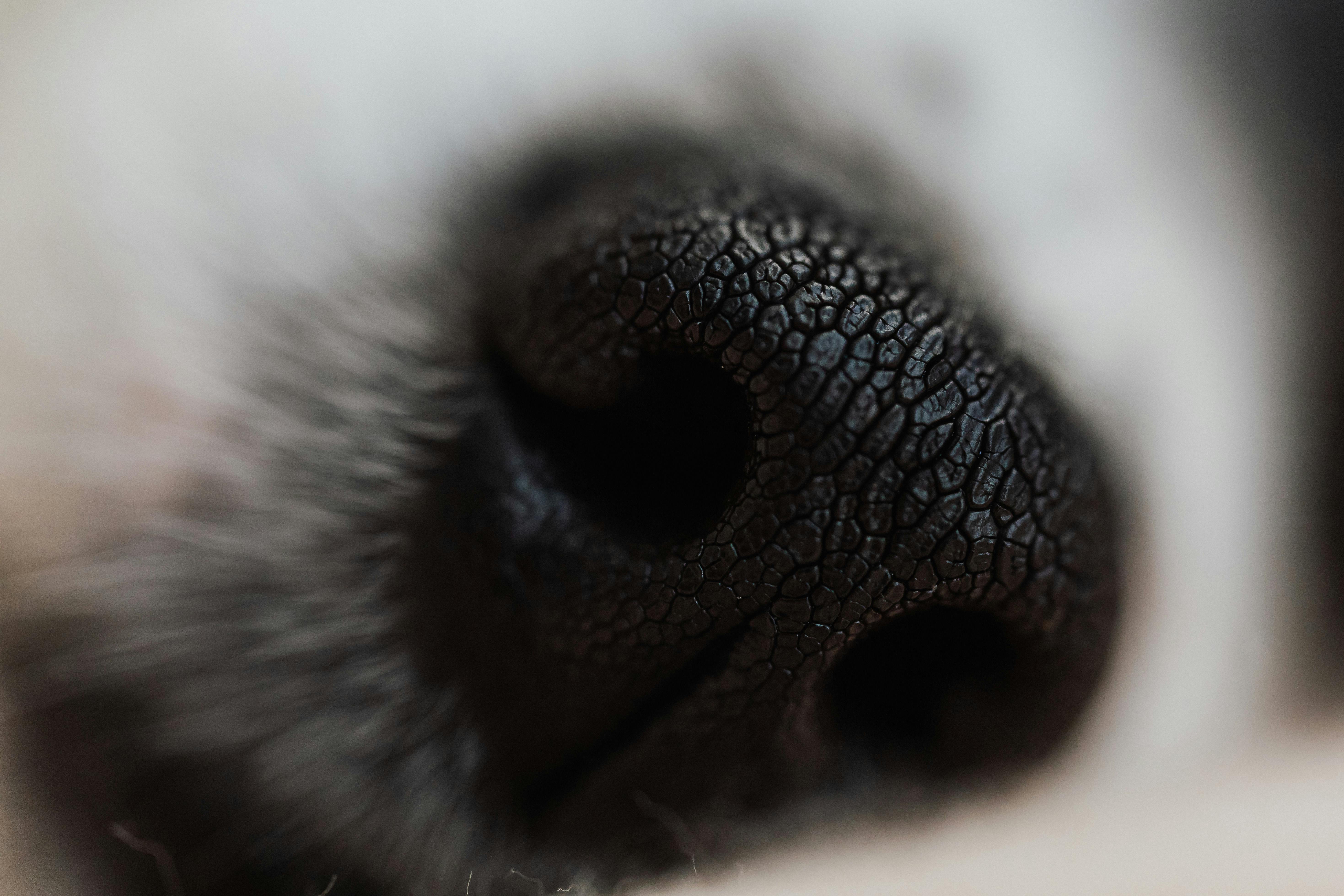
If you’re a dog owner, you've probably wondered why your pup's nose is often wet and cold. It’s one of those adorable traits that make dogs so endearing. But more than just cute, a healthy nose plays a crucial role in your dog’s overall health. In this article, we will explore how to keep your dog’s nose healthy, why do dogs have wet noses, and the fascinating truth behind it.
Why Do Dogs Have Wet Noses?
Dogs have wet noses for several reasons, and understanding these can help you take better care of your furry friend.
Scent Enhancement: A wet nose helps dogs smell better. The moisture captures scent particles, allowing their olfactory receptors to work more effectively. This is why dogs can sniff out things that humans can’t even imagine.
Cooling Mechanism: Just like humans sweat to cool down, dogs use their noses to regulate body temperature. When a dog's nose is wet, it helps to cool their body through evaporation.
Health Indicator: The condition of a dog’s nose can indicate their health. A cold, wet nose is generally a sign of a healthy dog, whereas a dry or cracked nose could signal dehydration or illness.
Communication Tool: Dogs also communicate through their sense of smell. A wet nose can help them pick up pheromones released by other animals, helping them understand their environment better.
How to Keep Your Dog’s Nose Healthy: Tips for Maintaining Optimal Moisture Levels
Maintaining a healthy nose for your dog is essential. Here are some practical tips that you can follow:
Hydration is Key: Always provide fresh water for your dog. Dehydration can lead to a dry nose, so make sure they drink enough throughout the day.
Humid Environment: If you live in a dry area, consider using a humidifier, especially in winter months. This can help keep your dog’s nose moist.
Regular Vet Check-ups: Regular check-ups can help detect any underlying health issues that might affect your dog’s nose.
Proper Nutrition: Feed your dog a balanced diet rich in omega fatty acids, which can promote healthy skin and a moist nose.
Protect from Sunburn: Just like humans, dogs can get sunburned. If your dog spends a lot of time outside, consider applying pet-safe sunscreen on their nose.
Monitor for Changes: Keep an eye on your dog’s nose. If it becomes excessively dry, cracked, or discolored, consult your vet as these could be signs of health issues.
Signs of an Unhealthy Nose
Knowing when to seek help from a veterinarian is crucial. Here are some signs that your dog's nose might not be healthy:
Dryness and Cracking: If your dog’s nose is persistently dry or cracked, it could indicate dehydration or skin conditions.
Discoloration: A change in color, such as a red or inflamed nose, may signal infection or allergies.
Excessive Discharge: If you notice a lot of discharge, it may be a sign of a respiratory issue.
Bleeding: Any signs of bleeding should be addressed immediately by a vet.
Common Nose Conditions in Dogs
Just like humans, dogs can suffer from various conditions affecting their noses. Here are a few common ones:
Nasal Dermatitis: This is a skin condition that can cause inflammation and discomfort on the nose. It can be triggered by allergies or irritants.
Nasal Tumors: Although rare, tumors can develop in the nasal passages, leading to discharge or bleeding.
Infections: Bacterial or fungal infections can cause nasal issues, often requiring medical treatment.
Allergic Reactions: Allergies to food, pollen, or other environmental factors can cause a dry nose and other symptoms.
Practical Examples of Nose Care
To make nose care easier, here’s a quick reference list of things you can do:
Daily Hydration Check: Each day, ensure your dog has access to water.
Weekly Grooming: Regular grooming can help keep the skin around the nose healthy.
Monthly Vet Visits: Schedule vet visits regularly to keep track of your dog's overall health, including their nose.
Seasonal Precautions: In summer, apply sunscreen. In winter, watch out for frostbite.
Maintaining your dog’s nose health is crucial for their overall well-being. By understanding why dogs have wet noses and taking proactive steps to keep them moist, you’re ensuring a healthier, happier life for your furry companion. Remember, a healthy nose often translates to a happy pup!
Conclusion
In conclusion, the wet noses of dogs serve several vital functions that contribute to their overall health and well-being. The moisture on a dog's nose helps enhance their sense of smell, allowing them to detect scents more effectively. This characteristic is not only essential for their natural instincts but also plays a significant role in their interactions with the world around them. Additionally, the wetness helps regulate their body temperature and provides a means of cooling off. Understanding why dogs have wet noses can deepen our appreciation for these beloved pets and enhance our bond with them. So, the next time you greet your furry friend with a wet nose, remember the fascinating biology behind it. Embrace these unique traits and ensure your dog stays happy and healthy by scheduling regular vet check-ups and providing them with a stimulating environment.