Have you ever wondered, why do dogs have wet noses? This intriguing question is more than just a curiosity; it reveals fascinating insights about our furry friends. A dog’s nose is not only a unique feature but also serves important functions that contribute to their health and behavior. In this article, we will explore the surprising benefits of that delightful, moist nose and how it affects a dog’s sense of smell. Did you know that a wet nose helps dogs stay cool and enhances their ability to detect scents? That’s right! This natural trait plays a crucial role in their interactions with the world. Furthermore, you might be curious about how a dog’s nose can indicate their emotional state or health condition. Join us as we dive deeper into the science behind that adorable wet nose and uncover the secrets it holds. Whether you’re a dog owner or simply an animal lover, understanding why dogs have wet noses can enhance your bond with these amazing creatures. Get ready to discover the incredible world of canine senses and what those wet noses truly mean for our beloved pets!
\n\nThe Science Behind Wet Noses: Why Do Dogs Have This Unique Feature?
\n\n \n\n
\n\nDogs are often seen with their noses glistening and wet, which leads many to wonder, "Why do dogs have wet noses?" This unique feature serves several important purposes. Understanding the science behind wet noses can help dog owners appreciate their furry friends more, and might even explain some behaviors that seem a bit odd at first.
\nThe Anatomy of a Dog's Nose
\nThe structure of a dog's nose is quite complex. It contains a high concentration of olfactory receptors – up to 300 million, compared to about 6 million in humans. This makes a dog's sense of smell incredibly powerful, which is essential for their survival and communication. The wetness of a dog’s nose is not just for looks; it plays a crucial role in their ability to smell.
\n- \n
- Moisture: The moisture on a dog's nose helps to capture scent particles from the air. When these particles stick to the wet surface, it allows the olfactory receptors to detect them more efficiently. \n
- Temperature Regulation: A wet nose can help cool a dog down, much like sweating does for humans. Dogs don’t sweat in the same way we do, so they rely on other methods for regulating their body temperature, including panting and having a moist nose. \n
The Benefits of a Wet Nose
\nLet’s explore some of the surprising benefits of a dog’s wet nose. You might not have thought about these before!
\n- \n
- Enhanced Smelling Ability: As mentioned, the wet surface helps increase their sense of smell. This is why dogs are often used in search and rescue operations, or in roles such as drug detection. Their ability to sniff out scents is astonishing. \n
- Health Indicators: A wet nose can be an indicator of a dog's health. Generally, a moist nose suggests that your dog is healthy, while a dry or cracked nose might signal a problem. However, it’s not a definitive measure of health, but it can be a good starting point for observation. \n
- Social Communication: Dogs often greet each other by sniffing noses. The moisture on their noses is part of this social behavior. It allows them to gather information about other dogs, including their age, health, and emotional state. \n
Historical Context of Dog Noses
\nDogs have been domesticated for thousands of years, and their noses have evolved along with them. Early humans likely took notice of the dog's unique abilities.
\n- \n
- Hunting Companions: In ancient times, dogs were used for hunting due to their incredible sense of smell. They helped humans track animals, which was crucial for survival. \n
- Working Dogs: As society developed, so did the roles of dogs. They helped in herding, guarding, and even in rescue missions. Their wet noses became a vital tool for various tasks. \n
Interesting Facts About Dog Noses
\nDid you know that not all dogs have the same nose? Here are some quirky facts:
\n- \n
- Color Differences: Dog noses come in various colors, including black, brown, and even pink. The color doesn’t affect their sense of smell but can indicate breed characteristics. \n
- Unique Patterns: Just like human fingerprints, a dog’s nose print is unique. It can be used for identification purposes! \n
- Sensitivity to Weather: Dogs can be sensitive to temperature changes. A wet nose might dry out in colder weather, and some dogs might even prefer to stay inside when it’s too cold or hot outside. \n
Comparing Wet and Dry Noses
\nWet Nose vs. Dry Nose: What’s the Difference?
\n| Feature | \nWet Nose | \nDry Nose | \n
|---|---|---|
| Smell Detection | \nEnhanced | \nReduced | \n
| Health Indicator | \nGenerally healthy | \nMay indicate dehydration or illness | \n
| Temperature | \nHelps regulate body temperature | \nMay lead to overheating | \n
Practical Examples of Nose Use
\nDogs exhibit their nose capabilities in various practical situations:
\n- \n
- Search and Rescue: Dogs trained to find missing persons rely heavily on their sense of smell. They can locate individuals buried under debris after disasters. \n
- Drug Detection: Many law enforcement agencies use dogs to sniff out illegal substances. Their noses can detect drugs hidden in vehicles or even on people. \n
- Therapeutic Roles: Some therapy dogs use their noses to comfort individuals, helping them feel at ease during stressful situations. \n
The fascinating science behind why dogs have wet noses reveals so much about their biology and behavior. As a pet owner, recognizing the significance of this feature can deepen your understanding and bond with your dog. Whether they are out playing in the park or cuddled up on the couch, that wet nose is more than just adorable; it’s a testament to their incredible senses and evolutionary history.
\n\n5 Surprising Benefits of a Dog’s Wet Nose You Never Knew About
\n\n \n\n
\n\nDogs are often seen as man's best friend, but have you ever thought about the science behind their wet noses? Many people wonder, "Why do dogs have wet noses?" It turns out, there's much more to this seemingly simple characteristic than you might believe. In this article, we'll explore 5 surprising benefits of a dog's wet nose that you probably never knew about.
\n1. Enhanced Sense of Smell
\nOne of the primary reasons why dogs have wet noses is to help them smell better. A wet nose can trap scent particles in the air, which enhances their ability to detect various odors. It's kinda like a sponge soaking up water. When dogs sniff, their wet nose helps to absorb scent molecules, allowing them to process smells more effectively.
\n- \n
- Dogs have around 220 million scent receptors, compared to humans' 5 million. \n
- Wet noses may help them identify scents even more precisely, which is important for hunting, tracking, and even detecting diseases in humans. \n
2. Regulation of Body Temperature
\nDid you know that a dog's wet nose serves as a natural cooling mechanism? Just like how we sweat, dogs lose heat through their noses. When a dog's nose is wet, it can help regulate their body temperature, especially on hot days. This is crucial for maintaining their overall health.
\n- \n
- Dogs do not sweat the same way humans do; they primarily rely on panting and their noses to cool down. \n
- A dog's wet nose can indicate if they’re feeling hot or stressed, so pay attention to those changes! \n
3. Communication Tool
\nDogs are very social animals, and their wet noses play a role in their communication with other dogs and humans. When a dog nudges you with their nose, they aren’t just looking for attention; they are often trying to convey emotions like affection, curiosity, or even anxiety.
\n- \n
- The moisture on their noses can transfer scents, allowing them to share information about their environment. \n
- Nose nudging could mean they want to play, go for a walk, or need some love. \n
4. Health Indicator
\nA dog's wet nose can be an important health indicator. Generally, a healthy dog has a moist, cool nose. However, if a dog’s nose is excessively dry or warm, it might be a sign of illness.
\n- \n
- A dry nose can indicate dehydration or fever. \n
- Regularly checking your dog’s nose can give you insights into their well-being. \n
5. Social Bonding
\nWhen dogs wet their noses on you, it can create a feeling of closeness and bonding. Dogs often use their noses to explore their surroundings and interact with their human companions. This kind of interaction can help strengthen the bond between you and your furry friend.
\n- \n
- Dogs lick their noses as a way to soothe themselves and show affection. \n
- Participating in nose-related activities, like scent games, can enhance your relationship with your dog. \n
Fun Facts About Dog Noses
\n- \n
- The unique patterns on a dog’s nose are as distinctive as human fingerprints. \n
- Dogs can identify smells even when they are millions of times diluted. \n
- Puppies are born with pink noses that usually darken as they grow. \n
Conclusion
\nUnderstanding why do dogs have wet noses can enrich our relationship with them and help us take better care of them. Next time you see your pup with their moist nose, remember these benefits! A wet nose isn’t just adorable; it’s a crucial part of what makes dogs so special. Embracing their quirks helps us appreciate the companionship they offer. So, give your furry friend a little extra love today!
\n\nHow a Moist Nose Helps Your Dog Stay Cool: The Hidden Mechanism Explained
\n\n \n\n
\n\nEver wonder why your dog’s nose is always moist? It’s more than just an adorable feature; it plays a crucial role in how your furry friend regulates their body temperature. Let’s dive into the fascinating world of canine noses and uncover the hidden mechanisms that keep our four-legged companions cool.
\nWhy Do Dogs Have Wet Noses?
\nDogs have wet noses for several reasons, and understanding these can help you appreciate your pet even more. The moisture on a dog's nose comes from secretions that help them smell better and stay cool. Here’s a quick breakdown:
\n- \n
- Enhanced Smell: A wet nose helps trap scent particles, making it easier for dogs to sniff out interesting smells. \n
- Cooling Mechanism: The moisture evaporates, cooling down the dog, similar to how sweat works in humans. \n
- Health Indicator: A moist nose can indicate good hydration and overall health, while a dry nose might signal something is off. \n
The Science Behind the Moisture
\nSo, how does all this work? The science behind a dog’s moist nose involves a unique physiological process. Dogs have special glands in their noses that produce mucus. This mucus not only keeps the nose wet but also helps with olfaction (that means smelling, if you didn’t know).
\nWhen a dog sniffs, the moisture on their nose captures scent particles. The brain then interprets these particles, allowing dogs to recognize familiar scents and track new ones. This is why dogs are often used in search and rescue missions or even in detecting diseases.
\nHow Moisture Helps Dogs Stay Cool
\nDogs don’t sweat like humans do. Instead, they regulate their body temperature primarily through panting and the moisture on their noses. When the moisture evaporates, it cools the blood vessels in the nasal area, which in turn helps lower the dog's overall body temperature.
\nHere’s a simplified view of how this cooling mechanism works:
\n- \n
- High Temperature: When a dog gets too hot, their body temperature rises. \n
- Nasal Moisture: The glands produce more moisture to keep the nose wet. \n
- Evaporation: As the moisture evaporates, it cools the blood vessels. \n
- Body Cooling: This cooling effect helps lower the dog’s core temperature. \n
Surprising Benefits of a Wet Nose
\nAside from cooling down, a wet nose offers several other benefits for dogs. Let’s explore some of them:
\n- \n
- Better Hydration: A moist nose indicates that a dog is well-hydrated, which is important for their overall health. \n
- Social Interaction: Dogs often use their noses to greet each other, and a wet nose can be a sign of friendliness. \n
- Environmental Awareness: A wet nose helps dogs pick up on scents in their environment, aiding in navigation and awareness of their surroundings. \n
Comparing Dog Noses to Human Noses
\nIt’s interesting to compare canine noses with human noses. Here’s a quick table summarizing the differences:
\n| Feature | \nDog Nose | \nHuman Nose | \n
|---|---|---|
| Moisture Level | \nAlways moist | \nGenerally dry | \n
| Olfactory Cells | \n300 million | \n5 million | \n
| Cooling Mechanism | \nEvaporation of mucus | \nSweating | \n
| Scent Detection | \nHighly sensitive | \nLess sensitive | \n
Practical Examples of Nose Functionality
\nDogs use their noses in various practical ways. Here are some examples:
\n- \n
- Tracking: Bloodhounds can track scents over long distances due to their incredible sense of smell. \n
- Detection Work: Many dogs are trained to detect drugs, explosives, and even diseases like cancer. \n
- Social Cues: Dogs can sense the emotional state of humans through scent, often giving comfort when needed. \n
So next time you see your dog with a wet nose, remember that it's not just a cute feature; it's a crucial part of how they interact with the world and maintain their health. The moisture on their noses helps them smell better, stay cool, and even communicate with other dogs and humans alike.
\nUnderstanding the science behind a dog’s wet nose opens up a whole new appreciation for our furry friends. It’s fascinating how something so simple can have so many important functions. The next time you give your dog a scratch behind the ears, take a moment to marvel at that moist nose and all the hard work it does!
\n\nIs Your Dog’s Wet Nose Normal? Understanding What It Means for Their Health
\n\n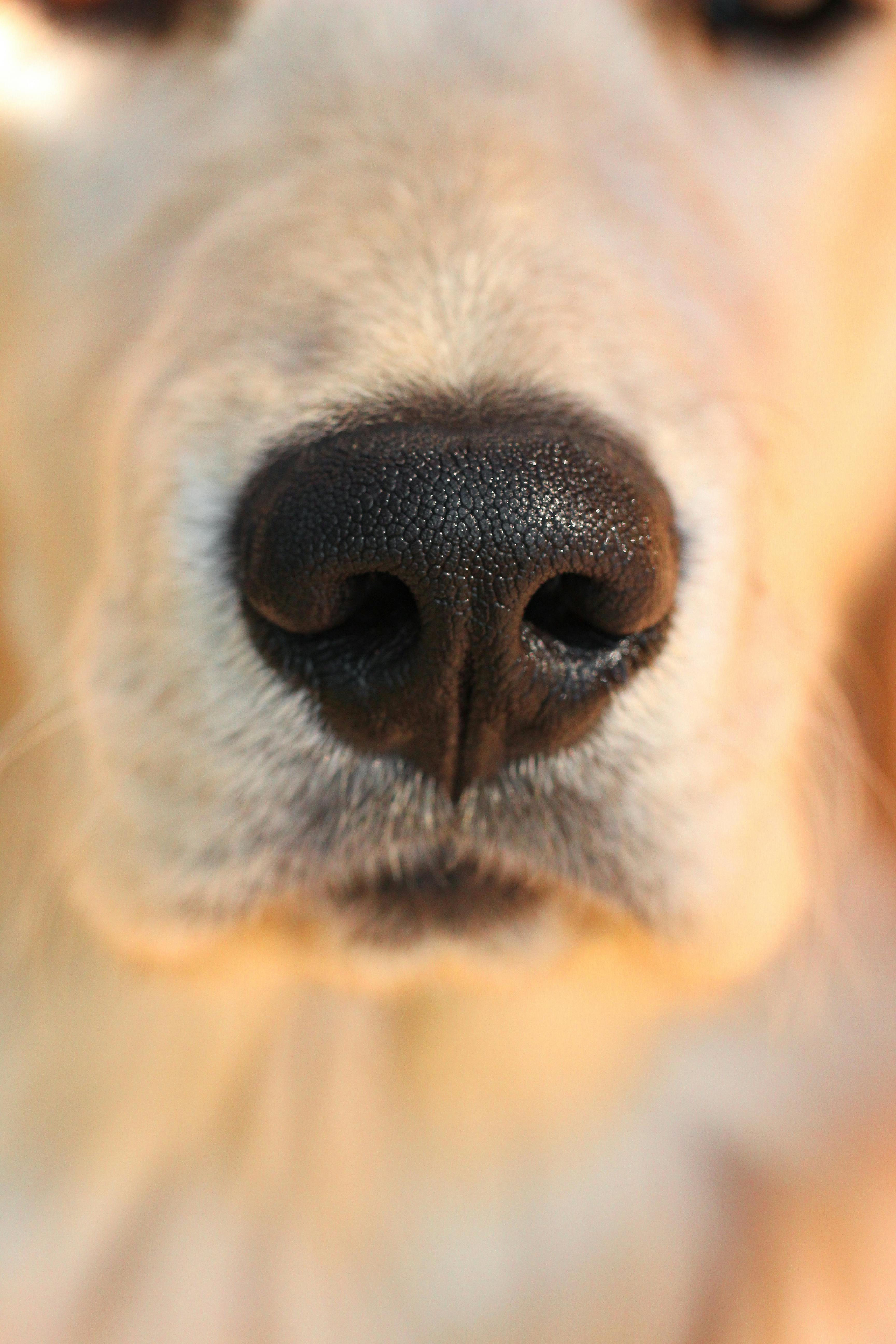 \n\n
\n\nIs your dog’s wet nose normal? Understanding what it means for their health, why do dogs have wet noses? Discover the surprising benefits of those adorable, moist little noses.
\nWhen we think about pets, especially dogs, their wet noses is something that most of us notice immediately. But have you ever wondered why dogs have wet noses? It’s not just a cute trait; it serves several important functions for their health and wellbeing. Let's dive into the fascinating world of canine noses and discover what their moisture means for our furry companions.
\nWhy Do Dogs Have Wet Noses?
\nDogs have wet noses for a variety of reasons. Firstly, a wet nose helps them to smell better. Their sense of smell is incredibly powerful, and having a moist surface helps to trap scent particles in the air. This is super important because dogs can detect scents up to 100,000 times better than humans. So, when your dog is sniffing around, they are gathering information about their environment that you might not even be aware of.
\n- \n
- Enhanced Scent Detection: A wet nose helps retain scent molecules. \n
- Cooling Mechanism: Dogs don’t sweat like humans. Their noses help regulate body temperature. \n
- Health Indicator: The moisture level can indicate health status. A dry nose can be a sign of dehydration or illness. \n
The Science Behind Wet Noses
\nThere is some science behind why dogs’ noses are wet. The moisture comes from a combination of mucus and sweat. Yes, dogs do sweat! They have sweat glands, but mostly, they rely on their noses for releasing heat. This is how they cool down when they’re hot.
\nHere’s a little breakdown of how it works:
\n- \n
- Mucus Production: Dogs produce mucus in the nasal passages which keeps their noses wet. \n
- Temperature Regulation: When a dog pants, it releases moisture which helps cool their body. \n
- Scent Absorption: The moisture on their nose helps absorb scents, giving them an edge in detecting smells. \n
Surprising Benefits of a Wet Nose
\nYou might be surprised to learn that a wet nose offers more than just an enhanced sense of smell. Here are some surprising benefits:
\n- \n
- Better Social Interaction: Dogs use their noses to communicate with other dogs. A wet nose can signal friendliness and approachability. \n
- Improved Health Monitoring: Regularly checking your dog’s nose can help you monitor their health. A significant change in moisture can signal a health issue. \n
- Enhanced Bonding: When you pet your dog and feel their wet nose, it creates a warm connection. This sensory experience can strengthen your bond, and isn’t that what every pet owner wants? \n
What Does a Dry Nose Mean?
\nNow, while wet noses are usually a sign of good health, a dry nose can sometimes mean something else. Here’s what you need to consider:
\n- \n
- Dehydration: If your dog’s nose is dry and cracked, it might need more water. \n
- Illness: A persistent dry nose can indicate illness. If it’s accompanied by other symptoms, you should consult a vet. \n
- Temperature: A warm, dry nose can indicate that your dog is overheating. \n
Keeping Your Dog’s Nose Healthy
\nIt’s important to keep an eye on your dog’s nose health. Here are some tips:
\n- \n
- Hydration: Always provide fresh water. This keeps them hydrated and supports nose moisture. \n
- Regular Vet Check-ups: Regular vet visits can help catch any potential health issues early. \n
- Healthy Diet: A balanced diet contributes to overall health, including the condition of your dog’s nose. \n
Fun Facts About Dog Noses
\n- \n
- Dogs have about 300 million smell receptors in their noses, compared to about 6 million in humans. \n
- The color of a dog’s nose can change with the seasons—sometimes it can darken during the winter and lighten during the summer. \n
- Dogs don’t just have wet noses; they also have a unique pattern on their nose, much like human fingerprints. \n
Dogs’ wet noses are not just an endearing feature; they play a crucial role in your furry friend’s health and ability to interact with the world. So, the next time you give your pup a scratch behind the ears, take a moment to appreciate that moist little nose. It’s a vital part of what makes dogs such amazing companions. Remember to always keep an eye on their nose; a quick check can tell you a lot about their health and happiness.
\n\nWet Noses and Dog Behavior: What Your Pup’s Nose Says About Their Mood
\n\n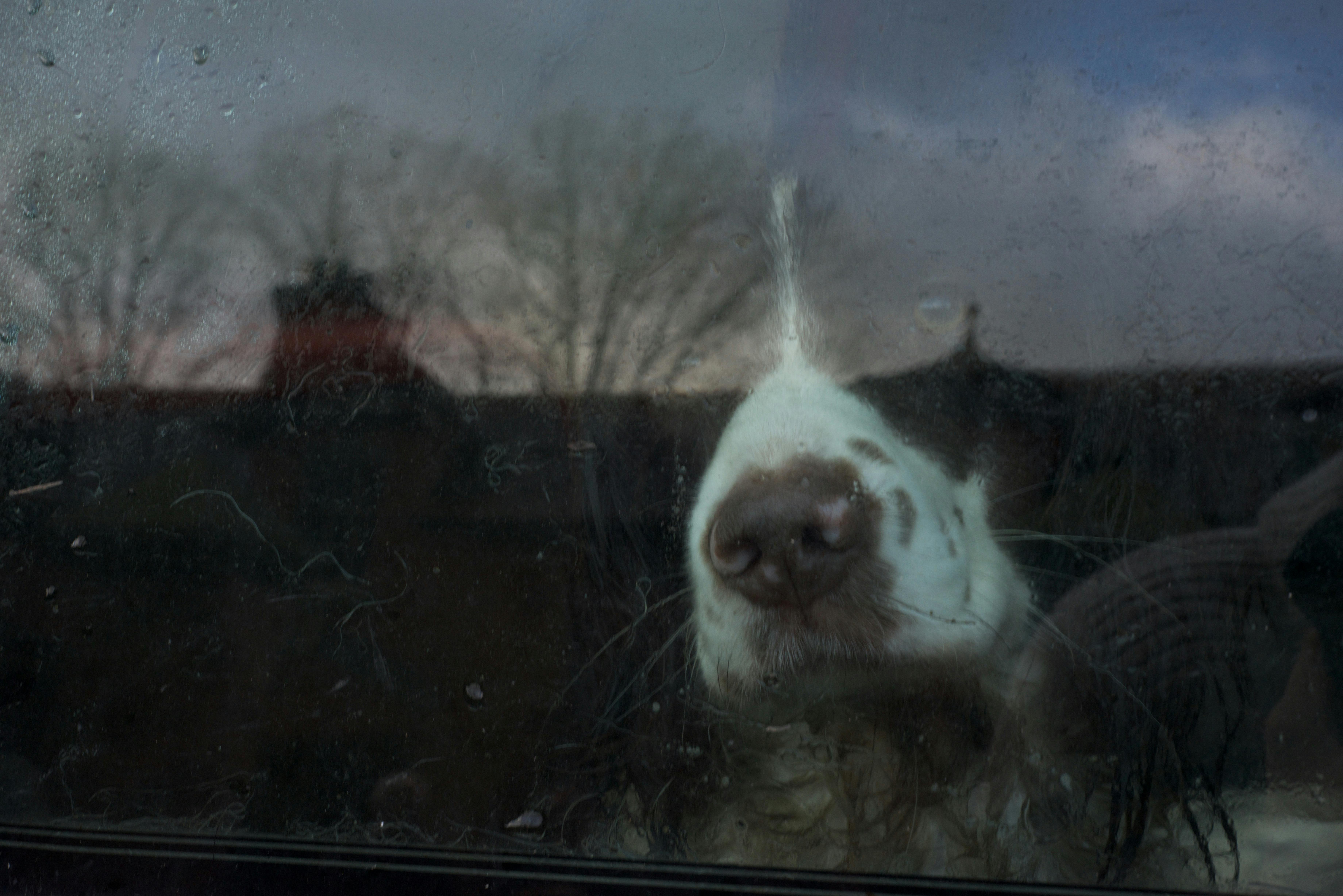 \n\n
\n\nWhen you see your dog with a wet nose, you might wonder what it means. Is it just a quirk of nature, or does it say something deeper about your furry friend’s mood? Dogs have wet noses for a variety of reasons, and understanding this can help you better connect with your pup. So, let's dive into the world of wet noses and dog behavior, uncovering the science behind them and what they really mean.
\nWhy Do Dogs Have Wet Noses?
\nDogs' noses are wet for a couple key reasons. First, the moisture helps to enhance their sense of smell. A wet nose can trap scent particles better than a dry one, allowing them to pick up on smells in their environment. It's like having a built-in perfume bottle that helps them sniff out everything from food to other animals.
\n- \n
- Dogs have about 220 million scent receptors in their noses, compared to a human's 5 million. \n
- The moisture on their noses comes from a combination of sweat glands and saliva. \n
- A dog’s nose can change temperature and moisture based on what they are sniffing. \n
Another interesting fact is that dogs lick their noses to keep them wet, which also helps in regulating their body temperature. This is similar to how humans sweat to cool down.
\nWhat Your Pup’s Nose Says About Their Mood
\nThe state of your dog’s nose can be an indicator of their emotional and physical health. Here’s a breakdown of what different nose conditions might mean:
\n- \n
- Wet and Cool: Generally indicates your dog is relaxed and healthy. A wet nose is often a sign that they are hydrated and in good spirits. \n
- Dry and Warm: This could mean your dog is dehydrated or overheated. If their nose stays dry for an extended period, it might be worth checking with a vet. \n
- Sticky or Crusty: If your dog’s nose feels sticky or has crusty spots, it could indicate an infection or allergy. Observing other symptoms, like lethargy or loss of appetite, is important. \n
The Surprising Benefits of a Wet Nose
\nA wet nose does more than just help dogs smell better; it comes with a whole range of benefits that can impact their overall well-being:
\n- \n
- \n
Enhanced Scent Detection: As mentioned, a wet nose allows for better scent detection. This is crucial for hunting and tracking dogs, and even for everyday activities like finding their favorite toy.
\n \n - \n
Temperature Regulation: Dogs can’t sweat like humans do, so a wet nose helps to cool them down during warm weather.
\n \n - \n
Health Monitoring: A sudden change in the state of a dog’s nose can alert owners to potential health issues.
\n \n - \n
Social Interaction: Dogs use their noses to communicate with each other. A wet nose can signal friendliness and approachability to other dogs.
\n \n
Comparing Dog Noses to Human Noses
\nWhen we compare dog noses to human noses, it's clear that they serve different purposes and come with unique features. Here’s a little comparison:
\n| Feature | \nDog Nose | \nHuman Nose | \n
|---|---|---|
| Scent Receptors | \n220 million | \n5 million | \n
| Moisture | \nEssential for scent detection | \nLess moisture overall | \n
| Temperature | \nCan change based on activity | \nSweating cools the body | \n
| Communication | \nUsed for social cues in dogs | \nPrimarily for breathing | \n
Practical Examples of Nose Behavior
\nHave you ever noticed how your dog reacts to different situations based on their nose? Here are some real-life examples:
\n- \n
- Excitement: When they see you after a long day, they might have a wet nose that’s wiggling with joy. \n
- Stress: If you notice your dog’s nose is dry and they seem withdrawn, it could be a sign they are feeling anxious or stressed. \n
- Curiosity: During playtime or while exploring new surroundings, a wet nose often indicates they are engaged and curious. \n
By observing your dog’s nose and the context of its condition, you can gain insights into their mood and health.
\nTaking the time to understand why dogs have wet noses and what they signify can strengthen your bond with your furry friend. Whether it’s a sign of excitement, health, or just a natural doggy quirk, each wet nose tells its own story. So next time you pet your pup, pay attention to their nose—it might just reveal more than you think!
\n\n7 Fascinating Facts About Dog Noses That Will Blow Your Mind
\n\n\n\nDogs have an incredible way of surprising us, don’t they? One of the most fascinating features about our canine companions is their noses. You might think a dog's nose is just for sniffing, but there’s so much more to it. Let’s delve into 7 fascinating facts about dog noses that will blow your mind. You may also wonder, why do dogs have wet noses? Discover the surprising benefits below.
\n1. Dogs Have an Amazing Sense of Smell
\nDid you know that a dog’s sense of smell is about 40 times greater than that of humans? This is because dogs have around 300 million smell receptors in their noses, compared to a human’s mere 5 million. That’s why dogs can sniff out drugs, explosives, and even diseases like cancer. Their noses are like super-powered olfactory devices, allowing them to detect scents at incredibly low concentrations.
\n2. The Wetness is Not Just for Show
\nYou might be asking yourself, why do dogs have wet noses? Well, a dog’s nose is moist for several important reasons. First, the moisture helps to capture scent particles from the air, enhancing their ability to smell. Second, a wet nose helps regulate their body temperature. When dogs pant, moisture evaporates from their noses, cooling them down. So, next time you feel your dog’s nose, remember it’s doing some important work!
\n3. Unique Nose Prints
\nJust like human fingerprints, a dog’s nose print is unique to each individual. The patterns of ridges and creases on a dog’s nose can be used to identify them, which is interesting, right? Some organizations have even used nose prints for identification purposes. This trait shows just how special and unique our furry friends are.
\n4. Dogs Can Smell Emotions
\nBelieve it or not, dogs can actually smell human emotions! Research suggests that dogs can detect changes in our body chemistry when we experience different feelings. For example, when humans are anxious or scared, their bodies release certain chemicals that dogs can sense. This ability helps dogs form deep bonds with their owners and respond to their emotional states in ways that can be comforting or protective.
\n5. Noses Change with Breed
\nDifferent breeds of dogs have different types of noses. For instance, some breeds like Bloodhounds have long, droopy noses which helps them trap scents better, while others like Pugs have short noses, which can limit their smelling ability. Here’s a quick comparison of a few breeds and their nose characteristics:
\n| Breed | \nNose Type | \nSmell Ability | \n
|---|---|---|
| Bloodhound | \nLong and droopy | \nExceptional | \n
| Beagle | \nMedium and broad | \nExcellent | \n
| Pug | \nShort and flat | \nLimited | \n
| German Shepherd | \nMedium length | \nVery good | \n
6. Dogs Can Smell Diseases
\nSome studies have shown that dogs are capable of detecting certain diseases in humans, such as diabetes and cancer. They do this through their keen sense of smell, picking up on specific scents that are often emitted by diseased tissues or imbalances in the body. This remarkable ability has led to the training of dogs to assist in medical diagnostics.
\n7. Dogs Use Their Noses to Communicate
\nDogs don’t just use their noses to smell; they also use it as a means of communication. When dogs greet each other, they often sniff each other’s noses and behinds to gather information about the other dog’s identity and health. This behavior is natural and essential for social interaction among dogs.
\nThe Benefits of a Wet Nose
\nSo, why do dogs have wet noses, and what are the benefits? Here’s a quick list of the surprising advantages of having a wet nose:
\n- \n
- Enhanced scent detection: The moisture helps capture scent molecules, improving smell. \n
- Temperature regulation: Helps cool down the dog’s body when they pant. \n
- Health indicator: A healthy wet nose can indicate a well-hydrated and healthy dog. \n
- Social interaction: Wet noses are often seen as friendly and inviting. \n
It’s pretty clear that a dog’s nose is not just an ordinary body part; it’s a remarkable tool that serves multiple purposes. Understanding why dogs have wet noses and the incredible facts about these features can deepen our appreciation for our furry companions.
\nNext time you cuddle with your dog and feel that wet nose against you, just remember all the fascinating facts and the amazing benefits behind it. Dogs truly are remarkable creatures, and their noses are just one of the many ways they continue to amaze us.
\n\nWhy Do Dogs Lick Their Noses? The Connection Between Wet Noses and Hydration
\n\n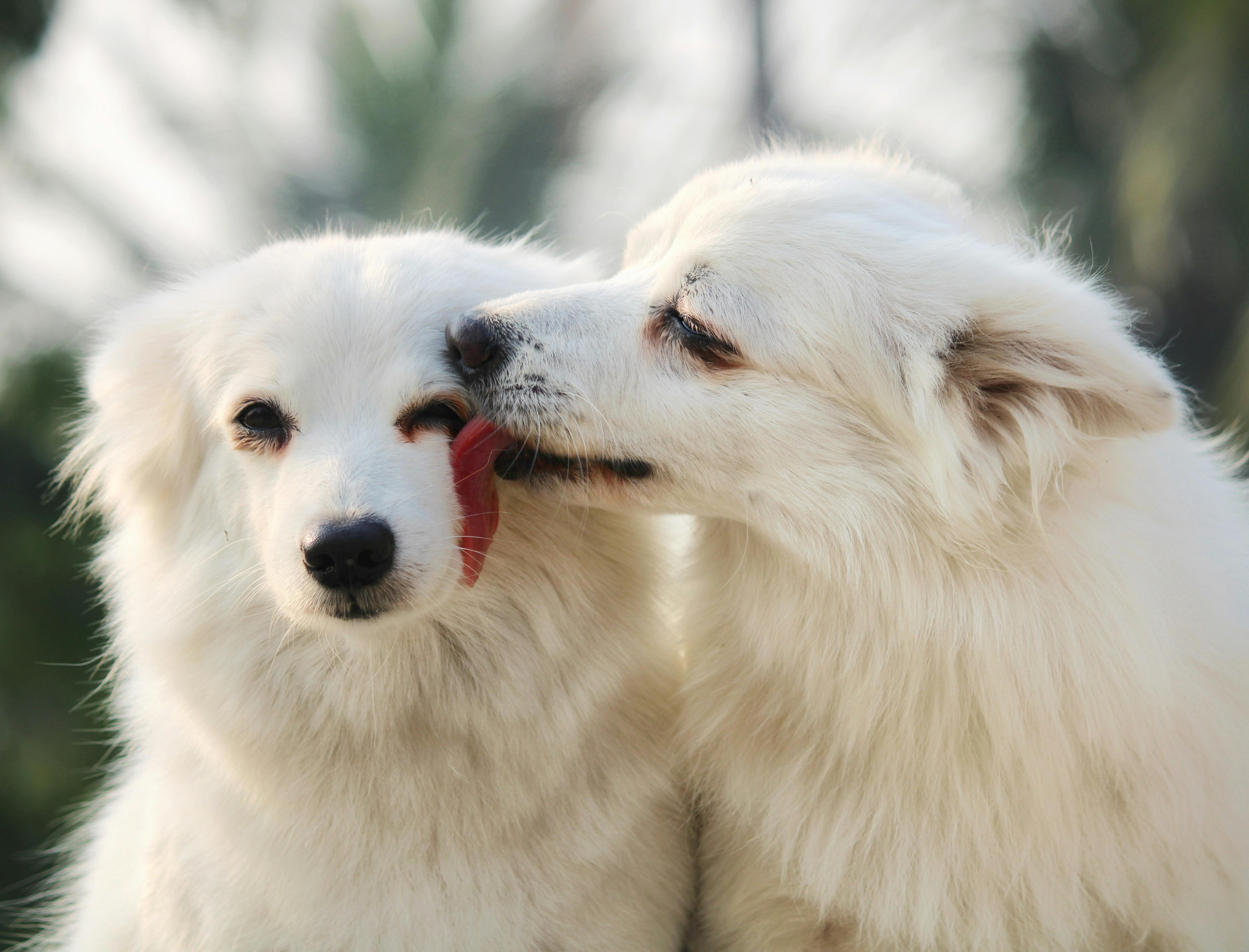 \n\n
\n\nHave you ever noticed how your dog is always licking its nose? You might think it’s just a quirky habit, but there’s more going on than meets the eye. The connection between wet noses and hydration is pretty fascinating, and it can give us insights into why dogs behave the way they do. So let’s dive into the world of canine noses and uncover the surprising benefits of those wet, cold snouts.
\nWhy Do Dogs Have Wet Noses?
\nDogs have wet noses for a bunch of reasons, and understanding these can help us appreciate our furry friends even more. Firstly, a wet nose helps dogs in their sense of smell. The moisture on their noses captures scent particles more effectively, enhancing their olfactory abilities. Here are some key points about their wet noses:
\n- \n
- Enhanced Smell: The wetness in a dog’s nose helps to absorb scent molecules, giving them a better sense of smell than humans. \n
- Temperature Regulation: A dog’s nose helps regulate its body temperature, much like how humans sweat. When they lick their noses, it can cool them down. \n
- Hydration Indicator: A moist nose can indicate a dog’s hydration levels. If a dog's nose is excessively dry or cracked, it might be a sign of dehydration or illness. \n
The Connection Between Wet Noses and Hydration
\nYou might be wondering, how exactly does licking their nose relate to hydration? Well, dogs lick their noses to keep them moist. That moisture is crucial not just for their sense of smell but also for their overall health. Dogs lose moisture through panting and other activities, and licking their noses helps to replenish some of that moisture.
\nHere’s a quick breakdown of why hydration is important for dogs:
\n- \n
- Prevents Overheating: Dogs don’t sweat like humans do. Instead, they cool down through their noses and panting. A wet nose can help keep their body temperature in check. \n
- Supports Immune Function: Hydration plays a key role in a dog’s immune system. A well-hydrated dog is often healthier and more energetic. \n
- Improves Digestion: Water is essential for a dog’s digestion. Keeping their noses wet can promote drinking and thus improve their overall hydration. \n
Discover the Surprising Benefits of Wet Noses
\nYou might be surprised to learn that a dog’s wet nose isn’t just about smelling things better. There are actual benefits that can affect their health and behavior. Let's look at some of these benefits:
\n- \n
- \n
Health Monitoring: A dog’s nose can be an indicator of their health status. A consistently dry nose might suggest dehydration or even illness. Regularly checking your dog’s nose can be a simple way to monitor their health.
\n \n - \n
Social Interactions: Dogs communicate a lot through their sense of smell. A wet nose helps them pick up on pheromones and scents left by other animals, facilitating social interactions.
\n \n - \n
Cooling Mechanism: Dogs can’t sweat like we do. A wet nose can help lower their body temperature, especially on hot days. It’s like their natural air conditioning.
\n \n
Fun Facts About Dog Noses
\n- \n
- \n
Unique Patterns: Just like human fingerprints, every dog has a unique nose print. This can actually be used for identification.
\n \n - \n
Scent Sensitivity: Dogs have as many as 300 million smell receptors in their noses, while humans only have about 5 million. This makes their sense of smell 40 times better than ours!
\n \n - \n
Licking as a Behavior: Besides keeping their noses wet, dogs lick their noses when they’re anxious or excited. It’s a way for them to calm themselves down or express their feelings.
\n \n
Conclusion
\nDogs have wet noses for numerous reasons, ranging from enhanced smelling capabilities to health indicators. Licking their noses helps maintain hydration and regulate their body temperature, ensuring they stay healthy and active. Understanding these behaviors can help dog owners cater to their pet's needs better. Next time you see your dog licking its nose, you can appreciate the science behind that simple but fascinating action!
\n\nThe Role of a Dog’s Wet Nose in Their Sense of Smell: Unlocking Their Superpower
\n\n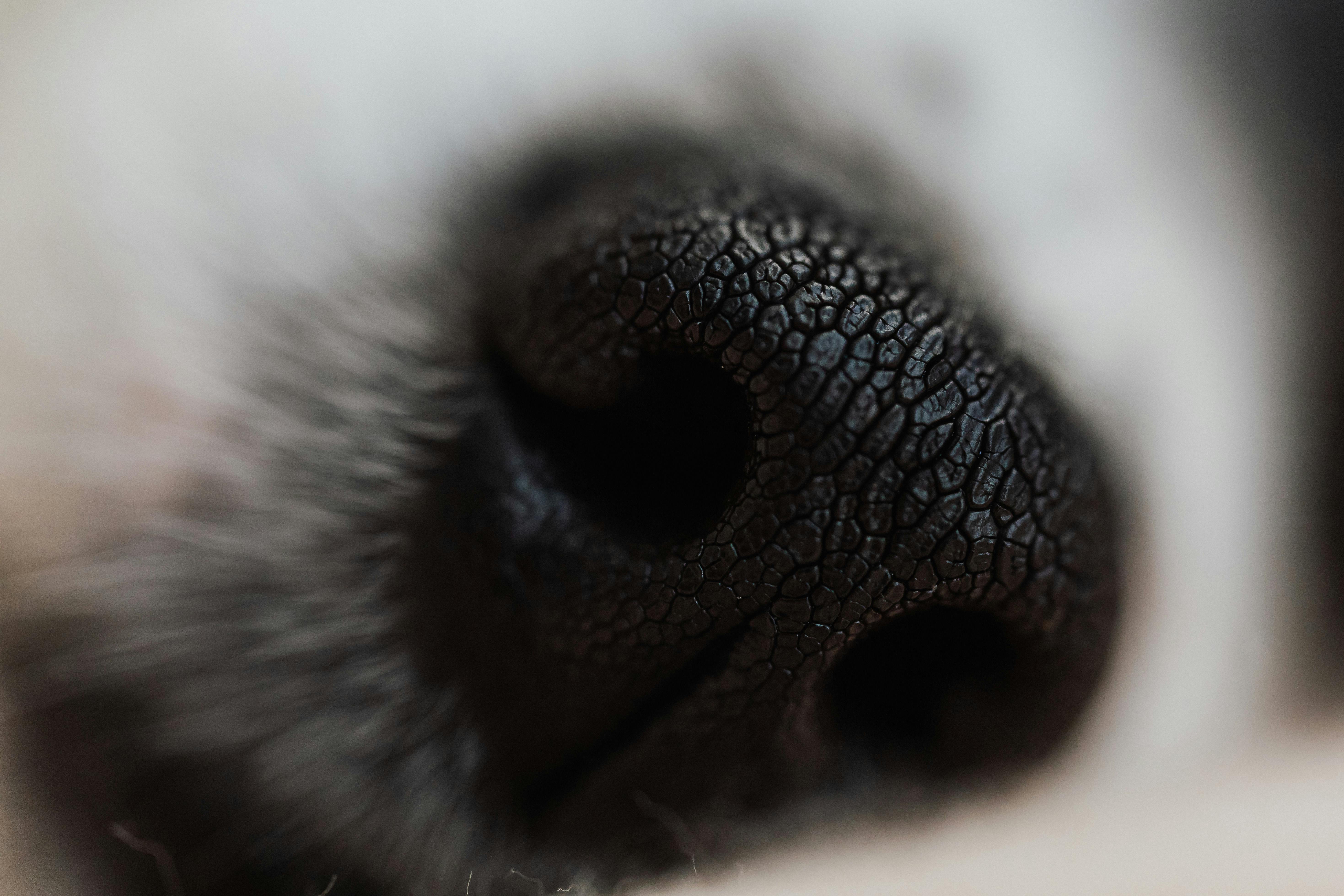 \n\n
\n\nDogs have been our companions for thousands of years and their noses do more than just look cute. You ever wonder why do dogs have wet noses? Well, it turns out it’s not just for show. A dog's wet nose actually plays a crucial role in enhancing their incredible sense of smell. Let’s dive into the fascinating world of dogs’ noses and discover how this unique feature helps them unlock their superpower.
\nThe Science Behind a Dog's Nose
\nDogs have a sense of smell that is, like, 10,000 to 100,000 times more sensitive than humans. This is due to the olfactory receptors in their noses. A dog’s nose has about 300 million olfactory receptors compared to a human’s mere 5 million. This difference is what makes them such excellent sniffers. But how exactly does a wet nose contribute to their smelling abilities?
\nHere’s how it works:
\n- \n
- \n
Moisture Helps Absorb Scents: The wetness of a dog's nose helps to capture scent particles from the air. When a dog inhales, the moisture on their nose traps these particles, allowing them to identify scents more accurately.
\n \n - \n
Temperature Regulation: A wet nose also helps dogs cool down. Dogs don’t sweat like humans do. Instead, they rely on panting and the moisture on their noses to regulate body temperature.
\n \n - \n
Health Indicator: The moisture level can indicate a dog's health. A dry nose might suggest dehydration or illness, while a wet nose is typically a sign of a healthy pup.
\n \n
The Evolution of the Dog's Nose
\nHistorically, dogs have evolved from wolves, who relied heavily on their keen sense of smell for hunting and survival. Over time, domestication has preserved these traits, making dogs not just pets, but valuable partners in various fields such as search and rescue, therapy, and even law enforcement.
\nIn ancient times, dogs were used for hunting, herding, and guarding. The need for a powerful sense of smell was essential for these roles. Today, dogs still utilize their sniffing abilities for various tasks, including:
\n- \n
- \n
Detecting Drugs: Police and military units use specially trained dogs to sniff out illegal substances.
\n \n - \n
Finding Missing Persons: Search and rescue dogs have saved countless lives by locating lost individuals.
\n \n - \n
Medical Detection: Some dogs can even detect certain diseases like cancer or diabetes through scent.
\n \n
Surprising Benefits of a Wet Nose
\nYou might be surprised to learn that a dog's wet nose provides several benefits beyond just enhancing their sense of smell. Here are some interesting facts:
\n- \n
- \n
Improved Scent Discrimination: The moisture helps dogs differentiate between scents, enabling them to pick out specific odors even in crowded environments.
\n \n - \n
Enhanced Social Interactions: Dogs often use their noses to communicate with each other. A wet nose can indicate excitement or curiosity, making it a vital tool for social interactions.
\n \n - \n
Behavioral Indicators: A wet nose can signal a dog’s mood. For instance, a more moist nose might indicate a relaxed and content dog, while a dry nose could mean they are anxious or stressed.
\n \n
Fun Facts About Dog Noses
\n- \n
- \n
Dogs have special nasal structures known as turbinates that help to filter and warm the air they breathe in.
\n \n - \n
The texture of a dog's nose is unique, much like a human fingerprint. No two dogs have the same nose print!
\n \n - \n
Some breeds, like Bloodhounds, have an incredible ability to track scents for days, thanks to their wet noses and keen olfactory abilities.
\n \n - \n
Dogs can smell certain diseases at concentrations as low as parts per trillion!
\n \n
The Importance of Nose Maintenance
\nIt's essential to keep an eye on your dog's nose. If you notice your dog's nose is excessively dry, cracked, or showing any signs of irritation, it could be a sign they need veterinary attention. Regular check-ups can help ensure your dog's nose—and overall health—stays in tip-top shape.
\nIn summary, a dog’s wet nose is more than just an adorable feature; it’s a powerful tool that enhances their sense of smell, helps with communication, and can even indicate their health. Understanding why do dogs have wet noses and the benefits they provide can deepen our appreciation for these remarkable companions. The next time you see your dog sniffing around, remember the incredible superpower they wield, all thanks to that wet, curious nose.
\n\nCan a Dog’s Wet Nose Indicate Health Issues? Signs to Watch For
\n\n \n\n
\n\nDogs are often considered man's best friend, and their quirky behaviors can be both amusing and puzzling. One of the most common traits that dog owners notice is their pet's wet nose. But have you ever wondered, can a dog’s wet nose indicate health issues? It’s a question that many pet owners might not consider, but there’s more to a wet nose than just a sign of a happy pup. In this article, we will explore the reasons behind wet noses, health signs to watch for, and even the surprising benefits of this canine characteristic.
\nWhy Do Dogs Have Wet Noses?
\nDogs have wet noses mainly because they are covered with mucous membranes that help to keep them cool. This wetness serves multiple purposes. Here’s a quick list of why dogs noses are often moist:
\n- \n
- Temperature Regulation: The wetness on a dog’s nose helps to cool them down. Dogs do not sweat like humans, so they rely on other methods to regulate body temperature. \n
- Enhanced Smelling Ability: A wet nose helps trap scent molecules, making it easier for dogs to detect odors. This is why dogs are so good at sniffing things out—it's not just their keen sense of smell, but partly because of that wet nose. \n
- Communication: Dogs use their noses to communicate with other dogs and humans. The moisture can indicate their emotional state, whether they're relaxed, excited, or anxious. \n
Can a Dog’s Wet Nose Indicate Health Issues?
\nWhile a wet nose is often a normal and healthy trait, it can also signal certain health problems in dogs. Here are some signs to watch for:
\n- \n
- Dry Nose: If a dog's nose suddenly becomes dry or cracked, it could indicate dehydration or illness. Compare it to their usual state; a drastic change could be a red flag. \n
- Discharge: If there’s excess discharge, especially if it’s colored or has a foul smell, it could signal an infection or other health issue. \n
- Temperature Changes: A warm nose can suggest fever or infection, while a nose that is too cold might indicate poor circulation. \n
- Behavioral Changes: If your dog is acting differently—eating less, lethargic, or hiding—these are signs to take seriously. \n
Common Health Issues Associated with Wet Noses
\nThere are several health concerns that can be indicated by changes in your dog's nose. Here’s a table outlining some common issues:
\n| Health Issue | \nSymptoms | \nWhat to Do | \n
|---|---|---|
| Allergies | \nItchy, red nose | \nConsult a vet for allergy tests | \n
| Infections | \nDischarge, swelling | \nVisit a vet for treatment | \n
| Dehydration | \nVery dry nose, lethargy | \nEnsure they drink water, visit vet | \n
| Autoimmune Diseases | \nPersistent sores | \nVet check for further diagnosis | \n
Surprising Benefits of a Wet Nose
\nHaving a wet nose isn’t just about functionality; it comes with some surprising benefits too. Here are a few:
\n- \n
- Health Monitoring: A wet nose can serve as an early indicator for health issues. Regularly checking your dog's nose can help you catch potential problems before they escalate. \n
- Better Interactions: Dogs with wet noses tend to be more affectionate and approachable. It can create a bond that makes both the dog and owner feel more connected. \n
- Scent Detection: A wet nose enhances a dog's ability to detect scents, making them excellent companions for search and rescue operations. \n
Final Thoughts
\nIn summary, while a dog's wet nose is often a sign of health and happiness, it can also indicate underlying health issues. Being aware of the changes in your dog's nose can help you spot potential health problems early. Remember, if you notice any unusual changes, it’s always best to consult with a veterinarian for a professional opinion. So next time you pet your furry friend, take a moment to observe that wet nose—it could tell you more than you think about their overall health.
\n\nDog Nose Care 101: How to Keep Your Pup’s Nose Healthy and Moist
\n\n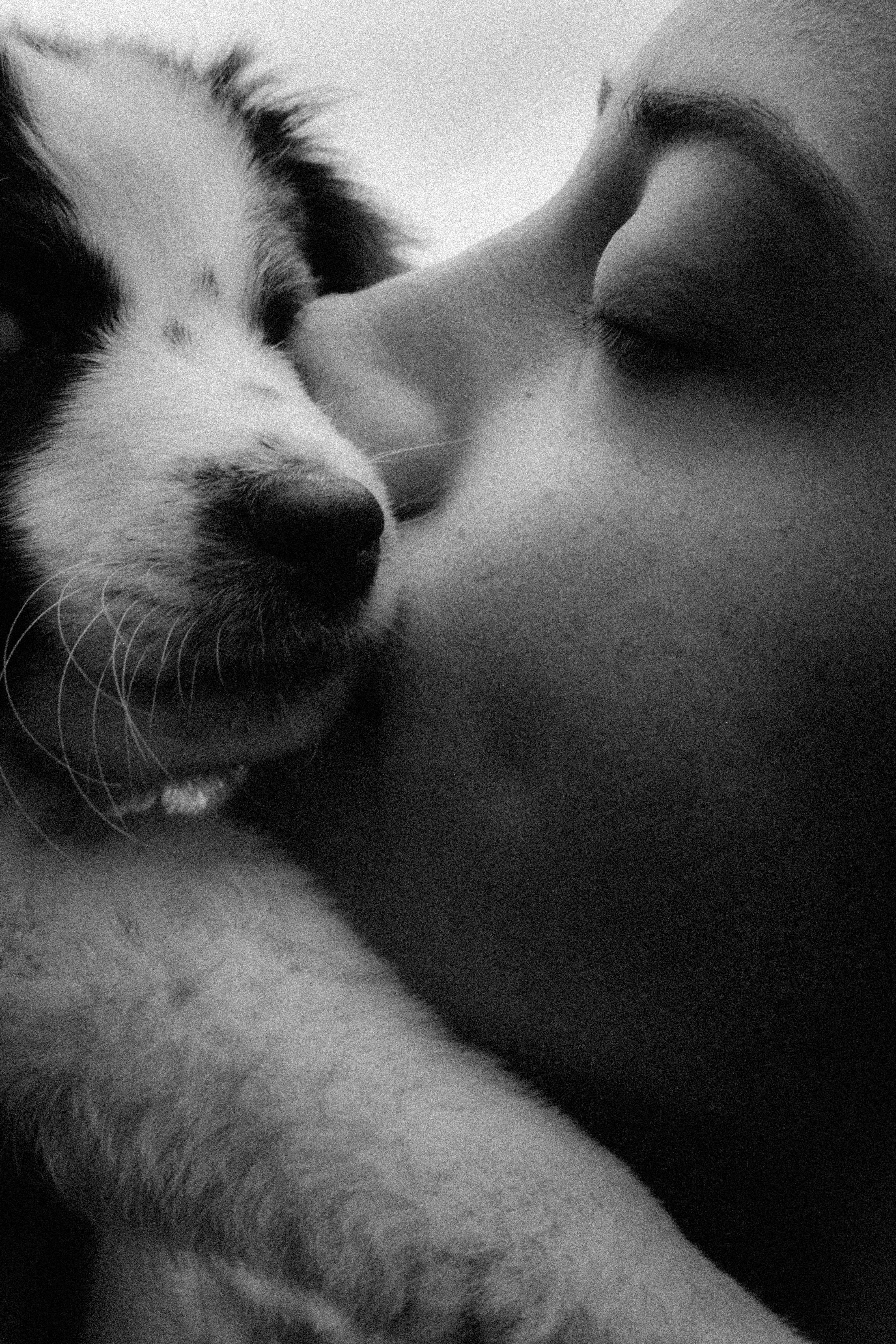 \n\n
\n\nWhen you think of dogs, what often comes to mind is their wagging tails, playful barks, and those adorable wet noses. But have you ever wondered why do dogs have wet noses? It’s a curious question, and understanding the answer can help you keep your pup healthy. Dog Nose Care 101 is all about keeping that little nose moist and vibrant.
\nWhy Do Dogs Have Wet Noses?
\nThe moisture on a dog's nose is not just cute; it serves multiple beneficial purposes. For one, a wet nose helps dogs to smell better. The moisture helps to capture scent particles in the air, which enhances their incredible sense of smell. Also, a wet nose can regulate a dog’s body temperature. Just like humans sweat, dogs can cool off through their noses.
\nHere are some reasons why a wet nose is important:
\n- \n
- Enhanced Smell: A wet surface captures scent particles more effectively. \n
- Temperature Regulation: Helps to cool the dog's body. \n
- Health Indicator: A change in moisture can signal health issues. \n
The Surprising Benefits of a Wet Nose
\nNot only does a wet nose help in scent detection, but it also has several health benefits. The moisture on a dog’s nose can prevent it from drying out, which could lead to cracking or infections. Dogs can also use their noses to communicate. You might see them nudging you with that wet nose when they want attention or playtime.
\nSome benefits of a wet dog nose includes:
\n- \n
- Hydration Indicator: A wet nose often means your dog is hydrated, while a dry nose could indicate dehydration. \n
- Temperature Check: A cold, wet nose usually means your pup is healthy, while a warm, dry nose may suggest they’re sick or overheated. \n
- Social Interaction: Dogs use their noses to socialize, sniffing other dogs and people to gather information. \n
Keeping Your Dog's Nose Healthy and Moist
\nJust like any other part of your dog’s body, their nose needs care too. You might think that a dog’s nose will take care of itself, but that’s not always the case. Here are some tips for maintaining your dog’s nose health:
\n- \n
- \n
Hydration: Make sure your dog has access to fresh water at all times. Proper hydration is key to keeping that nose wet.
\n \n - \n
Humidity: If you live in a dry climate, consider using a humidifier. This can help keep your pup’s nose from drying out too much.
\n \n - \n
Regular Check-Ups: Vet visits can help catch any potential issues early. Sometimes a dry nose can be a sign of allergies or other health problems.
\n \n - \n
Avoid Irritants: Stay clear of harsh chemicals or heavy perfumes that can irritate your dog’s sensitive nose.
\n \n
Recognizing Nose Problems
\nSometimes, a dog’s nose can show signs of problems. Here are some signs to watch for:
\n- \n
- Dryness or Cracking: Indicates dehydration or possible health issues. \n
- Discoloration: A change in color can be a sign of allergies or infections. \n
- Excessive Moisture: While a wet nose is normal, too much moisture may indicate an infection. \n
Quick Comparison: Dog Nose vs. Human Nose
\n| Feature | \nDog Nose | \nHuman Nose | \n
|---|---|---|
| Moisture Level | \nGenerally wet | \nGenerally dry | \n
| Scent Detection | \nExtremely high | \nModerate | \n
| Temperature Regulation | \nEffective cooling mechanism | \nLess effective | \n
| Communication | \nSocial interaction tool | \nLimited to verbal cues | \n
In summary, understanding why do dogs have wet noses not only deepens your bond with your furry friend but also helps you keep them healthy. Regular care, hydration, and awareness of any changes in their nose can ensure your pup stays happy and healthy. A wet nose is more than just a cute feature; it’s a vital part of what makes your dog a dog. So, embrace the quirks, and keep that nose moist!
\n\n