Have you ever wondered why do dogs have wet noses? This seemingly simple feature of our furry friends holds a wealth of fascinating information! Not only does a dog's wet nose contribute to their unique charm, but it also serves several surprising benefits. Have you ever considered how this moisture affects their sense of smell? Dogs are known for their incredible olfactory abilities, and a wet nose plays a crucial role in enhancing their sense of smell. But that's not all! The benefits of a wet nose go beyond just sniffing; it also helps to regulate their body temperature and keeps them cool during hot weather. Ever thought about how this natural mechanism works? In this article, we will explore the science behind a dog’s nose and uncover the reasons why it’s always a bit damp. So, if you’re curious about how this characteristic impacts your pup’s health and behavior, keep reading! You might just discover some surprising insights into your canine companion’s world that you never knew before. Embrace the wonder of your dog's anatomy and learn the truth behind their adorable wet noses today!
\n\nThe Science Behind Wet Noses: Why Are Dogs' Noses Moist and What It Means for Their Health
\n\n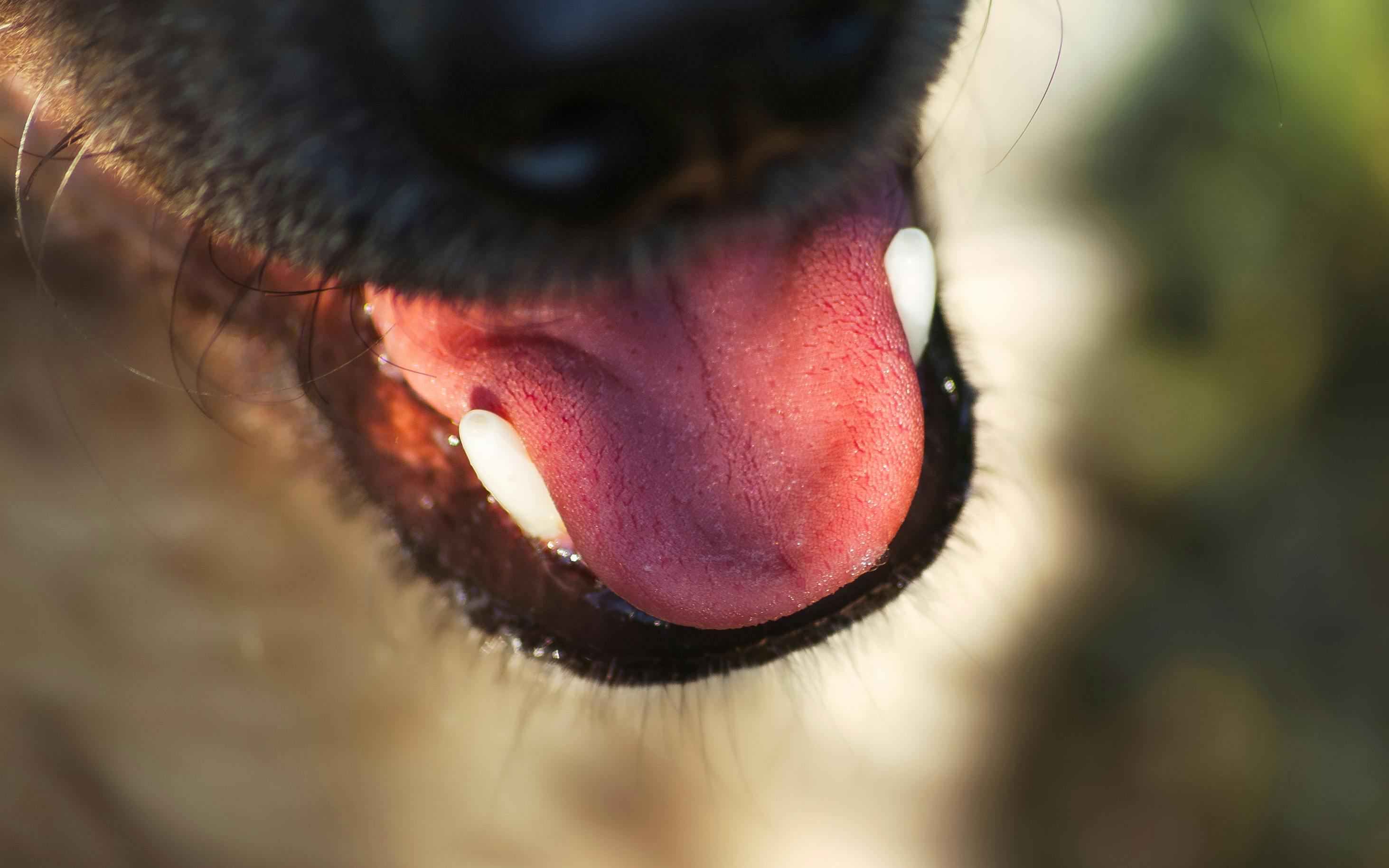 \n\n
\n\nDogs are often seen with their noses glistening and wet, and if you've ever wonder why that is, you're not alone. Many people curious about why do dogs have wet noses? It's a question that not only leads to fascinating insights about canine biology but also has implications for their health. Let’s dive into the science behind those moist noses and discover the surprising benefits they provide.
\nThe Anatomy of a Dog's Nose
\nDogs’ noses are not just cute; they're complex organs that serve multiple purposes. The nose of a dog has a unique structure, which includes:
\n- \n
- Nasal Cavity: The area inside the nose that warms and humidifies the air. \n
- Olfactory Receptors: Dogs have up to 300 million of these receptors compared to humans' 5 million, allowing them to smell things we can't even imagine. \n
- Moisture: A dog's nose is usually covered with a thin layer of mucus, which helps them absorb scent chemicals more effectively. \n
Why Are Dogs' Noses Moist?
\nSo, why do dogs have wet noses? The moisture serves several key functions:
\n- \n
- Enhanced Smell: The wetness helps to trap scent particles, making it easier for dogs to detect smells. When the nose is dry, it can’t absorb scents as well. \n
- Cooling Mechanism: Dogs don’t sweat like humans; they primarily cool down through their noses and panting. A moist nose can help lower their body temperature. \n
- Health Indicator: The moisture level of a dog’s nose can sometimes indicate their health. A healthy dog usually has a cool and moist nose, while a dry or warm nose could be a sign of illness. \n
The Benefits of a Wet Nose
\nUnderstanding the reasons behind dogs’ wet noses gives insights into their health and behavior. Here’s a breakdown of some benefits:
\n- \n
- Scent Detection: Dogs rely heavily on their sense of smell. A moist nose allows them to pick up on scents that are crucial for communication and navigation. \n
- Temperature Regulation: Dogs can regulate their body temperature better when they have moisture on their noses. This helps them stay cool during hot weather. \n
- Social Interaction: Dogs often communicate through scent. A wet nose can be a sign of a dog’s readiness to engage, whether it’s greeting a new friend or exploring their environment. \n
Myths and Facts About Dog Noses
\nThere are many myths surrounding the state of a dog's nose. Let’s debunk some common ones:
\n- \n
- \n
Myth 1: A warm nose means a dog is sick.
\n- \n
- Fact: A dog’s nose temperature can fluctuate throughout the day. It's not a reliable indicator of health. \n
\n - \n
Myth 2: Dogs' noses should always be wet.
\n- \n
- Fact: While moist noses are common, it’s normal for them to be dry at times, especially after sleep. \n
\n - \n
Myth 3: Dogs can’t smell if their noses are dry.
\n- \n
- Fact: Though moisture helps, dogs can still detect scents with a dry nose, just not as effectively. \n
\n
Keeping Your Dog’s Nose Healthy
\nLooking after your dog's nose is important for their overall health. Here are some tips you might find helpful:
\n- \n
- Hydration: Make sure your dog always has access to fresh water to stay hydrated. \n
- Regular Check-ups: Regular veterinary visits can help catch any health issues that may affect their nose. \n
- Avoid Irritants: Keep your dog away from strong chemicals, smoke, or other irritants that can dry out their noses. \n
What to Watch For
\nWhile a wet nose is generally a sign of a healthy dog, there are times when you should be concerned. Look out for:
\n- \n
- Cracked or bleeding nose \n
- Excessive dryness \n
- Change in color or texture \n
- Other signs of illness (like vomiting, lethargy, etc.) \n
Dogs are fascinating creatures, and their wet noses play an essential role in their health and well-being. The moisture not only enhances their extraordinary sense of smell but also aids in cooling their bodies and communicating with their environment. Understanding the significance of a dog’s nose can help pet owners provide better care and ensure their furry friends remain happy and healthy.
\nSo next time you see your dog with that wet, cold nose, you can appreciate the science behind it and how it contributes to their overall health.
\n\n5 Surprising Benefits of Wet Noses in Dogs: More Than Just a Cute Feature
\n\n \n\n
\n\nDogs are often known for their playful antics and loyalty, but one thing that often gets overlooked is their wet noses. Most of the time people just think they are cute and soft. But have you ever stopped to wonder, why do dogs have wet noses? Well, there are some surprising benefits tied to this unique feature that goes beyond mere aesthetics. Let's dive into the fascinating world of canine noses and discover the advantages they provide!
\n1. Enhanced Sense of Smell
\nIt’s really well-known that dogs have an incredible sense of smell, and their wet noses significantly play a role in this. The moisture helps to capture scent particles, allowing the olfactory receptors in their noses to pick up on smells more efficiently.
\n- \n
- Dogs have approximately 220 million scent receptors. \n
- Humans have only about 5 million. \n
This means that a dog can detect scents at incredibly low concentrations. It’s amazing how their wet noses aid in tracking down everything from food to the scent of their favorite human!
\n2. Temperature Regulation
\nDid you know that a dog’s nose is also a natural thermometer? Their wet noses help them regulate body temperature. When dogs pant, moisture evaporates from their noses, which helps to cool them down.
\nHere’s how it works:
\n- \n
- Evaporation: Similar to how sweating works in humans, the evaporation of moisture cools the blood flow to the dog’s brain. \n
- Heat Dissipation: This prevents overheating, especially during hot weather or after vigorous play. \n
So, if you ever see your dog with a particularly wet nose, it’s probably a sign that they are working hard to keep themselves cool!
\n3. Communication Tool
\nDogs are social animals, and their wet noses also serve as a vital communication tool. Dogs often greet each other by sniffing each other's noses, which is a way of gathering information.
\n- \n
- Body Language: A wet nose can indicate a dog’s mood; for example, if it’s dry, the dog might be stressed or dehydrated. \n
- Social Interaction: A dog’s wet nose can help convey friendliness and curiosity. \n
In this way, their noses help create bonds with other dogs and humans alike, making social interactions more meaningful.
\n4. Health Indicators
\nA dog's nose can also give valuable insight into their health. A wet, cool nose is usually a sign of a healthy dog, while a dry or warm nose could indicate something might be off.
\nCommon health indicators include:
\n- \n
- Cold, Wet Nose: Generally a sign of good health. \n
- Dry, Warm Nose: Could suggest fever or dehydration. \n
- Nasal Discharge: May indicate an infection or allergies. \n
By observing your dog’s nose, you can catch potential health issues earlier and seek veterinary care if needed.
\n5. Natural Lubrication
\nDogs’ noses are covered in a special mucus that serves multiple purposes. This mucus not only helps with scent detection but also keeps their noses lubricated and moist.
\n- \n
- Protection: It protects the sensitive skin on their noses from the elements, such as sunburn or extreme cold. \n
- Scent Enhancement: The mucus layer captures more scent particles, enhancing their already extraordinary sense of smell. \n
This natural lubrication is an evolutionary advantage that has helped dogs adapt to various environments over time.
\nFun Facts About Dog Noses
\n- \n
- Dogs’ noses come in different shapes and sizes, depending on the breed. \n
- The color and texture of a dog’s nose can change with age, health, or even the weather. \n
- Each dog’s nose print is unique, similar to human fingerprints. \n
Understanding the fascinating benefits of wet noses in dogs allows pet owners to appreciate this unique feature even more. It’s more than just a cute quirk; it’s a critical aspect of their biology that impacts their overall health and well-being.
\nSo next time you see your furry friend with that adorable wet nose, remember the incredible functions it serves. From enhancing their sense of smell to helping regulate their body temperature, wet noses are truly a remarkable feature of man's best friend. After all, those little details are what make dogs so special!
\n\nWhat Your Dog’s Wet Nose Tells You: Understanding Canine Health Signals
\n\n \n\n
\n\nHave you ever wondered why your dog's nose is always wet? It’s one of those quirky things about our furry friends that can often leave us scratching our heads. Understanding what your dog’s wet nose tells you could give you valuable insights into their health and well-being. So, let’s dive into the science behind those moist snouts and discover the surprising benefits of canine wet noses.
\nWhy Do Dogs Have Wet Noses?
\nThe primary reason dogs have wet noses is because it helps them in sensing their environment better. The wet surface of a dog’s nose assists in capturing scent particles, making their sense of smell even more powerful. Dogs have an incredible olfactory system, and a wet nose enhances this ability. Here are some more interesting points about why dogs’ noses are wet:
\n- \n
- \n
Cooling Mechanism: Dogs don’t sweat like humans do. Instead, they rely on their noses to help regulate body temperature. The moisture on their noses helps cool them down when they are feeling hot.
\n \n - \n
Health Indicator: A wet nose can be a sign of good health. If your dog’s nose is dry, it could indicate dehydration or illness, though not always. It’s important to take note of any significant changes.
\n \n - \n
Grooming Habit: Dogs often lick their noses to keep them moist. This behavior not only maintains their sense of smell but also keeps their nose clean.
\n \n
The Surprising Benefits of a Wet Nose
\nA wet nose does not just serve a practical purpose; it also comes with a range of benefits for your dog. Here’s a list of some surprising advantages:
\n- \n
- \n
Enhanced Smell: As mentioned, a wet nose collects scent particles better, allowing dogs to detect smells that are undetectable to us.
\n \n - \n
Emotional Connection: Dogs often approach us with their noses, and a wet nose can be a comforting sensation. It can indicate affection and a desire for interaction.
\n \n - \n
Temperature Regulation: A wet nose helps in thermoregulation. This means it helps dogs maintain a healthy body temperature, especially on warm days.
\n \n - \n
Health Monitoring: Observing the moisture level of your dog’s nose can sometimes serve as an early indicator of health issues. For instance, if the nose suddenly becomes excessively dry or cracked, it might be time for a vet visit.
\n \n
Understanding Canine Health Signals
\nDogs communicate a lot through their behavior and physical features, and their noses are no exception. Here’s a handy guide to help you interpret what your dog’s nose might be telling you:
\nNose Conditions and What They Mean
\n| Condition | \nDescription | \nPossible Causes | \n
|---|---|---|
| Dry Nose | \nLacks moisture, feels warm | \nDehydration, fever, sunburn | \n
| Cracked Nose | \nVisible cracks or splits | \nDehydration, dryness, allergies | \n
| Excessively Wet Nose | \nConstantly wet, dripping | \nExcitement, a health issue | \n
| Nasal Discharge | \nMucous or bloody discharge | \nInfection, allergies, foreign body | \n
Common Myths About Wet Noses
\nThere are several myths surrounding the wet noses of dogs. Let’s bust a few of them:
\n- \n
- \n
Myth 1: A wet nose is always a sign of good health. While it can indicate health, it’s not a definitive measure. A dog can be sick even with a wet nose.
\n \n - \n
Myth 2: All dogs have wet noses. Some dogs might have drier noses than others due to breed differences or environmental factors.
\n \n - \n
Myth 3: A dog's body temperature can be judged by their nose. This is misleading. A dog’s temperature should be taken rectally for an accurate reading.
\n \n
When to Consult a Vet
\nIf you are seeing any of the following symptoms along with changes in your dog’s nose, you should consult a veterinarian:
\n- \n
- Persistent dry or cracked nose \n
- Excessive discharge from the nose \n
- Signs of discomfort or pain around the nose area \n
- Changes in appetite or energy levels \n
Being observant of your dog’s nose and overall behavior can help you catch health issues early on.
\nLearning about why dogs have wet noses and what they can signal about your dog’s health can be a game changer. It’s like having a window into your dog’s well-being, allowing you to respond to their needs better. So next time you give your pup a pat on the head, take a moment to appreciate that wet nose — it’s more than just a cute quirk; it's a vital part of their health and communication!
\n\nHow Wet Noses Enhance Your Dog's Sense of Smell: The Incredible Science Explained
\n\n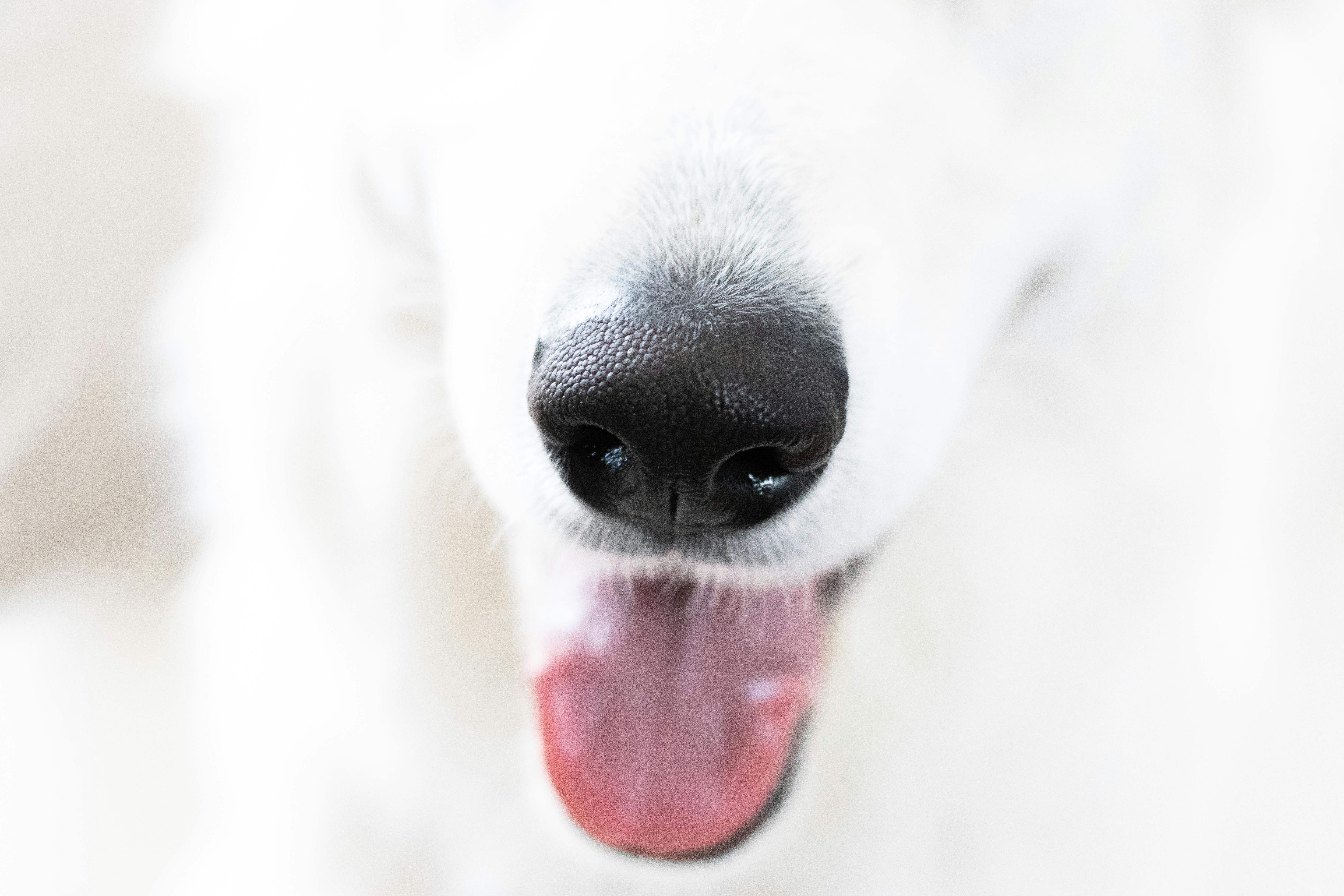 \n\n
\n\nHave you ever wondered why do dogs have wet noses? It’s a common question among pet lovers and curious minds alike. Dogs’ noses are not just cute; they are vital tools that help them interact with their world. The science behind those wet noses is pretty fascinating, and it can explain a lot about how dogs perceive their environment.
\nThe Science of Wet Noses
\nDogs have an incredible sense of smell, and their wet noses play a big role in this. A dog's nose is covered with a thin layer of moisture, which helps them absorb scent chemicals more effectively. When a dog sniffs something, the moisture on their nose traps these scent particles, allowing their olfactory receptors to detect them better. Here’s how it works:
\n- \n
- Humidity Control: The wetness keeps the nose cool, which can enhance the scent detection process. \n
- Scent Absorption: Moisture helps to capture scent molecules, making it easier for dogs to analyze smells. \n
- Thermoregulation: Wet noses might also help dogs regulate their body temperature. \n
Why Are Dog Noses Wet?
\nMany people ask, "Why do dogs have wet noses?" The answer is rooted in biology. The moisture on a dog's nose comes from a combination of saliva and mucous. Here are some reasons why it's important:
\n- \n
- Better Smelling: The wetness helps keep their olfactory receptors active and improves their ability to smell. \n
- Health Indicator: A wet nose is often seen as a sign of a healthy dog. However, it’s not always the case. A dry nose can also be normal. \n
- Communication: Dogs may use their noses to communicate with each other. A wet nose can signal excitement or readiness to play. \n
Amazing Benefits of Wet Noses
\nSo, what are the surprising benefits of having a wet nose? Here are some points that show its importance:
\n- \n
- Enhanced Scent Detection: Dogs can detect scents at incredibly low concentrations, thanks to their wet noses. \n
- Emotional Connection: Dogs often use their noses to greet humans and other dogs, fostering social bonds. \n
- Tracking Abilities: Wet noses improve their tracking skills, making them excellent search and rescue animals. \n
- Health Monitoring: Some studies suggest dogs can detect certain diseases, like cancer, through smell. \n
Historical Context
\nHistorically, dogs have been used for various tasks that rely on their sense of smell, like hunting, tracking, and search-and-rescue missions. Ancient civilizations recognized this ability, and they trained dogs for these purposes. The evolution of the dog’s sense of smell can be traced back to their ancestors who relied on scent for survival, hunting, and communication.
\nFun Facts About Dogs’ Noses
\n- \n
- Unique Nose Prints: Just like human fingerprints, every dog has a unique nose print. \n
- Number of Olfactory Receptors: Dogs have about 300 million olfactory receptors, compared to a human's 5 million. \n
- Nasal Anatomy: The structure of a dog’s nose is complex, with different parts dedicated to different types of smells. \n
Comparison with Human Smell
\nHere’s a quick comparison between dog and human sense of smell:
\n| Feature | \nDogs | \nHumans | \n
|---|---|---|
| Olfactory Receptors | \n300 million | \n5 million | \n
| Smell Sensitivity | \n10,000 to 100,000 times better | \nStandard human capacity | \n
| Nose Structure | \nComplex with many folds | \nSimple and flat | \n
Practical Examples of Smell in Dogs
\n- \n
- Search and Rescue: Dogs are used to find missing persons in various situations due to their keen sense of smell. \n
- Detection Work: Drug-sniffing dogs have been utilized in law enforcement to find illegal substances. \n
- Medical Alerts: Some dogs are trained to detect changes in their owner’s body chemistry, alerting them to medical issues like seizures or low blood sugar. \n
The wet noses of dogs are more than just a cute feature. They are an essential part of what makes dogs such incredible companions. Understanding why dogs have wet noses and how it enhances their sense of smell helps us appreciate these amazing animals even more. If you're a dog owner or thinking about getting a pup, remember that those wet noses are working hard behind the scenes to connect them to the world around them.
\n\nThe Role of a Dog's Wet Nose in Temperature Regulation: Keeping Cool in Hot Weather
\n\n \n\n
\n\nWhen you see your dog with a wet nose, you might just think it’s adorable or maybe a little gross. But did you ever wonder why dogs have wet noses? The truth is, that their wet noses play a crucial role in their health and well-being, especially when it comes to regulating temperature during hot weather. Let's dive into the fascinating world of dog noses and uncover why they are not just cute but also essential for keeping your furry friends cool.
\nWhy Do Dogs Have Wet Noses?
\nFirst off, lets tackle the science behind those damp noses. Dogs have wet noses mainly because they secrete mucus, which helps them to sense their environment better. This mucus is beneficial for their sense of smell, which is far superior than humans. But there’s more to it than that. When it gets hot outside, dogs can’t sweat like us. They have sweat glands, but they are mostly located in their paw pads. So what do they do to cool down? Here’s where the wet nose comes into play.
\n- \n
- Evaporation: Just like humans sweat to cool down, dogs utilize the moisture on their noses. When that moisture evaporates, it helps to cool down their body temperature. \n
- Enhanced Smell: A wet nose helps capture scent particles better. This improves their sense of smell, which is vital for hunting or even just enjoying a walk in the park. \n
- Reflects Health: A wet nose is often an indicator of a healthy dog. If your dog’s nose is dry, it could be a sign of dehydration or illness. \n
The Surprising Benefits of a Wet Nose
\nIt’s not just about temperature regulation; there are several surprising benefits that come with a dog’s wet nose.
\n- \n
- Scent Detection: Wet noses can enhance the ability to smell. This is why dogs are often used in search and rescue missions or even to detect certain medical conditions in humans. \n
- Communication: Dogs can express their feelings through their noses. A wet nose might mean your dog is happy and excited to see you. \n
- Cooling Effect: During hot summer days, having that wet nose can help your dog maintain a comfortable body temperature without the need for excessive panting. \n
Historical Context of Dog Noses
\nThroughout history, dogs have been companions to humans for thousands of years. The evolution of their noses has played a significant role in their survival and development. Ancient humans relied on dogs for hunting and protection, and their keen sense of smell was vital. The wet nose, a trait that has persisted through generations, is a result of natural selection favoring dogs that could better detect scents in their environment.
\nHow Dogs Regulate Temperature
\nIt’s important to understand how dogs manage to keep cool, especially in a city like New York where summer temperatures can soar. Here are some methods dogs use:
\n- \n
- Panting: This is the primary method dogs use to cool down. Panting allows air to pass over moist surfaces in their lungs, effectively cooling their blood. \n
- Seeking Shade: Dogs instinctively know to find cooler places when it gets too hot. They will often lie down in the shade or near a cool surface. \n
- Hydration: Drinking plenty of water is crucial for dogs, especially in hot weather. Always have fresh water available for your pet. \n
Tips for Keeping Your Dog Cool
\nKeeping your dog comfortable during hot weather is essential. Here are some practical tips you can follow:
\n- \n
- Provide Plenty of Water: Always ensure your dog has access to fresh and cool water. \n
- Avoid Midday Walks: Take walks during cooler parts of the day, like early morning or late evening. \n
- Use Dog Cooling Products: There are various products available like cooling mats or vests designed to help keep your dog cool. \n
- Grooming: Regular grooming can help reduce excess fur, which can trap heat. Make sure your dog is well-groomed, especially during the summer. \n
Dogs and Their Wet Noses: A Unique Trait
\nTo sum it up, the wet nose of a dog is more than just a quirky feature; it serves critical functions that help them navigate their world and maintain their health. From regulating their temperature to enhancing their sense of smell, these damp noses are vital for your dog’s overall well-being. So next time you see your pup with a wet nose, remember: it’s not just cute, it’s a sign of a happy, healthy dog ready to take on the world—especially when it’s hot outside!
\n\nWhy Do Some Dogs Have Drier Noses? Uncovering the Myths and Facts
\n\n \n\n
\n\nWhen you look at your dog, what do you notice first? For many of us, it’s the nose. Dogs' noses are often wet, and many pet owners have wondered, why do dogs have wet noses? Some people might even ask, why do some dogs have drier noses? The answers to these questions are both fascinating and shrouded in myths. Let’s dig deep into this topic and uncover some surprising facts.
\nThe Science Behind Wet Noses
\nFirst off, wet noses serve several important functions. A dog’s nose is not just cute but also plays a crucial role in their health and wellbeing. Here are some key reasons why dogs have wet noses:
\n- \n
- \n
Temperature Regulation: A wet nose helps cool your dog down. Dogs can’t sweat like humans, so they rely on their noses to help regulate body temperature.
\n \n - \n
Enhanced Smell: Dogs have an incredible sense of smell, estimated to be anywhere from 10,000 to 100,000 times more sensitive than humans. The moisture on their noses helps capture scent particles from the air, making it easier for them to detect smells.
\n \n - \n
Health Indicator: The condition of a dog's nose can often indicate their health. A consistently dry or cracked nose can be a sign of dehydration, fever, or other health issues.
\n \n
Why Do Some Dogs Have Drier Noses?
\nJust like humans, dogs can have variations in their noses. Some might have a naturally drier nose, and that’s not always a cause for concern. Here are a few reasons why some dogs have drier noses:
\n- \n
- \n
Breed Variations: Certain breeds are more prone to dry noses. For example, Bulldogs and Boxers tend to have drier noses than breeds like Golden Retrievers or Beagles.
\n \n - \n
Environmental Factors: Dry weather, air conditioning, or heating can take moisture out of the air, leading to dryness in a dog's nose.
\n \n - \n
Health Issues: Conditions like allergies, autoimmune diseases, or infections can result in a dry nose. If a dog’s nose is persistently dry and showing signs of cracking, it’s a good idea to consult a veterinarian.
\n \n
Common Myths About Dog Noses
\nThere are many myths surrounding dog noses, and it’s essential to separate fact from fiction. Here are some common misunderstandings:
\n- \n
- \n
Myth: A Cold, Wet Nose Means a Healthy Dog: While a wet nose can indicate good health, it’s not a definitive sign. Some dogs can be unwell with a wet nose, and others can be perfectly fine with a dry nose.
\n \n - \n
Myth: Dogs Only Need to Drink Water When They’re Thirsty: Dogs should have constant access to fresh water. Dehydration can lead to a dry nose, and other serious health issues.
\n \n - \n
Myth: All Dogs Have Wet Noses: Some breeds naturally have drier noses. It’s essential to understand that not all dogs fit into the same mold.
\n \n
The Benefits of a Wet Nose
\nHaving a wet nose isn’t just a quirky trait; it comes with many benefits. Here’s a quick list of the surprising advantages:
\n- \n
- \n
Better Scent Detection: Moisture helps trap scent particles, enhancing their ability to detect and identify various smells.
\n \n - \n
Cooling Mechanism: A wet nose helps dogs cool down, especially during hot weather, preventing overheating.
\n \n - \n
Social Interaction: Dogs use their noses to communicate with other dogs and humans. A wet nose might encourage more positive interactions.
\n \n
Practical Tips for Nose Care
\nIt’s crucial to monitor your dog’s nose condition. Here are some tips for keeping your pup's nose healthy:
\n- \n
- \n
Hydration is Key: Ensure your dog is drinking enough water. Dehydration can lead to a dry nose.
\n \n - \n
Use a Humidifier: In dry weather, consider using a humidifier in your home to help maintain moisture in the air.
\n \n - \n
Nose Balms: For dogs with consistently dry noses, there are pet-safe balms available that can help moisturize the nose.
\n \n
In the end, understanding why do some dogs have drier noses or why do dogs have wet noses can help you take better care of your furry companions. Each dog is unique, and their nose condition can vary for many reasons. By staying informed and attentive, you can ensure your dog remains healthy and happy.
\n\nThe Connection Between Wet Noses and Dog Emotions: Is Your Pup Feeling Happy?
\n\n \n\n
\n\nDogs are known for their boundless energy and unconditional love, but have you ever wondered about the significance of their wet noses? It’s a common belief that a wet nose indicates a happy dog. But is that really true? In this article, we delve into the connection between wet noses and dog emotions, exploring why our furry friends have wet noses and what it could mean for their overall health and happiness.
\nWhy Do Dogs Have Wet Noses?
\nDogs’ noses are wet for several reasons, and understanding it can help us uncover the mysteries of their emotions. Here’s a list of key reasons why dogs have wet noses:
\n- \n
- \n
Temperature Regulation: Dogs don’t sweat like humans do. Instead, they rely on their noses to help them cool down. The moisture evaporates, which helps to regulate their body temperature.
\n \n - \n
Enhanced Sense of Smell: A wet nose improves a dog’s ability to smell. The moisture captures scent particles from the air, helping dogs to decode their environment better.
\n \n - \n
Health Indicator: A wet nose is often seen as a sign of good health. If a dog’s nose is warm and dry, it could indicate a fever or illness, although this is not always the case.
\n \n - \n
Emotional Expression: Dogs sometimes lick their noses when they are anxious or excited. This behavior can signal their current emotional state.
\n \n
The Connection Between Wet Noses and Dog Emotions
\nResearch indicates that there’s a fascinating link between the state of a dog’s nose and their emotional well-being. Wet noses can indicate a variety of feelings, including happiness and playfulness. Here’s a look at some emotional cues that come with wet noses:
\n- \n
- \n
Happy Dogs: A dog that is wagging its tail with a wet nose is likely feeling joyful. This combination of body language usually signals excitement and contentment.
\n \n - \n
Curiosity: When your dog’s nose is moist and they’re sniffing around, they might be demonstrating curiosity. A wet nose enhances their ability to explore their surroundings, which can be a sign of enthusiasm.
\n \n - \n
Anxiety or Stress: Sometimes, a dog’s nose may become excessively wet due to stress or nervousness. If your pup is licking their nose frequently, it might be a sign that they’re feeling uneasy.
\n \n
Surprising Benefits of Wet Noses
\nWet noses not only serve important functions but also come with some surprising benefits for our canine companions. Here’s a breakdown:
\n- \n
- \n
Better Communication: Dogs communicate through body language and facial expressions. A wet nose can be a way for dogs to express emotions more effectively to their humans.
\n \n - \n
Social Bonding: Dogs often greet each other with nose-to-nose contact. A wet nose can signal friendliness and openness, which is crucial for social interactions among dogs.
\n \n - \n
Health Monitoring: Regularly checking your dog’s nose can help owners monitor their health. Changes in moisture levels could alert you to potential health issues.
\n \n
Interesting Facts About Dog Noses
\nHere are some fascinating tidbits about dog noses that you might not know:
\n- \n
- \n
Unique Patterns: Just like human fingerprints, each dog has a unique nose print. This can potentially be used for identification purposes.
\n \n - \n
Nose Temperature: A dog's nose can change temperature based on its surroundings. If it’s cooler, it may indicate a relaxed state, while a warm nose could suggest activity or stress.
\n \n - \n
Breeds and Nose Wetness: Some breeds, like Bulldogs, may have drier noses than others. Factors like breed, environment, and health can influence nose moisture.
\n \n
Practical Tips for Monitoring Your Dog’s Nose
\nKeeping an eye on your dog’s nose can help you understand their emotional and physical state better. Here are some practical tips:
\n- \n
- \n
Regular Check-Ups: Pay attention to your dog’s nose regularly. If you notice significant changes like dryness or excessive wetness, consult your vet.
\n \n - \n
Watch Their Behavior: Note any changes in behavior alongside nose conditions. Is your dog acting more lethargic, or are they more playful? This can be key to understanding their mood.
\n \n - \n
Environment Matters: Be aware of environmental factors that could influence your dog's nose moisture, like weather changes or allergies.
\n \n
Understanding the connection between wet noses and emotions is crucial for every dog owner. While a wet nose is often a good sign, it’s essential to consider the whole picture of your dog’s health and behavior. The next time you notice your pup’s wet nose, take a moment to think about what it might mean for their emotional state. By being attentive, you can ensure your furry friend is always happy and healthy.
\n\nCan Your Dog's Wet Nose Indicate Illness? Signs to Watch For
\n\n \n\n
\n\nEvery dog owner probably notice their furry friend’s wet nose at least once. But have you ever wonder why dogs have wet noses? Or can your dog's wet nose indicate illness? There are so many myths and facts about our canine companions, and understanding their health signs is crucial. In this article, we will explore the reasons behind your dog’s wet nose, the signs to watch for indicating potential illness, and the surprising benefits of having that moist snout.
\nWhy Do Dogs Have Wet Noses?
\nDogs have wet noses for several reasons. One of the main reasons is to help them smell better. A wet nose can capture scent particles more effectively than a dry one. When moisture is present, it helps to dissolve these particles, allowing dogs to detect scents more easily. This ability is why dogs are often used in search and rescue missions, as their sense of smell is far superior to humans.
\nOther reasons include:
\n- \n
- Thermoregulation: Dogs sweat through their nose and paw pads, helping to cool themselves down when they are hot. \n
- Health Indicator: The moisture level of a dog’s nose can be a reflection of their overall health. A healthy dog typically has a cool, wet nose. \n
- Communication: Dogs can use their noses to gather information about their environment, which is critical for their social interactions. \n
Can Your Dog's Wet Nose Indicate Illness?
\nA wet nose is usually a sign of good health, but it’s not always the case. Sometimes, a dog’s wet nose can indicate underlying health issues. Here are some signs to watch for:
\n- \n
- Dry or Cracked Nose: If your dog’s nose becomes dry or cracked, it could be a sign of dehydration or a skin condition. \n
- Excessive Moisture: An overly wet nose could be a symptom of allergies or infections. If you see discharge, this might require a vet visit. \n
- Change in Temperature: A warm nose can indicate fever or illness. Healthy noses are usually cool to the touch. \n
- Behavioral Changes: If your dog seems lethargic or is not eating properly, it could signal an underlying health issue, regardless of nose wetness. \n
Signs of Illness to Watch For
\nHere’s a quick checklist of signs that could indicate your dog might be unwell:
\n- \n
- Loss of appetite \n
- Lethargy or unusual inactivity \n
- Vomiting or diarrhea \n
- Persistent coughing or sneezing \n
- Any noticeable change in behavior \n
If you notice any of these symptoms along with changes in your dog’s nose, it’s best to consult a veterinarian.
\nThe Surprising Benefits of a Wet Nose
\nYou might not think much about that wet nose, but it serves several beneficial purposes. Here are some surprising benefits:
\n- \n
- \n
Enhanced Smell: As mention before, moisture helps dogs to pick up scents more effectively. This ability is crucial for hunting, tracking, and even for daily exploration.
\n \n - \n
Cooling Mechanism: Dogs don’t sweat like humans do. Their wet noses help to cool them down. On hot days, a moist nose can help them to regulate body temperature.
\n \n - \n
Health Indicator: A wet nose can be an indicator of hydration levels. If it's dry, it may be time to offer more water.
\n \n - \n
Social Interactions: Dogs often greet each other with their noses. A wet nose can be more inviting for social encounters with other dogs.
\n \n
Comparing Nose Conditions
\nHere’s a quick comparison of healthy versus unhealthy nose conditions:
\nHealthy Nose:
\n- \n
- Cool to touch \n
- Slightly moist \n
- No cracks or sores \n
Unhealthy Nose:
\n- \n
- Warm or hot to touch \n
- Dry or excessively wet \n
- Cracks or sores present \n
Practical Examples of Nose Conditions
\n- \n
- Healthy Dog: A playful Golden Retriever with a cool, moist nose is likely feeling great. \n
- Ill Dog: If a Labrador Retriever has a dry, warm nose and is unusually tired, this might be a sign to seek veterinary care. \n
In conclusion, while a dog’s wet nose is often a sign of good health, it can also indicate illness under certain conditions. Being aware of the signs to watch for and understanding why dogs have wet noses can help you take better care of your furry friend. So, the next time you notice your dog's moist snout, take a moment to observe their overall behavior and health. Keeping an eye on these small but significant details can make a huge difference in your pet’s well-being.
\n\nThe Ultimate Guide to Dog Nose Care: Keeping Your Pup’s Sniffer Healthy
\n\n \n\n
\n\nWhen it comes to our furry friends, many people often forget about the importance of dog nose care. You might just think about how cute their wet noses are or how they always seem to sniff something out. But have you ever wondered why do dogs have wet noses? It’s more than just a quirky trait; it serves a lot of purposes that contribute to your pup’s overall health and well-being. In this ultimate guide, we’ll dive into dog nose care, discuss the benefits of a wet nose, and offer tips on how to keep your dog's sniffer healthy.
\nWhy Do Dogs Have Wet Noses?
\nDogs have wet noses for several reasons that are fascinating. Firstly, a wet nose helps dogs to smell better. The moisture on a dog’s nose captures scent particles in the air, enhancing their sense of smell— which is already far superior to ours. This allows them to detect pheromones and other scents that help them understand their environment.
\n- \n
- Enhanced Smell: A wet nose traps scent particles, boosting their olfactory abilities. \n
- Thermoregulation: Dogs can regulate their body temperature through their noses. \n
- Health Indicator: A change in nose moisture can indicate health issues. \n
Historically, dogs have evolved with this trait as a natural adaptation to survive. In the wild, dogs, or their ancestors, relied heavily on their sense of smell to hunt and navigate. So, a wet nose wasn’t just a cute feature; it was essential for their survival.
\nThe Surprising Benefits of a Wet Nose
\nDid you know that a wet nose serves multiple functions? Here are some surprising benefits:
\n- \n
- Improved Sense of Smell: Dogs with wet noses can detect smells better than those with dry noses, which is crucial for their hunting instincts. \n
- Cooling Mechanism: Their noses can help cool them off. Unlike humans, dogs don't sweat through their skin; instead, they rely on their noses and paw pads to help regulate their body temperature. \n
- Health Monitoring: A healthy dog's nose should feel cool and moist. A sudden change to a dry, warm nose could indicate a fever or dehydration. \n
How to Care for Your Dog's Nose
\nCaring for your dog's nose is important, and it’s easier than you think. Here are some simple tips:
\n- \n
- Hydration: Ensure your dog stays hydrated. Dehydration can lead to a dry nose. \n
- Avoid Irritants: Keep your dog away from harsh chemicals or irritating substances that can dry out their noses. \n
- Regular Checks: Frequently check your dog's nose for cracks or dryness. If you notice these signs, consult with your veterinarian. \n
Common Nose Problems in Dogs
\nJust like any other part of your dog’s body, their nose can experience issues. Here’s a quick list of common problems:
\n- \n
- Crusty Nose: Often due to dehydration or allergies. \n
- Nasal Hyperkeratosis: This is when the skin on the nose thickens, leading to a rough texture. \n
- Nasal Tumors: Though rare, tumors can develop in the nasal passages, and symptoms can include excessive sneezing or nasal discharge. \n
When to See a Vet
\nIf you notice any of these symptoms, it’s important to see a vet:
\n- \n
- Persistent dryness or cracking \n
- Nose bleeding \n
- Changes in color or texture \n
- Foul odor coming from the nose \n
Quick Tips for Nose Care
\nHere’s a handy list of quick nose care tips for your pup:
\n- \n
- Moisturize: If your dog’s nose is dry, consider using a pet-safe nose balm. \n
- Grooming: Regular grooming can help keep their face, including the nose, clean and healthy. \n
- Healthy Diet: A balanced diet contributes to overall skin health, including your dog’s nose. \n
Fun Fact
\nDid you know that the texture of a dog’s nose is unique—just like human fingerprints? Each dog has a different nose print, which can be used to identify them.
\nIn summary, while we might admire the charm of our dog's wet noses, understanding their importance can greatly enhance how we care for our pets. Keeping your pup's sniffer healthy is indeed crucial for their well-being. By paying attention to their hydration, avoiding irritants, and regularly checking for any signs of trouble, you can help ensure that your dog's nose remains a vital part of their health toolkit. So next time you see your dog’s wet nose, remember that it's not just adorable—it's essential!
\n\nWet Noses vs. Dry Noses: What’s Normal for Your Dog? Expert Insights and Tips
\n\n \n\n
\n\nWhen it comes to our furry friends, one common question many pet owners asks is why do dogs have wet noses? It seems like a simple question, but the answer is both fascinating and complex. In this article, we explore the differences between wet noses and dry noses in dogs, uncover the surprising benefits of a wet nose, and provide you with expert insights that can help you understand what's normal for your pup.
\nThe Science Behind Wet Noses
\nDogs are unique creatures, and their noses are one of the most distinguishing features. Typically, a dog's nose is wet, but why? The moisture helps them to sense the environment better. A wet nose can enhance their olfactory capabilities, allowing them to detect scents more effectively. This is because the moisture on their nose helps to capture scent particles from the air.
\n- \n
- Wet noses are often a sign of good health. \n
- Dry noses can be normal but may sometimes indicate an underlying issue. \n
- A dog’s nose can fluctuate between wet and dry throughout the day. \n
What’s Considered Normal?
\nYou might wonder, "What is normal for my dog?" It can vary depending on several factors such as breed, age, and activity level.
\n- \n
- Wet Nose: Generally, a moist nose is a sign of a healthy dog. \n
- Dry Nose: A dry nose doesn’t always mean something is wrong. It can be normal, especially in certain breeds or after sleeping. \n
Most dog owners might not realize that the temperature and humidity can also affect a dog’s nose. For instance, during hot summer days, your dog may have a drier nose due to dehydration or increased panting.
\nWhy Do Dogs Have Wet Noses? Discover The Surprising Benefits!
\nThe benefits of a wet nose go beyond just enhanced smell. Here are some surprising advantages:
\n- \n
- Thermoregulation: Dogs regulate their body temperature through their nose. A wet nose can help cool them down, similar to sweating in humans. \n
- Health Indicator: A wet nose can indicate hydration and health. If your dog’s nose suddenly becomes excessively dry, it might be worth consulting a vet. \n
- Social Signaling: Dogs might use their noses to communicate with other dogs. A wet nose can be perceived as friendly, which can play an important role in dog social interaction. \n
Comparing Wet and Dry Noses
\nTo give you a better overview, here's a quick comparison between wet and dry dog noses:
\n| Feature | \nWet Nose | \nDry Nose | \n
|---|---|---|
| Health Indicator | \nOften healthy | \nCan indicate dehydration or illness | \n
| Temperature Control | \nHelps cool the body | \nLess effective at cooling | \n
| Scent Detection | \nMore effective | \nLess effective | \n
| Common in Breeds | \nMost breeds | \nSome breeds like Bulldogs | \n
What Causes a Dry Nose?
\nSometimes, a dry nose can be a sign of something more serious. Here are some potential causes:
\n- \n
- Dehydration: If your dog isn't drinking enough water, it could lead to a dry nose. \n
- Illness: Certain illnesses, like fever or autoimmune disorders, can affect nose moisture. \n
- Allergies: Dogs can be allergic to various things, which can cause their nose to dry out. \n
- Environmental Factors: Dry air, especially during winter, can also cause a dog’s nose to become dry. \n
Tips for Maintaining Nose Health
\nCaring for your dog's nose can ensure they stay healthy. Here are some tips:
\n- \n
- Hydration: Always provide fresh water to keep your dog hydrated. \n
- Regular Vet Check-ups: Regular visits to the vet can help catch any potential issues early. \n
- Monitor Changes: Keep an eye on any changes in your dog's nose moisture and overall health. \n
- Limit Exposure: If your dog spends a lot of time outdoors, consider limiting their exposure to extreme temperatures. \n
When to Consult a Veterinarian
\nIf you notice any sudden changes in your dog's nose, it’s important to keep an eye on it. Here are signs that might require a vet visit:
\n- \n
- Persistent dryness or cracking \n
- Changes in color or texture \n
- Accompanying symptoms like lethargy or loss of appetite \n
- Excessive discharge or bleeding \n
Understanding your dog’s nose can help you keep them happy and healthy. So, the next time you notice your furry friend’s wet nose, remember it’s not just cute—it’s a crucial part of their health and well-being. Keeping an eye on these details can help ensure that your pup stays in tip-top shape.
\n\nConclusion
\n\nIn conclusion, the wet noses of dogs play a crucial role in their overall health and sensory perception. As we've explored, a dog's moist nose helps enhance their sense of smell by trapping scent particles, making them more adept at exploring their environment. Additionally, the moisture on their noses aids in thermoregulation, keeping them cool during warmer weather. While variations in nose moisture can indicate health changes, a wet nose is commonly a sign of a well-hydrated and healthy dog. It's essential for pet owners to keep an eye on their dog's nose condition along with other health indicators. If you notice any drastic changes, consulting a veterinarian is advisable. Understanding the science behind our furry friends can deepen our appreciation for them. So, the next time you greet your pup, take a moment to appreciate that wet nose—it’s a testament to their unique biology and your bond with them.
\n\n