Have you ever wondered why do dogs have wet noses? This common question leads to fascinating insights about our furry friends! A dog's nose isn’t just cute; it's a powerful tool that plays a crucial role in their overall health and well-being. In this article, we will explore the surprising benefits of those moist noses, revealing how they help dogs detect scents, regulate temperature, and even communicate with other animals. Curious about the science behind it? You might be amazed to learn that a wet nose can enhance a dog's sense of smell by trapping scent particles in the air. This natural phenomenon not only aids in tracking down their favorite toys but also serves as an indicator of their health. Have you ever thought about how a dog's nose might reflect their emotional state? In addition, understanding the reasons behind a dog's wet nose can deepen your bond with your pup. So, if you’re keen to discover the secrets of your dog’s wet nose and what it means for their happiness, keep reading! You might find the answers you never knew you were looking for.
\n\nThe Science Behind Wet Noses: Why Are Dogs' Noses Moist?
\n\n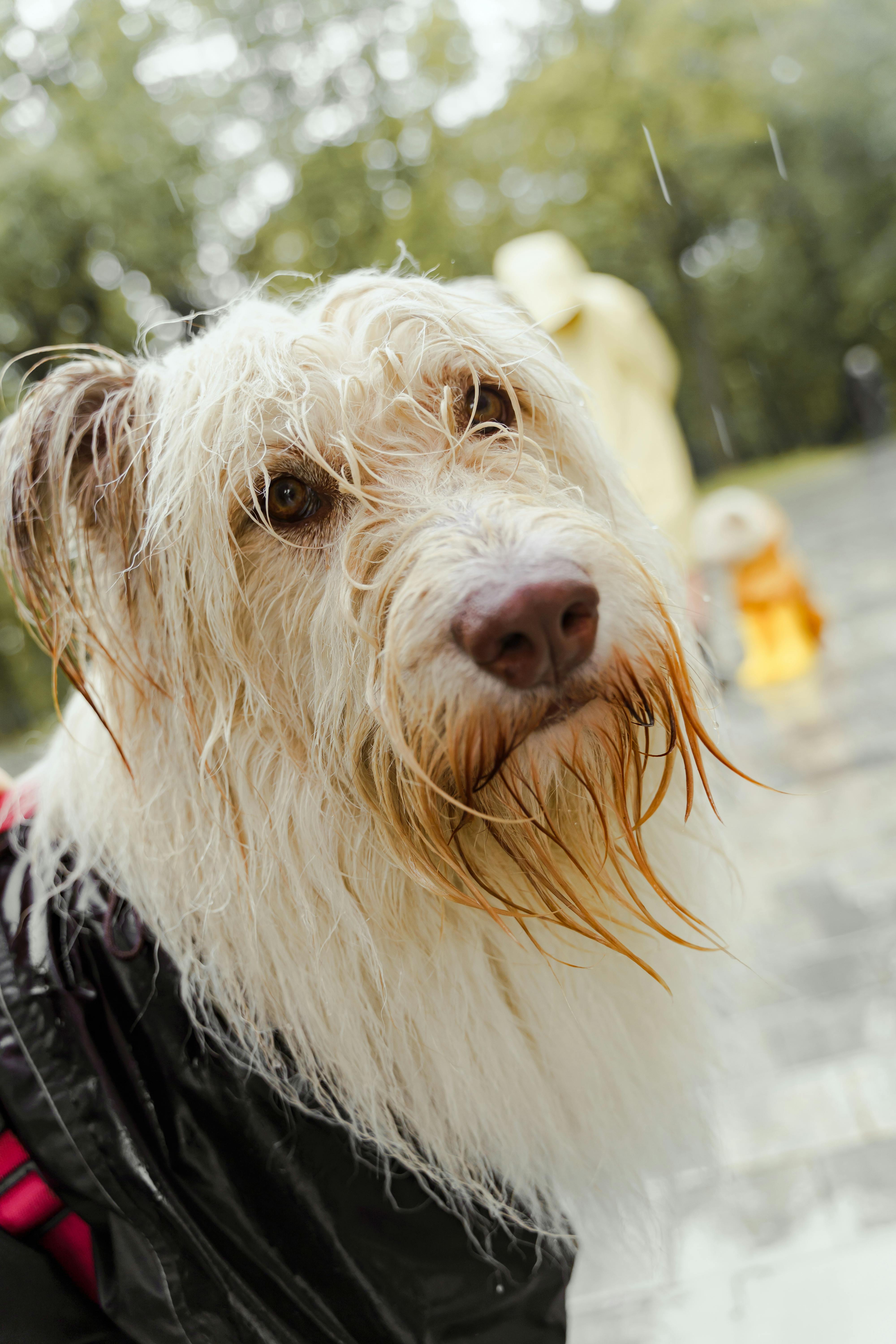 \n\n
\n\nEver wondered why dogs noses are always wet? Many people think it is just because they're slobbery, but there’s actually a lot more to it. The moistness of a dog's nose is not just a quirky characteristic; it serves several important functions. Let’s dive into the science behind wet noses and discover the surprising benefits of this unique feature!
\nThe Anatomy of a Dog's Nose
\nFirst, it's helpful to understand how a dog's nose is structured. Dogs have an incredible olfactory system, which is way more advanced than humans. Their noses contain up to 300 million smell receptors compared to our measly 5 million. This anatomical difference helps them detect scents better than we can imagine.
\n- \n
- Moisture Glands: Dogs’ noses have special glands that secrete a thin layer of moisture. This helps to enhance their sense of smell. \n
- Cooler Surface: A wet nose cools down the air that the dog inhales, which is beneficial during hot weather or after exercise. \n
- Thermoregulation: By keeping their noses moist, dogs can also help regulate their body temperature. \n
Why Are Dogs' Noses Moist?
\nThere’s more than just the science behind it. The moisture on a dog's nose plays several critical roles:
\n- \n
- \n
Enhanced Smell: The wetness captures scent particles in the air, making it easier for dogs to identify various smells. This is why you might see your dog sniffing around energetically; they are gathering all sorts of information.
\n \n - \n
Communication: Dogs use their noses to communicate, both with other dogs and humans. A dog with a wet nose might be indicating openness or friendliness.
\n \n - \n
Health Indicator: A dog’s nose moisture can sometimes indicate their health. For instance, a dry nose could suggest dehydration or illness, while a moist nose is generally a sign of a healthy pup.
\n \n
The Surprising Benefits of Wet Noses
\nLet's take a closer look at some benefits of having a wet nose:
\n- \n
- \n
Scent Detection: As mentioned, a moist nose helps dogs better process scents. This is critical for hunting, tracking, and even simple exploration while out for a walk.
\n \n - \n
Body Temperature Regulation: Wet noses can help cool dogs down. When dogs pant, moisture evaporates from their noses which helps to lower their body temperature.
\n \n - \n
Health Monitoring: Regularly checking a dog’s nose can provide insights into their health. Changes in moisture levels can indicate various health issues.
\n \n
Historical Context of Dogs' Noses
\nDogs have been companions to humans for thousands of years. Historically, they were bred for specific traits, including strong olfactory senses. Gray wolves, their ancestors, used their noses to hunt and scavenge. Over time, the moisture in their noses evolved to not just aid in hunting but also to form bonds with humans through scent recognition.
\nFun Facts About Dogs' Noses
\n- \n
- Dogs can recognize scents in parts per trillion. That’s like distinguishing a drop of perfume in a large swimming pool! \n
- The pattern of a dog’s nose is as unique as a human fingerprint. \n
- Some dog breeds have drier noses than others. For example, Bulldogs often have less moisture compared to Retrievers. \n
Comparison of Dog Nose Moisture Levels
\nHere's a simple breakdown of different breeds and their average nose moisture levels:
\n| Dog Breed | \nAverage Moisture Level | \nNotes | \n
|---|---|---|
| Labrador | \nHigh | \nExcellent scent detection | \n
| Bulldog | \nLow | \nLess moisture overall | \n
| Beagle | \nHigh | \nGreat hunters with wet noses | \n
| Poodle | \nMedium | \nVaries by individual | \n
Practical Examples of Nose Behavior
\nWhen you watch your dog, notice how they use their noses in different situations:
\n- \n
- \n
Sniffing the Ground: This is them gathering information. Dogs often sniff to see if other animals have been nearby, or to check out potential food sources.
\n \n - \n
Nudging You with Their Nose: It's a way of communicating. They want your attention or perhaps they’re ready for a walk!
\n \n - \n
Wet Nose on Your Face: A common greeting from your furry friend! It’s their way of showing love and affection.
\n \n
If you ever wonder why do dogs have wet noses, just remember that it’s not just for show. Their moist noses are key attributes that enhance their quality of life. From heightened sense of smell to health indicators, wet noses are an integral part of what makes dogs such remarkable companions. So next time your pup greets you with that moist nose, you’ll know there’s a whole lot of science behind it!
\n\nTop 5 Surprising Benefits of a Dog's Wet Nose You Didn't Know About
\n\n \n\n
\n\nHave you ever wondered why dogs have wet noses? It’s a question that many pet owners may not think about often, but the answer goes beyond just a cute quirk. In fact, there are some surprising benefits of a dog’s wet nose that you probably didn’t know about. From helping them cool down to enhancing their sense of smell, wet noses are more than just a fun fact about our furry friends. Let’s explore the top 5 benefits and why they matter!
\n1. Superior Sense of Smell
\nDogs have an amazing sense of smell, which is about 40 times better than humans. Their wet noses play a significant role in this. The moisture on a dog’s nose helps to capture scent particles. When these particles stick to the nose, it allows dogs to analyze smells more accurately. This is why dogs are often used in search and rescue operations, as well as in detecting medical conditions like cancer.
\n- \n
- Dogs have up to 300 million scent receptors in their noses, compared to about 6 million in humans. \n
- The wetness on their nose helps to absorb scent particles, enhancing their olfactory abilities. \n
- This capability makes dogs excellent companions for law enforcement and medical detection. \n
2. Temperature Regulation
\nYou might notice your dog’s nose being especially wet when it’s hot outside. A wet nose is actually a natural mechanism that helps dogs regulate their body temperature. Dogs don’t sweat like humans do. Instead, they primarily cool down through panting and the moisture on their noses.
\n- \n
- Dogs have sweat glands, but they are mainly located in their paw pads. \n
- A wet nose helps in dissipating heat, keeping your dog comfortable on hot days. \n
- By keeping their body temperature in check, dogs can avoid overheating during physical activities. \n
3. Enhanced Communication
\nDogs communicate in various ways, and their wet noses are part of that language. When a dog nudges you with its wet nose, it can be a sign of affection, curiosity, or a request for attention. The moisture on their nose can convey feelings and intentions that words cannot express.
\n- \n
- Dogs often greet each other with nose-to-nose contact, which is a social behavior. \n
- A wet nose can indicate that a dog is relaxed and comfortable, or it can signal stress if it’s overly dry. \n
- Understanding this form of communication can strengthen the bond between you and your pet. \n
4. Health Indicator
\nThe condition of a dog’s nose can actually be an important health indicator. A healthy dog usually has a moist, cool nose, while a dry or cracked nose could signal health problems. However, it’s important to note that a change in nose moisture alone isn’t a definitive indicator of illness.
\n- \n
- A persistently dry nose could suggest dehydration or other health issues. \n
- Changes in color or texture of the nose may warrant a visit to the vet. \n
- Regularly checking your dog’s nose can be a good way to monitor their overall health. \n
5. Social Bonding
\nDogs are social animals, and their wet noses play a role in social bonding with both humans and other dogs. When dogs sniff each other’s noses, they are gathering information about each other, which helps establish social hierarchies and friendships.
\n- \n
- Nose-to-nose greetings are common among dogs and can signify trust and friendship. \n
- Wet noses can also encourage playfulness and engagement, helping to foster relationships. \n
- This social behavior is crucial for their emotional well-being. \n
Quick Facts About Dogs’ Wet Noses
\n- \n
- Dogs have wet noses because of the mucus that helps them smell better. \n
- Not all dogs have the same level of moisture; it can vary by breed, activity level, and environment. \n
- A dog’s nose temperature can be lower than their body temperature, helping to cool them down. \n
Surprisingly enough, these benefits of a dog’s wet nose can have significant implications for their health and behavior. Knowing why dogs have wet noses helps us appreciate these lovable pets even more.
\nWhether you’re a seasoned dog owner or thinking of bringing a new furry friend into your home, understanding the importance of their wet noses can help you take better care of them. So next time you give your dog a scratch behind the ears, take a moment to appreciate that delightful wet nose and all the benefits it brings!
\n\nHow a Wet Nose Helps Your Dog Detect Scents: The Amazing Olfactory System
\n\n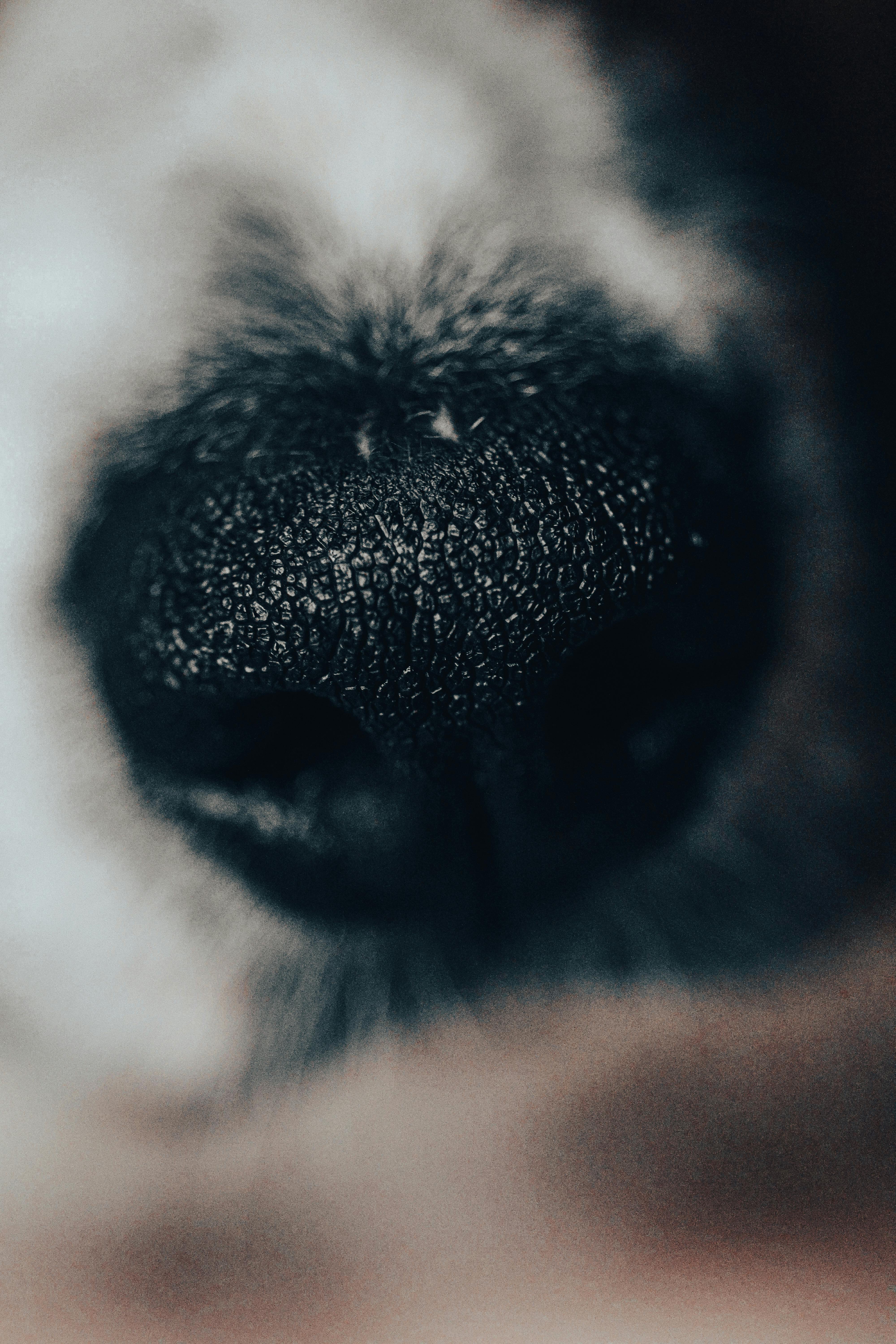 \n\n
\n\nDogs are known for their extraordinary sense of smell, but did you ever wonder why do dogs have wet noses? It’s not just a quirky trait; it plays a crucial role in their olfactory system. The wetness of a dog’s nose actually contributes a lot to their ability to detect scents and understand the world around them. Let’s dive into the fascinating details of how a wet nose helps dogs in their scent detection and explore the surprising benefits of this unique feature.
\nThe Amazing Olfactory System of Dogs
\nDogs are equipped with an olfactory system that is far superior to that of humans. In fact, their sense of smell is estimated to be anywhere from 10,000 to 100,000 times more sensitive than ours. This incredible capability is attributed to several factors:
\n- \n
- Olfactory Receptors: Dogs have about 220 million olfactory receptors in their noses, while humans only have around 5 million. \n
- Jacobsen's Organ: This special organ, also known as the vomeronasal organ, helps dogs detect pheromones, which are chemicals that carry information about other animals. \n
- Nasal Turbinates: Dogs have complex nasal structures that allow them to filter and analyze scents more effectively. \n
Why is a Wet Nose Important?
\nSo, why do dogs have wet noses? The moisture on a dog’s nose serves several important purposes:
\n- \n
- \n
Enhances Scent Detection: The wet surface of the nose helps trap scent particles. When a dog sniffs, the moisture captures these particles, making it easier for the olfactory receptors to process the smells. This is why you might notice dogs sniffing around more when their noses are damp.
\n \n - \n
Temperature Regulation: Dogs don’t sweat like humans do. Instead, they use their noses to help cool down. The moisture evaporates, which can help regulate their body temperature, especially after exercise.
\n \n - \n
Health Indicator: A dog’s nose can also be an indicator of their health. A wet nose generally suggests that the dog is healthy and hydrated. Conversely, a dry or cracked nose could be a sign of dehydration or illness.
\n \n
Surprising Benefits of a Wet Nose
\nThe benefits of a wet nose go beyond just helping with smell. Here are some surprising advantages:
\n- \n
- \n
Improved Communication: Dogs communicate using scents, and a wet nose helps them pick up on pheromones and other scent signals from other dogs and animals. This is crucial for social interactions and understanding their environment.
\n \n - \n
Enhanced Hunting Skills: In the wild, a wet nose can mean the difference between life and death. The ability to detect scents more effectively helps dogs track prey, find food, and avoid predators.
\n \n - \n
Better Navigation: A wet nose helps dogs navigate their surroundings. The moisture on their noses allows them to gather more scent information, which is essential for orientation, especially in unfamiliar areas.
\n \n
Historical Context: The Evolution of the Wet Nose
\nIt’s interesting to think about how dogs evolved to have wet noses. Historically, dogs were domesticated from wolves, who also had wet noses. Through the process of selective breeding, certain traits were enhanced, including those associated with scent detection. The evolution of a wet nose likely provided a significant survival advantage, allowing early canines to hunt more effectively and interact with their environment.
\nFun Facts About Dogs and Their Noses
\n- \n
- \n
Dogs’ noses are unique: Just like human fingerprints, each dog’s nose print is unique and can be used for identification.
\n \n - \n
Nose color varies: The color of a dog’s nose can differ based on breed and genetics. Some breeds have black noses, while others can have pink or brown noses.
\n \n - \n
Nose size matters: Larger noses may have more olfactory receptors, potentially making those breeds better at scent detection. Bloodhounds, for example, are renowned for their tracking abilities due to their large noses.
\n \n - \n
Dogs can smell diseases: Research shows that dogs can detect certain diseases like cancer or diabetes through scent, making them valuable in medical diagnostics.
\n \n
Practical Examples of Dogs Using Their Noses
\n- \n
- \n
Search and Rescue: Many dogs are trained for search and rescue missions, using their keen sense of smell to locate missing persons.
\n \n - \n
Detection Dogs: Police and military use dogs to find drugs, explosives, and even cash. Their noses are essential tools in law enforcement.
\n \n - \n
Therapy Dogs: Some therapy dogs are trained to detect changes in their handler's body odor, indicating a medical emergency, like a seizure.
\n \n
Understanding why do dogs have wet noses gives us insight into their amazing capabilities and enriches our appreciation for these loyal companions. The wetness is not just a physical trait but a vital part of their sensory toolkit, allowing them to explore the world in ways we can only imagine. Whether it's tracking scents, cooling off, or communicating with other dogs, a wet nose is truly a remarkable feature that showcases the incredible design of nature.
\n\nDo All Dogs Have Wet Noses? Exploring Variations Across Breeds
\n\n \n\n
\n\nDogs are one of the most beloved pets in the world, and their unique characteristics often sparks curiosity among dog owners and enthusiasts alike. One such characteristic that many people notice is the wetness of a dog's nose. So, do all dogs have wet noses? The answer is not as straightforward as one might think. Different breeds exhibit various traits, and understanding why dogs have wet noses can reveal surprising benefits.
\nDo All Dogs Have Wet Noses?
\nNot all dogs have wet noses, but the majority do. Wetness depends on several factors including breed, environment, and health. Breeds like Labrador Retrievers, Beagles, and German Shepherds often have moist noses, while others like Bulldogs and Pugs may have drier or less moist noses.
\nSome key points to consider:
\n- \n
- Breed Variations: Certain breeds are bred for specific functions which can affect their nose moisture. \n
- Health Considerations: A dog’s health condition can impact nose moisture. A dry nose can indicate dehydration, fever, or even allergies. \n
- Environmental Factors: Weather plays a role too! In hot and dry climates, dogs may have drier noses than in humid environments. \n
Why Do Dogs Have Wet Noses?
\nNow, why do dogs have wet noses anyway? One of the most accepted theories is that a wet nose helps dogs better sense their environment. The moisture helps to dissolve scent particles, making it easier for dogs to pick up on smells. Dogs have a highly developed sense of smell, and a wet nose is an essential tool in their olfactory arsenal.
\nHere are some benefits of having a wet nose:
\n- \n
- Enhanced Smell: A wet nose can absorb scent chemicals more effectively. \n
- Cooling Mechanism: Dogs don’t sweat like humans do. A wet nose can help them cool down. \n
- Health Indicator: A healthy, moist nose is often a sign of a healthy dog; changes could signify illness. \n
Surprising Benefits of Wet Noses
\nYou might be surprised to learn that wet noses contribute to more than just smelling good! Here’s how:
\n- \n
- Smell Detection: A wet nose can pick up scents better since moisture helps to capture scent particles. \n
- Temperature Regulation: Dogs lose heat through their noses, which helps them maintain a comfortable body temperature. \n
- Social Interaction: Dogs rely on their noses not just for finding food but also for socializing with other dogs. A wet nose helps convey information about their mood and health. \n
What If a Dog’s Nose Is Dry?
\nIf you notice that your dog’s nose is consistently dry, it’s worth investigating. Here are some common reasons for a dry nose:
\n- \n
- Dehydration: Ensure your dog is drinking enough water. \n
- Illness: Various illnesses can lead to a dry nose; consult your vet if you’re concerned. \n
- Allergies: Environmental factors may cause dryness, just like in humans. \n
Comparing Breeds and Their Nose Moisture
\nDifferent breeds show diverse characteristics regarding their noses. Here’s a brief comparison of some popular breeds:
\n| Breed | \nTypical Nose Moisture | \nNotes | \n
|---|---|---|
| Labrador Retriever | \nWet | \nKnown for their friendly nature. | \n
| Bulldog | \nDry | \nShort snouts contribute to dryness. | \n
| Beagle | \nWet | \nExcellent sense of smell. | \n
| Pug | \nDry | \nBrachycephalic breed issues. | \n
| German Shepherd | \nWet | \nHighly active with moist noses. | \n
Personal Observations
\nMany dog owners report that their pets’ noses can vary in moisture throughout the day. It’s normal for a dog’s nose to be wetter after they’ve been drinking water or after a play session. However, keep an eye out for persistent changes.
\nWhen you observe your dog, consider their overall behavior and health. If they seem lethargic or unwell, along with a dry nose, it may be time for a vet visit.
\nCaring for your dog goes beyond just feeding and walking them; understanding their unique traits can help you provide better care. A wet nose is just one of the many fascinating features that make dogs such wonderful companions.
\nIn essence, the presence or absence of wetness in a dog's nose can vary significantly between breeds and individual dogs, and knowing the reasons behind these variations can help you become a more informed and responsible pet owner. Embracing the quirks and uniqueness of our furry friends adds to the joy of pet ownership!
\n\nThe Connection Between Dog Health and Nose Moisture: What You Should Know
\n\n \n\n
\n\nDogs are known for their quirky behaviors and unique traits, but one of the most interesting facts about them is their wet noses. You might have noticed that your furry friend’s nose often feels cool and damp, but have you ever wondered why do dogs have wet noses? It turns out, there’s a surprising connection between dog health and nose moisture that every dog owner should understand.
\nWhy Do Dogs Have Wet Noses?
\nThe moisture on a dog’s nose isn’t just for show; it serves multiple purposes. Here’s some insight into why their noses are often wet:
\n- \n
- \n
Temperature Regulation: Dogs don't sweat like humans do. Instead, they rely on their noses to help cool down. The moisture evaporates, helping to regulate their body temperature, especially during hot weather.
\n \n - \n
Enhanced Sense of Smell: A wet nose can capture scent particles from the air more effectively. When a dog’s nose is moist, it can pick up smells better, which is vital for their hunting and tracking instincts. This ability is part of what makes dogs such excellent companions for search and rescue operations.
\n \n - \n
Health Indicator: A dog’s nose can be a good indicator of their health. Generally, a healthy dog has a moist, cool nose. If your dog’s nose is dry or cracked, it might signal dehydration, fever, or other health issues.
\n \n
The Surprising Benefits of a Wet Nose
\nSo, what are the benefits of having a wet nose? Here’s a list of some advantages that can surprise you:
\n- \n
- \n
Better Smelling Ability: As mentioned earlier, the moisture helps in capturing scent particles. This means your dog can smell more accurately, which is important for their interaction with the environment.
\n \n - \n
Natural Cooling Mechanism: When a dog gets overheated, having a wet nose helps them cool down by evaporating moisture. This is essential for their overall comfort and health.
\n \n - \n
Social Interaction: Dogs often greet each other by sniffing noses. A wet nose makes this interaction more pleasant and might even help in social bonding among dogs.
\n \n
Historical Context of Wet Noses in Dogs
\nThe phenomenon of wet noses isn’t a modern discovery. Historically, dogs have been companions to humans for thousands of years. Ancient cultures recognized the uniqueness of canines and their physical traits, including nose moisture.
\n- \n
- \n
Ancient Egypt: Dogs were revered in ancient Egyptian society, and their health was closely monitored. Wet noses were seen as a sign of vitality in dogs, which was important for their roles as hunters and protectors.
\n \n - \n
Early Domestication: As dogs became domesticated, those with wet noses were often associated with better health. Breeders focused on this trait, leading to the prevalence of moist noses in the breeds we see today.
\n \n
Dog Nose Health: What to Watch For
\nWhile a wet nose is generally a good sign, it’s important to monitor your dog’s nose health. Here are some things to keep an eye on:
\n- \n
- \n
Dryness or Cracking: If your dog’s nose becomes excessively dry or starts to crack, it could be a sign of dehydration or an underlying health issue.
\n \n - \n
Color Changes: A healthy dog nose is usually black or brown, depending on the breed. If you notice a sudden change in color, especially to a pale or red hue, consult your veterinarian.
\n \n - \n
Discharge: If you see any unusual discharge from your dog’s nose, it could indicate allergies, infections, or other health concerns.
\n \n
Tips for Maintaining Your Dog's Nose Health
\nKeeping your dog's nose healthy is not just about moisture. Here are some practical tips:
\n- \n
- \n
Hydration: Ensure your dog has access to fresh water at all times. Hydration plays a crucial role in keeping their nose moist and healthy.
\n \n - \n
Regular Vet Check-ups: Regular visits to the veterinarian can help catch any potential health issues early on. Make sure to mention any changes in your dog’s nose.
\n \n - \n
Avoid Harsh Chemicals: If you use products around your home, like cleaning supplies or pesticides, be careful as some can irritate your dog’s nose. Always opt for pet-friendly products when possible.
\n \n
Understanding the connection between dog health and nose moisture can enhance your relationship with your furry friend. By recognizing the importance of a wet nose, you can ensure your dog stays healthy and happy. So next time you stroke your pup’s nose, remember that it’s not just a cute feature — it’s a vital part of their well-being!
\n\nHow to Keep Your Dog’s Nose Healthy: Tips for Optimal Moisture Levels
\n\n \n\n
\n\nKeeping your furry friend healthy is essential, and one area often overlooked is their nose. Yes, that little wet button on their face plays a crucial role in their overall well-being. So, how to keep your dog’s nose healthy? Let’s dive into some tips for optimal moisture levels and explore the question, “why do dogs have wet noses?” Spoiler: there are surprising benefits!
\nWhy Do Dogs Have Wet Noses?
\nDogs noses are typically moist for several reasons. First off, it helps them to smell better. A wet nose can absorb scent chemicals, making it easier for them to detect different smells. The moisture enhances their sense of smell, which is significantly stronger than humans. Here are some interesting facts about dogs' noses:
\n- \n
- Scent Receptors: Dogs have about 220 million scent receptors in their noses. Humans only have around 5 million. That’s a big difference. \n
- Temperature Regulation: A wet nose helps to regulate a dog’s body temperature. It’s like a natural air conditioning system. \n
- Health Indicator: A moist nose can indicate your dog's hydration levels and overall health. If it’s dry, it might be a sign of illness or dehydration. \n
Benefits of a Wet Nose
\nYou might be wondering, what are the real benefits of having a wet nose? Here’s a quick list:
\n- \n
- Enhanced Smelling: Wet noses capture scent particles, which make it easier for dogs to identify different smells. \n
- Cooling Mechanism: Dogs don't sweat like humans. Their wet noses help keep them cool, especially in hot weather. \n
- Better Communication: Dogs use their noses to gather information about other animals and their environment. A wet nose can indicate curiosity or excitement. \n
- Health Monitoring: Observing changes in your dog’s nose wetness can help you detect potential health issues early. \n
How to Keep Your Dog’s Nose Healthy: Tips for Optimal Moisture Levels
\nMaintaining the right moisture levels in your dog’s nose is crucial. Here are some practical tips to ensure that their nose stays healthy and hydrated:
\n- \n
- \n
Hydration: Always make sure your dog has access to fresh, clean water. Dehydration can lead to a dry nose.
\n \n - \n
Humidity Levels: If you live in a dry climate or it's winter, consider using a humidifier in your home. It can help keep the air moist, benefiting your dog's nose.
\n \n - \n
Regular Vet Check-ups: Schedule regular check-ups with your veterinarian. They can assess your dog’s nose and overall health.
\n \n - \n
Avoid Irritants: Keep your dog away from smoke, strong perfumes, or cleaning products that can dry out their nose.
\n \n - \n
Use Natural Balms: If you notice your dog’s nose is dry or cracked, consider applying a dog-safe balm. Look for ingredients like coconut oil or shea butter.
\n \n - \n
Observe Changes: Keep an eye on your dog’s nose. If it suddenly becomes dry, cracked, or changes color, it might be time to visit the vet.
\n \n
Common Nose Problems in Dogs
\nSome common issues that can affect dogs’ noses include:
\n- \n
- Nasal Hyperkeratosis: This condition causes the skin on the nose to become thickened and dry. \n
- Sunburn: Dogs, especially those with light-colored noses, can get sunburned. Apply dog-safe sunscreen if they're going to be outside for long. \n
- Infections: Bacterial or fungal infections can cause a dog’s nose to become dry or inflamed. \n
Quick Comparison: Wet Nose vs. Dry Nose
\nHere’s a quick comparison of the differences between wet and dry noses in dogs:
\nWet Nose:
\n- \n
- Generally indicates good health \n
- Better sense of smell \n
- Cooler temperature \n
Dry Nose:
\n- \n
- Could be a sign of dehydration or illness \n
- May decrease ability to smell \n
- Often warmer than a wet nose \n
By keeping an eye on your dog’s nose and ensuring it stays healthy, you can improve their quality of life. Regular care and attention are essential. It’s not just about how they look, but how they feel too. A moist nose is a happy nose!
\nRemember that every dog is unique, and what works for one may not work for another. Thus, always consult with your vet if you have concerns about your pet's health. Keeping your dog’s nose in tip-top shape is just one part of the journey towards ensuring your furry friend lives a long and healthy life.
\n\nWet Noses and Temperature Regulation: How Dogs Cool Down Naturally
\n\n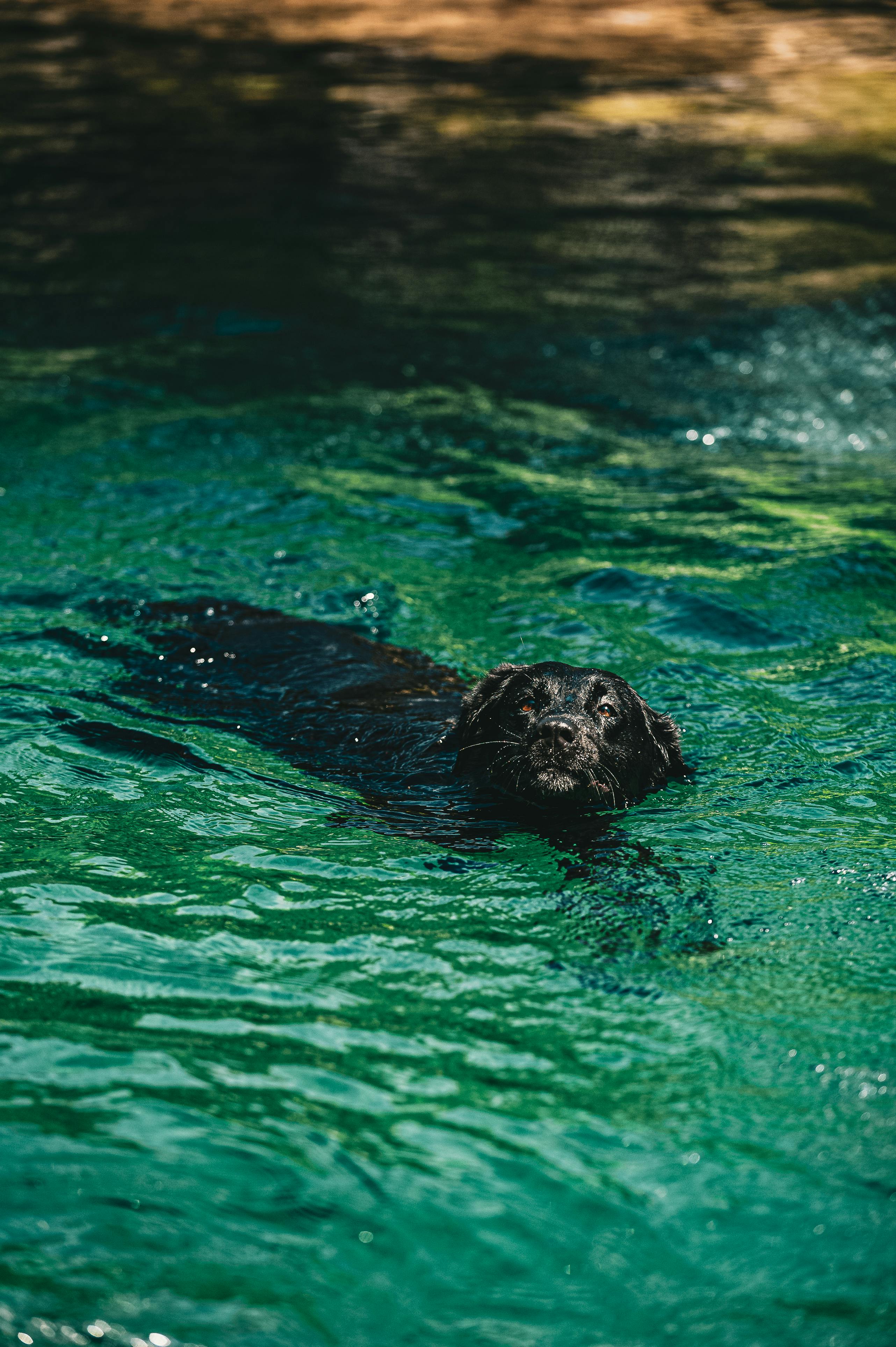 \n\n
\n\nDogs have always been cherished companions to humans, and one of the most interesting things about them is their wet noses. The question “Why do dogs have wet noses?” often pops up among pet owners and animal lovers alike. The answer goes beyond just a quirky characteristic; it involves science, biology, and even history. Wet noses play a crucial role in how dogs naturally cool down and regulate their body temperature, which is super important for their overall health.
\nThe Science Behind Wet Noses
\nA dog’s nose is not only an adorable feature but also a highly engineered tool. The wetness of a dog's nose, which many people find cute, serves several vital purposes.
\n- \n
- \n
Cooling Mechanism: Dogs don’t sweat like humans do. Instead, they use their noses and panting to cool themselves down. When a dog’s nose is wet, it helps to evaporate moisture, which provides a cooling effect. This is especially critical in hot weather.
\n \n - \n
Sense of Smell: A wet nose enhances a dog’s sense of smell. The moisture on the surface helps trap scent molecules, allowing dogs to detect smells better. It’s believed that dogs have up to 300 million smell receptors, compared to the mere 5 million in humans. This makes their noses essential for hunting, tracking, and even detecting diseases in humans.
\n \n - \n
Health Indicator: A dog’s nose can indicate health status. A healthy dog usually has a cool, moist nose. If a dog's nose suddenly becomes dry or warm, it may be a sign of illness or dehydration, though it's not a definitive indicator.
\n \n
Historical Context
\nHistorically, dogs have been observed for their unique abilities. Ancient cultures recognized the importance of a dog’s sense of smell and its role in hunting and protection. The use of dogs for tracking game led to selective breeding, which emphasized their olfactory capabilities as well as their physical traits. Over time, this resulted in a variety of breeds, each with distinct characteristics, but the wet nose remained a common feature across the board.
\nThe Benefits of a Wet Nose
\n- \n
- \n
Natural Cooling: As mentioned, the wetness aids in temperature regulation. Dogs can cool themselves down effectively through their noses, which can be a lifesaver during hot summer days.
\n \n - \n
Enhanced Scent Detection: Wet noses help dogs gather more information about their environment. This biological tool allows them to explore their world in a way that humans can only imagine.
\n \n - \n
Social Interaction: Dogs often greet one another nose-to-nose. This behavior is not just friendly; it’s also a way for them to gather information about their peers. A wet nose can indicate a friendly disposition, making it an essential part of canine social interactions.
\n \n - \n
Communication: A dog’s nose is also a way of communicating with humans. When a dog nudges you with its wet nose, it can mean many things, from asking for attention to seeking comfort.
\n \n
Common Myths About Dog Noses
\nThere are many misconceptions surrounding the wet noses of dogs. Here are some common myths debunked:
\n- \n
- \n
Myth 1: A dry nose means a dog is sick.
\n- \n
- Reality: While it can be a sign, it’s not definitive. Many dogs have dry noses and are perfectly healthy. \n
\n - \n
Myth 2: Dogs sweat through their noses.
\n- \n
- Reality: Dogs primarily cool themselves through panting; the moisture on their noses doesn’t come from sweat glands. \n
\n - \n
Myth 3: All dogs have equally wet noses.
\n- \n
- Reality: The moisture level can vary based on the environment, health, and breed. \n
\n
Tips for Keeping Your Dog’s Nose Healthy
\n- \n
- \n
Stay Hydrated: Ensure your dog drinks enough water, especially during hot weather. Hydration is key for maintaining that wet nose.
\n \n - \n
Regular Vet Check-ups: Regular veterinary visits can help catch any potential health issues early.
\n \n - \n
Environmental Care: Keep your dog in a cool, shaded area during hot days to prevent overheating and ensure the nose stays moist.
\n \n - \n
Watch for Changes: Be observant of your dog’s nose. Changes in moisture, color, or texture can indicate health issues.
\n \n
Understanding the importance of a dog’s wet nose goes beyond just a fun fact; it touches on their biology, health, and the relationship they share with humans. So next time you see your furry friend with a wet nose, remember it’s not just cute—it’s an essential part of who they are!
\n\nAre Wet Noses a Sign of a Happy Dog? Understanding Canine Behavior
\n\n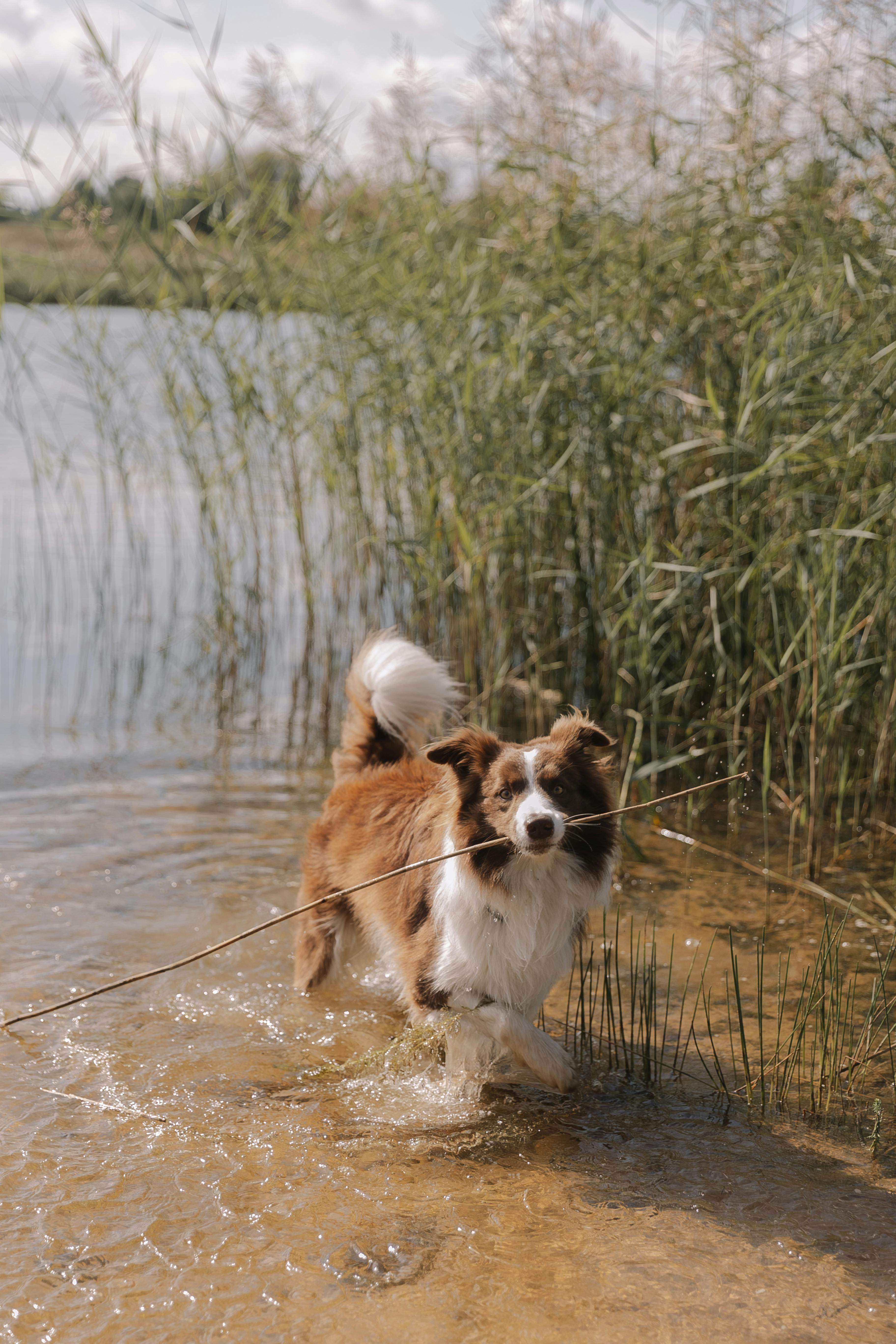 \n\n
\n\nAre wet noses a sign of a happy dog? This question often comes up among dog owners and enthusiasts. Many people think that a dog’s wet nose indicates they’re feeling great, but is that really true? Let’s dive deeper into canine behavior to discover why dogs have wet noses and the surprising benefits that come along with it.
\nThe Science Behind Wet Noses
\nDogs, like humans, have unique characteristics that make them stand out. One of these features is their wet nose. But why do dogs have wet noses? Well, there’s a bunch of reasons for this phenomenon.
\n- \n
- \n
Temperature Regulation: Dogs sweat through their paws, but their noses play a key role in regulating body temperature too. When a dog’s nose is wet, it helps cool them down when they pant or exert themselves.
\n \n - \n
Enhanced Smell: A wet nose can help dogs smell better. The moisture traps scent particles, which makes it easier for dogs to detect smells in the environment. This is crucial for their hunting instincts.
\n \n - \n
Health Indicator: A wet nose can also be an indicator of a dog’s health. Generally, a moist nose suggests that a dog is hydrated and healthy, while a dry nose might indicate dehydration or illness.
\n \n
Are Wet Noses a Sign of Happiness?
\nIt's a common belief that a wet nose means a happy dog. While this is partially true, it’s not the whole story. Dogs’ emotions are complex and can’t be determined by their nose alone. Other indicators of a happy dog include:
\n- \n
- \n
Tail Wagging: A wagging tail, especially when it’s wagging in circles, usually means a dog is excited or happy.
\n \n - \n
Playfulness: Dogs that engage in play, like fetching or running around, are typically in a good mood.
\n \n - \n
Relaxed Body Language: If a dog’s body is relaxed, with their ears down and a soft gaze, they are likely feeling content.
\n \n
The Benefits of Wet Noses
\nBelieve it or not, wet noses come with some interesting benefits for dogs and their owners alike. Here’s a list of some surprising advantages:
\n- \n
- \n
Better Communication: Dogs often use their noses to interact with other dogs and humans. A wet nose can signal friendliness and curiosity.
\n \n - \n
Thermoregulation: Keeping a dog’s nose moist helps them maintain a stable body temperature, crucial during hot weather.
\n \n - \n
Enhanced Bonding: When a dog nudges you with their wet nose, it’s a form of affection. This can strengthen the bond between you and your furry friend.
\n \n
The Myth of Happiness
\nIt's essential to understand that while a wet nose can indicate a happy dog, it’s not a definitive measure. Dogs express emotions in various ways, and relying solely on their nose to gauge their mood can lead to misunderstandings. Some dogs may have a wet nose but still feel anxious or scared. Observing the whole dog is important.
\nHistorical Context of Dog Noses
\nIn history, dogs have been known for their incredible sense of smell. Ancient civilizations often used dogs for hunting and tracking. They relied on their keen olfactory senses, which is why dogs have been bred for specific traits over centuries. A wet nose has always been part of their biology, helping them thrive in various roles.
\nComparing Dog Noses to Other Animals
\nLet’s take a look at how dog noses compare to those of other animals:
\n| Animal | \nNose Type | \nPurpose | \n
|---|---|---|
| Dogs | \nWet, moist | \nTemperature regulation, enhanced smell | \n
| Cats | \nDry, sometimes moist | \nLess reliance on smell, more focused on sight | \n
| Elephants | \nWet, large | \nExcellent sense of smell, used for social interaction | \n
| Horses | \nDry, larger | \nDetects scents but relies more on sight | \n
Practical Examples of Monitoring Your Dog's Nose
\nAs a dog owner, you might wonder how to monitor your dog’s nose health. Here are some practical tips:
\n- \n
- \n
Regular Checks: Make it a habit to check your dog’s nose daily. A wet, cool nose is usually a good sign.
\n \n - \n
Hydration: Ensure your dog stays hydrated, especially during hot weather, to keep their nose moist.
\n \n - \n
Veterinary Visits: Regular vet check-ups can help ensure your dog's overall health, including monitoring their nose condition.
\n \n
Understanding canine behavior can help create a better relationship with your pet. While a wet nose can indeed be a sign of a happy dog, it’s just one piece of the puzzle. Always pay attention to your dog’s overall behavior and health. Happy tails and wet noses often go hand in hand, but they’re only part of what makes a dog truly happy.
\n\nThe Truth About Dry Noses: When to Worry About Your Dog’s Health
\n\n \n\n
\n\nDogs, our furry companions, come with all sorts of quirks, and one of the most well-known is their noses. Have you ever wondered why dogs have wet noses? Or, what does it mean when your dog's nose is dry? This article is gonna explore the truth about dry noses in dogs, when you should worry about their health, and why those wet noses are more than just adorable.
\nUnderstanding Dog Noses
\nFirst off, a dog's nose is like a super sniffer. Its wetness plays a significant role in their sense of smell. A wet nose can help to capture scent particles in the air, making it easier for your pup to pick up on different odors. But not all wet noses are the same. Some dogs naturally have drier noses than others, and that’s okay!
\nWhy Do Dogs Have Wet Noses?
\nSo, why do dogs have wet noses anyhow? Well, there are several reasons, including:
\n- \n
- Scent Detection: Wet noses help absorb scent molecules, making it easier for dogs to smell. \n
- Cooling Mechanism: Just like humans sweat, dogs can’t sweat through their skin. Instead, they rely on their nose and paw pads to help regulate their body temperature. \n
- Health Indicator: A wet nose is often seen as a sign of a healthy dog. But, it’s not always the case, because other factors can also affect the moisture level. \n
The Science Behind Dry Noses
\nNow, let’s talk about dry noses. A dry nose can be a cause for concern, but not always. Here are a few things that could cause a dog's nose to dry out:
\n- \n
- Weather Conditions: Hot or windy weather can lead to a dry nose. \n
- Dehydration: If a dog isn’t drinking enough water, it might show in its nose. \n
- Illness: Certain medical conditions, like fever or allergies, can also lead to dryness. \n
- Age: Older dogs can have drier noses due to lower moisture production. \n
When to Worry About Your Dog's Health
\nYou might be wondering, when should I be worried about my dog’s dry nose? Here’s a quick guide:
\n- \n
- Persistent Dryness: If your dog’s nose is dry for an extended period, it might be time to consult a vet. \n
- Cracking or Bleeding: These symptoms can indicate a more serious condition and should not be ignored. \n
- Other Symptoms: If a dry nose is accompanied by other signs like lethargy, loss of appetite, or vomiting, seek immediate veterinary advice. \n
- Unusual Color Changes: If the nose changes from pink to brown or black or vice versa, it could indicate a health issue. \n
Surprising Benefits of Wet Noses
\nIt might be surprising, but wet noses offer several benefits beyond just smelling good. Consider these:
\n- \n
- Better Smelling Ability: As mentioned earlier, a wet nose helps dogs smell better. \n
- Comfort and Bonding: When a dog nudges you with its wet nose, it’s often a sign of affection. \n
- Temperature Regulation: Wet noses help dogs cool off, which is vital during hot weather. \n
Fun Facts About Dog Noses
\n- \n
- Unique Patterns: Just like human fingerprints, each dog's nose print is unique. \n
- Scent Memory: Dogs can remember scents for years, thanks to their keen sense of smell. \n
- Nasal Turbinates: Dogs have complex nasal structures that can help filter and warm the air they breathe, which aids in scent detection. \n
Simple Tips for Keeping Your Dog’s Nose Healthy
\nTo ensure your furry friend has a healthy nose, here are some easy tips:
\n- \n
- Stay Hydrated: Always make sure your dog has access to fresh water. \n
- Regular Vet Check-ups: Regular visits to the vet can help to catch any potential issues early. \n
- Monitor Weather Conditions: In extreme temperatures, consider using a humidifier at home or applying dog-safe moisturizer to prevent dryness. \n
Dogs are more than just pets; they are family members. Their health and well-being are essential, and understanding their noses can help you become a better pet owner. Observing changes in your dog’s nose can be crucial. Wet or dry, each nose tells a story, and being attentive to those little changes can make a big difference in your dog’s overall health. So, the next time you pet your furry friend, take a moment to check that adorable nose!
\n\nFun Facts About Dog Noses: Why These Moist Marvels Matter for Your Pup
\n\n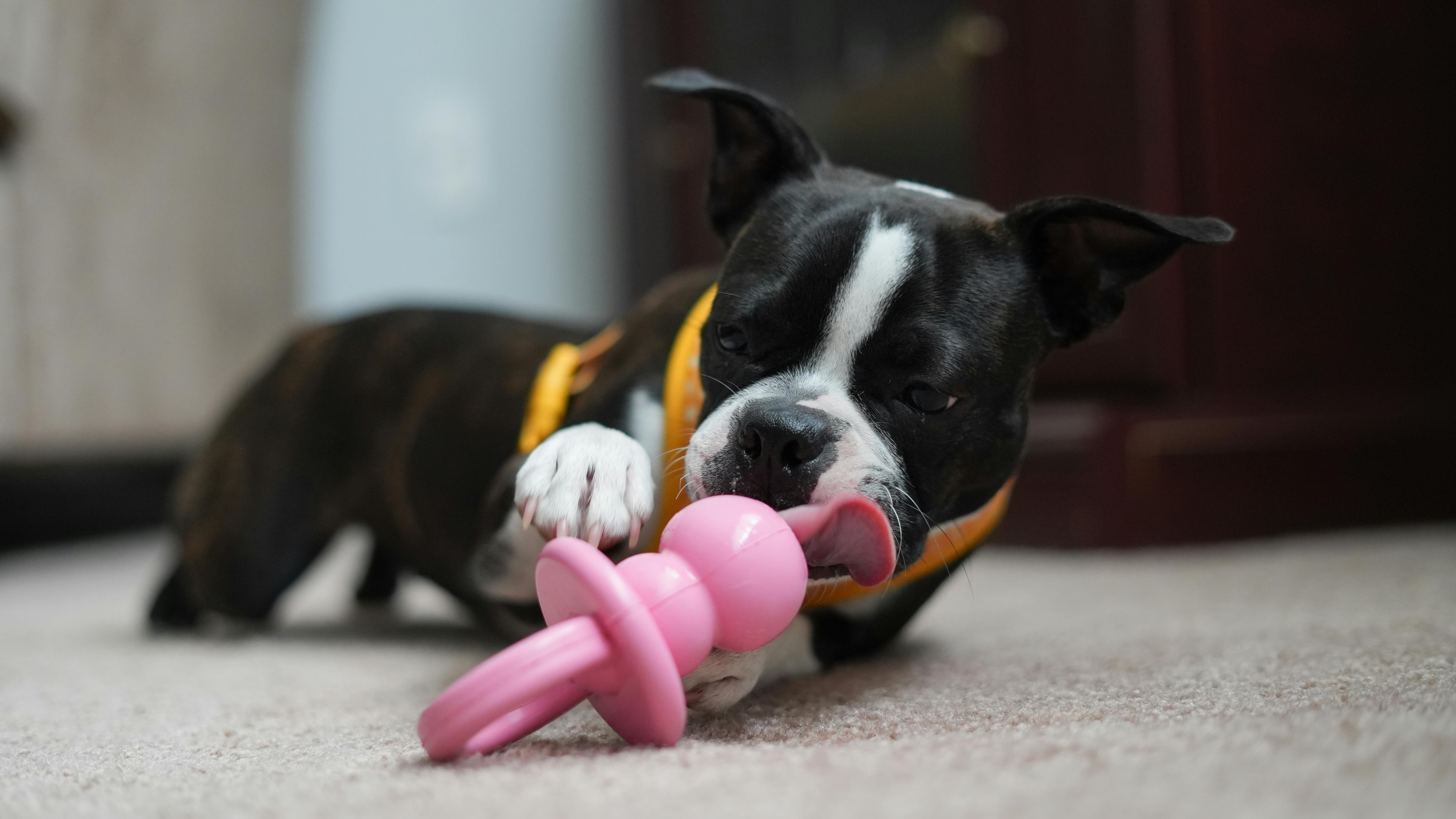 \n\n
\n\nMany dog owners often marvel at their pets’ wet noses, but did you ever wonder why do dogs have wet noses? These moist marvels serve not just as a quirky characteristic but also have important functions that contribute to your pup's health and well-being. Let’s dig into some fun facts about dog noses and discover why they really matter.
\nThe Science of Wet Noses
\nDogs have moist noses because of the special glands located on their snouts. These glands produce a thin layer of mucus that helps to keep the nose cool and enhances the sense of smell. Unlike humans, who rely primarily on vision, dogs depend heavily on their sense of smell. Here’s some interesting data:
\n- \n
- Dogs have up to 300 million smell receptors in their noses, compared to a human's 5 million. \n
- The part of a dog's brain that is dedicated to analyzing smells is about 40 times larger than that of humans. \n
This means that their wet noses not only help them smell better but also perform essential functions to maintain their health.
\nWhy Are Dog Noses Wet?
\nYou might be asking, why do dogs have wet noses? The moisture helps to trap scent particles from the air, allowing the dog to better detect smells. When a dog sniffs, the moisture on their nose collects these particles and provides more information about their environment. Some benefits of a wet nose includes:
\n- \n
- Enhanced Smell: It improves the efficiency of their olfactory system. \n
- Temperature Regulation: The moisture helps to cool down the dog’s body, especially during hot weather. \n
- Health Indicator: A dog’s nose can indicate their health status. A warm, dry nose may show signs of fever or dehydration. \n
Fun Facts About Dog Noses
\nHere’s a list of some surprising facts that you might not know about dog noses:
\n- \n
- Unique Patterns: Just like human fingerprints, no two dog noses are alike. Each dog has a unique nose print that can be used to identify them. \n
- Color Changes: Dog noses can change color with the seasons. For example, a dog’s nose might darken in the summer and lighten in the winter. \n
- Nosework: Many dogs participate in nosework activities that help them develop their scent-tracking skills. These activities can be a fun way for dogs to engage their natural instincts. \n
Health Benefits of Dog Noses
\nA wet nose is not just for show; it also plays a crucial role in a dog’s health. Here are some health benefits associated with a wet nose:
\n- \n
- Hydration: Dogs lick their noses to keep them moist, which can help them stay hydrated. \n
- Disease Detection: Some research indicates that dogs can detect certain diseases, like cancer, through smell. Their wet noses may enhance this ability. \n
- Comfort and Security: A wet nose can also be a sign of a relaxed and happy dog, providing comfort to both the dog and its owner. \n
Comparing Dog Noses to Other Animals
\nDogs aren’t the only animals with wet noses; many mammals have them. Here’s a quick comparison:
\n| Animal | \nNumber of Smell Receptors | \nNose Characteristics | \n
|---|---|---|
| Dogs | \n300 million | \nMoist, unique patterns | \n
| Cats | \n50-80 million | \nLess moisture, more agile | \n
| Elephants | \n2,000 different scents | \nLarge, often wet for cooling | \n
| Rats | \n1,000 different scents | \nMoist, helps in foraging | \n
This table shows how dogs have a superior sense of smell compared to many other animals, thanks to their unique nose structure.
\nPractical Examples of Using Dog Noses
\nIf you’re a dog owner, you can engage your dog’s nose in various ways:
\n- \n
- Scent Games: Hide treats around the house and let your dog find them using their nose. \n
- Nosework Classes: Consider enrolling your dog in classes that focus on scent detection. \n
- Outdoor Exploration: Take your dog on nature walks where they can sniff out different scents in the environment. \n
These activities not only stimulate your dog’s mind but also strengthen your bond with them.
\nUnderstanding why do dogs have wet noses and their significance can deepen your appreciation for your furry friend. These moist marvels are not just cute but serve vital roles in your pup’s health and happiness. So next time you see your dog’s glistening nose, remember there’s much more to it than meets the eye!
\n\nConclusion
\n\nIn conclusion, the wet nose of a dog serves several vital functions that contribute to their overall health and well-being. Primarily, a moist nose enhances their sense of smell, allowing them to detect scents more effectively, which is crucial for their communication and interaction with the environment. Additionally, the moisture on a dog's nose aids in thermoregulation, helping them maintain a comfortable body temperature. The wetness also plays a role in keeping their noses clean and free from debris. While it's important to note that a wet nose is typically a sign of a healthy dog, changes in moisture levels can indicate health issues and should be monitored. So, the next time you give your furry friend a gentle pat on the nose, remember the fascinating biology at play. Keep an eye on their health, and don’t hesitate to consult a veterinarian if you notice any unusual changes.
\n\n