Have you ever wondered, why do dogs have wet noses? This fascinating question is more than just a quirky characteristic of our furry friends; it reveals the surprising benefits that come with it! A dog’s nose is not just an adorable feature, but it also plays a crucial role in their health and well-being. Did you know that the moisture on a dog's snout helps enhance their sense of smell? With over 300 million scent receptors, a wet nose can amplify their ability to detect scents, making them the ultimate sniffing machines! But that’s not all—wet noses can also indicate a dog’s emotional state, helping you understand when their feeling happy or sick. Curious about how a wet nose could affect your pet's health? Or maybe you're interested in the myths about dog noses? Join us as we delve into the intriguing world of canine noses, exploring the science behind wet noses and uncovering why they are so vital for your furry companion's life. Get ready to discover the amazing benefits of those adorable, wet noses that make dogs so special!
The Science Behind Why Dogs Have Wet Noses: Unveiling the Mystery

Have you ever wondered why your canine companion’s nose is always wet? It's a question many dog owners find themselves asking as they cuddle with their furry friends. The science behind why dogs have wet noses is more fascinating than most people realize. Let’s delve into this curious topic and uncover the surprising benefits of a dog's moist snout!
The Anatomy of a Dog's Nose
To understand why dogs have wet noses, we first need to look at the anatomy of their noses. The canine nose is covered in a layer of mucous that helps to keep it moist. This moisture plays a crucial role in their sense of smell, which is far superior to that of humans. Dogs have anywhere from 220 million to 300 million scent receptors in their noses, compared to about 5 million in humans.
- Wet noses help enhance their sense of smell.
- The moisture traps scent particles, allowing them to analyze smells better.
- A dog’s nose is also cooler than their body temperature, which helps them regulate heat.
Why Do Dogs Have Wet Noses?
Now, let’s explore the reasons behind those wet noses. There’s a few key factors that contribute to this phenomenon:
Scent Detection: The primary function of a dog’s wet nose is for smelling. When the nose is moist, it can absorb more scent molecules from the air. This is vital for dogs, as they rely heavily on their olfactory senses to understand their environment.
Thermoregulation: Dogs don’t sweat like humans. Instead, they cool off through their noses and panting. A wet nose helps to dissipate heat, making it easier for them to regulate their body temperature.
Health Indicator: A dog’s nose can also be an indicator of its health. A wet, cool nose usually means that a dog is healthy and hydrated. Conversely, a dry or warm nose might suggest illness or dehydration, though this isn’t always the case.
Historical Context of Dog Noses
Historically, dogs have been bred for various purposes, many of which required a keen sense of smell. From hunting and herding to search and rescue, dogs have played vital roles in human society. The evolution of their noses has been shaped by these roles. For instance:
- Hounds: Bred for hunting, they often have longer, wetter noses for tracking scents over long distances.
- Terriers: Typically bred for digging and hunting smaller prey, their noses are also designed to be efficient at picking up scents.
The Benefits of a Wet Nose
There are several benefits associated with a dog having a wet nose. Here are some surprising advantages to consider:
Enhanced Smelling Ability: As mentioned, the moisture in a dog’s nose helps absorb scents. This is why they're often employed in search and rescue missions or detecting drugs and explosives.
Social Interaction: Dogs communicate through scent. A wet nose allows them to pick up pheromones and other scent signals, which are crucial for social interactions among dogs.
Health Monitoring: Regularly checking your dog’s nose can help you monitor their health. Changes in moisture levels, temperature, and color can alert you to possible health issues.
Fun Facts About Dog Noses
Unique Patterns: Just like fingerprints in humans, every dog has a unique nose print that can be used for identification.
Nose Color Changes: A dog’s nose color can change with the seasons or due to health issues. For example, some dogs may have a darker nose in summer and a lighter one in winter.
Dogs Sweat Through Their Paws: While dogs primarily cool off through panting, they also sweat through their paw pads. However, this mechanism is limited compared to the moisture on their noses.
Practical Tips for Dog Owners
To keep your dog's nose healthy, consider these tips:
Stay Hydrated: Ensure your dog always has access to fresh water. Hydration is key for maintaining a wet nose.
Regular Check-ups: Regular vet visits can help identify any potential issues with your dog’s health, including changes in their nose.
Maintain a Healthy Diet: A balanced diet can affect your dog’s overall health, including the condition of their nose.
Understanding why dogs have wet noses not only satisfies our curiosity but also helps us care for our furry friends better. Their wet noses serve essential functions that are crucial to their health and well-being, making them even more special companions in our lives. So the next time you give your dog a pat and feel that cool, wet nose, you can appreciate the science and evolution behind it!
Top 5 Surprising Benefits of Your Dog’s Moist Nose You Didn't Know About
Have you ever wondered why dogs have wet noses? It's one of those quirky traits that often make us smile, but there’s way more to it than meets the eye. In fact, your dog's moist nose is not just an adorable feature; it also serves several surprising benefits that you might not be aware of. Let’s dive into the top five benefits of your dog’s wet nose, plus some fascinating facts about this unique trait.
1. Enhanced Sense of Smell
Dogs are known for their incredible sense of smell, and a moist nose plays a big role in that. When a dog’s nose is wet, it helps to capture scent particles more effectively. The moisture on their nose makes it easier for olfactory receptors to pick up smells in the air.
- Dogs have up to 300 million olfactory receptors, compared to a human’s 5 million.
- The wetness on the nose helps to dissolve scent molecules, making it easier for dogs to sniff out things.
2. Temperature Regulation
Another surprising benefit of a dog's moist nose is its role in regulating body temperature. Dogs don’t sweat like humans do; instead, they primarily cool themselves through panting. However, the moisture on their noses can also contribute to this process.
- When a dog’s nose is wet, it can help to dissipate heat more effectively.
- A dry nose may indicate that a dog is overheating, which is something to watch out for.
3. Communication Tool
Dogs are social animals, and they communicate a lot through their body language and physical attributes. Their wet noses can also be a significant part of their communication.
- A dog may nuzzle you with its wet nose as a sign of affection or to seek your attention.
- Wet noses can also indicate a dog’s excitement or anxiousness, signaling to other dogs or humans how they feel.
4. Health Indicator
The condition of a dog’s nose can be a good indicator of their health. A healthy nose is typically moist and cool to the touch, while changes in this can indicate potential health issues.
- If a dog’s nose suddenly becomes dry or cracked, it might be a sign of dehydration or illness.
- Regularly checking your dog’s nose can help in early detection of health problems.
5. Natural Cooling Mechanism
Did you know that a dog’s nose also helps in keeping their body temperature down? The moisture on their nose evaporates, which cools the dog down. This natural cooling mechanism is especially important during hot weather.
- Dogs with longer noses tend to have better cooling abilities than those with shorter noses.
- The evaporation process can cool blood flow to the brain and body, helping to maintain a comfortable body temperature.
Fun Facts About Dogs’ Wet Noses
- Dogs have been known to have wet noses since they were domesticated thousands of years ago.
- Certain breeds, like the Bloodhound, have even wetter noses, which enhance their tracking abilities.
- Dogs can tell the difference between familiar and unfamiliar scents thanks to their sensitive noses.
What Affects a Dog’s Nose Moisture?
Several factors can influence the moisture level of a dog's nose. These include:
- Weather conditions: Hot, dry weather can lead to a drier nose.
- Health: Illness or dehydration can change the moisture level on a dog’s nose.
- Age: Older dogs may naturally have drier noses.
Quick Tips for Nose Care
If you want to help maintain your dog’s healthy nose, consider the following:
- Ensure your dog stays hydrated, especially in hot weather.
- Regularly check for any cracks or dryness.
- Consult a vet if there are any significant changes in your dog’s nose condition.
Understanding the reasons why dogs have wet noses can deepen your bond with your furry friend. It’s fascinating how something so simple can serve multiple purposes, from enhancing their sense of smell to acting as a health indicator. So next time you give your dog a scratch behind the ears, take a moment to appreciate that moist little nose – it’s doing a lot more than just being cute!
Wet Noses and Canine Health: What Their Texture Reveals About Your Dog
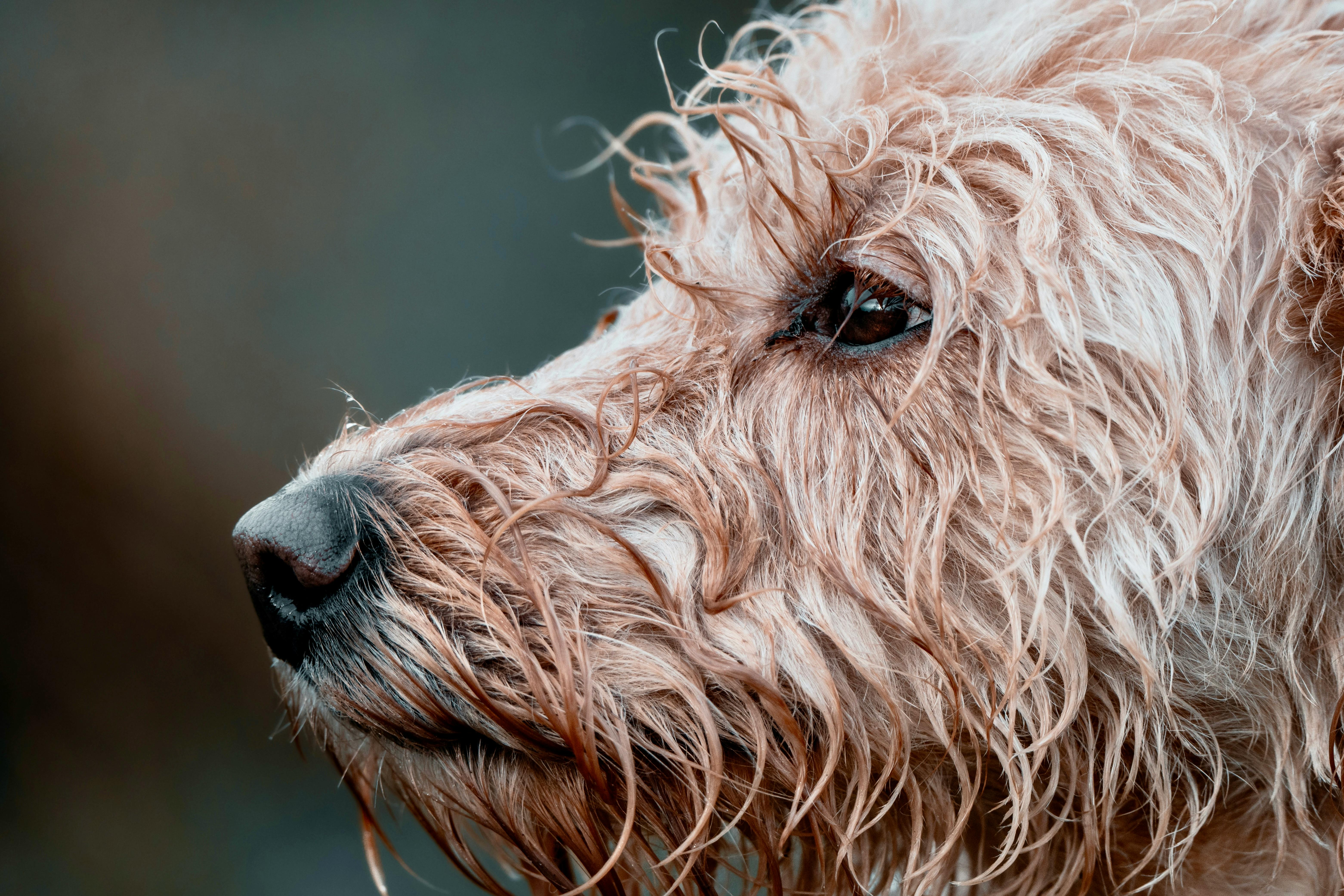
Dogs are often called "man's best friend," and for good reason. They bring joy, companionship, and even health benefits to our lives. But have you ever wondered why do dogs have wet noses? Beyond just a quirky trait, the texture of a dog's nose can tell us a lot about its health and well-being. Wet noses are not just cute; they serve several important purposes that can surprise even the most seasoned dog owners.
The Science Behind Wet Noses
Dogs have wet noses primarily because of a physiological adaptation. Their noses are covered in a thin layer of mucus that helps enhance their sense of smell. A wet nose can absorb scent molecules better than a dry one, making it easier for dogs to detect various odors. This moisture is essential for their survival as it aids in communication, hunting, and navigating their environment.
Why Do Dogs Have Wet Noses?
Here are some key reasons why dogs possess wet noses:
- Enhanced Smell: The moisture traps scent particles, improving their ability to sniff out smells.
- Temperature Regulation: A wet nose can help cool down a dog’s body, similar to how sweating works in humans.
- Health Indicator: The texture and moisture of a dog’s nose can indicate its overall health. A consistently dry or cracked nose may signal health issues.
The Texture Matters: What It Reveals About Your Dog
The texture of a dog's nose can vary widely. It can be smooth, rough, or bumpy, and each type can tell you something different about your dog's health. For example:
- Smooth and Wet: This is typically a sign of a healthy dog. It indicates proper hydration and good health.
- Dry and Cracked: This could be a sign of dehydration or even an underlying health problem. It's important to monitor changes and consult a vet if the condition persists.
- Bumpy or Irregular: Sometimes, dogs can develop bumps on their noses due to allergies or infections. Again, it’s best to seek veterinary advice.
Surprising Benefits of a Wet Nose
The benefits of having a wet nose are not just limited to smell. They also play a role in the dog's overall well-being. Here are some surprising benefits:
- Cooling System: Dogs can’t sweat like humans. A wet nose helps them stay cool, especially on hot days.
- Social Interactions: Dogs often greet each other with a nose touch, which can be a way of saying hello or showing submission. A wet nose is more inviting for these interactions.
- Health Monitoring: Regularly checking the moisture and texture of your dog’s nose can help you catch health issues early.
Keeping Your Dog's Nose Healthy
Maintaining your dog's nose health can be simple yet effective. Here are some practical tips:
- Hydration: Ensure your dog has access to fresh water at all times to keep their nose moist.
- Diet: A balanced diet with the right vitamins can support skin and nose health.
- Regular Vet Check-Ups: Regular visits to the vet can help catch any issues early, especially if you notice changes in your dog's nose.
Common Myths About Dog Noses
There's a lot of misinformation out there about dog noses. Let’s debunk a few common myths:
Myth: A cold, wet nose means your dog is sick.
Fact: Temperature and moisture can vary. A dog can be healthy with a dry nose.Myth: Dogs' noses should always be wet.
Fact: Some dogs may have naturally drier noses without any health problems.Myth: All dogs have the same nose texture.
Fact: Nose texture can vary by breed and individual dog.
Conclusion
The next time you wonder why do dogs have wet noses, remember that it’s much more than just an adorable quirk. The moisture, texture, and health of a dog's nose can reveal a lot about their overall well-being. Keeping an eye on these aspects can help ensure your furry friend stays happy and healthy. Whether it’s through regular vet visits or simply providing them with the love and care they need, your dog’s nose is a window into their health. So, cherish those wet noses—they're not just cute; they’re a vital part of what makes your dog, well, a dog!
How Your Dog’s Wet Nose Enhances Their Sense of Smell: A Deep Dive
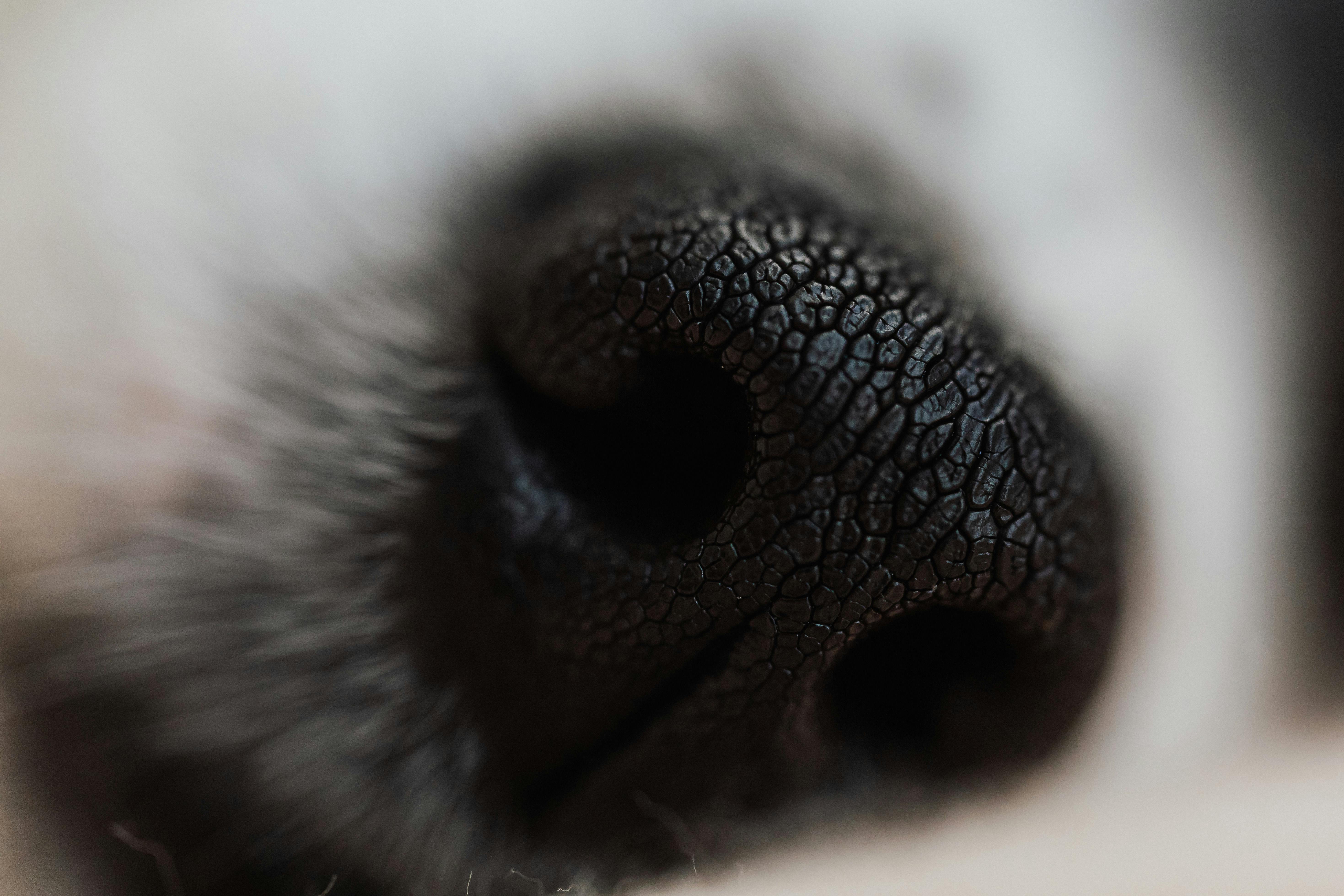
If you ever wondered about that cute, cold, and slightly slimy thing that’s your dog's nose, you’re not alone. Many pet owners ask, "Why do dogs have wet noses?" The answer not only reveals how their noses work but also gives insight into how dogs interact with the world around them. So, let’s dive deeper into the fascinating world of canine olfactory capabilities!
Why Dogs Have Wet Noses
Wet noses serve multiple purposes for your furry friend. First off, the moisture helps enhance their sense of smell. When a dog takes in scent particles, the wet surface of their nose traps those particles, making it easier for them to detect and identify smells. It’s like having a built-in scent collector!
Moreover, a dog’s wet nose can help regulate their body temperature. Dogs don’t sweat like humans; instead, they cool down by panting and through their nose. The moisture evaporates and helps keep them chill, especially on hot days. Interestingly enough, a dog’s nose can change its temperature too, which could indicate their health status.
The Science Behind That Wet Nose
Dogs have a unique anatomy when it comes to their noses. They have more olfactory receptors than humans – about 220 million compared to our 5 million. This means they can detect scents far beyond our capabilities. Here are some intriguing facts about dog noses:
- Olfactory Receptors: Dogs have around 300 million olfactory receptors in their noses, allowing them to smell at least 40 times better than humans.
- Jacobsen’s Organ: This is a special organ located in the nasal cavity that helps dogs detect pheromones and other chemical signals.
- Moisture Production: Dogs secrete mucous to keep their noses moist, which aids in scent detection and temperature regulation.
Surprising Benefits of Wet Noses
Wet noses are not just cute; they serve essential functions in a dog’s life. Here are some of the surprising benefits:
- Enhanced Smelling: As mentioned earlier, the moisture helps trap scent particles, making it easier for dogs to pick up smells.
- Communication: Dogs can communicate with each other through scent, and a wet nose helps release more pheromones.
- Health Indicator: A dog’s nose can sometimes indicate health issues. If it’s dry or excessively warm, it might be a sign of dehydration or illness.
Historical Context of Dog Noses
Historically, dogs have been used for hunting and tracking due to their incredible sense of smell. Ancient civilizations utilized dogs for tracking game, and they were invaluable to hunters. As time went on, these skills have been adapted for modern uses such as search and rescue, detecting drugs, and even identifying diseases like cancer.
Fun Facts About Dog Noses
Here’s a list of some fun facts that you may not know about dog noses:
- Unique Nose Prints: Just like human fingerprints, each dog has a unique nose print. It can actually be used for identification!
- Color Matters: The color of a dog’s nose doesn’t affect its sense of smell. However, it can be an indicator of breed or health.
- Sniffing Technique: Dogs use a special technique called "sniffing" where they take quick sniffs to gather more information about their environment.
Comparing Dog Noses to Human Noses
| Feature | Dog Nose | Human Nose |
|---|---|---|
| Olfactory Receptors | About 300 million | About 5 million |
| Scent Detection | Much more sensitive | Less sensitive |
| Temperature Control | Helps cool the body | Minimal function |
| Unique Identification | Yes, through nose prints | No |
Practical Examples of Nose Use
Many dogs are trained for specific tasks that take advantage of their powerful noses. Here are a few examples:
- Search and Rescue: Dogs can sniff out missing persons in disaster zones due to their ability to detect human scents.
- Detection Work: Police dogs are trained to detect drugs, explosives, and even certain medical conditions.
- Therapy and Assistance: Some dogs are trained to detect low blood sugar in diabetic patients.
Understanding why dogs have wet noses and the benefits that come with it provides a deeper appreciation for our canine companions. Their noses are not just cute; they are vital tools that help them navigate the world. So, next time you see your dog with that adorable, wet nose, remember all the incredible things it can do!
Curious Canine Behavior: Why Do Dogs Lick Their Noses?

Curious Canine Behavior: Why Do Dogs Lick Their Noses? Why Do Dogs Have Wet Noses? Discover The Surprising Benefits!
Have you ever wonder why dog’s noses are always so wet? Or maybe you’ve seen your furry friend licking its nose and thought, “What’s up with that?” Dogs have all kinds of curious behaviors, and understanding them can not just enrich your knowledge but also strengthen the bond between you and your pet. So let’s dig into this nose-licking mystery and the wet-nosed wonder of dogs!
The Science Behind Wet Noses
Dog noses are wet for several key reasons. First, the moisture helps them better sense the world around them. Dogs have an incredible sense of smell, and a wet nose can capture scent particles more effectively. This is because moisture allows scents to dissolve, making it easier for dogs to pick them up. Imagine walking into a bakery and smelling fresh bread; it’s kinda like that but on a whole new level for dogs!
Some facts about dog noses:
- Dogs have up to 300 million smell receptors, compared to a human’s 5 million.
- The wetness of their noses can change with the environment, like humidity, temperature, and even their mood.
- Licking their noses helps dogs keep them clean and free from dirt or debris.
Why Do Dogs Lick Their Noses?
You might ask, “Why do dogs lick their noses?” It’s a habit that has a few reasons behind it. Dogs lick their noses for several reasons, including:
Self-cleaning: Dogs are pretty good at keeping themselves clean, and their noses are no exception. Licking helps remove dirt and other particles.
Taste and Smell: For dogs, their nose isn’t just for smelling; it’s also a way of tasting. Licking allows them to gather more information about their environment.
Stress or Anxiety: Sometimes, excessive licking can indicate stress or anxiety. If your dog seems anxious and is licking its nose a lot, it might be time to check in with a vet or a pet behaviorist.
Health Indicators: A sudden change in licking behavior can also signal a health issue. Dry or cracked noses could mean dehydration or illness. If something seems off, it’s always best to consult a veterinarian.
The Benefits of Wet Noses
Wet noses might seem like a minor detail, but they actually offer some surprising benefits for dogs. Here’s a breakdown:
Enhanced Smelling Ability: As mentioned earlier, wetness increases the ability to detect scents. Dogs rely heavily on their sense of smell for communication, hunting, and exploration.
Temperature Regulation: Dogs don’t sweat like humans do; instead, they pant and use their noses to help regulate body temperature. A wet nose can help cool them down.
Social Signals: A wet nose can also play a role in dog social interactions. When dogs meet, they often sniff each other’s noses as a form of greeting. A wet nose can indicate a friendly and healthy dog.
Health Monitoring: An owner can often gauge a dog’s health by the condition of its nose. A dry or cracked nose could indicate illness, while a moist and cold nose is generally seen as a sign of good health.
Fun Facts About Dog Noses
Here are some interesting tidbits about noses that you might not know:
Unique Patterns: Just like human fingerprints, every dog has a unique nose print. This means you could technically identify a dog by its nose print!
Color Changes: A dog’s nose can change color with the seasons or even due to certain health conditions. For instance, some dogs may have a darker nose in the summer and a lighter one in the winter.
Cooling Mechanism: Dogs can also cool themselves through their noses. By licking their noses, they can evaporate moisture and help reduce their body temperature.
What to Watch For
If you’re a dog owner, it’s important to keep an eye on your pup’s nose. Here are some things to consider:
Excessive Licking: If your dog is licking its nose constantly, it might be time to seek help.
Dryness: A dry nose can signal dehydration or illness. Ensure your dog drinks enough water.
Discoloration: If you see any sudden changes in color, it’s worth consulting a vet.
Understanding your dog’s behavior can be a fun journey. Their wet noses and quirky habits reveal a lot about their health and emotions. So, next time you see your dog licking its nose or wonder about those wet noses, you can appreciate the fascinating reasons behind it. It's all part of what makes dogs such incredible companions!
The Role of a Wet Nose in Dog Communication: What They’re Trying to Tell You
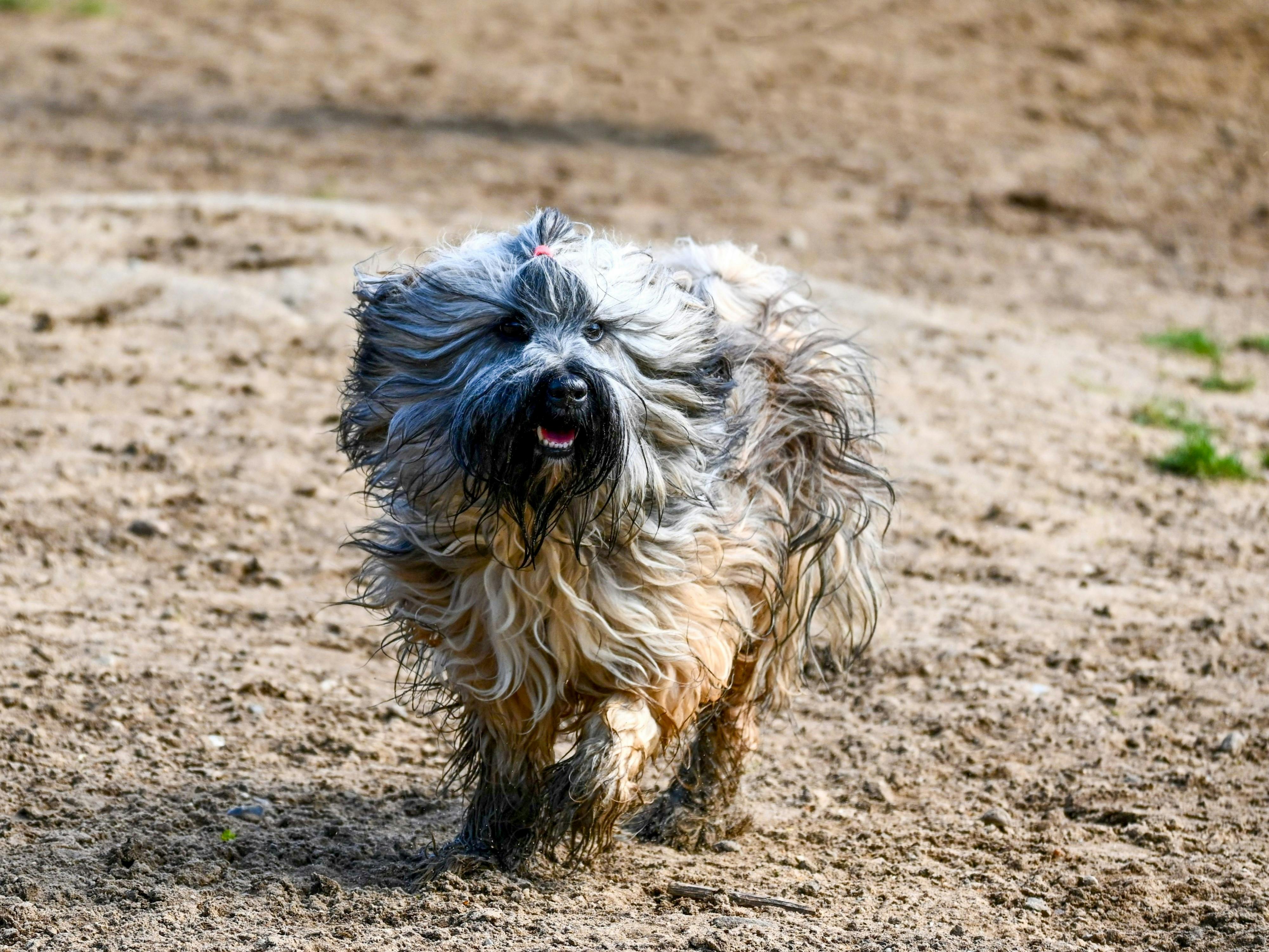
Dogs are truly remarkable animals, and their ways of communicating with us sometimes can feel mysterious. One of the most interesting aspects of dog communication is the wet nose. Why do dogs have wet noses, you ask? It's more than just a cute feature; it plays a crucial role in how they interact with the world around them. In this blog post, we will explore the significance of a dog's wet nose and what it might be trying to tell you.
The Science Behind Wet Noses
Dogs have wet noses for a few reasons. First, it helps them smell better. A wet nose can absorb scent molecules more effectively. This is because moisture on the nose enhances the olfactory receptors. Dogs have around 220 million olfactory receptors compared to humans, who only have about 5 million. A wet nose is like a superpower for your furry friend, allowing them to gather information about their surroundings.
Here's a quick breakdown of why dogs have wet noses:
- Enhanced Smell: The moisture helps capture scent particles.
- Temperature Regulation: Dogs sweat through their paws, but their noses also help cool them down.
- Health Indicator: A wet nose is often a sign of a healthy dog, while a dry nose can indicate illness.
Communication Through Wet Noses
When a dog approaches you with a wet nose, it might be trying to communicate various things. Here’s what you should know about how dogs use their noses in communication:
- Affection: A gentle nudge from a wet nose often means your dog is showing love or wants attention.
- Curiosity: Dogs explore the world through their noses. A wet nose in your face might mean your dog is curious about you or wants to investigate something on you.
- Stress or Anxiety: Sometimes, a wet nose can indicate that your dog is feeling stressed. They might lick their nose when they're anxious.
Historical Context of Dog Noses
The evolution of dogs has played a significant role in why their noses are wet. Dogs descend from wolves, which rely heavily on their sense of smell for hunting and survival. Over thousands of years, selective breeding has enhanced this trait in domesticated dogs. Wet noses have been a natural selection advantage for hunting and tracking prey.
Health Benefits of a Wet Nose
You might notice that a wet nose is often viewed as a sign of good health in dogs. Here are some health benefits associated with a wet nose:
- Better Hydration: A moist nose can be an indicator that your dog is properly hydrated.
- Temperature Sensitivity: Wet noses help dogs sense temperature changes better, making them feel more comfortable in different environments.
- Disease Detection: Some studies suggest that dogs can detect certain diseases through scent, which may be enhanced by a wet nose.
What a Dry Nose Could Mean
While a wet nose is generally a sign of a healthy dog, a dry nose isn't always a cause for concern. However, it can signify several things, such as:
- Dehydration: A dry nose may indicate your dog needs more water.
- Illness: Sometimes, a dry nose can be a symptom of fever or other health issues.
- Weather Changes: A dry nose can occur due to hot weather or low humidity.
Fun Facts About Dog Noses
- Dogs have unique nose prints, similar to human fingerprints, which can be used for identification.
- The wetness of a dog's nose can change throughout the day, depending on their activity level, the weather, and even their emotional state.
- Puppies are born with dry noses, and they typically become wetter as they grow and develop their sense of smell.
How to Care for Your Dog's Nose
Taking care of your dog's nose is essential. Here are some tips to ensure its health:
- Hydration: Always make sure your dog has access to fresh water.
- Check for Cracks: Inspect your dog's nose regularly for any cracks or signs of dryness.
- Limit Sun Exposure: Protect your dog from excessive sun exposure, which can lead to sunburn on their nose.
Understanding the role of a wet nose in dog communication is important for every dog owner. It not just helps you interpret what your furry friend is trying to tell you but also ensures you can take care of them effectively. Your dog's wet nose is more than just a cute feature; it's a window into their health and emotions. Pay attention to these signs, and you’ll be building an even stronger bond with your four-legged companion.
7 Fascinating Facts About Dogs’ Noses That Will Change Your Perspective

Dogs, those lovable companions, have a lot of quirks that can leave us scratching our heads. One of the most intriguing features is their noses, especially when they’re wet! You might be wonderin' “Why do dogs have wet noses?” Well, prepare to dive into the world of canine snouts, because here are 7 fascinating facts about dogs’ noses that could change your whole perspective on these furry friends.
1. The Moisture Factor
First off, let’s tackle the wet nose question. A dog’s nose is typically wet because it helps them sense the world around them better. The moisture on their noses captures scent particles in the air, making it easier for dogs to sniff out things. Without this moisture, they wouldn’t be able to smell as effectively. So, if your pup’s nose is a bit damp, it’s actually a sign of a healthy and functioning sense of smell!
2. The Scent Superpower
Did you know that dogs have an incredible sense of smell? It’s true! Dogs can smell anywhere from 10,000 to 100,000 times better than humans. This is because their noses have more scent receptors — about 300 million, compared to a human’s mere 5 million. This means that when your dog is sniffin' around, they're not just enjoying the smells; they are actually gathering tons of information about their environment.
3. Temperature Regulation
Wet noses serve another purpose too. Dogs use their noses to help regulate their body temperature. When a dog pants, the moisture on their noses evaporates, which cools them down. This is particularly important during hot weather when they might be prone to overheating. So, if you ever see your furry friend with their nose hanging out of the window, remember that they are not just enjoying the breeze; they are also trying to cool off!
4. Unique Nose Prints
Just like human fingerprints, every dog has a unique nose print! The patterns of ridges and creases on a dog’s nose are as distinctive as snowflakes. In fact, some organizations even use these prints to identify lost dogs. If you’re a dog owner, you might want to consider taking a print of your pup’s nose someday; it could be a fun keepsake and a useful identification tool!
5. The Health Indicator
The condition of a dog’s nose can often indicate their health. A healthy dog usually has a cool and moist nose. However, if it’s dry and warm, it might be a sign that somethin’s off. Though it’s not always the case, it’s wise to keep an eye on your dog’s nose along with other health signs. Here’s a quick health checklist for dog noses:
- Cool and moist: Healthy
- Dry and warm: Possible fever
- Cracked or bleeding: Needs vet attention
- Sudden changes in color: Consult a vet
6. Communication Tool
Dogs also use their noses to communicate! They often sniff each other’s noses as a greeting or to gather information about each other. This behavior is a part of their natural instincts, and it helps dogs learn about the other dog’s age, health, and even mood. So, when you see your pup sniffing another dog, remember they’re just bein' polite!
7. Noses in Action
Let’s not forget how dogs’ noses are used in various work fields. From search and rescue missions to detecting drugs and explosives, dog noses are invaluable. Here’s a little breakdown of how dogs use their smelling abilities in different professions:
- Search and Rescue: Dogs can locate missing persons with their incredible sense of smell.
- Detection: Law enforcement uses dogs to sniff out drugs, bombs, and even diseases like cancer.
- Therapy: Some dogs are trained to comfort people in hospitals and care homes, using their noses to sense human emotions.
Dogs rely on their noses for so many reasons, and understanding these can deepen our appreciation for them.
The next time you see a dog with a wet nose, remember all the amazing abilities and purposes behind it. Those little snouts are not just cute; they are a testament to nature's design and the incredible bond we share with our furry friends. So, embrace the wet noses and all the fascinating facts that come with them. They really can change your perspective on your canine pals!
Can a Dog’s Wet Nose Indicate Illness? Understanding the Signs
Dogs are often known as man's best friend, and they come with lots of quirks and charms. One of the most interesting features about dogs is their wet noses. But have you ever wondered, can a dog’s wet nose indicate illness? This question sparks curiosity among pet owners and presents a deeper look into our furry friends' health. Understanding the signs is crucial for a responsible pet owner, and there’s more to the wet nose than you might think.
Why Do Dogs Have Wet Noses?
It's a common question dog lovers ask. Dogs have wet noses due to several reasons. A wet nose could help them sense the world around them. Here are some reasons why their noses stay moist:
Cooling Mechanism: Dogs can't sweat like humans do. Instead, they regulate their body temperature through panting and the moisture on their noses.
Enhanced Sense of Smell: The moisture helps to trap scent particles, which enhances their ability to smell. The more wet it is, the better they can sniff out smells!
Health Indicator: A wet nose can be a sign of a healthy dog. However, it isn't the only sign, and other symptoms must also be observed.
There’s a long-standing belief that a dog's nose should be wet and cool. However, this isn’t always true. A dog can still be healthy with a dry nose.
Can a Dog’s Wet Nose Indicate Illness?
Now, let’s dive into the big question. Can a dog’s wet nose indicate illness? The simple answer is yes, but it depends on several factors. Here’s what you should consider:
Temperature: A wet and warm nose might suggest a fever. If a dog’s nose is unusually warm, it’s a good idea to check their temperature.
Nasal Discharge: If a dog has a wet nose but also has a discharge, it could indicate a respiratory infection or allergies.
Behavior Changes: If a dog’s nose starts to dry up and they also seem lethargic, not eating, or acting strangely, it’s time to see a vet.
Other Symptoms: Look for signs like coughing, vomiting, or diarrhea. A wet nose alone is not a definitive sign of illness.
Signs of a Sick Dog
It’s essential for dog owners to recognize when their furry friends may not be feeling well. Here’s a list of symptoms to watch out for:
- Changes in appetite or drinking habits
- Excessive coughing or sneezing
- Lethargy or unusual behavior
- Vomiting or diarrhea
- Changes in weight
Being aware of these signs can help you catch any health issues early.
The Surprising Benefits of a Dog’s Wet Nose
Aside from just being adorable, a dog’s wet nose comes with various benefits. Here are some surprising perks:
Health Monitoring: Regularly checking your dog's nose can help you spot changes in their health. A sudden shift from wet to dry could be a signal.
Bonding Opportunities: Dogs often initiate affection by nudging their wet noses against you. It strengthens the bond between pet and owner.
Natural Thermometer: A wet nose can act as a natural thermometer, helping you keep an eye on your dog's temperature without needing a digital thermometer.
Enhanced Communication: A wet nose can also be a way for dogs to communicate their feelings. A dog might nuzzle you with their nose when they want attention or affection.
Comparing Wet Noses and Dry Noses: What’s Normal?
Here’s a simple table to help you differentiate between wet and dry noses in dogs and what they might indicate:
| Nose Condition | Implications |
|---|---|
| Wet and Cool | Generally healthy |
| Wet and Warm | Possible fever or heat exhaustion |
| Dry and Warm | Possible dehydration or illness |
| Dry and Cool | May be normal, but monitor behavior |
While a wet nose is often seen as a sign of good health, remember that every dog is unique. Factors such as breed, age, and environment can play a role in their overall health.
Being a responsible pet owner means being observant and proactive. If you notice any changes in your dog's behavior or physical condition, including their nose’s moisture level, reach out to a veterinarian. Regular check-ups are a great way to ensure your furry friend stays happy and healthy—wet nose or not!
The Evolutionary Purpose of Dogs’ Wet Noses: More Than Just a Cute Feature
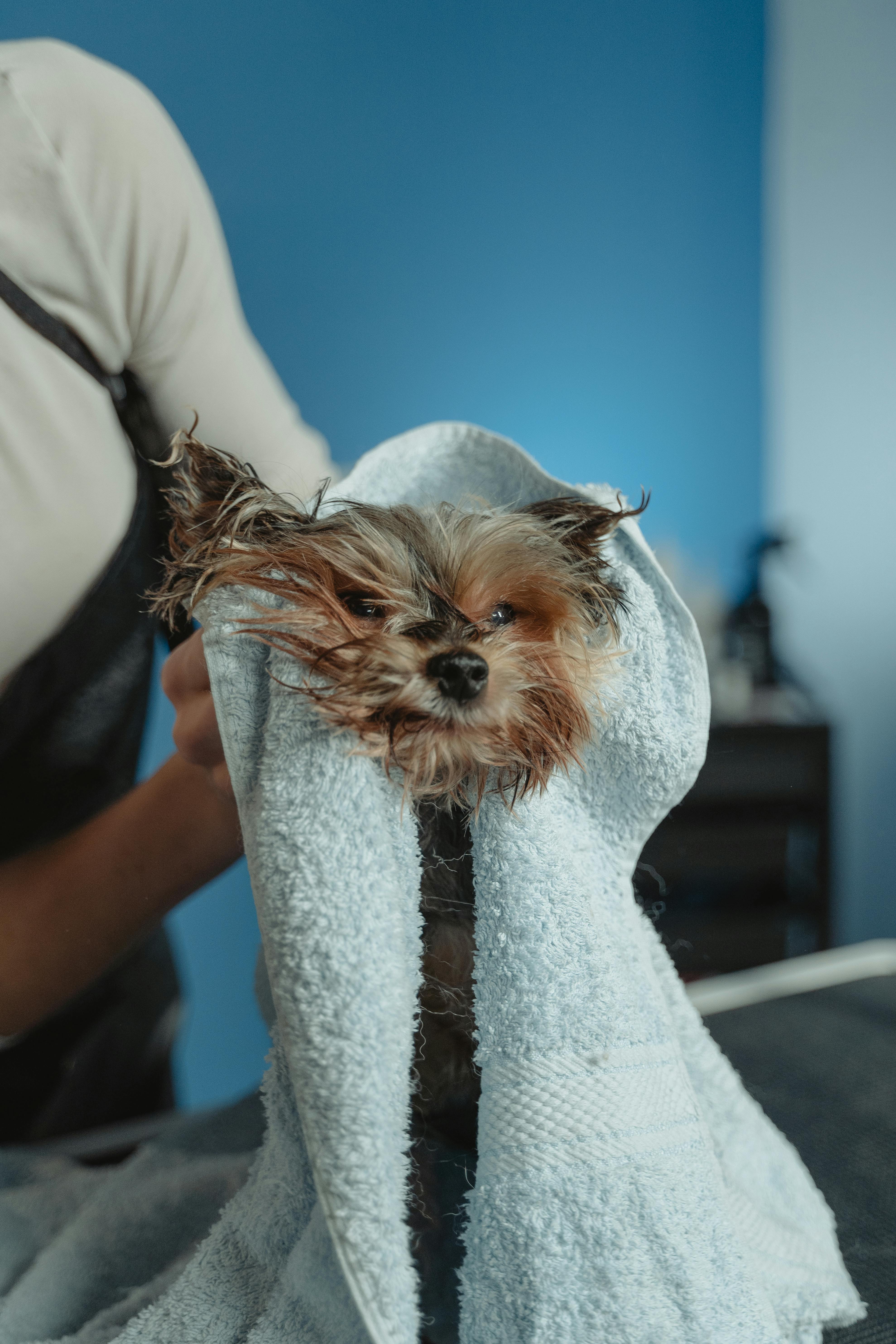
When you pet a dog, one of the first things you might notice is that they have wet noses. You might think it's just because they just drank water or they just licked something, but there’s actually a deeper evolutionary purpose behind those moist snouts. So, why do dogs have wet noses? This question leads us to explore the fascinating benefits that come from this characteristic, which is more than just an adorable feature.
The Biological Function of Wet Noses
Dogs’ noses are not just there for show. Their wetness plays a crucial role in how they interact with the world. Here are few key points about the functionality of dogs' wet noses:
- Enhanced Smell: A wet nose helps dogs to absorb scents better. The moisture allows the scent particles to stick more effectively to the surface of the nose, which enhances their ability to detect smells.
- Cooling Mechanism: Dogs don't sweat like humans do. Instead, they rely on their noses to help regulate body temperature. The evaporation of moisture from their noses can assist in keeping them cool.
- Health Indicator: A dog’s nose can indicate their health. A wet and cool nose is usually a sign of a healthy pooch, while a dry nose can sometimes suggest dehydration or illness.
Historical Context of Dogs' Noses
Throughout history, dogs have evolved to be some of the best companions. Their noses have adapted over time. In ancient times, dogs were hunters and gatherers, utilizing their sense of smell to locate food and navigate their environment. Here’s how their noses played an important role:
- Tracking Game: Early hunting dogs primarily relied on their noses to track scents over long distances. This ability to smell is much more advanced than that of humans, allowing them to find prey efficiently.
- Communication Tool: Dogs also use their noses to communicate with each other. Through scent marking, they can share information about their territory, mating status, and even their health.
The Surprising Benefits of Wet Noses
There’s more to wet noses than you might think! Here’s a list of some benefits associated with dogs’ wet noses:
- Improved Sensory Perception: Dogs can detect odors in parts per trillion, and a wet nose enhances this ability.
- Thermoregulation: As mentioned, their noses help cool them down, especially in hot weather.
- Social Bonding: When dogs meet each other, they often sniff each other's noses as a form of greeting, fostering social interactions.
Comparisons with Other Animals
Dogs aren’t the only animals with wet noses. Let’s see how dogs compare with other animals in terms of this feature:
| Animal | Type of Nose | Purpose of Wetness |
|---|---|---|
| Dogs | Moist, flexible | Enhanced olfactory capabilities, cooling |
| Cats | Dry, slightly rough | Less reliance on smell compared to dogs |
| Pigs | Wet, snout-like | For rooting in soil and finding food |
| Horses | Dry, large | Primarily for visual communication, not smell |
Practical Examples of Nose Functionality
Have you ever seen a dog sniffing around? They could be gathering information about their surroundings. Here are some everyday scenarios where a dog’s wet nose comes into play:
- At the Dog Park: When dogs play together, they often sniff each other's noses, exchanging scents that tell them who has been there recently, what they’ve eaten, and even how they feel.
- During Walks: On walks, dogs can sniff various objects—trees, bushes, or even other dogs—collecting vital information about their environment.
- In The Home: Dogs might sniff around the house to find toys or even to detect if their owners are home.
Understanding why do dogs have wet noses reveals a fascinating intersection of biology, history, and social interaction. Their wet noses serve numerous functions that enhance their lives and strengthen their bond with humans. So next time you cuddle with your furry friend, take a moment to appreciate that cute, wet nose and all the amazing things it does!
How to Keep Your Dog’s Nose Healthy: Tips for Pet Owners on Nose Care
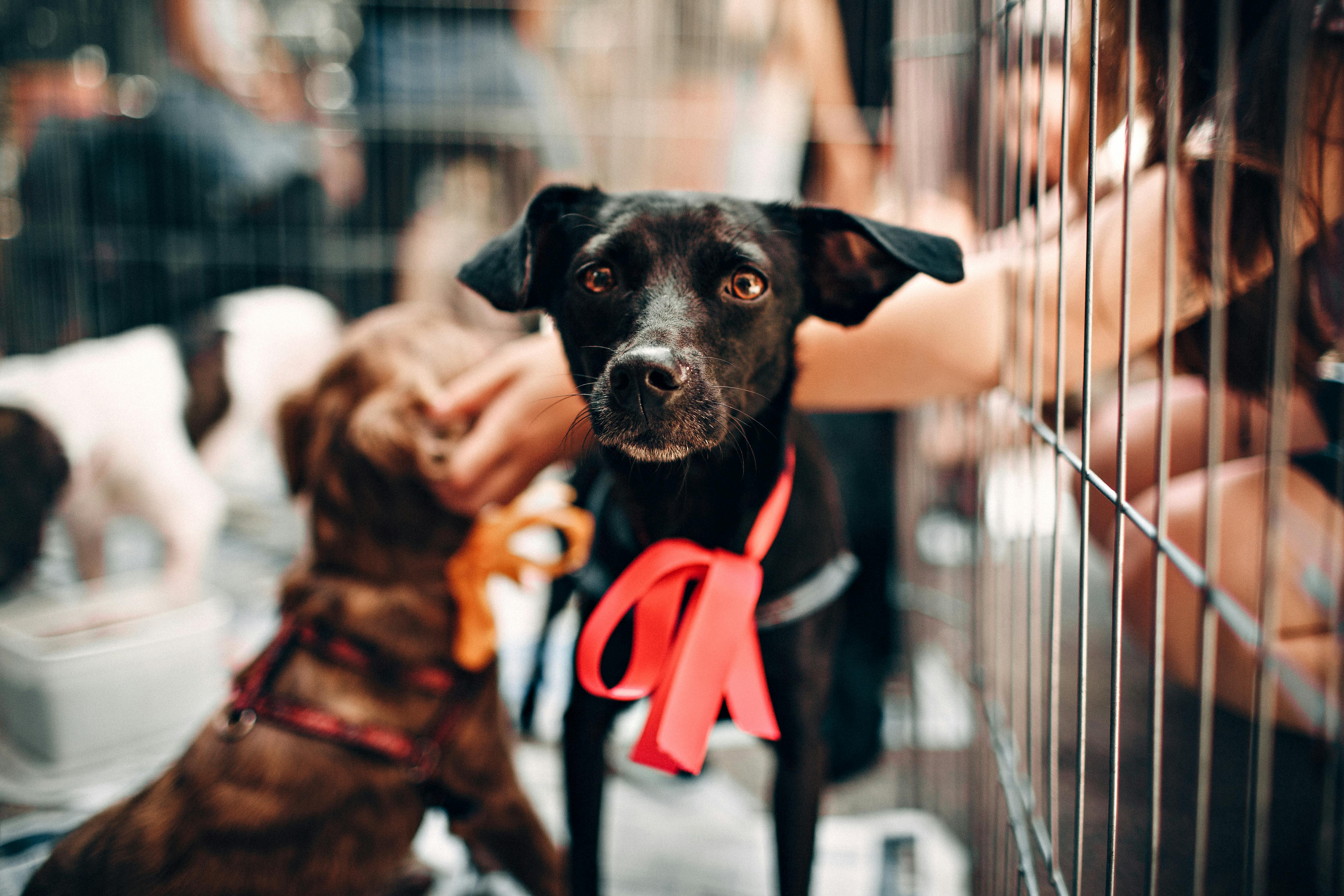
Keeping your dog’s nose healthy is not just about looks; it’s essential for their overall well-being. Many pet owners often wonder why their furry friends have wet noses. Actually, dogs' noses are not only cute but also serve important functions. In this article, we will explore how to care for your dog's nose, the reasons behind its moistness, and the benefits that come with it.
Why Do Dogs Have Wet Noses?
Dogs have wet noses for a bunch of reasons. One of the main reasons is that moisture helps them to smell better. The wetness increases the surface area of their nose, allowing scent particles to stick more easily. This is why dogs are so good at sniffing things out! Here’s a quick breakdown of what makes their noses so special:
- Enhanced Sense of Smell: A wet nose can absorb scent chemicals better than a dry one.
- Temperature Regulation: Dogs can cool themselves down through their noses because the moisture evaporates, similar to how sweating works for humans.
- Health Indicator: A dog's nose can indicate its health. A healthy nose is usually moist and cool, while a dry or cracked nose might signal dehydration or illness.
Tips for Keeping Your Dog's Nose Healthy
Caring for your dog’s nose is not overly complicated, but it does require some attention. Here’s a list of practical tips to keep in mind:
- Regular Hydration: Ensure your dog is drinking enough water. Dehydration can lead to a dry nose.
- Avoid Excessive Sun Exposure: Just like human skin, dogs can get sunburns. It’s important to protect their noses from too much sun, especially for breeds with lighter fur.
- Clean the Nose: Sometimes dirt and allergens can build up on the nose. You can use a damp cloth to gently clean it.
- Watch for Cracks: If you see any cracks or dryness, it might be time to apply a dog-safe moisturizer.
- Vet Check-ups: Regular visits to the vet can help catch any potential nose issues early.
Common Nose Issues in Dogs
Sometimes, dogs may experience issues with their noses. Understanding these can help you act quickly. Here are some common nose problems:
- Dry Nose: This can be due to dehydration or environmental factors.
- Crusty Nose: May indicate allergies or a skin condition.
- Nose Bleeds: If your dog experiences nosebleeds, it could be a sign of a more serious condition; consult with a vet immediately.
- Discoloration: Changes in the color of the nose can signal health problems.
The Surprising Benefits of a Wet Nose
You might not think much about your dog’s wet nose, but it comes with numerous benefits that are essential for their health. These include:
- Better Scent Detection: A wet nose means better smell detection, which is crucial for hunting breeds or service dogs.
- Temperature Regulation: Helps keep your dog cool, especially on hot days.
- Communication Tool: Dogs often use their noses to communicate with other dogs and humans, making it an important part of their interaction.
Fun Facts About Dogs’ Noses
Here are some interesting tidbits that you might not know about your dog’s nose:
- Dogs have about 300 million scent receptors in their noses, compared to about 5 million in humans!
- The shape of a dog’s nose can vary widely across breeds, influencing how they smell.
- Puppies are born with pink noses that start to darken as they grow.
Conclusion
Keeping your dog's nose healthy is an important aspect of pet care that often gets overlooked. With a little attention to hydration, sun exposure, and regular vet check-ups, you can ensure that your furry friend stays happy and healthy. Remember, a wet nose is not just cute; it's a sign of a well-functioning, happy pup. So next time you see your dog with that adorable, moist nose, give them a little scratch and appreciate the benefits it brings!
Conclusion
In conclusion, the wet noses of dogs serve several important functions that contribute to their overall health and behavior. The moisture helps enhance their sense of smell, allowing them to better detect scents in their environment, which is crucial for communication and exploration. Additionally, a wet nose can indicate that a dog is healthy, as it often reflects hydration levels and body temperature regulation. Understanding the reasons behind this unique trait can deepen our appreciation for our canine companions. As pet owners, it’s essential to monitor our dogs’ health, including the condition of their noses, as changes can signal potential health issues. Next time you give your furry friend a pat, take a moment to appreciate the science behind their wet nose and how it plays a vital role in their daily lives. For more insights into dog care and behavior, stay tuned for our upcoming posts!