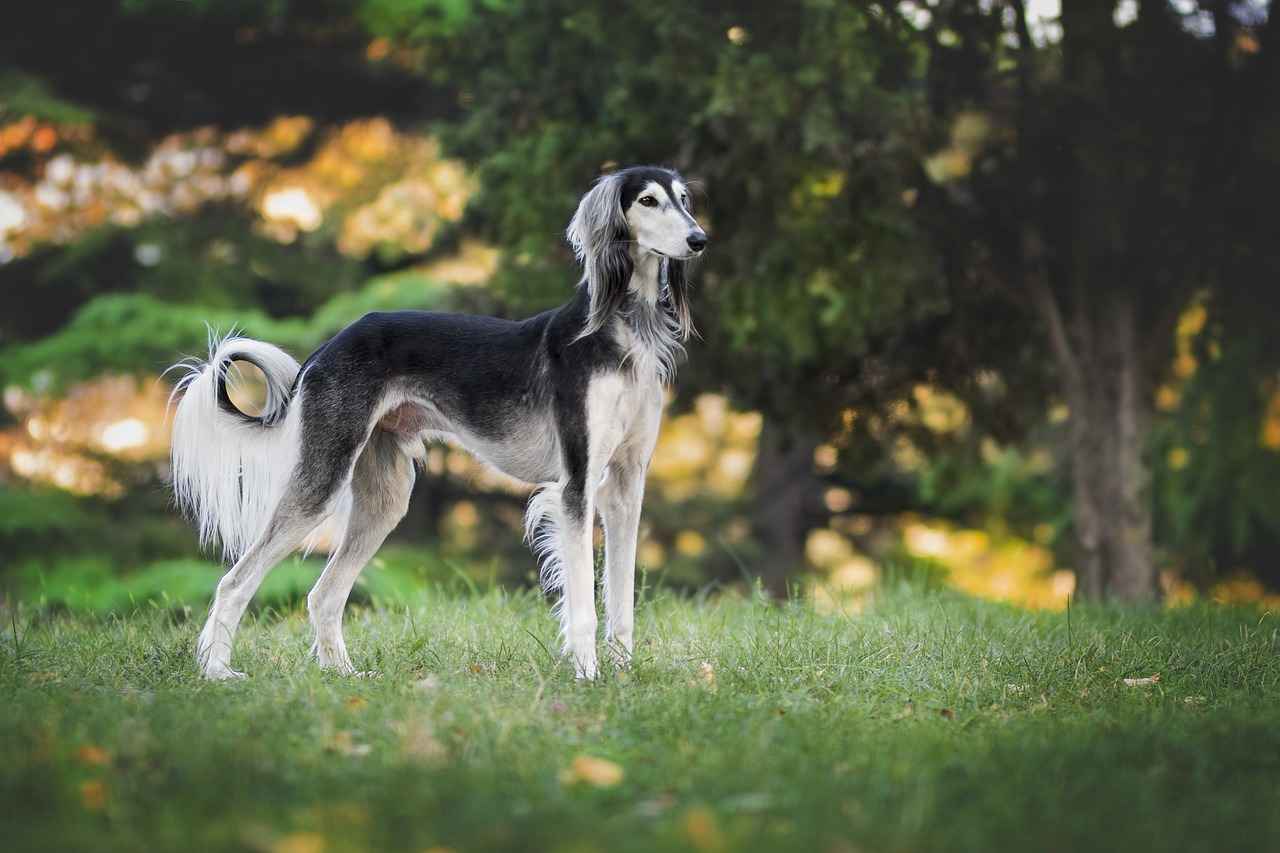
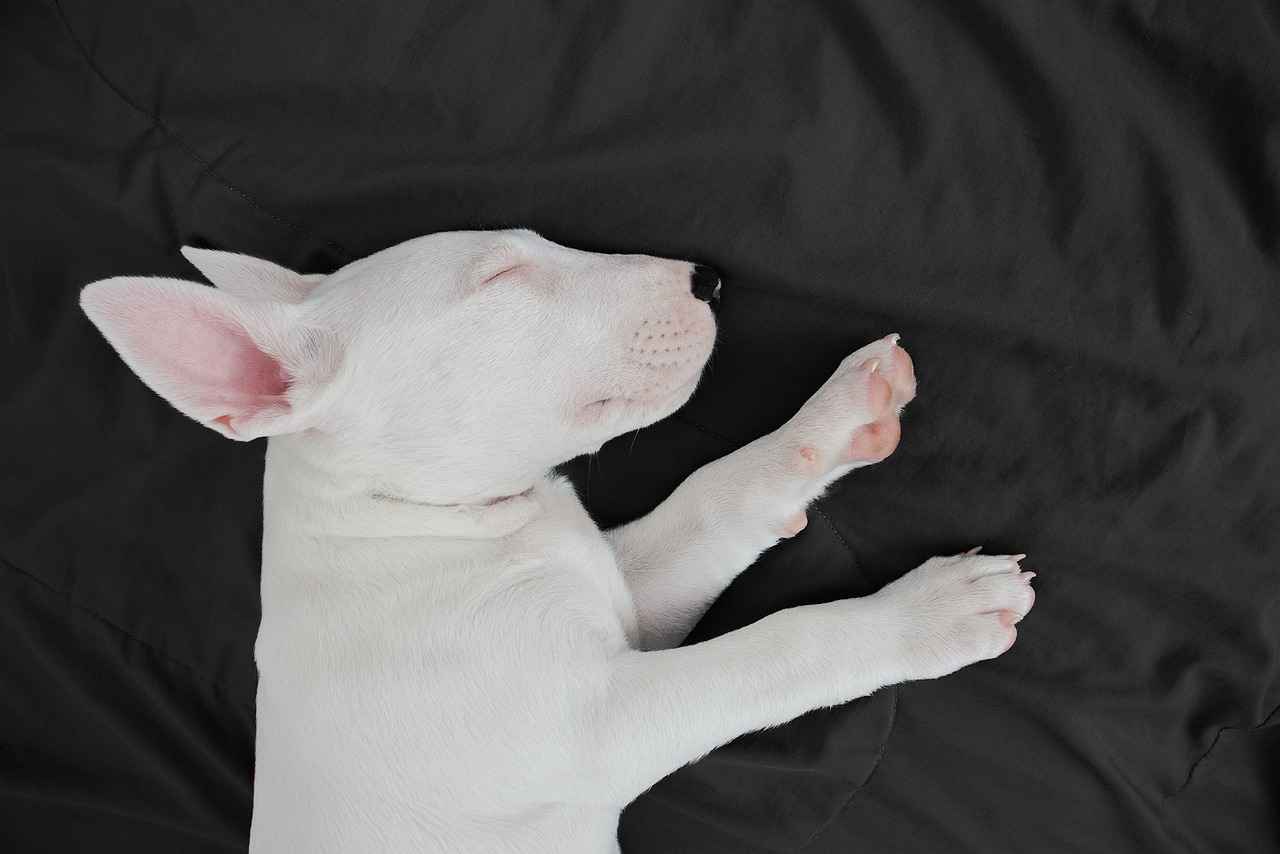
Have you ever wondered why do dogs have wet noses? It’s a question that sparks curiosity among pet owners and animal lovers alike! The answer may surprise you, as the reasons behind this phenomenon are both fascinating and essential for your furry friend's health. Wet noses are not just an adorable trait; they serve a practical purpose in a dog's life. For instance, a dog’s nose is crucial for their sense of smell, which is significantly more powerful than ours. But, do you know that the moisture on their noses helps them to detect scents better? Moreover, the wetness can also indicate your dog's emotional state or their overall health. In fact, a dog's wet nose can be a sign of excitement, anxiety, or even illness. So, why are you still wondering why do dogs have wet noses? Dive into this intriguing topic and discover the surprising reasons behind this common canine characteristic! Understanding these facts not only deepens your bond with your pet but also enhances your knowledge about dog care and well-being. Get ready to uncover the secrets of your dog's adorable, wet nose!
\n\nThe Science Behind Your Dog's Wet Nose: What Every Pet Owner Should Know
\n\n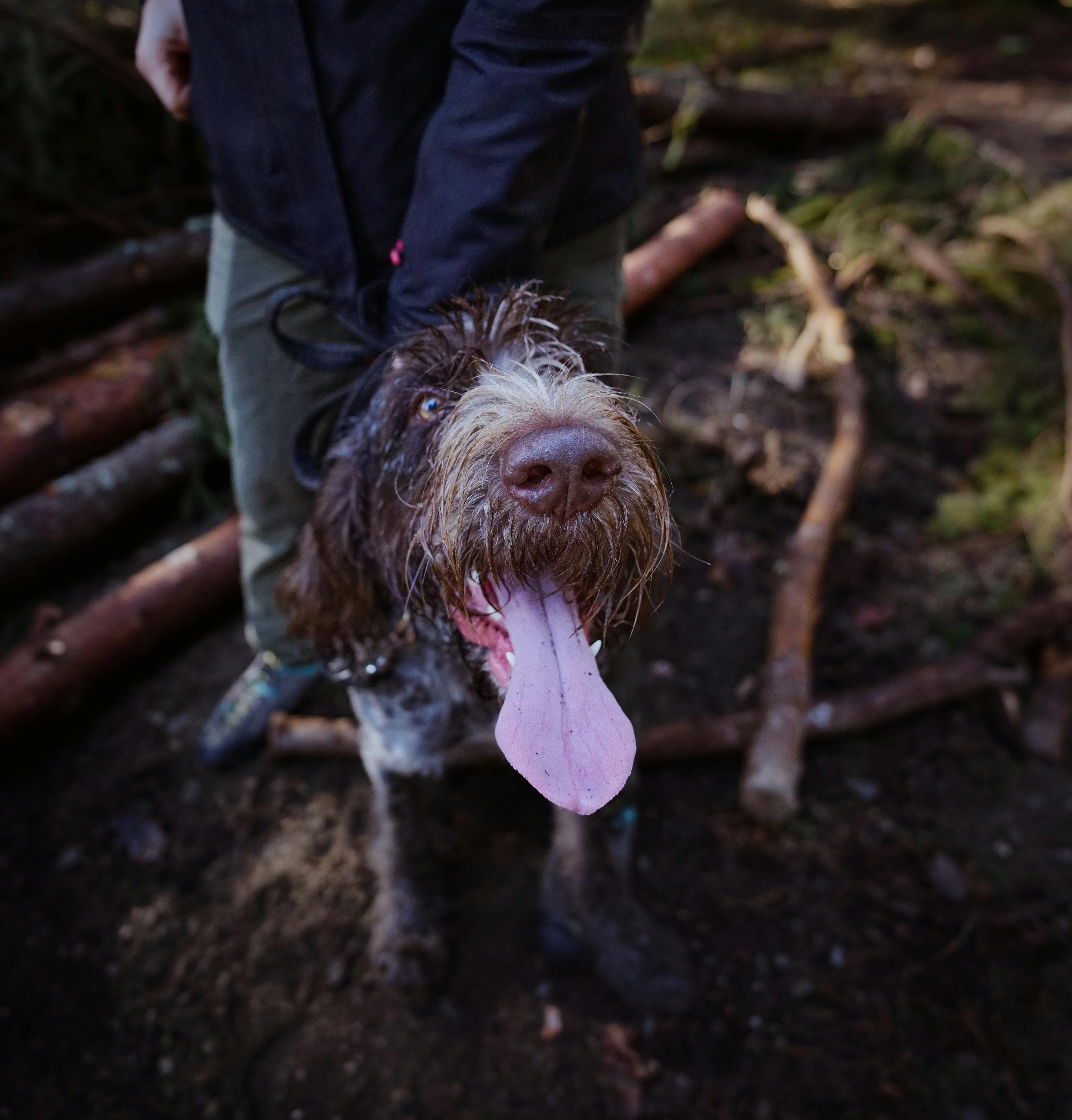 \n\n
\n\nIf you ever wonder why your dog’s nose is often wet, you’re not alone. Many pet owners are curious about this peculiar phenomenon. It turns out that the wetness of a dog's nose is not just an odd quirk, but rather a fascinating aspect of canine biology that serves several important purposes. So, let’s dive into the science behind your dog’s wet nose and discover the surprising reasons why it’s like that!
\nThe Biology of a Wet Nose
\nThe primary reason why dogs have wet noses relates to their anatomy. A dog's nose is covered in a layer of mucus, which serves to capture scents in the air. This mucous layer, combined with moisture from the environment, keeps the nose wet. A wet nose is an effective tool for dogs, helping them to smell better. In fact, dogs have a sense of smell that is 10,000 to 100,000 times more sensitive than humans!
\nHere are some key points about dog noses:
\n- \n
- Scent Detection: Dogs can pick up on different scents with their wet noses, which helps them identify food, other animals, and even people. \n
- Cooling Mechanism: Dogs don't sweat the same way humans do. Their noses help regulate their body temperature, making it easier for them to cool down. \n
- Health Indicator: A wet nose can often indicate good health, while a dry or cracked nose might signal dehydration or illness. \n
Why Do Dogs Have Wet Noses? Discover the Surprising Reasons!
\n- \n
- \n
Enhanced Smell: A wet nose helps enhance a dog's sense of smell. When the nose is moist, it can absorb scent particles more effectively, allowing dogs to process smells better. This is why you’ll often see your dog sniffing everything in sight!
\n \n - \n
Thermoregulation: Dogs do not sweat through their skin like humans. Instead, they rely on their noses and panting to regulate their body temperature. The moisture on a dog’s nose helps cool them down, especially during warm weather.
\n \n - \n
Communication Tool: Dogs communicate with each other and with humans using scent. A wet nose can carry pheromones and other scent molecules, which convey information about their mood and health status. If a dog approaches you with a wet nose, they might be expressing affection or seeking attention!
\n \n - \n
Protection Against Bacteria: The moisture on a dog’s nose can also help protect against bacteria. The mucous layer can trap dirt and pathogens, reducing the chance of infection.
\n \n
Historical Context of Dog Noses
\nHistorically, dogs have been bred for various purposes, from hunting to companionship. Different breeds have different nose shapes and textures, influencing how effective they are at detecting scents. For instance, Bloodhounds have long, droopy noses that help them trap scents, while breeds like the Basenji have shorter noses and may not be as adept at scent detection.
\nFun Facts About Dog Noses
\n- \n
- Unique Nose Prints: Just like human fingerprints, every dog has a unique nose print. Some researchers have even suggested using them for identification! \n
- Nasal Passages: A dog's nasal passages are long and complex, allowing them to filter and identify scents. This intricate design contributes to their incredible sniffing ability. \n
- Wet vs. Dry Noses: While a wet nose is generally a sign of a healthy dog, it's important to monitor changes. A persistently dry nose could indicate health issues or dehydration. \n
Practical Tips for Dog Owners
\n- \n
- Regular Check-ups: Keep an eye on your dog’s nose. If it becomes excessively dry or cracked, consult your veterinarian. \n
- Hydration: Ensure your dog always has access to fresh water. Staying hydrated can keep their nose moist and healthy. \n
- Watch for Changes: If you notice sudden changes in the moisture of your dog's nose, it may be worth looking into. Changes can sometimes signal allergies or other health concerns. \n
Comparison of Dog Breeds and Nose Types
\n| Breed | \nNose Type | \nScent Detection Ability | \n
|---|---|---|
| Bloodhound | \nLong and droopy | \nExcellent | \n
| Beagle | \nMedium and rounded | \nVery Good | \n
| Pug | \nShort and flat | \nModerate | \n
| German Shepherd | \nMedium and tapered | \nHigh | \n
Understanding the science behind your dog’s wet nose can help you take better care of your furry friend. It’s quite fascinating how something so simple can be so significant! The next time you give your dog some affection, just remember that their wet nose is not just a cute feature, but an important aspect of their health and well-being. Embrace the quirks of your pet, and always stay informed about what makes them unique!
\n\nTop 5 Reasons Why Dogs Have Wet Noses: Uncovering the Fascinating Facts
\n\n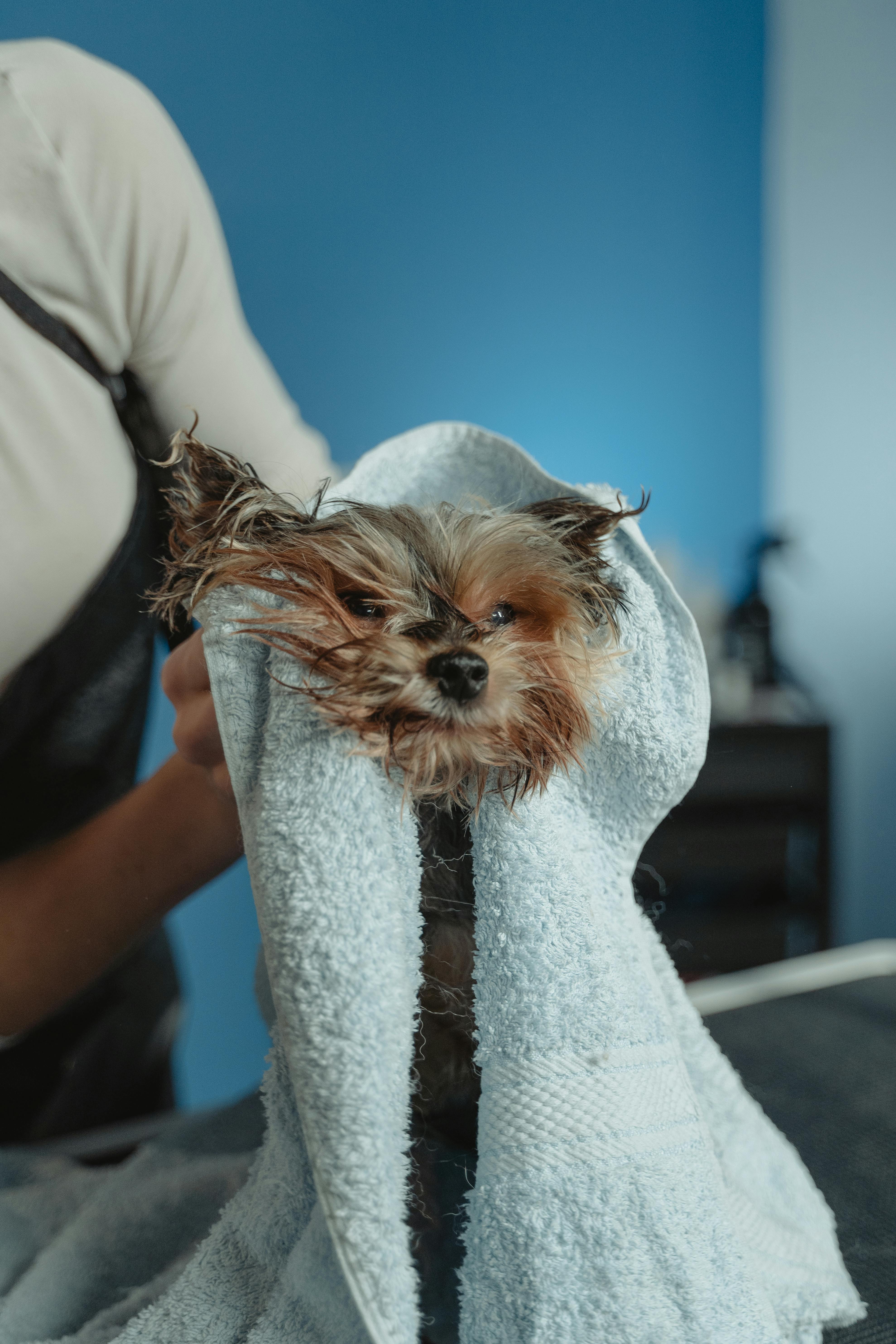 \n\n
\n\nHave you ever wondered why dogs have wet noses? It’s a question that many pet owners ask, and the answer is more fascinating than you might think. Dogs are known for their adorable, wet noses, but there are some solid reasons behind this unique trait. Below we explore the top 5 reasons why dogs have wet noses and uncover the surprising facts that explain this phenomenon. So, let’s dig in!
\n1. Enhanced Sense of Smell
\nOne of the primary reasons dogs have wet noses is because it helps them smell better. A dog’s sense of smell is incredibly powerful, estimated to be between 10,000 to 100,000 times more sensitive than humans. The moisture on their noses helps to capture scent particles in the air. When the nose is wet, it can absorb more scent molecules, making it easier for dogs to detect their environment.
\n- \n
- Wet noses help absorb odors. \n
- They improve scent detection. \n
- Dogs can track scents better with a moist nose. \n
2. Temperature Regulation
\nDogs don’t sweat like humans do to cool down. Instead, they rely on other methods to regulate their body temperature. Their wet noses help in this process. When a dog’s nose is moist, it can evaporates water, which cools the dog down. This is particularly important on hot days or after exercise.
\n- \n
- A wet nose can reduce body temperature. \n
- Evaporation from the nose helps cool the blood. \n
- Dogs might pant, but their noses also play a role! \n
3. Health Indicator
\nA dog’s nose can be a good indicator of its health. A healthy dog typically has a moist, cool nose. On the other hand, a dry or warm nose might signal that something is off. Of course, this isn’t a foolproof method to determine health, but it can give pet owners a quick check.
\n- \n
- Healthy dogs usually have wet noses. \n
- Dry noses may indicate dehydration or illness. \n
- Changes in nose temperature can be a sign of fever. \n
4. Communication Tool
\nDogs are social animals, and their noses play a role in how they communicate with other dogs and even humans. A wet nose can be a sign of excitement, affection, or curiosity. When a dog nudges you with its nose, it often means they want attention or to play.
\n- \n
- Wet noses can signal affection. \n
- Dogs may greet other dogs with nose touches. \n
- Nose nudging can indicate curiosity. \n
5. Evolutionary Trait
\nFrom an evolutionary standpoint, wet noses may have provided some advantages for survival. In the wild, a dog’s ability to smell and track prey could mean the difference between life and death. Having a wet nose likely helped their ancestors navigate their environment more effectively.
\n- \n
- Evolution favored dogs with better olfactory abilities. \n
- Wet noses may have aided in hunting. \n
- This trait has been passed down through generations. \n
Summary of Fascinating Facts
\nTo recap, here are the top reasons why dogs have wet noses:
\n- \n
- Enhanced sense of smell: Helps capture scent particles for better detection. \n
- Temperature regulation: Aids in cooling down the dog’s body. \n
- Health indicator: Can signal overall health status. \n
- Communication tool: A way to interact and express feelings. \n
- Evolutionary trait: Beneficial for survival in the wild. \n
Fun Facts About Dog Noses
\n- \n
- Every dog’s nose print is unique, just like human fingerprints. \n
- Dogs can smell specific diseases in humans, like cancer and diabetes. \n
- There are over 220 million scent receptors in a dog’s nose! \n
Next time you feel your dog’s wet nose against your hand, you can appreciate the fascinating reasons behind it. This simple feature is not just adorable; it’s key to your dog’s health, communication, and survival. Understanding these facts can deepen the bond between you and your furry friend. So, don’t just think of that wet nose as a cute quirk; it’s a vital part of what makes dogs such incredible companions!
\n\nIs Your Dog's Wet Nose Normal? Understanding the Health Implications
\n\n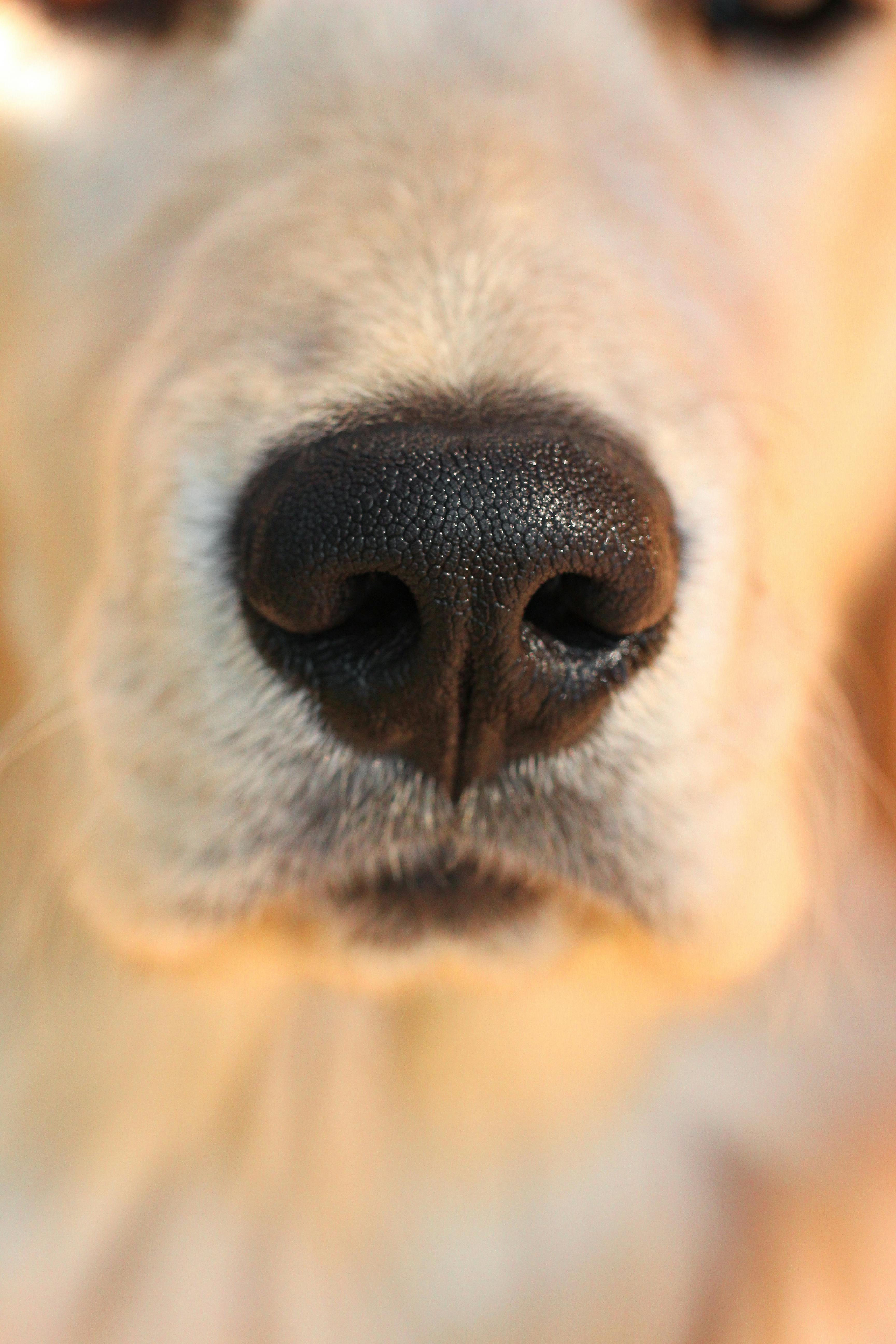 \n\n
\n\nIs your dog's wet nose normal? This question pops up in many pet owner's minds. It's like, when you see your furry friend with that shiny, wet nose, you might wonder if it means something more than just being cute. Well, let’s dive into the fascinating world of canine noses and what those wet noses could be telling you about your dog's health.
\nWhy Do Dogs Have Wet Noses?
\nFirst off, let’s talk about why dogs have wet noses in the first place. It ain't just for show, that’s for sure! A dog’s nose is an amazing organ, and here’s a few reasons why it’s usually wet:
\n- \n
- \n
Sense of Smell: Dogs have a super sense of smell, way better than humans. A wet nose helps enhance their olfactory abilities. It’s like putting on a pair of glasses for them to better smell things.
\n \n - \n
Thermoregulation: Dogs don’t sweat like humans do. Instead, they use their noses to help cool themselves down. The moisture on their noses evaporates, which helps regulate their body temperature.
\n \n - \n
Health Indicator: A wet nose can often indicate a healthy dog. It’s a sign of proper hydration and can mean they’re feeling good. However, it's not the only measure of a dog's health.
\n \n - \n
Environmental Factors: Sometimes, it’s just the weather! Humidity or recent rain can cause a dog’s nose to be wetter than usual.
\n \n
Understanding the Health Implications
\nSo, is a wet nose always a sign of good health? Not necessarily. Sometimes, changes in your dog's nose can indicate something might be wrong. Here’s a quick list to help you out:
\n- \n
- Dry Nose: If your dog’s nose suddenly becomes dry and cracked, it could be due to dehydration, illness, or even allergies. \n
- Excessively Wet Nose: If the nose is dripping wet, it might be due to a respiratory infection or even a dental issue. \n
- Discoloration: If the color of their nose changes – like from black to pink – it’s worth checking with your vet. \n
- Nosebleeds: If you notice blood, that’s a definite reason to see a vet ASAP! \n
Fun Facts About Dog Noses
\nDid you know that dog noses have unique patterns, just like human fingerprints? Each dog’s nose print is different and can be used to identify them. Here’s some more trivia about those wet noses:
\n- \n
- Temperature Sensitivity: Dogs can sense changes in temperature through their noses, which can help them detect things that are off. \n
- Moisture Production: Dogs lick their noses often. It’s a natural behavior that keeps their noses moist and helps them smell better. \n
- Nose and Emotion: Sometimes, a dog’s nose can reflect their emotions. A cold, wet nose may indicate they are relaxed, while a hot, dry nose can mean they are stressed or sick. \n
The Science Behind Nose Moisture
\nHere’s a simple breakdown of how a dog’s nose stays moist:
\n- \n
- Mucous Membrane: Dogs have a special mucous membrane that secretes moisture to keep their noses wet. \n
- Licking Behavior: Dogs often lick their noses, which adds moisture and helps them smell better. \n
- Environmental Factors: As mentioned earlier, humidity and temperature impact nose moisture levels. \n
When to Seek Veterinary Advice
\nIf you notice any unusual changes in your dog's nose or behavior, it’s best to consult your vet. Some signs to watch for include:
\n- \n
- Changes in appetite or drinking habits \n
- Lethargy or unusual behavior \n
- Persistent coughing or sneezing \n
- Any signs of pain when touching the nose \n
Conclusion
\nThe next time you pet your dog and notice that wet nose, remember it’s more than a cute feature. It’s a complex part of their anatomy with several important functions. Whether it's helping them smell better or regulating their body temperature, a wet nose is generally a good sign. However, keep an eye out for any changes, as they could be indicators of health issues. Understanding your dog's nose can enhance your bond, and help keep your furry friend healthy and happy.
\n\nSurprising Benefits of a Wet Nose: How It Affects Your Dog’s Sense of Smell
\n\n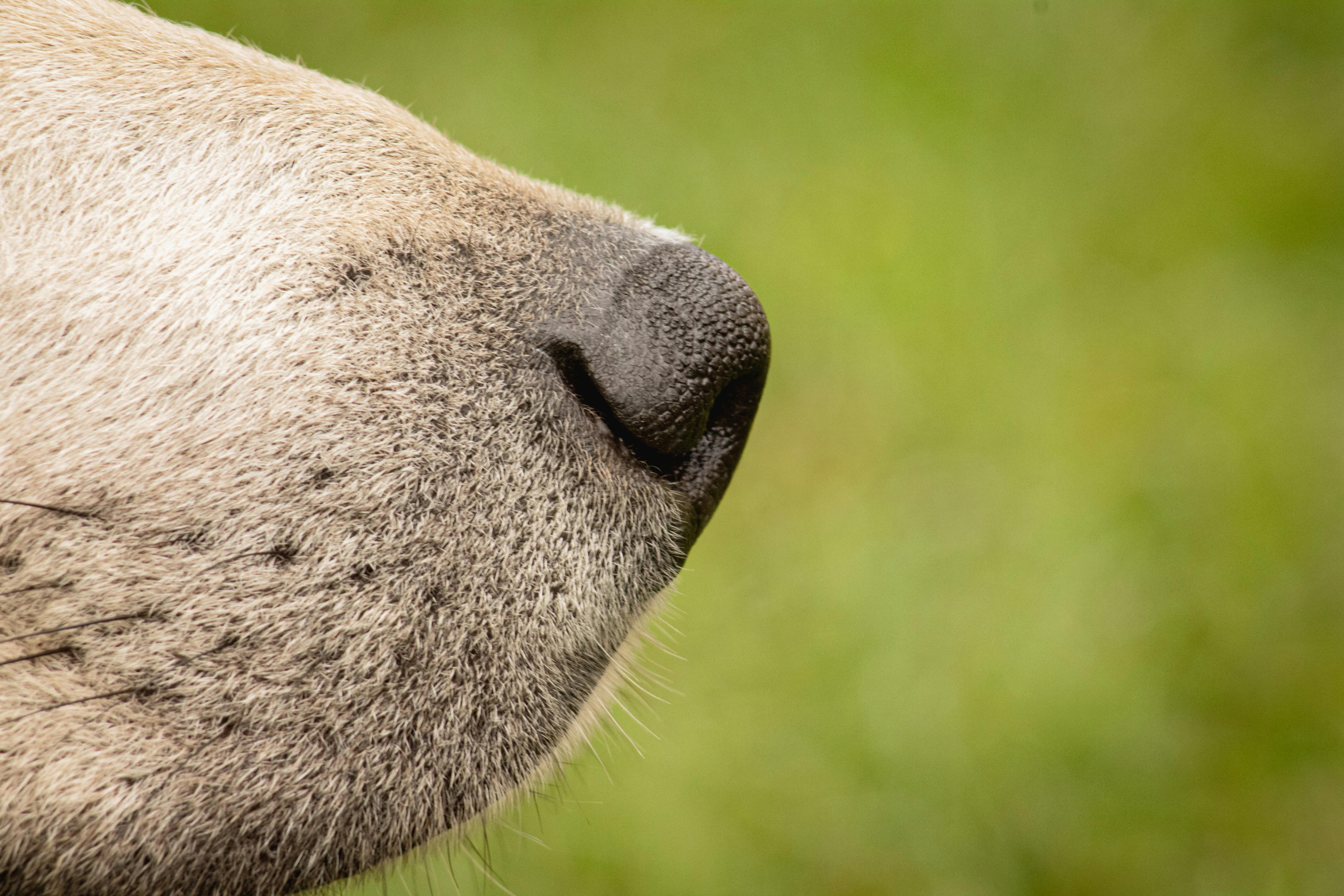 \n\n
\n\nHave you ever wondered why do dogs have wet noses? It’s not just a quirky fact about our furry friends. Their wet noses play a significant role in their health and behavior. In fact, there are some really surprising benefits of having a wet nose that many people don’t know about. Let’s dive into the fascinating world of canine noses and explore how it affects a dog’s sense of smell and why those noses are often damp.
\nThe Anatomy of a Dog’s Nose
\nFirst, let’s look at what makes a dog’s nose so special. Dogs have an incredibly complex olfactory system. They got up to 300 million smell receptors in their noses compared to a human’s mere 5 million. This means they can smell things we can’t even imagine. A dog’s wet nose is a key part of this incredible sensory system. The moisture on a dog’s nose helps to capture scent particles better.
\n- \n
- Moisture helps to enhance scent detection \n
- Wetness can assist in cooling down the dog \n
- It contributes to their overall health \n
Why Are Dog Noses Wet?
\nSo, why do dogs have wet noses in the first place? There are several reasons for this phenomenon.
\n- \n
- \n
Temperature Regulation: Dogs don’t sweat like humans. Instead, they regulate body temperature through panting and the moisture in their noses. When a dog’s nose is wet, it can help keep them cool.
\n \n - \n
Scent Enhancement: The moisture on their noses allows scent particles to stick, making it easier for dogs to identify smells. A dry nose means less effective scent detection, which could affect their ability to hunt or find their way.
\n \n - \n
Health Indicator: A wet nose is often seen as a sign of good health. If your dog’s nose becomes dry and cracked, it could be a sign that they are not feeling well or dehydrated.
\n \n - \n
Behavioral Signaling: Dogs often use their noses to communicate. A wet nose could signal curiosity or the need for attention from their owners.
\n \n
The Surprising Benefits of a Wet Nose
\nThere are several surprising benefits that come along with having a wet nose. Here’s a list of reasons why a wet nose is a boon for your dog:
\n- \n
- \n
Enhanced Sense of Smell: As mentioned before, the moisture helps dogs to smell better. They can detect certain scents that humans can’t, like fear or excitement in other animals.
\n \n - \n
Better Communication: Dogs express themselves through smell. A wet nose can indicate how they feel, making it easier for them to interact with other dogs and humans.
\n \n - \n
Natural Cooling Mechanism: The moisture on their noses can evaporate and help cool them down, especially on hot days. It’s like nature’s air conditioner!
\n \n - \n
Health Monitoring: Observing your dog's nose can be a simple way to keep track of their health. If it changes from wet to dry, it’s worth investigating further.
\n \n
Fun Facts About Dog Noses
\nHere are some interesting tidbits about dog noses that might surprise you:
\n- \n
- \n
Unique Patterns: Just like human fingerprints, every dog has a unique nose print. This means you could identify a dog just by their nose!
\n \n - \n
Sniffing Technique: Dogs have a special way of sniffing called the “wet-dry-wet” method. They sniff, then lick their noses, and then sniff again to better understand the scent.
\n \n - \n
Scent Memory: Dogs can remember scents for long periods. They can identify smells even if they haven’t encountered them in years.
\n \n - \n
Breed Differences: Some breeds are known for their better sense of smell. Bloodhounds, for example, are famous for tracking scents over long distances.
\n \n
Caring for Your Dog's Nose
\nTo keep your dog’s nose healthy, it’s essential to take good care of it. Here are some tips:
\n- \n
- Hydration: Ensure your dog stays well-hydrated, especially in hot weather. \n
- Regular Check-ups: Visit the vet for regular check-ups to monitor their health. \n
- Avoid Irritants: Keep your dog away from harsh chemicals or substances that can dry out their nose. \n
By understanding these elements about your dog’s wet nose, you not only appreciate a quirky aspect of their biology but also contribute to their well-being. So next time you see that wet nose, remember all the surprising benefits it brings to your furry friend! With proper care and attention, you can help maintain their health and happiness for years to come.
\n\nWet Noses and Emotions: Can Your Dog's Nose Tell You How They Feel?
\n\n \n\n
\n\nDogs are known for their loyalty and companionship, but have you ever wondered about the significance of their wet noses? It turns out, their noses do more than just look cute. In fact, the state of a dog’s nose can offer insight into their emotional state. So, can your dog’s nose tell you how they feel? Let’s explore this fascinating topic, including why do dogs have wet noses and what it might mean for their feelings.
\nWhy Do Dogs Have Wet Noses?
\nYou might not think about it too much, but a dog’s nose is wet for some important reasons. Here are a few of the key reasons why their noses are moist:
\n- \n
- \n
Enhanced Sense of Smell: Dogs have an extraordinary sense of smell, and a wet nose helps to absorb scent molecules from the air. When the nose is moist, it can trap these scents better, allowing dogs to gather more information about their surroundings.
\n \n - \n
Temperature Regulation: Just like humans sweat to cool down, dogs use their noses to regulate body temperature. When they’re overheated, the moisture on their nose can help them stay cool.
\n \n - \n
Health Indicator: A wet nose is often a sign of a healthy dog. While not always the case, it’s generally a good indicator that your dog is feeling well. Conversely, a dry or cracked nose might suggest dehydration, illness, or other health issues.
\n \n
Emotional Connection: Can a Dog’s Nose Reveal Feelings?
\nSo, how does the wetness of your dog’s nose connect to their emotions? While it’s not a definitive measure, a dog’s nose may indicate their emotional state in certain situations. Here’s what to keep in mind:
\n- \n
- \n
Calm and Happy: If your dog’s nose is moist and cold, it may mean they are in a relaxed or happy state. They might be enjoying a cuddle session or a walk in the park.
\n \n - \n
Anxious or Stressed: A dry or warm nose can sometimes indicate that your dog is feeling anxious or stressed. Maybe they just heard a loud noise or are in an unfamiliar environment.
\n \n - \n
Playful Mood: When dogs are excited and ready to play, their noses might also be more wet. They’re generally animated and eager to engage with you or other pets.
\n \n
Surprising Facts About Dogs' Noses
\nHere’s some quick, interesting facts that might surprise you about dogs and their noses:
\n- \n
- \n
Unique Nose Prints: Just like human fingerprints, every dog has a unique nose print. This means your dog’s nose is as distinctive as a fingerprint.
\n \n - \n
Nasal Turbinates: Dogs have complex nasal structures called nasal turbinates that help filter and warm the air they breathe. This also plays a role in their incredible sense of smell.
\n \n - \n
Licking Their Noses: Dogs often lick their noses to keep them moist. This behavior can also indicate curiosity or excitement about something they see or smell.
\n \n
Comparing Wet and Dry Noses
\nHere’s a simple comparison of wet and dry dog noses to understand their meanings better:
\n| Nose Condition | \nPossible Emotion or Health Indicator | \n
|---|---|
| Wet & Cold | \nHappy or Calm | \n
| Wet & Warm | \nPossibly Excited or Active | \n
| Dry & Warm | \nMay Indicate Stress or Anxiety | \n
| Dry & Cracked | \nPotential Health Concern | \n
Practical Examples of Observing Your Dog’s Nose
\nYou can observe your dog’s nose during various activities to gauge their emotional state. Here are a few scenarios to watch for:
\n- \n
- \n
During Playtime: Notice if their nose is cold and wet when they’re running around. This usually means they’re having a good time.
\n \n - \n
When Visitors Arrive: If your dog’s nose becomes dry or warm when new people enter your home, it might suggest anxiety or nervousness.
\n \n - \n
While Cuddling: Pay attention to your dog's nose when they snuggle up to you. A cool, wet nose can indicate contentment.
\n \n
The Importance of Holistic Dog Care
\nKeeping an eye on your dog’s nose is just one part of understanding their overall well-being. Regular veterinary check-ups, a balanced diet, and proper exercise are essential for a happy and healthy dog. Also, being aware of your dog's body language, in addition to their nose condition, can give you a fuller picture of how they feel.
\nUnderstanding the relationship between a dog’s wet nose and their emotions is fascinating. While it’s not an exact science, there are clues in their wetness that can help you connect better with your furry friend. By paying attention to their nose, you can learn more about their feelings and well-being, fostering a stronger bond with your beloved pet.
\n\nHow Temperature Affects Your Dog's Wet Nose: A Must-Read for Pet Parents
\n\n \n\n
\n\nEvery dog owner has noticed that their furry friends usually have wet noses, but have you ever wondered why? It's not just random; there are some fascinating reasons behind this unique characteristic. Understanding how temperature affects your dog’s wet nose can also make a big difference in their health and happiness. This information is crucial for all pet parents to know!
\nWhy Do Dogs Have Wet Noses?
\nFirst off, let’s get into the main question: why do dogs have wet noses? The reasons are both scientific and practical. Here are some key points:
\n- \n
- \n
Cooling Mechanism: Dogs don’t sweat like humans do. They primarily cool down through panting, but their wet noses also help regulate their body temperature. When the moisture on their noses evaporates, it cools them down.
\n \n - \n
Enhanced Sense of Smell: Wet noses help dogs to trap scent particles. This makes their sense of smell even more acute. A dog’s nose is packed with olfactory receptors, and the moisture helps to absorb and hold scent, which is vital for their hunting and tracking instincts.
\n \n - \n
Health Indicator: A dog’s nose can be a signal of their health. A wet and cool nose usually indicates a healthy dog, while a dry, warm nose can sometimes indicate dehydration or illness. However, it’s not a definitive rule, so pet parents should look for other signs too.
\n \n - \n
Communication Tool: Dogs communicate in many ways, and their noses can play a role in that. A wet nose can indicate excitement or curiosity, while a dry nose might suggest a dog is feeling a bit more subdued.
\n \n
The Temperature Factor
\nTemperature plays a huge role in the state of your dog’s nose. Here’s how it works:
\n- \n
- \n
Hot Weather: In hot conditions, a dog’s nose may dry out quicker. This is because they are losing moisture through panting and their bodies are working hard to maintain a normal temperature. A dry nose in hot weather can also indicate overheating.
\n \n - \n
Cold Weather: When temperatures drop, the moisture on a dog’s nose can freeze, leading to a crusty appearance. It’s essential to monitor your dog’s outside time in cold weather, as frostbite can occur.
\n \n - \n
Humidity: High humidity can lead to a persistently wet nose. While that might seem fine, excessive moisture can sometimes lead to skin issues or infections.
\n \n - \n
Indoor Temperature: If your home is too dry due to heating systems in winter, your dog's nose might also become dry. Consider using a humidifier to maintain optimal moisture levels.
\n \n
The Surprising Facts About Dog Noses
\nHere’s a few surprising facts about dog noses that might interest pet parents:
\n- \n
- \n
Dogs have a unique nose print, just like humans have fingerprints. This print can be used to identify them!
\n \n - \n
The color of a dog’s nose can change with the seasons. For example, some dogs may have a darker nose in winter and a lighter one in summer.
\n \n - \n
A dog’s nose can detect scents up to 100,000 times better than a human’s. So, when your dog is sniffing around, they are gathering a lot of information!
\n \n
Monitoring Your Dog’s Nose
\nBeing a responsible pet parent means keeping an eye on your dog’s nose. Here are some practical tips:
\n- \n
- \n
Regular Checks: Make it a habit to check your dog’s nose daily. Look for signs of dryness, cracking, or unusual color changes.
\n \n - \n
Hydration: Keep your dog hydrated, especially in hot weather. Fresh water should always be available.
\n \n - \n
Consult a Vet: If you notice persistent dryness, cracking, or any other unusual signs, don’t hesitate to consult with a veterinarian. They can provide valuable insights and treatments.
\n \n - \n
Consider Environment: Be mindful of how temperature and humidity levels can affect your dog’s nose. Adjust their environment accordingly.
\n \n
Final Thoughts
\nUnderstanding why dogs have wet noses and how temperature affects them is essential for every pet parent. It not only helps in ensuring your dog remains healthy, but also enhances your bond with them. Remember, a happy dog often has a wet nose! So keep an eye on that little detail, and your furry friend will thank you with every wag of their tail. Embrace the quirks of your dog, and you’ll both enjoy a fulfilling companionship.
\n\nThe Role of Moisture in Canine Communication: Why Wet Noses Matter
\n\n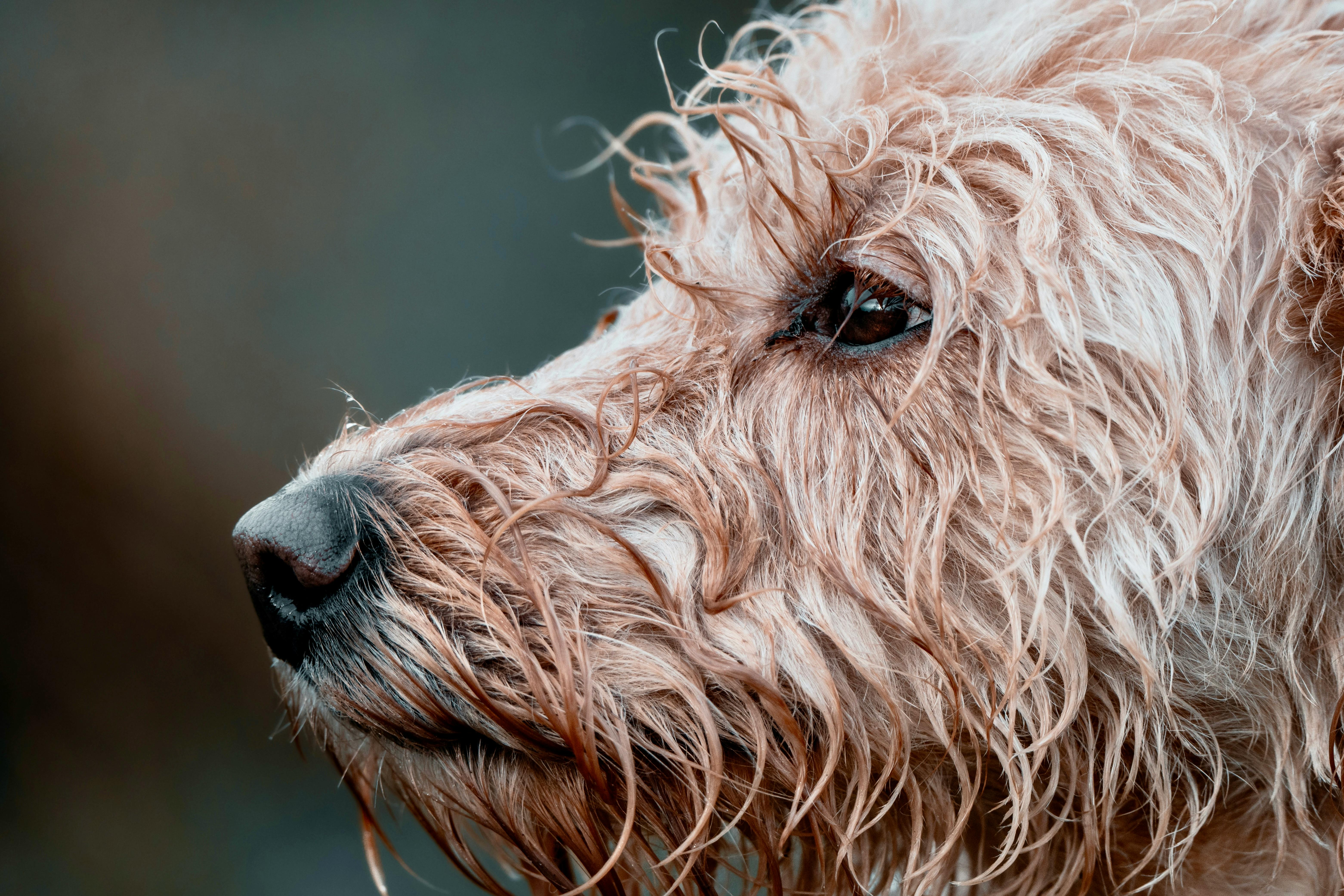 \n\n
\n\nDogs are more than just companions; they’re communicators in their own right. One of the most fascinating aspects of canine communication is their wet noses. Ever wondered why do dogs have wet noses? The answer is rooted in biology and behavior, with several surprising reasons behind this unique trait.
\nThe Science of Dog Noses
\nDogs noses are not just for show. They’re incredibly sensitive and play a important role in how dogs interact with the world around them. Here’s some key points about why a dog’s nose is generally wet:
\n- \n
- Enhanced Sense of Smell: A damp nose helps to capture scent molecules more effectively. The moisture creates a better surface for these particles, allowing dogs to pick up scents more efficiently. \n
- Temperature Regulation: Dogs don’t sweat like humans do. Instead, they use their noses to help cool down. When a dog pants, moisture from their nose helps to cool them off, much like how sweat works for humans. \n
- Health Indicator: A wet nose is often a sign of good health in dogs. If a dog’s nose is dry or cracked, it could signal dehydration or illness, prompting owners to seek veterinary care. \n
Historical Context of Canine Communication
\nHistorically, dogs have been domesticated for thousands of years. Their communication methods have evolved alongside humans. Wet noses have been part of this evolution, playing a crucial role in how dogs express themselves. Here’s a brief timeline of dog communication:
\n- \n
- Ancient Times: Dogs were used for hunting and protection, relying on their sense of smell to track and communicate. \n
- Medieval Period: With domestication, dogs became companions, and their communication through body language and scent became even more important. \n
- Modern Era: Today, dogs are seen as family members. Understanding their communication, including the significance of a wet nose, has become essential for responsible pet ownership. \n
The Role of Moisture in Canine Communication
\nMoisture plays a significant role in how dogs communicate with each other and with humans. Here’s how:
\n- \n
- Social Interactions: Dogs greet each other by sniffing noses, a behavior that allows them to gather information about each other’s health, mood, and territory. A wet nose can enhance this interaction, providing more detailed scent information. \n
- Emotional Expression: Dogs often use their noses to express feelings. A wet nose can suggest that a dog is relaxed and happy, while a dry nose might indicate stress or discomfort. \n
- Scent Marking: Dogs also use their noses to explore their environment. Wet noses help them pick up the scent of other animals and humans, which they can then mark with their own scent as a form of communication. \n
Surprising Reasons for Wet Noses
\nWhile the science behind wet noses is fascinating, there are other surprising reasons that might not be as widely known. Consider these:
\n- \n
- Natural Behavior: Dogs lick their noses frequently, keeping them moist. This is a natural instinct, and it’s much like how cats groom themselves. \n
- Hydration: Dogs are naturally inclined to drink frequently, which helps maintain the moisture in their noses. A hydrated dog tends to have a wetter nose! \n
- Environmental Factors: Weather conditions can affect nose moisture. Humidity and temperature can lead to more moisture on a dog’s nose, while dry, hot conditions might result in a dryer nose. \n
Practical Examples and Comparisons
\nTo illustrate the significance of a dog’s wet nose, here’s a comparison:
\n- \n
- Wet Nose vs. Dry Nose:
- \n
- Wet Nose: Indicates hydration and a healthy dog; great at picking up scents. \n
- Dry Nose: Could be a sign of dehydration or illness; may struggle with scent detection. \n
\n
Fun Facts About Dog Noses
\n- \n
- Dogs have approximately 300 million scent receptors compared to humans, who only have about 6 million. \n
- The unique pattern of a dog’s nose is as distinctive as a human fingerprint. \n
- Dogs can even detect certain diseases, including cancer, through their sense of smell. \n
Understanding the role of moisture in canine communication opens up a deeper appreciation for our furry friends. Their wet noses are not just cute — they’re essential tools that help dogs navigate their world. So next time you see your dog with a wet nose, remember that it signifies much more than just cuteness; it’s an integral part of how they communicate and interact with their environment. Knowing why do dogs have wet noses can enhance your bond with them and ensure you’re attentive to their health and well-being.
\n\nDebunking Myths: Wet Noses vs. Dry Noses in Dogs - Which Is Healthy?
\n\n\n\nWhen it comes to our furry friends, one of the most common questions pet owners ask is about their noses. Wet noses, dry noses—what does it all mean? Are they indicators of health or merely a matter of how the dog feels at that moment? In this article, we explore the myths surrounding wet and dry noses in dogs and explain why dogs have wet noses in the first place. Spoiler alert: It’s more interesting than you think!
\nUnderstanding Nose Conditions in Dogs
\nFirst off, let’s clear one thing up: a wet nose doesn’t always mean your dog is healthy, and a dry nose doesn’t always mean they are sick. Many people assume that a wet nose is a sign of a happy dog, while a dry nose signals illness. This is not entirely accurate.
\nHere’s a simple comparison of wet and dry noses:
\n- \n
- \n
Wet Nose
\n- \n
- Often feels cool to the touch. \n
- Can be a sign of a dog's recent activity, like drinking water or playing. \n
- Might indicate a dog is feeling anxious or excited. \n
\n - \n
Dry Nose
\n- \n
- Generally warmer than a wet nose. \n
- Can indicate dehydration or fever, but not always. \n
- May simply mean the dog is relaxed or napping. \n
\n
Why Do Dogs Have Wet Noses?
\nSo, why do dogs have wet noses anyway? The reason is not just for show. It serves several practical functions:
\n- \n
- Sense of Smell: A wet nose helps dogs smell better. The moisture captures scent particles, which makes it easier for them to pick up smells. This helps them identify their surroundings and track scents. \n
- Temperature Regulation: Dogs don’t sweat like humans do. Instead, they cool off through their noses. The moisture evaporates, which can help regulate their body temperature. \n
- Health Indicator: While a wet nose can indicate hydration, it doesn’t always mean the dog is completely healthy. It’s just one piece of the puzzle. \n
Common Myths About Dog Noses
\nNow, let’s dive into some myths that circulate about dog noses. Clearing these up might help you understand your furry friend a bit better.
\n- \n
- \n
Myth 1: A Wet Nose Means a Healthy Dog\nReality: While a wet nose can be a sign of hydration, other factors need to be considered. A dog can have a wet nose and still be sick.
\n \n - \n
Myth 2: A Dry Nose Always Indicates Illness\nReality: A dry nose could simply mean the dog has been resting or sleeping. A dog's nose can change throughout the day due to various factors.
\n \n - \n
Myth 3: You Should Always Worry About Changes in Nose Moisture\nReality: A change in nose moisture can be normal, but if it’s accompanied by other symptoms like lethargy, vomiting, or loss of appetite, then it’s time to consult a vet.
\n \n
Factors Affecting Nose Moisture
\nThere are many factors that can influence whether a dog’s nose is wet or dry. Here’s a quick rundown:
\n- \n
- Weather Conditions: Hot, dry weather can lead to a dry nose. Conversely, humidity can contribute to a wet nose. \n
- Activity Level: After a long walk or play session, a dog’s nose may be wetter than usual. \n
- Age and Health: Some dogs simply have drier noses due to age or specific health conditions. \n
Practical Tips for Dog Owners
\nIf you’re concerned about your dog’s nose, here’s a few things you can do:
\n- \n
- Check the overall behavior: If your dog is eating, drinking, and playing normally, there might not be cause for concern. \n
- Monitor other symptoms: Look for signs like vomiting, diarrhea, or lethargy. These can indicate a problem beyond just a dry nose. \n
- Consult a veterinarian: If you’re ever in doubt, it’s always best to reach out to a professional. They can provide valuable insights into your dog's health. \n
Final Thoughts
\nIn the end, understanding your dog’s health goes beyond just checking if their nose is wet or dry. Wet noses can be fascinating, but they are only one small part of a bigger picture. By being aware of the myths and the facts about dog noses, you’ll be better equipped to care for your furry companion. If you have more questions or concerns about your pet's health, don't hesitate to reach out for professional advice. Our legal team is here to help you navigate any issues related to your pet’s well-being.
\n\nWhat Your Dog’s Wet Nose Says About Their Health: Signs to Watch For
\n\n \n\n
\n\nDogs are often called man's best friend, but have you ever wondered what your furry buddy's wet nose means? A wet nose can be a common sight when it comes to our canine companions, yet many people don't really understand the significance behind it. Knowing the signs of your dog’s health through their nose can be crucial, and we’re here to uncover the facts. So, let's dive into the surprising reasons why do dogs have wet noses, and what it might say about their health.
\nWhy Do Dogs Have Wet Noses?
\nFirst off, let’s tackle the big question: why do dogs have wet noses? The answer lies in a few key factors.
\n- \n
- \n
Temperature Regulation: Just like humans sweat to cool down, dogs have a different method. Their noses help to regulate their body temperature. The moisture on a dog’s nose evaporates, helping to cool them off.
\n \n - \n
Enhanced Sense of Smell: A wet nose can actually improve a dog's sense of smell. Dogs have a highly developed olfactory system, and moisture helps to trap scent particles in the air. This allows them to detect scents more effectively.
\n \n - \n
Health Indicator: A dog's nose can be a good indicator of their overall health. An unusually dry or excessively wet nose could be a sign of health issues.
\n \n - \n
Grooming Behavior: Dogs often lick their noses to keep them moist. This is part of their natural grooming habits.
\n \n
Signs to Watch For
\nWhile a wet nose is generally a sign of a happy and healthy dog, there are exceptions. Here’s what to look out for:
\n- \n
- Dry Nose: If your pup’s nose feels unusually dry or cracked, it could indicate dehydration or illness. \n
- Excessively Wet Nose: A nose that is too wet might be a sign of allergies or even an infection. \n
- Discoloration: Changes in color from their normal pigmentation can be a warning sign. A pink or red nose might indicate inflammation. \n
- Nasal Discharge: If there’s mucus or any unusual discharge, it could mean an underlying health issue. \n
- Changes in Temperature: A nose that feels hot could indicate fever or illness. \n
Common Health Issues Linked to Nose Conditions
\nUnderstanding the potential health issues that can arise from changes in your dog's nose can help you catch problems early:
\n- \n
- Allergies: Environmental factors can lead to a wet nose that is also itchy or inflamed. \n
- Infections: Both bacterial and viral infections can cause excessive moisture. \n
- Autoimmune Disorders: Certain autoimmune diseases can cause changes in nose texture and moisture. \n
- Nasal Tumors: Less common but serious, tumors can develop, leading to unusual nose symptoms. \n
Practical Tips for Monitoring Your Dog’s Nose Health
\nHere’s a quick list of tips to keep an eye on your dog’s nose:
\n- \n
- Daily Checks: Make it a habit to check your dog’s nose each day. Feel for temperature and moisture levels. \n
- Hydration: Always ensure your dog has access to fresh water. Dehydration can lead to a dry nose. \n
- Consult Your Vet: If you notice any concerning changes, don’t hesitate to consult your veterinarian. Early diagnosis can be key to treatment. \n
- Grooming: Keep your dog groomed, and focus on their face and nose area. This can help you spot any unusual changes. \n
Fun Facts About Dog Noses
\nDid you know that dog noses are unique, much like human fingerprints? Here are some fun facts:
\n- \n
- Unique Patterns: Each dog’s nose has a unique pattern of ridges and spots. \n
- Scent Detection: Dogs have about 300 million smell receptors compared to humans’ 5 million. \n
- Temperature Sensitivity: A dog's nose can sense temperature changes as small as a degree. \n
Understanding what your dog’s wet nose says about their health can be very beneficial. It can give you insights into their wellbeing and help you respond to any health issues timely. So the next time you see your dog’s wet nose, remember it’s not just a cute quirk, but a window into their health!
\nTaking the time to observe and understand your dog’s nose can lead to a happier, healthier life for them. After all, they rely on you to notice the little things.
\n\nKeeping Your Dog's Nose Healthy: Tips for Maintaining Optimal Moisture Levels
\n\n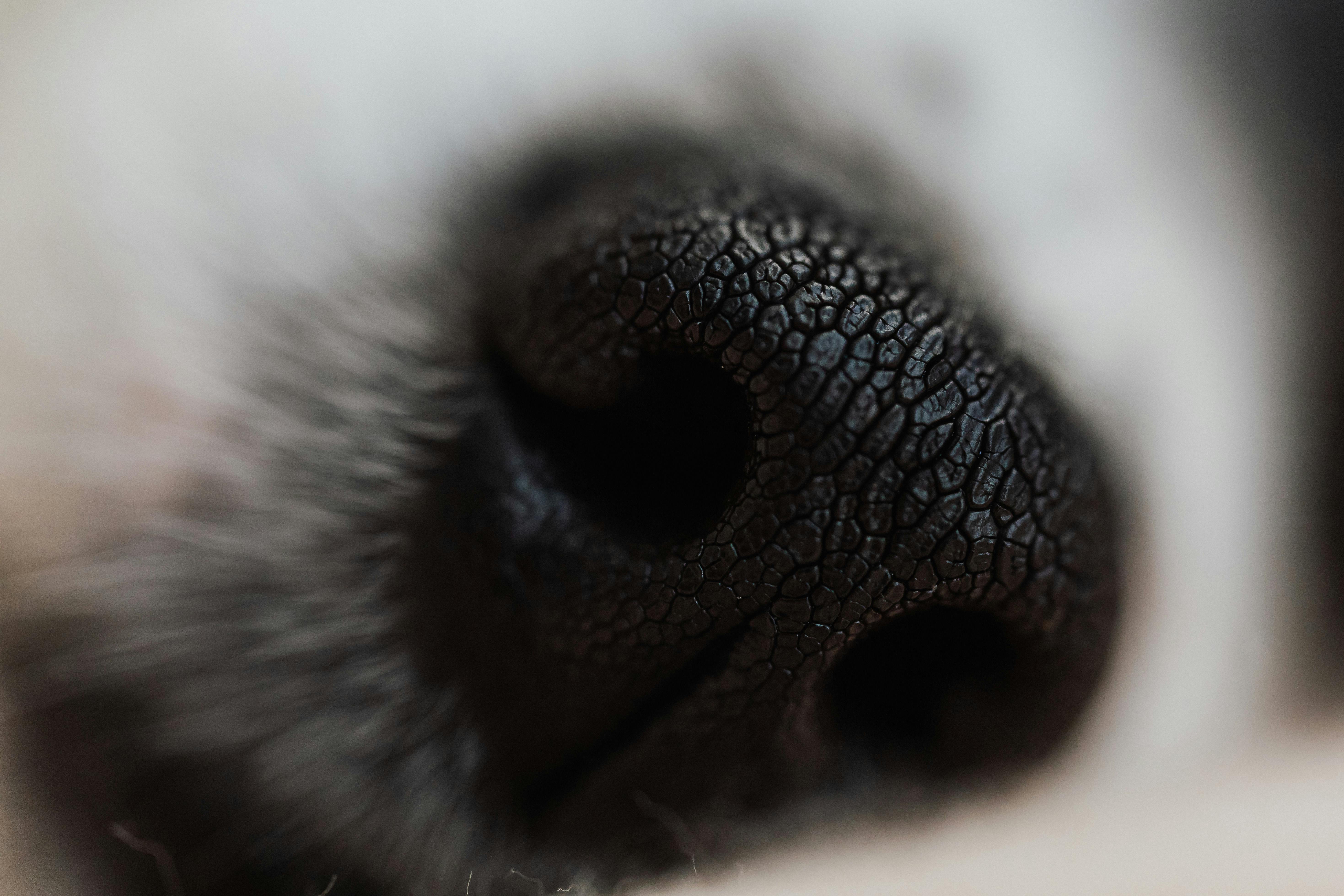 \n\n
\n\nKeeping Your Dog's Nose Healthy: Tips for Maintaining Optimal Moisture Levels, Why Do Dogs Have Wet Noses? Discover the Surprising Reasons!
\nHave you ever wondered why your dog’s nose is always wet? It’s kind of a common question among pet owners, and there’s actually a lot to unpack about it. Not only is a moist nose a sign of a healthy canine, but it’s also crucial for their overall well-being. In this article, we will explore the reasons behind those wet noses, what keeping them healthy means, and practical tips for maintaining optimal moisture levels.
\nWhy Do Dogs Have Wet Noses?
\nSo, what’s the deal with dog noses? Dogs has wet noses for several reasons, some of which are pretty fascinating. Here are a few points to consider:
\n- \n
- \n
Cooling Mechanism: Dogs can’t sweat as humans do. They relies on their noses to help regulate body temperature. A moist nose aids in cooling, as evaporation helps lower their body temperature.
\n \n - \n
Sense of Smell: A wet nose enhances a dog's sense of smell. The moisture helps to capture scent particles, making it easier for dogs to sniff out everything from food to potential dangers.
\n \n - \n
Health Indicator: Generally, a wet nose is a sign of good health. However, if it’s unusually dry or cracked, it could indicate a health issue.
\n \n - \n
Natural Behavior: Dogs often lick their noses, which keeps them moist. It’s just one of those adorable behaviors that is a part of being a dog!
\n \n
Keeping Your Dog’s Nose Healthy
\nNow that we know why those noses are wet, let’s talk about how to keep them healthy. A healthy nose means a happy dog, right? Here are some tips to ensure that your dog’s nose stays in tip-top shape:
\n- \n
- \n
Regular Hydration: Make sure your dog always has access to fresh water. Hydration is key in maintaining moisture levels in their noses.
\n \n - \n
Humidity Levels: If you lives in a dry climate, consider using a humidifier in your home. This can help keep moisture levels up, especially during winter months.
\n \n - \n
Diet Matters: Feed your dog a balanced diet that includes Omega-3 fatty acids. This can promote healthy skin and, in turn, a healthy nose.
\n \n - \n
Avoid Irritants: Keep your dog away from smoke, strong perfumes, or cleaning products that could irritate their nose.
\n \n - \n
Regular Vet Checkups: Routine visits to the veterinarian can help catch any potential issues early on. Your vet can provide specific advice for your dog’s breed and health condition.
\n \n
Signs of Concern for Your Dog’s Nose
\nWhile a wet nose is generally a good sign, there are situations when you should be concerned. Keep an eye out for the following symptoms:
\n- \n
- \n
Dryness or Cracking: If your dog’s nose is persistently dry or shows signs of cracking, it may be time to check with a vet.
\n \n - \n
Excessive Moisture: On the flip side, if your dog has an overly wet nose accompanied by discharge, this could indicate an infection or other health issues.
\n \n - \n
Color Changes: A healthy nose should usually be dark. If you notice significant changes in color, this could be a warning sign.
\n \n - \n
Lethargy or Loss of Appetite: If your dog is acting differently, like being more lethargic or not eating, it’s important to consult your veterinarian.
\n \n
Quick Tips for Nose Care
\nHere’s a quick bullet-point list for easy reference:
\n- \n
- Always provide fresh water. \n
- Monitor humidity levels at home. \n
- Feed a balanced diet with Omega-3s. \n
- Avoid irritants like smoke or strong scents. \n
- Schedule regular vet checkups. \n
Fun Facts About Dog Noses
\n- \n
- A dog’s nose print is unique, just like human fingerprints! \n
- Dogs can smell up to 100,000 times better than humans. \n
- The wetness of a dog’s nose can help them absorb scent particles, making their sense of smell even more powerful. \n
Keeping your dog’s nose healthy is an important part of responsible pet ownership. By understanding why dogs have wet noses and how to maintain optimal moisture levels, you can ensure your furry friend stays happy and healthy. Remember, a moist nose is often a sign of a well-cared-for dog, so keep those hydration levels up and pay attention to any changes. Your dog will thank you with wagging tails and joyful barks!
\n\nConclusion
\n\nIn conclusion, the wet noses of dogs serve several important functions that contribute to their overall health and well-being. The moisture on a dog's nose enhances their sense of smell, allowing them to detect scents more accurately, which is crucial for their communication and interaction with the world around them. Additionally, a wet nose helps regulate their body temperature, acting as a natural coolant. While variations in moisture levels can indicate health changes, understanding the reasons behind a dog's wet nose can provide valuable insights into their needs. As a dog owner, paying attention to your pet's nose can be an essential part of monitoring their health. Encourage fellow dog lovers to appreciate this unique characteristic and share insights on how they care for their furry friends. Remember, a wet nose is not just a cute feature; it’s a vital part of what makes dogs such remarkable companions.
\n\n