Have you ever wonder why do dogs have wet noses? This intriguing question has baffled pet owners and dog lovers alike for years. Did you know that a dog's wet nose is not just a cute feature but serves several surprising purposes? From regulating body temperature to enhancing their sense of smell, the reasons behind this unique characteristic are both fascinating and vital for your furry friend's health. In this article, we will explore the science behind those moist noses and uncover the secrets that make them so special. What makes a dog’s nose wet in the first place? Is it true that a wet nose indicates whether a dog is healthy? Join us as we dive deep into the reasons behind why dog noses are wet, revealing the connection between a dog's wet nose and their emotional state, health, and even behavior. Understanding these factors can help you better care for your canine companion. So stick around to discover everything you need to know about this curious canine trait! You won’t want to miss the surprising insights we have in store!
The Science Behind Canine Wet Noses: What You Need to Know
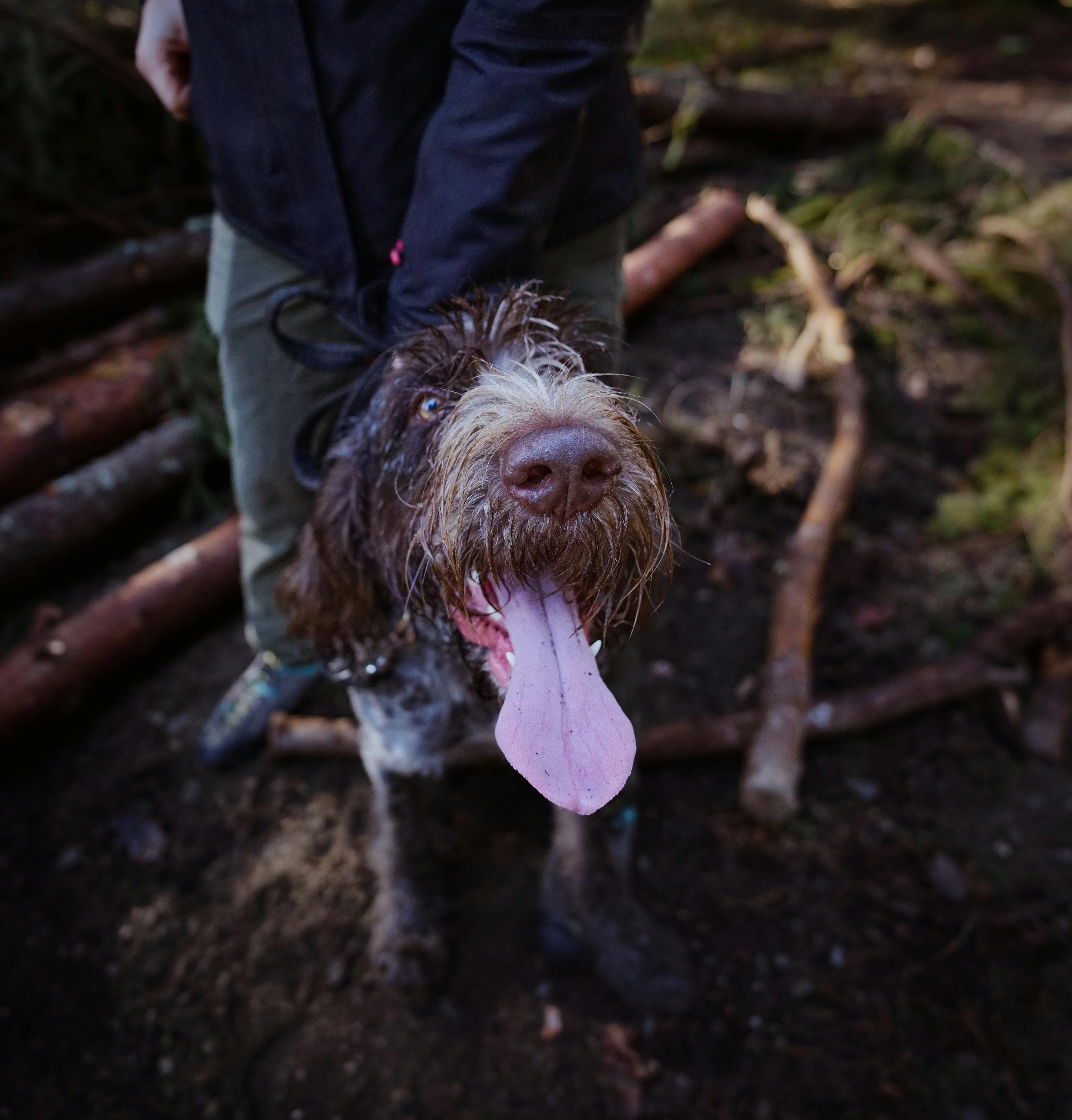
When you see a dog, one of the first things you might notice is its wet nose. Ever wonder why dogs have wet noses? There’s actually a lot more to it than meets the eye. This article will delve into the science behind canine wet noses, exploring the reasons why they are so different from ours and what it means for our furry friends. Let’s uncover the surprising reasons behind this unique feature!
The Anatomy of a Dog's Nose
Dogs have some of the most sophisticated noses in the animal kingdom. Their sense of smell is estimated to be between 10,000 to 100,000 times more acute than humans'. This incredible ability is partly due to the structure of their noses. Here’s a quick breakdown:
- Olfactory Receptors: Dogs have about 220 million olfactory receptors compared to a human’s 5 million.
- Nasal Passages: Their nasal passages are much longer, allowing for more extensive scent detection.
- Moisture: The wetness of a dog’s nose plays a crucial role in their ability to smell.
Why Do Dogs Have Wet Noses?
So, why do dogs have wet noses? The answer lies mostly in their biology and sensory needs. Here’s a few key reasons:
Enhanced Scent Detection: The moisture on a dog’s nose helps to capture scent particles from the air. When the nose is wet, it can absorb more odor molecules, significantly improving a dog’s ability to smell.
Cooling Mechanism: Dogs don’t sweat like humans. Instead, they regulate their body temperature through panting and the moisture on their noses. A wet nose can help keep them cool during hot weather.
Health Indicator: The state of a dog’s nose can often indicate their health. A wet nose usually suggests that a dog is well-hydrated and healthy, while a dry or cracked nose might signal illness or dehydration.
Behavioral Signals: Dogs also use their noses to communicate with each other. A wet nose can be a way of showing affection, or it may be used to investigate their surroundings.
Historical Context: The Evolution of Dog Noses
Dogs have been by our side for thousands of years. Their noses have evolved to serve various purposes. Historically, dogs were bred for specific tasks, such as hunting or herding, necessitating a keen sense of smell. Here’s how that evolved:
- Hunting and Tracking: Early breeds were selected for their ability to track scents. This trait has been passed down and is still prominent in many breeds today.
- Working Dogs: Police and rescue dogs rely on their noses to detect drugs, explosives, or even find missing persons. Their wet noses are a key part of their effectiveness.
Fun Facts About Dog Noses
- Dogs' noses come in various shapes and sizes, but all serve the purpose of enhancing their sense of smell.
- A dog’s sense of smell can help detect diseases like cancer or diabetes, alerting their owners to potential health issues.
- The unique patterns on a dog's nose are as distinctive as human fingerprints.
Comparisons: Dog Noses vs. Human Noses
Let’s compare canine noses to human noses in a simple table format:
| Feature | Dog Nose | Human Nose |
|---|---|---|
| Number of Receptors | 220 million | 5 million |
| Moisture Levels | Typically wet | Generally dry |
| Functionality | Enhanced smell detection, cooling | Primarily for breathing |
| Scent Discrimination | Exceptional | Limited |
Practical Examples of Dog Nose Functions
Scent Tracking: Bloodhounds are known for their ability to track scents over miles, thanks to their wet noses and superior olfactory senses.
Thermal Detection: Some dogs can detect changes in body temperature, which is often tied to illness.
Social Interactions: Dogs use their noses to greet and interact with other dogs, sniffing to gather information about each other.
In summary, the wet nose of a dog is not just a cute feature; it is a fundamental aspect of their biology that enhances their ability to smell, helps cool them down, and can even indicate their health status. Understanding the science behind canine wet noses gives us deeper insight into why our dogs behave the way they do and reinforces the special bond we share with them. Next time you give your pup a pat on the head, take a moment to appreciate their remarkable nose and all it does!
5 Surprising Health Benefits of a Dog’s Moist Nose
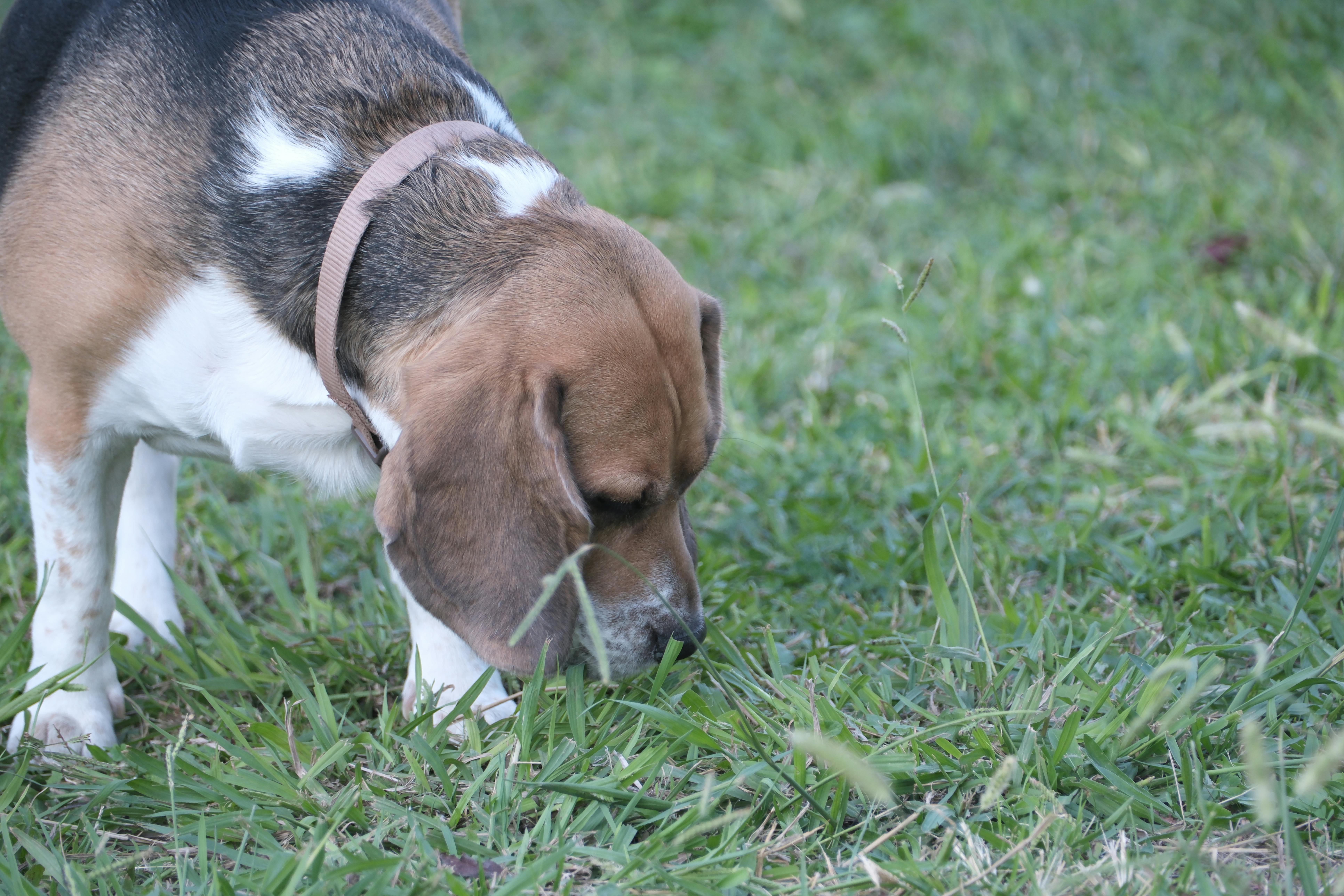
Ever wonder why dogs have wet noses? Most people just assume it’s normal, but there are actually several fascinating reasons behind it. Plus, a moist nose isn’t just a cute quirk; it comes with surprising health benefits too! Let’s dive into the science and history behind this doggy feature, and explore the five unexpected health advantages of having a wet nose.
The Science of Wet Noses
First off, dogs’ noses are wet due to a thin layer of mucus that helps them smell better. You see, dogs have an incredible sense of smell, which is 10,000 to 100,000 times more sensitive than humans. This mucus enhances their ability to pick up scents by capturing scent particles in the air. Also, when dogs lick their noses, they help to keep it moist, which aids in this process.
On the flip side, a dry nose could indicate dehydration or illness, so it’s important to monitor your pet’s nose condition. A dog's nose temperature can also tell you something; a cool, wet nose generally indicates a healthy pup, while a warm, dry nose might warrant a vet check.
5 Surprising Health Benefits of a Dog’s Moist Nose
Enhanced Sense of Smell
- Dog’s noses are designed for smelling. The moisture increases the surface area of the nose, allowing more scent particles to adhere.
- Dogs can detect diseases like cancer or diabetes in humans just by sniffing. This is due to their incredible olfactory abilities, which are heightened by their wet noses.
Body Temperature Regulation
- Just like humans sweat, dogs can regulate their body temperature through their noses.
- When they breathe in through their moist noses, it helps cool their body down. This is why you may see your dog panting after exercise; they're trying to cool off.
Sick Detection
- Dogs can sense when their owners are unwell. Their wet noses play a role in this; they can sniff out changes in body chemistry.
- Many dog owners have reported instances where their pets alerted them to health issues before they were diagnosed.
Skin Health
- A moist nose helps keep the skin around it hydrated, reducing the risk of dry skin and potential infections.
- Dogs with dry noses may be more prone to cracking and infections, while a wet nose usually indicates good skin health.
Social Interactions
- Dogs communicate through smell, and a moist nose allows them to pick up on pheromones from other dogs.
- This is essential for their social behavior and helps them understand the emotional state of other dogs or even humans.
Historical Context of the Dog's Nose
Historically, dogs have been companions to humans for thousands of years. Ancient civilizations utilized dogs for herding, hunting, and protection. The wet nose, which we see today, has likely evolved from their wild ancestors; it serves critical survival functions.
Interesting Facts:
- The average dog has about 300 million olfactory receptors, compared to a human’s 5 million.
- Different dog breeds have varying nose shapes, which can affect their smelling capabilities.
How to Maintain Your Dog's Nose Health
To keep your dog’s nose in tip-top shape, it’s important to do a few simple things:
- Hydration: Make sure your dog always has access to fresh water. Dehydration can lead to a dry nose.
- Regular Vet Check-Ups: Regular visits to the vet can help catch any potential health issues early.
- Monitor Environment: If your dog spends time outdoors, be aware of weather conditions. Hot, dry air can dry out their noses.
Quick Comparison: Healthy vs. Unhealthy Nose
| Feature | Healthy Nose | Unhealthy Nose |
|---|---|---|
| Temperature | Cool | Warm |
| Moisture | Wet | Dry |
| Texture | Smooth | Cracked or rough |
| Behavior | Active and playful | Lethargic or withdrawn |
Overall, understanding the science behind why dogs have wet noses not only deepens our appreciation for these furry friends but also helps us ensure their health and happiness. So, next time you feel that cool, moist touch from your dog’s nose, remember that it’s more than just adorable—it’s a sign of their health and vitality!
How Your Dog's Wet Nose Enhances Their Sense of Smell
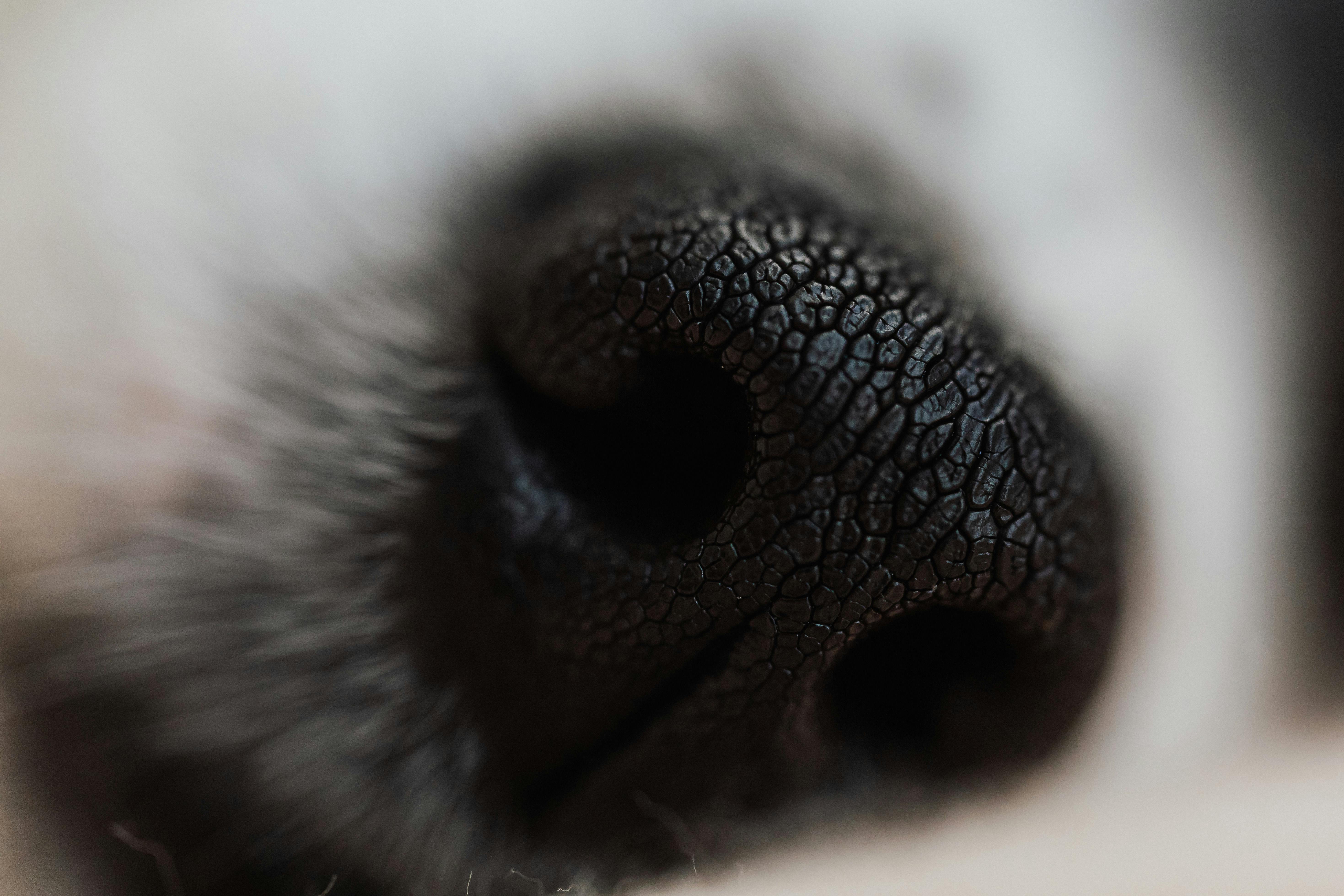
Have you ever wondered why your dog's nose is always wet? It’s something many people notice but seldom understand. The truth is, a wet nose is not just a cute feature; it plays a critical role in enhancing a dog's sense of smell. In this article, we will uncover the surprising reasons behind this phenomenon, exploring how and why dogs have wet noses.
The Science Behind a Dog's Wet Nose
Dogs are known for their incredible sense of smell, estimated to be anywhere from 10,000 to 100,000 times more sensitive than that of humans. A wet nose is one of the key elements that help them sniff out scents, and it’s not just a random trait. The moisture on a dog's nose helps to capture scent particles from the air. Here’s how it works:
Absorption of Odors: A wet surface can absorb odor molecules more effectively than a dry surface. The moisture helps dissolve these molecules, which makes it easier for the olfactory receptors to recognize them.
Thermal Regulation: The wetness of a dog’s nose also helps with thermal regulation. When a dog is panting or when it's hot outside, the moisture evaporates from their nose, cooling them down.
Enhanced Scent Detection: When dogs sniff, the moisture on their nose acts like a sponge, trapping scent particles. This increases the likelihood that they will identify and analyze the smells around them.
Why Do Dogs Have Wet Noses?
There are several reasons dogs have wet noses, and understanding them can provide insight into your furry friend’s health and behavior. These include:
Health Indicator: A wet nose is often seen as a sign of health in dogs. If your dog's nose is dry, it might indicate dehydration or illness. However, this is not always the case, as many healthy dogs can have dry noses.
Temperature Regulation: Just like humans sweat to cool down, dogs use their wet noses to keep themselves cool. The evaporation of moisture from their nose helps them maintain a stable body temperature.
Communication Tool: Dogs use their noses to communicate with other dogs and animals. A wet nose can signify friendliness and curiosity, while a dry nose may indicate stress or discomfort.
Fun Facts About Dog Noses
Here are some fascinating facts regarding dog noses that might surprise you:
Unique Prints: Just like human fingerprints, no two dog noses are alike. Each dog has a unique nose print that can be used for identification.
Scent Discrimination: Dogs can differentiate between smells even in mixed scents. They can identify a specific scent even if it’s buried beneath other odors.
Olfactory Receptors: Dogs have about 300 million olfactory receptors in their noses, compared to humans, who only have about 5 million. This difference is what makes their sense of smell so exceptional.
Common Misconceptions
There are several myths regarding dog noses that need to be debunked:
A Cold Nose Means a Healthy Dog: While a cold, wet nose is often seen as a sign of health, it is not definitive. Dogs can have warm, dry noses and still be perfectly healthy.
Nose Color Indicates Health: The color of a dog's nose can vary widely by breed and is not a reliable health indicator.
Practical Tips for Dog Owners
As a dog owner, there are things you can do to ensure your dog’s nose stays healthy:
Hydration: Make sure your dog has access to clean, fresh water. Hydration is key to maintaining a wet nose.
Regular Vet Checkups: Routine veterinary visits can catch any underlying health issues that might affect your dog’s nose.
Observe Changes: Monitor any changes in the texture, color, or temperature of your dog’s nose. If you notice something unusual, consult with a veterinarian.
The Bottom Line
Understanding why dogs have wet noses and how this feature enhances their incredible sense of smell offers a deeper appreciation for these amazing creatures. The moisture on their noses plays a significant role in scent detection, communication, and even health. So next time you give your dog a pat and feel that familiar wet nose, remember, it’s not just cute; it’s a vital part of their biology. Embracing these unique traits helps us connect better with our four-legged companions.
Wet Nose vs. Dry Nose: What Each Means for Your Dog’s Health

When you look at your dog, one of the most noticeable things is their nose. You might wonder why it’s wet sometimes or dry at other times. Wet nose vs. dry nose can tell you a lot about your dog's health, behaviors, and even emotions. So, why do dogs have wet noses anyway? Let’s dive into this fascinating aspect of canine anatomy and what it means for your furry friend.
Why Do Dogs Have Wet Noses?
Dogs have wet noses mainly due to their unique physiology. The moisture on a dog's nose serves several important purposes. Here’s some reasons why they are typically wet:
Scent Enhancement: Dogs have an incredible sense of smell—one of the best in the animal kingdom! A wet nose helps to enhance their ability to pick up scents. The moisture traps scent particles, making it easier for them to detect smells.
Thermoregulation: Just like humans sweat to cool down, dogs regulate their body temperature through their noses. The moisture helps to cool them off, especially when they are feeling hot.
Health Indicator: A wet nose might also indicate good health. While it’s not a definitive sign, many healthy dogs have moist noses. Changes in the moisture level can sometimes indicate health issues.
The Science Behind It
The skin on a dog’s nose contains special glands that produce secretion. This secretion helps maintain moisture. Here’s a quick overview of how it works:
Sebaceous Glands: These glands produce oil which helps keep the nose moist.
Sweat Glands: Dogs have sweat glands in their paws, but the nose doesn’t have these. Instead, they rely on the secretion from sebaceous glands to keep their noses wet.
Environmental Influence: The weather can affect how wet or dry a dog's nose is. For example, during hot, dry days, you might notice your dog's nose becoming drier.
Wet Nose vs. Dry Nose: What Each Means
Understanding the condition of your dog's nose can offer insights into their overall health. Below is a simple comparison of what wet and dry noses might indicate:
Wet Nose:
- Healthy hydration level
- Good scent detection ability
- Normal body temperature regulation
Dry Nose:
- Possible dehydration
- Signs of fever or illness
- Environmental factors like heat or wind
What to Watch For
While a dry nose doesn’t always mean something is wrong, there are certain signs you should keep an eye on. Here’s a checklist:
- Persistent Dryness: If your dog’s nose stays dry for an extended period, it could indicate dehydration or illness.
- Cracking or Bleeding: If the nose is not just dry but also cracking, it could be a sign of a more severe issue.
- Fever Symptoms: If your dog is lethargic, not eating, or has a warm nose, it could be an indication of fever or infection.
Keeping Your Dog’s Nose Healthy
Here are some practical tips to ensure your dog's nose stays as healthy as possible:
Hydration: Always make sure your dog has access to fresh water. Dehydration can lead to a dry nose.
Regular Vet Check-Ups: Regular health check-ups can help catch any underlying issues early on.
Limit Exposure: During extreme weather conditions, limit your dog’s exposure to the heat or cold to prevent nose dryness.
Interesting Facts About Dog Noses
Unique Patterns: Just like human fingerprints, each dog’s nose print is unique!
Nose Color: The coloration of a dog’s nose can vary greatly, from black to pink, and may change with age or health conditions.
Temperature Indicator: While a warm nose can indicate illness, it’s not always a reliable thermometer. Dogs can have warm noses for many benign reasons.
In the world of pet care, understanding your dog's nose might seem trivial, but it’s quite crucial. A wet nose is often a sign of good health, while a dry nose might require more attention. Always pay attention to changes in your dog’s behavior and overall health, and don’t hesitate to consult your veterinarian if you notice something off. Keeping an eye on your furry friend’s nose can be a window into their well-being and happiness.
Why Do Dogs Have Wet Noses? Uncovering the Fascinating Facts
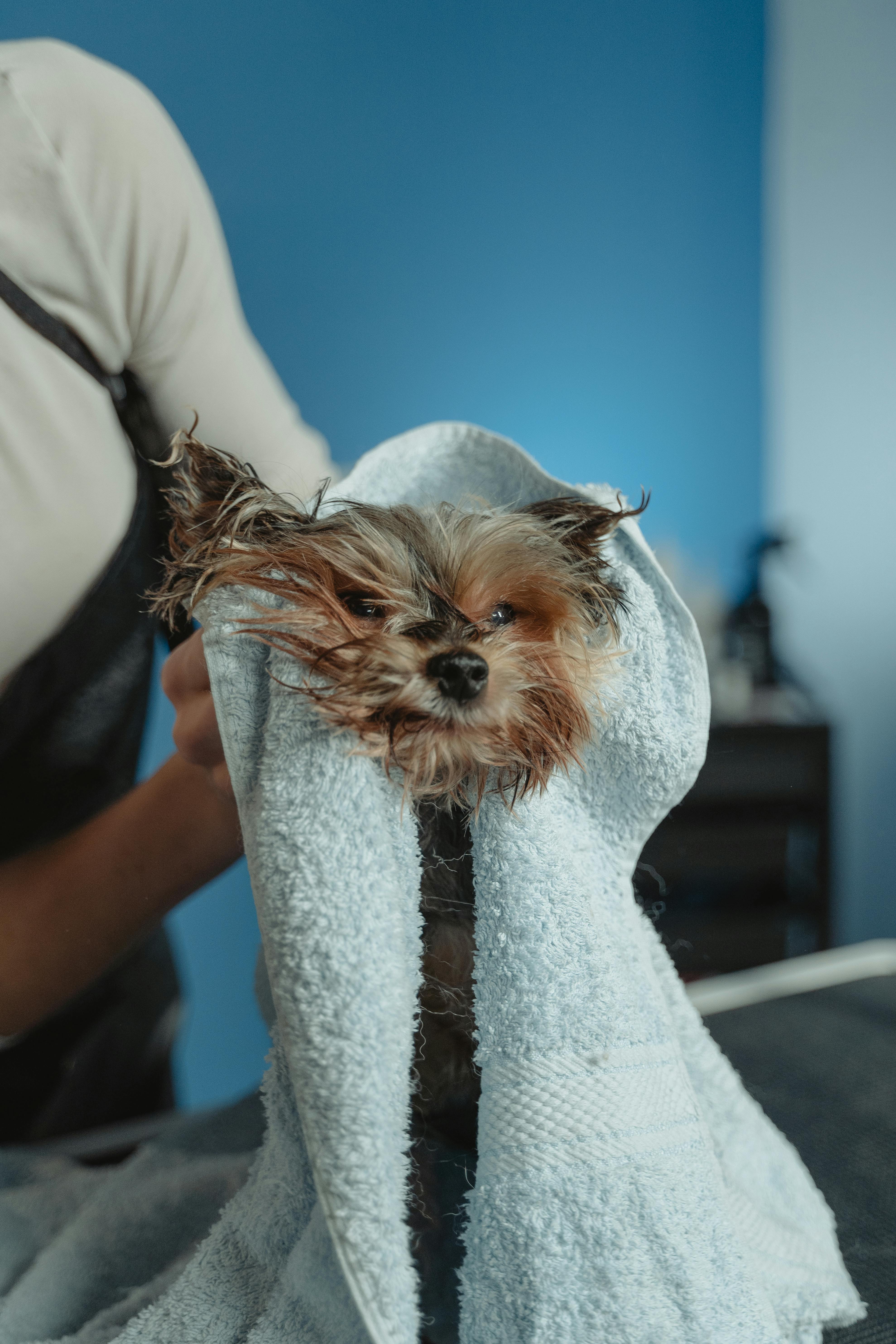
Ever wondered why do dogs have wet noses? It’s one of those quirks that makes our furry friends so special. In fact, there’s more to this phenomenon than mere moisture. Let’s dive into the surprising reasons behind those adorable, damp noses and uncover some fascinating facts about our canine companions.
The Science Behind Wet Noses
Dogs noses are wet for a few important reasons. First, it helps them to smell better. Believe it or not, a dog’s sense of smell is way more powerful than humans. When their noses are moist, it helps to capture scent particles from the air. This means, dogs can sniff out treats from a mile away!
Here’s some science to chew on:
- A dog’s olfactory system has about 300 million smell receptors, while humans have only about 6 million.
- The moisture on a dog’s nose helps to dissolve scent particles, making it easier to detect different smells.
- It’s also believed that wet noses help regulate temperature for dogs.
Evolutionary Perspective
From an evolutionary standpoint, a wet nose may have been advantageous for survival. Dogs, like their ancestors, rely heavily on their sense of smell to hunt and navigate their environment. A wet nose enhances their ability to detect food, predators, and even potential mates.
Compare this to cats, who generally have dry noses. Cats are more visual hunters, relying less on smell. Thus, the evolutionary paths diverged, leading to distinct adaptations like wet noses in dogs.
Other Reasons for Wet Noses
But wait, there’s more! Wet noses also serve other practical purposes. Here’s a quick list of reasons why dogs might have those moist noses:
- Thermoregulation: Dogs do not sweat like humans do. Instead, they pant to cool down. A wet nose helps to keep them cool by evaporating moisture.
- Communication: Dogs communicate through scents. A wet nose can convey information about their emotional state, making it a vital tool for social interaction.
- Health Indicator: Generally, a wet nose is a sign of a healthy dog. However, if a dog’s nose becomes excessively dry or cracked, it could indicate underlying health issues.
Common Myths About Dog Noses
There are also plenty of myths surrounding dogs’ noses that might make you scratch your head. Here are some common ones debunked:
- Myth: A warm nose means a dog is sick: While a dog’s nose temperature can vary, it’s not a reliable indicator of health.
- Myth: All dogs have the same nose temperature: This is untrue; each dog has its own normal temperature range for its nose.
- Myth: Dogs only have wet noses when they are happy: A dog’s nose can be wet for various reasons, not just happiness.
What if a Dog’s Nose is Dry?
If you find yourself wondering about your dog’s nose health, it’s worth knowing when to be concerned. A dry or cracked nose can sometimes indicate dehydration or illness. Some potential causes could be:
- Allergies
- Sunburn
- Autoimmune disorders
If you see persistent dryness or other concerning symptoms, it’s a good idea to check with your veterinarian.
Fun Facts About Dog Noses
Let’s wrap up with a few fun facts that might surprise you about dogs and their noses:
- Unique Nose Prints: Just like human fingerprints, every dog has a unique nose print that can be used for identification.
- Color Changes: A dog’s nose can change color with the seasons. For example, it might lighten in winter and darken in summer.
- Nose Work: Many dogs excel in nose work competitions where they use their incredible sense of smell to locate items.
So, next time you’re petting your four-legged friend and feeling that wet nose, you can appreciate all the incredible reasons behind it. It’s not just an endearing trait, but a fascinating aspect of dog biology that helps them explore the world around them.
The Role of Temperature Regulation: How Wet Noses Keep Dogs Cool

When you think about dogs, you probably picture their wagging tails and playful barks. But have you ever wondered why do dogs have wet noses? This characteristic is more than just a quirky feature; it plays a crucial role in their health and comfort. In this article, we will explore the fascinating role of temperature regulation in dogs and how their wet noses help keep them cool.
The Science Behind Wet Noses
Dogs have moist noses for a number of reasons. First, the wetness helps to enhance their sense of smell. The moisture captures scent particles in the air, allowing dogs to detect odors more effectively. This is particularly important for breeds that are used for hunting or tracking.
Moreover, a wet nose can also help in regulating body temperature. Dogs don’t sweat like humans do; they primarily cool themselves by panting. But when their noses are wet, it can aid in the cooling process. The evaporation of moisture from their noses helps to lower their body temperature. It’s like nature’s air conditioning system!
Why Do Dogs Have Wet Noses? Here’s What You Should Know:
Scent Enhancement: Dogs have up to 300 million olfactory receptors in their noses, compared to a human's 5 million. Wet noses help capture more scent particles.
Thermoregulation: A wet nose helps regulate a dog’s body temperature, especially on hot days. It can help cool them down when the weather is warm.
Health Indicator: The moisture of a dog's nose can also be an indicator of their health. A dry nose may signal dehydration or illness, while a consistently wet nose usually indicates good health.
Behavioral Signals: Dogs often lick their noses when they are feeling anxious or excited. It’s a way for them to calm themselves and focus.
Social Interaction: Dogs often use their noses to interact with other dogs and humans. A wet nose can be a friendly greeting or a way to show affection.
Historical Context and Evolution
Historically, dogs evolved from wolves, who also had wet noses. This adaptation likely helped them in hunting and living in various environments. Over time, selective breeding has resulted in various breeds, all maintaining the characteristic of a wet nose. This feature has been essential for their survival and functioning, allowing them to thrive in diverse conditions.
Fun Facts About Dogs and Their Noses:
- A dog's sense of smell is reportedly 10,000 to 100,000 times more acute than that of humans.
- Dogs can detect certain diseases, like cancer or diabetes, just through their sense of smell.
- The wetness of a dog’s nose can change based on the weather; it might be drier in winter and wetter in summer.
How to Ensure Your Dog’s Nose Stays Healthy
To keep your dog’s nose in top condition, here are some tips:
- Hydration: Always provide fresh water. A well-hydrated dog is likely to have a healthy, wet nose.
- Regular Vet Visits: Routine check-ups can catch any potential health issues early.
- Watch for Changes: If your dog’s nose becomes excessively dry or cracked, consult a vet, as it might indicate a health problem.
Comparing Dog Noses to Human Noses
Let’s take a look at how dog noses differ from human noses in a quick comparison:
| Feature | Dog Nose | Human Nose |
|---|---|---|
| Number of Olfactory Receptors | Up to 300 million | About 5 million |
| Moisture Levels | Typically wet | Generally dry |
| Function | Enhanced smell, cooling | Mainly for breathing and smell |
| Temperature Regulation | Helps cool body | Sweating cools body |
Dogs are fascinating creatures with unique adaptations that help them thrive. Their wet noses are not just for show; they serve multiple purposes that contribute to their well-being. So, when you see your dog with that adorable, moist nose, remember that it’s doing more than just being cute—it’s a vital part of how they stay cool and healthy!
Understanding why do dogs have wet noses and their role in temperature regulation can deepen your appreciation for these beloved pets. Next time you’re out with your furry friend, take a moment to check that nose and consider all the incredible functions it serves!
Is Your Dog’s Wet Nose Normal? Signs to Watch For
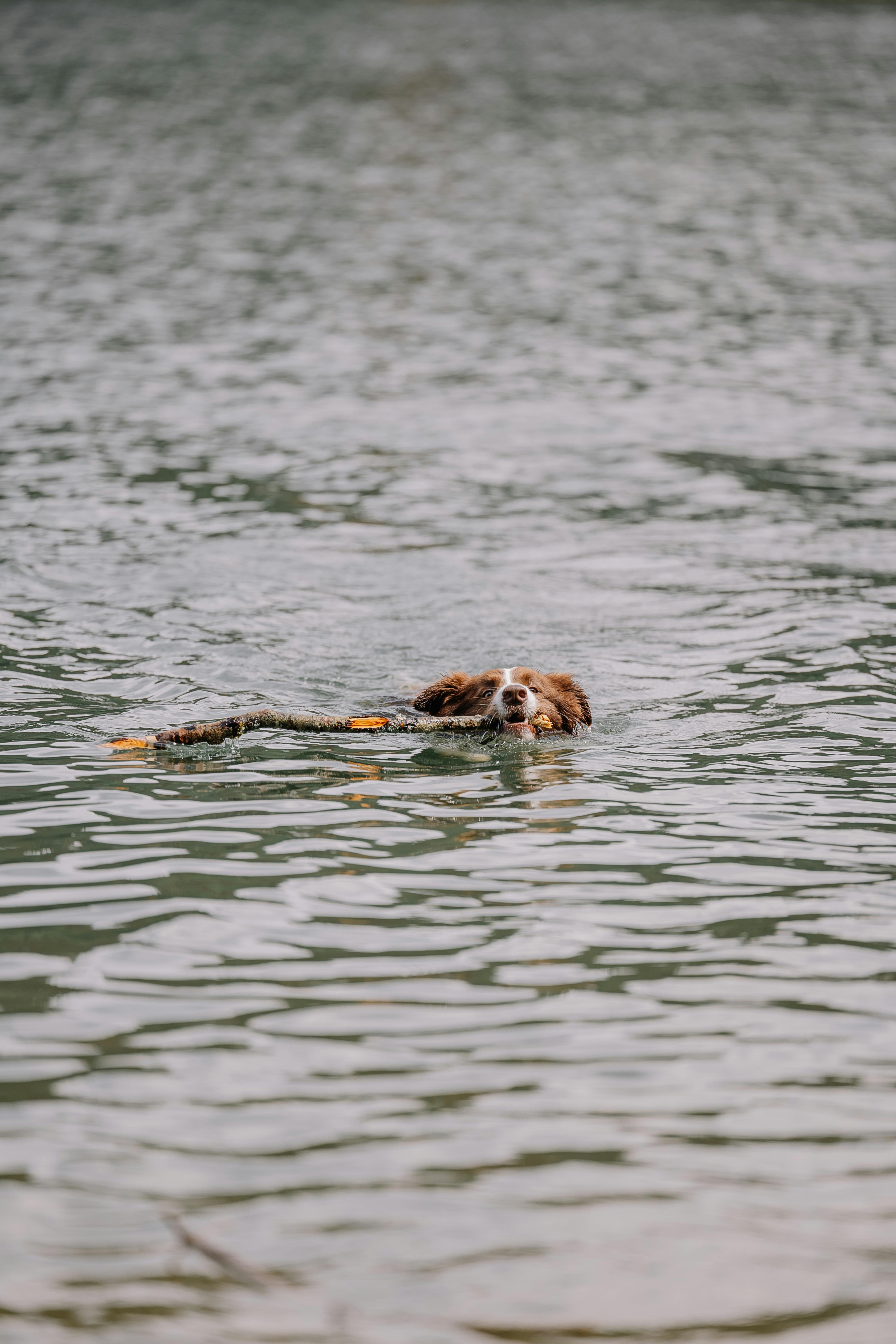
Every dog owner have probably noticed that their furry friends have wet noses. But have you ever wondered if that’s normal? Well, many folks ask this question, and it’s important to know the answer. A wet nose is often a sign of a healthy pup, but there are some things you should be aware of. In this article, we will explore the reasons why dogs have wet noses, signs to watch for, and what it might mean if your dog's nose isn’t wet.
Why Do Dogs Have Wet Noses?
Dogs have wet noses for a variety of reasons, and it’s not just because they like to stick their snouts in places they shouldn’t. Here are some of the most common reasons:
Cooling Mechanism: Dogs don’t sweat like humans do. Instead, they rely on their noses to help regulate their body temperature. The moisture on their noses evaporates, which helps cool them down.
Sense of Smell: A wet nose is more sensitive to scents. The moisture captures scent particles, which enhances a dog’s sense of smell. That’s why dogs can sniff out things we can’t even imagine!
Health Indicator: A wet nose is often an indicator of a healthy dog. A dry or cracked nose can sometimes be a sign of dehydration or illness, but not always.
Signs to Watch For
While a wet nose is generally a good sign, there are some cases when you should pay closer attention. Here’s a list of signs that might indicate your dog needs a vet visit:
Dry or Cracked Nose: If your dog’s nose is excessively dry, it could mean something is wrong.
Discoloration: Changes in color to a dog’s nose can sometimes indicate health issues.
Excessive Nasal Discharge: If there’s a lot of mucus or blood coming from the nose, it’s definitely time to consult with a vet.
Behavior Changes: If your dog is acting differently, like being less playful or more lethargic, this could be an important sign.
Licking Habits: If your dog is licking their nose excessively, it could indicate anxiety or discomfort.
Fever Symptoms: If your dog feels warm to the touch or shows other signs of fever, it’s essential to get them checked out.
The Science Behind Wet Noses
There’s actually some interesting science that explains why a dog’s nose is wet. The skin on a dog’s nose has special glands that produce moisture. This moisture helps to trap scent particles, which is crucial for a dog's sense of smell. Furthermore, studies have shown that dogs have a keen ability to detect changes in their environment, partly thanks to their wet noses.
Historical Context
Historically, dog breeds were often selected for their sense of smell. Bloodhounds, for instance, are famous for tracking scents over long distances, and their wet noses play a significant role in this. In the past, dogs were used in various roles from hunting to search and rescue, showcasing their incredible olfactory capabilities.
Fun Facts About Dog Noses
Unique Patterns: Just like human fingerprints, every dog has a unique nose print that can be used for identification.
Temperature Regulation: Dogs may pant to cool down, but a wet nose also helps with temperature regulation.
Communication Tool: Dogs use their noses to communicate with each other. A wet nose can signal friendliness or curiosity.
Health Monitoring: Some studies suggest that changes in a dog’s nose can be an early indicator of health issues, allowing owners to seek help sooner.
Practical Tips for Dog Owners
To ensure your dog’s nose stays healthy, here are some practical tips:
Hydration: Always provide fresh water to keep your dog hydrated.
Regular Vet Visits: Regular check-ups can help catch any potential issues early.
Observe Behavior: Keep an eye on your dog’s behavior and any changes in their nose condition.
Nose Care: If you live in a dry climate, consider using dog-safe nose balms to prevent cracking.
So, next time you give your furry friend a pet, take a moment to check that wet nose! It’s an intriguing aspect of why dogs are such wonderful companions. But remember, like any health sign, it’s essential to be observant. If you notice anything unusual, don’t hesitate to reach out to your veterinarian. They can provide the best advice tailored to your dog’s specific needs.
7 Common Misconceptions About Dog Noses You Should Stop Believing
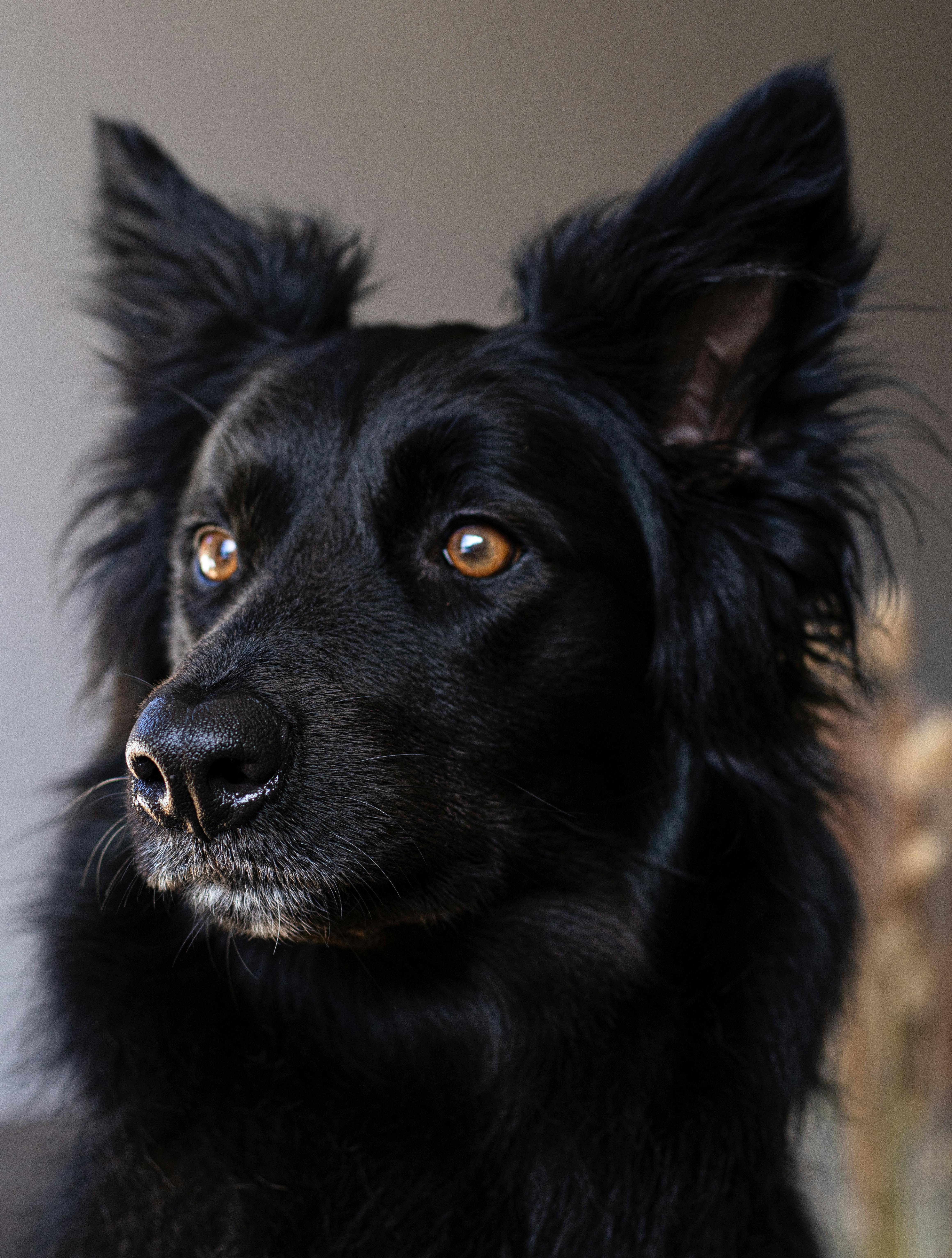
When you think about dogs, one of the first things that comes to mind is their adorable wet noses. But have you ever wonder why they are like that? And what about all the myths surrounding these cute features? Here we will explore 7 common misconceptions about dog noses that you should stop believing. You might be surprised by what you learn!
Misconception 1: Dogs Have Wet Noses Because They Sweat
Many people think that dogs have wet noses because that's how they sweat. But that's not true! Dogs do not sweat through their noses. Instead, they sweat through their paw pads. The moisture on their noses helps them cool down and adds to their incredible sense of smell.
Misconception 2: A Dry Nose Means a Sick Dog
This is a commonly held belief, but it’s not always the case. While a dog's nose is typically cooler and wetter when they are healthy, there are several reasons for a dry nose. It could be due to the weather, dehydration, or even sleeping. If you see a dry nose, it’s better to look for other signs of illness rather than jump to conclusions.
Misconception 3: All Dog Noses Are the Same
Not all dog noses are created equal! Just like fingerprints in humans, every dog has a unique nose print. The patterns and ridges can be used to identify individual dogs. Plus, some breeds have different nose shapes and textures. For instance, a Bulldog has a much different nose than a Greyhound.
Misconception 4: Dogs Only Use Their Noses for Smelling
While it’s true that dogs have an extraordinary sense of smell, they use their noses for more than just detecting odors. A dog's nose also helps them communicate with other dogs. By sniffing, they can gather information about other dogs, including their age, gender, and even their mood. It's like reading a book for them!
Misconception 5: Nose Color Indicates Health
Some people believe the color of a dog's nose can indicate their health. While certain breeds may have variations in nose color, this does not necessarily correlate with their health. For instance, some dogs have black noses, while others may have pink or liver-colored noses, and all can be perfectly healthy.
Misconception 6: Dogs’ Noses Are Always Wet
Not every dog has a constantly wet nose. The amount of moisture can change based on the environment, activity level, and even the dog's health. For example, after a long play session, a dog’s nose may be more moist. But during colder months or dry weather, the nose might appear drier.
Misconception 7: A Wet Nose Means a Happy Dog
While a wet nose can often indicate a dog is healthy, it doesn’t always mean they are happy. Dogs express their emotions in many ways, and a wet nose is just one of them. A wagging tail, playful behavior, and relaxed body language are better indicators of a happy dog.
Why Do Dogs Have Wet Noses? Discover the Surprising Reasons!
So, if dogs don’t sweat through their noses, what really causes that wetness? Here’s a breakdown of the surprising reasons behind those moist noses:
- Nasal Secretions: Dogs produce a thin layer of mucus that keeps their noses moist. This helps enhance their sense of smell.
- Cooling Mechanism: Wet noses play a role in thermoregulation. The moisture evaporates, cooling the nasal passages and helping to regulate body temperature.
- Scent Detection: The wetness allows scent molecules to adhere better, improving their olfactory capabilities. That’s why dogs can detect scents far better than humans.
- Licking: Dogs often lick their noses, which adds moisture. It’s also a natural instinct to keep them clean and functioning properly.
Interesting Facts About Dog Noses
- Dogs have up to 300 million scent receptors, compared to about 6 million in humans!
- The sense of smell in dogs is 40 times better than that of an average human.
- A dog's nose can also detect pheromones, which are chemical signals that help with communication among animals.
In the end, understanding the truth about dog noses helps us appreciate our furry friends even more. The wetness and unique characteristics of their noses are vital for their health and communication. So, next time you see your dog with their wet nose, remember all these fascinating facts and toss those misconceptions out the window!
The Connection Between a Dog’s Nose and Their Emotions: What Science Says
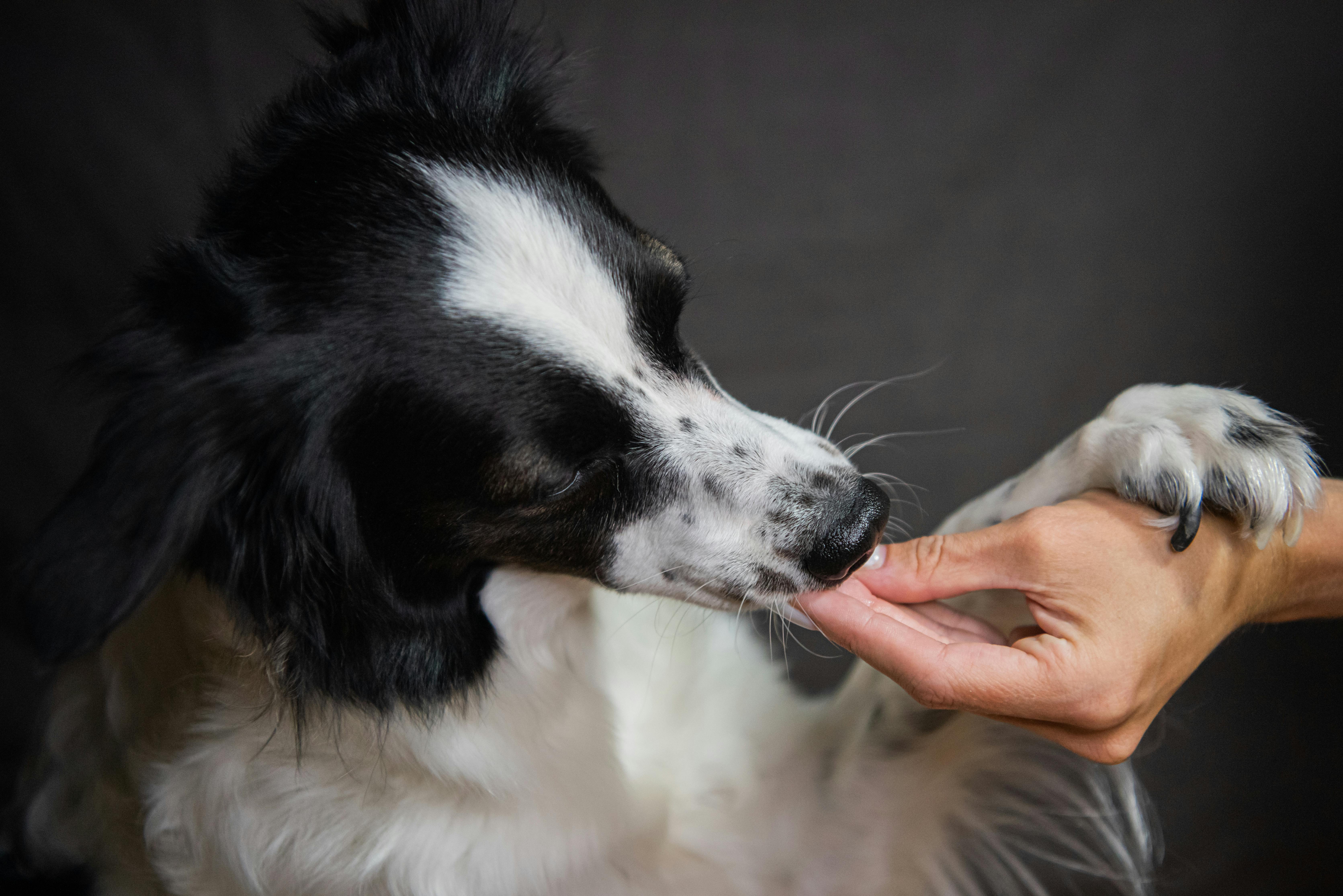
The bond between humans and dogs is something special, and part of that connection lies in understanding our furry friends better. One thing that often intrigues dog owners is the wetness of a dog's nose. Have you ever wondered why do dogs have wet noses? And what does the science say about the connection between a dog’s nose and their emotions? Let’s dive into the surprising reasons behind this fascinating aspect of our canine companions.
The Science Behind a Dog's Nose
Dogs have wet noses for several reasons, and it ain't just for show. The moisture on their noses plays a crucial role in their ability to smell. Dogs, with their incredible sense of smell, can detect scents that are more than 100,000 times more sensitive than humans. A wet nose helps to absorb scent particles from the air, enhancing their olfactory abilities.
Here’s a breakdown of why a dog's nose is often wet:
- Enhanced Smelling: The moisture helps capture scent particles from the environment.
- Temperature Regulation: Dogs don't sweat like humans do; instead, they cool off through their noses.
- Health Indicator: A wet nose can often indicate good health, while a dry, cracked nose might signal dehydration or illness.
Emotional Connection: What the Nose Reveals
Interestingly, a dog's nose can also reveal their emotional state. When a dog is excited or happy, their nose tends to be cooler and wetter. Conversely, if a dog is stressed or anxious, their nose may become dry. Dog owners can learn to read these signals, making it easier to understand their pets' feelings.
- Happy Dogs: Wet, cool noses often indicate contentment. They might be wagging their tails and ready to play.
- Stressed Dogs: A dry nose can be a sign of stress or discomfort. Watch for other signs like pacing or whining.
- Curious Dogs: When sniffing around and exploring, a nose will be notably wet, as they are taking in all the new scents.
Historical Context: Why Do We Notice?
Historically, humans have observed dogs and their behaviors for centuries. The connection between a dog’s nose and their emotions is not a new discovery. Ancient cultures used dogs for hunting and companionship, noticing how their behavior changed based on their environment and emotional state.
- Early Cultures: Egyptians revered dogs, often depicting them in art. They understood the emotional bond between humans and dogs.
- Modern Understanding: Scientists have studied canine behavior extensively in the last few decades, uncovering the importance of the dog’s nose in emotional and physical health.
Practical Examples of Nose Behavior
Understanding the behaviors associated with a dog’s wet nose can help owners respond appropriately to their pets. Here are some practical examples:
- Greeting Behavior: When a dog comes to greet you with a wet nose, it often means they are excited to see you.
- Comfort Seeking: If a dog nudges you with a wet nose, they may be seeking comfort or reassurance.
- Playfulness: During playtime, expect to see a wet nose as your dog engages and has fun.
Comparing Dog Noses to Human Noses
Humans and dogs have noses for similar reasons, but there are also key differences. Here’s a quick comparison:
- Functionality: Humans have less sensitive noses, relying more on vision. Dogs use their noses primarily for smell.
- Moisture Levels: A dog’s nose is consistently moist, whereas human noses can dry out due to various factors.
- Health Indicators: While a wet nose in dogs is generally a good sign, human noses can be dry for various reasons but don’t necessarily indicate health issues.
Fun Facts About Dog Noses
Here are some surprising tidbits about dog noses that you might not know:
- Unique Nose Prints: Just like human fingerprints, every dog has a unique nose print that can be used for identification.
- Nose Color: The pigmentation of a dog’s nose can vary, and it can change with age or health conditions.
- Scent Discrimination: Dogs can differentiate between various scents, even those that are extremely faint.
Understanding why do dogs have wet noses and what it means emotionally can enrich the bond between you and your furry friend. The science behind it all shows that their noses are not just for sniffing; they are windows into their feelings. So next time you wipe your dog's wet nose, remember, it’s more than just moisture. It’s a sign of their health, emotions, and an essential part of their communication with you. Embrace these moments, as they’re what make the human-dog connection so special.
How to Keep Your Dog’s Nose Healthy: Essential Care Tips for Pet Owners

Keeping your dog’s nose healthy is something every pet owner should care about. A dog’s nose is more than just a cute feature; it plays an important role in their health and well-being. But do you ever wonder why do dogs have wet noses? There’s a lot more to it than just a quirky characteristic. In this article, we dive into essential care tips for ensuring your dog’s nose stays moist and healthy, alongside the fascinating reasons behind that wetness.
Why Do Dogs Have Wet Noses? Discover the Surprising Reasons!
First off, let’s talk about why those noses are wet. It’s not just a random trait. Here’s some surprising reasons:
Scent Detection: A wet nose actually helps dogs smell better. The moisture enhances their ability to capture scent particles from the air. Dogs have around 220 million scent receptors in their noses, compared to a human’s 5 million. That’s why they can sniff out things we can’t even imagine!
Temperature Regulation: Dogs don’t sweat like humans. Instead, they regulate their body heat through panting and their noses. A cool, wet nose helps them maintain a comfortable body temperature, especially in warm weather.
Health Indicator: A dog’s nose can be a telltale sign of their health. Changes in moisture or appearance can hint at health issues, like dehydration, allergies, or infections. So, keep an eye on that nose!
Essential Care Tips for Your Dog’s Nose
Now that we know why dogs have wet noses, let’s focus on how to keep it healthy. Here’s some essential tips for pet owners:
Stay Hydrated: Ensure your dog has constant access to fresh water. Dehydration can lead to a dry nose, which isn’t good.
Regular Vet Check-Ups: Regular visits to the vet can help catch any potential health issues early. Your vet can also provide specific advice based on your dog’s breed and age.
Limit Sun Exposure: Just like humans, dogs can get sunburned. If your dog spends a lot of time outside, consider using pet-safe sunscreen on their nose.
Clean the Nose Gently: Sometimes dirt and debris get stuck in a dog’s nose. Use a damp cloth to gently wipe their nose to keep it clean.
Watch for Changes: Monitor your dog’s nose for any changes in color, texture, or moisture. If you see something unusual, consult your vet.
Diet Matters: A well-balanced diet contributes to overall health, including the skin and nose. Make sure your dog is eating high-quality food.
Common Nose Problems in Dogs
Just like humans, dogs can face nose issues. Being aware of common problems can help you act fast:
Dry Nose: This could be due to dehydration or a sign of an underlying illness. It’s important to check for other symptoms.
Cracked or Bleeding Nose: This might be serious and could require immediate veterinary attention. It could be caused by trauma or an infection.
Nasal Discharge: If your dog has a runny nose, it could be allergies, infections, or even a cold. Always consult with a vet if this happens.
Fun Fact About Wet Noses
Did you know the moisture on a dog’s nose can actually help them recognize their owners? This phenomenon is known as “smell memory.” A dog can remember scent information for a long time, and a wet nose helps with this process.
Summary of Dog Nose Care Tips
- Keep your dog hydrated.
- Schedule regular vet visits.
- Protect their nose from the sun.
- Clean their nose with a damp cloth.
- Observe for any changes or unusual symptoms.
- Feed them a balanced, nutritious diet.
Keeping your dog’s nose healthy is essential for their overall well-being. Understanding why dogs have wet noses not only enriches your knowledge as a pet owner but also helps you provide the best care possible. By following the tips above, you can ensure that your furry friend’s nose stays moist and healthy, helping them enjoy their lives to the fullest. Always remember, a healthy nose is a happy nose!
Conclusion
In conclusion, the wet noses of dogs serve multiple essential purposes that contribute to their health and well-being. We discussed how a dog's wet nose helps with temperature regulation, enhances their sense of smell, and plays a vital role in communication with other dogs and humans. The moisture on their noses not only aids in scent detection but also indicates their overall health; a consistently dry nose may signal an underlying issue. Understanding the significance of a dog's wet nose can deepen our appreciation for these remarkable animals and their unique biology. As responsible pet owners, it's important to keep a close eye on any changes in our furry friends' noses and consult a veterinarian if we notice anything unusual. By doing so, we ensure our dogs remain happy and healthy companions. Next time you pet your dog, take a moment to appreciate that wet nose—it’s a fascinating feature that reflects their vitality and nature.