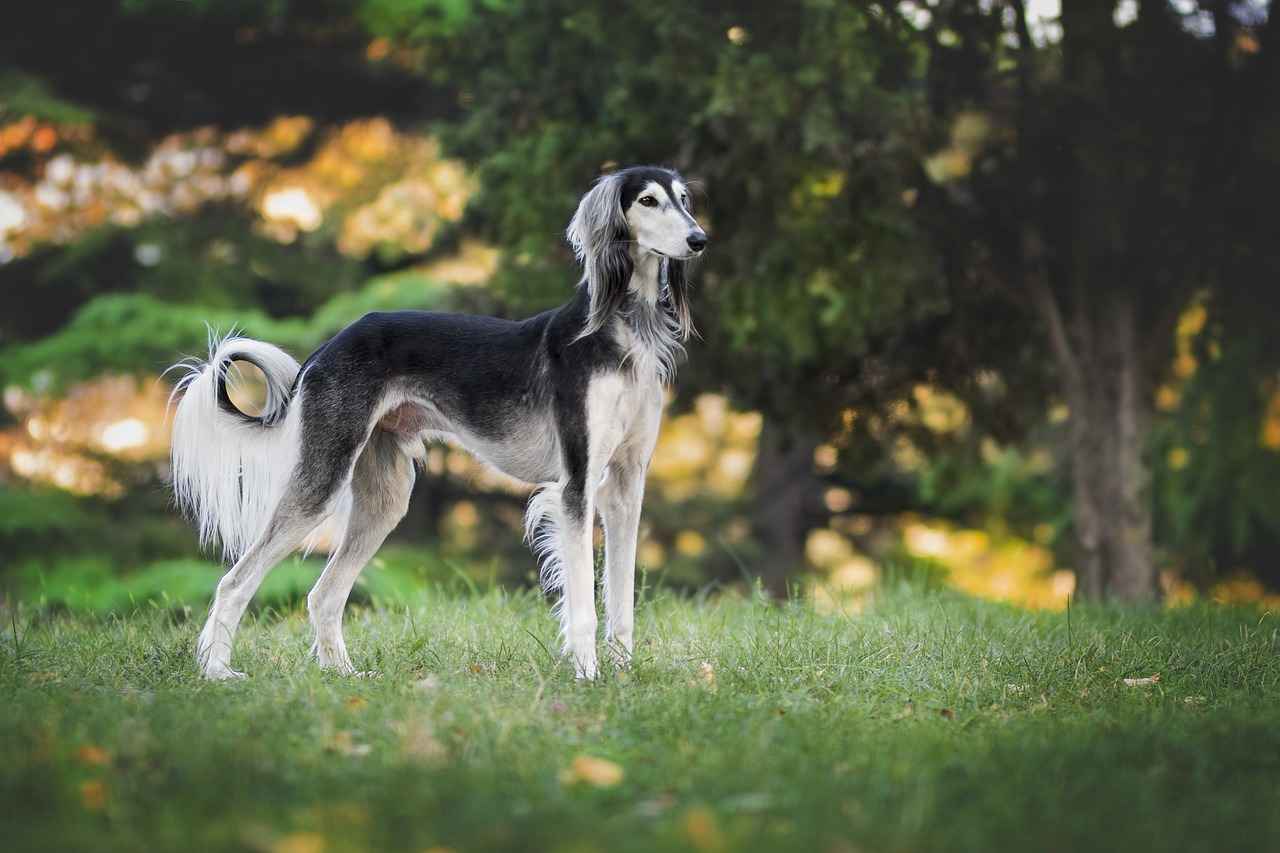
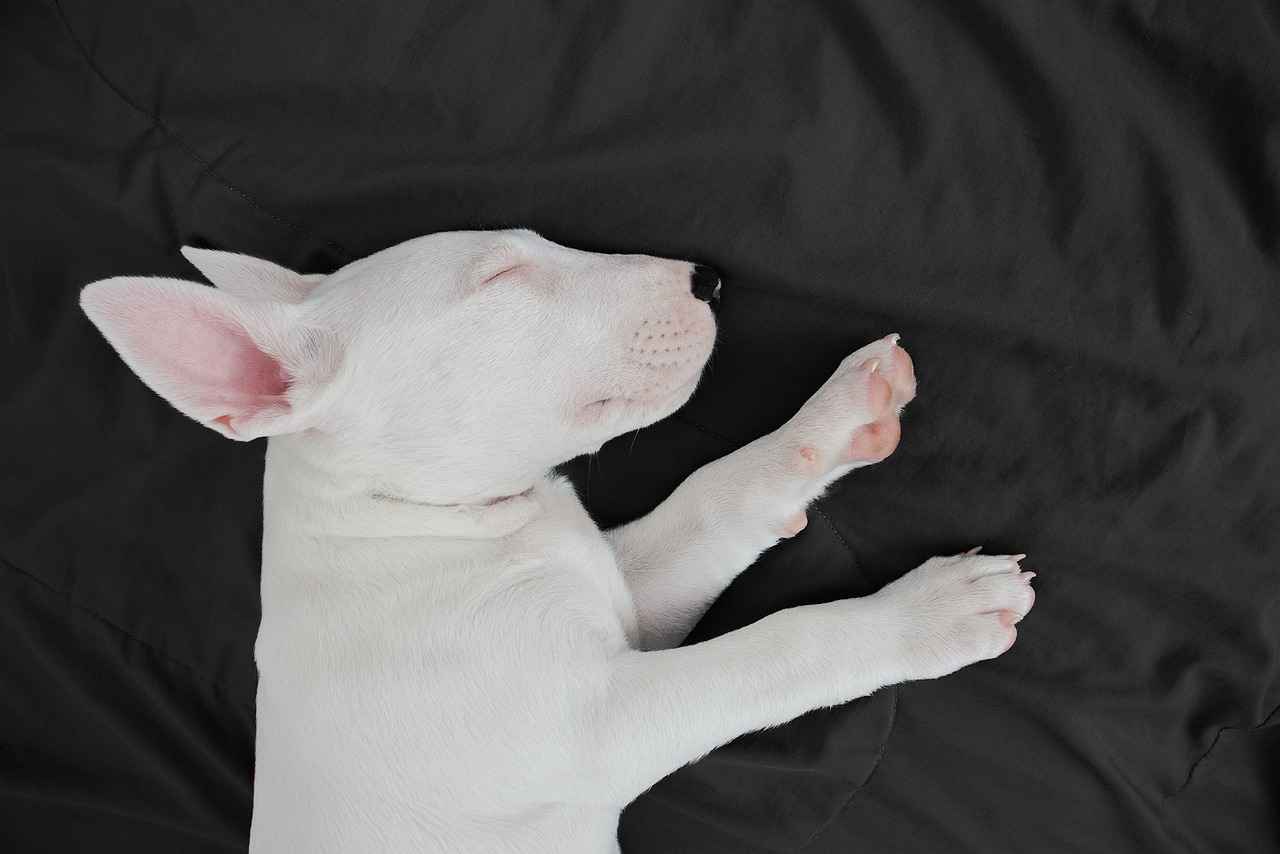
Have you ever wondered, "Why do dogs have wet noses?" This intriguing question is more than just a curious thought—it leads us into the fascinating world of canine biology and behavior. Dogs' noses are not just adorable; they serve several important purposes that can surprise you! The reasons behind their wet noses are deeply tied to their health and sensory abilities. But what exactly makes a dog's nose so damp? Is it just a quirk, or does it play a crucial role in their daily lives?
\nIn this article, we'll dive into the surprising reasons why your furry friend has that ever-so-wet snout. From enhancing their sense of smell to regulating body temperature, the benefits of a wet nose are truly remarkable. We'll also explore how environmental factors, like humidity, can affect this fascinating feature. So, if you've been asking yourself, “What is the purpose of a dog’s wet nose?,” get ready to uncover the science and secrets behind this unique aspect of our beloved pets. Join us in discovering the amazing world of dog noses and why they matter more than you might think!
\n\nThe Science Behind a Dog’s Wet Nose: What You Need to Know
\n\n \n\n
\n\nHave you ever wondered why your furry friend’s nose is always wet? It’s not just a quirky trait; there’s actually science behind a dog’s wet nose. Understanding this can deepen your appreciation of your pet and their unique biology. So let’s dive into the surprising reasons why do dogs have wet noses, and what it means for their health and behavior.
\nThe Biology of a Dog's Nose
\nDog noses are fascinating. A dog's nose is made up of specialized skin and has a lot of nerve endings. This makes it extremely sensitive to smells. In fact, dogs have up to 300 million smell receptors, compared to just about 6 million in humans. The wetness of a dog's nose plays a crucial role in this heightened sense of smell.
\nWhen a dog’s nose is moist, it helps trap scent particles. This moisture allows them to absorb smells better, which is why they can sniff out everything from your lost keys to that hidden snack behind the couch.
\nBenefits of a Wet Nose
\nThere are several reasons for that wet nose, and they all relate to a dog’s health and behavior:
\n- \n
- Enhanced Smell: A wet nose can capture scent molecules more effectively. The moisture helps to pick up and hold onto those scents. \n
- Regulation of Body Temperature: Dogs don’t sweat like humans do. Instead, they cool off through panting and the moisture on their noses. A wet nose can help with thermoregulation. \n
- Health Indicator: The condition of a dog’s nose can indicate its health. A dry, cracked nose might suggest dehydration, while a wet nose is typically a sign of good health. \n
Historical Context
\nHistorically, dogs have been by our side for thousands of years. The domestication of dogs dates back to at least 15,000 years ago. Ancient humans noticed their keen sense of smell and used it for hunting and protection. Over time, dogs have been bred for specific tasks, and their wet noses became an important part of their ability to function in various roles.
\nInteresting Comparisons
\nLet’s compare dog noses to those of other animals. Cats, for instance, also have wet noses, but they don’t rely on their sense of smell as much as dogs do. They have fewer scent receptors, which is why they may not be as inclined to sniff things out.
\nHere’s a quick comparison:
\n| Animal | \nNumber of Smell Receptors | \nNose Type | \n
|---|---|---|
| Dogs | \nUp to 300 million | \nWet | \n
| Cats | \nAbout 50-80 million | \nWet | \n
| Humans | \nAbout 6 million | \nDry | \n
Practical Examples of Dog Nose Functionality
\nWhen you see your dog sniffing around, they’re not just being nosy. Here are some practical examples of how a wet nose benefits dogs:
\n- \n
- Sniffing Out Food: Dogs can smell food from miles away. Their wet noses help them locate their next meal. \n
- Detecting Illness: Some dogs are trained to detect certain diseases in humans, such as cancer or diabetes, due to their exceptional sense of smell. \n
- Tracking: In search and rescue missions, dogs use their noses to track scents over vast distances, showcasing their incredible olfactory abilities. \n
Common Myths About Dog Noses
\nThere are many myths floating around about dog noses. Here are a few debunked:
\n- \n
- Myth: A warm nose means a dog is sick.
- \n
- Fact: A dog’s nose temperature varies and doesn’t always indicate health. \n
\n - Myth: Dogs’ noses are always wet.
- \n
- Fact: Dogs can have dry noses too, which isn’t always a cause for concern. \n
\n - Myth: Dogs with wet noses are more affectionate.
- \n
- Fact: Wetness doesn’t relate to a dog’s personality or affection level. \n
\n
The Role of Environment
\nA dog's environment can affect the moisture of their nose. For instance, during hot summer days, a dog’s nose might dry out more quickly. Conversely, if a dog is playing in the rain, their nose will likely be wetter.
\nFinal Thoughts
\nUnderstanding why do dogs have wet noses can give you insights into your pet’s health and behavior. It’s more than just an adorable quirk; it’s a vital aspect of their biology. The next time you give your dog a pat on the head, take a moment to appreciate that wet nose and all the incredible things it can do! Whether it’s for sniffing out hidden treats or just cooling off, that wet nose is just another reason we love our canine companions.
\n\n5 Fascinating Reasons Your Dog’s Nose is Always Moist
\n\n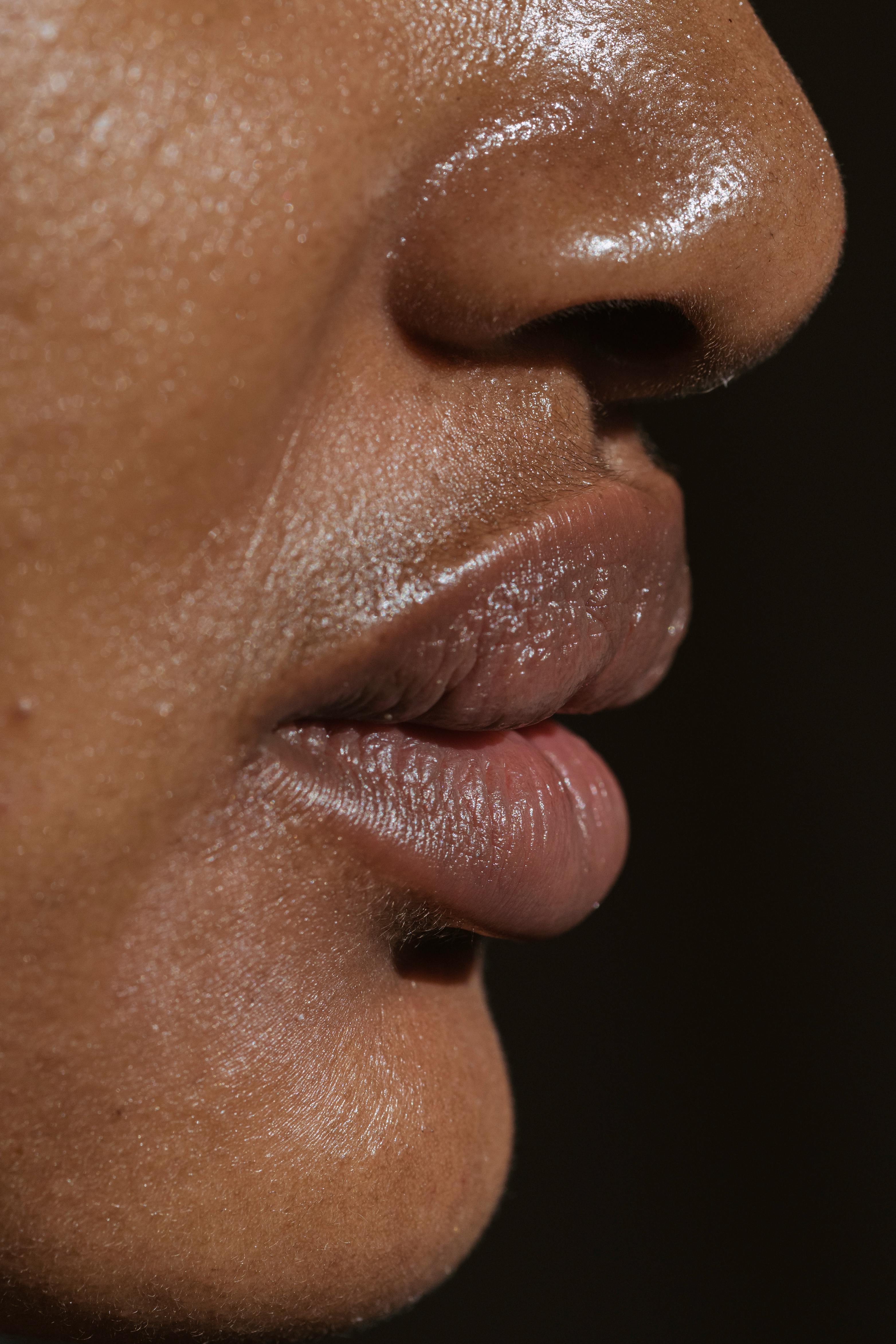 \n\n
\n\nHave you ever noticed how your dog’s nose is almost always wet? It’s one of those things that make you wonder about the science behind it. Why do dogs have wet noses anyway? Well, there’s actually a lot of fascinating reasons behind that. Here’s a deep dive into the surprising reasons why your furry friend’s nose is often moist.
\n1. Natural Cooling System
\nDogs can’t sweat like humans do. Instead, they rely on panting to regulate their body temperature, but their wet noses also play a crucial role. The moisture on their noses helps to cool them down. When the moisture evaporates, it takes heat away from their body, which is kinda similar to how sweating works for us. So, that wet nose is actually a sign that your dog is keeping cool.
\n2. Enhanced Sense of Smell
\nDid you know that dogs have an incredible sense of smell? It’s true! A dog’s nose is not just moist for no reason. The wetness helps to trap scent particles in the air, making it easier for them to detect different odors. The more moisture there is, the better their sense of smell becomes. Here’s a little comparison to put it into perspective:
\n- \n
- Human nose: Roughly 6 million scent receptors \n
- Dog nose: Up to 300 million scent receptors \n
This means your dog can smell things we can't even imagine! A wet nose is essential for their hunting, exploring, and even socializing.
\n3. Health Indicator
\nA dog’s nose moisture can also serve as a health indicator. A healthy dog usually has a cool, moist nose. However, if you notice it becoming dry or warm, that could indicate something is off. Here’s a quick list of conditions that might affect your dog's nose:
\n- \n
- Dehydration \n
- Fever \n
- Allergies \n
- Skin infections \n
Of course, not every change means something serious, but it’s always good to keep an eye on it. If you’re ever uncertain, a vet visit is always a smart move.
\n4. Communication Tool
\nDogs are social animals, and their noses are a part of how they communicate. When they greet other dogs or humans, they often sniff to gather information. The moistness of their noses helps them to pick up on pheromones and other scent markers that tell them about the other animal's mood, health, and even their identity. So, when your dog is sniffing around, they’re not just being nosy; they’re actually having a conversation!
\n5. Evolutionary Trait
\nThe wet nose is also an evolutionary trait that has been passed down through generations. In the wild, dogs’ ancestors likely relied on their sense of smell to hunt for food and avoid danger. A wet nose increases their ability to detect scents, which was essential for survival. Even though domestic dogs don’t have to hunt for food, that evolutionary advantage remains.
\nFun Facts About Dog Noses
\n- \n
- Dogs have unique nose prints, much like human fingerprints. \n
- A dog’s nose is cooler than their body temperature. \n
- Some dogs have variations in nose moisture depending on their breed or individual health. \n
Practical Tips for Dog Owners
\n- \n
- Regularly check your dog’s nose for any significant changes in moisture or temperature. \n
- Ensure your dog stays hydrated, especially during hot weather. \n
- Keep an eye on their overall health, as a change in nose moisture may be an early indicator of something wrong. \n
In summary, your dog’s wet nose isn’t just an adorable feature; it’s a multifunctional tool that plays important roles in their health and communication. From helping them cool down to enhancing their incredible sense of smell, the moisture on their noses is packed with fascinating benefits. So, the next time you give your pup a scratch behind the ears, take a moment to appreciate that wet nose and all the wonders it brings to your furry friend’s life.
\n\nIs a Wet Nose a Sign of Health? Unpacking the Myths and Facts
\n\n \n\n
\n\nIs a Wet Nose a Sign of Health? Unpacking the Myths and Facts, Why Do Dogs Have Wet Noses? Discover The Surprising Reasons!
\nWhen you see a dog with a wet nose, you might think it’s a sign of good health, right? But, is it really true? Many people believe that a moist nose indicates that a dog is healthy and well-cared for, while a dry nose could mean something is wrong. There’s a lot of myths surrounding this common belief, so let’s unpack some facts and find out why dogs have wet noses in the first place.
\nThe Science Behind Wet Noses
\nDogs’ noses are normally moist for several reasons. One of the main reasons is the presence of mucous membranes. These membranes help to keep the nose hydrated. Also, dogs have a unique cooling system that’s different from humans. While we sweat to cool down, dogs can’t sweat through their skin effectively. Instead, they rely on panting and the moisture on their noses to regulate their body temperature.
\nHere’s some key points to consider about wet noses:
\n- \n
- \n
Temperature Regulation: A wet nose helps dogs to cool down. The moisture on their noses can evaporate, which helps to lower their body temperature.
\n \n - \n
Sense of Smell: The moisture on a dog’s nose helps to trap scent particles in the air, enhancing their incredible sense of smell. This is why dogs are such great trackers!
\n \n - \n
Health Indicator?: While a wet nose can sometimes be a sign of good health, it’s not the only indicator. Dogs can have wet noses even when they are sick or dehydrated.
\n \n
Common Myths About Dogs' Noses
\nThere are plenty of myths about dogs and their noses. Here are some of the most common ones:
\n- \n
- \n
Myth: A Wet Nose Means a Healthy Dog
\n
\nFact: This isn’t always true. Some dogs can have wet noses when they are sick or stressed. \n - \n
Myth: A Dry Nose Means Illness
\n
\nFact: A dry nose doesn’t automatically mean there’s something wrong. Dogs can have dry noses when they wake up or when they're in a warm environment. \n - \n
Myth: All Dogs Have Wet Noses
\n
\nFact: Some breeds, like Bulldogs or Shar Peis, naturally have drier noses due to their skin structure. \n
Why Do Dogs Have Wet Noses?
\nSo, now that we know the science behind it, let’s dive into some surprising reasons why dogs have wet noses:
\n- \n
- \n
Communication: Dogs use their noses to communicate with each other. A wet nose can signal different things to other dogs, such as excitement or submission.
\n \n - \n
Hygiene: Dogs often lick their noses which keeps them clean. It’s a form of self-care that helps them maintain their sense of smell.
\n \n - \n
Environmental Sensitivity: A wet nose can help dogs detect changes in the environment. They can sense humidity and temperature variations, which is crucial for their survival instincts.
\n \n
Health Considerations for Your Dog's Nose
\nWhile a wet nose is often associated with health, there are some health concerns you should keep an eye on. Here are some signs to watch for:
\n- \n
- \n
Persistent Dryness: If your dog’s nose remains dry for an extended period, it could be a sign of dehydration or other health issues.
\n \n - \n
Discoloration: A nose that changes color, especially if it becomes cracked or sore, might need attention from a vet.
\n \n - \n
Excessive Moisture: If your dog’s nose is excessively wet, it could be an indication of allergies or other health problems.
\n \n
Keeping Your Dog Healthy
\nTo ensure your dog stays healthy, consider these tips:
\n- \n
- \n
Regular Vet Checkups: Regular visits to the veterinarian can help catch potential health issues early on.
\n \n - \n
Hydration: Always provide fresh water to keep your dog hydrated. A well-hydrated dog is more likely to have a healthy nose.
\n \n - \n
Balanced Diet: Feeding your dog a balanced diet rich in nutrients can help maintain overall health, including skin and nose health.
\n \n
Final Thoughts
\nKnowing about your dog's nose and its health implications can help you be a better pet owner. While a wet nose can be a sign of health, it’s important not to rely on it alone to gauge how your dog is feeling. If you notice any significant changes in your dog's nose or behavior, don’t hesitate to consult with a veterinarian. They can provide the best advice tailored to your furry friend’s needs. So, keep an eye on that wet nose, but remember, there’s more to your dog’s health than just moisture!
\n\nHow a Wet Nose Helps Dogs Detect Scents: The Amazing Biology Explained
\n\n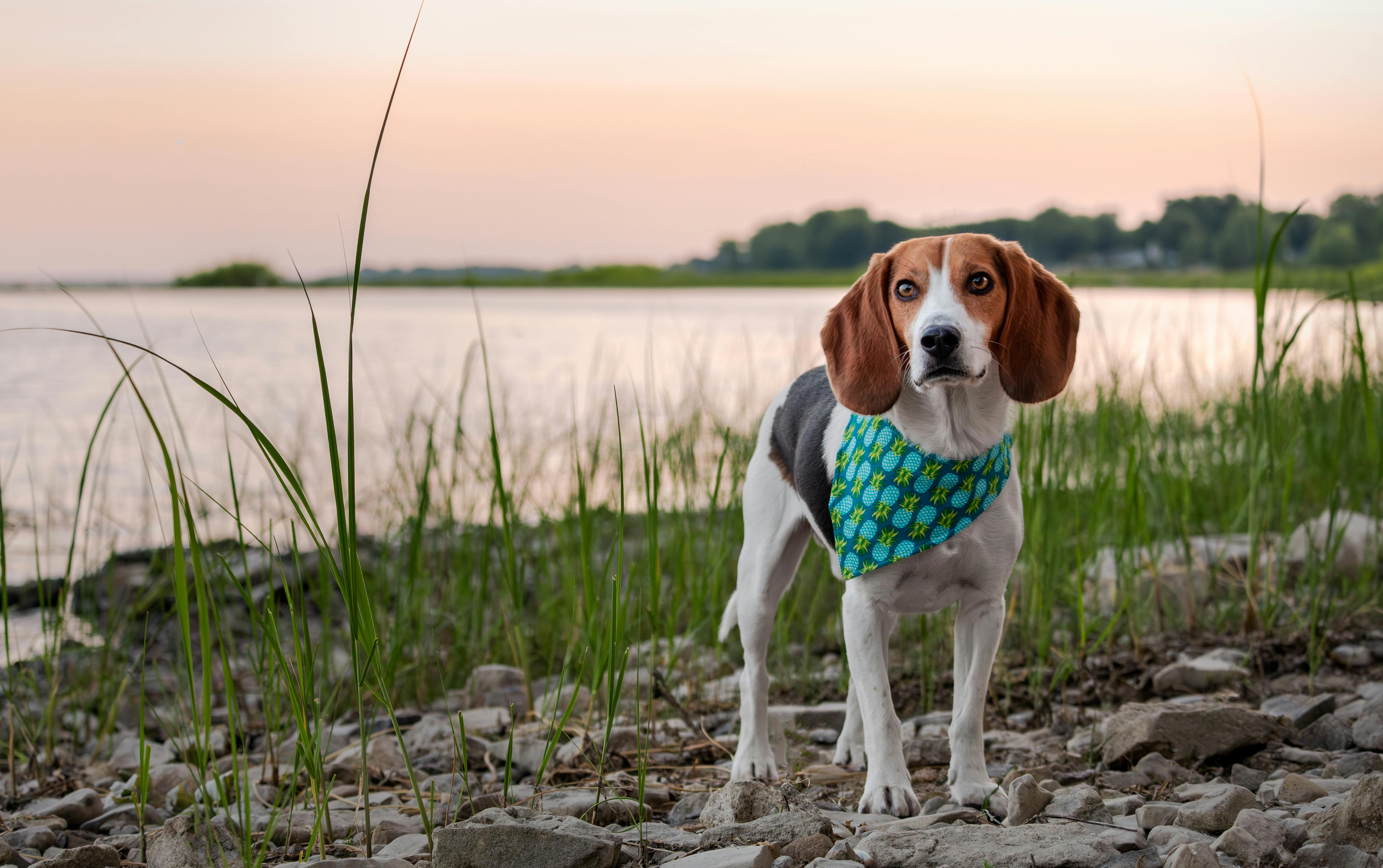 \n\n
\n\nDogs are known for their incredible sense of smell, but do you ever wonder why do dogs have wet noses? This question leads to fascinating insights into their biology, helping explain how a wet nose aids in scent detection. With their nose moist, dogs can pick up scents better than almost any other animal. Let’s dive into the science behind this.
\nThe Unique Structure of a Dog's Nose
\nThe anatomy of a dog’s nose is quite complex. Unlike humans, dogs have a much larger olfactory bulb and a greater number of scent receptors. In fact, a dog can have up to 300 million olfactory receptors in their noses compared to mere 5 million in humans. This difference is what allows them to detect scents at incredibly low concentrations.
\n- \n
- Olfactory Receptors: Dogs have about 300 million, while humans only have 5 million. \n
- Olfactory Bulb: The part of the brain that processes smells is much larger in dogs. \n
- Vomeronasal Organ: Also known as Jacobson’s organ, it's an additional scent detection system. \n
Why Do Dogs Have Wet Noses?
\nThe moisture in a dog's nose serves several important functions. One of the main reasons is that it helps to dissolve scent particles in the air. When a dog sniffs, the moisture on their nose captures these particles, making it easier for their olfactory receptors to detect them. Here are some reasons behind the wetness of dog noses:
\n- \n
- Enhanced Scent Detection: The wetness helps absorb scent chemicals, boosting the dog's ability to smell. \n
- Temperature Regulation: Dogs don’t sweat like humans. A wet nose can help cool them down. \n
- Health Indicator: A change in the moisture level of a dog's nose can sometimes indicate health issues. \n
The Science of Smelling
\nThe process of how dogs smell is quite fascinating. When a dog sniffs something, air enters their nostrils and passes over the olfactory receptors. The wet nose is essential in this process. Here’s how it works:
\n- \n
- Inhalation: The dog inhales air, which carries scent particles. \n
- Moisture Capture: The wet surface of the nose captures these particles. \n
- Signal Transmission: The olfactory receptors send signals to the brain, identifying the scent. \n
The Evolutionary Perspective
\nFrom an evolutionary standpoint, dogs have developed a wet nose as a crucial survival tool. Early ancestors relied on their ability to detect prey or avoid predators. The moisture helps them to track scents over long distances, which was vital in the wild. Some believe that the wetness also helps in communication between dogs, as they can detect pheromones more effectively.
\nFun Facts About Dog Noses
\n- \n
- Different Shapes and Sizes: Not all dog noses are the same. Breeds like Bloodhounds have more folds which may help in trapping scents. \n
- Nose Prints: Just like human fingerprints, each dog's nose print is unique and can be used for identification. \n
- Nasal Cooling: Dogs can lose heat through their noses. A wet nose can help regulate their body temperature. \n
Practical Insights for Dog Owners
\nAs a dog owner, it’s good to know how to care for your dog’s nose. Here are a few tips to keep it healthy:
\n- \n
- Keep it Clean: Regularly clean your dog’s nose, especially if they have allergies or are prone to irritation. \n
- Hydration is Key: Ensure your dog stays hydrated. A well-hydrated dog will have a healthy, moist nose. \n
- Watch for Changes: If your dog’s nose suddenly becomes dry or cracked, it may be a sign of health issues, and you should consult a vet. \n
In Summary
\nUnderstanding why do dogs have wet noses and how it helps in scent detection provides valuable insights into your furry friend’s biology. Their wet noses are more than just an adorable feature; they are essential tools that help dogs interact with the world around them. From tracking scents to regulating their body temperature, a dog’s wet nose is truly a marvel of nature. So next time you see your dog sniffing around with that cute wet nose, remember how it plays a crucial role in their everyday life!
\n\n10 Surprising Benefits of Dogs Having Wet Noses for Their Health
\n\n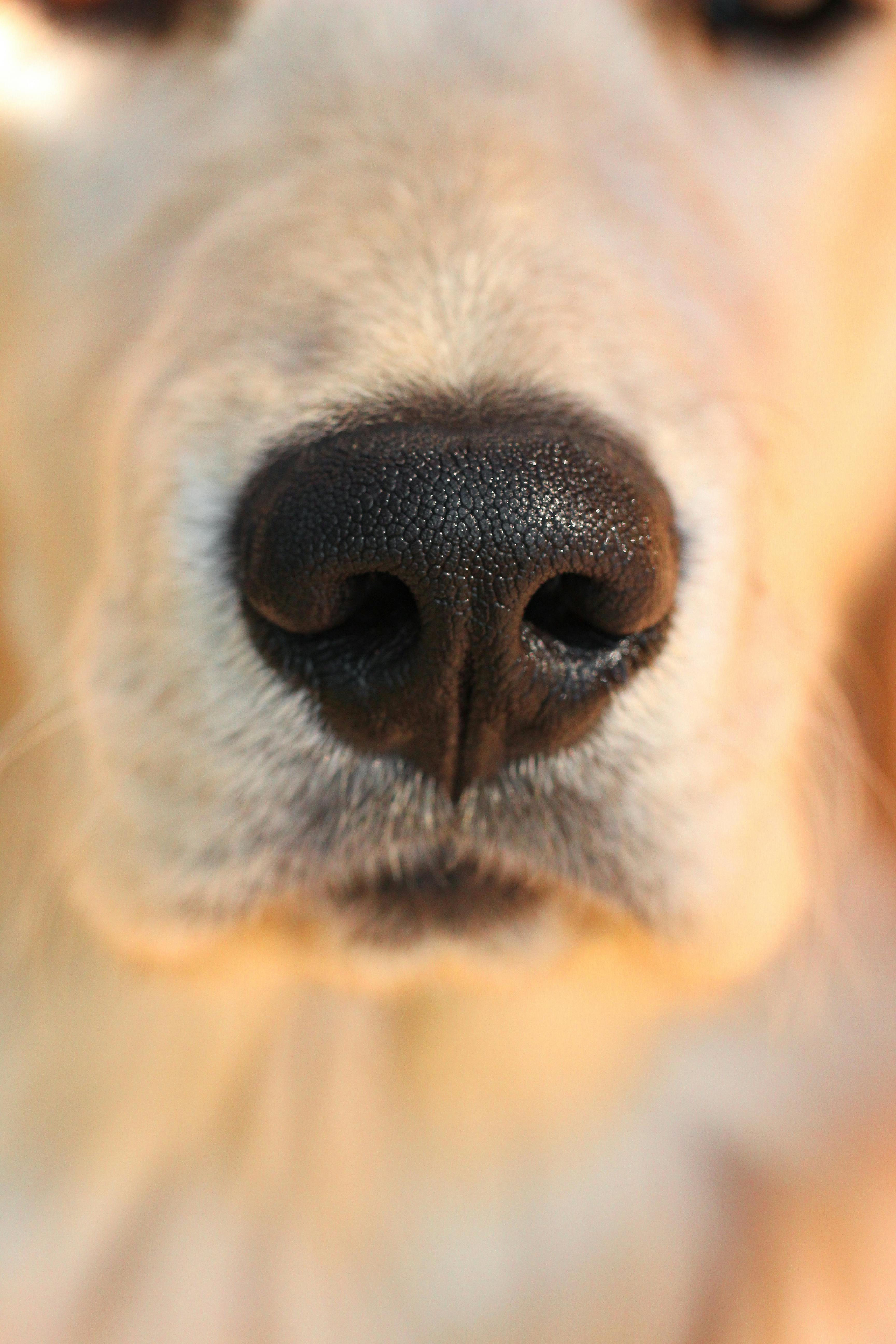 \n\n
\n\nDogs have been man’s best friend for thousands of years, and one of the most adorable features they have is their wet noses. But why do dogs have wet noses? Many people don’t realize the surprising health benefits that a wet nose can bring to these furry companions. In this article, we will look at 10 surprising benefits of dogs having wet noses, and why it matters for their health.
\n1. Temperature Regulation
\nDogs don’t sweat like humans do. Instead, they rely on their noses to help regulate their body temperature. A wet nose helps to cool down their blood vessels, which can be especially important in hot weather. When a dog’s nose is moist, it means they are better at thermoregulation.
\n2. Enhanced Sense of Smell
\nThe moisture on a dog’s nose helps to catch scent particles from the air. This is one reason why dogs have such an exceptional sense of smell. The wetness allows them to absorb scents more effectively, making their noses not just cute but also incredibly functional.
\n3. Hydration Indicator
\nA wet nose can be a sign of a well-hydrated dog. If a dog’s nose is dry and cracked, it might indicates dehydration or illness. Monitoring the moisture level of your dog’s nose can give you some quick insight into their overall health.
\n4. Natural Cooling System
\nDogs use their noses as a natural cooling system. When they breathe in through their noses, the moisture evaporates, cooling the air before it reaches the lungs. This is especially helpful during intense exercise or hot days when they need to cool down quickly.
\n5. Immune System Benefits
\nThe mucous membranes in a dog’s nose help trap and filter out bacteria and viruses. A wet nose means that these membranes are functioning properly, which can help to prevent infections and support the immune system.
\n6. Social Communication
\nDogs communicate a lot through their sense of smell. A wet nose can signal to other dogs that they are friendly and not a threat. When dogs greet each other, they often sniff each other's noses, and a wet nose can indicate an open and social demeanor.
\n7. Allergens Detection
\nDogs can detect allergens in the environment through their wet noses. A moist nose allows them to pick up on airborne allergens, helping to alert their owners of potential irritants. This ability is especially valuable for people with allergies.
\n8. Sensitivity to Changes
\nA dog’s wet nose makes it sensitive to changes in the environment. Whether it’s a shift in the weather or the presence of another animal, a wet nose helps them react quickly. This sensitivity is crucial for their safety and well-being.
\n9. Improved Bonding with Humans
\nWhen you pet a dog and feel their warm, wet nose, it creates a bonding moment. This tactile experience can enhance the emotional connection between the dog and its owner. Dogs often seek out this interaction, which benefits their mental health.
\n10. Sign of Happiness
\nA wet nose is often a sign that a dog is happy and healthy. Dogs tend to have wetter noses when they are excited or stimulated. Observing a wet nose can be a simple way to gauge your dog’s mood and overall happiness.
\nWhat Does a Dry Nose Mean?
\nWhile a wet nose is usually a sign of good health, a dry nose doesn’t always indicate a problem. However, you should keep an eye on it. Here are some reasons why a dog might have a dry nose:
\n- \n
- Dehydration \n
- Fever or illness \n
- Allergies \n
- Sunburn \n
If you notice persistent dryness or other symptoms, it’s advisable to consult a veterinarian to rule out any health issues.
\nFun Fact About Dog Noses
\nDid you know that a dog's nose print is unique? Just like human fingerprints, no two dogs have the same nose print. This uniqueness can even be used for identification purposes in some cases.
\nTakeaway
\nUnderstanding why dogs have wet noses and the benefits that come with it can help dog owners better care for their furry friends. Whether it’s for temperature regulation, improved sense of smell, or even social interactions, a wet nose serves many important purposes in a dog’s life. So next time you’re giving your canine companion some love, remember that wet noses are more than just cute – they’re a vital part of a dog’s health and happiness.
\nWith proper care and attention, you can ensure your dog stays healthy and happy, nose and all!
\n\nWhat Does Your Dog’s Nose Say About Their Emotions? Find Out Now!
\n\n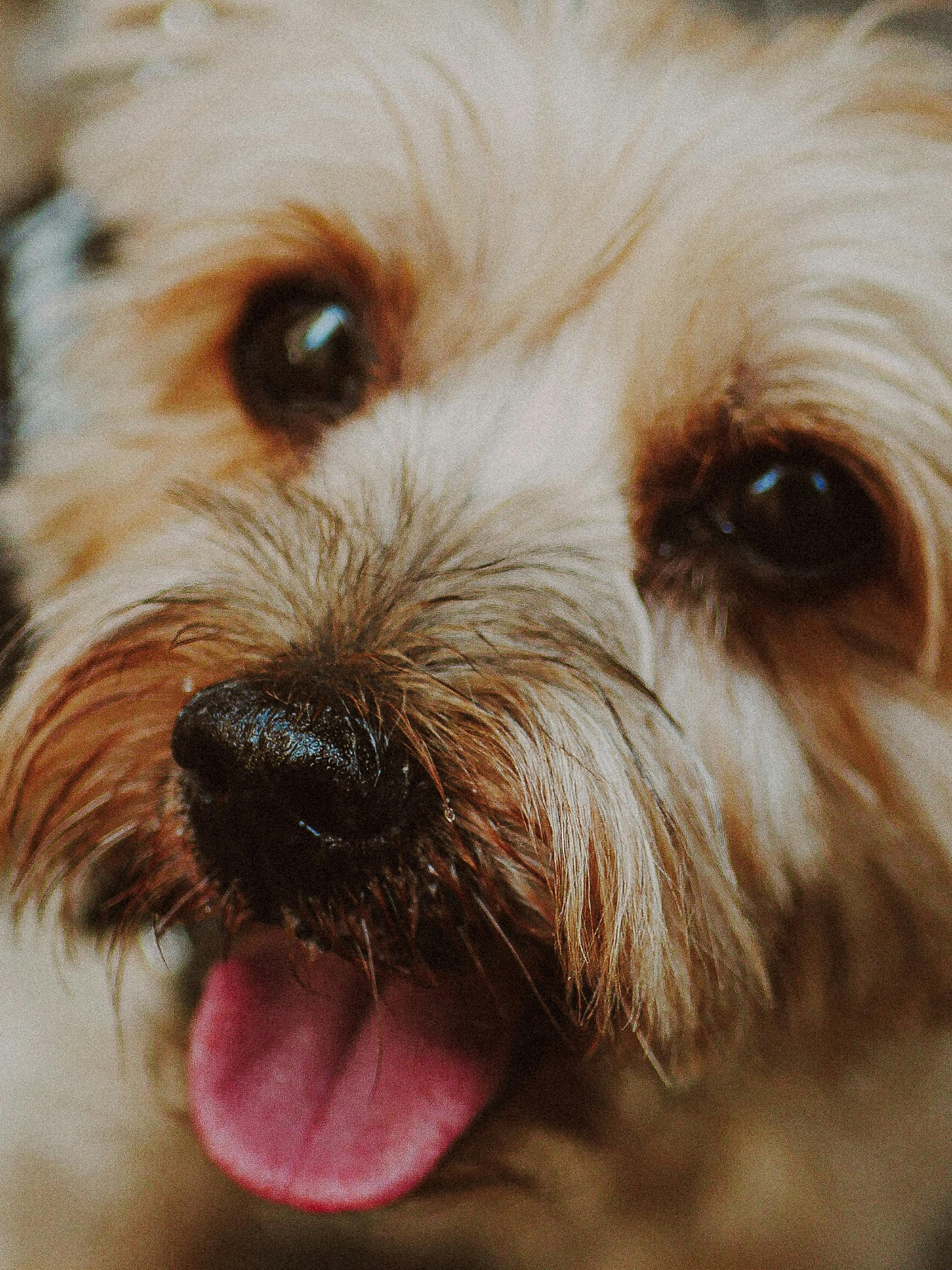 \n\n
\n\nHave you ever wondered what your dog’s nose can tell you about their feelings? Or why does your furry friend’s nose always feel wet? These questions might seem simple but they hold a lot of interesting facts about our canine companions. Let's dive in and explore what your dog's nose is sayin' about their emotions and the reasons behind those wet noses!
\nWhat Does Your Dog’s Nose Say About Their Emotions?
\nDogs are amazing creatures and their body language tells a lot about how they feel. One important part of a dog's body language is their nose. The wetness and temperature of their nose can indicate various emotional states.
\n- \n
- A cold, wet nose often indicates a relaxed and happy dog. \n
- If your dog’s nose is dry or warm, they might be feeling anxious or sick. \n
- Dogs can also change the moisture in their noses depending on their surroundings. For instance, in a stressful situation, they may lick their noses more, making them wetter. \n
Here are some common emotions and what to look for on your dog's nose:
\n- \n
- Excitement: A happy, wet nose and a wagging tail usually mean they are excited to see you or going for a walk. \n
- Anxiety: A dry, warm nose might suggest your dog is anxious. Watch for other signs like pacing or hiding. \n
- Curiosity: When sniffing around, their nose may become wetter. This is a natural response as they explore their environment. \n
Why Do Dogs Have Wet Noses? Discover The Surprising Reasons!
\nNow, let’s discuss that wet nose! It’s a common sight, but many people don't know why dogs have wet noses in the first place. Here’s a breakdown of the reasons:
\n- \n
- Sense of Smell: Dogs' noses are wet to help them smell better. The moisture helps to capture scent particles. \n
- Cooling Mechanism: Just like humans sweat, dogs cool off through their noses. The wetness evaporates and helps regulate their body temperature. \n
- Health Indicator: A wet nose can be a sign that your dog is healthy. However, if it’s excessively dry or cracked, it might be time to visit the vet. \n
The Science Behind the Wet Nose
\nDogs’ noses are made up of a lot of olfactory receptors. In fact, they have about 300 million smell receptors compared to humans' 5 million. This huge difference explains why dogs can detect scents so much more effectively. The wetness of a dog's nose plays a key role in their ability to smell and interact with their environment.
\nFun Facts About Dog Noses
\n- \n
- Unique Patterns: Just like fingerprints in humans, every dog has a unique nose print. \n
- Temperature Detection: Dogs can also detect changes in temperature. A wet nose can help them sense heat more effectively. \n
- Licking Behavior: Dogs often lick their noses to keep them moist. They may do this more when they are excited or curious. \n
Common Misconceptions About Dog Noses
\nDespite what many people believe, a dog’s nose doesn’t always indicate their health status. Here are some common myths:
\n- \n
- \n
Myth: A warm and dry nose means your dog is sick.
\n \n - \n
Truth: While it can be an indicator, it’s not definitive. Dogs can have a warm nose for many reasons.
\n \n - \n
Myth: Dogs only need to keep their noses wet for scenting.
\n \n - \n
Truth: Wet noses also help with temperature regulation.
\n \n
Observing Your Dog's Nose
\nTo understand what your dog is feeling, it's important to observe their nose along with their overall behavior. Here are some things to keep in mind:
\n- \n
- Monitor Changes: If you notice your dog's nose suddenly becomes very dry or cracked, consider a vet visit. \n
- Watch for Other Signs: Look for other body language signs like tail position, ear position, and overall energy levels. \n
Dogs communicate in various ways and their noses play a significant part of that language.
\nIn summary, your dog’s nose is more than just an adorable feature; it’s a window into their feelings and wellbeing. The next time you cuddle with your furry friend, take a moment to notice that wet nose and what it might be telling you. Understanding your dog's emotions can strengthen your bond and improve their overall happiness. So, pay attention to those little signals, and keep your dog’s nose happy and healthy!
\n\nThe Role of Wet Noses in Dog Communication: A Hidden Language?
\n\n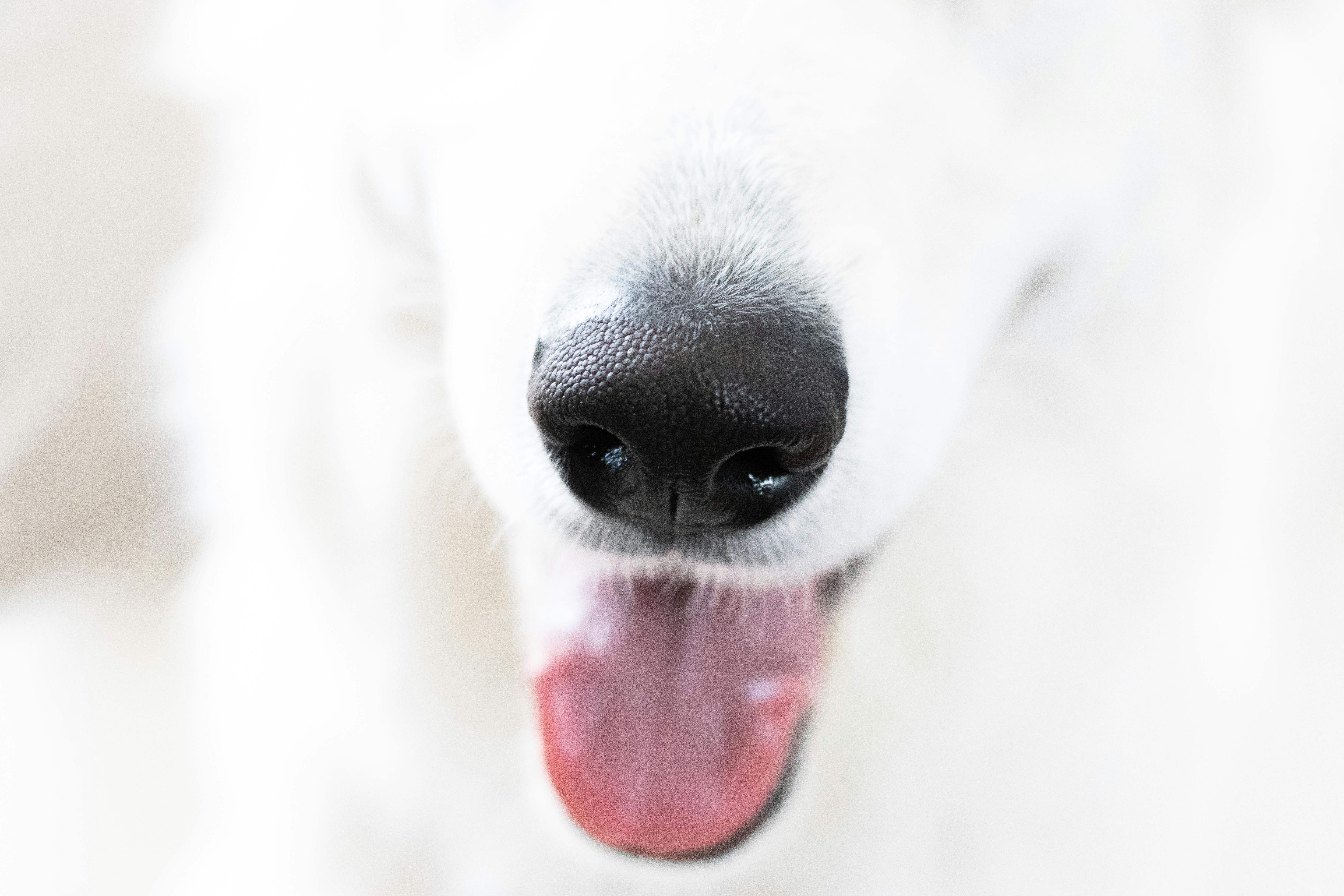 \n\n
\n\nDogs have been companions to humans for thousands of years. They communicate in many ways, including their barks, body language, and of course, their noses. Many people wonder, why do dogs have wet noses? The answer goes beyond simple anatomy; it’s a fascinating aspect of canine communication and health. Let’s delve into this hidden language of wet noses and explore the surprising reasons behind this unique trait.
\nThe Science Behind Wet Noses
\nA dog’s nose is not just a cute feature; it’s packed with sensory receptors. In fact, dogs' noses are highly sensitive and are believed to have about 300 million olfactory receptors, compared to a human’s measly 5 million. This means that dogs can detect scents at incredibly low concentrations, which helps them navigate the world around them.
\nThe moisture on a dog’s nose plays an important role. When their nose is wet, it helps to absorb scent particles. The dampness increases their ability to smell, thus enhancing their communication ability. So, when you see a dog with a wet nose, it’s not only a sign of a healthy pup but a sign that they are ready to engage and communicate.
\nWhy Are Dog Noses Wet?
\nHere’s a list of reasons why dogs have wet noses:
\n- \n
- Enhanced Olfactory Function: Wet noses help dogs pick up scents better, aiding in their ability to communicate with other animals and humans. \n
- Temperature Regulation: Dogs don’t sweat like humans. Their wet noses help to cool them down when they pant, thus maintaining body temperature. \n
- Health Indicator: A dog's nose can indicate its health. Generally, a moist, cool nose is a sign of a healthy dog, while a dry or cracked nose might signal an issue. \n
- Social Signals: Dogs may use their noses to gather information about their environment and other dogs. A wet nose can signify curiosity and willingness to engage. \n
- Scent Marking: Dogs can use their noses to leave scent marks in their territory, communicating with others through their unique smell. \n
Historical Context of Dog Communication
\nHistorically, dogs have been bred for various purposes, from hunting to herding, and their communication methods have evolved accordingly. In ancient times, hunters relied on dogs to track and locate game. Their acute sense of smell was crucial for survival, and a wet nose was just another tool in their communication arsenal.
\nAs dogs became domesticated, their communication styles adapted to human environments. Dogs began to rely more on body language and vocalizations, but their noses remained a primary means of gathering information about their surroundings and other creatures.
\nSigns of a Healthy Dog Nose
\nIt’s important for dog owners to understand what a healthy nose looks like. Here’s a simple checklist:
\n- \n
- Normal Temperature: A healthy dog nose can feel cool and moist. \n
- Color: The nose should be a consistent color, matching the dog’s breed. \n
- Texture: The surface should be smooth, not dry or cracked. \n
- Discharge: There should not be any unusual discharge or bleeding. \n
The Role of Wet Noses in Communication
\nDogs communicate not just with their barks but also with their wet noses. Here are a few ways dogs use their noses to communicate:
\n- \n
- Greeting: Dogs often greet each other with nose nudges. This is a friendly gesture that indicates a desire to engage. \n
- Scent Communication: Dogs sniff each other’s noses to gather information about one another, such as age, health, and even mood. \n
- Exploration: When a dog sniffs around, they are gathering information about their environment, which is vital for their understanding of the world. \n
Comparisons: Wet Noses vs. Dry Noses
\nLet’s break down the differences between wet and dry noses:
\nWet Noses:
\n- \n
- Indicate better olfactory ability. \n
- Often seen in healthy dogs. \n
- Can be a sign of hydration and good health. \n
Dry Noses:
\n- \n
- May indicate dehydration or illness. \n
- Can be a result of environmental factors like heat. \n
- May require veterinary attention if persistent. \n
Practical Examples of Nose Communication
\nConsider this scenario: a dog meets another dog in the park. The first thing they do is sniff each other’s noses. This simple act tells them so much. It’s like a dog’s version of a handshake. They can learn about each other’s diet, health, and even emotional state through this interaction. The wetness of their noses enhances this communication, making it richer and more informative.
\nUnderstanding the role of wet noses in dog communication can greatly enhance the bond between dogs and their humans. It’s a reminder of the intricate and fascinating world of canine behavior. When you see your dog with a wet nose, remember, they’re not just saying “hello”; they’re engaging in a complex language of their own, full of surprises and hidden meanings.
\n\nExploring the Connection Between Wet Noses and Canine Temperature Regulation
\n\n \n\n
\n\nDogs are known for their playful antics and loyal companionship, but one of their most curious features is, without a doubt, their wet noses. Ever wonder why do dogs have wet noses? The answer isn’t just a matter of aesthetics or quirkiness; it relates deeply to their health and behavior. Let's dive into this fascinating subject and explore the connection between wet noses and canine temperature regulation.
\nThe Science Behind Wet Noses
\nFirst off, the moisture on a dog's nose serves multiple purposes. One of the primary functions of a wet nose is to help dogs regulate their body temperature. Dogs, like humans, can get hot, especially during warm months or after vigorous activities. They don’t sweat like we do, so their bodies rely on other methods to cool down.
\n- \n
- Wet noses help in cooling the air when they inhale. \n
- The evaporation of moisture from the nose can cool the blood vessels located there. \n
- It also aids in detecting scents, as the moisture helps to trap scent particles. \n
Why are Dog Noses Moist?
\nDogs have a unique anatomy that contributes to their wet noses. Their noses are covered with a thin layer of mucus which helps them absorb scent chemicals. Plus, dogs often lick their noses, which keeps them wet. Here’s some fun facts about dog noses:
\n- \n
- Surface Area: A dog's nose has a larger surface area than a human's, allowing for better scent absorption. \n
- Temperature Regulation: The moisture evaporating from a dog's nose can help lower their body temperature. \n
- Health Indicator: A healthy dog usually has a wet nose, while a dry nose could indicate dehydration or illness. \n
Historical Perspective on Dog Noses
\nDogs have a long history with humans, dating back thousands of years. The domestication of dogs began with their wild ancestors, who adapted their hunting and survival techniques. Wet noses may have played a significant role in their ability to track scents and navigate their environment. Here are some historical points to consider:
\n- \n
- Hunting Companions: Early humans relied on dogs for hunting, and a keen sense of smell was essential for tracking game. \n
- Companionship: Over time, dogs transitioned from hunting partners to beloved pets, but their wet noses remained a critical part of their sensory toolkit. \n
- Breeding Influence: Selective breeding has resulted in various breeds with distinct nose shapes and moisture levels, affecting their scent-tracking abilities. \n
The Benefits of a Wet Nose
\nHaving a wet nose isn’t just about looks; it comes with numerous advantages:
\n- \n
- Enhanced Olfactory Abilities: Wet noses are better at picking up scents compared to dry noses, making dogs excellent at tracking scents. \n
- Natural Thermoregulation: Dogs can manage temperature more effectively thanks to their wet noses, preventing overheating during warm days. \n
- Social Signals: A wet nose can indicate a dog’s mood; for instance, excited dogs often have a wetter nose due to increased activity. \n
Common Misconceptions
\nThere are several myths surrounding why do dogs have wet noses. It’s important to clear them up:
\n- \n
- \n
Myth: A wet nose means a dog is sick.
\n- \n
- Fact: While a dry nose can indicate health issues, a wet nose is generally a sign of good health. \n
\n - \n
Myth: All dogs have wet noses.
\n- \n
- Fact: Some breeds, like certain bulldogs, may have drier noses due to their physical characteristics. \n
\n - \n
Myth: Dogs only lick their noses when they are thirsty.
\n- \n
- Fact: Dogs lick their noses for various reasons, including stress relief, to taste scents, or simply because they enjoy it. \n
\n
Practical Examples of Nose Conditions
\nDog owners should be aware of different conditions that can affect their pets' noses. Here are some common issues:
\n- \n
- Nasal Hyperkeratosis: Thickening of the skin on the nose, might lead to dryness. \n
- Nasal Dermatitis: Inflammation that could cause irritation and dryness. \n
- Infections: Bacterial or fungal infections can also lead to changes in nose moisture levels. \n
Maintaining Nose Health
\nKeeping a dog’s nose healthy is vital. Here are some tips:
\n- \n
- Hydration: Ensure your dog has access to fresh water at all times. \n
- Regular Vet Check-ups: This helps monitor any changes in nose moisture or condition. \n
- Avoid Irritants: Keep your dog away from harsh cleaning chemicals or allergens that could irritate the nose. \n
Understanding the complexities behind a dog's wet nose not only quenches curiosity but also highlights the importance of this feature in their overall health and behavior. These adorable companions rely on their noses for a multitude of reasons, which ultimately enhances the bond they share with us. So next time you pet your furry friend, remember the science and significance behind that wet, cold nose!
\n\nTop 7 FAQs About Dogs’ Wet Noses Answered by Experts
\n\n \n\n
\n\nDogs are often considered to be man's best friend, and one of the most charming features of our furry companions is their wet noses. If you've ever wondered why dogs have wet noses, you're not alone. Many pet owners ask this question, and there are some surprising answers. Here, we explore the top 7 frequently asked questions about dogs' wet noses, providing insights from experts in the field.
\n1. Why Do Dogs Have Wet Noses?
\nThe main reason why dogs have wet noses is because it helps them to smell better. A dog's nose has a lot of olfactory receptors, which detect odors. The moisture on the nose helps to capture scent particles in the air, enhancing their ability to sniff out things. In fact, dogs have around 300 million scent receptors in their noses compared to about 5 million in humans! So, when you see your dog with a wet nose, remember that they are just doing their job as a scent detective!
\n2. Is a Wet Nose a Sign of Good Health?
\nMany people believes that a wet nose indicates a healthy dog. While it's not an absolute rule, a wet nose can be a sign that your dog is well-hydrated and feeling fine. However, there are exceptions. A dog can be healthy with a dry nose too. If your dog’s nose is excessively dry or cracked, it could be a sign of dehydration, illness, or allergies. Always pay attention to other symptoms, such as lethargy or changes in appetite.
\n3. Are All Dogs' Noses Wet?
\nNot all dogs have the same level of moistness in their noses. Breeds like Bulldogs or Pugs may have drier noses compared to others like Retrievers or Beagles. Age can also play a role; older dogs might not have as much moisture in their noses as younger ones.
\n4. Why Do Dogs Lick Their Noses?
\nDogs lick their noses for several reasons. One of the main reasons is to keep their noses moist. They also lick their noses as a way to gather more scent particles. This behavior can be linked to their natural instincts as hunters and scavengers. Additionally, when dogs are anxious or stressed, they might lick their noses as a calming mechanism.
\n5. How Can Weather Affect a Dog’s Nose?
\nWeather can have a significant effect on a dog's nose. In hot or dry conditions, your dog's nose may become dry and cracked. Conversely, in humid weather, their noses may be wetter. It’s important to monitor your dog’s nose during extreme weather conditions. For example, you might want to apply a dog-safe moisturizer if your dog’s nose looks too dry during winter months.
\n6. What Should You Do if Your Dog’s Nose Changes?
\nIf you notice a sudden change in your dog's nose, such as it becoming excessively dry or developing sores, you should consult your vet. Changes in a dog’s nose can be a sign of underlying health issues. Keep an eye out for other symptoms like coughing, vomiting, or lethargy.
\n7. Can Dogs’ Noses Help Identify Illness?
\nYes, dogs’ noses can help in identifying illness, somewhat. While it’s not a precise science, some experts suggests that dogs can detect changes in their own body chemistry, which can be linked to certain illnesses. For example, dogs have been trained to detect cancer or diabetes in humans. Their keen olfactory senses allow them to pick up on specific scents associated with these conditions.
\nFun Facts About Dogs' Noses
\n- \n
- A dog's sense of smell is 40 times better than a human's. \n
- The wetness of a dog's nose can help them regulate their body temperature. \n
- Dogs can even smell emotions! They can detect changes in human pheromones linked to stress and fear. \n
In summary, the wet noses of dogs serve multiple important functions, from enhancing their sense of smell to possibly signaling their health. Whether you are a new dog owner or have had furry companions for years, understanding the reasons behind those cute, wet noses can deepen your bond with your pet. Remember to always keep an eye on your dog's health and well-being, and don’t hesitate to reach out to your veterinarian if you have any concerns. Dogs are wonderful creatures, and their quirks, like wet noses, are just one of the many reasons we love them!
\n\nHow to Care for Your Dog’s Nose: Tips for Keeping It Healthy and Hydrated
\n\n \n\n
\n\nCaring for your dog’s nose is crucial for its overall health, and it might surprise you to learn just how important a wet nose is for your furry friend. Many dog owners wonder why do dogs have wet noses and how it impacts their well-being. This article dives into the reasons behind those moist noses and gives you practical tips on keeping your pup's nose healthy and hydrated.
\nWhy Do Dogs Have Wet Noses? Discover The Surprising Reasons!
\nDogs have wet noses for several reasons, and it's not just for show. Here’s a breakdown of the surprising facts:
\n- \n
- \n
Temperature Regulation: One of the main reasons dogs have wet noses is to help them regulate their body temperature. When dogs are feeling hot, they often lick their noses to keep them cool. The moisture on their noses can evaporate, which helps in cooling their body down.
\n \n - \n
Enhanced Sense of Smell: A wet nose can help dogs smell better. The moisture helps to trap scent particles, which makes it easier for dogs to detect smells in their environment. This is why dogs are known for their impressive sense of smell, and their wet noses play a big role in that.
\n \n - \n
Health Indicator: The condition of a dog’s nose can be an indicator of its health. A healthy dog usually has a moist, cool nose. If you notice that your dog’s nose is excessively dry or cracked, it might be a sign that they need more hydration or could be suffering from an underlying health issue.
\n \n
How to Care for Your Dog’s Nose: Tips for Keeping It Healthy and Hydrated
\nTaking care of your dog’s nose is essential, and it’s not that difficult to do. Here are some tips to ensure your pup's nose remains in tip-top shape:
\n- \n
- \n
Hydration is Key: Always make sure your dog has access to clean, fresh water. Dehydration can lead to a dry nose, so it’s important to keep your furry friend hydrated.
\n \n - \n
Use Dog-Friendly Moisturizers: If your dog’s nose appears dry or cracked, consider applying a dog-safe moisturizer. There are many products on the market designed specifically for dogs. Always consult with your vet before applying anything.
\n \n - \n
Regular Vet Check-Ups: Regular visits to the veterinarian can help catch any potential health issues early. If you notice significant changes in your dog's nose, such as color or texture changes, it’s best to consult a professional.
\n \n - \n
Limit Sun Exposure: Just like humans, dogs can get sunburned, especially on their noses. If your dog spends a lot of time outdoors, consider using a pet-safe sunscreen on their nose.
\n \n - \n
Keep it Clean: Regularly wipe your dog’s nose with a damp cloth to remove dirt or debris. This helps prevent infections and keeps their nose healthy.
\n \n
Signs of a Healthy Nose vs. an Unhealthy Nose
\nKnowing the difference between a healthy nose and an unhealthy one can make all the difference. Here’s a simple comparison:
\n| Healthy Nose | \nUnhealthy Nose | \n
|---|---|
| Cool to the touch | \nWarm or hot to the touch | \n
| Moist and smooth | \nDry, cracked, or flaky | \n
| Pink to dark brown | \nWhite or discolored | \n
| No discharge | \nDischarge or bleeding | \n
Common Nose Problems in Dogs
\nHere are some common issues you might encounter with your dog's nose:
\n- \n
- \n
Nasal Dermatitis: This can be caused by allergies or irritants, leading to red, inflamed skin around the nose.
\n \n - \n
Hyperkeratosis: This is a condition where the skin on the nose thickens, leading to cracking and dryness.
\n \n - \n
Infections: Both bacterial and fungal infections can occur in a dog's nose, leading to discharge or discomfort.
\n \n - \n
Nosebleeds: Though not common, nosebleeds can happen and might indicate trauma or other health issues.
\n \n
Practical Tips for Dog Owners
\n- \n
- \n
Monitor your dog’s behavior: If your dog is licking its nose excessively, it might be trying to self-soothe or indicate discomfort.
\n \n - \n
Adjust their diet: A diet rich in Omega-3 fatty acids can support skin health, including the nose. Consider adding fish oil or other supplements after consulting your vet.
\n \n - \n
Pay attention to the environment: Extreme weather conditions, like winter cold or summer heat, can affect your dog's nose. Take precautions, like keeping them indoors during extreme conditions.
\n \n
Taking care of your dog's nose is just as important as ensuring their overall health. By understanding why do dogs have wet noses and implementing these care tips, you can help keep your canine companion happy and healthy. Remember, a wet nose is often a sign of a healthy dog, so keep that moisture flowing!
\n\nConclusion
\n\nIn conclusion, the wet noses of dogs serve several important purposes that contribute to their overall health and well-being. Primarily, a moist nose aids in regulating their body temperature and enhances their sense of smell, allowing them to navigate and understand their environment more effectively. Additionally, the moisture helps to trap scent particles, making it easier for dogs to identify various odors. While a wet nose is often seen as a sign of a healthy dog, it’s essential for pet owners to be mindful of any significant changes in their dog's nose moisture, as this could indicate health issues. Ultimately, understanding the science behind a dog's wet nose deepens our appreciation for these loyal companions. If you notice any unusual changes in your dog’s nose or overall health, don’t hesitate to consult your veterinarian for guidance. Your furry friend deserves the best care possible!
\n\n