Have you ever wondered, why do dogs have wet noses? This seemingly simple question holds a surprising truth that many pet owners overlook. The wetness of a dog's nose is not just an adorable trait; it serves several important purposes that can enhance your understanding of canine behavior. Curious about the science behind it? A dog's nose is not only a tool for smelling but also plays a crucial role in their health and communication. When you think about it, a wet nose might seem strange, but there’s actually fascinating biological reasons for this phenomenon. Did you know that a dog's sense of smell is thousands of times more powerful than ours? This makes their wet noses essential in detecting scents and regulating body temperature. So, are you ready to dive deeper into the mysteries of why your furry friend has that adorable, moist snout? Join us as we explore the intriguing world of dog noses, uncovering the secrets behind their wetness and what it could mean for your beloved pet's well-being.
\n\nThe Science Behind Dogs’ Wet Noses: What You Need to Know
\n\n \n\n
\n\nDogs are known for many things, but one of their most charming characteristics is their wet noses. Have you ever wondered why do dogs have wet noses? There’s science behind it, and it’s kinda fascinating! This article will delve into this curious canine trait, shedding light on the surprising truth behind those moist snouts.
\nThe Function of a Dog's Nose
\nA dog's nose is more than just a cute feature; it’s a vital sensory organ. Dogs have an incredible sense of smell, which is about 10,000 to 100,000 times more sensitive than humans. The wetness of their noses actually plays a crucial role in enhancing this sense of smell.
\n- \n
- \n
Moisture and Smell: A wet nose helps to trap scent particles. When a dog sniffs, the moisture on their nose collects these particles, allowing them to analyze scents more effectively. This is why dogs can detect changes in the environment, including emotions of humans and other animals.
\n \n - \n
Temperature Regulation: Dogs don't sweat like humans do, so their noses help them cool down. When the moisture on their noses evaporates, it assists in regulating their body temperature.
\n \n
The Evolutionary Perspective
\nHistorically, the wet nose has been a trait that has evolved over thousands of years. Early domesticated dogs likely had wet noses to help them track prey and navigate their surroundings. This evolutionary adaptation has remained, proving beneficial for their survival and interaction with the world.
\n- \n
- \n
Hunting and Tracking: Dogs were originally bred for specific tasks, including hunting. A wet nose can help them pick up scents from a distance, making them better hunters.
\n \n - \n
Social Interaction: Wet noses also play a role in social behavior. Dogs often greet each other by sniffing noses, which is a way of gathering information about each other’s health and emotional state.
\n \n
Why Do Dogs Have Wet Noses?
\nSo, why do dogs have wet noses? The answer combines biology, evolution, and behavior. Here’s a simple breakdown:
\n- \n
- Enhanced Olfactory Function: The moisture on the nose helps to absorb scent particles. \n
- Cooling Mechanism: Wet noses help dogs cool down as they lack sweat glands. \n
- Communication Tool: Dogs use their noses to greet and communicate with other dogs. \n
What Happens When a Dog's Nose is Dry?
\nSome pet owners might notice their dog’s nose can become dry at times. This can be concerning, but it's not always a bad sign. Here are a few reasons a dog’s nose may be dry:
\n- \n
- Dehydration: A dry nose can indicate that a dog is not drinking enough water. \n
- Environmental Factors: Hot weather or dry air can lead to a dry nose. \n
- Health Issues: In some cases, a persistently dry nose could be a sign of health problems, such as fever or illness. \n
Fun Facts About Dog Noses
\n- \n
- Unique Patterns: Just like human fingerprints, every dog has a unique nose print that can be used for identification. \n
- Color Variation: The color of a dog's nose can vary depending on the breed, age, and health. \n
- Scent Discrimination: Dogs can differentiate between various scents and can even be trained to detect diseases like cancer or diabetes by smelling a patient's breath or urine. \n
Caring for Your Dog's Nose
\nMaintaining the health of your dog's nose is important. Here’s how you can help:
\n- \n
- Hydration: Ensure your dog is always hydrated. Fresh water is essential! \n
- Moisturizing: If your dog's nose becomes overly dry, consider using a pet-safe moisturizer to help keep it healthy. \n
- Regular Check-ups: Regular vet visits can catch any potential issues early, ensuring your dog's nose and overall health remain in check. \n
Myths About Dog Noses
\nThere are many myths surrounding dog noses. Here are a few common ones debunked:
\n- \n
- Cold Nose Means Healthy: While many believe a cold nose indicates good health, it’s not always true. A dog can have a warm nose and still be healthy. \n
- Wet Nose Equals Happy Dog: A wet nose does not necessarily mean a dog is happy. Dogs can have wet noses from sniffing around or even when they are anxious. \n
Understanding the science behind dogs' wet noses gives us insight into the fascinating lives of our furry companions. Their noses are not just cute; they serve essential functions that help them interact with the world. By taking care of your dog's nose and knowing the facts, you ensure they remain healthy and happy.
\n\n5 Fascinating Reasons Why Your Dog's Nose is Always Moist
\n\n \n\n
\n\nDogs are some of the most beloved pets around the world. One of the most distinguishing features of these furry friends is their wet noses. You might have wonder, “Why do dogs have wet noses?” Well, there’s actually some fascinating reasons behind this phenomenon that are both intriguing and scientifically informative. Let’s dive into five fascinating reasons why your dog’s nose is always moist.
\n1. Natural Cooling System
\nOne of the primary reasons for a dog’s wet nose is that it acts as a natural cooling system. Dogs don’t sweat like humans do. Instead, they often rely on their noses to help regulate their body temperature. When a dog’s nose is wet, it can evaporate moisture, which helps cool them down. So, when you see your dog’s nose glistening in the sunlight, it might just be trying to keep cool.
\n2. Enhanced Sense of Smell
\nDid you know that dogs have an incredible sense of smell? A dog’s nose is packed with olfactory receptors—about 300 million compared to a human’s 5 million. The moisture on their nose helps to capture scent particles in the air, making it easier for them to detect smells. This is why you often see dogs sniffing around, licking their noses. It’s all part of their natural instinct to gather information about their environment.
\n3. Hydration Indicator
\nA dog’s wet nose can also be an indicator of their hydration level. Just like humans, dogs can become dehydrated, and one way to check their hydration is by observing their nose. If a dog’s nose is dry and cracked, it might be a sign that they need more water. However, a moist nose generally indicates that they are well-hydrated. It’s important for pet owners to keep track of their dog’s hydration, especially during hot weather.
\n4. Protection Against Infection
\nAnother fascinating reason for a dog’s wet nose is that it provides a protective barrier against infections. The moisture on the nose helps to trap dust, dirt, and other particles that can potentially harm a dog’s health. Additionally, the wetness can help to keep the nose clean and reduce the risk of developing certain infections. This is one of nature’s ways of ensuring that dogs maintain their health and wellbeing.
\n5. Communication Tool
\nDogs are social animals, and their wet noses play a role in communication as well. A moist nose can be a signal to other dogs or animals that they are friendly and approachable. When dogs greet each other, they often sniff each other’s noses, which helps them gather a lot of information about each other. The moisture can also convey their mood; a wet nose might indicate excitement or happiness!
\nQuick Facts About Dog Noses
\n- \n
- Temperature Regulation: Wet noses help cool dogs down. \n
- Sense of Smell: Moisture captures scent particles for better detection. \n
- Hydration: A wet nose often indicates a well-hydrated dog. \n
- Infection Protection: Moisture helps keep noses clean and reduces infection risk. \n
- Communication: Wet noses can signal friendliness to other dogs. \n
The Science Behind Nose Moisture
\nA dog’s nose secretes a thin layer of mucus, which is what keeps it moist. This mucus is produced by glands located in the nasal passages. When dogs sniff, they also take in air, which helps to further moisten their nose. This is a natural process that occurs in healthy dogs, so if you notice your dog’s nose becoming excessively dry or crusty, it might be time to consult a veterinarian.
\nFinal Thoughts
\nIn conclusion, a dog’s wet nose is not just a quirky feature; it plays a vital role in their overall health and wellbeing. From enhancing their sense of smell to acting as a cooling system, there’s a lot more than meets the eye. As a pet owner, understanding these fascinating aspects of your dog can help you take better care of them. So, the next time you give your furry friend a pat and feel that cool, moist nose, you can appreciate the science and nature behind it!
\n\nIs a Wet Nose a Sign of a Healthy Dog? Discover the Truth
\n\n \n\n
\n\nIs a wet nose a sign of a healthy dog? Many dog owners think this. But is it true? You may have noticed your furry friend’s nose feeling a bit damp when you touch it. But what does that really mean? Let’s dive into the fascinating world of canine noses to discover the truth behind these wet noses and why dogs have them.
\nWhy Do Dogs Have Wet Noses?
\nFirst, let’s look at what makes a dog’s nose wet. Dog noses are moist for a few reasons. One primary reason is that it helps them smell better. Dogs have a amazing sense of smell, and a wet nose enhances their ability to pick up scents. The moisture on their noses captures odor particles, which makes it easier for their brains to process smells. This is why you often see dogs sniffing around so much—they are trying to gather as much information as possible from their environment.
\nAnother reason for wet noses is related to thermoregulation. Dogs can’t sweat like humans do. Instead, they regulate their body temperature through panting and the moisture on their noses. A wet nose can help cool them down, especially on hot days.
\nHere are some key points on why dogs have wet noses:
\n- \n
- Enhanced Smell: The dampness helps capture scent particles. \n
- Thermoregulation: A wet nose helps to cool down the dog. \n
- Health Indicator: While not definitive, a wet nose can sometimes indicate good health. \n
Is a Wet Nose a Sign of Good Health?
\nNow, let’s tackle the big question: Is a wet nose a sign of a healthy dog? It is a common belief, but it’s not the whole story. A wet nose is generally associated with a healthy dog, but it’s not the only indicator of health.
\nA dog with a dry nose might be sick, but there are numerous other factors to consider. For example, dogs can have dry noses due to dehydration, heat, or even just sleeping too long. It's important not to jump to conclusions based solely on the wetness of the nose.
\nHere are some additional signs of a healthy dog:
\n- \n
- Energetic Behavior: Active and playful dogs are usually healthy. \n
- Shiny Coat: A glossy coat with no bald patches is a good sign. \n
- Good Appetite: Eating well is a key indicator of health. \n
- Normal Bowel Movements: Regular, healthy stools are important. \n
Common Myths About Dog Noses
\nThere are many myths surrounding dog noses, and it is important to separate fact from fiction. Here are some common misconceptions:
\n- \n
- A wet nose means a dog is sick: As mentioned earlier, this isn’t true. A dry nose doesn’t always indicate illness. \n
- Dogs can’t sweat: While dogs don’t sweat like humans, they do have sweat glands in their paw pads. \n
- All dogs have wet noses: Some breeds have drier noses than others, and that can be perfectly normal. \n
What to Do If Your Dog's Nose is Dry
\nIf you notice your dog’s nose is dry, there are a few things you can do. Check for other symptoms, like lethargy or loss of appetite. If your dog is acting normally, then it might just be a temporary condition. Here’s a quick list of actions you can take:
\n- \n
- Ensure Proper Hydration: Make sure your dog always has access to fresh water. \n
- Monitor for Symptoms: Keep an eye on their behavior and health. \n
- Consult a Veterinarian: If the dry nose persists, it’s best to seek professional advice. \n
The Bottom Line
\nIn summary, while a wet nose can be an indicator of a healthy dog, it is not the sole sign to rely on. Dogs have evolved to have moist noses for several reasons, including their remarkable sense of smell and temperature regulation. However, dog owners should always consider other health indicators to get a complete picture of their pet’s well-being. Observing behavior, appetite, and overall activity level are essential for assessing health. Remember, if there’s ever any doubt about your dog’s health, it’s always wise to seek help from a veterinarian.
\n\nHow Dogs Use Their Wet Noses for Communication: An Insider Look
\n\n \n\n
\n\nDogs are often referred to as "man's best friend," and one of the most fascinating features about them is their wet noses. Have you ever wondered how dogs use their wet noses for communication? Or, why do dogs have wet noses in the first place? This article dives into the surprising truth about those adorable snouts and what they can reveal.
\nThe Science Behind the Wet Nose
\nFirst off, let's talk about the science. A dog's nose is wet for a reason. The moisture helps to enhance their sense of smell, which is already incredibly powerful. Dogs have about 220 million smell receptors in their noses compared to about 5 million in humans. A wet nose can capture scent particles more effectively. It's like how the dew on grass can make it easier to smell the flowers blooming.
\nSome studies suggests that the wetness of their noses comes from a combination of saliva and secretions from their nasal glands. This unique feature allows dogs to absorb scent molecules, which they then process in a special part of their brain dedicated solely to smells.
\nCommunication Through Scent
\nDogs communicate in many ways, but their noses play a crucial role in this process. The wet nose is a tool for social interaction as well. When dogs sniff each other, they gather important information such as age, sex, mood, and even health status. Here are some key points about how dogs use their noses to communicate:
\n- \n
- Greeting Rituals: When dogs meet, they often greet each other with a good sniff. This behavior is akin to a handshake in human culture. \n
- Emotional States: A dog can tell if another dog is stressed or relaxed just through scent. This is why they can often sense a person’s feelings too. \n
- Territorial Marking: Dogs may also use their noses to pick up on scents left by other dogs to understand their territory and social hierarchy. \n
Why Do Dogs Have Wet Noses?
\nSo, why do dogs have wet noses? There’s more than just the scent factor. Let's break it down:
\n- \n
- Temperature Regulation: Dogs can't sweat like humans do, so their noses play a small role in helping to regulate body temperature. When they lick their noses, it cools down due to evaporation. \n
- Health Indicator: A wet nose is often a sign of a healthy dog. Dry noses can be a sign of dehydration or illness, although it isn't universally true. \n
- Scent Enhancement: A wet nose is not just a cute feature; it's a biological necessity for scent detection. The moisture allows for better absorption of odor particles. \n
Historical Context: The Evolution of the Wet Nose
\nHistorically, the wet nose of dogs can be traced back to their evolution from wolves. Wolves needed to be able to track prey and locate food efficiently. Over time, through domestication, dogs retained this trait, and it has become a vital part of their communication and survival strategies.
\nFun Facts About Dog Noses
\n- \n
- Unique Patterns: Just like human fingerprints, every dog has a unique nose print that can be used for identification. \n
- Sniffing Speed: Dogs can sniff at a rate of about 5 to 10 times per second, taking in a plethora of information in mere moments. \n
- Nose Temperature: A dog's nose can feel cool to the touch, and this temperature can change based on their activity levels. \n
Practical Examples of Nose Communication
\nHere are a few scenarios that illustrate how dogs use their noses for communication and interaction:
\n- \n
- Playful Encounters: When two dogs meet at a park, they often spend several minutes sniffing each other’s noses and behinds. This is their way of saying, "Hello, who are you?" \n
- Responding to Emotions: If a dog senses stress in its owner, it might nudge their hand with its nose, attempting to comfort them. \n
- Detecting Illness: Some dogs are trained to detect diseases such as cancer just through smell, showcasing how powerful their noses can be. \n
Dogs are remarkable creatures, and their wet noses are more than just cute. They play an essential role in how dogs interact with the world and communicate with each other. Understanding why dogs have wet noses and how they use them can deepen our appreciation for these loyal companions. So next time you see a dog with a wet nose, remember, it’s not just for show—it's a window into their world!
\n\nThe Role of a Dog’s Wet Nose in Their Sense of Smell: Unveiling the Mystery
\n\n \n\n
\n\nWhen you see a dog, one of the first things you notice is their wet nose, right? It's like a little sponge of moisture. But why do dogs have wet noses? What’s the science behind it? There’s a mystery surrounding these lovable creatures and their ability to sniff out everything from treats to trouble. Let’s dive into the role of a dog's wet nose in their sense of smell and uncover some surprising truths along the way.
\nThe Science Behind the Wet Nose
\nA dog's nose is covered in a thin layer of mucous, which helps to trap scent particles. This mucous is what makes their nose feel wet. It's not just for show, either; it plays a vital part in enhancing their sense of smell. When a dog sniffs, the wet surface of their nose absorbs scent molecules more effectively than a dry one.
\n- \n
- Dogs have an astounding number of scent receptors — about 300 million, compared to humans who only have roughly 5 million. \n
- Their olfactory bulb, the part of the brain that processes smells, is proportionally larger than that of humans. \n
This unique anatomy allows dogs to detect scents at incredibly low concentrations. For example, they can sniff out a drop of blood in an Olympic-sized swimming pool!
\nEvolutionary Advantage
\nHistorically, dogs evolved from wolves, and their wet noses provided them with a survival advantage. A wet nose helps them cool down by evaporating moisture, but it also enhances their ability to smell food, detect predators, and communicate with other dogs. The wetness helps them pick up more scents while hunting or foraging.
\n- \n
- Wet noses can also help in social interactions among dogs. A moist nose can be a sign of health and vitality, making it an important part of canine body language. \n
Why Are Some Dogs’ Noses Wetter than Others?
\nYou might notice that some dogs have wetter noses than others. This can depend on several factors:
\n- \n
- Breed: Certain breeds, like Bloodhounds, have more moisture on their noses because they are bred for scent detection. \n
- Weather Conditions: Humidity and temperature can affect how wet a dog’s nose is. In hot or dry weather, noses may dry out more quickly. \n
- Health: A dry nose can sometimes indicate dehydration or illness. If a dog’s nose suddenly becomes dry, it might be worth consulting a veterinarian. \n
Fun Facts About Dog Noses
\n- \n
- The texture of a dog’s nose is unique, similar to a human fingerprint. No two dogs have the same nose print! \n
- Dogs use their noses not only to smell but also to taste. They have a special olfactory receptor that can detect pheromones, important for social communication among dogs. \n
- Dogs can differentiate between various scents and can even identify the emotional state of a person by smelling their scent. \n
Comparisons: Dog Noses vs. Human Noses
\nLet’s look at how dog noses compare to human noses in a simple table:
\n| Feature | \nDog Nose | \nHuman Nose | \n
|---|---|---|
| Number of scent receptors | \nAbout 300 million | \nAbout 5 million | \n
| Ability to detect scents | \nExtremely sensitive | \nLess sensitive | \n
| Moisture | \nAlways moist | \nCan be dry or moist | \n
| Unique Features | \nUnique nose prints | \nNo unique prints | \n
| Used for communication | \nYes, via scent and pheromones | \nLimited to verbal cues | \n
Practical Applications of Dogs' Sense of Smell
\nDogs are not just great companions; they are also invaluable in various professional fields due to their incredible sense of smell:
\n- \n
- Search and Rescue: Dogs are trained to find missing persons in disaster scenarios. \n
- Detection Work: Police dogs can sniff out drugs, explosives, and even money. \n
- Medical Detection: Some dogs can detect diseases like cancer or diabetes through scent. \n
Their noses are so powerful that they can even learn to distinguish between different types of odors, making them essential in many areas, including healthcare and security.
\nAs we unveil the mystery behind why dogs have wet noses, it’s clear that this characteristic is not just an amusing quirk; it plays an integral role in their ability to navigate and understand the world around them. So, the next time you pet your furry friend and feel that cool, damp nose, remember — it’s a remarkable tool that helps them connect with their surroundings in ways we can only begin to appreciate!
\n\nCan Weather Affect Your Dog’s Nose Moisture? Find Out Here!
\n\n \n\n
\n\nCan Weather Affect Your Dog’s Nose Moisture? Find Out Here!
\nHave you ever wondered, as a dog owner, why your furry friend’s nose feel wet or dry? It's a common question and lots of people curious about it. Dogs, unlike cats, have notably moist noses and this can be significant for their health. But does the weather play a role in how wet or dry your dog's nose gets? Let's dig into this fascinating subject!
\nWhy Do Dogs Have Wet Noses?
\nFirst, let’s explore the reasons why dogs have wet noses. It's not just for show! Here are some key points:
\n- \n
- Temperature Regulation: Dogs don’t sweat like humans do. They mainly rely on their noses to help cool themselves down. A moist nose can help with that process. \n
- Sense of Smell: A wet nose can enhance a dog’s ability to smell. The moisture helps to capture scent particles, increasing their olfactory abilities. \n
- Health Indicator: A healthy dog often has a cool and moist nose. Changes in moisture levels might indicate health issues. \n
Can Weather Affect Your Dog’s Nose Moisture?
\nNow, let’s get to the meat of the matter – can the weather really affect how moist your dog’s nose is? The answer is a resounding yes! Various weather conditions play a role in the moisture levels. Here’s how:
\n- \n
- Humidity Levels: Higher humidity can keep your dog's nose moist. When the air is filled with moisture, it can easily transfer to their nose. So, if you live in a humid area, your dog’s nose might stay wet more often. \n
- Dry Conditions: In contrast, during dry seasons or in arid climates, you might notice your dog's nose becoming drier. Dry air can evaporate the moisture from their noses quickly. \n
- Temperature: Extreme temperatures, either hot or cold, can also impact nose moisture. Hot days might dry it out, while cold weather can sometimes make it seem drier, too. \n
The Surprising Truth About Wet Noses
\nMany people believe that the wetter the nose, the healthier the dog is. While this is often the case, it’s not always true. Here’s a breakdown of what you should consider:
\n- \n
- Wet Nose: Often indicates a healthy dog, especially if they seem active and alert. \n
- Dry Nose: Not necessarily a sign of illness; it could simply be due to the weather or dehydration. \n
- Cracked or Peeling Nose: This could indicate a health problem and may require veterinary attention. \n
Practical Examples of Weather Impact
\nLet’s look at some practical examples of how weather affects your dog’s nose moisture:
\n- \n
- Rainy Days: On a rainy day, your dog might have a noticeably wet nose. This is due to the moisture in the air and perhaps even from the rain itself! \n
- Winter: In wintertime, you might notice a dry nose. Cold air can lead to decreased moisture, but as long as your dog is healthy, it might not be a concern. \n
- Summer Heat: During hot summer days, your dog might have a dry nose, especially if they are not drinking enough water. \n
Tips for Monitoring Your Dog's Nose Health
\nHere are some simple tips to keep an eye on your dog's nose and ensure they remain healthy:
\n- \n
- Hydrate: Make sure your dog has access to fresh water at all times. \n
- Observe: Keep an eye on any changes in the texture or moisture of your dog’s nose. \n
- Consult a Vet: If you notice excessive dryness, cracks, or other unusual signs, don’t hesitate to reach out to your veterinarian. \n
Final Thoughts
\nSo, next time you notice your dog’s nose changing with the weather, you can understand why! Weather, humidity, and temperature all play a role in how moist or dry your dog’s nose gets. Remember, while a wet nose is generally a good sign, don’t panic if it’s dry sometimes. Just keep an eye on your furry friend’s overall health and behavior. Keeping your dog hydrated and healthy is always the best approach!
\n\nWet Noses and Dog Behavior: What Your Pup is Trying to Tell You
\n\n \n\n
\n\nWhen you look at your furry friend, ever notice their wet noses? Its kinda cute, right? But, have you ever wondered why do dogs have wet noses? Well, turns out there’s more to it than just a simple quirk. Wet noses are not just a charming characteristic of our pets; they actually serve important functions. Let's dive into the surprising truth behind those wet noses and explore what your pup is trying to tell you through their behaviors.
\nThe Science Behind Wet Noses
\nDogs have a pretty amazing sense of smell, and their wet noses play a crucial role in this. The moisture on a dog’s nose helps to capture scent particles from the air. According to experts, a dog's sense of smell is between 10,000 to 100,000 times more sensitive than a human’s. This means that their wet noses not only help them smell better but also allows them to communicate more effectively with their environment.
\n- \n
- Moisture helps with scent detection: The wetness increases the surface area which allows more scent particles to stick. \n
- Thermoregulation: Dogs do not sweat like humans do. Their noses help to keep them cool, especially when they are panting. \n
- Health indicator: A wet nose is usually a sign of a healthy dog, while a dry nose could indicate various health issues. \n
Why Do Dogs Have Wet Noses?
\nSo, why do dogs have wet noses? Here’s a list of reasons that might help you understand better:
\n- \n
- Scent Enhancement: As mentioned, the moisture on their noses helps them to detect smells much better. It’s like having the ultimate sniffing tool. \n
- Body Temperature Control: Dogs cool down by panting and through their noses. A wet nose helps regulate their body temp. \n
- Health Monitoring: A change in the moisture level of the nose can be a signal of health problems. If your dog's nose is persistently dry or cracked, it could be worth a trip to the vet. \n
What Your Pup Might Be Trying to Tell You
\nDogs communicate in various ways, and their behavior often tells us a lot. A wet nose isn’t just a physical trait; it’s a sign of how they feel. Here are some common behaviors linked to wet noses:
\n- \n
- Excitement: If your dog greets you with a wet nose, it may be a sign of happiness and excitement. \n
- Curiosity: When sniffing around with that wet nose, they are exploring their world. It’s their way of learning about their surroundings. \n
- Comfort Seeking: A wet nose nudging against you can be a sign they want attention or comfort. \n
- Stress or Anxiety: Sometimes, if a dog is stressed, their nose can become dry. It's important to observe other signs of anxiety as well. \n
How to Keep Your Dog's Nose Healthy
\nTaking care of your dog’s nose is important. Here’s a handy list of tips to ensure their nose stays in good shape:
\n- \n
- Hydration: Always make sure your dog has access to fresh water. Dehydration can lead to a dry nose. \n
- Environment: Protect your pup from extreme weather. Cold air and dry heat can cause noses to dry out. \n
- Regular Vet Check-ups: Regular visits to the vet can help catch any health issues early on. \n
- Avoid Irritants: Keep your dog away from strong chemicals or allergens that can irritate their noses. \n
The Importance of Observation
\nUnderstanding your dog's behavior and nose condition can lead to better communication between you and your pup. Regularly observing their nose and overall behavior can alert you to any potential health issues.
\n- \n
- Normal Nose: Generally moist and cool. \n
- Dry Nose: Can indicate dehydration or illness, but not always. \n
- Cracked Nose: This could be due to various issues, including allergies or skin conditions. \n
Fun Facts About Dog Noses
\n- \n
- Dogs have an exceptional ability to differentiate scents, allowing them to track scents over great distances. \n
- The unique pattern of a dog’s nose print is as distinctive as a human fingerprint. \n
- Some breeds, like Bloodhounds, have an incredible sense of smell that can help track scents days old! \n
In summary, wet noses aren’t just adorable; they play an essential role in a dog’s life. Understanding why do dogs have wet noses can help you better understand your furry friend. So next time you see that wet nose, remember it’s more than just a cute feature; it’s a tool for communication and a sign of your dog’s well-being. Pay attention to those little signals, and you’ll have a happier, healthier pup by your side!
\n\nThe Surprising Benefits of a Wet Nose for Your Furry Friend
\n\n \n\n
\n\nWhen you see a dog with a wet nose, you might think it’s just a little bit of drool or moisture from the weather. But there’s actually a lot more going on than just that. Many people don’t realize how important a wet nose is for your furry friend. So, why do dogs have wet noses? Let’s dive into the surprising benefits of that moisture and discover the truth behind those adorable snouts!
\nThe Science Behind Wet Noses
\nA dog’s nose is a fascinating part of their anatomy. It's not just for sniffing out treats or tracking down a squirrel. In fact, the moisture on a dog’s nose serves several purposes that are crucial for their health and well-being.
\n- \n
- Cooling Mechanism: Dogs don’t sweat like humans. Instead, they regulate their body temperature through panting and the moisture on their noses helps with this. The wetness evaporates, which cools them down. \n
- Enhanced Smell: The moisture on a dog’s nose helps to trap scent molecules, making it easier for them to pick up smells. This is why dogs are so good at tracking scents—they literally have a built-in tool for it! \n
- Health Indicator: A dog’s wet nose can also be an indicator of health. Generally, a wet nose is a sign of a healthy dog, while a dry nose might indicate dehydration or illness. \n
The Historical Context of Dogs and Their Noses
\nThroughout history, dogs have been known for their incredible sense of smell. Ancient civilizations relied on dogs for hunting, protection, and even companionship. The wet nose is a trait that has evolved over thousands of years, helping dogs in various roles.
\n- \n
- Hunting Companions: In ancient times, hunters used dogs to track game. The wet nose played a crucial role in helping them detect scents in the wild. \n
- Guardians and Helpers: Over the years, dogs have been trained to assist humans in various tasks, from search and rescue to therapy. Their wet noses have always been an essential part of their toolkit. \n
The Benefits of a Wet Nose
\nNow, let’s explore some of the surprising benefits of a wet nose for your dog. Here’s a handy list:
\n- \n
- Improved Scent Detection: As mentioned, moisture helps capture scent particles, which boosts their ability to smell. \n
- Thermoregulation: The wetness helps to cool them down, making it vital for their comfort, especially in hot weather. \n
- Social Interaction: Dogs often greet each other with their noses. A wet nose can be seen as more inviting and friendly. \n
- Health Monitoring: A wet nose can be an early warning sign for health issues, prompting owners to seek veterinary care sooner rather than later. \n
Common Misconceptions About Dog Noses
\nThere are several myths surrounding dog noses that need to be addressed. Here are a few misconceptions debunked:
\n- \n
- All Dogs Have Wet Noses: Not true! Some breeds have drier noses, and that can be normal for them. \n
- A Dry Nose Equals Illness: While a dry nose can indicate dehydration or illness, it’s not a definitive sign. Other factors like weather and activity level can also affect nose moisture. \n
- Noses Don't Change: Just like humans, dogs can experience changes in their nose moisture based on their health and environment. \n
Wet Nose Care Tips
\nKeeping your dog's nose healthy is important. Here are some practical tips to take care of that precious snout:
\n- \n
- Hydration: Ensure your dog always has access to clean, fresh water. This helps maintain moisture levels. \n
- Protect from the Sun: Just like humans, dogs can get sunburned. Consider using dog-safe sunscreen on their noses if they’ll be outside for extended periods. \n
- Regular Vet Checks: Regular check-ups can catch any potential health issues early, including those that may affect the nose. \n
In Summary
\nUnderstanding why dogs have wet noses and the benefits of that moisture can help dog owners appreciate their furry companions even more. The wet nose is not just a cute feature; it’s a vital part of a dog’s health and sensory experience. Whether it’s cooling them down or helping them sniff out hidden treasures, that wet nose is a remarkable asset. So the next time you give your dog a scratch behind the ears, take a moment to admire that wet little nose and all the wonderful things it does!
\n\nCommon Myths About Dogs' Wet Noses Debunked: What Every Owner Should Know
\n\n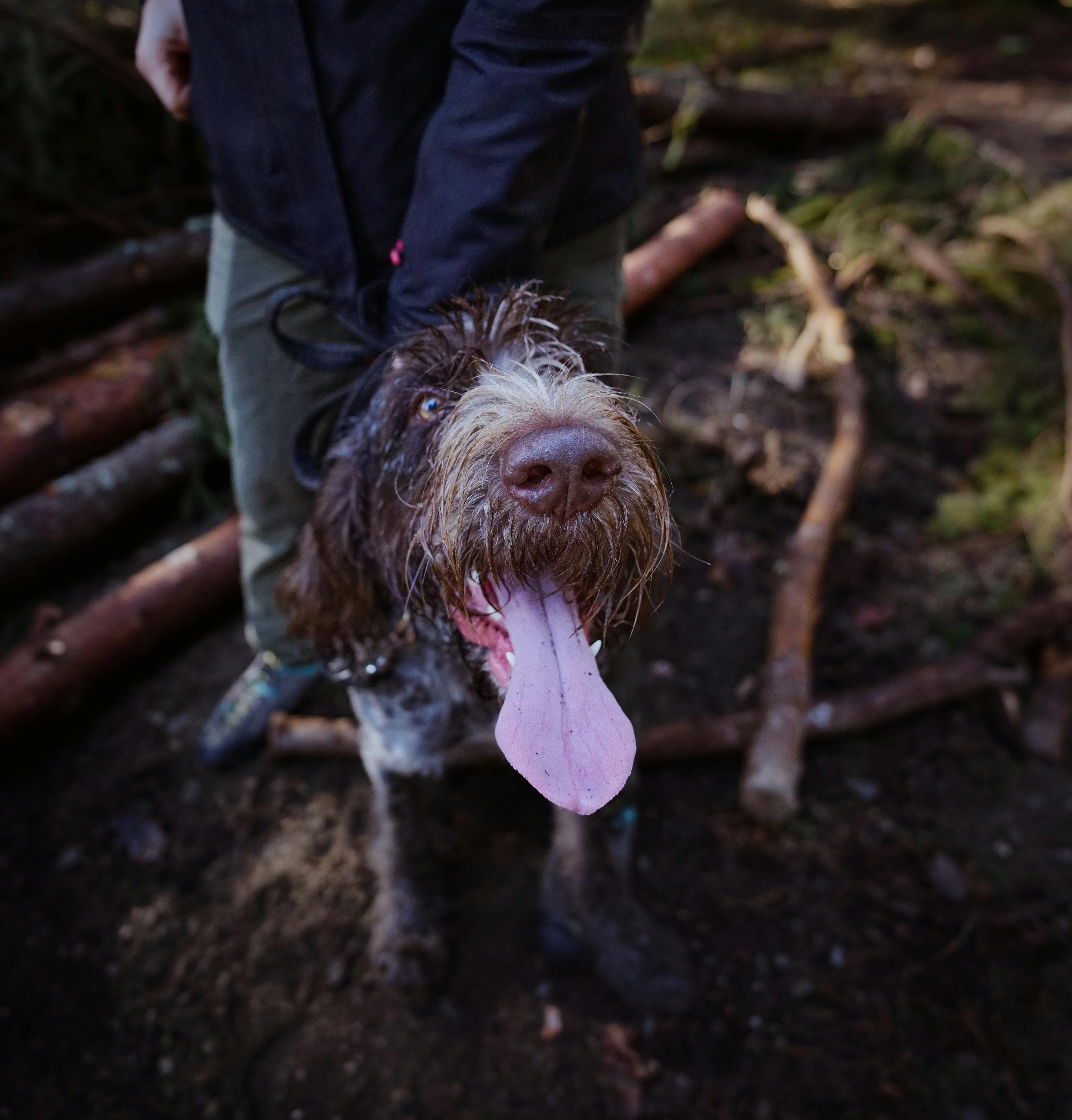 \n\n
\n\nDogs are fascinating creatures, and one of the most intriguing things about them is their wet noses. Many pet owners have probably heard various myths about why dogs have wet noses. Some might think it's just a sign of health while others may believe it’s related to their emotional state. In this article, we will be debunking some of those common myths, and uncovering the surprising truth behind our furry friends' moist snouts.
\nThe Science Behind Wet Noses
\nTo start things off, let’s get to the core of the matter. Most people think that dog’s noses are wet because they are always sniffing around. This is partly true, but there’s more to it. The primary reason dogs have wet noses is that it helps them smell better. A wet nose enhances their sense of smell by trapping scent particles in the moisture. This way, they can detect aromas much more effectively than a dry nose.
\nMoreover, dogs' noses have special glands that secrete moisture, which aids in olfactory functions. The wetness also helps to cool down their body temperature, acting as a natural air conditioner.
\nCommon Myths About Dogs' Wet Noses
\nNow that we know the science, let’s tackle some myths about dogs' noses:
\n- \n
- \n
Myth 1: A Wet Nose Means a Healthy Dog
\n
\nWhile it’s true that a wet nose is often associated with a healthy dog, it isn’t always the case. Not all healthy dogs have wet noses, and a dry nose doesn’t automatically mean your dog is sick. Factors like weather conditions, activity levels, and even sleep can affect wetness. \n - \n
Myth 2: Dogs Lick Their Noses to Keep Them Wet
\n
\nMany people believe that dogs constantly lick their noses to keep them moist. While they do lick their noses, they primarily do it for tasting the scents around them. In fact, licking can dry out the nose if done excessively. \n - \n
Myth 3: All Dogs Have Wet Noses
\n
\nNot all dogs have the same nose moisture level. Breeds like Bulldogs or Pugs may have drier noses compared to others. This is perfectly normal and does not indicate health issues. \n - \n
Myth 4: Wet Noses Are a Sign of Fever
\n
\nAnother myth is that a wet nose indicates a fever. In reality, a dog's nose can fluctuate between wet and dry, and this change doesn’t necessarily correlate with temperature. The best way to check for fever is to use a thermometer. \n
Why Do Dogs Have Wet Noses? Discover The Surprising Truth!
\nThe truth behind why dogs have wet noses goes beyond simple health indicators. Here’s a breakdown of reasons:
\n- \n
- \n
Enhanced Scent Detection
\n
\nAs mentioned earlier, moisture helps dogs capture scent particles. This is crucial for their hunting instincts and everyday interactions with the world. \n - \n
Temperature Regulation
\n
\nDogs don’t sweat like humans do. Instead, they cool off through their noses and paw pads. A wet nose can help in regulating their body heat, especially during warm weather. \n - \n
Social Interaction
\n
\nDogs use their noses to gather information about their environment and other animals. A wet nose can enhance social interactions, as dogs often greet each other by sniffing. \n
Practical Tips for Dog Owners
\nNow that we’ve debunked the myths, it’s essential for dog owners to know how to care for their dogs’ noses. Here are some practical tips:
\n- \n
- \n
Regularly Check for Changes
\n
\nMonitor your dog’s nose for any unusual changes in texture or color. If you notice cracks, excessive dryness, or discoloration, consult a vet. \n - \n
Hydration is Key
\n
\nEnsure your dog drinks enough water. Proper hydration helps maintain moisture levels in their noses. \n - \n
Limit Exposure to Harsh Weather
\n
\nProtect your dog’s nose during extreme weather conditions. Cold winds can dry out their noses, so consider using a nose balm if necessary. \n - \n
Healthy Diet
\n
\nA balanced diet can contribute to your dog’s overall health, including their nose. Speak with your veterinarian about the best food options for your furry friend. \n
In summary, understanding the reasons behind why dogs have wet noses can help owners better care for their pets. By debunking common myths and providing practical care tips, dog owners will be more equipped to ensure the health and happiness of their canine companions.
\n\nHow to Keep Your Dog's Nose Healthy: Tips for Pet Owners
\n\n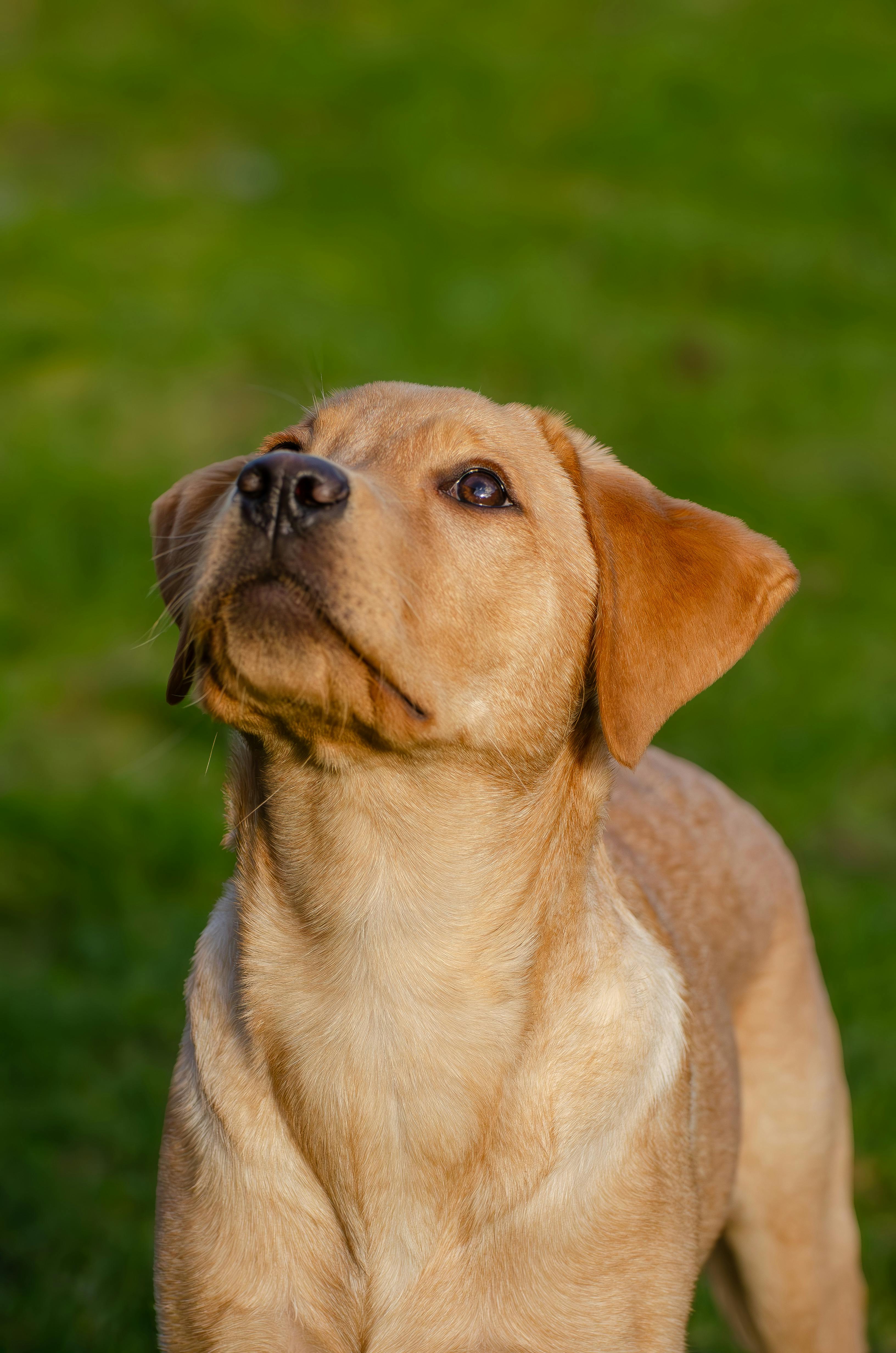 \n\n
\n\nCaring for your dog involves more than just feeding them and taking them for walks. One often overlooked aspect is the health of their nose. Many pet owners wonder how to keep their dog's nose healthy, and it’s important to know why do dogs have wet noses in the first place. This article will explore these questions and provide essential tips for maintaining your furry friend's nose health.
\nWhy Do Dogs Have Wet Noses?
\nFirst, let’s get into the science behind wet noses. Dogs have wet noses for a few reasons. One major reason is that the moisture helps to enhance their sense of smell. Dogs have an extraordinary sense of smell, and a wet nose can trap more scent particles, making it easier for them to detect different odors. Some additional facts about why dogs' noses are wet include:
\n- \n
- Cooling Mechanism: A wet nose helps to cool down a dog’s body temperature. Just like sweating for humans, it helps regulate their body heat. \n
- Health Indicator: A healthy, wet nose often indicates that a dog is well-hydrated. If the nose is dry or cracked, it may suggest dehydration or illness. \n
- Communication Tool: Dogs also use their noses to communicate. A wet nose can be a sign of excitement or curiosity. \n
How to Keep Your Dog's Nose Healthy
\nNow that we understand a bit about why dog noses are wet, let's talk about how to keep them healthy. Here’s a handy list of tips for pet owners:
\n- \n
- Hydration is Key: Ensure that your dog has access to fresh water at all times. Proper hydration will help maintain moisture in their nose. \n
- Watch the Weather: During hot days, keep your dog cool. Hot weather can lead to a dry nose. Offer them shade and avoid long walks in the midday sun. \n
- Regular Vet Checkups: Regular visits to the veterinarian can help catch any potential health issues. They can advise you if you notice any unusual changes in your dog's nose. \n
- Clean the Nose: Wipe your dog’s nose with a damp cloth when it gets dirty. This can help prevent infections and irritation. \n
- Monitor for Cracking: If you notice your dog's nose is cracking or peeling, it might be a sign of a problem. Applying a small amount of coconut oil can help soothe the skin. \n
- Avoid Irritants: Keep your dog away from smoke, strong odors, and chemicals that may irritate their nose. \n
Signs of Nose Problems
\nSometimes, despite your best efforts, your dog's nose may show signs of issues. Here are a few things to look out for:
\n- \n
- Dryness: A chronically dry nose can indicate health problems. \n
- Discoloration: If there’s a change in color, especially if it turns red or develops sores, that could be a cause for concern. \n
- Excessive Crusting: If your dog has a lot of crust on their nose, it could indicate allergies or a skin condition. \n
Common Misconceptions About Dog Noses
\nIt’s important to debunk some myths surrounding dog noses. For instance, many people believe that a warm nose means a dog has a fever. This is not always true, as a dog’s nose temperature can vary depending on the environment.
\nAnother common misconception is that all wet noses are healthy. While a wet nose can indicate good health, it’s only one aspect of a dog’s overall well-being. Pay attention to other signs like energy levels, appetite, and behavior.
\nFun Facts About Dog Noses
\n- \n
- Dogs have up to 300 million olfactory receptors in their noses. Humans only have about 5 million! \n
- The pattern of a dog's nose is unique, similar to a human fingerprint. \n
- Dogs can detect certain diseases, like cancer, through changes in scent. \n
Keeping your dog's nose healthy is an essential part of being a responsible pet owner. By understanding why do dogs have wet noses and following these tips, you can help ensure that your furry companion remains happy and healthy. Remember, a dog’s nose might be just a small part of their body, but it plays a huge role in their quality of life. So, stay vigilant, keep them hydrated, and don't hesitate to consult your vet with any concerns.
\n\nConclusion
\n\nIn conclusion, the wet noses of dogs play a crucial role in their overall health and sensory perception. The moisture on a dog's nose enhances its ability to detect scents, making them exceptional at tracking and exploring their environment. This wetness is also a natural cooling mechanism, helping to regulate body temperature and maintain hydration levels. Moreover, a wet nose can indicate a healthy pup, as dryness may signal underlying health issues. As pet owners, it's essential to pay attention to our furry friends' noses, as changes can reflect their well-being. So, the next time you give your dog a loving pat on the head, take a moment to appreciate the science behind their wet nose. Remember, keeping your dog's health in check, including monitoring their nose, will ensure they lead a happy and active life. Engage with your dog’s needs and ensure they receive regular vet check-ups for a longer, healthier companionship.
\n\n