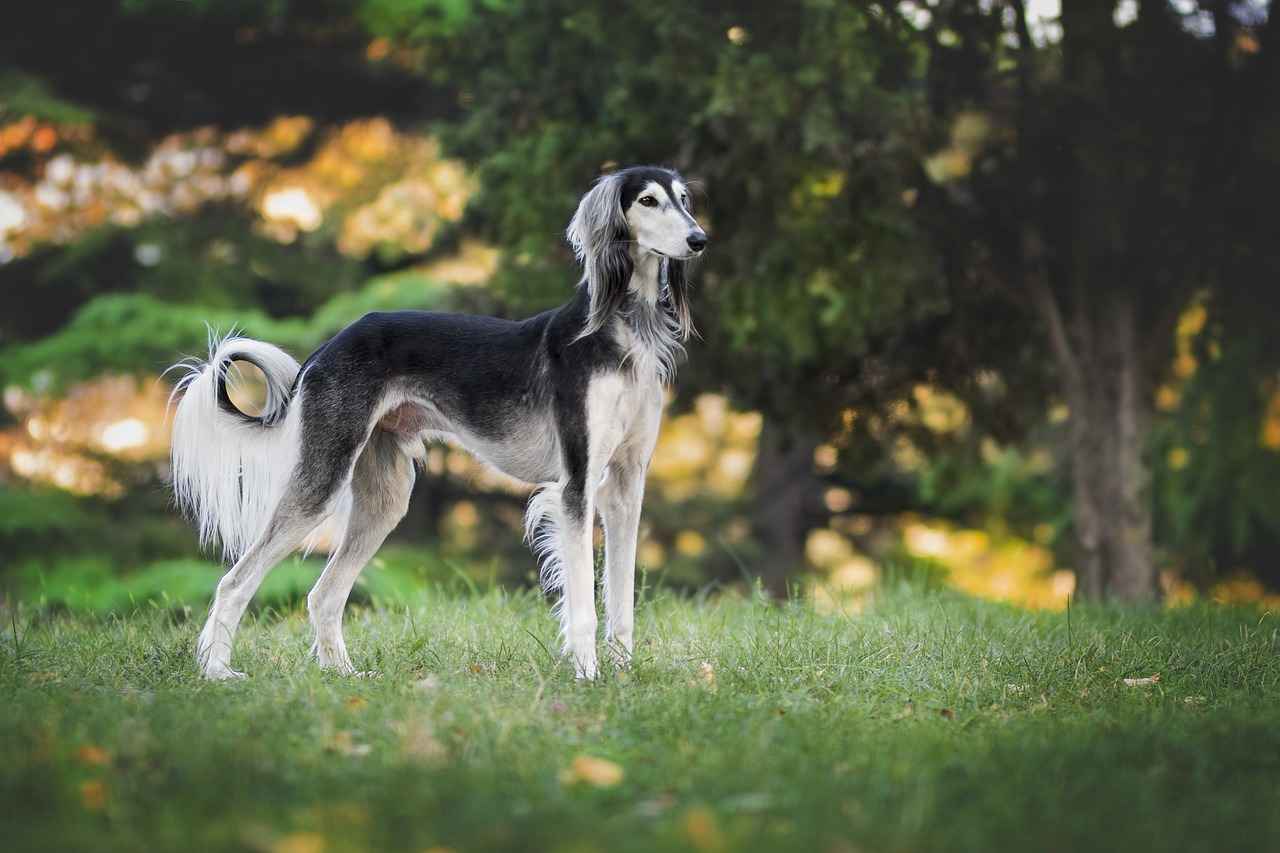
Have you ever wonder why do dogs have wet noses? It’s a question that many pet owners ask, and the answer might just surprise you! A dog’s nose is not just for sniffing; it plays a crucial role in their health and behavior. Wet noses are often seen as a sign of a happy, healthy pup, but what’s the real science behind this fascinating feature? In this article, we will explore the surprising truth about why dogs have wet noses and how it affects their sense of smell. Did you know that a dog’s nose is packed with scent receptors, making it incredibly sensitive? This is why dog’s noses are often cool and damp; they help to enhance their ability to detect scents. But there’s more to it! The moisture on their noses also help regulate their body temperature. Curious to learn about how you can keep your furry friend’s nose healthy? Join us as we dive deep into the reasons behind those adorable, wet noses and uncover the secrets that make dogs such incredible companions! Get ready to be amazed by what you discover!
\n\nThe Science Behind Dog Noses: Why Are They Always Wet?
\n\n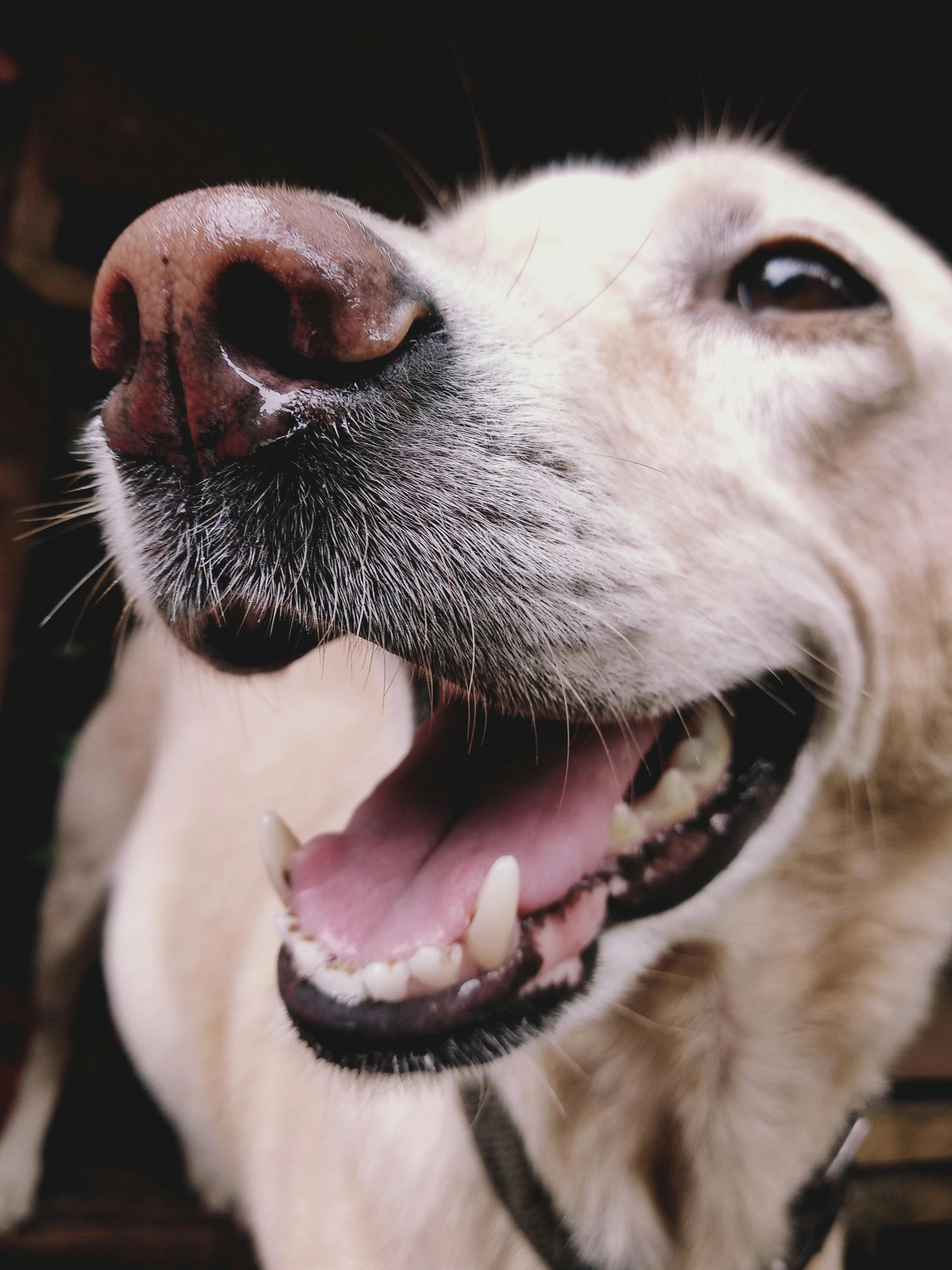 \n\n
\n\nDogs are fascinating creatures, and one of the things that stands out about them is their noses. If you ever wonder why do dogs have wet noses, you’re not alone. Many pet owners have pondered this peculiar characteristic. Let’s dive into the science behind dog noses and explore just why they are always wet.
\nThe Science of Dog Noses
\nFirst off, the wetness of a dog’s nose is not just for show. Dogs have a unique olfactory system that allows them to experience the world through scent in ways that humans can’t even imagine. Their noses are equipped with an incredible number of scent receptors—around 220 million, compared to a human’s mere 5 million. The moisture on a dog’s nose plays a crucial role in this process.
\n- \n
- Enhanced Smell: The wetness helps to capture and dissolve scent particles, which makes it easier for dogs to detect odors. \n
- Temperature Regulation: A wet nose also helps to cool down a dog’s body temperature. Dogs do not sweat like humans; instead, they regulate their temperature through panting and the moisture on their noses. \n
- Health Indicator: A dog’s nose can be an indicator of their health. A wet, cool nose is often a sign of a healthy dog, while a dry or warm nose can sometimes indicate illness, although this isn’t always the case. \n
Historical Context of Dog Noses
\nDogs have been our companions for thousands of years. The evolution of their noses is closely linked to their survival and hunting instincts. Ancient breeds, such as the Bloodhound and the German Shepherd, have been selectively bred for their superior scenting abilities.
\n- \n
- In hunting, dogs with better noses were more successful at tracking prey, which led to better survival rates. \n
- Over generations, the ability to sniff out food, danger, or even other animals became a valued trait, further emphasizing the importance of a wet nose for these creatures. \n
Why Are Dog Noses Wet?
\nSo, why do dogs have wet noses? Here’s a breakdown:
\n- \n
- Mucus Production: Dogs produce a thin layer of mucus on their noses, which is essential for scent absorption. \n
- Environmental Factors: Weather and humidity also play a role. A dog’s nose may be wetter in humid conditions or after drinking water. \n
- Behavioral Aspects: Dogs often lick their noses, which adds to the moisture. This action is instinctive and helps them explore their surroundings. \n
Key Benefits of Wet Noses
\nLet’s look at some key benefits of having a wet nose:
\n- \n
- Improved Scent Detection: Wet noses can absorb more scent particles. \n
- Cooling Mechanism: Helps dogs regulate their body temperature, especially in warmer weather. \n
- Communication: A dog may use their nose to communicate with other dogs or animals. A wet nose can signal a friendly approach. \n
Interesting Comparisons
\nWhen comparing dogs to other animals, it’s fascinating to see how different species manage their sense of smell.
\n| Animal | \nNumber of Scent Receptors | \nNose Characteristics | \n
|---|---|---|
| Dogs | \n220 million | \nWet, highly sensitive | \n
| Cats | \n50-80 million | \nLess wet, still sensitive | \n
| Humans | \n5 million | \nDry, limited sensitivity | \n
Dogs have a distinct advantage when it comes to their sense of smell, and their wet noses play a pivotal role in that.
\nPractical Examples
\nHere are some practical examples of how a dog’s wet nose functions in daily life:
\n- \n
- Tracking: Search and rescue dogs utilize their wet noses to track missing persons or detect drugs and explosives. \n
- Health Monitoring: Some dog owners notice changes in their pet's nose moisture and can detect early signs of illness. \n
- Social Interaction: Dogs use their noses to greet other dogs. A wet nose can indicate friendliness and curiosity. \n
In the end, the wetness of a dog’s nose is not just a cute quirk but a vital aspect of their biology and behavior. It aids them in smelling, cooling off, and interacting with the world around them. Understanding why do dogs have wet noses can deepen the bond between you and your furry friend, as you appreciate the unique traits that make them so special. So, the next time you give your pup a pat and feel that cool, wet nose, remember the science, history, and incredible functionality behind it!
\n\n5 Fascinating Reasons Your Dog’s Nose Is Moist and What It Means
\n\n \n\n
\n\nHave you ever wondered why do dogs have wet noses? It's a question that many pet owners ask, and it comes with some pretty fascinating answers. The moistness of your dog's nose isn’t just a quirk of nature—there's science behind it. In this article, we will explore 5 intriguing reasons why your dog’s nose is moist and what it actually means.
\n1. Temperature Regulation
\nDogs, they don’t sweat like humans do. Instead, they use their noses to help them cool down. If your dog’s nose is wet, it can be a sign that they are actively regulating their body temperature. The moisture on their nose allows for evaporation, which cools the blood vessels close to the surface. When the temperature rises, you may notice your dog’s nose becoming even wetter.
\n2. Sense of Smell Enhancement
\nDid you know that a dog’s sense of smell is far superior to humans? A wet nose helps enhance their ability to detect smells. The moisture on the nose captures scent particles from the air, making it easier for dogs to identify various odors. When they sniff something, the moisture helps to absorb more scent particles. This is why dogs are often employed in roles like search and rescue, detection, and therapy work.
\n3. Health Indicator
\nA moist nose can also be a health indicator for your dog. Generally, a healthy dog will have a cool, moist nose while an overly dry, hot, or cracked nose might indicate something's wrong. Some common issues include:
\n- \n
- Fever \n
- Dehydration \n
- Allergies \n
- Infections \n
If you notice changes in your dog's nose, it might be time to consult your veterinarian. They can help assess whether the moisture level is normal or if it points to a more serious issue.
\n4. Natural Behavior
\nThere’s a natural behavior aspect to why do dogs have wet noses. Dogs often lick their noses, which keeps them moist. This is a normal behavior that helps them gather more information about their environment. By licking their nose, they can also clean off any debris or irritants that might affect their sense of smell. Interestingly, you might see your dog lick its nose more frequently when they are anxious or excited.
\n5. Environmental Factors
\nLastly, environmental factors play a significant role in the moisture of your dog's nose. Humidity, temperature, and even the season can affect how wet your dog’s nose is. For example, during summer months, the heat may cause a dog to pant more, leading to a wetter nose. Conversely, in winter, dry air can lead to a drier nose. It’s essential to keep an eye on these changes, as they are often temporary but can signal the need for more hydration or a change in the living environment.
\nQuick Summary of Nose Moistness Reasons
\n- \n
- Temperature Regulation: Dogs cool down through their noses. \n
- Enhanced Smell: Moisture helps capture scent particles. \n
- Health Indicator: A moist nose usually indicates good health. \n
- Natural Behavior: Dogs lick their noses to keep them clean and moist. \n
- Environmental Influence: Weather conditions affect nose moisture. \n
Interesting Comparisons
\nLet’s look at how dogs’ noses compare to other animals:
\n| Animal | \nNose Moisture Function | \nScent Detection Capability | \n
|---|---|---|
| Dogs | \nCools body, enhances smell | \nExcellent | \n
| Cats | \nRegulates temperature, less reliant on smell | \nGood | \n
| Humans | \nSweating for cooling, poor sense of smell | \nLimited | \n
Each species has its unique adaptations when it comes to nose moisture, and understanding these differences can give you a deeper appreciation for your furry friend.
\nIn conclusion, the moisture on your dog's nose is more than just a charming characteristic; it's linked to their health, behavior, and environment. Keeping an eye on those wet noses can not only help you understand your dog better but also contribute to their overall well-being. So next time you give your dog a pat on the head, take a moment to appreciate that moist nose and all the fascinating reasons behind it!
\n\nWet Noses and Health: What Your Dog's Nose Can Reveal About Their Well-Being
\n\n \n\n
\n\nEvery dog owner has probably noticed that their furry friend’s nose is often wet. But why is that? Wet noses in dogs is not just a cute feature; it can also reveal a lot about your pet's health. It’s fascinating how something as simple as nose moisture can be a window into a dog's overall well-being. Here we explore the reasons behind wet noses and what they can signify about your dog’s health.
\nWhy Do Dogs Have Wet Noses?
\nDogs have wet noses for multiple reasons, and understanding these reasons is key for any pet owner. Here are some of the major factors:
\n- \n
- \n
Cooling Mechanism: Dogs don’t sweat like humans do. Instead, they regulate their body temperature through their noses. A wet nose helps to evaporate moisture, which lowers their body temperature.
\n \n - \n
Sense of Smell: The mucous on a dog's nose helps to capture scent particles from the air. This makes their sense of smell even more powerful. In fact, a wet nose can enhance a dog’s ability to detect smells by up to 20 times.
\n \n - \n
Health Indicator: A dog’s nose can give clues about their health. Generally speaking, a wet and cool nose suggests a healthy pup, while a dry or warm nose might indicate illness or dehydration. But it’s not always a hard-and-fast rule.
\n \n
Health Indicators of a Dog’s Nose
\nThe state of a dog's nose can provide insights into their health. Here are some scenarios and what they might mean:
\n- \n
- \n
Wet and Cool: Typically a sign of good health. Dogs with this type of nose are usually feeling okay.
\n \n - \n
Dry or Warm: This could indicate fever or dehydration. If your dog’s nose has been dry for a long time, it’s worth consulting a vet.
\n \n - \n
Cracked or Chapped: Just like humans, dogs can experience dry skin. This might be due to allergies or other conditions.
\n \n - \n
Excessively Runny Nose: If you see mucus or discharge, it could be a sign of an infection or allergies.
\n \n - \n
Color Changes: If the color of the nose changes significantly, it might indicate a health concern. For instance, a lightening of the nose could be a sign of certain autoimmune diseases.
\n \n
The Science Behind Wet Noses
\nThe moisture on a dog’s nose comes from a variety of sources. It’s not just saliva, though that plays a part. Dogs lick their noses frequently, which keeps it moist. The nasal glands also contribute to this moisture. Here’s a breakdown of how it works:
\n- \n
- Nasal Glands: These glands produce mucus that keeps the nose wet. \n
- Licking: Dogs often lick their noses, which adds saliva. This is instinctual and helps them smell better. \n
- Environmental Factors: Humidity and temperature can also influence nose moisture. A cool breeze can help keep a dog's nose wet. \n
Interesting Facts About Dogs' Noses
\n- \n
- \n
Unique Patterns: Just like human fingerprints, every dog has a unique nose print. This can even be used for identification purposes.
\n \n - \n
Temperature Check: Many believe that a dog’s nose can be used to gauge their health, but it’s not a foolproof method. It’s best to look at other symptoms too.
\n \n - \n
Cold Weather: In colder months, you might notice your dog’s nose is dryer. This is normal and should improve once the weather warms up.
\n \n - \n
Sniff Test: Dogs have about 220 million scent receptors in their noses, compared to a human's 5 million. That's why they can smell things we can't even imagine.
\n \n
Practical Tips for Dog Owners
\nTo maintain your dog’s nose health, here are some practical tips:
\n- \n
- \n
Hydration: Always provide fresh water to keep your dog hydrated.
\n \n - \n
Regular Check-ups: Regular vet visits can help spot any potential issues early.
\n \n - \n
Watch for Changes: Keep an eye on your dog's nose. Any sudden changes should be discussed with a vet.
\n \n - \n
Avoid Irritants: Be aware of your dog’s environment. Avoid exposing them to harsh chemicals that can irritate their noses.
\n \n - \n
Licking: If your dog licks their nose excessively, it could indicate anxiety or discomfort. Observing their behavior can provide additional insights.
\n \n
Understanding your dog's wet nose can be fascinating and informative. The moisture serves several purposes, from helping them cool down to enhancing their sense of smell. Paying attention to the condition of your dog’s nose can help you stay on top of their health. So next time you give your pup a scratch behind the ears, take a moment to check their nose too!
\n\nDo Dogs Have Wet Noses for a Reason? Uncovering the Evolutionary Benefits
\n\n \n\n
\n\nWhen we think about dogs, one of the first things that come to mind is their wet noses. But ever wondered, do dogs have wet noses for a reason? You might find this question simple, but the answer is packed with evolutionary benefits and intriguing facts. Understanding why dogs have wet noses not only deepens our appreciation for these furry companions, but it also tells us a lot about their biology and behavior.
\nThe Science Behind Wet Noses
\nDogs have wet noses because of several reasons, primarily related to their health and sensory functions. The moisture on their noses helps them in various ways:
\n- \n
- \n
Enhanced Smell: Dogs have an incredible sense of smell, which is about 10,000 to 100,000 times more sensitive than humans. A wet nose helps to capture scent particles from the air, enhancing their ability to detect odors.
\n \n - \n
Thermoregulation: Dogs don’t sweat like humans do. Instead, they cool off through panting and by keeping their noses moist. The moisture evaporates, helping to cool their body temperature.
\n \n - \n
Health Indicator: A wet nose can also be a sign of a healthy dog. If a dog’s nose is dry, it could indicate dehydration or illness, although this isn’t always the case.
\n \n
Historical Context: Evolution of the Dog’s Nose
\nDogs are descendants of wolves, and their wet noses have evolved over thousands of years. Here’s a brief history on how this trait developed:
\n- \n
- \n
Predatory Advantage: An ancestor of modern dogs needed to track prey effectively. The wet nose was crucial in detecting scents in their environment, giving them an edge for hunting.
\n \n - \n
Social Signals: Dogs also communicate through their sense of smell. A wet nose allows them to pick up pheromones from other dogs, helping them understand each other better.
\n \n
Why Do Dogs Have Wet Noses? The Surprising Truth!
\nMany pet owners often ponder, why do dogs have wet noses? The answer can be surprising! Here are some facts to consider:
\n- \n
- \n
Nasal Mucus: The moisture on a dog's nose comes from nasal mucus, which helps to trap scent molecules. This makes it easier for dogs to gather information about their surroundings.
\n \n - \n
Increased Surface Area: The unique shape and surface area of a dog's nose, which is often moist, allows for better absorption of scents. This is why dogs can sniff out things like drugs or even diseases in humans.
\n \n
The Role of Breeds in Nose Moisture
\nInterestingly, the amount of moisture on a dog's nose can vary by breed. Some breeds have naturally wetter noses than others. Here’s a comparison:
\n| Breed | \nNose Moisture Level | \nNotes | \n
|---|---|---|
| Labrador | \nVery Wet | \nExcellent sniffer and companion. | \n
| Bulldog | \nModerately Wet | \nShort snouts may affect scent ability. | \n
| Beagle | \nVery Wet | \nBred for hunting, super sniffers! | \n
| Greyhound | \nLess Wet | \nFast but less reliance on scent. | \n
Practical Examples of Nose Use
\nDogs use their noses in fascinating ways. Here are some practical examples of how they utilize their wet noses:
\n- \n
- \n
Search and Rescue: Dogs are trained to locate missing persons by scent, often using their wet noses to pick up human scents from the air or ground.
\n \n - \n
Medical Detection: Some dogs can detect diseases like cancer or diabetes through scent. Their wet noses help them analyze the unique smells associated with various health issues.
\n \n - \n
Tracking and Hunting: Hunting dogs rely on their noses to track game, showcasing an evolutionary trait that has been honed over centuries.
\n \n - \n
Everyday Interactions: Dogs often greet each other by sniffing noses. This behavior is social and informative, allowing them to learn about each other’s health and mood.
\n \n
The Myth of the Dry Nose
\nThere's a common belief that a dry nose indicates a sick dog, but this isn't always true. Various factors contribute to nose moisture, such as:
\n- \n
- \n
Environmental Conditions: Weather can affect how wet or dry a dog’s nose is.
\n \n - \n
Activity Level: After playing or exercising, a dog’s nose may dry out.
\n \n - \n
Time of Day: A dog’s nose may be wetter in the morning and drier in the evening.
\n \n
It's essential for pet owners to observe their dog's overall behavior and health rather than rely solely on the moisture of their noses.
\nUnderstanding why do dogs have wet noses is not just a quirky fact; it reveals a lot about their health, evolutionary advantages, and social behaviors. Whether enhancing their sense of smell or serving as a cooling mechanism, a dog’s wet nose is truly a remarkable feature of these beloved companions.
\n\nHow Your Dog’s Wet Nose Helps Them Interact with the World: The Surprising Truth
\n\n \n\n
\n\nHave you ever wondered why your furry friend’s nose is always wet? It’s kind of a mystery, right? It turns out there’s a lot more to a dog’s wet nose than just a little bit of moisture. In fact, the wetness of their nose plays a crucial role in how they experience and interact with their world. So, let’s dive into the surprising truth behind why do dogs have wet noses and how it helps them in their day-to-day lives.
\nThe Science Behind a Dog’s Wet Nose
\nA dog’s nose isn’t just a cute feature; it’s a highly sophisticated organ. The wetness of the nose is primarily due to a thin layer of mucus that helps to enhance their sense of smell. But there’s more to it. Here’s some science for you:
\n- \n
- Olfactory Receptors: Dogs have around 220 million olfactory receptors in their noses, compared to a human’s 5 million. This means they can smell things we can’t even imagine. \n
- Moisture: The wetness helps to trap scent particles. When a dog sniffs, these particles stick to the mucus, making it easier for their brains to process the information. \n
- Cooling Mechanism: Just like humans sweat to cool down, dogs can also regulate their body temperature through their noses, although it’s not their primary method. \n
How Dogs Use Their Noses to Interact with the World
\nDogs rely heavily on their sense of smell to navigate and understand their environment. Here are ways their wet noses enhance their experience:
\n- \n
- Communication: Dogs communicate with each other through scent. When they meet another dog, they often sniff each other’s noses and rear ends to gather information about the other’s health, mood, and even diet. \n
- Tracking: Many dogs are trained for search and rescue operations because of their incredible sniffing ability. They can track scents over long distances and through various terrains. \n
- Detecting Changes: Dogs can detect changes in their owner’s mood or health through smells. For example, they can often sense if someone is feeling anxious or if there’s a medical condition present. \n
Fun Facts About Dog Noses
\nHere’s a list of some fun and interesting facts about dog noses that might surprise you:
\n- \n
- Unique Patterns: Just like human fingerprints, each dog’s nose has a unique pattern of ridges and bumps. \n
- Cold and Wet: A cold and wet nose is often a sign of a healthy dog. However, if your dog’s nose is dry and warm, it could indicate illness. \n
- Scent Discrimination: Dogs can differentiate between individual scents, even in a crowded area. They can recognize their owner’s scent among a multitude of other smells. \n
Comparisons: Dog Noses vs. Human Noses
\nLet’s take a look at how dog noses stack up against human noses in a simple comparison table:
\n| Feature | \nDog Nose | \nHuman Nose | \n
|---|---|---|
| Olfactory Receptors | \n220 million | \n5 million | \n
| Scent Detection | \nHighly acute | \nLimited | \n
| Moisture | \nHelps in scent capture | \nLimited moisture | \n
| Unique Patterns | \nUnique to each dog | \nUnique to each person | \n
Practical Examples of Dog Nose Uses
\nDogs show us just how powerful their noses are in real-world scenarios. Here’s a few examples:
\n- \n
- Search and Rescue: Dogs like bloodhounds are used to track down missing persons because of their incredible scent capabilities. \n
- Medical Alerts: Some service dogs are trained to detect certain medical conditions, like diabetes or seizures, by smelling changes in their owner’s body chemistry. \n
- Detection Work: Dogs are employed in law enforcement to sniff out drugs, explosives, and even cash due to their strong sense of smell. \n
In the end, a dog’s wet nose is not just a quirky characteristic; it’s a vital tool that helps them understand and interact with their environment. The next time your dog gives you a wet nose nudge, remember that it’s not just for affection—it’s part of how they connect with the world around them. So, whether your pup is out on a walk or cuddling with you on the couch, their nose is working hard to help them navigate life in ways we might not even realize.
\n\nIs a Wet Nose Always a Sign of a Healthy Dog? Myths vs. Facts Explained
\n\n \n\n
\n\nOwning a dog comes with a lot of questions, doesn't it? One common question many dog owners ask is, "Is a wet nose always a sign of a healthy dog?" This leads us to explore a bunch of myths and facts about our furry friends. A wet nose is often seen as a mark of a happy and healthy pup, but is this really the whole story? Let's dive into the science behind those adorable wet noses and uncover the truth.
\nWhy Do Dogs Have Wet Noses?
\nDogs have wet noses because of several reasons, and it is fascinating how nature works. Here's why your dog's nose might be wet:
\n- \n
- Cooling Mechanism: Dogs don't sweat like humans do. Instead, they cool off through their noses. The moisture evaporates, helping to regulate their body temperature. \n
- Enhanced Sense of Smell: A wet nose helps capture scent particles. The moisture makes it easier for dogs to detect smells, which is crucial for their hunting and tracking abilities. \n
- Health Indicator: While not a guaranteed sign of health, a wet nose can indicate that a dog is feeling well. However, it's important to remember that other factors come into play. \n
Myths vs. Facts About Wet Noses
\nLet's break down some of the common myths surrounding wet noses in dogs:
\nMyth 1: A Wet Nose Always Means a Healthy Dog
\nFact: While a wet nose can indicate good health, it's not a definitive measure. Dogs can have wet noses and still be sick. A change in nose temperature or moisture level can be signs of illness, but you should also look for other symptoms.
Myth 2: Dry Noses Are Always a Bad Sign
\nFact: Just like wet noses, dry noses can be normal too. Factors like weather, activity level, and even time of day can cause a dog’s nose to be drier.
Myth 3: All Dogs Have Wet Noses
\nFact: Some breeds might have drier noses, and that can be totally normal for them. For instance, brachycephalic breeds like Bulldogs or Pugs may not have as much moisture.
The Science Behind Nose Moisture
\nDogs’ noses are covered in a layer of mucous, which contributes to wetness. This mucous is important for helping dogs smell better. The moisture on a dog's nose helps to dissolve scent particles, which makes it easier for them to pick up scents.
\nHistorically, dogs have evolved as scent-driven animals. Their ability to smell is thousands of times more sensitive than humans. This evolutionary trait has allowed them to hunt, track, and communicate with other dogs.
\nWhat Does a Change in Nose Moisture Mean?
\nIt's crucial to monitor changes in your dog's nose. Here’s a quick list of signs to watch for:
\n- \n
- Excessively Dry Nose: It could indicate dehydration or fever. Make sure your dog is drinking enough water. \n
- Cracked or Bleeding Nose: This may be a sign of an underlying health issue, and a vet visit is recommended. \n
- Cold, Wet Nose: Generally a sign of good health, but if the dog is acting lethargic, consult a vet. \n
Practical Tips for Keeping Your Dog Healthy
\nTo ensure your dog's overall health, regular check-ups with a vet are key. Here are some tips:
\n- \n
- Hydration: Always provide fresh water. Watch for signs of dehydration, especially in hot weather. \n
- Nutrition: Feed a balanced diet to maintain a healthy weight and promote overall wellness. \n
- Exercise: Regular walks or playtime can help keep your dog fit and happy. \n
- Grooming: Regular grooming helps with overall skin and nose health. \n
Dogs and Their Unique Noses
\nDogs exhibit a variety of nose shapes and sizes, which can also influence how wet they get. For example:
\n- \n
- Long-Nosed Breeds: Breeds like Greyhounds may have wetter noses due to their longer snouts. \n
- Short-Nosed Breeds: Breeds like Boxers may have less moisture due to their shorter snouts. \n
Final Thoughts
\nSo, is a wet nose always a sign of a healthy dog? Not exactly! While it can be an indicator, it's just one of many factors to consider. Understanding your dog's health requires looking at their overall behavior and physical condition. Regular vet visits, proper hydration, and a balanced diet are all essential for keeping your furry friend in top shape. Remember, every dog is unique, so what’s normal for one might not be for another. Always trust your instincts, and when in doubt, consult your veterinarian.
\n\n7 Fun Facts About Dog Noses That Will Make You Appreciate Your Pup More
\n\n \n\n
\n\nWhen you think about dogs, you probably think about their wagging tails, playful barks, and of course, their adorable noses. But have you ever wondered why do dogs have wet noses? It’s not just for show. There’s actually some pretty cool science behind those damp snouts. Here’s seven fun facts about dog noses that will make you appreciate your pup even more!
\n1. Wet Noses are a Natural Feature
\nFirst thing first, why do dogs have wet noses? It’s a natural trait, and it serves some important purposes. The moisture on a dog's nose helps them absorb scent molecules. This means they can smell better than we can, which is one reason why dogs make such great companions and helpers.
\n2. Dogs Have Amazing Olfactory Abilities
\nDid you know that dogs have up to 300 million smell receptors in their noses? Humans, by contrast, have only about 5 million. That’s why dogs can sniff out things like drugs, explosives and even certain medical conditions in people. Their sense of smell is believed to be anywhere from 10,000 to 100,000 times better than ours!
\n3. Temperature Regulation
\nAnother interesting fact is that dogs also use their wet noses to help regulate their body temperature. When a dog pants, the moisture on their nose evaporates, which can help cool them down. It’s a bit like how sweating works for humans. So next time you see your pup with a wet nose, remember it’s not just about the smell!
\n4. Unique Nose Prints
\nJust like human fingerprints, every dog's nose print is unique! This means that you could actually identify a dog by their nose, if you really wanted to. Some organizations even use nose prints for identification purposes. It’s a fun fact that not many people know about!
\n5. Health Indicators
\nA dog's nose can actually signal their health condition. A normal healthy dog's nose tends to be cool and wet. If a dog’s nose is dry and warm, it could indicate a fever or dehydration. However, this isn’t a foolproof method for diagnosing health issues, but it’s a good indicator to keep an eye on.
\n- \n
- Normal Wet Nose: Cool and moist \n
- Dry Nose: May indicate fever or dehydration \n
- Warm Nose: Could point to illness \n
6. Dogs and Their Sense of Taste
\nHere’s something you might not think about: a dog’s sense of taste is closely connected to their sense of smell. The taste buds on a dog's tongue are not as numerous as humans, but they rely on their noses to enhance their eating experience. That’s why many dogs sniff their food before they eat it!
\n7. Breed Differences
\nNot all dog noses are created equal. Different breeds have different nose shapes and sizes, which can affect their smelling abilities. For instance, Bloodhounds have long, droopy noses that help them capture scents more effectively. On the other hand, breeds like Bulldogs have shorter noses, which can limit their olfactory capabilities.
\nWhy Dogs Have Wet Noses: The Surprising Truth!
\nSo, why do dogs have wet noses? The answer is a combination of evolutionary traits and practical benefits. Wet noses help dogs smell better, keep them cool, and even serve as a unique identification method. They also play a role in communication with other dogs. For example, dogs often greet each other with nose touches, which is a way of gathering information about one another.
\nFun Facts Summary
\n- \n
- Dogs have up to 300 million smell receptors. \n
- Their noses help regulate body temperature. \n
- Every dog's nose print is unique. \n
- Nose condition can indicate health status. \n
- Dogs rely on smell for tasting food. \n
- Nose shapes vary by breed, affecting smelling ability. \n
Next time you pet your dog, take a moment to appreciate that wet nose. It’s not just cute; it’s a marvel of nature that helps your pup experience the world in ways you might never imagine. So whether your dog is sniffing around the backyard or curling up next to you, remember that special nose is doing a lot more than you might think!
\n\nWhy Does My Dog's Nose Change Throughout the Day? Understanding the Moisture Levels
\n\n \n\n
\n\nHave you ever noticed that your dog's nose seems to change throughout the day? One moment it might be cold and wet, but then it feels warm and dry. This can be puzzling for many pet owners, so let’s dive into why does my dog's nose change throughout the day. Understanding the moisture levels and the reasons behind wet noses can help you know your furry friend better. So, let’s explore the surprising truth about why do dogs have wet noses!
\nWhy Do Dogs Have Wet Noses?
\nDogs' noses are more than just cute features; they play a crucial role in their health and well-being. The moisture on a dog's nose serves several important purposes:
\n- \n
- \n
Enhanced Smell: A moist nose helps to trap scent particles. This makes it easier for dogs to detect smells in the environment. Although dogs have a superior sense of smell, a wet nose makes it even more effective.
\n \n - \n
Thermoregulation: Dogs don’t sweat like humans do. Instead, they use their noses to help regulate body temperature. When they cool down, their noses may become wetter as a response.
\n \n - \n
Health Indicator: The state of a dog’s nose can be an indicator of their health. A healthy dog typically has a cool, moist nose. If it becomes dry or hot, it could signal illness or dehydration.
\n \n
Factors Affecting Nose Moisture Levels
\nThere are several reasons why your dog’s nose may change from wet to dry throughout the day. Here are some common factors:
\n- \n
- \n
Weather Conditions: Humidity and temperature can affect a dog’s nose. On hot days, a dog might have a drier nose, while cooler, humid days can keep it moist.
\n \n - \n
Activity Level: After playing or exercising, your dog may have a drier nose. This is because their body is focused on cooling down, and the moisture can evaporate quickly.
\n \n - \n
Hydration Levels: If your dog isn’t drinking enough water, their nose can become dry. Ensuring your pup stays hydrated is key to maintaining that healthy nose moisture.
\n \n - \n
Sleep Cycle: When dogs sleep, their noses can dry out. This is normal, and once they wake up and start moving around, it usually returns to its moist state.
\n \n - \n
Health Conditions: Certain health issues can also cause a change in nose moisture. For instance, allergies, infections, or autoimmune diseases may lead to persistent dryness.
\n \n
Wet Nose vs. Dry Nose: What’s Normal?
\nIt’s important to know what’s considered a normal state for your dog’s nose. Here’s a simple comparison:
\n| State | \nCharacteristics | \nWhen It’s Normal | \n
|---|---|---|
| Wet Nose | \nCool, moist, slightly shiny | \nAfter drinking water, after play, in humid weather | \n
| Dry Nose | \nWarm, rough, or flaky | \nWhen sleeping, in dry weather, after exercise | \n
| Hot Nose | \nWarm to the touch | \nCan indicate fever or illness; monitor closely | \n
When to Be Concerned
\nWhile changes in your dog’s nose can be normal, there are times you should pay attention. If you notice:
\n- \n
- A consistently dry or cracked nose that doesn’t return to normal \n
- Other symptoms like lethargy, loss of appetite, or vomiting \n
- Discharge coming from the nose \n
These signs can suggest that a visit to the veterinarian is necessary. It’s always better to be safe than sorry when it comes to your pet’s health.
\nFun Facts About Dog Noses
\n- \n
- Dogs have about 220 million scent receptors in their noses, compared to humans who only have around 5 million! \n
- The wetness of a dog’s nose can change quickly; it can go from dry to moist in seconds due to various environmental factors. \n
- Certain breeds of dogs are known to have wetter noses than others, like the Bloodhound, which is renowned for its incredible sense of smell. \n
Caring for your dog's health goes beyond just the nose, but understanding why does my dog's nose change throughout the day can help you keep a closer eye on their overall well-being. So, next time you feel your dog's nose, take a moment to think about what it might be telling you. Keeping your dog hydrated and healthy helps ensure that their nose, and overall health, stays in great shape!
\n\nThe Connection Between Wet Noses and Dog Behavior: What You Need to Know
\n\n \n\n
\n\nDogs are one of the most beloved companions for humans, and their behavior can be quite interesting to study. One of the most noticeable traits of dogs is their wet noses. So, why do dogs have wet noses? What does this mean about their behavior? The connection between wet noses and dog behavior is deeper than most people think. Let’s dive into the surprising truth and explore some facts that might just change the way you look at your furry friend.
\nThe Function of a Wet Nose
\nFirst things first, a wet nose in dogs serves a purpose. It's not just about being cute or adding to their charm. A dog's nose is wet for a few key reasons:
\n- \n
- \n
Cooling Mechanism: Dogs can't sweat like humans do. Instead, they rely on panting and the moisture from their noses to help regulate body temperature. A wet nose helps them cool down, especially on hot days.
\n \n - \n
Enhanced Sense of Smell: A wet surface can trap scent particles better than a dry surface can. This means that wet noses help dogs to smell better. Dogs have an incredible sense of smell, and a wet nose can make it even better!
\n \n - \n
Health Indicator: The state of a dog's nose can indicate their health. A healthy dog often has a moist, cool nose, while a dry or warm nose might suggest illness or dehydration.
\n \n
Historical Context
\nHistorically, the connection between wet noses and dog behavior has been observed since ancient times. In various cultures, dogs were seen as companions and helpers, and their unique traits were often noted. For instance, in ancient Egypt, dogs were revered, and their noses were admired for their keen ability to track scents.
\nWhat You Need to Know About Dog Behavior
\nUnderstanding why dogs have wet noses can also shed light on their behavior. Here are some behavioral traits linked to their wet noses:
\n- \n
- \n
Curiosity: Dogs are naturally curious creatures. Their wet noses are often used to explore their environment, sniffing out new smells and gathering information about what's around them.
\n \n - \n
Communication: Dogs communicate through their sense of smell. A wet nose allows them to pick up on pheromones and other scents that convey information about other animals or humans.
\n \n - \n
Comfort and Affection: A wet nose can also signify a dog’s comfort level. When a dog nudges you with their nose, it's often a sign of affection. They use their sense of smell to bond with you.
\n \n
Dog Nose Care
\nJust like any part of your dog's body, their noses need care too. Here are a few tips on how to keep your dog's nose healthy:
\n- \n
- \n
Hydration: Make sure your dog is well-hydrated. A dry nose can be an indicator of dehydration.
\n \n - \n
Avoid Irritants: Be cautious of harsh weather conditions. Cold snaps or hot sun can cause dryness or cracking.
\n \n - \n
Regular Checkups: Keep an eye on your dog’s nose during vet visits. Any significant changes in color or texture could indicate an issue.
\n \n
Fun Facts About Dog Noses
\nHere are some amusing and surprising facts about dog noses:
\n- \n
- \n
Dogs have about 300 million scent receptors, compared to about 5 million in humans.
\n \n - \n
Each dog's nose print is unique, similar to a human fingerprint.
\n \n - \n
A dog's sense of smell is so strong that they can detect certain diseases, such as cancer, by sniffing a person's breath.
\n \n
Comparing Wet Noses of Different Breeds
\nDifferent dog breeds can have variations in their noses, and these can affect their behaviors.
\n| Breed | \nNose Type | \nBehavior Implications | \n
|---|---|---|
| Labrador | \nBroad and wet | \nExcellent for sniffing and tracking | \n
| Pug | \nShort and moist | \nLess effective at smelling, relies on other senses | \n
| Bloodhound | \nLong and wet | \nExceptional tracking and hunting skills | \n
Understanding how the wet nose correlates with different breeds can provide insight into their behaviors and how they interact with the world.
\nWhat Does a Dry Nose Mean?
\nSometimes, a dog's nose may be dry, and this can be concerning. It can mean several things:
\n- \n
- \n
Dehydration: If a dog isn't drinking enough water, their nose might dry out.
\n \n - \n
Weather Changes: Hot or cold weather can cause noses to dry.
\n \n - \n
Health Issues: Persistent dryness can indicate allergies, infections, or other health problems.
\n \n
It's important to monitor these changes and consult a veterinarian if you have concerns.
\nIn the end, the wet nose of a dog is not just a cute feature; it plays a significant role in their health, behavior, and communication. Understanding this connection can enhance your bond with your furry friend and help you ensure they remain healthy and happy. So next time you get a wet nose nudge, remember, it’s more than just a greeting—it’s a window into their world.
\n\nCan You Tell If a Dog Is Sick by Their Nose? The Truth About Moisture and Health
\n\n \n\n
\n\nWhen you think about your furry friend, their health is probably one of the most important things on your mind. One common question dog owners asks is, “Can you tell if a dog is sick by their nose?” It’s a valid question, since many people believe that a wet nose indicates a healthy dog. But what’s the truth about moisture, health, and why do dogs have wet noses in the first place? Let’s explore this fascinating topic.
\nThe Science Behind a Dog's Nose
\nDogs are known for their incredible sense of smell, which is made possible by their unique nasal structure. Their noses are moist for a reason. The moisture helps to trap scent particles, making it easier for dogs to detect smells. But can the wetness of their noses be a reliable indicator of their health? Not exactly.
\n- \n
- \n
Moisture and Health: A wet nose can sometimes indicate that your dog is feeling good, but it’s not a foolproof measure. A dog can have a wet nose and still be sick, just as a dry nose doesn’t always mean illness. Factors like weather, activity level, and hydration play significant roles in the moisture of a dog’s nose.
\n \n - \n
Normal Variations: Dogs have varying nose moisture levels depending on the breed, age, and health. For example, some breeds like Bulldogs have naturally drier noses.
\n \n
Why Do Dogs Have Wet Noses?
\nYou might wonder, why do dogs have wet noses in the first place? Well, there are several reasons for this. Here are a few important points:
\n- \n
- \n
Scent Detection: A wet nose helps dogs absorb scent molecules more effectively. This is why they can track scents over long distances.
\n \n - \n
Thermoregulation: Dogs don’t sweat like humans do. Instead, they cool themselves by panting and, to some extent, through their noses. The moisture helps to cool their body temperature as it evaporates.
\n \n - \n
Health Indicator: While a wet nose isn’t a definitive health indicator, sudden changes to the moisture level can be a sign of illness. A dog’s nose may become dry and warm if they are running a fever.
\n \n
Can You Really Tell If Your Dog is Sick?
\nMany dog owners believe that they can rely on their dog's nose to detect sickness. However, it’s important to look at the whole picture. Here’s a list of signs to look for in addition to the moisture of their nose:
\n- \n
- \n
Changes in Appetite: Not eating or drinking can be a significant sign of illness.
\n \n - \n
Behavior Changes: If your dog is lethargic or not engaging in their usual activities, it may be time to consult your vet.
\n \n - \n
Vomiting or Diarrhea: These can be clear indicators that something is wrong.
\n \n - \n
Coughing or Sneezing: Respiratory issues can arise and should not be ignored.
\n \n - \n
Excessive Licking of the Nose: This can indicate nausea or discomfort.
\n \n
Comparing Dog Nose Moisture Levels
\nHere’s a simple comparison of different scenarios and what they might indicate about your dog’s health:
\n| Nose Condition | \nPossible Meaning | \nFollow-up Needed? | \n
|---|---|---|
| Wet and Cool | \nNormal health | \nNo | \n
| Dry and Warm | \nPossible fever or dehydration | \nYes | \n
| Excessively Wet | \nCould indicate excitement or anxiety | \nYes | \n
| Cracked or Flaky | \nPossible skin issue | \nYes | \n
| Cold and Wet | \nNormal, but monitor behavior | \nNo | \n
The Importance of Regular Vet Check-Ups
\nAn important part of keeping your dog healthy is regular vet check-ups. They can catch health problems early, which is critical for effective treatment. Dogs can’t verbally communicate their discomfort, so as a pet owner, you need to be observant. Pay attention to any changes in your dog’s behavior, appetite, and nose moisture.
\nWhat To Do If You Suspect Illness
\nIf you notice changes in your dog’s nose or overall behavior, it’s always best to err on the side of caution. Here’s a quick list of steps to follow:
\n- \n
- Observe: Take note of any other symptoms, like lethargy or changes in appetite. \n
- Contact Your Vet: Don’t hesitate to call your veterinarian for advice. \n
- Keep Records: Document any changes to share with your vet. This can help them diagnose the problem more effectively. \n
In summary, while a dog’s nose can provide some clues about their health, it’s not a definitive diagnostic tool. Understanding the moisture levels, along with observing other symptoms, is vital for monitoring your pet’s well-being. Keeping an eye on your pup's nose is just one part of being a responsible dog owner. If you ever have concerns, don’t hesitate to reach out to a veterinary professional for
\n\nConclusion
\n\nIn conclusion, the wet noses of dogs serve several important functions that contribute to their overall health and behavior. The moisture on their noses aids in enhancing their sense of smell, allowing them to gather scent particles more effectively. Furthermore, the wetness helps regulate their body temperature, functioning as a natural cooling mechanism. Additionally, a wet nose can indicate a dog’s hydration status and overall well-being. While a dry nose is not always a cause for concern, monitoring changes can help you catch potential health issues early. As dog owners, it’s essential to appreciate these unique features and ensure our furry friends are happy and healthy. So, the next time you greet your pup, take a moment to appreciate their wet nose and what it signifies about their health. Stay attentive to your dog’s needs, and they'll continue to thrive by your side.
\n\n