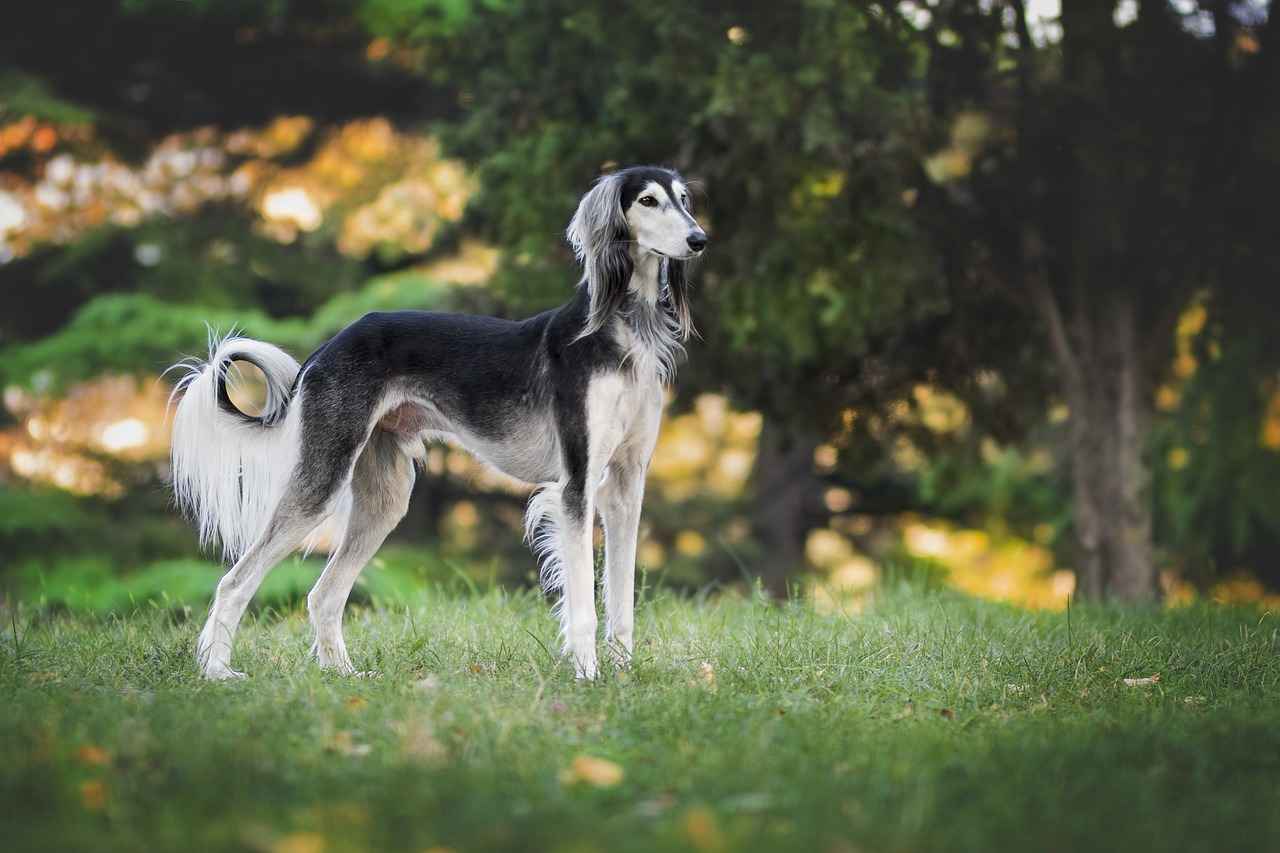
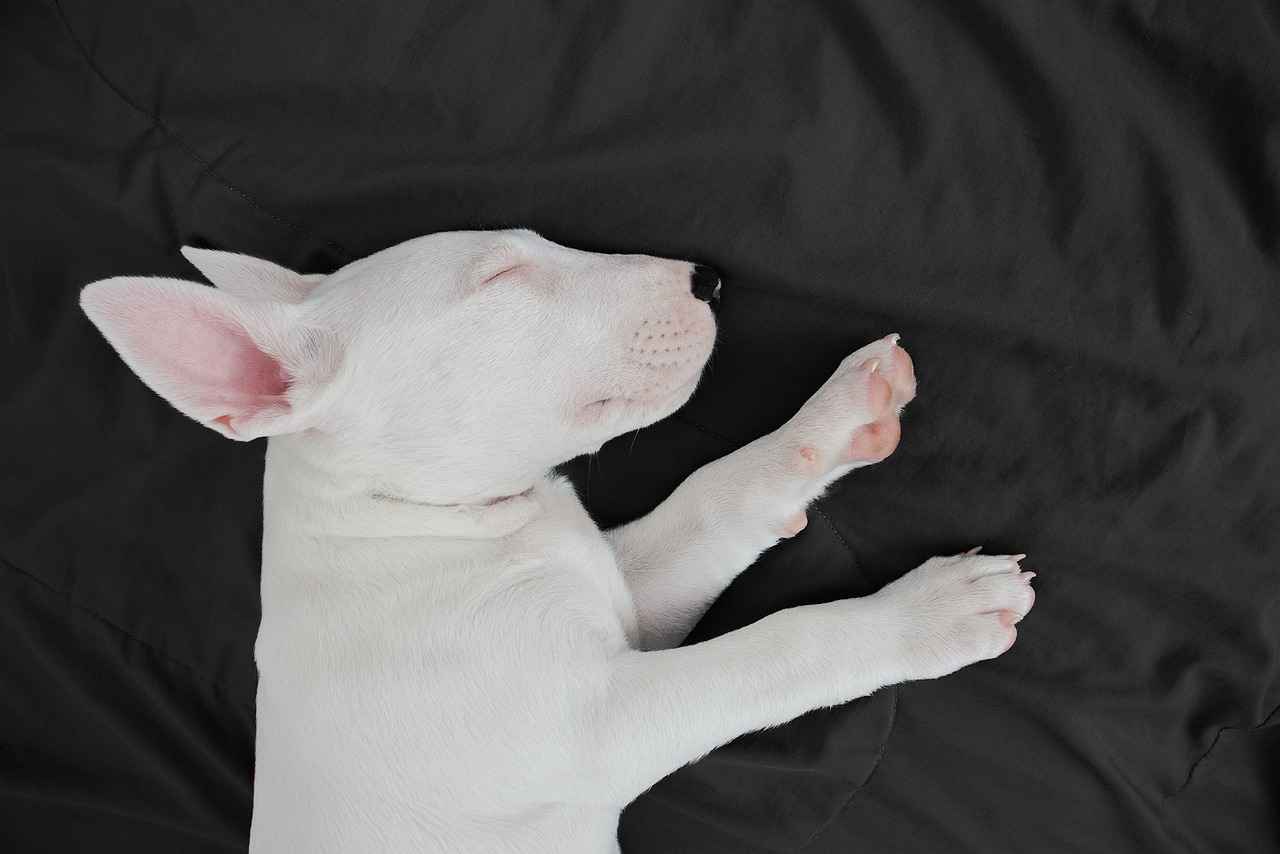
Have you ever wondered, "Why do dogs have wet noses?" This intriguing question is not just about a common trait of our furry friends; it opens the door to a world of fascinating secrets! Dogs’ noses are more than just adorable features; they play a crucial role in their health and senses. The moisture on a dog’s nose helps to enhance their sense of smell, which is already incredibly powerful. Did you know that a dog’s nose can detect certain scents at a concentration of just one part per trillion? This amazing ability is due in part to the wetness of their noses, which traps scent particles and makes it easier for them to investigate their surroundings. But why is it that some dogs have drier noses than others? Is it a sign of illness, or just a natural variation? Understanding the reasons behind this phenomenon can deepen our appreciation for our canine companions. If you’re curious about the science and secrets behind dog noses, you’re in for a treat! Join us as we explore the captivating world of why your dog’s nose is not just wet, but also a window into their health and behavior!
\n\nUnveiling the Mystery: Why Do Dogs Have Wet Noses? The Science Behind It Explained
\n\n \n\n
\n\nDogs have always been one of the most loved pets around the world, and their cute, wet noses is often a topic of curiosity. Many people ask, why do dogs have wet noses? It’s a question that, though simple, actually leads us into a fascinating world of canine biology and behavior. In this article, we’ll explore the science behind those wet noses and uncover the secrets they hold.
\nThe Science Behind Wet Noses
\nA dog’s nose is not just for show; it is a complex organ that plays a crucial role in their overall health and communication. The wetness of a dog's nose is mainly due to a thin layer of mucus that helps with their sense of smell. Here are some facts that illustrate how this works:
\n- \n
- \n
Increased Olfactory Sensitivity: The moisture on a dog’s nose helps capture scent particles. This enhances their ability to smell, which is significantly stronger than that of humans. Dogs have up to 300 million olfactory receptors in their noses, compared to humans who have about 5 million. This makes them super sniffers!
\n \n - \n
Body Temperature Regulation: A wet nose can also help cool down a dog’s body. Dogs do not sweat like humans, so they use their noses to help regulate temperature. When they pant, moisture evaporates from their noses, cooling them down.
\n \n - \n
Health Indicator: The moisture level of a dog’s nose can indicate its health. A healthy dog typically has a cool, wet nose. If a dog’s nose is dry and warm, it could be a sign of illness or dehydration.
\n \n
Historical Context
\nHistorically, dogs with wet noses have been viewed as more friendly and approachable. This perception could be because wet noses are often associated with health and vitality. Ancient cultures often believed that animals with moist noses were healthier, and this belief has persisted through time.
\nFascinating Facts About Dogs’ Noses
\n- \n
- \n
Unique Nose Prints: Just like human fingerprints, every dog has a unique nose print. This means that each dog’s nose can be used for identification purposes.
\n \n - \n
Temperature Sense: Dogs can detect temperature changes by their noses as well. They can sense different temperatures, which helps them in finding food or detecting danger.
\n \n - \n
Scent Memory: Dogs have an incredible memory for scents. They can remember smells for years, which is why they can often find their way back home or recognize smells associated with their owners.
\n \n
Why Wet Noses Matter
\nUnderstanding why dogs have wet noses goes beyond mere curiosity. It can help pet owners take better care of their furry friends. Here’s a breakdown of why it matters:
\n- \n
- \n
Health Monitoring: Regularly checking the moisture of a dog’s nose can help owners catch potential health issues early.
\n \n - \n
Behavioral Insights: Dogs often use their noses to communicate. A wet nose can indicate excitement, while a dry nose might suggest stress or discomfort.
\n \n - \n
Enhanced Bonding: Engaging with a dog’s sense of smell, such as through scent games or training, can strengthen the bond between a dog and its owner.
\n \n
Comparison: Dog Noses vs. Human Noses
\n| Feature | \nDog Nose | \nHuman Nose | \n
|---|---|---|
| Olfactory Receptors | \nUp to 300 million | \nAbout 5 million | \n
| Moisture Level | \nUsually moist | \nCan be dry or moist | \n
| Function | \nPrimarily for smell | \nPrimarily for smell and breathing | \n
| Unique Prints | \nYes, each print is unique | \nNo unique prints | \n
Practical Examples of Nose Use
\nDogs use their noses in various ways daily. For instance:
\n- \n
- Tracking: Search and rescue dogs use their noses to track missing persons. \n
- Detection: Many dogs are trained to detect drugs, explosives, and even diseases like cancer due to their exceptional sense of smell. \n
- Social Interactions: Dogs greet each other and humans by sniffing, which is a way of gathering information about one another. \n
Dogs' wet noses are more than just an adorable feature; they are integral to a dog’s health, communication, and interaction with the world. By understanding these fascinating details, dog owners and enthusiasts can better appreciate the complexity of their canine companions. Understanding why do dogs have wet noses can lead to deeper insights into their health and happiness, enriching the relationship between dogs and their humans. Next time you feel that familiar wet nose nudge against you, remember it’s not just a cute gesture—it’s a signal of your dog's well-being and affection.
\n\nTop 5 Fascinating Reasons Your Dog's Nose is Always Moist: What You Need to Know
\n\n \n\n
\n\nDogs have been man's best friend for centuries, and their peculiar features often leave us curious. One of the most noticeable traits about dogs is the moisture of their noses. Why do dogs have wet noses? It’s not just a quirky thing, but there are fascinating reasons behind it! Let’s dive into the top five reasons your dog’s nose is always moist and uncover some secrets that might surprise you.
\n1. Natural Cooling Mechanism
\nDogs don’t sweat like humans do. Instead, they rely on their noses to help cool down. The moisture on a dog's nose evaporates, which helps regulate their body temperature. When it hot outside or they been playing hard, a wet nose can help keep them cool. This is especially important for breeds that can struggle with heat, like Bulldogs or Pugs.
\n- \n
- How it works:
- \n
- Moisture evaporates from the nose. \n
- This evaporation process cools the blood vessels in the area. \n
- As a result, it helps to lower the overall body temperature. \n
\n
2. Enhanced Sense of Smell
\nDogs have an incredible sense of smell, and their wet noses play a critical role in this. A moist nose can capture scent particles better than a dry one. The moisture on the nose helps to dissolve the scent and allows the olfactory receptors in the nasal passages to work more effectively.
\n- \n
- Fun Fact: A dog's sense of smell is approximately 10,000 to 100,000 times more acute than that of humans! \n
- How it helps:
- \n
- A wet surface allows for better absorption of odors. \n
- Dogs can track scents more accurately, which is why they are often used in search and rescue missions. \n
\n
3. Maintaining Nasal Health
\nKeeping a dog’s nose moist is also important for their health. A wet nose can help trap dust and allergens, preventing them from entering the body. If a dog’s nose is dry, it can be a sign of dehydration or other health issues.
\n- \n
- \n
Signs of a Healthy Nose:
\n- \n
- Cool to the touch. \n
- Slightly moist. \n
- No cracks or excessive dryness. \n
\n - \n
Signs of Concern:
\n- \n
- Excessively dry and cracked nose. \n
- Bleeding or unusual discharge. \n
- Overall lethargy alongside a dry nose. \n
\n
4. Emotional Indicators
\nDogs express their feelings in many ways, and the condition of their nose can be one of those indicators. A dog’s nose can change based on their emotional state. For instance, a happy dog might have a moist nose, while a stressed dog could have a dry one.
\n- \n
- Emotional States:
- \n
- Happy: Moist and cool nose. \n
- Stressed: Potentially dry and warm nose. \n
- Sick: Dry nose along with other symptoms like lethargy. \n
\n
5. Breed Characteristics and Variations
\nNot all dogs have the same nose! Different breeds can exhibit various nose conditions based on genetics. Some breeds are known to have naturally drier noses, while others typically maintain more moisture.
\n- \n
- \n
Examples:
\n- \n
- Bulldogs: Often have moist noses due to their short snouts. \n
- Greyhounds: May have drier noses, but it doesn't necessarily indicate health issues. \n
\n - \n
Other Factors:
\n- \n
- Age can also affect a dog’s nose moisture. \n
- Seasonal changes can lead to increased dryness in certain breeds. \n
\n
So, why do dogs have wet noses? The reasons are more fascinating than you might have thought! From helping them cool down to enhancing their sense of smell, those moist noses are more than just a cute feature. They play a significant role in a dog's health and well-being, and understanding these reasons can deepen our bond with our furry companions.
\nIt's always good to monitor your dog’s nose condition and consult with a veterinarian if you notice any unusual changes. By knowing these fascinating secrets about your dog's nose, you can ensure that your pet stays healthy and happy. Dogs are amazing creatures with so much to teach us, and their wet noses are just one of the many wonders that make them special.
\n\nIs a Wet Nose a Sign of a Healthy Dog? Understanding Canine Health Indicators
\n\n \n\n
\n\nWhen it comes to our furry friends, we all want to ensure they’re healthy and happy. One of the most common indicators that dog owners often look at is their dog's nose. You might have heard the phrase, "a wet nose means a healthy dog," but is that really true? Let's dive into the fascinating world of canine health indicators, and uncover the secrets behind why do dogs have wet noses.
\nIs a Wet Nose a Sign of Health?
\nSo, is a wet nose a sign of a healthy dog? Kinda! A wet nose can be one indicator of your dog's health, but it should not be the only one you rely on. While many dogs have wet noses, some might not, and that doesn't necessarily mean they are sick.
\nHere are some reasons why a wet nose may indicate health:
\n- \n
- Temperature Regulation: A dog's nose helps to regulate their body temperature. When they are warm, their nose tends to be wet as it helps cool them down. \n
- Sense of Smell: A moist nose enhances a dog's ability to smell. The moisture helps to capture scent particles better. \n
- Hydration Levels: Generally, a wet nose suggests that your dog is well-hydrated. Dehydration can lead to a dry nose, which might be a sign to check their water intake. \n
However, keep in mind that there’s more to canine health than just a wet nose.
\nWhy Do Dogs Have Wet Noses?
\nHave you ever wonder why dogs have wet noses in the first place? The reasons are both biological and behavioral. Here’s a deeper look into the science of it:
\n- \n
- \n
Moisture Production: Dogs produce mucus in their noses that keeps it moist. This mucus not only helps with smell but also protects their nasal passages.
\n \n - \n
Scent Detection: The wetness of their nose allows them to absorb more scent molecules. This is crucial because dogs have an incredible sense of smell, which is about 10,000 to 100,000 times more sensitive than humans.
\n \n - \n
Behavioral Aspect: Dogs often lick their noses. This behavior not only keeps it wet but also can be a way of tasting the air around them for smells.
\n \n
The Myths and Facts About Wet Noses
\nIt's easy to fall into the trap of myths when it comes to pet care. Here’s a breakdown of some common myths and the facts behind them:
\nMyths:
\n- \n
- Myth 1: A wet nose always means a dog is healthy. \n
- Myth 2: A dry nose means your dog is sick. \n
- Myth 3: All dogs have wet noses. \n
Facts:
\n- \n
- Fact 1: Wet noses can indicate health, but other symptoms and behaviors should be considered too. \n
- Fact 2: A dry nose can be normal for some breeds and during certain weather conditions. \n
- Fact 3: Dogs' noses can vary in moisture depending on activity levels and environment. \n
Other Canine Health Indicators to Monitor
\nWhile a wet nose can be a good sign, there are additional health indicators that should be monitored:
\n- \n
- Energy Levels: Is your dog acting lethargic? A drop in energy can signal health issues. \n
- Appetite: Changes in eating habits should raise a red flag. \n
- Weight Changes: Sudden weight loss or gain can indicate underlying health problems. \n
- Behavior Changes: Any shifts in behavior, such as increased aggression or withdrawal, could be a sign of distress. \n
Quick Tips for Maintaining Dog Health
\n- \n
- Regular Vet Check-ups: Keeping up with vet visits can help catch potential problems early. \n
- Balanced Diet: Ensure they’re eating a nutritious diet suited to their age and activity level. \n
- Hydration: Always provide fresh water to keep them hydrated. \n
- Exercise: Regular play and exercise are vital for both physical and mental health. \n
Understanding why do dogs have wet noses and what it means for their health is important for every dog owner. While it’s a good sign, don’t forget to look at the bigger picture. Paying attention to your dog’s overall behavior and health can make a huge difference. If you ever notice something off, don’t hesitate to reach out to your veterinarian. Remember, a happy dog is a healthy dog!
\n\nThe Surprising Benefits of a Wet Nose: How It Enhances Your Dog’s Sense of Smell
\n\n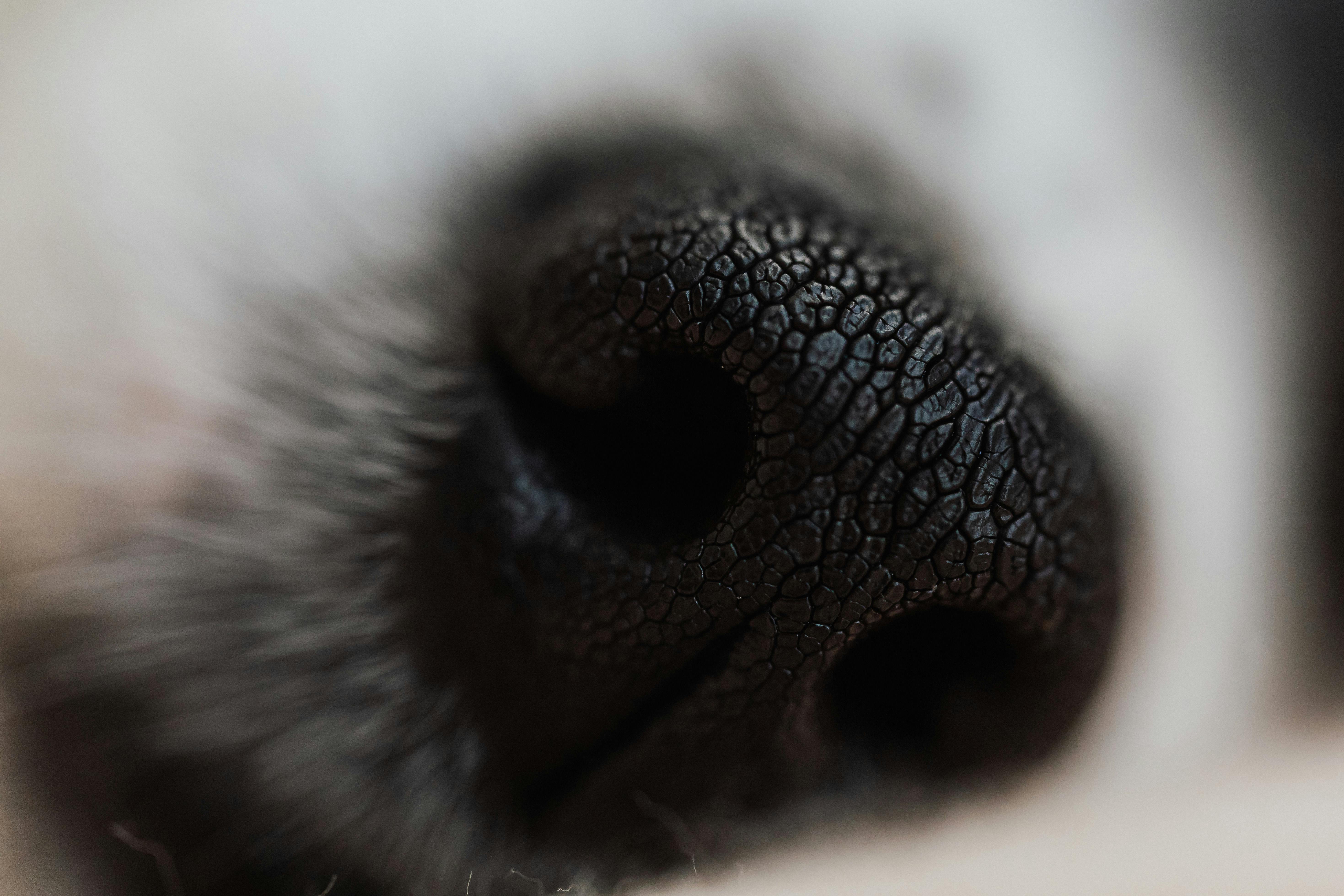 \n\n
\n\nHave you ever wondered why your dog’s nose is always wet? It's not just a quirky trait; it actually plays a big role in how dogs experience the world. Dogs have a fascinating sense of smell, and their wet noses are a crucial part of that. Let’s take a closer look at why do dogs have wet noses and explore the surprising benefits that come along with it.
\nThe Science Behind a Wet Nose
\nA dog’s nose is an incredible organ. It’s been estimated that dogs have around 220 million scent receptors compared to a human's mere 5 million. This means dogs can smell things we can’t even begin to imagine. But why are their noses wet? Here’s a breakdown of the reasons:
\n- \n
- Moisture Helps Capture Scent Molecules: The wetness of a dog's nose helps in trapping scent particles from the air. This allows dogs to pick up on smells much more effectively. \n
- Thermoregulation: Dogs don’t sweat like humans do. Their noses help them stay cool by releasing moisture, which evaporates and helps regulate their body temperature. \n
- Health Indicator: A dog’s nose can give clues about their health. A wet, cool nose is often a sign that a dog is healthy, while a dry or warm nose can indicate illness. \n
Historical Context of Dogs’ Noses
\nDogs have been companions to humans for thousands of years, with evidence suggesting domestication dating back over 14,000 years. During this long history, dogs were bred for various traits, including their sense of smell. Working dogs, like bloodhounds and retrievers, relied heavily on their noses for hunting and tracking.
\nFascinating Facts About Dogs’ Noses
\nHere are some intriguing facts about dog noses that you might not know:
\n- \n
- Unique Nose Prints: Just like human fingerprints, every dog has a unique nose print. This means you could potentially identify a dog by their nose alone! \n
- Nasal Turbinates: Dogs have complex structures called nasal turbinates that increase the surface area inside their noses, enhancing their sense of smell. \n
- Scent Discrimination: Dogs can distinguish between different smells, allowing them to identify specific scents even when mixed with others. This ability is what makes them great at search and rescue missions. \n
Practical Implications of Wet Noses
\nThe wetness of a dog's nose serves practical purposes in everyday life. Here are some examples:
\n- \n
- Tracking: Dogs can follow scents over long distances thanks to their wet noses. This is why they are often used in search and rescue operations. \n
- Detection: Many dogs are trained to detect drugs, explosives, and even medical conditions like cancer due to their advanced olfactory capabilities. \n
- Emotional Connection: Dogs often greet us with a wet nose, which can be their way of showing affection. The act of nudging with their nose can also be a sign of seeking attention or comfort. \n
Comparisons with Other Animals
\nIt’s interesting to see how dogs’ noses stack up against other animals. Here’s a brief comparison:
\n| Animal | \nScent Receptors | \nNotable Features | \n
|---|---|---|
| Dogs | \n~220 million | \nWet nose, excellent tracking | \n
| Humans | \n~5 million | \nLimited scent detection | \n
| Cats | \n~50-80 million | \nGood smell but not as strong | \n
| Elephants | \n~2,000,000 | \nKnown for strong sense of smell | \n
The Benefits of a Wet Nose
\nWhat else does a wet nose mean for your dog? Consider these benefits:
\n- \n
- Enhanced Smelling Ability: With a wet nose, dogs can detect smells more accurately and deeply, which is essential for their survival instincts. \n
- Better Communication: Dogs use their noses to pick up on pheromones and other scents that communicate emotions and intentions, both from other dogs and humans. \n
- Social Interaction: A wet nose can also be an icebreaker! Dogs often use their noses to greet other dogs or humans, promoting social bonding. \n
The science behind why do dogs have wet noses is not just fascinating; it’s also a window into understanding our furry friends better. Their wet noses significantly contribute to their impressive sense of smell, making them unique companions. Whether it’s for tracking, hunting, or just showing love, those wet noses do a lot more than we often realize. So, the next time you feel your dog’s cold, wet nose nudge against you, remember it’s not just about affection; it’s part of their amazing sensory capabilities.
\n\nCurious Canines: Why Do Dogs Have Wet Noses and What It Means for Their Behavior
\n\n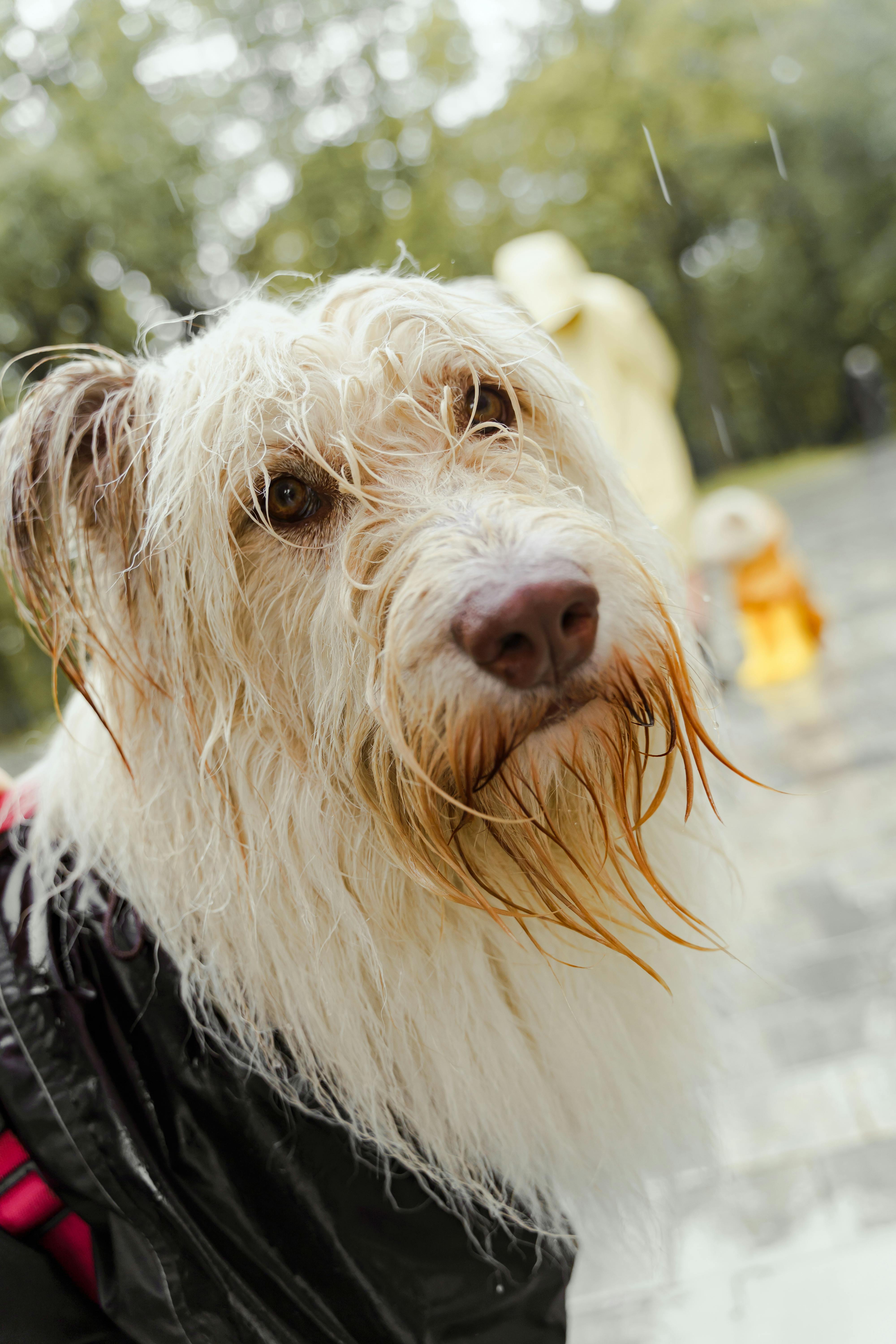 \n\n
\n\nDogs, often called man’s best friend, have some curious features that make them unique. One of the most fascinating aspects of dogs is their wet noses. Have you ever wondered why do dogs have wet noses? It’s not just a random fact; it plays an important role in their health and behavior. So let's dive into the reasons behind those damp, cold noses and what they mean for our canine companions.
\nThe Science Behind Wet Noses
\nFirst off, the wetness of a dog’s nose is not merely for show. In fact, it serves several purposes:
\n- \n
- \n
Temperature Regulation: Dogs don’t sweat like humans. Instead, their noses help them to stay cool. When the moisture on their nose evaporates, it cools down their body temperature.
\n \n - \n
Enhanced Sense of Smell: A wet nose helps to capture scent particles more effectively. Dogs have an incredible sense of smell — about 10,000 to 100,000 times more sensitive than humans. The moisture on their nose helps them to absorb these scents and interpret information about their surroundings.
\n \n - \n
Health Indicators: The state of a dog's nose can tell you a lot about their health. A dog’s nose is normally moist, but changes can indicate illness. For example, if a dog’s nose becomes dry and cracked, it could be a sign of dehydration or other health issues.
\n \n
Historical Context of Dog Noses
\nHistorically, dogs have been bred for specific traits, including their sense of smell. From hunting and tracking to search and rescue, a wet nose is part of what makes them effective in these roles. The relationship between humans and dogs goes back thousands of years, with early breeds being developed for their unique abilities.
\nFascinating Facts About Dog Noses
\n- \n
- Dogs have about 220 million scent receptors in their noses compared to humans’ 5 million. \n
- The wetness of a dog’s nose comes from a mixture of mucus and saliva. \n
- Some breeds have more prominent wet noses, while others may have drier noses, depending on their genetic makeup. \n
Why Do Dogs Lick Their Noses?
\nHave you notice how dogs frequently lick their noses? This is not just a cute behavior; it has practical reasons:
\n- \n
- \n
Moisturizing: Licking their noses helps to keep them moist. This is especially important for scent detection.
\n \n - \n
Taste and Smell Combination: Dogs often lick their noses to taste the scents in the air. This combination of taste and smell enhances their understanding of the environment.
\n \n - \n
Stress or Anxiety: Sometimes, excessive nose licking can be a sign of anxiety or stress. If you notice your dog doing this more than usual, it may be worth consulting a vet.
\n \n
Understanding Dog Behavior Through Their Noses
\nDogs communicate and interact with the world through their noses. This means that a wet nose can indicate a dog's mood. For instance:
\n- \n
- \n
Curious or Excited: If your dog approaches with a wet nose and is sniffing around, they might be curious or excited about something new.
\n \n - \n
Calm and Relaxed: A wet nose can also signify a calm and relaxed dog, especially if they're lying down comfortably.
\n \n - \n
Illness or Discomfort: If you notice an unusual dryness or crustiness, it could indicate that your dog is not feeling well.
\n \n
Quick Tips for Nose Care
\nTo ensure your dog's nose stays healthy, here are some quick tips:
\n- \n
- Hydration: Always provide fresh water to keep your dog hydrated. \n
- Check for Cracks: Regularly examine your dog’s nose for any signs of cracks or dryness. \n
- Consult a Vet: If you observe changes in their nose, such as excessive dryness or discharge, don’t hesitate to reach out to a veterinarian. \n
A Quick Comparison: Dog Noses vs. Human Noses
\n| Feature | \nDog Noses | \nHuman Noses | \n
|---|---|---|
| Scent Receptors | \n220 million | \n5 million | \n
| Wetness | \nMoist for scent detection | \nTypically dry | \n
| Purpose | \nCool down, scent absorption | \nMainly air passage | \n
Understanding why do dogs have wet noses helps us appreciate them even more. It’s not just an interesting quirk; it’s a crucial element of their biology and communication. The next time you see your dog with that adorable wet nose, remember all the fascinating secrets it holds! You’re not just looking at a cute feature; you’re witnessing a vital part of what makes dogs such extraordinary animals.
\n\nWet Noses and Dog Communication: How Your Pup Uses Their Nose to Connect with You
\n\n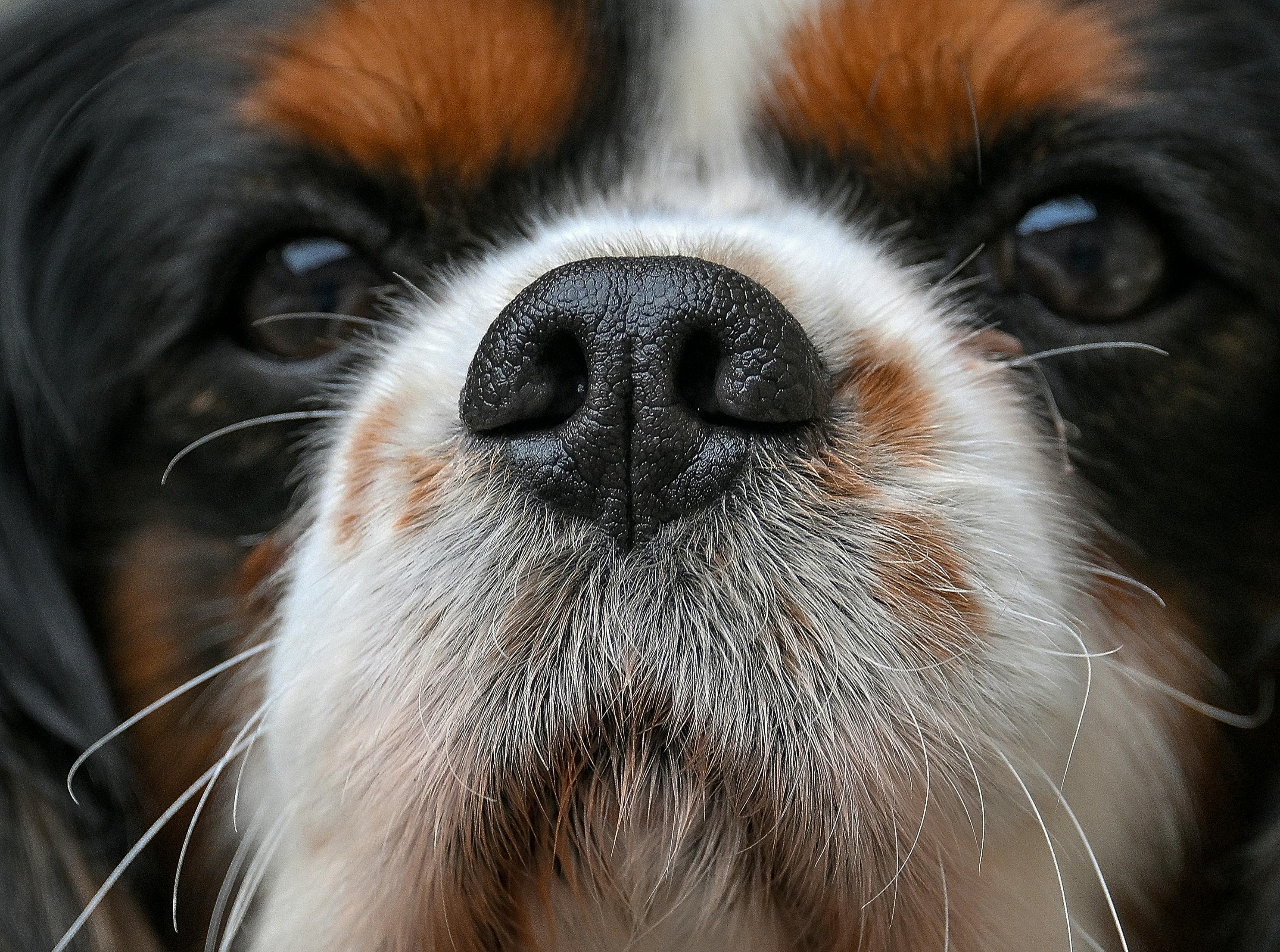 \n\n
\n\nWhen it comes to our furry friends, wet noses are often one of the first things we notice. They can be cold, damp, and sometimes a little slimy, but have you ever wondered why do dogs have wet noses? There’s more to those snouts than meets the eye! In fact, a dog’s nose serves as a vital tool for communication and connection, both with other dogs and us humans. Let’s dive into the fascinating world of canine communication, focusing on the role of their noses.
\nThe Science of Wet Noses
\nDogs noses are wet for several reasons. Firstly, that moisture helps to enhance their sense of smell. A dog's sense of smell is about 10,000 to 100,000 times more sensitive than humans. This means that when their noses are damp, they can trap scent particles more effectively.
\n- \n
- Moisture and Smell: The wetness on a dog’s nose helps to absorb scent chemicals. When a dog inhales, the moisture helps to bind the scent molecules, making it easier for them to detect various odors. \n
- Cooling Mechanism: Just like humans sweat, dogs can regulate their body temperature through their noses. The moisture evaporates and helps cool them down—especially important during hot days. \n
- Health Indicator: A wet nose is often a sign of a healthy dog. If a dog’s nose becomes dry or cracked, it could indicate dehydration or illness. \n
How Dogs Communicate with Their Noses
\nHave you noticed how dogs love to sniff each other? Nose communication is a huge part of how dogs interact with the world. They gather information about other dogs or humans simply by sniffing. Here’s how they use their noses:
\n- \n
- Identifying Others: Dogs can identify each other through scent. They can tell if another dog is a friend, foe, or stranger just by sniffing. \n
- Reading Emotions: Dogs can also sense the emotional state of others based on their scent. For instance, a dog may pick up on a human’s anxiety or excitement through changes in their body chemistry. \n
- Territorial Marking: A dog’s nose is also used to smell and mark their territory. They leave their own scent behind as a way to communicate to other dogs that the area is theirs. \n
Why Are Some Noses Wetter Than Others?
\nIt’s interesting to note that not all dog noses are created equal. Some breeds naturally have wetter noses than others. Here’s a quick guide:
\n- \n
- Breeds with Wet Noses: Labrador Retrievers, Beagles, and Boxers. \n
- Breeds with Drier Noses: Bulldogs, Pugs, and Boston Terriers. \n
This difference can result from genetics, environmental factors, and even health issues. For example, a dog with a dry nose might not be sick, but it can also indicate dehydration or other health concerns that should not be ignored.
\nFun Facts About Dog Noses
\n- \n
- Nose Prints: Just like human fingerprints, each dog’s nose print is unique. It can actually be used for identification. \n
- Scent Discrimination: Dogs can distinguish between different scents and can even be trained to detect diseases like cancer and diabetes. \n
- Nasal Anatomy: A dog’s nose contains about 300 million smell receptors, compared to a human's 5 million. \n
Caring for Your Dog’s Nose
\nMaintaining your dog’s nose is important for their overall health. Here are a few tips:
\n- \n
- Stay Hydrated: Ensure your dog has access to fresh water at all times. \n
- Regular Vet Check-ups: Regular visits to the vet can help catch potential issues early. \n
- Monitor Changes: Keep an eye on your dog’s nose for any changes in texture, color, or temperature. If something seems off, consult a veterinarian. \n
A Nose for Adventure
\nDogs often use their noses to lead us on adventures. A simple walk can turn into an exciting exploration as they sniff out new scents. Whether they’re on a hunt for the perfect stick or trying to find their favorite spot in the park, their noses guide them.
\nFinal Thoughts
\nUnderstanding why do dogs have wet noses helps us appreciate the unique ways they communicate with us and the world around them. From enhancing their sense of smell to signaling their health, those wet noses are much more than just a charming feature. As dog owners, it's crucial to recognize and celebrate these fascinating tools and ensure our furry friends stay healthy and happy. Next time you see your pup with a wet nose, remember the incredible secrets it holds!
\n\nThe Role of Temperature Regulation: Why Your Dog's Wet Nose Matters More Than You Think
\n\n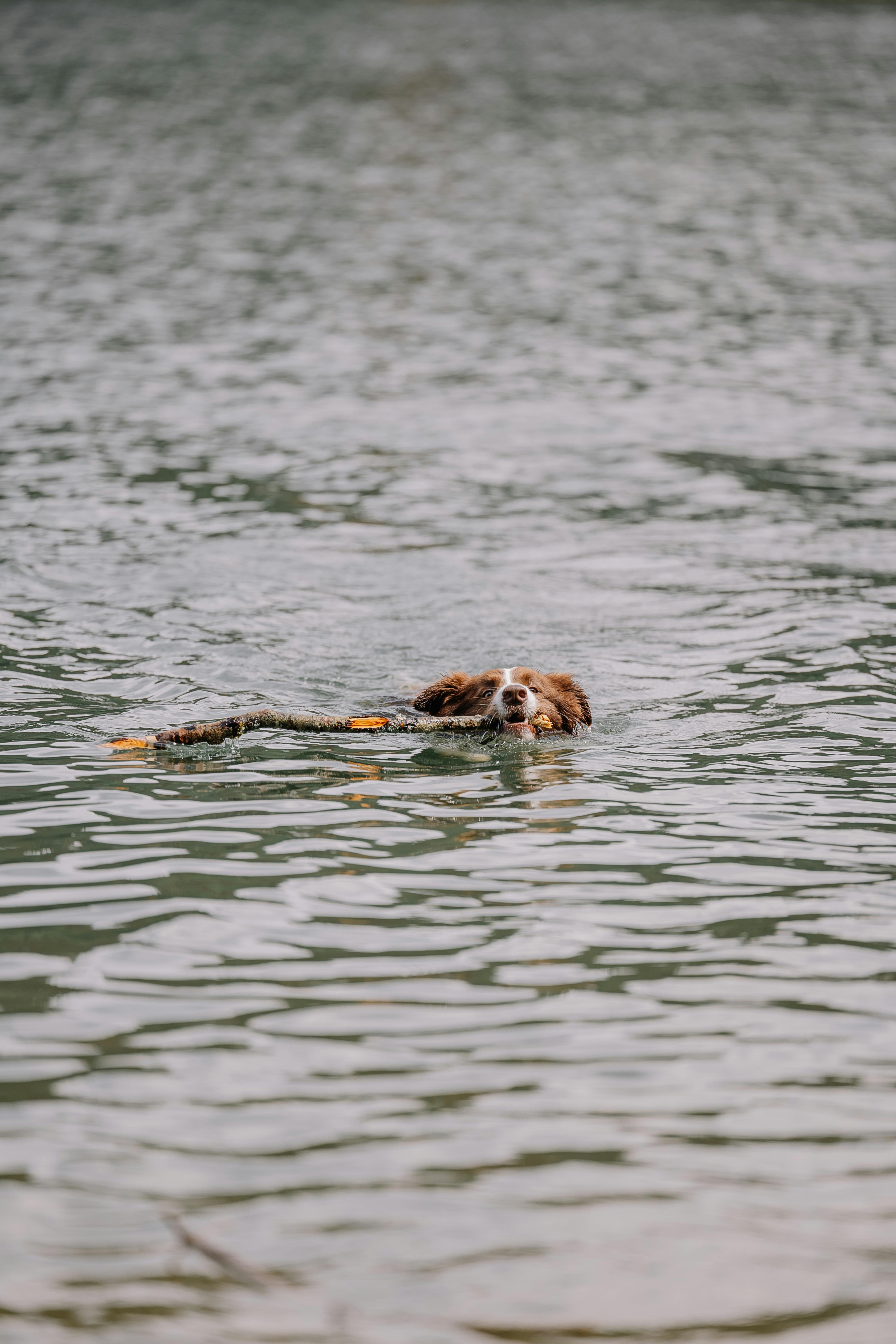 \n\n
\n\nHave you ever noticed how a dog's nose is always wet? It might seem like a small thing, but actually, it plays a crucial role in their overall health. Understanding the role of temperature regulation in dogs, and why their wet noses matters more than most of us think, is something every pet owner should know. In this article, we will explore the fascinating secrets behind those damp noses and answer the question: why do dogs have wet noses?
\nThe Science Behind a Dog's Wet Nose
\nA dog’s nose is not just adorable; it’s a sophisticated piece of biological machinery. The moistness of their nose helps in temperature regulation and enhances their sense of smell. Here are some interesting facts:
\n- \n
- Temperature Regulation: Dogs don't sweat like humans do. Instead, they rely on their noses to help regulate body temperature. A wet nose can cool them down as moisture evaporates. \n
- Enhanced Smell: Dogs have up to 300 million olfactory receptors in their noses, compared to humans' 5 million. The wetness helps trap scent molecules better, which allows dogs to detect odors more effectively. \n
Historical Context of Dog Noses
\nHistorically, a dog's nose has been a significant asset. Ancient civilizations recognized the keen sense of smell that dogs possessed. They were used in hunting, tracking, and even in search-and-rescue operations. The wet nose plays a big role in this capability.
\nFor example, in ancient Egypt, dogs were often depicted in art and literature as loyal companions and skilled hunters. Their ability to smell and track prey was invaluable. This historical appreciation for their sense of smell continues to this day, with dogs serving in various roles, from police work to therapy animals.
\nWhy Do Dogs Have Wet Noses?
\nSo, why do dogs have wet noses? The answer is more complex than you might think. Here are some reasons:
\n- \n
- \n
Cooling Mechanism: As mentioned earlier, dogs don’t have sweat glands all over their bodies. A wet nose serves as a vital cooling mechanism. When the moisture evaporates, it helps to lower their body temperature.
\n \n - \n
Health Indicator: A dog's nose can also indicate its health. A healthy dog usually has a moist, cool nose, while a dry or excessively warm nose could signal illness or dehydration.
\n \n - \n
Communication Tool: Dogs use their noses to communicate with other dogs. They can gather a lot of information from smells, which is used in social interactions.
\n \n
Signs of a Healthy Nose
\nKnowing what a healthy dog nose looks like can be important for pet owners. Here are some signs to consider:
\n- \n
- Moisture Level: A healthy nose is typically cool and moist. If it becomes excessively dry or cracked, it might be a sign of dehydration or health issues. \n
- Temperature: A normal nose should feel cool to the touch. An unusually warm nose can indicate a fever or illness. \n
- Color: The nose should retain its natural color. Changes in color can indicate health problems, such as allergies or infections. \n
Common Myths About Dog Noses
\nThere are many myths surrounding dog noses that can lead to misunderstandings. Here are a few:
\n- \n
- Myth 1: A wet nose means a dog is sick. Not true! A wet nose is typically a sign of health, but it’s essential to consider other factors. \n
- Myth 2: Dogs sweat through their noses. Actually, dogs sweat minimally through their paw pads, not their noses. \n
- Myth 3: All dogs have the same nose temperature. This is false. Nose temperature can vary between breeds and even individual dogs. \n
Practical Tips for Dog Owners
\nAs a dog owner, there are some practical ways you can help maintain your dog's nose health:
\n- \n
- Hydration: Make sure your dog has access to fresh water at all times. Dehydration can lead to a dry nose. \n
- Regular Check-ups: Routine vet visits can help catch any potential health issues early. \n
- Protect the Nose: In extreme weather conditions, consider using a dog-safe nose balm to prevent cracking or dryness. \n
In conclusion, the role of temperature regulation in dogs and the significance of their wet noses cannot be overstated. Understanding why dogs have wet noses not only enhances our appreciation for our furry friends but also helps us ensure their well-being. Every dog owner should pay attention to this fascinating aspect of their pet's health. It could make all the difference in keeping them happy and healthy.
\n\nCommon Myths Debunked: Do Wet Noses Mean Your Dog Is Sick?
\n\n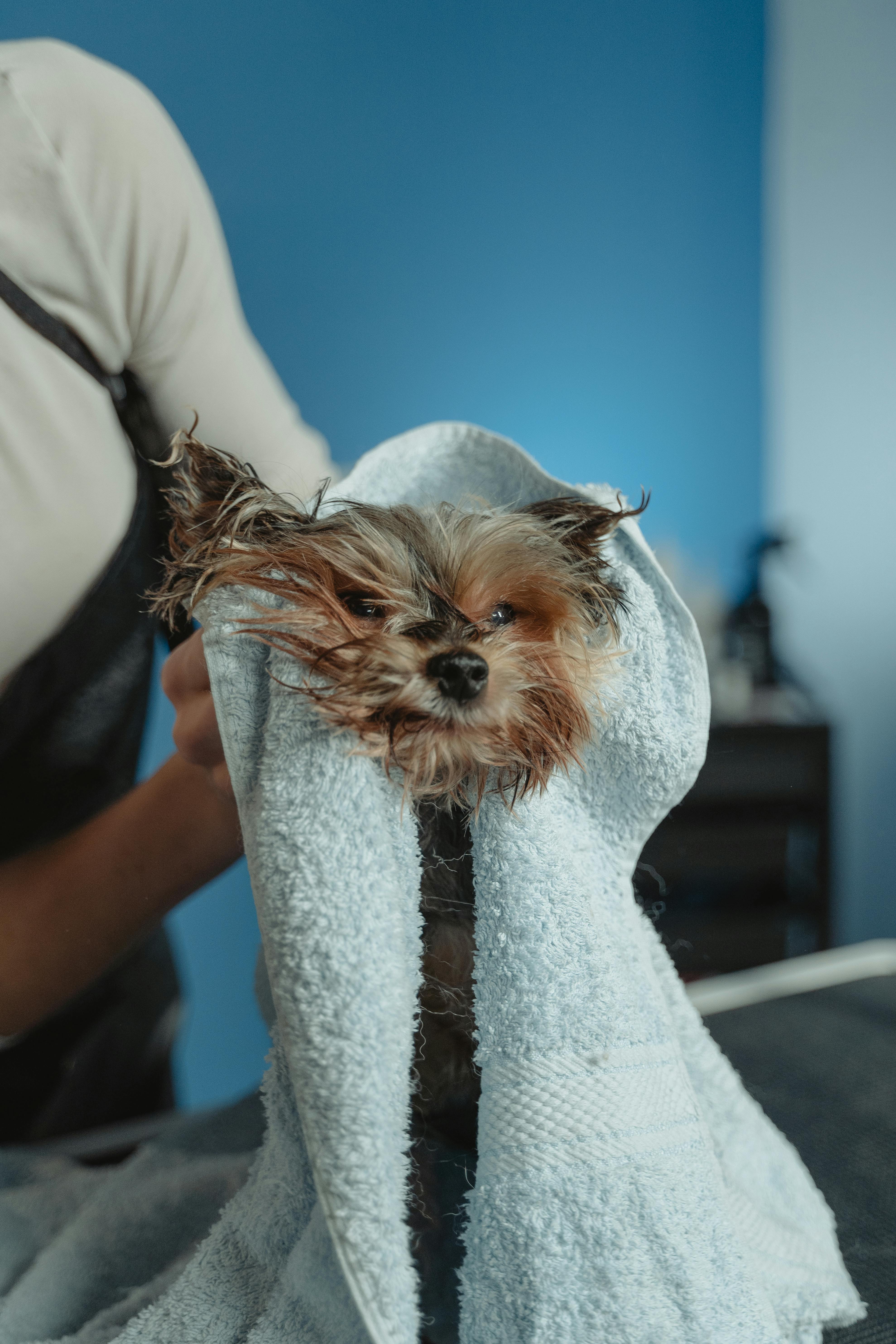 \n\n
\n\nDogs, often known as man's best friend, have been a cherished part of human lives for centuries. A common question that dog owners often asks is about their furry friend’s wet nose. Many believes that a wet nose is a sign of good health, while others thinks it could mean that the dog is sick. But what’s the truth behind this? Let’s dive into the fascinating secrets of why do dogs have wet noses.
\nThe Science Behind Wet Noses
\nFirst off, it's important to understand why dog noses are wet in the first place. The moisture on a dog's nose plays a crucial role in their sense of smell. Dogs have a highly developed olfactory system, and the wetness helps in trapping scent particles in the air. When a dog inhales, the moisture on their nose allows these particles to adhere better, enhancing their ability to detect scents.
\nNow, let’s break down some of the common myths surrounding wet noses:
\n- \n
- \n
Myth: A Wet Nose Means My Dog Is Sick
\n- \n
- Reality: Just because your dog’s nose is wet doesn’t mean they are unwell. Many healthy dogs will have a wet nose most of the time. A dry nose doesn’t automatically mean sickness either! Factors like the temperature, humidity, and activity level can influence the wetness of a dog's nose. \n
\n - \n
Myth: All Dogs Have Wet Noses
\n- \n
- Reality: Not all dogs have the same level of nose moisture. Certain breeds, especially those with more skin folds or wrinkles, may have drier noses. \n
\n - \n
Myth: Dogs Lick Their Noses to Keep Them Moist
\n- \n
- Reality: While dogs do lick their noses, it’s not the sole reason for the wetness. Their noses are naturally moist due to their biology and behaviors. \n
\n
The Role of Temperature and Environment
\nThe environment plays a big role in how wet or dry a dog’s nose can gets. Factors such as:
\n- \n
- Humidity Levels: In dry climates, dogs may have drier noses than in humid areas. \n
- Temperature: When it’s hot, dogs may pant more, causing their noses to dry out. \n
- Activity Level: After playing or exercising, a dog might have a drier nose as the moisture evaporates faster. \n
What Does a Dry Nose Indicate?
\nWhile a dry nose doesn’t necessarily means illness, it can hint at certain health issues. Some potential causes of a persistently dry nose could include:
\n- \n
- Dehydration: If your dog isn’t drinking enough water, it may show in their nose. \n
- Allergies: Environmental allergies can lead to changes in nose moisture. \n
- Infection or Illness: Rarely, a dry nose could indicate something more serious. \n
When to Be Concerned
\nPet owners should be aware of other symptoms that might accompany a dry nose. If your dog shows signs like excessive thirst, lethargy, or unusual behavior, it might be time to visit a vet. Here are some signs to watch out for:
\n- \n
- Change in Appetite: Is your dog eating less or not at all? \n
- Behavioral Changes: Are they more tired than usual? \n
- Vomiting or Diarrhea: This could be a sign of illness. \n
Fun Facts About Dog Noses
\n- \n
- Dogs have about 220 million scent receptors in their noses, compared to humans who have around 5 million. \n
- Each dog’s nose print is unique, much like a human fingerprint. \n
- Dogs have a special organ called the Jacobson's organ that helps them taste scents. \n
Caring For Your Dog's Nose
\nKeeping your dog's nose healthy is important, and there are some simple ways to do so:
\n- \n
- Provide Fresh Water: Always make sure your dog has access to clean water. \n
- Limit Sun Exposure: Dogs can get sunburned on their noses, so consider using dog-safe sunscreen during hot months. \n
- Regular Vet Check-ups: Regular visits can help catch potential health issues early. \n
The Bottom Line
\nThe idea that wet noses are a definitive sign of a dog's health is simply a myth. Dogs have wet noses for a variety of reasons, primarily related to their incredible sense of smell. While a wet nose is common in healthy dogs, other factors can influence its moisture level. If you are ever worried about your dog’s health, the best thing to do is consult with a veterinarian. By staying informed and observant, you can ensure your canine companion remains happy and healthy.
\n\nA Closer Look at Dog Anatomy: What Makes a Dog's Nose So Special?
\n\n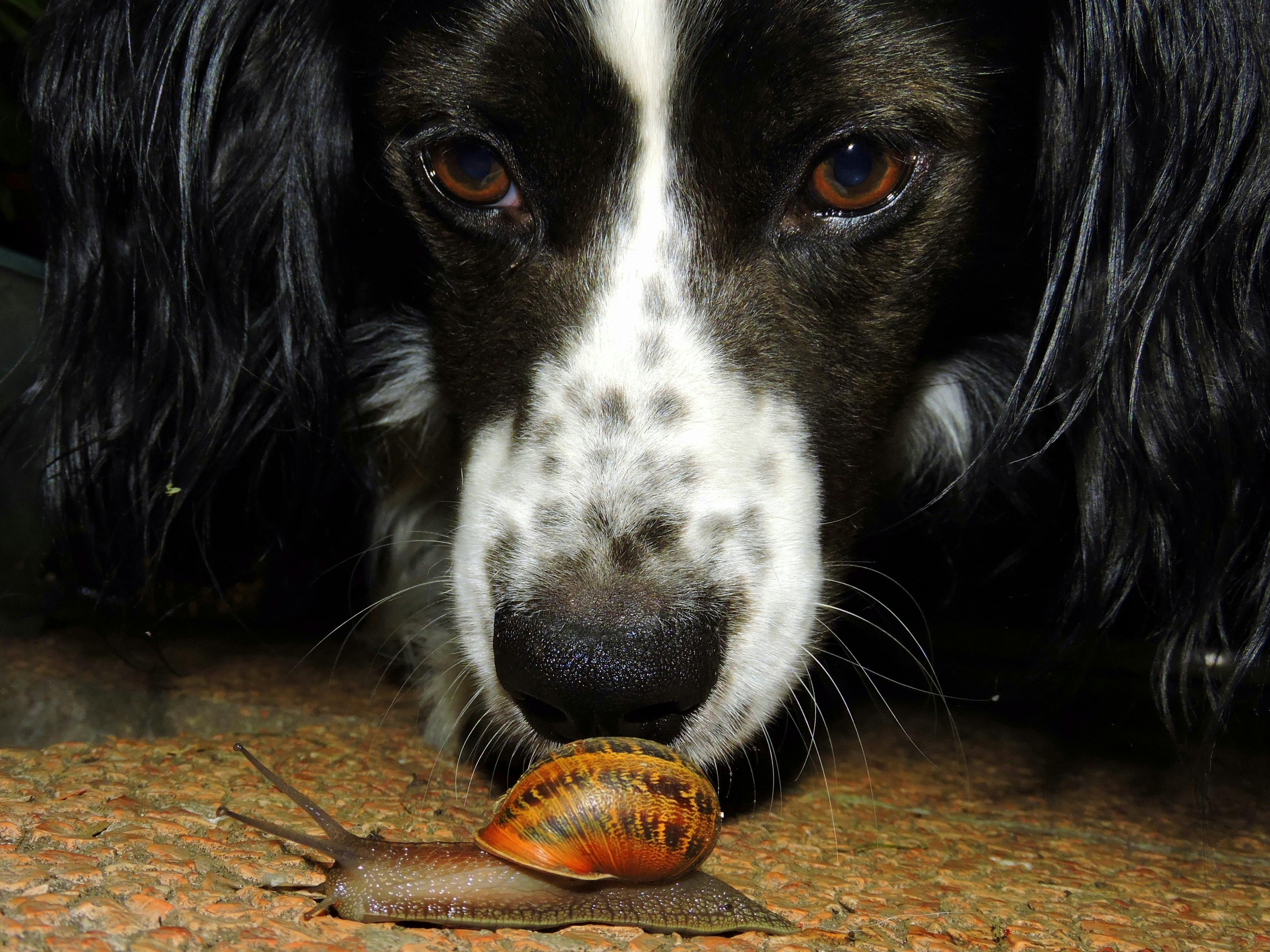 \n\n
\n\nDogs are one of the most beloved pets across the globe, and their unique features constantly captivate our attention. One of the most fascinating aspects of dogs is their noses. If you ever wonder why do dogs have wet noses, you are not alone. This characteristic is not just for show; it serves multiple purposes that enhance their ability to interact with the world around them. Let’s take a closer look at dog anatomy and discover the secrets behind those wet noses!
\nThe Anatomy of a Dog's Nose
\nA dog's nose is an incredible organ that is equipped with a multitude of functions. It consists of various structures that contribute to its amazing capabilities. Here are some key components:
\n- \n
- Nasal Cavity: This is where the air enters and is filtered. It helps in conditioning the air before it reaches the lungs. \n
- Olfactory Receptors: Dogs have approximately 220 million olfactory receptors in their noses, compared to a human's 5 million. This makes their sense of smell incredibly sharp. \n
- Jacobson's Organ: Also known as the vomeronasal organ, located at the base of the nasal cavity, it helps detect pheromones and other chemical signals. \n
- Mucous Membrane: This keeps the nose moist, allowing it to capture scent particles more effectively. \n
Isn’t it interesting how these structures come together to create a powerful sensory tool?
\nWhy Are Dog Noses Wet?
\nNow, the big question: why do dogs have wet noses? There are several reasons why the wetness of a dog's nose is essential for their health and functionality. Here are some important points:
\n- \n
- Enhanced Smell: Moisture helps to dissolve scent particles, making it easier for dogs to detect different smells. When the nose is wet, it can absorb more odors. \n
- Temperature Regulation: A dog’s nose can help regulate their body temperature. When they pant and their nose is wet, it can cool them down. \n
- Health Indicator: A wet nose typically indicates a healthy dog. Conversely, if a dog’s nose becomes dry and cracked, it may signal dehydration or illness. \n
- Social Interaction: Dogs often use their noses for social purposes. A wet nose can express friendliness and curiosity, which helps them bond with other dogs or humans. \n
The Importance of Nose Care
\nWhile dogs are naturally equipped with wet noses, it is crucial for dog owners to take care of their furry friends’ noses. Here are a few tips:
\n- \n
- Hydration: Ensure your dog has access to fresh water at all times to maintain proper hydration, which keeps their nose moist. \n
- Check for Injury: Regularly check your dog’s nose for any signs of injury, cracks, or excessive dryness. \n
- Avoid Allergens: Try to identify and minimize exposure to allergens that could irritate your dog’s nose. \n
Fun Facts About Dog Noses
\nDid you know that dog noses have some truly unique characteristics? Here are some fun facts:
\n- \n
- Dog noses are as unique as human fingerprints! Each dog has a distinct nose print. \n
- The color of a dog's nose can change with age, breed, and health. \n
- Dogs can detect certain diseases, like cancer, through their sense of smell! \n
- The wetness of a dog’s nose can vary throughout the day based on weather and activity levels. \n
Comparing Dog Noses to Other Animals
\nIt’s interesting to compare dog noses with those of other animals. Here’s a brief comparison with some other well-known animals:
\n| Animal | \nNumber of Olfactory Receptors | \nNose Characteristics | \n
|---|---|---|
| Dog | \n~220 million | \nWet, highly sensitive, diverse scents | \n
| Cat | \n~50-80 million | \nDry, less sensitive than dogs | \n
| Elephant | \n~2,000 different smell genes | \nLong trunk, very sensitive to smells | \n
| Rat | \n~1,000-1,500 | \nHighly developed sense of smell | \n
From this table, it’s clear that dogs are at the top of the list when it comes to olfactory capabilities.
\nIn summary, a dog's wet nose is an extraordinary feature that enhances its ability to smell and interact with its environment. Understanding why do dogs have wet noses and taking steps to care for them can help ensure your furry friend stays healthy and happy. So next time your dog gives you a wet nuzzle, remember that it’s not just an adorable gesture; it’s a sign of their remarkable anatomy working in action!
\n\nHow to Keep Your Dog’s Nose Healthy: Tips for Dog Owners on Nose Care and Maintenance
\n\n \n\n
\n\nEvery dog owner wonders about their furry friend's health, and one often overlooked part is their nose. Keeping your dog's nose healthy can be a bit tricky, but with some knowledge and a few simple steps, it becomes easier. So, what are the secrets behind those wet noses? Let's dive into some fascinating facts about our canine companions and learn how to maintain their nose in tip-top shape!
\nWhy Do Dogs Have Wet Noses?
\nYou might have noticed that your dog's nose is usually wet, but why is this so? The wetness helps dogs in several ways, and it’s pretty interesting to know the science behind it.
\n- \n
- Enhanced Sense of Smell: A wet nose helps trap scent particles, allowing dogs to smell better. Their sense of smell is more powerful than humans, and this wetness aids in that process. \n
- Temperature Regulation: Dogs don’t sweat like humans do. Their noses help them cool down. When they pant, moisture on the nose evaporates, which is a natural way to regulate their body temperature. \n
- Health Indicator: A dog’s nose can also indicate its health. A dry or cracked nose might signal dehydration or illness. A healthy nose is generally moist and cool. \n
So, next time you give your pooch a pat, notice that wet nose and remember it's a sign of their amazing biology!
\nHow to Keep Your Dog’s Nose Healthy
\nJust like any other part of your dog's body, their nose requires care to stay healthy. Here are some practical tips that dog owners can follow:
\n- \n
- \n
Regular Check-ups: Taking your dog to the vet regularly can help catch any potential issues early. It's especially important if you notice any changes in their nose's texture or temperature.
\n \n - \n
Hydration: Make sure your dog always has access to fresh water. Dehydration can lead to a dry nose, which isn't good for their overall health.
\n \n - \n
Avoid Harsh Environments: If it's too hot or cold outside, try to keep your dog indoors. Extreme weather can cause their nose to crack or become dry.
\n \n - \n
Use Nose Balms: There are special balms designed for dogs that can help keep their noses moisturized. Look for products that are made from natural ingredients without harmful chemicals.
\n \n - \n
Maintain a Balanced Diet: A well-balanced diet with essential nutrients helps in keeping your dog's nose healthy. Omega fatty acids, for example, are good for skin and coat health.
\n \n - \n
Watch for Allergies: Just like humans, dogs can have allergies that affect their noses. If you notice excessive sneezing or sniffles, consult your vet for possible allergy testing.
\n \n - \n
Keep Them Clean: Sometimes, dirt or bacteria can accumulate on your dog’s nose. A gentle wipe with a clean, damp cloth can help maintain cleanliness.
\n \n
Fascinating Facts About Dogs’ Noses
\n- \n
- Unique Patterns: Just like human fingerprints, each dog has a unique nose print. This could theoretically be used for identification! \n
- Nasal Turbinates: Dogs have these special structures in their noses that help them smell. They increase the surface area for scent detection. \n
- Sniffing Techniques: Dogs use a special sniffing technique where they take short sniffs to pick up scents more effectively. \n
Common Nose Problems in Dogs
\nHere’s a list of some common nose problems you might encounter:
\n- \n
- Dry Nose: This could be caused by dehydration, allergies, or even certain medications. \n
- Cracked Nose: This can happen from dry weather or a lack of moisture. It can lead to bleeding or infections. \n
- Nasal Tumors: Though rare, tumors can develop in the nasal area. Watch for unusual discharge or swelling. \n
Signs of a Healthy Nose
\n- \n
- Moist and Cool: A healthy nose should feel cool and slightly moist to the touch. \n
- No Cracks or Bleeding: The surface should be smooth without cracks or signs of blood. \n
- Normal Color: Depending on the dog's breed, the nose color varies, but it should remain consistent. Unusual discoloration might indicate an issue. \n
By understanding the importance of your dog's nose and taking proactive steps, you can ensure they stay healthy and happy. Remember that a wet nose is not just a cute feature; it plays a crucial role in their overall well-being. So keep an eye on those noses, and your furry friend will thank you for it!
\n\nConclusion
\n\nIn conclusion, the wet noses of dogs serve several important functions that contribute to their health and behavior. Primarily, a moist nose enhances a dog's sense of smell, allowing them to detect scents more effectively, which is crucial for their communication and survival instincts. Additionally, the moisture helps with thermoregulation, keeping dogs cool in warmer conditions. The presence of mucus on a dog's nose also plays a role in capturing scent particles, further amplifying their olfactory capabilities. Understanding the science behind a dog's wet nose not only deepens our appreciation for these loyal companions but also reminds us of their unique biological adaptations. Next time you interact with your furry friend, take a moment to appreciate the fascinating reasons behind their wet noses. If you're a dog owner, ensure your pet's health by regularly checking for any changes in their nose moisture, as this can be an indicator of their overall well-being.
\n\n