Have you ever wondered why do dogs have wet noses? This intriguing question not only piques curiosity but also unravels the secret benefits behind this fascinating canine trait! Dogs’ noses are often moist, but have you thought about the reasons behind it? The wetness serves multiple purposes, from enhancing their sense of smell to regulating body temperature. Isn’t it amazing how a simple feature can play such a crucial role in a dog's health and behavior? In this article, we’ll dive deep into the mystery of dog noses and uncover the scientific explanations and benefits of having a wet nose. You might be surprised to learn that a wet nose is not just a cute characteristic but also a sign of a happy and healthy pup! Explore with us as we discuss how these adorable companions use their noses to communicate, detect scents, and even sense the world around them. Whether you're a dog owner or just an animal lover, understanding why dogs have wet noses can enhance your appreciation for these loyal animals. So, are you ready to discover the secret world of dog noses? Let’s get started!
\n\nThe Science Behind Wet Noses: Why Do Dogs Have This Unique Trait?
\n\n \n\n
\n\nDogs are often called man's best friend, but have you ever wondered about their wet noses? It's kinda fascinating, right? Many people, including dog owners, question "Why do dogs have wet noses?" This unique trait isn't just for show; there's some interesting science behind it. Wet noses come with benefits that are important for a dog’s health and their ability to interact with the world around them.
\nThe Anatomy of a Dog’s Nose
\nA dog’s nose is not just a cute feature. It’s a complex organ. The outer layer of a dog’s nose is made up of skin that has a lot of sweat glands. These glands help keep the nose moist, which is important for a few reasons:
\n- \n
- Scent Detection: Dogs have an incredible sense of smell, and moisture on their noses helps trap scent particles. This is one of the reasons why dogs can sniff out drugs, explosives, or even diseases in humans. \n
- Temperature Regulation: A wet nose can help dogs regulate their body temperature. When they’re hot, moisture evaporates from their noses, which cools them down a bit. \n
- Health Indicator: A dog's nose can sometimes indicate their health status. A wet, cold nose is generally a sign of a healthy dog, while a dry or warm nose might signal that something is off. \n
Historical Perspective
\nHistorically, the wet nose trait has been observed since humans first domesticated dogs. Ancient cultures recognized that a dog’s sense of smell was superior to humans, leading to their use in hunting and tracking. The moisture on their noses was likely noticed and appreciated for its role in helping dogs perform their tasks. Over generations, this unique characteristic became a hallmark of canine biology.
\nBenefits of a Wet Nose
\nThere are several benefits to having a wet nose. Here’s a quick rundown:
\n- \n
- Enhanced Smell: The moisture helps capture scents more effectively. \n
- Communication: Dogs can use their noses to communicate with other dogs or animals. A wet nose can signal friendliness and curiosity. \n
- Cooling Mechanism: It aids in thermoregulation, especially during warm weather. \n
- Health Monitoring: A dog owner can assess their dog's health by checking the wetness and temperature of their nose. \n
Comparing Nose Types
\nNot all noses are created equal. Dogs have different types of noses that can impact their wetness. Here’s a quick comparison:
\n| Dog Breed | \nNose Type | \nWetness Level | \n
|---|---|---|
| Labrador Retriever | \nShort, broad nose | \nGenerally wet | \n
| Greyhound | \nLong, narrow nose | \nOften drier | \n
| Bulldog | \nFlat, wrinkled nose | \nUsually moist | \n
| Dachshund | \nLong, slim nose | \nVariable wetness | \n
As you can see, the wetness of a dog’s nose can depend on their breed. Some dogs tend to have wetter noses while others may not.
\nPractical Tips for Dog Owners
\nIf you’re a dog owner, you might want to pay attention to your pup's nose. Here’s a few practical tips:
\n- \n
- Regular Check-ups: Make sure to monitor the moisture and temperature of their nose. If it’s unusually dry, check for other signs of illness. \n
- Hydration: Keep your dog hydrated, especially in hot weather. A well-hydrated dog is more likely to have a healthy, wet nose. \n
- Nose Balm: Consider using a dog-safe nose balm during winter months when noses can get chapped. \n
What If the Nose is Dry?
\nIf you notice your dog’s nose is dry, it could be due to various reasons like dehydration, allergies, or even environmental factors. Here’s what to look for:
\n- \n
- Signs of Illness: If your dog is lethargic, has a decreased appetite, or shows other unusual behaviors, consult your vet. \n
- Allergies: Dry noses can sometimes indicate allergies. Watch for other symptoms like itching or redness. \n
- Environmental Factors: Dry air from heaters or air conditioning can also affect nose moisture. \n
So, why do dogs have wet noses? It’s a complex combination of biology, evolution, and practicality. This wonderful trait not only helps them interact with their environment but also serves as a signal of their health. Keep an eye on those little noses; they tell a story that goes beyond just being cute!
\n\nTop 5 Surprising Benefits of a Dog's Wet Nose You Didn't Know About
\n\n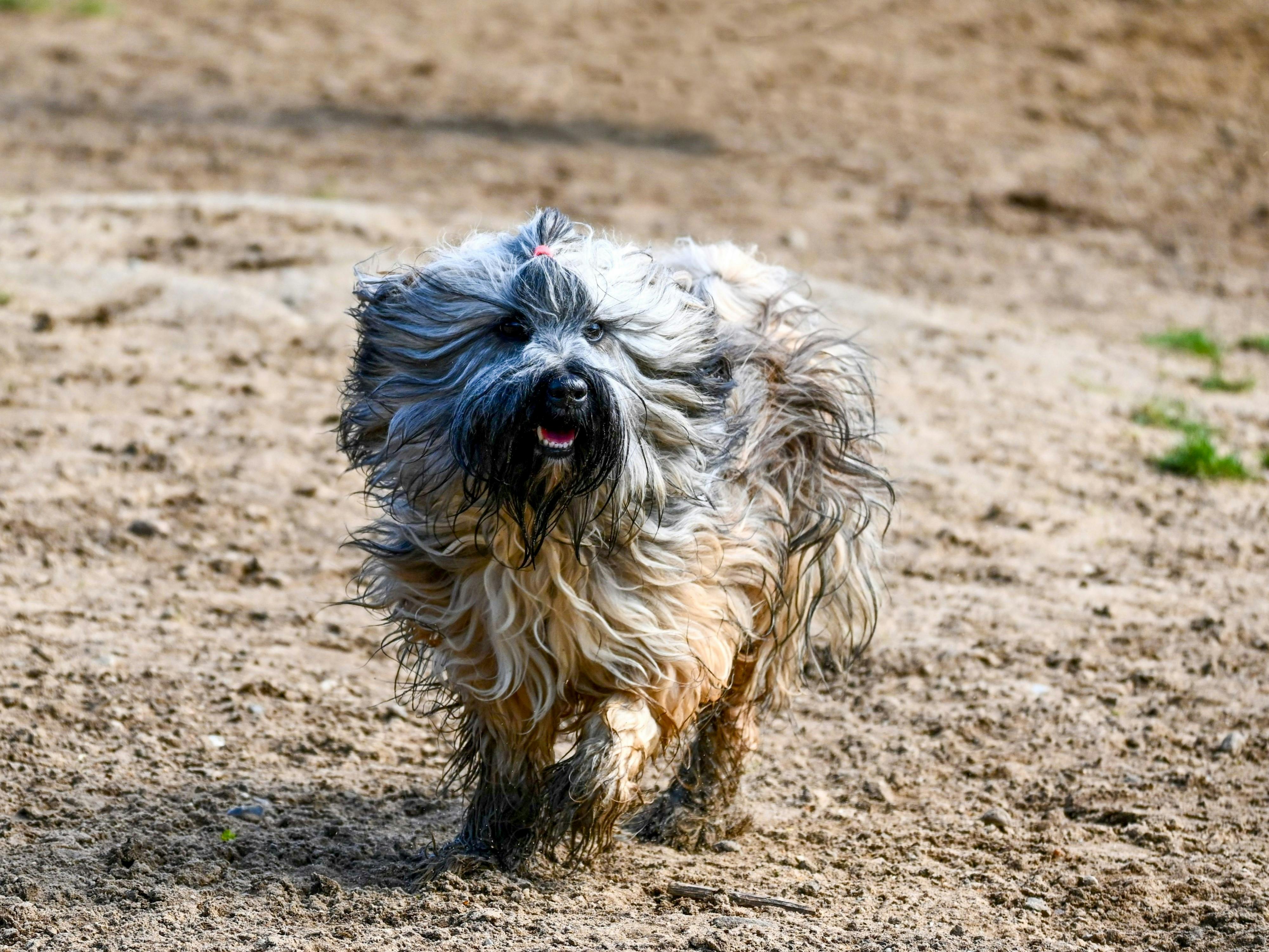 \n\n
\n\nDogs are some of the most beloved pets in the world, and many people love their wet noses. But have you ever thought about why do dogs have wet noses? Besides being cute and a bit funny, there are some surprising benefits that come from their moist little snouts. Let’s dive into the top 5 benefits of a dog’s wet nose that you probably didn’t know about!
\n1. Enhanced Sense of Smell
\nDogs have an incredible sense of smell, and their wet noses plays an important role in this. The moisture helps to capture scent particles from the air. When a dog inhales, the wet surface of their nose absorbs these particles, helping to enhance their smelling ability. In fact, a dog's sense of smell is estimated to be anywhere from 10,000 to 100,000 times better than humans. It's like having a superpower!
\n2. Temperature Regulation
\nDid you know that dogs don’t sweat like humans? Instead, they regulate their body temperature primarily through their noses and paws. A wet nose helps keep them cool, especially on hot days or after exercise. The moisture evaporates, which helps to lower their body temperature. This is why you might notice your dog’s nose feeling cooler when they are resting. Keeping a dog hydrated and giving them plenty of water is essential during warmer months.
\n3. Health Indicator
\nA dog's nose can tell you a lot about their health. While many people think that a warm, dry nose means a dog is sick, that's not always the case. A healthy dog can have varying nose temperatures depending on the time of day and activity level. However, a persistently dry or cracked nose could indicate dehydration or other health issues. So, if you notice changes in your dog's nose, it could be a sign to consult with a veterinarian.
\n4. Communication Tool
\nDogs use their noses not only for smelling but also for communicating with other dogs and humans. When dogs meet each other, they often sniff each other's noses as a greeting. This behavior is a way for them to gather information about one another, such as health, mood, and even diet. Dogs can pick up on pheromones and other scents that convey messages, which means their wet noses are not just for show; they are essential for social interaction.
\n5. Bonding Experience
\nFinally, a dog's wet nose can be a source of joy and bonding between pets and their humans. When your dog nudges you with their nose or gives you a wet kiss, it’s a sign of affection. This behavior creates a bond and enhances the relationship between you and your furry friend. Plus, petting a dog and feeling that wet nose can be a comforting experience for both parties, fostering emotional connections.
\nWhy Do Dogs Have Wet Noses?
\nSo, now that we know the benefits, let’s recap why dogs have wet noses in the first place. Evolutionarily, the wet nose serves several purposes:
\n- \n
- Scent Detection: Helps to capture more scent particles. \n
- Temperature Regulation: Keeps them cool and comfortable. \n
- Health Monitoring: Reflects their overall well-being. \n
- Social Interaction: Aids in communication with other dogs and humans. \n
- Emotional Bonding: Enhances relationships with their owners. \n
Fun Facts about Dog Noses
\n- \n
- Dogs have about 300 million smell receptors, compared to a human's 5 million. \n
- The unique pattern of a dog’s nose is as distinctive as a human fingerprint. \n
- Dogs can even detect certain diseases in humans, like cancer and diabetes, through scent. \n
Practical Tips for Dog Owners
\n- \n
- Regularly check your dog's nose for any signs of dryness or cracking. \n
- Ensure your dog stays hydrated, especially during hot weather. \n
- Engage in playtime that includes sniffing activities to stimulate their sense of smell. \n
- Allow your dog to socialize with other dogs so they can use their noses for communication. \n
A dog's wet nose is more than just a quirky feature; it’s a multifaceted tool that plays a vital role in their health, communication, and relationship with humans. Understanding these benefits can deepen your appreciation for your furry companion and enhance the bond you share. So the next time your dog gives you that wet-nosed nudge, remember there's a lot more to it than meets the eye!
\n\nHow Wet Noses Enhance a Dog's Sense of Smell: A Deep Dive into Canine Biology
\n\n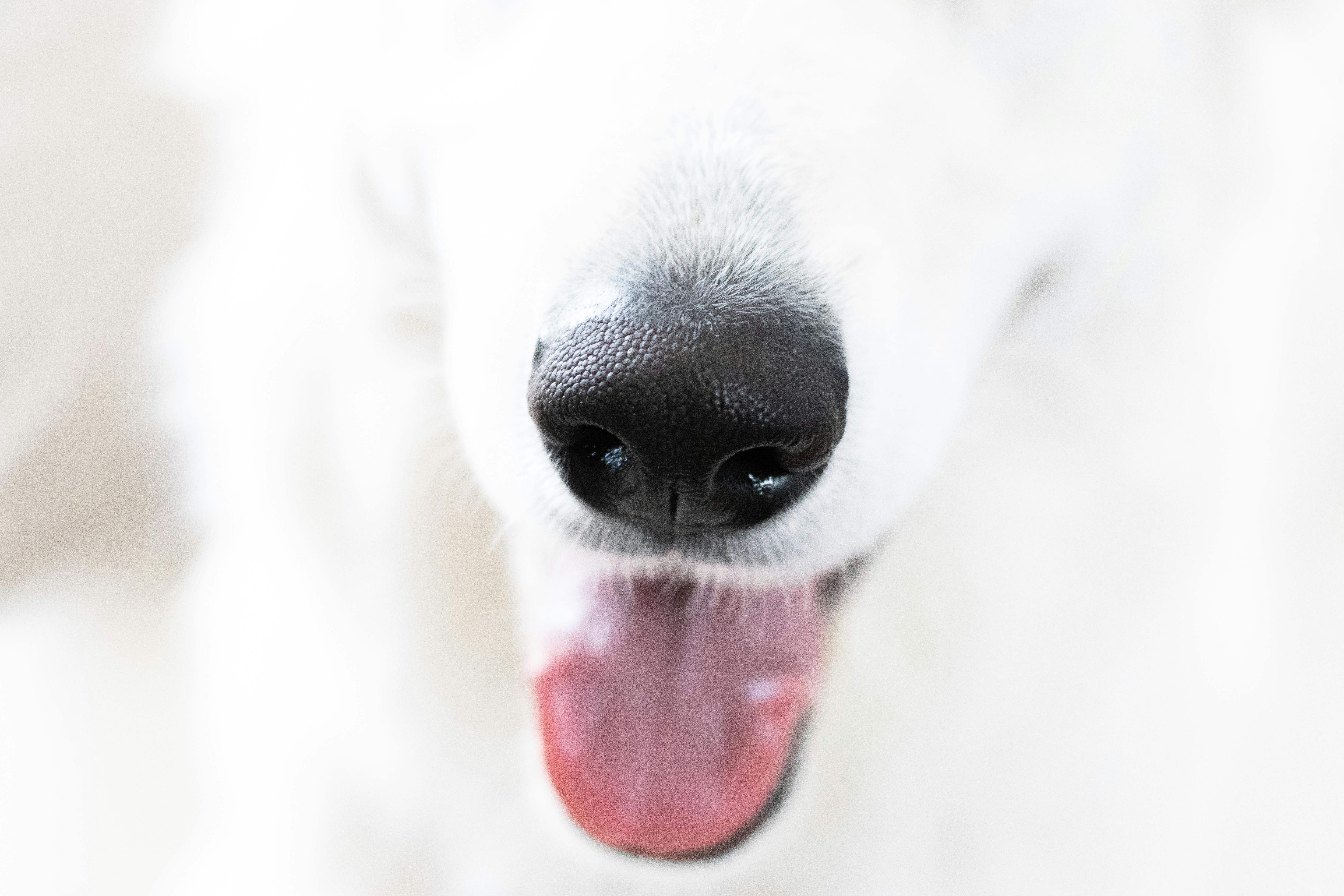 \n\n
\n\nWhen we think about dogs, we often think about their wagging tails, playful barks, and of course, their wet noses. But have you ever wondered why do dogs have wet noses? The truth is, this seemingly simple feature plays a huge role in the way dogs experience the world, especially when it comes to their sense of smell. In this article, we will take a deep dive into canine biology to uncover the reasons behind those wet noses and why they are so beneficial for dogs.
\nThe Biology of a Dog's Nose
\nTo understand how wet noses enhance a dog’s sense of smell, we first need to look at the structure of a dog's nose. Dogs have a unique olfactory system that sets them apart from humans. Here are some fascinating facts about dog noses:
\n- \n
- Olfactory Receptors: A dog has about 220 million olfactory receptors compared to a human’s 5 million. This gives them an incredible ability to smell. \n
- Jacobsen’s Organ: This is a special organ that allows dogs to detect pheromones, which is vital for communication and understanding their environment. \n
- Moisture: The moisture on a dog’s nose helps capture scent particles in the air. \n
These anatomical features make dogs highly adept at detecting scents, but the wetness of their noses plays a crucial role too.
\nWhy Do Dogs Have Wet Noses?
\nSo, why do dogs have wet noses, you might ask? Well, here are several reasons that highlight the advantages of having a moist nose:
\n- \n
- Enhanced Scent Detection: A wet nose can trap scent particles more effectively than a dry one. This means that dogs can pick up on even the faintest smells in their environment. \n
- Cooling Mechanism: Dogs do not sweat like humans. Instead, they regulate their body temperature partly through their noses. A wet nose helps to cool their body as the moisture evaporates. \n
- Health Indicator: A dog’s nose can often indicate its health. A healthy dog usually has a moist nose, while a dry or overly warm nose could suggest illness or dehydration. \n
The Secret Benefits of Wet Noses
\nWet noses do not just enhance a dog’s sense of smell; they come with several additional benefits. Here are some of them:
\n- \n
- Improved Communication: Dogs communicate with each other through scent. A moist nose helps them exchange more information about their surroundings, which is crucial for social interactions. \n
- Better Tracking: Whether it's tracking a scent trail or finding hidden objects, a wet nose helps dogs excel in activities like hunting, search and rescue, and even therapy work. \n
- Emotional Connection: Dogs often use their noses to explore and understand the emotions of humans. A wet nose can be comforting to pet owners, creating a bond of affection. \n
Common Misconceptions
\nThere are a few myths surrounding dog noses that should be cleared up:
\n- \n
- All Wet Noses Are Healthy: While wet noses are generally a sign of a healthy dog, it isn’t a definitive indicator. Some dogs can have dry noses and still be perfectly fine. \n
- Nose Color Matters: The color of a dog’s nose can vary widely and does not necessarily reflect their health or sense of smell. \n
Fun Facts About Dog Noses
\nDid you know that dogs have unique nose prints, much like human fingerprints? Each dog has a distinct pattern on their nose that can be used for identification.
\nHere's a quick list of additional interesting facts:
\n- \n
- Dogs can smell certain diseases, like cancer, using their incredible sense of smell. \n
- The wetness of a dog’s nose can change throughout the day, influenced by activity level and external environment. \n
- Some breeds, like Bloodhounds, are renowned for their extraordinary tracking abilities due to their highly developed noses. \n
Conclusion
\nUnderstanding why do dogs have wet noses gives us insight into the incredible biology that makes canines such remarkable companions. Their wet noses not only enhance their sense of smell but also contribute to their overall health and communication skills. So next time you feel that cool, wet nose against your hand, remember that it’s not just a cute feature — it’s a powerful tool that helps your dog navigate the world around them. Embrace those wet noses as a symbol of your dog's loyalty, intelligence, and affectionate nature!
\n\nCan Your Dog’s Wet Nose Indicate Their Health? Understanding the Connection
\n\n \n\n
\n\nWhen you think about our furry friends, one thing that stands out is their wet nose. You ever wonder why dogs have wet noses? Or if it can tell us something about their health? Well, it turns out, there is a connection between a dog’s nose moisture and their overall health. Let’s dive into the fascinating world of canine noses and discover what it all means!
\nWhy Do Dogs Have Wet Noses?
\nDogs have wet noses for several reasons, and it’s not just for show. A wet nose can help them in various ways.
\n- \n
- Enhanced Smell: Dogs have an incredible sense of smell, and moisture helps to capture scent particles in the air. A wet nose can absorb more scents, which makes it easier for them to identify different smells. \n
- Temperature Regulation: Just like humans sweat to cool down, dogs use their noses too. The moisture on a dog’s nose can help them regulate their body temperature, especially when they are hot. \n
- Health Indicator: A dog’s nose can sometimes be a sign of their health. A wet, cool nose is often considered a sign of a healthy pup. If a dog’s nose is dry and warm, it might be a cause for concern, though not always. \n
The Secret Benefits of a Wet Nose
\nThere’s more to a dog’s wet nose than you might think. Here’s a list of benefits that come with it:
\n- \n
- Improved Scent Detection: As mentioned, the moisture on a dog’s nose captures scent particles, helping them to detect things from far away. \n
- Communication Tool: A dog’s nose can also be a way of communicating with other dogs. The scent left on their nose can convey information about their identity or mood. \n
- Cooling Mechanism: In hot weather, a wet nose can help dogs cool down, similar to the way humans might sweat. \n
Can Your Dog’s Wet Nose Indicate Their Health?
\nMany dog owners often ask, “Can my dog’s wet nose indicate their health?” The short answer is yes, but it’s not the only factor to consider. Here’s a breakdown of what a wet nose might mean:
\n- \n
- Normal Health: A moist nose is generally a good sign that your dog is healthy. If your dog’s nose is wet and cool, they are likely feeling good. \n
- Dehydration or Illness: If your dog has a dry, warm nose, it might be an indicator of dehydration. Other symptoms to watch for include lethargy, loss of appetite, or vomiting. \n
- Allergic Reactions: Sometimes, a dog might have a dry nose if they are having an allergic reaction. Look for rashes or any changes in their behavior. \n
- Infections: A consistently dry or cracked nose may hint at possible infections or other health issues. If you notice this, it’s wise to consult a vet. \n
Common Myths About Dog Noses
\nThere are a few myths floating around about dog noses that need debunking. Let’s clear the air:
\n- \n
- Myth 1: A warm nose means your dog is sick. Reality: Dogs’ noses can fluctuate in temperature for various reasons. A warm nose alone isn’t a definitive sign of illness. \n
- Myth 2: Dogs with dry noses are always unhealthy. Reality: A dry nose can be normal for some breeds or during certain weather conditions. \n
- Myth 3: The wetter the nose, the healthier the dog. Reality: While a wet nose is often a sign of health, it’s just one piece of the puzzle. \n
The Historical Context of Dog Noses
\nHistorically, dogs have been seen as companions and helpers to humans for thousands of years. Their noses have always been a crucial part of their survival instincts.
\n- \n
- Hunting: In ancient times, dogs with keen noses were invaluable for tracking prey. Their ability to smell was essential for hunters. \n
- Protection: Dogs have also been used for guarding homes and livestock. Their wet noses helped them to detect intruders or threats. \n
- Service: Today, dogs are trained for various service jobs, including search and rescue, therapy, and assistance animals. Their noses play a significant role in these duties. \n
The unique features of a dog’s wet nose are not just a quirky trait; they have a purpose that goes beyond what meets the eye. Monitoring your dog’s nose can be one of many ways to check their health. If you notice changes, it’s always best to consult with a veterinarian for expert guidance. After all, our pets’ health is essential, and understanding them better can help you keep them happy and healthy.
\n\nThe Role of Hydration: Why a Wet Nose Might Mean a Happy, Healthy Dog
\n\n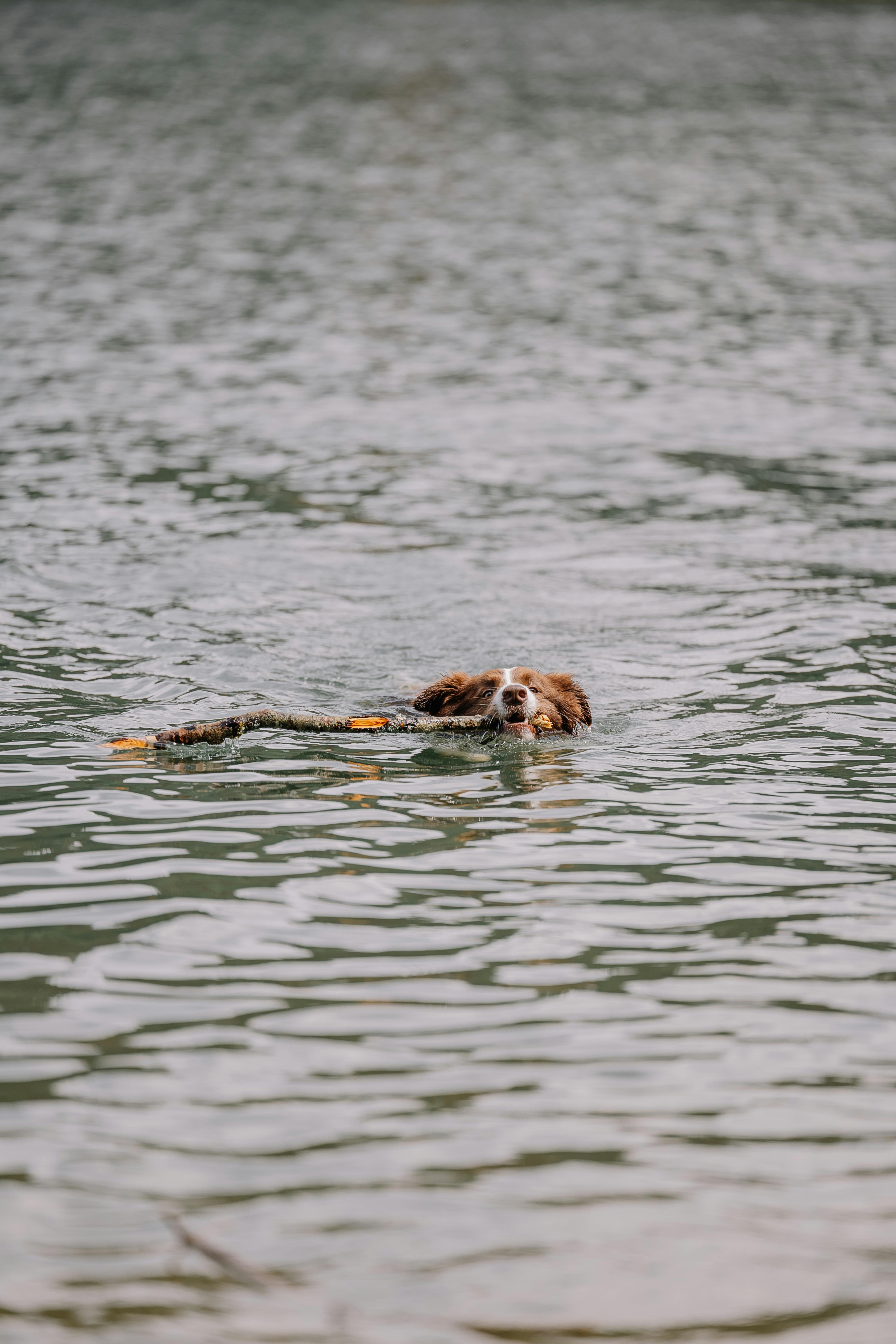 \n\n
\n\nWhen it comes to our furry friends, their noses often catch our attention. A dog's wet nose can be a delightful sight, but have you ever thought about why do dogs have wet noses? It turns out, there's more to it than just being cute. Hydration plays a key role in maintaining your dog's health, and a wet nose might signal a happy, healthy dog. Let's dive into the science behind it and discover some secret benefits of those moist snouts.
\nThe Science of a Wet Nose
\nDogs’ noses are not only cute; they serve important functions. A wet nose is primarily a result of the moisture that comes from the mucous membranes in their noses. This moisture helps in several ways:
\n- \n
- Cooling Mechanism: Dogs don’t sweat like humans do. Instead, they cool themselves through panting and the moisture on their noses. When the air evaporates from their wet noses, it helps to regulate their body temperature. \n
- Enhanced Sense of Smell: The moisture on a dog's nose helps to capture scent particles from the air. This enhances their ability to smell, which is why dogs are so good at tracking scents. \n
- Health Indicator: A healthy dog usually has a moist, cool nose. If the nose is dry or cracked, it may indicate dehydration or illness. \n
Why Hydration Matters
\nJust like humans, dogs need to stay hydrated to remain healthy. Hydration has a direct correlation with a dog's overall well-being. Here’s a quick breakdown of why hydration is important for dogs:
\n- \n
- Digestion: Water helps in digesting food and absorbing nutrients. \n
- Joint Lubrication: Adequate hydration keeps their joints lubricated, preventing stiffness and pain. \n
- Temperature Regulation: A well-hydrated dog is better at regulating its body temperature. \n
- Skin and Coat Health: Proper hydration leads to healthy skin and a shiny coat. \n
Common Myths about Dog Noses
\nThere are several myths surrounding dog noses and their moisture levels. Let’s look at a few:
\n- \n
- Myth 1: A wet nose means a dog is sick. This is not necessarily true. While a dog’s nose can be dry when they are ill, many healthy dogs have dry noses too. \n
- Myth 2: All dog noses should be wet. Different breeds can have varying nose moisture levels. So, it’s not one-size-fits-all. \n
- Myth 3: Dogs only use their noses for smelling. They also use their noses for social interactions and communication. \n
How to Keep Your Dog Hydrated
\nEnsuring that your dog stays hydrated is vital, especially during the hot summer months or if they are active. Here are some practical tips:
\n- \n
- Fresh Water: Always provide fresh, clean water. Change it daily to encourage drinking. \n
- Hydration Aids: Some dog owners use ice cubes or frozen treats to entice their dogs to drink more. \n
- Monitor Water Intake: Keep an eye on how much water your dog drinks daily. If it seems less than usual, consult a vet. \n
- Wet Food: Incorporate wet dog food into their diet, which can help with hydration. \n
The Benefits of a Wet Nose
\nLet’s recap some of the secret benefits of a wet nose:
\n- \n
- Better Scent Detection: A wet nose is a more efficient scent detector, helping dogs to explore their environment fully. \n
- Thermoregulation: Moisture helps dogs regulate their body temperature, keeping them cool and comfortable. \n
- Health Indicator: A moist nose can indicate that your dog is well-hydrated and healthy. \n
What to Watch For
\nWhile a wet nose is generally a sign of a healthy dog, keep an eye out for changes. Here’s what to watch for:
\n- \n
- A suddenly dry or cracked nose \n
- Excessive dryness paired with other symptoms like lethargy or loss of appetite \n
- Discharge or unusual smells from the nose \n
- Changes in behavior, like increased thirst or excessive panting \n
If you notice any concerning symptoms, it’s always a good idea to consult with your vet. They can provide guidance and determine if there's underlying health issue.
\nIn the end, a wet nose can mean a lot more than just a happy pup. It's a sign of hydration and health, essential for your furry friend's quality of life. Understanding the role of hydration and the science behind why dogs have wet noses can help you take better care of your beloved pet. So, the next time you see that glistening snout, know that it’s not just adorable—it’s also a sign of good health!
\n\nWet Nose vs. Dry Nose: What Your Dog’s Snout Says About Their Well-Being
\n\n\n\nWhen you look at your dog, you probably notice many things. Their wagging tail, playful demeanor, and those big eyes. But have you ever thought about their nose? Wet Nose vs. Dry Nose: What Your Dog’s Snout Says About Their Well-Being is more than just a quirky title. Understanding your dog's snout can give you valuable insights into their health and happiness. So, why do dogs have wet noses anyway? Let’s dive into this fascinating topic and discover the secret benefits of a wet nose.
\nThe Science Behind Wet Noses
\nDogs' noses are wet for several reasons, which relates to biology and behavior. The moisture on a dog’s nose helps them in various ways:
\n- \n
- \n
Enhanced Sense of Smell: The wetness helps to capture scent particles, making it easier for dogs to detect smells. A dog’s sense of smell is 10,000 to 100,000 times more sensitive than humans. This means that a wet nose is actually a tool for survival and exploration.
\n \n - \n
Temperature Regulation: Dogs don’t sweat like humans do. Instead, they cool down through panting and the moisture on their noses. So, a wet nose can indicate that a dog is trying to regulate their body temperature.
\n \n - \n
Health Indicator: A wet nose is often seen as a sign of good health. It can suggest that the dog is hydrated and not running a fever. However, this isn’t always the case, and there are exceptions.
\n \n
Why Do Dogs Have Dry Noses?
\nOn the other hand, a dry nose doesn’t automatically mean something is wrong. There are many factors that can cause a dog's nose to dry out:
\n- \n
- \n
Weather Conditions: Hot, dry weather can lead to a dry nose. Dogs that spend a lot of time outdoors in the sun may experience this more frequently.
\n \n - \n
Dehydration: If a dog isn’t drinking enough water, their nose might become dry. Monitoring their water intake can be crucial, especially in hot weather.
\n \n - \n
Illness: Sometimes, a dry nose can be a sign of underlying health issues. If it persists or is accompanied by other symptoms, it's best to consult a veterinarian.
\n \n
Comparing Wet and Dry Noses
\nHere’s a quick comparison to help you understand the differences between wet and dry noses in dogs:
\n| Feature | \nWet Nose | \nDry Nose | \n
|---|---|---|
| Smell Ability | \nEnhanced scent detection | \nNormal, but less effective | \n
| Temperature | \nHelps cool down | \nMay indicate overheating | \n
| Health Indicator | \nGenerally a sign of good health | \nCan indicate dehydration or illness | \n
| Weather Impact | \nLess affected by weather conditions | \nMore likely to dry out in heat | \n
Common Misconceptions
\nThere’s a lot of myth surrounding dogs’ noses. Here are some common misconceptions:
\n- \n
- \n
Wet Nose = Healthy Dog: While a wet nose can be a sign of good health, it’s not a definitive measure. Some healthy dogs might have a dry nose and vice versa.
\n \n - \n
Dogs Don’t Sweat: Many people think dogs don't sweat at all. While it’s true that they primarily rely on panting, they do have sweat glands in their paw pads, but it’s not enough for temperature regulation.
\n \n - \n
Nose Color Doesn’t Matter: The color of a dog’s nose can vary widely from breed to breed. It doesn’t necessarily correlate to their health or well-being.
\n \n
What to Watch For
\nIf you're concerned about your dog’s nose, here are some signs to keep an eye on:
\n- \n
- \n
Cracked or Bleeding Nose: This could indicate dehydration or a more serious condition.
\n \n - \n
Persistent Dryness: If your dog's nose stays dry for an extended period, it may be time to consult a veterinarian.
\n \n - \n
Change in Color: A sudden change in the color of the nose could be a sign of health issues.
\n \n
Practical Tips for Nose Care
\nCaring for your dog's nose can help maintain their overall health. Here are some practical tips:
\n- \n
- \n
Keep Hydrated: Always ensure your dog has access to fresh water, especially during hot days.
\n \n - \n
Avoid Excessive Sun Exposure: If your dog is in the sun, consider using a dog-safe sunscreen on their nose to prevent burns.
\n \n - \n
Regular Vet Check-Ups: Routine check-ups can help catch potential health issues before they become serious.
\n \n
Understanding your dog's nose is part of understanding their overall health and well-being. The wetness or dryness of their snout can offer clues about their hydration, temperature regulation, and even potential health problems. So next time you pet your furry friend, take a moment to check their nose. You might just learn something important about how they feel!
\n\nCurious Canines: Why Do Some Dog Breeds Have Wetter Noses Than Others?
\n\n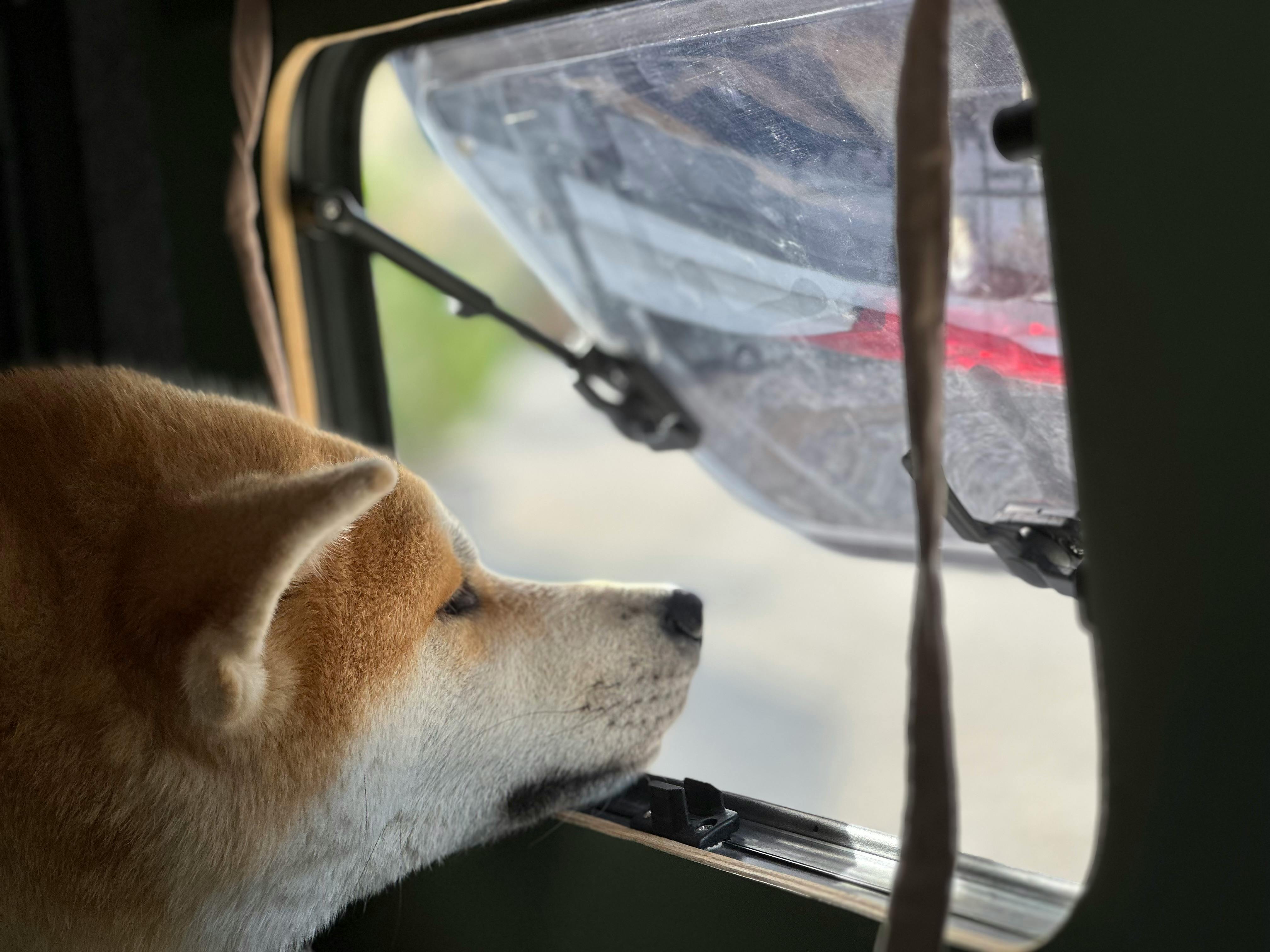 \n\n
\n\nCurious Canines: Why Do Some Dog Breeds Have Wetter Noses Than Others?
\nEver wondered why dogs have those cute, wet noses? Well, it turns out there's more to it than just being adorable. The moisture on a dog's nose serves multiple functions, and different breeds exhibit varying levels of wetness. Let's dive into the world of canine noses and explore why they are so uniquely designed.
\nThe Science Behind Wet Noses
\nA dog's nose is not just a cute feature, its a sophisticated tool for survival. The wetness of a dog's nose comes from mucous glands that secrete moisture. This moisture helps to enhance the dog's sense of smell. Here are some fascinating facts:
\n- \n
- Dogs have around 220 million scent receptors, compared to humans’ mere 5 million. \n
- The wet nose helps to capture scent particles, making it easier for dogs to identify smells in their environment. \n
- When the nose is wet, it cools the air as the dog breathes, which can help regulate their body temperature. \n
Why Do Dogs Have Wet Noses?
\nThe primary reason why dogs have wet noses is for their sense of smell. But it don’t stop there. Here are some secret benefits of having that wet nose:
\n- \n
- Scent Detection: A wet nose can better absorb odor molecules, enhancing a dog’s ability to sniff out things. \n
- Body Temperature Regulation: Dogs can’t sweat like humans, so wet noses play a role in helping them cool down. \n
- Health Indicator: A dog's nose can be an indicator of their health. A dry or cracked nose might signal dehydration or illness. \n
- Communication: Dogs use their noses for social interactions. They greet each other by sniffing, which is a way to gather information about the other dog. \n
Breed Variations: Why Some Noses are Wetter Than Others
\nNot all dogs are created equal when it comes to nose moisture. Some breeds naturally have wetter noses than others. Here's a quick look at breeds known for their particularly wet noses:
\n- \n
- Labrador Retrievers: They are famous for their friendly demeanor, and their noses are often quite moist. \n
- Bloodhounds: Known for their incredible sense of smell, their wet noses help them track scents over long distances. \n
- Boxers: These playful pups often have a good amount of moisture on their noses, contributing to their keen sense of smell. \n
On the flip side, some breeds like the Bulldog or Pug have shorter noses, which can lead to different moisture levels. Their unique facial structures might limit the amount of moisture that can be maintained.
\nWet Nose vs. Dry Nose: What’s Normal?
\nIt’s crucial to know what’s considered normal for your dog. Generally, a healthy dog’s nose can be wet or dry, but here are some points to consider:
\n- \n
- Wet Nose: Generally indicates a happy, healthy dog. However, excessive wetness could indicate an allergy or infection. \n
- Dry Nose: This can be normal, especially right after waking up. But if a dog’s nose remains dry for a long period of time, it could signal dehydration or illness. \n
Fun Facts About Dog Noses
\n- \n
- Dogs have unique nose prints, much like human fingerprints. Each dog's nose is different! \n
- The temperature of a dog’s nose can change depending on their activity level. After playtime, it might feel warmer and drier. \n
- Some dogs have a condition called nasal hyperkeratosis where their noses can become dry and cracked. \n
Caring for Your Dog's Nose
\nMaintaining a healthy nose is important for your pup. Here are some tips to keep it in good shape:
\n- \n
- Hydration: Ensure your dog has constant access to fresh water to prevent dehydration. \n
- Regular Vet Check-ups: Routine exams can help catch any potential issues early. \n
- Avoid Harsh Chemicals: If you use products around your home, make sure they are safe for pets, as some can irritate a dog’s nose. \n
In the end, those wet noses are not just for show; they serve essential purposes for our furry friends. Understanding why some dog breeds have wetter noses than others can enrich our relationship with them. So, the next time you give your dog a pat on the head and feel that cool, moist nose, remember that it's not just a charming feature, but a marvel of nature that helps them navigate their world.
\n\n7 Fascinating Facts About Dog Noses: Uncovering the Mystery of Wetness
\n\n \n\n
\n\nDogs are truly remarkable creatures, and one of the most fascinating things about them is their noses. If you ever wondered why do dogs have wet noses, there's a whole lot more to it than just their appearance. This article will uncover seven intriguing facts about dog noses, exploring the reasons behind their moistness and the benefits it provides.
\n1. The Wetness: A Thermoregulation Tool
\nDog noses are often wet, and this isn’t just for show. The moisture helps regulate their body temperature. Unlike humans who sweat to cool down, dogs do not sweat through their skin. Instead, they rely on their noses to dissipate heat. When a dog pants, the moisture from their nose evaporates, which helps keep them cool.
\n2. Enhanced Sense of Smell
\nA wet nose helps enhance a dog’s sense of smell. The moisture on the surface of their nose captures scent particles from the air, which are then absorbed by special scent receptors. In fact, dogs have up to 300 million olfactory receptors in their noses, compared to humans, who only have about 5 million. This means dogs can smell things that are thousands of times more faint than we can.
\n3. Unique Nose Prints
\nJust like human fingerprints, every dog has a unique nose print. The patterns of ridges and creases on a dog’s nose can be used to identify them, and some organizations even use this method for pet identification. It’s an interesting fact that dogs have been recognized by their nose prints since the 1930s.
\n4. Natural Moisturizer
\nThe moisture on a dog’s nose serves as a natural moisturizer. It helps to keep the skin on their nose from drying out and cracking. This is particularly important in dry climates or during winter months when the air can be much drier. A healthy, moist nose often indicates a healthy dog, while a dry nose can sometimes signal health issues.
\n5. Sign of Emotion
\nDogs express their emotions in various ways, and their noses can give clues about how they’re feeling. When a dog is relaxed or happy, their nose tends to be moist. However, if a dog is stressed or anxious, their nose may become dry. Observing your dog's nose can provide insight into their emotional state, which is pretty fascinating.
\n6. Health Indicator
\nVeterinarians often examine a dog’s nose as part of a health check. A sudden change from wet to dry, or any unusual discharge, can be a sign of health problems. Conditions like fever, dehydration, or even allergies can be indicated by changes in the moisture level of a dog’s nose. Regular monitoring can help pet owners catch potential health issues early.
\n7. Nose as a Tool for Communication
\nDogs use their noses for more than just smelling; they also use them to communicate. When dogs greet each other, they often sniff each other’s noses. This behavior is part of their social interaction and helps them gather information about other dogs, including their health, diet, and emotional state. It’s like a handshake, but for dogs!
\nSummary of Dog Nose Facts
\nHere’s a quick summary of the fascinating facts about dog noses:
\n- \n
- Thermoregulation: Helps cool down through moisture evaporation. \n
- Enhanced Smell: Moisture captures scent particles for better olfactory detection. \n
- Unique Identification: Every dog has a unique nose print. \n
- Natural Moisturizer: Keeps the nose skin hydrated and healthy. \n
- Emotional Indicator: Wetness can show happiness; dryness can indicate stress. \n
- Health Indicator: Changes in moisture can reveal health issues. \n
- Communication Tool: Dogs use their noses to greet and gather information. \n
Fun Comparisons
\nDogs’ noses are amazing when compared to human noses. While we rely on our sense of smell less than dogs do, we have other ways of interpreting the world. Dogs, with their wet noses, are like living scent detectors, using their unique anatomy to navigate and understand their environment in ways we can only imagine.
\nThe next time you pet a dog and feel that wet nose, remember all the incredible functions it serves. From helping them to cool off to acting as a communication tool, the dog nose is a marvel of nature. It’s not just a cute feature; it’s a vital part of what makes dogs the amazing companions they are. Whether you’re a proud dog owner or just an admirer of these furry friends, the mystery of wet noses is just one of many reasons to appreciate our canine companions.
\n\nDo Dogs Sweat Through Their Noses? Busting Myths About Wet Dog Noses
\n\n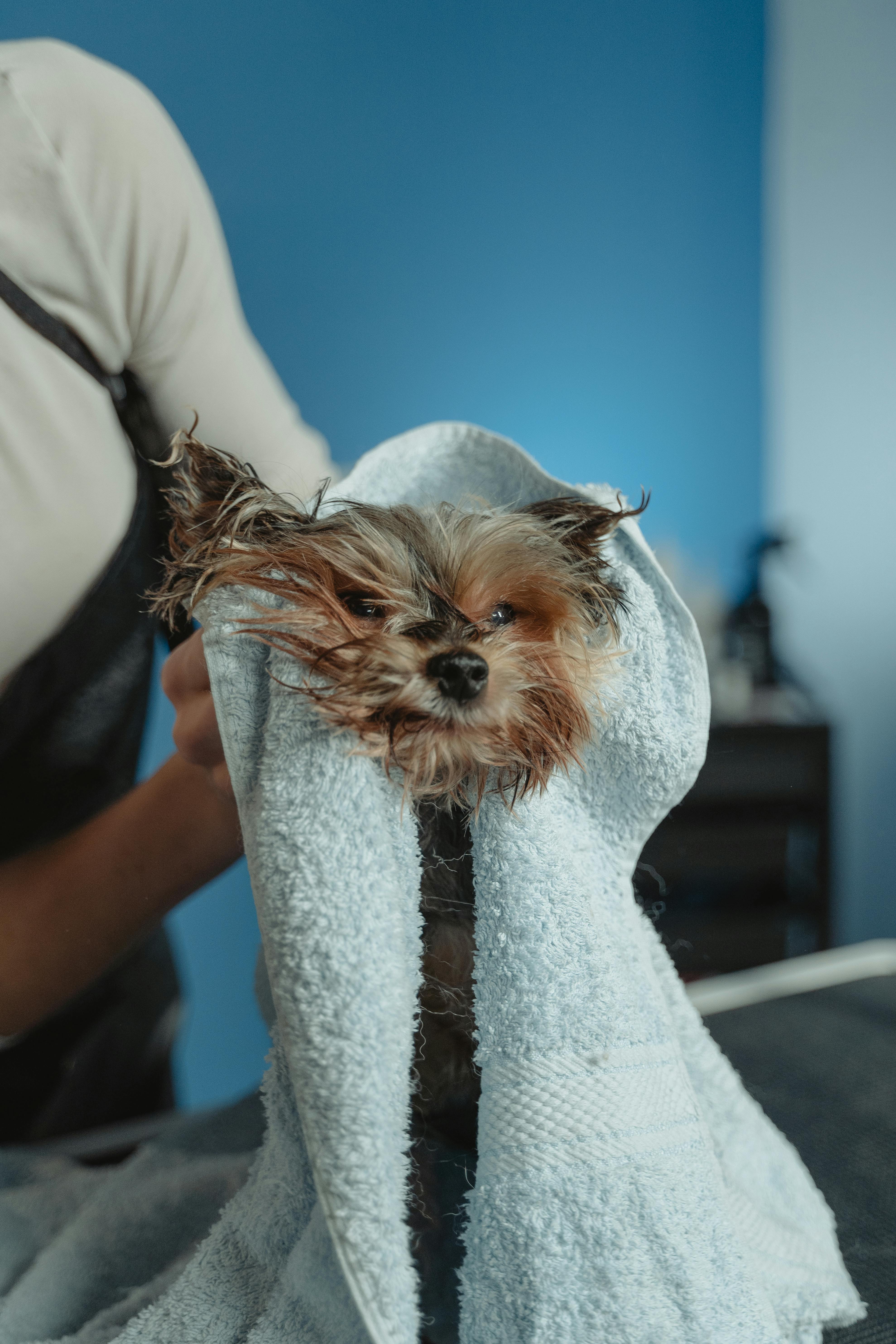 \n\n
\n\nHave you ever looked at your dog and noticed their nose is all wet? It’s a common sight for dog owners, but does it mean something? Many people think that dogs sweat through their noses, but that’s not quite right. So, let's dive into the wet nose mystery and explore why do dogs have wet noses.
\nDo Dogs Sweat Through Their Noses?
\nFirst things first, dogs do not sweat like humans do. Humans have sweat glands all over their bodies that help to cool them down. Dogs, however, have a different way of regulating their body temperature. Their primary method of cooling off is through panting, not sweating. So, if you thought your furry friend was sweating through their noses, think again!
\nInstead of sweating, a dog's nose remains moist thanks to a combination of environmental factors and their own body processes. The wetness on their noses can be attributed to a few things:
\n- \n
- Saliva: Dogs often lick their noses, which helps keep them moist. \n
- Environmental moisture: Humidity or water can contribute too. \n
- Nasal secretions: Dogs naturally produce mucus that can add to the wetness. \n
Why Do Dogs Have Wet Noses?
\nThere are several reasons behind a dog's wet nose. Each of these reasons has its own benefits.
\n- \n
- \n
Enhanced Sense of Smell: A wet nose helps to capture scent particles from the air. The moisture makes it easier for scent molecules to bind, allowing dogs to smell better. Dogs have a highly developed sense of smell, and their wet noses play a crucial role in this.
\n \n - \n
Thermoregulation: While dogs primarily cool themselves by panting, a moist nose can also help with temperature regulation. It can help dogs stay cool in hot weather, even if it’s not their main cooling method.
\n \n - \n
Health Indicator: A healthy dog typically has a moist nose. If a dog’s nose is excessively dry or cracked, it might be a sign of dehydration or illness. However, not every change means something serious, and it’s important to consider other symptoms.
\n \n - \n
Social Interactions: Dogs use their noses to communicate. A wet nose can indicate they are friendly and approachable. It's part of how dogs interact with each other and with humans.
\n \n
Busting Myths About Wet Dog Noses
\nThere’s a lot of misinformation floating around about dog noses. Here are some common myths and the truths behind them:
\n- \n
- \n
Myth: All dogs have the same type of nose.
\n- \n
- Fact: Different breeds have different nose shapes and sizes. Some may be wet, while others may be drier due to breed characteristics. \n
\n - \n
Myth: A warm nose means a dog is sick.
\n- \n
- Fact: A dog’s nose temperature can vary throughout the day. It’s not a reliable indicator of health. \n
\n - \n
Myth: Wet noses are a sign of happiness.
\n- \n
- Fact: A wet nose isn’t always linked to a dog’s mood. It can just be a natural state of their nose. \n
\n
Benefits of a Wet Nose
\nHaving a wet nose does come with some serious benefits for dogs. Here’s a quick list of advantages:
\n- \n
- \n
Better Scent Detection: Wet noses are better at trapping scents, which is essential for their hunting instincts.
\n \n - \n
Cooling Effects: The moisture helps them in staying cool during hot days, even if it’s not their main mechanism of cooling.
\n \n - \n
Health Monitoring: A wet nose can be a good sign of hydration and overall health.
\n \n - \n
Social Signals: It helps them communicate with other dogs and humans, promoting bonding and interaction.
\n \n
Practical Examples of Nose Care
\nWhile having a wet nose is a sign of a healthy dog, it’s still important to take care of your dog’s nose. Here’s how you can maintain your dog’s nose health:
\n- \n
- \n
Regular Hydration: Ensure your dog has access to fresh water at all times.
\n \n - \n
Outdoor Care: Limit exposure to extreme weather conditions. Cold or dry air can irritate their noses.
\n \n - \n
Regular Vet Check-ups: Monitor any changes in your dog's nose and consult a vet if you see something concerning.
\n \n - \n
Avoid Irritants: Keep your dog away from smoke, chemicals, or strong scents that might irritate their sensitive noses.
\n \n
In summary, the next time you notice your dog’s wet nose, remember it’s not sweat but rather a fascinating aspect of their biology. Dogs have adapted their noses for a variety of reasons that benefit them and enhance their interaction with the world around them. Knowing the facts helps pet owners appreciate these wonderful creatures even more!
\n\nFrom Cooling Mechanism to Communication Tool: The Secret Life of Wet Dog Noses
\n\n\n\nDogs are known for many charming features, but one of the most fascinating aspects is their wet noses. You might have wondered, why do dogs have wet noses? It’s not just for show, and there’re some interesting benefits that come along with this unique trait. This article delves into the secret life of wet dog noses, exploring their cooling mechanisms, communication functions, and even some historical context.
\nThe Science Behind Wet Noses
\nWet dog noses serve a variety of purposes, and understanding the science can be pretty intriguing. The moisture on a dog’s nose plays an important role in their sense of smell. When they sniff around, the wet surface helps capture scent particles better than a dry nose would.
\n- \n
- Enhanced Smell: A moist nose can trap airborne particles, which helps dogs to smell things much more effectively. \n
- Cooling Mechanism: Just like sweating for humans, dogs can regulate their body temperature through their noses. When a dog pants, moisture evaporates from their nose, which cools them down. \n
- Health Indicator: A dog’s nose can signal their health. A warm, dry nose might indicate illness, while a cool, wet nose is generally a sign of a healthy pup. \n
Historical Context of Dog Noses
\nDogs have evolved alongside humans for thousands of years. The wet nose trait is believed to have developed as a survival mechanism. Early dogs relied on their keen sense of smell for hunting and tracking prey.
\n- \n
- Domestication: The bond between humans and dogs dates back nearly 15,000 years, and those early canines probably had wet noses just like our furry friends today. \n
- Breeds and Noses: Different breeds have different nose shapes and sizes, but they all seem to retain that wetness. For example, hound breeds have longer noses, which allows for better scent detection than shorter-nosed breeds. \n
Communication Tool
\nDogs also use their noses to communicate. When they meet another dog, they often sniff each other’s noses as a way of gathering information about one another. This social behavior allows dogs to learn about the other dog’s health, mood, and even diet.
\n- \n
- Nose-to-Nose Greetings: When dogs greet one another, it’s not just about being friendly; it’s about gathering data. \n
- Scent Marking: Dogs have glands in their noses that secrete oils, and this can help them mark their territory or show their presence to other dogs. \n
Fun Facts About Dog Noses
\n- \n
- Unique Patterns: Just like human fingerprints, every dog’s nose print is unique. \n
- Canine Color Vision: Dogs see fewer colors than humans, so their noses play a vital role in helping them navigate the world. \n
- Nose Temperature: A dog’s nose can change temperature based on their environment or health status. \n
- Sensitive Equipment: Dogs have up to 300 million scent receptors in their noses, compared to about 5 million in humans! \n
Comparison Between Wet and Dry Noses
\nHere’s a quick comparison that shows the distinction between wet and dry noses in dogs:
\n| Wet Nose | \nDry Nose | \n
|---|---|
| More effective in scent detection | \nLess effective in scent detection | \n
| Helps cool the body | \nMay indicate dehydration or illness | \n
| Commonly associated with healthy dogs | \nCan signal health issues | \n
Practical Examples of Nose Use
\n- \n
- Hunting Dogs: Breeds like Bloodhounds and Beagles utilize their wet noses to track scents over long distances. \n
- Service Dogs: Dogs trained for search and rescue missions rely heavily on their sense of smell, and their wet noses help optimize this ability. \n
- Therapeutic Roles: Some therapy dogs use their noses to comfort people, showing that their nose has more than just a practical function in daily life. \n
It's clear that a dog’s wet nose is not just an adorable feature; it’s packed with evolutionary advantages that contribute to their fantastic abilities. They help dogs smell better, regulate their body temperature, and communicate with other dogs. So next time you see a dog with a wet nose, remember that it's much more than just a cute quirk. The wet nose of a dog is a remarkable tool that has a rich history and is essential for their well-being.
\n\nConclusion
\n\nIn conclusion, the wet noses of dogs serve multiple important functions that contribute to their overall health and behavior. The moisture helps enhance their sense of smell, allowing them to detect scents more effectively, which is crucial for their communication and navigation in the world. Additionally, a wet nose plays a role in thermoregulation, helping dogs cool down while they explore their environment. It's fascinating to note that the moisture comes from a combination of mucus and saliva, which keeps the surface of their noses moist, aiding in scent absorption. Understanding these aspects can deepen our appreciation for our canine companions. So, the next time you greet your furry friend, take a moment to admire their unique wet nose and consider how it plays a vital role in their life. Share your thoughts and experiences with your pet, and let’s celebrate the wonderful traits that make dogs so special!
\n\n