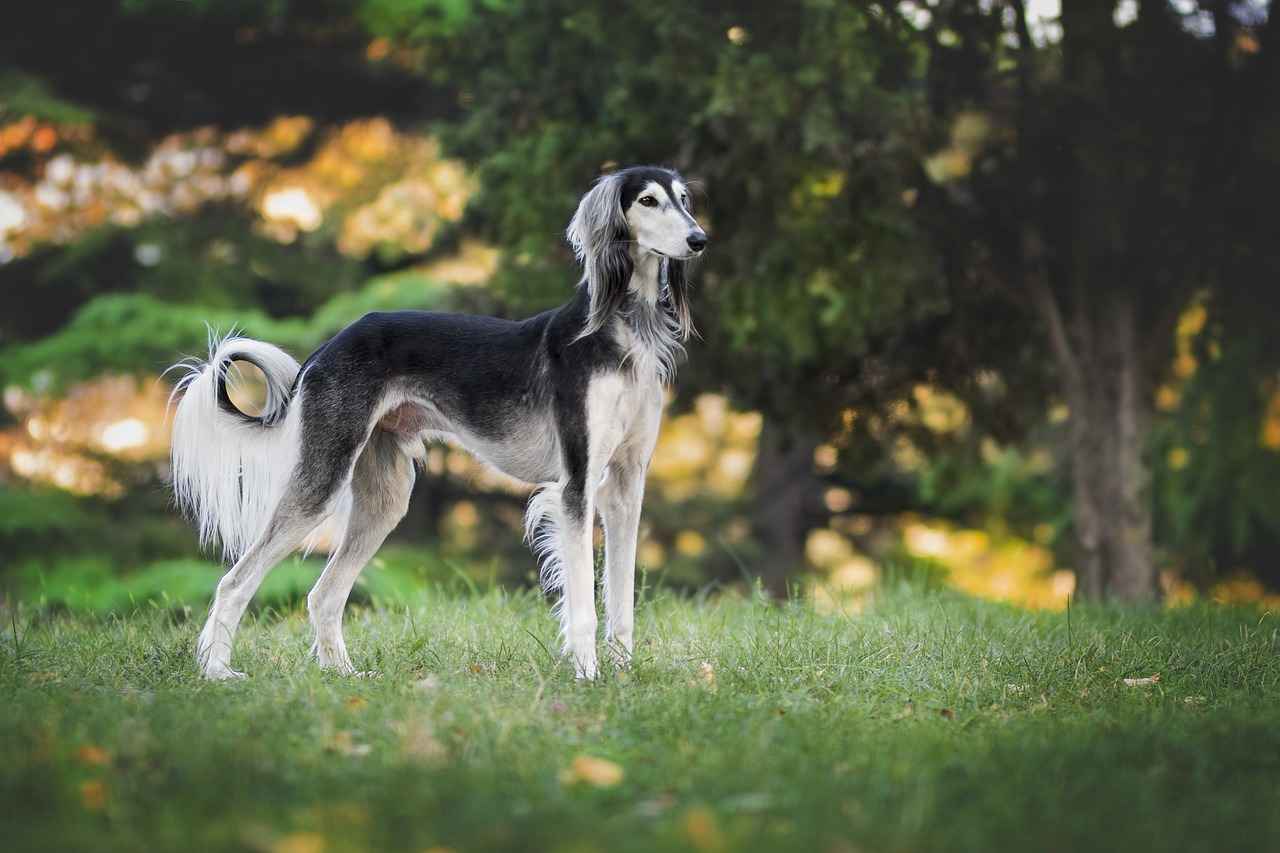
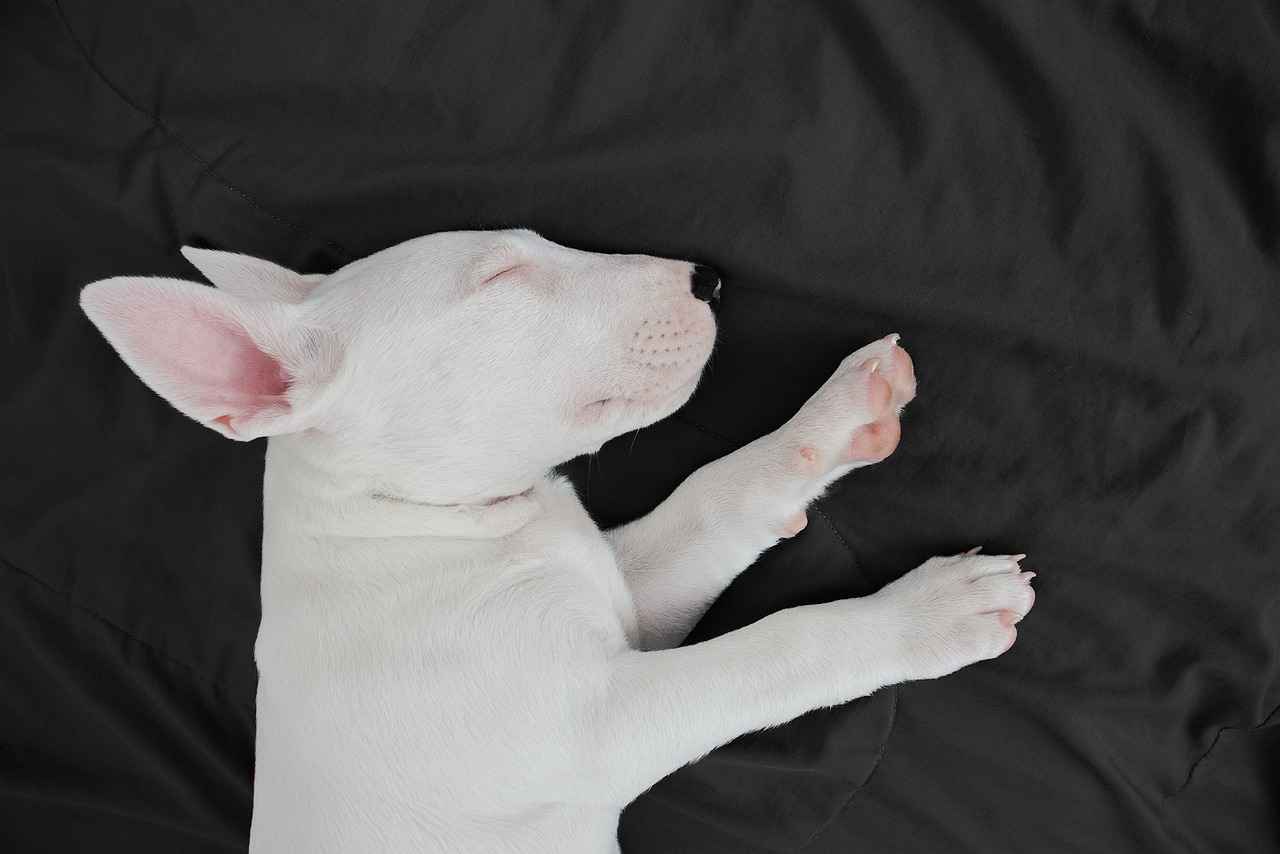
Have you ever wondered why do dogs have wet noses? This fascinating characteristic isn't just adorable; it serves several important purposes for our furry friends. Dogs' noses are not only their primary tool for exploring the world, but they also enhance their sense of smell—one of their most powerful senses! But why is it that a dog’s nose is wet? This intriguing question is on the minds of many dog owners and animal lovers alike. Wet noses help to cool down dogs and keep them more sensitive to smells, allowing them to detect scents that are undetectable to humans. Additionally, a wet nose can indicate a dog’s overall health, with some pet owners curious about what a dry nose might mean. As we dive deep into the science behind this fascinating fact, we’ll explore the reasons behind a dog’s wet nose and why it matters. So, if you've ever asked yourself, “Why do dogs have wet noses?” or wondered how this feature benefits your pet, keep reading! You’re in for a treat that will deepen your understanding of your canine companion!
\n\nThe Science Behind Why Dogs Have Wet Noses: Unveiling the Mystery
\n\n \n\n
\n\nHave you ever wondered why do dogs have wet noses? It's a common question among pet owners and animal lovers alike. The moistness of a dog's nose is more than just an adorable trait; it's a fascinating aspect of their biology. So let's dig into the science and uncover the mystery behind this wet-nosed phenomenon.
\nThe Anatomy of a Dog’s Nose
\nDogs noses are not just for show. They are highly specialized organs that play a significant role in a dog’s ability to interact with their environment. Here are some key points about a dog's nose:
\n- \n
- \n
Nasal Structure: A dog's nose contains a complex network of scent receptors. In fact, they have about 300 million olfactory receptors, compared to a human's mere 5 million. This is why dogs are often used in search and rescue operations or sniffing out drugs.
\n \n - \n
Moisture Production: The wetness of a dog's nose can be attributed to the secretion of a thin layer of mucus. This mucus helps to capture scent particles, enhancing their sense of smell. It’s like a natural perfume that allows dogs to smell even better.
\n \n - \n
Temperature Regulation: Dogs don’t sweat like humans do. Instead, they rely on their noses to help regulate body temperature. A wet nose is cooler, which can help dogs stay cool in hot weather.
\n \n
Why Do Dogs Have Wet Noses? The Science Behind It
\nSo why do dogs have wet noses? It’s a combination of biological and evolutionary factors. Let's break it down:
\n- \n
- \n
Enhanced Sense of Smell: The moisture on a dog's nose helps to absorb scent molecules. This allows them to detect odors more effectively. When the nose is wet, it can pick up scents better than a dry nose.
\n \n - \n
Health Indicator: A dog's nose can also serve as an indicator of their health. A healthy dog typically has a moist nose, while a dry, cracked nose may indicate dehydration or illness.
\n \n - \n
Social Interaction: Dogs use their noses to communicate with each other. A wet nose can convey friendliness and openness to other dogs. It’s like a handshake in the canine world, inviting interaction and connection.
\n \n
Fun Facts About Dog Noses
\nHere are some interesting facts about dog noses that will amaze you:
\n- \n
- \n
Unique Patterns: Just like human fingerprints, every dog has a unique nose print. It can be used to identify them, much like a thumbprint for humans.
\n \n - \n
Temperature Sensitivity: Dogs can sense changes in temperature through their noses. They can detect heat signatures from living beings, which is why they can find you even if you try to hide!
\n \n - \n
Physiological Adaptation: The reason why dogs have wet noses is also tied to their ancestors. Wild canines relied on their sense of smell for hunting and survival. The moist nose is a remnant of these evolutionary needs.
\n \n
Practical Tips for Dog Owners
\nAs a dog owner, understanding the significance of your pet's nose can help you monitor their health better. Here are some practical tips:
\n- \n
- \n
Regular Checks: Keep an eye on the condition of your dog’s nose. A sudden change from wet to dry could indicate a health issue.
\n \n - \n
Hydration: Ensure your dog stays hydrated, especially during hot weather. A well-hydrated dog is more likely to have a moist nose.
\n \n - \n
Veterinary Visits: If you notice persistent dryness or cracks in your dog’s nose, it’s best to consult your veterinarian. They can rule out any underlying health problems.
\n \n
Dogs vs. Cats: A Comparative Look
\nDogs and cats have different nose characteristics. Here’s a quick comparison:
\n- \n
- Dogs: Wet noses, highly developed sense of smell, social communicators. \n
- Cats: Dry noses, moderate sense of smell, more solitary hunters. \n
Both species have adapted their noses to fit their lifestyles, but dogs have evolved to rely more heavily on scent than cats.
\nUnderstanding why do dogs have wet noses not only satisfies our curiosity but also helps us appreciate these incredible animals even more. The moistness of a dog's nose is a blend of biology, evolution, and social interaction. It’s an essential part of what makes dogs unique companions. So the next time you give your furry friend a scratch behind the ears, take a moment to admire that wet nose and all the wonders it represents!
\n\n5 Fascinating Reasons Your Dog’s Nose is Always Moist: Discover the Secrets
\n\n \n\n
\n\nDogs have this unique characteristic that always makes us wonder: why do dogs have wet noses? If you ever looked at your furry friend and noticed their nose is always moist, you’re not alone. It’s one of those fascinating traits that many pet owners ponder over. Below, we explore five captivating reasons behind this curious phenomenon.
\n1. Temperature Regulation
\nOne of the most intriguing reasons for a dog's wet nose is temperature regulation. Dogs don’t sweat like humans do. Instead, they primarily cool themselves through panting and the moisture on their noses. The wetness helps in cooling down their body temperature. When they breathe, the moisture on their nose evaporates, which in turn brings down their overall heat. So, if you notice your pup's nose getting damp, it might be their way of keeping cool on a hot day!
\n2. Enhanced Sense of Smell
\nDogs are known for their incredible sense of smell—it's part of what makes them such great companions and working animals. The moisture on their noses actually enhances their olfactory abilities. When a dog’s nose is wet, it helps to trap scent particles in the air. This means that a moist nose can help them pick up on smells better than a dry one. It’s like having a supercharged radar for scents!
\n3. Natural Lubrication
\nJust like humans, dogs need to keep their noses hydrated. The moisture on a dog’s nose is not just for cooling or smelling; it also serves as natural lubrication. The wetness helps to keep their nasal passages functioning properly. A well-lubricated nose can help in filtering out dust and other particles, making sure that their breathing passages stay clear. This is particularly important for dogs who may have allergies or respiratory issues.
\n4. A Sign of Good Health
\nOften, a wet nose is considered a sign of a healthy dog. Vets frequently check the moisture of a dog's nose as part of their health assessments. A wet, cool nose usually indicates that a dog is hydrated and in good shape. However, if you notice that your dog’s nose is excessively dry or cracked, it could indicate health issues like dehydration, fever, or other underlying conditions. It’s always wise to consult a veterinarian if you see significant changes in your dog’s nose condition.
\n5. Social Interaction and Communication
\nDogs are social creatures, and their moist noses play a role in their interactions with other dogs and humans. A wet nose is often seen as friendly and inviting. Dogs use their noses to explore the world around them, and a moist nose can be a way for them to express themselves. When they greet you with a wet nose, it can be their way of saying, "Hey! I'm excited to see you!" The moisture can also transfer scents, helping them communicate with other dogs by picking up on each other’s scents through their noses.
\nFascinating Facts About Dog Noses
\n- \n
- Dogs have up to 300 million olfactory receptors in their noses, compared to about 6 million in humans. \n
- The shape and size of a dog’s nose can influence its sense of smell. Breeds like Bloodhounds have long noses that enhance their smelling capabilities. \n
- A dog's nose print is unique, much like a human fingerprint. It can be used for identification. \n
Quick Comparison: Dog Nose vs. Human Nose
\n| Feature | \nDog Nose | \nHuman Nose | \n
|---|---|---|
| Moisture Level | \nGenerally moist | \nGenerally dry | \n
| Olfactory Receptors | \n300 million | \n6 million | \n
| Functionality | \nSmell and cool | \nSmell and breathe | \n
| Communication | \nSocial interaction | \nLimited interaction | \n
Understanding why do dogs have wet noses opens up a window into their world, revealing how they interact with their environment. As a dog owner, it’s important to appreciate these little quirks, as they contribute to the well-being and happiness of your furry friend. Next time you see that wet nose, remember, it’s not just a cute feature—it’s packed with purpose, helping your dog navigate through life in their own unique way!
\n\nHow a Wet Nose Benefits Your Dog’s Health and Senses: Essential Insights
\n\n \n\n
\n\nDogs are often known for their playful nature and loyal companionship. But one thing that often catches our attention is their wet noses. Many pet owners find themselves wondering, "Why do dogs have wet noses?" It’s a fascinating fact that goes beyond just tidiness. The moisture on their noses carries significant benefits for their health and senses, and understanding this can help dog lovers provide better care for their furry friends.
\nThe Science Behind Wet Noses
\nThe wetness of a dog’s nose isn’t just random; it serves important purposes. A dog's nose is covered in a thin layer of mucus, which helps to absorb scent particles from the air. This process enhances their incredible sense of smell, which is estimated to be 10,000 to 100,000 times more sensitive than that of humans. Here are some key points about the science behind wet noses:
\n- \n
- Enhanced Olfactory Abilities: The moisture helps capture scent particles, making it easier for dogs to identify different smells. \n
- Temperature Regulation: A wet nose can help cool a dog’s body. Dogs do not sweat like humans do; instead, they rely on their noses to help regulate their body temperature. \n
- Health Indicator: A wet, cool nose is usually a sign of a healthy dog. In contrast, a dry or warm nose can sometimes indicate a health issue, although this is not a definitive measure. \n
Why Do Dogs Have Wet Noses?
\nSo, why do dogs have wet noses in the first place? The evolutionary aspect is quite interesting. Historically, dogs are descendants of wolves, which relied heavily on their sense of smell for hunting and survival. The wet nose evolved as a tool for enhancing this vital sense. Here’s a breakdown of some reasons:
\n- \n
- Hunting and Survival: Moist noses allow dogs to pick up scents from the environment, aiding in hunting and foraging. \n
- Communication: Dogs use their noses to communicate with each other and gather information about their environment, including the presence of other animals. \n
- Sense of Taste: The moisture on their noses can also enhance their sense of taste, making food more flavorful. \n
Fascinating Facts About Dog Noses
\nThere are a lot of fun and interesting facts about dog noses that every dog owner should know. Here’s a list of some that you might find intriguing:
\n- \n
- Unique Nose Prints: Just like fingerprints in humans, each dog has a unique nose print that can be used for identification. \n
- Color Variations: The color of a dog's nose can vary widely, from black to pink, and it can change with seasons or health. \n
- Temperature Sensitivity: Dogs can detect temperature changes through their noses, helping them to sense their surroundings more effectively. \n
How Wet Noses Affect Your Dog's Health
\nKeeping your dog’s nose healthy is crucial. Here are some practical tips to maintain that wet, healthy shine:
\n- \n
- Regular Hydration: Make sure your dog has access to fresh water at all times. Dehydration can lead to a dry nose. \n
- Proper Nutrition: A well-balanced diet supports overall health, including skin and nose health. \n
- Routine Vet Check-ups: Regular vet visits can help catch any underlying health issues that may affect your dog's nose. \n
Comparison of Wet vs. Dry Noses
\nHere’s a simple comparison to understand the implications of wet and dry noses in dogs:
\n| Feature | \nWet Nose | \nDry Nose | \n
|---|---|---|
| Health Indicator | \nGenerally healthy | \nMay indicate health issues | \n
| Olfactory Function | \nEnhanced smell detection | \nReduced smell detection | \n
| Temperature Regulation | \nHelps cool the body | \nLess effective for cooling | \n
| Hydration Indicators | \nTypically hydrated | \nMay signal dehydration | \n
Practical Examples of Nose Function
\nDogs use their noses in various practical ways. For example, service dogs utilize their sense of smell to detect medical conditions, such as low blood sugar or impending seizures. Search and rescue dogs rely on their keen noses to locate missing persons in disaster situations. These examples highlight the crucial role that a wet nose plays in a dog’s life.
\nUnderstanding the reasons why dogs have wet noses not only enlightens us about our furry companions but also emphasizes how these features contribute to their well-being. As a dog owner, recognizing the importance of a wet nose can help you take better care of your pet’s health and sensory experiences. So next time you see your dog with that wet nose, remember, it’s more than just an adorable feature — it’s a vital part of their overall health and senses.
\n\nIs Your Dog’s Nose Wet? Understanding the Importance of Canine Nose Moisture
\n\n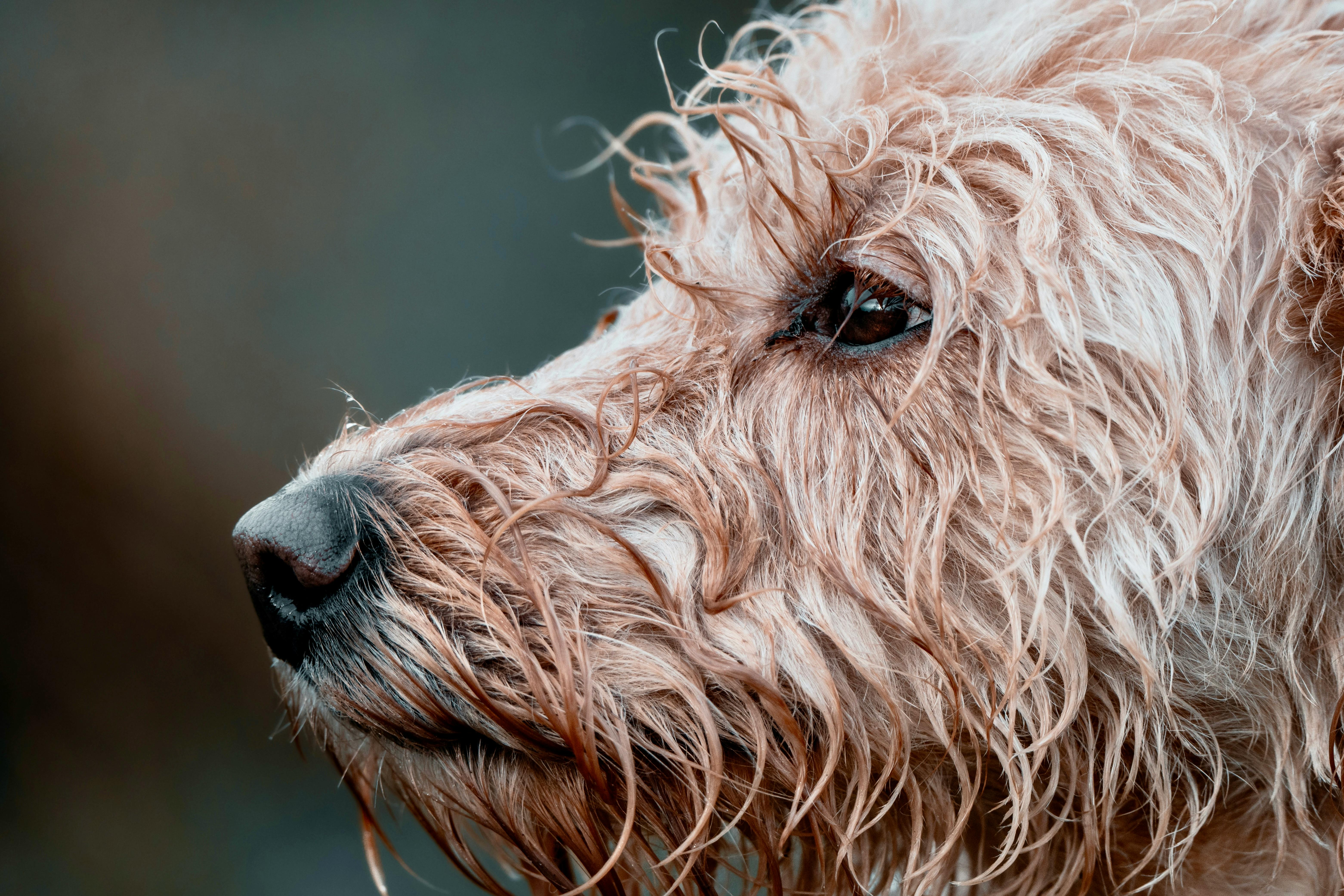 \n\n
\n\nIs your dog’s nose wet? This question often pops up among dog owners and lovers alike. Many people wonders about the significance of a wet nose in dogs and why it is considered a sign of health. Wet noses are one of those traits that make dogs so unique and interesting. So, let’s dive into this fascinating fact of canine biology!
\nWhy Do Dogs Have Wet Noses?
\nDogs have wet noses for several reasons, and understanding these can help you take better care of your furry friend. Here’s some of the main reasons:
\n- \n
- \n
Temperature Regulation: A dog’s nose helps them regulate their body temperature. When they lick their noses, it helps to cool down their body. This cooling effect is essential as dogs don’t sweat like humans do.
\n \n - \n
Enhanced Sense of Smell: Dogs have an incredible sense of smell, and a wet nose aids in this capability. The moisture on the nose helps to capture scent particles from the air, enhancing their ability to detect smells. This is why dogs are often used in search and rescue operations or in sniffing out drugs.
\n \n - \n
Communication: Dogs may use their noses as a way of communicating with other dogs. A wet nose can indicate a friendly demeanor, while a dry nose might signal discomfort or illness.
\n \n
The Science Behind a Dog's Nose
\nThe anatomy of a dog’s nose is really remarkable. The surface area of a dog’s nose contains a high number of olfactory receptors, which are responsible for their extraordinary sense of smell. Here’s a fun comparison:
\n- \n
- Humans: Approximately 5 million olfactory receptors. \n
- Dogs: Up to 300 million olfactory receptors. \n
This vast difference explains why dogs can detect scents that are undetectable to humans.
\nWhat Does a Wet Nose Mean for Your Dog's Health?
\nWhile a wet nose is typically seen as a sign of good health, it’s not an absolute indicator. Here’s what you should know:
\n- \n
- \n
Normal Wetness: A healthy dog usually has a moist nose. If your dog’s nose is consistently wet and cool, it’s generally a good sign.
\n \n - \n
Dry Nose: A dry nose can mean different things. It could be just temporary dryness due to weather changes, or it might signal dehydration or illness. If a dry nose is coupled with other symptoms like lethargy or lack of appetite, it’s wise to consult a veterinarian.
\n \n - \n
Nose Discoloration: Changes in color can also be important. If you notice any unusual changes in your dog’s nose color, it could indicate an allergy or skin condition.
\n \n
Fun Facts About Dog Noses
\nDid you know that each dog has a unique nose print, much like human fingerprints? Here are some more interesting facts:
\n- \n
- \n
Nasal Patterns: Just like fingerprints, no two dogs have the same nose print. This uniqueness has been used for identification purposes.
\n \n - \n
Scent Discrimination: A dog can differentiate between various scents and can even tell if something is fresh or stale. This is why they excel in tracking and detection work.
\n \n - \n
Sniffing Speed: Dogs can sniff about 20 times a second. This is why they seem to be constantly smelling everything around them.
\n \n
Factors Influencing Nose Wetness
\nSeveral factors can influence how wet your dog’s nose is. Some of these include:
\n- \n
- \n
Weather Conditions: Hot, dry weather can lead to a drier nose. Conversely, humid conditions can help keep their nose moist.
\n \n - \n
Health Status: As mentioned above, a dog’s general health can affect the moisture of their nose. Illness, dehydration, or fever can lead to dryness.
\n \n - \n
Age: Older dogs might experience changes in their nose moisture levels.
\n \n
Practical Tips for Nose Care
\nWhile you can’t change how your dog’s nose functions, you can support their overall health. Here’s a few tips:
\n- \n
- \n
Hydration: Always ensure your dog has access to fresh water. Proper hydration is key to maintaining a healthy nose.
\n \n - \n
Regular Vet Check-ups: Routine veterinary visits can help catch any potential health issues early.
\n \n - \n
Nose Balm: If your dog’s nose appears dry, consider using a vet-recommended nose balm to soothe and moisturize it.
\n \n
Understanding why do dogs have wet noses can enhance your relationship with your furry best friend. By recognizing the signs of good health and being alert to any changes, you can ensure your dog stays happy and healthy. So, the next time you notice your dog's moist nose, remember it’s not just an adorable trait; it’s a vital part of their well-being!
\n\nWhy Do Dogs Have Wet Noses? Exploring the Biology and Benefits
\n\n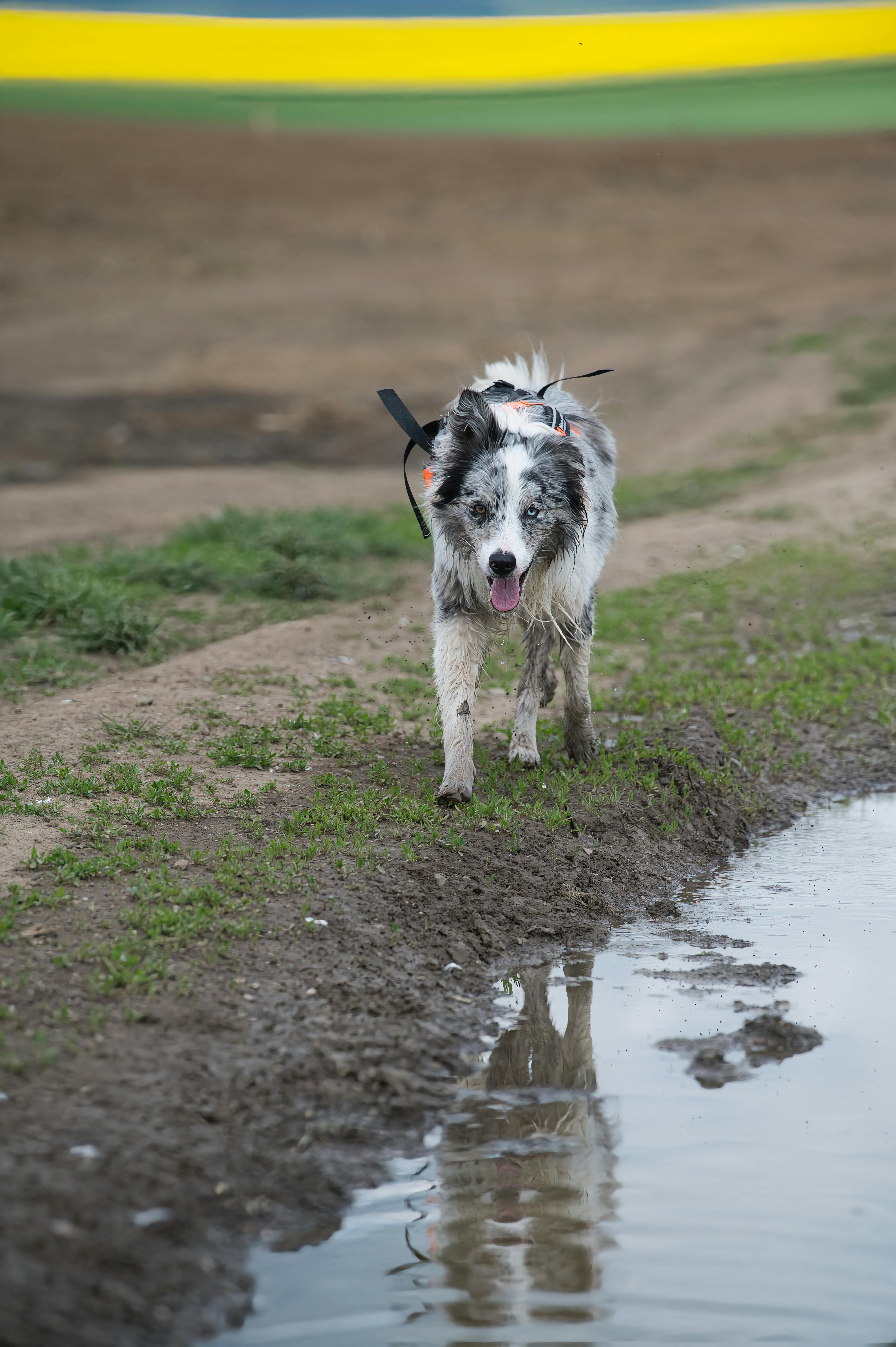 \n\n
\n\nDogs are some of the most beloved pets in the world, and many people often wonder about their unique features. One of the most fascinating traits about dogs is their wet noses. So, why do dogs have wet noses? It’s not just a cute quirk but plays a significant role in their biology and health. This article will explore the reasons behind this common canine characteristic and highlight the benefits of a wet nose.
\nThe Biology of a Dog’s Nose
\nA dog's nose is much more than just an adorable feature. It's a complex organ that serves various functions. The wetness you notice is primarily due to a mucus layer that helps to enhance their sense of smell. Dogs have about 220 million scent receptors, compared to humans who have only about 5 million. This means that their noses are incredibly sensitive, and the moisture helps capture scent particles more effectively.
\n- \n
- Moisture Production: Dogs have specialized glands that produce mucus. This mucus helps to trap scents in the air, making it easier for dogs to pick up the smells. \n
- Temperature Regulation: A wet nose helps dogs regulate their body temperature. When they cool down by panting, the moisture from their nose evaporates and helps to lower their body temperature. \n
- Communication: Dogs use their noses to communicate with other dogs and animals. The scents they pick up can tell them about another dog’s health, diet, and mood. \n
Why Is It Important for Dogs to Have Wet Noses?
\nThe benefits of having a wet nose go beyond just smelling better. Here are some important reasons why dogs have wet noses:
\n- \n
- Enhanced Smell: The moisture helps to dissolve scent particles, making it easier for dogs to detect and interpret scents in their environment. \n
- Health Indicator: A wet nose is often considered a sign of good health in dogs. If a dog’s nose is dry or cracked, it might indicate dehydration or illness. \n
- Cooling Mechanism: As mentioned, wet noses can help dogs cool down. This is especially important in hot weather or after vigorous activities. \n
- Social Interaction: Dogs often sniff each other’s noses as a greeting. Their wet noses allow them to gather a lot of information about their canine counterparts. \n
The Science Behind the Wet Nose
\nTo understand more about why dogs have wet noses, we must look at the anatomy of their noses. The front part of a dog's nose is covered in a thin layer of skin that secretes moisture. This layer has a unique structure that allows for better scent absorption.
\n- \n
- Nasal Turbinates: These are bony structures inside the nose that help filter and humidify the air. They also increase the surface area for scent detection. \n
- Jacobsen’s Organ: This organ is used by dogs to detect pheromones. It plays a crucial role in social behaviors and mating. \n
Can a Dog’s Nose Tell You About Their Health?
\nMany dog owners often check their pet’s nose to gauge their health. While a wet nose usually indicates a healthy dog, there are exceptions. Here’s a quick guide on what to look for:
\n- \n
- Normal: Moist and cool to the touch. \n
- Dry and Cracked: Could indicate dehydration or a health issue. \n
- Excessively Wet: Can be a sign of allergies or infections. \n
- Cold: If the nose is cold and dry, your dog may be sick. \n
Fun Facts About Dogs’ Noses
\n- \n
- A dog’s sense of smell is so precise, it can detect certain diseases in humans, including cancer and diabetes. \n
- Dogs use their sense of smell to navigate the world, and they can even smell from a distance of over a mile away. \n
- Each dog has a unique nose print, similar to a human fingerprint! \n
Comparing Dog Noses to Human Noses
\nHere’s a quick comparison of dog noses and human noses:
\n| Feature | \nDog Nose | \nHuman Nose | \n
|---|---|---|
| Number of Receptors | \n~220 million | \n~5 million | \n
| Moisture | \nAlways wet | \nCan be dry or wet | \n
| Primary Function | \nSmell and communication | \nSmell and breathing | \n
| Unique Identifier | \nNose print | \nFingerprint | \n
Understanding why dogs have wet noses not only helps you appreciate your furry friend better, but it also sheds light on their health and well-being. So the next time you see your dog’s adorable wet nose, remember it’s doing much more than just looking cute—it’s a vital part of their biology and communication. Keep an eye on it, and enjoy the special bond you share with your four-legged companion!
\n\nThe Connection Between a Wet Nose and Your Dog’s Emotions: What You Need to Know
\n\n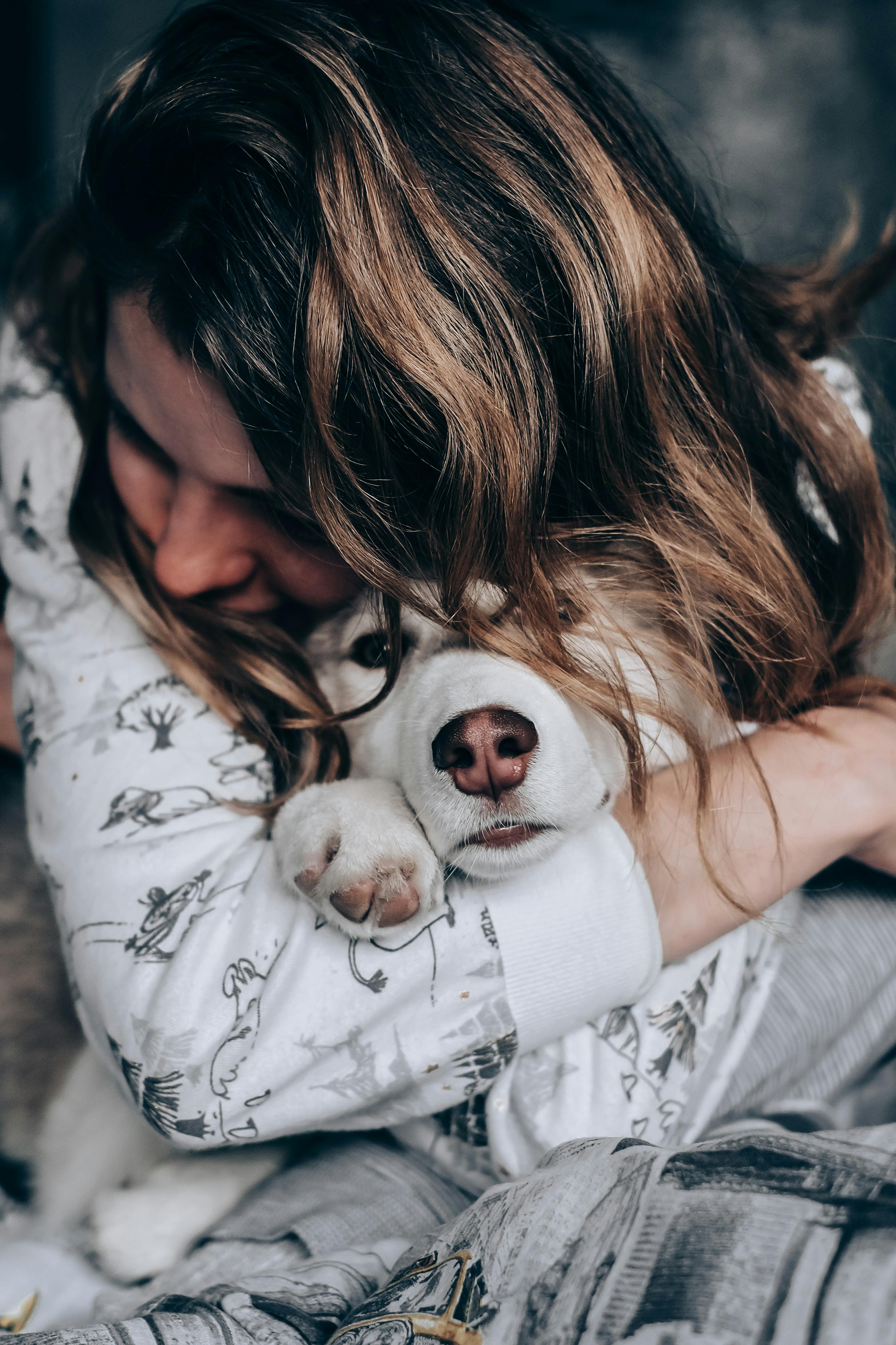 \n\n
\n\nHave you ever wondered about the connection between a wet nose and your dog's emotions? It’s kinda fascinating when you think about it. Dogs, our loyal companions, have a lot of ways to express how they feel, and their wet noses play a significant role in that. But why do dogs have wet noses, anyway? In this article, we explore this intriguing topic, shedding light on the science behind it and its implications for dog owners everywhere.
\nThe Science Behind Wet Noses
\nFirstly, let's dive into why dog noses are wet. A wet nose is not just for show, it serves a purpose. Dogs have a special gland in their noses that produce moisture. This moisture helps them to absorb scent particles more effectively. A wet nose can detect odors better than a dry one, which is why dogs often sniff around when they are trying to understand their environment or pick up on the emotions of those around them.
\n- \n
- Enhanced Smell: Moisture on the nose helps dogs to pick up scents in the air. \n
- Cooling Mechanism: Dogs also sweat through their noses. Wetting helps them to cool down, especially during hot days. \n
- Health Indicator: A dog's nose can indicate health. A consistently dry nose might suggest dehydration or illness. \n
Historical Context of Dog Noses
\nHistorically, dogs have been companions to humans for thousands of years. Their ability to sniff out food, detect danger, and even sense human emotions has made them invaluable partners. The wet nose is part of their evolution as hunters and protectors.
\n- \n
- Ancient Companions: Dogs were domesticated over 15,000 years ago. \n
- Scent Detection: They were bred for specific tasks like hunting, herding, and protection, which all relied heavily on their sense of smell. \n
- Emotional Connection: Over time, as humans began to bond with dogs, the ability to sense emotions became a crucial trait for companionship. \n
Dogs and Their Emotions
\nDogs are known for their emotional intelligence. They can sense when their owners are happy, sad, or stressed. A wet nose can be an indicator of a dog’s emotional state. Here’s how:
\n- \n
- Curiosity: A wet nose often signals that a dog is curious or excited. They might approach you with their nose wet, ready to explore. \n
- Comfort: When dogs are relaxed and content, their noses tend to be moist. This is a sign that they feel safe in their environment. \n
- Anxiety: Conversely, if a dog’s nose is dry, it might be a sign of stress or anxiety. Pay attention to other body language signs like tail position or ear movement. \n
What to Look For
\nWhen observing your dog's nose, keep an eye on changes. A healthy nose is typically moist and cool. Here are some things to consider:
\n- \n
- Normal Wetness: A healthy dog will have a wet nose most of the time. \n
- Dryness: A persistently dry nose could indicate health issues, such as dehydration or fever. \n
- Cracking or Discoloration: This may signal skin problems or allergies. \n
Practical Tips for Dog Owners
\nTaking care of your dog’s nose is an important part of their overall health. Here are some practical tips you should keep in mind:
\n- \n
- Hydration: Make sure your dog has access to fresh water at all times. This helps maintain a healthy nose. \n
- Regular Check-ups: Schedule regular vet visits to monitor your dog's health, including nose condition. \n
- Watch for Changes: If you notice any sudden changes in your dog's nose, consult your veterinarian. \n
Quick Facts About Dog Noses
\n- \n
- Dogs' noses has about 300 million smell receptors, compared to humans’ 5 million. \n
- The moisture on a dog's nose can help them "taste" the air. \n
- Different breeds have varying nose shapes, which can affect their ability to smell. \n
In conclusion, the connection between a wet nose and your dog's emotions is more than just a cute feature. It's a fascinating aspect of canine biology that reflects their health and emotional state. So, next time you pet your dog and feel that wet nose, remember it’s not just a sign of affection; it’s a window into their feelings and well-being. Understanding these signals can strengthen the bond between you and your furry friend, making your companionship even more rewarding.
\n\n7 Surprising Facts About Dog Noses That Will Change How You See Your Pet
\n\n \n\n
\n\nHave you ever wondered why your furry friend’s nose is always wet? It seems like a simple question, but the truth behind dog noses is more fascinating than most people realize. Dogs are truly amazing creatures, and their noses are no exception. Here are 7 surprising facts about dog noses that might just change how you see your pet forever.
\n1. The Science of Wetness
\nSo, why do dogs have wet noses? The moisture on a dog’s nose serves a purpose. It helps them to absorb scent chemicals, making their sense of smell even more powerful. This is because wet surfaces can capture scent particles better than dry ones. The phenomenon is known as the “olfactory epithelium,” which is a fancy term for the specialized tissue in a dog's nose that helps them sniff out smells.
\n2. A Nose for Numbers
\nDid you know that dogs have about 220 million scent receptors in their noses? In comparison, humans only have about 5 million. This means dogs are able to detect odors at extremely low concentrations. It's like having a superpower!
\n- \n
- Dog noses have:
- \n
- 220 million receptors for scent \n
- Humans only have 5 million receptors \n
- This makes a dog’s sense of smell 10,000 to 100,000 times more acute than ours \n
\n
3. Unique Nose Prints
\nJust like human fingerprints, every dog has a unique nose print. The patterns of ridges and creases on a dog’s nose can be used to identify them. Some pet owners are even using nose prints for identification, similar to how fingerprints are used for humans.
\n4. Temperature Regulation
\nDogs also use their noses for regulating their body temperature. When dogs are hot, they might often pant, but their wet noses play a role too. The moisture evaporates from the nose, helping to cool them down. So, if your dog’s nose feels wet and cool, it’s a sign that they are managing their body heat effectively.
\n5. Sign of Health
\nA wet nose can indicate a healthy dog, but it's not always the case. While many people think that if a dog’s nose is dry, it means they are sick, that’s not entirely true. A dog can have a dry nose and still be perfectly healthy. However, if your dog’s nose is excessively dry, cracked, or shows signs of discoloration, it might be worth consulting a vet.
\n6. Communication Tool
\nDogs use their noses for communication too. They sniff each other’s noses as a way to gather information. This is how they learn about each other’s health, mood, and even diet. It's like a social network for dogs, using scent instead of words.
\n7. Evolutionary Trait
\nThe wet nose is an evolutionary trait. Dogs are descendants of wolves, who also have wet noses. This feature helped them hunt and survive in the wild, as it enhances their smelling ability. In fact, many breeds still retain this characteristic because it serves them well in their roles, whether as hunters, companions, or working dogs.
\nFun Facts at a Glance
\n- \n
- Dogs have 220 million olfactory receptors compared to humans' 5 million. \n
- A dog's nose can be used for identification. \n
- Wet noses help with temperature regulation. \n
- Dogs use their noses to communicate with other dogs. \n
- A dry nose doesn’t always mean your dog is sick. \n
Practical Examples
\nIf you’re curious about how to care for your dog’s nose, here are some tips:
\n- \n
- Keep it clean: Wipe your dog’s nose gently with a damp cloth to remove dirt or debris. \n
- Watch for changes: Pay attention to any significant changes in your dog's nose, such as cracks, excessive dryness, or bleeding. \n
- Hydration is key: Ensure your dog drinks enough water to keep their nose moist and healthy. \n
In summary, dog noses are remarkable organs that play a crucial role in the lives of our pets. From their ability to smell far beyond human capacity to their role in communication and health, understanding these fascinating facts can deepen the bond you have with your furry friend. Next time you see your dog with their wet nose, you might just appreciate it a little bit more!
\n\nWet Noses and Dog Behavior: Can Your Pup’s Nose Reveal Their Mood?
\n\n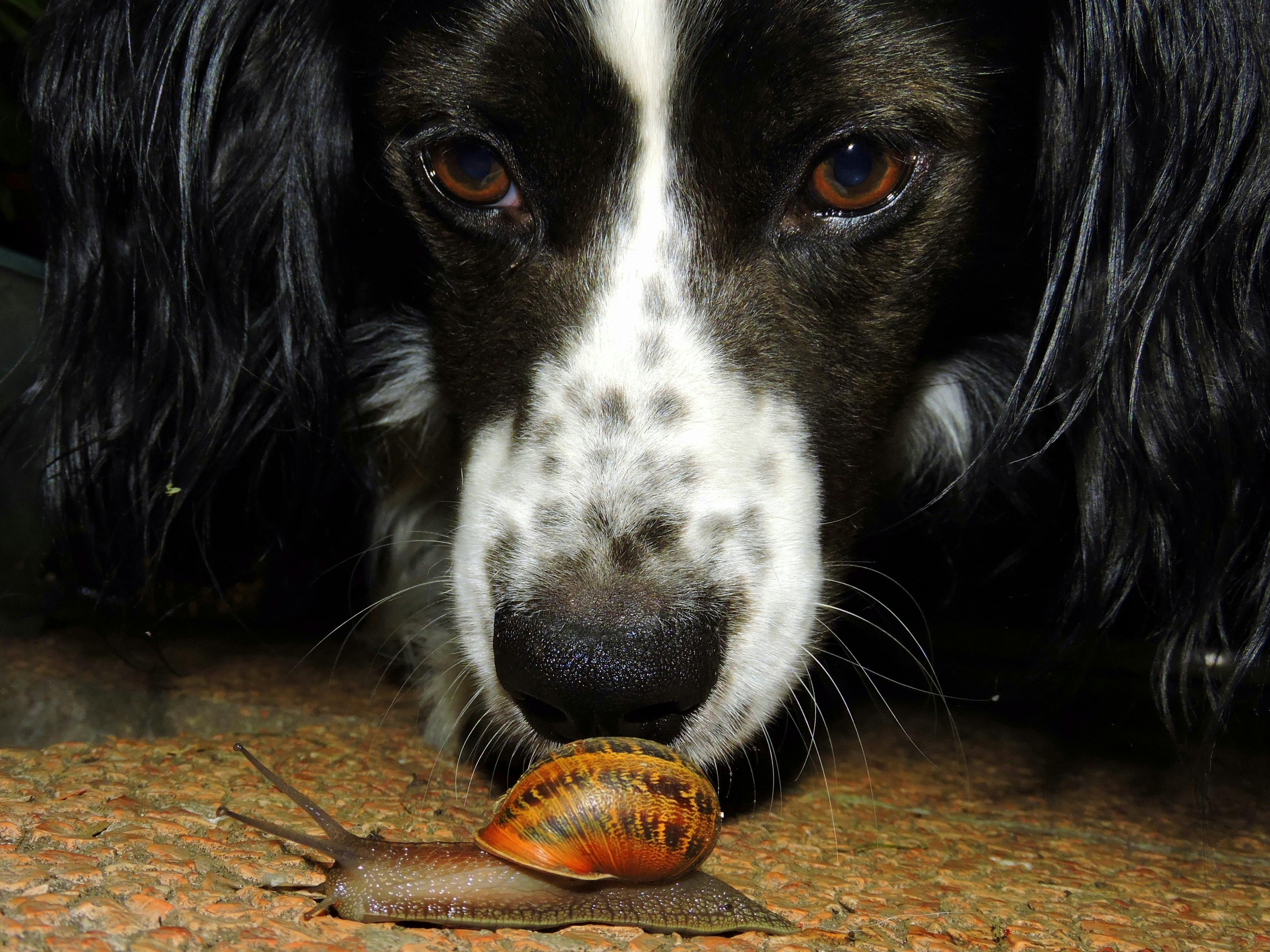 \n\n
\n\nWhen you look at a dog, one of the first thing you notices is their nose. Did you ever wonder why dogs have wet noses? This fascinating fact might seem trivial, but there is actually more going on than you might think. A dog’s nose can reveal a lot about their mood and overall health. Knowing how to read this simple yet important feature can help you understand your furry friend better.
\nWhy Do Dogs Have Wet Noses?
\nDogs possess wet noses mainly for a few reasons, and it’s not just for show. The moisture on the nose serves several important functions.
\n- \n
- \n
Sense of Smell: A wet nose helps to enhance a dog's sense of smell. The moisture traps scent particles from the air, allowing them to pick up on smells more efficiently. This is a crucial aspect of how dogs interact with their environment.
\n \n - \n
Temperature Regulation: Dogs do not sweat like humans do. Instead, they cool themselves primarily through their noses and paw pads. A wet nose can help to regulate their body temperature.
\n \n - \n
Health Indicator: The state of a dog's nose can indicate their health. A healthy dog usually has a moist, cool nose. Conversely, a dry or cracked nose might signal dehydration or illness.
\n \n
The Mood Meter: What Your Dog's Nose Says
\nYour dog’s nose can give clues about their mood. While it’s not a definitive guide, certain observations can help you gauge how your pup is feeling.
\n- \n
- \n
Wet and Cool: Indicates relaxation or contentment. Your dog is likely feeling happy and at ease.
\n \n - \n
Warm and Dry: May suggest that your dog is feeling unwell or anxious. This could be a sign to check for other symptoms.
\n \n - \n
Excessively Wet: Sometimes, a nose that’s overly wet could signal stress or excitement. Pay attention to their behavior in these moments.
\n \n
Historical Context of Dogs and Noses
\nDogs have been companions to humans for thousands of years, and their noses have always played a vital role in their survival. Historically, dogs were bred for specific tasks like hunting, herding, or guarding. Their keen sense of smell was crucial for these roles.
\n- \n
- \n
Hunting: Dogs like Bloodhounds have been used for tracking prey based on scent. Their wet noses enhance their ability to pick up faint smells.
\n \n - \n
Herding: Breeds like Border Collies depend on their noses to understand the location of sheep and other livestock.
\n \n
Fun Facts About Dog Noses
\n- \n
- \n
Unique Patterns: Just like human fingerprints, every dog’s nose print is unique. This could theoretically be used for identification!
\n \n - \n
Temperature Sensitivity: Dogs can sense temperature changes through their noses. This makes them very aware of their environment.
\n \n - \n
Health Checks: Some veterinarians use the state of a dog's nose as a preliminary health check. However, it’s not a definitive measure of overall health.
\n \n
Practical Examples of Nose Behavior
\n- \n
- \n
Greeting: When dogs meet, they often sniff each other's noses. This behavior is a form of social interaction, allowing them to gather information about each other.
\n \n - \n
Playfulness: If your dog approaches you with a wet nose and a wagging tail, they are usually inviting you to play.
\n \n - \n
Comfort Seeking: A dog may nuzzle their nose against you when they are seeking comfort or affection.
\n \n
Comparing Wet and Dry Noses
\n| Wet Nose | \nDry Nose | \n
|---|---|
| Typically cool | \nUsually warm | \n
| Indicates hydration | \nMay indicate dehydration | \n
| Common in healthy dogs | \nCan be a sign of illness | \n
| Enhances sense of smell | \nMight limit scent detection | \n
In the end, while a dog’s wet nose is just one aspect of their complex behavior and communication, it serves multiple purposes. Monitoring the state of your dog’s nose could give valuable insights into their health and emotional state. Remember, while wet noses are generally a good sign, always consult with a veterinarian if you notice any drastic changes in your dog’s behavior or health. Keeping an eye on these little details can help you nurture a happy and healthy relationship with your furry companion.
\n\nCan a Dog's Wet Nose Indicate Health Issues? Debunking Common Myths
\n\n \n\n
\n\nDogs are often known for their wet noses, and many pet owners might wonder what that really means. Is it a sign of health? Or just a natural feature? In this article, we’ll explore the intriguing question, “Can a dog’s wet nose indicate health issues?” and clear up some common myths while diving into the reasons behind why do dogs have wet noses.
\nThe Science Behind a Wet Nose
\nA dog's nose is not just cute, it serves a purpose! The moisture on a dog’s nose helps to enhance their sense of smell. When the nose is wet, it can capture more scent particles, which is why dogs are so great at sniffing things out. This ability is crucial for their communication and understanding of their environment.
\n- \n
- Enhanced Smell: Dogs have about 220 million smell receptors compared to humans who have only about 5 million. \n
- Temperature Regulation: A wet nose can help cool a dog down, similar to how sweating helps humans. \n
- Health Indicator: While a wet nose is generally normal, it can sometimes indicate health concerns if it changes suddenly. \n
Common Myths About Wet Noses
\nThere is a lot of myths surrounding dogs’ noses. Let’s debunk some of these:
\n- \n
- \n
Wet Nose Always Means Healthy: Not true! While a wet nose can indicate a healthy dog, it’s not always the case. A dog with a dry nose might be perfectly healthy too.
\n \n - \n
Dogs Only Get a Wet Nose When They're Sick: This is false. A dog's nose can dry out for various reasons, including weather conditions or simply being asleep.
\n \n - \n
Only Certain Breeds Have Wet Noses: All dogs, regardless of breed, can have wet noses, though the degree of wetness can vary.
\n \n
Why Do Dogs Have Wet Noses?
\nThere are several reasons why dogs have wet noses, and it’s fascinating to learn about their biology. Here are a few:
\n- \n
- Scent Enhancement: The wetness helps trap scents better, allowing dogs to gather more information about their surroundings. \n
- Cooling Mechanism: Dogs don’t sweat like humans do. A wet nose helps regulate their body temperature. \n
- Health Monitoring: Dogs can absorb pheromones through their noses, which can help them sense changes in other animals or people. \n
Health Concerns Linked to Nose Wetness
\nWhile a wet nose is usually normal, there are a few health issues that might cause changes in your dog's nose.
\n- \n
- Dehydration: If a dog's nose is dry and cracked, it could be a sign of dehydration. \n
- Fever: A dog with a fever may have a dry or warm nose. \n
- Infections: Sometimes, a change in the texture or moisture of the nose can indicate an infection or other health problems. \n
What To Do If You Notice Changes
\nIf you see a significant change in your dog’s nose, it’s best to keep an eye on it and consult a vet if necessary. Here are some practical steps:
\n- \n
- Observe Behavior: Is your dog acting differently? Eating less or showing signs of lethargy? \n
- Check for Other Symptoms: Look for signs of illness like coughing, vomiting, or diarrhea. \n
- Keep Hydrated: Ensure your dog has access to fresh water at all times. \n
Fun Fact About Dogs' Noses
\nDid you know that every dog’s nose print is unique? Just like human fingerprints, no two dog noses are alike! This has led to some fun ideas about using nose prints for identification, but it's not widely used.
\nSummary of Dog Nose Facts
\n- \n
- Wet noses can help dogs smell better. \n
- Changes in wetness can sometimes indicate health issues. \n
- All dog breeds can have wet noses; it’s not breed-specific. \n
- Dog nose prints are unique, just like fingerprints. \n
Understanding why do dogs have wet noses and what those wet noses might mean can help owners be more aware of their pet's health. So, whether your dog's nose is wet or dry, it’s the overall health and behavior that counts the most. Always consult with a vet if you have concerns about your furry friend’s health.
\n\nHow to Care for Your Dog’s Nose: Tips for Maintaining Optimal Moisture Levels
\n\n \n\n
\n\nCaring for your dog's nose is important, it’s a key part of their health. Most dog owners wonder: “Why do dogs have wet noses?” Well, it’s not just for show! There’s actually a fascinating reason behind it. Let's explore how to maintain optimal moisture levels for your furry friend’s nose and delve into the science behind those lovable wet noses.
\nWhy Do Dogs Have Wet Noses?
\nDogs have wet noses for several reasons. Firstly, it helps them to smell better. Wet noses trap scent particles, allowing dogs to gather more information about their environment. The moisture on their noses helps to enhance their sense of smell, which is about 10,000 to 100,000 times more acute than humans.
\nHere’s some interesting facts about dog noses:
\n- \n
- Scent Detection: Dogs can detect certain scents at incredibly low concentrations. Their wet noses aid this process. \n
- Temperature Regulation: A dog's nose can help to cool them down. When a dog pants, moisture on the nose can help regulate body temperature. \n
- Health Indicator: The condition and temperature of a dog’s nose can indicate their health. A dry nose might signal dehydration or illness. \n
How to Care for Your Dog’s Nose
\nMaintaining your dog’s nose in optimal condition is simple but essential. Here’s a list of tips to keep in mind:
\n- \n
- Hydration is Key: Make sure your dog drinks plenty of water. A well-hydrated dog will have a moist nose. \n
- Humidity Levels: Indoor air can be very dry, especially during winter. Use a humidifier to add moisture to the air. \n
- Nose Balm: If your dog’s nose appears dry or cracked, consider applying a pet-safe nose balm. This can help to restore moisture. \n
- Regular Vet Check-ups: Keep up with routine vet visits. This helps to monitor your dog’s overall health, including their nose condition. \n
- Diet Matters: Ensure your dog gets a balanced diet rich in Omega-3 and Omega-6 fatty acids to promote healthy skin and nose. \n
Common Nose Issues in Dogs
\nSometimes, dogs can face issues with their noses. Here’s a breakdown of some common problems:
\n- \n
- Dry Nose: This could indicate dehydration or illness. It’s essential to monitor this. \n
- Cracked Nose: A cracked nose might be painful for your dog. Ensure they’re getting enough moisture. \n
- Nasal Discharge: Discharge can signal an infection or allergies. Consult your veterinarian if this occurs. \n
- Nosebleeds: Nosebleeds can happen due to trauma, dry air, or underlying health conditions. Always seek veterinary advice. \n
Signs of a Healthy Dog Nose
\nKeep an eye out for these indicators of a healthy dog nose:
\n- \n
- Moist and cool to the touch \n
- Free of cracks or sores \n
- No unusual discharge or bleeding \n
- Regularly wet, especially after drinking water or after outside play \n
Fun Facts About Dog Noses
\nDid you know that a dog’s nose print is unique? Just like human fingerprints, no two dog nose prints are alike. This means that if you ever needed to identify your pooch, their nose could serve as a one-of-a-kind identifier!
\n- \n
- Nose Shape: Different breeds have different nose shapes, affecting their smelling abilities. Bloodhounds, for example, have one of the most powerful noses in the animal kingdom! \n
- Temperature Sensitivity: Dogs can sense changes in temperature through their noses, which can help them detect heat or cold. \n
Summary of Caring for Your Dog’s Nose
\nTo maintain a healthy nose for your dog, remember these points:
\n- \n
- Keep their nose moist with water and humidity. \n
- Use nose balms when needed. \n
- Regular vet check-ups can prevent problems. \n
- Be aware of signs that might indicate health issues. \n
Having a dog is a joy, and taking care of their nose is just one of the many responsibilities that come with it. It’s amazing to think about how such a small part of their body plays a huge role in their overall health and happiness. So next time you’re giving your pup some love, don’t forget about that adorable, wet nose! Keeping it healthy is a vital part of ensuring a happy life for your furry friend.
\n\nConclusion
\n\nIn summary, the wet noses of dogs serve several essential functions that contribute to their overall health and well-being. The moisture helps enhance their sense of smell, allowing them to detect scents more accurately, which is vital for their communication and interaction with the world around them. Additionally, the wetness aids in temperature regulation, keeping them cool during warm weather. Factors such as hydration levels and environmental conditions can influence how wet a dog's nose feels. Understanding these aspects not only deepens our appreciation for our furry companions but also underscores the importance of regular care and attention to their health. As dog owners, we should monitor our pets' nose moisture and overall health, ensuring they stay happy and hydrated. Remember, a wet nose often means a happy dog, so keep those tails wagging and noses moist with love and proper care!
\n\n