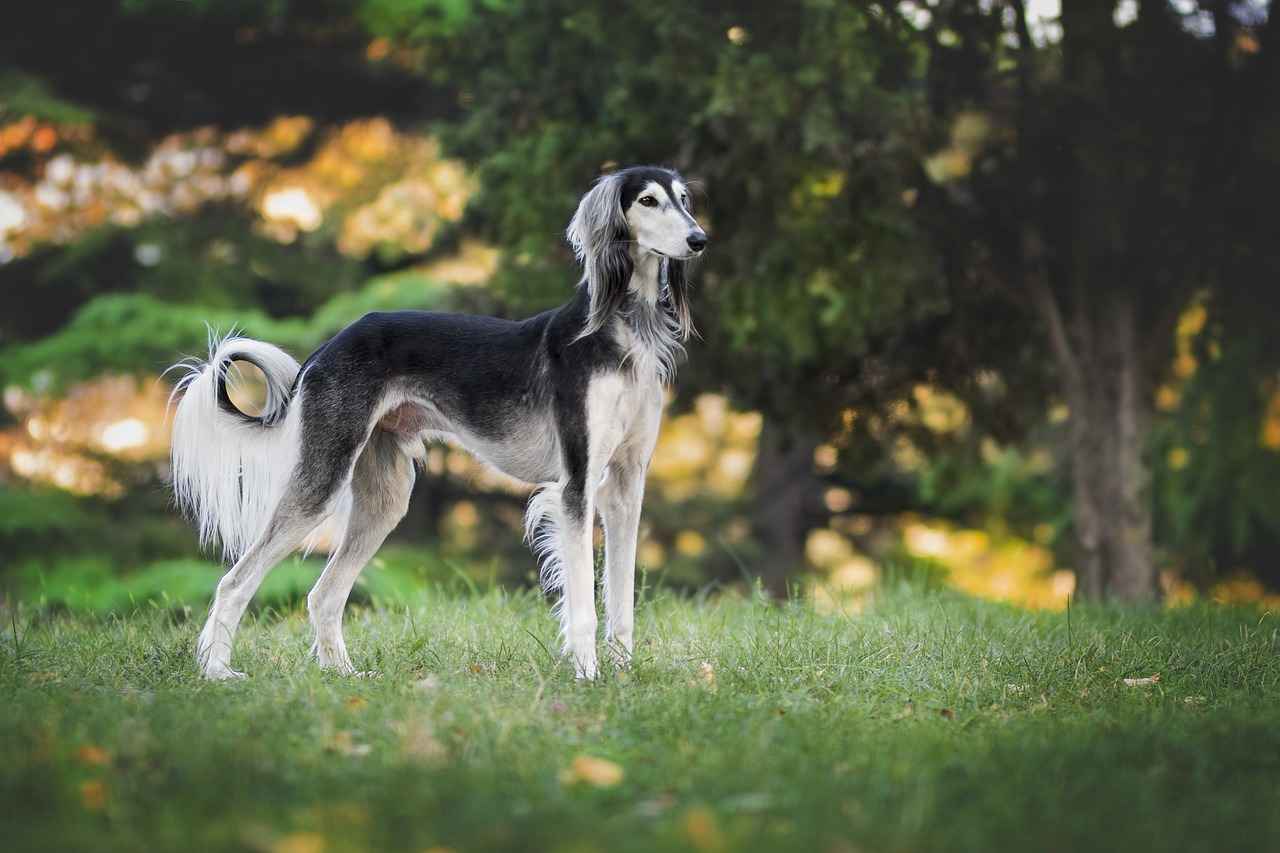
Have you ever wondered, "Why do dogs have wet noses?" This fascinating secret is not just a quirky trait; it's a vital part of your furry friend's health and well-being. A dog's wet nose is often associated with being healthy, but do you know the reasons behind this intriguing phenomenon? Wet noses play a crucial role in a dog's sense of smell, helping them to detect scents more effectively. In fact, the moisture on their noses assists in capturing scent particles from the air, making them incredible hunters. But that's not all! Did you know that a wet nose also helps regulate a dog's temperature? This is why many pet owners often ask, "Is a wet nose always a sign of good health?" Understanding this unique characteristic can help you become a more informed pet owner. So, join us as we delve deeper into the science behind why dogs have wet noses, uncovering the secrets that lie beneath this adorable feature. Whether you're a seasoned dog owner or a curious animal lover, this exploration will leave you with plenty of fascinating facts about dogs that you won’t want to miss!
\n\nThe Science Behind Canine Moisture: Why Do Dogs Have Wet Noses?
\n\n \n\n
\n\nDogs are some of the most beloved pets worldwide, and one thing that always grabs our attention is their wet noses. Have you ever asked yourself, why do dogs have wet noses? It’s a question that leads us into the fascinating world of canine biology. The science behind canine moisture reveals many interesting facts about our furry friends, and understanding this characteristic can deepen our appreciation for them.
\nThe Purpose of Wet Noses
\nDogs noses are often wet for several reasons. First off, moisture helps olfactory receptors. Dogs have an incredible sense of smell, estimated to be 10,000 to 100,000 times more sensitive than humans. So, it makes sense that their noses need to be wet for better function. The moisture helps dissolve scent particles, allowing dogs to detect odors more efficiently.
\nHow Dogs Maintain Moisture
\nA dog’s nose remains wet due to a combination of their own saliva and the environment. When dogs lick their noses, they spread saliva across their noses which keeps it moist. Plus, their noses have sweat glands, but not like humans. Rather than sweating all over their bodies, dogs sweat mainly through their paw pads. So, when it’s warm, they’ll lick their noses more often to keep it cool and wet.
\nHealth Indicators
\nThe condition of a dog’s nose can also indicate their health. A warm, dry nose isn’t always a sign of illness, but it can be. Here are some things to check for:
\n- \n
- Normal Condition: Wet and cool \n
- Possible Illness: Dry and warm \n
- Dehydration Signs: Cracked or excessively dry \n
- Infection Symptoms: Discharge or unusual color changes \n
Historical Context
\nDogs have been companions to humans for thousands of years. Ancient civilizations, like the Egyptians, valued dogs not just as pets but as guardians. Their wet noses might have been one of the traits that attracted humans to these animals. As they evolved alongside us, their unique features, including that moist nose, were essential for hunting and protection.
\nThe Science of Scent
\nLet’s break down how a dog’s nose works. The process is quite fascinating:
\n- \n
- Scent Detection: When a dog inhales, air passes over olfactory membranes that contain scent receptors. \n
- Moisture Role: The moisture on the nose helps to capture more scent particles. \n
- Neural Processing: The olfactory bulbs in a dog’s brain process these scents, allowing them to distinguish between different smells. \n
Fun Facts About Dog Noses
\n- \n
- Uniquely Identifiable: Just like human fingerprints, no two dog noses are alike. Each has a unique pattern of ridges and creases. \n
- Color Variations: Dog noses come in a variety of colors, from black to pink, and even spotted. The color can be linked to the breed and genetics. \n
- Temperature Regulation: A wet nose helps keep a dog’s body temperature regulated. Dogs don’t sweat like we do, so the moisture from their noses can play a role in cooling them down. \n
Practical Comparison with Other Animals
\nDogs aren’t the only animals with wet noses. Cats, for example, also have moist noses, but the reasons differs. Here’s a comparison:
\n| Animal | \nMoisture Source | \nPurpose | \n
|---|---|---|
| Dog | \nSaliva and environment | \nEnhances sense of smell | \n
| Cat | \nSaliva | \nSimilar to dogs but less pronounced | \n
The Role of Environment
\nThe environment plays a big role in how wet a dog’s nose can get. Humidity, temperature, and activity level all influence moisture levels. On a hot day, a dog might have a drier nose, while after a good romp in the grass, it could be nice and wet.
\nMyths and Misconceptions
\nThere are a lot of myths surrounding dog noses. One common misconception is that a wet nose always means a dog is healthy. While it can be a good sign, it isn’t a definitive measure. Also, many people think that a cold nose means a dog is sick, but that’s not true either.
\nFinal Thoughts
\nUnderstanding why dogs have wet noses gives us insight into their health and behavior. So next time you see your furry friend, take a moment to appreciate that wet nose. It’s not just cute; it’s a key part of what makes dogs such excellent companions. Whether you’re a dog owner or just an admirer, knowing the science behind canine moisture can make your bond with dogs even stronger.
\n\nTop 5 Reasons Your Dog's Wet Nose is a Sign of Health and Happiness
\n\n \n\n
\n\nHave you ever wondered why your dog’s nose is always wet? It's a question that many dog owners ask themselves, and it turns out, there's a lot more to it than just cute, slobbery kisses. Wet noses are often associated with a dog’s health and happiness. In fact, understanding this unique characteristic can deepen your bond with your furry friend. Let’s dive into the top 5 reasons why your dog’s wet nose is a sign of health and happiness and explore the intriguing question: why do dogs have wet noses?
\n1. Natural Cooling System
\nDogs doesn’t sweat like humans do. Instead, they rely on their noses to help regulate their body temperature. When a dog’s nose is wet, it’s usually because they have been panting or drinking water. The moisture helps cool them down.
\n- \n
- How it works:
- \n
- Dogs pant to release heat. \n
- Their noses absorbs moisture in the air. \n
- This helps cool their blood and body temperature. \n
\n
If you notice your dog's nose is particularly wet after a long walk or playtime, it’s likely a sign they’re staying cool and comfortable.
\n2. Enhanced Sense of Smell
\nDogs have an incredible sense of smell, up to 100,000 times more sensitive than humans. A wet nose helps enhance this ability. The moisture on the nose picks up scent particles, which then makes it easier for dogs to detect smells.
\n- \n
- Key points:
- \n
- Wet nose absorbs scent particles. \n
- Helps with tracking scents. \n
- Vital for hunting and exploring. \n
\n
So, when your dog is sniffing around, their wet nose plays a crucial role in helping them understand their environment better.
\n3. Indicator of Health
\nA wet nose is often a sign that your dog is healthy. While a dry nose doesn't always mean something is wrong, a consistently wet nose can be a good indicator of your dog’s well-being.
\n- \n
- Health indicators:
- \n
- Wet and cool: usually healthy. \n
- Dry and cracked: might need attention. \n
- Changes in moisture level can indicate illness. \n
\n
If you notice a sudden change in your dog’s nose moisture, it’s worth a trip to the vet to rule out any health issues.
\n4. Emotional Signals
\nDogs are very emotional creatures, and their noses can reflect their feelings. A wet nose can indicate that your dog is happy and excited. When they wag their tail and greet you with a wet nose, it’s a sign of affection and enthusiasm.
\n- \n
- Emotional cues:
- \n
- Wet nose + wagging tail = happy dog. \n
- Wet nose when approaching you = seeking affection. \n
- Dry nose in a relaxed state = contentment. \n
\n
Understanding these signals can help you connect better with your dog and respond to their emotional needs.
\n5. Communication Tool
\nBelieve it or not, a dog’s wet nose is also a communication tool. Dogs may nuzzle or poke you with their wet noses to get your attention or express their needs.
\n- \n
- Communication behaviors:
- \n
- Nuzzling with a wet nose can mean they want to play or go outside. \n
- A wet nose against your hand can be an invitation for pets or cuddles. \n
- Dogs may also use their noses to comfort you when you're feeling down. \n
\n
Recognizing these behaviors can strengthen your relationship and improve your understanding of your dog's wants and needs.
\nWhy Do Dogs Have Wet Noses?
\nThis fascinating characteristic is rooted in dog evolution. The wet nose is not just for show; it serves crucial purposes for the well-being of dogs. Historically, dogs with wet noses may have been more successful in hunting and survival, leading to the trait being passed down through generations.
\nThe moisture also helps with thermoregulation and enhances their olfactory capabilities, making them more adept at hunting and tracking. So, next time you pet your pup and feel that wet nose, remember that it’s not just adorable — it’s a sign of a healthy, happy dog!
\nIn summary, your dog’s wet nose is more than just a quirky trait. It plays an essential role in their health, happiness, and communication. By understanding these aspects, you can appreciate your furry friend even more. Whether it’s a sign of excitement, a cooling mechanism, or a communication tool, the wet nose is one of the many reasons dogs are such wonderful companions. So, embrace those wet kisses and enjoy the special bond you share with your canine buddy!
\n\nCurious Canine Facts: What Makes a Dog's Nose Wet?
\n\n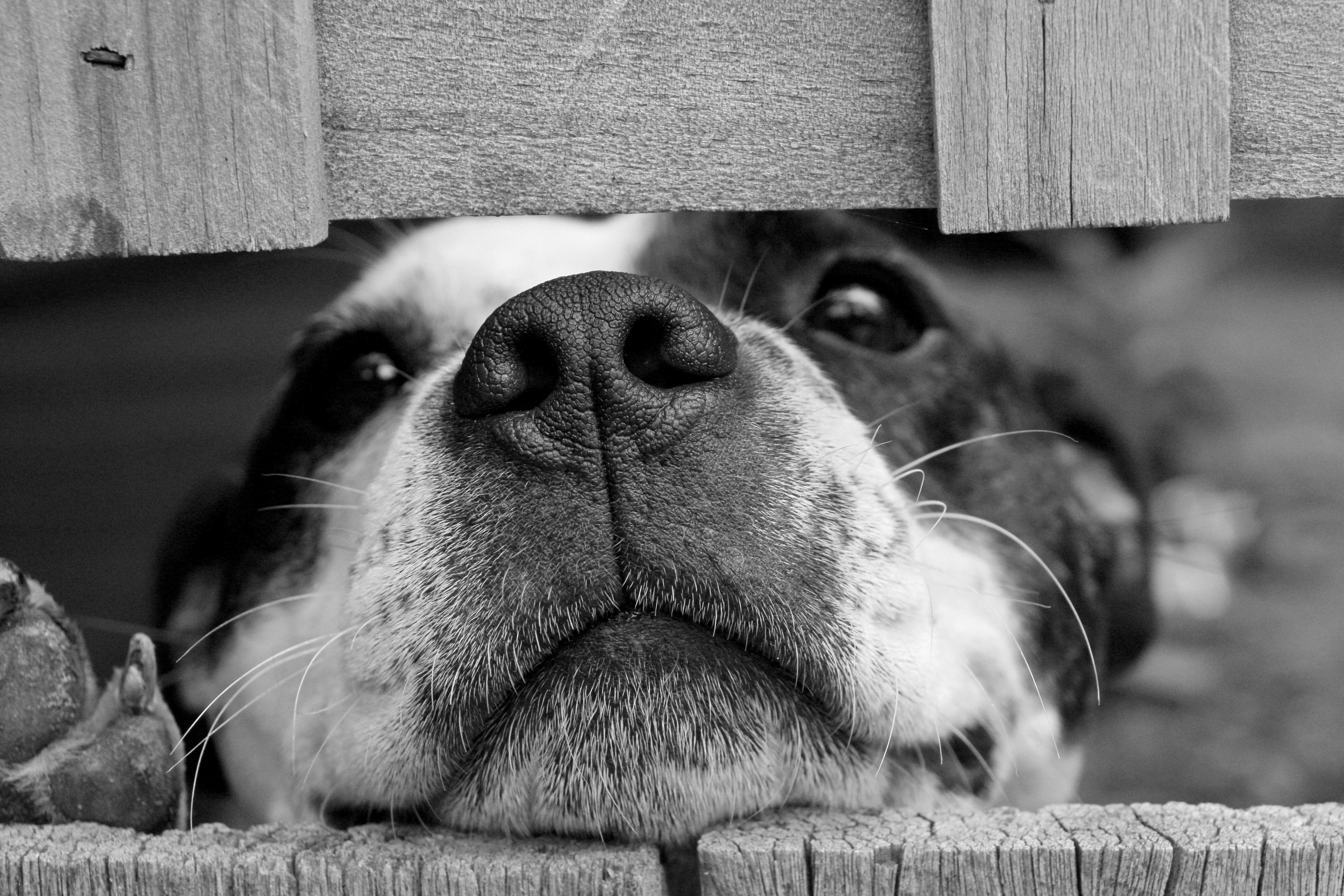 \n\n
\n\nCurious Canine Facts: What Makes a Dog's Nose Wet? Why Do Dogs Have Wet Noses? Discover This Fascinating Secret!
\nHave you ever wondered why your furry friend’s nose is always moist? It’s a question many dog owners have, and it’s more than just a quirky aspect of their appearance. The wetness of a dog’s nose serves several important functions and provides insights into their health and behavior. Let’s dive into the fascinating world of dogs’ noses and uncover what makes them a little bit wet!
\nThe Science Behind Wet Noses
\nDogs’ noses are unique, and their wetness is not just for show. The moisture on a dog’s nose comes from several factors:
\n- \n
- Mucus secretion: Dogs produce a thin layer of mucus that helps to keep their noses moist. \n
- Environmental factors: Humidity and temperature can affect the wetness of a dog’s nose. For example, when it’s raining, their noses may become wetter. \n
- Panting: Dogs cool themselves off by panting, which can also contribute to the moisture on their noses. \n
A wet nose enhances a dog’s ability to smell. It helps to trap scent particles, allowing dogs to pick up on various smells more effectively. In fact, dogs have an extraordinary sense of smell, estimated to be anywhere from 10,000 to 100,000 times more sensitive than humans!
\nWhy Do Dogs Have Wet Noses?
\nThere are several reasons why a dog’s nose is wet, and each one contributes to their health and functionality as a pet.
\n- \n
- \n
Enhanced Olfactory Function: A wet nose helps dogs to smell better. The moisture helps to dissolve scent particles, making it easier for dogs to detect various scents in their environment. This is why dogs can find lost items or sniff out food so well.
\n \n - \n
Temperature Regulation: Dogs don’t sweat like humans do. Instead, they rely on their noses to help regulate their body temperature. A moist nose can help cool them down.
\n \n - \n
Health Indicator: The condition of a dog’s nose can indicate their health. A warm, dry nose may suggest that a dog is sick or dehydrated, while a cold, wet nose usually indicates a healthy pup. However, this isn’t a definitive rule, and there can be exceptions.
\n \n - \n
Social Signaling: Dogs communicate in many ways, and their noses play a role in social interactions. A wet nose can indicate excitement and playfulness when meeting other dogs.
\n \n
Fun Facts About Dogs’ Noses
\n- \n
- \n
Unique Patterns: Just like human fingerprints, every dog has a unique pattern on their nose. This means that you could identify a dog by just looking at its nose!
\n \n - \n
Nose Color Changes: A dog's nose color can change with the seasons. Some dogs may develop a lighter nose in winter and a darker one in summer.
\n \n - \n
Dogs and Temperature Sensitivity: Dogs' noses are sensitive to temperature changes. They can detect slight variations in temperature, making them excellent at sensing their surroundings.
\n \n
Comparison: Dogs' Noses vs. Human Noses
\n| Feature | \nDogs' Noses | \nHuman Noses | \n
|---|---|---|
| Smell Sensitivity | \n10,000 to 100,000 times more sensitive | \nLess sensitive | \n
| Moisture | \nTypically moist | \nVaries, usually dry | \n
| Unique Patterns | \nYes | \nNo | \n
| Temperature Regulation | \nYes (helps cool down) | \nMinimal | \n
| Function in Communication | \nYes | \nLimited | \n
Practical Tips for Keeping Your Dog’s Nose Healthy
\n- \n
- \n
Hydration: Ensure your dog drinks enough water. A well-hydrated dog is more likely to have a healthy, moist nose.
\n \n - \n
Monitor Changes: Keep an eye on any significant changes in your dog’s nose, such as color or texture. If you notice something unusual, consult your veterinarian.
\n \n - \n
Avoid Harsh Chemicals: When cleaning your home, avoid using harsh chemicals that could affect your dog’s nose.
\n \n - \n
Regular Vet Visits: Regular check-ups can help catch any health issues early on, ensuring your dog stays happy and healthy.
\n \n
In conclusion, a dog’s wet nose is much more than a cute feature. It plays a crucial role in their ability to smell, regulate their temperature, and even communicate. Understanding this fascinating aspect of your canine companion can help you appreciate them even more. So next time you give your pup a pat, take a moment to admire that wet nose and all the wonders it holds!
\n\nWet Noses and Dog Behavior: What Your Pet's Snout Is Telling You
\n\n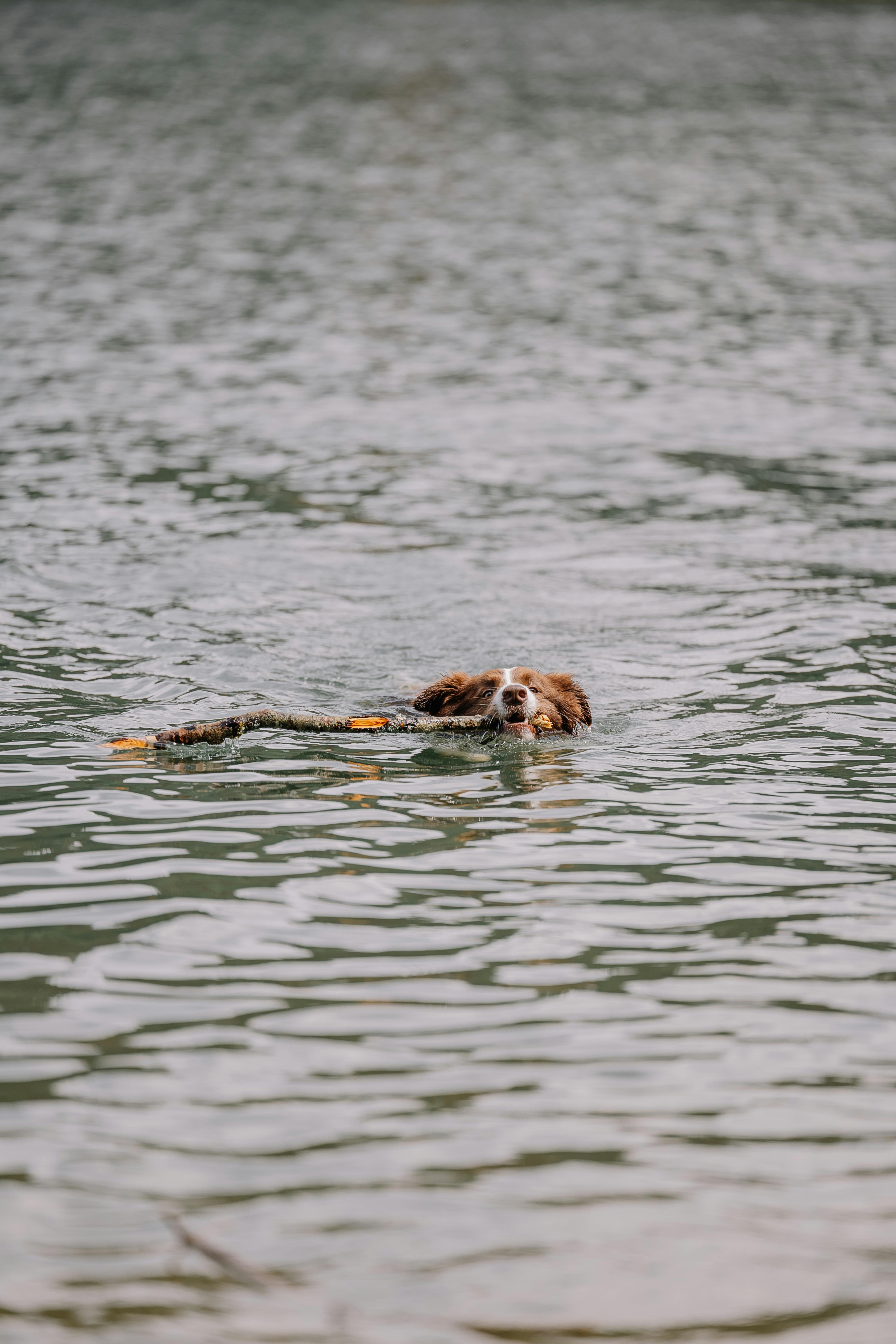 \n\n
\n\nEver notice how your dog's snout is always wet? You might find yourself wondering, why do dogs have wet noses? This little trait isn't just cute, it’s actually quite fascinating and plays an important role in your pet's behavior and health. Wet noses often send signals about their feelings and health. So let’s dive into the science and the secrets behind those moist noses.
\nThe Science Behind Wet Noses
\nDogs have wet noses for a few reasons, mostly to help them with their sense of smell. A wet nose can absorb scent chemicals more effectively. Here is why this is the case:
\n- \n
- Increased Surface Area: A wet nose has a larger surface area which helps in capturing scent particles. \n
- Cooling Mechanism: Dogs don't sweat like humans do, their noses help regulate temperature. \n
- Health Indicator: A dog's nose can indicate their health status. A dry nose might mean dehydration or illness. \n
How Wet Noses Impact Dog Behavior
\nYour dog’s wet nose can be telling you a lot about their mood and feelings. Dogs use their noses to interact with the world, and these interactions can reveal a lot. Here are some behaviors linked to their wet noses:
\n- \n
- Curiosity: When your dog’s nose is wet, it might be more eager to explore, sniffing out new scents with excitement. \n
- Affection: Dogs often nuzzle you with their wet noses as a sign of affection. It’s like them saying, “Hey, I love you!” \n
- Anxiety: A stressed dog might lick its nose more often, which can make it wetter. Watch for other signs of anxiety like whining or pacing. \n
Why Are Some Dogs’ Noses Drier Than Others?
\nYou might’ve seen some dogs with drier noses, and that’s normal too. Different factors can affect the moisture of a dog’s nose, including:
\n- \n
- Breed Differences: Breeds like Bulldogs and Pugs can have drier noses due to their facial structure. \n
- Weather Conditions: Dry, hot weather often leads to drier noses. \n
- Health Issues: If your dog’s nose suddenly becomes dry, it could be a sign of health problems like fever or allergies. \n
Fun Facts About Dog Noses
\nDid you know that your dog’s nose is as unique as a human fingerprint? Here are some interesting tidbits:
\n- \n
- Scent Detection: Dogs can detect certain scents at incredibly low concentrations. Their sense of smell is 10,000 to 100,000 times more powerful than humans. \n
- Nose Print Identification: Just like fingerprints, each dog has a unique nose print that can be used for identification. \n
- Temperature Regulation: A dog’s nose can help them cool down. When they pant, the moisture in their nose helps cool their body temperature. \n
Tips for Keeping Your Dog’s Nose Healthy
\nA healthy nose is important for your dog’s overall well-being. Here are some practical tips:
\n- \n
- Stay Hydrated: Make sure your dog has access to fresh water at all times. \n
- Regular Vet Visits: Keep up with vet check-ups to monitor any changes in your dog’s health. \n
- Protect from Harsh Weather: Use dog-friendly balms during cold or hot weather to keep their nose moisturized. \n
- Observe Behavior: Pay attention to changes in your dog’s nose moisture. If it’s persistently dry or cracked, consult your vet. \n
Comparing Dog Noses to Human Noses
\nLet’s take a quick look at how dog noses and human noses differ:
\n| Feature | \nDog Nose | \nHuman Nose | \n
|---|---|---|
| Moisture | \nTypically wet | \nUsually dry | \n
| Sense of Smell | \nHighly sensitive | \nLess acute | \n
| Temperature Regulation | \nHelps cool body | \nSweating is primary method | \n
| Unique Patterns | \nUnique nose prints | \nNo unique pattern | \n
Understanding Your Dog’s Snout Signals
\nDogs communicate with their noses in many ways. If your dog is constantly sniffing or has a particularly wet nose, they might be expressing excitement or curiosity. Conversely, a less wet snout can indicate discomfort or even health issues.
\nRegularly checking your dog’s nose can help you understand their health and happiness. If their nose is dry or cracked for an extended period, it’s best to reach out to a veterinarian.
\nThose wet noses are more than just a cute feature; they are a window into your dog’s world. Understanding what your pet’s snout is telling you can help you create a stronger bond and ensure your furry friend is always at their best. Remember, a happy dog often has a wet nose!
\n\nHow a Dog’s Wet Nose Enhances Their Sense of Smell: The Fascinating Biology
\n\n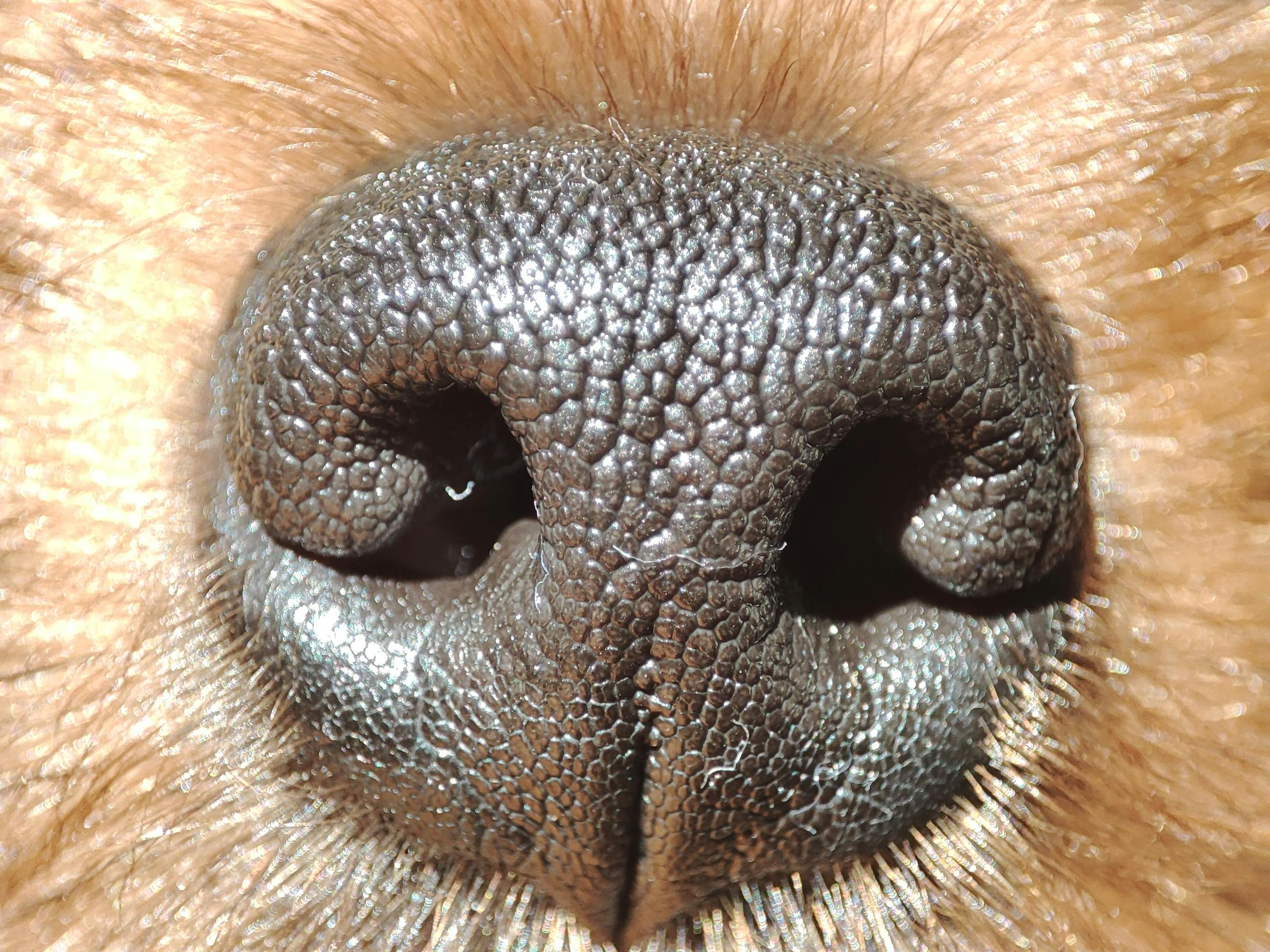 \n\n
\n\nHave you ever wondered why your furry friend’s nose is always wet? It’s not just for show; there’s some fascinating biology behind it. Dogs have this special feature that enhances their incredible sense of smell. In fact, their noses are one of the most amazing tools they have. So let’s dive into the science behind why do dogs have wet noses and how it impacts their ability to sniff out everything from treats to trouble.
\nThe Biology Behind Wet Noses
\nA dog’s nose is not just a cute feature; it’s a highly sensitive organ. The wetness of a dog’s nose plays a key role in their olfactory abilities. Here’s how it works:
\n- \n
- Moisture Retention: The moisture on the nose helps capture scent particles in the air. When the nose is wet, it can trap and hold onto these particles better than a dry surface could. \n
- Temperature Regulation: A wet nose also helps keep a dog cool. Dogs don’t sweat like humans do, so they rely on their noses to help regulate their body temperature. \n
- Enhanced Scent Perception: The wet surface allows scent molecules to dissolve, making it easier for dogs to identify different smells. This is why a dog can sniff out a treat hidden in the grass or find their way back home. \n
Historical Context of Dogs' Noses
\nDogs have been companions to humans for thousands of years. Historically, they were used for hunting, herding, and guarding. Their acute sense of smell was crucial in these roles. Here’s a quick look at how dogs’ noses evolved:
\n- \n
- Domestication: As dogs became domesticated, those with better senses were more likely to succeed in tasks like hunting and tracking. \n
- Breeding: Over time, certain breeds were selectively bred for their olfactory skills, leading to dogs like Bloodhounds and Beagles, who are known for their exceptional sense of smell. \n
- Modern Uses: Today, dogs are used in various fields, including search and rescue, drug detection, and even medical alert. Their noses are invaluable tools that help humans in countless ways. \n
How Dogs' Noses Work
\nUnderstanding how a dog’s nose functions can be a little complex, but it’s quite fascinating. Here’s a breakdown of the process:
\n- \n
- Inhalation: When a dog inhales, air flows through a series of convoluted turbinates in their nasal passages. \n
- Scent Detection: The olfactory receptors, numbering in the millions (up to 300 million in some breeds!), detect different scent molecules. \n
- Brain Processing: The brain processes these signals, allowing dogs to distinguish between various scents. This is why they can recognize you among a crowd or find a specific toy in a pile. \n
Fun Facts About Dog Noses
\nDid you know that dog noses have some unique characteristics? Here’s a list of fun facts about them:
\n- \n
- Unique Prints: Just like human fingerprints, no two dogs’ noses are alike. The patterns of ridges and bumps can be used to identify individual dogs. \n
- Scent Memory: Dogs have a remarkable memory for scents. They can remember smells for years, which is why they might get excited when they smell something familiar. \n
- Sensitivity: A dog’s sense of smell is believed to be anywhere from 10,000 to 100,000 times more sensitive than a human’s. This makes them experts in detecting everything from food to diseases. \n
Practical Examples of Dogs' Nose Usage
\nDogs’ sense of smell has practical applications that benefit society. Here are some examples:
\n- \n
- Search and Rescue: Dogs are used to locate missing persons in disaster situations, using their noses to sniff out human scent. \n
- Medical Detection: Certain dogs are trained to detect diseases like cancer or diabetes through scent. They can alert their owners about changes in their health. \n
- Law Enforcement: Drug-sniffing dogs play a crucial role in detecting illegal substances, showcasing how dogs can assist in maintaining public safety. \n
Dogs' wet noses are not just adorable; they’re a testament to the incredible biology that allows them to smell the world differently than we do. Understanding this unique feature makes us appreciate our canine companions even more and highlights their important roles in our lives. So the next time you see your dog with that wet nose, remember — it’s not just cute; it’s a powerful tool that helps them connect with the world around them.
\n\n7 Surprising Benefits of a Wet Nose for Your Four-Legged Friend
\n\n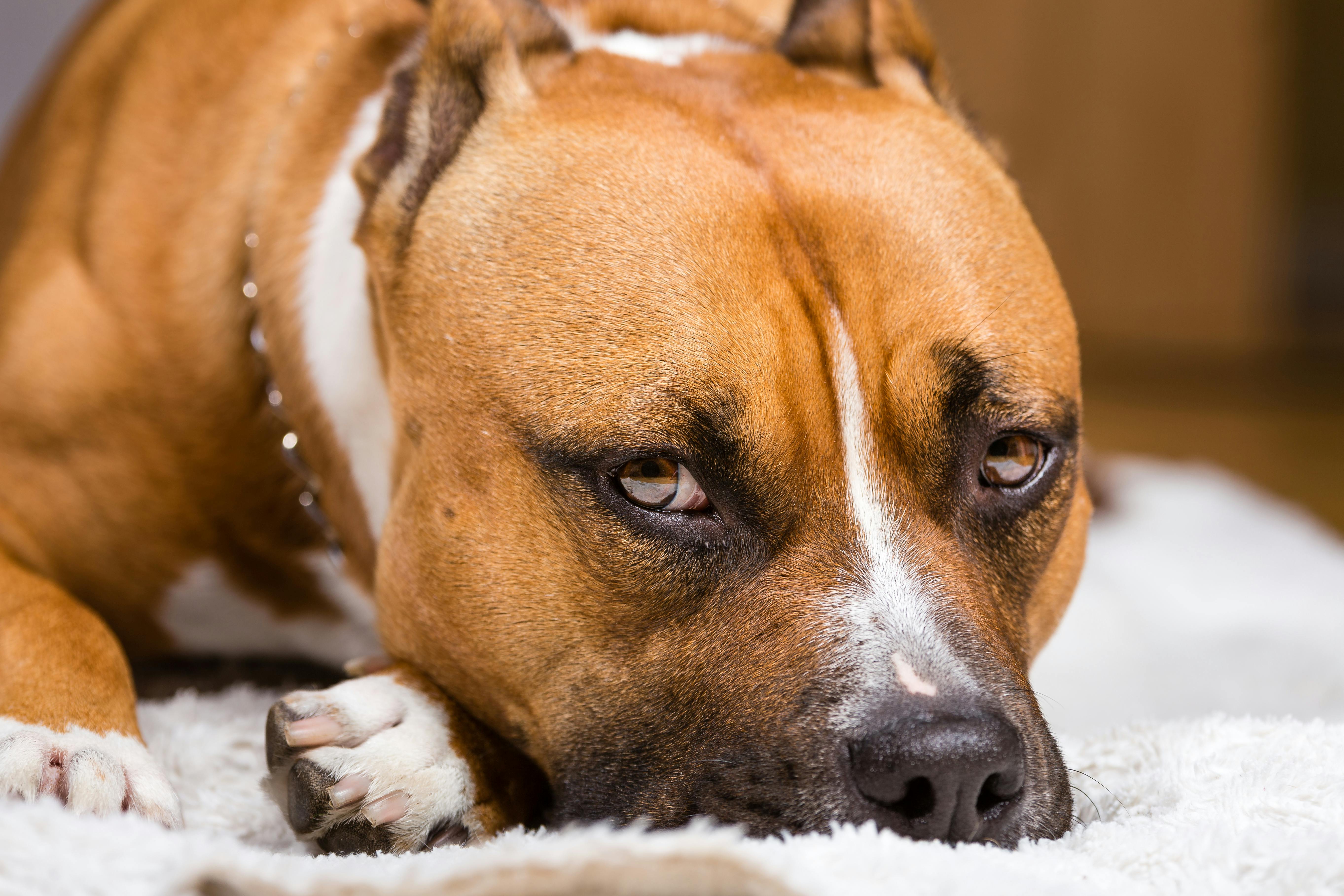 \n\n
\n\nIf you ever noticed your dog with a wet nose and wondered why that is, you're not alone! Many people think this is just a cute quirk of our four-legged friends, but there’s actually a lot more to it. Let’s dive into the fascinating world of dog noses and discover the secrets behind those moist, often cold noses that many pet owners adore. Here are 7 surprising benefits of a wet nose for your furry friend, and some insights on why do dogs have wet noses.
\n1. Enhanced Sense of Smell
\nDogs are known for their incredible sense of smell, and a wet nose plays a significant role in this. The moisture on their noses helps to capture scent particles from the air. By keeping their noses wet, they can more effectively absorb scents, which is crucial for their hunting instincts. A study suggests that dogs can smell up to 100,000 times better than humans, and a wet nose is key to that superpower!
\n2. Temperature Regulation
\nEver wonder why your dog loves to stick their nose into cool places? A wet nose helps them to regulate their body temperature. Dogs sweat only through their paw pads, so when they pant and have a wet nose, it aids in cooling them down. This is especially important during hot summer days when they could easily overheat.
\n3. Communication Tool
\nDid you know a dog's nose is also a way of communication? When dogs greet each other, they often sniff one another’s noses. This is a way for them to gather information about other dogs, such as their mood and health. A wet nose can convey friendliness and curiosity, making it easier for them to socialize.
\n4. Health Indicator
\nA wet nose can be a sign of a healthy dog, as it’s often associated with good hydration levels. If your dog’s nose is dry, it could mean they’re sick or dehydrated. Here are some things to consider:
\n- \n
- Normal Wetness: Generally, dogs have moist noses when they're healthy. \n
- Dry Nose: A dry or cracked nose can indicate illness or dehydration. \n
- Temperature Check: A warm nose might indicate a fever. \n
5. Sensory Enhancement
\nThe wetness of a dog’s nose isn’t just for show; it enhances their sensory abilities. Dogs have special cells in their noses that are activated by moisture. When their noses are wet, they can detect smells even better, which is why they can sniff out treats or track scents during a game of fetch.
\n6. Natural Cooling System
\nDogs don’t sweat like humans do, so a wet nose is part of their natural cooling system. The evaporation of the moisture from their noses helps to cool their bodies. This is why you might see them with their noses pressed against cool surfaces or panting when they’re hot.
\n7. Bonding with Humans
\nHaving a wet nose can also strengthen the bond between a dog and its owner. When a dog nudges you with their wet nose, it might be their way of asking for attention or affection. This simple gesture can create a loving connection that enhances your relationship with your furry companion.
\nFun Facts About Dog Noses
\n- \n
- Dogs have about 220 million scent receptors in their noses, compared to about 5 million in humans. \n
- The size and shape of a dog's nose can influence their smelling ability. \n
- A dog's nose print is unique, much like a human fingerprint! \n
Why Do Dogs Have Wet Noses?
\nSo, why do dogs have wet noses? It's a combination of biology and behavior. The moisture helps with their incredible sense of smell, aids in temperature regulation, and serves as a communication tool. Plus, it’s part of what makes them so lovable!
\nQuick Comparison: Dog Noses vs. Human Noses
\n| Feature | \nDog Noses | \nHuman Noses | \n
|---|---|---|
| Scent Receptors | \n220 million | \n5 million | \n
| Function | \nSmelling, cooling, communication | \nSmelling, breathing | \n
| Wetness | \nOften wet, aids in scent detection | \nUsually dry, no scent enhancement | \n
| Temperature Regulation | \nYes, through moisture | \nNo, relies on sweating | \n
Understanding why dogs have wet noses not only enhances our knowledge about these animals but also helps us appreciate their unique biology. So next time you give your furry friend a pat and feel that cool, wet nose, you'll know just how special it really is!
\n\nDo Dogs Have Wet Noses for a Reason? Exploring the Evolutionary Advantage
\n\n \n\n
\n\nDogs, those lovable companions, has intrigued us with their behaviors for centuries, one of which is their wet noses. You might wonder, why do dogs have wet noses? Is it just a quirk of nature, or does it serves some crucial purpose? In this post, we will explore the fascinating world of canine noses, diving into their evolutionary advantages and the science behind those moist little snouts.
\nThe Science Behind Wet Noses
\nFirst off, let’s talk about what makes dog noses wet. The moisture on a dog’s nose is primarily due to mucous secretions, which helps them to detect scents better. Dogs have an incredible sense of smell, estimated to be anywhere from 10,000 to 100,000 times more sensitive than humans. Having a wet nose actually enhance their olfactory capabilities.
\n- \n
- Dogs can smell:
- \n
- Food: They can detect ingredients and flavors in food from afar. \n
- Emotions: Dogs can sense human emotions through scent. \n
- Health conditions: Certain diseases can emit specific odors detectable by dogs. \n
\n
Evolutionary Advantage of Wet Noses
\nSo, why do dogs have wet noses? It goes beyond just the basic need for hydration. The evolutionary advantage of a wet nose is closely related to survival and communication.
\n- \n
- \n
Enhanced Scent Detection: The wetness of the nose helps to capture scent particles in the air, allowing dogs to analyze smells more effectively. The moisture absorbs odor molecules, which aids in the detection of scents over long distances.
\n \n - \n
Temperature Regulation: Dogs can’t sweat like humans do. Instead, they use their noses to help regulate body temperature. The moisture on the nose evaporates, which helps cool them down.
\n \n - \n
Communication: Dogs communicate through scent. A wet nose can leave behind scent markers, allowing them to communicate with other dogs and animals. This is especially important for signaling territory or reproductive status.
\n \n
Fun Facts About Dog Noses
\n- \n
- Did you know that a dog’s nose print is as unique as a human fingerprint? Just like snowflakes, no two dog noses are alike. \n
- The color of a dog’s nose can vary based on breed, genetics, and sometimes even health. For example, certain breeds like the Dalmatian has a black or liver-colored nose. \n
- A dog’s sense of smell can be so precise, they can detect drugs or explosives, sometimes even predict medical issues in their owners. \n
Wet Nose vs. Dry Nose: What’s the Difference?
\nYou might have noticed that sometimes a dog's nose can feel dry. But what does this mean? Here’s the breakdown:
\n| Condition | \nDescription | \nPossible Causes | \n
|---|---|---|
| Wet Nose | \nCool and moist, indicating good health | \nNormal hydration; active sniffing | \n
| Dry Nose | \nWarm and dry, can indicate potential issues | \nDehydration, illness, or stress | \n
Practical Implications for Dog Owners
\nUnderstanding why do dogs have wet noses can help pet owners take better care of their furry friends. A wet nose is generally a sign of a healthy dog, but if a dog’s nose becomes excessively dry or cracked, it might need a vet’s attention. Here are some tips for maintaining your dog’s health:
\n- \n
- Hydration: Always provide plenty of fresh water. A hydrated dog is more likely to have a wet nose. \n
- Nutrition: Feed them a balanced diet to promote overall health, including their skin and coat. \n
- Regular Vet Visits: Routine check-ups can catch potential issues before they become serious. \n
The Bottom Line
\nDogs have wet noses for an evolutionary reason, aiding in scent detection and communication. Their remarkable ability to smell is enhanced by the moisture on their noses, making them exceptional companions for various tasks from hunting to therapy. Observing your dog’s nose can be a good indicator of their health, and maintaining hydration is essential. The next time you give your dog a pat on the head, take a moment to appreciate that wet nose—it’s not just cute, it’s a fascinating evolutionary feature that speaks to the incredible capabilities of our canine friends.
\n\nThe Connection Between Dog Noses and Emotions: What You Need to Know
\n\n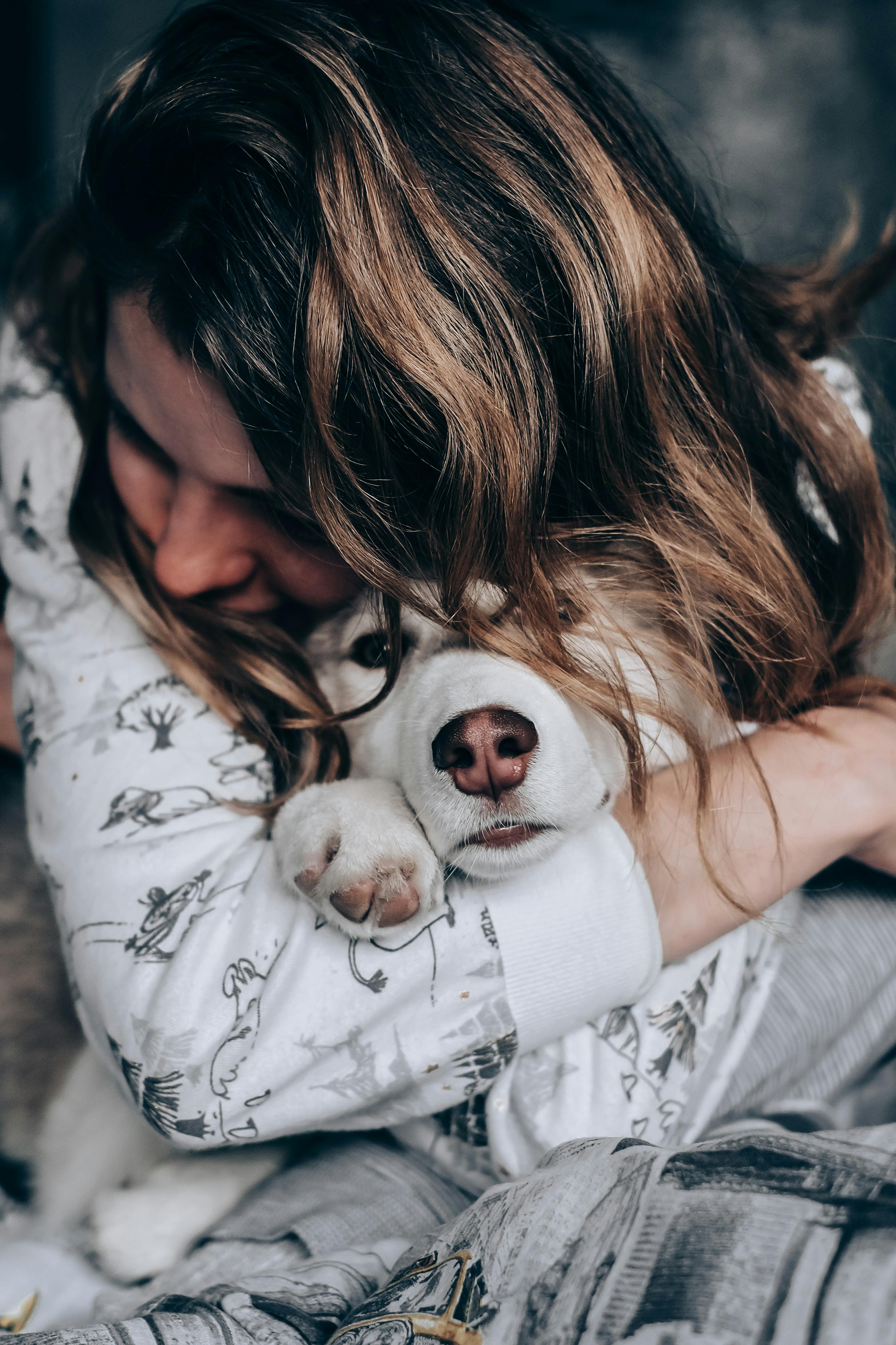 \n\n
\n\nDogs are often known for their incredible ability to understand human emotions, but have you ever noticed how much their wet noses contribute to this connection? Yes, there's a fascinating link between a dog’s nose and its emotional state, and it goes beyond the simple fact that they often feel cold and damp.
\nSo, why do dogs have wet noses? This question leads us down a path of both science and a bit of history, revealing the secrets that our furry companions hold.
\nThe Science Behind Wet Noses
\nDogs have moist noses for a few reasons. One, it helps them to sense their environment better. The wetness on a dog’s nose collects scent particles in the air, which enhances their ability to smell. Their sense of smell is already far superior to humans — estimated to be 10,000 to 100,000 times more sensitive!
\nTwo, a wet nose helps to regulate their body temperature. Unlike humans who sweat, dogs primarily cool themselves through their noses and panting. Which is why you may notice your dog’s nose is especially wet after exercise or on a hot day.
\nThree, the moisture on a dog’s nose comes from a special mucus that not only helps to trap scent particles but also contains enzymes that can help break down those particles, allowing for better identification of smells. This is why a dog can often sense how you feel just by sniffing.
\nEmotional Indicators of Dog Noses
\nDog noses can actually serve as indicators of their emotional states. Here are some signs to watch for:
\n- \n
- \n
Warm, Dry Nose: This can indicate that your dog is stressed or anxious. It doesn’t mean they are sick, but it’s worth paying attention to any changes in their behavior.
\n \n - \n
Cool, Wet Nose: A cool and moist nose often indicates that your dog is relaxed and content. It’s sort of a sign that everything is alright in their world.
\n \n - \n
Excessive Moisture: If your dog’s nose is unusually wet, it could be a sign of excitement or anticipation, especially if they are about to go for a walk or see their favorite person.
\n \n - \n
Nose Discoloration: If you notice a sudden change in the color or texture of your dog’s nose, it may be worth consulting your veterinarian.
\n \n
Historical Context of Dog Noses
\nHistorically, dogs have been companions to humans for thousands of years. Their ability to detect scents and emotions has been valued in various roles, from hunting to service animals. Ancient civilizations trained dogs for specific tasks, relying heavily on their sense of smell.
\nFor example, in ancient Egypt, dogs were used for hunting and as watchdogs, where their keen sense of smell helped protect homes and property. In modern times, police and search-and-rescue dogs utilize their incredible olfactory abilities to detect drugs, explosives, or even find missing persons.
\nFun Facts About Dog Noses
\n- \n
- \n
Unique Patterns: Just like human fingerprints, every dog’s nose print is unique. This could be used for identification purposes, if ever necessary.
\n \n - \n
Nose Temperature: A dog's nose can change temperature based on their activity level. After running around, it might warm up, reflecting their excitement and energy.
\n \n - \n
Breed Differences: Some breeds have wetter noses than others. For example, Retrievers tend to have moist noses more often than bulldogs, which might have drier noses.
\n \n - \n
Dogs and Emotions: Studies show that dogs can read human emotions through body language and facial expressions. Their wet noses and the act of sniffing you can be a way for them to connect emotionally.
\n \n
Practical Tips for Dog Owners
\nHere are a few tips to help you understand and care for your dog’s nose:
\n- \n
- Regularly check your dog’s nose for any changes in texture, color, or moisture. \n
- If you observe persistent dryness or any unusual symptoms, consult your vet. \n
- Offer your dog plenty of water, especially during hot weather, to aid in keeping their nose hydrated. \n
- Observe your dog’s behavior to understand the emotional state they might be in based on their nose condition. \n
Understanding the connection between a dog’s nose and their emotions can deepen the bond you have with your furry friend. Dogs are not just pets; they are emotional beings who communicate in ways we are just beginning to understand.
\nSo, the next time you give your dog a pat and notice that wet nose, remember that it’s more than just a cute feature. It’s a window into their world, their feelings, and their connection to you.
\n\nAre All Dog Noses Wet? Debunking Myths and Misconceptions
\n\n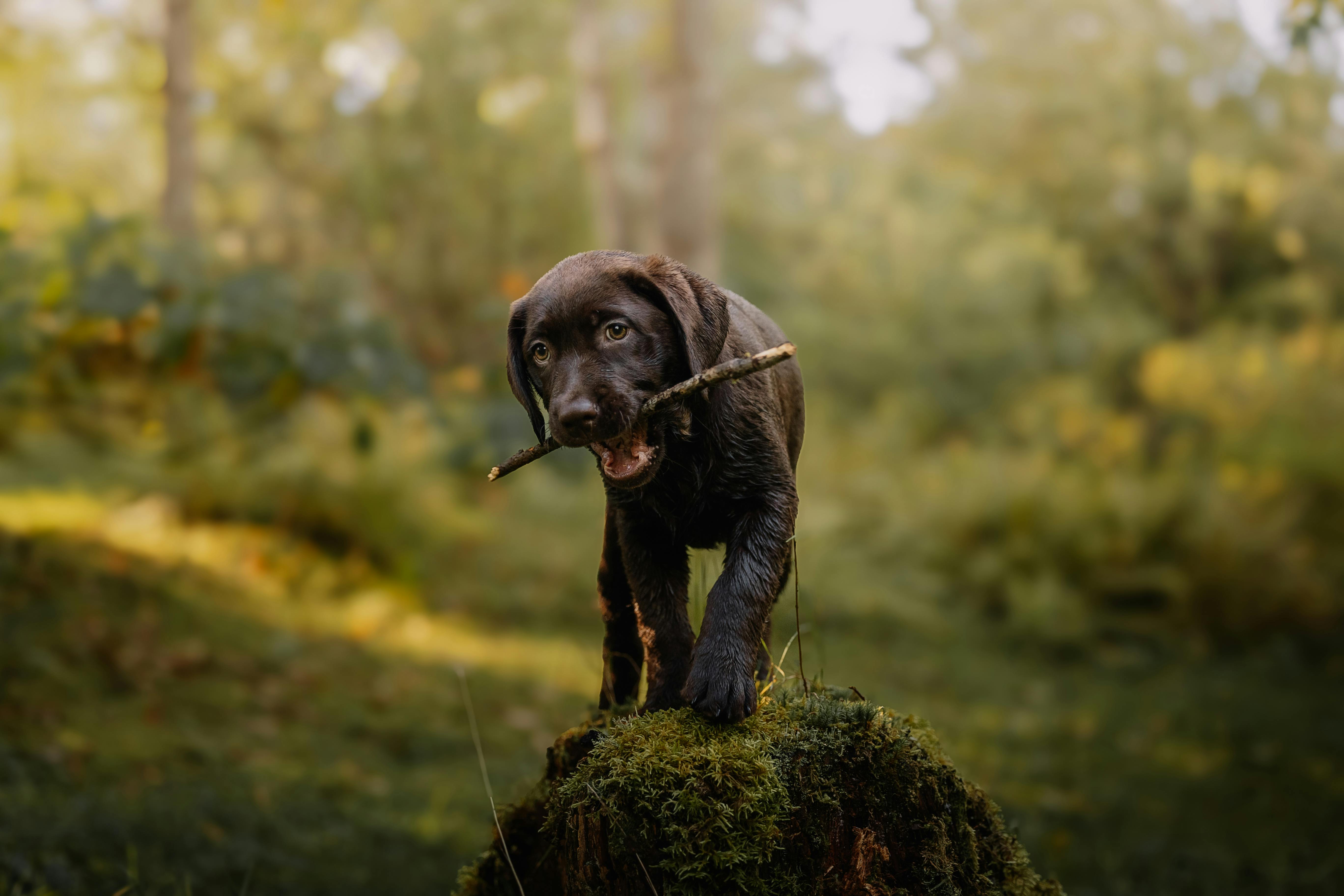 \n\n
\n\nWhen you think of dogs, one of the first things that comes to mind is probably their wet noses. But have you ever wonder, "Are all dog noses wet?" It’s a common belief that a wet nose means a healthy dog. But is that true? Let’s dive into this fascinating world of canine noses, explore the myths and misconceptions, and understand why do dogs have wet noses.
\nThe Science Behind Wet Noses
\nDogs noses are often wet because of several reasons. Primarily, the moisture on a dog’s nose helps them to sense the world around them. It’s like a natural tool that enhances their sense of smell. Here’s how it works:
\n- \n
- Moisture Absorption: The wetness helps to absorb scent particles in the air, making their smell receptors more effective. \n
- Temperature Regulation: A wet nose can help dogs cool down, similar to how sweating works for humans. \n
- Health Indicator: While many people think a wet nose indicates good health, it’s not always a clear sign. \n
Misconceptions about Dog Noses
\nThere are many myths surrounding dog noses that need to be debunked. Here are some common misconceptions:
\n- \n
- Myth 1: All dog noses are wet all the time. \n
- Myth 2: A dry nose means your dog is sick. \n
- Myth 3: The size or shape of a dog’s nose determines how wet it will be. \n
Wet Noses vs. Dry Noses: What Do They Mean?
\nBoth wet and dry noses can be normal for dogs. Here’s a breakdown of what it might mean if your dog’s nose is wet or dry:
\nWet Nose
\n- \n
- Healthy Hydration: Indicates your dog is well-hydrated. \n
- Active Scenting: Dogs tend to have wetter noses when they are actively sniffing around. \n
- Cool Temperatures: Wet noses are more common in cooler weather. \n
Dry Nose
\n- \n
- Dehydration: A dry nose can be a sign of dehydration, but not always. \n
- Weather Influence: Hot weather can cause a dog’s nose to become dry temporarily. \n
- Age Factor: Older dogs may have drier noses as a part of the aging process. \n
The Evolutionary Perspective
\nHistorically, dogs have developed wet noses as an evolutionary advantage. Canines are descendants of wolves, which relied on their acute sense of smell for hunting and survival. Wet noses enhance this ability, allowing for better hunting success. This adaptation has carried over to domestic dogs, making their noses an essential tool for exploring their environment.
\nFun Facts about Dog Noses
\nDid you know that dog noses are unique, much like human fingerprints? Here are some fun facts about them:
\n- \n
- Sense of Smell: Dogs have up to 300 million scent receptors, compared to about 6 million in humans. \n
- Nose Prints: Each dog has a unique nose print that can potentially be used for identification. \n
- Temperature Sensitivity: Dogs can sense temperature changes through their noses, helping them detect heat or cold. \n
Caring for Your Dog's Nose
\nTo keep your dog's nose healthy, consider these tips:
\n- \n
- Hydration: Ensure your dog drinks plenty of water. \n
- Moisturize: If your dog has a dry nose, you can use dog-safe balms. \n
- Regular Check-ups: Regular vet visits can help catch any potential issues early on. \n
Comparison Table: Wet vs. Dry Dog Nose
\n| Feature | \nWet Nose | \nDry Nose | \n
|---|---|---|
| Hydration Level | \nWell-hydrated | \nMay indicate dehydration | \n
| Active Scenting | \nHigher scent absorption | \nLower scent absorption | \n
| Weather Influence | \nCommon in cooler climates | \nMore likely in warmer weather | \n
| Health Indicator | \nGenerally healthy | \nCan indicate health issues | \n
Understanding why dogs have wet noses and debunking myths surrounding them can help dog owners better care for their furry friends. So next time you give your pup a pat on the head and feel that wet nose, remember it’s more than just an adorable feature – it’s a part of what makes dogs such incredible companions. Wet or dry, each nose tells a story, and being aware of these facts can help you keep your dog happy and healthy.
\n\nHow to Care for Your Dog's Nose: Tips for Maintaining Optimal Moisture Levels
\n\n \n\n
\n\nHave you ever wondered why your furry friend’s nose is always wet? It’s one of those quirks that make dogs so unique. But more than just a curious trait, a well-moistened nose plays a crucial role in your pup’s health. Here we dive into the fascinating reasons behind wet noses, and also share some tips on how to care for your dog’s nose to maintain optimal moisture levels.
\nWhy Do Dogs Have Wet Noses? Discover This Fascinating Secret!
\nDogs have wet noses for a bunch of interesting reasons. First off, moisture helps them to smell better. The wetness traps scent particles, which makes their noses more effective at detecting smells—this is why dogs are often used in search and rescue missions, or sniffing out drugs. Believe it or not, a dog’s sense of smell can be thousands to millions of times more sensitive than that of humans!
\nAnother reason for a dog’s wet nose is temperature regulation. Dogs don’t sweat the same way humans do; they primarily cool off through panting. However, their noses play a role in this too. The moisture on their noses evaporates, helping to cool them down. Dry noses could mean your dog is too warm or even dehydrated.
\nThe Benefits of a Moist Dog Nose
\n- \n
- Enhanced Sense of Smell: Moisture helps absorb scent particles. \n
- Temperature Regulation: A wet nose aids in cooling the body. \n
- Health Indicator: Changes in moisture can signal health issues. \n
How to Care for Your Dog’s Nose: Tips for Maintaining Optimal Moisture Levels
\nMaintaining your dog’s nose is not just about keeping it wet. Here’s a few practical tips to ensure that your pup's nose stays in tip-top shape:
\n- \n
- \n
Hydration is Key: Make sure your dog always has access to fresh water. Dehydration can lead to a dry nose.
\n \n - \n
Humidifier Help: If you live in a dry climate or using heating in the winter, consider using a humidifier. It can help keep the air moist, which benefits your dog’s skin and nose.
\n \n - \n
Check for Allergens: Dust, pollen, or even certain foods could cause nasal dryness. Keep an eye on your dog's environment, and consult with a vet if you suspect allergies.
\n \n - \n
Regular Vet Check-ups: Sometimes, a dry nose can indicate health issues. Regular visits to the vet ensure any problems are caught early.
\n \n - \n
Gentle Cleaning: Occasionally, gently wiping your dog’s nose with a damp cloth can help remove dirt without irritating the skin.
\n \n - \n
Be Mindful of the Sun: Dogs can get sunburned, especially on their noses. If your dog spends a lot of time outside, consider a pet-safe sunscreen.
\n \n - \n
Diet Matters: A balanced diet rich in omega fatty acids can promote healthy skin and moisture levels.
\n \n
Common Misconceptions About Dog Noses
\n- \n
- A Wet Nose Always Means Healthy: While it’s often true, a change in moisture levels can signal health issues. \n
- Dogs Only Sweat Through Their Noses: Dogs primarily sweat through their paws, but their noses may help cool them down. \n
- Dog Noses Are Always Cold: Temperature can vary. A warm nose doesn’t always mean a dog is sick. \n
Moisture Levels: What to Look For
\nYou might be wondering what exactly to look for when checking your dog’s nose. Here’s a simple checklist:
\n- \n
- Moisture: Is it wet, dry, or cracked? \n
- Color: Should be a healthy pink or black, depending on the breed. \n
- Temperature: Is it unusually warm? \n
- Discharge: Is there any unusual discharge or bleeding? \n
Conclusion
\nUnderstanding why dogs have wet noses helps us appreciate these lovable creatures even more. By keeping an eye on their moisture levels and following some simple care tips, you can help ensure your dog stays healthy and happy. So next time you give your pup a scratch behind the ears, take a moment to check that adorable, wet nose!
\n\nConclusion
\n\nIn conclusion, the wet noses of dogs serve multiple important functions that contribute to their overall health and behavior. The moisture on a dog's nose helps enhance their sense of smell, allowing them to better detect scents in their environment, which is crucial for their survival and interaction with the world. Additionally, a wet nose plays a role in temperature regulation and hydration, ensuring that your furry friend stays comfortable. While the common belief that a wet nose indicates good health is not always accurate, it can be a useful gauge in monitoring your dog's well-being. Understanding the significance of your dog's wet nose not only enriches your bond with them but also allows you to better care for their needs. So, the next time you give your dog a pat, take a moment to appreciate that wet nose and the amazing capabilities it represents!
\n\n