Have you ever wonder why do dogs have wet noses? It’s a question that many pet owners find themselves asking, and the answer is both fascinating and essential for understanding our furry friends. Wet noses in dogs are not just an adorable characteristic; they play a significant role in a dog’s health and sensory perception. But what makes these snouts so moist? Is it just for cooling off, or is there more to this intriguing feature? As we explore the reasons behind this phenomenon, you’ll discover how a dog's sense of smell is intricately linked to that wet nose, enhancing their ability to sniff out scents better than humans. Plus, did you know that a wet nose can also indicate a dog’s overall well-being? Join us on this journey to uncover the secrets of your pup’s wet nose and learn why it matters for their health and happiness. Whether you're a seasoned dog owner or a curious newcomer, understanding this unique trait can deepen the bond you share with your four-legged companion. So, are you ready to unlock the mystery behind why do dogs have wet noses? Let’s dive in!
The Science Behind Dog Nose Moisture: Why It Matters for Their Health

Ever wonder why dogs have those wet noses? It’s a question that leads us into the fascinating world of canine biology, where we find out that there's a lot more going on than meets the eye. The moisture on a dog’s nose isn’t just for show; it serves several important purposes that play a significant role in their overall health. Let’s dive into the science behind dog nose moisture and why it matters for their health.
The Function of a Wet Nose
First off, the moist surface of a dog’s nose is crucial for their sense of smell. Dogs are known for their incredible olfactory abilities, and their wet noses help enhance this sense. When a dog sniffs, the moisture on their nose traps scent particles from the air, making it easier for them to process smells. Here’s a quick list of functions a wet nose serves:
- Scent Detection: The moisture helps capture scent particles, improving their ability to smell.
- Temperature Regulation: Dogs can regulate their body temperature through their noses, similar to how humans sweat.
- Health Indicator: Changes in nose moisture can indicate health issues, such as dehydration or illness.
Why Dogs Have Wet Noses: The Science Behind It
So, why do dogs have wet noses? The answer lies in evolution and biology. Dogs, like their wild ancestors, needed to be able to hunt and survive in their environments. A wet nose is not just a trait; it's an adaptation. The moisture on their noses helps them detect prey and navigate their surroundings.
Here’s a breakdown of the scientific aspects:
Glandular Secretions: Dogs have specialized glands in their noses that produce a thin layer of moisture. This secretions is primarily made up of water, but it also contains proteins and other organic compounds that enhance scent detection.
Thermoregulation: Dogs have fewer sweat glands than humans. Instead of sweating, they rely on their noses to help cool down. When a dog pants, moisture evaporates from their nose, which helps lower their body temperature.
Health Monitoring: A dog’s nose can be a good indicator of its health. For example, a dry nose may indicate dehydration, while a wet nose can suggest that a dog is healthy and hydrated.
Historical Context
The understanding of why dogs have wet noses has evolved over time. Ancient civilizations recognized the importance of a dog’s sense of smell, using them for hunting and tracking. Over centuries, breeding practices focused on enhancing their olfactory capabilities, which likely contributed to the prominence of moisture on their noses.
In the early 20th century, scientists began studying canine anatomy more rigorously, leading to discoveries about the olfactory system and the role of nasal moisture. This knowledge continues to inform veterinary practices today.
Interesting Comparisons
Let’s compare the nose moisture of dogs with other animals. For instance, cats have drier noses than dogs, which can make them less effective at scent detection.
Here’s a quick comparison chart:
| Animal | Nose Moisture | Scent Detection Ability |
|---|---|---|
| Dogs | Wet | Excellent |
| Cats | Dry | Good |
| Humans | Dry | Moderate |
| Rats | Wet | Excellent |
Practical Implications for Dog Owners
As a dog owner, understanding why dogs have wet noses can help you monitor your pet’s health. Here are some practical tips:
Regular Checks: Regularly check your dog’s nose. If it becomes excessively dry or cracked, it may be time to visit a vet.
Hydration: Ensure your dog stays hydrated, especially during hot weather, to maintain that all-important moisture in their nose.
Healthy Diet: A nutritious diet can contribute to overall health, including the moisture of the nose. Omega-3 fatty acids, for example, can help keep their skin and nose moist.
In summary, the moisture on a dog’s nose is not just a cute feature; it plays a vital role in their health and well-being. The next time you pet your dog and feel that wet nose, remember that it’s doing some heavy lifting behind the scenes, helping them navigate their world and communicate their needs. Understanding this simple yet fascinating feature can deepen your bond with your furry friend, and keep you more attuned to their health. So, next time you ask yourself, "Why do dogs have wet noses?" you’ll have a clearer picture of the science and significance behind it.
5 Fascinating Reasons Dogs Have Wet Noses That Will Surprise You
Have you ever wondered why dogs have wet noses? This peculiar trait is more than just a cute feature; it has a scientific basis that might surprise you. Dogs, our loyal companions, have been part of human lives for thousands of years, and their moist noses play an important role in their health and communication. Let's dive into 5 fascinating reasons why dogs have wet noses that will definitely make you think twice about this adorable characteristic.
1. Enhanced Sense of Smell
One reason for their wet noses is that moisture helps to enhance their sense of smell. Dogs have an incredible olfactory system, and their noses are specially designed to detect scents. When a dog's nose is wet, it helps to trap scent particles, making it easier for them to pick up on various odors. This is especially important for hunting and tracking activities.
- Fact: Dogs have up to 300 million scent receptors, compared to just about 6 million in humans.
- Tip: If your dog is sniffing around more than usual, it might be picking up on something interesting!
2. Temperature Regulation
Did you know that dogs cannot sweat like humans do? Instead, they rely on their wet noses to help cool themselves down. When a dog pants, moisture evaporates from the surface of their nose, which can assist in regulating their body temperature.
- Interesting Note: A dog’s normal body temperature ranges from 101 to 102.5 degrees Fahrenheit.
- Example: On hot days, you might notice your dog’s nose being even wetter. This is their way of trying to cool off!
3. Communication Tool
Wet noses also play a role in canine communication. When dogs greet each other, they often sniff each other’s noses. The moisture can carry scent chemicals that convey important information about other dogs. This is how dogs learn about each other’s health, mood, and even diet.
- Communication Facts:
- A wet nose can indicate a friendly approach.
- Dogs may also use their noses to explore the world around them, gathering information like humans do with their eyes.
4. Health Indicator
A dog’s nose can be a good indicator of their health. A typical dog nose is moist, but if it becomes excessively dry or cracked, it might suggest that something is off. Various health issues can manifest in changes to the moisture level of a dog's nose, ranging from dehydration to more serious conditions.
- Signs of a Healthy Nose:
- Cool and wet to the touch
- Consistent moisture level
- When to Consult a Vet:
- If the nose is dry for an extended period
- Presence of cracks or sores
5. Evolutionary Advantage
The wet nose is believed to have evolved as an advantage for dogs’ ancestors. In the wild, scent is crucial for hunting and survival. A wet nose can help detect prey and avoid predators, enhancing a dog's ability to thrive in its environment. This evolutionary trait has been passed down through generations, continuing to serve dogs even today.
- Historical Context:
- The ancestors of modern dogs were hunters, and their survival depended largely on their sense of smell.
- Dogs have been domesticated for around 15,000 years, but their wet noses are a remnant of their wild instincts.
Fun Facts about Dog Noses
- Dogs' noses come in different shapes and sizes, but all serve the same purpose: enhancing their sense of smell.
- The texture of a dog’s nose can vary; some are smooth while others are bumpy, but both types are well-suited for capturing scents.
- Just like human fingerprints, every dog’s nose print is unique.
So, next time you ask yourself, "Why do dogs have wet noses?", remember these fascinating reasons. Their wet noses are not just adorable; they are essential for their health, communication, and survival. It's amazing how something so simple can hold so much significance in a dog's life. Dogs truly are remarkable creatures, and their wet noses are just one of the many reasons we love them. If you have a dog, appreciate this unique feature and understand what it reveals about your furry friend!
How a Dog's Wet Nose Enhances Their Sense of Smell and Communication
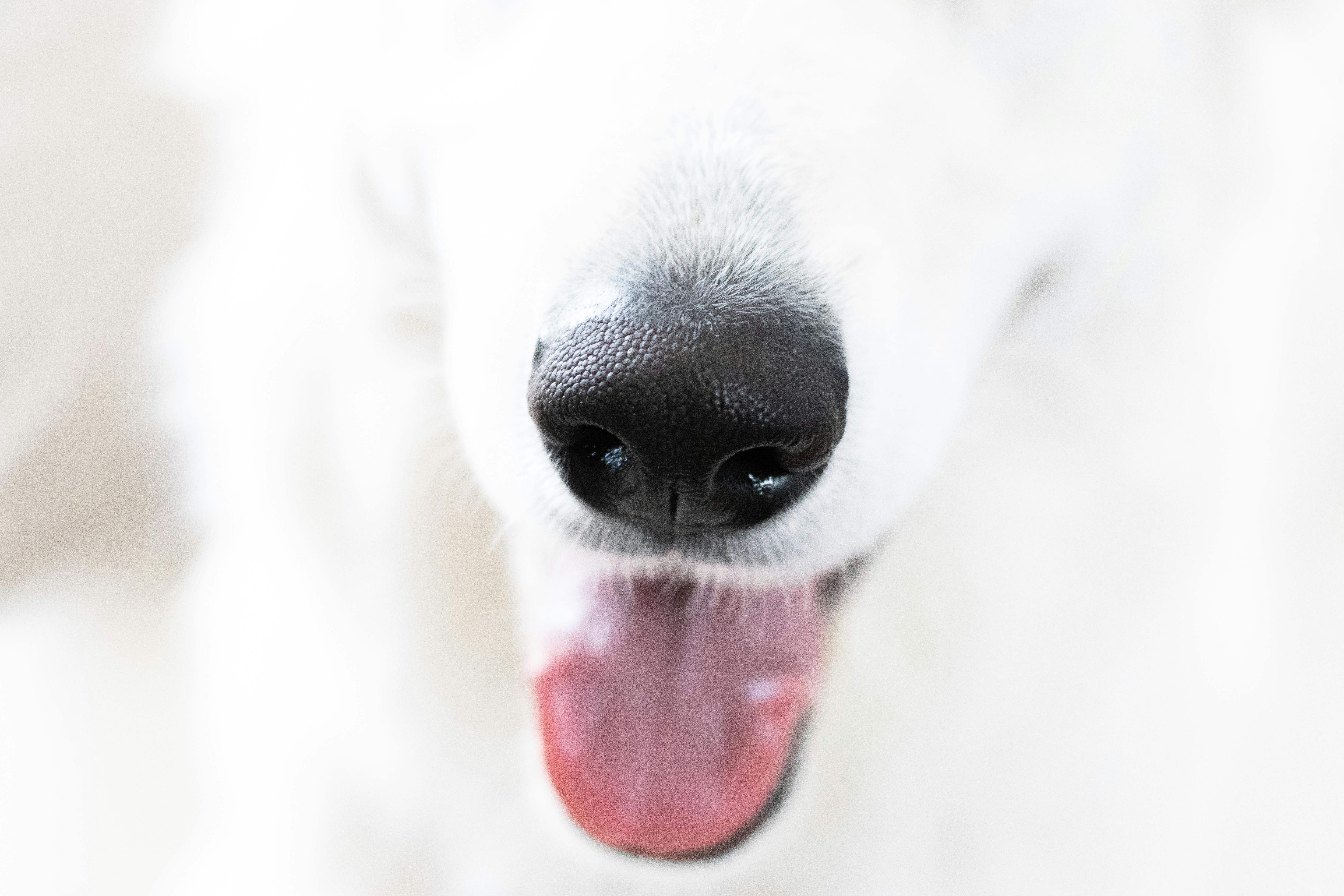
Dogs are known for many things, but one of their most distinctive features is their wet noses. Have you ever wondered why do dogs have wet noses? It’s not just for show. In fact, a dog's wet nose plays a very important role in both their sense of smell and communication. In this article, we will dive into the fascinating secret behind why dog’s noses are always moist and how that enhances their capabilities.
The Science Behind a Dog's Wet Nose
Dogs, like many animals, have a unique physiology. Their noses are covered with a specialized type of skin that helps them absorb scent molecules. A wet nose enhances this ability. Here’s how it works:
- Mucus Production: Dogs secrete mucus from glands in their noses. This mucus helps to trap scent particles, making it easier for dogs to pick up on smells.
- Temperature Regulation: A wet nose also helps regulate their body temperature. When dogs pant, moisture evaporates from their noses, cooling them down.
- Enhanced Scent Detection: Studies show that a dog’s sense of smell is between 10,000 to 100,000 times more sensitive than humans. The moisture on their noses helps to dissolve scent particles, which makes it easier for dogs to detect and identify different smells.
Communication Through Scent
Dogs communicate a lot through scent, and their wet noses are part of that communication. When dogs greet each other, they often sniff each other’s noses and bodies. This behavior allows them to gather information about other dogs' health, diet, and even their emotional state. Some key points about this communication are:
- Scent Marking: Dogs use their noses to mark territory. By sniffing around, they can determine if another dog has been in the area.
- Social Interactions: When meeting new friends, dogs often engage in sniffing. It’s their way of saying "hello" and gathering information.
- Emotional Signals: Dogs can also sense emotions through smell. A dog can detect changes in a person’s body odor when they are stressed or scared.
Why Wet Noses Matter More Than You Think
You might think a wet nose is just a quirky trait, but it’s actually vital for a dog’s health and behavior. Here are some interesting facts about wet noses:
- Health Indicator: A dog's nose temperature can indicate their health. A suddenly dry or hot nose could be a sign of illness.
- Breeds and Wet Noses: While most dogs have wet noses, certain breeds, like bulldogs and pugs, may have drier noses due to their facial structure.
- Grooming: Dogs often lick their noses, which helps keep them moist and clean. This is important as it helps maintain their scent-detecting abilities.
Fun Facts About Dogs’ Noses
- Unique Patterns: Just like human fingerprints, no two dog noses are alike. The patterns of ridges and bumps are unique to each dog.
- Nose Work Sports: There are competitions where dogs showcase their scent detection skills, proving just how powerful their noses are.
- Scent Memory: Dogs can remember scents for a long time. They can recognize a person or animal by their smell even after years.
What Happens When a Dog’s Nose is Dry?
A dry nose in dogs can be a cause for concern. Here’s what you should look for:
- Dry, Cracked Nose: This can indicate dehydration or health issues.
- Changes in Behavior: If a dog is lethargic or not eating, along with a dry nose, it could be a sign of illness.
- Consult Your Vet: If you notice significant changes in your dog’s nose or behavior, you should consult a veterinarian for advice.
Caring for Your Dog’s Nose
Keeping your dog's nose healthy is important for their overall well-being. Here are some tips for dog owners:
- Hydration: Always make sure your dog has access to fresh water. Dehydration can lead to a dry nose.
- Avoid Irritants: Keep your dog away from harsh chemicals or allergens that can irritate their nose.
- Regular Checkups: Regular vet visits can help catch any potential issues early.
Understanding why do dogs have wet noses can deepen your appreciation for these remarkable animals. Their wet noses are more than just an endearing characteristic; they are essential tools for survival, communication, and health. By taking care of your dog’s nose, you ensure that they can continue to explore the world through their incredible sense of smell.
Is a Wet Nose a Sign of a Healthy Dog? Debunking Common Myths
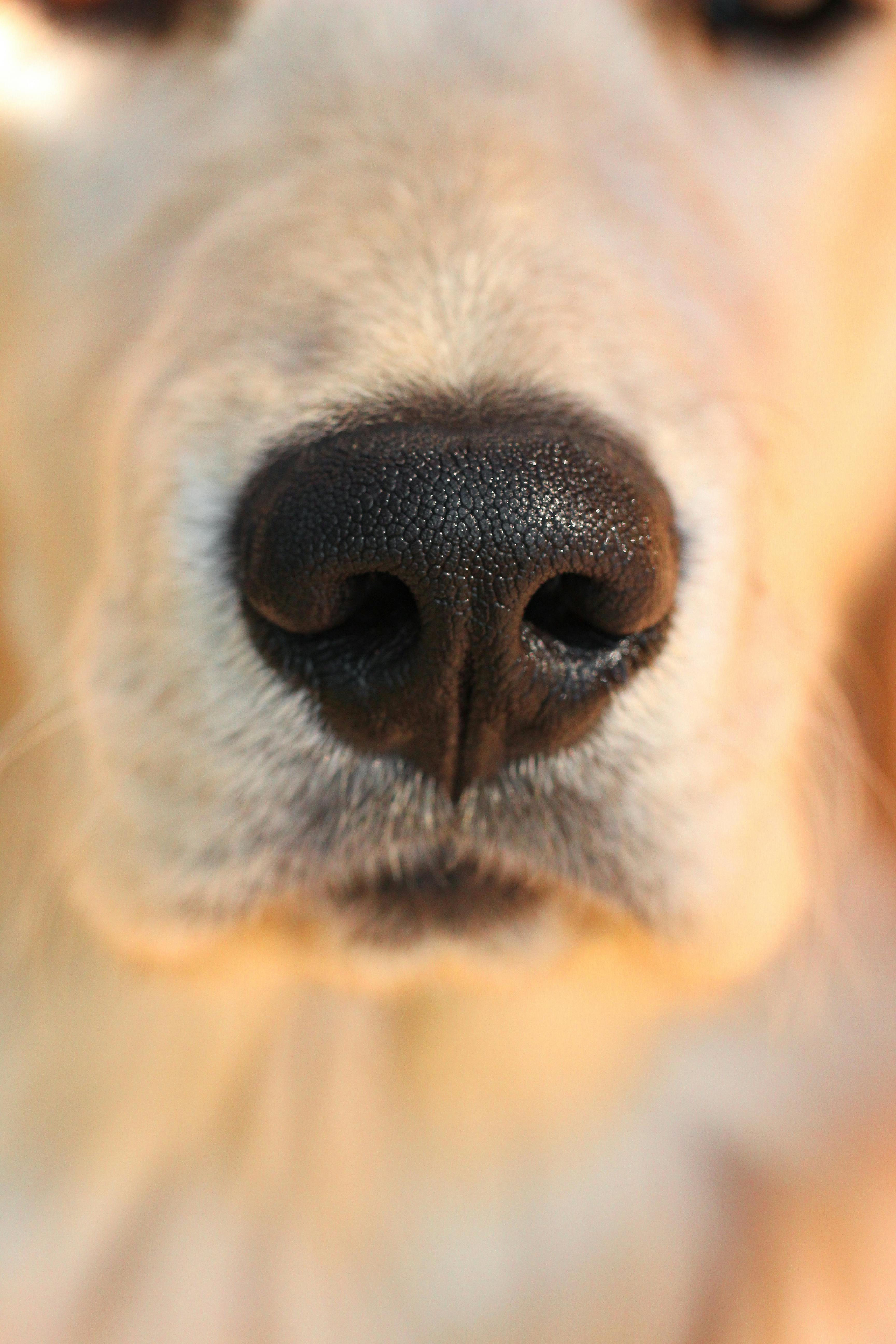
Is a Wet Nose a Sign of a Healthy Dog? Debunking Common Myths, Why Do Dogs Have Wet Noses? Discover This Fascinating Secret!
When it comes to our furry friends, many of us have probably heard that a wet nose is a sign of a healthy dog. But is it really true? The truth about wet noses and what they signify is often muddied with myths and misunderstandings. So, let’s dive into the science and history of why dogs have wet noses and explore some common beliefs surrounding this topic.
The Science Behind a Dog’s Wet Nose
Dogs noses are wet for a variety of reasons, and it ain’t just about health. The moisture on a dog's nose serves several important functions. Here’s a breakdown:
- Enhanced Smell: A wet nose can help to absorb scent particles. This moisture makes it easier for dogs to detect odors, which is why they have such a keen sense of smell.
- Temperature Regulation: Dogs don’t sweat like humans do. Instead, they cool off through their noses and paw pads. A wet nose can help regulate their body temperature.
- Health Indicator?: While it is often thought that a wet nose indicates good health, it’s not always the case. Dogs can have wet noses even when they have health issues.
Debunking the Myths
So, what about the myths? Here’s a look at some common ones that have been floating around.
Myth: A Wet Nose Always Means a Healthy Dog
- Reality: A dog can have a wet nose and still be sick. Conditions like kennel cough or canine distemper can occur without changing the moisture level of their nose.
Myth: Dry Noses Indicate Illness
- Reality: Just because a dog’s nose is dry doesn’t mean they are sick. Weather changes, dehydration, or even just waking up from sleep can result in a dry nose.
Myth: Dogs’ Noses Should Always be Cold and Wet
- Reality: While many dogs do have cold and wet noses, this isn’t a hard rule. Some breeds may naturally have warmer noses, and that’s perfectly normal.
Why Do Dogs Have Wet Noses?
Now, let’s go deeper into why dog’s noses are wet. Understanding the anatomy and purpose can help us appreciate this unique feature.
- Anatomical Structure: The skin on a dog’s nose contains a high concentration of mucous glands, which produce moisture. This layer serves to keep their nose damp, enhancing their sense of smell.
- Behavioral Aspect: Dogs often lick their noses, which can add to the moisture. This behavior can also help them taste the scents they are smelling.
Interesting Facts About Dog Noses
Here are some fun and fascinating facts that highlight the uniqueness of dog noses:
- Unique Patterns: Just like human fingerprints, each dog has a unique nose print. They can be used for identification purposes!
- Scent Detection: Dogs have up to 300 million smell receptors in their noses, compared to a human’s 5 million. This makes their olfactory sense incredibly powerful!
- Temperature Sensitivity: A dog’s nose can help them detect changes in temperature, making it easier for them to sense their environment.
Keeping Your Dog’s Nose Healthy
While a wet nose isn’t always a clear indicator of health, it’s essential to maintain overall nose health. Here are some tips:
- Hydration: Make sure your dog is drinking enough water. Dehydration can lead to a dry nose.
- Regular Vet Check-ups: Routine veterinary visits can help catch any potential issues early.
- Watch for Changes: Sudden changes in your dog’s nose moisture or color can be a sign of something more serious, so keep an eye out.
Conclusion
In the end, while a wet nose can often be a sign of a healthy dog, it’s not a definitive indicator. Dogs can have wet noses for various reasons, and it’s essential to look at the bigger picture regarding their overall health. Understanding the science behind wet noses can help us care better for our furry companions. So, next time you pet your dog and feel that moist nose, remember the fascinating secrets behind it!
Exploring the Connection Between Dog Emotions and Nose Moisture
Have you ever wondered why do dogs have wet noses? It’s a question that many dog owners and enthusiasts ask. But the answer is more than just a quirky fact about our furry friends. There’s actually a fascinating connection between a dog’s emotions and their nose moisture. Let’s dig deeper into this intriguing topic that blends biology, behavior, and a bit of mystery.
The Science Behind Wet Noses
First off, let’s talk about what makes a dog’s nose wet. The moisture on a dog’s nose is primarily due to mucus, which serves several purposes. Dogs have a unique cooling system, and their noses play a significant role in regulating their body temperature. A wet nose helps them stay cool by evaporating moisture, similar to how humans sweat.
Moreover, the wetness enhances their sense of smell. Dogs have an incredible olfactory system, and a moist nose helps to capture scent particles more effectively. When their noses are damp, it increases the surface area for scent absorption. Isn’t that amazing?
Emotional Connection
Now, let’s explore how a dog’s emotions links to their nose moisture. Dogs can express their feelings in various ways, and their nose can be one of those indicators. A wet nose usually indicates a healthy and happy dog. However, if a dog has a dry nose, it could signal stress, illness, or dehydration.
Here are a few emotional states and their possible effects on a dog's nose moisture:
- Happiness: Dogs who are excited or content often have moist noses. It’s a sign that they are in a good mood.
- Anxiety: A dog experiencing stress may have a drier nose. This can happen during thunderstorms, fireworks, or when they are left alone.
- Illness: When a dog is sick, their nose may appear dry and warm. It’s always best to consult a vet if you notice significant changes in your dog’s nose moisture.
Fun Facts About Dog Noses
To further understand why do dogs have wet noses, let’s take a look at some fun facts:
- Size Matters: The size and shape of a dog’s nose can affect its moisture levels. Breeds with longer noses, like Greyhounds, often have wetter noses than short-nosed breeds like Bulldogs.
- Nose Prints: Just like human fingerprints, a dog’s nose print is unique. It can be used to identify them!
- Temperature Regulation: Dogs don’t sweat like humans do. Instead, they regulate their temperature through their noses and panting.
Comparing Dog Noses to Other Animals
Dogs aren’t the only animals with moist noses. Other mammals also have wet noses, but the reasons can vary. Here’s a quick comparison:
| Animal | Purpose of Wet Nose | Unique Feature |
|---|---|---|
| Dogs | Enhanced smell, cooling system | Unique nose prints |
| Cats | Better smell, temperature regulation | Less moisture than dogs |
| Cows | Cooling and scent detection | Moisture helps with grazing |
| Pigs | Better sense of smell, rooting ability | Very moist for foraging |
In fact, many animals rely on their noses to navigate their environment, much like dogs do.
Practical Implications for Dog Owners
Understanding why do dogs have wet noses can help owners take better care of their pets. Here are some practical tips:
- Regular Vet Check-ups: Always monitor your dog’s nose moisture. If it changes drastically, consult a veterinarian.
- Stay Hydrated: Ensure your dog always has access to fresh water. Hydration is key to keeping their nose moist.
- Observe Behavior: Notice when their nose changes moisture levels. It could indicate changes in their emotional or physical health.
The Bottom Line
So, why do dogs have wet noses? It’s not just a cute feature; it’s an essential part of their biology and emotional expression. A wet nose indicates a healthy and content dog, while changes in moisture can reflect their emotional state or health issues. By understanding this simple yet fascinating aspect of canine biology, pet owners can foster healthier, happier lives for their furry friends.
Next time you give your dog a scratch behind the ears, take a moment to appreciate that moist little nose. It’s more than just a detail; it’s a gateway into the emotional world of your beloved pet.
The Role of Wet Noses in Dog Thermoregulation: Keeping Cool in Heat

Dogs are some of the most beloved pets around the world, and their wet noses often sparks curiosity among pet owners. Have you ever wondered why do dogs have wet noses? It’s not just a cute feature; it plays a crucial role in how dogs keep cool, especially during those hot summer days when the temperature rises. Let’s dive into this fascinating secret, exploring the science behind dog noses and their role in thermoregulation.
What Makes a Dog’s Nose Wet?
The moisture on a dog's nose is primarily due to the secretions from the mucous glands, and it serves several important functions. Some might think it’s just for show, but there’s more to it than that. Here’s a quick list of reasons why a dog’s nose might be wet:
- Temperature Regulation: Wet noses help in cooling the dog down.
- Enhanced Smell: The moisture helps to capture scent particles in the air, improving their sense of smell.
- Health Indicator: A wet nose can sometimes indicate a healthy dog, while a dry nose may suggest dehydration or illness.
The Science of Thermoregulation
Dogs don’t sweat like humans do. Instead, they have a unique way of cooling themselves down. When it gets hot, they pant to evaporate moisture from their tongues and lungs. But their wet noses play an equally important role in thermoregulation.
- Evaporative Cooling: The moisture on the nose evaporates, which helps to cool the blood vessels located close to the surface of the skin. This cooling effect can help regulate their body temperature.
- Heat Dissipation: As the moisture evaporates, it carries away heat, similar to how sweating works in humans. This is especially important for breeds that have thick fur.
Why Do Dogs Have Wet Noses? A Deeper Look
The wetness of a dog’s nose can vary throughout the day. Certain factors can contribute to how wet or dry it is. Here’s a breakdown of what might influence this:
- Environmental Conditions: High humidity can make a dog’s nose feel wetter, while dry conditions might lead to a drier nose.
- Activity Level: A dog that is active and playing will often have a cooler and wetter nose due to increased panting and moisture production.
- Health Status: A consistently dry nose might be a sign of dehydration or a health issue, so it’s good to monitor changes.
Historical Context of Dog Noses
Historically, dogs have been bred for various purposes such as hunting, herding, and companionship. The development of their noses has been crucial in their roles. For example:
- Hunting Dogs: Breeds like Bloodhounds have an extraordinary sense of smell, aided by their wet noses which help them track scents over long distances.
- Working Dogs: Dogs used in search and rescue missions rely on their keen sense of smell, which is enhanced by their moist noses.
Comparing Dog Noses to Other Animals
It’s interesting to compare dog noses with those of other animals. Here’s a simple comparison:
| Animal | Nose Feature | Thermoregulation Method |
|---|---|---|
| Dogs | Wet, moist | Evaporation of moisture |
| Cats | Dry, less moist | Less effective sweating |
| Horses | Moist, large surface area | Sweating and evaporation |
| Pigs | Dry, less sensitive | Panting and wallowing |
Practical Examples of Keeping Dogs Cool
So, how can you ensure your dog stays cool during hot weather? Here are some practical tips:
- Shade and Water: Always provide a shaded area and fresh water for your dog to stay hydrated.
- Avoid Heat Stress: Limit walks to cooler times of the day, such as early mornings or late evenings.
- Cooling Products: Consider using cooling vests or mats designed for dogs to help them regulate their temperature.
Understanding why do dogs have wet noses and how they help keep cool is essential for any dog owner. Not only does it deepen your bond with your furry friend, but it also equips you with knowledge to keep them healthy and happy. So next time you pet your dog and feel that wet nose, remember the fascinating science behind it!
Curious Canine Facts: Why a Wet Nose Is More Than Just Cute
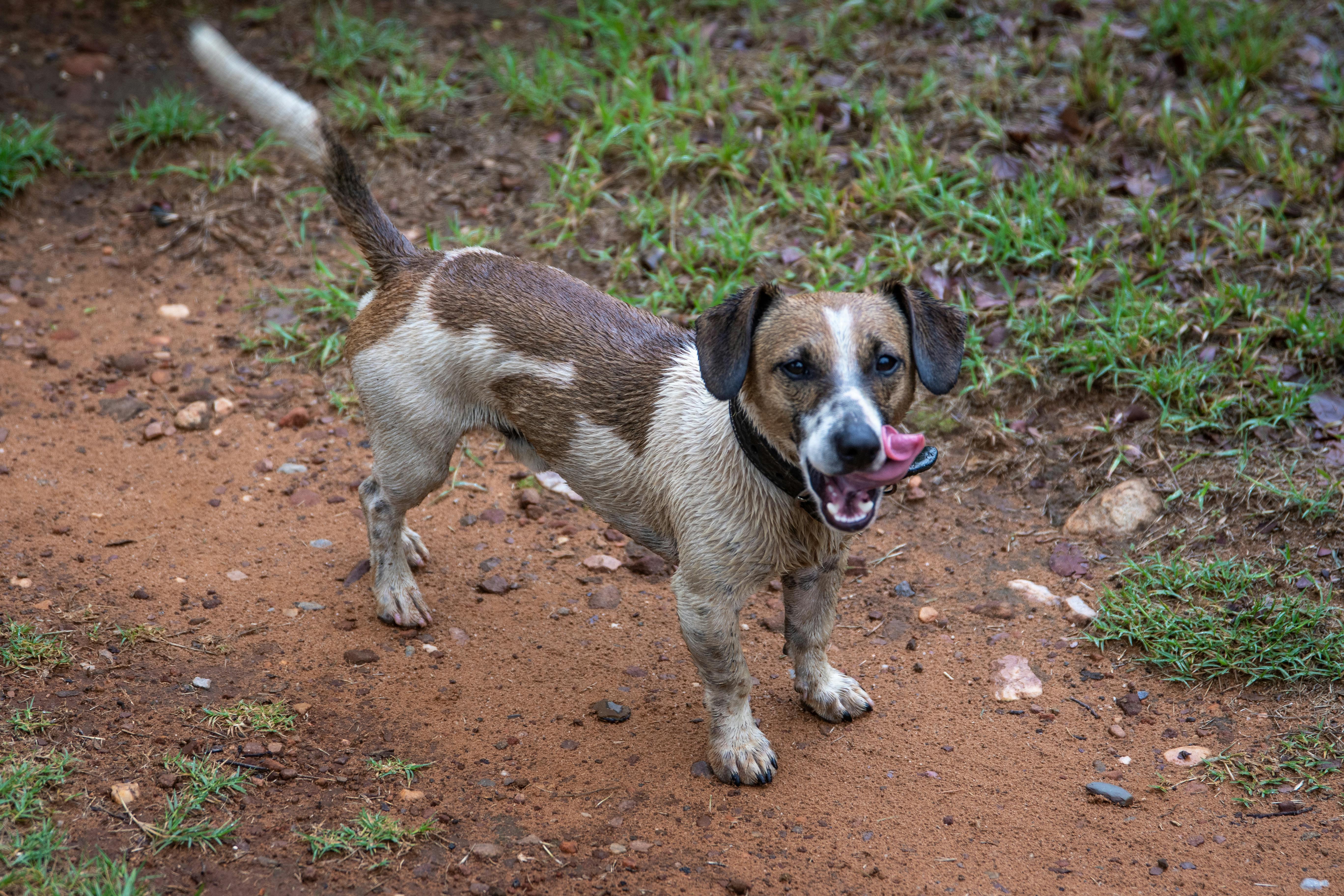
Dogs, those furry companions we all adore, come with a lot of quirks and mysteries. One of the most charming characteristics of dogs is their wet noses. Many pet owners often wonder, "Why do dogs have wet noses?" Is it just a cute feature, or is there something more to it? Well, there’s actually some fascinating science behind those moist noses. Let’s explore this curious canine fact and uncover the secrets behind why dogs have wet noses.
The Science Behind Wet Noses
A dog's nose is not just a cute feature. It plays a critical role in their overall health and sense of smell. But why is it wet? Here are some facts about dog noses:
Moisture Regulation: Dogs' noses are covered in a thin layer of mucus, which helps them regulate temperature. Unlike humans who sweat through skin, dogs rely on their noses to cool down.
Enhanced Smell: The moisture on a dog’s nose helps to capture scent particles. This enhances their sense of smell, which is thousands of times more sensitive than humans. When a dog sniffs, the moisture helps to absorb smells, allowing them to analyze scents better.
Thermoregulation: Dogs can use their noses to sense changes in temperature and humidity. This helps them to gauge their environment and even predict weather changes.
Health Indicator: A dog’s nose can also indicate their health. A dry nose might suggest dehydration or illness, while a wet and cool nose is often a sign of a healthy pup.
Historical Context of Dog Noses
Dogs have been companions to humans for thousands of years. Historically, their noses have played a significant role in various activities:
Hunting: Early humans relied on dogs with keen noses to hunt animals. Dogs would track scents over long distances, which greatly aided in hunting.
Search and Rescue: Dogs have been used in search and rescue missions, utilizing their incredible sense of smell to locate missing persons or detect substances like explosives or drugs.
Service Animals: In modern times, dogs are trained to assist people with disabilities, often using their noses to help those with visual impairments navigate their surroundings.
Fun Facts About Dog Noses
Let’s dive into some fun and intriguing facts about dog noses:
Unique Nose Prints: Just like human fingerprints, every dog has a unique nose print. This means that you could actually identify a dog by its nose!
Nose Color: A dog's nose can change color due to temperature, health, and even breed type. Some breeds are known for having black noses, while others may have pink or spotted ones.
Nasal Turbinates: Dogs have a complex structure inside their noses called nasal turbinates. These structures help filter and warm the air they inhale, which is crucial for their respiratory health.
Scent Discrimination: A dog can differentiate between a variety of smells. They can even tell if a person is stressed or scared by the scent of their sweat.
Nose Licking: Dogs often lick their noses, which not only helps to keep it moist but can also serve as a way to gather more information about their environment.
Comparing Dog and Human Noses
It’s interesting to compare dog noses with human noses. Here’s a quick look at some differences:
| Characteristic | Dogs | Humans |
|---|---|---|
| Sense of Smell | 10,000 to 100,000 times better | Relatively limited |
| Nose Moisture | Always moist | Generally dry |
| Purpose of Nose | Smell, temperature regulation | Breathing, smell |
| Nose Prints | Unique for each dog | Unique for each human |
Practical Examples of Dog Nose Functionality
Let’s consider some practical examples of how dog noses are used in daily life:
Therapy Dogs: In hospitals, therapy dogs can sense anxiety in patients. Their wet noses offer comfort and help in reducing stress levels.
Detecting Diseases: Some studies suggest that dogs can even detect diseases like cancer by sensing chemical changes in a person's body through their breath or skin.
Tracking: Dogs used in tracking can follow a scent trail over days, thanks to their moist noses capturing scent particles from the environment.
Understanding why dogs have wet noses opens up a world of appreciation for these amazing animals. Their noses are not only cute but are also essential tools for their survival and well-being. Next time you see your dog’s adorable wet nose, remember the science and history behind it! These fascinating creatures have so much more going on than what meets the eye.
Top 7 Benefits of a Dog's Moist Nose You Never Knew About
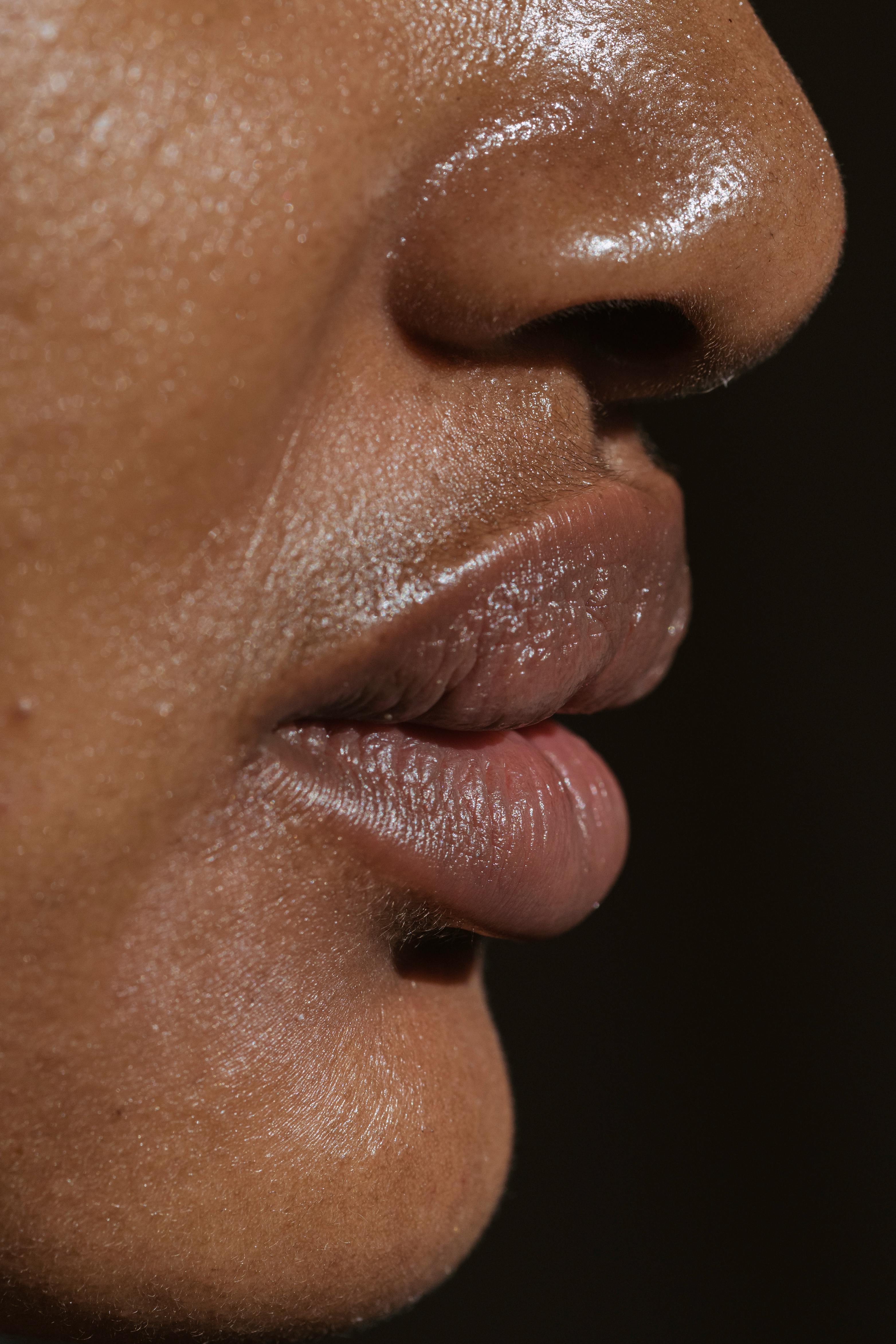
Dogs are some of the most beloved companions in many households, and many of us has observed that our furry friends tend to have wet noses. But why do dogs have wet noses? It’s a question that intrigues not only pet owners but also animal lovers in general. You might not realize it, but there are some fascinating benefits to that moist little nose. Here we explore the top 7 benefits of a dog’s moist nose you never knew about, revealing a secret that might just change the way you view your pet’s health.
1. Natural Thermoregulator
Dogs don't sweat like humans do. Instead, they rely on their noses to help regulate body temperature. A wet nose cools down as air passes over it, helping to lower their overall temperature. So, if your dog’s nose is moist, it might be an indicator that they’re staying cool and comfortable, especially on hot days.
2. Enhanced Sense of Smell
The moisture on a dog’s nose helps in trapping scent particles from the air. This makes it easier for them to pick up on various odors. Dogs’ noses are significantly more sensitive than humans, and this moisture plays a key role in their ability to detect scents.
- Dogs have up to 300 million olfactory receptors in their noses, while humans only have about 6 million.
- A dog’s sense of smell is about 40 times better than ours.
3. Health Indicator
A dog’s wet nose can also be an indicator of their health. If a dog’s nose suddenly becomes dry or hot, it can be a sign of underlying health issues. While it’s not a definitive measure of sickness, it can prompt pet owners to observe other symptoms, leading to quicker veterinary care if needed.
4. Social Interaction Tool
Dogs use their noses as a means of social interaction. When they greet each other, the first thing they do is sniff each other's noses and other parts of their body. This helps them gather information about other dogs, such as their emotional state or whether they are friendly. The moisture helps with this process, making it a vital part of canine communication.
5. Moisture Retention
A dog’s nose can retain moisture, which plays a role in their overall hydration. This is especially important for dogs that are active or live in hotter climates. The wetness can help them stay hydrated longer, making it easier for them to enjoy their playtime without quickly overheating.
6. Protection Against Allergens
The wetness on a dog’s nose helps filter out dust, pollen, and other allergens from the air they breathe. It acts as a natural barrier that can reduce the likelihood of respiratory issues. So, if your dog has a moist nose, it might just be doing its job in keeping those pesky allergens at bay.
7. Cooling Off Mechanism
Just like humans might splash water on their face to feel cooler, dogs do something similar with their noses. When a dog pants, the moisture from their nose evaporates, which helps cool them down. This is especially helpful during exercise or in warm weather situations.
Fun Facts About Dog Noses
- The moisture on a dog’s nose can vary by breed. Some breeds have naturally drier noses than others.
- A dog’s nose print is as unique as a human fingerprint! It can actually be used to identify a dog.
- Different breeds have different nose shapes, which can influence how well they can smell.
Comparison of Dog Nose Moisture Levels
| Dog Breed | Average Nose Moisture Level | Notes |
|---|---|---|
| Labrador Retriever | High | Known for their keen sense of smell |
| Bulldog | Moderate | Often has a dry nose due to skin folds |
| Basenji | Low | Has a unique dry nose, but still has a great sense of smell |
| Beagle | High | Excellent scent hounds, very moist noses |
In summary, the wet noses of our dogs serve various purposes that go beyond what most of us realize. From enhancing their sense of smell to helping them regulate body temperature, those moist noses are quite remarkable. They are not just an adorable trait but also a crucial aspect of a dog’s biology and health. So next time you give your furry friend a pat, take a moment to appreciate that cool, moist nose and all the benefits it brings. It's a tiny detail that’s packed full of fascinating functions!
Can a Dog’s Wet Nose Indicate Illness? What Pet Owners Should Know
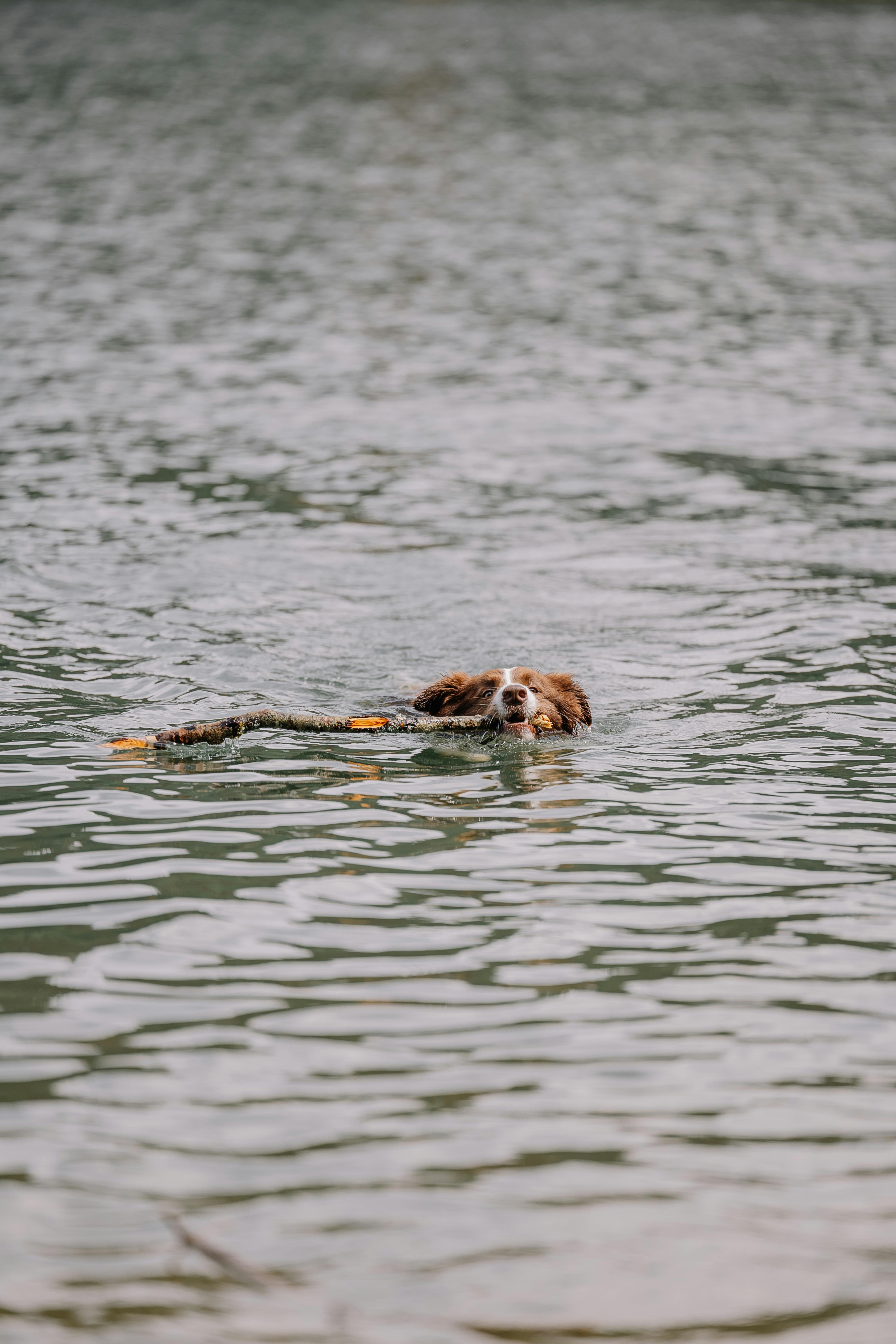
When you think about dogs, one of the first things that comes to mind is their wet noses. You’ve probably noticed that your furry friend’s nose is often moist, and you might wonder, why do dogs have wet noses? This characteristic is not just cute, it actually serves important functions. But did you ever think, can a dog’s wet nose indicate illness? Understanding this can be crucial for dog owners who want to keep their pets healthy and happy.
Why Do Dogs Have Wet Noses?
Dogs noses are wet for a couple of reasons. First off, a moist nose helps enhance their sense of smell. Dogs have an extraordinary olfactory system, and a wet surface can trap scent particles, making it easier for them to sniff out everything from food to potential dangers. It's like a natural magnifier for their sense of smell.
Here's a list of some fascinating facts about dog noses:
- Temperature Regulation: Dogs sweat very little through their skin, so they often use their noses to help cool down. The moisture evaporating from their noses can assist in controlling their body temperature.
- Scent Detection: As mentioned, the wetness of a dog's nose helps in collecting scent particles, making them more effective hunters and trackers.
- Health Indicator: A dog's nose can sometimes reflect their health. While a warm or dry nose could suggest illness, it's not a foolproof indicator.
Can a Dog’s Wet Nose Indicate Illness?
So, can a dog’s wet nose indicate illness? The answer isn't straightforward. A wet nose is often a sign of a healthy dog, but there are exceptions. For instance, if you notice that your dog's nose is excessively dry, cracked, or warm, it may be a cause for concern.
Here’s a quick rundown of what a dog’s nose can indicate:
- Normal: A wet and cool nose is usually a sign of good health.
- Slightly Dry or Warm: This might not be alarming, but it can indicate mild dehydration or fever.
- Excessively Dry or Cracked: This could signal potential health issues, like allergies or infections.
- Nasal Discharge: If there's unusual discharge, especially if it's colored or has an odor, it can mean your dog is sick.
Practical Advice for Pet Owners
Knowing when to consult a vet can make a significant difference in your dog's health. Here’s what you should do if you notice changes in your dog’s nose:
- Monitor Behavior: Is your dog acting differently? Changes in appetite, energy levels, or behavior can be more telling than just the condition of their nose.
- Check for Other Symptoms: Look for signs like coughing, sneezing, or unusual licking. These could be indicators of an underlying issue.
- Consult Your Vet: If you're unsure, it’s always best to consult a veterinarian for accurate diagnosis and treatment options.
The Importance of Regular Vet Check-ups
Regular vet visits are important for maintaining your dog's health. Not only can your veterinarian assess the condition of your dog’s nose, but they can also check for other potential health issues. Here are some key points to remember:
- Vaccinations: Keeping your dog vaccinated is crucial to avoid illnesses that can be indicated by changes in their nose.
- Parasite Prevention: Fleas, ticks, and worms can all affect your dog’s overall health, including the condition of their nose.
- Diet and Nutrition: A well-balanced diet supports a strong immune system, which can help prevent health issues.
Fascinating Facts About Dogs' Noses
- Dogs have about 220 million scent receptors, while humans only have around 5 million.
- The shape and size of a dog’s nose can relate to their breed and how well they can smell.
- Some breeds, like Bloodhounds, are known for their incredible olfactory abilities and are often used in search-and-rescue operations.
Understanding why dogs have wet noses and what it can indicate about their health can make a big difference for pet owners. Keep an eye on your furry friend's nose, but also pay attention to their overall behavior and other symptoms. If you ever have concerns, it's wise to reach out to a veterinarian who can provide the best care for your four-legged family member. By staying informed and proactive, you can help ensure your dog lives a long, healthy life.
How to Keep Your Dog’s Nose Healthy and Moist: Essential Tips and Tricks

When you own a dog, you probably noticed their nose. It's often cold and wet, and some people even think that it's a sign of healthiness. But what's the real reason behind this? And how can you keep your furry friend's nose healthy and moist? In this article, we'll dive into the fascinating world of dogs' noses and provide essential tips and tricks for maintaining their well-being.
Why Do Dogs Have Wet Noses?
Dogs have wet noses for several reasons, and it turns out this isn't just for show. Here are some interesting points to consider:
Temperature Regulation: Dogs don't sweat like humans do. Instead, they rely on their noses to help cool down. A moist nose can help regulate their body temperature, especially when they’re hot or after exercise.
Enhanced Sense of Smell: A wet nose helps to capture scent particles better, making it easier for dogs to smell things. The moisture on their nose acts like a magnet for scent molecules, which is really important for their hunting instincts.
Health Indicator: A wet nose can often indicate that a dog is hydrated and feeling well, while a dry nose might suggest dehydration or an underlying issue. But, it's not always a clear-cut sign of health.
Behavioral Significance: Dogs often sniff and lick their noses. This behavior can be both a sign of curiosity and a method to keep their noses moist.
Keeping Your Dog’s Nose Healthy and Moist: Essential Tips
Now that we know why dogs have wet noses, let’s look at some practical ways to keep that nose healthy and moist. Follow these tips to ensure your pup stays in tip-top shape!
Hydration is Key
- Always provide fresh water for your dog.
- Dehydration can lead to a dry nose, so make sure they drink enough, especially in hot weather.
Regular Vet Check-ups
- Schedule regular vet visits to monitor your dog’s overall health.
- Your vet can identify any potential issues that might affect your dog’s nose.
Environmental Factors
- Be mindful of the climate. In dry, hot conditions, dogs are more likely to have dry noses.
- Consider using a humidifier in your home during winter months when the air is dry.
Proper Nutrition
- Feed your dog a balanced diet rich in omega fatty acids, which can help maintain skin and nose health.
- Foods like fish oil can be beneficial.
Avoid Irritants
- Keep your dog away from harsh chemicals or irritants that can dry out their nose.
- Fragrances, cleaning products, and smoke can affect nose moisture.
Licking and Cleaning
- Let your dog lick their nose, as it can help keep it moist.
- Regularly clean the area around their nose to avoid buildup of dirt or bacteria.
Protective Balms
- Consider using a pet-safe nose balm. These are designed to hydrate and protect your dog’s nose.
- Look for products that contain natural ingredients like coconut oil or shea butter.
Signs of Concern: When to Seek Veterinary Help
Sometimes, a dry nose can be a sign of something more serious. If you notice any of the following symptoms, it might be time to visit the vet:
- Cracks, sores, or bleeding on the nose.
- Excessive dryness that doesn’t improve with hydration.
- Changes in behavior, like lethargy or loss of appetite.
- Nasal discharge that appears abnormal or has a foul smell.
Fun Facts About Dogs’ Noses
Here are some fun tidbits about dog noses that you may find fascinating:
- Dogs have approximately 220 million scent receptors in their noses, compared to about 5 million in humans.
- The texture of a dog’s nose can vary, and each nose print is unique, much like human fingerprints.
- Certain dog breeds are known for having particularly moist noses, like Labrador Retrievers and Beagles.
Dogs are extraordinary creatures, and their noses are just one of the many features that make them special. By keeping your dog’s nose healthy and moist, you not only ensure their comfort but also enhance their overall quality of life. Regular care, attention, and a little bit of knowledge can go a long way in maintaining your dog's health. So next time you give your furry friend a scratch behind the ears, don’t forget to give their nose some love too!
Conclusion
In conclusion, the wet noses of dogs serve several important functions that enhance their health and abilities. The moisture helps to improve their sense of smell, as scent molecules adhere better to wet surfaces, making it easier for them to detect and identify various odors. Additionally, a wet nose plays a crucial role in thermoregulation, helping dogs to cool down and maintain their body temperature. While the texture and moisture levels can vary among individual dogs, a consistently dry or excessively warm nose may indicate an underlying health issue that warrants a vet's attention. Understanding why dogs have wet noses not only deepens our appreciation for these beloved companions but also encourages us to be more attentive to their health and well-being. So next time you greet your furry friend, take a moment to appreciate the science behind that delightful wet nose and ensure they stay happy and healthy!