Have you ever wondered, why do dogs have wet noses? This intriguing question has puzzled pet owners and animal lovers alike for centuries. A dog's wet nose is more than just an adorable feature; it serves several important purposes that can enhance your furry friend’s health and communication. From sensing the world around them to regulating body temperature, a wet nose is a sign of a happy and healthy pup. But what really causes this moisture? Is it simply the result of licking, or is there more to this fascinating truth? In this article, we will delve into the science behind those adorable, wet noses and uncover the secrets that make dogs so unique. You will learn not just the benefits of a wet nose, but also how it relates to their overall well-being. So, if you've ever thought, “Why does my dog’s nose feel wet?” or “Is a wet nose a sign of illness?”, you’re in the right place! Join us as we explore the charming world of canine noses and discover the remarkable truth behind why our furry companions have those delightfully moist snouts!
\n\nThe Science Behind Dog Noses: Why Are They Always Wet?
\n\n \n\n
\n\nDogs are known for their wagging tails, playful barks, and of course, their wet noses. But have you ever wondered why do dogs have wet noses? It’s a question that many dog owners ask, and there is actually a fascinating science behind it. This characteristic is not just cute; it plays a crucial role in a dog’s ability to interact with their environment and even their health. Let’s dive deeper into this intriguing subject.
\nThe Purpose of a Wet Nose
\nDogs’ noses are wet for a bunch of reasons, and understanding them can help you appreciate your furry friend even more. Here’s a few key points on why dogs have wet noses:
\n- \n
- Enhanced Smell: A wet nose helps dogs have a better sense of smell. The moisture on their nose helps capture scent particles in the air, making it easier for them to identify different smells. \n
- Temperature Regulation: Just like how humans sweat, dogs can also cool themselves down through their noses. The wetness helps regulate their body temperature, especially during hot weather. \n
- Health Indicator: A wet nose can indicate a dog’s health status. Generally, healthy dogs have moist noses, while a dry nose can sometimes be a sign of dehydration or illness. \n
Historical Context of Dog Noses
\nDogs have evolved over thousands of years alongside humans, and their noses have adapted to serve various functions. In ancient times, dogs were used for hunting, herding, and guarding. Their keen sense of smell was crucial for these tasks. The wet nose is a trait that has been passed down through generations, providing advantages in survival and functioning.
\nAnatomy of a Dog's Nose
\nTo understand why dogs have wet noses, it’s essential to look at the anatomy. A dog’s nose is made up of several key components:
\n- \n
- Nasal Cavity: This is where the scent particles are detected. \n
- Moist Mucous Membrane: This membrane secretes mucus that keeps the nose wet. \n
- Olfactory Receptors: Dogs have up to 300 million olfactory receptors, compared to humans who have about 6 million. These receptors help them process and identify scents. \n
How Wet Noses Affect Health
\nA wet nose can be an indicator of a dog's overall health. Here is a quick checklist of what to watch for:
\n- \n
- Normal Moisture: Healthy dogs usually have a moist nose. \n
- Dryness or Cracking: This can indicate dehydration or other health problems. \n
- Excessive Wetness: If a dog’s nose is overly wet, it may be a sign of allergies or a respiratory infection. \n
Comparison With Other Animals
\nInterestingly, dogs are not the only animals with wet noses. Cats also have moist noses, but why do dogs have wet noses and cats do not? Here’s a quick comparison:
\n- \n
- Dogs: Wet noses enhance their sense of smell and help in temperature regulation. \n
- Cats: While they also have wet noses, their olfactory sense is not as developed as that of dogs. \n
Fun Facts About Dog Noses
\n- \n
- Unique Prints: Just like human fingerprints, each dog’s nose print is unique. This can even be used for identification! \n
- Scent Memory: Dogs can remember smells for a long time. This is why they can find their way home or recognize their owner by scent. \n
- Temperature Detection: Dogs use their noses to detect changes in temperature, which can alert them to danger or changes in their environment. \n
Practical Examples of Wet Nose Benefits
\n- \n
- Tracking: Bloodhounds, known for their tracking abilities, can follow a scent trail that’s days old, thanks to their wet noses. \n
- Search and Rescue: Dogs trained in search and rescue missions rely heavily on their sense of smell, aided by their wet noses, to locate missing persons. \n
In summary, the science behind dog noses is a captivating blend of biology and evolution. From enhancing their sense of smell to serving as a health indicator, wet noses play an important role in a dog’s life. Next time you pet your canine companion, take a moment to appreciate that wet nose and all the incredible functions it serves!
\n\n7 Fascinating Reasons Your Dog’s Nose is Wet and What It Means
\n\n \n\n
\n\nIf you ever wondered why do dogs have wet noses, you’re not alone! Many pet owners have pondered this question as they see their furry friends sniffing around. A wet nose in dogs is not just cute; there are some fascinating reasons behind this unique characteristic. Let’s explore seven intriguing reasons your dog’s nose is wet and what it actually means.
\n1. Temperature Regulation
\nDogs don’t sweat like humans do. Instead, they cool themselves off through their nose and panting. The moisture on a dog’s nose helps to regulate their body temperature. When the nose is wet, it can help dissipate heat more effectively. This is particularly useful during hot summer days when your pup needs to cool down!
\n2. Enhanced Sense of Smell
\nThe wetness of a dog's nose plays a vital role in their sense of smell. A moist nose can absorb scent particles better, which enhances their olfactory capabilities. Dogs have an extraordinary sense of smell that is thousands of times more sensitive than humans. So, a wet nose helps them to detect all sorts of interesting smells in their environment.
\n3. Communication Tool
\nDid you know that dogs use their noses to communicate? When dogs greet each other, they tend to sniff each other’s noses and behinds. A wet nose can signify health and vitality, which can make a dog more appealing to another dog. It’s like a handshake but for pooches!
\n4. Health Indicator
\nA wet nose is often seen as a sign of good health in dogs, but this isn’t always the case. While a cool and moist nose can indicate your dog is feeling well, if the nose becomes excessively dry or cracked, it might signal an underlying health issue. Here are some signs to keep an eye on:
\n- \n
- Dryness or cracking \n
- Excessive discharge \n
- Change in color \n
5. Environmental Factors
\nThe weather can affect how wet your dog’s nose is. For instance, when it’s hot and humid outside, there’s a good chance your dog’s nose will be wetter. Conversely, during dry winter months, a dog’s nose might be drier. Therefore, changes in weather can directly impact the moisture levels of their nose.
\n6. Nasal Glands Secretion
\nDogs have specialized glands in their noses that secrete moisture. This secretion is important for their sense of smell and can help them identify different scents. The moisture acts as a trap for scent particles, allowing dogs to analyze smells much more effectively. Isn’t that fascinating?
\n7. Playfulness and Excitement
\nDogs often get excited when playing, and this excitement can lead to a wetter nose. When they’re running around or engaging with their favorite toy, their bodies produce more moisture. A wet nose can also be a sign that your dog is happy and engaged, ready for more fun!
\nTable: Quick Facts About Dog’s Wet Nose
\n| Reason | \nExplanation | \n
|---|---|
| Temperature Regulation | \nHelps cool down the dog’s body | \n
| Enhanced Sense of Smell | \nAbsorbs scent particles for better smell detection | \n
| Communication Tool | \nSign of health and vitality to other dogs | \n
| Health Indicator | \nChanges can indicate potential health issues | \n
| Environmental Factors | \nWeather impacts moisture level | \n
| Nasal Glands Secretion | \nMoisture traps scent particles | \n
| Playfulness and Excitement | \nMore moisture when excited | \n
It’s clear that a wet nose isn’t just an adorable feature; it serves multiple essential purposes for dogs. Whether it’s cooling off, sniffing out scents, or communicating with other dogs, a wet nose is a fascinating aspect of canine biology.
\nSo next time when you’re petting your dog and feel that cool, moist nose, remember all the incredible reasons behind it. It’s not just a quirk; it’s a vital part of how your furry friend interacts with the world. Embrace the wet nose, as it is more than just a charming trait—it’s a glimpse into the complex life of dogs!
\n\nDo Wet Noses Indicate Health? Uncover the Truth About Your Dog’s Snout
\n\n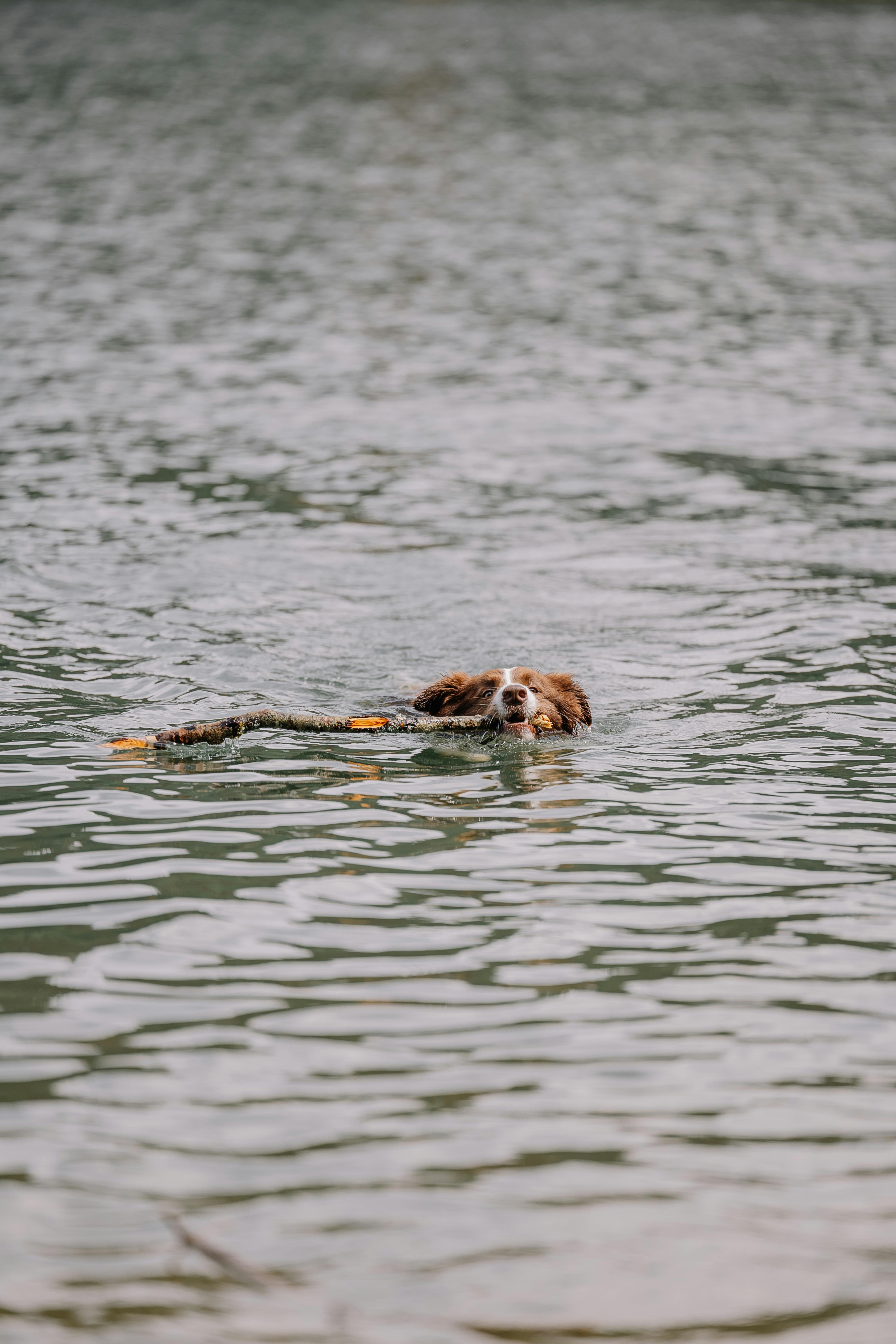 \n\n
\n\nDo you ever wonder why dogs have wet noses? It’s a question that many pet owners ask, and there seems to be a lot of myths and misconceptions surrounding this topic. Some people think that a wet nose means their dog is healthy, while others might believe that dry noses indicate illness. But, what’s the real story behind those damp snouts? Let’s uncover the truth about your dog’s nose and explore the fascinating reasons behind why they are often wet.
\nThe Science Behind Wet Noses
\nDogs have wet noses for several reasons, and understanding it can help you better care for your furry friend. Here’s what you need to know:
\n- \n
- Cooling Mechanism: Dogs do not sweat like humans. Instead, they rely on their noses to help regulate body temperature. The moisture on their snouts evaporates, cooling them down. \n
- Enhanced Smell: The wetness on a dog’s nose helps to trap scent particles, which improves their ability to smell. This is why dogs have such an incredible sense of smell compared to humans. \n
- Health Indicator: While wet noses are often associated with good health, it’s not a strict rule. A dog’s nose can change from wet to dry depending on various factors like activity level, weather, or even just sleeping. \n
What’s Considered Normal?
\nNot all dog noses are created equal. Understanding what’s normal for your dog is key. Here’s a quick breakdown:
\nNormal Characteristics of Dog Noses:
\n- \n
- Wet: Especially after play or when excited. \n
- Cool to the Touch: While warm noses don’t always mean fever, a cool, moist nose is often a sign of a relaxed and healthy dog. \n
- Color: Most noses are black or brown, but some breeds have pink noses too. \n
When to Worry:
\n- \n
- Persistent Dryness: If your dog’s nose is consistently dry and cracked, it might be a sign of dehydration or illness. \n
- Discoloration: Sudden changes in color can indicate health issues. For example, a pink nose that turns black might be concerning. \n
- Nose Discharge: If you notice unusual discharge, it could be a sign of an infection or other medical conditions. \n
Fun Facts About Dog Noses
\nDid you know that a dog’s sense of smell is 10,000 to 100,000 times better than ours? Here are some interesting facts about dog noses:
\n- \n
- Unique Nose Prints: Just like human fingerprints, every dog has a unique nose print. They can actually be used for identification! \n
- Scent Discrimination: Dogs can differentiate between various scents, which is why they are often used in search and rescue missions. \n
- Nasal Turbinates: Dogs have complex structures inside their noses called turbinates that help them process smells more effectively. \n
Why Do Dogs Have Wet Noses?
\nSo, why do dogs have wet noses anyway? The reasons can be multi-faceted.
\n- \n
- Evolutionary Adaptation: Dogs have evolved to have wet noses as a survival mechanism, enhancing their ability to hunt and detect predators. This adaptation has been crucial for their ancestors. \n
- Social Interactions: Dogs often use their noses to communicate with one another. A wet nose can be a sign of excitement or friendliness when greeting other dogs. \n
Practical Tips for Nose Health
\nTaking care of your dog’s nose is important. Here’s a simple list of tips to keep in mind:
\n- \n
- Hydration: Make sure your dog always has access to fresh water to prevent dehydration. \n
- Check for Cracks: Regularly inspect your dog’s nose for any cracks or wounds, especially in extreme weather. \n
- Limit Sun Exposure: Dogs with light-colored noses can get sunburned. Consider using dog-safe sunscreen during long outdoor activities. \n
- Regular Vet Visits: Routine check-ups can help catch any health issues before they become serious. \n
Understanding Changes in Nose Condition
\nIt’s also important to recognize that a dog’s nose can change throughout the day. Factors that can affect your dog’s nose include:
\n- \n
- Temperature: Hot weather can cause a dog’s nose to dry out. \n
- Activity Level: After playing or exercising, a dog’s nose may become wetter. \n
- Health Status: Illness or allergies can lead to changes in moisture levels. \n
Being aware of these factors can help you better understand your pet's health status.
\nIn conclusion, while a wet nose can often be a sign of a healthy dog, it’s not the only indicator you should consider. Understanding the reasons behind your dog's wet snout and knowing when to seek veterinary advice can keep your furry companion happy and healthy. So next time you give your pup a pat on the head, take a moment to appreciate that wet nose and all the fascinating science behind it!
\n\nThe Role of Moisture: How a Wet Nose Benefits Your Dog’s Senses
\n\n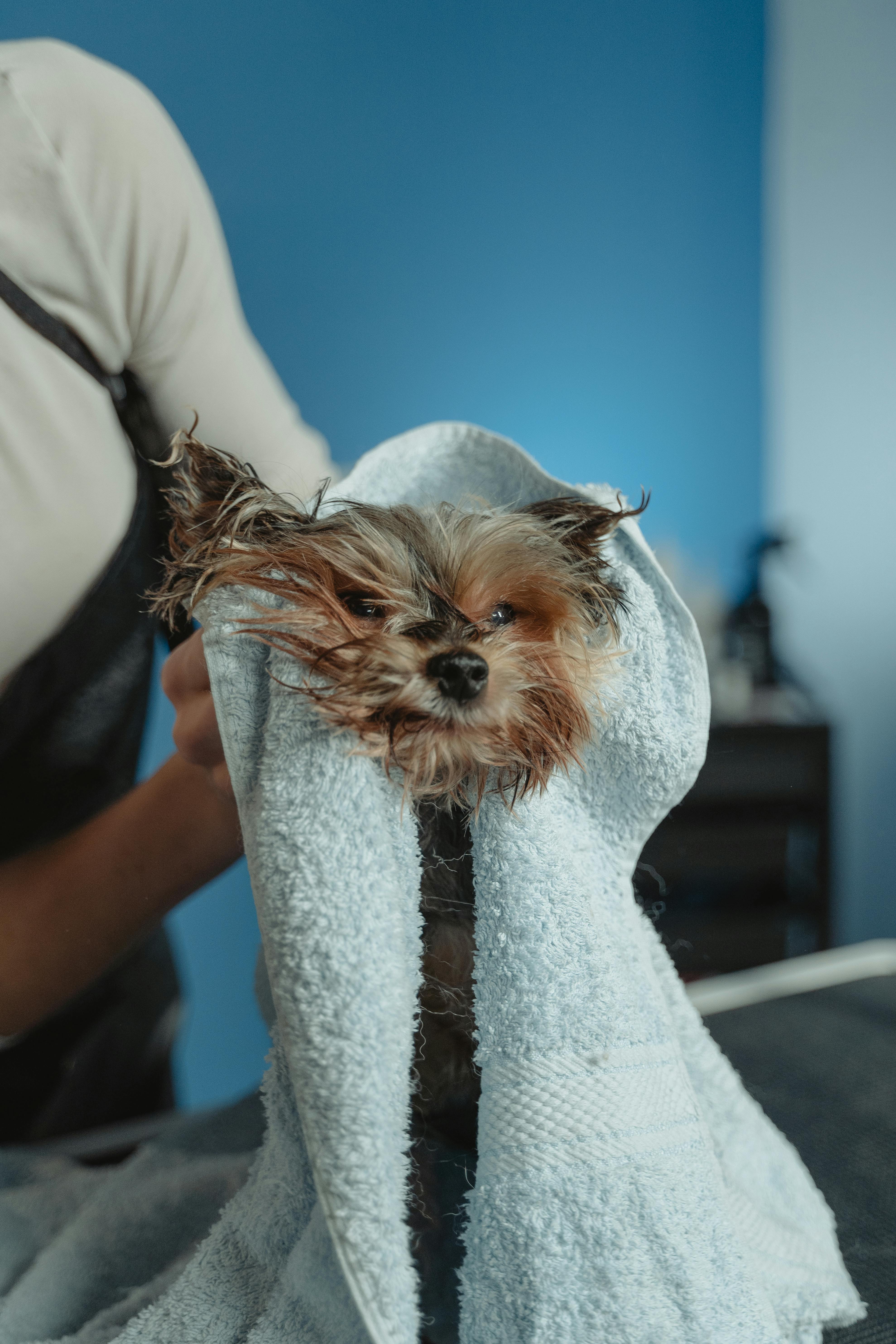 \n\n
\n\nDogs are one of the most beloved pets in the world, and if you ever wonder why do dogs have wet noses, you’re not alone. Many people, including dog owners, have noticed that their furry friends' noses are often moist. This characteristic is not just a quirky trait; it serves several important functions that contribute to a dog’s overall health and sensory perception. In this article, we will explore the role of moisture in a dog's nose and how it benefits their senses.
\nThe Science Behind a Wet Nose
\nA wet nose is primarily a result of the secretion of mucus and the moisture from the air. Dogs have a special gland located in their nose that produces this mucus. The moisture on their noses helps to enhance their ability to smell. When a dog sniffs, the moisture captures scent particles, allowing the olfactory receptors to work more effectively.
\n- \n
- \n
Increased Olfactory Sensitivity: Dogs have an extraordinary sense of smell, estimated to be around 10,000 to 100,000 times more sensitive than humans. A wet nose plays a crucial role in this heightened sense. The moisture helps to dissolve the scent particles, making it easier for the olfactory receptors to detect them.
\n \n - \n
Cooling Mechanism: Dogs don’t sweat like humans do. Instead, they regulate their body temperature through panting and the moisture on their noses. When they breathe through their noses, the wet surface helps cool the blood flow to the brain.
\n \n
Why Do Dogs Have Wet Noses? The Benefits Explained
\n- \n
- \n
Enhanced Scenting Ability:
\n- \n
- Dog’s noses have a huge number of scent receptors, estimated to be around 300 million, compared to a human's 5 million. The wetness helps the nose capture more scent particles. \n
\n - \n
Temperature Regulation:
\n- \n
- Moist noses can help dogs maintain a stable body temperature, especially in warm weather. \n
\n - \n
Health Indicator:
\n- \n
- A wet nose is often seen as a sign of a healthy dog. If a dog's nose is dry, it may indicate dehydration, illness, or fever. \n
\n - \n
Communication Tool:
\n- \n
- Dogs often use their noses to gather information about their environment and the other animals or people around them. A moist nose helps them to better interpret these scents. \n
\n
Historical Insights
\nHistorically, dogs have been bred for various purposes, including hunting, herding, and companionship. The importance of a dog’s sense of smell has been recognized for centuries, leading to the breeding of dogs with enhanced olfactory capabilities. For example, Bloodhounds, known for their exceptional tracking abilities, owe much of their skills to their moist noses.
\nFun Facts About Dog Noses
\n- \n
- \n
Unique Patterns: Just like human fingerprints, every dog has a unique nose print that can be used for identification.
\n \n - \n
Temperature Sensitivity: Dogs can detect temperature changes through their noses, which can help them sense nearby objects or animals.
\n \n - \n
Nasal Diversity: The moisture levels in a dog's nose can vary depending on the breed, age, and health status.
\n \n
Comparisons with Human Noses
\n| Feature | \nDog Nose | \nHuman Nose | \n
|---|---|---|
| Number of Olfactory Receptors | \nApprox. 300 million | \nApprox. 5 million | \n
| Sensitivity to Scents | \n10,000 to 100,000 times better | \nStandard human sensitivity | \n
| Moisture Level | \nTypically moist | \nCan be dry or moist | \n
| Role in Temperature Regulation | \nKey role through moisture | \nMinimal role | \n
Practical Examples of Dog Nose Functions
\n- \n
- \n
Search and Rescue: Dogs are trained to find missing persons using their incredible sense of smell. Their wet noses help them pick up scents that are otherwise undetectable.
\n \n - \n
Medical Detection: Some dogs are trained to detect diseases like cancer or diabetes by sensing chemical changes in the human body, aided by their moist noses.
\n \n - \n
Behavioral Understanding: A dog with a moist nose is generally more alert and active, while a dry nose can sometimes indicate that the dog is not feeling well.
\n \n
Understanding why do dogs have wet noses is essential for any dog owner. It not only sheds light on their natural abilities, but it also helps in recognizing their health status. So, the next time you give your furry friend a pat and feel that cool, wet nose, remember that it’s not just an adorable trait; it’s a vital component of their well-being. Moist noses are indeed fascinating and crucial to a dog's sensory world.
\n\nCan a Dog’s Wet Nose Signal Emotions? The Surprising Connection Explained
\n\n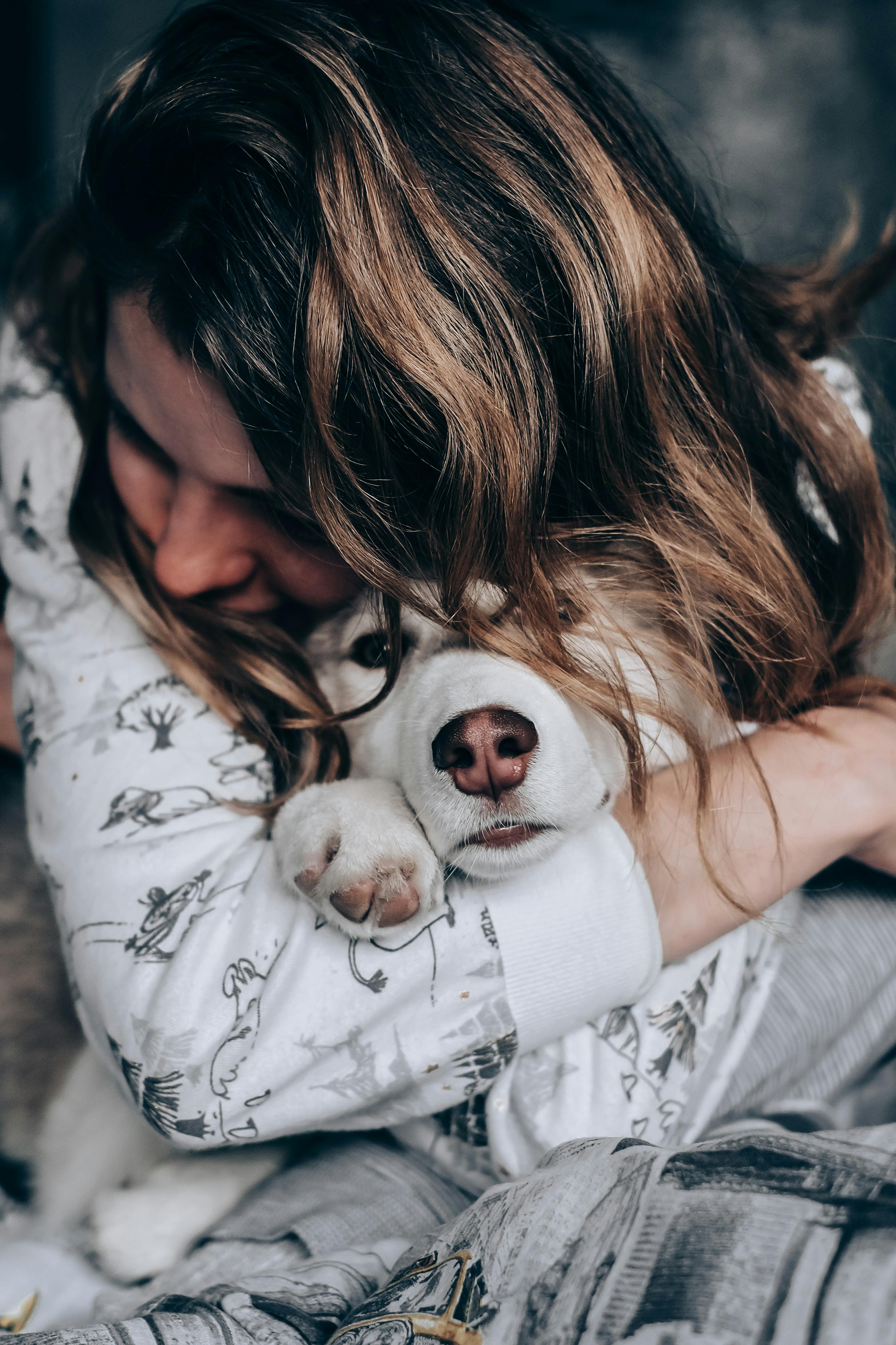 \n\n
\n\nCan a Dog’s Wet Nose Signal Emotions? The Surprising Connection Explained
\nWhen you think about dogs, the first thing that probably comes to mind is their playful nature and loyalty. But there’s more going on beneath that fur-covered exterior. One fascinating aspect of dogs is their wet noses. You might have observed how your furry friend’s nose feels cool and damp when you pet them. But why do dogs have wet noses? And can this simple feature actually signal their emotions? Let’s dive into this captivating topic and uncover the truth.
\nWhy Do Dogs Have Wet Noses?
\nDogs have wet noses for several reasons, and understanding them might surprise you. Here’s a brief rundown:
\n- \n
- \n
Cooling Mechanism: Dogs don’t sweat like humans do. Their primary method of regulating their body temperature is through panting and the moisture on their noses. The wetness helps evaporate heat and keeps them cool.
\n \n - \n
Enhanced Sense of Smell: A dog’s sense of smell is already impressive, but a wet nose can make it even better. The moisture can trap scent particles, allowing dogs to detect smells more effectively. So when your dog sniffs around, they’re actually getting a clearer picture of their environment.
\n \n - \n
Health Indicator: A wet nose is often seen as a sign of a healthy dog. It’s a common belief that if a dog’s nose is dry, they might be sick or dehydrated. However, this isn’t always true, as various factors influence a dog’s nose moisture.
\n \n - \n
Social Signals: Dogs communicate through body language, and their noses play a part in this too. A wet nose can indicate excitement or a friendly demeanor, especially when paired with other happy signals like wagging tails.
\n \n
The Emotional Connection of a Dog’s Wet Nose
\nCan a dog’s wet nose actually convey their emotions? Yes, it can! Dogs are incredibly intuitive creatures, and their noses can be a reflection of how they feel in certain situations. Here are some emotional signals that a wet nose might indicate:
\n- \n
- \n
Happiness: When your dog is excited to see you, their nose may feel even wetter than usual. This could be due to increased panting and excitement, leading to more moisture.
\n \n - \n
Curiosity: A dog exploring its surroundings with a wet nose is often engaged and curious. They might be sniffing new scents and trying to understand their environment better.
\n \n - \n
Anxiety: Sometimes, a wet nose can signify stress or anxiety. If a dog is feeling uneasy, they might lick their nose more frequently, leading to dampness.
\n \n - \n
Affection: When a dog nudges you with their wet nose, it can be their way of showing love and affection. It’s a gentle reminder that they want your attention or companionship.
\n \n
The Science Behind a Dog's Wet Nose
\nResearch indicates that a dog’s wet nose is beneficial in many ways. Here’s what scientists say:
\n- \n
- \n
Olfactory Functionality: Studies have shown that dogs with wet noses have heightened olfactory capabilities. This means they can smell things that we might not even notice.
\n \n - \n
Thermoregulation: A wet nose helps in thermoregulation, which is crucial during hot weather. Dogs can overheat quickly, and having a wet nose is one of their natural cooling methods.
\n \n - \n
Behavioral Studies: Behavioral observations reveal that dogs often use their noses to gauge the emotions of their owners. A wet nose can be comforting to a dog when they sense their human is upset or anxious.
\n \n
Fun Facts About Dog Noses
\n- \n
- \n
Dogs have about 220 million scent receptors, compared to humans' 5 million. This gives them an incredible sense of smell.
\n \n - \n
A dog’s nose print is unique, much like a human fingerprint. This means you could technically identify a dog by its nose!
\n \n - \n
The color of a dog’s nose can change with the weather. For example, some dogs’ noses may lighten in the winter months and darken in the summer.
\n \n - \n
Dogs can detect certain diseases, like cancer and diabetes, just by smelling changes in a person’s body chemistry.
\n \n
Practical Tips for Dog Owners
\nIf you’re a dog owner, here are a few tips to keep in mind regarding your dog’s nose:
\n- \n
- \n
Regular Check-ups: Ensure you take your dog for regular vet visits. This can help monitor their health, including their nose moisture.
\n \n - \n
Hydration: Keep your dog hydrated; a well-hydrated dog is likely to have a moist nose.
\n \n - \n
Observe Behavior: Pay attention to your dog’s behavior and their nose’s condition. Changes might indicate a need for a vet visit.
\n \n - \n
Keep Environment Comfortable: Make sure your dog has a comfortable space to relax, especially in warm weather.
\n \n
Understanding the fascinating truth behind a dog’s wet nose can help deepen the bond between you and your furry companion. It's not
\n\nWhy Does Your Dog’s Nose Change Throughout the Day? 5 Key Factors
\n\n \n\n
\n\nHave you ever noticed how your dog’s nose can change from wet to dry, or even from cold to warm throughout the day? It's something that many pet owners have questioned, and it’s not just a random occurrence. There are several reasons why this happens, and understanding them can help you take better care of your furry friend.
\nWhy Does Your Dog’s Nose Change Throughout the Day?
\nThis phenomenon is more common than you might think. Here are five key factors that can influence the condition of your dog’s nose:
\n- \n
- \n
Temperature Changes
\n- \n
- Dogs, like humans, can have their body temperature fluctuate during the day. \n
- If it’s warm outside, they may pant more, leading to a cooler and wetter nose. \n
- On colder days, the nose can dry out and feel warm, which might lead to worry. \n
\n - \n
Hydration Levels
\n- \n
- Just like us, dogs need water to stay hydrated. \n
- If your pup hasn't drunk enough water, their nose might become dry. \n
- Keeping their water bowl filled can help keep their nose moist and healthy. \n
\n - \n
Environmental Factors
\n- \n
- The environment plays a big role too. \n
- If your dog spends time in dry, hot air, their nose can dry out. \n
- In contrast, humid weather may keep their nose wetter. \n
\n - \n
Health Issues
\n- \n
- Changes in a dog’s nose could indicate health problems. \n
- Conditions like allergies, infections, or even autoimmune disorders can affect nose moisture. \n
- If you notice persistent changes, it's always good to consult your veterinarian. \n
\n - \n
Activity Level
\n- \n
- After a vigorous play session, your dog’s nose might cool down as they calm down. \n
- The excitement and activity can lead them to have a wetter nose. \n
- Conversely, if they’ve been resting for a while, their nose might feel drier. \n
\n
Why Do Dogs Have Wet Noses? Discover This Fascinating Truth!
\nDogs are known for having wet noses, and it's not just for show. There are real reasons behind this trait, which can also be beneficial for their health and senses.
\n- \n
- \n
Enhanced Scent Detection
\n- \n
- A moist nose helps to trap scent particles, making it easier for dogs to smell. \n
- This is critical for their hunting instincts and everyday exploration. \n
\n - \n
Temperature Regulation
\n- \n
- Just like how humans sweat, dogs can cool off through their noses. \n
- When dogs are hot, the moisture on their noses evaporates, helping them stay cool. \n
\n - \n
Communication Tool
\n- \n
- Dogs use their noses to communicate with each other. \n
- A wet nose can signal that a dog is friendly and approachable, while a dry nose might not. \n
\n - \n
Natural Moisturizer
\n- \n
- The moisture on a dog’s nose comes from glands that produce mucus. \n
- This mucus helps keep the nose healthy and moist, protecting it from cracking or becoming too dry. \n
\n - \n
Sign of Health
\n- \n
- Generally, a wet nose is often seen as a sign of a healthy dog. \n
- However, it’s important to monitor changes, as overly dry or excessively wet noses can indicate underlying health issues. \n
\n
Quick Facts About Dog Noses
\n- \n
- Dogs have about 220 million scent receptors, compared to a human's 5 million. \n
- The wetness of a dog’s nose is partly due to the secretion of a special mucus. \n
- Certain breeds are more prone to dry noses than others, such as bulldogs and pugs. \n
- Regular check-ups with a vet can help ensure that your dog’s nose remains healthy. \n
In Summary
\nObserving the changes in your dog's nose can provide valuable insights into their health and well-being. While a wet and cool nose is often seen as a good sign, it’s important to be vigilant and aware of any unusual changes. Factors like temperature, hydration, and even activity levels can have an impact on your dog's nose. Remember, if you’re ever in doubt about your furry friend’s health, it’s always best to seek advice from a professional veterinarian. Keeping an eye on these little details can help ensure that your dog remains happy and healthy for years to come.
\n\nThe Evolutionary Purpose of Wet Noses in Dogs: A Deep Dive
\n\n \n\n
\n\nThe wet nose of a dog is more than just a quirky characteristic; it actually serves several important biological and evolutionary purposes. If you ever wondered, "Why do dogs have wet noses?" you’re not alone! This question reflects a deeper fascination with our furry companions and their unique traits. Wet noses, while seemingly simple, play crucial roles in their health, communication, and interaction with the environment.
\nThe Biology Behind Wet Noses
\nDogs have wet noses due to the presence of mucous membranes, which help them to sense their surroundings. The moisture found on a dog's nose enhances its ability to pick up scents from the air. In fact, dogs have an incredibly keen sense of smell, estimated to be between 10,000 to 100,000 times more sensitive than that of humans. A wet nose helps to trap scent particles, making it easier for dogs to identify different smells.
\n- \n
- Mucous Membranes: These are moist tissues that also assist in temperature regulation. \n
- Scent Absorption: Wetness increases the surface area for capturing scent particles. \n
Additionally, a dog's nose has many olfactory receptors, which are specialized cells that detect different odors. The combination of a wet nose and these receptors makes dogs exceptional at tracking scents.
\nEvolutionary Advantages
\nThe evolutionary purpose of a wet nose can be traced back to a dog’s ancestors. Early canines relied heavily on their sense of smell for survival, hunting, and social interactions. A wet nose helped them to be more effective hunters and communicators.
\nHere are some evolutionary advantages of having a wet nose:
\n- \n
- Hunting Efficiency: The moisture on the nose helps dogs track prey more effectively. \n
- Social Interactions: Dogs greet each other with nose touches, and a wet nose can convey health and vitality to other dogs. \n
- Thermoregulation: Wet noses help regulate body temperature; when a dog pants or licks its nose, it cools down. \n
Comparison with Other Animals
\nNot just dogs have wet noses; many animals do! But why? Let’s compare dogs with some other mammals:
\n| Animal | \nWet Nose? | \nPurpose of Wet Nose | \n
|---|---|---|
| Dogs | \nYes | \nEnhances sense of smell and social communication | \n
| Cats | \nYes | \nSimilar benefits for hunting and social interaction | \n
| Pigs | \nYes | \nUsed for foraging and exploring the ground | \n
| Elephants | \nNo | \nRely more on other senses like sight and hearing | \n
Common Misconceptions
\nThere are several myths about wet noses that people often believe. Here are a few:
\n- \n
- A wet nose means a healthy dog: While a wet nose can indicate good hydration, it doesn’t always mean your dog is healthy. Illness can also lead to changes in nose moisture. \n
- All dogs have wet noses: Some breeds, such as bulldogs and pugs, may have drier noses due to their unique facial structure. \n
Knowing the facts helps dog owners better understand their furry friends and what their noses do for them!
\nPractical Examples
\nYou might have noticed your dog’s nose getting wetter when they are excited. This is because heightened emotions can trigger the production of mucus, ramping up their sense of smell when they are about to engage with something thrilling, like meeting a new friend or going for a walk.
\nAlso, wet noses aren't just about scent. They can serve as a form of non-verbal communication. When a dog nudges you with their wet nose, they might be trying to get your attention or express affection.
\nFun Facts About Dog Noses
\n- \n
- Dogs have a unique nose print, just like human fingerprints. \n
- The color of a dog's nose can change with the seasons, often darkening in the summer and lightening in the winter. \n
- A dog's sense of smell is so powerful they can even be trained to detect diseases like cancer or diabetes. \n
Understanding why dogs have wet noses is not just about science; it's about the deep bond we share with them. Their noses play a significant role in their lives and our relationship with them. So, next time you see your dog's wet nose, remember the fascinating evolutionary journey that brought us to this moment. Our canine companions are truly remarkable beings!
\n\nIs Your Dog’s Nose Too Dry? 6 Warning Signs You Shouldn’t Ignore
\n\n \n\n
\n\nDog owners often wonder about their pet's health, and one common concern is whether their dog’s nose is too dry. Is Your Dog’s Nose Too Dry? 6 Warning Signs You Shouldn’t Ignore could be a question that saved your dog's life. A wet nose is typically a sign of good health in dogs, but what does it mean when their nose is dry?
\nWhy Do Dogs Have Wet Noses?
\nFirst, let's explore why dogs usually have wet noses. A dog’s nose isn’t just for sniffing; it plays a crucial role in their overall health. Wet noses help dogs to sense their environment better, as moisture enhances their sense of smell.
\nSome reasons why dog noses are wet include:
\n- \n
- Cooling Mechanism: Dogs don’t sweat like humans do. Instead, their wet noses help cool them down. \n
- Scent Enhancement: The moisture on a dog's nose traps scent particles, which makes it easier for them to detect smells. \n
- Health Indicator: A wet nose can be a sign of a healthy dog, as it indicates proper hydration and normal body temperature. \n
6 Warning Signs You Shouldn’t Ignore
\nBut what happens when your dog’s nose becomes dry? Here are some warning signs to pay attention to:
\n- \n
- \n
Cracking or Peeling: If you notice cracks or peeling skin on your dog’s nose, it could be a sign of dehydration or a skin condition.
\n \n - \n
Excessive Licking: Dogs lick their noses often, but if you see them licking their noses more than usual, it may indicate discomfort or irritation.
\n \n - \n
Discoloration: A change in the color of your dog’s nose can be concerning. If it suddenly turns light or develops spots, it’s best to consult a veterinarian.
\n \n - \n
Foul Odor: A bad smell emanating from your dog’s nose can be a sign of an infection. It’s important not to ignore this symptom.
\n \n - \n
Loss of Appetite: If your dog’s nose is dry and they’re not eating as usual, it could indicate other health issues.
\n \n - \n
Changes in Behavior: If your dog seems lethargic, more withdrawn, or exhibits unusual behavior along with a dry nose, it’s time to seek professional help.
\n \n
Possible Causes of a Dry Nose
\nUnderstanding the possible causes of a dry nose can help you figure out if your furry friend needs veterinary attention. Some common reasons include:
\n- \n
- Dehydration: Just like humans, dogs need water to stay hydrated. If they aren’t drinking enough, their noses can dry out. \n
- Allergies: Environmental factors like pollen or dust can lead to allergic reactions that affect your dog’s nose. \n
- Weather Conditions: Hot and dry weather can lead to dry noses. Remember, dogs are susceptible to heat, so keep them hydrated. \n
- Infections: Bacterial or fungal infections can cause dryness as well. These require medical intervention. \n
What to Do If Your Dog's Nose Is Too Dry
\nIf you find that your dog’s nose is dry, there are several things you can do:
\n- \n
- Increase Water Intake: Make sure your dog has access to fresh, clean water at all times. You can also try adding wet food to their diet to boost hydration. \n
- Use a Humidifier: If you live in a dry climate, using a humidifier can help maintain moisture in the air. \n
- Consult a Veterinarian: If the dryness persists, don’t hesitate to reach out to a vet. They can provide a proper diagnosis and treatment plan. \n
Fun Facts About Dog Noses
\nHere are some interesting tidbits about dog noses that you may not know:
\n- \n
- Unique Patterns: Just like human fingerprints, every dog has a unique nose print. \n
- Scent Sensitivity: Dogs have up to 300 million scent receptors in their noses, compared to a human's mere 5 million, making their sense of smell incredibly powerful. \n
- Nose Temperature: A dog’s nose temperature can fluctuate throughout the day. A warm nose doesn’t always indicate illness. \n
It’s fascinating to learn about why dogs have wet noses and what it means for their health. Keeping an eye out for signs of dryness can help you ensure your dog remains healthy and happy. Remember, a dog’s nose is not just cute; it’s a vital part of their well-being. If you have any concerns about your dog’s nose or overall health, don’t hesitate to contact a veterinarian for guidance.
\n\nHow to Keep Your Dog’s Nose Healthy: Essential Tips for Pet Owners
\n\n\n\nKeeping your dog's nose healthy is more important than you might think. Many pet owners often overlook their dog's snout, assuming it's just another part of their furry friend. However, a dog's nose serves an essential function, and keeping it healthy can contribute to their overall wellbeing. So, how to keep your dog’s nose healthy? Let’s dive into some essential tips for pet owners.
\nWhy Do Dogs Have Wet Noses? Discover This Fascinating Truth!
\nEver wonder why dogs' noses are often wet? It's not just because they love to sniff around. Wet noses serve several purposes:
\n- \n
- Temperature Regulation: Dogs use their noses to help cool down. The moisture evaporating from a wet nose can regulate their body temperature. \n
- Enhanced Scent Detection: A wet nose helps capture scent particles in the air, allowing dogs to smell better. This is why dogs are known for their amazing sense of smell. \n
- Health Indicator: A dog's nose can reflect their health status. Changes in moisture and temperature can indicate illness or stress. \n
Essential Tips for Keeping Your Dog's Nose Healthy
\nMaintaining your dog's nose is vital for their health. Here are some practical tips:
\n- \n
- \n
Regular Cleaning: Dirt and allergens can accumulate on your dog's nose. Gently wipe it with a damp cloth to remove any debris. This simple act can help prevent irritation and infections.
\n \n - \n
Hydration is Key: Make sure your dog has access to fresh water at all times. Dehydration can lead to a dry and cracked nose, which can be painful for your pet.
\n \n - \n
Avoid Harmful Chemicals: Be careful with cleaning supplies and lawn chemicals. Dogs are often close to the ground, and their noses can pick up harmful substances. Always choose pet-friendly products when cleaning your home or yard.
\n \n - \n
Protect from the Elements: Extreme weather can affect your dog’s nose. In hot weather, consider using a nose balm to prevent sunburn. In winter, a little petroleum jelly can help keep their nose moist and prevent cracking.
\n \n - \n
Watch for Changes: Monitor your dog’s nose for any sudden changes. If it becomes excessively dry, cracked, or shows signs of discoloration, consult your veterinarian. These changes could indicate underlying health issues.
\n \n - \n
Regular Vet Check-ups: Just like any other part of your dog’s health, routine veterinary visits are essential. Your vet can check for any potential concerns that could affect your dog’s nose and overall health.
\n \n - \n
Nutrition Matters: A balanced diet contributes to skin and coat health, which includes the nose. Ensure your dog is getting the right nutrients to maintain a healthy nose.
\n \n
Common Nose Conditions in Dogs
\nBeing aware of potential nose conditions can help you act quickly if your dog shows signs of discomfort. Here are some common issues:
\n- \n
- Nasal Dermatitis: This condition can cause redness, swelling, and flaking. It may result from allergies or irritants. \n
- Nasal Tumors: Though rare, tumors can develop in the nasal passages. Signs include nasal discharge, sneezing, or difficulty breathing. \n
- Infections: Bacterial or fungal infections can lead to discharge or swelling. If you notice unusual symptoms, seek veterinary advice. \n
Fun Fact About Dog Noses
\nDid you know that every dog has a unique nose print, just like human fingerprints? This uniqueness can even be used to identify dogs, although it’s not a common practice.
\nQuick Tips for Pet Owners
\nTo summarize, here are some quick tips for keeping your dog’s nose healthy:
\n- \n
- Clean regularly \n
- Keep hydrated \n
- Avoid harmful chemicals \n
- Protect from weather extremes \n
- Monitor for changes \n
- Schedule vet check-ups \n
- Feed a balanced diet \n
By keeping these tips in mind, you can ensure your dog’s nose remains in top condition. Remember, a healthy nose is often a sign of a happy, healthy dog.
\nIn the end, being a responsible pet owner involves paying attention to all aspects of your dog's health, including their nose. A little care goes a long way in ensuring that your furry friend stays healthy and happy for years to come.
\n\nWet Noses and Bonding: How Your Dog’s Sniffing Can Strengthen Your Connection
\n\n \n\n
\n\nDogs have this unique ability to bond with humans, and their wet noses play a big role in that connection. If you have ever wondered, "Why do dogs have wet noses?" you’re not alone. It’s a question that many pet owners ponder, and the answer reveals a fascinating truth about our furry friends and how they communicate with us.
\nThe Science Behind Wet Noses
\nDogs noses are not just cute; they serve important functions. A wet nose is often the result of a dog’s natural behavior of licking it. This moisture helps them with their sense of smell. Research shows that dogs have an incredible olfactory system, which is much more advanced than that of humans. While humans only have about 5 million scent receptors, dogs have around 220 million. This makes their sense of smell about 40 times better than ours!
\n- \n
- Why do dogs have wet noses?
- \n
- To enhance their sense of smell. \n
- To regulate their body temperature. \n
- To cool off after physical activity. \n
\n
Bonding Through Sniffing
\nWhen dogs sniff each other, it’s not just a casual greeting; it’s like a handshake for dogs. They gather information about each other, such as their age, diet, and even emotions. This behavior is essential for their social interactions and strengthens their bonds.
\n- \n
- Dogs communicate through sniffing:
- \n
- Scent Marking: Dogs use their urine to mark territory, and sniffing helps them understand who’s been there. \n
- Social Signals: Sniffing can indicate friendliness or curiosity. \n
- Emotional State: A dog’s sniffing can reveal their mood and feelings. \n
\n
Historical Context of Dog Sniffing
\nHistorically, dogs have been used for various purposes, including hunting, herding, and companionship. The bond between humans and dogs has evolved over thousands of years. Ancient civilizations recognized the importance of dogs, and their wet noses were often seen as a sign of health and vitality.
\n- \n
- Key points in canine history:
- \n
- Ancient Egypt: Dogs were revered, often depicted in art and given special burial rites. \n
- Renaissance: Dogs became more common as companions for aristocrats. \n
- Modern Times: Dogs are not just pets; they’re considered family members. \n
\n
The Benefits of a Wet Nose
\nHaving a dog with a wet nose can actually be beneficial for your relationship. Here’s how:
\n- \n
- Enhanced Connection: Dogs with wet noses often seek out interaction and affection. Their licking can be a sign of love. \n
- Health Indicators: A wet nose typically indicates that a dog is healthy. If it becomes dry or cracked, it might be wise to consult a vet. \n
- Temperature Regulation: Dogs rely on their noses to help regulate their body temperature, which is important for their overall well-being. \n
Fun Facts About Dog Noses
\n- \n
- Dogs’ noses come in a variety of shapes and sizes, but all serve the same purpose: to sniff and explore. \n
- The texture of a dog’s nose is unique, much like human fingerprints. \n
- Dogs can even detect certain diseases, such as cancer and diabetes, through scent. \n
Tips for Strengthening Your Bond with Your Dog
\nIf you want to enhance your connection with your dog, consider these activities:
\n- \n
- Regular Walks: Take your dog for walks in different environments. Allow them to sniff around, as it's mentally stimulating. \n
- Play Games: Engage in scent games where you hide treats and let them find them using their noses. \n
- Training Sessions: Teach them tricks that involve scent work. It can be rewarding for both of you! \n
Comparing Dog Noses to Other Animals
\nDogs are not the only animals with wet noses. Here’s a quick comparison:
\n| Animal | \nNumber of Scent Receptors | \nPurpose of Wet Nose | \n
|---|---|---|
| Dogs | \n220 million | \nSmell, temperature regulation | \n
| Cats | \n50-80 million | \nSmell, hunting instincts | \n
| Elephants | \n2-3 million | \nSmell, communication | \n
| Mice | \n1,000+ | \nSmell, foraging | \n
In summary, the wet noses of dogs are not just a quirky trait; they play a crucial role in their ability to connect with humans and their environment. Understanding why dogs have wet noses can help us appreciate their unique capabilities and the special bond we share with them. So next time your dog gives you a wet-nosed nuzzle, remember, it's more than just a greeting—it's their way of saying, “I love you.”
\n\nConclusion
\n\nIn conclusion, the wet noses of dogs serve multiple essential functions that contribute to their health and well-being. Primarily, a dog’s moist nose enhances their sense of smell, allowing them to detect scents more effectively due to the increased surface area and moisture that captures odor particles. Additionally, the moisture helps regulate their body temperature, acting as a natural cooling mechanism. A wet nose can also indicate good health, while a dry or cracked nose might signal an underlying issue. Understanding these aspects not only deepens our appreciation for our furry companions but also encourages us to monitor their health closely. So, the next time you greet your dog with a friendly nuzzle, remember that their wet nose is more than just adorable—it’s a vital part of their biology. Stay attentive to your pet's needs, and ensure they enjoy a happy and healthy life.
\n\n