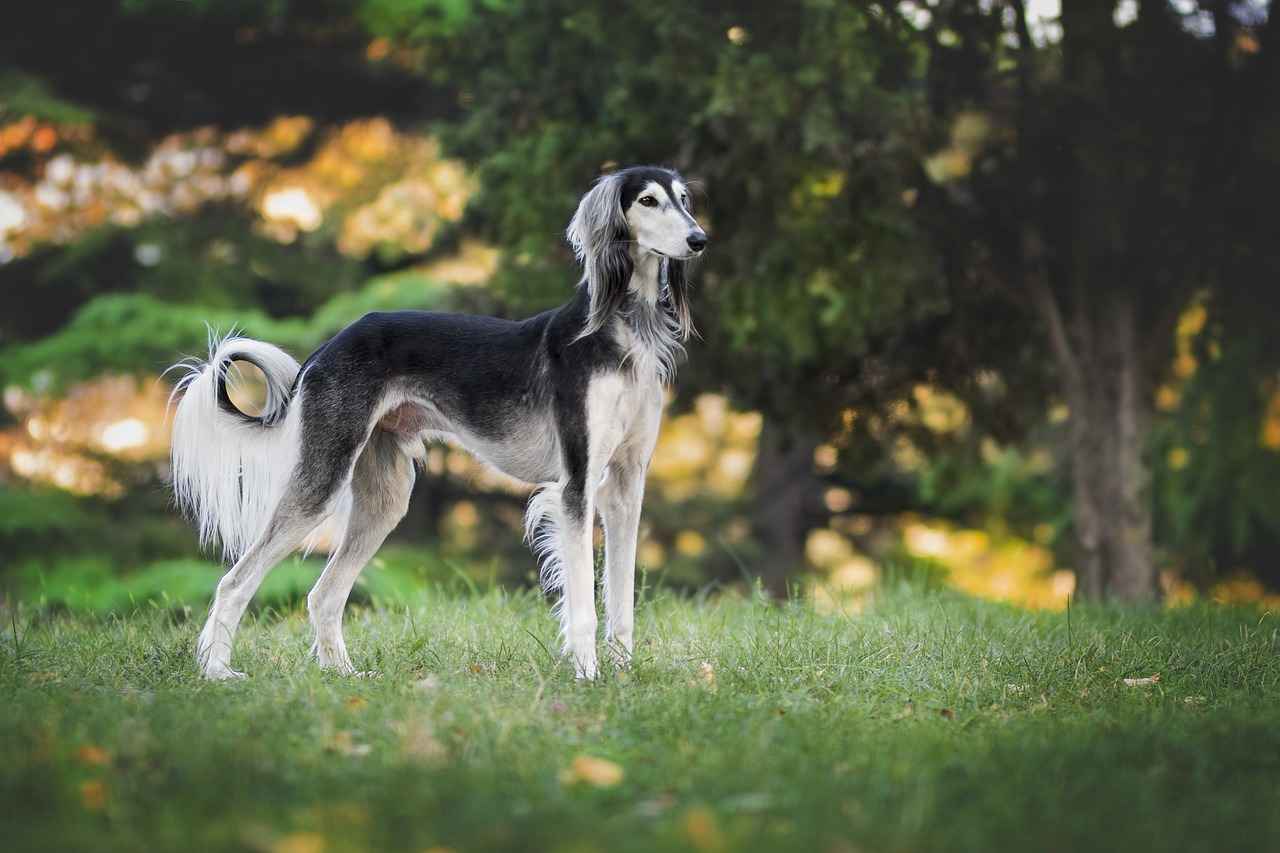
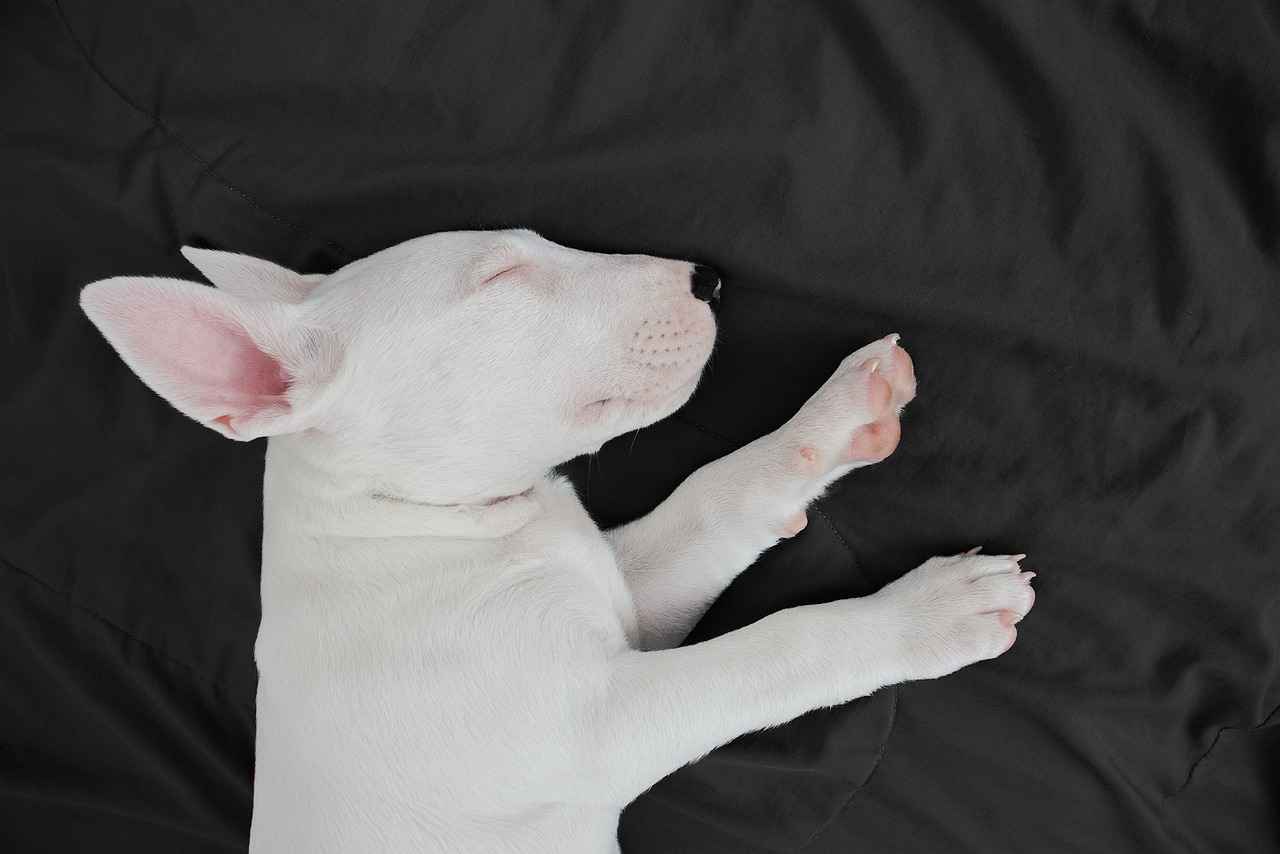
Have you ever wondered, why do dogs have wet noses? This fascinating quastion not only intrigues dog lovers but also reveals the secrets behind our furry friend's health and behavior. A dog's nose is often cold and damp, sparking curiosity about its purpose and significance. In fact, many people ask, why is my dog's nose wet? Understanding this unique trait can lead to a deeper bond with your canine companion. Wet noses are not just a cute quirk; they serve important functions, from enhancing their sense of smell to regulating body temperature. Additionally, some dog owners may even ponder, does a wet nose mean a dog is healthy? In this article, we will explore the science behind those adorable, moist noses and uncover the reasons why they are essential for your pet’s well-being. Prepare to be amazed as we dive into the world of canine physiology and behavior, answering all your burning questions about these delightful features. So, if you're ready to unravel the mystery of why dogs have wet noses, keep reading to discover the incredible truth behind this common canine characteristic!
\n\nThe Science Behind Wet Noses: What Makes Your Dog's Nose So Moist?
\n\n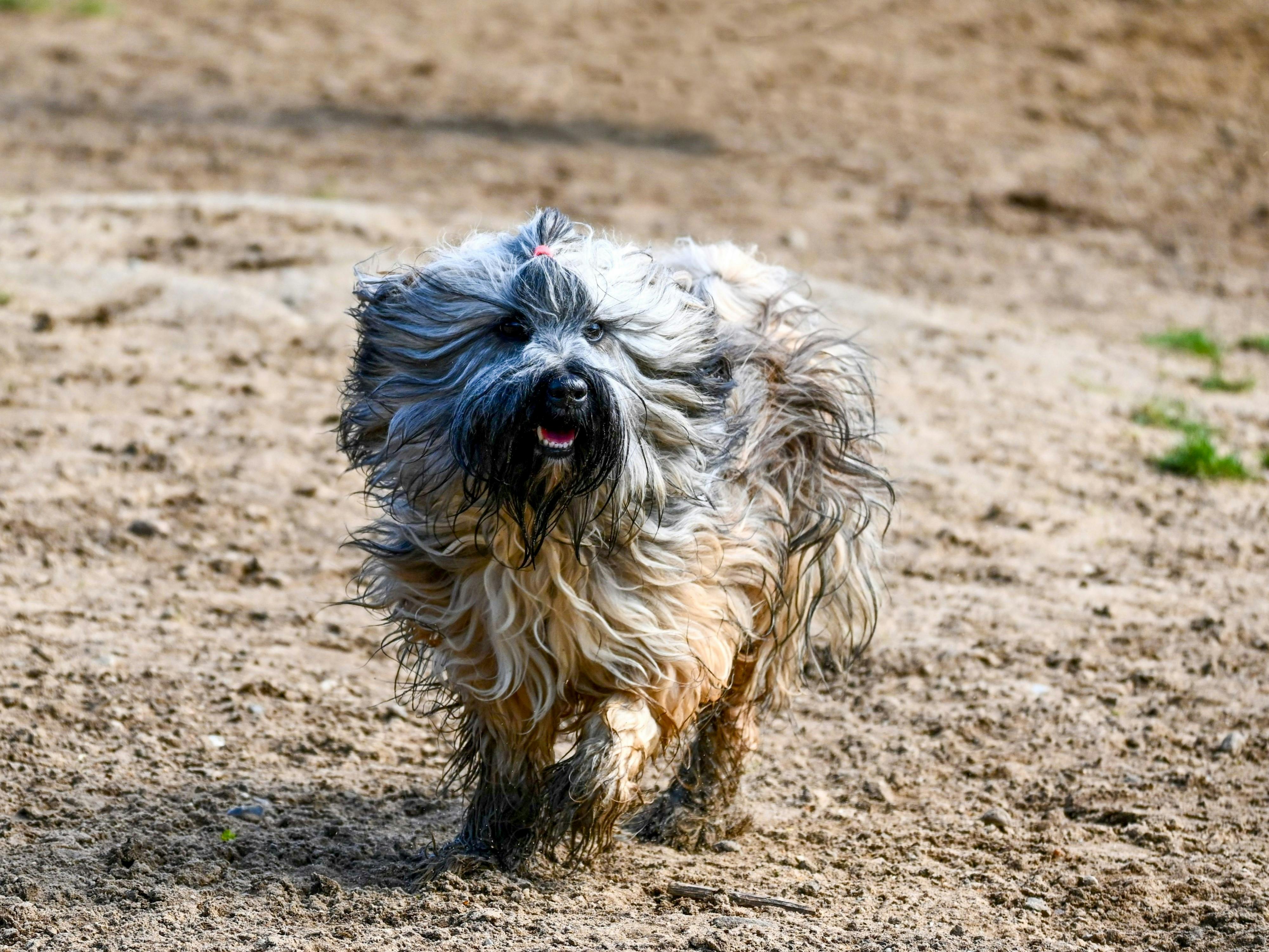 \n\n
\n\nThe moistness of a dog's nose has puzzled many pet owners for years. Ever wondered why do dogs have wet noses? Is it just a cute feature or is there science behind it? Let’s delve into the fascinating truth regarding those snouts.
\nWhat Makes a Dog's Nose Wet?
\nFirst off, a dog’s nose is usually moist for a reason. Their nose has a unique structure that contains many glands. These glands produce mucus, which helps keep the nose wet. When a dog licks its nose, it spreads this moisture around, which actually helps them smell better. Pretty interesting, right?
\nDogs have a highly developed sense of smell, up to 100,000 times more acute than humans. The moisture on their noses can trap scent particles, intensifying their ability to detect smells in the environment. So, while it might seem like a trivial feature, a wet nose is quite essential for a dog's survival.
\nThe Role of Temperature Regulation
\nAnother reason why do dogs have wet noses is related to temperature regulation. Dogs do not sweat the same way humans do. Instead, they primarily cool themselves through panting and the moisture on their noses. When the moisture evaporates, it helps to cool them down. So, in a way, a wet nose is like a built-in air conditioner.
\nHistorical Context
\nHistorically, dogs have evolved from wolves, which relied on their keen sense of smell for hunting and survival. The wet nose feature likely developed over time as a vital adaptation. Many wild animals have similar adaptations, emphasizing how crucial scent detection is for survival in the wild.
\nComparison of Dog Noses to Other Animals
\nIt's also fascinating to compare dog noses to those of other animals. Here’s a brief look at how some other animals manage their sense of smell:
\n- \n
- Cats: Cats have a dry nose most of the time. They rely more on their whiskers and sharp hearing than on smell. \n
- Bears: Bears have an incredible sense of smell, but their noses are often moist due to the same reasons as dogs. \n
- Humans: Our noses are dry, and we depend on other senses much more than our sense of smell. \n
Fun Facts About Dog Noses
\n- \n
- Texture: Every dog's nose has a unique texture, just like human fingerprints. \n
- Health Indicator: A dry nose in dogs may indicate dehydration or illness, but it's not always a definitive sign. \n
- Color Change: A dog's nose can change color due to temperature, mood, or even health conditions. \n
Why Do Dogs Have Wet Noses? The Science Behind It
\nUnderstanding why do dogs have wet noses can give us insight into their health and behaviors. Here’s a quick breakdown of the science:
\n- \n
- Scent Detection: The wet surface helps to capture scent particles, enhancing olfactory abilities. \n
- Temperature Control: Evaporation of moisture cools the dog down. \n
- Health Monitoring: Changes in moisture level can indicate health issues. \n
Practical Examples and Observations
\nIf you observe your dog sniffing around, their wet nose is working hard. For instance, when a dog sniffs another dog, they are not just greeting; they are gathering information about that dog’s health, mood, and even what they last ate!
\nHere is a list of signs to watch for regarding your dog's nose:
\n- \n
- Consistently Dry Nose: Could be a sign of dehydration or illness. \n
- Cracked Nose: Might indicate a need for more hydration or even a skin issue. \n
- Excessively Wet Nose: If the nose is dripping, it could be an allergy or infection. \n
Final Thoughts
\nIn summary, the science behind wet noses in dogs is not just a quirky characteristic but a vital part of their biology. It aids in their sense of smell, helps regulate their body temperature, and can even serve as an indicator of their health. So, the next time you give your furry friend a pat and feel that wet nose, remember, there's a lot more to it than meets the eye!
\n\n5 Surprising Reasons Dogs Have Wet Noses: More Than Just Cute!
\n\n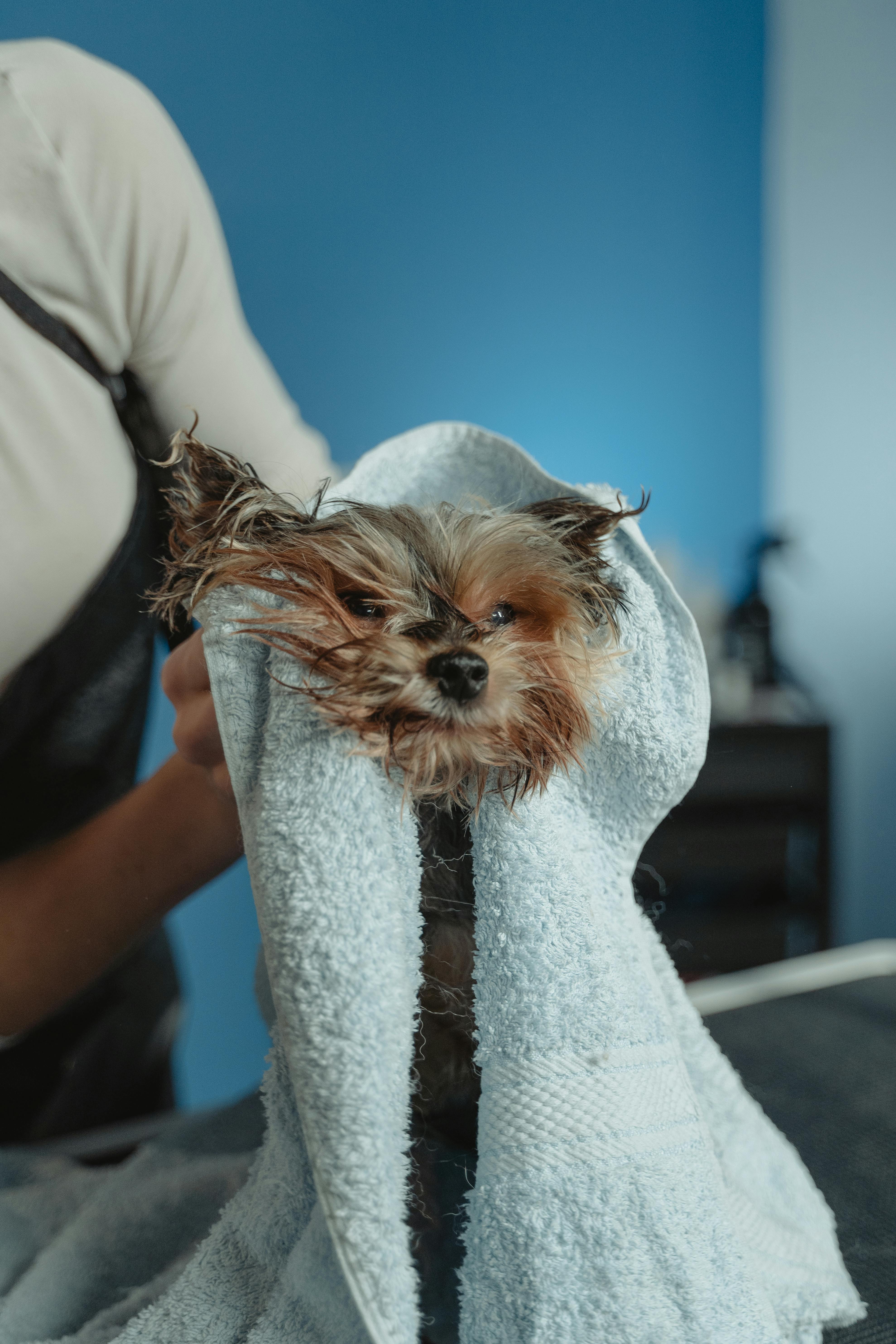 \n\n
\n\nDogs are often seen as man's best friend, and their cute, wet noses are part of what makes them so endearing. But have you ever wondered why do dogs have wet noses? It’s not just an adorable feature; there are some surprising reasons behind it. Let’s dive into five fascinating truths about those moist noses that extend beyond their cuteness.
\n1. Enhances Sense of Smell
\nOne of the most compelling reasons why dogs have wet noses is that it actually helps them smell better. A wet nose can trap scent particles more effectively than a dry one. When moisture gathers on the surface, it allows those tiny scent molecules to stick, giving dogs an edge in their already extraordinary olfactory abilities.
\n- \n
- Dogs have around 220 million scent receptors, compared to humans’ 5 million. \n
- Wetness creates a better environment for scent absorption, making their sense of smell even sharper. \n
2. Temperature Regulation
\nDogs cool themselves through panting, but their noses also play a role in regulating body temperature. The moisture on their noses evaporates, which helps cool them down. It’s like having a built-in air conditioning system!
\n- \n
- This is particularly important during hot weather or when they are active. \n
- A wet nose can indicate that a dog is properly hydrated, as dehydration can lead to a dry nose. \n
3. Health Indicator
\nThe condition of a dog’s nose can tell you a lot about its health. A wet, cold nose is often a good sign, indicating that your dog is feeling well. Conversely, a dry and warm nose might be a warning sign that something is off.
\n- \n
- Check for changes in moisture levels, color, or temperature. \n
- Regularly monitoring your dog’s nose can help catch health issues early. \n
4. Communication Tool
\nDogs communicate in various ways, and their noses are no exception. A wet nose can be a sign of excitement or affection. When dogs nuzzle against you, they may be trying to express love or seek attention. Their noses are sensitive, and they can detect subtle changes in your scent, which can signal different emotions.
\n- \n
- Dogs often use their noses to greet each other, exchanging scents as a way to understand each other better. \n
- Wet noses can also be a sign of a dog being in a playful mood, ready for some interaction. \n
5. Natural Cleaning Mechanism
\nDogs lick their noses frequently, and this behavior has a purpose. The act of licking helps to keep their noses clean, removing dirt, debris, and even parasites that may cling to their skin. A clean nose is not only healthier but also enhances their ability to smell.
\n- \n
- Dogs often lick their noses after waking up or after eating. \n
- This habit can prevent infections and other health issues related to dirt accumulation. \n
Fun Facts About Dogs' Noses
\n- \n
- Dogs have a unique nose print, similar to human fingerprints, which can be used for identification. \n
- The color of a dog's nose can vary widely depending on breed and genetics, with some having spotted or even pink noses. \n
- Dogs can detect certain diseases in humans, like cancer or diabetes, simply through scent—thanks to their incredible olfactory abilities. \n
Quick Tips for Dog Owners
\n- \n
- Regularly check your dog’s nose. It should be moist and cool. \n
- Keep an eye on your dog’s behavior, as changes in nose condition can indicate health issues. \n
- Maintain your dog’s hydration, especially during hot months. \n
Summary
\nSo, why do dogs have wet noses? It’s a mix of biology, health, and communication that contributes to their overall well-being and enhances their interactions with us. From improving their sense of smell to helping them regulate their body temperature, those adorable wet noses serve multiple purposes that go beyond just being cute. Understanding these facts can help dog owners ensure their furry friends stay healthy and happy. Next time you give your dog a pat, notice that wet nose; it’s not just a charming trait but a testament to the wonderful complexities of our canine companions.
\n\nHow a Dog's Wet Nose Affects Their Sense of Smell: Uncovering the Mystery
\n\n \n\n
\n\nHave you ever wondered why dogs have wet noses? It's not just a cute feature; it actually plays a significant role in their incredible sense of smell. Dogs are known for their extraordinary olfactory abilities, and their wet noses are a key part of that. Let's dive into this fascinating topic and uncover the mystery behind why dogs' noses are often moist.
\nThe Science Behind the Wet Nose
\nDogs noses are wet for a number of reasons. One of the most important is that moisture helps to enhance their sense of smell. The wetness allows scent particles to adhere better, which makes it easier for dogs to detect and interpret different smells. When a dog sniffs around, the moisture on their nose can trap these particles, making their olfactory process more efficient.
\n- \n
- Scent Detection: A wet nose can capture scent particles more effectively. \n
- Temperature Regulation: Dogs use their noses to help cool down their bodies when they pant. \n
- Communication: Dogs use their noses to gather information about other animals and their environment. \n
Why Do Dogs Have Wet Noses?
\nThere are several theories and scientific explanations for why dogs have wet noses:
\n- \n
- \n
Enhanced Smell: The wetness helps in capturing scent particles, which is crucial because dogs have up to 300 million olfactory receptors, compared to humans who have only about 5 million. This means that dogs can smell things in a way that we can hardly comprehend.
\n \n - \n
Cooling Mechanism: Dogs do not sweat like humans do. Instead, they rely on their noses to regulate body temperature. The moisture can evaporate, which helps to cool down their bodies.
\n \n - \n
Health Indicator: A dog’s nose can indicate its health. A wet and cool nose usually means a dog is healthy, while a dry nose can sometimes signal illness. However, this isn't a foolproof method, as various factors can affect nose moisture.
\n \n - \n
Social Interaction: Dogs often use their noses to gather information about other dogs or people. A wet nose might help them get a better sense of their surroundings and even communicate with other dogs through scent.
\n \n
Historical Context of Dogs' Noses
\nThe evolutionary history of dogs shows that their sense of smell has been a critical survival tool. Ancient dogs, like their wolf ancestors, relied on scent for hunting and foraging. Over thousands of years, selective breeding has enhanced this trait, making modern dogs incredibly adept at detecting smells.
\n- \n
- Hunting Dogs: Breeds like Bloodhounds and Beagles have been bred specifically for their scent-tracking abilities. \n
- Working Dogs: Dogs are used in police work, search and rescue, and even medical detection, showcasing their incredible olfactory skills. \n
Comparison Between Dogs and Humans
\nHere’s a quick comparison of the olfactory capabilities of dogs versus humans:
\n| Feature | \nDogs | \nHumans | \n
|---|---|---|
| Olfactory Receptors | \n~300 million | \n~5 million | \n
| Ability to Smell | \nCan detect scents in parts per trillion | \nCan detect scents in parts per million | \n
| Scent Memory | \nCan remember scents for years | \nLimited scent memory | \n
Practical Examples of Dogs’ Sense of Smell
\nDogs are utilized in many ways thanks to their exceptional sense of smell:
\n- \n
- Search and Rescue: Dogs can locate missing persons using scent alone, even if they have been missing for days. \n
- Medical Detection: Some dogs are trained to detect diseases like cancer or diabetes by smelling changes in a person's body chemistry. \n
- Drug Detection: Law enforcement agencies use dogs to sniff out illegal substances, thanks to their keen sense of smell. \n
Fun Facts About Dogs' Noses
\n- \n
- Dogs' noses have unique patterns, much like human fingerprints. \n
- A dog’s nose can change color for various reasons, including temperature and health. \n
- The wetness of a dog’s nose can be affected by environmental factors, such as humidity and temperature. \n
In the end, the wet nose of a dog is more than just an adorable feature; it’s a vital aspect of their biology that enhances their ability to interact with the world around them. From sniffing out scents to regulating body temperature, the wet nose is a testament to the incredible adaptations that dogs have developed over time. So next time you see a dog with a wet nose, remember the fascinating science behind it!
\n\nThe Fascinating Role of Wet Noses in Dog Communication: What You Need to Know
\n\n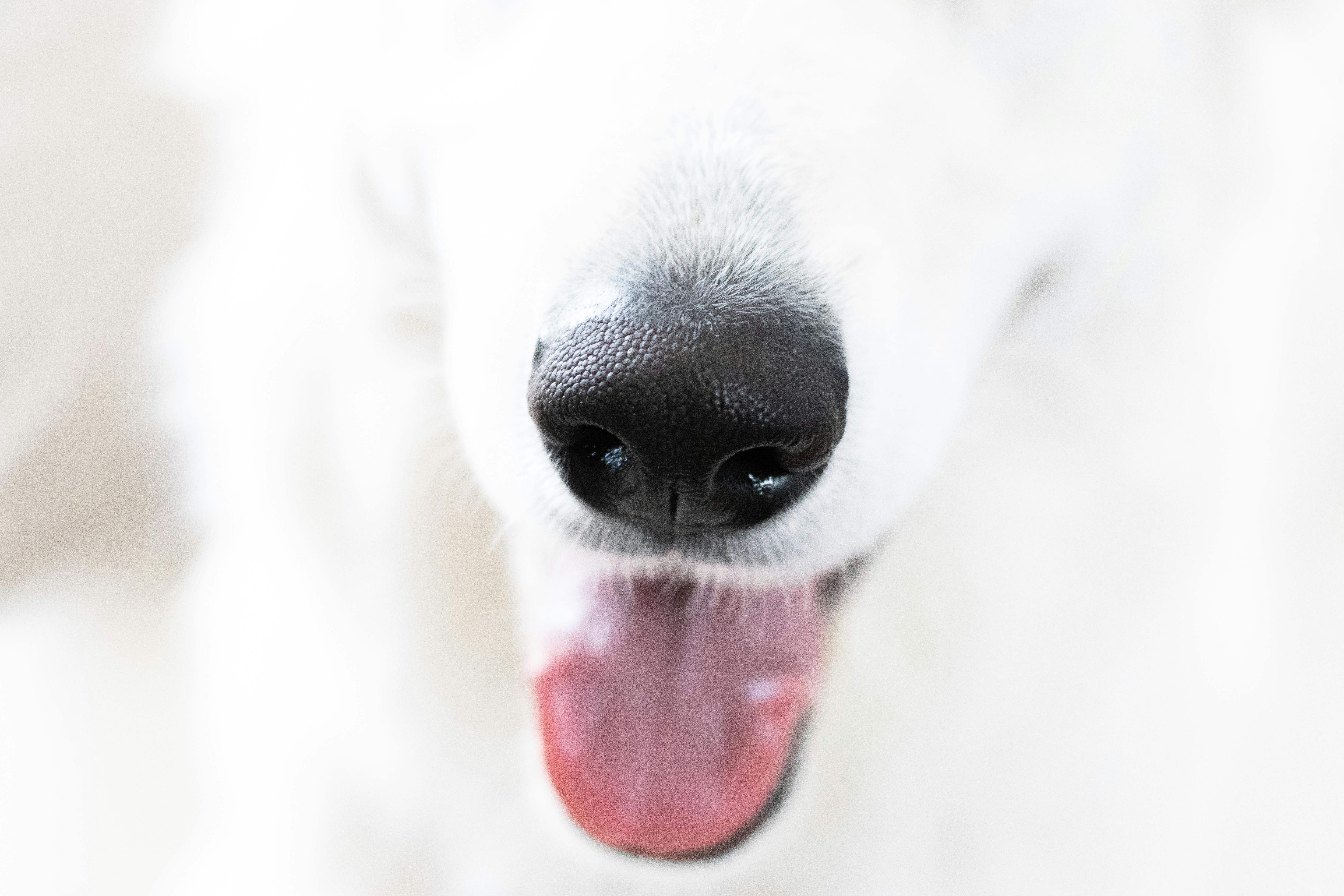 \n\n
\n\nDogs have long been regarded as man’s best friend, and part of what makes them so endearing is their unique ways of communicating. One particularly interesting aspect of dog behavior is their wet noses. Many people might wonder, "Why do dogs have wet noses?" It’s a question that not only sparks curiosity but also delves into the fascinating world of canine communication. The truth is, a wet nose is more than just an adorable trait; it plays a significant role in how dogs interact with the world around them.
\nThe Science Behind Wet Noses
\nDogs’ noses are wet for several reasons, and each reason is quite significant in the realm of canine communication.
\n- \n
- \n
Enhanced Scent Detection: Dogs have an incredible sense of smell, estimated to be between 10,000 to 100,000 times more sensitive than humans. A moist nose helps to capture scent particles more effectively. When their noses are wet, it can pick up on scents in the environment much better. This moisture allows the olfactory receptors to absorb scent more efficiently, making sniffing an essential part of their communication toolkit.
\n \n - \n
Temperature Regulation: Wet noses also assist in thermoregulation. Dogs don’t sweat like humans do; they primarily cool themselves through panting. The moisture on their noses helps to cool their body temperature as well. A cooler dog is generally more comfortable and can better engage with their environment.
\n \n - \n
Health Indicator: A dog’s nose can indicate their health status. A dry or cracked nose may signal dehydration or illness, while a consistently moist nose is often a sign of good health. It’s one of the first things dog owners notice when assessing their pet’s well-being.
\n \n
Historical Context of Wet Noses
\nHistorically, dogs have been companions to humans for thousands of years. The evolution of their sense of smell has been critical for their survival and domestication. Ancient cultures relied on dogs for hunting, herding, and protection. Their wet noses were an adaptation that made them more effective hunters; as they tracked scents, their wet noses increased their ability to follow trails.
\nThe Communication Factor
\nDogs communicate not just through barking, but also through their body language and the use of their noses. Here are some ways wet noses play a role in how dogs express themselves:
\n- \n
- \n
Greeting and Socializing: When dogs greet each other, they often sniff each other's noses. A wet nose indicates openness and friendliness. Dogs use this method to learn about each other’s health, diet, and emotional state.
\n \n - \n
Exploration: Dogs often use their noses to explore their surroundings. A wet nose helps them gather information about their environment, which can be crucial for understanding potential threats or new friends.
\n \n - \n
Emotional Connection: Dogs can also sense human emotions through their nose. They can detect changes in a person’s scent due to hormonal changes, which might indicate stress or happiness. This means your dog can respond appropriately to your mood, whether it’s providing comfort or wanting to play.
\n \n
Fun Facts About Dog Noses
\n- \n
- \n
Unique Patterns: Just like human fingerprints, every dog has a unique nose print. This can actually be used for identification.
\n \n - \n
Cold vs. Warm Noses: A cold, wet nose is generally a sign of health, while a warm, dry nose could indicate a fever or illness. However, it’s not a foolproof method, so always consult a veterinarian if you have concerns.
\n \n - \n
Nasal Mucus: The moisture on a dog’s nose comes from a combination of nasal mucus and saliva. Dogs often lick their noses to keep them moist.
\n \n
Practical Tips for Dog Owners
\nIf you’re a dog owner, here are some practical tips regarding your dog’s wet nose:
\n- \n
- \n
Regular Check-ups: Keep an eye on your dog's nose and consult your vet if you notice any significant changes.
\n \n - \n
Hydration: Ensure your dog is hydrated, as this can affect the moisture of their nose.
\n \n - \n
Playtime: Engage your dog in activities that stimulate their sense of smell, like hide-and-seek games or scent trails. This not only sharpens their communication skills but also strengthens your bond.
\n \n - \n
Weather Awareness: In colder weather, protect your dog’s nose from cracking by applying a small amount of pet-safe balm.
\n \n
Understanding why dogs have wet noses and their role in canine communication can deepen the bond between you and your furry friend. With every sniff and wet touch, dogs are sharing a world of information. It’s a reminder of how complex and fascinating our relationships with them can be. So next time you notice your dog’s wet nose, remember, it’s not just an adorable feature; it’s a window into their world.
\n\nIs Your Dog's Nose Too Dry? Understanding the Health Implications of Nose Moisture
\n\n \n\n
\n\nIs your dog's nose too dry? This question might seem simple, but it actually reveals a lot about your furry friend's health. Many people often wonder why dogs have wet noses in the first place. Is it just a cute feature, or does it serve a deeper purpose? Let’s explore the fascinating truth behind dog noses and what their moisture levels indicate about their well-being.
\nWhy Do Dogs Have Wet Noses?
\nDogs noses are often wet due to several reasons. Their moist noses can help them with their sense of smell. Here’s how it works:
\n- \n
- \n
Enhanced Smell: A wet nose helps to trap scent particles, making it easier for dogs to detect various odors. The moisture allows scent molecules to adhere better, which improves their olfactory capabilities.
\n \n - \n
Cooling Mechanism: Dogs don't sweat like humans. Instead, they pant and their noses can help with thermoregulation. A wet nose can provide a cooling effect, helping them stay comfortable, especially on hot days.
\n \n - \n
Health Indicator: A dog's nose can be an indicator of their health. A healthy nose is usually moist and cool. Changes in this moisture level may signal underlying health issues.
\n \n
Understanding Nose Dryness
\nSo, what does it mean if your dog’s nose become dry? A dry nose can be a normal thing, but it can also indicate potential health issues. Here’s what to look for:
\n- \n
- \n
Environmental Factors: Weather changes can cause temporary dryness. Cold air, dry heat, or even sunburn can affect nose moisture.
\n \n - \n
Dehydration: If your dog isn’t drinking enough water, their nose might dry out. It’s important to ensure your pet has access to fresh water at all times.
\n \n - \n
Illness: Some medical conditions can lead to a persistently dry nose. If your pet also shows other signs like lethargy, loss of appetite, or vomiting, a vet visit is necessary.
\n \n
When to Worry
\nNot all dry noses are a cause for concern, but there are certain signs that should prompt you to seek veterinary advice:
\n- \n
- \n
Cracking or Bleeding: If the skin on their nose is cracking or bleeding, it’s a sign of a more serious issue.
\n \n - \n
Accompanying Symptoms: Look out for other symptoms like coughing, sneezing, or vomiting. These can indicate an illness that needs attention.
\n \n - \n
Persistent Dryness: If your dog’s nose remains dry over an extended period, it’s worth consulting with a vet.
\n \n
How to Maintain Nose Health
\nKeeping your dog’s nose healthy is relatively simple. Here’s a few tips:
\n- \n
- \n
Hydration: Always ensure your dog has access to clean, fresh water. Hydration is key!
\n \n - \n
Humidity Control: If you live in a particularly dry environment, consider using a humidifier in your home.
\n \n - \n
Protective Balms: There are balms available that can help protect your dog’s nose from becoming dry or cracked, especially in extreme weather.
\n \n
Fascinating Facts About Dog Noses
\nDid you know that dog noses are as unique as human fingerprints? Here are some interesting facts:
\n- \n
- \n
Sense of Smell: Dogs have up to 300 million smell receptors, compared to about 5 million in humans. That’s why their noses are so important!
\n \n - \n
Nose Patterns: Each dog has a unique nose print, which can be used for identification.
\n \n - \n
Temperature Regulation: Dogs can detect changes in temperature through their noses, which helps them sense their environment better.
\n \n
Quick Comparison: Wet Nose vs. Dry Nose
\nHere’s a simple comparison to help you understand better:
\n| Aspect | \nWet Nose | \nDry Nose | \n
|---|---|---|
| Smell Detection | \nEnhanced ability | \nReduced ability | \n
| Hydration Level | \nGenerally hydrated | \nPossible dehydration | \n
| Illness Indicator | \nUsually healthy | \nMay indicate health issues | \n
| Temperature | \nCooler, thermoregulating | \nWarmer, may indicate stress | \n
Understanding your dog’s nose can help you in knowing their health better. A wet nose is typically a sign of a happy and healthy dog, while a dry nose can sometimes signal that something is off.
\nBy paying attention to your dog's nose and overall behavior, you can ensure that they remain in good health. If you notice any alarming changes, it’s best to consult with a veterinarian to keep your furry friend happy and healthy.
\n\nWet Nose Wonders: How Dogs Use Their Noses to Detect Emotions and Environmental Changes
\n\n \n\n
\n\nDogs are truly remarkable creatures, and their noses are one of the most fascinating aspects of their biology. Wet Nose Wonders: How Dogs Use Their Noses to Detect Emotions and Environmental Changes is a topic that many dog lovers often overlook. It’s not just about sniffing out treats or finding their favorite toys; dogs have an incredible ability to sense emotions and changes in their environment through their keen sense of smell. So, why do dogs have wet noses? Let’s dive into this fascinating truth!
\nThe Science Behind a Dog's Nose
\nDogs have an extraordinary sense of smell. In fact, they have up to 300 million olfactory receptors in their noses, compared to a human's mere 5 million. This means that dogs can smell things at concentrations nearly 100 times lower than humans can. Their wet noses play an important role in their ability to detect scents.
\n- \n
- Moisture Enhances Smell: The wetness of a dog's nose helps to trap odor molecules, making it easier for them to smell. This moisture also helps them to analyze scents better. \n
- Temperature Regulation: A wet nose can help dogs cool down. When they pant, moisture evaporates from their noses, aiding in temperature regulation. \n
- Scent Discrimination: Dogs can differentiate between various scents, which is vital for their survival instincts. They can even detect emotions based on scent changes in their owners. \n
Why Do Dogs Have Wet Noses?
\nSo why do dogs have wet noses? The answer lies in both biology and function. A wet nose is not just a quirky trait; it has several practical purposes.
\n- \n
- Enhanced Olfactory Function: The moisture on a dog's nose helps to capture scent particles from the air, allowing for more accurate detection. \n
- Thermal Regulation: Dogs do not sweat like humans. Their noses help to keep their body temperature in check, especially during hot weather. \n
- Health Indicator: A wet nose is often seen as a sign of a healthy dog. While not always true, a dry nose can indicate dehydration or illness. \n
Emotional Detection and Environmental Awareness
\nDogs are known for their ability to read human emotions. But how do they do this? It turns out, they can pick up on subtle changes in body language, facial expressions, and yes, even scents.
\n- \n
- Scent of Emotion: When humans experience strong emotions like fear or happiness, their bodies release different pheromones. Dogs can detect these pheromones and often react accordingly. \n
- Behavioral Changes: Dogs may react to their owner’s emotional state by changing their behavior. For example, if a person is sad, a dog might come and nuzzle them, showing empathy. \n
How Dogs Use Their Noses
\nDogs utilize their noses in various ways, and it's interesting to see how they interact with their environment:
\n- \n
- Tracking: Dogs are often used in search and rescue operations due to their ability to track scents over long distances. \n
- Detection Work: Many dogs are trained to detect drugs, explosives, or even diseases like cancer. Their noses are invaluable tools in these situations. \n
- Social Interaction: Dogs will often greet each other by sniffing noses, which is their way of gathering information about other dogs. \n
Fun Facts About Dog Noses
\n- \n
- A dog's nose print is unique, much like a human fingerprint. \n
- The color of a dog’s nose can vary based on breed and genetics. \n
- Dogs' noses are almost as sensitive as those of some wild animals, like bears. \n
Why a Dry Nose Might Matter
\nWhile a wet nose is generally a good sign, there are times when a dry nose could indicate health issues. Here’s a quick list of reasons why a dog’s nose might be dry:
\n- \n
- Dehydration \n
- Fever or illness \n
- Allergies \n
- Stress \n
Dog owners should keep an eye on their pet’s nose for any sudden changes. A significant difference in moisture can sometimes be a signal to consult with a vet.
\nThe Bottom Line
\nUnderstanding why dogs have wet noses and how they use them to detect emotions and environmental changes can deepen the bond between a dog and its owner. It’s amazing to think about how much information these furry friends can gather just through their sense of smell. Whether it's tracking scents, sensing our emotions, or simply enjoying a good sniff around the park, dogs truly are wet-nosed wonders! So the next time you see your furry companion with a damp nose, remember that it’s not just cute; it’s a critical part of what makes them so special.
\n\nThe Evolution of Dogs' Wet Noses: Why Nature Chose Moisture for Our Furry Friends
\n\n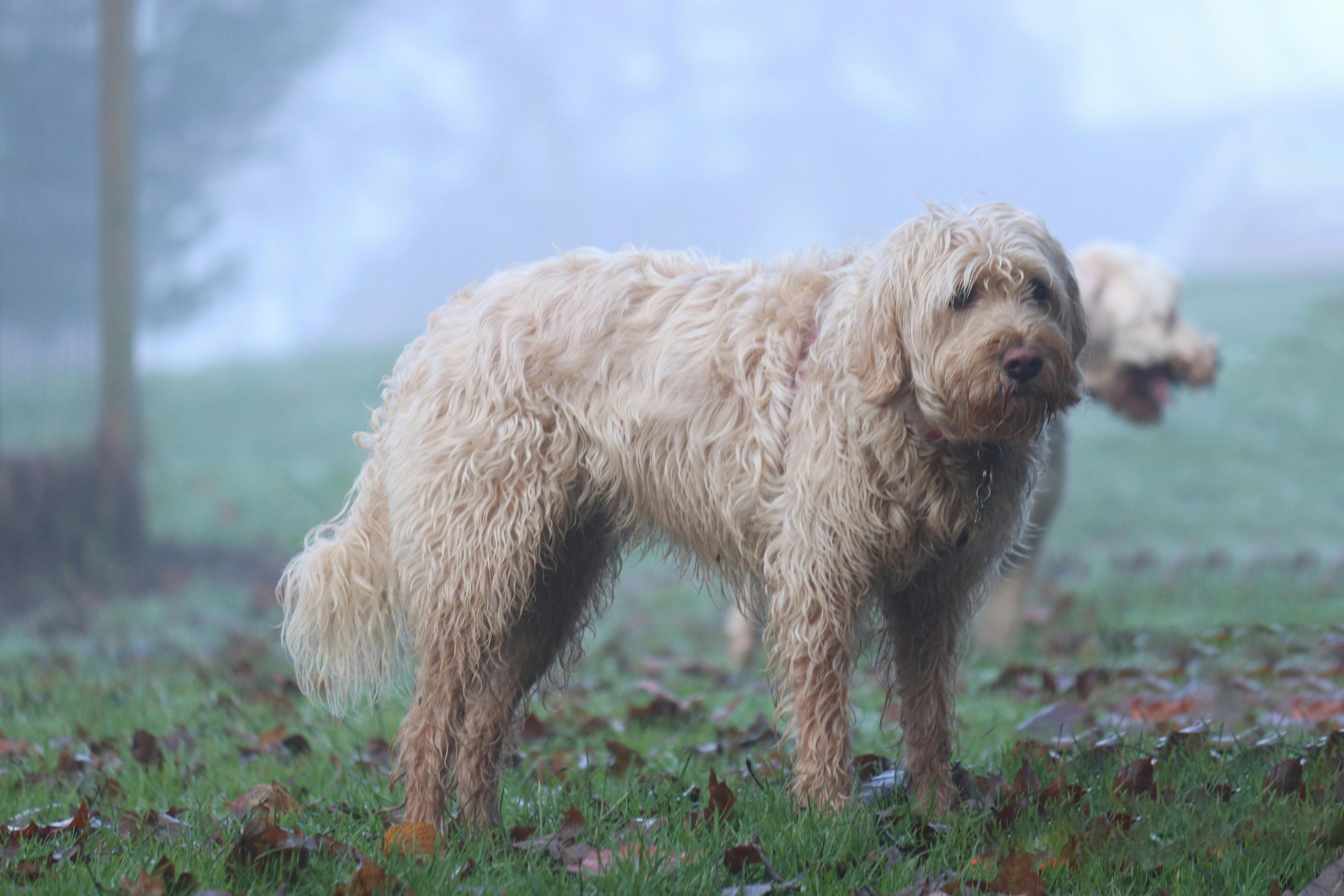 \n\n
\n\nThe wet noses of dogs have always intrigued humans. Why do dogs have wet noses? This question leads us into a fascinating exploration of nature's choices and the evolutionary adaptations that make our furry friends so unique. The moisture on a dog's nose isn't just a quirky characteristic; it's a crucial part of how they interact with the world around them.
\nThe Science Behind Wet Noses
\nA dog's nose is like a finely tuned instrument. It's sensitive and capable of detecting scents at incredibly low concentrations. The wetness of the nose plays a significant role in this capability. Here’s how:
\n- \n
- Moisture helps capture scent particles from the air, allowing dogs to smell better. \n
- The wet surface enhances their ability to detect pheromones, which are chemicals that carry information between animals. \n
- Dogs sweat through their paw pads, but their noses also help regulate body temperature through evaporation. \n
Evolutionary Benefits of Moisture
\nLooking back in time, we can see how the evolution of dogs’ wet noses might of been influenced by their ancestors. Early canids likely developed moist noses to improve their hunting skills. The ability to smell prey from great distances would of been a survival advantage. This adaptation would of helped them thrive in various environments.
\n- \n
- Hunting and Foraging: Wet noses would help dogs detect food and potential mates more effectively. \n
- Communication: Pheromones are crucial for social interactions among dogs. A moist nose would enhance communication through scent. \n
- Thermoregulation: Keeping cool is essential for a dog’s health. The moisture on the nose aids in this function, helping to prevent overheating. \n
A Comparison: Dogs vs. Cats
\nIt’s interesting to compare dogs with another popular pet – cats. While both animals have excellent olfactory senses, their noses are quite different.
\n| Feature | \nDogs | \nCats | \n
|---|---|---|
| Nose Moisture | \nGenerally wet | \nUsually dry | \n
| Olfactory Receptors | \nApprox. 220 million | \nApprox. 50-80 million | \n
| Communication | \nHighly scent-dependent | \nMore visual and auditory | \n
Dogs rely heavily on their sense of smell, while cats use a combination of senses. This difference reflects in their evolutionary paths and lifestyles.
\nThe Role of Breed Variations
\nNot all dogs have the same level of nose moisture. Some breeds naturally have wetter noses than others, which can affect their scent detection abilities. Breeds like Bloodhounds and Beagles have particularly moist noses, which aids them in tracking scents over long distances.
\n- \n
- Bloodhound: Known for their incredible tracking ability, their wet nose is a key asset. \n
- Beagle: Their moist nose helps them identify scents in hunting scenarios. \n
On the other hand, breeds like Bulldogs might have less moisture on their noses. This doesn’t mean they can’t smell well, but variations exist.
\nCommon Misconceptions About Wet Noses
\nThere are several myths surrounding why dogs have wet noses. It’s often thought that a wet nose indicates a dog is healthy, while a dry nose means they are sick. However, this isn’t always true. Here are some points to consider:
\n- \n
- Health Indicator? While a wet nose can be a sign of good hydration, it doesn’t always indicate overall health. \n
- Environmental Factors: A dog’s nose can dry out due to weather conditions, like heat or cold, regardless of their health status. \n
- Age and Breed Factors: Older dogs or certain breeds may have naturally drier noses. \n
Fun Facts About Dogs’ Noses
\n- \n
- A dog's sense of smell is 40 times better than that of humans. \n
- Dogs have more than 1,700 taste buds, which is significantly less than humans, who have around 9,000. \n
- The pattern of a dog’s nose is unique, similar to a human fingerprint. \n
Dogs rely on their noses for a wide range of activities, from finding food to communicating with other dogs. This makes their moist noses not just a quirk but a vital feature of their biology.
\nIn understanding why dogs have wet noses, we learn about the complex interplay between evolution and adaptation. It’s a testament to nature’s design that equips our furry companions with the tools necessary for survival and communication. Next time you pet a dog and feel that damp nose, remember the fascinating evolutionary history behind it!
\n\nCan a Dog's Wet Nose Predict Illness? Exploring the Link Between Nose Condition and Health
\n\n \n\n
\n\nDogs are known for their many peculiarities, and one of the most intriguing characteristics is their wet noses. Many dog owners often wonder, "Can a dog's wet nose predict illness?" This question sparks a lot of curiosity and it's important to understand the relationship between a dog's nose condition and its overall health. In this article, we will explore why dogs have wet noses and if this characteristic can actually serve as an indicator of sickness.
\nWhy Do Dogs Have Wet Noses?
\nThe primary reason dogs have wet noses is for the purpose of enhancing their sense of smell. A wet nose helps to capture scent particles from the air, which improves their ability to detect odors. But it's not just about sniffing out their favorite treats or knowing when their human is home. The moisture on a dog's nose comes from a combination of various factors, including:
\n- \n
- Nasal secretions: Dogs produce mucus that keeps their noses moist, helping to trap scent particles. \n
- Environmental factors: Weather conditions, humidity levels, and even the dog's activity level can affect how wet their nose is. \n
- Body temperature regulation: Dogs can regulate their body temperature through their noses. A wet nose may help cool them down. \n
Interestingly, it’s commonly believed that a wet nose indicates a healthy dog, but that concept might not be as straightforward.
\nThe Link Between Nose Condition and Health
\nWhile a wet nose is often associated with good health, it's not a definitive indicator. Here are some points to consider:
\n- \n
- Normal Variation: Some dogs have naturally drier noses, and that doesn’t mean they are sick. Factors like breed, age, and individual health can lead to variations in nose moisture. \n
- Illness Indicators: A sudden change in a dog’s nose condition, such as excessive dryness or a nose that becomes crusty, could signal health issues. For example:
- \n
- Dehydration: A dry nose can be a sign of dehydration, which requires immediate attention. \n
- Fever: When dogs have a fever, their noses can become warm and dry. \n
- Infections or allergies: Nasal discharge, whether clear or colored, can indicate infections or allergies. \n
\n
Common Misconceptions About Dog Nose Conditions
\nOwners often misconceive the significance of a dog's wet nose. Some common myths include:
\n- \n
- "A wet nose means my dog is healthy." While it can be a good sign, it’s not a guarantee. \n
- "A cold, dry nose is a sign of sickness." There are many reasons for a dry nose that aren’t related to health. \n
Practical Tips for Monitoring Your Dog’s Nose Health
\nKeeping an eye on your dog's nose condition can help you catch potential health issues early. Here are some practical tips:
\n- \n
- Routine Checks: Regularly observe the moisture level of your dog’s nose. Make note of any changes. \n
- Look for Other Symptoms: Monitor for other signs of illness, like lethargy, changes in appetite, or unusual behavior. \n
- Consult Your Vet: If you notice any significant changes in your dog's nose, it's best to consult a veterinarian. They can provide accurate assessments and care. \n
When to Be Concerned
\nIt's crucial to know when to seek professional help. Keep an eye out for:
\n- \n
- Persistent dryness or cracking \n
- Unusual nasal discharge (especially if it’s colored) \n
- Signs of distress or discomfort \n
Conclusion
\nThe health of your dog's nose can provide some insights into its overall well-being, but it’s not the only factor to consider. While a wet nose often suggests a healthy pup, the reality is more complex. Always pay attention to your dog’s overall behavior and health, and don’t hesitate to reach out to a veterinarian when in doubt. Understanding these nuances can help you become a better pet owner and ensure your furry friend remains happy and healthy.
\n\nHow to Keep Your Dog's Nose Healthy and Moist: Essential Tips for Pet Owners
\n\n \n\n
\n\nDogs are known for their loyal companionship, playful antics, and, of course, their wet noses. But have you ever wondered why do dogs have wet noses? It's not just an adorable trait; it serves several important purposes. As a pet owner, keeping your dog's nose healthy and moist is essential for their overall well-being. Here, we’ll explore some fascinating facts about wet noses and share essential tips for maintaining that perfect moisture level.
\nWhy Do Dogs Have Wet Noses?
\nThe wetness of a dog’s nose is generally due to a thin layer of mucus that helps them smell better. But that’s not all. Here are some reasons why those noses are moist:
\n- \n
- \n
Enhanced Scent Detection: The moisture on a dog's nose helps trap scent particles, making it easier for them to detect smells. Dogs have an extraordinary sense of smell—up to 100,000 times more acute than humans. A wet nose allows them to pick up more scents from their environment.
\n \n - \n
Thermoregulation: Dogs do not sweat like humans do. Instead, they cool themselves primarily through their noses and paw pads. A moist nose can help regulate their body temperature, especially during hot weather.
\n \n - \n
Health Indicator: A dog’s nose can provide clues about their health. A healthy nose is typically moist and cool, whereas a dry or excessively warm nose may indicate dehydration or illness.
\n \n
So, those wet noses are not just cute but also serve essential functions for your furry friend!
\nTips to Keep Your Dog's Nose Healthy and Moist
\nKeeping your dog's nose in tip-top shape requires some proactive care. Here are some essential tips:
\n- \n
- \n
Hydration is Key: Always ensuring your dog has access to fresh water is crucial. Dehydration can lead to a dry nose, so encourage your pup to drink plenty of water, especially in warm weather.
\n \n - \n
Regular Vet Check-ups: Regular veterinary visits are important. Your vet can spot any potential health issues that could affect your dog’s nose. This includes skin conditions, allergies, or infections.
\n \n - \n
Avoid Allergens: If your dog often has a dry or cracked nose, consider potential allergens in their environment. Dust, pollen, and certain cleaning products can irritate your dog's sensitive skin.
\n \n - \n
Moisturize When Necessary: If you notice your dog’s nose is becoming dry, you can apply a bit of coconut oil or a dog-safe nose balm. This can help restore moisture without harming them.
\n \n - \n
Watch the Weather: Extreme temperatures can affect your dog's nose. In winter, the cold can dry out your dog’s nose, while hot summers can lead to sunburn. Consider using a protective balm in extreme conditions.
\n \n - \n
Healthy Diet: A balanced diet rich in essential fatty acids can promote skin and nose health. Foods high in Omega-3 and Omega-6 fatty acids, like fish and flaxseed oils, can help keep your dog’s nose moist.
\n \n
Common Myths About Dog Noses
\nThere’s a lot of misinformation floating around about dog noses. Let’s clear up some common myths:
\n- \n
- \n
A warm nose means a sick dog: While a warm nose can indicate illness, it is not a definitive sign. Many factors can affect nose temperature, including activity level and the environment.
\n \n - \n
All dogs have wet noses: While most dogs have moist noses, some breeds may naturally have drier noses. This can be normal for them.
\n \n - \n
Dogs' noses can’t get sunburned: False! Just like humans, dogs can suffer from sunburn, especially on their noses. Always protect them in sunny weather.
\n \n - \n
A dry nose means dehydration: While dehydration can lead to a dry nose, other factors can cause this as well, like allergies or skin conditions.
\n \n
Understanding the Health of Your Dog's Nose
\nMonitoring your dog’s nose can provide insight into their overall health. Here’s a quick checklist:
\n- \n
- \n
Check for Cracks and Fissures: These could indicate that the nose is too dry or that your dog has allergies.
\n \n - \n
Observe Color Changes: A sudden change in color could signal a health issue that needs veterinary attention.
\n \n - \n
Smell for Unusual Odors: A foul smell can indicate an infection or other health problems.
\n \n - \n
Watch for Excessive Moisture: While a moist nose is generally good, excessive wetness could indicate a problem, such as a skin condition.
\n \n
Keeping your dog’s nose healthy and moist is a key part of ensuring their overall happiness and health. Knowing why do dogs have wet noses can help you understand your pet better and take proactive steps in their care. Always observe their behavior and consult with a vet if something seems off. This way, your furry friend can enjoy a long, healthy life with you!
\n\nWet Noses and Dog Behavior: What Your Pup's Nose Can Tell You About Their Mood
\n\n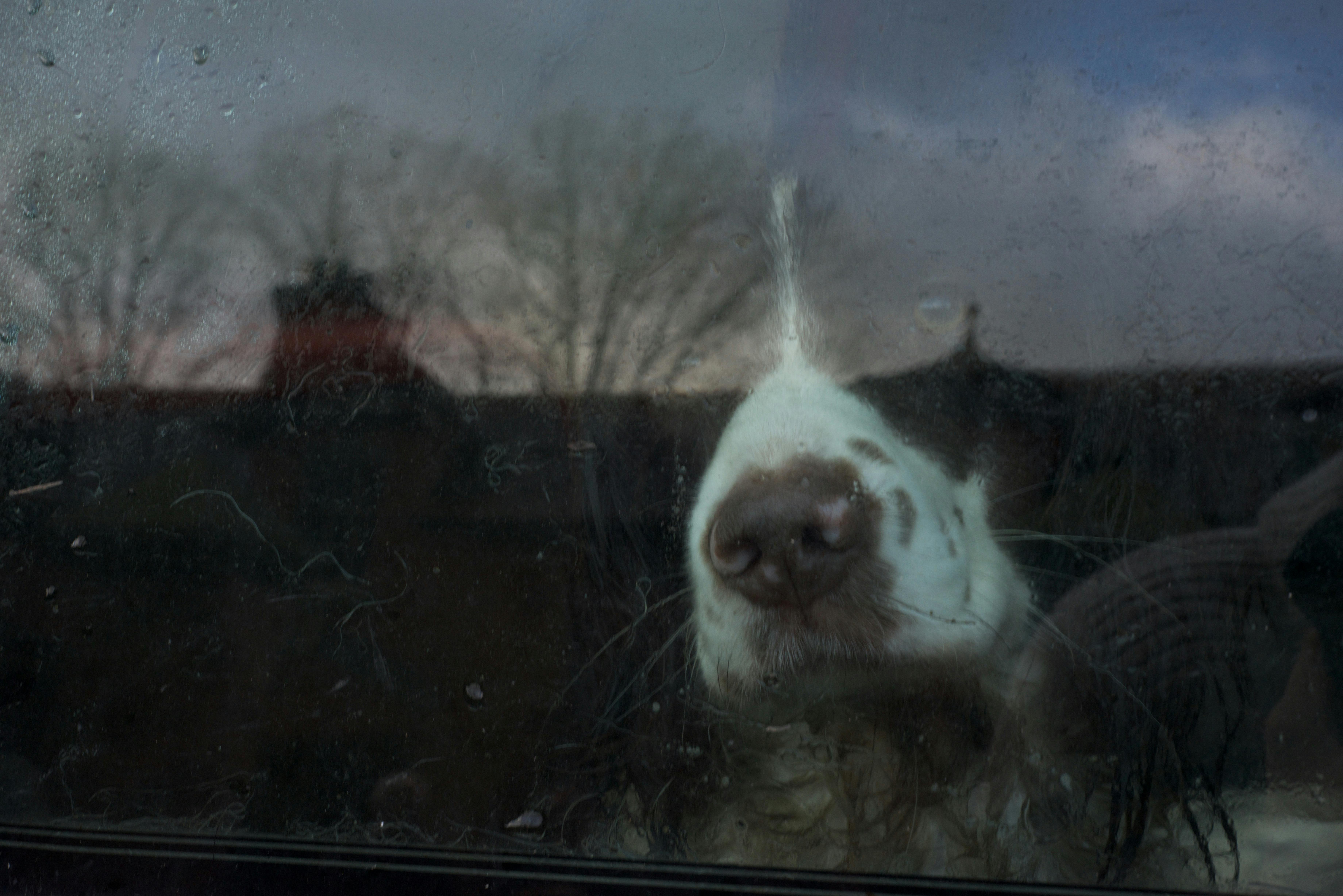 \n\n
\n\nHave you ever noticed your dog's wet nose and wonder about it? It's really fascinating how much our furry friends communicate through their bodies, especially their noses. Wet noses and dog behavior are more connected than you might think! This article will explore why dogs have wet noses, what it tells us about their mood, and some interesting facts about dog behavior.
\nWhy Do Dogs Have Wet Noses?
\nDogs noses are often wet for several reasons, and it ain't just because they've been sniffing around a puddle! Here are some key points:
\n- \n
- \n
Sense of Smell: Dogs have an incredible sense of smell, and their wet noses help enhance that ability. The moisture helps to capture scent particles, allowing them to detect smells better.
\n \n - \n
Cooling Mechanism: Just like humans sweat, dogs can’t cool down through sweating. Instead, they rely on their noses to help regulate their body temperature. The moisture evaporates, which cools them down.
\n \n - \n
Health Indicator: A wet nose is often a sign of a healthy dog. If a dog’s nose is too dry or cracked, it could indicate dehydration or other health issues.
\n \n
Mood Indicators: What Your Pup's Nose Says
\nSo, what does a wet nose mean in terms of your dog’s mood? Dogs communicate a lot through their body language, and their nose is no exception. Here are some signs to look for:
\n- \n
- \n
Excitement: If your dog’s nose is especially wet and they are wagging their tail, they’re likely excited to see you or anticipating playtime.
\n \n - \n
Nervousness: A dog's nose might become dry when anxious. If they are panting and their nose feels hot, it could mean they’re stressed.
\n \n - \n
Contentment: When a dog is relaxed, their nose often stays nice and moist. Pair this with a relaxed body posture, and you can be sure they’re feeling good.
\n \n
The Science Behind Dog Noses
\nThe anatomy of a dog's nose is quite unique. Here’s a quick breakdown:
\n- \n
- \n
Nasal Passages: Dogs have long nasal passages that are filled with scent receptors. This is why they can smell things that we can’t.
\n \n - \n
Jacobsen’s Organ: This is a special organ located in the nasal cavity that allows dogs to process scents in a way that humans cannot.
\n \n - \n
Moisture Production: Dogs have glands in their noses that produce moisture, which helps them smell better. The wetness helps to trap scent particles more effectively.
\n \n
Fun Facts About Dog Noses
\nHere are some interesting facts that you might not know about dog noses:
\n- \n
- \n
Unique Prints: Just like human fingerprints, each dog has a unique nose print. It can actually be used for identification!
\n \n - \n
Color Matters: The color of a dog's nose doesn’t just affect its appearance. Some studies suggest that darker noses are more sensitive than lighter ones.
\n \n - \n
Nose Temperature: A dog’s nose can change temperature. Sometimes a cooler nose is a sign of a healthy dog, but it’s not always a guarantee.
\n \n
How to Keep Your Dog's Nose Healthy
\nJust like any other part of your pet's body, their nose requires care. Here are some tips:
\n- \n
- \n
Hydration: Always provide fresh water. Hydrated dogs usually have healthier noses.
\n \n - \n
Humid Environment: If you live in a dry area, consider using a humidifier to keep the air moist, which can help maintain their nose moisture.
\n \n - \n
Regular Vet Visits: Regular check-ups can help catch any potential issues before they become serious.
\n \n
Observing Your Dog's Behavior
\nYour dog's behavior gives you clues about their physical and emotional state. Here are some common behaviors and what they might mean:
\n- \n
- Tail Wagging: Happy and excited. \n
- Paw Lifting: Curious or unsure. \n
- Barking: Alerting you or wanting attention. \n
Being attentive to these behaviors along with the state of their noses can help you understand your pup better.
\nIn summary, a dog's wet nose is more than just an adorable feature; it plays a significant role in their health and communication. Understanding why do dogs have wet noses, and what it signifies about their mood, can enrich your bond with your furry companion. Next time you see that wet nose, remember all the fascinating truths behind it!
\n\nConclusion
\n\nIn conclusion, the wet noses of dogs serve several important purposes, from enhancing their sense of smell to regulating their body temperature. The moisture on a dog's nose can amplify scent detection, allowing them to better navigate their environment and connect with the world around them. Additionally, a wet nose acts as a natural cooling mechanism, helping dogs manage their body heat, especially during warmer months. While a wet nose is often associated with health, it’s essential for pet owners to be aware of the overall signs of their dog’s well-being. If you notice any significant changes in your dog’s nose moisture or other health indicators, don’t hesitate to consult a veterinarian. Understanding your dog's unique traits can deepen your bond and ensure their health and happiness. So, next time you give your furry friend a pat, take a moment to appreciate the science behind that wet nose!
\n\n