Have you ever wondered why do dogs have wet noses? It's a question that sparks curiosity among pet owners and animal lovers alike! Dogs are known for their unique wet noses, but what does it really mean? Is it just a quirky trait or does it serve a bigger purpose? In this post, we will explore the fascinating truth behind this common canine characteristic. Wet noses not only feel cool to the touch, but they also play a crucial role in a dog’s sense of smell and overall health. Did you know that a dog's nose can actually help them regulate their body temperature? Or that a wet nose can be an indicator of how a dog feels? Join us as we uncover the science and secrets behind those adorable wet noses! This intriguing topic not only dives into the biology of dogs but also touches on their behavior and emotions. So, if you're curious about your furry friend and want to learn more about this captivating feature, keep reading! You might just discover why that wet nose is more important than you ever thought!
\n\nThe Science Behind Wet Noses: Why Your Dog's Snout is Always Moist
\n\n \n\n
\n\nHave you ever noticed how your dog’s nose is always a bit wet? It’s one of those little quirks that can make you smile and wonder about the science behind it. Why do dogs have wet noses? It’s not just a random trait; there’s actually a fascinating blend of biology and behavior at play. Understanding this can give you a deeper appreciation for your furry friend and their unique characteristics.
\nThe Purpose of a Wet Nose
\nDogs have moist noses for several reasons, and it’s more than just a cute feature. The moisture on their snouts serves important functions. Here are some key points to consider:
\n- \n
- \n
Enhanced Sense of Smell: A wet nose helps to capture scent particles from the air. When the nose is moist, it can absorb these particles better, making a dog’s sense of smell even more acute. Dogs have around 220 million scent receptors, compared to humans' 5 million. This moistness is crucial for their ability to detect different smells.
\n \n - \n
Thermal Regulation: Just like sweating in humans, dogs can lose heat through their noses. This can be especially important in hot weather. The moisture evaporates and helps cool their body down.
\n \n - \n
Health Indicator: A wet nose is often seen as a sign of a healthy dog. Dry noses can indicate dehydration or illness, while a consistently moist nose is typically a good sign. However, not every dry nose means something is wrong; it can just be a part of their normal state during certain times.
\n \n
The Biology Behind Dog Noses
\nSo, what keeps a dog’s nose wet? The answer lies in some fascinating biology. Dogs have specialized glands in their noses that produce this moisture. Here’s how it works:
\n- \n
- Mucous Glands: These glands secrete mucus, which coats the surface of the nose. This mucus is what creates that wet feeling. \n
- Salivary Glands: Sometimes, dogs lick their noses, which adds saliva to the mix. This licking helps to keep their noses moist and enhances their sense of smell even further. \n
- Environmental Factors: Humidity and temperature can also affect how wet a dog’s nose is. A dog might have a drier nose on a hot day compared to a cooler, moist day. \n
Historical Context of Dog Noses
\nDogs have been companions to humans for thousands of years, and their wet noses have always been a part of their charm. In ancient cultures, dogs were often praised for their keen sense of smell, which helped in hunting and tracking. The wetness of their noses was recognized even then as a vital part of their ability to perform these tasks.
\n- \n
- Tracking and Hunting: Early humans relied on dogs for hunting. A dog’s wet nose helped them to track scents over long distances. \n
- Breeding for Traits: Over time, certain breeds were developed for specific tasks, and their noses remained moist as a beneficial trait. \n
Fun Facts About Dog Noses
\nDid you know that dog noses are as unique as human fingerprints? Here are some interesting facts:
\n- \n
- Nose Prints: Each dog has a unique nose print, which can be used for identification. Some organizations even use this method for lost dogs. \n
- Temperature Sensitivity: Dogs can detect temperature changes through their noses. They can feel warmth radiating from objects, enhancing their hunting abilities. \n
- Communication Tool: Dogs use their noses to communicate with each other. The moisture and scent on their snouts can carry information about their emotional state or health. \n
Comparisons with Other Animals
\nDogs aren't the only animals with wet noses. Other species share this trait, but for different reasons. Let’s compare:
\n- \n
- Cats: Cats also have moist noses, which aid in their sense of smell. However, their noses are not as wet as dogs’ because they rely less on scent for hunting. \n
- Pigs: Pigs have wet snouts too, and similar to dogs, they have an excellent sense of smell, which they use to find food. \n
Practical Examples of Care for Your Dog’s Nose
\nMaintaining your dog’s nose can reflect their overall health. Here are some tips:
\n- \n
- Hydration: Ensure your dog is drinking enough water. Dehydration can lead to a dry nose. \n
- Environment: If you live in a dry climate, consider using a humidifier to help keep your dog’s nose moist. \n
- Watch for Changes: Keep an eye on your dog’s nose. If it becomes excessively dry, cracked, or changes color, consult your vet. \n
Understanding why dogs have wet noses reveals just how amazing these creatures are. They rely on their moist snouts for many essential functions, and it plays a significant role in their interactions with the world. The next time you see your pup with that adorable, shiny nose, you’ll know there’s more to
\n\n5 Fascinating Reasons Dogs Have Wet Noses That Will Surprise You
\n\n \n\n
\n\nWhy do dogs have wet noses? This question has puzzled many pet owners, and it turns out, the answer is both fascinating and complex. Dogs have wet noses for several reasons, some of which might surprise you. If you ever wondered why your furry friend’s snout is often damp, read on for five compelling reasons that delve into the science and history behind this intriguing canine characteristic.
\n1. Enhancing Sense of Smell
\nOne of the primary reasons dogs have wet noses is because it helps them sniff out more smells. A wet nose captures scent particles more effectively than a dry nose. This is due to the moist surface acting like a sponge, soaking up scents and then allowing the olfactory receptors in the nasal cavity to do their job.
\nDid you know that dogs have up to 300 million smell receptors? That’s a big difference from the 5 million that humans have. It makes sense why a wet nose is vital for their ability to pick up scents in the environment. A wet nose means more scent particles, which leads to better detection of food, danger, or even their human’s emotions.
\n2. Regulating Body Temperature
\nDogs can’t sweat in the same way humans do. Instead, they rely on their noses to help cool down. The moisture on a dog’s nose evaporates, which helps to lower their body temperature. This physiological process is similar to how humans sweat to maintain an optimal body temperature.
\n- \n
- Dogs can regulate their temperature through:
- \n
- Panting \n
- Drinking water \n
- Finding shade \n
- And yes, having a wet nose! \n
\n
When you see your dog’s nose is particularly moist, it may be a sign that they are trying to cool off after a fun run or a hot day outside.
\n3. Sign of Good Health
\nA wet nose is often viewed as a sign of good health in dogs. While not a definitive indicator, many veterinarians suggest that a moist nose indicates that a dog is hydrated and generally healthy. On the flip side, if a dog has a dry, cracked nose, it might be worth looking into.
\nHere’s a quick guide to interpreting your dog’s nose condition:
\n- \n
- Wet and cool: Healthy and hydrated \n
- Warm and dry: Possible dehydration or illness \n
- Cracked or peeling: Possible issues like allergies or infections \n
However, it’s important to note that every dog is different, and some may naturally have drier noses than others. Always consult with a veterinarian if you notice significant changes.
\n4. Social Interaction and Communication
\nDogs also use their noses to communicate with each other and with humans. A wet nose can be a way for dogs to show affection, curiosity, or even submission. When dogs greet each other, they often sniff each other's noses and behinds, exchanging scents that convey a wealth of information about their health, mood, and status.
\n- \n
- Scent communication involves:
- \n
- Identifying other dogs \n
- Assessing potential mates \n
- Understanding territory \n
- Expressing comfort or fear \n
\n
So, the next time your dog nudges you with that moist nose, it could be their way of saying “hello” or “I love you.”
\n5. Evolutionary Advantage
\nHistorically, the evolution of a wet nose might have provided certain advantages to dogs and their wild ancestors, wolves. During hunts, the ability to detect scents effectively would have made them better hunters. A moist nose not only improved their smelling capability but also helped them to locate prey more efficiently. This evolutionary trait has been passed down through generations, making it a fundamental aspect of canine biology.
\nIn Summary
\nThe reasons why dogs have wet noses are as fascinating as they are varied. From enhancing their sense of smell to regulating body temperature, a wet nose serves multiple critical functions. It can even be a sign of your dog’s health and plays a role in social interactions with other dogs. Understanding these aspects can deepen your bond with your furry companion.
\nSo, the next time you notice your dog’s wet nose, remember that it’s not just a cute quirk of nature. It’s a remarkable feature that speaks volumes about their biology, behavior, and well-being. Embrace the wet-nosed love, and enjoy every moment with your canine friend!
\n\nHow a Wet Nose Enhances Your Dog's Sense of Smell: The Hidden Benefits
\n\n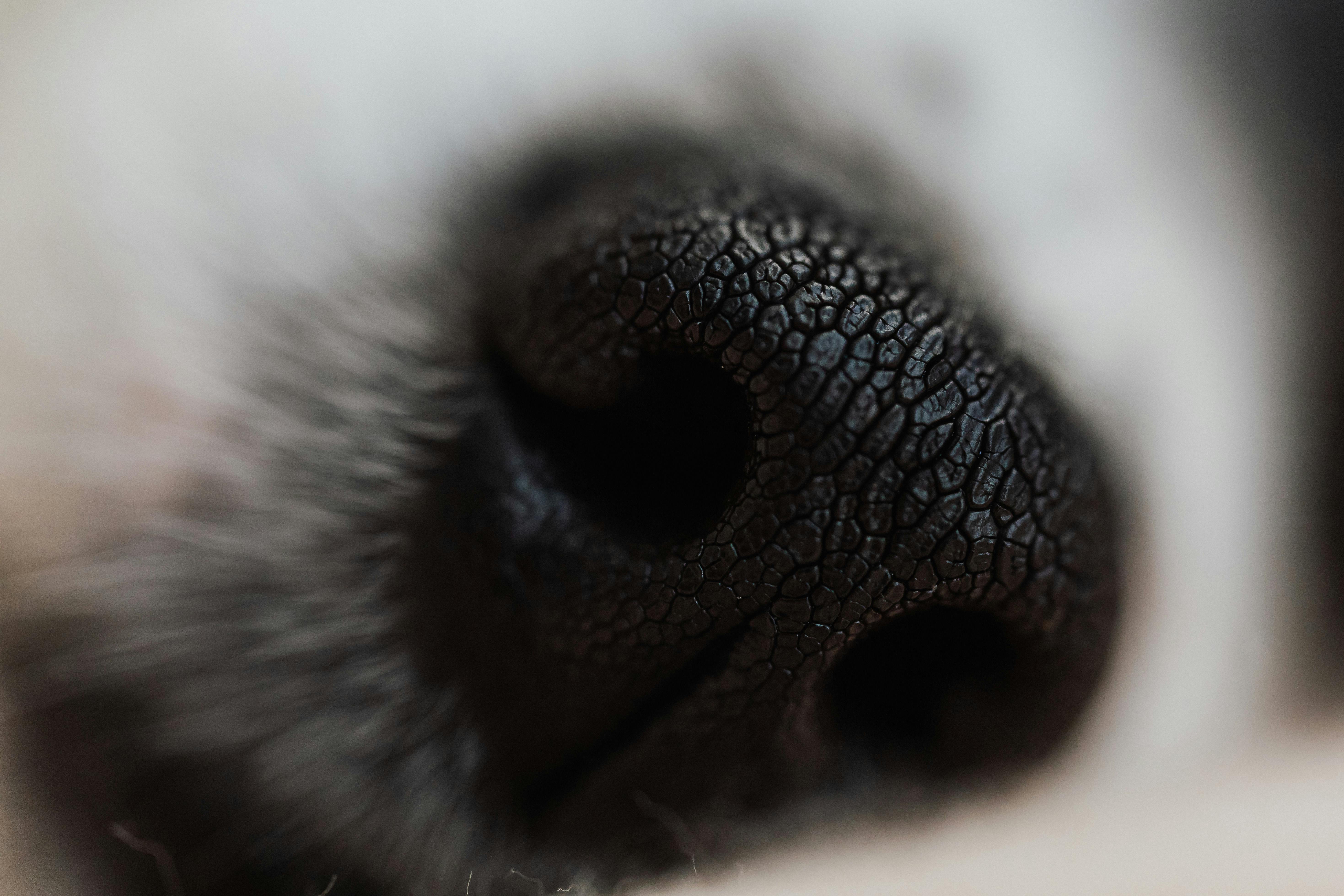 \n\n
\n\nDogs are known for their incredible sense of smell, which is often said to be anywhere from 10,000 to 100,000 times more powerful than that of humans. One of the most interesting aspects of a dog's anatomy that contributes to this superhuman ability is their wet nose. You might be wondering, why do dogs have wet noses? This question leads to a fascinating exploration of how a wet nose enhances a dog's sense of smell and what hidden benefits it provides.
\nThe Science Behind a Dog's Wet Nose
\nA dog's nose is not just wet for no reason. The moisture on their noses plays important roles in their ability to detect scents. When the nose is wet, it can capture scent particles more effectively. The moisture helps to dissolve these particles, allowing dogs to pick up on the smells in their environment. It’s like having a sponge that absorbs scents!
\n- \n
- Enhanced Smell: The wetness helps to trap scent molecules. \n
- Cooling Mechanism: Wet noses can also help dogs regulate their body temperature. \n
- Health Indicator: A wet nose is often seen as a sign of a healthy dog. \n
Historical Context of Dogs’ Noses
\nHistorically, humans have relied on dogs for various tasks that require acute olfactory senses, such as hunting, tracking, and even search-and-rescue operations. Ancient civilizations recognized the potency of a dog’s sense of smell. In fact, dogs have been bred for specific tasks, and those with superior smelling abilities were often favored.
\n- \n
- Tracking Dogs: Used in hunting, they can follow scents over great distances. \n
- Detection Dogs: Employed by police and military, they can identify drugs and explosives. \n
- Service Dogs: Some dogs are trained to detect medical conditions like diabetes or seizures. \n
The Anatomy of a Dog's Nose
\nTo understand why a dog's nose is wet, it helps to look at the actual anatomy. A dog's nose consists of several key features:
\n- \n
- Olfactory Receptors: Dogs have about 300 million olfactory receptors compared to about 6 million in humans. \n
- Vomeronasal Organ: This organ helps dogs detect pheromones, which are crucial for communication and understanding their environment. \n
- Moisture Producing Glands: These glands secrete a thin film of moisture that keeps the nose wet. \n
Why Wet Noses Matter
\nThe benefits of a wet nose extend beyond just smelling. Here are some hidden advantages of why dogs have wet noses:
\n- \n
- Thermoregulation: A wet nose helps dogs cool down. When they breathe out, the moisture evaporates, which cools their body. \n
- Scent Discrimination: A moist surface can differentiate between scents more effectively than a dry one. \n
- Communication: Dogs often use their noses to greet other dogs. A wet nose can send messages through scent that are unreadable to humans. \n
The Myths Surrounding Wet Noses
\nThere are plenty of myths about dogs and their wet noses. Some people think that a cold, wet nose is always a sign of good health. While it’s true that wet noses can indicate a dog is feeling well, it’s not the only indicator of health. Dog’s noses can be dry for various reasons, including weather conditions or even just waking up from sleep.
\nFun Facts about Dogs’ Noses
\n- \n
- Dogs can detect certain diseases, including cancer, by smelling breath samples. \n
- The pattern of a dog’s nose is as unique as a human fingerprint. \n
- Dogs can even smell emotions, picking up on the scent changes that occur when a person is scared or anxious. \n
Conclusion
\nUnderstanding why dogs have wet noses and how they enhance a dog's sense of smell reveals a lot about our furry friends. Their noses are not just cute features; they are vital tools for survival, communication, and companionship. The next time you see your dog with that shiny, wet nose, you'll know the science and history behind it. It's a remarkable adaptation that makes dogs some of the best companions humans could ever ask for, blending functionality and affection in a perfect package.
\n\nIs Your Dog's Wet Nose Normal? Understanding the Health Implications
\n\n \n\n
\n\nDogs are our furry companions, and their health is often a top priority for many pet parents. One common question that many dog owners wonder about is: “Is your dog’s wet nose normal?” It’s a curious topic, and the answer might surprise you! Understanding why dogs have wet noses can give insight into their overall health and well-being.
\nWhy Do Dogs Have Wet Noses?
\nDogs have wet noses for several reasons, some of which are quite fascinating. First off, a wet nose helps dogs with their sense of smell. The moisture on their noses helps to capture scent particles in the air, which enhances their ability to detect and identify different odors. Isn’t that cool?
\nHere are some reasons why a dog’s nose may be wet:
\n- \n
- Sense of Smell: The moisture on the nose allows for better olfactory reception, helping dogs to smell things more accurately. \n
- Cooling Mechanism: Just like humans sweat, dogs use their noses to help regulate body temperature. The moisture evaporates and can help cool them down. \n
- Health Indicator: A wet nose can sometimes indicate a healthy dog. Many dog owners notice that when their pets are sick or unwell, their noses may become dry, leading to concerns. \n
- Behavioral Responses: Dogs often lick their noses, which can make them wet. This is a behavior that can be seen when they are curious or excited. \n
Is a Wet Nose Always a Good Sign?
\nNot necessarily! While a wet nose is often a sign of a healthy dog, it’s important to pay attention to the overall condition of your pet. Here’s a quick breakdown:
\n- \n
- Normal Wet Nose: Typically moist and cool to the touch. This is a good sign of health. \n
- Dry or Cracked Nose: This could indicate dehydration, illness, or allergies. \n
- Excessively Wet Nose: This may signal a respiratory issue or other health problems. \n
What’s the History Behind Dog Noses?
\nHistorically, dogs are descended from wolves, which had similar nose traits. The wet noses may have helped wolves hunt and track prey. As dogs were domesticated, these traits persisted, allowing them to maintain their keen sense of smell. You could say that wet noses are a trait passed down through generations!
\nFun Facts About Dog Noses
\n- \n
- Dogs have approximately 300 million smell receptors, compared to humans’ 5 million. \n
- The texture of a dog’s nose is unique, much like a human fingerprint! \n
- Certain breeds, like Bloodhounds, are famous for their incredible sense of smell and can even track scents that are days old. \n
Signs of Nose-Related Health Issues
\nIf you notice changes in your dog's nose, it’s crucial to look for other signs of health issues. Here’s a handy list of symptoms to watch out for:
\n- \n
- Loss of appetite \n
- Changes in energy levels \n
- Unusual behavior; like increased licking or scratching \n
- Nasal discharge or bleeding \n
What To Do If You’re Concerned
\nIf you’re worried about your dog’s wet or dry nose, here’s a simple action list:
\n- \n
- Observe: Keep an eye on your dog’s behavior, appetite, and energy levels. \n
- Check for Other Symptoms: Look for signs of illness, such as coughing, sneezing, or lethargy. \n
- Consult Your Veterinarian: If the issue persists or worsens, it’s best to seek professional help. \n
When to Seek Veterinary Care
\nIt’s crucial to know when to take your dog to the vet. If you notice any of the following, don’t delay:
\n- \n
- Persistent dryness or cracking \n
- Discharge from the nose that seems abnormal \n
- Swelling or redness around the nose \n
- A sudden change from wet to dry nose accompanied by other health changes \n
Being aware of these signs can help ensure your furry friend stays healthy and happy!
\nSo, the next time someone asks, “Why do dogs have wet noses?” you can share this knowledge! Whether it’s for enhancing their sense of smell or keeping cool, a dog’s wet nose is an amazing feature of our beloved pets. As always, keeping an eye on your dog's health and well-being is a vital part of being a responsible pet owner. If you have any concerns regarding your dog’s nose or overall health, don’t hesitate to reach out to a veterinarian for professional advice. Your dog depends on you to be their best advocate!
\n\nThe Connection Between a Dog’s Wet Nose and Their Emotions: What You Need to Know
\n\n \n\n
\n\nHave you ever wondered why your furry friend’s nose is often wet? Or maybe you’ve notice how it feels cool to touch, almost like it’s been dipped in water? Many dog owners find it curious, sometimes even believing that it’s a sign of a healthy and happy pet. But what’s the true story behind the connection between a dog’s wet nose and their emotions? Let’s dive into this fascinating topic!
\nWhy Do Dogs Have Wet Noses?
\nTo understand why dogs have wet noses, it helps to look at the biology of our canine companions. Dogs’ noses are covered in a special kind of skin that’s unique to them. This skin is not only sensitive but also plays a crucial role in their sense of smell. Here are some key points to consider:
\n- \n
- \n
Moisture and Smell: A wet nose enhances a dog’s sense of smell. The moisture helps to trap scent particles, allowing dogs to detect scents more effectively. It’s like having a built-in tool for sniffing out all those interesting smells in the world around them.
\n \n - \n
Temperature Regulation: Dogs also use their noses to help regulate their body temperature. When a dog pants or their nose is moist, it’s a way for them to cool down. It’s an essential part of their thermoregulation system.
\n \n - \n
Health Indicator: A wet nose is often an indicator of a dog’s health. While it’s not a definitive sign, a dry nose can sometimes indicate dehydration or illness. However, keep in mind that many factors can affect nose moisture.
\n \n
The Science Behind Emotions
\nDogs are known to express their emotions in various ways, and their noses play a role in this too. It’s important to distinguish between a wet nose as a health indicator and as a potential emotional signal. Research suggests that dogs can pick up on the emotional states of humans through scent. Here’s how it works:
\n- \n
- \n
Scent and Emotion: Dogs have an incredible ability to detect changes in human pheromones and other scent compounds that can indicate stress, happiness, or fear. A wet nose can be a sign that your dog is alert and responsive to your emotional state.
\n \n - \n
Social Signals: Dogs often use their noses to greet other dogs and humans. A wet nose can be an indicator of excitement or curiosity. When your dog nudges you with their cool, wet nose, they might be seeking attention or trying to comfort you.
\n \n
Fun Facts About Dogs’ Noses
\n- \n
- \n
Unique Prints: Just like human fingerprints, every dog’s nose print is unique. This means that you could theoretically identify a dog by their nose alone!
\n \n - \n
Nasal Turbinates: Inside a dog’s nose, there are structures called nasal turbinates that help filter and warm the air they breathe. This also helps in enhancing their sense of smell.
\n \n - \n
Dogs’ Sense of Smell: Dogs have up to 300 million smell receptors in their noses compared to about 6 million in humans. This is why dogs are often used in search and rescue missions, as well as in detecting drugs and other substances.
\n \n
What Can You Do for Your Dog’s Nose?
\nIf you’re concerned about your dog’s nose, there are several ways to care for it:
\n- \n
- \n
Stay Hydrated: Make sure your dog has access to fresh water at all times. Hydration plays a big role in maintaining nose moisture.
\n \n - \n
Regular Check-ups: Bring your dog to the vet for regular check-ups. This helps ensure they remain healthy and happy.
\n \n - \n
Observe Changes: Pay attention to any changes in your dog’s nose. If it becomes excessively dry, cracked, or shows signs of discoloration, consult with your veterinarian.
\n \n
Comparing Wet and Dry Noses
\n| Aspect | \nWet Nose | \nDry Nose | \n
|---|---|---|
| Health Indicator | \nOften associated with hydration and health | \nMay indicate dehydration or illness | \n
| Sensory Function | \nEnhances sense of smell | \nTypically doesn’t affect smell directly | \n
| Temperature Regulation | \nHelps cool the body | \nLess effective in thermoregulation | \n
| Emotional Response | \nCan indicate alertness or excitement | \nMay suggest anxiety or discomfort | \n
Understanding your dog’s wet nose and its significance can enhance your bond with your furry friend. You see, dogs communicate in ways we might not fully understand, and their noses play an integral role in that communication. So, the next time you feel your dog’s cool, damp nose against your skin, remember that it’s not just a quirky feature but a fascinating window into their health and emotions. Embrace these little moments; they often say a lot about how your dog feels!
\n\nWet Nose vs. Dry Nose: What Your Dog's Snout Says About Their Health
\n\n \n\n
\n\nDogs are more than just pets; they are part of our families. As dog owners, understanding your furry friend's health is crucial, and one of the most interesting indicators of their well-being is their nose. You might have noticed how sometimes your dog's nose feels wet, while other times it might be dry. So, what does this mean? Wet Nose vs. Dry Nose: What Your Dog's Snout Says About Their Health is an important question that many dog lovers ask. Let's explore why do dogs have wet noses, and uncover this fascinating truth!
\nThe Science Behind a Dog's Nose
\nFirst, it’s important to understand why dogs have wet noses in the first place. A dog's nose is typically moist due to a combination of mucus secretion and saliva. This moisture helps enhance their sense of smell, which is incredibly sensitive. Dogs have anywhere from 125 million to 300 million olfactory receptors in their noses, compared to humans, who have only about 5 million. This is one of the reasons why dogs are used in various roles like search and rescue or in detecting illnesses.
\nWhat Does a Wet Nose Indicate?
\nA wet nose is commonly seen as a sign of a healthy dog. Here are some key points to consider:
\n- \n
- Temperature Regulation: Dogs regulate their body temperature through their noses. A wet nose helps them cool down. \n
- Hydration Levels: A moist nose often indicates that your dog is well-hydrated. If the nose is dry, it might mean they need more water. \n
- Health Status: Generally, a wet nose reflects good health, but it’s not always a definitive indicator. \n
When Is a Dry Nose Cause for Concern?
\nA dry nose can be a normal occurrence too, but there are times when it may signal a problem. Here are some reasons a dog's nose might be dry:
\n- \n
- Dehydration: If your dog hasn’t had enough water, their nose might dry out. \n
- Illness: Sometimes a dry nose is a sign of fever or other illnesses, such as canine distemper or kennel cough. \n
- Weather Conditions: Hot, dry weather can lead to a dry nose, as can cold climates. \n
Comparing Wet and Dry Noses
\nHere’s a quick comparison between wet and dry noses in dogs:
\n| Wet Nose | \nDry Nose | \n
|---|---|
| Indicates good hydration | \nMay signal dehydration | \n
| Often a sign of health | \nCould indicate illness | \n
| Temperature regulation | \nCan indicate stress or heat | \n
| Normal in most dogs | \nSometimes a cause for concern | \n
The Role of Nose Color
\nBesides the moisture level, the color of your dog’s nose can also provide health insights. Most dogs have black or brown noses, but some breeds have pink or spotted noses. The color can change due to various factors:
\n- \n
- Health Issues: A sudden change in color, like a black nose turning pink, can be a sign of a health issue. \n
- Allergies: Allergies may cause nose color changes and dryness as well. \n
Practical Examples: What to Watch For
\nAs a dog owner, it’s important to keep an eye on your dog’s nose. Here’s a quick list of signs that may need your attention:
\n- \n
- Extreme Dryness: If your dog’s nose is persistently dry, it’s worth a visit to the vet. \n
- Cracking or Peeling: Cracked or flaky skin on the nose could be a sign of a skin condition. \n
- Change in Color: If you notice a sudden change in color, consult your veterinarian. \n
When to Consult a Veterinarian
\nIt’s always better to be safe than sorry. If you notice any of the following, it might be time to visit the vet:
\n- \n
- Persistent dry nose that doesn’t improve with hydration. \n
- Other symptoms like lethargy, loss of appetite, or vomiting. \n
- Severe cracking or bleeding on the nose. \n
Understanding your dog's health through their nose is one of the many ways owners can ensure their furry companions are happy and healthy. While a wet nose is usually a good sign, a change to dryness can be harmless or indicate a need for attention. Always stay observant of your dog’s habits and behaviors, and don’t hesitate to reach out to a veterinarian if you have any concerns. Your dog's health is worth it!
\n\nDo All Dogs Have Wet Noses? Debunking Common Myths and Misconceptions
\n\n\n\nDogs have been known as man’s best friend for centuries, and yet many people still wonder about some of their characteristics, like the wetness of their noses. So, do all dogs have wet noses? This question has sparked a variety of myths and misconceptions that deserve some debunking. Let's dive into why do dogs have wet noses and uncover some fascinating truths behind this common feature.
\nThe Science Behind Wet Noses
\nFirst, it’s important to understand that not all dogs have wet noses all the time. Factors like weather, health, and activity level can influence how wet a dog’s nose gets. A wet nose is often a sign of a healthy dog, but not having one does not necessarily mean that the dog is sick.
\nThe moisture on a dog’s nose serves multiple purposes. One of the key functions is to enhance their sense of smell. Dogs have an extraordinary sense of smell—estimated to be between 10,000 to 100,000 times more powerful than humans! The wetness helps to capture scent particles in the air, making it easier for dogs to detect smells. Here’s a breakdown of the reasons why dogs have wet noses:
\n- \n
- Enhanced Smell: The moisture helps scent particles adhere better to the nose. \n
- Temperature Regulation: A wet nose can help dogs cool down, similar to how humans sweat. \n
- Health Indicator: Generally, a moist nose is seen as a sign of a healthy dog, although some breeds may have drier noses. \n
Common Myths About Dog Noses
\nNow, let's look at some of the common myths that surround this topic:
\n- \n
- \n
Myth 1: A dry nose means a sick dog.
\n- \n
- Truth: A dog’s nose can be dry for various reasons including weather changes, dehydration, or even just waking up from a nap. \n
\n - \n
Myth 2: All dogs have wet noses.
\n- \n
- Truth: Some breeds, like Bulldogs or Boxers, may naturally have drier noses due to their facial structure. \n
\n - \n
Myth 3: The wetter the nose, the stronger the sense of smell.
\n- \n
- Truth: While a moist nose can enhance smelling ability, it’s not the only factor in how well a dog can detect scents. \n
\n - \n
Myth 4: Dogs' noses are always wet after they eat or drink.
\n- \n
- Truth: While eating or drinking can wet a dog’s nose, it can also dry quickly afterward depending on the environment. \n
\n
The Variations Among Breeds
\nDifferent breeds can exhibit varying nose moistness. For example:
\n- \n
- Breeds with Typically Wet Noses: Labrador Retrievers, Golden Retrievers, and German Shepherds are known for their consistently moist noses. \n
- Breeds with Drier Noses: Breeds like the Shar Pei, Bulldog, or Pug may have drier noses due to their unique facial structure. \n
Health Indicators
\nIt’s also important to note that while the wetness of a dog’s nose can be an indicator of its health, other factors should be considered. Here are some signs that a dog might not be well:
\n- \n
- Change in Nose Temperature: A suddenly hot or excessively dry nose may indicate a problem. \n
- Discharge: If there’s unusual discharge from the nose, it could be a sign of illness. \n
- Behavior Changes: If a dog is lethargic or not eating, it’s time to consult a veterinarian. \n
Fun Facts About Dog Noses
\n- \n
- Dogs have a special organ called the Jacobsen's organ, which helps them process scents. \n
- The unique patterns on a dog’s nose are similar to human fingerprints and can be used for identification. \n
- Dogs can even detect certain diseases in humans, such as cancer or diabetes, through their sense of smell. \n
So, do all dogs have wet noses? The answer is no, not all of them do, and it varies greatly depending on the individual dog and its breed. However, understanding why dogs have wet noses helps us appreciate these wonderful creatures even more.
\nIn summary, the moisture on a dog’s nose is not just a quirky trait; it plays a vital role in their health and sensory capabilities. While wet noses are common, it’s essential to be aware of the individual needs and characteristics of each breed. So the next time you see a dog with a wet nose, remember the science and myths behind it, and appreciate the unique qualities that make dogs so special.
\n\nDiscover the Unique Role of a Dog's Wet Nose in Communication and Bonding
\n\n \n\n
\n\nDogs are known for their playful antics and loyal companionship, but have you ever wonder why they have wet noses? These moist noses are not just for show; they play a crucial role in how dogs communicate and bond with their humans and other animals. In this article, we will explore the unique function of a dog's wet nose and the fascinating truths behind it.
\nThe Science Behind a Dog's Wet Nose
\nFirst off, a dog's nose is wet for a reason. The moisture helps them smell better. Dogs have an incredible sense of smell, which is estimated to be between 10,000 to 100,000 times more sensitive than humans. Their noses contain special olfactory receptors that allow them to detect scents far beyond what we can perceive. When their noses are wet, it enhance their ability to absorb scent particles from the air.
\nHere’s how it works:
\n- \n
- Moisture: A wet nose helps trap scent particles. \n
- Temperature Regulation: Dogs also use their noses to cool down, as they don't sweat like humans do. \n
- Communication: Dogs often sniff each other as a form of greeting or to gather information about their surroundings. \n
Why Are Dog Noses Wet?
\nYou might be asking, why do dogs specifically have wet noses? Well, there are a few interesting aspects to consider:
\n- \n
- Scent Detection: The wetness increases the surface area for scent molecules, making it easier for dogs to detect different smells. \n
- Health Indicator: A dog's nose can indicate their health. A dry nose may suggest dehydration or illness, while a wet nose is typically a sign of a healthy dog. \n
- Temperature Regulation: Just like we sweat to cool off, dogs can regulate their body temperature through their noses. \n
Dog Nose Fun Facts
\nHere are some fun and fascinating facts about dog noses that you might not know:
\n- \n
- Unique Prints: Just like human fingerprints, every dog has a unique nose print. \n
- Color Variation: A dog's nose can come in various colors, including black, brown, and pink, depending on their breed. \n
- Nose as a Tool: Dogs use their noses to communicate with each other. They can tell if another dog is friendly, aggressive, or sick just by sniffing. \n
The Bond Between Dogs and Humans
\nDogs are social creatures, and their wet noses play a part in how they bond with humans. When a dog nudges you with their nose, they’re not just being affectionate; they’re also communicating. Here are some ways dogs use their noses to connect with us:
\n- \n
- Greeting: A gentle nudge or wet nose against your hand can be a way dogs say hello. \n
- Seeking Attention: When a dog pushes their nose into you, it may be their way of asking for petting or playtime. \n
- Comforting: Some dogs will nuzzle their noses against their owners when they sense stress or sadness. It’s like they know how to comfort us. \n
How to Care for Your Dog’s Nose
\nJust like any other part of your pet's body, their nose needs care too. Here’s a simple list of tips to keep your dog’s nose healthy:
\n- \n
- Hydration: Ensure your dog drinks plenty of water to keep their nose moist. \n
- Regular Check-Ups: Visit the vet regularly to monitor their overall health. \n
- Protection: In extreme weather, use a nose balm to protect against sunburn or cracking. \n
Common Myths About Dog Noses
\nThere are a few myths surrounding dog noses that are important to debunk:
\n- \n
- \n
Myth: A cold, wet nose means a dog is healthy.
\n- \n
- Truth: While many healthy dogs have wet noses, it’s not a definitive indicator of health. \n
\n - \n
Myth: Dogs can only smell with their noses.
\n- \n
- Truth: Dogs also use their mouths to help process smells, although their noses are the primary tool. \n
\n
Conclusion
\nUnderstanding the unique role of a dog's wet nose can deepen our appreciation for these furry companions. From enhancing their incredible sense of smell to strengthening the bonds they share with us, every aspect of a dog's wet nose is fascinating. Next time your dog gives you that familiar nudge, remember it’s more than just a gesture; it’s a complex form of communication that underscores the special relationship we have with our pets. Embrace the little quirks that make dogs so lovable, and you will find yourself learning more about them every day!
\n\n7 Amazing Facts About Dog Noses: Why Wetness Matters for Your Furry Friend
\n\n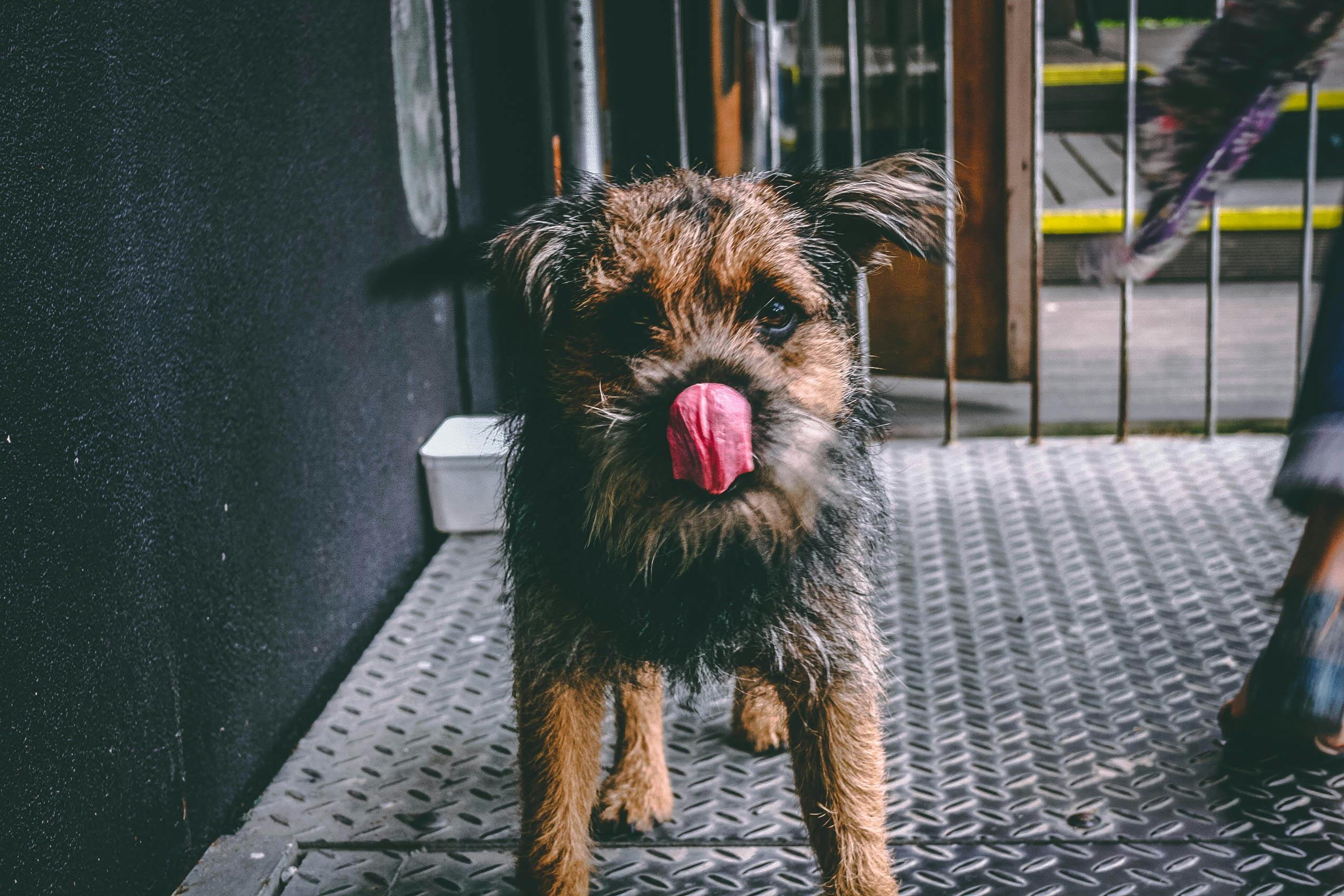 \n\n
\n\nDog noses are one of the most fascinating features of our furry friends. If you've ever wondered why do dogs have wet noses, you're not alone! There’s actually a lot going on with that little snout of theirs. Wet noses play a big role in how dogs interact with the world, and understanding this can deepen our appreciation for them. Here are 7 amazing facts about dog noses that might just surprise you!
\n1. Wet Noses Help With Smelling
\nDogs have an incredible sense of smell, it's like 10,000 to 100,000 times more sensitive than humans. The wetness of their noses assist in trapping scent particles. When the nose is moist, it can absorb more scent chemicals, which helps dogs identify different smells more effectively. It’s like a super-enhanced sniffing tool.
\n2. Temperature Regulation
\nJust like humans sweat to cool down, dogs use their noses for temperature regulation too. A wet nose can help them maintain a cooler body temperature. If a dog’s nose is dry, it could mean they're getting too warm or dehydrated. So, keeping an eye on your dog's nose could help you spot health issues early.
\n3. The Unique Nose Print
\nEvery dog has a unique nose print, similar to a human fingerprint. The patterns of ridges and creases on a dog's nose can be used to identify them. Some shelters even use nose prints for identifying lost pets! This adds a whole new layer of importance to that cute little nose.
\n4. Communication Tool
\nDogs communicate a lot through their sense of smell, and their noses play a vital role in this. A dog may sniff another dog's nose as a way to say "hello" or gather information about them. The wetness of their noses enhances this communication, making it easier to pick up scents from one another.
\n5. Health Indicator
\nA dog's nose can indicate their overall health. Typically, a healthy dog has a moist, cool nose. Conversely, if a dog has a dry or cracked nose, it could be a sign of dehydration, fever, or even allergies. Regularly checking your dog's nose can help you monitor their health.
\nImportant signs to watch for include:
\n- \n
- Dryness or cracking \n
- Swelling or redness \n
- Unusual discharge \n
6. Evolutionary Advantage
\nDogs descended from wolves, who relied heavily on their sense of smell for hunting and survival. The evolution of a wet nose gave them an advantage in tracking scents, which has been carried down to domestic dogs. It's amazing how something so simple can have such a profound impact on a dog's ability to interact with their environment.
\n7. Dogs Can Smell Emotions
\nBelieve it or not, dogs can actually smell human emotions! They can detect changes in body odor that occur when people feel stressed, happy, or scared. The wetness of their noses helps them pick up on these subtle scent changes. It’s like they have their own emotional radar!
\nQuick Comparison: Dog Noses vs. Human Noses
\nHere is a simple comparison of the differences between dog noses and human noses to give you a clearer picture:
\n| Feature | \nDog Nose | \nHuman Nose | \n
|---|---|---|
| Sensitivity | \n10,000 to 100,000 times more | \nNormal sensitivity | \n
| Moisture | \nTypically wet | \nCan be dry | \n
| Unique Prints | \nYes, used for identification | \nNo unique prints | \n
| Smelling Capability | \nCan detect specific scents | \nLimited to common odors | \n
| Temperature Regulation | \nYes, helps cool body | \nSweating is primary method | \n
Overall, dog noses are not just cute; they serve many purposes that are crucial for a dog's well-being and survival. Understanding why do dogs have wet noses and how they function can help pet owners appreciate their furry companions even more. So, the next time you give your dog a scratch behind the ears, take a moment to admire that wonderful, wet nose. It’s not just a feature; it’s a vital part of who they are!
\n\nHow to Keep Your Dog's Nose Healthy: Tips for Maintaining Moisture Levels
\n\n\n\nKeeping your dog's nose healthy is crucial for their overall well-being. Dogs are known for their wet noses, but ever wonder why? Understanding this fascinating truth can help you maintain moisture levels and ensure your furry friend stays happy and healthy. Here’s what you need to know about your dog’s nose, including practical tips for keeping it in top shape.
\nWhy Do Dogs Have Wet Noses?
\nDogs have wet noses for various reasons. It's not just for looks! Here are some interesting facts about dog noses:
\n- \n
- Temperature Regulation: A wet nose helps dogs cool down. When the moisture evaporates, it can lower their body temperature. \n
- Sense of Smell: The moisture on a dog's nose helps trap scent particles, enhancing their ability to smell. This is why dogs are such great trackers! \n
- Health Indicator: A healthy nose is often wet and cool. If it becomes dry or cracked, it could indicate an underlying health issue. \n
In fact, did you know that dogs have up to 300 million scent receptors in their noses? That’s way more than humans, who only have about 5 million. It’s clear why keeping that nose moist is so important!
\nTips for Maintaining Moisture Levels
\nSo, how do you keep your dog's nose healthy and moist? Here’s a list of practical tips you can follow:
\n- \n
- Hydration is Key: Always ensure your dog has access to fresh water. Dehydration can lead to a dry nose. \n
- Humidifiers: In dry climates or during winter, using a humidifier can help maintain moisture levels in the air, benefiting your dog's nose. \n
- Regular Vet Check-ups: Regular check-ups can help you catch any issues before they become serious problems. Your vet can give advice specific to your dog’s needs. \n
- Diet Matters: A balanced diet rich in omega-3 fatty acids can improve skin and coat health, which can help keep your dog’s nose moist. \n
Signs of an Unhealthy Nose
\nIt’s important to monitor your dog’s nose for any changes. Here are some signs that it might not be healthy:
\n- \n
- Dryness or Cracking: A dry or cracked nose could mean your dog is dehydrated or has a skin condition. \n
- Discharge: Mucus or any abnormal discharge can indicate allergies or infections. \n
- Color Changes: If your dog’s nose changes color, it could be a sign of illness. For example, a bright red or brown nose might indicate a problem. \n
Quick Comparison: Healthy Nose vs. Unhealthy Nose
\n| Feature | \nHealthy Nose | \nUnhealthy Nose | \n
|---|---|---|
| Moisture Level | \nWet and cool | \nDry and warm | \n
| Color | \nDark, consistent color | \nRed, pale, or discolored | \n
| Texture | \nSmooth | \nCracked or rough | \n
| Discharge | \nNone | \nMucus or pus | \n
What to Do if Your Dog’s Nose is Unhealthy
\nIf you notice any signs of an unhealthy nose, it's best to act quickly. Here’s a checklist of steps you can take:
\n- \n
- Assess Hydration: Make sure your dog is drinking enough water. \n
- Visit the Vet: Schedule an appointment to get a professional opinion. \n
- Monitor Changes: Keep an eye on any changes in your dog's behavior or appetite. \n
- Apply Moisturizers: If recommended by your vet, you can apply dog-safe moisturizers to help soothe a dry nose. \n
Interesting Historical Context
\nDid you know that throughout history, dogs were often thought to have healing powers? Ancient cultures believed that a dog’s wet nose had medicinal properties. While we now know that's a myth, it shows how much importance has been placed on the health of dogs and their noses.
\nIn summary, your dog’s wet nose is not just an adorable feature, it plays a crucial role in their health and happiness. Keeping it moist and healthy is essential for their overall well-being. By following the tips and understanding the signs of an unhealthy nose, you can ensure that your furry friend remains comfortable and healthy. Always remember, a healthy dog is a happy dog!
\n\nConclusion
\n\nIn conclusion, the wet noses of dogs serve several essential purposes that contribute to their overall health and well-being. The moisture on a dog's nose plays a vital role in enhancing their sense of smell, as it helps to trap scent particles and improve olfactory function. Additionally, a wet nose aids in temperature regulation, allowing dogs to cool down efficiently. The hydration of their noses can also indicate their overall health, as a consistently dry nose might signal an underlying issue. Understanding these fascinating aspects of canine physiology not only deepens our appreciation for our furry friends but also informs us about their care. Next time you greet your dog, take a moment to admire that wet nose—it’s not just cute, but a remarkable feature that showcases their unique biology. Consider sharing this knowledge with fellow dog lovers to spread awareness about the wonders of our loyal companions.
\n\n