Have you ever wonder why do dogs have wet noses? This intriguing question not only sparks curiosity but also reveals fascinating truths about our furry friends. The wet noses of dogs are not just a quirky feature; they play a significant role in their health and behavior. But what makes their noses so wet? Is it simply due to the weather, or does it have a deeper meaning? Understanding the reason behind this common trait can enrich your bond with your pet. Many dog lovers ask, "Is a wet nose a sign of health?" or "Do dogs have wet noses to sense the world better?" These questions lead to a deeper dive into the incredible physiology of canines. Moreover, knowing about your dog's nose moisture can help you identify potential health issues. In this article, we will explore the science behind why dogs have wet noses and how it impacts their sense of smell, communication, and overall well-being. Get ready to uncover the fascinating truth behind this common canine characteristic that not only enhances their abilities but also makes them the lovable companions we adore!
\n\nThe Science Behind Dog Noses: Why Are They Always Moist?
\n\n \n\n
\n\nHave you ever wonder why your furry friend’s nose is always wet? It's quite a curious thing, ain't it? The moisture of a dog’s nose is not just random, but it serves some important purposes. The science behind those moist noses reveals fascinating truths about canine biology, their sensory perceptions, and how they interact with the world around them. Let’s dive into this intriguing topic and explore why dogs have wet noses.
\nThe Function of a Dog's Nose
\nA dog’s nose is a remarkable organ. It holds over 300 million scent receptors, compared to humans who only have about 5 million. This incredible adaptation makes dogs expert sniffers. But why does moisture play a role in this?
\n- \n
- Enhanced Smell: The wetness of a dog’s nose helps capture scent particles from the air. When the nose is moist, it can trap these particles better, allowing dogs to detect smells more efficiently. \n
- Thermoregulation: Just like humans sweat to cool off, dogs also use their noses to help regulate body temperature. A wet nose can help with heat dissipation. \n
- Health Indicator: Sometimes, the condition of a dog’s nose can reflect its health. A normal, moist nose is often a sign of a well-hydrated and healthy dog, while an excessively dry nose could indicate dehydration or illness. \n
Why Do Dogs Have Wet Noses?
\nThe question is asked often, and the answers are quite interesting. Let’s break down the reasons:
\n- \n
- Scent Detection: As mentioned earlier, moisture enhances their ability to smell. The more moisture, the better they can smell. \n
- Cooling Mechanism: Dogs don’t sweat like humans do. Their primary way to cool down is through panting. However, a cool, wet nose contributes to their body temperature regulation. \n
- Social Interactions: Dogs use their noses to communicate. A wet nose is often associated with a friendly dog. When they nuzzle you with their nose, it’s a sign of affection and trust. \n
The Science Behind It
\nThe wetness of a dog’s nose is due to a combination of mucus and saliva. The mucus helps in trapping smells while saliva keeps the nose moist. This is a natural process, and many factors can influence how wet a dog’s nose is at any given time.
\n- \n
- Humidity: In humid weather, noses tend to be wetter. This is because moisture in the air helps keep their noses hydrated. \n
- Activity Level: After a long run or playtime, a dog's nose may be drier due to increased breathing and heat. \n
- Health: Illness or dehydration can lead to a dry nose. If you notice drastic changes, it might be worth consulting a veterinarian. \n
A Quick Comparison: Dog Noses vs. Human Noses
\nHere’s an interesting comparison to help illustrate the differences between dogs and humans in terms of their noses:
\n| Feature | \nDog Nose | \nHuman Nose | \n
|---|---|---|
| Scent Receptors | \nOver 300 million | \nAbout 5 million | \n
| Moisture Function | \nEnhances smell detection | \nNot significant for smell | \n
| Cooling Mechanism | \nHelps regulate temperature | \nSweating is primary method | \n
| Communication | \nUsed for social interaction | \nLimited use in social cues | \n
Practical Examples of Nose Functionality
\nDogs utilize their noses in various ways daily. Here are a few examples:
\n- \n
- Tracking: Search and rescue dogs often rely on their noses to find missing persons. The moisture helps them pick up on scents left behind. \n
- Detection: Narcotics and explosives detection dogs use their keen sense of smell to identify substances. Their wet noses help them achieve this effectively. \n
- Social Behavior: Dogs greet each other by sniffing noses. This is a way of gathering information about each other, like health and mood. \n
What If Your Dog Has a Dry Nose?
\nIf you notice that your dog’s nose is unusually dry, it could be a sign of dehydration or illness. Here are some things to consider:
\n- \n
- Hydration: Make sure your dog has access to fresh water. \n
- Environment: Dry air or heat can contribute to a dry nose. Consider using a humidifier if you live in a dry climate. \n
- Vet Check: If the dryness persists or if you notice other symptoms, consult your veterinarian. \n
Understanding the science behind dog noses reveals not only their physiology but also how connected dogs are to their environments and to us. Their moist noses are just one of the many amazing features that make dogs such beloved companions. Next time you give your pup a scratch behind the ears, take a moment to appreciate that fascinating wet nose!
\n\nTop 5 Reasons Dogs Have Wet Noses: Unveiling the Mystery!
\n\n \n\n
\n\nDogs have always been our loyal companions, but have you ever wondered why they got those wet noses? It's kinda fascinating when you think about it. Wet noses in dogs can be more than just a cute quirk; there's actual science behind it! Let's explore the top 5 reasons dogs have wet noses and unveil this mystery together.
\n1. Temperature Regulation
\nFirst off, one of the main reasons why dogs have wet noses is to help them regulate their body temperature. Unlike humans who sweat through their skin, dogs mainly sweat through their paw pads. Their noses, being moist, can also help in cooling them down. When they pant, the evaporation from their wet noses can help lower their body temperature. This is why you often see dogs with a wet nose after they've been playing outside, especially on a hot day.
\n2. Enhanced Sense of Smell
\nDid you know that a dog’s sense of smell is much stronger than that of humans? That's where their wet noses come into play. The moisture on a dog's nose helps to capture scent particles in the air. This is like a natural filter! When the nose is wet, it actually absorbs more scent molecules, which enhances their ability to detect smells. This is particularly important for breeds that were originally developed for hunting or tracking, like Bloodhounds or Beagles.
\n3. Communication with Other Dogs
\nDogs communicate in many ways, and their noses are part of that language! A wet nose can also be a signal to other dogs. When a dog greets another dog, they often sniff each other’s noses. This behavior allows them to gather information about each other, like their mood and health. A moist nose might indicate to another dog that the one they’re meeting is healthy and ready for some fun. It’s like an unspoken greeting and can set the tone for their interaction.
\n4. Health Indicator
\nA dog’s nose can tell you a lot about their health. Generally, a wet and cool nose is a sign of a healthy dog. If a dog’s nose is dry or warm, it might indicate a fever or illness. However, this is not always a definitive rule. For example, some dogs naturally have drier noses. The key is to monitor your dog's overall behavior and health. If you notice any drastic changes, it might be worth consulting with a veterinarian.
\n5. Evolutionary Trait
\nFinally, the wet nose may have evolutionary benefits. Dogs are descendants of wolves, who likely had moist noses to help them hunt and survive in the wild. This trait has been passed down through generations. Canines with better smelling abilities were more likely to find food and survive, and thus, the wet nose trait became common among them. This evolutionary aspect shows just how important it is for dogs to have those wet noses in their natural behaviors.
\nQuick Facts about Dogs' Noses:
\n- \n
- Most dogs' noses are cool and moist, but some breeds have drier noses. \n
- Dogs have about 220 million scent receptors in their noses. \n
- A dog's sense of smell can be 10,000 to 100,000 times better than humans. \n
- The color of a dog's nose can vary greatly depending on the breed. \n
- Dogs can use their noses to detect diseases, including certain cancers. \n
Why Do Dogs Have Wet Noses?
\nIn summary, the reasons why dogs have wet noses are quite varied. From regulating their temperature and enhancing their sense of smell to serving as a communication tool and health indicator, these noses play a crucial role in a dog’s life. Not to mention, their evolutionary history shows just how vital this trait is for their survival.
\nUnderstanding these aspects not only deepens the bond we have with our furry friends but also shows how amazing and complex animals can be. Their wet noses aren’t just for show; they serve several important functions that contribute to their well-being and effectiveness in their environment. So, next time you notice your dog’s wet nose, remember it’s all part of what makes them special!
\n\nHow a Dog’s Wet Nose Affects Their Sense of Smell: Fascinating Insights
\n\n \n\n
\n\nDogs are often known for their incredible sense of smell, which is a key trait that sets them apart from many other animals. One of the most intriguing aspects of a dog’s anatomy that contributes to their olfactory prowess is their wet nose. Have you ever wondered, why do dogs have wet noses? The answer reveals a lot about how dogs interact with the world around them. Let’s dive into the fascinating truth about how a dog’s wet nose affects their sense of smell.
\nThe Science Behind a Dog's Wet Nose
\nA dog’s nose is not just an ordinary feature; it’s a specialized organ that plays a crucial role in their ability to detect scents. The moisture on a dog's nose helps to capture scent particles from the air, which enhances their sense of smell. Here are a few interesting facts:
\n- \n
- Moisture Attraction: The wetness on a dog's nose helps attract and hold scent particles, making it easier for them to analyze different smells. \n
- Temperature Regulation: Besides helping with smell, a wet nose can help a dog regulate its body temperature, which is particularly useful during hot weather. \n
- Nasal Anatomy: A dog’s nose contains up to 300 million smell receptors, compared to a human's mere 5 million. This means their ability to smell is about 40 times better than ours! \n
Why Do Dogs Have Wet Noses?
\nSo, why do dogs have wet noses? It’s a combination of genetics, biology, and evolution. Historically, dogs have evolved from wolves, which relied heavily on their sense of smell for hunting and survival. The wet nose is a trait that has been passed down through generations. Here are some reasons why this feature is so vital:
\n- \n
- Enhanced Smell Detection: The moisture helps dissolve scent particles, allowing dogs to pick up on scents more effectively. \n
- Health Indicator: A wet nose is often seen as a sign of good health in dogs. If a dog’s nose is unusually dry, it could indicate dehydration or illness. \n
- Social Interaction: Dogs use their noses to gather information about other dogs, people, and their environment. A wet nose can make this process more efficient. \n
Interesting Comparisons
\nTo see just how remarkable a dog’s sense of smell is, it can help to compare it to other animals. Here are a few comparisons:
\n- \n
- Dogs vs. Humans: Dogs can detect odors at concentrations nearly 100 million times lower than humans can. This makes them invaluable in search and rescue operations, detection of drugs, or even identifying diseases like cancer. \n
- Dogs vs. Cats: While cats also have a good sense of smell, it’s not nearly as developed as that of dogs. Cats have around 50 to 80 million smell receptors, making them less adept at scent detection than their canine counterparts. \n
- Dogs vs. Bloodhounds: Among dogs, Bloodhounds have the most powerful sense of smell. They are known for being able to track scents that are days old, thanks to their exceptional olfactory capabilities. \n
The Role of a Wet Nose in Daily Life
\nIn everyday scenarios, a dog’s wet nose plays an essential role. Here are some practical examples of how it impacts their interaction with the world:
\n- \n
- Tracking and Hunting: Dogs use their noses to follow scents, whether hunting in the wild or playing fetch in the park. A wet nose increases their chances of finding the target. \n
- Detection Work: Many dogs are trained to detect drugs, explosives, or even specific diseases in humans, thanks to their keen sense of smell which is enhanced by their wet noses. \n
- Social Communication: Dogs often greet each other with nose nudges. Their wet noses can gather information about another dog’s health, mood, and even diet. \n
Health and Care for Your Dog's Nose
\nMaintaining your dog’s nose is important for their overall health. Here are a few tips:
\n- \n
- Hydration: Make sure your dog stays hydrated to keep their nose moist. Dehydration can lead to a dry nose. \n
- Regular Checks: Monitor your dog’s nose regularly for any changes in texture or color. A significant change might warrant a visit to the vet. \n
- Environmental Factors: If you live in a dry climate, consider using a humidifier in your home to help maintain moisture in your dog’s environment. \n
Understanding how a dog’s wet nose affects their sense of smell is not just a trivia tidbit; it’s a window into their world. This fascinating feature is a testament to their evolution and adaptability, making dogs some of the most extraordinary creatures on the planet. Their wet noses are not just cute; they are functional, crucial for their survival, health, and social interactions. So the next time you see your furry friend with a wet nose, remember the science and history behind it!
\n\nDo Wet Noses Mean Your Dog Is Healthy? Exploring the Connection
\n\n \n\n
\n\nHave you ever wonder why your dog's nose is always wet? Many pet owners face this question and link it to their dog's health. The general belief is that a wet nose means a healthy dog, but is this really true? Let’s take a look at what a wet nose means, why dogs have them, and what you should really look for when assessing your furry friend’s health.
\nWhat Causes Dogs' Noses to be Wet?
\nDogs have wet noses because of a few reasons. One major reason is the presence of mucus. This mucus helps to enhance their sense of smell. Yes, dogs have an amazing olfactory ability! Their noses are covered in special glands that produce moisture, which captures scent particles from the environment, making it easier for dogs to detect smells.
\nHere’s some fact about dog noses:
\n- \n
- Dogs' noses have a unique texture, which helps to trap odors. \n
- The moisture on a dog's nose is a result of normal behavior, like licking. \n
- Dogs sweat through their paw pads, but their noses help regulate body temperature too. \n
The Connection Between Wet Noses and Health
\nSo, does a wet nose mean your dog is healthy? Not always. A wet nose can indicate hydration and alertness, but it's not a definitive sign of health. There are many reasons for variation in nose moisture. For example:
\n- \n
- Weather: Hot, humid days can make a dog's nose wetter, while dry, cold weather can dry it out. \n
- Activity Level: Active dogs tend to have wetter noses compared to those who are more sedentary. \n
- Illness: Sometimes a dry nose might indicate a health issue, but not always. A dog's nose can dry up when they are sick, but many other factors can cause this too. \n
Why Do Dogs Have Wet Noses? Understanding the Fascination
\nThe question “Why do dogs have wet noses?” goes beyond just health. It’s a fascinating trait that serves multiple purposes. Here are a few interesting facts about dog noses:
\n- \n
- Scent Detection: The moisture helps to trap scent particles, enabling dogs to smell better. \n
- Thermoregulation: Wet noses can help dogs cool down. Since dogs don’t sweat like humans do, they rely on their noses to help regulate their body temperature. \n
- Social Interaction: Dogs often greet each other and gather information through their noses. A wet nose can be a sign of excitement and communication. \n
Different Types of Nose Moisture
\nWhen assessing your dog's nose, it’s important to note that not all wetness is the same. Here’s a quick comparison:
\nType of Moisture
\n- \n
- Normal Wetness: Usually, this is just moisture from licking or environmental factors. \n
- Excessive Wetness: Could indicate a potential issue, such as allergies or a health condition. \n
- Dry Nose: Can be normal, but if accompanied by other symptoms, it may necessitate a vet visit. \n
Signs of Healthy Dog Noses vs. Sick Dog Noses
\nHere’s a quick list comparing healthy and unhealthy noses:
\nHealthy Nose Signs
\n- \n
- Slightly moist to wet \n
- Cool to the touch \n
- Responsive to environmental changes \n
Unhealthy Nose Signs
\n- \n
- Excessively dry or cracked \n
- Warm to the touch \n
- Accompanied by excessive sneezing, coughing, or lethargy \n
Final Thoughts
\nUltimately, while a wet nose can be a sign of a happy pup, it doesn’t always mean your dog is healthy. It’s essential to look at the overall picture. Regular check-ups, observing your dog’s behavior, and being aware of other symptoms are key to understanding your dog’s health. Consulting with your veterinarian if you notice significant changes in your dog’s nose or health is wise. So, next time you check your furry friend’s nose, remember that there’s more to their health than just moisture.
\n\n3 Surprising Facts About Why Dogs Have Wet Noses That You Didn’t Know
\n\n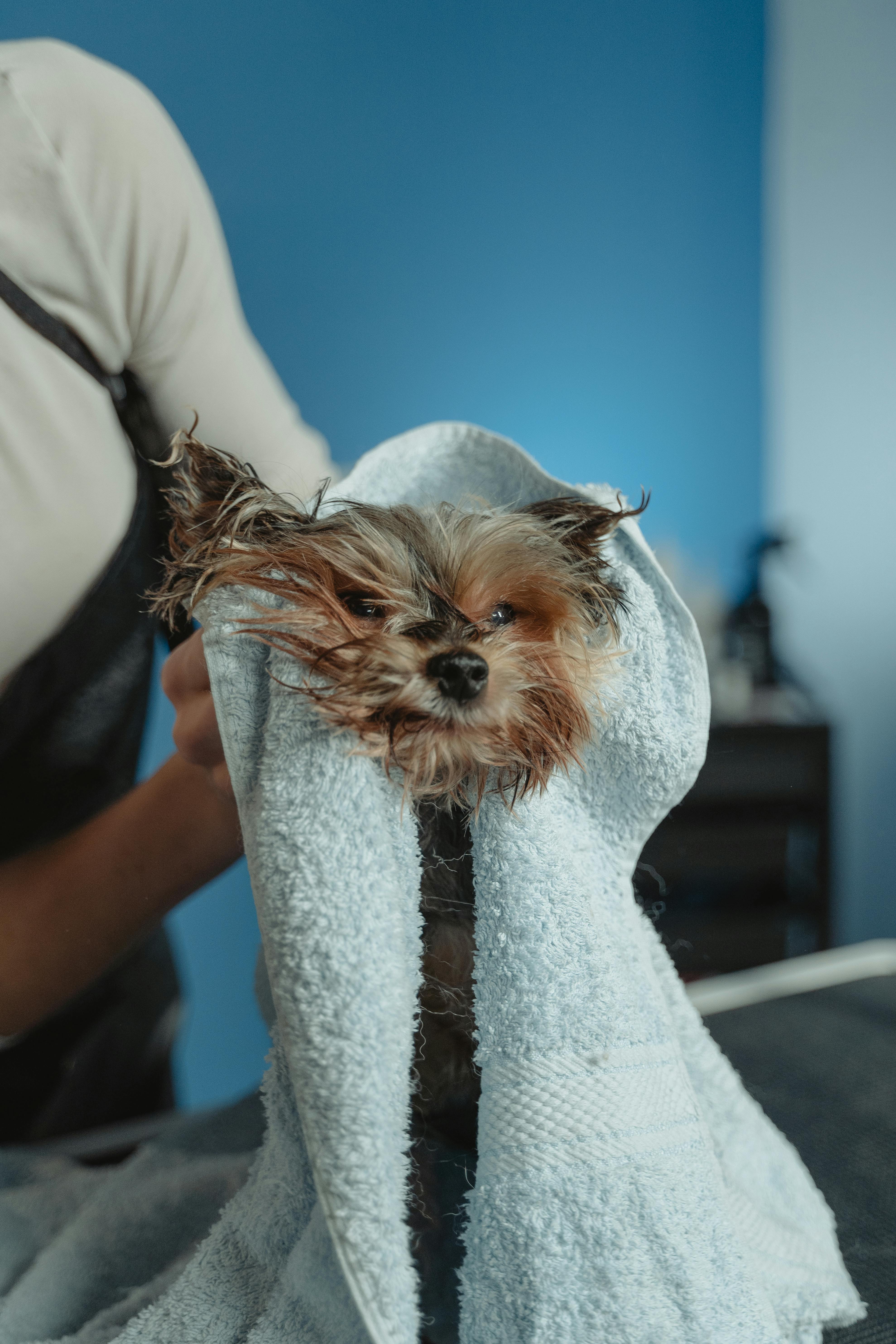 \n\n
\n\nHave you ever wondered why dogs have wet noses? It’s a question that many pet owners asks. Turns out, there’s more to those moist snouts than just a quirky feature. In fact, there’s some surprising facts about why dogs have wet noses that you probably didn’t know. Let’s dive into this fascinating truth and explore the reasons behind this peculiar aspect of our furry friends.
\n1. Natural Cooling Mechanism
\nOne of the primary reasons why dogs have wet noses is to help in regulating their body temperature. Dogs do not sweat like humans do; instead, they cool down through panting and the moisture on their noses. When dogs’ noses are wet, it helps to evaporate the moisture which cools down their body temperature. This is especially important during warm weather when dogs are more susceptible to overheating.
\n- \n
- How it works:
- \n
- Dogs pant to release heat. \n
- Moisture evaporates from their noses. \n
- This process cools their blood flow. \n
\n
2. Enhancing Sense of Smell
\nAnother surprising fact about why dogs have wet noses relates to their extraordinary sense of smell. The moisture on a dog’s nose helps to capture scent particles from the air. When the nose is wet, it can absorb more scent molecules, which enhances a dog's ability to detect and identify different smells. This is crucial for activities like hunting, tracking, or even just finding a favorite toy.
\n- \n
- Key Points:
- \n
- Wet noses trap scent particles. \n
- Enhanced olfactory function. \n
- Dogs have up to 300 million scent receptors. \n
\n
3. Communication with Other Dogs
\nWet noses also play a role in canine communication. Dogs use their sense of smell to communicate with each other. By sniffing each other’s noses, they can gather information about one another, including their health, emotional state, and sexual readiness. A wet nose is often perceived as a sign of a healthy dog, which can be a factor in social interactions.
\n- \n
- Communication Benefits:
- \n
- Dogs scent mark with their noses. \n
- Wet noses indicate health status. \n
- Establishes a friendly greeting. \n
\n
Other Interesting Facts about Dog Noses
\n- \n
- Nose Prints are Unique: Just like human fingerprints, each dog's nose print is unique. This can even be used to identify them. \n
- Nose Color Changes: A dog's nose can change color due to various factors, including health issues, temperature, or breed. For example, some breeds have black noses, while others can have liver-colored noses. \n
- Health Indicators: A dog’s nose can be an indicator of its health. Generally, a cool, moist nose suggests a healthy dog, while a dry or cracked nose might indicate dehydration or illness. \n
Table of Common Dog Nose Colors and Their Significance
\n| Nose Color | \nCommon Breeds | \nSignificance | \n
|---|---|---|
| Black | \nLabrador Retriever, Rottweiler | \nTypical healthy nose color | \n
| Liver (Brown) | \nAmerican Staffordshire Terrier | \nNormal but can indicate specific breeds | \n
| Pink | \nDalmatian, Bull Terrier | \nCan indicate a lighter pigmentation | \n
| Blue | \nBlue Nose Pit Bull | \nUnique trait in certain breeds | \n
Fun Facts to Consider
\n- \n
- Did you know that a dog’s sense of smell is about 40 times greater than a human's? This is why they are often used in search and rescue operations. \n
- Dogs can also detect diseases like cancer or diabetes in humans just by smelling their breath or skin. \n
- Puppies are born with pink noses that often darken as they grow older. \n
In addition to these interesting points about why dogs have wet noses, it’s important to remember that a dog’s nose should generally be moist and cool. If you notice your dog’s nose is consistently dry or cracked, it might be a good idea to consult a veterinarian.
\nUnderstanding why dogs have wet noses can deepen your appreciation for these amazing animals. It’s not just a cute feature, but a vital part of how they interact with the world around them. So, next time you give your pup a scratch behind the ears, remember the fascinating truth behind their wet noses!
\n\nIs Your Dog’s Nose Wet or Dry? Understanding the Health Implications
\n\n\n\nIs your dog's nose wet or dry? It’s a common question for pet owners, and the answer might tell you a lot about your furry friend’s health. Many people believe that a wet nose means a dog is healthy, while a dry nose could be a sign of illness. But is that really true? Let’s dive into this fascinating truth about why dogs have wet noses and what it could mean for their health.
\nUnderstanding Dog Noses
\nFirst off, dogs have incredibly sensitive noses. They can sniff out scents that are incredibly faint, which is part of why they're so great at things like search and rescue. But why do they have wet noses? Here are some reasons:
\n- \n
- \n
Cooling Mechanism: Dogs don’t sweat like humans do. Instead, they cool down through their noses. A wet nose helps them regulate their body temperature.
\n \n - \n
Enhanced Smelling: Moisture helps to trap scent particles. This means that a wet nose can actually improve a dog's ability to smell. It’s kinda like a sponge soaking up smells!
\n \n - \n
Health Indicator: While not foolproof, the state of a dog's nose can sometimes reflect their overall health. A healthy dog often has a moist, cool nose.
\n \n
Wet vs. Dry: What Does It Mean?
\nSo, what does a wet or dry nose really mean? Here’s a quick breakdown:
\nWet Nose:
\n- \n
- Often indicates hydration and a healthy state. \n
- Can be a sign of excitement or playfulness. \n
- Helps in better scent detection. \n
Dry Nose:
\n- \n
- May indicate dehydration or a potential health issue. \n
- Can result from environmental factors, like hot weather. \n
- Sometimes, a dry nose can be normal, especially after sleep. \n
Factors Influencing Nose Condition
\nSeveral factors can affect the moisture of a dog’s nose. It's not always a straightforward health indicator. Here’s a list of things that can cause changes:
\n- \n
- \n
Weather Changes: Hot or dry weather can lead to a dry nose.
\n \n - \n
Allergies: Just like humans, dogs can suffer from allergies, which might cause a dry nose.
\n \n - \n
Illness: Certain diseases, like a fever, can cause a dog’s nose to dry out.
\n \n - \n
Age: Older dogs may naturally have drier noses.
\n \n
When to Worry
\nWhile a dry nose isn’t always a cause for alarm, there are certain situations where you should definitely consult with a veterinarian. Keep an eye out for these signs:
\n- \n
- Persistent dry nose for several days without improvement. \n
- Cracking or peeling skin on the nose. \n
- Accompanied by other symptoms like lethargy, loss of appetite, or vomiting. \n
- Excessive thirst or urination. \n
Fun Facts About Dog Noses
\nDid you know that dog noses are as unique as human fingerprints? Here are some more interesting tidbits:
\n- \n
- \n
Nose Prints: Each dog has a distinct nose print, which can be used for identification purposes.
\n \n - \n
Temperature Regulation: A wet nose helps cool down dogs more effectively, which is vital in hot climates.
\n \n - \n
Sense of Smell: Dogs have up to 300 million scent receptors in their noses, while humans only have about six million.
\n \n
What To Do About A Dry Nose
\nIf your dog's nose is dry and you're concerned, there are some steps you can take before heading to the vet:
\n- \n
- \n
Hydration: Make sure your dog is drinking enough water. Dehydration can often lead to a dry nose.
\n \n - \n
Environment: Keep your dog in a cool, humid environment when possible. You can use a humidifier if needed.
\n \n - \n
Diet: A balanced diet rich in Omega-3 fatty acids can help maintain skin and nose health.
\n \n - \n
Check for Allergies: Pay attention to any other symptoms that could indicate allergies, and consult your vet if needed.
\n \n - \n
Regular Vet Visits: Routine check-ups can help catch potential health issues before they become serious.
\n \n
Final Thoughts
\nUnderstanding your dog's nose can give you valuable insight into their health. While a wet nose is often seen as a good sign, a dry nose doesn't always mean something is wrong. Always consider the context and look out for other symptoms. When in doubt, don’t hesitate to reach out to a veterinarian for advice. Your dog's health and happiness depend on it!
\n\nThe Role of a Wet Nose in Dog Communication: What You Need to Know
\n\n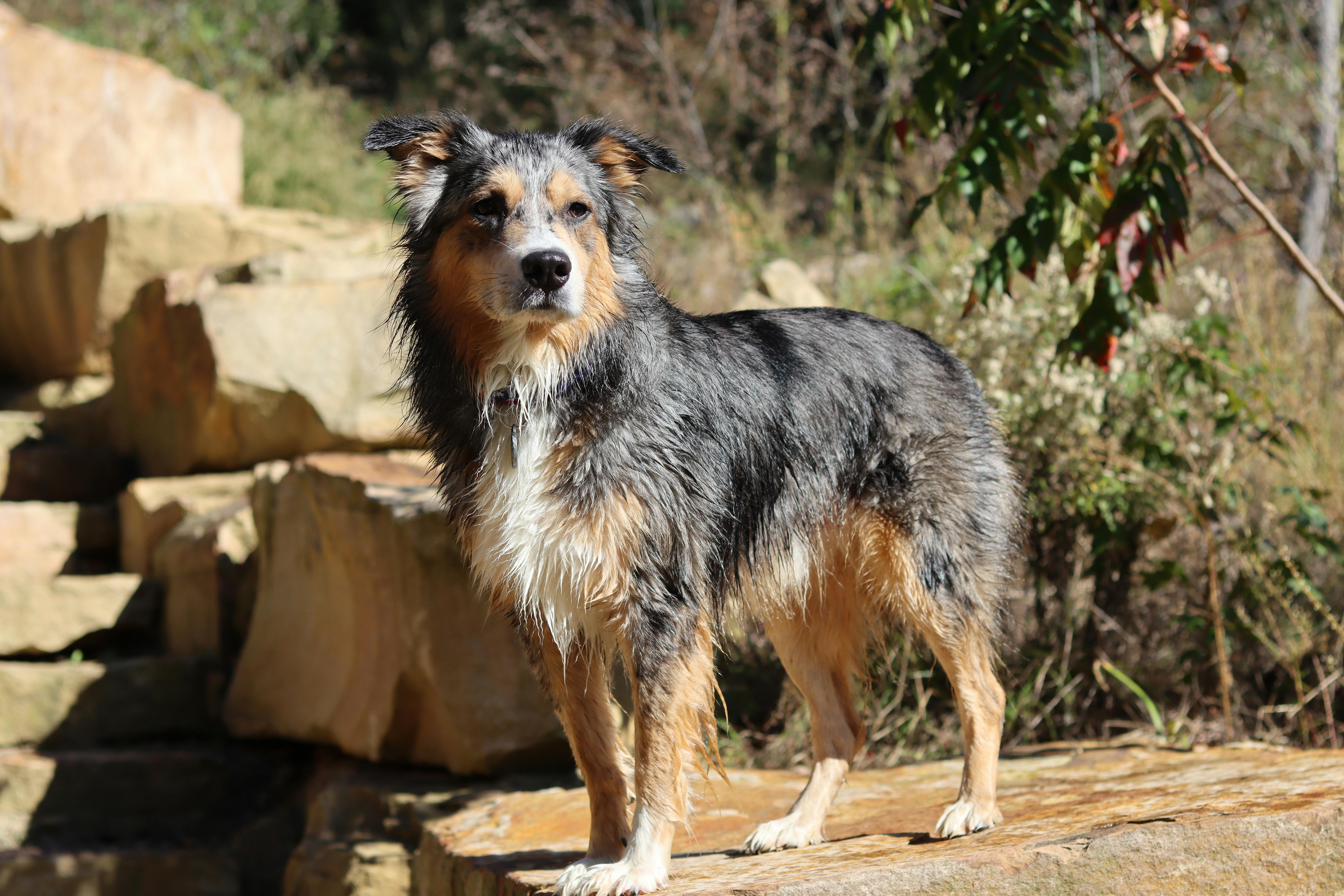 \n\n
\n\nDogs have always been our beloved companions and they talk to us in many different ways. One of the most interesting aspects of dog communication is their wet noses. You ever wonder why do dogs have wet noses? The answer is not just about keeping them cool. There's a whole lot more to it. Let's dive into the fascinating truth behind this unique feature of our furry friends.
\nThe Science Behind Wet Noses
\nFirst off, a dog's nose is wet because it helps them smell better. A wet surface can capture more scent particles. Dogs have an incredible sense of smell, thanks to the specialized cells in their noses. Wet noses also help them cool down. Just like how humans sweat, dogs sweat through their paw pads and their noses too.
\nWhy Dogs Have Wet Noses
\nHere are some key reasons why dog noses are wet:
\n- \n
- Enhanced Smell: The moisture on a dog's nose traps scent particles, increasing their olfactory capabilities. \n
- Thermoregulation: Wet noses help regulate a dog's body temperature. When they breathe out, moisture evaporates, cooling them down. \n
- Health Indicator: A wet nose is often a sign of good health, while a dry or cracked nose may indicate dehydration or illness. \n
Historical Context of Dog Noses
\nHistorically, dogs have been bred for various purposes, including hunting, herding, and companionship. Their noses, being wet and sensitive, have been vital for tracking scents and hunting prey. The effectiveness of dogs in locating scents has made them invaluable in search and rescue operations.
\nFun Facts About Dog Noses
\n- \n
- Dogs have around 300 million scent receptors in their noses, compared to about 6 million in humans. \n
- The texture of a dog’s nose is unique to each individual, much like a human fingerprint. \n
- Certain breeds, like Bloodhounds, have an extraordinary sense of smell, making them excellent trackers. \n
Different Types of Dog Noses
\nNot all dog noses are the same. They can vary in shape, size, and moisture levels. Here’s a quick comparison of different types of noses:
\n| Breed | \nNose Type | \nDescription | \n
|---|---|---|
| Labrador | \nBroad & Wet | \nGood for both smell and cooling | \n
| Beagle | \nShort & Wet | \nExcellent scent tracking | \n
| Bulldog | \nShort & Dry | \nLess effective in scent detection | \n
| German Shepherd | \nLong & Wet | \nHigh olfactory sensitivity | \n
What You Should Look For
\nA dog’s nose can tell you a lot about their health. Here are some signs to watch for:
\n- \n
- Cold and Wet: Generally a sign of good health. \n
- Warm and Dry: This could indicate fever or dehydration. \n
- Cracked or Peeling: Might signal a health issue that needs attention. \n
- Discoloration: Sudden changes in color can be a concern. \n
How to Care for Your Dog’s Nose
\nJust like other parts of a dog’s body, their nose needs care too. Here are some tips to keep it healthy:
\n- \n
- Hydration: Ensure your dog has plenty of fresh water to drink. \n
- Moisturizing: If your dog’s nose becomes excessively dry, consider using dog-safe moisturizers. \n
- Avoid Irritants: Keep your dog away from harsh chemicals or allergens that might irritate their nose. \n
The Role of a Wet Nose in Dog Communication
\nDogs use their noses not just for smelling but also for communication. A wet nose can indicate curiosity or excitement when they greet you. It’s their way of saying, “Hey, I’m here! Let’s interact!” When they nuzzle you with their nose, they could be seeking attention or affection.
\nReal-Life Examples of Nose Communication
\n- \n
- Greeting: A wet nuzzle when you come home signals joy. \n
- Playfulness: A gentle poke of their nose during playtime shows they want to engage with you. \n
- Comfort: If they place their nose on your lap, it often means they seek comfort and connection. \n
Understanding the role of a wet nose in dog communication is essential for any dog owner. It’s not just a cute feature but a vital part of how they interact with the world around them. So the next time you see your dog with that adorable, wet nose, you’ll know there's much more going on than meets the eye. Embrace the fascinating truth behind why do dogs have wet noses, and appreciate the subtle ways in which they communicate their feelings and needs.
\n\nWhy Does Your Dog Like to Lick? The Connection Between Wet Noses and Behavior
\n\n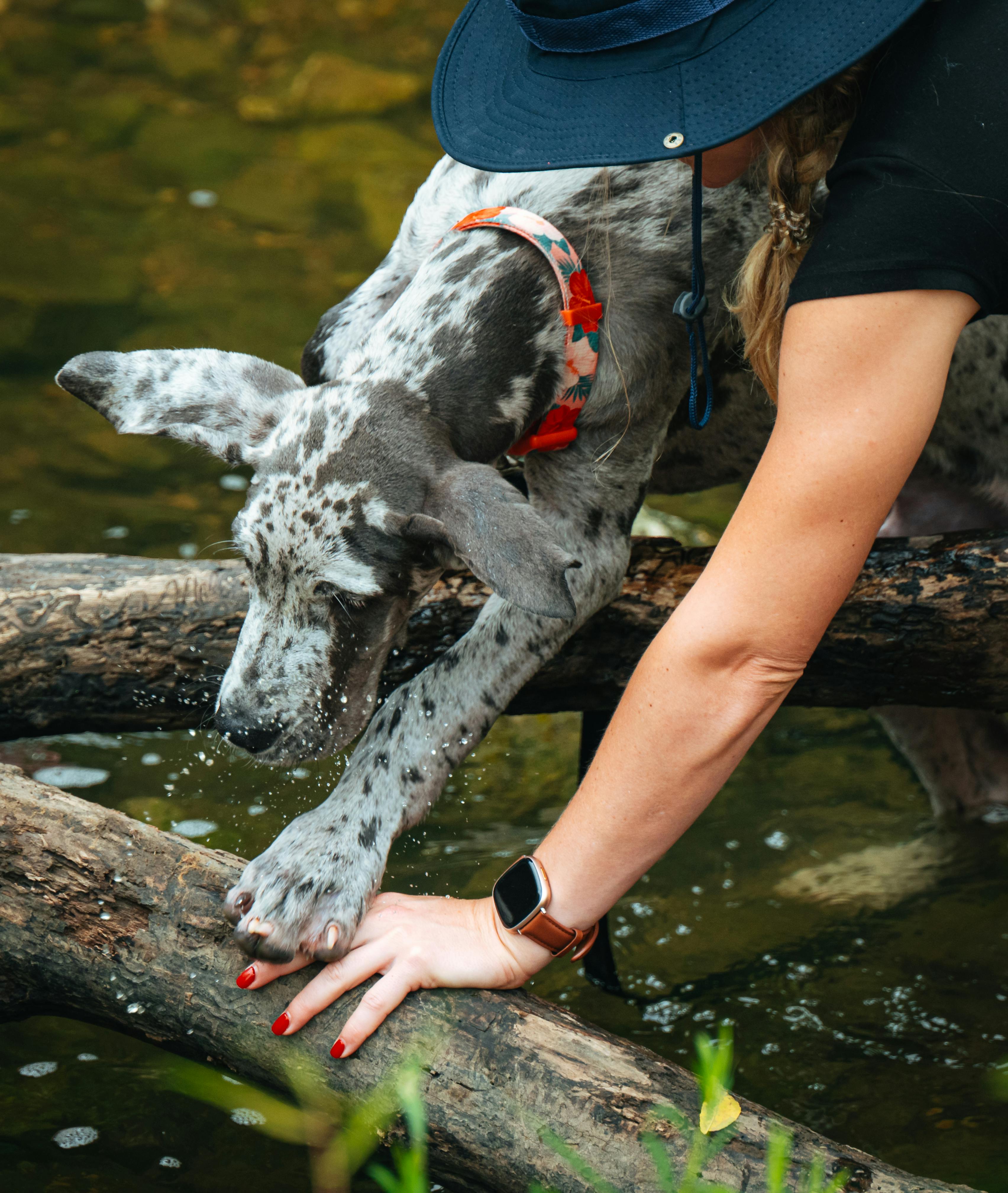 \n\n
\n\nIsn't it curious how dogs always seem to have these cold, wet noses? You might of wondered, "Why does my dog like to lick?" Well, there's a lot more to it than just a quirky habit or a sign of affection. The behavior of licking and having wet noses is tied to their biology and instincts. In this article, we will delve into the fascinating reasons behind these traits and what they mean for your furry friend.
\nThe Science Behind Wet Noses
\nDogs noses are moist for a reason. The wetness helps them to pick up scents better. A dog's sense of smell is much stronger than a human's, and that wet surface on their nose helps to capture scent particles in the air. It’s like a sponge for smells!
\nResearch suggests that the moisture on a dog's nose also helps to regulate their body temperature. Unlike humans who sweat to cool off, dogs use their noses for similar purposes. This is why you might notice your pooch's nose being wetter after they’ve been playing outside or when they are excited.
\nThe Role of Licking Behavior
\nLicking can be consider a form of communication for dogs. They lick their owners, other animals, and even themselves for a variety of reasons. Here’s a breakdown of some common reasons why dogs lick:
\n- \n
- \n
Affection: Just like humans hug, dogs lick to show love and affection. When your dog licks you, they are often expressing their bond with you.
\n \n - \n
Exploration: Dogs explore the world with their mouths, and licking is part of how they learn about their environment. It’s a natural behavior that helps them gather information.
\n \n - \n
Comfort: Dogs might lick themselves or others as a way to self-soothe when they feel anxious or stressed. It can be similar to how humans might bite their nails or fidget when nervous.
\n \n - \n
Grooming: Just like cats, dogs will lick themselves as a part of their grooming habits. It helps keep them clean, and it’s also a way to spread their natural oils throughout their fur.
\n \n - \n
Attention-Seeking: Sometimes, dogs lick to get attention from their owners. If you react positively or negatively, they might see it as a way to engage with you.
\n \n
Why Do Dogs Have Wet Noses?
\nSo, why do dogs have wet noses? Well, beyond the science of scent, there’s a deeper evolutionary story. Dogs are descendants of wolves, and their wet noses are a trait that helped them as hunters. A wet nose helps them track scents over long distances, which was crucial for their survival in the wild.
\nHere are some key facts that explain why wet noses are essential for dogs:
\n- \n
- \n
Enhanced Smell: Dogs have about 220 million scent receptors in their noses compared to a human’s 5 million. A wet nose catches more scent particles, making it easier for them to detect smells.
\n \n - \n
Temperature Regulation: The moisture on their noses helps keep them cool, especially after physical activity.
\n \n - \n
Health Indicator: A dog’s nose can be an indicator of their health. A dry or cracked nose might mean they are dehydrated or unwell. Keeping an eye on your dog’s nose can give you insights into their health.
\n \n
Fun Facts About Dog Noses
\n- \n
- \n
Unique Prints: Just like human fingerprints, every dog’s nose print is unique and can be used to identify them.
\n \n - \n
Nose Color: A dog’s nose color can vary widely — some are black, some brown, and others even pink. The color can change with age or health.
\n \n - \n
Dogs Sweat Through Their Paws: While their noses are wet, dogs actually sweat through their paw pads, which is another reason why they might lick their noses to cool off.
\n \n - \n
Temperature Sensitivity: A dog’s nose can also change temperature; a cooler nose can indicate a relaxed state, while a warm nose can suggest fever or illness.
\n \n
What to Do If Your Dog Licks Too Much
\nIf your dog is licking excessively, it might be worth investigating. Here are some steps to consider:
\n- \n
- \n
Check for Allergies: Sometimes, allergies can cause itching, leading to more licking.
\n \n - \n
Visit the Vet: If the licking seems compulsive or is leading to skin problems, it might be a good idea to consult a veterinarian.
\n \n - \n
Provide Distractions: Engage your dog in play or provide toys to help redirect their licking behavior.
\n \n - \n
Create a Calm Environment: If anxiety is a cause, consider creating a more relaxed space for your dog, or consult professionals for behavioral training.
\n \n
Understanding why your dog likes to lick and why they have wet noses can deepen your bond with them. These behaviors are not just quirks; they are rooted in instinct and biology. Remember to observe your furry friend’s habits closely, and you might just discover even more fascinating truths about their behavior!
\n\nHow Weather Affects Your Dog’s Nose: Wet or Dry? Find Out Here!
\n\n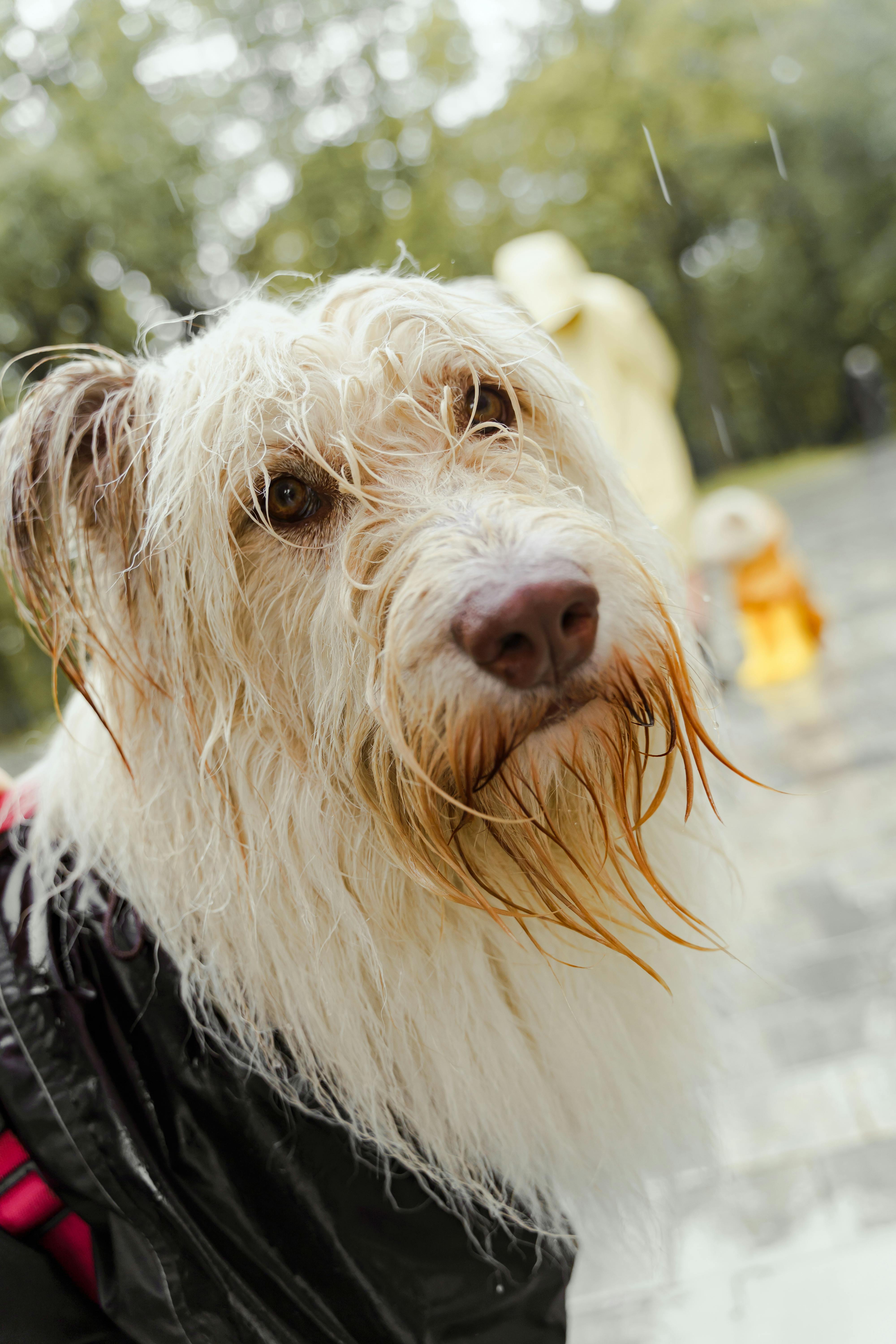 \n\n
\n\nWhen it comes to our furry friends, one of the most curious aspects is their noses. You might notice that your dog’s nose can change from wet to dry depending on various factors, including the weather. So, how weather affects your dog’s nose: wet or dry? It’s a question many pet owners find themselves pondering. In this article, we uncover the fascinating truth about why do dogs have wet noses and what that means for their health.
\nThe Science Behind Wet Noses
\nDogs’ noses are typically moist, and this moisture serves important purposes. The wetness helps to enhance their sense of smell, which is already remarkable. But why do dogs have wet noses to begin with? Here are a few reasons:
\n- \n
- Enhanced Smell: A wet nose helps to capture scent particles in the air. This makes it easier for dogs to identify different smells. \n
- Temperature Regulation: Dogs regulate their body temperature through their noses. Moisture evaporates, cooling them down just like sweating does for humans. \n
- Health Indicator: A healthy dog usually has a moist nose. Conversely, a dry nose could indicate dehydration, illness, or environmental factors. \n
How Weather Influences Your Dog’s Nose
\nThe weather can have a significant impact on whether your dog’s nose stays wet or becomes dry. Here’s how different weather conditions affect your pup:
\nHot Weather
\n- \n
- Increased Dryness: During hot summer days, dogs may experience a dry nose because of the heat. The moisture evaporates more quickly. \n
- Hydration Needs: It's important to keep your dog hydrated in hot weather. Lack of water can lead to a dry nose, signaling dehydration. \n
Cold Weather
\n- \n
- Frosty Noses: In colder climates, you might notice your dog's nose feels colder and sometimes drier. This is normal, but if it becomes cracked or chapped, you should take action. \n
- Less Moisture in Air: Cold air often is dry, which can contribute to a dry nose for many dogs. \n
Rainy or Humid Weather
\n- \n
- Moisture Retention: On rainy or humid days, your dog’s nose may feel extra wet. This is due to the high humidity levels in the air, allowing moisture to stay on the nose. \n
- Increased Scent Detection: The increased moisture in the air also helps dogs detect scents better, which is why many dogs seem more energized during these weather conditions. \n
Why Do Some Dogs Have Drier Noses Than Others?
\nNot all dogs have the same level of moisture in their noses. Several factors play a role in this variability:
\n- \n
- Breed Differences: Some breeds naturally have drier noses. For example, Bulldogs often have drier noses than, say, Retrievers. \n
- Age: Older dogs might have drier noses due to less moisture production. \n
- Health Conditions: Certain health issues can lead to dryness. Conditions like allergies, autoimmune diseases, or even skin infections can affect nose moisture. \n
Quick Tips for Nose Care
\nMaintaining your dog’s nose is important. Here are a few tips:
\n- \n
- Keep Water Fresh: Ensure your dog always has access to clean, fresh water. It helps in maintaining moisture levels. \n
- Limit Sun Exposure: Dogs can get sunburn on their noses. Consider using a pet-safe sunscreen if your dog spends a lot of time outdoors. \n
- Use Humidifiers: In dry climates or during winter months, using a humidifier can help keep the air moist, benefiting your dog’s nose. \n
When to Seek Veterinary Care
\nSometimes, a dry nose can indicate an underlying health issue. Watch for these signs:
\n- \n
- Cracked or bleeding nose \n
- Discoloration or changes in texture \n
- Excessive licking of the nose \n
- Other symptoms like lethargy, vomiting, or loss of appetite \n
If you notice any of these, it’s wise to contact your veterinarian for advice.
\nThe next time you wonder, "Why do dogs have wet noses?" remember it’s about more than just cuteness. It’s a fascinating mechanism that reflects your dog’s health and well-being. Just like us, dogs are affected by the weather, and their noses are a perfect indicator of what’s going on. Keeping an eye on those little details can help you ensure your furry friend stays healthy and happy.
\n\n7 Myths About Dog Noses Debunked: Discover the Truth About Wet Noses!
\n\n\n\nWhen it comes to our furry friends, their noses often spark curiosity and lots of myths. Many people, including dog owners, been asking: why do dogs have wet noses? Well, the answer to this question is more fascinating than you might think! In this article, we will debunk 7 common myths about dog noses and actually discover the truth behind those wet, cold noses that we find so endearing.
\nMyth 1: Wet Noses Mean a Dog is Healthy
\nIt's a common belief that a wet nose is a sign of good health in dogs. While it is true that many healthy dogs have wet noses, it not always mean they are in perfect health. A dog's nose can be wet or dry depending on various factors, including the environment, activity levels, and even the time of day. So, don’t jump to conclusions if you see a dry nose!
\nMyth 2: Dogs Have Wet Noses to Help Them Smell Better
\nSome people think that a wet nose enhances a dog's sense of smell. While it’s true that moisture can help capture scent particles in the air, it’s not the only factor. Dogs already have an incredible sense of smell due to the thousands of scent receptors in their noses. So, while a wet nose can help a bit, it’s not the main reason dogs have such an amazing sense of smell.
\nMyth 3: All Dogs Have Wet Noses
\nNot every dog has a wet nose. Just like humans, dogs can have different nose conditions. Some breeds naturally have dryer noses. For example, bulldogs and pugs tend to have drier noses than other breeds. Additionally, certain health issues can also lead to a dry nose, so if you notice a significant change, consult your vet.
\nMyth 4: Dogs Lick Their Noses to Keep Them Wet
\nYou might think that dogs lick their noses to keep them wet, but it not quite that simple. Dogs lick their noses for various reasons, including cleaning and soothing their noses. Sometimes, it’s just a habit or a way to comfort themselves. So, while licking might contribute to moisture, it’s not the primary reason their noses are wet.
\nMyth 5: A Wet Nose Indicates a Dog is Feeling Cold
\nMany believe that if a dog’s nose is wet, it means they are feeling cold. This isn’t necessarily true. A dog’s nose can be wet for many reasons, including environmental factors or even due to excitement. Dogs might have wet noses after playing outside, regardless of the temperature. So don’t worry if your dog’s nose is wet during a warm day!
\nMyth 6: Dogs Only Have Wet Noses When They’re Happy
\nPeople often link a wet nose to a dog being happy or excited. While it is true that many happy dogs have wet noses, it is not a definitive sign of their mood. Stress, anxiety, or even illness can also cause a dog’s nose to be wet. Therefore, it’s essential to look at other signs of a dog’s mood, such as their body language and behavior.
\nMyth 7: A Dog’s Nose Color is Related to Their Health
\nSome folks think that the color of a dog’s nose can indicate their health. However, the color of a dog's nose is mostly determined by genetics. For example, some breeds naturally have black noses, while others may have lighter-colored noses. Health issues can affect the nose, but the color itself is not a direct indicator of a dog’s well-being.
\nFun Facts About Dog Noses
\n- \n
- Dogs have about 220 million scent receptors in their noses, compared to about 5 million in humans. \n
- The wetness of a dog's nose can help them absorb scent chemicals more effectively. \n
- A dog’s sense of smell is so powerful that they can detect certain diseases in humans, like cancer or diabetes. \n
- The size of a dog’s nose can also vary significantly across breeds, impacting their scent abilities. \n
Interesting Comparisons
\n| Dog Breed | \nNose Type | \nCommon Nose Condition | \n
|---|---|---|
| Labrador | \nWet | \nHealthy | \n
| Bulldog | \nDry | \nNormal for breed | \n
| Pug | \nDry | \nNormal for breed | \n
| Beagle | \nWet | \nHealthy | \n
Understanding why do dogs have wet noses can help you appreciate these amazing animals even more. It’s clear that a dog's nose is more than just an adorable feature; it serves many purposes that contribute to their health and instincts. Next time you pet your dog and feel that cool, wet nose, remember these facts and debunked myths, and enjoy the special bond you share with your furry companion.
\n\nConclusion
\n\nIn conclusion, the wet noses of dogs serve several important functions that contribute to their well-being and communication. The moisture on their noses enhances their sense of smell, allowing them to detect scents more effectively, which is vital for their survival and interaction with the world around them. Additionally, a wet nose helps regulate their body temperature and can indicate their health status. Understanding these aspects not only deepens our appreciation for our canine companions but also emphasizes the need for regular health check-ups. So the next time you greet your furry friend, take a moment to marvel at their unique biology. By recognizing the significance of their wet noses, we can foster a stronger bond with our pets and ensure they receive the care they deserve. Stay curious and attentive to your dog's needs, and share this knowledge with fellow dog lovers to promote their health and happiness!
\n\n