Have you ever wondered why do dogs have wet noses? This simple yet intriguing question leads us to explore the fascinating world of our furry companions. Dogs’ noses are not just cute; they play a crucial role in their health and behavior. But what makes these wet noses so special? Is it only for cooling down or does it serve a deeper purpose? In this article, we will uncover the science behind a dog's wet nose and reveal the surprising truths that many pet owners might not know. Wet noses are often seen as a sign of a healthy dog, but did you know they also enhance their sense of smell? Moreover, the texture and moisture of a dog's nose can even indicate their emotional state. So, if you've been curious about dog health tips or want to know how to ensure your pup's nose stays healthy, you're in the right place! Get ready to dive into the reasons behind why dogs have wet noses, and discover how this unique feature contributes to their overall well-being and happiness. Stay tuned as we unravel the mystery that every dog lover should understand!
\n\nThe Science Behind Why Dogs Have Wet Noses: Uncovering the Truth
\n\n \n\n
\n\nWhen you see a dog, one of the first things you might notice is its nose. It’s often wet, and that can make you wonder, why do dogs have wet noses? This question might seem simple, but there's a fascinating science behind it that many people don’t know. It’s not just about looks or cuteness, there's real biology and purpose behind those damp snouts.
\nThe Purpose of a Wet Nose
\nFirstly, a dog’s wet nose serves several important functions. Here’s a quick breakdown:
\n- \n
- Enhanced Smell: Dogs have an incredible sense of smell, and a moist nose actually helps in this ability. The wetness captures scent particles better than a dry nose would. This is why dogs can sniff out things that humans can't even imagine. \n
- Temperature Regulation: Just like how humans sweat to cool down, dogs can regulate their body temperature through their noses. The moisture evaporates, which helps them cool off. \n
- Health Indicator: A dog’s nose can also be an indicator of health. If it’s unusually dry or hot, it can signal that they might be sick or dehydrated. \n
The Biology Behind It
\nDogs have specialized cells in their noses called olfactory receptors. In fact, dogs can have up to 300 million olfactory receptors, compared to about 5 million in humans. This makes their sense of smell about 40 times better than ours! And guess what? The moisture on their noses actually helps to dissolve the odor particles, allowing those receptors to pick up scents more effectively.
\nEvolutionary Context
\nHistorically, dogs are descendants of wolves, and their noses have been moist for generations. This adaptation has been crucial for their survival. A wet nose helps them locate prey, navigate their environment, and communicate with other dogs. Some experts even believe that their ability to smell is a remnant from their wild ancestors, who relied on it heavily for hunting and survival.
\nFun Facts About Dog Noses
\n- \n
- Individual Patterns: Just like human fingerprints, every dog’s nose print is unique. This means you could actually identify a dog by their nose! \n
- Temperature Sensitivity: Dogs can detect temperature changes through their noses. They can sense when something is hot or cold from a distance, which is really beneficial for survival. \n
- Nose Size Matters: Bigger noses might have more olfactory receptors, but it’s not a strict rule. Smaller breeds can also have impressive smelling abilities. \n
Comparison of Dog Noses to Human Noses
\n| Feature | \nDog Nose | \nHuman Nose | \n
|---|---|---|
| Receptors | \n300 million | \n5 million | \n
| Sensitivity | \n40 times better | \nLess sensitive | \n
| Purpose | \nSmell and temperature | \nSmell, taste, breathing | \n
| Moisture | \nHelps with scent capture | \nMostly dry | \n
Practical Examples of Nose Use
\n- \n
- Search and Rescue: Dogs are widely used in search and rescue operations because of their ability to smell human scent, even under rubble or in remote locations. \n
- Detection Work: Many dogs are trained to detect drugs, bombs, or even certain diseases like cancer through their incredible sense of smell. \n
- Everyday Use: Even in daily life, dogs use their noses to communicate with other dogs and analyze their environment. It’s common to see them sniffing around before they decide where to go next. \n
What Happens When a Dog's Nose is Dry?
\nA dry nose doesn’t automatically mean something is wrong. Dogs can have dry noses for various reasons, such as:
\n- \n
- Weather Changes: Hot or cold weather can impact the moisture levels in a dog's nose. \n
- Dehydration: If a dog is not drinking enough water, their nose might dry out. \n
- Health Issues: Sometimes, a persistent dry nose can signal health problems, such as allergies or a fever. \n
However, it’s essential to monitor other symptoms and consult with a vet if there’s concern about your furry friend’s health.
\nSo, the next time you pet your dog and feel that moist nose, remember that there’s a lot more going on than just a cute feature. It's a vital part of their biology that helps them interact with the world around them. Understanding why do dogs have wet noses can enhance your relationship with your pet and give you a deeper appreciation for their unique biology. You just might find yourself looking at your dog with even more admiration!
\n\n5 Surprising Reasons Your Dog's Nose Is Always Moist and What It Means
\n\n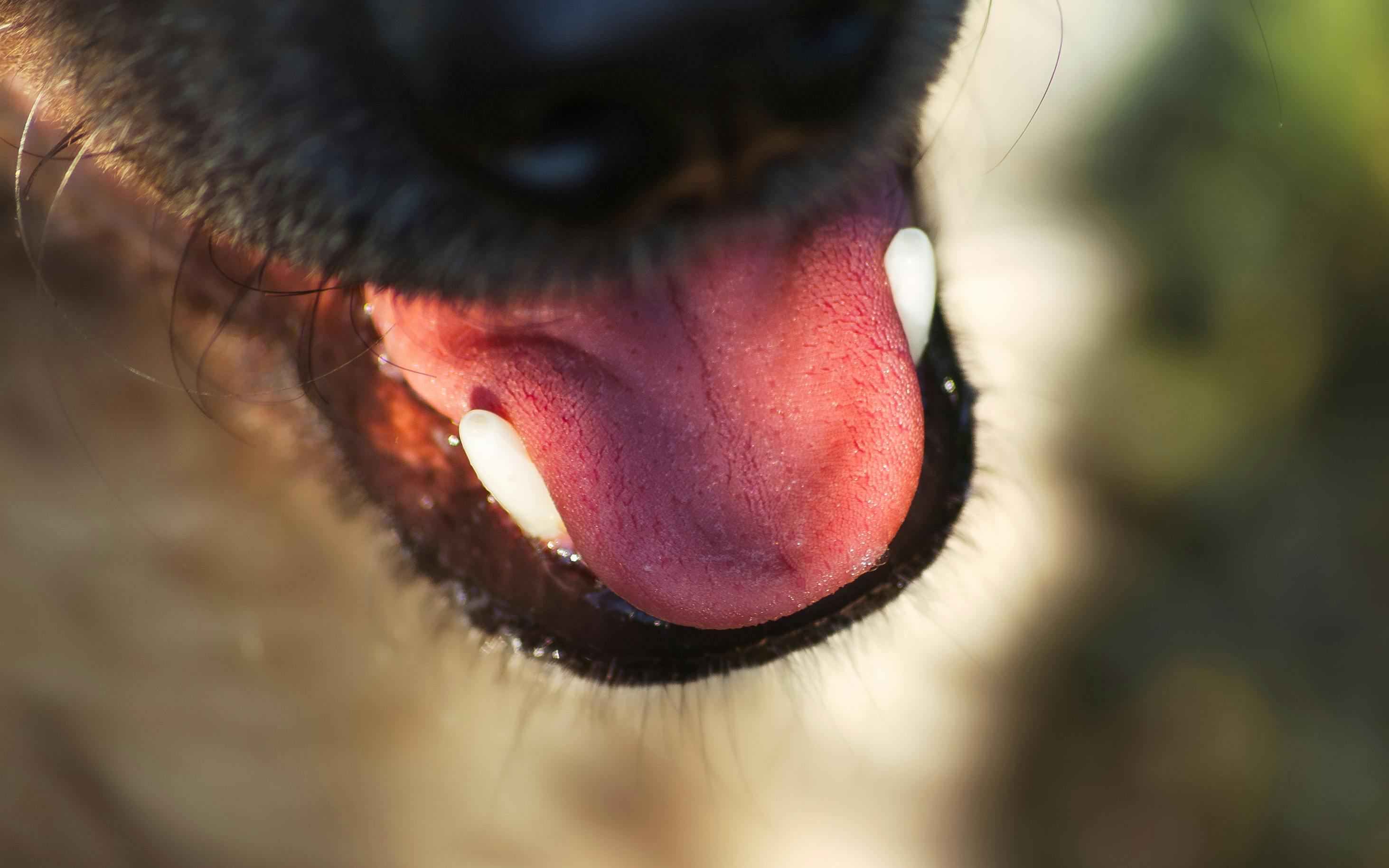 \n\n
\n\nHave you ever wondered why your dog’s nose is always wet? It’s one of those things dog owners often notice, yet most people don’t really think about it. A wet nose can seem a bit odd, but it’s actually a normal characteristic of our furry friends. In fact, there’s some surprising science behind it! Let’s dive into five intriguing reasons why dogs have wet noses and what it means for their health and behavior.
\n1. Cooling Mechanism
\nDogs, unlike humans, don’t sweat through their skin. They primarily regulate their body temperature through panting, but their wet noses also play a role. The moisture helps to cool them down. When a dog licks its nose, the saliva evaporates and helps to cool the nasal area, which can assist in lowering their body temperature. This is especially helpful on hot days!
\n2. Enhanced Sense of Smell
\nYou probably know that dogs have an incredible sense of smell, right? Well, having a moist nose actually enhances their olfactory abilities. When a dog’s nose is wet, scent particles are more easily captured. The moisture helps to dissolve these particles, making it easier for their olfactory receptors to detect and identify various smells. So, a wet nose means your dog can smell better!
\n3. Communication Tool
\nDogs are social animals and they communicate in various ways. Their body language, vocalizations, and even their noses play a part in this. A wet nose can signal different things to other dogs. For example, if a dog approaches another dog with a moist nose, it might indicate that it’s friendly and open to interaction. Conversely, a dry nose could suggest stress or discomfort. It’s amazing how much can be conveyed through a simple wet nose!
\n4. Health Indicator
\nA dog’s nose can also be a health indicator. While a wet nose is generally a sign of a healthy dog, changes in its moisture level can indicate potential health issues. For instance:
\n- \n
- A dry, cracked nose may point to dehydration or illness. \n
- Excessively wet noses can sometimes indicate fever or allergies. \n
- Sudden changes in moisture level should prompt a visit to the vet. \n
Being observant of your dog’s nose can help you catch health issues early on!
\n5. Natural Cleaning Mechanism
\nDogs often lick their noses, and this behavior serves a purpose. Licking keeps their noses clean and helps to remove any dirt or debris. It also keeps their sense of smell sharp. A clean nose means a more effective nose! In the wild, this behavior would be crucial for their survival, as they rely on their sense of smell for hunting and navigating their environment.
\nFun Facts About Dog Noses
\n- \n
- Unique Patterns: Just like human fingerprints, each dog has a unique nose print that can be used for identification. \n
- Temperature Sensitivity: Dogs can detect temperature changes through their noses; they can sense heat signatures that help them find prey. \n
- Nasal Turbinates: Dogs have complex structures in their noses called nasal turbinates that increase surface area for scent detection. \n
What to Watch For
\nWhile a wet nose is often a sign of good health, dog owners should keep an eye out for certain signs that may indicate a problem. Here’s a simple checklist:
\n- \n
- Is the nose suddenly dry? \n
- Is there excessive discharge? \n
- Are there any cracks or bleeding? \n
If you see any of these signs, don’t hesitate to contact your veterinarian.
\nConclusion
\nUnderstanding why dogs have wet noses opens up a whole new world of knowledge about our furry companions. From their cooling mechanisms to their communication skills, a wet nose is far more than just a cute feature! So, the next time you give your dog a pat and feel that moist nose against your hand, remember the fascinating truths behind it. Your dog’s nose is not just for sniffing; it’s a vital part of their well-being and communication.
\n\nHow a Dog's Wet Nose Affects Their Senses: Exploring the Connection
\n\n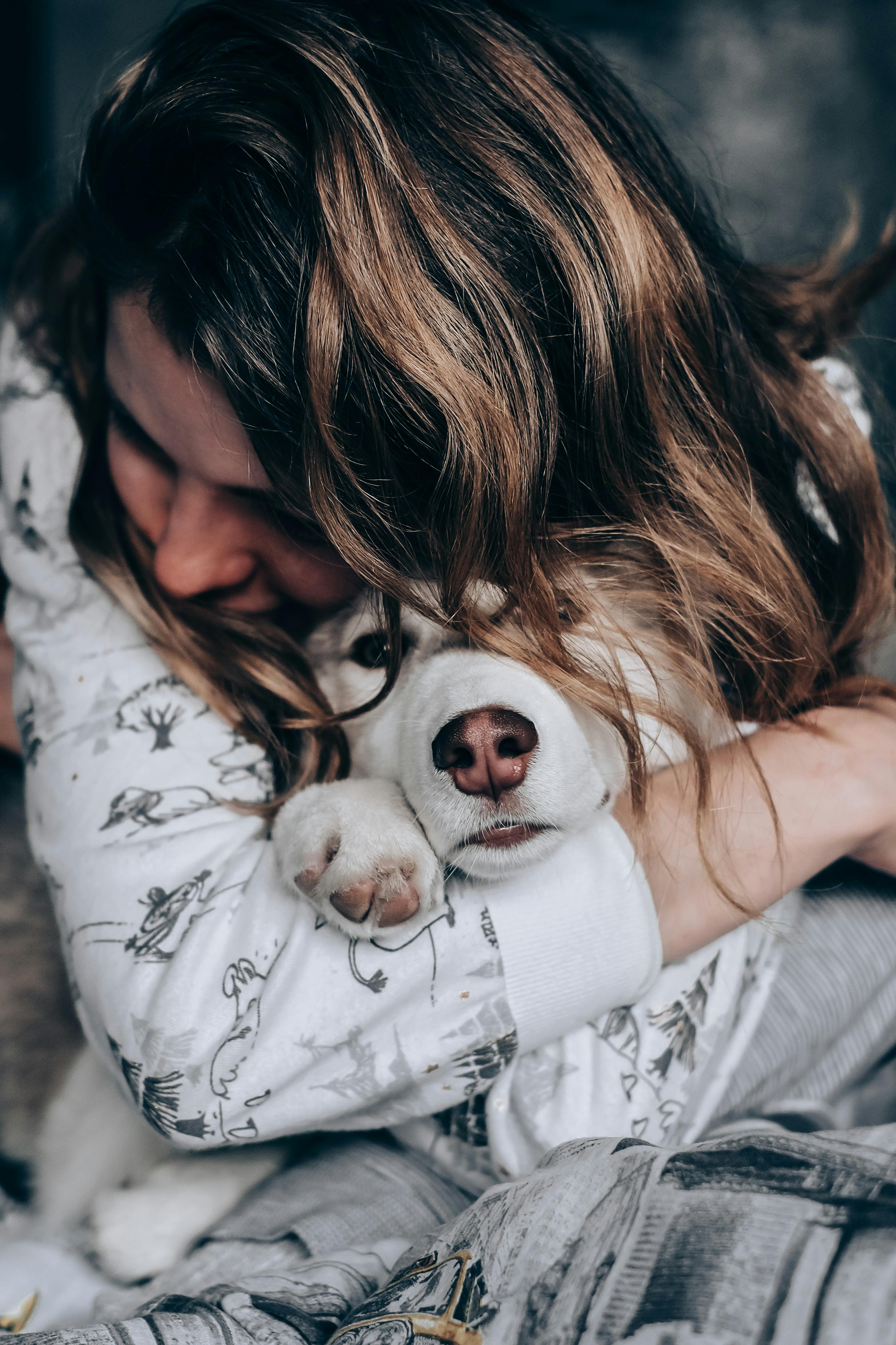 \n\n
\n\nHave you ever wondered why dogs got those wet noses? Many people think it’s just a quirk of nature, but actually, it’s much more than that. Dogs’ noses play a crucial role in their sensory perception. These wet noses can tell you a lot about a dog’s health, emotions, and even their ability to navigate the world. Let’s dig into the fascinating truth behind why do dogs have wet noses and how it affects their senses.
\nThe Anatomy of a Dog's Nose
\nA dog’s nose is more than just a cute feature. It’s finely tuned to help them smell and interact with their environment. The surface of a dog's nose has a special mucous layer that keeps it moist, which is essential for their sense of smell. Here’s some key anatomy facts:
\n- \n
- Olfactory Receptors: Dogs have around 300 million olfactory receptors, compared to only about 5 million in humans. This gives them an extraordinary sense of smell. \n
- Jacobsen's Organ: This is a special organ that helps dogs detect pheromones, which are crucial for communication. \n
- Humidity Regulation: The wetness of a dog’s nose helps to dissolve scent particles, making it easier for them to detect smells. \n
Why Do Dogs Have Wet Noses?
\nSo, why exactly do dogs have wet noses? Well, it’s not just for show. There are several scientific reasons behind it:
\n- \n
- Enhanced Smelling Ability: A moist nose can pick up scent particles better than a dry one. This is why you often see dogs sniffing around with their noses glistening. \n
- Temperature Regulation: Dogs can’t sweat like humans. A wet nose can help them cool down, especially on hot days. \n
- Health Indicator: A dog’s wet nose is often a sign of good health. If a dog’s nose becomes dry and cracked, it might indicate dehydration or illness. \n
How a Wet Nose Affects Their Senses
\nThe connection between a dog’s wet nose and their senses is undeniable. Here’s how it affects their smelling, tasting, and even emotional capabilities:
\n- \n
- Smelling: Dogs can identify scents at incredibly low concentrations. A wet nose aids this process tremendously. \n
- Tasting: Dogs often use their noses to taste things. The moisture helps them absorb more flavor, which is why they sometimes lick their noses after sniffing something. \n
- Emotional Sensitivity: Dogs can read human emotions through scent. A wet nose helps them detect changes in a human’s body odor associated with different feelings, like stress or happiness. \n
Fun Facts About Dogs’ Noses
\n- \n
- Unique Patterns: Just like human fingerprints, each dog has a unique nose print that can be used to identify them. \n
- Color Matters: The color of a dog’s nose can change. For example, some dogs may have a pink nose that darkens as they age. \n
- Temperature Check: The temperature of a dog’s nose can vary, and it’s often thought that a cooler nose is a sign of good health. \n
Common Misconceptions
\nThere are many myths surrounding dogs’ noses. Let’s clarify a few of them:
\n- \n
- Wet Noses Mean Healthy Dogs: While a wet nose can indicate health, it’s not definitive. Other symptoms should be considered. \n
- All Dogs Have Wet Noses: Some breeds, like Bulldogs, may have drier noses, but that doesn’t mean they’re unhealthy. \n
- Nose Color and Health: A change in nose color doesn’t always mean illness. It can be due to weather changes or other environmental factors. \n
The Bottom Line
\nDogs’ wet noses are not just an adorable feature. They serve critical roles in their sensory perception and overall health. From enhancing their sense of smell to helping them regulate temperature, wet noses play a vital part in a dog’s life.
\nSo next time you pet a dog and feel that cool, moist nose, remember: it’s a fascinating part of what makes them such incredible companions. Understanding why do dogs have wet noses gives you a deeper appreciation for these beloved animals and the ways they interact with the world around them.
\n\nIs a Wet Nose a Sign of Good Health in Dogs? What Pet Owners Should Know
\n\n \n\n
\n\nIs a Wet Nose a Sign of Good Health in Dogs? What Pet Owners Should Know, Why Do Dogs Have Wet Noses? Discover This Fascinating Truth!
\nWhen you see a dog with a wet nose, it’s often thought to be a sign of good health. But is this always true? Many pet owners wonder about the significance of a dog’s nose condition, and if it actually reflects their health status. This article explores the reasons behind the wet noses in dogs, their implications for health, and what pet owners should be aware of.
\nWhy Do Dogs Have Wet Noses?
\nDogs have wet noses for a couple of reasons. First, it's help them to smell better. The moisture on their noses helps to capture scent particles, which enhances their sense of smell. Dogs have an incredible olfactory system; they can smell thousands of times better than humans. A wet nose is just part of how they process the world.
\nHere’s some interesting stuff about dog noses:
\n- \n
- \n
Heat Regulation: Dogs don’t sweat like humans. Instead, they release heat through their noses and panting. A wet nose helps with cooling off.
\n \n - \n
Sensory Enhancement: The moisture on their noses helps them absorb scent molecules, making it easier for them to detect smells.
\n \n - \n
Natural Behavior: Dogs often lick their noses, which keeps them moist. This is a natural behavior that occurs frequently.
\n \n - \n
Hygiene: A wet nose can help in keeping the nose clean and free of debris, which is essential for their sensory functions.
\n \n
Is a Wet Nose Always a Sign of Good Health?
\nWhile many people believe that a wet nose signifies a healthy dog, it’s not always that simple. A dog's nose can change due to various factors, including temperature, activity level, and overall health. Here’s what pet owners should consider:
\n- \n
- \n
Temperature: If it’s hot outside, a dog may have a dry nose. Conversely, if they’re cool or just woke up, their nose might be wetter.
\n \n - \n
Illness: A dog with a dry, cracked nose may indicate dehydration or illness. If the nose becomes excessively warm or dry, it’s best to monitor for other symptoms.
\n \n - \n
Breed Differences: Some breeds have naturally wetter noses than others. For example, hounds usually have wetter noses compared to bulldogs.
\n \n
Signs of Potential Health Issues
\nPet owners should always be observant of their dogs' behavior and physical state. Here are some signs that indicate a need for a vet visit:
\n- \n
- \n
Persistent Dryness: If your dog’s nose is consistently dry for an extended period, it could suggest dehydration or other health concerns.
\n \n - \n
Cracking or Bleeding: Cracked or bleeding noses can be a sign of allergies, skin infections, or serious health issues.
\n \n - \n
Changes in Behavior: If your dog is lethargic, refuses to eat, or shows signs of distress along with a dry nose, it’s time to consult a vet.
\n \n - \n
Nasal Discharge: Unusual discharge from the nose, especially if it’s green or yellow, can indicate an infection.
\n \n
Interesting Facts About Dog Noses
\nDogs are pretty fascinating creatures, and their noses are no exception. Here’s a quick list of facts you might find intriguing:
\n- \n
- \n
Unique Nose Prints: Just like human fingerprints, every dog has a unique nose print. This can be used for identification!
\n \n - \n
Scent Detection: Dogs can detect certain diseases like cancer or diabetes through smell. Their noses are that powerful.
\n \n - \n
Cold Nose, Warm Heart: The saying goes that a cold, wet nose means a happy dog. While this isn’t a definitive rule, it reflects many pet owners’ experiences.
\n \n
Practical Tips for Pet Owners
\nKeeping your dog healthy involves more than just observing their nose. Here are some tips for dog owners:
\n- \n
- \n
Hydration is Key: Always ensure your dog has access to fresh water, especially during hot weather.
\n \n - \n
Regular Check-ups: Regular vet visits can help catch potential health issues early.
\n \n - \n
Watch for Changes: Keep an eye on any changes in your dog’s behavior, eating habits, or nose condition.
\n \n - \n
Provide a Healthy Diet: A balanced diet can improve your dog’s overall health, including skin and coat condition.
\n \n - \n
Avoid Irritants: Certain environments can irritate your dog's nose. Be cautious of chemicals, smoke, and extreme temperatures.
\n \n
Dog owners should remember that a wet nose can be a sign of good health, but it isn’t the only indicator. Observing your dog’s overall behavior is crucial for ensuring they’re healthy. Understanding why dogs have wet noses can help you appreciate these wonderful creatures even more!
\n\nThe Fascinating Role of a Dog’s Wet Nose in Thermoregulation and Smell
\n\n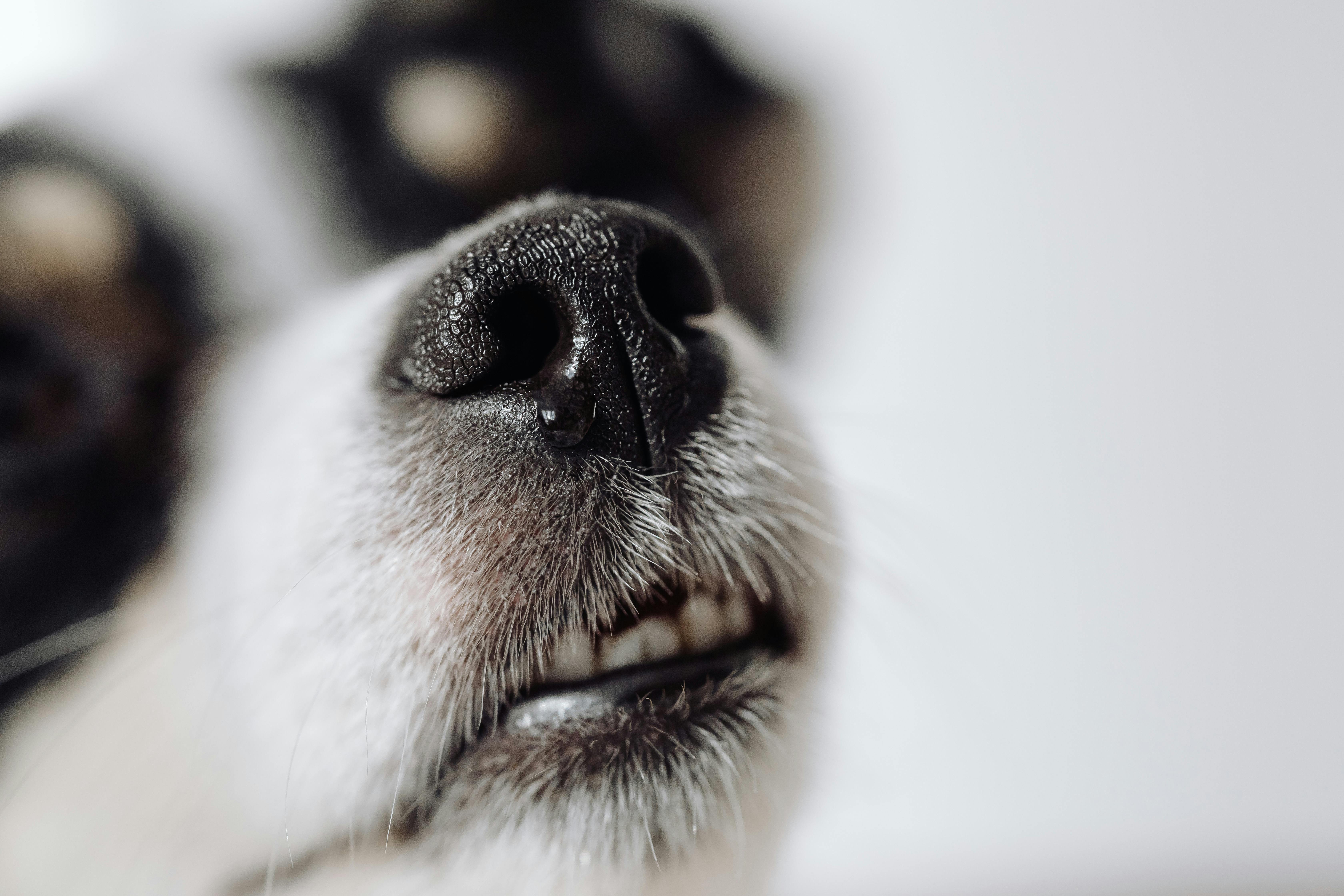 \n\n\n\n
Why Does Your Dog's Nose Change Throughout the Day? Find Out the Reasons
\n\n \n\n
\n\nHave you ever noticed how your dog's nose seem to change throughout the day? One moment it can be cool and wet, and the next it feels warm and dry. It got many dog owners scratching their heads and wondering, "Why does this happen?" Plus, you might be curious about why do dogs have wet noses in the first place. Let's dive into this fascinating truth about our furry friends.
\nWhat Makes Your Dog’s Nose Change?
\nThere are several factors that can affect the temperature and moisture level of a dog's nose. Understanding these can help you know more about your pet's health and well-being.
\n- \n
- \n
Temperature Regulation: Dogs don’t sweat like humans do. Instead, they regulate their body temperature primarily through panting. Their nose plays a role too. When a dog is hot, their nose might become drier as their body uses moisture to cool down.
\n \n - \n
Environment: The weather can also have a big impact. For instance, when it's humid outside, a dog's nose might feel wetter. In contrast, during dry or windy conditions, it could dry out quickly.
\n \n - \n
Health Status: Changes in your dog’s nose can sometimes indicate health issues. If the nose becomes persistently dry or cracked, it could be a sign of dehydration or other health problems.
\n \n - \n
Activity Level: After a good play session or a walk, your dog’s body temperature can rise, and their nose might feel warmer. This is normal and usually goes back to normal after they cool down.
\n \n
Why Do Dogs Have Wet Noses?
\nNow, let’s answer the burning question: why do dogs have wet noses? The moisture on a dog's nose actually serves several important functions:
\n- \n
- \n
Enhanced Smelling Ability: A wet nose helps capture scent particles in the air, improving a dog’s sense of smell. Dogs have an incredible sense of smell, and a moist nose amplifies this ability.
\n \n - \n
Cooling Mechanism: As we mentioned earlier, a wet nose helps cool down dogs. The moisture evaporates, helping to reduce their body temperature.
\n \n - \n
Health Indicator: A healthy dog typically has a cool and moist nose. If the nose is excessively dry or warm, this could indicate illness, so it’s worth paying attention to changes.
\n \n
The Fascinating Truth About Dog Noses
\nIt’s interesting to note that not all dog's noses are the same. Just like humans have unique fingerprints, dogs have unique nose prints! Each dog’s nose has a distinct pattern that can be used for identification. Here’s some more quirky facts about dog noses:
\n- \n
- \n
Temperature Changes: Your dog’s nose can change temperature depending on activity levels. A relaxed dog might have a cooler nose while an excited one may have a warmer nose.
\n \n - \n
Color Variations: Dog noses come in various colors, including black, pink, and even brown. This is generally determined by genetics and doesn’t necessarily relate to health.
\n \n - \n
Licking and Moisture: Dogs often lick their noses, which helps keep them moist. This is a natural behavior and should be encouraged to maintain their sense of smell.
\n \n
Health Tips for Your Dog’s Nose
\nTo ensure your dog’s nose stays healthy, consider the following tips:
\n- \n
- \n
Stay Hydrated: Always provide fresh water for your dog. Hydration is key to keeping their nose moist.
\n \n - \n
Watch for Changes: Monitor for any significant changes in the nose’s texture or temperature. If it stays dry or cracked for too long, consult your vet.
\n \n - \n
Protect From Elements: In extreme weather, consider using a pet-safe balm to protect your dog’s nose from drying out.
\n \n - \n
Regular Vet Checkups: Regular visits to the veterinarian can help catch potential health issues before they become serious.
\n \n
Final Thoughts
\nUnderstanding the reasons behind your dog’s nose changes can help you ensure their overall well-being. Wet noses, temperature fluctuations, and even the occasional dryness are all part of what makes dogs unique. By staying informed and observant, you can help keep your furry friend happy and healthy. Whether it’s through proper hydration, regular vet checkups, or just paying attention to those cute little nose changes, you’ll be doing your part as a responsible dog owner. Isn’t it fascinating how much there is to learn about our canine companions?
\n\nThe Myths and Facts About Wet Dog Noses: What Every Dog Owner Should Understand
\n\n \n\n
\n\nIt's a common sight to see a dog with a wet nose, and many people just assume it's normal. But why do dogs have wet noses? There’s a lot of myths around this topic, and it’s important for every dog owner to understand the real facts. You might’ve heard things like “a wet nose means a dog is healthy.” But is that really true? Let's dive into the fascinating truth about why your furry friend has that moist snout.
\nThe Basics of a Dog's Nose
\nFirst off, a dog's nose is a marvelous piece of anatomy. Dogs have a superior sense of smell compared to humans, and their wet noses actually play a crucial role in this. When a dog’s nose is wet, it helps to absorb scent chemicals from the air. This allows them to detect smells better than we ever could.
\n- \n
- \n
Structure: A dog’s nose is made up of millions of scent receptors. Humans only have about 5 million, while dogs can have anywhere from 220 million to 300 million! That's quite a difference.
\n \n - \n
Purpose of Wetness: The moisture on a dog’s nose is mostly mucus, which helps to trap scent particles. When these particles stick, it allows dogs to analyze the smells more effectively.
\n \n - \n
Temperature Regulation: Besides smelling, a wet nose may also help with regulating a dog’s body temperature. Dogs don't sweat like humans do; instead, they tend to cool down through their noses.
\n \n
Myths vs. Facts
\nLet's bust some common myths about wet dog noses:
\n- \n
- \n
Myth 1: A wet nose equals a healthy dog.
\n- \n
- Fact: While a wet nose is commonly associated with good health, it's not a definitive indicator. Some dogs might have dry noses and still be perfectly healthy. \n
\n - \n
Myth 2: Dogs have wet noses because they lick them constantly.
\n- \n
- Fact: Although dogs do lick their noses, the wetness also comes from the moisture in the environment and their own nasal glands. \n
\n - \n
Myth 3: All dogs have wet noses.
\n- \n
- Fact: Some breeds, like Bulldogs and Shar Peis, can have drier noses due to their anatomy. \n
\n
Why Do Dogs Have Wet Noses?
\nYou may still wonder, why do dogs have wet noses? The reasons are multi-faceted:
\n- \n
- Enhanced Smell: The wetness aids in olfactory sensitivity. \n
- Cooling Mechanism: Helps them cool off, especially in warm weather. \n
- Health Indicator: Changes in nose moisture can indicate health issues, like dehydration or illness. \n
Environmental Factors
\nThe environment where a dog lives can also affect the moisture of their nose. For example, a dog living in a dry climate might have a drier nose compared to one living in a humid area. Here’s how different environments impact nose moisture:
\n- \n
- Humidity: High humidity can keep a dog’s nose moist. \n
- Temperature: Hot weather can dry it out quickly. \n
- Health: Allergies or infections can also lead to changes in nose moisture. \n
Practical Tips for Dog Owners
\nAs a dog owner, it’s essential to monitor your dog’s nose and overall health. Here are some practical tips:
\n- \n
- \n
Regular Checks: Keep an eye on the moisture levels of your dog’s nose. If it suddenly becomes very dry or cracked, it might be time to consult your vet.
\n \n - \n
Hydration: Always ensure your dog has access to fresh water. Hydration can impact nose moisture.
\n \n - \n
Weather Awareness: In extreme temperatures, take extra care of your dog’s nose. Consider using a nose balm for dry, cracked noses in winter.
\n \n
Fun Fact Comparisons
\nHere’s a fun comparison of dog noses versus human noses:
\n| Feature | \nDog's Nose | \nHuman Nose | \n
|---|---|---|
| Scent Receptors | \n220-300 million | \nAbout 5 million | \n
| Moisture Function | \nTraps scents and cools | \nPrimarily for breathing | \n
| Sensitivity | \nExtremely high | \nMuch lower | \n
Dogs have an incredible ability to smell things we can’t even imagine. Their wet noses are not just a quirky feature; they serve various purposes that help dogs navigate their world.
\nUnderstanding the facts about wet dog noses can help you be a better pet owner. So the next time you see your dog with a wet snout, remember it’s not just a cute trait, but a vital part of their health and well-being. Being informed can lead to a happier, healthier life for your canine companion.
\n\n7 Reasons Dogs Have Wet Noses: From Age to Breed Differences Explained
\n\n \n\n
\n\nWhen you think about dogs, their wet noses might be one of the first things that comes to mind. It's like a delightful little feature that dog owners notice instantly. But ever wondered why do dogs have wet noses? This fascinating truth can actually be explained by various factors, from their age to the differences in breed. Let's explore some compelling reasons behind this common canine characteristic.
\n1. Temperature Regulation
\nOne of the primary reasons why dogs have wet noses is to help regulate their body temperature. Dogs can't sweat like humans do. Instead, they sweat through their paw pads, and their noses. The moisture on their noses can help cool them down when they are feeling hot. It’s kind of like a natural air conditioner for them, which is why you often see dogs that are panting, they also have wet noses.
\n2. Enhanced Sense of Smell
\nDogs have an incredible sense of smell, and a wet nose helps them enhance this ability. The moisture on their noses helps to capture scent particles from the air, making it easier for them to identify different smells. This is particularly important for working breeds like Bloodhounds or German Shepherds, who rely heavily on their sense of smell for tracking and hunting.
\n3. Breed Differences
\nDifferent breeds can have varying levels of moisture on their noses. For instance, brachycephalic breeds like Bulldogs or Pugs might have drier noses due to their facial structure. On the other hand, breeds like Labrador Retrievers or Golden Retrievers often have those famous wet noses.
\nSome common breeds and their nose moisture can be summarized as follows:
\n- \n
- Labrador Retrievers: Generally wet noses, great at cooling. \n
- Bulldogs: Often drier noses due to their flat faces. \n
- Poodles: Usually maintain a moist nose, excellent sense of smell. \n
4. Age Factors
\nJust like humans, dogs can experience changes as they age. Puppies generally have wetter noses, which might be part of their natural development. Older dogs, however, tend to have drier noses. This may be due to a decrease in moisture production or overall health issues. If you notice a sudden change in your dog's nose moisture, it might be worth consulting a vet.
\n5. Health Indicators
\nA dog’s nose can be an important indicator of their health. A healthy dog typically has a cool, moist nose. However, if a dog’s nose becomes excessively dry or cracked, it could signal dehydration or illness. Here are some health-related nose conditions to look out for:
\n- \n
- Dry Nose: Could indicate dehydration, fever, or other health issues. \n
- Crusty Nose: Might be a sign of skin infections or allergies. \n
- Discoloration: Changes in color can signal underlying health problems. \n
6. Environmental Factors
\nThe environment plays a crucial role in the moisture of a dog's nose. For example, during hot summer months, dogs might have wetter noses due to increased humidity. Conversely, in colder, drier months, the moisture could evaporate quickly, leading to a drier nose.
\n7. Natural Behavior
\nDogs often lick their noses as a natural behavior, which helps to keep them moist. This action can also help them taste and identify the scents around them. Licking also serves as a way for dogs to keep their noses clean.
\nThis behavior can be quite fascinating, especially when you observe your dog doing it frequently.
\nSummary of Key Points
\n- \n
- Dogs have wet noses primarily for temperature regulation. \n
- A wet nose enhances their sense of smell. \n
- Breed differences can affect nose moisture levels. \n
- Age can influence the moisture of a dog's nose. \n
- A dog's nose can indicate their health status. \n
- Environmental factors impact nose moisture. \n
- Natural behavior like licking helps maintain moisture. \n
Understanding why do dogs have wet noses reveals a lot about their biology and behavior. It’s not just an adorable trait; it's a practical adaptation that serves multiple purposes. From regulating body temperature to enhancing their sense of smell, a dog’s wet nose is a window into their health and well-being.
\nNext time you pet your furry friend, take a moment to appreciate that little wet nose and all the fascinating reasons behind it!
\n\nCan a Dog's Wet Nose Indicate Emotions? Discover the Emotional Connection
\n\n\n\nDogs have been man's best friend for centuries, and there's always been a deep bond between humans and these furry companions. One of the most interesting things about dogs is their wet noses. Have you ever wondered if a dog's wet nose can indicate emotions? Or why do dogs have wet noses in the first place? It’s a fascinating subject that combines biology, behavior, and a little bit of psychology. Let’s dive into the emotional connection dogs have with their wet noses and uncover the truth behind this unique characteristic.
\nThe Science Behind a Dog’s Wet Nose
\nA dog’s nose is naturally moist for several reasons. First, it helps them to smell better, which is super important for their survival. Dogs have an amazing sense of smell, about 10,000 to 100,000 times more sensitive than humans. The moisture on their noses helps to capture scent particles from the air, so they can pick up on smells more effectively. This is why you often see dogs sniffing around—it's how they interpret their environment.
\nEmotional Indicators: Wet Noses and Your Dog’s Feelings
\nSo, can a dog's wet nose indicate emotions? Well, not directly, but there is a connection. When a dog is happy or excited, they tend to be more active, leading to increased moisture on their noses. On the other hand, when a dog is feeling stressed or anxious, you might notice their nose becoming dry. Here’s a quick summary of how wet noses may relate to a dog’s feelings:
\n- \n
- Happy or Excited: Wet nose, wagging tail, playful behavior. \n
- Calm or Relaxed: Moderately moist nose, lying down peacefully. \n
- Stressed or Anxious: Dry nose, panting, hiding behavior. \n
Why Do Dogs Have Wet Noses? The Fascinating Truth!
\nThere’s actually a mix of evolutionary and practical reasons for why dogs have wet noses. Here’s some intriguing facts:
\n- \n
- Cooling Mechanism: Dogs don’t sweat like humans do. Instead, they regulate their body temperature through panting and the moisture on their noses. \n
- Health Indicator: A dog’s nose can tell you a lot about its health. A warm, dry nose could indicate a fever or illness, while a cool, wet nose is usually a sign of good health. \n
- Scent Detection: As mentioned before, moisture helps capture scent particles. This is crucial for their hunting instincts and social interactions. \n
Historical Context: Dogs and Their Noses
\nDogs have evolved over thousands of years along with humans. Historical records show that the domestication of dogs began around 15,000 years ago. They were bred for specific traits, including their ability to smell. A wet nose was likely a trait that was favored in hunting or herding dogs, as it enhanced their scenting abilities.
\nPractical Examples: Observing Your Dog’s Behavior
\nIf you want to observe your dog's emotional state, pay attention to their nose alongside other body language cues. For example:
\n- \n
- Playtime: If your dog has a wet nose and is bouncing around, it’s probably feeling joyful and ready for fun. \n
- During a Storm: If your dog’s nose feels dry and they seem nervous, it’s likely a sign of anxiety. \n
- Meet and Greet: When they approach another dog with a wet nose and a wagging tail, it’s usually an invitation to play. \n
Common Misconceptions About Dog Noses
\nThere are many myths floating around about dog noses. Here’s a few clarifications:
\n- \n
- All Wet Noses Mean Healthy: While a wet nose can be a sign of good health, it’s not a definitive measure. Always consult a vet if you're concerned. \n
- Nose Color Doesn't Matter: The color of a dog's nose varies by breed and has no direct relation to their health or emotional state. \n
- Dogs Can’t Get Cold Noses: It’s a common belief that a cold nose means a dog is sick. However, temperature can vary due to many factors. \n
Conclusion
\nUnderstanding a dog's wet nose and its potential emotional indicators can lead to a deeper connection between you and your furry friend. While the science behind why dogs have wet noses is fascinating, the emotional bond we share with them is even more so. Observing your dog's behavior in conjunction with their wet nose can provide insights into their feelings, making it easier to respond to their needs. So next time you get a wet nose nudge, know that it's more than just a cute quirk—there's a whole world of emotions behind it!
\n\nKeeping Your Dog’s Nose Healthy: Tips for Maintaining Optimal Moisture Levels
\n\n \n\n
\n\nKeeping your dog’s nose healthy is crucial not just for their overall well-being but also for maintaining that signature wet nose that we often associate with happy pups. Many dog owners often wonder, “Why do dogs have wet noses?” It’s a fascinating question with several biological reasons behind it. In this article, we will explore the importance of keeping your dog’s nose moist, the reasons behind that wetness, and provide some handy tips for maintaining optimal moisture levels.
\nWhy Do Dogs Have Wet Noses?
\nDogs noses are wet for many reasons. One of the most significant is that it helps them to smell better. A wet nose helps to trap scent particles, making it easier for dogs to pick up different smells in their environment. Here's some interesting facts about dog noses:
\n- \n
- Enhanced Smell: A moist nose increases the surface area, which helps in capturing scent particles. \n
- Temperature Regulation: Dogs can't sweat like humans; their noses help them cool down. \n
- Health Indicator: A healthy nose is often a good indicator of a dog's overall health. \n
You might have noticed that some dogs have wetter noses than others. This can depend on breeds, their environment, and even their health.
\nKeeping Your Dog’s Nose Healthy
\nSo, how do you make sure your dog’s nose stays healthy and moist? Here are some practical tips to maintain optimal moisture levels:
\n- \n
- \n
Hydration is Key: Always ensure your furry friend has access to fresh, clean water. Dehydration can lead to a dry nose, which can be a sign of other health issues.
\n \n - \n
Humidity Matters: Dry air can lead to a dry nose. If you live in a particularly dry area, consider using a humidifier in your home, especially in the winter months.
\n \n - \n
Regular Vet Check-ups: Routine veterinary visits can help catch any potential issues early. If you notice any sudden changes in your dog’s nose, such as excessive dryness or cracking, it’s best to consult a vet.
\n \n - \n
Healthy Diet: A balanced diet rich in omega fatty acids can contribute to a moist, healthy nose. Foods like fish, flaxseed oil, and certain vitamins can help keep the skin hydrated.
\n \n - \n
Avoid Irritants: Keep your dog away from strong chemical cleaners, smoke, or other irritants that could dry out their nose. Natural cleaning products can be a good alternative.
\n \n - \n
Nose Balm: If your dog’s nose is frequently dry or cracked, you can use a pet-safe nose balm. These products are designed to moisturize and protect the sensitive skin on your dog’s nose.
\n \n - \n
Monitor for Allergies: Allergies can also cause changes in your dog’s nose. Keep an eye out for any signs of itching, excessive licking, or discomfort.
\n \n
Interesting Facts About Dog Noses
\n- \n
- Dogs have about 300 million smell receptors in their noses compared to humans, who only have about 6 million. \n
- The texture of a dog’s nose can be unique, much like a human fingerprint. \n
- Dogs can detect certain diseases, including cancer and diabetes, through scent. \n
Common Nose Issues in Dogs
\nSometimes, dogs may face nose problems that need attention. Here are some common issues:
\n- \n
- Dry Nose: May be a sign of dehydration or illness. \n
- Cracked Nose: Can result from sunburn or lack of moisture. \n
- Discolored Nose: Changes in color could indicate a medical issue. \n
Quick Tips for Easy Nose Care
\n- \n
- Always check your dog’s nose daily. \n
- Ensure proper hydration. \n
- Use natural products when cleaning around your dog. \n
- Observe for changes in behavior, like excessive pawing at their nose. \n
By keeping an eye on your dog’s nose and following these tips, you can help ensure they remain happy and healthy. Remember, a moist, healthy nose is often a sign of a well-cared-for canine companion.
\nMany dog owners might take their pet's nose for granted, but understanding why dogs have wet noses and keeping them moist can significantly improve your dog's quality of life. Take the time to care for this unique feature, and you may find it leads to better overall health for your beloved furry friend.
\n\nConclusion
\n\nIn conclusion, the wet noses of dogs serve multiple essential functions that contribute to their overall health and well-being. The moisture on a dog’s nose plays a crucial role in enhancing their sense of smell, allowing them to detect scents more effectively. This unique feature also helps regulate their body temperature, providing a natural cooling mechanism. Additionally, a wet nose can indicate hydration levels and overall health, making it a useful indicator for pet owners. Understanding why dogs have wet noses can deepen our appreciation for these remarkable animals and their biology. As you observe your furry friend, consider the significance of their wet nose and how it contributes to their unique abilities. Remember, regular veterinary check-ups are vital to ensure your dog’s health, so don’t hesitate to discuss any concerns about their nose or overall condition with your veterinarian.
\n\n