Have you ever wondered why do dogs have wet noses? It’s a question that sparks curiosity among dog lovers and pet owners alike. The truth behind those moist canine noses is not only fascinating but also reveals interesting insights about your furry friend’s health and behavior. Dogs’ noses are wet for several reasons, including their ability to smell better, which is essential for their survival. But do you know that a wet nose can also indicate how healthy your dog is? Moreover, this unique trait helps them regulate body temperature. So, if you've ever asked yourself, "Why is my dog’s nose wet?" or "What does it mean when my dog’s nose is dry?"—you’re not alone! In this article, we will uncover some fascinating facts about dog noses, explore the science behind them, and discuss how you can ensure your pup stays healthy. Whether you’re a seasoned dog owner or a new pet parent, understanding your dog’s wet nose can help you bond better and keep them happy. Dive in to discover the secrets behind those adorable, damp noses and learn why they matter for your beloved companion!
The Science Behind Wet Noses: Why Are Dogs’ Noses Always Moist?

Have you ever noticed how your dog’s nose is always moist? You might be asking yourself, "why do dogs have wet noses?" It is a question that many pet owners ponder, and the answer is more fascinating than you might think. Wet noses are not just a cute feature; they play an important role in a dog's health and behavior. Let's dive deeper into the science behind these wet noses and uncover some interesting facts.
The Anatomy of a Dog's Nose
A dog's nose is not just a simple organ for smell. Its structure is specially designed for their olfactory senses. Here are some key components of a dog’s nose:
- Nasal Cavity: Dogs have a large nasal cavity that allows them to take in more scents.
- Olfactory Receptors: They possess about 300 million olfactory receptors, compared to humans, who have around 5 million.
- Moisture: The moisture on a dog's nose comes from mucus, which helps to trap scent particles, making them easier to detect.
The moistness of a dog's nose is essential for enhancing their sense of smell. When the nose is wet, it can absorb scent chemicals more effectively, allowing dogs to explore their environment in ways humans can only imagine.
Why Are Dogs’ Noses Always Moist?
So, why do dogs have wet noses? Here are some reasons:
Cooling Mechanism: Dogs don’t sweat like humans do. Instead, they rely on their noses to help regulate body temperature. The moisture evaporates, which cools them down.
Sense of Smell: Wet noses help to enhance the scent detection capabilities. When moisture is present, scent particles stick better, making it easier for dogs to pick up different smells.
Health Indicator: A moist nose is often a sign of a healthy dog. If your dog’s nose becomes dry or cracked, it could indicate dehydration or another health issue.
Fascinating Facts About Dog Noses
Temperature Regulation: A dog’s nose can also help them cool off. When they breathe, the moisture on the nose evaporates, helping to lower their body temperature.
Unique Prints: Just like human fingerprints, each dog has a unique nose print. It can actually be used for identification purposes!
Sign of Emotion: Dogs can show emotional states through their nose moisture. A wet nose might indicate excitement or happiness, while a dry nose could signify stress or illness.
Different Breeds, Different Noses: Some breeds have different nose shapes and sizes, affecting how they perceive scents. For example, Bloodhounds have extremely long noses which help them track scents over long distances.
Common Myths About Dog Noses
There are several myths surrounding the moisture of a dog’s nose. Let’s debunk some of them:
Myth 1: A dry nose means your dog is sick. While it can be an indicator, it's not definitive. Many dogs have dry noses and are perfectly healthy.
Myth 2: Wet noses mean dogs are happy. While a wet nose can indicate excitement, dogs can also have wet noses when they are anxious.
Myth 3: All dogs have wet noses. Some breeds naturally have drier noses.
Tips for Keeping Your Dog's Nose Healthy
Here are some practical tips for ensuring your dog's nose stays healthy:
- Hydration: Always provide fresh water to keep them hydrated.
- Regular Check-ups: Schedule regular vet visits to ensure there are no underlying health problems.
- Environmental Control: Protect their nose from harsh weather conditions. Cold or dry air can lead to dryness or cracking.
- Avoid Irritants: Be cautious of chemicals or products that could irritate their sensitive skin.
Comparison of Dog Nose Wetness
| State of Nose | Possible Implications |
|---|---|
| Wet | Healthy, happy, and hydrated dog |
| Dry | Possible dehydration or health issue |
| Cracked | May need veterinary attention |
Dogs' noses are an incredible feature that goes beyond what we might see on the surface. Understanding why they are moist and what it means can enhance our bond with our furry friends. The next time you ask, "why do dogs have wet noses?", just remember, it’s not only a cute quirk but a crucial aspect of their health and well-being. Keeping an eye on their nose can help you ensure your dog is happy and healthy, so pay attention to this fascinating feature!
5 Surprising Health Benefits of Your Dog’s Wet Nose You Didn’t Know About
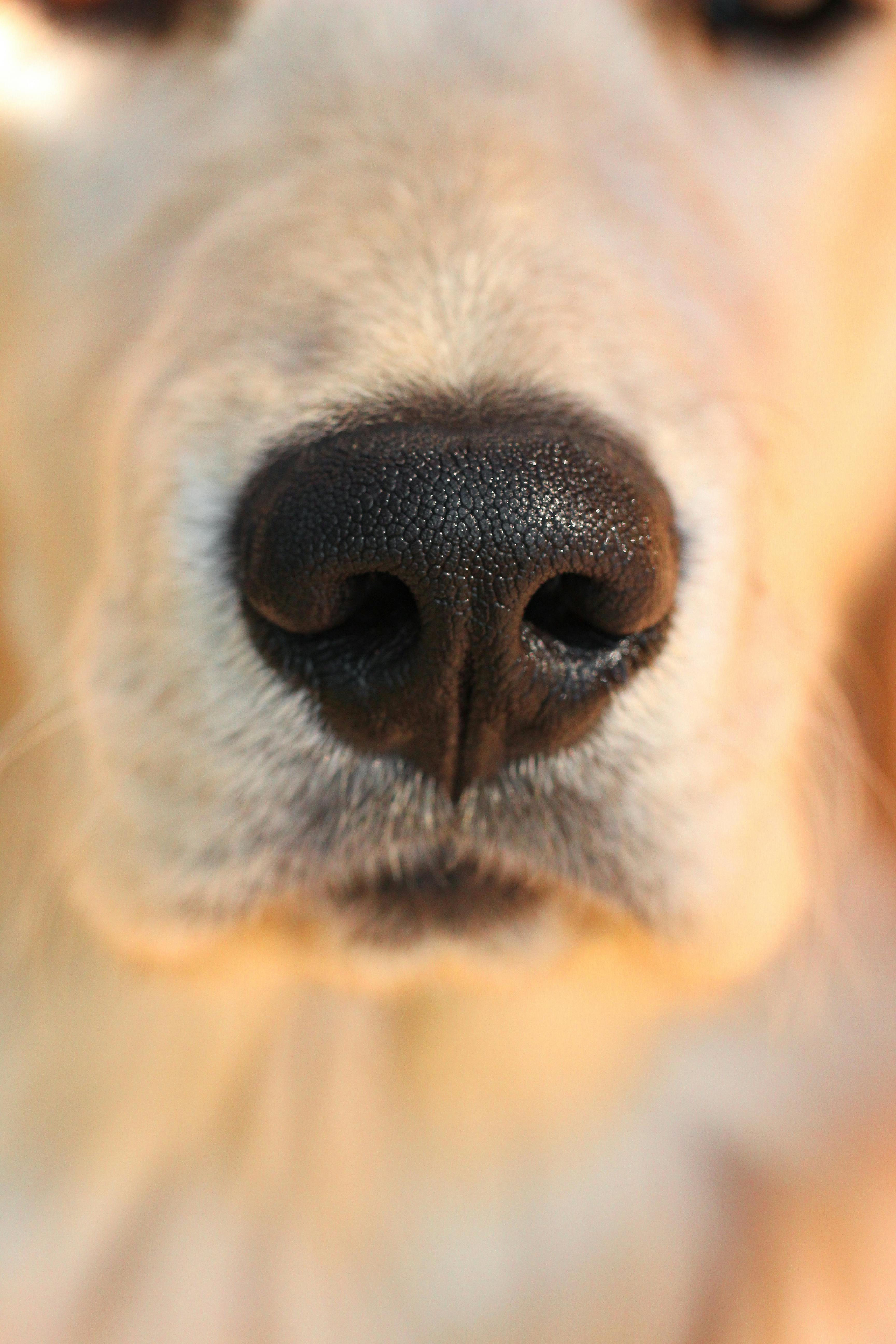
Dogs are often seen with their wet noses, and many of us might just think it’s cute or a little odd. But did you know that there are a bunch of surprising health benefits tied to your pup’s moist snout? In this article, we gonna uncover five fascinating advantages of having a dog with a wet nose and explore the reasons why dogs have wet noses in the first place. Get ready to learn some interesting stuff!
Why Do Dogs Have Wet Noses?
First off, let’s dive into the reason behind those wet noses. It’s not just for show! Dogs have wet noses primarily because of a few key factors:
- Cooling Mechanism: Just like humans sweat to cool off, dogs rely on their noses to regulate body temperature. The moisture evaporates, helping them stay cool.
- Enhanced Sense of Smell: A wet nose helps capture scent particles in the air. This is crucial for dogs, since their sense of smell is far more acute than ours.
- Health Indicator: A wet nose can often be a sign of good health in dogs. When they’re sick, their noses may become dry.
- Natural Behavior: Dogs lick their noses, which keep them moist and aids in smell detection.
- Breed Variations: Some breeds have naturally wetter noses than others, which can be due to genetics.
Now, let's jump into those surprising health benefits of your dog’s wet nose!
5 Surprising Health Benefits of Your Dog’s Wet Nose
Better Temperature Regulation
Dogs with wet noses can regulate their body temperature more effectively. This is super important in hot weather, preventing overheating. A wet nose acts like a natural air conditioner!Improved Sense of Smell
The moisture on a dog’s nose helps capture scent particles, improving their ability to detect smells. This means your dog can pick up on scents better than you realize. It’s no wonder they can find hidden treats or sniff out someone coming from far away!Health Monitoring
A wet nose is often a sign of good health. If your dog’s nose suddenly becomes dry, it might indicate dehydration or illness. Regularly checking your dog's nose can help catch health issues early. Keep an eye on it!Emotional Bonding
Dogs often nuzzle or touch their wet noses to show affection. This physical connection can strengthen the bond between you and your furry friend. It’s like a small gesture that means a lot!Scent Communication
Dogs communicate through their sense of smell. A wet nose helps them gather scents from other animals, which is how they learn about their environment. This can even be a way for them to tell if another dog is friendly or not.
Fascinating Facts About Dog Noses
- Nose Prints Are Unique: Just like human fingerprints, no two dog noses are alike. This uniqueness has even been used in identifying dogs!
- Dogs Have More Smell Receptors: A dog's nose can have up to 300 million smell receptors, compared to humans who only have around 5 million.
- Dogs Can Smell Emotions: They can detect human emotions through smell. When you’re happy, sad, or stressed, your dog can pick up on those pheromones.
- Wetness Can Vary: A dog’s nose can fluctuate between wet and dry throughout the day depending on activity level, temperature, and health.
Final Thoughts
Understanding why dogs have wet noses and the health benefits that come with them can help improve the bond between you and your furry friend. It’s not just a quirky trait; it plays a role in their health and well-being. So next time you give your pup a pat on the head, take notice of that wet nose and appreciate all the neat things that come with it. Your dog’s nose is more than just an adorable feature—it’s a vital part of their life and health!
Do All Dog Breeds Have Wet Noses? Exploring the Variations Across Breeds
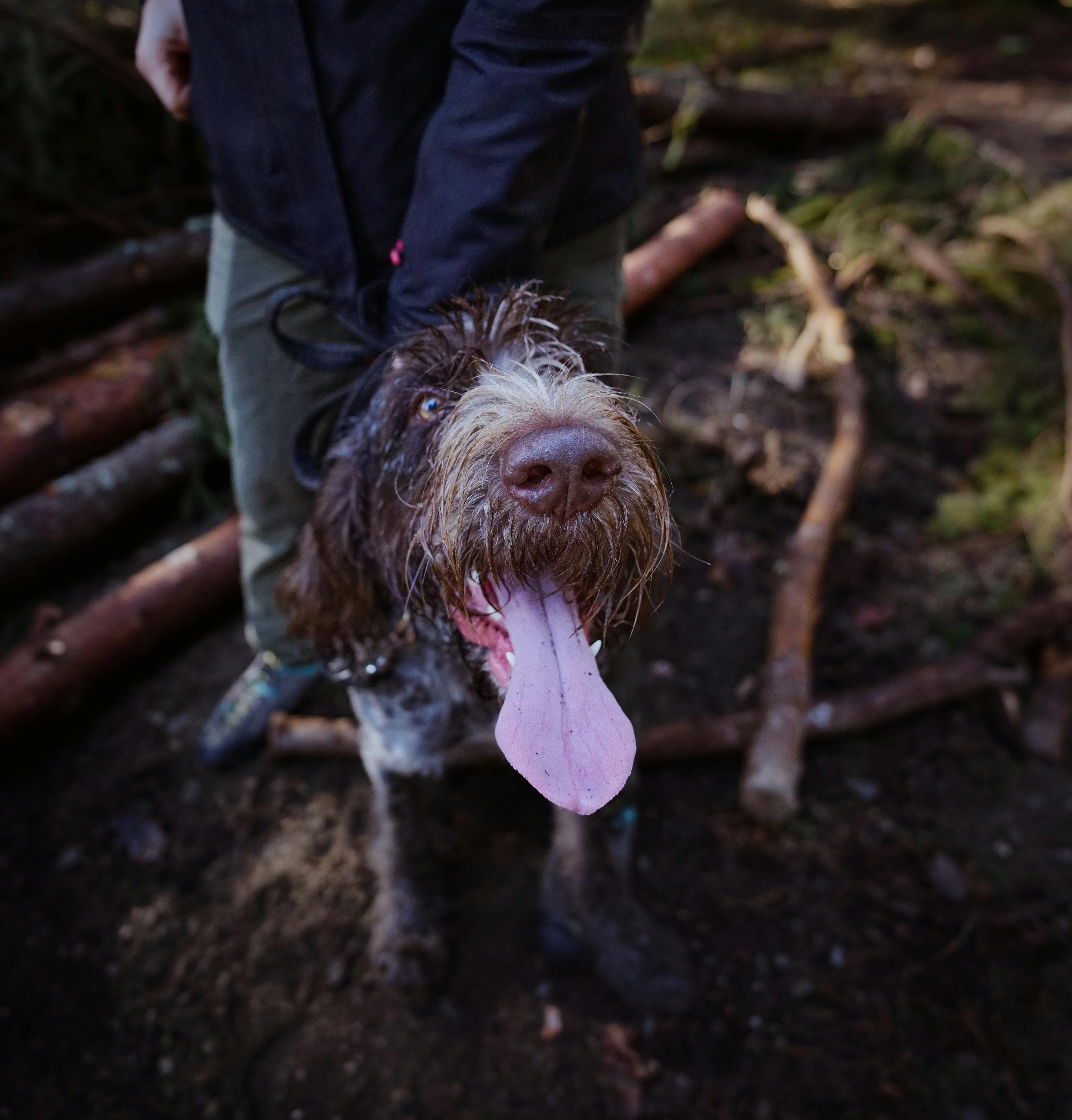
Dogs have long been considered man’s best friend, but there are still many mysteries surrounding these beloved pets. One question that often pops up is: do all dog breeds have wet noses? This seems like a simple question, but the answer isn't as straightforward as you might think. The variation in dog breeds leads to a variety of nose types and characteristics that are quite fascinating. In this article, we explore these differences and delve into the intriguing reasons behind why dogs have wet noses.
Do All Dog Breeds Have Wet Noses?
Not every dog breed possesses a wet nose. Generally, most dogs do have moist noses, but certain breeds can have drier ones. For instance, breeds like Bulldogs or Boxers might show less moisture on their noses. This can be due to their skin structure, which is thicker and may not secrete as much moisture. On the flip side, breeds known for their keen sense of smell, like Bloodhounds or German Shepherds, usually sport very wet noses.
Here’s a quick look at some breeds and their nose characteristics:
Wet-Nosed Breeds:
- Labrador Retriever
- Golden Retriever
- Beagle
- Siberian Husky
Drier-Nosed Breeds:
- Bulldog
- Pug
- Boston Terrier
- Shih Tzu
Why Do Dogs Have Wet Noses?
The wetness of a dog's nose isn't just for show. There are several reasons pups have moist noses, and these reasons are quite interesting.
Enhanced Sense of Smell: A wet nose can help trap scent particles in the air. This enhances a dog's ability to smell, which is crucial for hunting and tracking. Dog noses have a large surface area and are packed with scent receptors, making them incredibly sensitive.
Regulating Temperature: Dogs don’t sweat like humans do. Instead, they regulate their body temperature through panting and the moisture of their noses. A wet nose can help cool them down, especially during hot weather.
Health Indicator: The moisture level of a dog's nose can be an indicator of their health. A healthy dog usually has a cool, wet nose. If a dog’s nose is persistently dry or hot, it might signal a health issue, like dehydration or fever.
Behavioral Aspects: Dogs often lick their noses as a way of keeping them moist. They may do this more when they are anxious or excited.
Fascinating Facts About Dog Noses
Unique Nose Prints: Just like human fingerprints, each dog has a unique nose print. This means that no two dogs have the same nose pattern!
Nose Color Variation: A dog’s nose color can change with age. Puppies often have pink noses that darken as they grow older.
Temperature Significance: A dog's nose temperature can vary throughout the day, and it can be influenced by their environment and activity level.
Licking Behavior: Dogs lick their noses to keep them moist, and they also do this as a sign of submission or to calm themselves.
Comparisons Across Breeds
When it comes to dog breeds, there are notable differences regarding nose characteristics. Here’s a simple comparison table that outlines some key features:
| Breed | Nose Type | Moisture Level | Key Characteristics |
|---|---|---|---|
| Labrador Retriever | Wet | High | Friendly, intelligent, great swimmers |
| Bulldog | Dry | Low | Calm, courageous, good with families |
| Beagle | Wet | High | Curious, friendly, excellent scent hounds |
| Pug | Dry | Low | Playful, charming, known for their wrinkles |
Practical Examples
If you’re a dog owner or thinking of getting a dog, knowing about their nose can be helpful. For example:
Monitoring Health: Keep an eye on your dog's nose. If they suddenly have a dry or hot nose, check for other symptoms. Maybe it’s time for a vet visit.
Understanding Behavior: Notice how your dog behaves when they lick their nose. This could give insight into their emotional state.
Choosing a Breed: If you prefer a dog with a wet nose for scent-tracking activities, consider breeds known for their enhanced olfactory abilities.
In summary, while most dogs tend to have wet noses, variations exist among breeds. Understanding these differences not only enhances our knowledge about dogs but also helps us care for them better. So next time you see a cute pup with a nose ready for a sniff, remember the fascinating reasons behind that wetness!
Understanding Your Dog’s Nose: What the Moisture Means for Their Health

Understanding Your Dog’s Nose: What the Moisture Means for Their Health, Why Do Dogs Have Wet Noses? Uncover Fascinating Facts Here!
Ever wondered why your furry friend’s nose is always wet? Well, you’re not alone! Many dog owners notice that their pets tend to have moist noses, and it's more than just a cute characteristic. In fact, it tells a lot about their health and wellbeing. So, let’s dive into the fascinating world of dog noses and uncover the reasons behind their wetness, plus some interesting facts you might not know.
Why Do Dogs Have Wet Noses?
Dogs have wet noses for several reasons, and it’s not just because they’re always sniffing around. Here are some key points to consider:
Cooling Mechanism: Just like humans sweat, dogs use their noses to help regulate their body temperature. When they lick their noses, the moisture evaporates, which helps cool them down.
Enhanced Sense of Smell: A dog's sense of smell is incredible – they can detect scents up to 100,000 times better than humans. A wet nose helps trap scent particles, improving their ability to smell different things.
Health Indicator: The moisture level of your dog’s nose can indicate their health. A wet nose usually means a dog is healthy, while a dry and warm nose might suggest sickness or dehydration.
Behavioral Significance: Dogs also use their noses to communicate. A moist nose can be a sign of excitement or curiosity, while a dry nose might indicate stress or discomfort.
The Science Behind Dog Noses
Dogs’ noses are more than just a cute feature; they are complex organs that play a significant role in their lives. Some fascinating facts include:
Structure: A dog’s nose has about 300 million smell receptors, compared to a human's 5 million. This difference allows them to detect various scents with remarkable precision.
Temperature Regulation: Dogs don’t have sweat glands like humans. Instead, they rely on their noses and panting to cool themselves off.
Social Interaction: Dogs often greet each other by sniffing noses. It’s their way of gathering information about another dog’s identity, health, and even mood.
Health Indicators of a Dog’s Nose
While a wet nose is often seen as a sign of good health, it’s important to understand the context. Here are some health indicators related to your dog's nose:
- Moist and Cool: Typically a sign of a healthy dog.
- Dry and Warm: Might indicate fever or dehydration.
- Cracked or Chapped: Could suggest a skin condition or allergies.
- Discoloration: Sudden changes in color can be a warning sign of underlying health issues.
What to Monitor for Your Dog's Nose Health
Keeping an eye on your dog’s nose health is important. Here’s a simple checklist:
- Moisture Level: Is it consistently wet? If not, consider checking for dehydration or illness.
- Temperature: Is their nose warmer than usual? This could be a sign of fever.
- Appearance: Look out for cracks, sores, or unusual discolorations.
- Behavior: Notice if they seem lethargic or are drinking less water than usual.
Fun Facts About Dog Noses
Unique Prints: Just like human fingerprints, each dog’s nose print is unique! This could be used for identification, if needed.
Sniffing Speed: Dogs can sniff up to 10 to 20 times per second, allowing them to quickly analyze their surroundings.
Nasal Turbinates: Dogs have complex nasal structures filled with turbinates, which increase the surface area for scent detection.
Scent Memory: Dogs can remember scents for years! This is why they can recognize familiar smells even after a long time.
Nose Work: More and more dog owners are getting into nose work, a sport that uses a dog’s natural ability to smell, turning it into a fun activity for both the dog and owner.
Understanding your dog’s nose is important not just for their health but also for building a better relationship with them. Regularly monitoring their nose condition can help catch any health issues early. So, next time you see your dog’s wet nose, remember it’s doing more than just looking cute—it’s a window into their health and happiness!
Why Do Dogs Lick Their Noses? Discover the Connection to Wetness and Scent
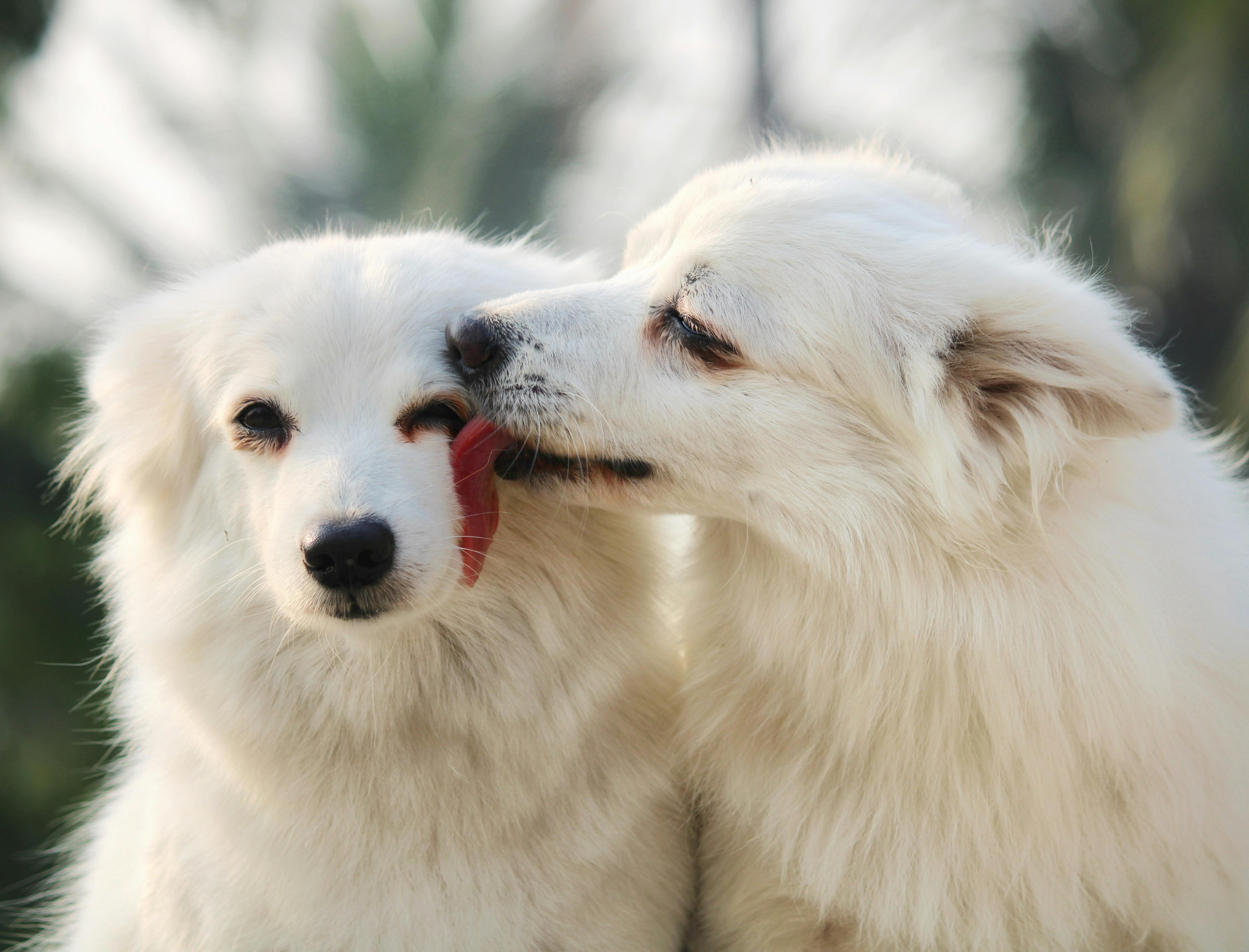
Have you ever watched a dog licking its nose and wondered, "Why do dogs lick their noses?" It's a common sight, but the reasons behind it are more fascinating than you might think. Dogs have wet noses for a variety of reasons, and it goes beyond just being cute. In fact, the moisture on a dog's nose plays a crucial role in their sense of smell. Let’s dive into the connection between wetness and scent, and uncover some captivating facts about our four-legged friends.
The Science Behind Wet Noses
Dogs' noses are typically moist, and this wetness helps them detect scents much better. The wetness on a dog's nose is primarily due to a thin layer of mucus that traps scent particles. Here's how it works:
- Enhanced Smell: The moisture in the nasal area helps dissolve scent particles, making it easier for dogs to identify various smells.
- Temperature Regulation: A wet nose can help dogs cool themselves down. Just like humans sweat, dogs can lose heat through their noses.
- Health Indicator: A wet nose is often considered a sign of a healthy dog. However, this isn't always the case, as some dogs may have dry noses and still be perfectly healthy.
Why Do Dogs Lick Their Noses?
So, back to that question – why do dogs lick their noses? There are several reasons, and they can range from instinctual behaviors to simple hygiene. Here are some key reasons:
- Instinctual Behavior: Dogs lick their noses to keep them clean. In the wild, this is crucial for survival as it helps them stay alert to potential dangers through scent.
- Taste and Smell: Dogs explore the world primarily through their noses and mouths. Licking their noses helps them gain information about their surroundings.
- Communication: A dog may lick its nose when feeling anxious or submissive. It’s a way of signaling to other dogs or humans that they mean no harm.
- Hygiene: Just like any other part of their body, dogs need to keep their noses clean. Licking helps remove dirt and debris.
Fascinating Facts About Dog Noses
Here are some interesting tidbits about dog noses that you might not know:
- Unique Patterns: Just like human fingerprints, every dog's nose print is unique. Scientists can actually use these patterns for identification.
- Scent Detection: Dogs have up to 300 million olfactory receptors in their noses, compared to about 5 million in humans. This makes their sense of smell incredibly powerful.
- Temperature Detection: A dog can sense temperature changes in the environment through their noses. This ability is useful in detecting food or even changes in human emotions.
- Wet vs. Dry Nose: A wet nose doesn't always indicate health. Some dogs naturally have drier noses, and it can change based on activity, temperature, or even health conditions.
The Importance of Nose Health
Maintaining your dog's nose health is important. If you notice any unusual changes in your dog's nose, it could be a sign of an underlying health issue. Here are some things to watch for:
- Cracks or Dryness: If your dog's nose appears cracked or excessively dry, it might require attention. It could be due to allergies, dehydration, or other health issues.
- Discoloration: A change in color could indicate infection or other health concerns.
- Excessive Licking: If your dog is licking its nose more than usual, it could be due to anxiety or a skin condition.
Comparison: Dog Noses vs. Human Noses
Here's a simple comparison that highlights the differences between dog noses and human noses:
| Feature | Dog Nose | Human Nose |
|---|---|---|
| Olfactory Receptors | 300 million | 5 million |
| Moisture Level | Typically wet | Varies; usually dry |
| Purpose | Scent detection, communication | Air filtration, smell |
| Unique Patterns | Yes (individual prints) | No |
Understanding why dogs lick their noses and the role of their wet noses can enhance our appreciation for these amazing companions. As you observe your dog, remember that their behaviors are often linked to their health and instincts.
Ultimately, whether they’re licking their noses out of curiosity or to keep it clean, it’s just another charming quirk that makes dogs so lovable.
How Dogs Use Their Wet Noses to Communicate: An Insight into Canine Behavior
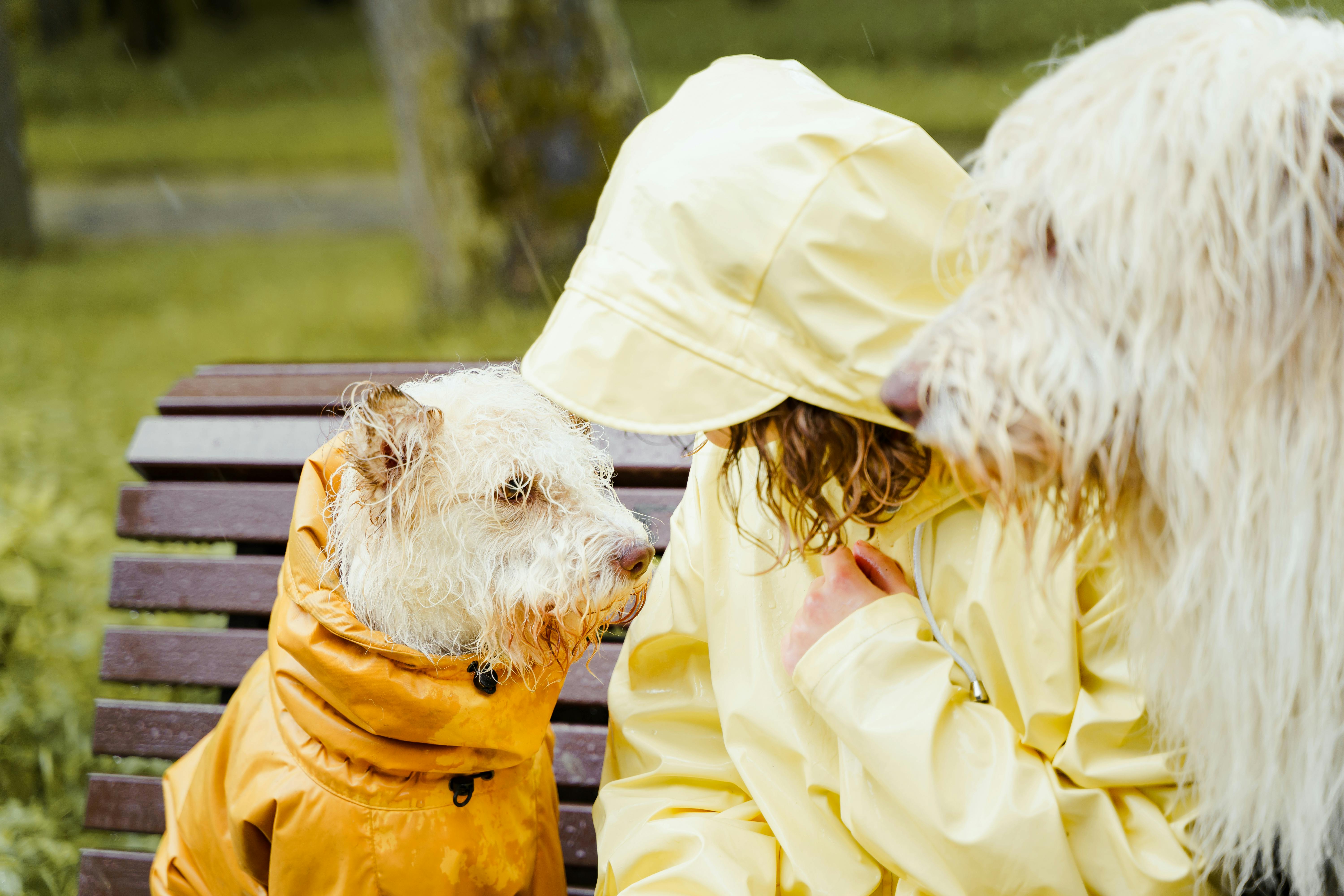
Dogs are often consider man's best friend, but have you ever wonder why they have wet noses? It’s a question many people ask, not just out of curiosity but also because those noses play a crucial role in how dogs communicate and interact with their world. Dogs use their wet noses for more than just sniffing; it's a fascinating insight into canine behavior that reveals much about their health, communication, and instincts.
Why Do Dogs Have Wet Noses?
The wetness of a dog’s nose is not just a random feature. It's actually related to several important functions. First, the moisture on a dog's nose helps to enhance their sense of smell. Dogs have an incredible olfactory system, and the wetness assists in trapping scent particles. When a dog sniffs, the moisture on their nose helps to adsorb the scents, making it easier for them to identify and interpret different smells. Here are some key points about why dogs have wet noses:
- Enhanced Smell: The moisture on the nose helps capture scent molecules.
- Temperature Regulation: Dogs sweat through their noses, helping to cool themselves.
- Health Indicator: A dog’s nose can indicate its health; a dry nose may suggest dehydration or illness.
How Dogs Use Their Wet Noses to Communicate
Dogs are very social animals, and their communication methods are often subtle and nuanced. One of the primary ways they express themselves is through their noses. Here are some ways dogs use their wet noses to communicate:
- Greeting: Dogs often greet other dogs or humans with a nose nudge. It's their way of saying "hello" and gathering information about the other party.
- Exploration: When a dog is curious about something, they will often approach it and give it a good sniff, using their noses to gather information.
- Comfort: Dogs may nuzzle their noses against their owners or other animals as a sign of affection or to seek comfort.
Fascinating Facts About Dogs' Noses
There’s so much more to a dog’s nose than just its wetness. Here are some interesting facts that might surprise you:
- Dogs Have More Olfactory Receptors: A dog has about 220 million olfactory receptors in their noses, compared to humans who only have about 5 million. This gives dogs a sense of smell that is 40 times better than ours.
- Wet Noses Can Be Temperature Sensitive: If a dog’s nose feels warm and dry, it could indicate that the dog is sick or dehydrated. But a wet nose doesn't always mean a healthy dog; it’s just one aspect of their overall health.
- Dogs Can Smell Emotions: Research suggests that dogs can actually smell human emotions. They may use their noses to discern if someone is happy, sad, or even stressed.
Historical Context of Dogs and Their Noses
Dogs have been companions to humans for thousands of years, and their noses have always played an important role in their interaction with the world. Historically, dogs were bred for specific tasks that required strong olfactory skills, such as hunting, herding, and search-and-rescue operations.
- Hunting Dogs: Breeds like Bloodhounds and Beagles were specifically bred for their exceptional sense of smell, enabling them to track scents over long distances.
- Service & Therapy Dogs: In modern times, dogs are trained to use their noses in various services, like detecting drugs, explosives, and even medical conditions such as diabetes or seizures.
Practical Tips for Dog Owners
As dog owners, it’s important to understand the significance of your dog’s nose. Here are some practical tips:
- Regular Vet Check-ups: Keep an eye on your dog's nose. If it suddenly becomes dry or starts cracking, consult a vet.
- Hydration: Always ensure your dog has access to fresh water to keep their nose and body hydrated.
- Encourage Exploration: Allow your dog to use their nose during walks. Let them sniff around safely to stimulate their mind.
Understanding how dogs communicate through their wet noses can deepen the bond between you and your furry friend. Their noses are not just cute features; they’re essential tools that help them understand and navigate their environment. Next time your dog nudges you with their wet nose, remember that it’s not just a sign of affection, but also a window into their world.
Wet Nose or Dry Nose: What’s Normal for Your Dog? A Comprehensive Guide
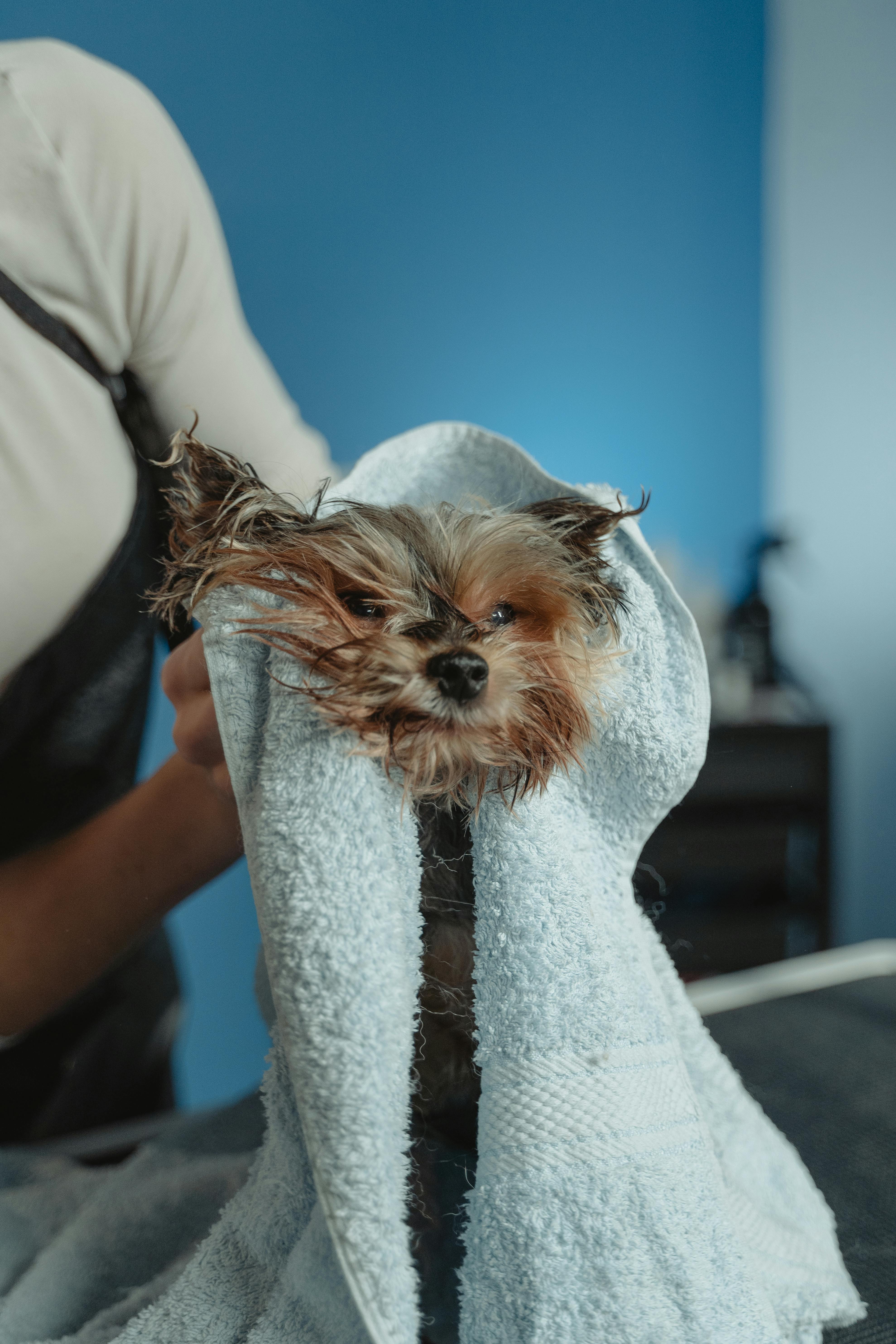
When you think of dogs, one of the first things that often comes to mind is their wet noses. But why is that? Is it normal for your dog to have a wet nose, or should you be worried if it's dry? In this guide, we shall dive into the fascinating world of dog noses, exploring why they are wet, what can be normal, and when you should be concerned.
The Science Behind Wet Noses
So, why do dogs have wet noses? Well, it’s not just for show. A dog’s nose is made up of a special tissue that secretes mucus. This mucus is important for a few reasons:
- Sense of Smell: A wet nose helps to enhance a dog’s sense of smell. The moisture on their nose can capture scent particles from the air, allowing dogs to identify smells better.
- Temperature Regulation: Dogs cannot sweat like humans do. Instead, their nose helps in cooling them off. When a dog’s nose is wet, it can help regulate their body temperature.
- Health Indicator: A wet nose is often a sign of a healthy, hydrated dog. If a dog’s nose is dry, it might be an indicator of dehydration or illness, though it’s not always the case.
What’s Normal: Wet vs. Dry Nose
The truth is, both wet and dry noses can be normal depending on various factors. Here’s a quick breakdown:
| Condition | Wet Nose | Dry Nose |
|---|---|---|
| Normal | Generally healthy and hydrated | Can be normal, especially when sleeping or waking up |
| Potential Issues | Rarely indicates health issues | May indicate dehydration, fever, or illness, but not always |
| Environmental | Often wetter in humid conditions | Can be dry due to heat or dry air |
Factors Influencing Nose Moisture
Many things can affect whether a dog’s nose is wet or dry. Here’s some common factors:
- Weather Conditions: Hot, dry weather can lead to a dry nose, while humid conditions often result in a wet nose.
- Activity Level: After playtime or exercise, a dog might have a drier nose due to panting and heat.
- Sleeping: When dogs sleep, their noses can dry out. It’s normal for a dog’s nose to be dry when they wake up.
- Health Status: Illnesses can affect nose moisture. For example, a dog with a cold might have a wetter nose, while one with a fever might have a dry one.
When to Worry About a Dog’s Nose
While both conditions can be normal, there are some signs to look out for. If your dog’s nose is dry and exhibits any of the following symptoms, consider consulting a veterinarian:
- Loss of Appetite: If your dog is not eating, it could be a sign of a health issue.
- Lethargy: If your dog is unusually tired or inactive, it could indicate a problem.
- Vomiting/Diarrhea: These are serious symptoms and should not be ignored.
- Persistent Dryness: If your dog’s nose remains dry for an extended period and doesn’t return to normal, it may need a checkup.
Fascinating Facts About Dog Noses
Dogs’ noses are not only wet—they are also amazing! Here are some intriguing facts:
- Unique Patterns: Just like human fingerprints, every dog has a unique nose print. This could potentially be used for identification!
- Scent Detection: Dogs have up to 300 million smell receptors in their noses, compared to about 6 million in humans. This makes their sense of smell 40 times better than ours!
- Temperature Sensitivity: Dogs can detect slight changes in temperature through their noses, which can be helpful in tracking down objects or even finding their owners.
Dog Nose Care
Taking care of your dog’s nose is important, even if it seems like a simple feature. Here are some tips:
- Hydration: Always ensure your dog has access to fresh water to keep them hydrated.
- Humidifiers: If your home is dry, consider a humidifier to maintain moisture in the air.
- Avoid Irritants: Keep your dog away from smoke, strong chemicals, and other irritants that may affect their nose.
Understanding your dog’s nose can help you know what’s normal and what’s not. A wet nose typically means your dog is healthy, while a dry nose can be a sign of various factors, from environmental conditions to health issues. Paying attention to these signs will help ensure your furry friend stays happy and healthy.
The Role of a Dog’s Wet Nose in Their Sense of Smell: Fascinating Facts Revealed
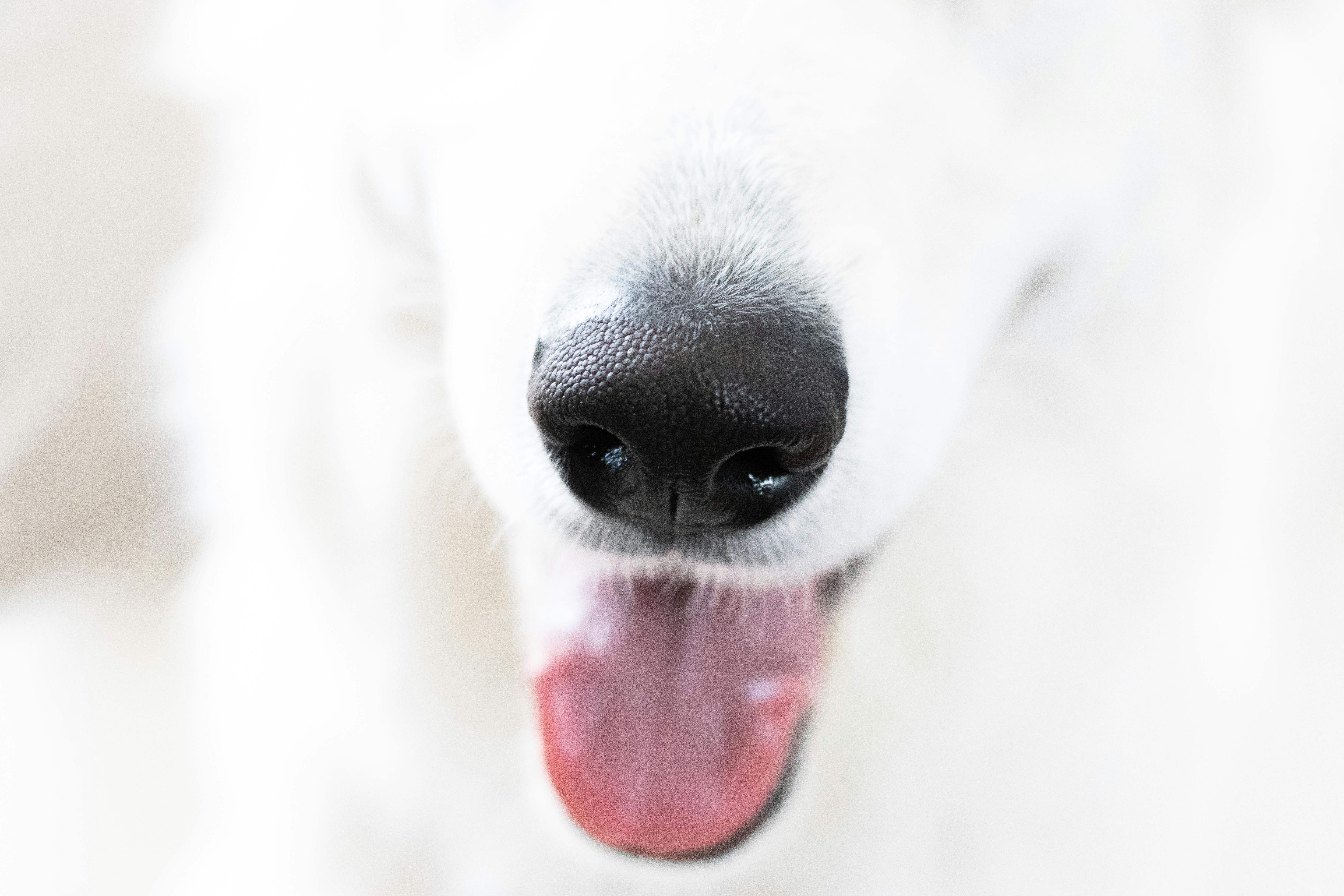
Dogs are known for their incredible sense of smell, and one intriguing aspect of that is their wet noses. Ever wondered why do dogs have wet noses? It turns out, there’s more to it than just a cute feature. Let's dive into some fascinating facts about the role of a dog’s wet nose in their sense of smell.
The Science Behind a Dog's Wet Nose
Dogs’ noses are not just wet for no reason. The moisture on a dog’s nose aids in their ability to detect scents. This is because the dampness helps to capture scent particles from the air. When a dog sniffs, the moisture on their nose absorbs these particles, which then bind to the scent receptors located in their nasal cavities. The more moisture, the better they can smell.
- Scent Receptors: Dogs have about 220 million scent receptors, compared to humans, who has only about 5 million. This means dogs can detect scents at incredibly low concentrations.
- Jacobsen's Organ: This is an extraordinary organ that allows dogs to process pheromones and other chemical signals. It’s located in the nasal cavity and works in conjunction with the wetness of their nose.
Historical Context of Dog’s Noses
Historically, dogs have been bred for specific purposes, many of which relies on their sense of smell. For example, hunting dogs were developed to track scents over long distances, while rescue dogs are trained to find missing people. The need for a keen sense of smell in these roles has led to the evolution of their wet noses which enhance their olfactory capabilities.
- Tracking: Bloodhounds, for instance, are known for their powerful noses, able to track scents days old.
- Search and Rescue: Dogs used in rescue operations rely heavily on their noses to find people trapped under debris.
Fascinating Facts About Dog's Wet Noses
- Temperature Regulation: A dog's wet nose helps cool them down. Dogs don’t sweat like humans do, so they use their noses to regulate body temperature.
- Health Indicator: A dog’s nose can also indicate their health. A dry nose might signal dehydration or illness, while a wet nose generally suggests good health.
- Communication Tool: Dogs use their noses to communicate. They often sniff each other to gather information about health, mood, and reproductive status.
Comparison with Human Smell
While humans rely on our sense of smell, it’s nowhere near as developed as a dog’s. Here’s a comparison of how we stack up:
| Feature | Dogs | Humans |
|---|---|---|
| Scent Receptors | ~220 million | ~5 million |
| Ability to Detect Scents | 10,000 to 100,000 times better | Limited sensitivity |
| Wet Nose Functionality | Enhances scent detection | Almost non-existent |
Practical Examples of How Dogs Use Their Noses
- Finding Food: Dogs are able to locate food sources from great distances thanks to their noses. Even a small drop of a scent can lead them straight to the source.
- Detecting Diseases: Some studies show that dogs can detect diseases like cancer or diabetes by smelling changes in a person's body chemistry, which can be reflected in body odor.
- Tracking People: Search and rescue dogs can find missing persons by following their unique scent trails, often leading to successful recoveries in disaster situations.
Why Do Dogs Have Wet Noses?
The question of why do dogs have wet noses has an answer that intertwines biology, evolution, and practical functionality. Their wet noses serve as a critical element in enhancing their sense of smell, regulating body temperature, and functioning as a communication tool.
Moreover, wet noses can mean more than just enhanced smell. It can also mean that your dog is feeling good and healthy. Remember that a healthy dog typically has a moist, cool nose.
In summary, dogs’ wet noses play a vital role in their extraordinary ability to smell, which is essential for their survival and functionality. Their noses are not just cute features; they are remarkable tools that showcase the incredible capabilities of man's best friend. Understanding why do dogs have wet noses not only helps us appreciate them more but also helps us understand their needs and behaviors better.
Can Weather Affect Your Dog’s Nose Moisture? Exploring Environmental Impact
Can Weather Affect Your Dog’s Nose Moisture? Exploring Environmental Impact, Why Do Dogs Have Wet Noses? Uncover Fascinating Facts Here!
Have you ever wondered why dogs got those wet noses? You might think it's just how they are, but there's actually more to it than meets the eye. A wet nose isn’t just a cute feature; it serves several important functions. And guess what? Weather can actually play a role in how moist your dog's nose is. Let’s dive in and explore the connection between weather, dog noses, and some fun facts along the way.
Why Do Dogs Have Wet Noses?
Dogs have wet noses for a few reasons. First off, moisture helps them smell better. A dog's sense of smell is around 40 times better than humans, and having a wet nose enhances this ability. Here's how:
- Improves Smell: The moisture traps scent particles, making it easier for dogs to pick up smells.
- Regulates Temperature: Dogs don’t sweat like humans do. They mainly cool off through panting, but a wet nose helps too.
- Health Indicator: A wet nose can also be a sign of good health. If a dog’s nose is dry all the time, it might be worth checking with a vet.
How Weather Affects Nose Moisture
Now, let’s talk about how different weather conditions can influence your dog’s nose moisture. You might be surprised at how much the environment can change things!
- Humidity: On humid days, you might notice your dog's nose stays wetter. The moisture in the air helps keep their nose moist.
- Cold Weather: In winter, the air tends to be drier, which can lead to a drier nose. If your dog’s nose becomes too dry, it might crack or peel.
- Heat: High temperatures can lead to dehydration, which might affect nose moisture. Always ensure your pup has plenty of water on hot days.
- Rain: When it rains, dogs often love to play outside. Wet conditions can keep their noses moist naturally.
Fascinating Facts About Dog Noses
Now that we covered how the weather can affect your dog's nose, here are some more intriguing facts about dog noses that you might not know:
- Dogs have around 300 million olfactory receptors in their noses, compared to about 6 million in humans.
- The part of the dog’s brain that processes smells is 40 times larger than that of a human.
- Each dog's nose has a unique print, just like human fingerprints.
- Dogs can actually smell certain diseases, like cancer, due to changes in body chemistry.
Environmental Impact on Dog Health
The environment can impact more than just your dog’s nose. Here are some ways environmental factors can affect overall health:
- Air Quality: Polluted air can lead to respiratory issues. Dogs are just as susceptible to bad air as humans.
- Temperature Extremes: Very hot or cold weather can lead to heat stroke or frostbite in dogs. Always monitor their comfort levels.
- Pollen and Allergens: Seasonal allergies can lead to dry noses and other health issues. If your dog’s nose gets excessively dry during certain months, it might be worth investigating.
Practical Tips for Dog Owners
Here are some easy and practical tips to help keep your dog's nose healthy:
- Hydrate: Always provide fresh water. It’s crucial, especially in hot weather.
- Check for Cracks: Regularly inspect your dog’s nose for any signs of dryness or cracking.
- Use Nose Balm: If your dog tends to have a dry nose, consider applying a pet-safe nose balm.
- Limit Time Outside: During extreme weather, limit how long your dog spends outside.
- Consult a Vet: If you notice persistent dryness or other concerns, don’t hesitate to contact your veterinarian.
In summary, your dog's nose serves as a window into their health and well-being. Understanding how weather affects your dog's nose moisture can help you keep your furry friend happy and healthy. So next time you see your dog with that classic wet nose, remember the vital role it plays, and take note of the environmental factors surrounding them. Your dog's nose is just one of the many ways they communicate their health and needs, so keep an eye on it!
Tips for Maintaining Your Dog’s Nose Health: Keep It Wet and Happy!
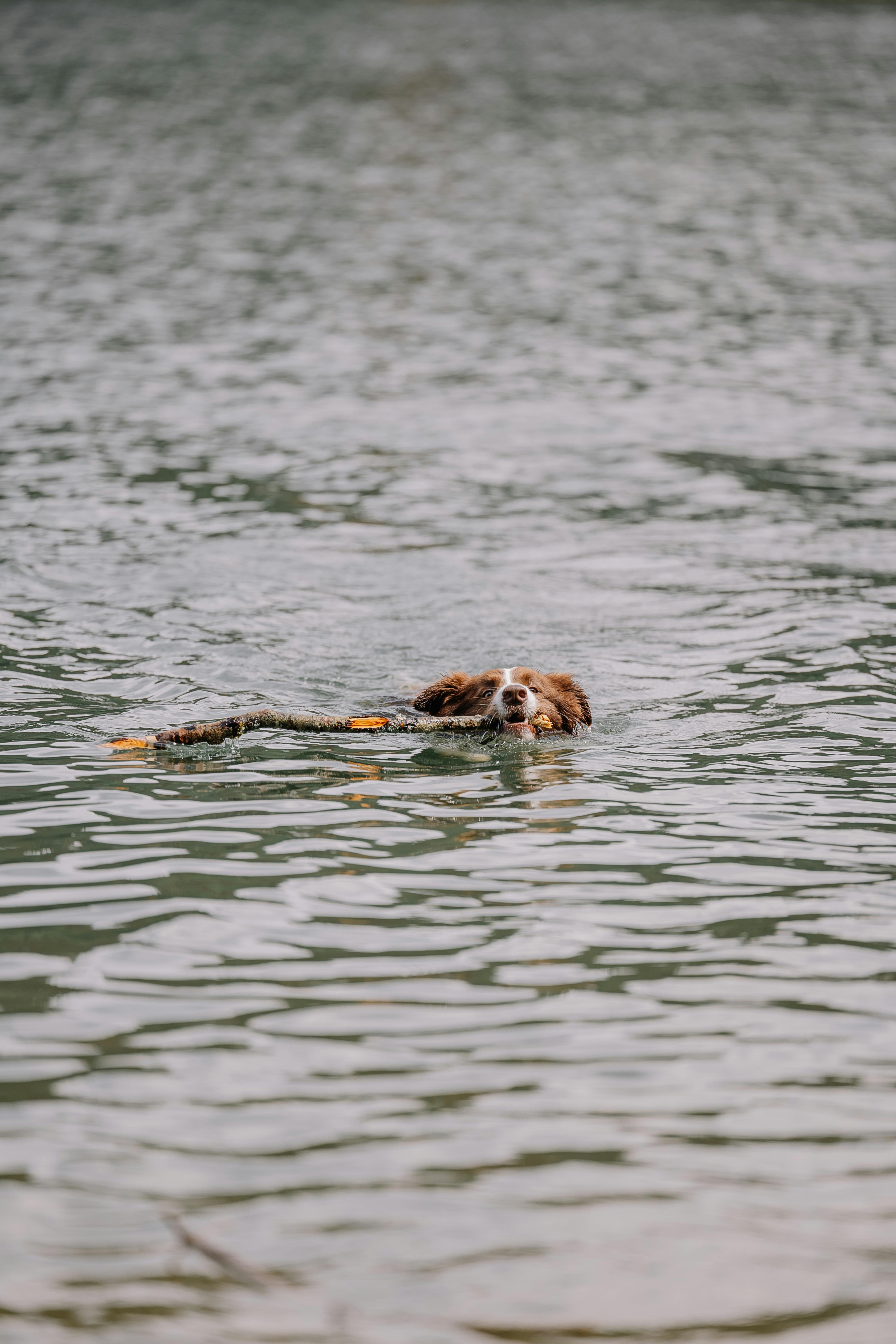
Dogs are often seen with their noses wet and shiny, but have you ever wondered why this is? It’s not just a quirky trait of man’s best friend. Understanding why do dogs have wet noses can give insights into their health and well-being. Let’s dive into some fascinating facts about dog noses and tips for maintaining their health, ensuring that they stay wet and happy!
Why Do Dogs Have Wet Noses?
Dogs’ noses are wet for several reasons, and it’s more than a cute feature. Some of the main reasons include:
Scent Enhancement: A wet nose helps dogs to smell better. The moisture on their nose captures scent particles more effectively, which is essential for their hunting instincts and navigating their environment.
Thermoregulation: Dogs don’t sweat like humans do. Their noses help them cool down. When a dog’s nose is wet, it can help to regulate their body temperature, especially after running or playing.
Health Indicator: A wet nose is often a sign that a dog is healthy. However, a dry or warm nose can indicate various health issues and should be monitored.
Historically, wet noses have been seen as a sign of vitality. In many cultures, dogs with moist noses were preferred as it was believed they were more alert and active.
Tips for Maintaining Your Dog’s Nose Health: Keep It Wet and Happy!
Keeping your dog’s nose healthy is important, and there’s several simple ways to ensure it stays in tip-top condition. Here are some helpful tips:
Hydration is Key:
- Always provide fresh water for your dog. Dehydration can lead to a dry nose. If you notice your dog is not drinking, consult a vet.
Regular Vet Check-ups:
- Regular visits to the veterinarian can help catch any potential issues early. They can assess your dog’s overall health, including nose conditions.
Avoid Irritants:
- Keep your dog’s environment clean. Dust, smoke, and strong chemicals can irritate their nose. Make sure they are in a well-ventilated area.
Weather Protection:
- Extreme weather can affect your dog’s nose. In cold weather, consider using dog-safe balms to protect it from cracking. In hot weather, keep your dog indoors or in shaded areas.
Nutrition Matters:
- A balanced diet is essential for overall health, which includes the nose. Omega fatty acids from fish oils can help keep their skin and nose moist.
Observe Changes:
- Look for changes in your dog’s nose. A sudden change in moisture, color, or texture can indicate health problems.
Understanding Nose Color and Texture
The texture and color of a dog’s nose can also tell a lot about their health. Here’s a simple guide:
- Normal: A wet, cool, and dark-colored nose is usually a sign of good health.
- Dry or Cracked: May indicate dehydration or potential allergies.
- Warm and Dry: Can be a sign of illness; check for other symptoms like lethargy or loss of appetite.
- Color Changes: If there’s a sudden change in color (like turning pink), it could signal an allergy or infection.
Fun Facts About Dog Noses
Unique Patterns: Just like human fingerprints, every dog has a unique nose print. Some organizations even use nose prints for identification!
Super Sense of Smell: Dogs have around 220 million scent receptors, compared to humans with about 5 million. This gives them an incredible ability to sniff out things.
Emotional Detection: Dogs can often sense human emotions through smell. They can detect changes in body chemistry when a person is sad or scared.
Nose Licking: Dogs lick their noses as a way to keep them moist and also to explore their environment. It’s their version of tasting the air!
Maintaining a dog’s nose health is a simple yet vital part of caring for them. By keeping your dog hydrated, monitoring their nose, and ensuring they have a healthy diet and lifestyle, you can help ensure they stay happy and well. Remember that a wet nose is not just a cute feature but a sign of a healthy and active dog. If you have any concerns about your dog’s nose or overall health, don’t hesitate to reach out to your veterinarian for guidance. Keeping your furry friend in great shape is worth every effort!
Conclusion
In conclusion, the wet noses of dogs serve several essential functions that enhance their health and well-being. The moisture helps with their sense of smell, allowing them to detect scents more effectively, as dogs possess a much higher olfactory sensitivity than humans. Additionally, a wet nose aids in thermoregulation, helping them stay cool in warmer temperatures. While a wet nose is often considered a sign of a healthy dog, it's important to note that variations can occur due to factors like hydration levels and environmental conditions. Ultimately, understanding the biological purpose of a dog's wet nose can deepen our appreciation for these loyal companions. If you notice any significant changes in your dog's nose or overall health, don’t hesitate to consult your veterinarian. Embrace the uniqueness of your furry friend, and cherish those moments of connection that come from understanding their natural behaviors.