Have you ever wondered, “Why do dogs have wet noses?” This intriguing question has puzzled pet owners and animal lovers alike. A dog’s nose isn’t just a cute feature; it serves important functions that can help us understand our furry friends better. Wet dog noses are not only a sign of health, but they also play a crucial role in their sense of smell. Curious about the science behind it? In this article, we will uncover the fascinating truth about dog’s noses and why they seem to be perpetually moist. Did you know that a dog's nose moisture helps them detect scents more effectively? This unique trait makes dogs exceptional at tracking and hunting. Plus, the temperature of a dog’s nose can even indicate their overall well-being. So, what makes a dog’s nose wet, and how does it benefit them? If you’re a dog owner or simply a dog enthusiast, understanding this aspect of canine biology could deepen your bond with your pet. Get ready to dive into the captivating world of dogs and discover some surprising facts that will leave you asking for more! Don’t miss out on learning about the mysteries of dog noses!
\n\nThe Science Behind Why Dogs Have Wet Noses: 5 Fascinating Facts You Didn't Know
\n\n \n\n
\n\nDogs are often called man's best friend, but have you ever wondered why their noses are wet? This is one of those charming traits that many people might take for granted. The truth is, there’s some pretty interesting science behind why dogs have wet noses, and it can reveal a lot about their health, behavior, and even their evolutionary history. So, let’s dive into five fascinating facts that might just surprise you.
\nThe Purpose of a Wet Nose
\nFirst off, why do dogs have wet noses at all? The moisture on a dog's nose serves several important functions. One of the most crucial reasons is that it helps them to smell better. The wet surface of their noses helps to trap scent particles. This increases the olfactory receptors' ability to detect odors. Dogs have an incredible sense of smell, estimated to be between 10,000 to 100,000 times more sensitive than humans. So, that little bit of moisture is actually a big deal!
\nTemperature Regulation
\nYou might think that dogs cool off primarily by panting, but their wet noses play a role in temperature regulation too. When a dog’s nose is wet, it can help to dissipate heat. This is similar to how sweating works in humans. The moisture on their noses evaporates, which can help lower their body temperature. This is especially important for breeds that are more prone to overheating.
\nHistorical Context
\nThe evolution of a wet nose is not just a random trait. Dogs descended from wolves, and the wet nose can be traced back to their ancestors. Wolves rely heavily on their sense of smell for hunting and finding food. Over generations, the wet nose trait became more pronounced in domesticated dogs as they adapted to living closely with humans. This characteristic likely aided in their ability to navigate and bond with their human companions.
\nHealth Indicator
\nA wet nose can also be an indicator of a dog’s health. It is often said that a healthy dog has a cool and moist nose. However, this isn't always a hard and fast rule. A dog can have a warm and dry nose but still be perfectly healthy. Changes in the moisture of a dog’s nose can indicate health issues. For instance, if a dog’s nose becomes excessively dry, cracks, or shows signs of discharge, it could be a sign of dehydration or illness. It's always wise to consult a vet if you notice significant changes.
\nFascinating Facts About Dog Noses
\nHere are some additional fascinating facts about dog noses that you probably didn’t know:
\n- \n
- Dogs have approximately 220 million olfactory receptors in their noses, compared to humans’ 5 million. \n
- The texture of a dog's nose is unique, just like a human fingerprint. \n
- Dogs can identify scents even when they are diluted to one part per trillion. \n
- The wetness of a dog's nose can vary based on the weather; they tend to be drier in cold or windy conditions. \n
- Dogs often lick their noses, which not only keeps them moist but also helps them taste the scents around them. \n
How to Keep Your Dog's Nose Healthy
\nJust like any part of their body, a dog's nose needs care. Here are some tips to keep your dog's nose healthy:
\n- \n
- Regularly check their nose for signs of dryness or cracking. \n
- Ensure your dog stays hydrated, especially in warm weather. \n
- If your dog spends a lot of time outdoors, consider using a dog-safe balm to protect their nose from the elements. \n
- Watch for any unusual changes in color or texture, and consult your veterinarian if you notice anything concerning. \n
A Unique Bond
\nThe wet nose of a dog is more than just a quirk; it’s a key part of their biology that enhances their interaction with the world. It allows them to explore their environment deeply and maintain a close bond with their human families. By understanding the science behind it, you can appreciate this adorable feature even more.
\nDogs are truly remarkable creatures, and their wet noses are just one of the many ways they show us how they are attuned to their surroundings. So next time you feel that moist nose nuzzle against your hand, remember all that it represents—the connection, the health, and the history of this beloved animal.
\n\nHow a Dog's Wet Nose Affects Their Sense of Smell: The Surprising Connection
\n\n \n\n
\n\nDogs are fascinating creatures, and their wet noses are one of the most curious aspects of their anatomy. Have you ever wondered why do dogs have wet noses? It's not just a quirky characteristic; there's actually a surprising connection between a dog's wet nose and their sense of smell. This article explores the reasons behind this unique feature, along with some interesting facts and insights into the canine sense of smell.
\nThe Science Behind a Dog's Wet Nose
\nWhen you think about a dog's nose, it might be easy to overlook its importance. A wet nose is more than just a cute trait; it's vital for their sense of smell. The moisture on their noses helps to capture scent particles from the environment. This is because scent molecules tend to stick to wet surfaces, making it easier for dogs to detect and identify different smells.
\n- \n
- Scent Detection: Dogs have around 220 million scent receptors in their noses, compared to about 5 million in humans. This means they can smell things at incredibly low concentrations. \n
- Moisture Absorption: The moisture on their noses absorbs these scent particles, allowing dogs to analyze smells more effectively. This enhances their ability to track scents and identify various odors. \n
Why Do Dogs Have Wet Noses?
\nSo, why do dogs have wet noses? It’s not just for show. Here are several key reasons:
\n- \n
- Enhanced Smell: As mentioned, wet noses absorb scent particles better than dry ones. \n
- Temperature Regulation: Dogs don't sweat like humans. Their wet noses help them cool down by evaporating moisture. \n
- Health Indicator: A dog's nose can indicate their well-being. A sudden change from wet to dry may signal health issues. \n
The Evolutionary Perspective
\nDogs are descendants of wolves, and their noses have evolved over time. In the wild, having a wet nose would be advantageous for hunting and survival. The ability to detect prey or predators through scent would have been essential.
\n- \n
- Survival Mechanism: Wet noses would help ancient dogs track scents over great distances, which would have been crucial for hunting. \n
- Pack Behavior: In a pack, having a keen sense of smell would help dogs communicate and locate each other. \n
The Role of the Nose in Dog Behavior
\nA dog's nose is not just a tool for smell; it plays a significant role in their behavior and interactions. Here’s how:
\n- \n
- Social Interactions: Dogs often greet each other by sniffing noses. This behavior provides essential information about the other dog's identity, health, and emotional state. \n
- Exploration: Dogs use their noses to explore their environment. Sniffing helps them understand their surroundings, making it a fundamental aspect of their daily life. \n
Fascinating Facts About Dog Noses
\nHere are some more interesting facts about dogs and their noses that you might not know:
\n- \n
- Unique Patterns: Just like human fingerprints, each dog has a unique nose print that can be used for identification. \n
- Scent Discrimination: Dogs can differentiate between similar scents. For example, they can distinguish between different types of food or even track a specific person’s scent. \n
- Heat Detection: Dogs can detect the heat emitted by prey, which can be a significant advantage when hunting. \n
Comparing Dog Noses to Human Noses
\nWhen you compare dog noses to human noses, the differences are astonishing. Here’s a simple comparison:
\n| Feature | \nDog Nose | \nHuman Nose | \n
|---|---|---|
| Scent Receptors | \n220 million | \n5 million | \n
| Wetness | \nUsually wet | \nUsually dry | \n
| Ability to Smell | \nExtraordinary | \nLimited | \n
| Function | \nHunting, communication | \nBreathing, tasting | \n
Practical Examples of Dog Nose Uses
\n- \n
- Search and Rescue: Dogs are trained to find missing persons or detect disasters due to their exceptional sense of smell. \n
- Medical Detection: Some dogs can detect diseases like cancer or diabetes by smelling changes in a person’s body chemistry. \n
- Detection Work: Police and military dogs use their noses to find drugs, explosives, or missing individuals. \n
Dogs’ wet noses are more than just an endearing feature; they play a vital role in how dogs experience and interact with the world. Their ability to smell far exceeds that of humans, thanks in large part to that wet nose. Understanding this connection helps us appreciate the unique capabilities of dogs and the fascinating biology behind their incredible sense of smell. So next time you see a dog with a wet nose, remember, it’s not just a cute quirk — it’s a powerful tool for survival and communication.
\n\n7 Reasons Why Your Dog’s Nose is Wet: Understanding Canine Biology
\n\n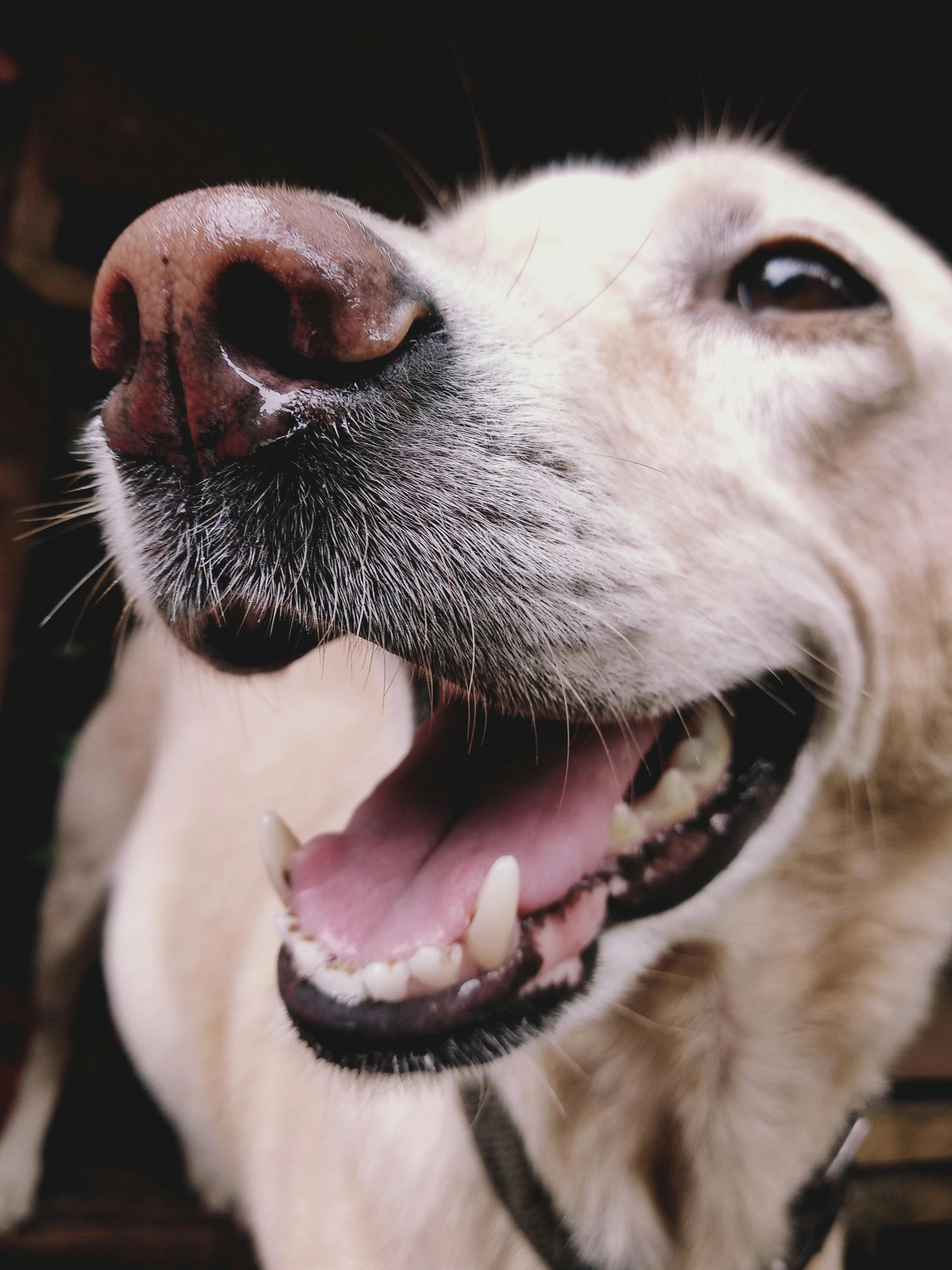 \n\n
\n\nHave you ever wondered why dogs noses are always wet? It’s one of those things that many people notice, but not everyone knows the reason behind it. Wet noses are a common characteristic of dogs, and it turns out there’s a fascinating biology at play. In this article, we will explore 7 reasons why your dog’s nose is wet and uncover the truth behind this intriguing canine feature.
\n1. Natural Cooling System
\nDogs do not sweat like humans do. Instead, they rely on their noses to help regulate body temperature. A wet nose assist in cooling down their body, especially on hot days. This moisture evaporates off the nose, which helps to lower their overall body temperature.
\n2. Enhanced Sense of Smell
\nOne of the most important reasons for a wet nose is that it helps to enhance a dog’s sense of smell. Dogs have a highly developed olfactory system and a wet surface on their nose captures scent particles. The moisture on their nose absorbs these particles, making it easier for them to detect smells. In fact, dogs have up to 300 million smell receptors compared to humans’ 5 million!
\n3. Health Indicator
\nA dog’s nose can be a significant indicator of its health. A healthy dog typically has a moist and cool nose. If your dog's nose becomes dry or excessively warm, it could be a sign of dehydration, fever, or other health issues. It’s always good to keep an eye on your pet's nose as part of routine health checks.
\n4. Behavioral Significance
\nDogs often wet their noses when they are excited or curious. You might notice your dog sniffing around or licking its nose more during these moments. This wetness can be a sign of engagement with their environment. For instance, when they encounter something new or interesting, they might moisten their nose to investigate better.
\n5. Grooming Habits
\nDogs groom themselves by licking their noses. This is a natural behavior that helps to keep their noses clean and moist. A dog's tongue is also moist, and when they lick their noses, they transfer that moisture back onto the surface. This is why you might see your dog licking its nose frequently.
\n6. Environmental Factors
\nThe humidity and temperature of the environment can play a role in how wet a dog's nose is. On humid days, noses may stay wetter longer, while in dry conditions, they might dry out. Dogs who spend time outdoors and are exposed to different weather conditions might have varying levels of moisture on their noses throughout the day.
\n7. Breed Differences
\nDifferent breeds can have different nose characteristics. For example, brachycephalic breeds (like Bulldogs and Pugs) may have different moisture levels compared to long-snouted breeds (like Greyhounds). This can affect how wet their noses feel. Some breeds might naturally have wetter noses due to their unique anatomy.
\nQuick Facts About Dog Noses
\n- \n
- Nose Prints: Just like human fingerprints, every dog's nose print is unique. \n
- Temperature Sensing: Dogs can sense changes in temperature through their noses, allowing them to detect heat sources. \n
- Licking Behavior: Dogs lick their noses as a way to stay informed about their surroundings. \n
Comparisons: Dogs vs. Humans
\nDogs rely heavily on their noses for many functions, unlike humans. Here’s a quick comparison:
\n| Feature | \nDogs | \nHumans | \n
|---|---|---|
| Smell Receptors | \nAbout 300 million | \nAbout 5 million | \n
| Nose Moisture | \nEssential for scent detection | \nN/A | \n
| Cooling Method | \nEvaporation from the nose | \nSweating through skin | \n
Understanding why do dogs have wet noses is more than just a quirky characteristic. It’s rooted in their biology, behavior, and health. Each of these reasons illustrates how unique and fascinating dogs are.
\nSo next time you pet your dog and feel that wet nose, remember all the important functions that little feature serves. From cooling to enhanced sensing, a dog’s wet nose is a small but significant part of their overall well-being. Embrace your dog’s wet nose, and appreciate the wonders of canine biology!
\n\nThe Importance of a Wet Nose in Dogs: What It Means for Their Health
\n\n \n\n
\n\nDogs are not just man's best friend; they are also fascinating creatures. One of the most intriguing features about dogs is their wet noses. Many dog lovers often wonder, "Why do dogs have wet noses?" This article explores the importance of a wet nose in dogs, what it means for their health, and the scientific reasons behind it.
\nThe Science Behind Wet Noses
\nFirstly, wet noses in dogs are not just an adorable feature; they serve several significant purposes. A dog's nose is covered in a thin layer of moisture, primarily due to the mucus produced by the nasal glands. This moisture helps enhance their sense of smell, which is already vastly superior to that of humans. Here are some reasons why a wet nose is beneficial:
\n- \n
- Enhanced Scent Detection: The moisture helps to capture scent particles. When sniffing, the wet surface traps more odors, making it easier for dogs to identify scents. \n
- Thermoregulation: Dogs do not sweat like humans. Instead, they often pant to cool down, but their moist noses also play a role in regulating temperature. \n
- Health Indicators: A wet nose can be a sign of a healthy dog. When a dog is sick or dehydrated, their nose may become dry. \n
Historical Context of the Wet Nose
\nHistorically, the wet nose has been a topic of interest. Ancient civilizations believed that a dog’s nose was a reflection of its temperament and health. In some cultures, a wet nose was seen as a sign of vitality, while a dry nose could indicate illness. This belief has been passed down through generations, leading many dog owners to monitor their pets' nose conditions closely.
\nCommon Misconceptions
\nMany people have misconceptions about the significance of a dog’s wet nose. Here are some common myths debunked:
\n- \n
- Myth 1: A wet nose means a dog is sick.
- \n
- Reality: A wet nose is usually a sign of good health, but changes in moisture can indicate illness. \n
\n - Myth 2: All dogs have wet noses.
- \n
- Reality: Some breeds, like bulldogs, may have drier noses due to their unique facial structures. \n
\n - Myth 3: A dog's nose should always be wet.
- \n
- Reality: It's normal for a dog’s nose to be dry at times, especially after sleeping. \n
\n
Practical Examples of Nose Health
\nMonitoring your dog’s nose can be a simple way to gauge their overall health. Here’s a quick guide on what to look for:
\n- \n
- Normal: Slightly moist, cool to the touch, and not cracked. \n
- Dry and Cracked: Could indicate dehydration or a health issue. \n
- Excessively Wet: May suggest a respiratory infection or allergies. \n
- Discolored or Unusual Texture: Can be a sign of a skin condition or other health concerns. \n
Quick Facts About Dogs’ Noses
\n- \n
- Dogs have up to 300 million smell receptors; humans have about 5 million. \n
- The size of a dog’s nose can indicate its ability to smell better; larger noses generally mean better scent detection. \n
- Dogs can detect certain diseases through their sense of smell, including cancer and diabetes. \n
The Role of Breed in Nose Moisture
\nNot all dogs have the same type of noses. Here’s a brief comparison of how different breeds may exhibit variations in nose moisture:
\n| Breed | \nTypical Nose Condition | \nScent Detection Ability | \n
|---|---|---|
| Labrador | \nGenerally moist | \nExcellent | \n
| Bulldog | \nOften drier | \nGood | \n
| Dachshund | \nMoist and cool | \nVery good | \n
| Chihuahua | \nCan be dry | \nModerate | \n
Conclusion
\nUnderstanding why dogs have wet noses is crucial for every dog owner. Not only does it help in monitoring your dog's health, but it also allows you to appreciate the fascinating biology behind your canine companion. While a wet nose is a sign of health most of the time, it’s important to remember that changes in moisture can indicate potential health issues. Always keep an eye on your furry friend, and consult your veterinarian if you notice anything unusual. The wet nose is just one of the many remarkable features that make dogs such unique and beloved pets.
\n\nIs a Wet Nose a Sign of a Healthy Dog? Debunking Common Myths
\n\n \n\n
\n\nIs a Wet Nose a Sign of a Healthy Dog? Debunking Common Myths, Why Do Dogs Have Wet Noses? Uncover the Fascinating Truth!
\nWhen we think about our furry friends, their wet noses often come to mind. Many dog owners believe that a wet nose indicates a healthy pup. But is that really true? Let’s dive into this topic, debunk some myths, and investigate why dogs have wet noses in the first place.
\nThe Myths Surrounding Wet Noses
\nThere are quite a few misconceptions about the significance of a dog's wet nose. Here are some of the most common myths:
\n- \n
- \n
Myth 1: Wet Nose Equals Healthy Dog
\n
\nMany people assume that if their dog’s nose is wet, they must be in perfect health. However, a dog's nose can be wet or dry for several reasons, not all of which indicate health. \n - \n
Myth 2: All Dogs Have Wet Noses
\n
\nNot every dog has a consistently wet nose. Some breeds, like Bulldogs or Shih Tzus, might have drier noses more often due to their facial structure. \n - \n
Myth 3: A Warm Nose Means a Sick Dog
\n
\nA warm nose doesn't automatically mean a dog is sick. Dogs can have varying temperatures in their noses throughout the day. \n
Why Do Dogs Have Wet Noses?
\nWet noses serve several purposes that go beyond just appearance. Here’s a breakdown of why dog noses are often damp:
\n- \n
- \n
Temperature Regulation
\n
\nDogs lack sweat glands like humans do, so they rely on their noses to cool down. The moisture helps to evaporate, which cools their body temperature. \n - \n
Enhanced Sense of Smell
\n
\nA wet nose captures scent particles better than a dry one. When they sniff, the moisture allows for a more effective way to pick up aromas, enhancing their sense of smell. \n - \n
Communication
\n
\nDogs often use their noses to gather information about their environment and other animals. A wet nose can indicate mood or health status to other dogs. \n
How to Tell if Your Dog is Healthy
\nWhile a wet nose can sometimes indicate health, it's not the only sign. Here are some key indicators of a healthy dog:
\n- \n
- Energy Levels: A healthy dog is usually active and playful. \n
- Appetite: They should have a regular and consistent appetite. \n
- Behavior: Look for signs of happiness and engagement with their surroundings. \n
- Coat Condition: A shiny and clean coat is often a sign of good health. \n
- Eyes and Ears: Clear eyes and clean ears are important indicators. \n
Comparing Wet Noses and Dry Noses
\nTo better understand how the state of a dog's nose can vary, here’s a simple comparison:
\n| Condition | \nWet Nose | \nDry Nose | \n
|---|---|---|
| Health Indicator | \nNot always a direct sign | \nDoes not necessarily mean sickness | \n
| Temperature | \nCooler than the rest of the body | \nCan be warmer or cooler | \n
| Humidity Levels | \nMore common in humid conditions | \nCan occur in dry weather | \n
| Breed Differences | \nSome breeds have wetter noses | \nSome breeds naturally have drier noses | \n
Practical Tips for Dog Owners
\nHere are some practical tips to ensure your dog's nose is healthy, whether it’s wet or dry:
\n- \n
- Regular Vet Check-ups: Regular vet visits helps to catch any health issues early. \n
- Hydration: Ensure your dog stays well-hydrated, especially in hot weather. \n
- Watch for Changes: Monitor for any sudden changes in nose moisture or overall behavior. \n
- Grooming: Regular grooming can help maintain their coat and skin health. \n
Final Thoughts
\nSo, is a wet nose a sign of a healthy dog? It's not as straightforward as it seems. While a wet nose can be a good sign, it shouldn't be the only metric you use to assess your dog's health. Dogs’ noses can change due to various factors, and understanding the full picture is crucial. Paying attention to other health indicators and consulting with your veterinarian regularly is the best way to ensure your canine companion stays happy and healthy.
\n\nWhy Do Dogs Have Wet Noses? Exploring the Evolutionary Benefits
\n\n \n\n
\n\nDogs are one of the most popular pets in the world, and people love them for many reasons. One thing that often fascinates dog owners and lovers alike is why do dogs have wet noses? It kind of seems odd, doesn't it? But there’s actually a good reason behind this. Let's explore the evolutionary benefits of those wet noses and uncover some fascinating truths about them.
\nThe Science Behind Wet Noses
\nWet noses are not just a quirky trait; they serve important functions. The moisture on a dog’s nose helps them smell better. Dogs have a highly developed sense of smell, which is estimated to be between 10,000 to 100,000 times more sensitive than humans. The wetness on their noses captures scent particles from the air, making it easier for them to identify scents. This ability is essential for various reasons including hunting, finding food, and communicating with other dogs.
\nEvolutionary Benefits of Wet Noses
\nThe evolution of dogs and their wet noses can be traced back to their ancestors. Wolves, the ancestors of modern dogs, had wet noses too. This trait likely developed as a survival mechanism. Here are some evolutionary benefits:
\n- \n
- Enhanced Smell: Wet noses increase the ability to detect pheromones and other scent signals. \n
- Thermoregulation: Dogs can regulate their body temperature through their noses. When they pant, the moisture evaporating from their noses cools them down. \n
- Communication: Dogs use their noses to communicate; a wet nose can indicate curiosity, excitement, or even submission. \n
Historical Context of Dog Noses
\nDogs have been companions to humans for thousands of years. The domestication of dogs began around 20,000 to 40,000 years ago. Historical evidence suggests that early humans benefited from the hunting abilities of dogs, and in return, dogs received food and shelter. Over time, traits like wet noses became prominent due to their advantages in survival and companionship.
\nWhat Makes a Dog's Nose Wet?
\nThe moisture on a dog's nose comes from several sources:
\n- \n
- Mucus Production: Dogs produce mucus that helps keep their noses moist. This mucus is crucial for scent detection. \n
- Saliva: When dogs lick their noses, they are adding moisture, which enhances their ability to smell. \n
- Environmental Factors: Humidity and temperature can also affect how wet a dog's nose is. A dog’s nose may feel dryer in hot or dry conditions. \n
Common Misconceptions About Dog Noses
\nMany people may think a dry nose means a dog is sick, but that’s not always the case. Here are some common misconceptions:
\n- \n
- A Wet Nose Means Healthy: While a wet nose is often a sign of a healthy dog, it’s not the sole indicator. Dogs can have dry noses and still be perfectly fine. \n
- Dogs Sweat Through Their Noses: Unlike humans, dogs don’t sweat through their noses. They primarily cool off by panting. \n
- All Dogs Have Wet Noses: Some breeds may naturally have drier noses, and this can be normal for them. \n
A Closer Look: Dogs' Sense of Smell Compared to Humans
\nTo understand the significance of a wet nose, it helps to compare dogs' and humans' sense of smell. Here’s a simple breakdown:
\n| Characteristic | \nDogs | \nHumans | \n
|---|---|---|
| Number of Olfactory Receptors | \nApprox. 300 million | \nAbout 5 million | \n
| Sensitivity to Scents | \n10,000 – 100,000 times better | \nStandard human level | \n
| Ability to Detect Pheromones | \nHighly developed | \nLimited | \n
Practical Examples: How To Care for Your Dog’s Nose
\nKeeping your dog’s nose healthy is important. Here are some practical tips:
\n- \n
- Hydration: Make sure your dog drinks enough water. Hydration can affect nose moisture. \n
- Licking: If your dog licks their nose a lot, it could be a sign of something. Monitor for changes. \n
- Environmental Checks: Be cautious of extreme weather. Protect your dog’s nose from sunburn or cracking in cold weather. \n
Fun Facts About Dogs and Their Noses
\nDid you know that dogs have unique nose prints, just like human fingerprints? Each dog’s nose has a distinct pattern of ridges and creases. This unique feature can actually be used to identify them. Moreover, dogs can also detect certain diseases like cancer through their sense of smell, thanks to their sensitive noses.
\nSo, why do dogs have wet noses? It’s not just for show; it’s a fascinating evolutionary trait that enhances their sense of smell and helps them communicate. Whether you’re a dog owner or just a fan, understanding this unique characteristic can help you appreciate our furry friends even more. A wet nose is more than just a cute feature; it's essential for their health, communication, and survival.
\n\nThe Role of Temperature Regulation: How Wet Noses Help Dogs Stay Cool
\n\n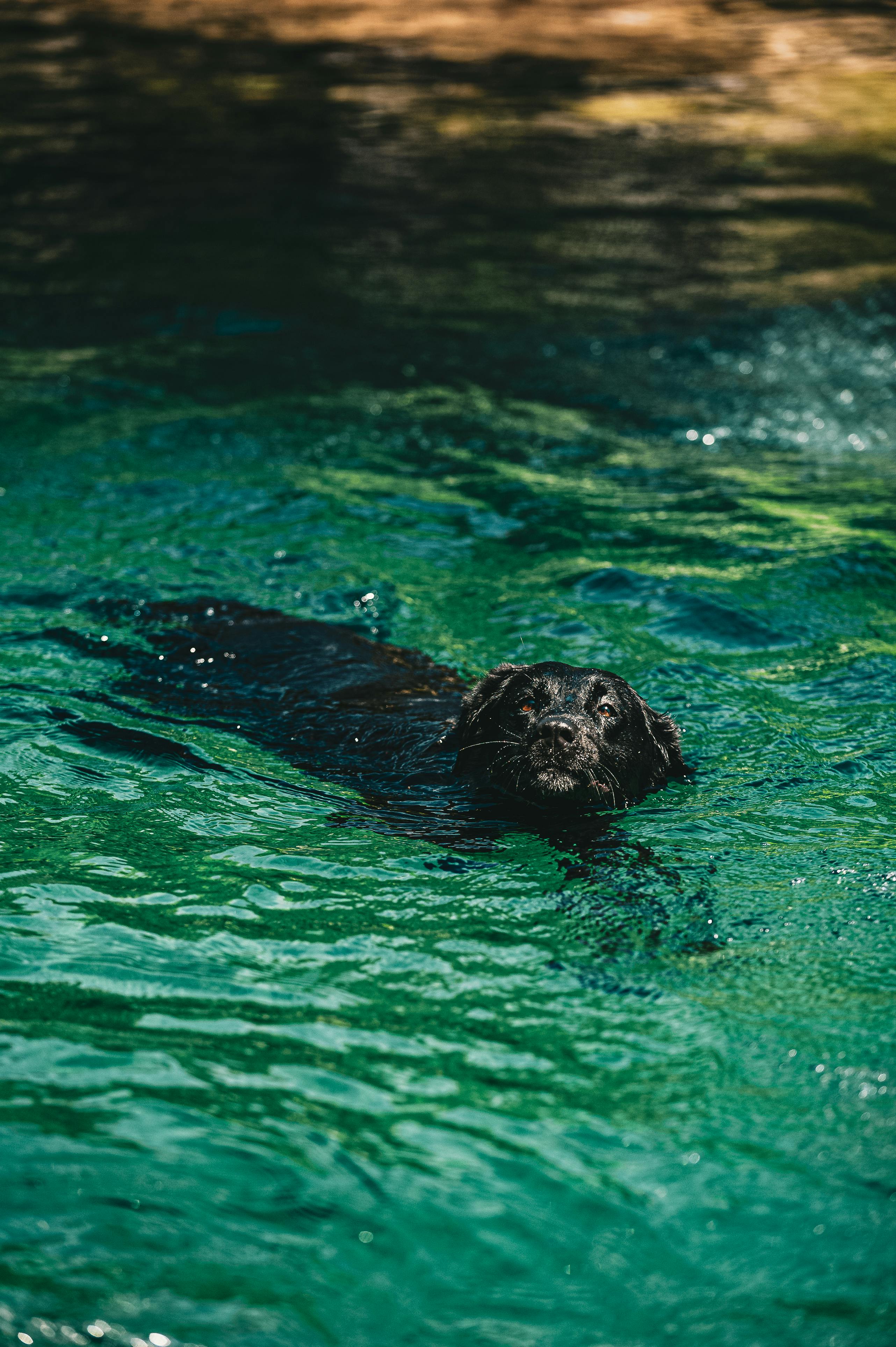 \n\n
\n\nWhen you think of dogs, one of the first things that comes to mind might be their soft fur, playful antics, or if you’re like most people, their adorable wet noses. But have you ever stop to wonder, why do dogs have wet noses? It turns out, there’s a fascinating reason behind this unusual characteristic. Dogs noses are more than just cute; they play a vital role in helping our furry friends regulate their body temperature. Let’s dive into the science and biology behind this intriguing aspect of canine anatomy.
\nThe Science Behind Wet Noses
\nDogs’ noses are wet due to a thin layer of moisture that covers the surface. This moisture is primarily made up of sweat and mucus. But why is this important? Wet noses serve several critical functions, which includes:
\n- \n
- Temperature Regulation: Just like humans sweat to regulate temperature, dogs utilize their wet noses to cool down. The moisture evaporates, which helps to lower their body temperature. \n
- Enhanced Sense of Smell: A wet nose is more effective at trapping scent particles in the air. This is why dogs have such an incredible sense of smell; their noses are designed to be sensitive and efficient. \n
- Health Indicators: The condition of a dog’s nose can indicate their health. A dry or cracked nose may signal dehydration or illness, while a cool, moist nose often means they are healthy. \n
How Dogs Stay Cool
\nHave you ever notice how dogs seem to pant when they are hot? Panting is another way dogs cool themselves. But it’s not the only method. Here’s how temperature regulation works:
\n- \n
- Panting: Dogs breathe rapidly through their mouths, which helps to evaporate moisture from their tongues and respiratory tract. \n
- Wet Noses: As discussed, a wet nose helps cool them down through evaporation. \n
- Seeking Shade: Dogs will often find a cool, shaded area to rest when they get too hot. \n
- Laying on Cool Surfaces: You might see your dog lying on tile floors or cool grass. This behavior helps them stay comfortable in hotter weather. \n
Interesting Facts About Dog Noses
\nDid you know that a dog’s sense of smell is estimated to be between 10,000 to 100,000 times more acute than that of humans? Here’s some more fascinating trivia about dog noses:
\n- \n
- Unique Nose Prints: Just like human fingerprints, every dog has a unique nose print. This can even be used for identification! \n
- Breeds and Nose Temperature: Some breeds, like bulldogs, can have a harder time regulating temperatures because of their short snouts, leading to more reliance on their wet noses. \n
- Color Matters: The color of the nose can change with temperature. In warmer weather, a dog’s nose may become darker due to expanded blood vessels. \n
The Evolutionary Advantage
\nWhy do dogs have wet noses anyway? Evolutionarily speaking, wet noses may have offered several advantages. For example:
\n- \n
- Hunting: Wet noses may have helped their ancestors track prey more effectively by picking up scents. \n
- Social Interactions: Dogs often greet each other by sniffing. A wet nose enhances their ability to gather information about other dogs, aiding in social interactions. \n
- Survival: Keeping cool helps dogs avoid overheating, increasing their chances of survival in various environments. \n
Caring for Your Dog’s Nose
\nTo keep your dog healthy, it’s important to routinely check their noses. Here’s what to look out for:
\n- \n
- Moisture Levels: A healthy dog nose should generally be cool and moist. If it’s consistently dry, it may be time to consult a veterinarian. \n
- Cracks or Sores: These can signal allergies, infections, or other health issues that may require attention. \n
- Color Changes: If you notice a sudden change in color, it could indicate an underlying health problem. \n
Quick Tip List
\n- \n
- Always provide fresh water for your dog. \n
- Keep them indoors during extreme heat. \n
- Schedule regular vet check-ups to monitor health. \n
Understanding the role of temperature regulation and why do dogs have wet noses can be fascinating and beneficial for any dog owner. Not only does it help you appreciate your pet more, but it also arms you with the knowledge to take better care of them. Dogs communicate through their senses, and their noses are a key part of that communication. So, next time you see your dog with that adorable wet nose, remember the science behind it! It’s not just an endearing feature; it’s a crucial part of their health and survival.
\n\nWet Noses and Dog Communication: What Your Pup is Telling You
\n\n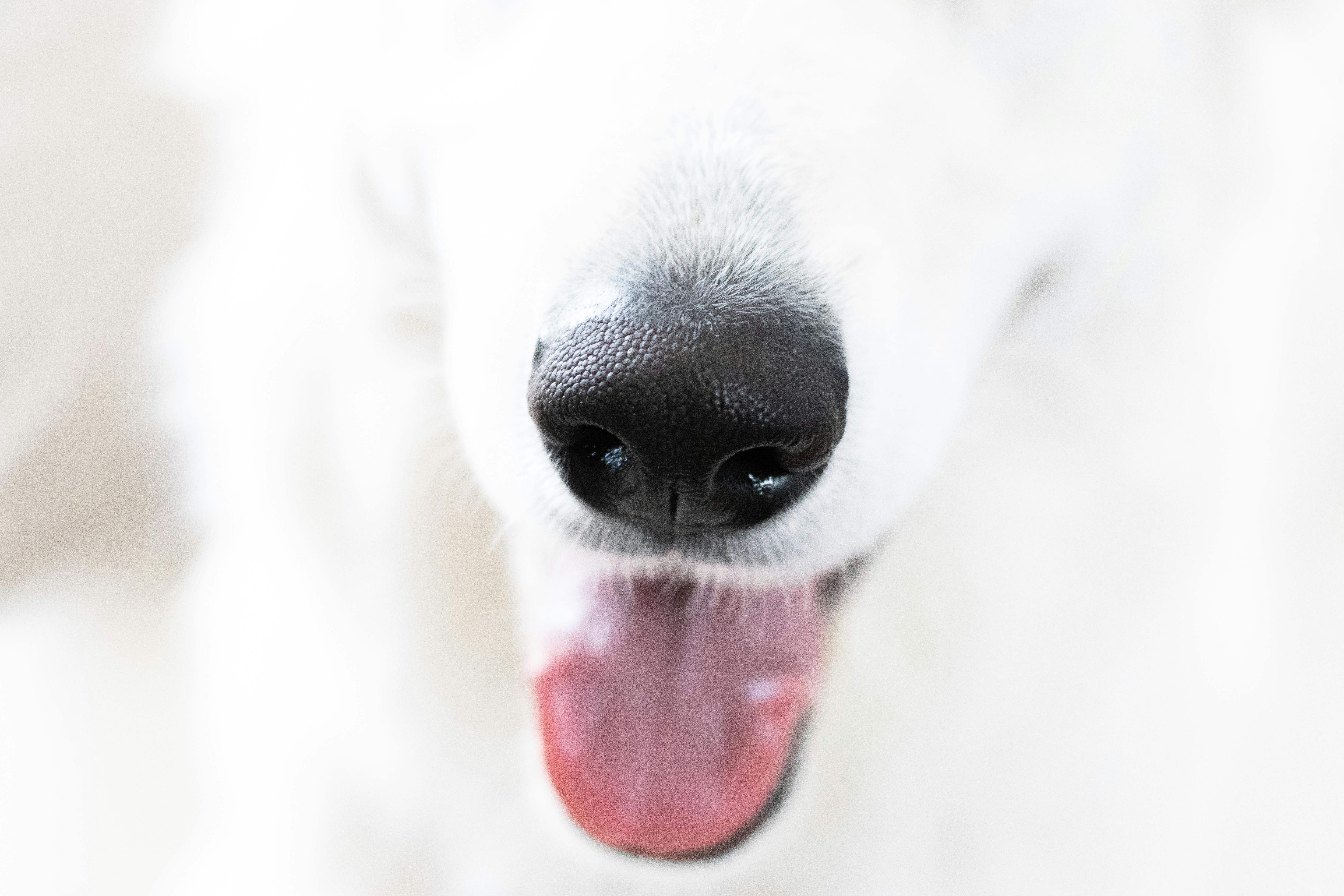 \n\n
\n\nWet noses is one of the many delightful characteristics of dogs. But have you ever wondered why do dogs have wet noses? This seemingly simple feature is not just for show; it plays a crucial role in how your furry friend communicates and interacts with the world around them. In this article, we will uncover the fascinating truth behind wet noses and what your pup is telling you.
\nThe Science Behind Wet Noses
\nDogs noses are wet for several reasons. First, it's important to understand that a dog's sense of smell is their most powerful tool. Did you know that a dog's sense of smell is between 10,000 to 100,000 times more sensitive than humans? This incredible ability allows them to detect scents that are imperceptible to us. A wet nose helps enhance this remarkable sense.
\nHere's how it works:
\n- \n
- \n
Moisture absorbs scent particles: The wetness on a dog's nose helps them capture more scent molecules. This is why they sniff around so much. When they sniff, the moisture on their nose absorbs the scent, making it easier for them to identify different smells.
\n \n - \n
Temperature regulation: Dogs do not sweat like humans do. Instead, they rely on their noses to help regulate their body temperature. When a dog pants, moisture evaporates from their nose, helping to cool them down.
\n \n - \n
Health indicator: A wet nose is often viewed as a sign of a healthy dog. Conversely, a dry nose can indicate dehydration or illness. However, it’s important to remember that noses can vary in moisture levels throughout the day.
\n \n
What Your Dog is Telling You Through Their Nose
\nDog communication is a complex language of body signals, vocalizations, and yes, even their noses! A dog's wet nose can convey several messages. Here are a few things your pup might be trying to tell you:
\n- \n
- \n
Excitement: When a dog is thrilled, their nose might feel especially moist. This can happen when they see you after you've been gone for a while or when they anticipate playtime.
\n \n - \n
Curiosity: If your dog is sniffing around a new object or person, their wet nose is working hard to gather information about their surroundings.
\n \n - \n
Affection: Dogs often nuzzle or nudge their noses against you as a sign of love and affection. This action can be accompanied by a wet nose, which can be a doggy kiss!
\n \n
Wet Nose vs. Dry Nose: What’s Normal?
\nIt's common for dog owners to worry about their pet's health based on the moisture level of their noses. But wet and dry noses can both be normal, depending on the situation. Here’s a quick comparison:
\n- \n
- \n
Wet Nose:
\n- \n
- Usually indicates a healthy dog. \n
- Often feels cool to the touch. \n
- Great for detecting scents. \n
\n - \n
Dry Nose:
\n- \n
- Can be normal, especially after sleeping. \n
- May be warm to the touch. \n
- If persistent, could indicate dehydration or illness. \n
\n
Historical Context of Dog Noses
\nThroughout history, dogs have been valued for their keen sense of smell. Ancient civilizations utilized dogs for hunting and tracking because of their ability to pinpoint scents. There are many breeds that have been specifically developed for these characteristics, like Bloodhounds and Beagles. Interestingly, the phrase "wet nose, warm heart" has been around for centuries, highlighting the bond between humans and dogs.
\nFun Facts About Dog Noses
\n- \n
- Dogs have unique nose prints, just like human fingerprints. \n
- A dog’s nose can detect certain diseases, including cancer and diabetes. \n
- Dogs can even smell emotions, which is why they often comfort people who are sad. \n
Tips for Keeping Your Dog's Nose Healthy
\nMaintaining your dog’s health is essential. Here are some simple steps to ensure that your pup’s nose stays in good shape:
\n- \n
- \n
Hydration: Make sure your dog has access to fresh water at all times. Hydration is key for a moist nose.
\n \n - \n
Regular Vet Checkups: Routine visits to the vet can help identify any potential health issues early on.
\n \n - \n
Watch for Changes: Pay attention to any sudden changes in your dog's nose texture or moisture level.
\n \n
Understanding why do dogs have wet noses is just the beginning. When you observe your dog's nose, remember that it is not just a cute feature; it's an essential part of their sensory toolkit and communication methods. By learning to interpret these signals, you can strengthen the bond with your furry companion and ensure they are happy and healthy. The next time you feel that wet nose nudge against you, take a moment to appreciate the fascinating world of dog communication!
\n\nTips for Keeping Your Dog's Nose Healthy: 5 Essential Care Practices
\n\n \n\n
\n\nKeeping your dog's nose healthy is more important than you might think. A dog's nose is not just cute; it plays a critical role in their overall health. In this article, we'll explore essential care practices for maintaining your dog’s nose, delve into why dogs have wet noses, and reveal some fascinating facts behind this characteristic.
\nTips for Keeping Your Dog's Nose Healthy: 5 Essential Care Practices
\n- \n
- \n
Regular Cleaning
\n
\nJust like other parts of your dog, their nose can get dirty. Wipe your dog’s nose gently with a damp cloth. This helps remove dirt or allergens that could irritate their sensitive skin. It's best to do this once a week, or more if your dog enjoys exploring outside. \n - \n
Hydration is Key
\n
\nKeeping your dog hydrated is vital for their overall health, including their nose. When dogs are dehydrated, their noses can become dry or cracked. Make sure your dog has access to fresh, clean water at all times. \n - \n
Monitor for Changes
\n
\nKeep an eye on your dog’s nose. If you notice any significant changes like excessive dryness, bleeding, or unusual bumps, it may be time to consult your veterinarian. These could be signs of underlying health issues that need immediate attention. \n - \n
Avoid Allergens
\n
\nDogs can have allergies just like humans can. Common allergens include pollen, dust, and certain foods. If you notice your dog sneezing frequently or having a runny nose, it might be an allergic reaction. Consult your vet for possible allergy testing and management strategies. \n - \n
Protect from Extreme Weather
\n
\nJust like humans, dogs can suffer from sunburn on their noses. If you live in a hot climate, consider using pet-safe sunscreen on your dog's nose, especially if they have light-colored fur. In winter, ensure that their nose doesn't get too dry from cold weather; a bit of coconut oil can help keep it moisturized. \n
Why Do Dogs Have Wet Noses? Uncover the Fascinating Truth!
\nDogs have wet noses for several reasons, and it’s more than just a cute trait. Here are some interesting facts about why a dog's nose is often wet:
\n- \n
- \n
Temperature Regulation
\n
\nOne of the primary reasons for a wet nose is thermoregulation. Dogs sweat through their paw pads, but their noses help them cool down too. A moist nose can help them stay cool, especially after exercise or on hot days. \n - \n
Enhanced Sense of Smell
\n
\nA wet nose helps capture scent particles in the air. The moisture on the nose allows these scent particles to stick, giving dogs a more accurate sense of smell. This is why dogs are known for their smell—it's like having a superpower! \n - \n
Health Indicator
\n
\nA dog's nose can be a health indicator. Generally, a healthy nose is slightly moist and cool. If the nose is excessively dry or warm, it could suggest illness. However, this isn't a hard and fast rule, as many factors can influence a dog's nose temperature. \n - \n
Communication Tool
\n
\nDogs use their noses to communicate with each other. A wet nose can be an invitation for other dogs to engage. They use their noses to explore their environment and gather information about other animals and humans. \n
Fascinating Facts About Dog Noses
\n- \n
- \n
Unique Patterns
\n
\nJust like human fingerprints, each dog has a unique nose print. This characteristic can be used for identification, which is pretty neat! \n - \n
Nose Color
\n
\nThe color of a dog’s nose can vary by breed. Some dogs have black noses, while others have pink or brown noses, and this can change with age or health conditions. \n - \n
Sniffing Speed
\n
\nDogs can sniff about 40 times per second! This incredible speed helps them gather information rapidly, making them excellent trackers. \n - \n
Scent Receptors
\n
\nDogs have about 300 million olfactory receptors in their noses, compared to humans who have around 6 million. This is why dogs are trained for search and rescue missions, as they can detect scents much better than we can. \n
Taking care of your dog's nose is crucial for their health and well-being. By incorporating these essential care practices, you can ensure that your furry friend remains happy and healthy. Remember, a wet nose isn't just a cute feature; it's a sign of a healthy dog. With proper care and attention, you can help maintain your dog’s nose in optimal condition. So, next time you give your pup a scratch behind the ears, don’t forget to check that adorable nose while you're at it!
\n\nWhat Your Dog’s Wet Nose Can Reveal About Their Emotions and Well-Being
\n\n \n\n
\n\nWhen you think about dogs, their wet noses might be one of the first things that pop in your mind. But have you ever stopped to wonder why do dogs have wet noses? It’s not just for show; it’s actually rooted in their biology and behavior. The fascinating truth about your dog’s nose can unveil a lot about their emotions and overall well-being.
\nWhy Do Dogs Have Wet Noses?
\nDogs’ noses are wet for a few reasons. One of the main reasons is that a wet nose helps them to smell better. Dogs have a highly developed sense of smell, which is about 10,000 to 100,000 times more acute than humans. The moisture on their noses helps to capture scent particles from the air, making it easier for them to detect various smells. Here's a list of factors that contribute to why dogs have wet noses:
\n- \n
- Scent Absorption: Moisture attracts and holds scent particles. \n
- Cooling Mechanism: Dogs don’t sweat like humans do; their noses help cool them down. \n
- Health Indicator: A wet nose can indicate good health, while a dry nose might signal sickness or dehydration. \n
The Emotional Aspect of a Wet Nose
\nHave you ever noticed how your dog nudges you with their wet nose? This behavior is not just random; it often reflects their emotions. Dogs use their noses to communicate, and a wet nose can signal various feelings, like affection or excitement. Here’s how a wet nose can reveal your dog’s emotional state:
\n- \n
- Affection: When your dog nudges you with a wet nose, it’s often a sign of love and attention. \n
- Excitement: If your dog’s nose is especially wet and they’re wagging their tail, they might be excited about playtime or a walk. \n
- Anxiety or Stress: A dog may have a dry nose if they’re feeling anxious or unwell, indicating they might need comfort or care. \n
Historical Context of Dog Noses
\nDogs have been human companions for thousands of years, and their noses have evolved for specific reasons. Ancient breeds were developed not just for companionship but for hunting and herding. Their noses were crucial in tracking scents, which is why breeds like Bloodhounds are famous for their incredible olfactory abilities.
\nFun Facts About Dog Noses
\n- \n
- The average dog nose has about 300 million scent receptors, compared to a human's 5 million. \n
- Each dog’s nose print is unique, much like a human fingerprint. \n
- Dogs can detect certain diseases in humans, including some types of cancer, through their sense of smell. \n
How to Maintain Your Dog’s Nose Health
\nA wet nose is generally a sign of health, but it’s important to keep an eye on it. Here’s how you can help maintain your dog's nose health:
\n- \n
- Stay Hydrated: Ensure your dog drinks enough water, as dehydration can lead to a dry nose. \n
- Regular Vet Visits: Schedule check-ups to keep track of any changes in your dog's nose or overall health. \n
- Avoid Irritants: Keep your dog away from harsh chemicals or allergens that could affect their nose. \n
Comparing Dog Nose Conditions
\nIt’s helpful to know the difference between a healthy and unhealthy nose. Here’s a quick comparison:
\n| Condition | \nHealthy Nose | \nUnhealthy Nose | \n
|---|---|---|
| Temperature | \nCool | \nWarm or hot | \n
| Moisture | \nWet | \nDry or crusty | \n
| Color | \nPink or black | \nRed, swollen, or flaky | \n
| Behavior | \nActive, playful | \nLethargic, withdrawn | \n
If you notice changes in your dog’s nose that last longer than a day or two, it might be time to consult with a veterinarian.
\nEmotional Communication of Dogs
\nUnderstanding what your dog's wet nose can reveal about their emotions is crucial for building a strong bond with them. Dogs are highly intuitive creatures, and they often look to their owners for cues. When you respond positively to their wet-nosed nudges, it reinforces their feelings of love and attachment.
\nSo next time you feel that familiar nudge of a wet nose, remember—it’s not just a cute gesture. It’s a window into your dog’s feelings and health. By paying attention to their nose and the signals it sends, you can better understand your furry friend and ensure they live a happy, healthy life.
\n\nConclusion
\n\nIn conclusion, the wet noses of dogs are not just an endearing characteristic but serve several important functions that contribute to their health and behavior. A moist nose helps dogs detect scents more effectively, as the moisture traps scent particles, enhancing their sense of smell—one of their most vital survival tools. Additionally, wet noses can play a role in thermoregulation, allowing dogs to cool down in warmer temperatures. While a wet nose is often a sign of a healthy dog, it's essential to monitor changes in moisture levels as they could indicate health issues. Ultimately, understanding the science behind your dog's nose can deepen your bond with them and enhance your caregiving. So, the next time you give your furry friend a pat, take a moment to appreciate that wet nose and all the remarkable functions it serves. Consider sharing this knowledge with fellow dog lovers to spread awareness!
\n\n