Have you ever wondered, why do dogs have wet noses? This intriguing question not only sparks curiosity but also leads us to uncover the fascinating truth behind our furry friends' unique features. A dog’s nose is not just for sniffing; it plays a crucial role in their health and communication. You might be asking yourself, what makes a dog’s nose wet? The answer lies in their incredible sense of smell and the way they regulate body temperature. Why do dogs have wet noses? It's a question many pet owners ponder, as they notice this characteristic in their beloved companions. Wet noses help dogs to pick up scents more effectively, making them excellent hunters and protectors. Furthermore, a moist nose can indicate a dog’s health status. But could a dry nose be a sign of illness? In this article, we will explore the science behind these charming canine features, spotlighting the importance of a wet nose in a dog’s everyday life. Ready to dive into the world of canine anatomy? Let’s go ahead and unravel the mysteries of our four-legged friends’ wet noses together!
\n\nThe Science Behind Canine Coolness: Why Wet Noses Matter for Dogs
\n\n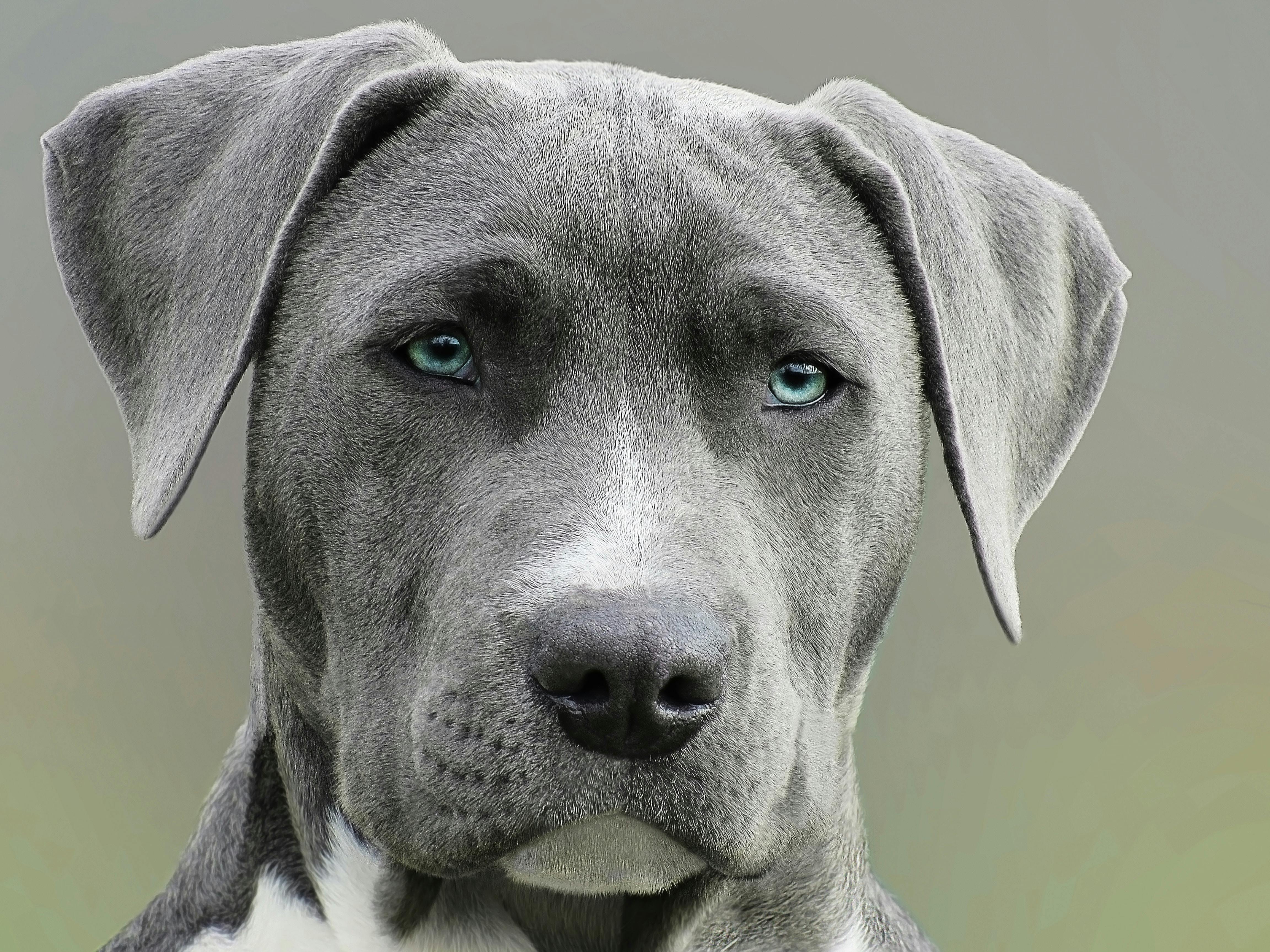 \n\n
\n\nDogs have long been man's best friend, but have you ever wondered about the science behind canine coolness? One of the most fascinating aspects of dogs is their wet noses. Why do dogs have wet noses? Is there a reason behind this quirky feature, or is it just another oddity of our furry companions? In this article, we will uncover the fascinating truth about why those wet noses matter for dogs and what they signify.
\nThe Purpose of a Wet Nose
\nTo understand why dogs have wet noses, we first need to look at the biology of a dog's sense of smell. A dog's nose is not just for show; it's an incredibly sophisticated organ. Here's some key points about the purpose of a wet nose:
\n- \n
- Enhanced Scent Detection: Dogs have around 220 million scent receptors in their noses, compared to humans who have only about 5 million. A wet nose helps trap scent particles more effectively. \n
- Temperature Regulation: Dogs don’t sweat like humans do. Their primary method of cooling down is through panting and having a moist nose. When the nose is wet, it helps with evaporative cooling. \n
- Health Indicator: The moisture levels in a dog’s nose can indicate their health. A normal wet nose usually suggest good hydration and overall health, while a dry or cracked nose might indicate health issues. \n
Historical Context
\nThe wet nose is not just a modern phenomenon; it has historical significance too. Ancient civilizations, like the Egyptians, revered dogs and recognized their keen sense of smell. They often depicted dogs with wet noses in their artwork, indicating that even thousands of years ago, people understood the importance of this feature.
\nWhy Are Dog Noses Wet?
\nNow, let's dive deeper into the reasons. Why do dogs have wet noses? Here are some reasons that explain this intriguing feature:
\n- \n
- Mucous Glands: Dogs have specific glands in their noses that secrete mucus. This mucus keeps their noses moist, which is essential for trapping odor molecules. \n
- Licking Behavior: Dogs often lick their noses. This behavior not only helps maintain moisture but also enhances their ability to smell by adding more scent particles. \n
- Environmental Factors: A dog’s nose can also become wet from environmental conditions. For example, when it's raining or humid, their noses tend to be wetter. \n
The Science of Scent
\nUnderstanding the science behind a dog's sense of smell can help us appreciate the significance of their wet noses. Here’s a comparison of how humans and dogs perceive scents:
\n- \n
- Humans: With around 5 million scent receptors, humans can detect certain odors but often struggle with identifying complex scents. \n
- Dogs: With up to 220 million scent receptors, dogs can differentiate between a wide range of smells and even detect specific scents like drugs, explosives, and even diseases. \n
Fun Facts About Dog Noses
\nDid you know that the unique pattern on a dog’s nose is as distinctive as a human fingerprint? Each dog has a unique nose print! Here’s a list of other fun facts about dog noses:
\n- \n
- Heat Sensitivity: A dog's nose is also sensitive to temperature changes, helping them detect warmth and cold. \n
- Nasal Turbinates: Inside a dog’s nose, there are structures called nasal turbinates that help filter and warm the air as they breathe in. \n
- Nosework: Many dogs excel in nosework activities, where they are trained to locate specific scents. This can be a fun bonding activity for both the dog and owner. \n
Practical Implications for Dog Owners
\nAs a dog owner, understanding the significance of your pet’s wet nose can help you monitor their health. Here are some practical tips:
\n- \n
- Regular Check-ups: Keep an eye on your dog’s nose. If it becomes persistently dry or cracked, consider visiting a veterinarian. \n
- Hydration: Ensure your dog has access to fresh water at all times. Hydration can impact the moisture level of their nose. \n
- Environmental Awareness: Be mindful of the weather. In dry or hot conditions, your dog may need extra hydration to keep their nose moist. \n
So, the next time you see your furry friend with their wet nose, remember that it’s not just an adorable trait. It serves crucial purposes for their health and well-being. From enhancing their sense of smell to regulating their body temperature, a wet nose is an integral part of what makes dogs so unique. Understanding this can deepen the bond you share with your canine companion and help you be a more informed pet owner.
\n\n5 Fascinating Reasons Your Dog’s Nose is Always Wet: What You Need to Know
\n\n \n\n
\n\nHave you ever noticed your dog’s nose? It’s always wet and shiny, right? You might of wondered why do dogs have wet noses? Well, there’s actually a whole lot of fascinating reasons behind this unique trait. Let’s uncover the truth about those lovable, wet noses and what they mean for your furry friend.
\n1. Temperature Regulation
\nDogs, unlike humans, doesn’t sweat as a primary means of cooling down. Instead, they pant to regulate their body temperature. But here’s where the wet nose comes into play! The moisture on their noses helps to dissipate heat. When a dog’s nose is wet, it can help lower their body temperature more effectively. It also helps to keep their sense of smell sharp, which is essential for hunting and exploring their environment.
\n2. Enhanced Sense of Smell
\nDid you know that a dog’s sense of smell is about 10,000 to 100,000 times more acute than that of a human? A wet nose enhances this incredible sense. The moisture helps to capture scent particles from the air. When their noses are wet, dogs can absorb these scents better, allowing them to detect and identify smells with remarkable precision. This is why dogs are often used for search and rescue operations, sniffing out drugs, or even detecting diseases.
\n3. Communication Tool
\nDogs are social animals and their noses play a key role in communication. A wet nose can indicate a dog’s emotional state. For instance, when a dog approaches you with a wet nose, it might be a sign of affection or a greeting. Conversely, a dry nose can sometimes indicate stress or illness. It’s interesting to see how these small changes can tell you a lot about how your dog is feeling. Here’s a quick guide on what a dog’s nose can tell you:
\n- \n
- Wet & Cool: Happy and relaxed \n
- Dry & Warm: Possible illness or dehydration \n
- Wet & Warm: May be excited or just came from outside \n
4. Health Indicators
\nThe condition of a dog’s nose can be a reflection of its overall health. While a wet nose is typically a sign of a healthy dog, changes can indicate potential health issues. Here are some signs to watch for:
\n- \n
- Dry, Cracked Nose: Could suggest dehydration or an underlying health issue. \n
- Excessively Runny Nose: Might indicate allergies or other respiratory issues. \n
- Nose Color Changes: A sudden change in color could be a cause for concern and should be checked by a vet. \n
Regularly checking your dog’s nose can help you catch potential health problems early.
\n5. Grooming and Hygiene
\nDogs tend to lick their noses frequently, which helps maintain its wetness and cleanliness. Their saliva contains enzymes that can help break down dirt and bacteria. However, it’s important to ensure that your dog’s nose remains healthy and clean. Regular grooming can help minimize dirt accumulation and keep their nose in good condition. Here are some tips for keeping your dog’s nose healthy:
\n- \n
- Regular Vet Check-ups: Ensure overall health and address any potential issues. \n
- Hydration: Make sure your dog always has access to fresh water to stay hydrated. \n
- Avoid Irritants: Keep your dog away from harsh chemicals or allergens that might irritate their nose. \n
Fun Facts About Dog Noses
\n- \n
- Dogs have around 220 million scent receptors in their noses, compared to humans who only have about 5 million. \n
- The shape and size of a dog’s nose can vary greatly between breeds, which can affect their sense of smell. \n
- Dogs can even detect certain diseases in humans, such as cancer, by smelling breath or skin. \n
Understanding why do dogs have wet noses is not just about curiosity; it’s about caring for your furry friend. Their wet noses are not just cute; they play crucial roles in their health and well-being. Next time you give your dog a pat, take a moment to appreciate that wet nose.
\nIt’s not just a quirky characteristic; it’s a vital part of your dog’s life. Keeping your dog healthy involves understanding their unique traits, and their wet noses are just one of the many things that make them special.
\n\nIs a Wet Nose a Sign of Health? Unraveling the Myths About Dog Noses
\n\n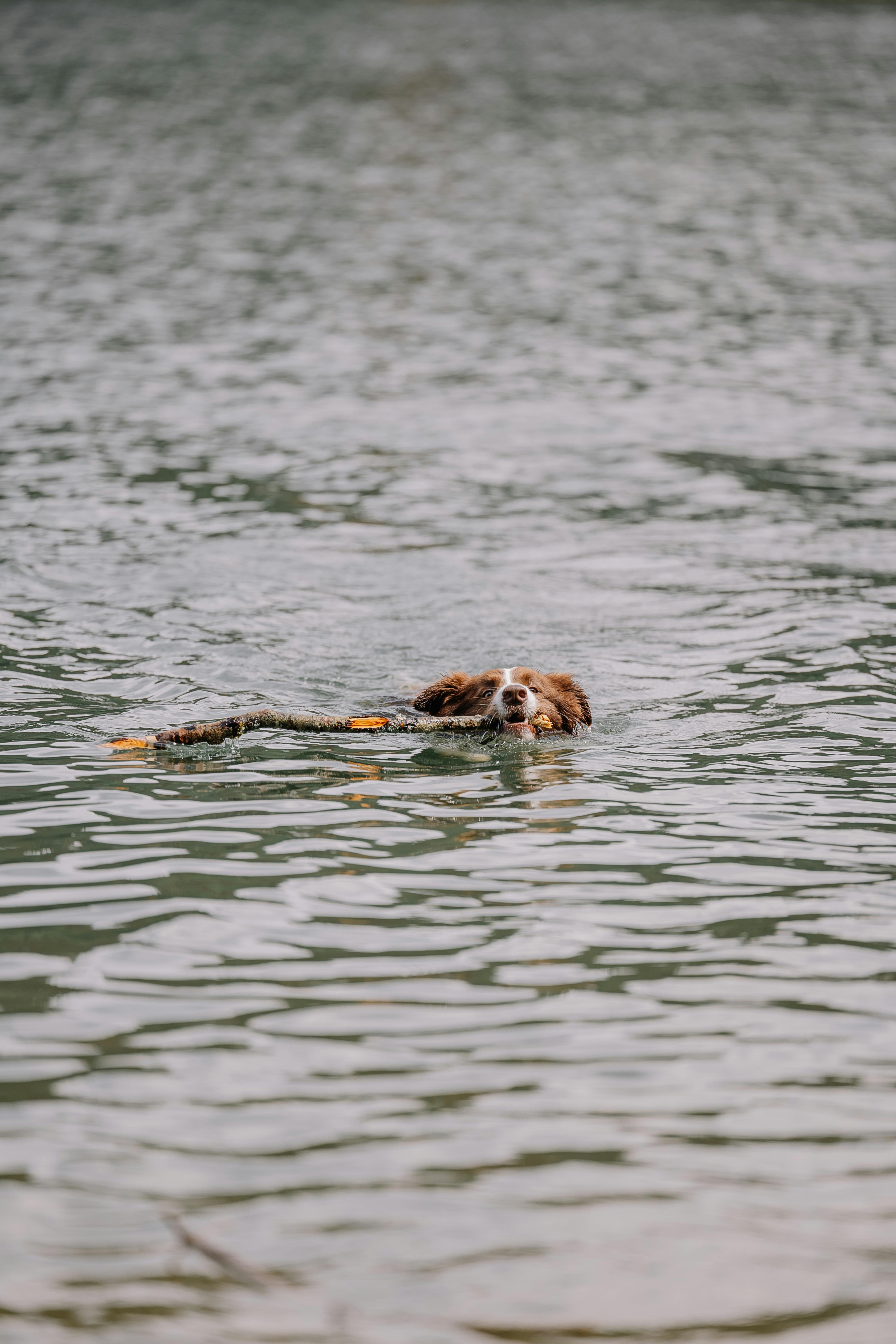 \n\n
\n\nWhen it comes to our furry friends, lots of myths and misconceptions float around, especially about their health. One common question pet owners often ask is, "Is a wet nose a sign of health?" This idea has been passed down through generations, but is it really true? Let's uncover the fascinating truth behind why dogs have wet noses and what it truly means for their well-being.
\nWhy Do Dogs Have Wet Noses?
\nDogs have wet noses for several reasons, and it’s not just for show. Here are some key points to consider:
\n- \n
- \n
Temperature Regulation: One of the primary reasons a dog’s nose is wet is to help regulate their body temperature. Dogs don't sweat like humans do. Instead, they pant and rely on their noses to help cool down.
\n \n - \n
Enhanced Sense of Smell: A wet nose can help to enhance a dog's olfactory senses. The moisture on a dog's nose helps to trap scent particles, allowing them to interpret smells more effectively. This is crucial for their communication and how they interact with the world.
\n \n - \n
Health Indicator: While a wet nose is often associated with a healthy dog, it isn’t the only indicator. Some dogs can have dry noses and still be perfectly healthy. Other factors, like energy levels, appetite, and behavior are much more reliable indicators of a dog's health.
\n \n
Myths Surrounding Wet Dog Noses
\nLet's break down some common myths surrounding dog noses:
\n- \n
- \n
Myth 1: A Wet Nose Equals Good Health
\n
\nReality: While many healthy dogs have wet noses, a dry nose doesn’t always mean a problem. Factors like weather, activity levels, and hydration can affect nose moisture. \n - \n
Myth 2: Dogs Always Have Wet Noses
\n
\nReality: Not all dogs have a consistently wet nose. Just like humans have variations in skin moisture, dogs can too. \n - \n
Myth 3: All Wet Noses Are Healthy
\n
\nReality: A dog can have a wet nose due to illness too. For instance, conditions like infections or allergies can also lead to a wet or runny nose. \n
Understanding Dog Nose Variations
\nDogs come in many shapes and sizes, and so do their noses. Here’s how you can categorize them:
\n- \n
- Wet Noses: Often seen in healthy dogs, particularly after they’ve been active or in cooler climates. \n
- Dry, Cracked Noses: Can indicate dehydration, sunburn, or certain health issues. It might be worth a vet visit if it persists. \n
- Cold Noses: A cold nose is often a sign of good circulation and health. But temperature alone isn’t a health gauge. \n
How to Care for Your Dog's Nose
\nTaking care of your dog's nose is important, and it's easier than you might think:
\n- \n
- \n
Hydration: Make sure your dog has access to fresh water, which helps maintain nose moisture.
\n \n - \n
Avoid Excessive Sun Exposure: Dogs can get sunburned just like humans. Protect their noses with pet-safe sunscreen if they’re out in the sun for long periods.
\n \n - \n
Regular Vet Check-Ups: Regular vet visits help catch any potential issues before they become serious. Your vet can assess your dog’s overall health, including their nose.
\n \n
Signs of Potential Problems
\nRecognizing when something’s off can be crucial. Look out for these signs:
\n- \n
- \n
Persistent Dryness: If your dog’s nose stays dry for an extended period, it might be worth checking with a vet.
\n \n - \n
Discharge: If there’s a discharge from the nose that’s colored or has a strong smell, this could indicate an infection.
\n \n - \n
Swelling: Any swelling or changes in texture should prompt a vet visit.
\n \n
Fun Facts About Dog Noses
\n- \n
- \n
Dogs have an incredible sense of smell that can be up to 100,000 times better than humans.
\n \n - \n
Each dog’s nose print is unique, much like a human fingerprint.
\n \n - \n
The moisture from their noses can help them to sense the world around them, which is essential for hunting and social interactions.
\n \n
While a wet nose is often considered a sign of health in dogs, it’s not the only indicator to rely on. Understanding the reasons behind a dog's wet nose helps pet owners know what to look for regarding their pet's health. So, the next time you’re wondering about your dog’s nose, remember the facts—it's just one piece of the puzzle in understanding your furry companion’s well-being.
\n\nDiscover the Secrets of Dog Noses: Why Wetness is Key to Their Senses
\n\n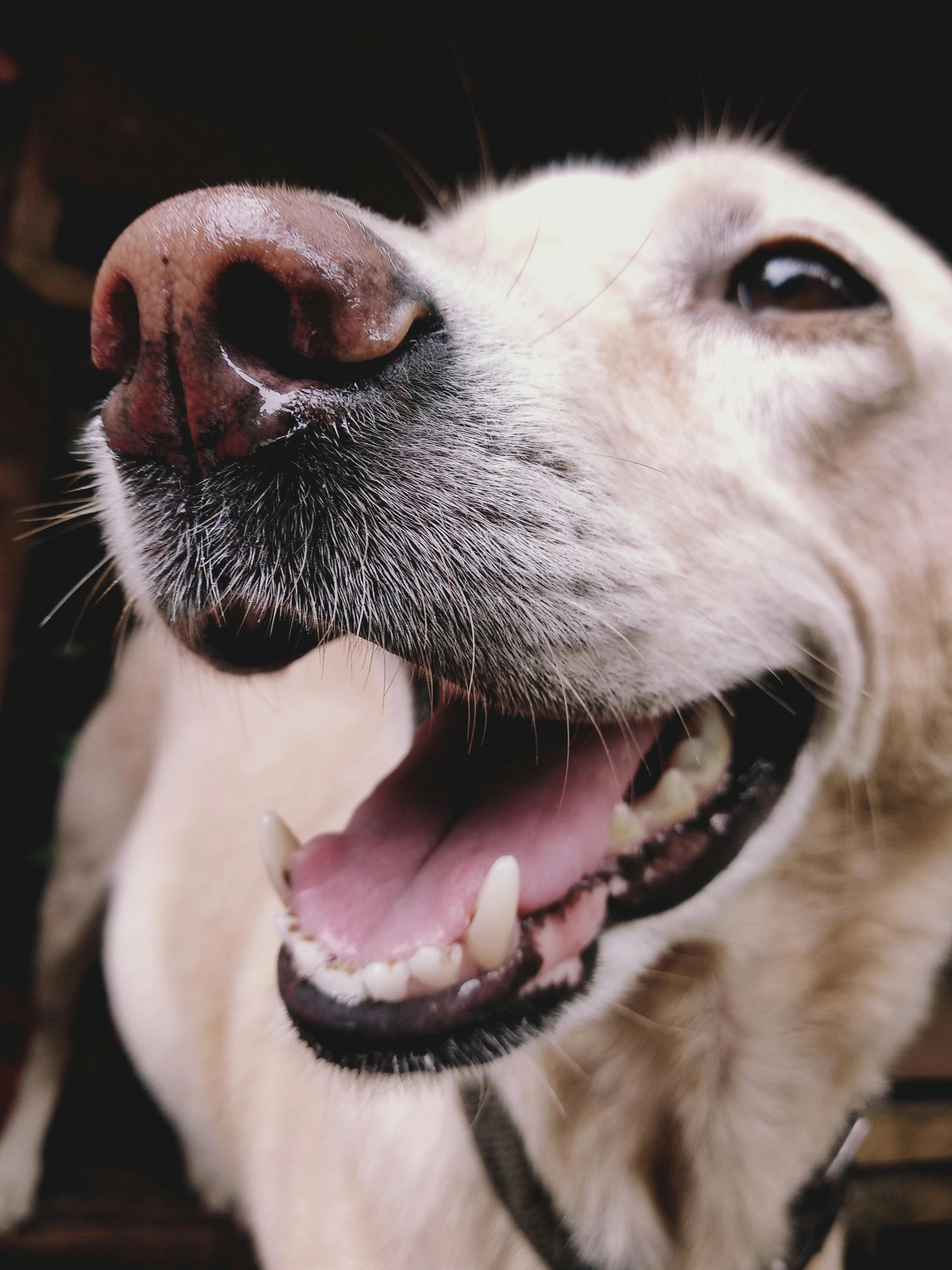 \n\n
\n\nHave you ever wondered why dogs have wet noses? It’s one of those little quirks that many people notice, but few really think about. The truth behind this fascinating characteristic is tied up in a dog's sense of smell, their health, and even their emotions. Let’s dive into the secrets of dog noses and uncover why wetness is so important to their senses.
\nThe Science Behind Wet Noses
\nA dog's nose is a remarkable organ, far more complex than most people realize. The moisture you feel on a dog’s nose plays a vital role in how they perceive the world. Here’s how it works:
\n- \n
- \n
Enhanced Smell: The wetness on a dog’s nose helps to capture scent particles. When air is inhaled, these particles stick to the moist surface, allowing dogs to detect smells more effectively. Their sense of smell is estimated to be between 10,000 to 100,000 times more sensitive than that of humans!
\n \n - \n
Temperature Regulation: Dogs don’t sweat like humans do. Instead, they cool themselves off through their noses. A wet nose can help regulate their body temperature, helping them stay comfortable.
\n \n - \n
Health Indicator: The state of a dog’s nose can indicate their health. A warm, dry nose can sometimes suggest that a dog is unwell, while a cool, wet nose is often a sign of a happy, healthy pooch.
\n \n
Why Wetness Matters
\nSo, why is the wetness of a dog's nose so crucial? Here’s a breakdown:
\n- \n
- \n
Scent Detection: The moisture increases the ability to pick up scents. This is especially important for working dogs, like search and rescue or police dogs, who rely on their noses to perform tasks.
\n \n - \n
Social Interaction: Dogs use their noses to communicate. When they sniff each other, they gather information about another dog's identity, mood, and even health. A wet nose can enhance this interaction.
\n \n - \n
Emotional Connection: Dogs often express affection and seek comfort through their noses. The soft, wet touch of a dog’s nose can be a sign of love or an invitation to play.
\n \n
Historical Context of Dog Noses
\nDogs have been companions to humans for thousands of years, and their noses have evolved during this time. In ancient civilizations, dogs were used for hunting and protection, and their keen sense of smell was crucial. Over time, humans began to breed dogs not just for their appearance but for their abilities, including scent detection.
\nInteresting Facts About Dog Noses
\n- \n
- \n
Dogs have about 220 million scent receptors in their noses compared to about 5 million in humans.
\n \n - \n
The unique patterns on a dog’s nose are as distinctive as human fingerprints.
\n \n - \n
Dogs can even detect certain diseases, like cancer, due to their incredible sense of smell.
\n \n
The Role of Environment
\nThe environment plays a significant role in the moisture of a dog’s nose. Factors like humidity and temperature can affect how wet a dog’s nose gets. For example, in dry weather, a dog’s nose may become drier, which is why it's important for owners to monitor their pets and ensure they stay hydrated.
\nCommon Misconceptions
\nMany people think a dry nose always means a dog is sick. However, this isn’t always the case. A dog’s nose can dry out for various reasons, including:
\n- \n
- \n
Weather Conditions: Hot or dry weather can lead to dryness.
\n \n - \n
Dehydration: If a dog isn’t drinking enough water, this can affect their nose.
\n \n - \n
Skin Conditions: Certain skin issues can lead to a dry nose.
\n \n
Practical Tips for Dog Owners
\nTo keep your dog’s nose healthy and wet, consider these tips:
\n- \n
- \n
Hydration: Make sure your dog has constant access to fresh water. Dehydration can lead to dryness not only in the nose but in their overall health.
\n \n - \n
Moisturize: If you notice your dog’s nose is consistently dry, you can apply a dog-safe moisturizer.
\n \n - \n
Regular Check-ups: Regular veterinary check-ups can help ensure that any underlying issues affecting your dog's nose are addressed.
\n \n
Understanding Your Dog
\nRecognizing the significance of your dog’s nose can deepen your understanding of your furry friend. It’s not just about the wetness; it’s about how they interact with the world. By paying attention to their nose and its condition, you can better care for your pet and respond to their needs.
\nIn the end, the wetness of a dog’s nose is more than just a cute feature; it’s a vital aspect of their wellbeing and communication. The unique qualities of a dog’s nose reveal a lot about their health and their connection to the world around them. So, the next time you pet your dog and feel that soft, wet nose, remember the incredible capabilities it holds.
\n\nHow Dogs Use Their Wet Noses for Communication: A Deep Dive into Canine Behavior
\n\n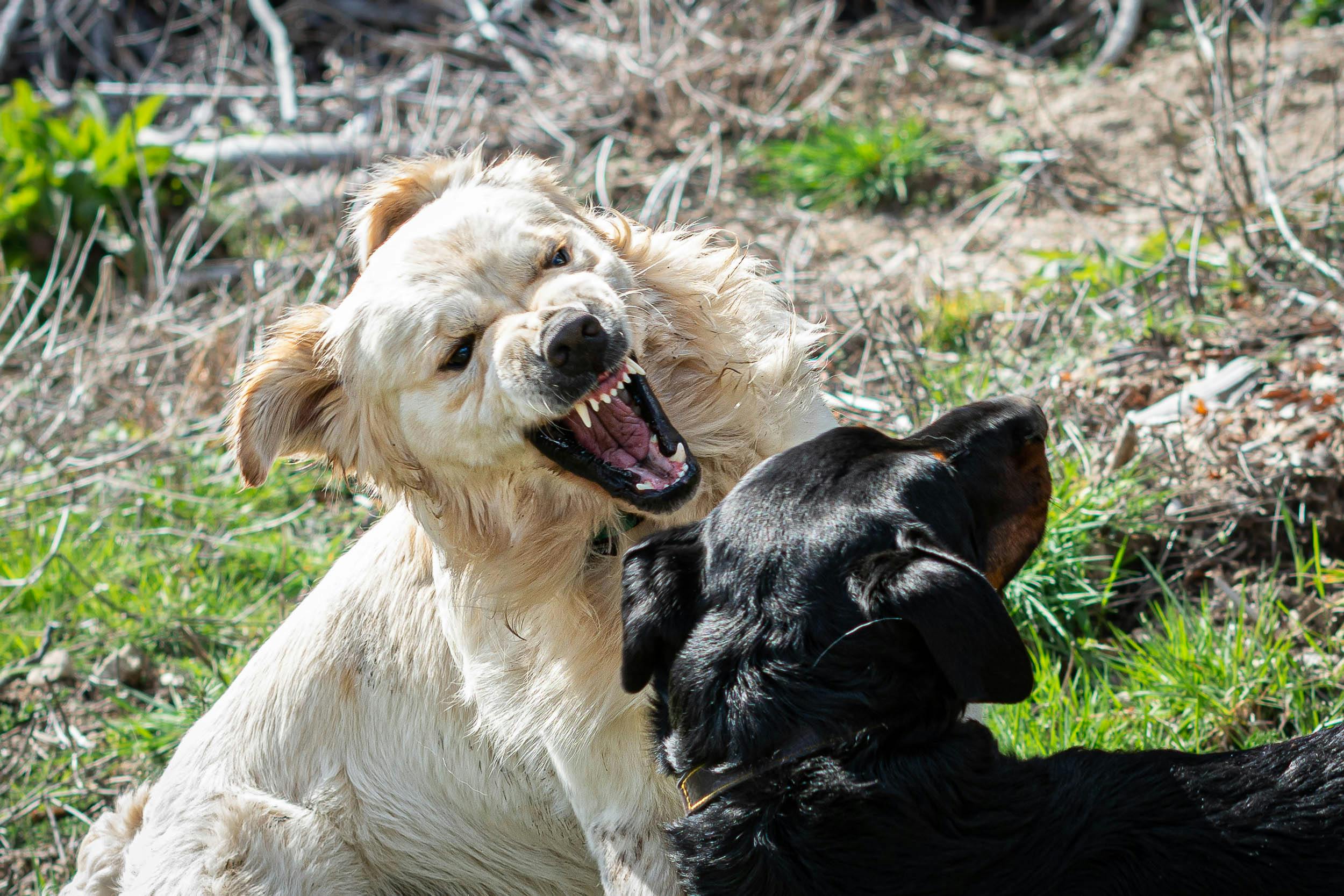 \n\n
\n\nDogs are often called man's best friend, but have you ever wonder how they communicate with us and each other? One of the most fascinating aspects of canine behavior is their wet noses. Many people ask, "Why do dogs have wet noses?" and this question leads us into a deeper exploration of how dogs use their noses to communicate.
\nThe Science Behind Wet Noses
\nA dog’s nose is more than just cute; it's a highly sensitive organ. The moisture on it helps to enhance their sense of smell. Dogs have about 220 million smell receptors in their noses, compared to humans, who only have about 5 million. This difference make dogs incredibly adept at sniffing out scents, and the wetness of their noses plays a key role in this process.
\n- \n
- Moisture and Smell: The wetness helps trap scent particles, allowing dogs to pick up on odors more effectively. \n
- Temperature Regulation: Dogs also use their noses to help cool themselves down. When they pant, moisture evaporates from their noses, which helps to regulate their body temperature. \n
- Health Indicator: A wet nose can indicate a healthy dog. If a dog’s nose is dry, it might suggest dehydration or illness, but this isn't always the case. \n
How Dogs Use Their Noses for Communication
\nDogs communicate through various means, and their noses are at the forefront of this. They use scent to gather information about their environment, other animals, and even humans. Here’s how:
\n- \n
- \n
Social Interactions: Dogs smell each other's noses and behinds as a way of saying hello. This is often the first step in social interactions among dogs.
\n \n - \n
Identifying Emotions: Dogs can detect pheromones and other chemical signals that indicate fear, excitement, or aggression. This helps them understand how to react to other dogs or humans.
\n \n - \n
Marking Territory: They use their noses to pick up scents left by other animals, and they may add their own scent to mark their territory. This behavior is part of their instinctive nature.
\n \n - \n
Finding Food: Dogs can sniff out food from great distances. Their noses help them locate meals, even when buried or hidden.
\n \n - \n
Detecting Changes: Dogs can also sense changes in their owner's emotional state through smell. They can detect stress hormones, which may lead them to comfort their owners.
\n \n
Fascinating Facts About Dog Noses
\n- \n
- Unique Patterns: Just like human fingerprints, every dog has a unique nose print. This means you could potentially identify a dog by its nose! \n
- Temperature Sensitivity: Dogs can detect changes in temperature through their noses. This helps them find cool places to rest on hot days. \n
- Health Detection: Some dogs are trained to detect illnesses like cancer and diabetes by smelling their owner's breath or skin. \n
The Evolution of the Dog Nose
\nHistorically, dogs evolved from wolves, who relied heavily on their sense of smell for hunting and survival. Over the years, domestication has enhanced these abilities, making dogs even more reliant on their noses for communication and interaction.
\n- \n
- Wolves vs. Dogs: While both have keen senses, domesticated dogs have adapted to work alongside humans, leading to different communication styles. \n
- Training and Scent Work: Many dogs are trained for specific tasks that utilize their sense of smell, like search and rescue or finding drugs. This training enhances their natural abilities. \n
Can You Train Your Dog’s Sense of Smell?
\nAbsolutely! Engaging in activities that stimulate your dog's nose can be beneficial for both physical and mental health. Here are some ideas:
\n- \n
- Hide and Seek: Hide treats around the house and let your dog find them. \n
- Scent Trails: Create a trail with a specific scent and encourage your dog to follow it. \n
- Interactive Toys: Use toys that require your dog to sniff and solve problems to get the treat inside. \n
Why Do Dogs Have Wet Noses?
\nIn summary, the wet noses of dogs serve multiple purposes: enhance their sense of smell, help with temperature regulation, and provide a means of communication. The moisture on their noses is crucial for trapping scent particles, which allows them to gather information about their environment and the beings in it.
\nAs we delve deeper into understanding canine behavior, it's clear that our furry friends are much more than just pets. Their wet noses are a vital tool in their communication toolbox, providing insight into their emotions and state of health. So the next time you see your dog with a wet nose, remember it's not just an adorable feature – it's a key to understanding them better.
\n\nThe Role of a Dog's Wet Nose in Temperature Regulation: Keeping Cool and Comfortable
\n\n \n\n
\n\nEvery dog owner has probably noticed that their furry friends have wet noses. But, why do dogs have wet noses? This simple question opens up a door to some fascinating truths about our canine companions. One of the most intriguing aspects of a dog's wet nose is its role in temperature regulation. Understanding this can help us better care for our pets, especially during hot weather.
\nThe Science Behind a Wet Nose
\nA dog’s nose is not just cute; it’s also a sophisticated organ. Dogs have a unique ability to detect scents, and a wet nose plays a crucial part in this process. The moisture on a dog’s nose helps capture scent particles from the air. This means that the wetter the nose, the better a dog can smell. But that’s not all!
\n- \n
- \n
Moisture and Temperature: Dogs don’t sweat like humans do. Instead, they cool off primarily through panting and the moisture on their noses. The wetness helps to evaporate heat, which cools down their body temperature. This is especially important during the summer months when overheating can occur.
\n \n - \n
Hygiene and Health: A wet nose can also indicate a healthy dog. While there are exceptions, a consistently dry nose might signal dehydration or illness. Regular checks can help you catch potential health issues early.
\n \n
Why Do Dogs Have Wet Noses? The Fun Facts
\nThere are several reasons why dogs have wet noses, and they all play a role in keeping your pet comfortable and cool. Here’s a list of interesting facts:
\n- \n
- Enhanced Sense of Smell: The wetness helps the olfactory receptors in the nose work better. \n
- Temperature Regulation: Evaporation from a wet nose helps cool the body. \n
- Communication: Dogs also use their noses to gather information about their environment and other animals. \n
- Health Indicator: A wet nose is often a sign of a well-hydrated and healthy dog. \n
The Evolution of Wet Noses
\nDogs have evolved over thousands of years, and their wet noses are a result of this long journey. Early ancestors of modern dogs relied on their sense of smell for hunting and survival. A wet nose not only helped them track down prey but also kept them cool during chases. Over time, this characteristic became a standard feature of canines.
\n- \n
- \n
From Wolves to Pets: The transition from wild wolves to domesticated dogs saw changes in their physical traits, but the wet nose remained. This trait is inherited from their ancestors, who needed it for survival.
\n \n - \n
Breeds and Variety: Different breeds may exhibit varying degrees of wetness in their noses. For example, some brachycephalic breeds (like Bulldogs) may have drier noses due to their unique facial structure.
\n \n
Keeping Your Dog Comfortable
\nNow that we understand the role of a dog’s wet nose, how can we ensure they stay cool and comfortable? Here are some practical tips:
\n- \n
- Hydration: Always provide fresh water. Dehydration can lead to a dry nose and other health issues. \n
- Avoid Overheating: In hot weather, limit exercise and provide shade. Watch for signs of heatstroke, such as excessive panting or lethargy. \n
- Regular Vet Check-ups: Routine visits can help catch any health problems early, including those related to nose moisture. \n
Comparing Wet vs. Dry Noses
\nIt’s important to note that not every dry nose indicates a problem. Here’s a simple comparison:
\n| Feature | \nWet Nose | \nDry Nose | \n
|---|---|---|
| Smell Ability | \nEnhanced scent detection | \nReduced scent detection | \n
| Temperature | \nHelps cool the body | \nMight indicate dehydration | \n
| Health Indicator | \nGenerally healthy | \nCould signal underlying issues | \n
Understanding these differences can help dog owners make better decisions regarding their pet’s health.
\nDogs are incredible creatures, and their wet noses are just one part of what makes them so special. The moisture on their noses not only serves practical purposes like temperature regulation and scent detection but also adds to their charm. As responsible pet owners, staying informed about the health and comfort of our dogs ensures they lead happy and healthy lives. So next time you notice your dog’s wet nose, remember that it’s doing a lot more than just being cute!
\n\nWhy Do Dogs Have Wet Noses? Exploring the Evolutionary Benefits for Canines
\n\n \n\n
\n\nDogs are often known as man’s best friend, but have you ever wondered about something as simple as why do dogs have wet noses? This question might seem trivial at first glance, but there’s actually a fascinating, evolutionary story behind it. Wet noses aren’t just a quirk of canine biology; they serve real purposes that enhance a dog’s life and health. Let's explore the intriguing truth behind those moist snouts!
\nThe Science Behind Wet Noses
\nFirst off, a dog’s nose is more than just an adorable feature. The wetness of a dog’s nose plays a significant role in their sensory perception. Canines have a keen sense of smell, and their noses are packed with olfactory receptors—more than 300 million, compared to a human's mere 6 million. A wet nose helps to absorb scent particles more effectively, allowing dogs to track scents with astonishing precision.
\n- \n
- Moisture Enhances Scent Detection: The wetness allows for better absorption of scent molecules. This is why when dogs sniff around, they seem to be in a world of their own. \n
- Thermoregulation: Dogs don't sweat like humans do. Instead, they regulate their body temperature partly through their noses. When a dog’s nose is wet, it helps cool their body down, which is particularly important during hot weather. \n
- Health Indicator: A dog’s nose can also be a sign of their health. A healthy dog usually has a moist and cool nose, while a dry or cracked nose could indicate dehydration or illness. \n
Evolutionary Advantages
\nWhy do dogs have wet noses? It’s all about survival and adaptation. Evolution has shaped the canine species in a way that maximizes their chances of survival. Here are some evolutionary benefits of wet noses:
\n- \n
- Tracking Prey: For ancestors of modern dogs, having a wet nose meant they could better track the scents of prey. This was crucial for hunting and gathering, influencing how they evolved as pack hunters. \n
- Communication: Dogs use their sense of smell to communicate with each other. A wet nose helps them pick up on pheromones and other scent signals, enhancing social interactions with other dogs. \n
- Environmental Interaction: Wet noses allow dogs to sense their environment better. Whether it’s detecting changes in weather or sensing danger, a wet nose gives them an edge in survival. \n
Comparing Nose Wetness in Dogs and Other Animals
\nIt's interesting to compare how wet noses function in dogs versus other animals. Many animals have wet noses, but the reasons vary by species. Here’s a quick look:
\n| Animal | \nReason for Wet Nose | \n
|---|---|
| Cats | \nLess pronounced; mainly for scent tracking | \n
| Horses | \nMoisture helps with heat regulation | \n
| Pigs | \nWet snouts help in rooting and foraging | \n
| Cows | \nCooling and scent detection | \n
Practical Examples of Nose Functionality
\nLet’s break down some real-world instances showcasing the importance of a dog’s wet nose:
\n- \n
- Search and Rescue: Dogs trained for search and rescue rely heavily on their sense of smell. Their wet noses help them detect scents over long distances, making them invaluable in finding missing persons. \n
- Service Dogs: In therapeutic settings, service dogs use their noses to detect changes in their handler’s body, such as a drop in blood sugar. The moisture on their noses plays a role in enhancing their sensitivity to these changes. \n
- Everyday Interactions: When a dog greets you, they sniff and lick your hand. This is their way of gathering information about you and their environment, facilitated by that trusty wet nose. \n
Common Myths About Dog Noses
\nThere are also many myths surrounding dog noses. Here are a few that can be debunked:
\n- \n
- \n
Myth: A dry nose means a dog is sick.
\n- \n
- Fact: A dog’s nose can be dry for many reasons, including weather or just waking up. \n
\n - \n
Myth: Dogs can’t smell when their nose is dry.
\n- \n
- Fact: While wet noses help, dogs can still smell quite well with a dry nose. \n
\n - \n
Myth: The color of a dog’s nose indicates health.
\n- \n
- Fact: Nose color varies by breed and is not a reliable health indicator. \n
\n
Understanding why do dogs have wet noses not only satisfies curiosity but also sheds light on the incredible abilities of our canine companions. By appreciating these unique features, you can better care for your furry friend, ensuring their health and happiness. So the next time you encounter a dog with that adorable, wet nose, remember: it's not just a cute trait; it's a vital part of what makes them wonderful and unique!
\n\nCan a Wet Nose Indicate a Sick Dog? Understanding the Health Implications
\n\n \n\n
\n\nWhen it comes to our beloved furry friends, dog owners often wonder about their health indicators. One common question that pops up is: can a wet nose indicate a sick dog? The answer isn't straightforward, but understanding why dogs have wet noses can shed some light on your pet’s well-being. Let's dive into this fascinating topic.
\nWhy Do Dogs Have Wet Noses?
\nFirst off, you might be askin' yourself, why are dog noses wet anyway? A wet nose serves several purposes, and it is actually pretty essential for a dog’s health and survival. Here are some reasons why dogs have wet noses:
\n- \n
- Temperature Regulation: Just like humans sweat, dogs lose heat through their noses. A wet nose can help them cool down during hot weather. \n
- Enhanced Sense of Smell: Dogs have an extraordinary sense of smell, and a moist nose helps to trap scent particles. This allows them to sniff out scents more effectively. \n
- Hydration Indicator: A wet nose can be a sign that your dog is well-hydrated. If it’s dry, it could indicate dehydration or other health issues. \n
Can a Wet Nose Indicate a Sick Dog?
\nNow, let’s get to the burning question: can a wet nose indicate a sick dog? Well, not necessarily. A wet nose is generally a sign of a healthy dog, but it isn't the only thing you should consider. In fact, a dog can have a wet nose and still be sick. Here are a few points to keep in mind:
\n- \n
- Not a Sole Indicator: A wet nose doesn’t mean your dog is healthy. It's just one of many signs to look out for. \n
- Other Symptoms to Watch: If your dog's nose is wet but they're lethargic, not eating, or showing any unusual behavior, it’s time to consult a vet. \n
- Variability: Some breeds naturally have drier noses than others, so it’s important to know what’s normal for your dog. \n
What Other Signs Indicate Dog Illness?
\nBesides a wet nose, there are other health indicators to look for in dogs. Here’s a quick list of symptoms that could signal a problem:
\n- \n
- Change in Appetite: If your dog suddenly refuses food or water, it’s a red flag. \n
- Lethargy: Dogs that are unusually tired or inactive may be ill. \n
- Vomiting or Diarrhea: These can be signs of gastrointestinal distress, which can be serious. \n
- Coughing or Sneezing: Respiratory issues can manifest in these ways. \n
- Behavioral Changes: Withdrawn or aggressive behavior can indicate discomfort or pain. \n
The Importance of Regular Check-Ups
\nRegular vet visits are essential to maintain your dog's health. Just like humans have annual check-ups, dogs should see a veterinarian regularly. Here’s why:
\n- \n
- Early Detection: Routine exams can catch issues before they become serious. \n
- Vaccinations: Keeping up with vaccinations can prevent serious diseases. \n
- Dental Health: Oral care is often overlooked but is crucial for overall health. \n
What to Do If You Suspect Your Dog is Sick
\nIf you notice any of the symptoms we discussed, it’s essential to take action. Here’s a simple guide on what steps to follow:
\n- \n
- Observe Closely: Keep an eye on your dog's behavior and note any changes. \n
- Check Vital Signs: Look at their temperature, which should be between 101°F to 102.5°F for dogs. \n
- Consult a Vet: If symptoms persist, don’t hesitate to reach out to a veterinarian. They can provide a proper diagnosis and treatment plan. \n
Fascinating Facts About Dog Noses
\nDid you know dog noses have some unique features? Here are some interesting facts:
\n- \n
- Unique Print: Just like human fingerprints, every dog has a unique nose print that can be used to identify them! \n
- Scent Memory: Dogs can remember scents for years, which is why they can find their way home from long distances. \n
- Nasal Turbinates: Dogs have complex nasal passages that help them detect scents at incredibly low concentrations. \n
In summary, while a wet nose can often indicate a healthy dog, it shouldn't be the only factor to consider when assessing your pet's well-being. It's important to observe other signs and maintain regular veterinary care. If you’re ever in doubt about your dog’s health, reaching out to a qualified veterinarian is the best course of action. Your furry friend relies on you to ensure they remain happy and healthy!
\n\nThe Fascinating Connection Between Wet Noses and Dog Emotions: What Your Pup is Telling You
\n\n \n\n
\n\nHave you ever wondered why your furry friend’s nose is always wet? Or why dog noses are so often cold and moist? These questions lead to fascinating insights into dog emotions, behaviors, and even health. The connection between wet noses and what dogs might be feeling is quite intriguing, and it’s not just a quirky trait of our canine companions. So let’s dive into the captivating world of dog noses and discover the truth behind the moisture.
\nThe Science of Wet Noses
\nDogs have wet noses for several reasons, and understanding this can shed light on their emotional states. A wet nose helps dogs in many ways, including:
\n- \n
- \n
Enhanced Sense of Smell: The moisture on a dog's nose helps capture scent particles, making it easier for them to identify smells. A dog’s sense of smell is between 10,000 to 100,000 times more sensitive than that of humans, and a wet nose plays a crucial role in this.
\n \n - \n
Temperature Regulation: Just like humans sweat, dogs can regulate their body temperature through their noses. The moisture evaporating from their noses helps cool them down.
\n \n - \n
Health Indicator: The condition of a dog's nose can indicate its health. A dry or cracked nose might signal dehydration, fever, or other health issues, while a normal wet nose often suggests that a dog is healthy.
\n \n
Why Do Dogs Have Wet Noses?
\nNow, why do dogs have wet noses specifically? It’s all about evolution and biology. Dogs, descended from wolves, have maintained certain characteristics that aid in survival. Here are some key points to consider:
\n- \n
- \n
Hunting and Tracking: In the wild, a wet nose helps wolves track down prey. The moisture collects scents from the environment, increasing their ability to hunt.
\n \n - \n
Communication: Dogs communicate not just through barks but also through their body language and olfactory signals. A wet nose can indicate eagerness or playfulness, particularly when they nuzzle against you.
\n \n - \n
Sensory Perception: Dogs rely heavily on their sense of smell for understanding their surroundings. A wet nose enhances their ability to detect pheromones, which can express emotions and intentions.
\n \n
The Emotional Connection
\nSo, what your pup is telling you with that wet nose? Let’s break this down a bit. Dogs express their feelings in various ways, and their noses can be a crucial part of this communication.
\n- \n
- \n
Affection: When a dog nudges you with its wet nose, it often means they’re seeking your attention or want to be close. It’s their way of showing love.
\n \n - \n
Anxiety or Stress: A dog might have a drier nose when they’re anxious or stressed. Changes in their environment or routine can trigger this response.
\n \n - \n
Excitement: You might notice your dog's nose becomes wetter when they are excited, like during playtime or when you come home. This shows their enthusiasm and happiness.
\n \n
Fun Facts About Dog Noses
\nHere are some interesting tidbits about dog noses that you might not know:
\n- \n
- \n
Unique Patterns: Just like human fingerprints, every dog has a unique nose print. This can be used to identify them.
\n \n - \n
Nose Temperature: A dog’s nose can change temperature throughout the day. While a cool, wet nose is often seen as a sign of health, it’s not always a definitive indicator.
\n \n - \n
Nasal Turbinates: Inside a dog’s nose are structures called turbinates that help filter, warm, and moisturize the air they breathe. This is vital for their olfactory sense.
\n \n
Conclusion
\nUnderstanding the fascinating connection between wet noses and dog emotions helps deepen our relationship with our furry friends. Their wet noses are not just a cute feature; they play a significant role in communication, health, and sensory perception. Next time you cuddle with your dog and feel that familiar wetness, remember that it is more than just a simple trait—it’s a window into their feelings and well-being. Embrace those wet-nosed moments; they truly speak volumes!
\n\nHow Weather Influences Your Dog's Nose Moisture: A Guide for Pet Owners
\n\n \n\n
\n\nDogs noses are wet, that’s what most people knows. But have you ever wonder why? It’s not just a random happenstance. There are various factors that influences the moisture levels of a dog’s nose, and weather plays a significant role in this. In this article, we’ll dive into how different weather conditions affects your dog’s nose moisture, and uncover the fascinating truth behind why dogs have wet noses.
\nThe Science Behind Wet Noses
\nFirst off, let’s talk about why dogs have wet noses in the first place. A dog’s nose is full of special glands that produces mucus. This mucus helps in several ways:
\n- \n
- Enhanced Smell: Dogs have an incredible sense of smell, and moisture helps to capture scent particles in the air. When a dog’s nose is wet, it can detect smells more effectively. \n
- Temperature Regulation: Dogs can’t sweat like humans do. Their noses helps in cooling down their body temperature through evaporation. \n
- Health Indicator: A wet nose is often seen as a sign of a healthy dog. But it’s not always the case. Dryness or unusual changes might indicate illness. \n
How Weather Affects Nose Moisture
\nNow, let’s explore how different weather conditions impacts the moisture of your furry friend's nose. Here are some key points:
\n- \n
- Humidity Levels: In a high humidity environment, your dog’s nose tends to stay moist. The moisture in the air helps keep their noses wet. On the other hand, dry air can lead to dry noses. \n
- Temperature: Hot weather causes more evaporation. If it’s super hot outside, your dog's nose might dry out quicker. In contrast, cooler temperatures can help retain that moisture. \n
- Rain and Snow: When it rains or snows, your dog might naturally get a more moist nose. They often play outside in these conditions, and the moisture from the environment helps too. \n
- Indoor Conditions: If you’re using heating or air conditioning frequently, the air inside can become dry. This might lead to your dog having a dry nose even when it’s humid outside. \n
Fun Facts About Dog Noses
\nHere are some interesting tidbits about dog noses that you might not know:
\n- \n
- Dogs have a significantly better sense of smell than humans. It’s estimated that their sense of smell is between 10,000 to 100,000 times more acute. \n
- The surface of a dog’s nose has unique patterns, much like human fingerprints. No two dog noses are alike! \n
- Dogs can use their noses to detect diseases, including cancer and diabetes in humans. \n
Signs of Nose Problems
\nSometimes, a dog’s nose can be dry for a reason. Here are some signs that might indicate your dog has a problem:
\n- \n
- Excessive dryness or cracks \n
- Changes in color (from pink to brown or black) \n
- Excessive licking or rubbing their nose \n
- Bleeding or discharge \n
If you notice any of these signs, it’s important to consult a veterinarian. They can provide the guidance you need to ensure your dog stays healthy.
\nHow to Keep Your Dog’s Nose Healthy
\nThere are several ways to maintain your dog’s nose moisture. Here’s some tips:
\n- \n
- Hydration: Always make sure your dog has access to fresh water. Proper hydration can help keep the nose moist. \n
- Humidifiers: If you live in a dry climate or use heating/air conditioning frequently, consider using a humidifier indoors. \n
- Limit Sun Exposure: Just like human skin, dog noses can get sunburned too. Limit their sun exposure especially during peak hours. \n
- Regular Vet Checkups: Regular visits to the vet can help catch any potential issues early. \n
Comparison of Nose Moisture by Weather Condition
\nHere’s a simple comparison table showing how different weather affects nose moisture:
\n| Weather Condition | \nNose Moisture Level | \nEffects on Dogs | \n
|---|---|---|
| High Humidity | \nHigh | \nMoist and healthy | \n
| Hot and Dry | \nLow | \nRisk of dryness | \n
| Rainy | \nModerate to High | \nNaturally moist | \n
| Cold and Dry | \nLow | \nRisk of dryness | \n
| Indoor Heating | \nLow | \nRisk of dryness | \n
Understanding how weather influences your dog’s nose can help you take better care of your furry friend. If you ever wonder about your dog’s nose moisture, just remember that they say a healthy dog has a wet nose. But it’s good to keep an eye on changes, especially with weather conditions. Staying informed and proactive can make a huge difference in your pet’s health and happiness.
\n\nConclusion
\n\nIn conclusion, the wet noses of dogs serve multiple essential functions that contribute to their health and behavior. The moisture on their noses enhances their sense of smell, allowing them to detect a broader range of scents, which is vital for their communication and interaction with the world around them. Additionally, a wet nose helps regulate body temperature and indicates the dog’s overall health; a dry nose can sometimes signal illness. Understanding these aspects not only deepens our appreciation for our canine companions but also encourages us to monitor their health closely. So, the next time you give your dog a friendly pat, take a moment to appreciate that cool, damp nose—it’s a remarkable feature that plays a crucial role in their well-being. If you’re a dog owner, remember to check in on your pet's nose regularly, ensuring they stay happy and healthy!
\n\n