
Have you ever wondered, why do dogs have wet noses? This intriguing question has sparked curiosity among pet lovers and animal enthusiasts alike. A dog’s nose is not just a cute feature; it serves important functions that can enhance their overall health and well-being. In this article, we will discover the fascinating truth behind those moist noses and what they can indicate about your furry friend. Is it simply a sign of a happy pup or does it have deeper meanings? Many people ask if the wetness is related to their sense of smell or even their emotions. The truth is, there are several reasons why your dog’s nose might be wet, and understanding these can help you become a better pet owner. From regulating body temperature to improving their ability to sniff out scents, a wet nose is a key aspect of a dog’s physiology. So, if you’re curious about the science behind those adorable, damp noses or looking for insights into dog health and behavior, you’re in the right place! Let’s dive into this fascinating topic and uncover why your canine companion’s nose is always a little wet!
The Science Behind Canine Noses: Why Are Dogs’ Noses Always Wet?
Have you ever noticed your dog’s nose? Its often wet, and that’s not just for show. Many dog owners wonder why do dogs have wet noses. The truth behind this phenomenon is fascinating and rooted in the biology of our furry friends. Let’s explore the science behind canine noses and discover why they’re always moist.
The Biological Purpose of a Wet Nose
Dogs have wet noses for several reasons. One of the primary reasons is to enhance their sense of smell. A dog’s sense of smell is incredibly powerful—estimated to be between 10,000 to 100,000 times more sensitive than a human’s. The moisture on a dog’s nose helps trap scent particles in the air, making it easier for them to detect smells.
- Scent Detection: Wet noses help capture scent molecules, improving their ability to smell.
- Temperature Regulation: Dogs don’t sweat like humans do, they regulate their body temperature through panting and the moisture on their noses.
- Health Indicator: A wet nose can also signal good health, while a dry nose might indicate dehydration or illness.
The Anatomy of a Dog’s Nose
A dog’s nose is a complex organ. It contains various parts that work together to enhance their olfactory capabilities. Here’s a quick rundown:
- Nasal Cavity: This is where the scent particles are processed.
- Olfactory Receptors: Dogs have around 300 million olfactory receptors compared to a human’s 5 million.
- Vomeronasal Organ: Also known as Jacobson’s organ, it helps dogs detect pheromones.
Historical Context of Dog Noses
Dogs have been companions to humans for thousands of years, dating back to ancient civilizations. Historical records show that dogs were trained to use their keen sense of smell for various tasks, like hunting and detecting diseases. The importance of their noses has been recognized for centuries. For example:
- In Ancient Egypt, dogs were often used for hunting and were valued for their ability to track scents.
- In World War II, dogs were utilized in military operations to sniff out explosives and enemy locations.
Why Are Dog Noses Wet?
The wetness of a dog’s nose is not just a random occurrence. Here are some reasons that explain this fascinating aspect:
- Mucous Production: Dogs produce mucus in their noses that keeps them moist, aiding in scent detection.
- Environmental Factors: Dogs might lick their noses to keep them damp, especially after sniffing around.
- Temperature and Humidity: Weather can affect the moisture level of a dog’s nose. In humid conditions, noses might be wetter than in dry climates.
The Health Aspect of Wet Noses
A wet nose can often indicate good health, but it’s not a foolproof rule. Here’s what you should know about dog noses and health:
- Normal: Typically, a wet nose is normal. It’s a sign of a happy, healthy dog.
- Dry or Cracked Nose: This could indicate dehydration or a health issue. It’s best to consult your vet if you notice this.
- Discharge: If there’s an unusual discharge or a change in the moisture level, it might be time for a check-up.
Comparison: Dog Noses vs. Human Noses
Let’s take a moment to compare dog noses with human noses. This can help highlight just how unique canine noses really are.
| Feature | Dog Nose | Human Nose |
|---|---|---|
| Number of Receptors | ~300 million | ~5 million |
| Smell Sensitivity | 10,000 to 100,000 times | Baseline |
| Moisture Role | Traps scent molecules | Limited role |
| Temperature Regulation | Yes | No (sweating for humans) |
Practical Examples of Dog Nose Use
Dogs use their noses in various practical ways. Here are some examples of how dogs utilize their exceptional sense of smell:
- Search and Rescue: Dogs are trained to find missing persons using scent trails.
- Medical Detection: Some dogs can detect diseases like cancer or diabetes by smelling changes in a person’s body.
- Narcotics Detection: Many law enforcement agencies use dogs to sniff out drugs.
Understanding the science behind why dogs have wet noses is not just a quirky fact; it’s a glimpse into the incredible world of canine biology. Dogs rely on their noses for many aspects of their lives, from communication to survival. So, the next time you see your dog with its wet nose, remember the fascinating truth behind this unique feature!
5 Fascinating Reasons Dogs Have Wet Noses That Will Surprise You
Dogs are one of the most beloved companions humans have. From their wagging tails to those big, soulful eyes, every part of a dog seems to invite affection. But have you ever noticed how dogs have wet noses? It’s kinda strange, right? Why do dogs have wet noses? Well, there’s actually some fascinating reasons behind this, and here are five that might surprise you.
1. Enhanced Sense of Smell
One of the main reasons dogs have wet noses is that it helps enhances their sense of smell, which is already super impressive. The moisture on their noses helps to capture scent particles from the air. The more particles they can collect, the better they can identify different smells. In fact, dogs have up to 300 million scent glands, compared to humans who only have about 5 million. This means that a wet nose is not just for show; it’s a crucial tool for their survival and understanding of the world.
2. Temperature Regulation
Did you know that a dog’s nose also helps them regulate their body temperature? Unlike humans, dogs don’t sweat like we do. They have sweat glands only in their paw pads. So, when they get too hot, a wet nose allows them to cool down more efficiently. The moisture evaporates from their nose, helping to release heat from their bodies. This is just one more reason why you might see dogs panting or licking their noses when they’re feeling warm.
3. Communication Tool
Dogs are social creatures, and their wet noses serve as a tool for communication. When dogs greet each other, they often sniff each other’s noses as a way of getting to know one another. The wetness of their noses can signal health and vitality. A dry nose can sometimes indicate that a dog is unwell, although this isn’t always the case. So, when your dog approaches you with that moist nose, it might be their way of saying, “Hey, I’m friendly and healthy!”.
4. Natural Behavior
It’s interesting to note that wet noses is simply a natural characteristic of dogs. From a very young age, puppies are born with moist noses, and it doesn’t change as they grow. This trait is believed to have evolved alongside dogs, as their ancestors relied heavily on their sense of smell to hunt and survive in the wild. It’s a reminder of their roots and the instincts that they still carry with them even in a domesticated environment.
5. Health Indicators
A dog’s nose can actually be an indicator of their health. While a wet nose is usually a good sign, other factors can play into this, too. For example, a sudden change in moisture or temperature could suggest a health issue or fever. A dog with a consistently dry, cracked nose might be dehydrated or suffering from allergies. As a dog owner, it’s essential to keep an eye on these changes. If you notice anything unusual, calling your veterinarian can be a good step to ensure your furry friend stays healthy.
Quick Comparison: Wet Nose vs. Dry Nose
| Feature | Wet Nose | Dry Nose |
|---|---|---|
| Scent Detection | Excellent | Poor |
| Temperature Regulation | Good | Poor |
| Health Indicator | Usually Healthy | Can Indicate Illness |
| Behavior | Friendly Communication | Might Signal Stress |
Fun Facts About Dog Noses
- Dogs have individual nose prints, much like human fingerprints.
- The color of a dog’s nose can vary from breed to breed, and some dogs have spotted noses!
- Dogs can detect certain diseases, including cancer, through their sense of smell.
Understanding why dogs have wet noses is not just an interesting topic but also important for dog owners. It helps to recognize changes and ensure your pet is living a happy, healthy life. Next time you pet your furry friend and feel that delightful wet nose, you can appreciate the science behind it.
So, the next time someone asks, “Why do dogs have wet noses?” you can impress them with these surprising facts! Whether it’s for their enhanced sense of smell, temperature regulation, or simply their charming nature, a dog’s wet nose is a wonder that connects them to their instincts and environment. Plus, who doesn’t love a little extra moisture when receiving those happy doggy snuggles?
Is a Wet Nose a Sign of a Healthy Dog? Uncover the Truth Here!
When you see a dog with a wet nose, you might think it’s a sign of healthiness, right? But is it really true that a wet nose means a happy, healthy pup? Many dog owners have wondered this, and the answer may surprise you. Let’s dive into the science behind those wet noses and explore why do dogs have wet noses in the first place.
The Science of a Dog’s Nose
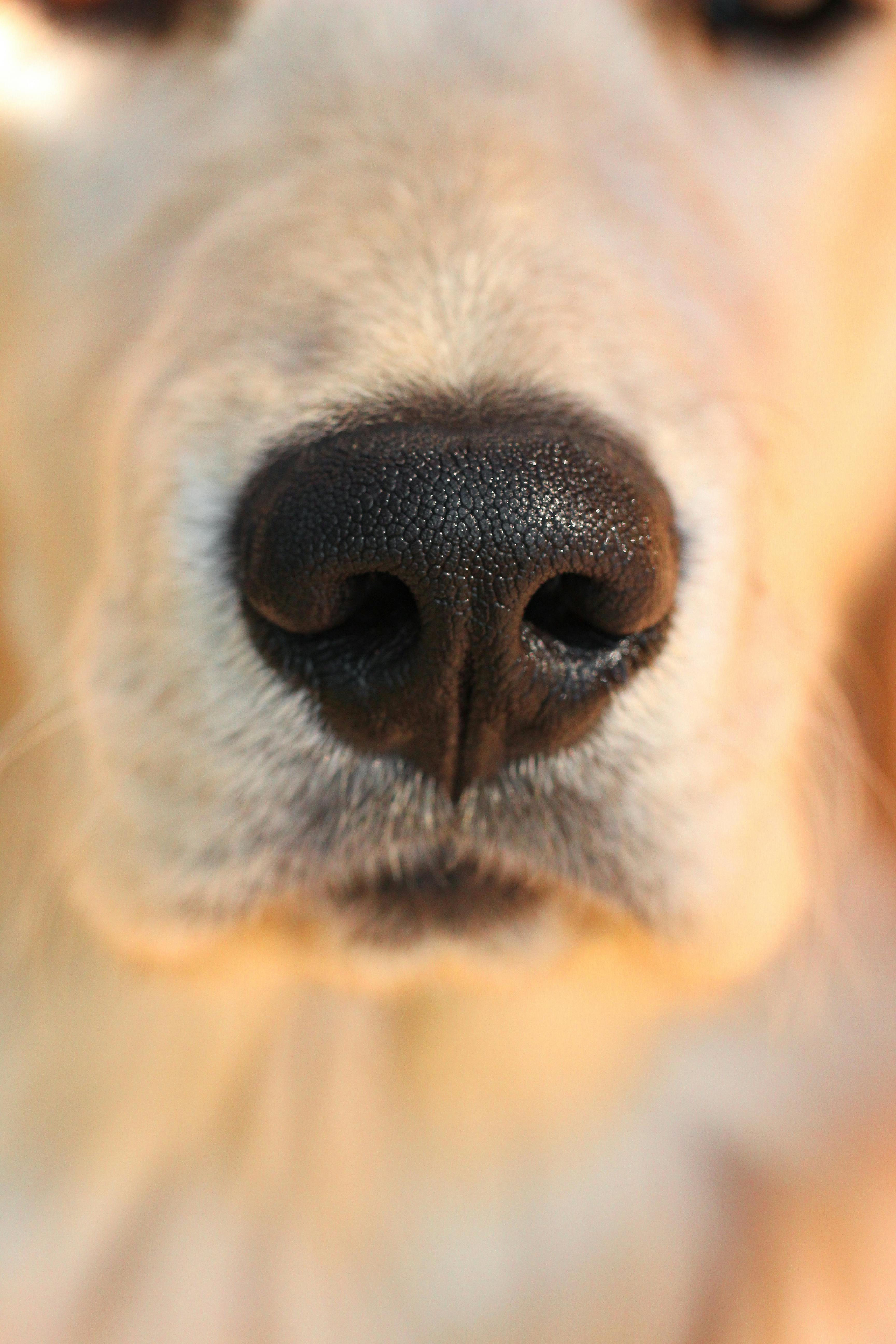
Dogs, unlike humans, have moist noses due to their unique biology. Their noses are covered in a thin layer of mucous that helps to enhance their sense of smell. Did you know that dogs have around 220 million scent receptors, compared to a human’s 5 million? This incredible olfactory ability allows dogs to detect scents at incredibly low concentrations. A wet nose can actually trap scent particles better, making it easier for dogs to sniff out things.
Why Do Dogs Have Wet Noses? Discover This Fascinating Truth!
There are several key reasons why a dog’s nose is usually wet:
- Cooling Mechanism: Dogs don’t sweat like humans do. They primarily cool off through their noses and panting. A wet nose helps to regulate their body temperature, especially on hot days.
- Enhanced Smell: As mentioned before, moisture on the nose captures scent particles from the air. This allows them to pick up more information about their environment, which is crucial for their survival instincts.
- Health Indicator: While a wet nose is generally considered a sign of good health, it isn’t the only indicator. A dog can be healthy even if their nose is dry. Other factors should also be considered, like energy levels and appetite.
Common Misconceptions About Dog Nose Moisture
There’s a lot of lore surrounding dog noses. Here are some common myths:
Myth: A Wet Nose Always Means a Healthy Dog
Reality: While a wet nose can indicate good hydration, it’s not a definitive health marker.Myth: A Dry Nose is Always a Bad Sign
Reality: Dogs can have dry noses for various reasons, including weather conditions or even sleeping.Myth: Dogs Sweat Through Their Noses
Reality: Dogs mainly cool off through their mouths and feet, not their noses.
Factors Affecting Nose Moisture
Several factors can influence the wetness of a dog’s nose:
- Weather Conditions: Hot, dry climates can lead to drier noses.
- Age: Older dogs might have drier noses due to reduced moisture production.
- Health Conditions: Allergies or infections can cause changes in nose moisture.
- Hydration: Dehydration can also lead to a dry nose.
What Should You Look For?
If your dog’s nose is dry, you may want to consider these signs:
- Behavior Changes: Are they lethargic or less playful than usual?
- Appetite: Are they eating less or showing no interest in food?
- Physical Symptoms: Check for coughing, vomiting, or unusual discharge from the nose.
Tips for Keeping Your Dog Healthy
Here are some practical tips to help maintain your dog’s health:
- Regular Vet Visits: Annual check-ups can catch potential health issues early.
- Hydration: Always provide fresh water for your dog, especially in warm weather.
- Diet: A balanced diet contributes to overall well-being.
- Exercise: Regular walks and playtime help keep them physically fit.
Fun Facts About Dogs’ Noses
- Dogs have unique nose prints, much like human fingerprints. Each dog has its own distinct pattern.
- A dog’s sense of smell can be trained to detect diseases such as cancer or diabetes.
- Some breeds have wetter noses than others. For example, breeds like Labrador Retrievers often have more moisture than others.
The wetness of your dog’s nose can indeed be a part of their overall health, but it shouldn’t be the only thing you look at. Understanding the reasons behind a dog’s wet nose can help you be more informed as a pet owner. So, next time you give your furry friend a pat on the head and notice that wet nose, remember that it’s just one of many factors that contribute to their health and happiness.
How Dogs Use Their Wet Noses to Explore the World: An In-Depth Look

Dogs are amazing creatures, known for their loyalty and companionship. But have you ever wondered why do dogs have wet noses? This characteristic is not just for show; it’s an essential part of how they interact with their environment. In this article, we’ll explore how dogs use their wet noses to explore the world around them, diving into the science and fascinating facts behind this unique trait.
The Science Behind Wet Noses
Dogs have wet noses primarily because of a special mucus that helps them smell. Their noses contain a high number of olfactory receptors—around 300 million, compared to a human’s mere 5 million. This incredible sense of smell is crucial for dogs, allowing them to detect scents from far away. The moisture on the nose helps to capture these scent particles more effectively.
- Olfactory Receptors: Dogs have about 300 million receptors.
- Human Comparison: Humans have only around 5 million receptors.
- Scent Detection: A dog can smell things as much as 100,000 times better than a human.
Why Are Dog Noses Wet?
The wetness of a dog’s nose serves several key purposes. Firstly, it enhances their sense of smell. When the nose is moist, it can trap odor molecules better. This is kinda like how we catch a whiff of something delicious when we walk past a bakery.
Secondly, a wet nose can help regulate a dog’s body temperature. Just like humans sweat to cool down, dogs rely on their noses to help dissipate heat. The moisture evaporates, providing a cooling effect.
How Dogs Explore Their Environment
Dogs rely heavily on their noses to understand the world. Here are some ways they use their sense of smell:
- Detecting Food: Dogs can find food buried underground or left behind by other animals.
- Communication: Dogs can smell pheromones, which help them understand other dogs’ emotional states.
- Tracking: They can follow scents to locate missing persons or even track down criminals.
- Identifying Health Issues: Some dogs are trained to detect diseases like cancer through smell.
Fun Facts About Dog Noses
- Unique Patterns: Just like human fingerprints, each dog’s nose print is unique.
- Temperature Regulation: Dogs can sweat a little through their noses, but they mainly cool off by panting.
- Nose Color: A dog’s nose color can change with age or health; a pink nose can indicate a lack of pigmentation.
- Nose Quirks: Some breeds have longer noses, while others have shorter ones, impacting their scent abilities.
Historical Context
Historically, dogs have been used for various roles based on their incredible sense of smell. For instance, Bloodhounds have been utilized for tracking and search and rescue missions for centuries. Their ability to follow a scent trail is so reliable that their findings can even be used in legal situations. In ancient times, dogs were seen as hunters and companions, and their noses were vital for survival.
Practical Examples of Dogs Using Their Noses
- Search and Rescue: Dogs trained to find missing persons can locate individuals through scent alone.
- Medical Detection: Some dogs are trained to detect low blood sugar in diabetics or alert to an oncoming seizure.
- Drug Detection: Law enforcement employs dogs to sniff out illegal substances, thanks to their superior olfactory skills.
Differences Among Breeds
Not all dogs have the same smelling abilities. The breed can greatly affect how well a dog can use its nose.
| Breed | Smelling Ability | Notable Traits |
|---|---|---|
| Bloodhound | Exceptional | Known for tracking scents over long distances. |
| Beagle | Very Good | Often used in detection work. |
| German Shepherd | Good | Versatile working dogs. |
| Chihuahua | Average | Primarily companion dogs. |
By understanding how dogs use their wet noses, we can appreciate the remarkable abilities these animals possess. Their noses not only help them navigate the world but also connect with us in unique and meaningful ways. So next time you see a dog sniffing around, remember: it’s not just being nosy; it’s exploring a world filled with scents and stories waiting to be uncovered!
The Connection Between a Dog’s Wet Nose and Their Sense of Smell
If you ever wondered why dogs have wet noses, you’re not alone. This peculiar trait has intrigued dog lovers and scientists alike for centuries. A dog’s wet nose isn’t just a cute feature; it serves several important functions, particularly relating to their sense of smell. So why do dogs have wet noses? Let’s dive into this fascinating truth and explore the connection between a dog’s wet nose and their remarkable olfactory abilities.
The Science Behind Wet Noses
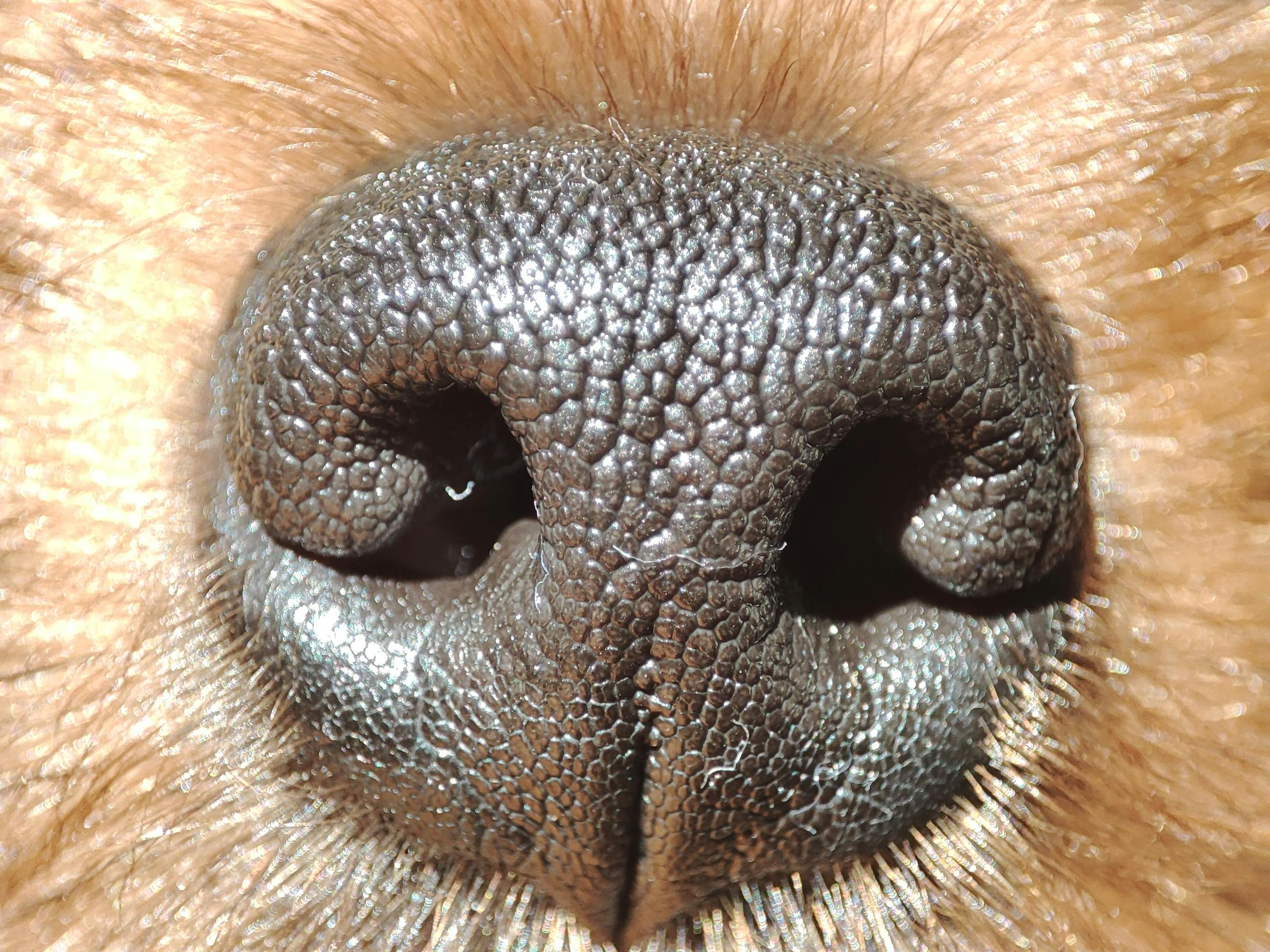
First off, the wetness of a dog’s nose comes from a thin layer of mucus. This moisture is important because it helps dogs absorb scent particles in the air. When a dog sniffs, the moisture on their nose captures these particles, allowing them to process smells more effectively. When their noses are damp, they can smell better.
- Nasal Structure: Dogs possess a highly developed olfactory system. Their noses contain up to 300 million smell receptors compared to a human’s 5 million. The wetness amplifies this capability.
- Moisture and Temperature: The wet coating helps regulate temperature as well, keeping the nose cool and enhancing scent detection.
Historical Context of Dogs’ Noses
Historically, dogs have been used for hunting and tracking because of their incredible sense of smell. Ancient societies recognized the value of dogs with wet noses. They were bred for their olfactory skills, and over time, different breeds developed unique traits based on their environment and needs.
- Tracking Dogs: In ancient Egypt, dogs were used to track scents for hunting. Their wet noses helped them find game more efficiently.
- Service Dogs: Today, dogs are trained for various roles like search and rescue, drug detection, and even in medical fields to detect diseases like cancer.
Why Do Dogs Have Wet Noses? Key Reasons
Now, let’s break down the main reasons why dogs have wet noses:
- Enhanced Smell: As mentioned, the moisture helps absorb scent particles, making their sense of smell sharper.
- Cooling Mechanism: A wet nose helps regulate body temperature. Dogs don’t sweat like humans do, so they rely on their noses and other methods to cool down.
- Health Indicator: A dog’s nose can be a health indicator. For instance, a dry or cracked nose might signal dehydration or illness, while a wet nose is usually a sign of good health.
Comparison: Dogs vs. Other Animals
Not all animals have the same nose characteristics as dogs. Here’s a quick comparison:
| Animal | Nose Type | Olfactory Receptors | Functionality |
|---|---|---|---|
| Dogs | Wet | 300 million | Excellent scent detection, tracking, and cooling |
| Cats | Dry | 50-80 million | Good sense of smell, but not as effective as dogs |
| Elephants | Trunk | 2,000 olfactory genes | Superior sense of smell, used for locating food |
| Humans | Dry | 5 million | Limited scent detection compared to dogs |
Practical Examples of Dogs’ Sense of Smell
Dogs use their noses in various practical ways that demonstrate their remarkable olfactory abilities:
- Search and Rescue: Dogs are trained to find missing persons or locate disaster survivors using their sense of smell.
- Medical Detection: Some dogs can sniff out specific diseases, alerting their owners or medical professionals to potential health issues.
- Detection Dogs: In airports or other security areas, dogs are trained to detect drugs, explosives, and other contraband using their keen sense of smell.
Fun Facts About Dog Noses
- Each dog’s nose print is unique, much like human fingerprints.
- Dogs can smell certain substances at incredibly low concentrations, even parts per trillion.
- A dog can differentiate between different scents, meaning they can pick out a specific person’s smell in a crowded area.
Understanding why dogs have wet noses and their connection to a dog’s sense of smell can deepen our appreciation for these incredible animals. Their noses are not just wet for nothing; they are essential tools for communication, exploration, and survival.
Next time you see your furry friend with that adorable, damp nose, remember the fascinating science behind it. Their wet noses are a testament to their remarkable abilities and an important part of what makes dogs such amazing companions. So, cherish those moments with your dog and marvel at the wonders of their world.
Is Your Dog’s Nose Too Wet? Here’s What It Means for Their Health

When you see your dog with a wet nose, you probably wonder: Is this normal? Is your dog’s nose too wet? Actually, there’s a lot to learn about why dog’s noses are wet and what this might mean for their health. Wet noses are more than just a cute feature; they serve important roles in a dog’s overall wellbeing. Let’s dive into this fascinating truth about our furry friends!
Why Do Dogs Have Wet Noses?
Dogs have wet noses for a variety of reasons, and it’s not just because they just drank water. Having a moist nose helps them sense the world around them. Here’s how:
- Enhanced Smell: Dogs have an extraordinary sense of smell, estimated to be between 10,000 to 100,000 times more sensitive than humans. The moisture on their noses helps to capture scent particles, making it easier for them to sniff things out.
- Temperature Regulation: Just like humans sweat, dogs can cool down through their noses. The moisture helps them regulate their body temperature, especially when they are feeling hot.
- Health Indicator: A wet nose can often indicate good health in dogs. If you notice a sudden change in moisture levels, it might be a sign that something’s up.
What Does a Wet Nose Mean for Your Dog’s Health?
While a wet nose is generally a sign of a healthy dog, it’s important to know what changes in nose moisture can mean. Here are some common scenarios:
- Normal Wetness: A healthy dog usually has a cool, moist nose. This is typical and nothing to worry about.
- Dry Nose: If your dog’s nose turns dry and cracked, it can indicate dehydration, fever, or even allergies.
- Excessively Wet Nose: A nose that’s too wet might be a sign of an underlying infection or illness. Watch out for other symptoms like lethargy or loss of appetite.
How to Check Your Dog’s Nose
You can keep an eye on your dog’s nose to ensure they staying healthy. Here’s how you can do it:
- Feel for Moisture: Gently touch the tip of your dog’s nose. It should feel cool and damp.
- Observe Changes: Look for any sudden changes in texture or temperature.
- Watch for Other Symptoms: If your dog’s nose seems wet but they’re showing other signs of distress, like coughing or vomiting, you should consult with a veterinarian.
Fun Facts About Dogs’ Noses
- Unique Patterns: Just like human fingerprints, each dog’s nose print is unique. This uniqueness can actually be used to identify them!
- Temperature Sensitivity: Dogs can detect changes in temperature with their noses. They can sense heat sources and even upcoming weather changes.
- Licking Their Noses: Dogs often lick their noses to keep them moist. This behavior also serves the purpose of tasting the scents they pick up.
Understanding Nose Colors
Dog noses come in different colors, and these can be an indication of breed or health. Here’s a simple breakdown:
- Black Nose: Generally indicates a healthy dog.
- Brown or Liver Nose: Common in certain breeds; nothing to worry about if it’s normal for your dog.
- Pink Nose: Can indicate a lack of pigmentation, but if it’s suddenly pink and dry, that could be a health concern.
When to Consult a Veterinarian
If you’re worry about your dog’s nose, don’t hesitate to take action. Here are some situations where you should seek professional help:
- Persistent Changes: If your dog’s nose stays dry for several days.
- Other Symptoms Present: Like coughing, vomiting, or unusual behavior.
- Nose Bleeds: If you see blood or unusual discharge, it’s time to see a vet.
The Bottom Line
Dogs and their wet noses are not just an adorable quirk; there’s real science behind it. Knowing the reasons why your dog’s nose is wet and understanding what changes might mean can help you keep your furry friend healthy. Regularly checking on your dog’s nose is just another way to ensure they are living their best life. If anything seems off, don’t hesitate to reach out to your veterinarian for advice. Your dog’s health and happiness are worth every moment!
7 Amazing Facts About Dogs’ Wet Noses You Never Knew
Have you ever been greeted by your furry friend, only to be met with a wet nose? It’s a common sight for dog owners, but have you ever wondered why do dogs have wet noses? This curious feature of our canine companions is not just for show; there’s a lot more going on than you might think. Let’s dive into 7 amazing facts about dogs’ wet noses that you probably never knew!
1. The Science Behind Wet Noses
First off, the moisture on a dog’s nose is not just there for decoration. Dogs’ noses contain a special type of skin that helps to absorb scent particles. The wetness helps to increase the surface area, allowing more scent to stick and providing dogs with a better sense of smell. Isn’t that fascinating? A dog’s sense of smell is estimated to be 10,000 to 100,000 times more sensitive than humans. So, you see, that wet nose is just part of their incredible sensory system.
2. Temperature Regulation
You might be thinking, “But it’s cold and wet!” Well, you are right! Dogs use their noses to help regulate their body temperature. When they lick their noses, the moisture evaporates, which cools them down. This is especially important for dogs who may not sweat like humans do. Instead of sweat glands, they rely on their nose and panting to cool off. So, that wet nose is helping them stay comfortable!
3. Communication Tool
Believe it or not, a dog’s wet nose serves as a form of communication. Dogs greet each other with their noses, and a wet nose often signals friendliness or a desire to play. When a dog nudges you with their nose, it might be a way of asking for attention or signaling that they want to go outside. This behavior can be traced back to their ancestors, where scent communication was vital for social interactions.
4. Health Indicator
Just like humans, a dog’s health can be indicated by the condition of their nose. A healthy dog usually has a moist and cool nose. If you notice your dog’s nose becoming dry and cracked, it may be a sign of dehydration or illness. It’s important to keep an eye on these changes and consult with a veterinarian if necessary. Remember, this isn’t always the case, but it can be a useful gauge for their well-being.
5. Unique Nose Prints
Did you know that a dog’s nose print is as unique as a human fingerprint? Each dog has a distinct pattern of ridges and creases on their nose, which can be used for identification. Some organizations have even started to use these nose prints for pet identification purposes. This means that if your dog ever goes missing, their nose print could help bring them home!
6. Evolutionary Advantage
The evolutionary benefits of having a wet nose are numerous. In the wild, dogs and their ancestors needed to hunt and find food. A wet nose enhances their ability to track scents over long distances, making them more effective hunters. As they evolved, those with wetter noses likely had better survival rates, passing this trait down to future generations. So, that wet nose isn’t just a quirk; it’s a survival tool!
7. Cultural Significance
In many cultures, a dog’s wet nose is seen as a sign of affection and loyalty. Dogs are often referred to as “man’s best friend,” and their wet noses symbolize the bond between humans and canines. Historically, dogs have played various roles in human society, from hunters to companions, and their wet noses have always been a part of that relationship. They are often used in various dog-related lore and myths, signifying their importance in our lives.
Summary of Facts
- Wet noses help dogs smell better by absorbing scent particles.
- They regulate body temperature through moisture evaporation.
- Dogs communicate with each other and with humans using their noses.
- The condition of a dog’s nose can indicate their health status.
- Each dog has a unique nose print for identification.
- Wet noses provide evolutionary advantages for hunting.
- Culturally, wet noses signify loyalty and affection.
So, next time you feel that cold, wet nose against your hand, remember all the amazing facts behind it! Dogs’ wet noses are far more than just a cute feature; they are a critical part of what makes our furry friends so special. The next time someone asks, “Why do dogs have wet noses?” you’ll be ready to share some fascinating truths!
Why Do Dogs Have Wet Noses? Exploring Evolutionary Benefits
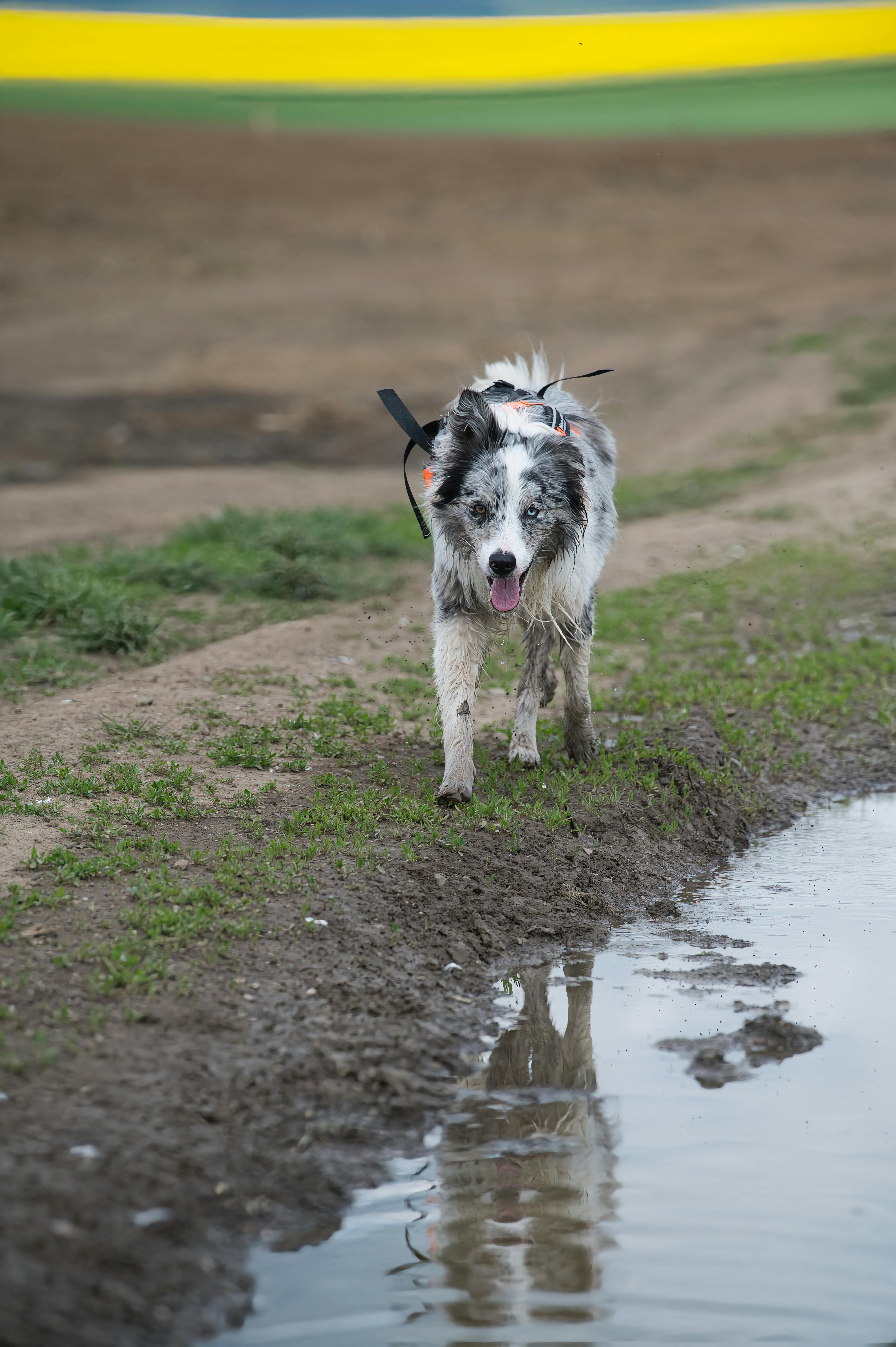
Have you ever wondered why do dogs have wet noses? Many people might think it’s just a cute quirk, but there’s actually more to it than that. Dogs have wet noses for a variety of reasons, and these reasons can be traced back through their evolutionary history. Let’s dive into this fascinating topic and explore the benefits of those adorable, moist noses.
The Science Behind Wet Noses
Dogs’ noses are wet for a few significant reasons. Firstly, that moisture is not merely for show. It helps in the process of smelling. Dogs have an incredible sense of smell, estimated to be anywhere from 10,000 to 100,000 times more sensitive than humans. The wetness of their noses helps to capture scent particles from the air. When dogs breathe in, the moisture on their noses traps these particles, aiding their olfactory senses.
A few important points about why dog noses are wet:
- Increased Scent Detection: The wetness allows scent particles to adhere more effectively.
- Cooling Mechanism: Just like sweat for humans, moisture helps dogs regulate their body temperature.
- Health Indicator: A healthy dog often has a cool, moist nose; changes can indicate health issues.
Evolutionary Advantages
Throughout history, dogs have evolved from their wild ancestors, and their wet noses have played an important role in their survival. It is believed that early canines relied heavily on their sense of smell for hunting and communication.
Here are some evolutionary benefits of having a wet nose:
- Enhanced Hunting Skills: Wet noses helped early dogs detect prey and avoid predators.
- Social Communication: Dogs can sense pheromones from other animals, which is crucial for social interactions.
- Thermoregulation: Wet noses help dogs cool down, especially in hot environments, providing an edge during hunts.
Comparative Anatomy: Dogs vs. Other Animals
Interestingly, not all animals have wet noses. Let’s see how dogs compare to other creatures:
| Animal | Nose Type | Functionality |
|---|---|---|
| Dogs | Wet | Enhanced smell, cooling, communication |
| Cats | Dry | Less reliance on scent; more visual hunters |
| Pigs | Wet | Similar to dogs; excellent smell for rooting |
| Humans | Dry | Primarily visual; limited olfactory abilities |
From this table, it’s clear that dogs are unique in their nose structure and functionality, which reflects their evolutionary journey.
The Role of Nose Moisture in Health
The moisture on a dog’s nose can give you clues about their health. Here’s what to watch for:
- Normal Condition: A moist, cool nose usually indicates good health.
- Dry Nose: Could suggest dehydration, illness, or fever.
- Cracked or Chapped Nose: May require veterinary attention, as it could be a sign of skin conditions.
Fun Facts About Dog Noses
- Unique Patterns: Just like human fingerprints, each dog’s nose print is unique and can be used for identification.
- Temperature Sensitivity: Dogs can sense temperature changes through their noses, helping them detect heat sources or cold spots.
- Keen Sense of Smell: Dogs have about 300 million olfactory receptors in their noses, compared to about 5 million in humans.
Conclusion
So, why do dogs have wet noses? It’s a combination of evolutionary benefits, health indicators, and special adaptations that help them thrive. Their wet noses are not just a charming feature; they play a crucial role in a dog’s life. Understanding these facts can deepen your appreciation for your furry friend. Next time you get a nose boop, remember, it’s not just a greeting—it’s a complex blend of biology and evolution at work!
The Role of a Dog’s Wet Nose in Communication: What Every Owner Should Know
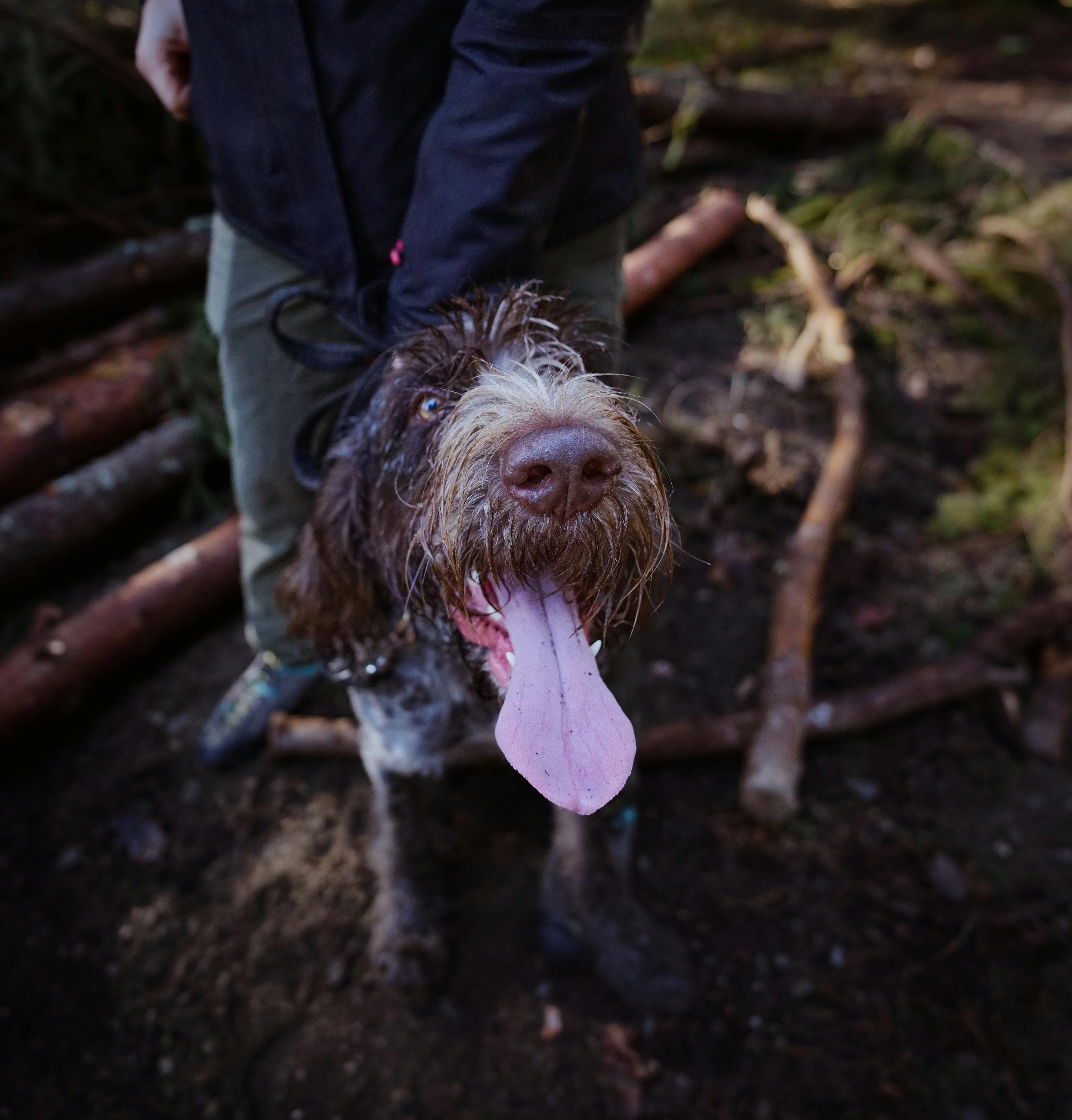
Dogs are a unique and fascinating species, and one of their most interesting features is their wet noses. Many dog owners often wonder, “Why do dogs have wet noses?” This question goes beyond just a curious observation; it opens up a whole world of communication and health insights. Understanding the role of a dog’s wet nose can help owners better understand their pets and enhance their relationship.
The Science Behind Wet Noses
Dogs’ noses are wet for a reason. The moisture on a dog’s nose helps them smell better. The wetness allows scent molecules to stick more effectively, which enhances their ability to detect odors. Research indicates that dogs have a sense of smell that is between 10,000 to 100,000 times more sensitive than humans. This means they can pick up scents that we can’t even imagine!
- Scent Detection: Wet noses help in trapping scent particles.
- Temperature Regulation: A wet nose can help dogs cool down as they don’t sweat like humans do.
- Health Indicator: Changes in the moisture level can indicate health issues.
A Historical View on Dog Communication
Historically, dogs have been companions to humans for thousands of years. They were used for hunting, herding, and protection. Over time, dogs evolved to communicate with humans in ways that are both verbal and non-verbal. The wet nose is a part of this non-verbal communication.
Dogs often nuzzle their owners or other dogs with their wet noses, which can indicate affection, curiosity, or even a need for attention. This behavior is rooted deeply in their social nature.
Why Is A Wet Nose Important?
Health Monitoring: A dog’s nose can tell you a lot about its health. For example:
- Dry Nose: Could indicate illness or dehydration.
- Excessively Wet Nose: May indicate allergies or a respiratory issue.
Communication Tool: Dogs use their noses to explore the world. When your dog nudges you with its nose, it might be trying to say:
- “Hey, I want to play!”
- “I’m hungry!”
- “Let’s go outside!”
Fun Facts About Dogs’ Wet Noses
- Dogs have about 220 million scent receptors in their noses, compared to about 5 million in humans.
- The texture of a dog’s nose is unique, much like a human fingerprint, every dog has a different pattern.
- Dogs can actually tell the difference between their owner’s scent and that of strangers.
Caring for Your Dog’s Nose
As a dog owner, it’s important to keep an eye on your dog’s nose. Proper care can help prevent health issues. Here are some simple tips:
- Regular Veterinary Check-ups: Ensure that your dog has routine check-ups to monitor its overall health.
- Hydration: Make sure your dog is drinking enough water, as hydration affects nose moisture.
- Healthy Diet: A balanced diet can impact skin and nose health.
The Role of Wet Noses in Social Interactions
Wet noses play a significant role in how dogs interact with each other and with humans. For instance:
- Greeting Behavior: When dogs meet, they often sniff each other’s noses. This is a way of gathering information about the other dog’s health and mood.
- Reassurance: Dogs will often nuzzle their owners with their noses when they sense distress or anxiety, as if to say, “I’m here for you.”
Comparing Dog Noses to Human Noses
Here’s a quick comparison between dog noses and human noses:
| Feature | Dog Nose | Human Nose |
|---|---|---|
| Scent Receptors | 220 million | 5 million |
| Moisture Level | Wet for scent | Generally dry |
| Communication | Non-verbal cues | Verbal and visual |
| Temperature Control | Helps cool down | Sweating is primary |
Understanding why dogs have wet noses can enhance your bond with them. Whether it’s recognizing the signs of their communication or monitoring their health, being aware of this fascinating truth about your pet can lead to a more fulfilling relationship. Next time your furry friend nudges you with that damp nose, you can appreciate the deeper meaning behind it.
Can a Dog’s Wet Nose Predict Weather Changes? Discover the Myths and Facts!

Dogs are known for their playful personalities and unique abilities, but one question that many pet lovers often ask is, “Can a dog’s wet nose predict weather changes?” It’s a fascinating thought, and while some people swear by it, there’s more to the story. So, let’s dive into this curiosity and explore the myths and facts surrounding our furry friend’s wet noses.
Why Do Dogs Have Wet Noses?
Dogs have moist noses for several reasons, and it’s not just because they love to lick everything in sight. Here’s the lowdown on why their noses tend to stay wet:
Cooling Mechanism: Dogs don’t sweat like humans do. Instead, they can cool themselves down through their noses. The moisture evaporating from their wet noses helps regulate their body temperature.
Sense of Smell: A wet nose enhances a dog’s ability to smell. The moisture helps to capture scent particles in the air, making it easier for them to identify different odors. That’s why dogs are often used in search and rescue operations or by police for sniffing out drugs.
Health Indicator: A wet nose can be a sign of good health in dogs. If your dog’s nose is dry or cracked, that might indicate dehydration or illness.
Can a Dog’s Wet Nose Predict Weather Changes?
Now, let’s get to the juicy part. Can dogs really sense changes in the weather with their wet noses? Some people believe that dogs can predict rain or storms due to their keen senses. Here’s a breakdown of what’s believed versus what science says:
Heightened Sensitivity: Dogs have an acute sense of smell and hearing. They can detect changes in the atmosphere, such as shifts in pressure or humidity levels, which might indicate an incoming storm.
Behavioral Changes: Before bad weather, many dogs exhibit different behaviors. They might become restless, seek shelter, or even act anxious. This behavior could be due to their ability to sense changes in the environment rather than their wet noses predicting the weather.
Myth or Fact?: While many pet owners share anecdotal stories about their dogs predicting rain, there’s no scientific proof that a dog’s wet nose alone can predict the weather. It’s more about their overall sensitivity to environmental changes.
The Science Behind a Dog’s Nose
Understanding the anatomy of a dog’s nose can shed more light on this topic. A dog’s nose is made up of two main parts: the external portion and the nasal cavity. The nasal cavity contains specialized cells that detect odors, and it’s lined with mucous membranes which keep the nose moist. Here’s some interesting facts:
Nasal Turbinates: These are structures in the nasal cavity that help increase the surface area for scent detection. Dogs have more of these than humans, making their sense of smell way stronger.
Jacobsen’s Organ: This is an additional olfactory structure that allows dogs to analyze scents better. It’s part of why they can smell things that humans can’t.
Moisture and Temperature: The wetness of a dog’s nose can also help them detect temperature changes in the environment, contributing to their ability to sense weather shifts.
Fun Facts About Dog Noses
Here are some fun and interesting facts about dog noses that you might not know:
Unique Patterns: Just like human fingerprints, every dog has a unique nose print. It’s true! This uniqueness can potentially be used for identification.
Color Matters: The color of a dog’s nose can vary, and it can change with age. Puppies often have pink noses that might darken as they grow older.
Temperature Check: A dog’s nose temperature can vary based on factors like exercise, the environment, and even their mood. It’s not a definitive health indicator, though.
The Bottom Line
While the idea of a dog’s wet nose predicting weather changes is a fun concept, reality is more nuanced. Dogs have remarkable senses that allow them to detect variations in their environment, but attributing this solely to their wet noses isn’t entirely accurate. Their behavioral cues and heightened senses combine to give them an edge when it comes to sensing weather changes.
So, next time you see your dog with that familiar wet nose, remember that it’s not just adorable but also a fascinating tool for understanding their world. Whether they are predicting rain or simply sniffing out a treat, their noses are one of their most remarkable features.
Conclusion
In conclusion, the wet noses of dogs serve several vital purposes that contribute to their overall health and sensory perception. As we explored, a dog’s moist nose plays a crucial role in enhancing their sense of smell by capturing scent particles more effectively. This unique characteristic also aids in temperature regulation, allowing dogs to cool down through evaporation. Additionally, a wet nose can indicate hydration and overall well-being, as it is a sign of a healthy canine. Understanding these aspects can deepen our appreciation for our furry friends and their remarkable biology. As responsible pet owners, it’s essential to monitor the health of our dogs, including their noses. If you notice any significant changes in moisture levels or overall condition, consult a veterinarian. Embrace the quirks of your pet and remember that their wet noses are just one of the many ways they connect with the world around them.
