
Have you ever wondered, why do dogs have wet noses? It’s a question that many pet owners find themselves asking, and the answer is more fascinating than you might think! A dog’s nose is not just adorable; it plays a crucial role in their health and well-being. Wet noses in dogs are often associated with a host of interesting facts that can make you see your furry friend in a whole new light. Did you know that a moist nose helps dogs to detect scents more efficiently? This natural phenomenon isn’t just for show; it’s actually a sign of a healthy pup! Furthermore, there’s a common belief that a cold, wet nose means your dog is feeling good— but is it really true? In this blog post, we’ll dive deep into the science behind a dog’s wet nose and explore why it’s essential for their survival. From temperature regulation to enhanced smell capabilities, the truth about your dog’s wet nose will leave you curious and wanting to know more. So, let’s uncover the captivating reasons behind this intriguing canine characteristic!
The Science Behind Dog Nose Moisture: Why Is Your Pup’s Nose Always Wet?
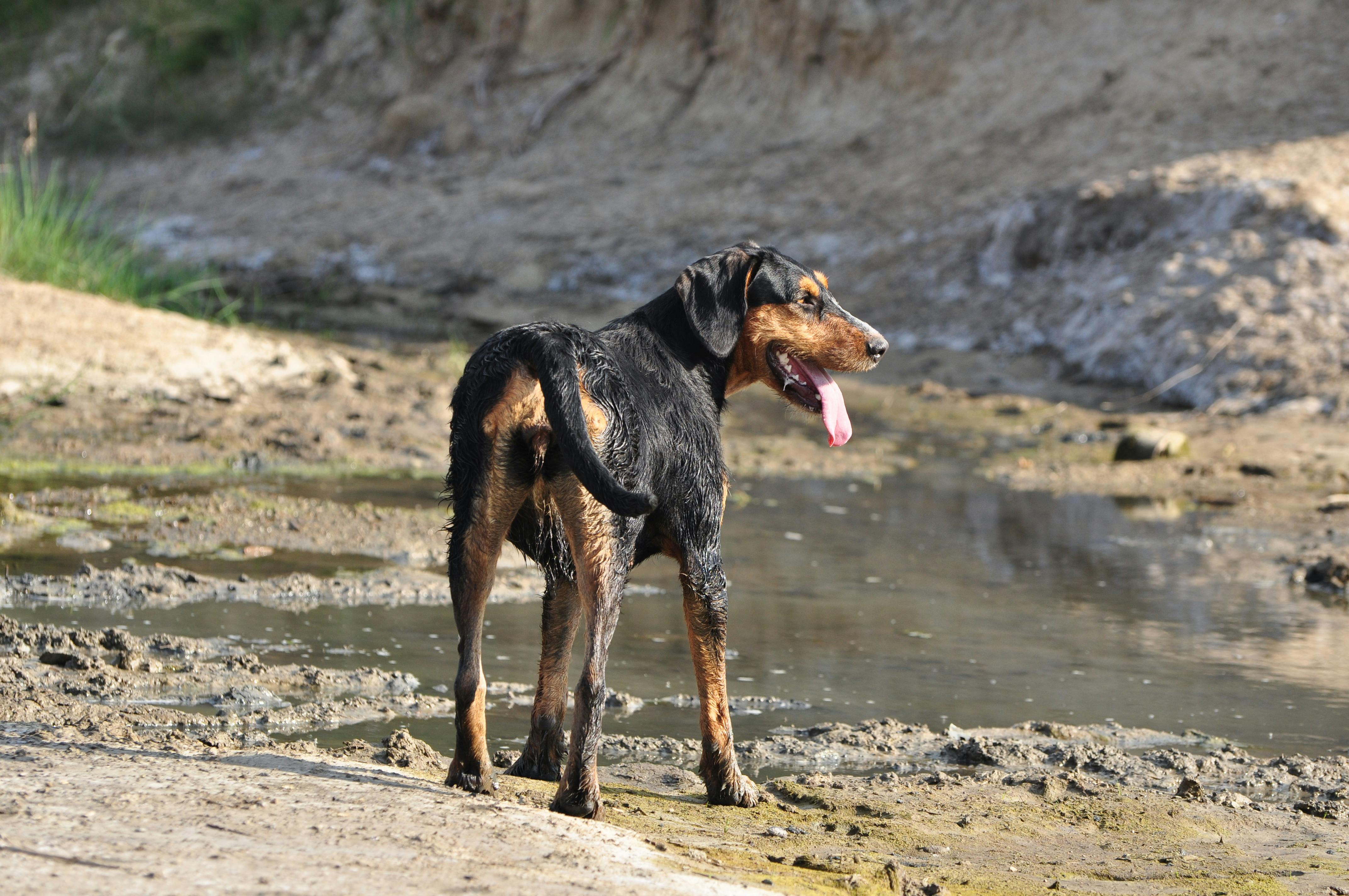
Have you ever noticed how your dog’s nose is always wet? You might wonder why that’s the case. Is it normal? Well, let’s dive into the science behind dog nose moisture, and explore why do dogs have wet noses and what it means for your furry friend.
The Science of a Wet Nose
Dogs have moist noses for several reasons. One of the main reason is that a wet nose helps them to smell better. This is because moisture helps to dissolve scent molecules in the air, making it easier for dogs to detect different smells. Dogs have an incredible sense of smell, estimated to be between 10,000 to 100,000 times more sensitive than humans. So, having a wet nose is like giving them a superpower!
Design of the Dog’s Nose
The structure of a dog’s nose is really fascinating. It contains a lot of special receptors that help in identifying scents. The wetness of the nose comes from the mucus that is produced naturally. This mucus helps in trapping scent particles, allowing dogs to get a better sense of their environment. Here’s how it works:
- Moisture secretion: Dogs nose secretes mucus that keeps the surface moist.
- Scent absorption: The moisture captures scent particles in the air.
- Enhanced smelling: It allows dogs to pick up on scents more effectively.
Why Is a Dog’s Nose Wet?
There are few reasons that explain why do dogs have wet noses. Here’s a list of some key factors:
- Thermoregulation: Dogs cool down by panting, but their noses also help. A wet nose can help to regulate their body temperature.
- Health indicator: A wet nose can be a sign of good health. If your dog’s nose is dry, it could indicate dehydration or illness, although it’s not always a cause for concern.
- Environmental factors: Dogs spend time outside, and environmental factors like humidity and temperature can also affect nose moisture.
The Role of Saliva
Another factor contributing to the wetness of a dog’s nose is saliva. Dogs often lick their noses, which keeps them moist. Here’s how saliva helps:
- Cleaning: Licking helps to clean the nose from dirt and debris.
- Scent enhancement: Saliva can also help in capturing scent molecules, further enhancing their smelling capability.
Comparing with Other Animals
It’s interesting to compare dog noses with other animals. For instance:
| Animal Type | Nose Moisture Level | Scent Detection Capability |
|---|---|---|
| Dogs | High | Exceptional |
| Cats | Moderate | Good |
| Humans | Low | Poor |
| Elephants | Moderate to High | Excellent |
As you can see, dogs are designed to have high moisture levels in their noses, which aids them in scent detection compared to other animals.
Historical Context
Historically, a dog’s nose has been a topic of interest. Ancient cultures believed that a wet nose was a sign of a healthy dog. In fact, many dog breeds were developed with specific traits, including their remarkable nose abilities. Working dogs, like bloodhounds, were specifically bred for their keen sense of smell, which is largely influenced by the moisture in their noses.
Practical Examples of Nose Moisture
Now, let’s look at some common scenarios regarding your dog’s nose:
- Normal Activity: After playing outside, your dog’s nose may become wet from sniffing around.
- Health Issues: If your dog’s nose suddenly becomes dry or cracked, it may be worth checking with a vet.
- Weather Changes: In hot weather, a dog’s nose might become dryer than usual, but should return to normal when hydrated.
Final Thoughts
Understanding the science behind your pup’s wet nose can help you appreciate your furry friend even more. It’s not just a cute feature; it’s a vital part of how they interact with the world around them. So, the next time you give your dog a scratch behind the ears, remember that their wet nose is a symbol of their incredible ability to sniff out the wonders of life. Embrace those wet kisses; it’s a sign of your pup’s health and happiness!
7 Surprising Benefits of a Wet Nose in Dogs: What You Need to Know
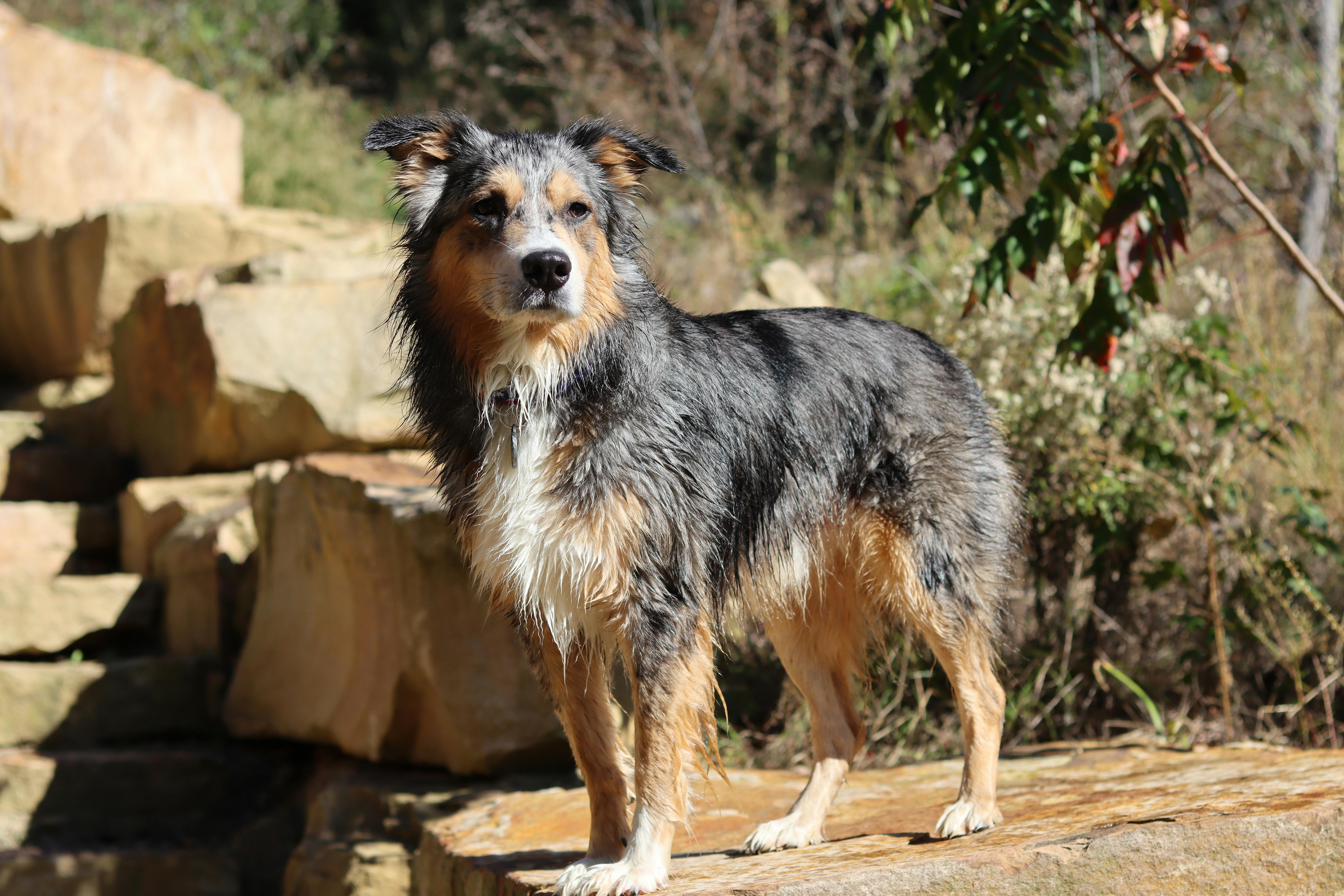
Dogs are often seen with their noses wet, and many folks might wonder why is that. It turns out, there’s more to a wet nose than just being cute! In fact, the moisture on a dog’s nose can serve several surprising purposes. Let’s dive into the fascinating truth about why do dogs have wet noses and uncover the 7 surprising benefits of this unique feature.
1. Enhanced Sense of Smell
First off, a wet nose helps dogs smell better. The moisture traps scent particles, which allows dogs to pick up smells more effectively. Their sense of smell is already incredible, being thousands to millions times more sensitive than humans. A wet nose just amplifies that ability, making it easier for them to detect scents in the environment. That’s why dogs often sniff around so much – they’re gathering information!
2. Temperature Regulation
Did you know that dogs don’t sweat like humans? Instead, they rely on panting and their noses to regulate body temperature. When a dog’s nose is moist, it helps cool down their body through evaporation. This natural cooling mechanism is essential, especially during warm weather. If you ever wondered why your dog likes to stick their nose in the water or roll in the snow, it’s partly because they’re trying to keep cool!
3. Communication Tool
Another interesting fact is that a wet nose can also be a form of communication. Dogs often nudge their owners with their noses to express affection or to get attention. A wet nose can be a sign that your furry friend is feeling friendly and approachable. It’s a way for them to say, “Hey, I’m here! Let’s play!” So, the next time your pup gives you a little nudge, remember, it’s their way of reaching out.
4. Health Indicator
You might not realize it, but a dog’s nose can also indicate their health. A healthy dog usually has a cool, wet nose, while a dry or warm nose might suggest illness or dehydration. Keeping an eye on your dog’s nose can be a simple way to monitor their well-being. If you notice any significant changes, it might be time to visit the vet. Just remember, a wet nose doesn’t guarantee good health, but it’s a good starting point.
5. Social Bonding
Having a wet nose can also promote social bonding among dogs. When dogs greet each other, they often sniff each other’s noses. This behavior is part of their social interactions and helps them gather information about each other. Dogs can learn a lot from sniffing! This is why you might see your dog get excited when meeting another dog; it’s all part of their social nature.
6. Protection Against Allergens
Another benefit of a wet nose is that it can help filter allergens and irritants. The moisture on a dog’s nose can trap dust, pollen, and other particles, preventing them from entering the respiratory system. This is particularly important for dogs that spend a lot of time outside. A wet nose acts as a barrier, keeping their airways clear and reducing the chances of allergies.
7. Assists in Tasting
Finally, a wet nose also plays a role in tasting. Dogs have taste buds just like humans, but they rely more on their sense of smell to fully experience flavors. When a dog licks something, the moisture from their nose helps carry the scent to their taste buds, enhancing their flavor perception. This explains why dogs are often so interested in food items; their noses are working overtime to help them enjoy every bite!
Quick Facts About Dog Noses
- Normal Temperature: A dog’s nose temperature can vary, but it typically ranges from 94 to 99 degrees Fahrenheit.
- Dry Nose Causes: A dry nose can be caused by dehydration, sunburn, or certain health conditions.
- Nose Color: The color of a dog’s nose can change with temperature and health status.
- Lifespan of Dogs: Dogs can live anywhere from 10 to 15 years, depending on breed and care.
In conclusion, the wet nose of a dog is more than just a quirky trait; it serves multiple functions that enhance their health, communication, and overall well-being. Understanding these benefits can help dog owners appreciate their furry companions even more. So, the next time you see your dog with a wet nose, remember all the fascinating reasons behind it!
Is a Wet Nose a Sign of a Healthy Dog? Discover the Truth About Canine Health

When you pet your dog, you probably notice that its nose is often wet. But is a wet nose really a sign of a healthy dog? Many dog owners have been askin this question for years, and it’s time to explore the truth behind wet noses and what they can tell us about canine health. Is it just an adorable trait, or does it indicate something more? Let’s dive into the interesting world of dog noses and their roles in overall health.
Why Do Dogs Have Wet Noses?
First off, a wet nose is not just a random characteristic. Dogs have wet noses because it helps them to smell better. The moisture on their noses helps to capture scent particles from the air, making their sense of smell even more powerful. Dogs have around 220 million scent receptors, while humans have only about 5 million! This heightened sense of smell is critical for their survival, allowing them to detect food, predators, and even help in search-and-rescue operations.
Here are some fun facts about why dogs have wet noses:
Temperature Regulation: Dogs sweat through their paw pads, but their noses help to regulate body temperature as well. A wet nose can cool them down.
Communication: Dogs also use their noses to communicate with other dogs. A wet nose can mean they are relaxed and happy.
Health Indicator: A change in the moisture level of a dog’s nose can sometimes indicate illness. A dry nose might not always mean something serious, but it’s worth keeping an eye on.
Can a Wet Nose Indicate a Healthy Dog?
While a wet nose is often associated with good health, it’s not a foolproof indicator. Here are some points to consider:
Normal Variability: Some dogs naturally have drier noses, and that can be perfectly normal. Factors like breed, age, and environment can influence nose moisture.
Temperature and Weather Effects: The weather can affect how wet or dry a nose is. For example, a dog might have a drier nose in winter when the air is colder and drier.
Health Conditions: A consistently dry nose could be a sign of dehydration or other health issues. If your dog’s nose is hot, dry, or cracked, it could be time for a vet visit.
Behavioral Aspects: Sometimes, a dog might lick its nose frequently, leading to increased moisture. This doesn’t necessarily mean they are healthy, just that they’re being their usual doggy selves.
Common Misconceptions About Dog Noses
There are several myths surrounding dog noses that need to be debunked. Here’s a list of common misconceptions:
Myth 1: A dry nose always means illness.
- Reality: Dogs can have dry noses for various reasons that aren’t related to health.
Myth 2: A warm nose indicates a fever.
- Reality: Nose temperature can vary and isn’t a reliable sign of fever.
Myth 3: A wet nose means a dog is sick.
- Reality: A sick dog can have a wet or dry nose, so it’s not a definitive sign of health.
What Should You Watch For?
Instead of just relying on a wet nose, it’s important to observe other signs of health in your dog. Here are some indicators of a healthy dog:
- Energy Level: Is your dog active, playful, and engaged?
- Appetite: A healthy dog usually has a good appetite and maintains a healthy weight.
- Coat Condition: A shiny coat can indicate good health, while dull fur may be a sign of problems.
- Behavior Changes: Sudden changes in behavior can indicate health issues that need attention.
Quick Reference Table: Signs of a Healthy Dog vs. Signs of Potential Illness
Signs of a Healthy Dog:
- Energetic and playful
- Good appetite
- Clear eyes
- Wet, cool nose
Signs of Potential Illness:
- Lethargic or less active
- Loss of appetite
- Cloudy eyes
- Hot, dry nose
It’s essential to remember that every dog is unique. What’s normal for one dog might not be for another. Regular vet check-ups are crucial in keeping your furry friend healthy.
In conclusion, while a wet nose can often be seen as a sign of a healthy dog, it’s not the only factor to consider. The moisture on a dog’s nose serves multiple purposes, including enhancing their sense of smell and regulating temperature. Always observe your dog’s overall health and consult with a veterinarian when you notice any changes. Understanding canine health requires a broader view than just the wetness of their noses!
The Role of Dog Noses in Social Interaction: How Wetness Enhances Communication

Dogs and their noses, oh what a fascinating topic! Many people often wonder why do dogs have wet noses, and how does that little fact tie into their social interactions. Dogs are not just our pets; they are skilled communicators, and their wet noses plays a significant role in how they interact with us and each other. Let’s dive into the intriguing world of canine noses and discover the truth behind their wetness and its impact on dog communication.
The Science Behind Wet Noses
Dogs have highly developed olfactory senses, which means they can smell things way better than humans. Their sense of smell is estimated to be between 10,000 to 100,000 times more acute than ours! But why are their noses wet? The moisture on a dog’s nose helps to enhance their sense of smell. It works like this: when a dog sniffs something, the wetness helps to trap scent particles. This makes it easier for their olfactory receptors to process different smells.
- Moisture Helps Trap Scents: A wet nose traps scent particles more effectively.
- Temperature Regulation: A dog’s nose also helps cool them down.
- Health Indicator: Sometimes, the wetness can indicate the dog’s health status. A dry or cracked nose may signal dehydration or illness.
Historical Context of Dog Communication
Dogs have been companions to humans for thousands of years. Their social behaviors have evolved alongside us. Historically, dogs used their noses not just for scent tracking but also for social interaction among their packs. They communicate through smell, using their noses to gather information about other dogs’ health, mood, and even reproductive status.
- Ancient Roles: Dogs were bred for specific tasks, like hunting or herding, which required keen senses.
- Pack Communication: Dogs in the wild use scent to maintain social bonds and convey messages.
- Human Companionship: Over time, this evolved into a unique communication style with humans.
How Wetness Enhances Communication
Wet noses are a part of a dog’s way of expressing themselves. When a dog approaches you and nudges you with their nose, they’re not just being affectionate; they’re also gathering information about you. The scent of your skin, clothes, or even the food you’ve recently handled tells your dog a lot about you.
- Greeting Behavior: A wet nose is often a sign of a friendly greeting.
- Curiosity and Exploration: Dogs use their noses to explore their environment.
- Emotional State: The wetness can also reflect a dog’s emotional state; a relaxed dog often has a wetter nose.
Dogs and Social Interaction
Dog noses play a crucial role in social interactions not just with humans but also among their peers. Here are some examples of how dogs communicate through their noses:
- Scent Marking: Dogs often leave their scent in specific areas to communicate with other dogs.
- Sniffing Each Other: When dogs meet, they often sniff each other’s noses and behinds — it’s like a handshake!
- Reading Emotions: Dogs can detect pheromones, chemicals that can inform them about another dog’s mood or stress levels.
Comparisons with Other Animals
It’s interesting to compare dog noses with those of other animals. For example, cats have a different approach to scent communication. While they do have a sense of smell, it is not as developed as that of dogs. Here’s a quick comparison:
| Animal | Sense of Smell | Communication Method |
|---|---|---|
| Dogs | Very High | Scent, body language |
| Cats | Moderate | Visual cues, some scent |
| Humans | Low | Language, visuals |
Practical Implications for Dog Owners
As dog owners, understanding the role of wet noses in social interaction can help us better connect with our pets. Here are some tips:
- Encourage Sniffing: Allow your dog to sniff during walks; it’s their way of exploring.
- Observe Behavior: Pay attention to how your dog reacts to different scents; it can reveal their feelings.
- Health Monitoring: Regularly check your dog’s nose; changes in wetness can indicate health issues.
Dog noses are not just an adorable feature; they are complex tools that help enhance communication. Understanding why do dogs have wet noses and the role they play in social interactions can deepen the bond between you and your furry friend. So next time your pup nudges you with that wet nose, remember there’s a lot more happening than meets the eye!
Curious Canines: Why Do Dogs Lick Their Noses and What It Means
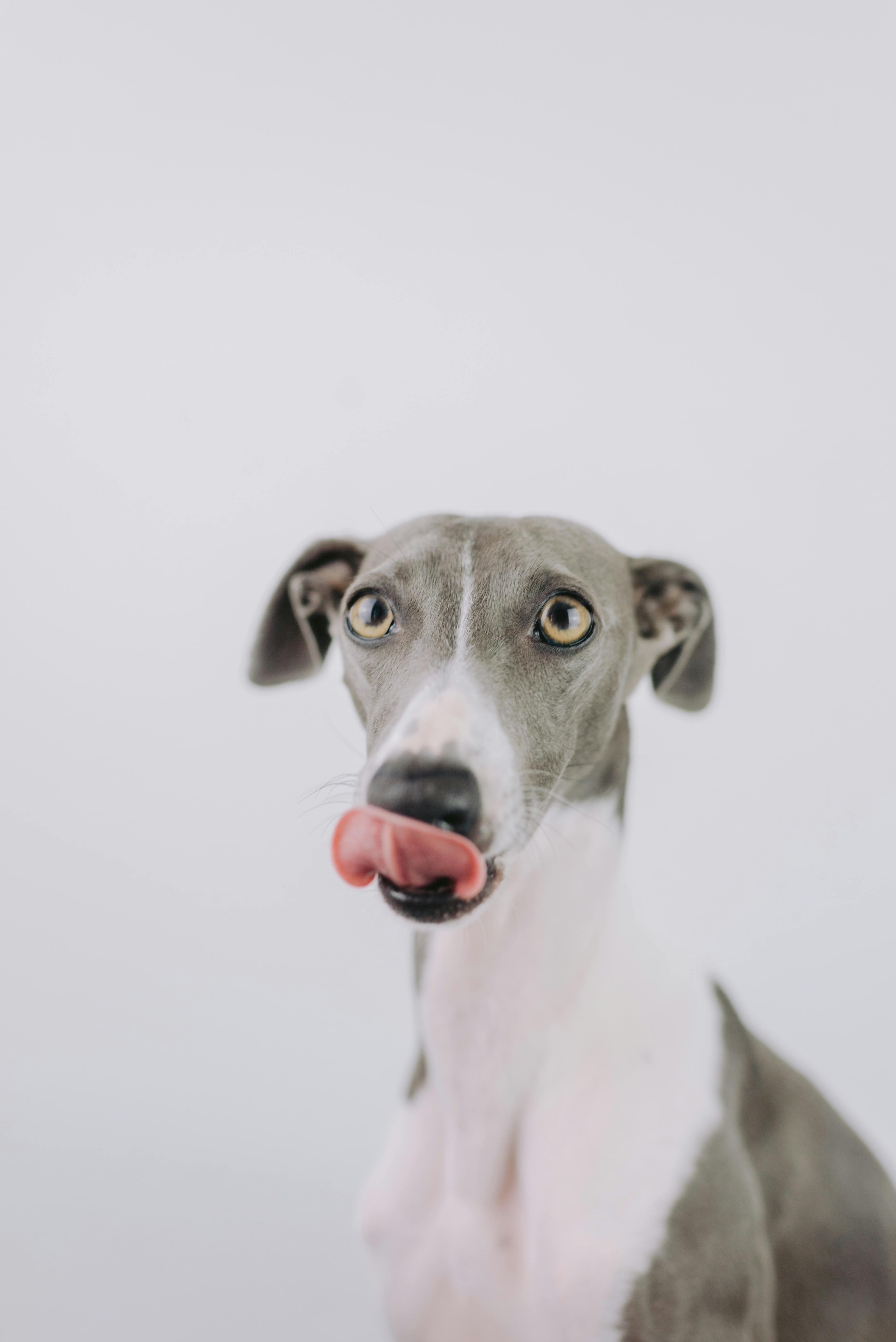
Curious Canines: Why Do Dogs Lick Their Noses and What It Means, Why Do Dogs Have Wet Noses? Discover the Fascinating Truth!
Dogs are truly fascinating creatures. They have their own way of communicating, and one common behavior that often puzzles dog owners is nose licking. If you ever wondered, “Why do dogs lick their noses?” or “Why do dogs have wet noses?” you’re not alone. There’s a whole lot to uncover about these curious canines and their remarkable noses.
The Science Behind Wet Noses
First thing first, let’s talk about why dogs have wet noses. Dog noses are actually wet for a number of reasons. Here’s a simplified breakdown:
- Moisture Regulation: A wet nose helps dogs regulate their body temperature, especially when they’re feeling hot.
- Enhanced Smell: Dogs have an incredible sense of smell, and a moist nose helps to capture scent particles in the air, enhancing their ability to detect odors.
- Health Indicator: The wetness of a dog’s nose can also serve as a health indicator. A healthy dog usually has a cool and moist nose, while a dry nose could indicate dehydration or illness.
The Role of Nose Licking
Now, let’s dive into the nose licking behavior. Dogs lick their noses for several reasons, and it can be quite fascinating. Here’s a quick list of some reasons:
- Cleaning: Dogs lick their noses to keep them clean. Just like humans wash their hands, dogs use their tongues to remove dirt and debris.
- Taste and Smell Exploration: Dogs explore their world through taste and smell. Licking their noses helps them gather information about their surroundings, including food and other scents.
- Nervous Habit: Sometimes, dogs lick their noses when they are anxious or stressed. It can be a calming mechanism for them.
- Social Signals: In some cases, a dog might lick its nose as a way of showing submission or appeasement to another dog or human.
Historical Context and Evolution
Interestingly, the wet nose of dogs has roots in their evolutionary history. Dogs descended from wolves, who also had wet noses. They relied heavily on their sense of smell for hunting and navigating their environment. Over time, this trait carried over to domestic dogs.
Also, it’s worth noting that not all breeds have the same level of wetness. For example, some brachycephalic breeds, like Bulldogs, may have drier noses due to their shorter snouts.
Comparing Canine Noses
Here’s a quick comparison of how different dog breeds’ noses can vary:
| Breed | Nose Type | Moisture Level | Scent Detection Ability |
|---|---|---|---|
| Labrador Retriever | Long and wet | High | Excellent |
| Bulldog | Short and dry | Low | Moderate |
| German Shepherd | Medium and wet | High | Excellent |
| Pug | Short and dry | Low | Moderate |
Practical Examples of Nose Usage
Dogs use their noses in many practical ways. For instance:
- Tracking and Hunting: Dogs are often employed in search and rescue operations because of their incredible sense of smell, which is 10,000 to 100,000 times more sensitive than that of humans.
- Detecting Illness: Some dogs can detect diseases, such as cancer and diabetes, simply through their sense of smell. They can sense changes in a person’s body chemistry before symptoms even appear.
- Navigating Their World: When dogs are on walks, they often stop to sniff everything. This is their way of gathering information about other animals, people, and the environment.
The Importance of Nose Health
Keeping your dog’s nose healthy is crucial. Here are some tips:
- Hydration: Ensure your dog drinks enough water, especially during hot weather.
- Regular Vet Checkups: Regular visits to the vet can help catch any potential health issues related to their nose.
- Watch for Changes: If your dog’s nose becomes persistently dry, cracked, or discolored, it might be time to consult a vet.
Understanding why dogs lick their noses and why they have wet noses gives dog owners insights into their furry friend’s behavior. It’s a reminder of how unique dogs are and how much we still have to learn about them. The bond we share with our pets is enriched by these little quirks, making our lives just a bit more interesting. So, next time you see your dog licking its nose, you can appreciate the fascinating truth behind that curious canine behavior!
Wet Noses and Temperature Regulation: How Dogs Keep Cool Through Their Snouts
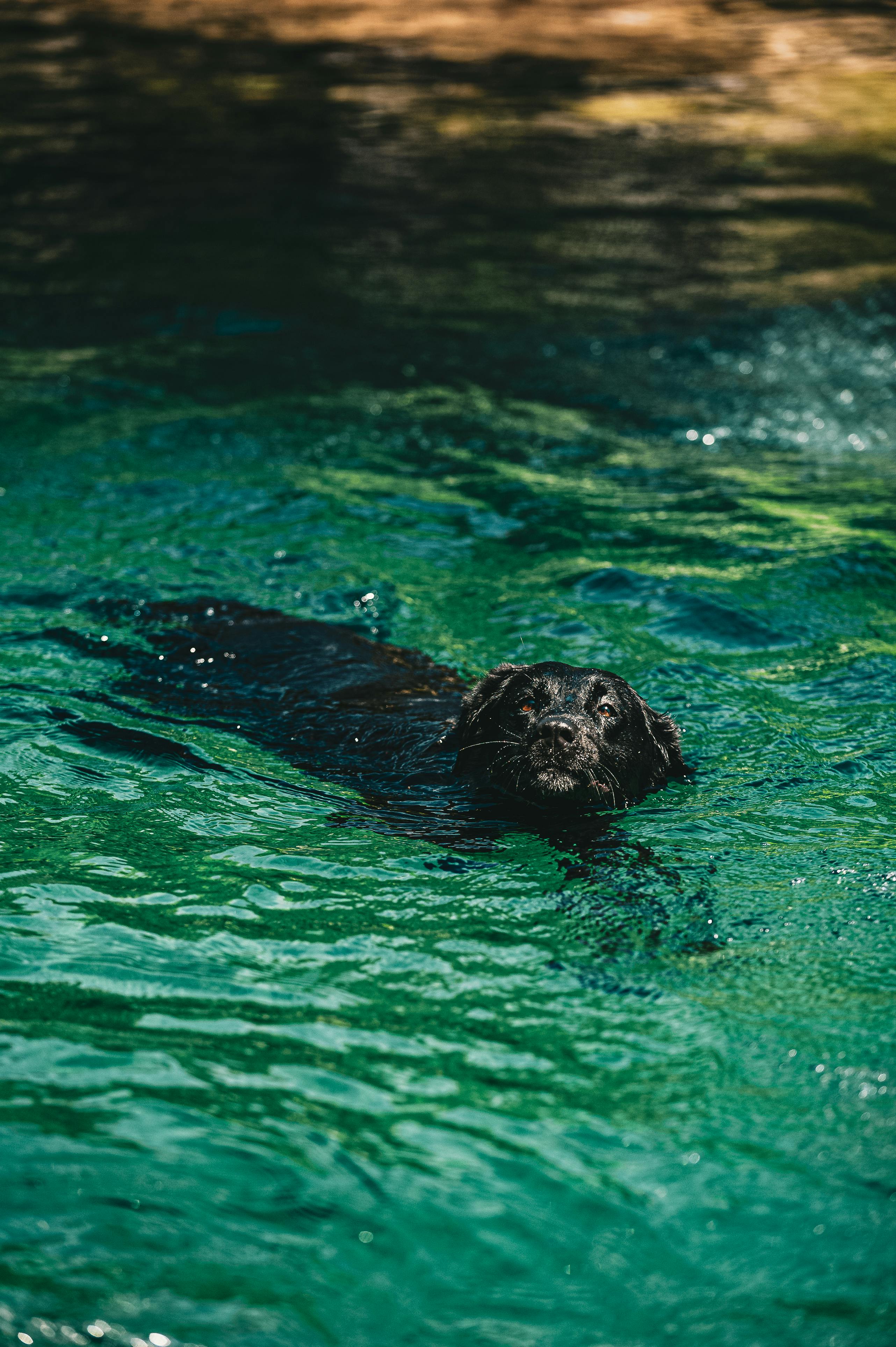
Ever wonder why dogs have wet noses? It’s one of those quirky traits that make our furry friends so unique. The truth is, there’s quite a fascinating science behind those cold, damp snouts. Dogs use their noses not just for smelling but also for regulating their body temperature. This article dives into how dogs keep cool through their snouts, why their noses are wet, and some intriguing facts about this marvelous feature.
The Science of a Wet Nose
A dog’s nose is more than just a cute feature or an adorable trait. The moisture on their snouts plays a crucial role in a dog’s health and well-being. The primary reasons why dogs have wet noses include:
- Temperature Regulation: Dogs don’t sweat like humans do. Instead, they rely on their noses to help cool down their bodies. When a dog pants, the moisture evaporates from their wet nose, which helps to lower their body temperature.
- Enhanced Sense of Smell: A moist nose traps scent particles better than a dry one. This is why you might notice your pup sniffing around with that adorable wet snout—it’s hard at work picking up all the scents in the environment.
- Health Indicator: A wet nose is often seen as a sign of a healthy dog. While not always the case, a dry nose can sometimes indicate illness or dehydration.
Why Are Dog Noses Wet?
Dog noses are wet for a few reasons. Here’s a breakdown:
- Mucus Production: Dogs have specialized glands that produce mucus, keeping their noses moist. This mucus helps in capturing scent particles.
- Saliva Transfer: Dogs often lick their noses. This action not only keeps their noses moist but also helps enhance their olfactory capabilities.
- Environmental Factors: A dog’s nose might be wetter in humid conditions, which can help in temperature regulation and scent detection.
Historical Context of Dog Noses
Dogs have been companions to humans for thousands of years. Since their domestication, their noses have evolved to become one of their most vital tools. Ancient civilizations recognized the importance of a dog’s sense of smell, using them for hunting and tracking. The wet nose has always been a part of this evolution, adapting to enhance their ability to smell.
Comparing Dog Noses to Other Animals
Dogs aren’t the only animals with wet noses. Here’s a comparison with other creatures:
- Cats: Similar to dogs, cats also have moist noses, which help in their sense of smell, but they tend to be less reliant on their noses for temperature regulation.
- Pigs: Pigs have wet noses too, which aids in their sense of smell. Interestingly, they are known for their keen olfactory senses, often being used in truffle hunting.
- Rabbits: Rabbits have moist noses as well, which is crucial for their survival in the wild, helping them detect predators.
Fascinating Facts About Dog Noses
Here are some fun facts that might surprise you about dog noses:
- Dogs have about 300 million olfactory receptors in their noses, compared to humans, who have about 5 million.
- The wetness of a dog’s nose can change throughout the day. It’s not unusual for a dog’s nose to be wetter after a good lick or when they’ve been outside.
- Different dog breeds can have varying nose shapes and sizes, impacting their sense of smell and temperature regulation.
Practical Examples of Temperature Regulation
Here’s how dogs typically keep cool:
- Panting: Dogs pant to cool down, and moisture evaporating from their wet noses plays a key role in this process.
- Finding Shade: If a dog feels too hot, it might seek out shade or cool surfaces to lie on. The wetness helps them maintain a lower body temperature in conjunction with this behavior.
- Hydration: Keeping a dog well-hydrated is crucial. When dogs drink water, it helps maintain moisture levels in their noses, aiding their temperature regulation.
Conclusion
Understanding why dogs have wet noses is not only interesting but also showcases the incredible adaptability of these animals. Their wet noses serve multiple purposes, from temperature regulation to enhancing their sense of smell. The next time you see your pup with that adorable, cold snout, remember the fascinating science behind it. It’s just one more reason to love our canine companions!
5 Fascinating Facts About Dog Noses: Why Their Wetness Matters More Than You Think
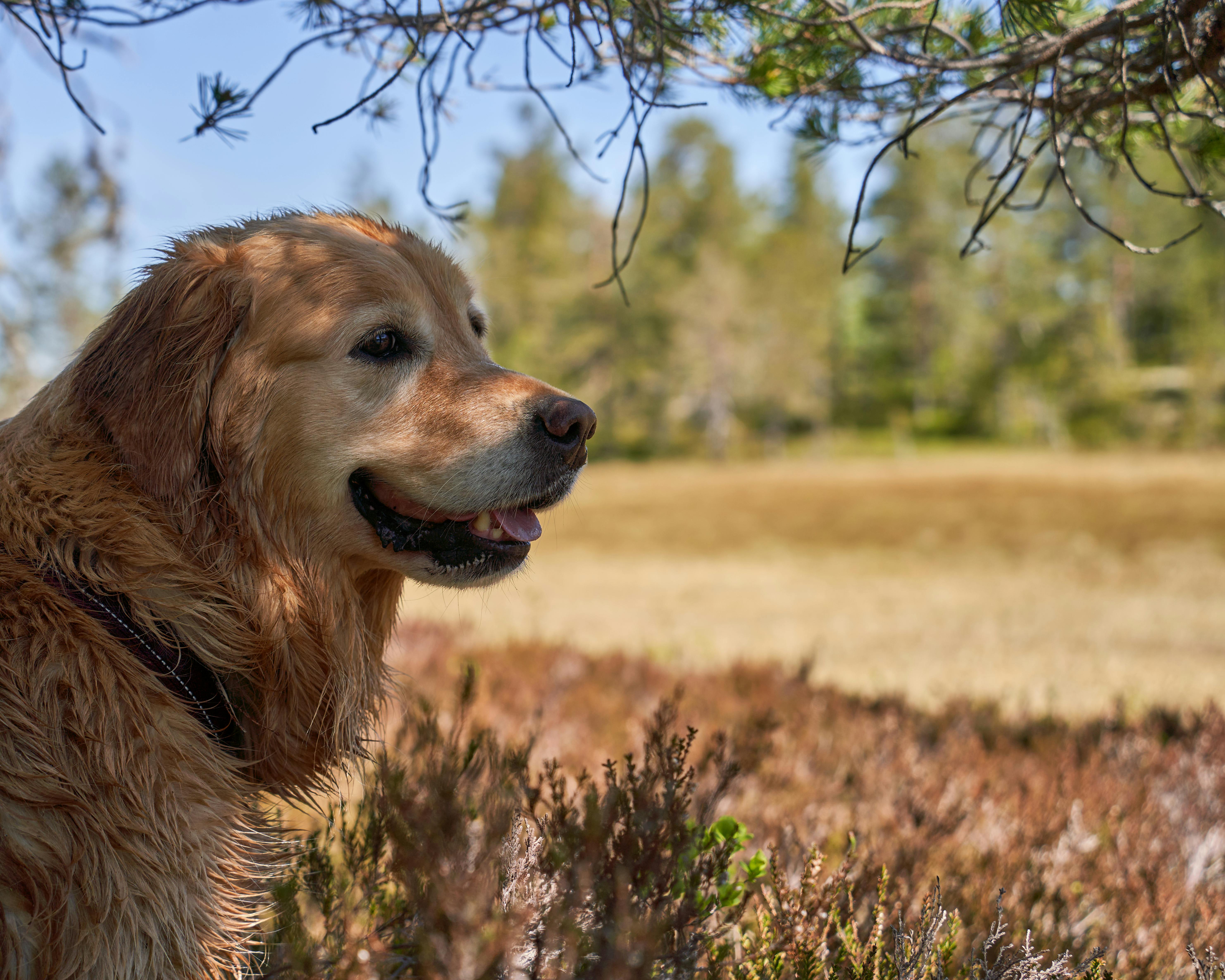
When you think about dogs, one of the first things that come to mind is probably their adorable noses. Did you ever wonder why do dogs have wet noses? This simple yet intriguing question opens the door to some fascinating facts about our furry friends. In this article, we explore five interesting aspects of dog noses and why their wetness is more important than you might think.
1. Wet Noses Help Regulate Temperature
Did you know that a dog’s wet nose plays a significant role in temperature regulation? Just like humans sweat to cool off, dogs rely on their noses to help maintain their body temperature. The moisture on their noses evaporates, which creates a cooling effect. This is particularly important during hot weather when dogs might struggle to cool down. So, when you see your pup panting or licking their nose, they might just be trying to cool off!
2. Enhancing Their Sense of Smell
Dogs have an incredible sense of smell—up to 100,000 times more sensitive than humans! Their wet noses actually help enhance this amazing ability. The moisture on a dog’s nose helps to trap scent particles, which makes it easier for them to detect smells. When they sniff something, the wetness catches those tiny particles, allowing the olfactory receptors in their noses to work more efficiently. It’s like having a built-in scent collector!
3. Communication and Social Interaction
Interesting enough, a dog’s nose is crucial for communication. When dogs greet each other, they often sniff one another’s noses. This behavior is part of their social interaction and helps them gather information about each other. The moisture in their noses can even carry scent molecules that provide insights into another dog’s health, mood, and even what they’ve been eating. So, the next time your dog gets up close and personal with another pooch, remember it’s all part of their social behavior!
4. Unique Nose Prints
Just like human fingerprints, every dog’s nose has a unique pattern. This uniqueness can be used for identification purposes. Some organizations have even proposed using nose prints as a means of identifying lost dogs. The ridges and bumps on a dog’s nose are as distinctive as a human fingerprint. If you ever thought about getting your dog microchipped, consider taking a nose print too! You could have a backup identification method if they ever wander off.
5. Health Indicators
A dog’s nose can also serve as an indicator of their health. Many people believe that a wet and cool nose is a sign of a healthy dog, while a dry or warm nose may suggest illness. However, it’s not always that simple. Factors like temperature, activity level, and even the environment can affect a dog’s nose moisture. For instance, after exercising, a dog’s nose might be dry, but it doesn’t necessarily mean they are sick. Here are some signs to look for:
- Consistently dry or cracked nose: This can be a sign of dehydration or other health issues.
- Excessive discharge: Clear or colored discharge might indicate allergies or infections.
- Change in color: If the nose changes color suddenly, it could be worth checking with a vet.
Quick Facts About Dog Noses
- Dogs have about 300 million olfactory receptors, compared to humans who have around 6 million.
- A dog’s sense of smell is believed to be 10,000 to 100,000 times more acute than that of humans.
- The nose of a dog can detect scents in parts per trillion, which is why they are used in search and rescue operations.
Dogs and Their Noses: A Closer Look
Here’s a simple comparison between human and dog noses:
| Feature | Human Nose | Dog Nose |
|---|---|---|
| Scent Receptors | ~6 million | ~300 million |
| Sensitivity | Basic smell detection | Advanced scent detection |
| Temperature | Regulates via sweating | Regulates via wetness |
Understanding why do dogs have wet noses gives us a deeper appreciation for our furry companions. Their wet noses are not just cute; they’re essential for their well-being and communication. So the next time you give your pup a pat on the head, don’t forget to notice their adorable, wet nose and the fascinating functions it serves. Embracing these little details can enhance the bond between you and your dog, bringing even more joy to your shared moments together.
How Do Environmental Factors Affect Your Dog’s Nose Moisture? Revealing Insights
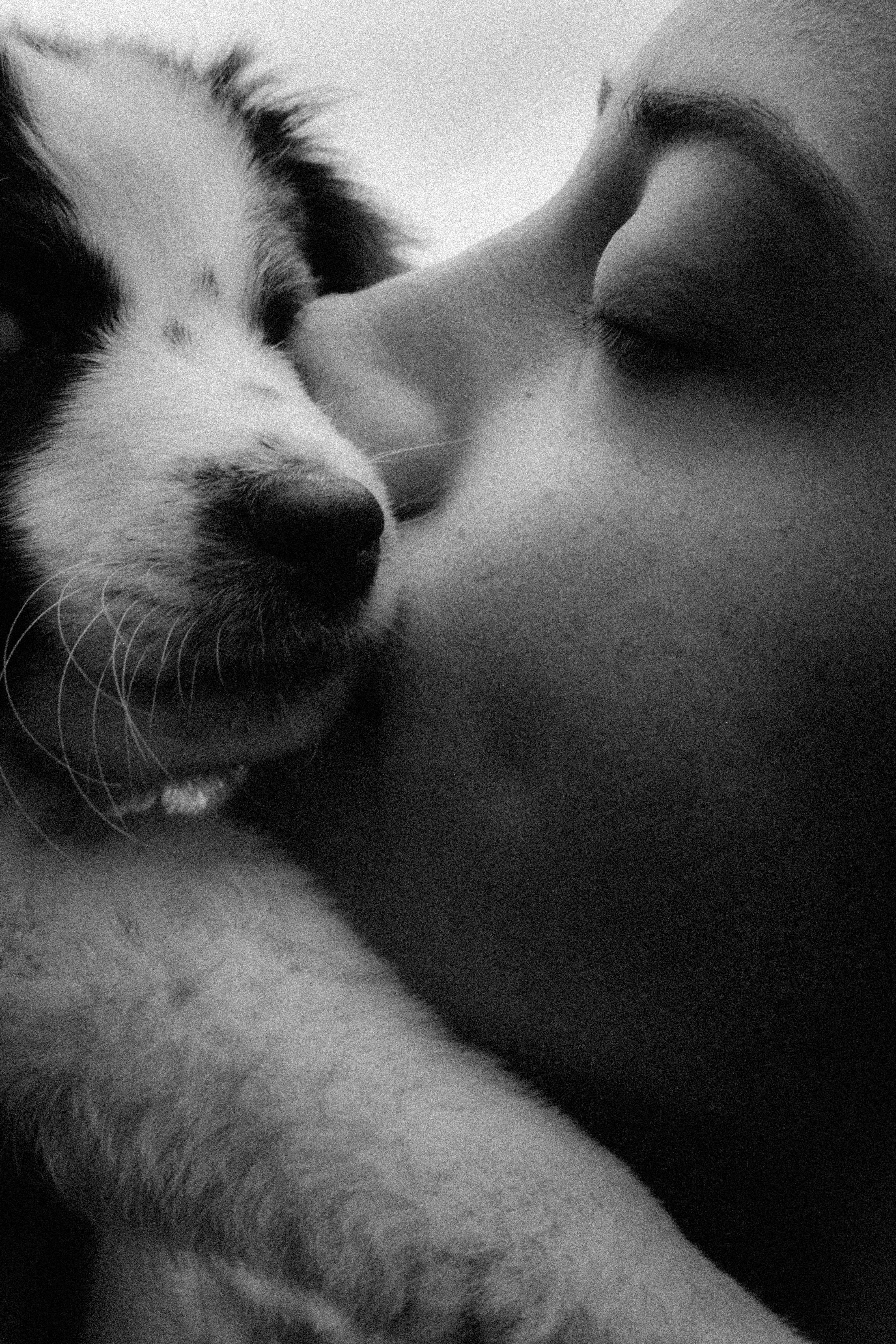
Ever wonder why your dog’s nose is always so moist? It’s a question many dog owners ask, and it turns out there’s more to it than just cuteness. The moisture on a dog’s nose can actually be influenced by various environmental factors, and understanding these can provide fascinating insights into your furry friend’s health and behavior.
Why Do Dogs Have Wet Noses?
There’s a few reasons dogs have wet noses, and it’s not just for show. A wet nose can help dogs with their sense of smell. Here’s some key points to consider:
- Enhanced Smell: A moist nose helps trap scent particles, making it easier for dogs to smell their environment.
- Temperature Regulation: Dogs don’t sweat like humans, so their noses help cool them down. When their noses are moist, they can regulate their body temperature more effectively.
- Health Indicator: A wet nose is often seen as a sign of a healthy dog. Dryness can sometimes indicate illness or dehydration.
Environmental Factors That Can Affect Nose Moisture
The environment plays a huge role in how wet or dry a dog’s nose can get. Here’s some factors to think about:
- Humidity Levels: In high humidity, dogs’ noses tend to stay wetter. Conversely, dry environments can lead to drier noses.
- Temperature Fluctuations: Extreme heat can dry out a dog’s nose quickly. Keeping them hydrated and cool is important.
- Seasonal Changes: Winter air can be very dry, leading to a higher chance of a dry nose. On the other hand, summer can be more forgiving if humidity is present.
- Air Quality: Pollution or smoke can irritate a dog’s nose and change its moisture levels. If you live in a city, for example, this may be a factor.
Practical Examples of Nose Moisture Variation
Consider these scenarios that might affect your dog’s nose moisture:
- Living in New York City: With the high levels of pollution and varying humidity, dogs might have fluctuations in their nose moisture.
- Mountain Areas: Higher altitudes and dry air can lead to drier noses, especially in winter.
- Coastal Regions: The salty air and higher humidity can help keep a dog’s nose moist.
How to Keep Your Dog’s Nose Healthy
If you notice your dog’s nose is getting too dry, here are some practical tips to help:
- Hydration: Make sure your dog always has access to clean, fresh water.
- Humidifiers: Using a humidifier can help maintain moisture levels in your home, especially during winter months.
- Nasal Balms: There are products available specifically designed to keep a dog’s nose moisturized. Look for all-natural options.
The Fascinating Truth About Dog Noses
Here’s some interesting facts that you might not know about dog noses:
- Unique Patterns: Just like human fingerprints, every dog has a unique nose print.
- Temperature Sensitivity: A dog’s nose can actually change temperature based on their emotional state; it may become cooler when they are relaxed and warm when excited.
- Scent Discrimination: Dogs have up to 300 million scent receptors in their noses, while humans only have around 6 million. This is a major reason why their noses are wet, to help pick up scents better.
The Bottom Line
Understanding how environmental factors affect your dog’s nose moisture can demystify why it’s wet or dry at different times. Dogs have wet noses for practical reasons that benefit their health and well-being. Being mindful of their environment, hydration, and overall health can help ensure your furry friend’s nose stays in tip-top shape. So next time you see your dog’s wet nose, remember it’s more than just an adorable feature—it’s a vital part of their health and sensory perception!
The Connection Between Dog Emotions and Nose Wetness: What Your Pup Is Trying to Tell You
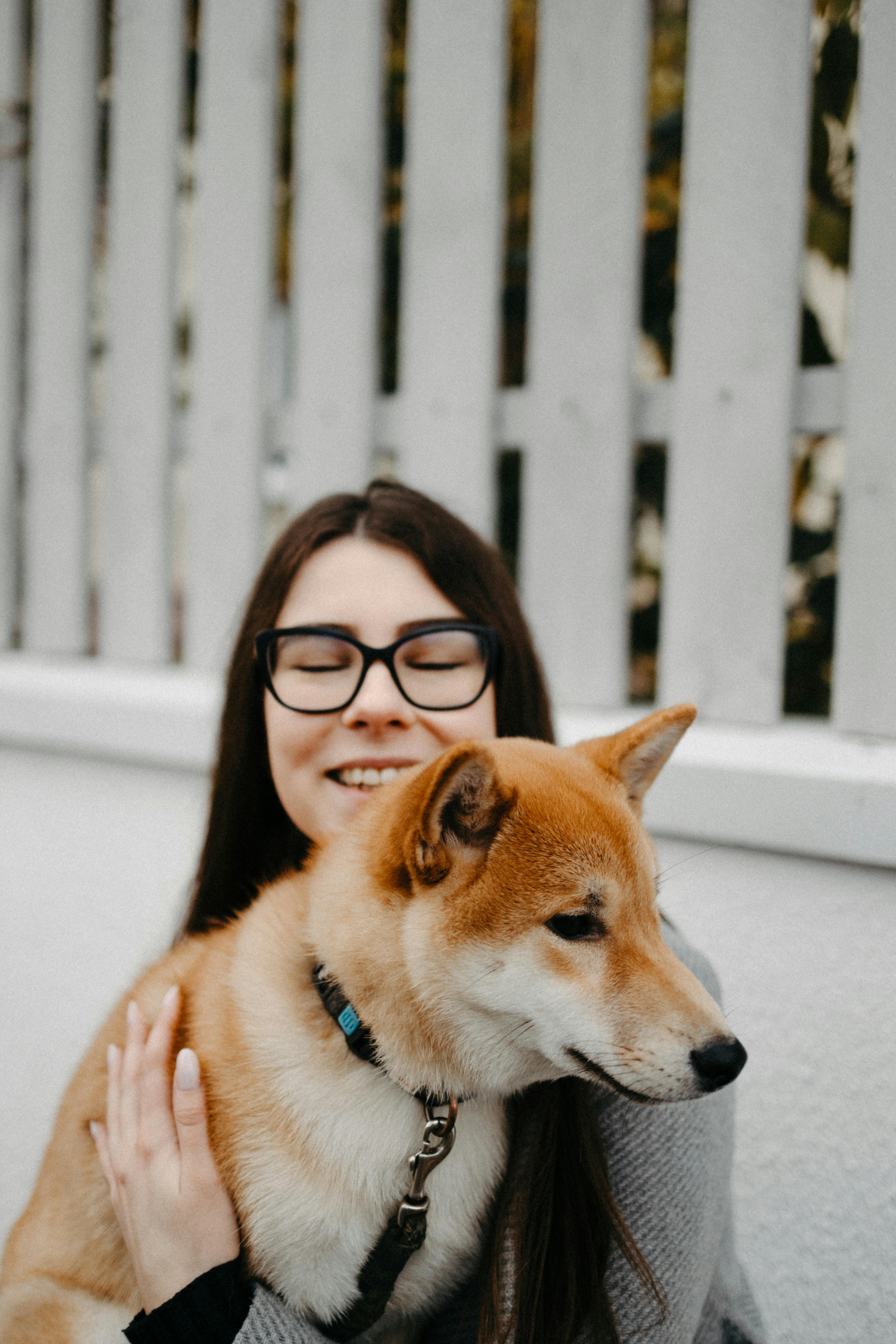
Have you ever notice your dog’s wet nose and wonder what it means? Dogs have been our companions for thousands of years, and yet there still so much we don’t fully understand about them. One of the most intriguing aspects of canine physiology is their wet noses. Not only do these noses play a significant role in a dog’s sense of smell, but they also provide clues about their emotional state. In this article, we will delve into the fascinating connection between dog emotions and nose wetness, exploring the question: why do dogs have wet noses?
The Science Behind Dog Noses
Dog noses are typically wet, but why is that? There’s a few reasons. Firstly, a wet nose helps enhance a dog’s sense of smell. The moisture helps to dissolve scent particles, making it easier for dogs to pick up different odors. When a dog’s nose is wet, it can detect pheromones and other scents more effectively. Here are some interesting facts about dog noses:
- Dogs have about 220 million scent receptors, compared to humans who have only about 5 million.
- The part of a dog’s brain that processes smells is about 40 times larger than that of humans.
- A dog’s sense of smell is so powerful that they can detect certain diseases in humans.
Emotional Indicators Linked to Nose Wetness
Now, let’s talk about what a wet nose can tell you about your dog’s emotions. Just like humans, dogs can express their feelings through physical changes. A dog’s nose can often be an indicator of their mood.
- Excitement: When dogs are happy or excited, their noses tend to be more moist. This moisture can be a response to increased physical activity or heightened emotional states.
- Stress or Anxiety: A dry or warm nose might suggest that your dog is stressed or feeling unwell. If you notice your dog’s nose is dry, it’s wise to check for other signs of distress.
- Relaxation: A cool and damp nose often indicates that a dog is in a calm state. This can be a good sign that your pup is feeling comfortable and safe in their environment.
The Role of Environment and Health
Dogs’ noses can change wetness based on their environment and health. An outdoor dog may have a wetter nose due to exposure to moisture in the air or from playing in water. On the other hand, if a dog is sick or dehydrated, their nose can become dry, indicating a potential health issue.
Here’s a quick list of factors that influence nose wetness:
- Weather Conditions: Humidity can increase moisture, while dry weather can lead to a drier nose.
- Health Status: Illness, dehydration, and fever can all lead to changes in nose wetness.
- Activity Level: Active dogs who are running around may have wetter noses from increased panting.
Historical Perspective on Dog Noses
In ancient times, dogs were valued for their hunting abilities, and their keen sense of smell was crucial for tracking prey. This led to a close relationship between humans and dogs, as they relied on each other for survival. In fact, many breeds were specifically developed for their scenting abilities, which is why nose wetness has been studied and admired throughout history.
Comparing Dog Noses to Other Animals
If you think dog noses are fascinating, just wait until you compare them with other animals! Here’s a basic comparison of nose wetness among various animals:
- Cats: Generally have drier noses than dogs but can show similar emotional indicators.
- Pigs: Known for their incredible sense of smell, pigs have moist noses, aiding them in foraging.
- Humans: Our noses are usually dry, and we rely more on sight and sound rather than smell.
Practical Tips for Dog Owners
To better understand your pup’s emotional state through their nose, consider these practical tips:
- Observe Regularly: Take note of your dog’s nose wetness during different activities and times of day.
- Check for Other Signs: Look out for changes in behavior or other physical signs (like energy level) that could indicate health issues.
- Consult a Vet: If your dog’s nose is persistently dry or warm, it may be a good idea to consult with a veterinarian to rule out any health problems.
Understanding the connection between dog emotions and nose wetness can greatly enhance your bond with your furry friend. Dogs communicate in various ways, and their wet noses are just one of the many ways they express how they feel. By paying attention to these signals, you can become more attuned to your pup’s emotional state and ensure they are happy and healthy. So, next time you see your dog with a wet nose, take a moment to appreciate the fascinating truth behind it!
Wet vs. Dry Dog Noses: Understanding the Signs of Health and What They Mean for Your Pet
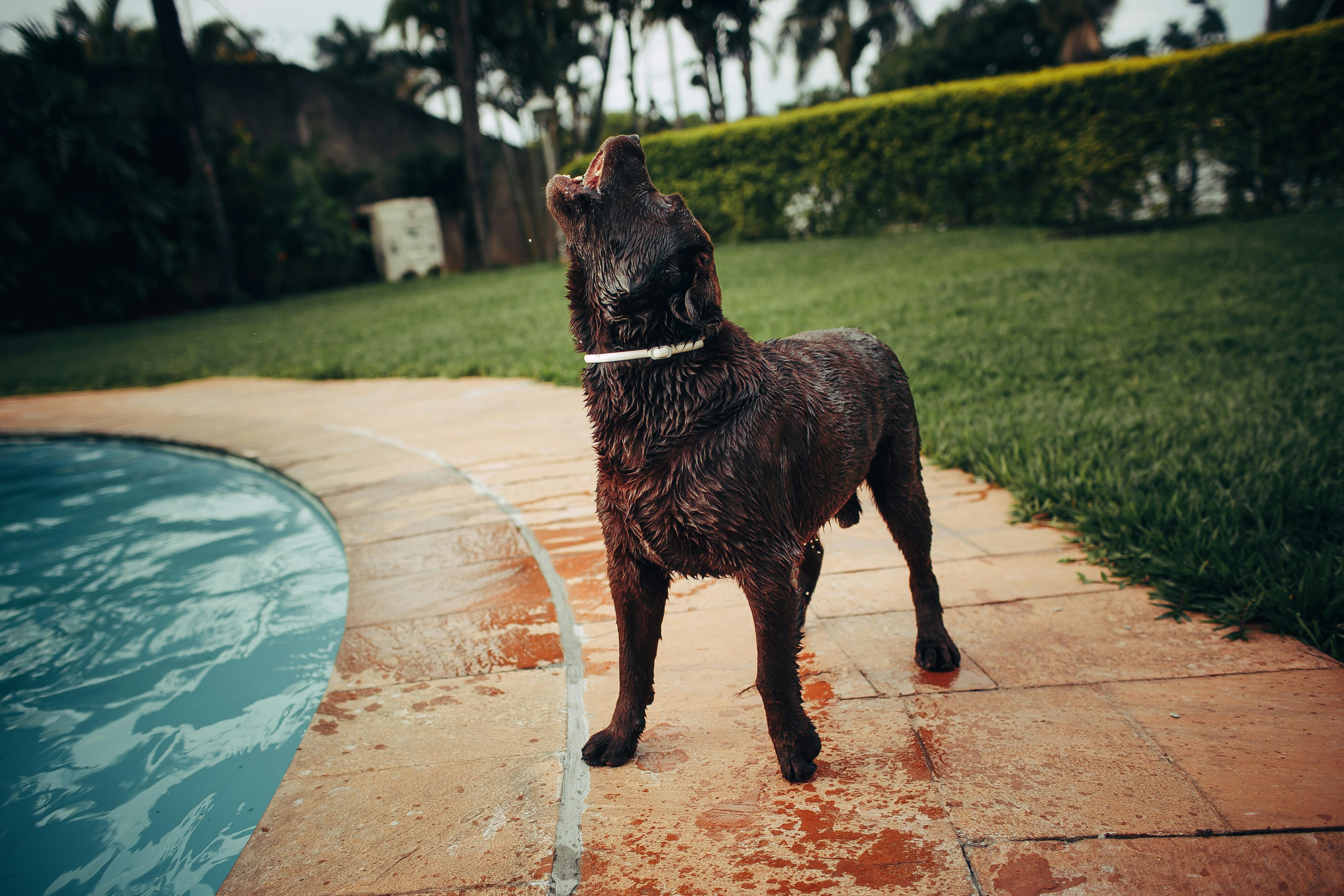
When we think about our furry friends, one question often pops up: why do dogs have wet noses? Is it a sign of health, or is there something more to it? Understanding the differences between wet and dry dog noses can help you become more in tune with your pet’s wellbeing.
The Basics of Dog Noses
Dog noses are fascinating organs. They contain an incredible amount of scent receptors, which allows dogs to smell far better than humans. A dog’s nose can be wet or dry, and each state can signal different things about their health.
Why Do Dogs Have Wet Noses?
Wet noses are not just cute; they serve important functions. Here’s a few reasons why dog noses are often wet:
Cooling Mechanism: Dogs don’t sweat like humans do. Instead, they cool themselves down through their noses. When a dog’s nose is wet, it evaporates moisture which helps regulate their body temperature.
Enhanced Smell: A wet nose helps capture scent particles in the air. This allows dogs to smell better, which is essential for their hunting instincts and social interactions.
Health Indicator: A wet nose can also suggest that a dog is healthy. However, it’s not a hard and fast rule. Wetness can vary based on factors like temperature, humidity, and even the dog’s activity level.
Wet vs. Dry Dog Noses: What’s Normal?
Most dog owners wonder what’s considered “normal.” Here’s a quick comparison of what wet and dry noses could mean:
Wet Nose:
- Often indicates a healthy dog.
- Usually cooler to the touch.
- Can change based on activity and environment.
Dry Nose:
- Can be normal, especially after sleeping.
- May indicate dehydration or illness if persistent.
- Sometimes signifies allergies or other conditions.
When to Be Concerned
A dog’s nose can change from wet to dry and back again throughout the day. However, there are times when a dry nose can signal a problem. Here’s some signs to watch for:
Persistent Dryness: If your dog’s nose stays dry for an extended period and seems cracked or flaky, that may indicate dehydration or health issues.
Change in Color: If the nose changes color, like turning pale or red, it could be a sign of stress or illness.
Behavior Changes: If your dog is lethargic, not eating, or showing other signs of distress along with a dry nose, it’s time to consult a veterinarian.
Factors Affecting Nose Wetness
Several factors can influence whether a dog’s nose is wet or dry. Here’s a list of common influences:
Weather Conditions: Humidity levels can impact moisture levels on a dog’s nose.
Activity Level: After running or playing, a dog’s nose may be wetter due to increased panting and saliva production.
Age: Older dogs may have drier noses compared to younger, more active pups.
Health: Illness or certain medications can lead to a drier nose.
Fun Facts About Dog Noses
Dogs have about 220 million scent receptors compared to humans’ 5 million. That’s why they can sniff out a treat from miles away!
The unique pattern on a dog’s nose is like a fingerprint for humans. No two dogs have the same nose print.
Dogs can even detect certain diseases, like cancer, through their sense of smell.
Practical Tips for Nose Health
Maintaining your dog’s nose health is just as important as any other part of their body. Here are some tips:
Hydration: Always ensure your dog has access to clean water to prevent dehydration.
Regular Vet Check-ups: Routine visits can help catch potential health issues early.
Environment Awareness: Be mindful of extreme temperatures that might dry out your dog’s nose.
Conclusion
Understanding the signs of health through your dog’s nose can make a significant difference in their overall wellbeing. Wet noses often indicate vitality and health, while dry noses can sometimes be a warning sign. Always keep an eye on your pet’s habits and consult your veterinarian if you notice any unusual changes. By being attentive, you can ensure your furry friend stays happy and healthy.
Conclusion
In conclusion, the wet noses of dogs serve several important functions that contribute to their overall health and well-being. As we’ve explored, moisture helps enhance their sense of smell, regulate body temperature, and even keep their noses clean and sensitive. This unique physiological trait not only aids in their everyday experiences but also strengthens the bond between dogs and their owners, as a wet nose often signifies affection and attentiveness. Understanding why dogs have wet noses deepens our appreciation for these beloved companions and reminds us of the fascinating ways they interact with the world. So the next time you greet your furry friend, take a moment to appreciate that wet nose—it’s a remarkable feature that plays a significant role in their lives. If you’re a dog owner or considering bringing a dog into your home, embrace the quirks that make each dog special, including their wonderfully wet noses!
