
Have you ever wonder why do dogs have wet noses? This intriguing question has baffled pet owners for ages. The truth behind your furry friend’s moist snout is not just a quirky trait; it serves important purposes! From enhancing their sense of smell to regulating their body temperature, the science behind a dog’s wet nose is both fascinating and essential for their health. Wet noses are often a sign of a happy and healthy pup, but did you know that they also play a role in communication? In this article, we’ll uncover the fascinating truth about why dogs have wet noses and what it means for their well-being. Is it just a cute feature, or is there more than meets the eye? Dive into the world of canine biology and discover how this seemingly simple characteristic is linked to your dog’s health and behavior. Whether you’re a new pet parent or a seasoned dog lover, understanding the purpose behind that wet nose can deepen your bond with your furry friend. So, are you ready to explore the mysteries of dog noses? Let’s get started!
The Science Behind Moisture: Why Are Dogs’ Noses Always Wet?
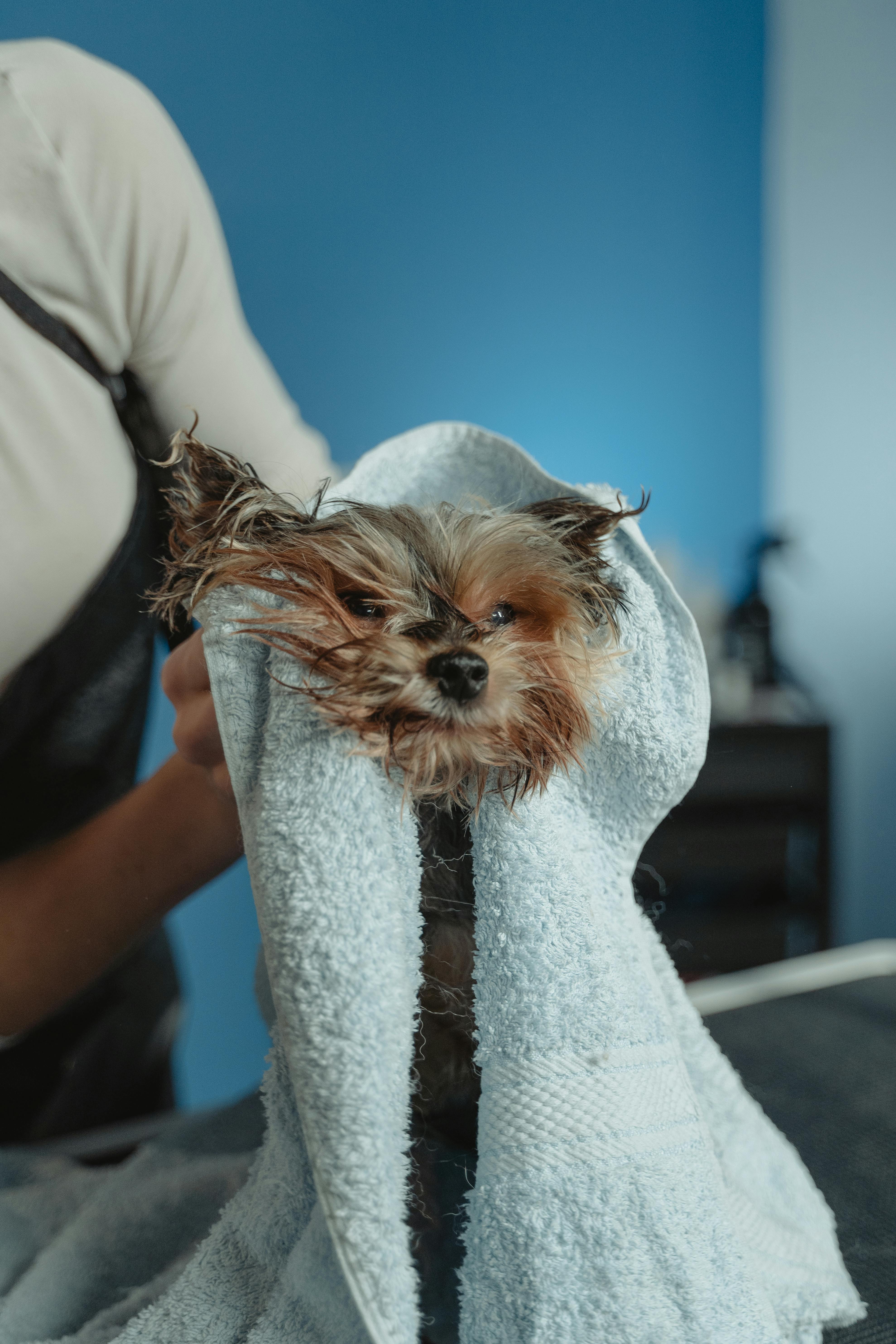
Have you ever wonder why dogs have wet noses? It’s one of those quirky things about our furry friends that seems to make sense, yet many of us don’t know the science behind it. Dogs noses are not just wet for no reason; it’s a fascinating feature that serves multiple purposes in their lives. Let’s take a closer look at this phenomenon and uncover the truths behind those moist noses.
The Science of Moisture
Dogs’ noses are typically covered in a thin layer of moisture. This is not just for show; it actually helps them sniff out the world better. The moisture on their nose enhances their sense of smell by trapping scent particles, allowing them to gather more information about their environment. In fact, a wet nose is crucial for a dog’s olfactory capabilities.
- Olfactory receptors: Dogs have up to 300 million olfactory receptors in their noses, compared to a human’s meager 5 million. This allows dogs to smell things that are undetectable to us.
- Scent detection: The moisture on the nose helps capture scent particles. When a dog licks its nose, it moistens the surface, making it easier for the dog to identify different scents.
Why Are They Wet?
Now, the question arises: why do dogs’ noses stay wet? Well, there are several reasons for this wetness:
- Licking: Dogs naturally lick their noses. This habit keeps their noses moist and helps them smell better.
- Temperature Regulation: Just like humans sweat, dogs use their noses to help regulate body temperature. The moisture evaporates and cools them down.
- Environmental Factors: Weather plays a role too. A dog’s nose might be wetter in humid conditions or after drinking water.
Historical Context of Wet Noses
Throughout history, dogs have evolved alongside humans, and their moist noses have been a part of that story. Ancient civilizations noticed that dogs with wet noses seemed healthier and more alert. This observation led to the belief that a wet nose indicated a dog was well. In contrast, a dry nose was often associated with illness. Though this isn’t always accurate, it has shaped our understanding of canine health.
Comparisons to Other Animals
It’s interesting to compare dogs’ noses to those of other animals. Here are some quick facts:
- Cats: Cats also have wet noses, but they don’t rely on their sense of smell as heavily as dogs do.
- Rabbits: Their noses are often moist as well, which helps them with scent detection, but they are not as adept as dogs.
- Humans: Humans have dry noses, and we rely primarily on our sense of sight instead of smell.
Practical Examples of Wet Noses in Action
Here are some common scenarios where a dog’s wet nose comes into play:
- Finding Treats: When you hide treats around the house, your dog uses its wet nose to sniff them out. The moisture helps them pick up the scent trails you can’t detect.
- Social Interactions: Dogs greet each other with nose touches, which is part of their social behavior. A wet nose can enhance this interaction by transferring scent information.
- Health Indicators: While not a definitive health indicator, a change in the wetness of a dog’s nose can signal something. For example, if a typically wet nose becomes dry and cracked, it could be a sign of dehydration or illness.
Fun Facts about Dog Nose Moisture
- Color Matters: The color of a dog’s nose can vary, but the moisture level usually remains consistent across breeds.
- Breed Variations: Some breeds, like Bulldogs and Boxers, may have less moisture due to their snouts being shorter.
- Dog’s Nose Print: Just like human fingerprints, every dog has a unique nose print. The moisture helps to create a clearer impression.
So, the next time you see your dog with that adorably wet nose, remember that it’s more than just a cute feature. It’s a vital part of their biology, helping them navigate the world in ways we can only begin to understand. Whether they’re sniffing out treats, greeting fellow canines, or regulating their temperature, those wet noses play an essential role in your dog’s life. In essence, it’s a small but significant aspect of what makes dogs so unique and endearing.
5 Surprising Reasons Your Dog’s Wet Nose Is a Sign of Good Health
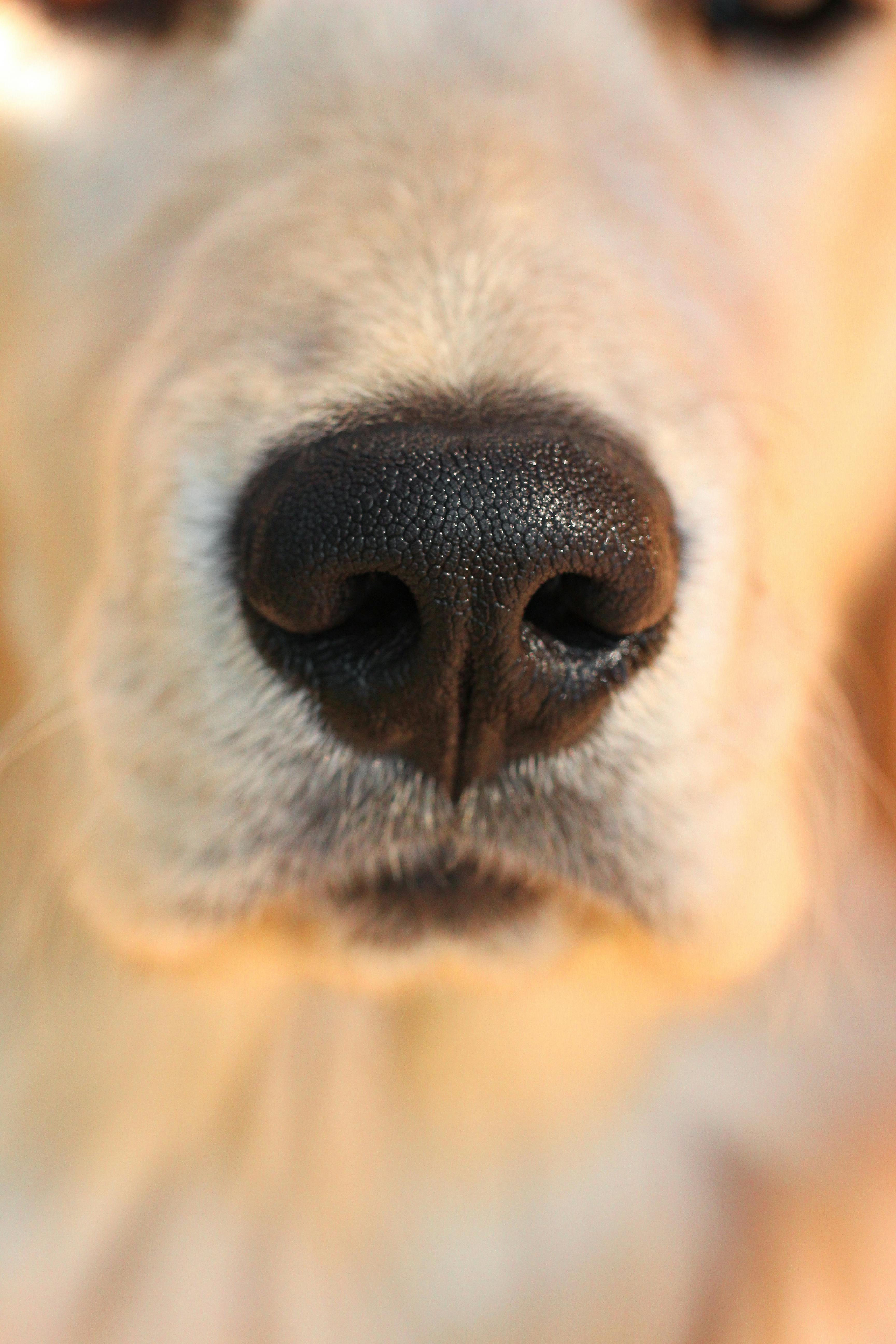
Dogs are often known for their expressive behaviors and traits, but one of the most endearing features is their wet noses. You might have wondered, why do dogs have wet noses? Surprisingly, this common trait isn’t just a quirky characteristic; it can indicate a lot about a dog’s health. Let’s dive into five surprising reasons why your dog’s wet nose is a sign of good health and uncover the fascinating truth behind it.
1. Temperature Regulation
Just like humans sweat to cool down, dogs also have their own ways to regulate body temperature. A wet nose helps them stay cool. When a dog’s nose is wet, it means they are able to dissipate heat more effectively. If it’s a hot day and your pup’s nose is moist, it’s a good sign that they are managing their body heat properly.
- Dogs have sweat glands only in their paw pads.
- The moisture on their nose helps with thermoregulation.
- A dry nose could indicate overheating or dehydration.
2. Enhanced Sense of Smell
Did you know that dogs have an incredible sense of smell? In fact, their noses are equipped with up to 300 million olfactory receptors. A wet nose helps to trap scent particles better. When a dog’s nose is moist, it captures more scents, enhancing their ability to detect smells in their environment.
- Wet noses pick up scent particles more efficiently.
- Dogs can smell up to 100,000 times better than humans.
- A moist nose contributes to their tracking and hunting skills.
3. Natural Defense Mechanism
A wet nose doesn’t just help with smell; it can also serve as a defense mechanism. The moisture on a dog’s nose is often attributed to mucous, which can help trap bacteria and other harmful particles. This means that a wet nose can actually act as a barrier against potential infections.
- Helps in trapping allergens and bacteria.
- Keeps the nasal passages moist and functional.
- A healthy nose is an important part of a dog’s immune system.
4. Indicator of Hydration
One of the simplest ways to gauge your dog’s health is by checking their nose. A wet nose is usually a sign that your dog is well-hydrated. When a dog is dehydrated, their nose may become dry and cracked, which could be a warning sign of health issues.
- A moist nose can indicate proper hydration levels.
- Dryness can signal illness, fever, or dehydration.
- Regular hydration is essential for overall health.
5. Signs of Happiness and Contentment
Have you ever noticed your dog’s nose getting wetter when they are excited or happy? A wet nose can often be a sign that your furry friend is feeling good! When dogs are happy, they tend to pant more, which can contribute to the moisture on their noses. This is especially true when they are playing or being affectionate.
- Happy dogs often have a moist nose.
- Excitement can lead to increased panting.
- A wet nose might just mean your dog is in a good mood!
FAQs About Dog Noses
Here are some common questions surrounding dog noses:
Q: Is a wet nose always a good sign?
A: Generally, yes, but it’s important to monitor other health indicators, too.
Q: Can a dog have a healthy dry nose?
A: Yes, some dogs may naturally have drier noses without any health issues.
Q: What if my dog’s nose is dry and cracked?
A: This can indicate dehydration or other health problems; a vet check is recommended.
Q: Should I be concerned if my dog’s nose suddenly becomes dry?
A: Sudden changes can be concerning; observe other symptoms and consult a vet if necessary.
Fun Facts About Dog Noses
- Dogs’ noses come in various colors, including black, brown, and even pink, depending on the breed!
- The unique patterns on a dog’s nose are like human fingerprints.
- A dog’s sense of smell is so strong that they can even detect certain diseases in humans.
Having a wet nose is just one of the many quirks that make dogs so special. It’s fascinating to see how this simple trait can reveal so much about a dog’s health and well-being. So the next time you give your furry friend a pat and feel that wet nose, remember, it’s not just adorable – it’s a sign of their good health!
Do Wet Noses Mean Happy Dogs? Exploring Canine Emotions and Behavior
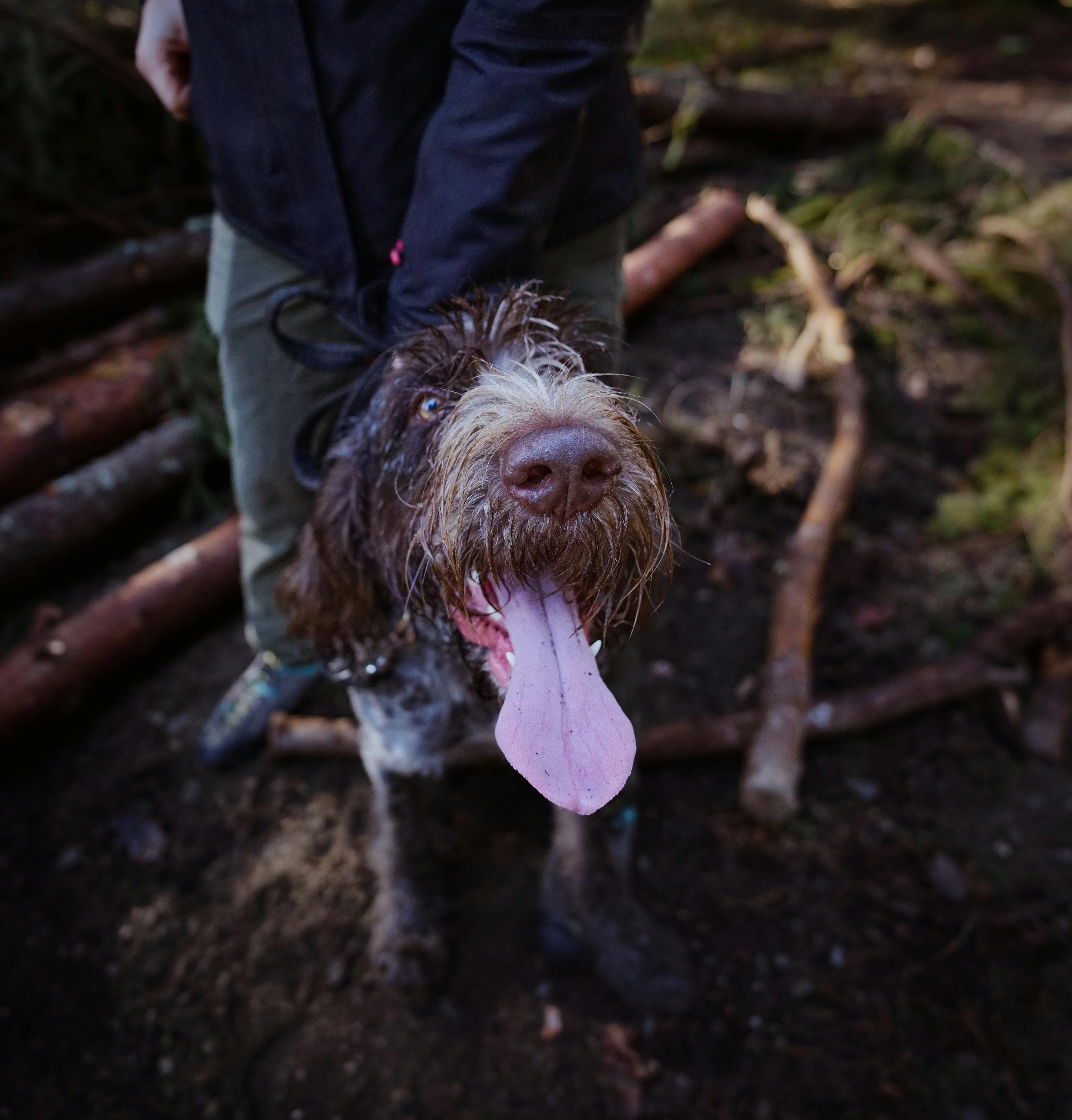
Many dog lovers often wonder if a wet nose is a sign of a happy dog. It’s a common belief that when a dog’s nose is moist, it indicates that they are feeling good. But is this true? Let’s explore the fascinating world of canine emotions and behavior, and also dive into why dogs have those wet noses in the first place.
Do Wet Noses Mean Happy Dogs?
While a wet nose can be associated with a dog’s overall well-being, it doesn’t always mean they are happy. Dogs communicate their feelings in various ways, and a wet nose is just one of those signals. Factors like temperature, humidity, and even the dog’s health also play a role in how wet their nose is.
- Happiness Indicators: Some signs of a happy dog include wagging tails, playful behavior, and a relaxed body posture.
- Wet Nose Misconceptions: A wet nose can also be a sign of stress or anxiety. If a dog is panting heavily while having a wet nose, they might be feeling uncomfortable.
Why Do Dogs Have Wet Noses?
Wet noses serve multiple purposes for dogs. Understanding these reasons can help dog owners better care for their pets and interpret their behavior.
Sense of Smell: Dogs have a strong sense of smell, and a wet nose enhances their ability to smell. The moisture on their nose helps to capture scent particles, making it easier for them to detect a variety of smells.
Temperature Regulation: Dogs don’t sweat like humans do. Instead, they regulate their body temperature through panting and, to some extent, through their noses. A wet nose can help cool them down.
Health Indicator: A dog’s nose can be an indicator of their health. A consistently dry or cracked nose may suggest dehydration or illness, while a healthy nose is often moist and cool.
The Science Behind A Dog’s Nose
Here’s a quick look at how dogs’ noses work:
Olfactory Receptors: Dogs have up to 300 million olfactory receptors in their noses, compared to about 6 million in humans. This makes their sense of smell exceedingly more sensitive.
Jacobsen’s Organ: This organ helps dogs detect pheromones, which are important for communication and social interactions.
Fun Facts About Dog Noses
Nose Prints: Just like human fingerprints, every dog has a unique nose print. This can be used for identification purposes!
Nose Color: The color of a dog’s nose can vary based on breed and genetics. Not all dogs have black noses; some have pink, brown, or spotted noses.
What Should Dog Owners Look For?
When it comes to interpreting a dog’s emotions and health based on their nose, here are some practical tips:
Monitor Moisture Levels: A healthy nose is usually moist. If your dog’s nose is dry for extended periods, it could signal a medical issue.
Watch for Changes: If a dog’s wet nose suddenly becomes dry, or if there are other symptoms like lethargy or loss of appetite, it might be time to consult a veterinarian.
Consider Environment: Dogs in hot climates may have drier noses, while those in humid environments often have wetter noses since they are more comfortable.
Comparisons: Happy Dogs vs. Unhappy Dogs
Here’s how to differentiate between a happy and unhappy dog based on their behavior and physical signs:
| Behavior/Physical Sign | Happy Dog | Unhappy Dog |
|---|---|---|
| Tail Position | Wagging and high | Tucked between legs |
| Body Language | Relaxed and playful | Tensed and stiff |
| Nose Condition | Moist and cool | Dry and warm |
| Overall Energy | Active and engaging | Lethargic and withdrawn |
How to Keep Your Dog’s Nose Healthy
Keeping your dog’s nose healthy is important. Here are some simple ways to ensure their nose stays in great shape:
Hydration: Always provide fresh water to keep your dog hydrated.
Regular Vet Check-ups: Ensure your dog has regular health check-ups to catch any potential issues early.
Limit Sun Exposure: Just like humans, dogs can get sunburned. Consider using pet-safe sunscreen if your dog has a light-colored or thinly furred nose.
Understanding what a wet nose means for your dog goes beyond just happiness. It’s a multifaceted aspect of their health and emotions. Regular observation of your dog’s behavior and nose condition can help you maintain their well-being and ensure they are happy and healthy companions.
How a Dog’s Wet Nose Enhances Their Sense of Smell: An In-Depth Look
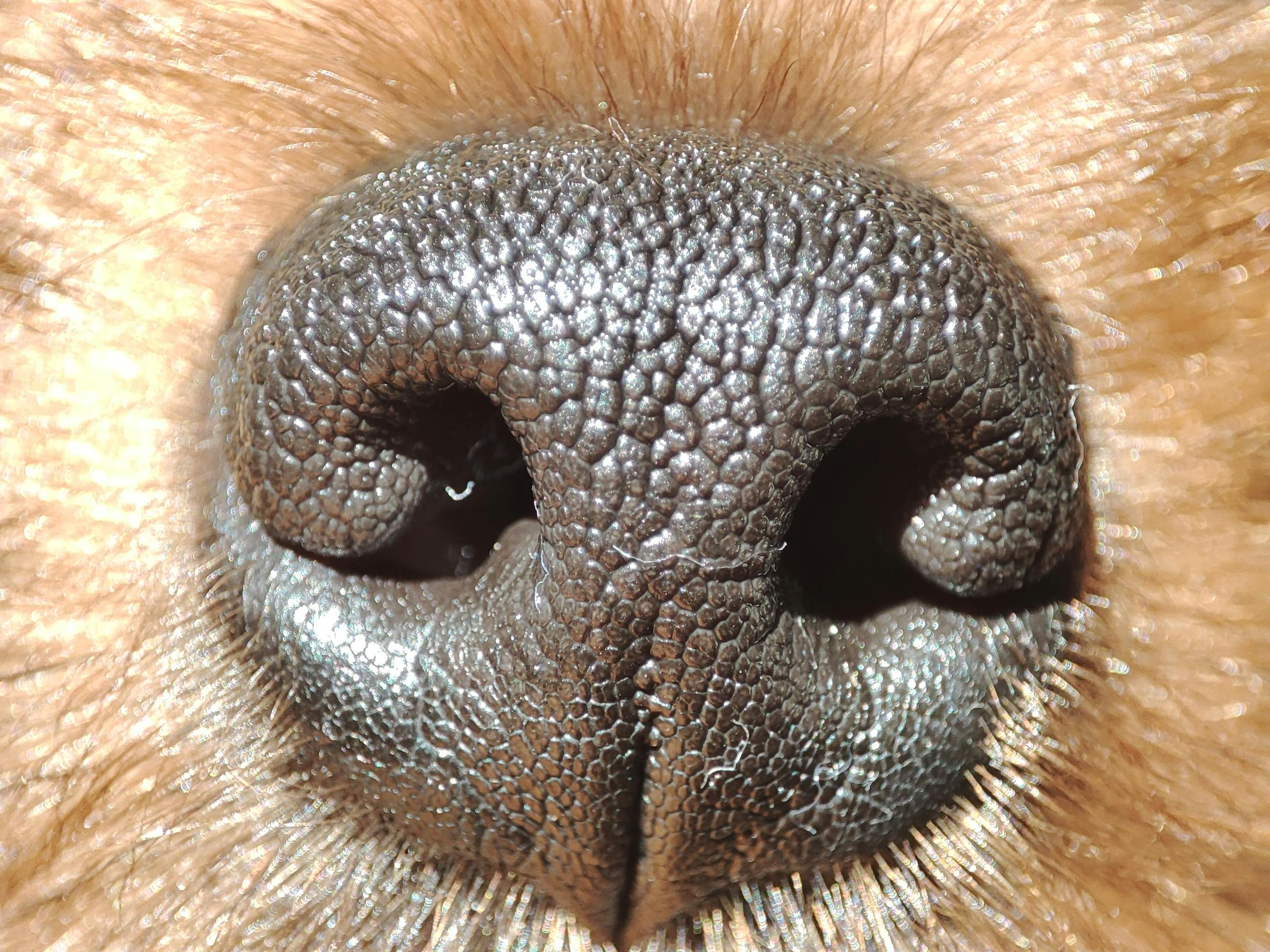
Dogs are known for many things, but one of the most fascinating aspects of their biology is their sense of smell. Have you ever wondered why dogs have wet noses? It turns out that the moisture on a dog’s nose plays a crucial role in enhancing their olfactory abilities. In this article, we explore how a dog’s wet nose enhances their sense of smell and uncover some intriguing facts about these beloved pets.
The Science Behind a Wet Nose
When a dog’s nose is wet, it helps them pick up scent particles from the air more efficiently. The moisture on the nose traps these particles, allowing the sensitive receptors inside the nose to detect them. This is why a dog can sniff out a treat buried in the backyard or track down a scent from a long distance away.
- Dogs have about 220 million scent receptors, compared to about 5 million in humans.
- Wetness amplifies the scent detection, making it easier for dogs to distinguish between different smells.
- The temperature of a wet nose can help dogs determine the freshness of a scent, which is essential for hunting or searching.
Historical Context of Dogs’ Noses
Historically, dogs have been bred for their incredible sense of smell. From hunting dogs to search and rescue dogs, their ability to detect scents has been utilized by humans for centuries. Ancient civilizations recognized that dogs could track scents over considerable distances, leading to their use in various roles such as hunting companions and guard animals.
- In ancient Egypt, dogs were often depicted with a heightened sense of smell, used to track game.
- During World War I, dogs were trained to locate injured soldiers using their olfactory skills.
- Today, dogs are employed in law enforcement to detect drugs, explosives, and even to locate missing persons.
The Role of Nasal Moisture
But why exactly do dogs’ noses need to be wet? Here’s a breakdown of the reasons:
- Increased Surface Area: The moisture increases the surface area, which helps capture more scent particles.
- Thermoregulation: A wet nose helps regulate a dog’s body temperature, cooling them down when they pant.
- Chemical Detection: The moisture helps dissolve certain scent compounds, making it easier for the dog to identify them.
How Dogs Use Their Scenting Abilities
Dogs are not just passively sniffing around; they actively interpret scents in their environment. Here are some ways they utilize their enhanced sense of smell:
- Detecting Emotions: Dogs can smell fear and anxiety in humans, which can impact their behavior.
- Navigating Their World: Dogs use scent to understand their environment, marking their territory and recognizing other animals.
- Hunting and Foraging: In the wild, dogs rely heavily on their sense of smell to find food and avoid predators.
Comparisons with Human Smell
To put into perspective how powerful a dog’s sense of smell is compared to humans, here’s a simple comparison:
| Feature | Dogs | Humans |
|---|---|---|
| Scent Receptors | 220 million | 5 million |
| Ability to Smell | 40 times better | Less sensitive |
| Detection of Scents | Can identify specific scents | Limited to obvious smells |
| Range of Scent | Up to several miles | Within a few feet |
Practical Examples of Wet Noses in Action
Dogs showcase their keen sense of smell in various practical scenarios:
- Search and Rescue: Dogs are trained to locate missing persons in disaster scenarios, often using their nose to track scents.
- Detection Work: Drug-sniffing dogs can identify illegal substances hidden in luggage or vehicles.
- Medical Detection: Some dogs can even detect diseases like cancer or diabetes through scent.
The next time you see a dog with a wet nose, remember that it’s not just adorable—it’s a vital tool that enhances their ability to smell. This unique feature of dogs is a testament to their evolution and their close relationship with humans. From ancient times to modern-day, dogs have shown us the incredible capabilities they possess, all starting with that little wet nose.
In a world where we often overlook the senses of our furry friends, understanding the science behind why dogs have wet noses can deepen our appreciation for them. So, whether you’re training a dog or just enjoying their company, keep in mind the fascinating truth behind their wet noses and the powerful sense of smell that comes with it.
The Myth of the Dry Nose: What Your Dog’s Nose Says About Their Health
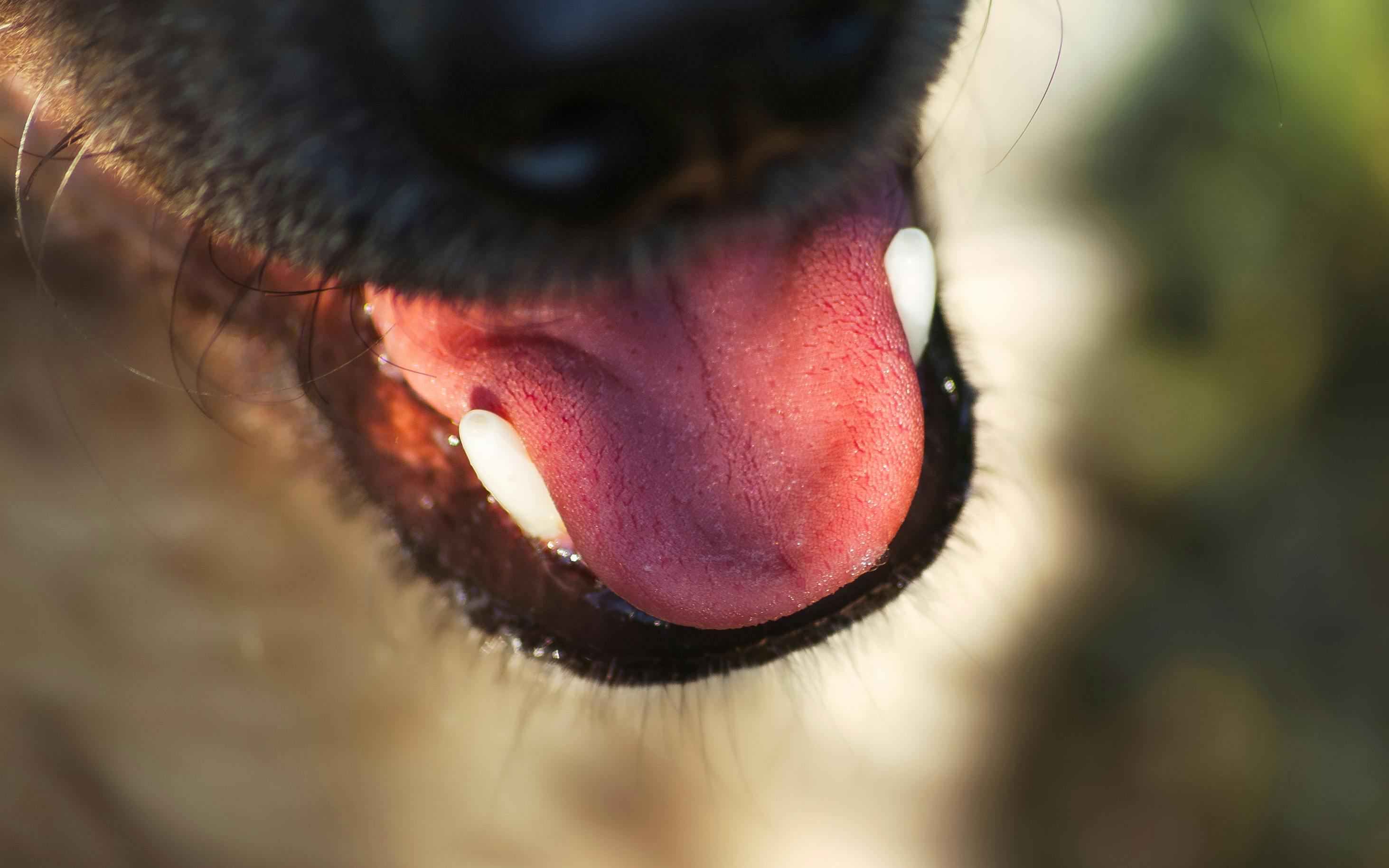
The myth of the dry nose in dogs is one that many pet owners believe without questioning. There’s a common perception that a wet nose indicates a healthy dog, while a dry nose suggests illness. But what does the science say about it? Why do dogs have wet noses in the first place? Let’s dive into this intriguing topic and uncover the fascinating truth about what your dog’s nose reveals about their health.
The Basics of Dog Noses
Dogs have a unique adaptation when it comes to their noses. Their noses are not just cute, they are complex organs that help them interact with the world. Here are some facts about dog noses:
- Anatomy: A dog’s nose contains millions of olfactory receptors, far more than humans have. This allows them to smell things we can’t even imagine!
- Moisture: The moistness of a dog’s nose helps enhance their sense of smell. When the nose is wet, it can trap more scent particles, which makes it easier for dogs to sniff out things.
- Temperature Regulation: Dogs also use their noses to help cool down. A wet nose can help them regulate their body temperature.
Why Do Dogs Have Wet Noses?
There are a few reasons why dogs’ noses are typically wet. One of the biggest reasons is the secretion of mucus. This mucus helps to absorb scent chemicals from the air. Here’s a breakdown:
- Mucous Glands: Dogs have mucous glands in their noses that produce moisture. This moisture helps enhance their ability to smell.
- Licking: Dogs often lick their noses, which keeps them wet. It’s a natural behavior that not only keeps the nose moist but also helps them to taste the scents they pick up.
- Environmental Factors: Weather can play a role too. Humidity can make a dog’s nose wetter, while dry conditions can lead to a drier nose.
The Misconception About Dry Noses
Many people think that a dry nose is always a sign of sickness. But this is not entirely true. There are various factors that can lead to a dog having a dry nose:
- Dehydration: A dog that isn’t drinking enough water may have a dry nose. Make sure your furry friend has access to fresh water!
- Weather Changes: Hot or dry weather can cause a dog’s nose to dry out. It’s not always a sign of illness.
- Age: Older dogs may naturally have drier noses due to aging skin and decreased moisture production.
What Dry Noses Might Indicate
While a dry nose isn’t always a cause for concern, there are some conditions that might warrant a trip to the vet. Here’s a list of potential issues linked to dry noses:
- Allergies: Just like humans, dogs can suffer from allergies that may lead to a dry or cracked nose.
- Infections: Certain infections can result in a dry nose, especially if accompanied by other symptoms like lethargy or loss of appetite.
- Autoimmune Disorders: In rare cases, a dry nose can be a symptom of a more serious condition, such as autoimmune diseases.
Monitoring Your Dog’s Nose
It’s important for dog owners to keep an eye on their pet’s nose. Here’s how you can monitor your dog’s nose health:
- Daily Check: Spend a few moments each day checking your dog’s nose for moisture, cracks, or any unusual changes.
- Look for Symptoms: If you notice other symptoms like coughing, sneezing, or a change in behavior, make sure to consult your vet.
- Hydration: Keep your dog well-hydrated, especially in hot weather. This can help maintain a healthy nose.
Fun Facts About Dog Noses
Did you know that dog noses are as unique as human fingerprints? Here are some fun facts you might not know:
- Nose Prints: Dog nose prints can be used for identification, just like fingerprints for humans!
- Color Variations: Dogs can have noses of different colors, from black to pink, depending on their breed and genetics.
- Thermal Imaging: Dogs can even detect changes in temperature with their noses, helping them sense things that are ‘off’ in their environment.
Understanding why dogs have wet noses and what a dry nose might mean can help you keep your furry friend healthy. While there are myths surrounding these features, it’s important to look beyond the surface and pay attention to overall health and behavior. Your dog’s nose is a fascinating aspect of their biology, and knowing how to interpret its signals can enhance your bond with your pet. Always consult with a veterinarian if you have any concerns about your dog’s health.
Wet Noses and Temperature Regulation: How Dogs Keep Cool

Dogs are known for their loyalty and companionship, but one of the most intriguing aspects of them is their wet noses. You might have noticed how your furry friend’s nose feels damp, and you may have wondered – why do dogs have wet noses? It’s not just a random quirk; there’s actually science and history behind it. In this article, we will delve into the reasons dogs keep their noses wet and how this feature helps them regulate their body temperature.
The Anatomy of a Dog’s Nose
Dog noses are fascinating organs. They are not just there for sniffing, although that’s a huge part of their job. Here are some key features:
- Moisture: Dog noses are covered with a thin layer of mucus. This moisture helps to trap scent particles, enhancing their sense of smell.
- Temperature Regulation: The wetness also plays a role in regulating body temperature. When a dog pants, moisture evaporates from the nose, helping to cool them down.
- Sensitivity: A dog’s nose contains around 300 million olfactory receptors, compared to a human’s 5 million. This makes their sense of smell incredibly powerful.
Why Do Dogs Have Wet Noses?
When you think about it, there are a few reasons why dog noses are wet. Here’s a breakdown:
Enhanced Smelling Ability: The wetness aids in capturing scent particles. When the nose is damp, it can absorb these particles better, which allows dogs to identify scents more accurately.
Cooling Mechanism: Dogs don’t sweat like humans do. Instead, they rely on other methods to regulate their body temperature. A wet nose helps cool them down. When the moisture evaporates, it has a cooling effect similar to how sweat works for humans.
Health Indicator: A wet nose is often considered a sign of good health in dogs. If a dog’s nose is unusually dry, it may indicate dehydration or illness. However, this isn’t a strict rule, and various factors can influence nose moisture.
Natural Behavior: Dogs often lick their noses, which keeps them moist. This behavior is instinctual, and it helps them maintain their olfactory abilities.
Historical Context of Dogs’ Noses
The evolution of dogs has led to the development of these wet noses. It is believed that the ancestors of modern dogs had similar features. Over time, domestication and breeding have emphasized traits that enhance a dog’s ability to hunt and track scents. Wet noses became a beneficial characteristic that has helped dogs survive and thrive alongside humans.
Temperature Regulation in Dogs
Understanding how dogs regulate their body temperature can be crucial for pet owners. Here’s a simple outline of how dogs keep cool:
- Panting: When dogs pant, they release heat through evaporation from their tongue and lungs.
- Wet Nose: As previously mentioned, the moisture on their noses evaporates and cools the blood vessels beneath the skin.
- Shade and Water: Dogs instinctively seek shade and water when they are hot. Providing fresh water and a cool place to rest is essential during warm weather.
Comparison: Dogs vs. Humans
Dogs and humans have different ways of regulating their body temperatures. Here’s a quick comparison:
| Feature | Dogs | Humans |
|---|---|---|
| Primary Cooling | Panting and wet noses | Sweating |
| Nose Moisture | Helps in scent detection and cooling | Generally dry |
| Olfactory Receptors | 300 million | 5 million |
Practical Tips for Dog Owners
As a dog owner, knowing how to keep your furry friend comfortable is very important. Here are some practical tips:
- Provide Fresh Water: Always have clean, cool water available. Hydration is key, especially in warm weather.
- Avoid Overexertion: On hot days, limit vigorous exercise. Opt for short walks during cooler parts of the day.
- Watch for Signs of Overheating: Look out for excessive panting, drooling, or lethargy. If your dog shows any of these signs, take immediate action to cool them down.
Dogs and their wet noses are truly fascinating. They are not just adorable features; they serve vital purposes in a dog’s life. Understanding the reasons behind a dog’s wet nose can help you become a more informed and responsible pet owner. Keeping your canine companion cool and healthy ensures they can continue to be the loyal friends we all cherish.
Is Your Dog’s Nose Too Wet? Understanding Normal vs. Abnormal Conditions

Is your dog’s nose too wet? This is a question that many dog owners ask themselves, and it might seem trivial, but the truth is, it can be quite important for your furry friend’s health. Dogs are known for their wet noses, and it’s often one of the first things people notice. But what does a wet nose really mean? And when should you be concerned? Let’s dive deeper into the fascinating world of dog noses and discover the truth behind wetness.
Why Do Dogs Have Wet Noses?
Dogs have wet noses for several reasons, and understanding these can help you gauge your pet’s health. Here are some key points:
Temperature Regulation: A wet nose helps dogs cool off. Dogs don’t sweat like humans do; instead, they rely on panting and their noses to regulate their body temperature. A moist nose can help them cool down.
Enhanced Sense of Smell: The moisture on a dog’s nose enhances their sense of smell. It helps trap scent particles, making it easier for dogs to detect various odors. This is why dogs are such great trackers and have an incredible sense of smell compared to humans.
Natural Cleaning: Dogs often lick their noses, keeping them clean and moist. This natural behavior helps maintain their sense of smell by clearing away dirt and debris.
Health Indicator: A dog’s nose moisture can be an indicator of their health. While a wet nose is typically normal, sudden changes to dryness or excessive moisture can signal potential health issues.
Normal vs. Abnormal Nose Conditions
Understanding what is normal for your dog’s nose versus what might be a cause for concern is crucial. Here’s a quick breakdown:
| Condition | Normal Characteristics | Abnormal Indicators |
|---|---|---|
| Wet Nose | Moist, cool, and often has a slight shine | Excessively wet, dripping, or slimy |
| Dry Nose | Slightly dry but not cracked or flaky | Cracked, flaky, or bleeding |
| Temperature | Generally cool to the touch | Hot or warm to the touch |
| Color | Pink or black, depending on the breed | Dark red, purple, or white patches |
If you notice any unusual changes, especially if accompanied by other symptoms like lethargy, loss of appetite, or coughing, it might be a good idea to visit the vet.
When Should You Worry?
There are times when a wet nose could indicate a problem. Some signs of trouble include:
- Excessive Moisture: If your dog’s nose is dripping wet constantly, it could be due to a respiratory infection or allergies.
- Dryness or Cracking: A dry or cracked nose can indicate dehydration, fever, or even a skin condition.
- Discoloration: If your dog’s nose changes color suddenly, it could be a sign of more serious health issues.
Fun Facts About Dog Noses
- Unique Patterns: Just like human fingerprints, every dog has a unique nose print. You could use this for identification!
- Temperature Sensitivity: Dogs can sense temperature changes in the environment due to the moisture on their noses.
- Medical Uses: Some studies have shown that dogs can be trained to detect certain diseases, including cancer, through their sense of smell.
Caring for Your Dog’s Nose
Taking care of your dog’s nose is essential. Here are some tips to ensure it stays healthy:
- Regular Checks: Make it a habit to check your dog’s nose regularly for any changes in texture or color.
- Hydration: Ensure your dog is well-hydrated, especially in hot weather. Dehydration can lead to a dry nose.
- Limit Sun Exposure: Just like humans, dogs can get sunburned. Use dog-safe sunscreen on their noses if they spend a lot of time in the sun.
Final Thoughts
Having a dog with a wet nose is typically a sign of good health, as it plays important roles in their well-being. However, being attentive to changes can make a significant difference in catching potential health issues early. Regular check-ups with your vet can help ensure that your furry friend stays healthy, happy, and nose-wet! Remember, while a wet nose is often normal, it’s always better to stay informed and proactive regarding your dog’s health.
The Role of a Dog’s Wet Nose in Communication: What They’re Trying to Tell You

If you ever noticed your dog’s wet nose, you might wonder, “Why do dogs have wet noses?” This question leads to a fascinating area of dog behavior and communication. Dogs, our loyal companions, have unique ways of expressing their feelings and needs. Their wet noses play a crucial role in this communication, revealing a lot about their emotional state and health. Let’s dive into the science and the reasons behind those damp, cool noses.
The Science Behind a Dog’s Wet Nose
Dogs have moist noses for multiple reasons. The first, and most important, is that it helps them smell better. Dogs have an incredible sense of smell, estimated to be anywhere from 10,000 to 100,000 times more sensitive than humans. A wet nose enhances this ability by trapping scent particles more effectively. This is because moisture helps to dissolve the chemicals in the air, which allows dogs to pick up on various scents a lot easier.
Here are some key facts about dog noses:
- Olfactory Receptors: Dogs have around 300 million olfactory receptors compared to a human’s 6 million.
- Nasal Structure: The structure of a dog’s nose is highly complex, providing a large surface area for scent detection.
- Temperature Regulation: Dogs also regulate their body temperature through their noses. When they pant, the moisture on their noses evaporates, cooling them down.
Why Do Dogs Have Wet Noses?
So, why do dogs have wet noses? The moisture that you often feel is a combination of mucus and saliva. It serves several purposes:
- Enhanced Smell: As mentioned, a wet nose helps them smell better by trapping scent particles.
- Communication: Dogs use their noses to communicate with each other and with humans. A wet nose can indicate excitement, curiosity, or even affection.
- Health Indicator: A wet nose is often a sign of a healthy dog. If a dog’s nose is dry or cracked, it might indicate dehydration or illness.
Communication Through Nose Wetness
Dogs express their feelings in various ways, and their wet noses are often part of this. Here’s what your dog might be trying to tell you when they nuzzle you with their wet nose:
- Affection: A gentle nudge with a wet nose can mean your dog loves you. They may be seeking attention or just want to be close.
- Curiosity: Dogs sniff everything, and a wet nose is just part of their exploration. If they poke their nose into your belongings, it’s just their way of getting to know you better.
- Comfort Seeking: When a dog is feeling anxious, they may nuzzle you with their nose as a way of seeking comfort.
Comparisons in Dog Communication
Dogs aren’t the only animals that communicate through their noses. Here’s a comparison of how various animals use their olfactory senses for communication:
| Animal | Communication Method |
|---|---|
| Dogs | Wet noses, sniffing, licking, nuzzling |
| Cats | Rubbing their faces, purring, scent marking |
| Horses | Nuzzling, strong sense of smell |
| Elephants | Infrasound and scent marking |
Practical Examples of Nose Communication
Understanding the context of a dog’s wet nose can help you interpret their feelings. Here are some scenarios:
- Greeting: When you come home, your dog might greet you with a wet nose. This could mean they missed you and are excited to see you.
- During Play: If your dog nudges you with their nose while playing, it’s likely an invitation to join in the fun.
- When They’re Sick: If your dog’s nose is unusually dry, it could be a sign they’re not feeling well. It’s worth checking in with a vet if you notice this change.
The Fascinating Truth About Dog Noses
The wet nose of a dog is more than just a cute feature; it’s a vital tool for communication and understanding their world. It connects them to their environment and helps them interact with humans and other animals. While it’s easy to overlook, the wetness of your dog’s nose carries a wealth of information about their health, emotions, and state of mind.
Next time you see your dog’s wet nose, remember all the interesting ways it contributes to their life and communication. It’s a small yet significant part of what makes dogs such amazing companions. Embrace the wet-nosed cuddles and the messages behind them, and know you’re engaging in a special form of canine communication.
Can a Dog’s Wet Nose Help Prevent Illness? Discover the Fascinating Facts
Dogs are some of the most beloved pets around the world, and their unique characteristics often spark curiosity. One of the most interesting features of dogs is their wet noses. Many people wonder, “Can a dog’s wet nose help prevent illness?” and “Why do dogs have wet noses?” This article explores the fascinating facts behind these questions and what it means for our furry friends.
Why Do Dogs Have Wet Noses?
Dog noses, being wet, serve several important functions. First, they play a vital role in a dog’s sense of smell. A wet nose helps to trap scent particles more effectively, enhancing their ability to detect various odors. This is why dogs can sniff out things that humans can’t even begin to imagine. Some of the reasons why dog noses are wet includes:
- Improved Olfactory Function: The moisture on a dog’s nose helps to capture scent molecules, improving their ability to smell.
- Cooling Mechanism: Dogs don’t sweat like humans do. Their wet noses help to regulate body temperature, especially on hot days.
- Health Indicator: A dog’s nose can indicate health; a dry or cracked nose may signal dehydration or illness.
The Science Behind the Wet Nose
Dogs possess special cells in their nasal passages called olfactory receptors, which are responsible for detecting different smells. They have up to 300 million of these receptors, compared to humans, who have only about 5 million. This huge difference explains why dogs can detect specific scents, including diseases in humans.
A wet nose also aids in the evaporation of moisture, helping to cool down a dog’s body temperature. This is particularly crucial during warm weather or after exercise.
Fun Facts About Dog Noses
- Dogs can smell up to 100,000 times better than humans.
- The shape and size of a dog’s nose can influence its sense of smell; breeds like Bloodhounds have a particularly keen sense of smell.
- A dog’s nose print is unique, much like a human fingerprint, and can be used for identification.
Can a Dog’s Wet Nose Help Prevent Illness?
While a dog’s wet nose itself does not directly prevent illness, it can be an essential tool for detecting health issues. Dogs have shown the ability to sniff out various medical conditions, including:
- Cancer: Some studies have indicated that dogs can detect certain types of cancer by sniffing samples.
- Diabetes: Canines can sense changes in blood sugar levels through their owner’s breath or sweat.
- Infections: Dogs might help detect bacterial infections or other illnesses by identifying specific odors associated with these conditions.
Historical Context
Historically, dogs have been used for their keen sense of smell for thousands of years. They were employed in hunting, search, and rescue missions, and even in police work. The ability of dogs to detect various scents has led to their roles in medicine, such as in detecting diseases like cancer and diabetes.
Keeping Your Dog’s Nose Healthy
Ensuring your dog’s nose is healthy is important. Here are some practical tips:
- Hydration: Make sure your dog drink enough water to keep their nose moist.
- Regular Vet Check-ups: Regular check-ups can keep an eye on any potential health issues indicated by a change in nose condition.
- Monitor for Changes: If your dog’s nose becomes excessively dry, cracked, or shows other changes, consult a veterinarian.
Comparison Table: Wet vs. Dry Dog Nose
| Feature | Wet Nose | Dry Nose |
|---|---|---|
| Scent Detection | Better at capturing scents | Less effective at detection |
| Temperature Regulation | Helps cool down | Can indicate overheating |
| Health Indicator | Usually normal | May signal dehydration or illness |
The Importance of Nose Health
Dog owners should pay attention to their pets’ noses. A healthy, wet nose often indicates a happy, well-hydrated dog. If something seems off, like dryness or cracking, it can be a sign of underlying health issues that need addressing.
In summary, while a dog’s wet nose may not directly prevent illness, it plays a significant role in their overall health and wellbeing. It enhances their sense of smell, aids in thermoregulation, and can even help indicate when something is wrong. So the next time you see your pup with their cute, wet nose, remember that it’s not just an adorable trait, but a vital part of their biology that keeps them connected to their environment and potentially helps them keep us healthier too.
7 Fun Facts About Dogs’ Wet Noses That Will Amaze Every Dog Lover
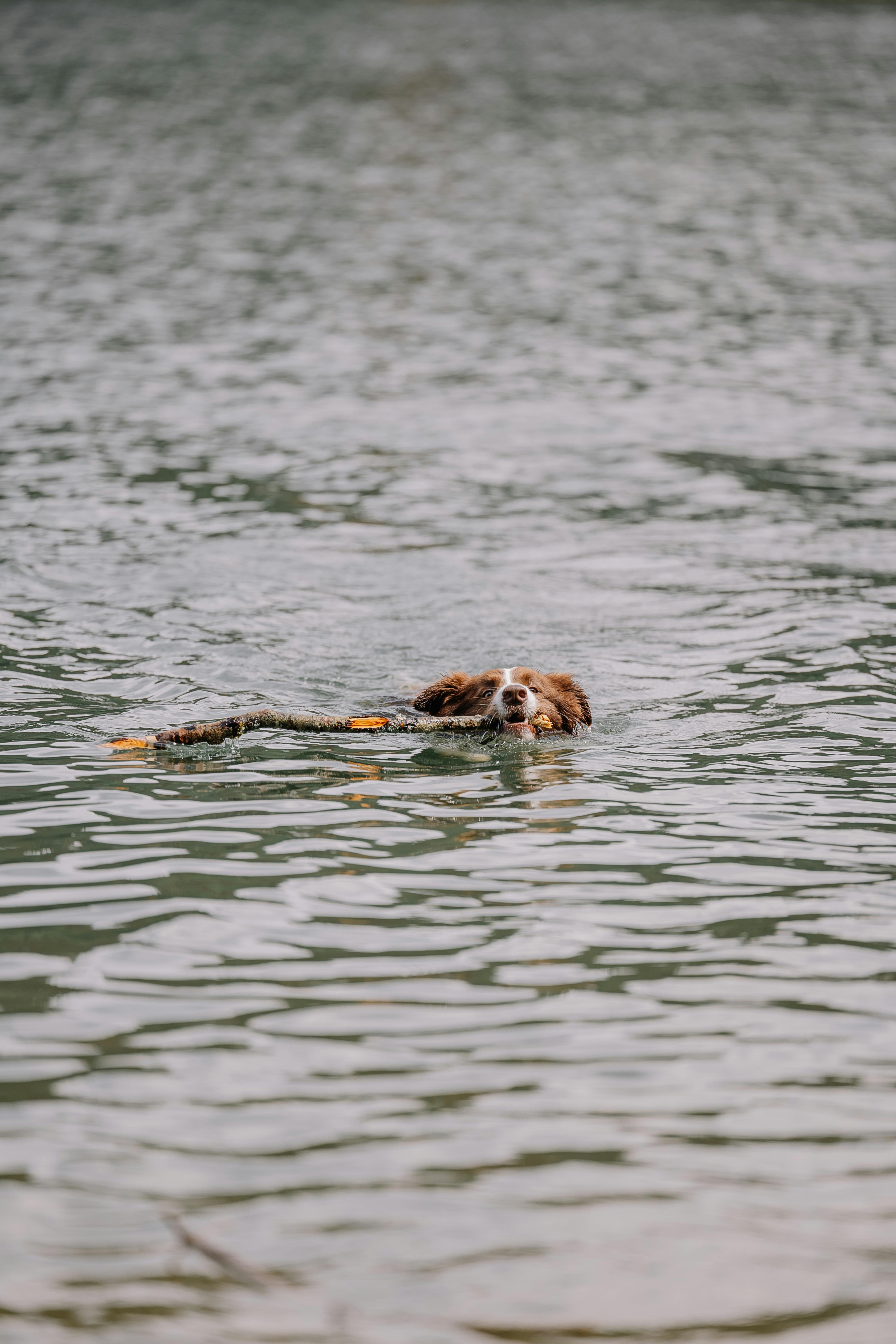
Dogs are many things to us – companions, protectors, and even family members. But one of their most distinctive features is their wet noses. Ever wonder why? Well, you’re in for a treat! Here’s 7 fun facts about dogs’ wet noses that will amaze every dog lover. Let’s uncover the fascinating truth behind why do dogs have wet noses!
1. The Science Behind the Moisture
Dogs noses are wet for a reason, and it’s not just for show. The moisture on a dog’s nose helps with their sense of smell, which is incredibly strong. When the nose is damp, it can capture scent particles better. This is because moisture helps to dissolve the chemicals in the air, allowing the dog to detect smells more effectively. So, next time your pup sniffs out that hidden treat, remember, it’s all thanks to that wet nose!
2. Temperature Regulation
Did you know that dogs use their noses to help regulate their body temperature? Unlike humans, who sweat to cool down, dogs sweat very little. Instead, they rely on their noses to dissipate heat. When a dog is hot, their nose often becomes wetter. This moisture evaporates, helping to cool them down. So when you see your dog’s nose glistening, it might just be them trying to keep their cool!
3. Unique Nose Prints
Just like human fingerprints, every dog has a unique nose print. The patterns of ridges and creases on a dog’s nose are as distinctive as a human fingerprint. Scientists could use these patterns for identification purposes, if they ever needed to! It’s pretty amazing to think about how every dog has its own special mark, isn’t it?
4. Health Indicators
The condition of a dog’s nose can also be an indicator of their health. A healthy dog’s nose is usually moist and cool, while a dry or cracked nose might signal dehydration or illness. But, it’s not always a straightforward sign. Some breeds, like Bulldogs, can often have dry noses naturally, so it’s important to know your dog’s normal state.
5. Dogs and Their Sense of Smell
Dogs have an incredible sense of smell, which is about 40 times better than humans! Their noses contain up to 300 million smell receptors, compared to a human’s 5 million. The wetness of their noses enhances this ability, making them excellent trackers and searchers. This is why dogs are often used in search and rescue operations, drug detection, and even in tracking diseases like cancer.
6. The Nose Knows, But Why Wet?
So, why do dogs have wet noses in the first place? The moisture serves multiple purposes, as mentioned earlier, but it also helps them cool off. When dogs lick their noses, it adds to the moisture, which helps them catch more scents. It’s a fascinating cycle of nature, with evolution playing a big part in it.
7. Breeds and Their Nose Differences
Different breeds can have different nose characteristics. Some breeds, like the Bloodhound, have extremely long and droopy noses that are very effective for scent tracking. Others, like Pugs or Bulldogs, have shorter noses which may affect their ability to smell. But regardless of the breed, a dog’s wet nose is part of what makes them unique and special.
Fun Facts Summary
Here’s a quick summary of the amazing facts about dogs’ wet noses:
- Moisture helps enhance their sense of smell.
- Dogs use their noses for temperature regulation.
- Every dog has a unique nose print.
- The state of a dog’s nose can indicate health.
- Dogs have a much stronger sense of smell than humans.
- The wetness of the nose is crucial for scent detection.
- Different breeds have varying nose characteristics.
Incorporating these fun facts into your conversations about dogs can spark interesting discussions and deepen your appreciation for these furry friends. So next time you’re cuddling with your pup or watching them sniff the world around them, take a moment to marvel at their wet noses and all the amazing things they do! It’s a small but fascinating part of what makes dogs so special.
Conclusion
In conclusion, the wet noses of dogs serve several essential purposes, ranging from enhancing their sense of smell to regulating body temperature. A dog’s nose is not only an indicator of their emotional state but also a crucial tool for communication and interaction with their environment. The moisture on their noses helps to capture scent particles, making their already impressive olfactory abilities even more acute. Additionally, the cooling effect of a wet nose aids in thermoregulation, ensuring that dogs remain comfortable in varying temperatures. Understanding the significance of your dog’s wet nose can deepen the bond you share and help in monitoring their health. So next time you notice your furry friend’s moist nose, remember its vital role in their well-being and behavior. If you’re curious about your dog’s health, make it a habit to observe their nose regularly and consult a veterinarian if you notice any unusual changes.
